Australia’s No. 1 Used Car Review Website
Australia’s No. 1 Used Car Review Website
+44 Photos
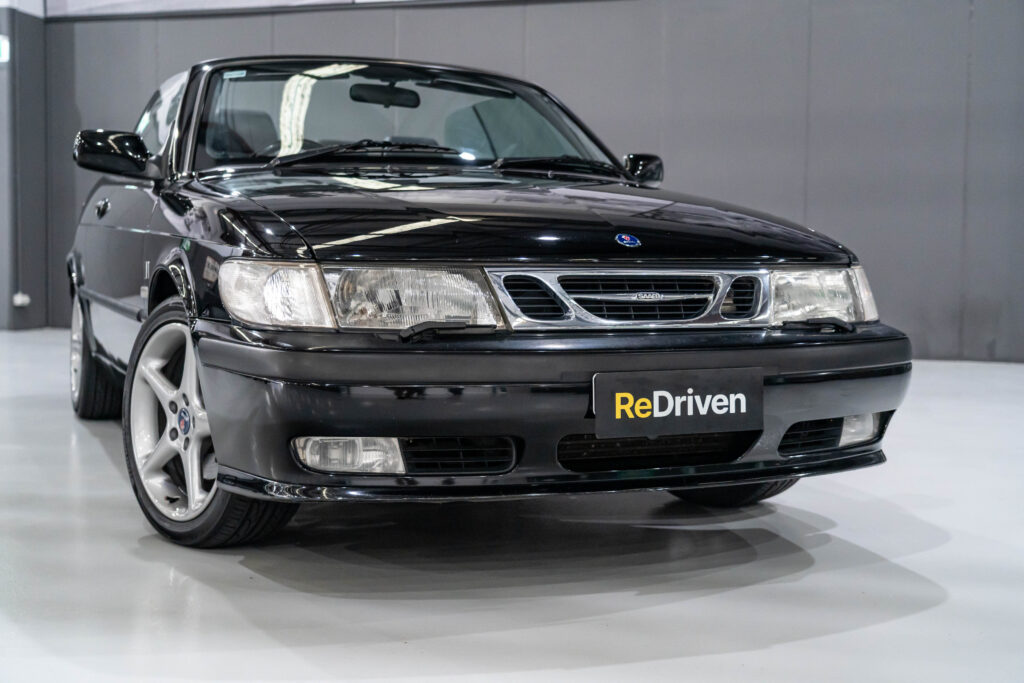
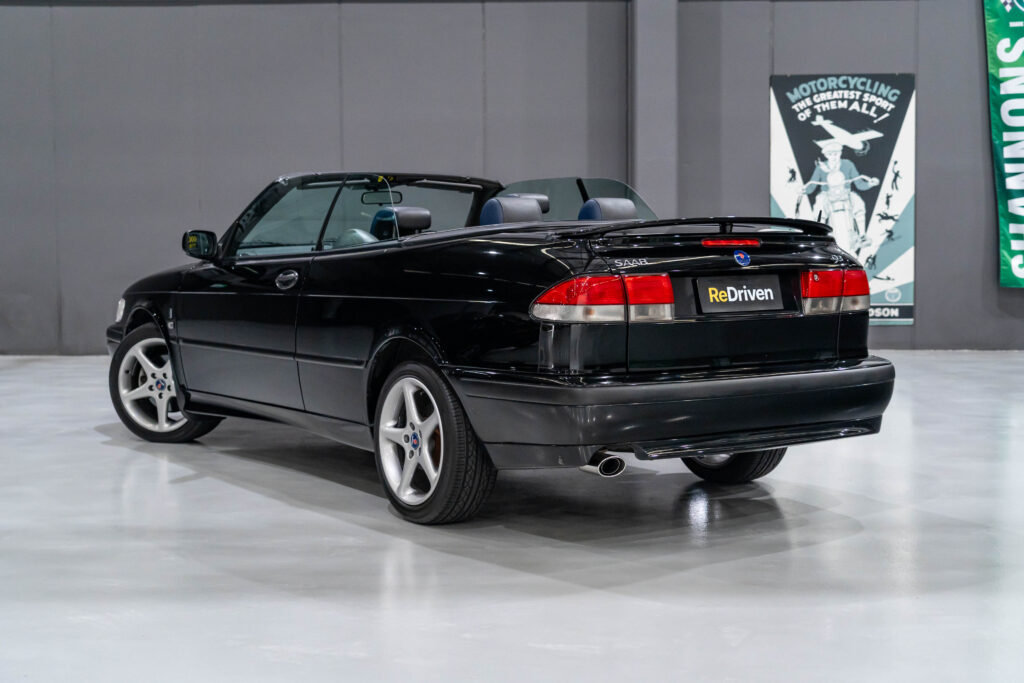
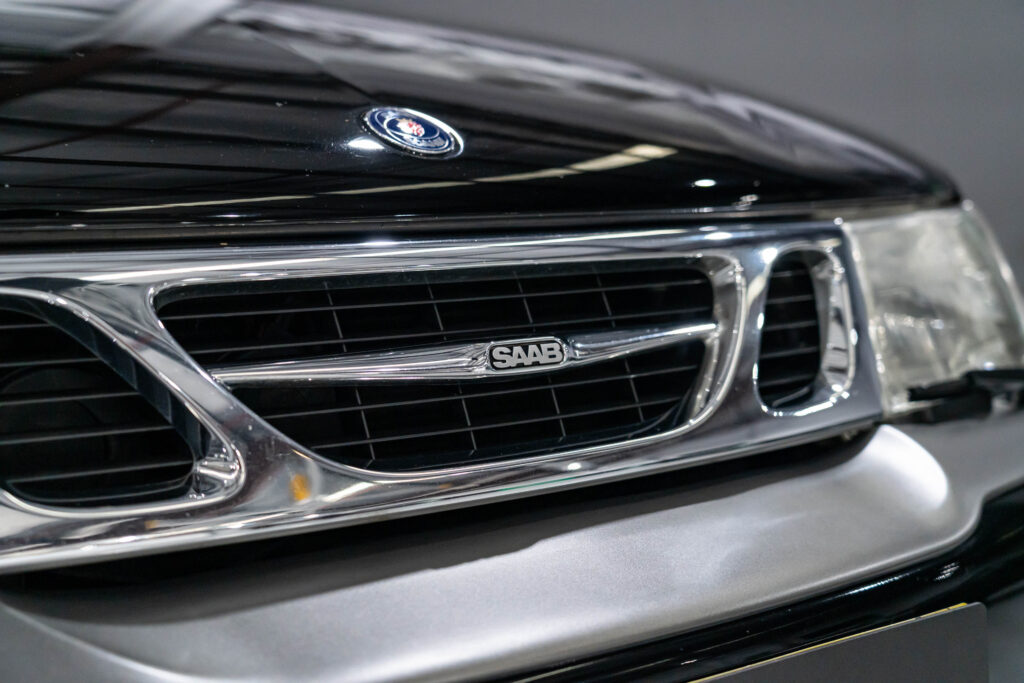
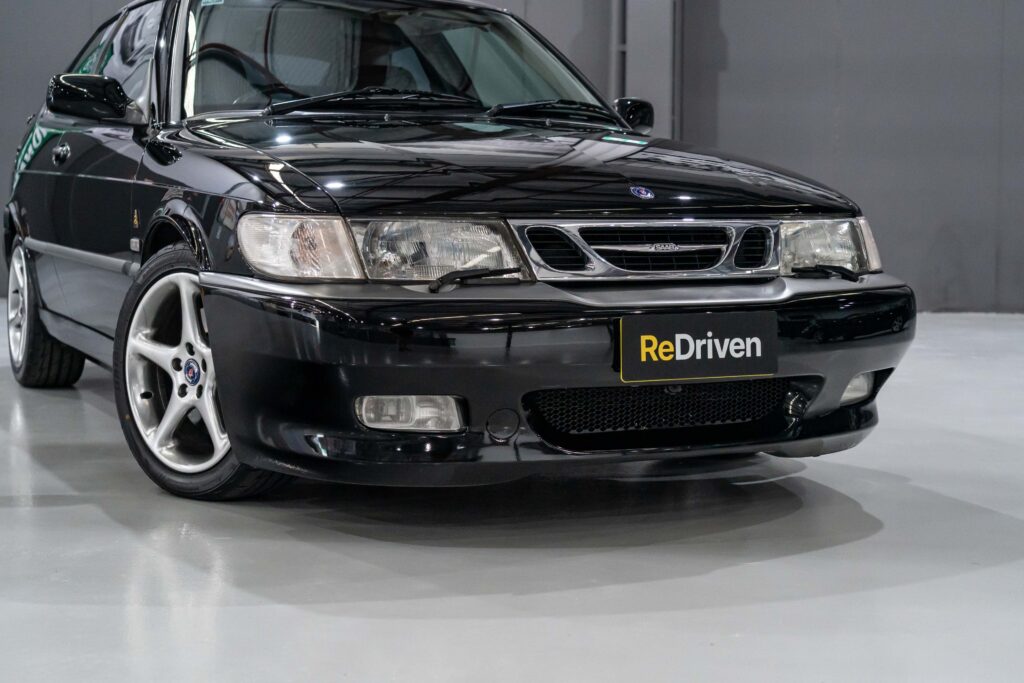
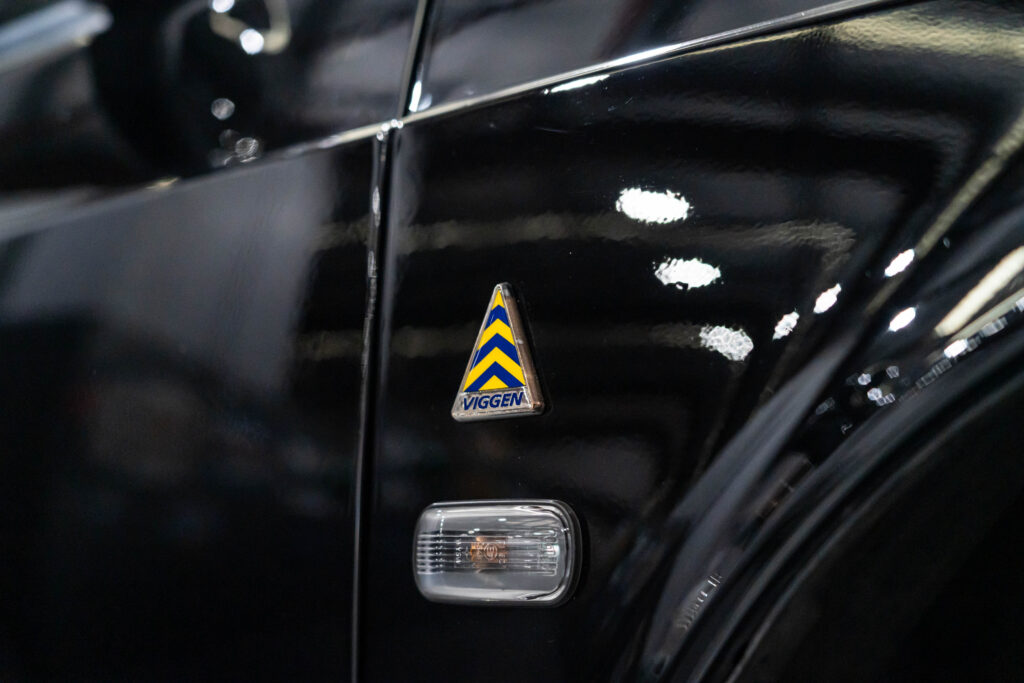
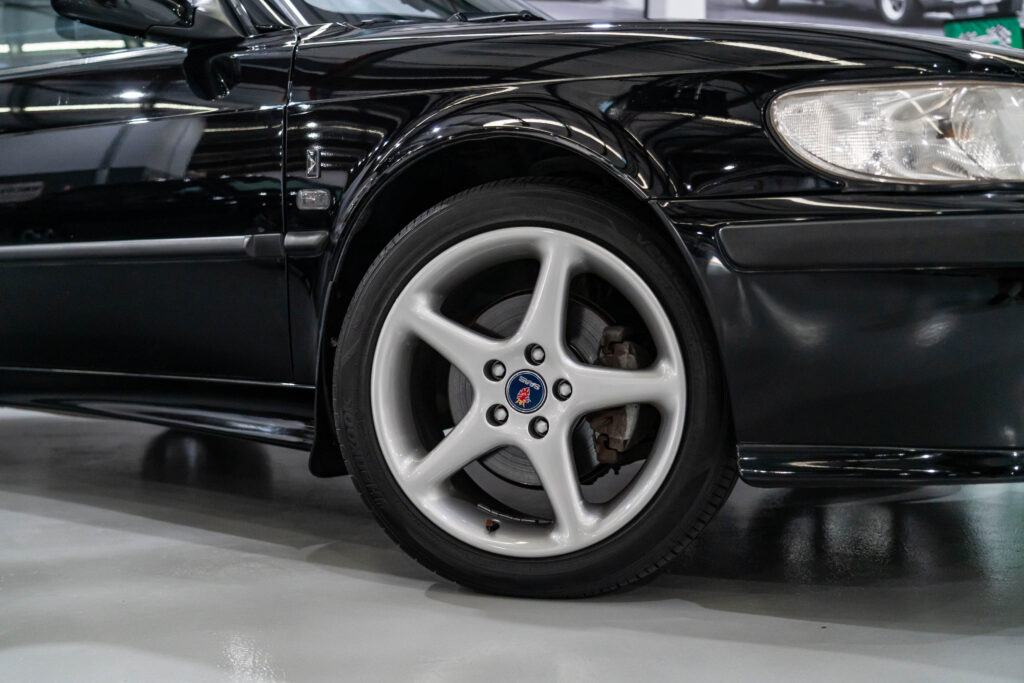
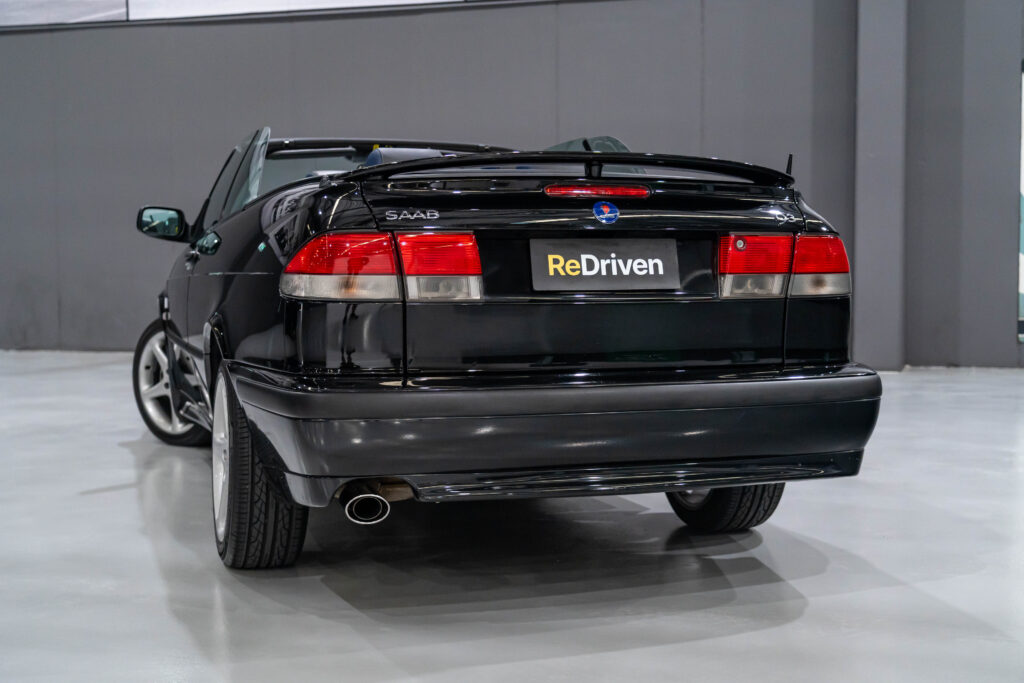
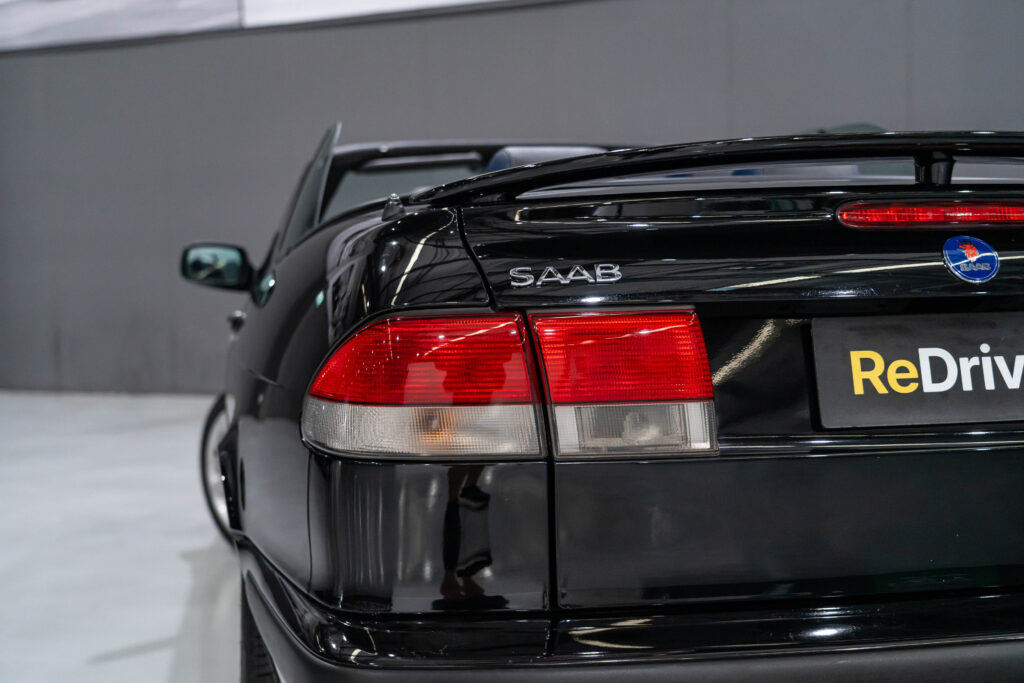
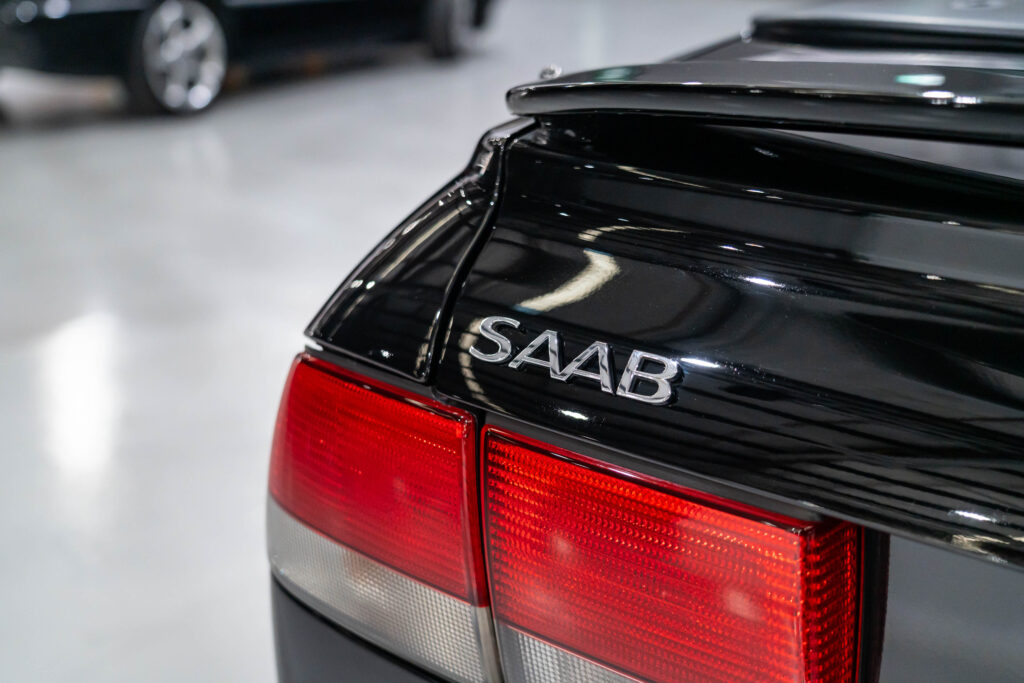
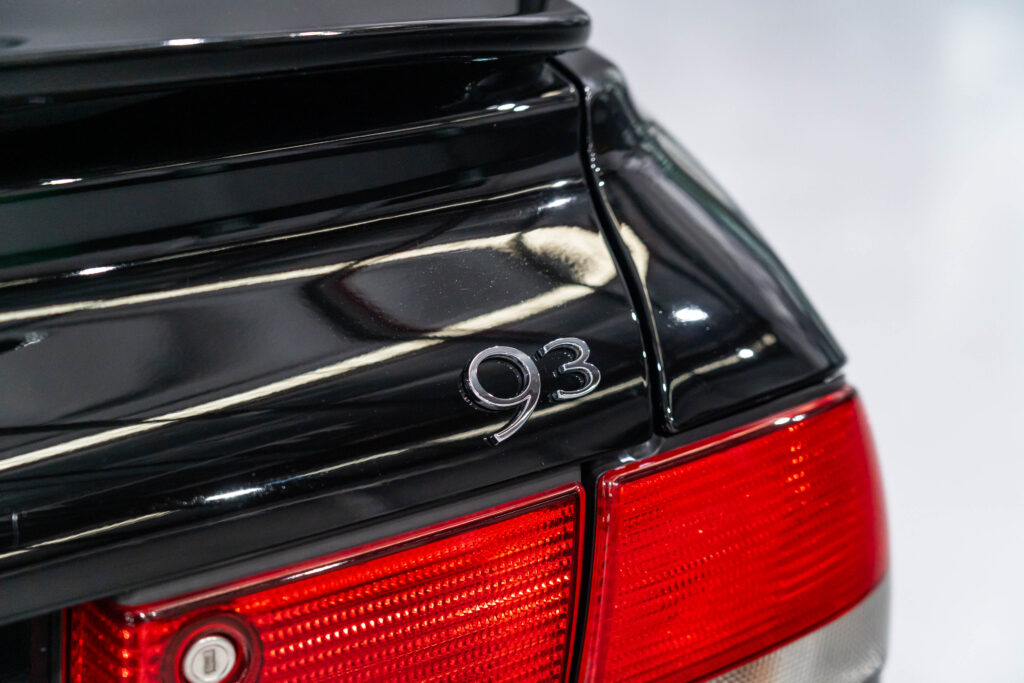

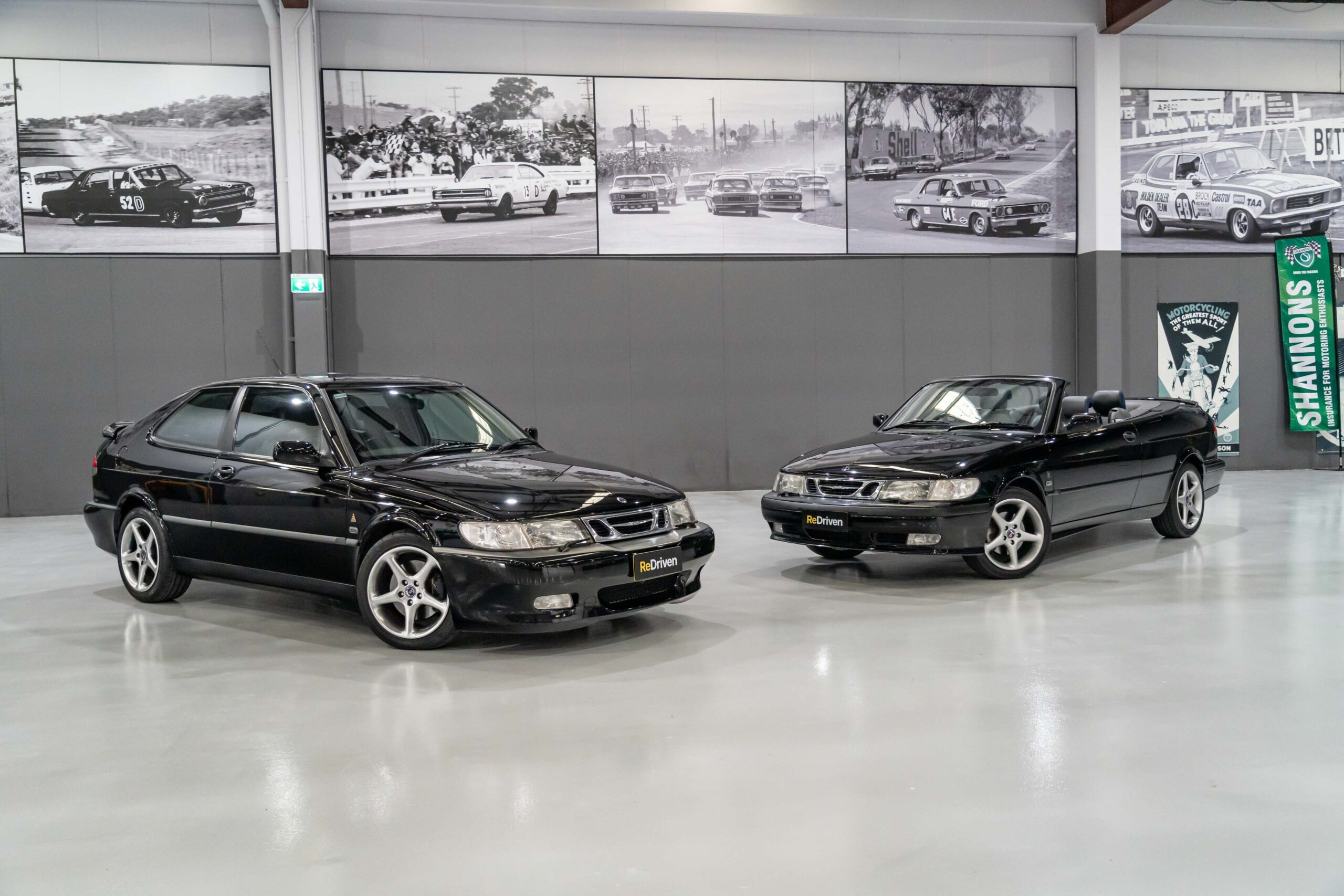
2001 Saab 9-3 Viggen

05 June 2026
Probably not.

2001 Saab 9-3 Viggen

Used car review
05 June 2026
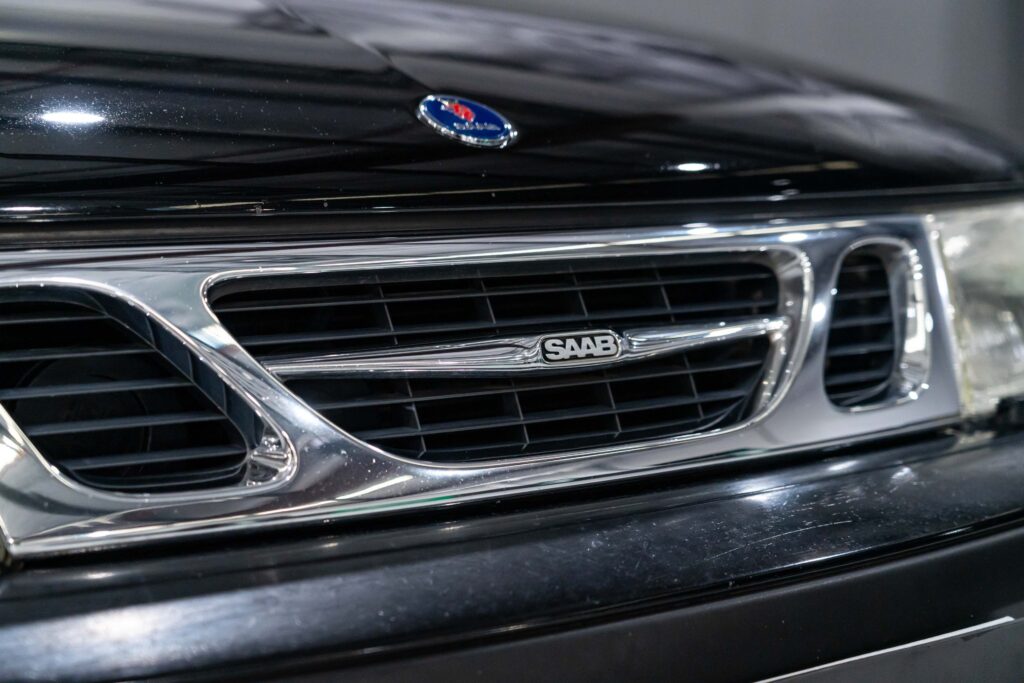
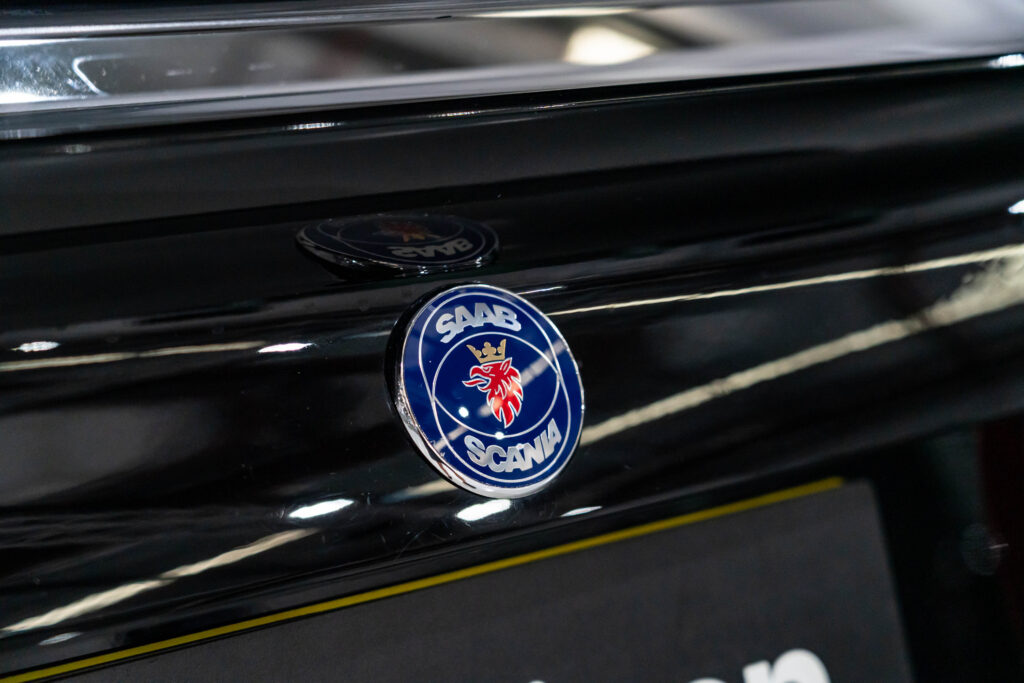
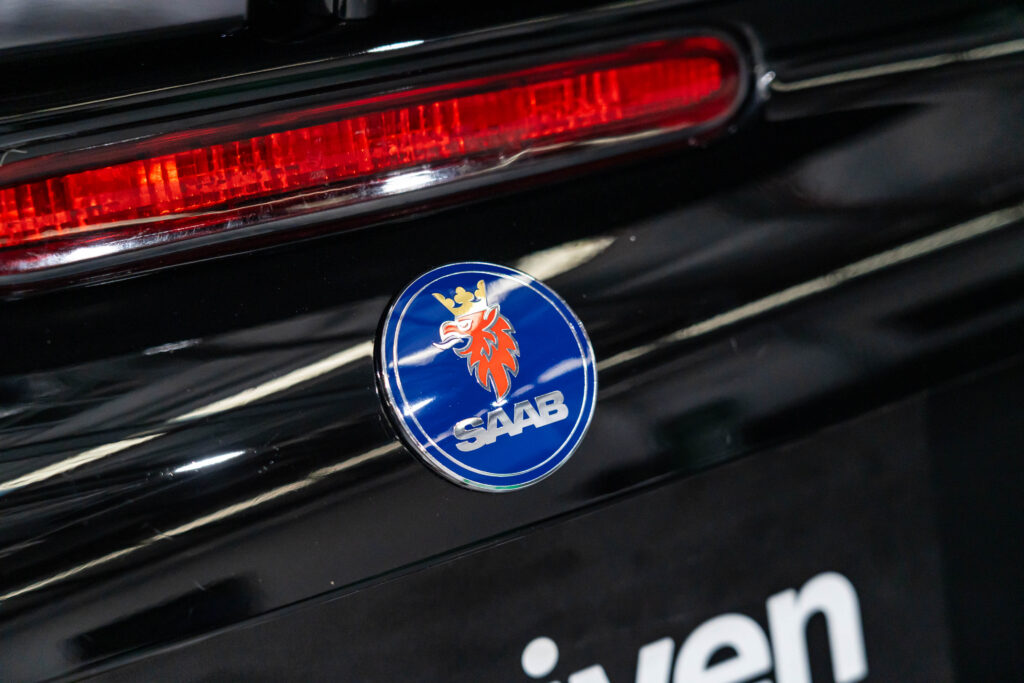
The Saab 9-3, a model from the Swedish manufacturer that prided itself on its roots within the aviation industry, which it routinely emphasised in marketing of its vehicles as being ‘born from jets’.
After all, one of their famous taglines was: “Only one aircraft manufacturer makes cars: Sierra Alpha Alpha Bravo [SAAB].
The first-generation Saab 9-3 (also known as the ‘OG’/old-generation 9-3/9400) was produced from 1998 to 2003, as a successor to the preceding Saab 900.
As with other Saab products of this period, the 9-3 shared a lot in common with other General Motors vehicles, including the same underpinnings as the Opel (Holden) Vectra B (1995-2002), while the Swedish brand continued to develop and implement its own engines.
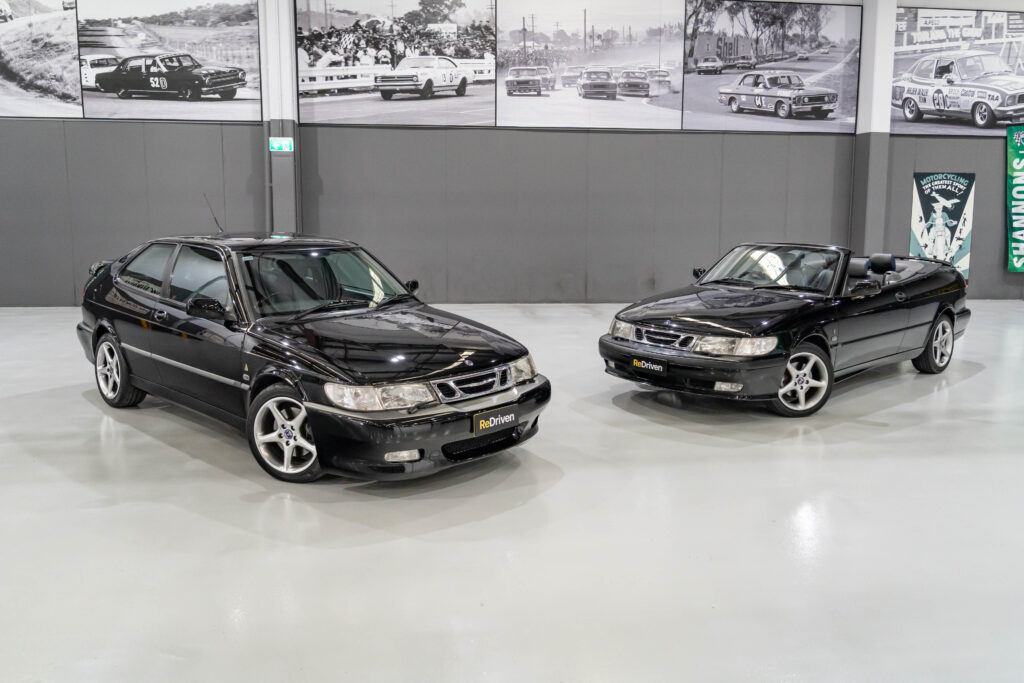
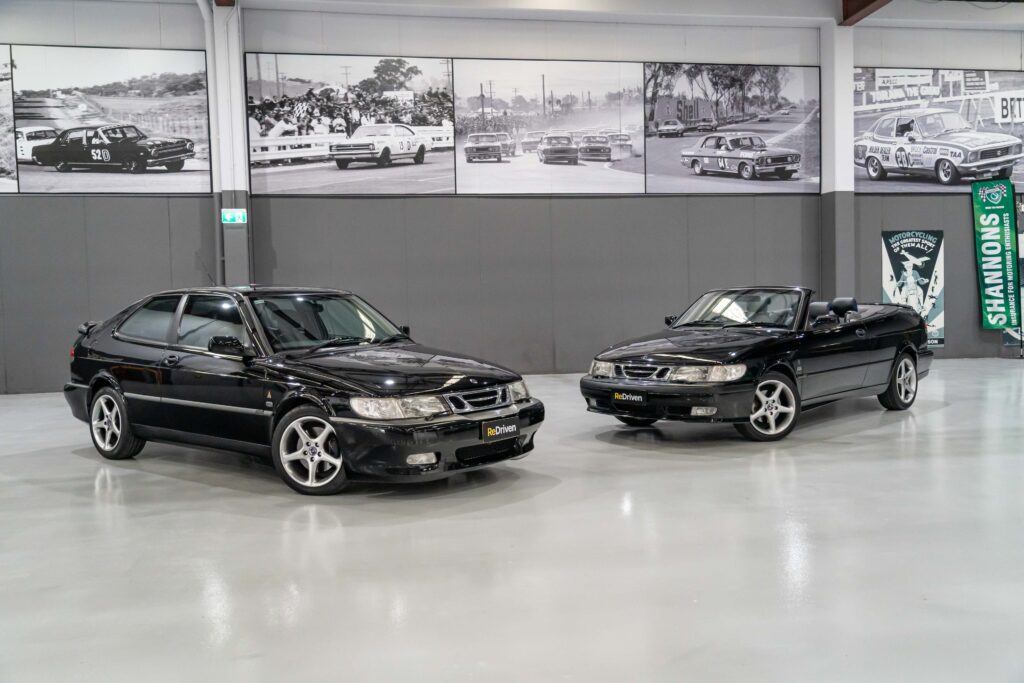
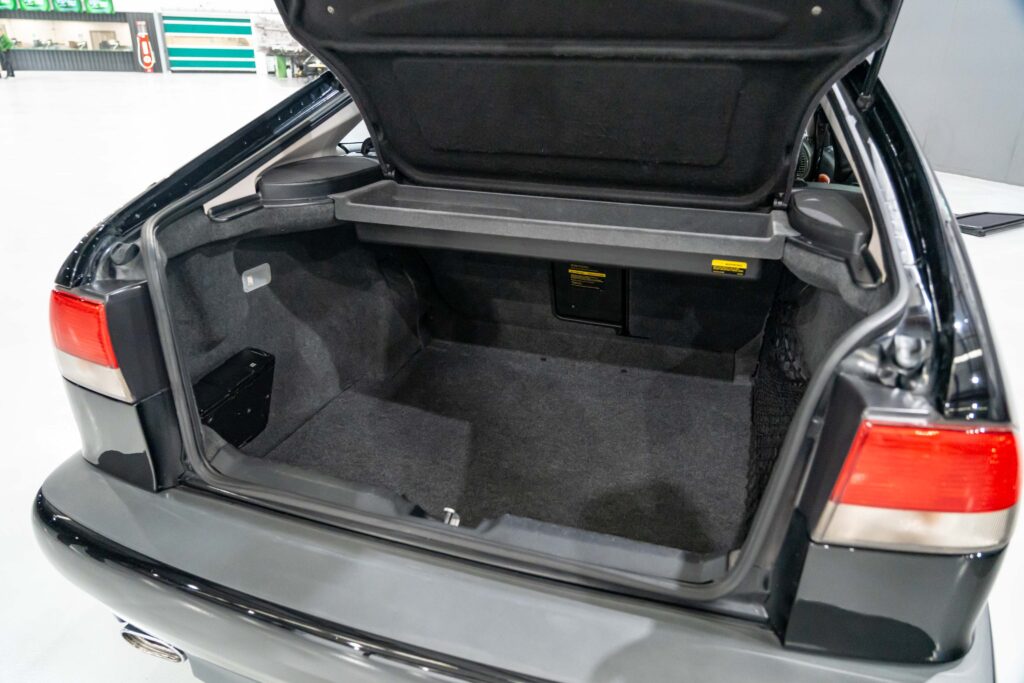
Like other regions, the Australian market received the first-gen 9-3 as a three/five-door hatchback and a two-door coupe. Engines included petrol turbocharged/non-turbo four-cylinders and a turbodiesel four-cylinder, sending power to the front through a manual or automatic transmission.
While this iteration of the 9-3 remained largely the same across all years, it did experience a small mid-cycle update for cars made after MY2000 that largely revised some powertrain components (engine management system, electronics), suspension tuning, and some aspects of the cabin design.
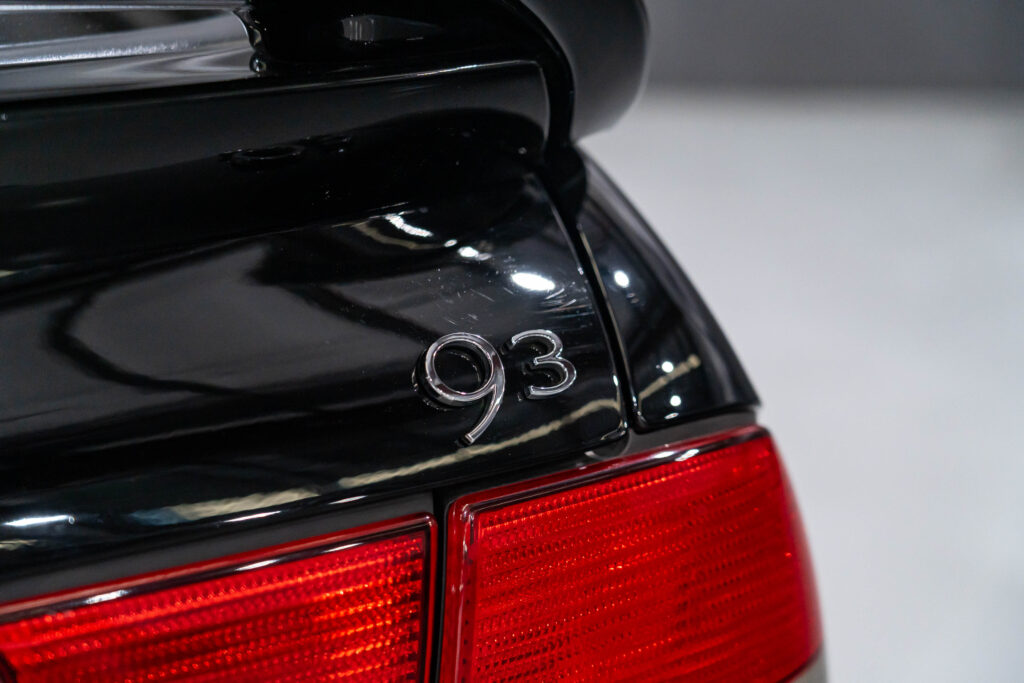
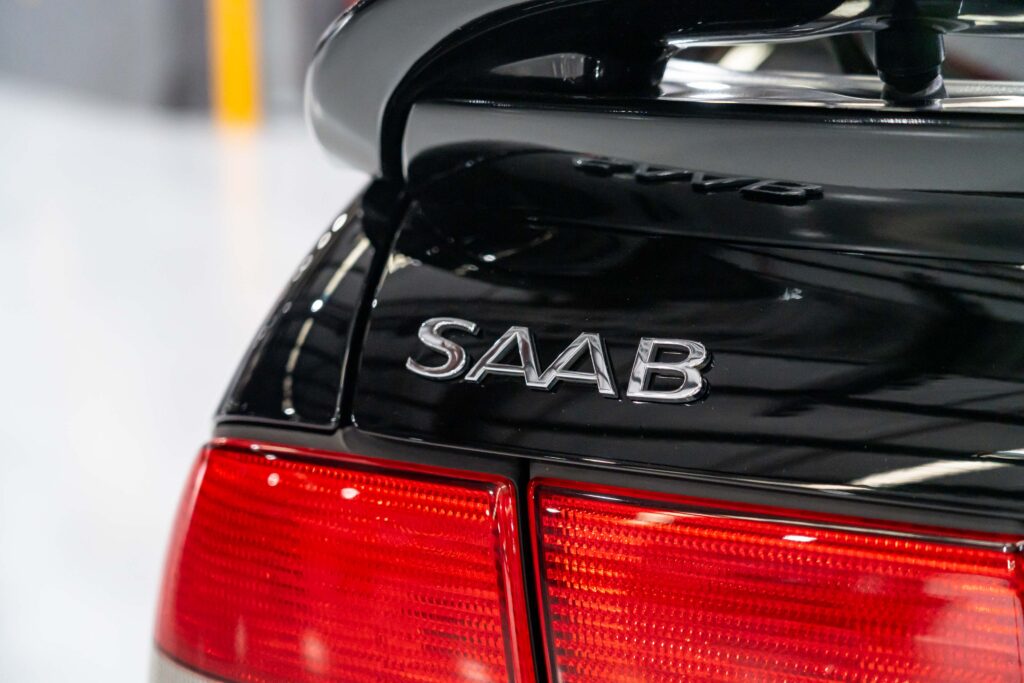
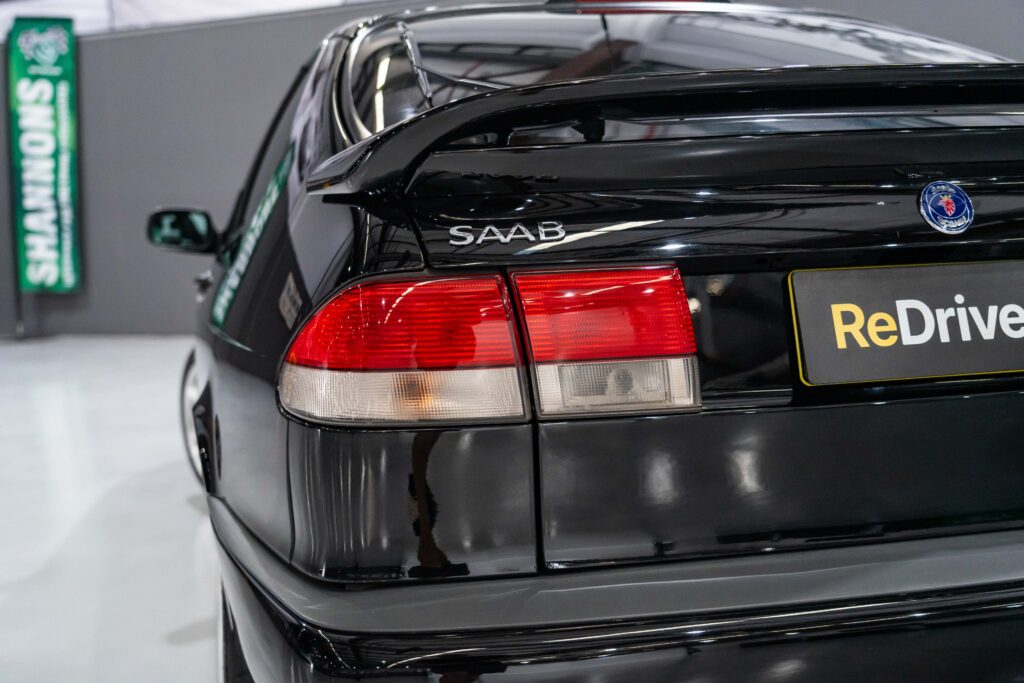
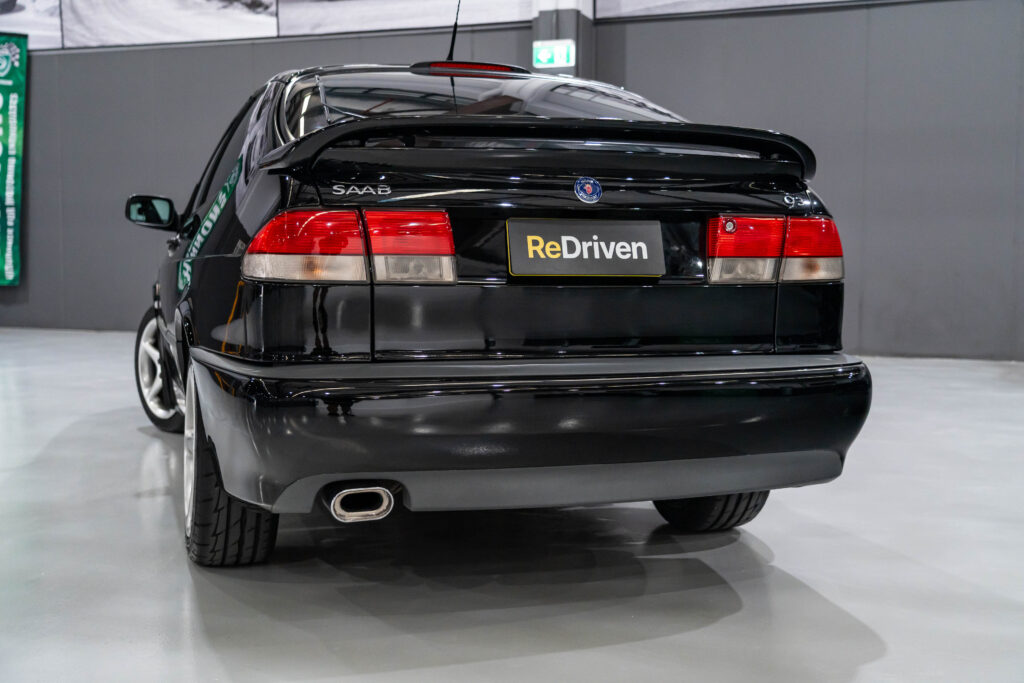
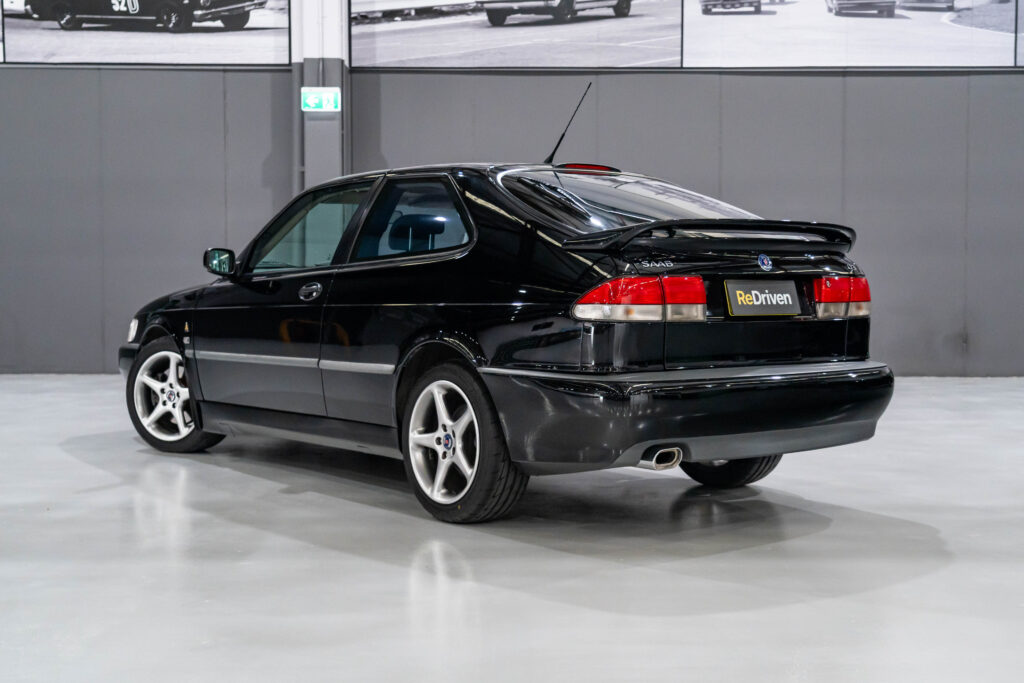
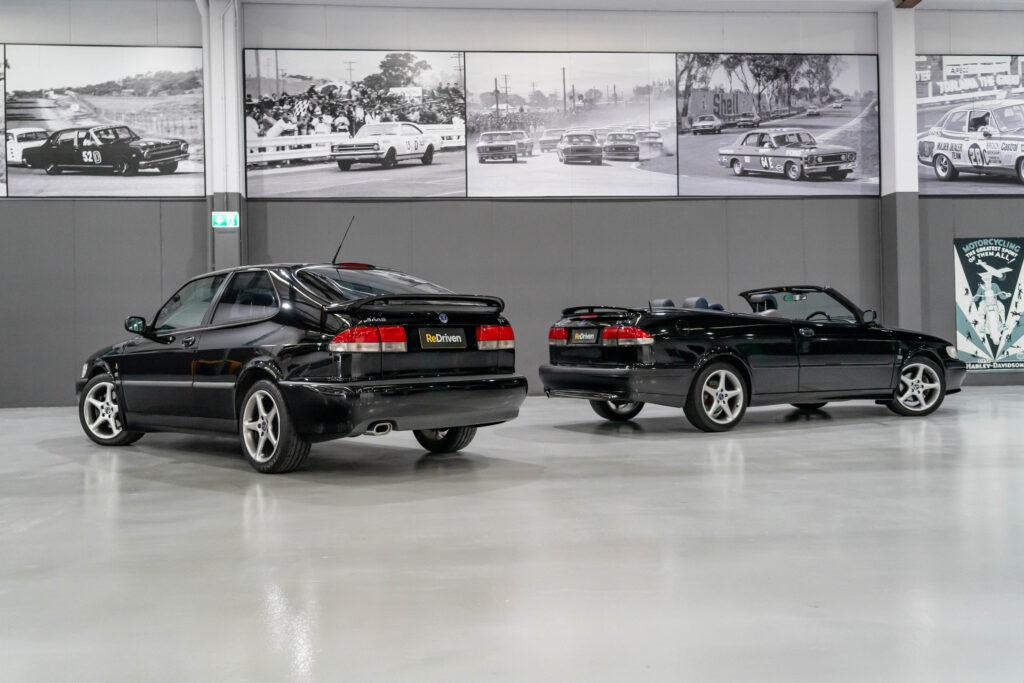
And for those who know these Saabs well, we do have to highlight the ‘hot’, performance variants: from the ‘Aero’ to the limited edition ‘Viggen’, the latter of which were named after the Saab 37 Viggen jet and developed in conjunction with Tom Walkinshaw Racing (TWR) Group.
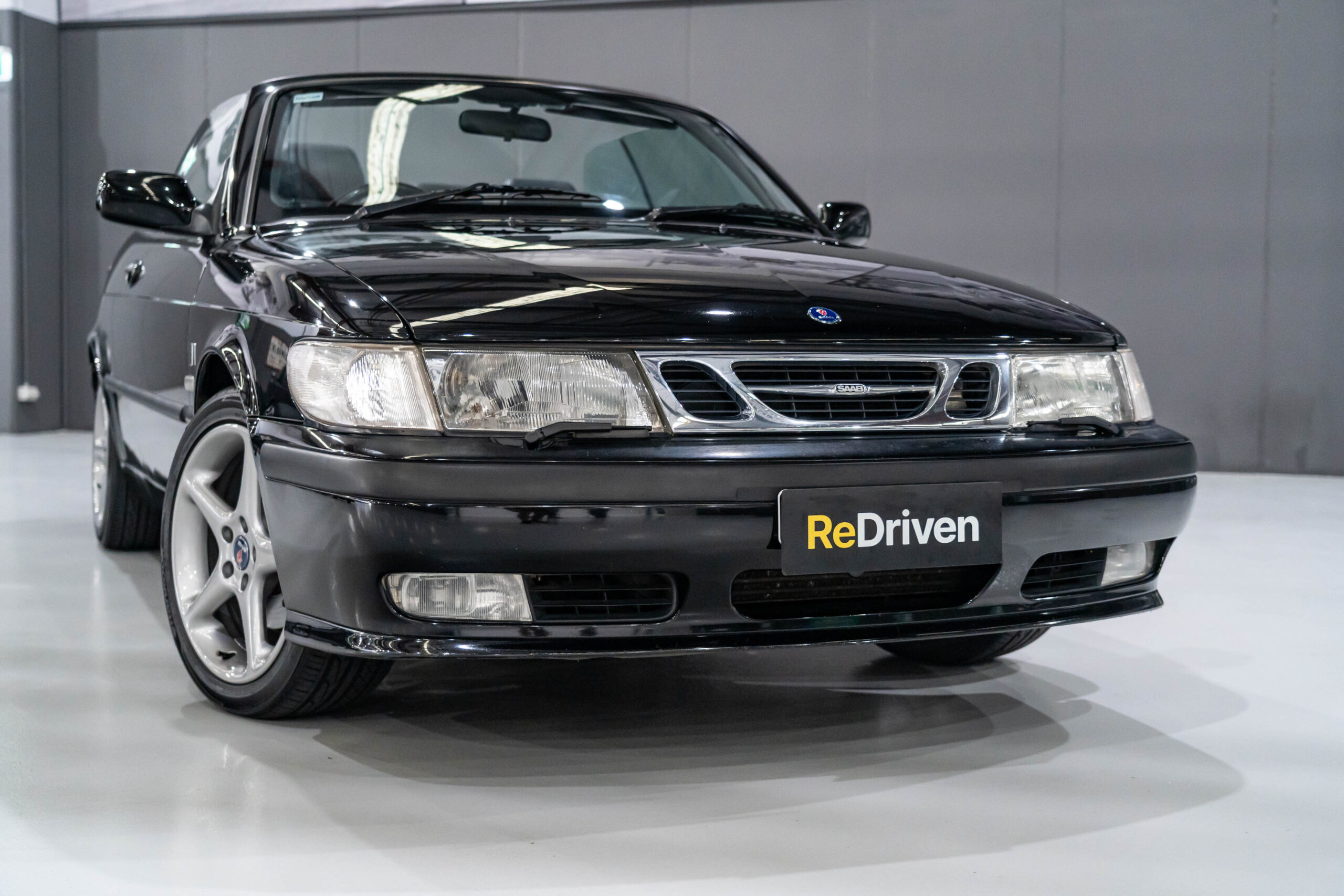
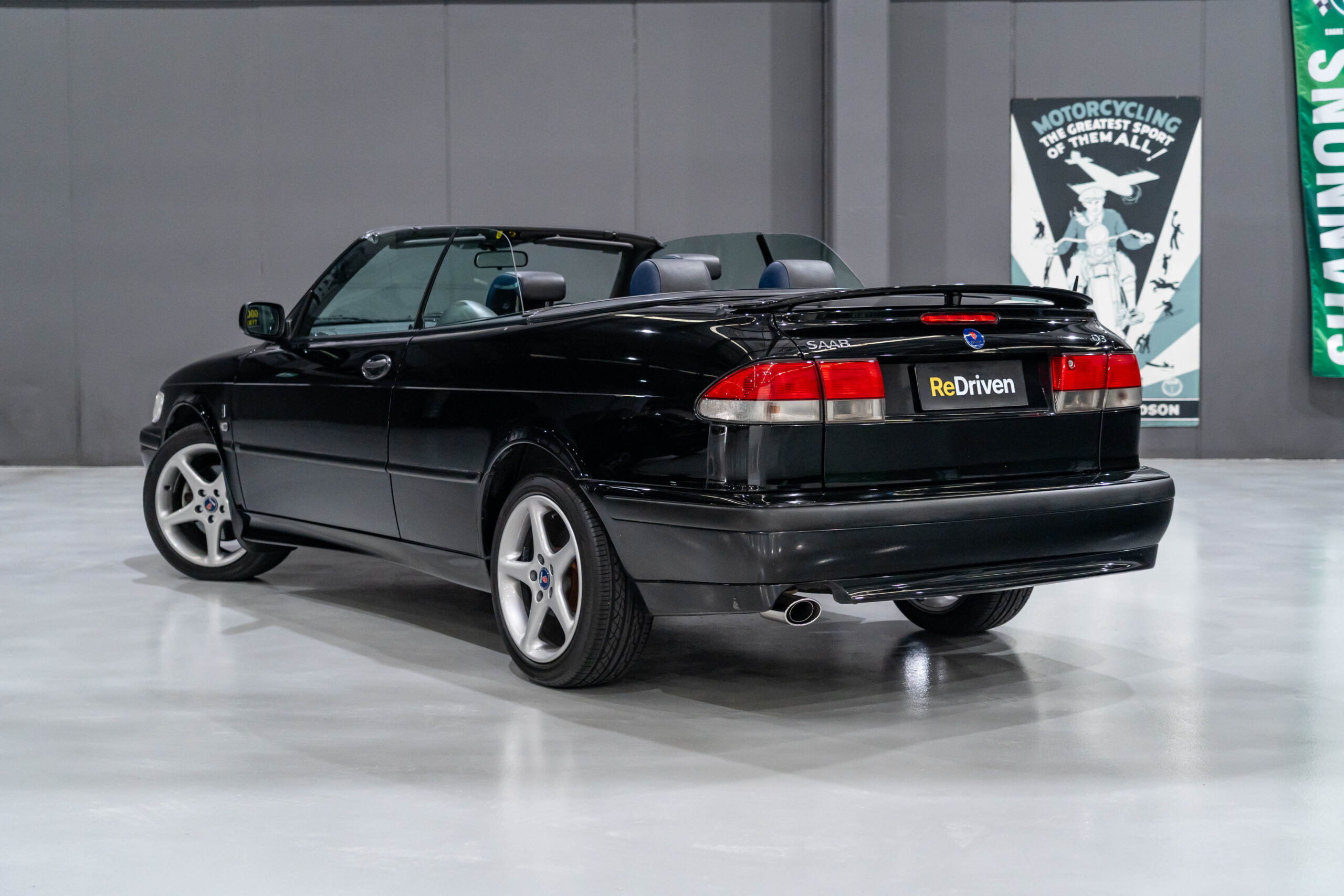
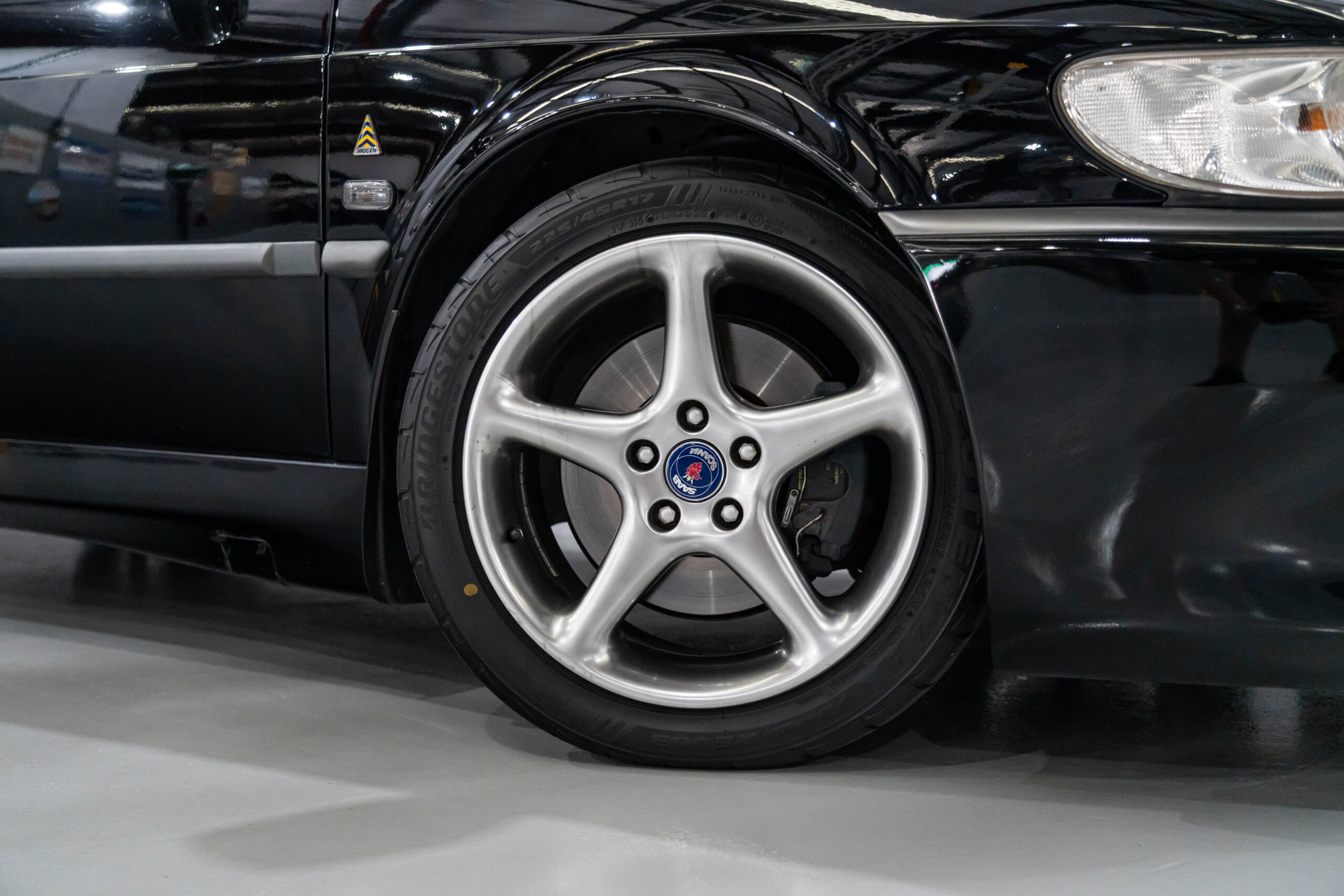
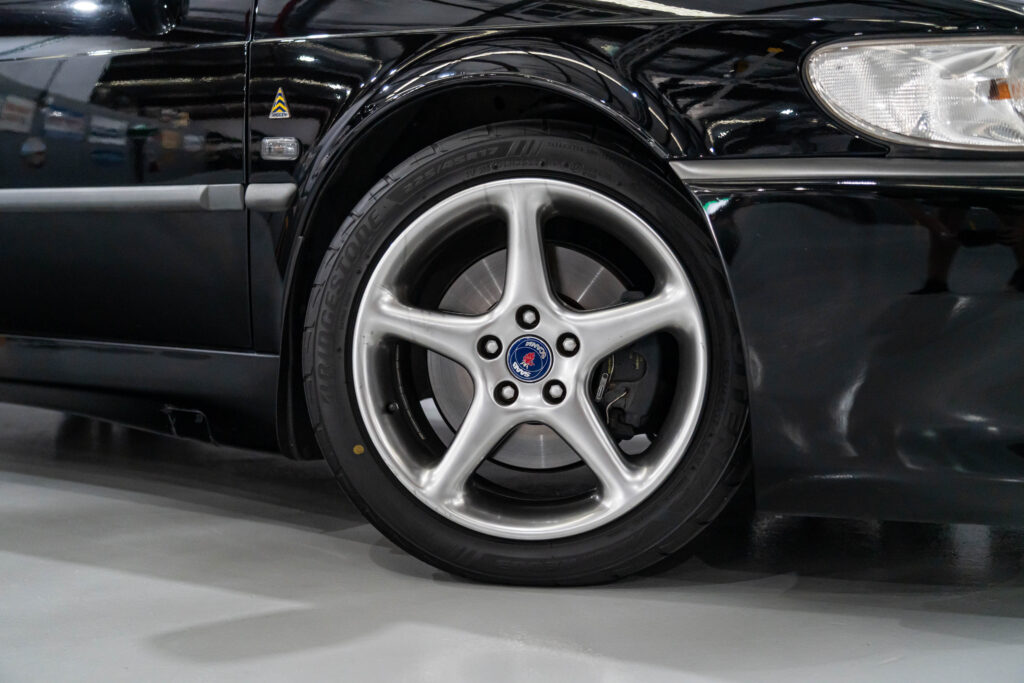
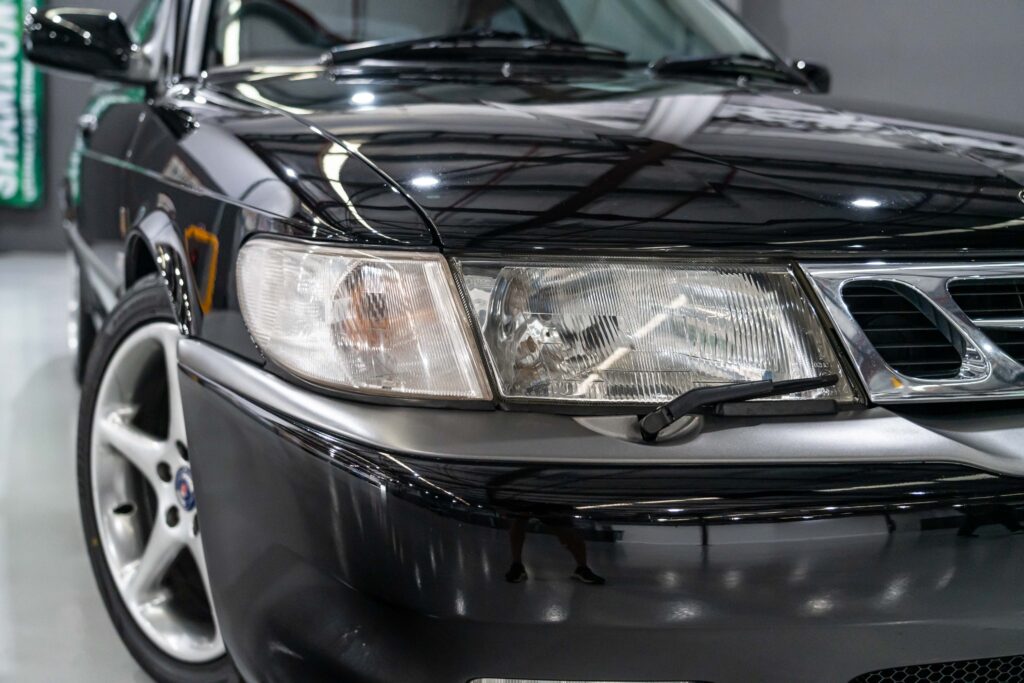
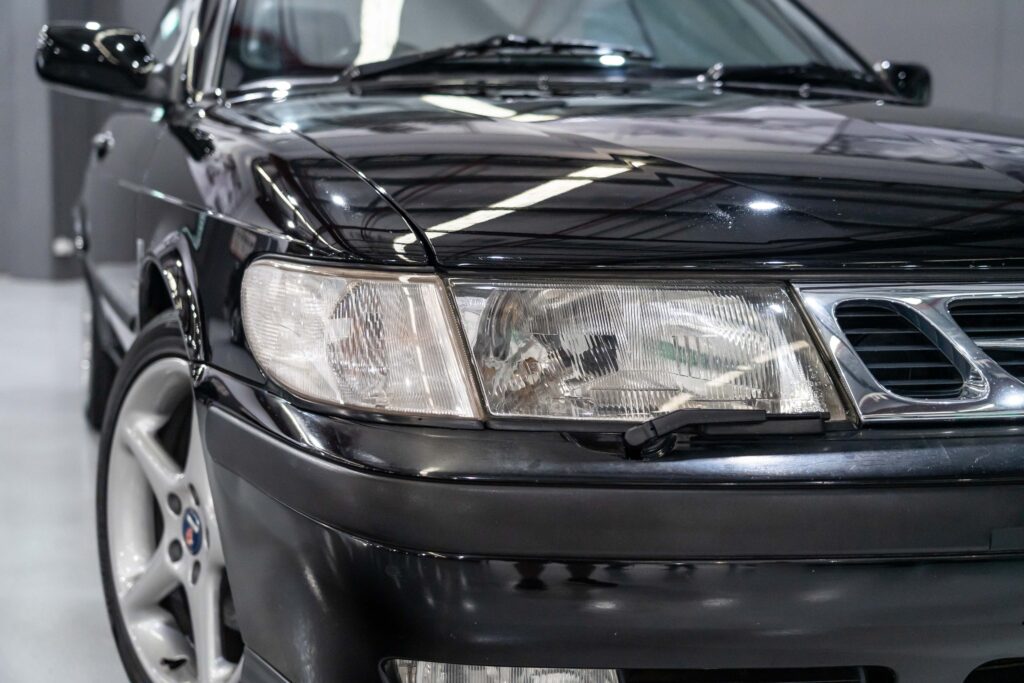
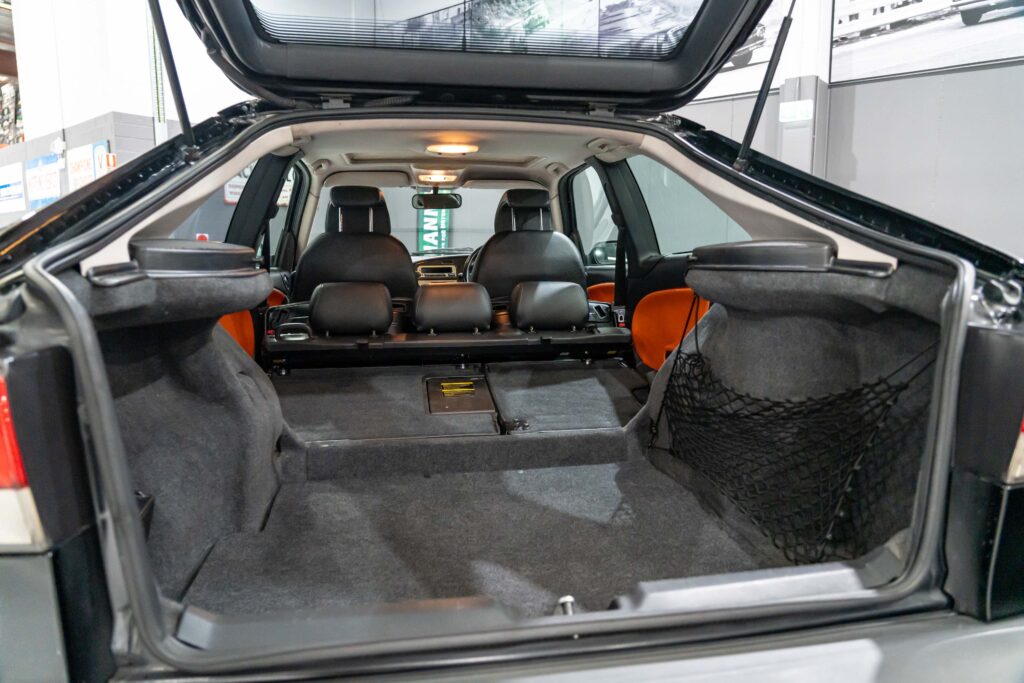
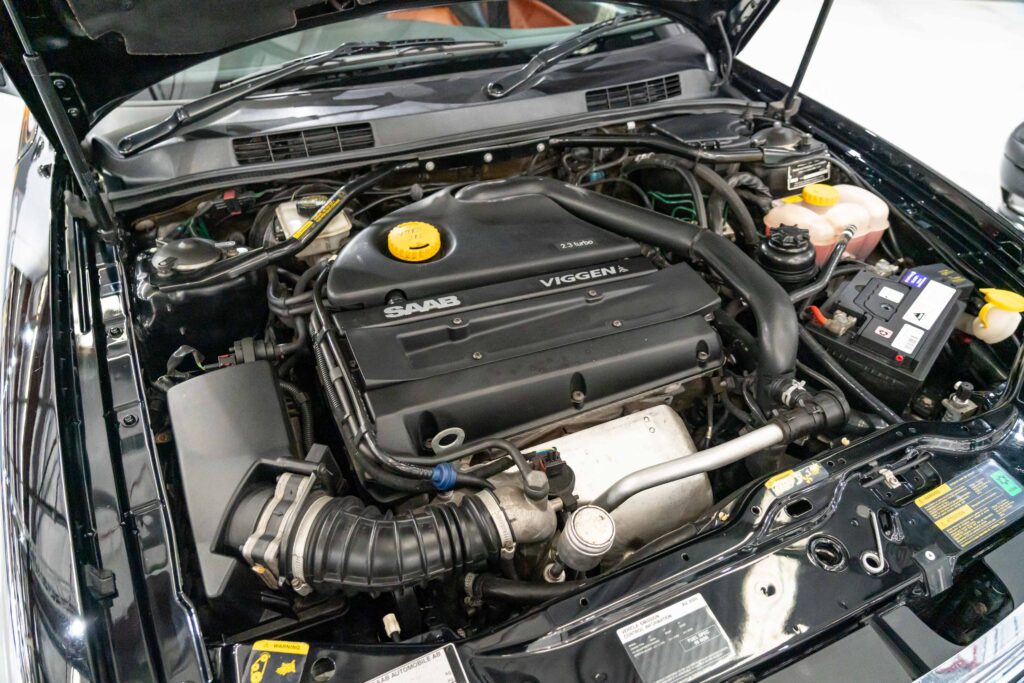
Saab 9-3 Viggens distinguished themselves with unique body styling, more prominent spoilers, 17” alloy wheels, and upgraded brakes, with an upgraded 2.3L turbocharged four-cylinder paired only to a manual transmission.
Exterior:
Rust and corrosion are something to look out for, given the age these cars are now. While Saab did reportedly implement a high grade of rustproofing, examples can still suffer from this, especially in cold climates. Common sites include the front subframe and the front of the rear quarter panel.
But it’s worth mentioning that Saab’s six-layer paint system (versus brands that only use three/four layers) is holding up well, enabling the paint finishes on the oldest 9-3s to still be in relatively good condition, and compared to earlier Saabs, first-gen 9-3s have better rust resistance.
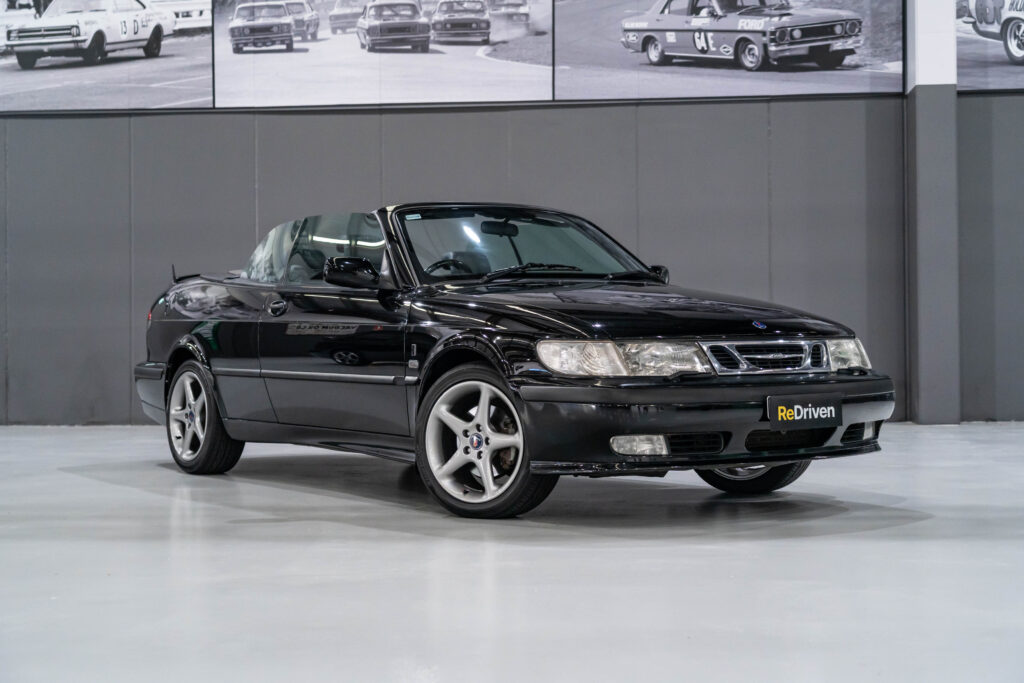
Even so, evidence of rust or inconsistent paint finishes on one of these hints more towards poorly-done accident repairs rather than a factory defect.
Examples that have been subjected to harsh UV exposure, especially those in Australia, can have their plastic and rubber trim showing their age – the ‘shark-fin’ antenna’s rubber is known particularly for deteriorating, which can lead to water ingress.
The black plastic exterior trim fading is super common, but owners tell us it can be remedied by applying very affordable DIY solutions – from car care products to respraying in Black.
The power side mirrors can also fail – ensure they work normally during your inspection, and if they need work, it’s usually because of the motors within or an electrical fault.
In addition, the power window rollers can fail – when they break, the regulator can still move, but the glass will tilt forward and jam. DIY solutions will be your best bet to get them resolved, and there are aftermarket parts available.
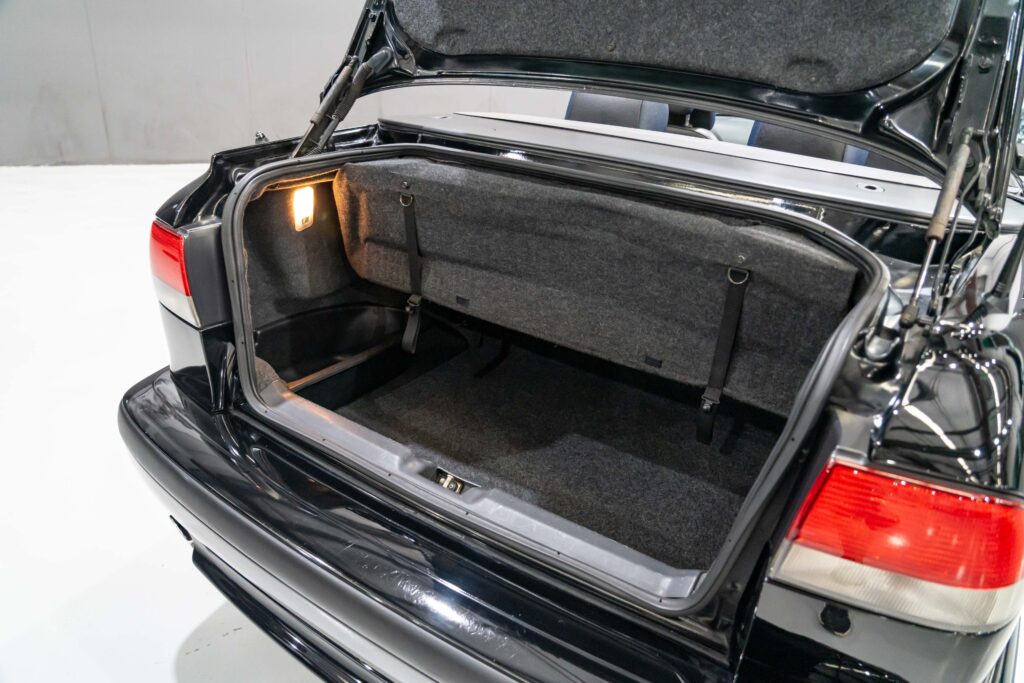
If you’re inspecting a 9-3 Convertible, check that the powered roof works normally, as well as for any tears in the roof material, fold points for worn areas, and if it’s still water-tight by looking for signs of water ingress in the carpets or trim.
Convertible models also have more components that require more attention and upkeep to allow all of the roof’s mechanisms to work – we’re told they use at least 5 rams and 10 hydraulic hoses, which can fail over age, and they require specific replacement parts.
The hoses can also be replaced, but if you’re replacing one, it’s better to replace all of them in one go, especially if another hose might also fail in the future. On average, replacing all the hoses should cost between $850-$1,000, and owners tell us it’s better to source aftermarket hoses from specialists overseas, as local suppliers can ask a hefty premium.
Interior:
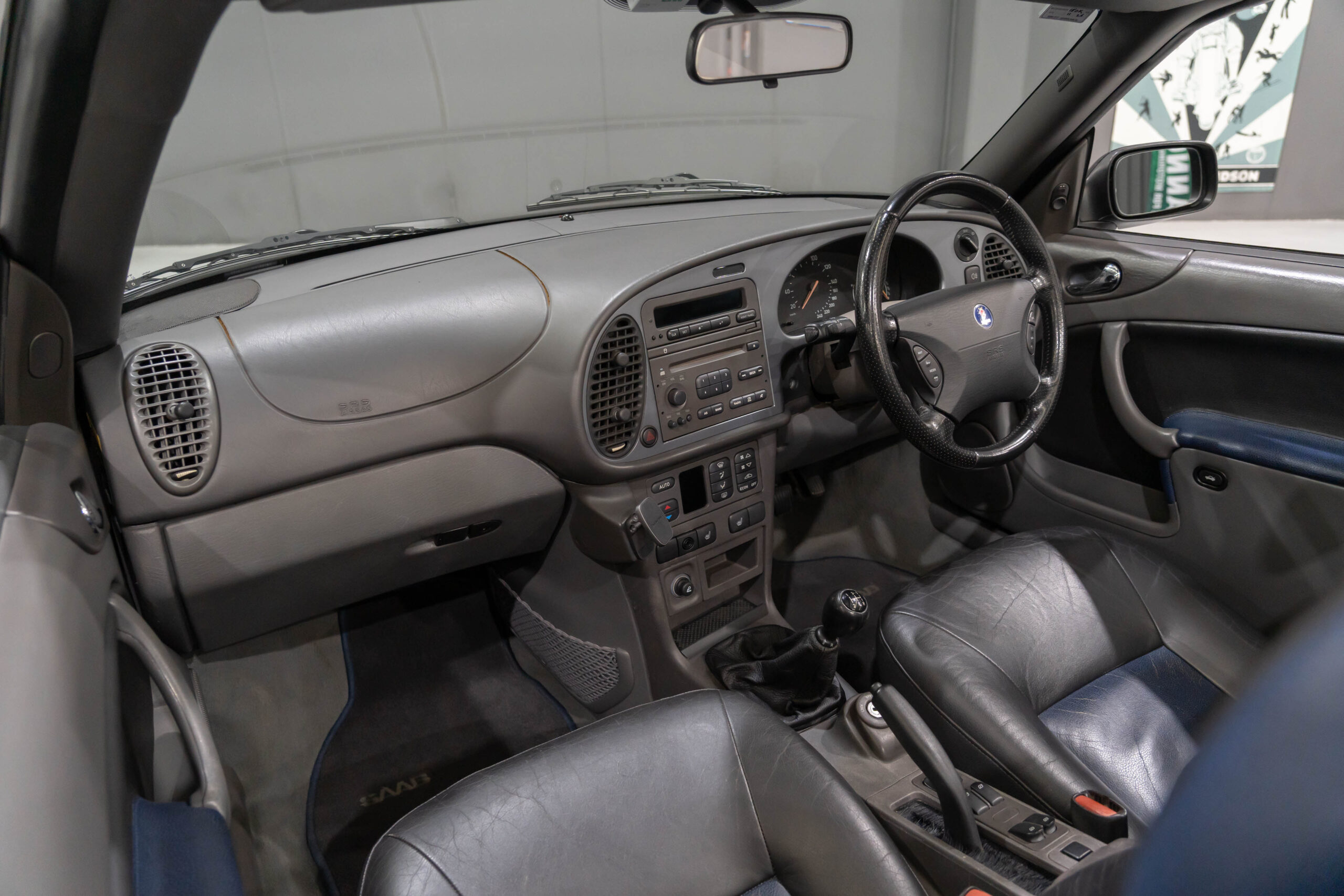
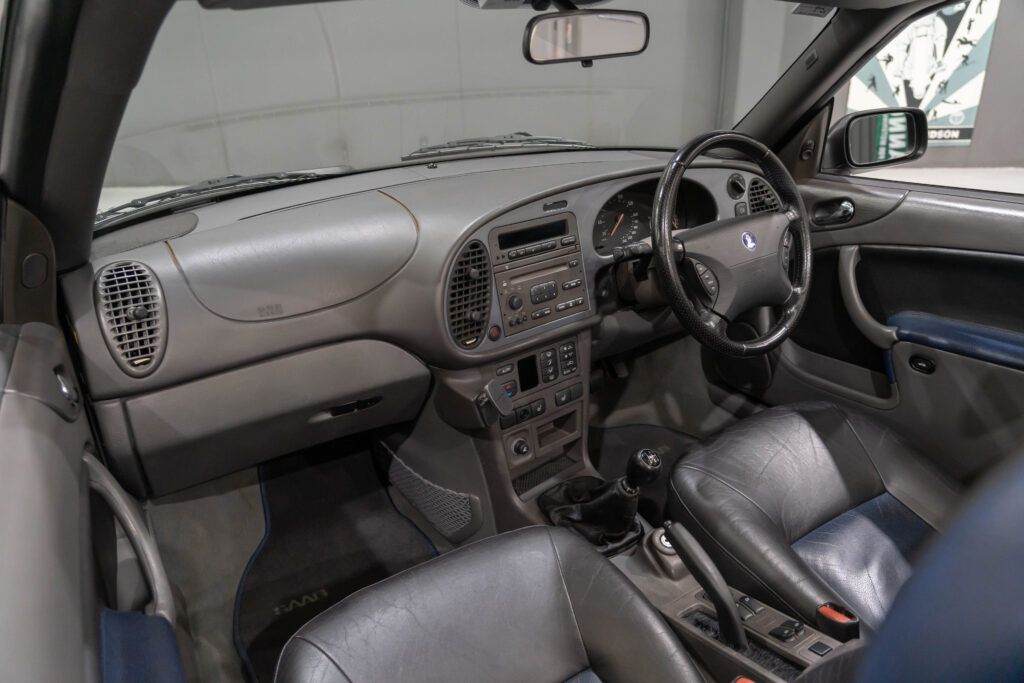
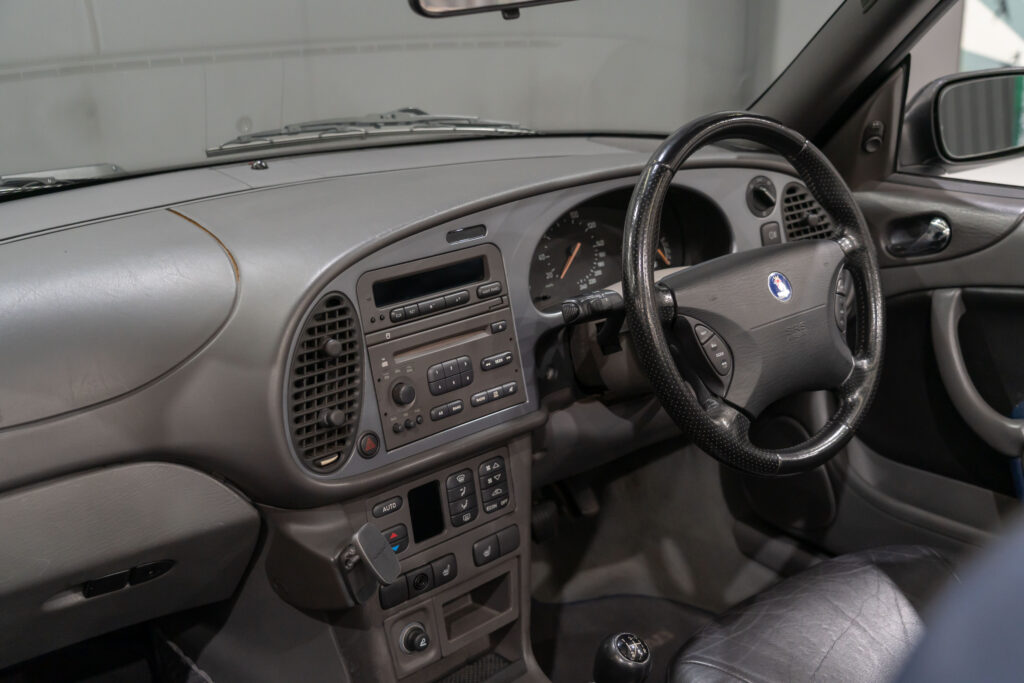
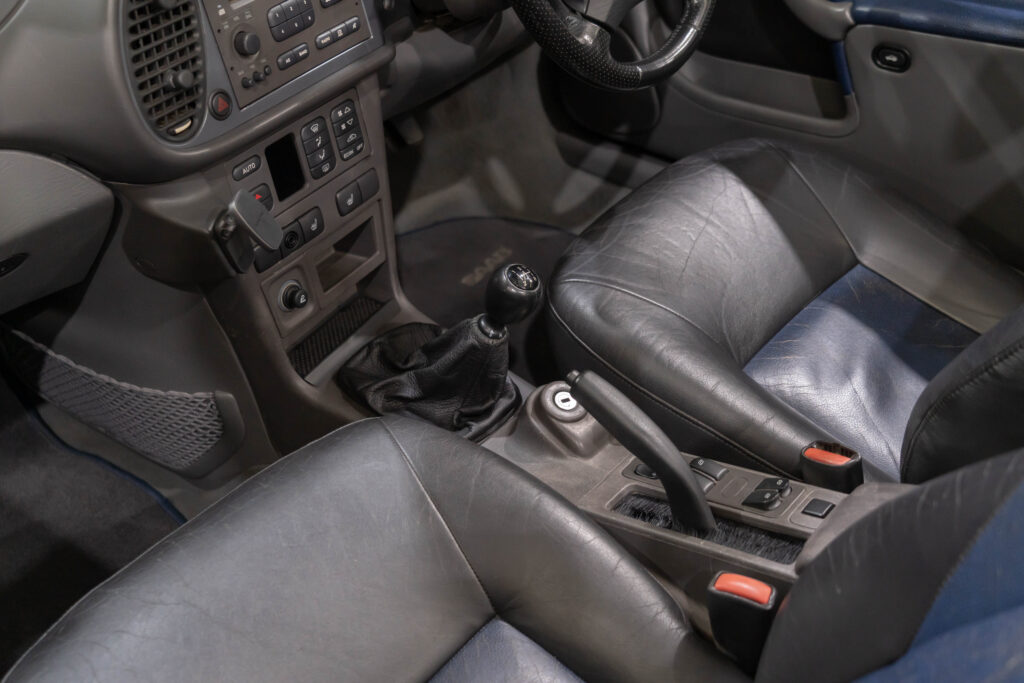
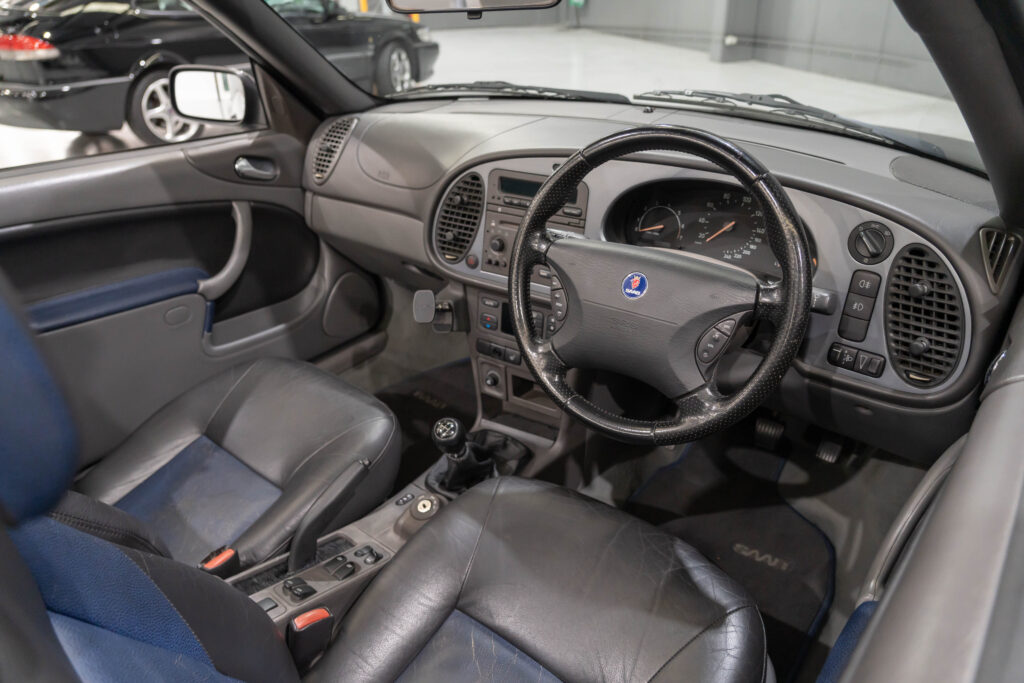
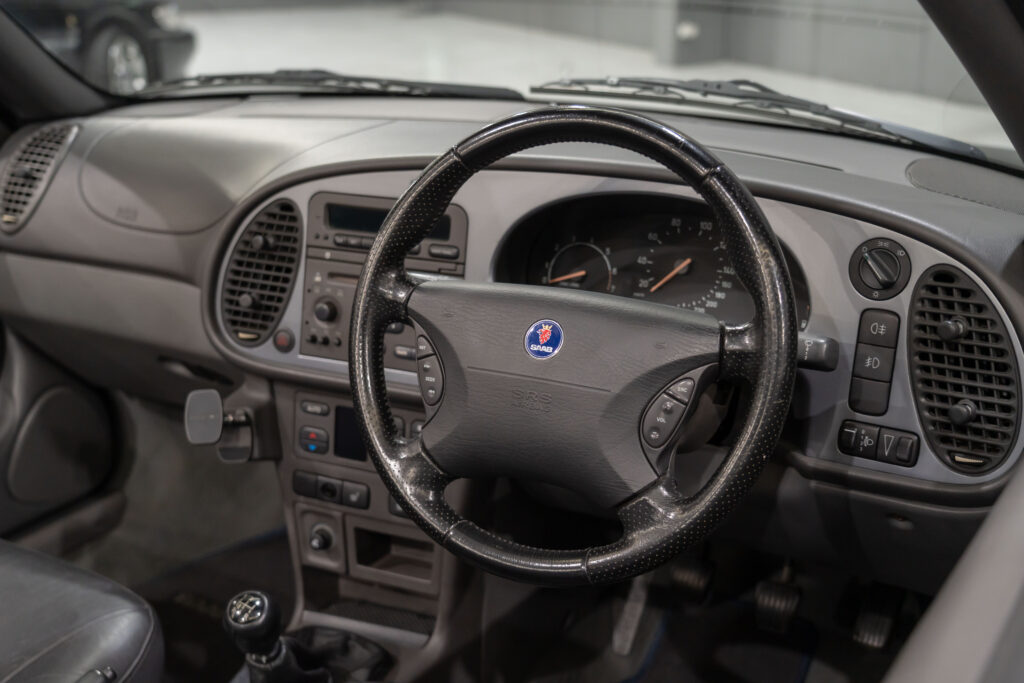
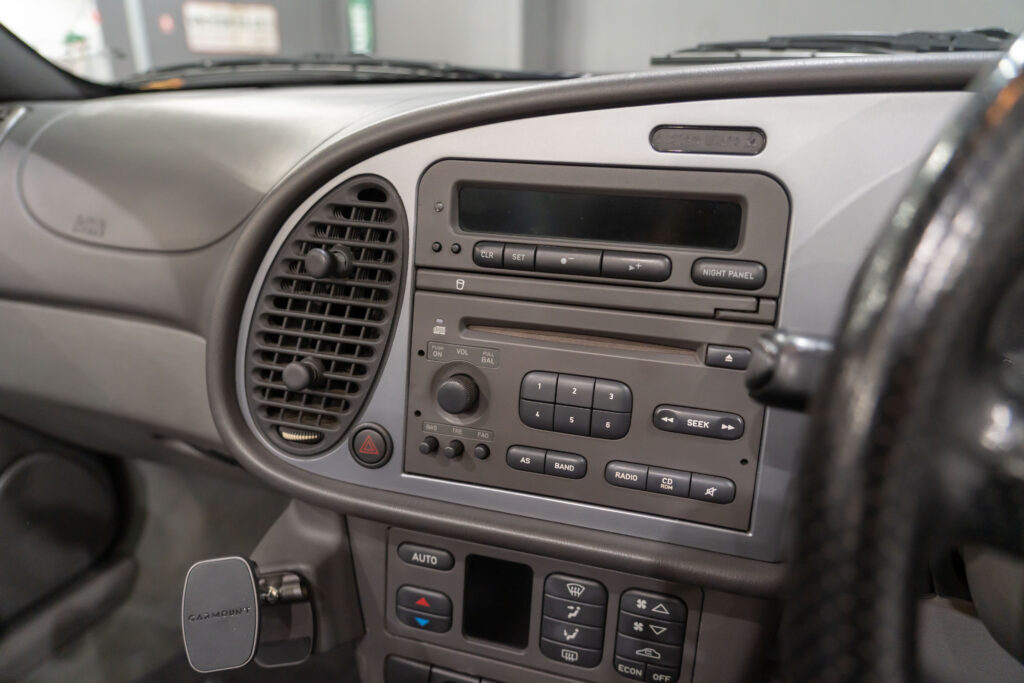
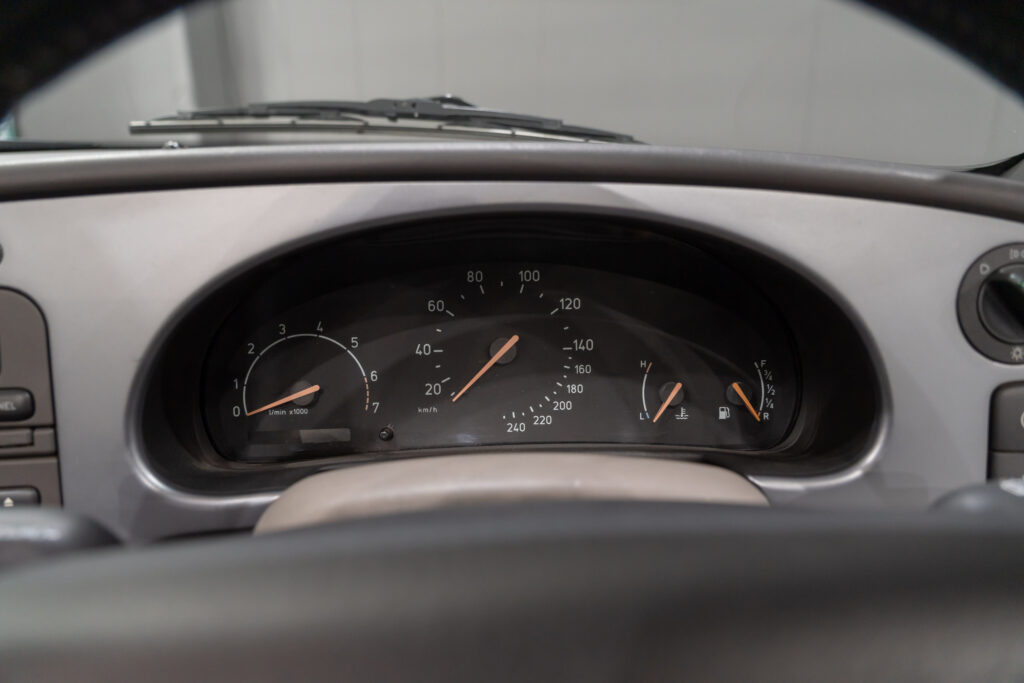
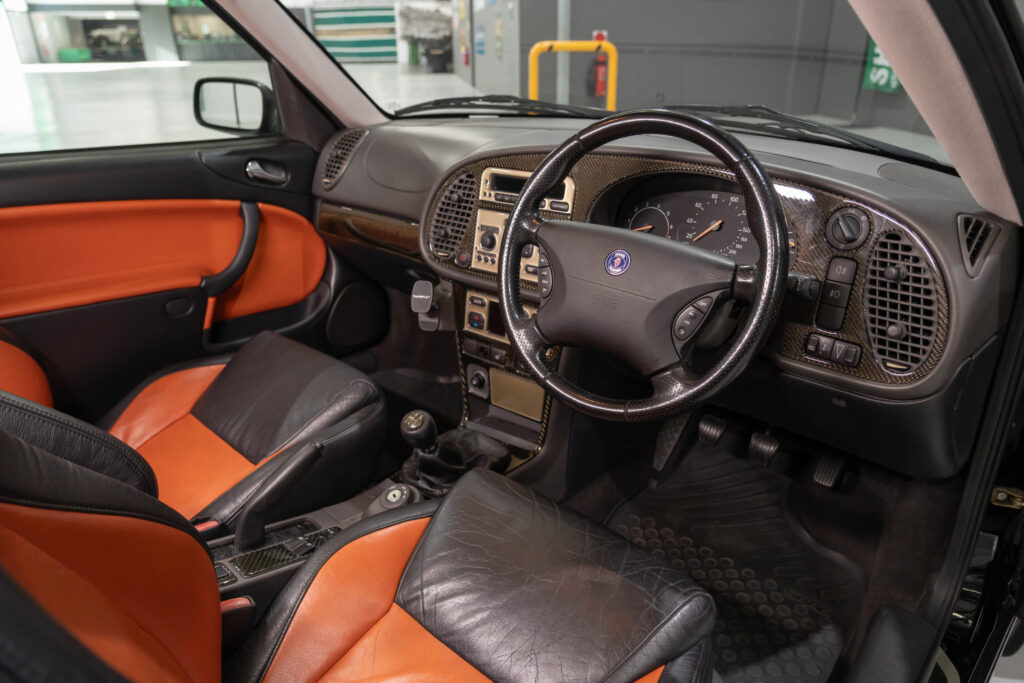
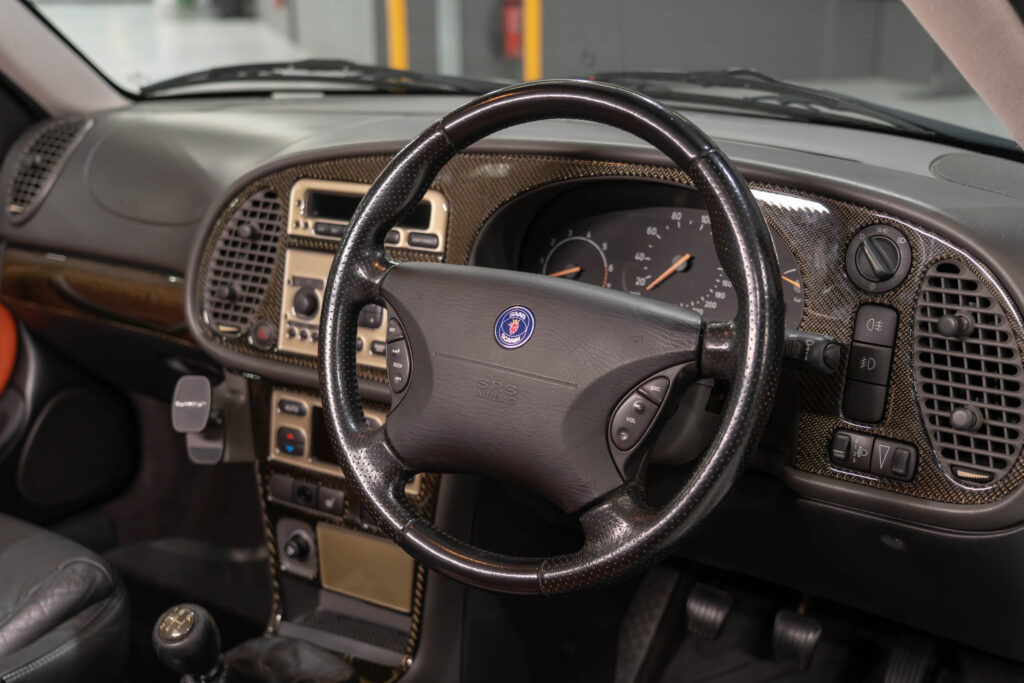
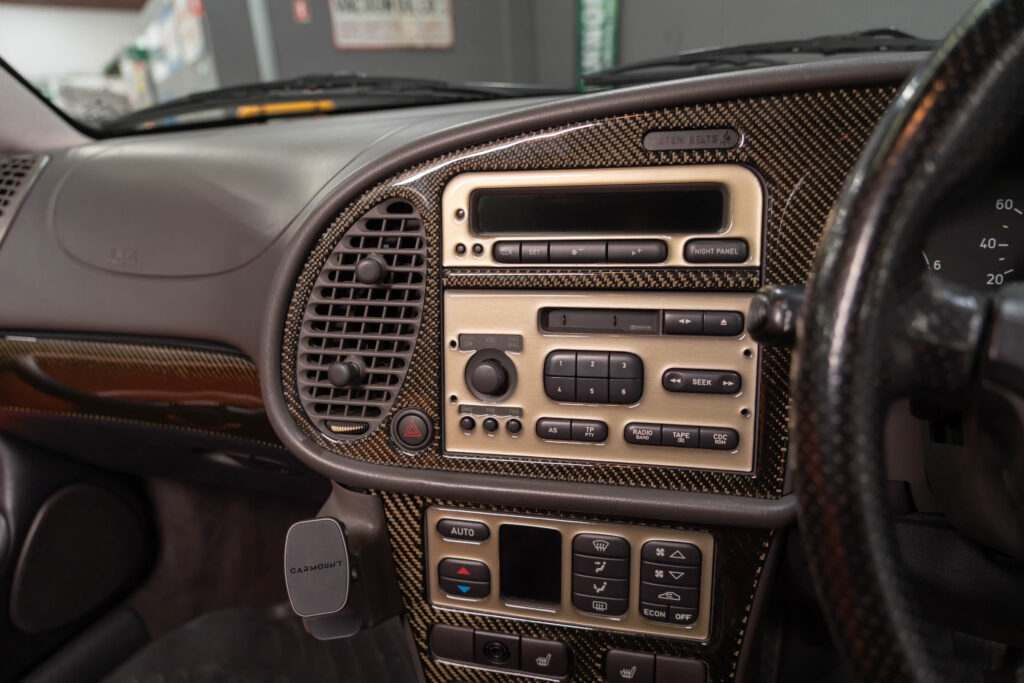
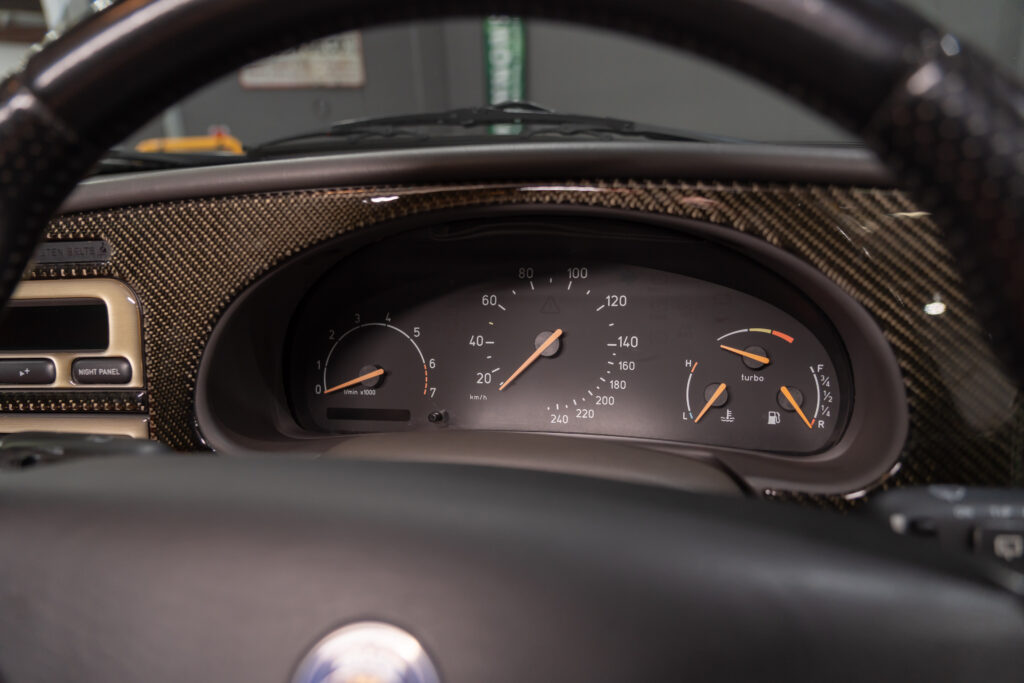
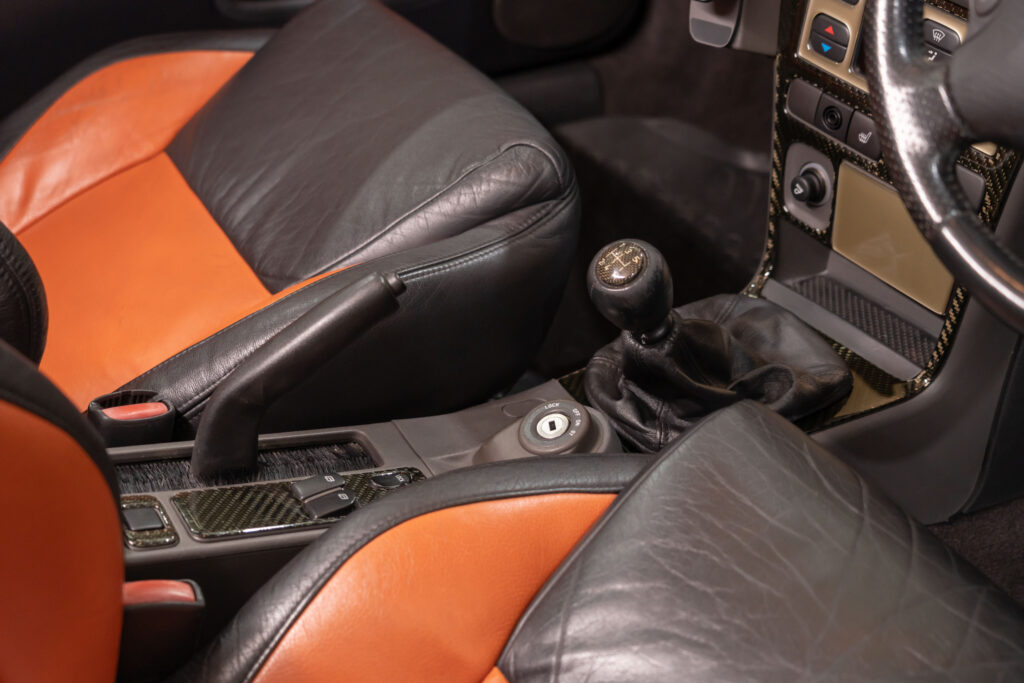
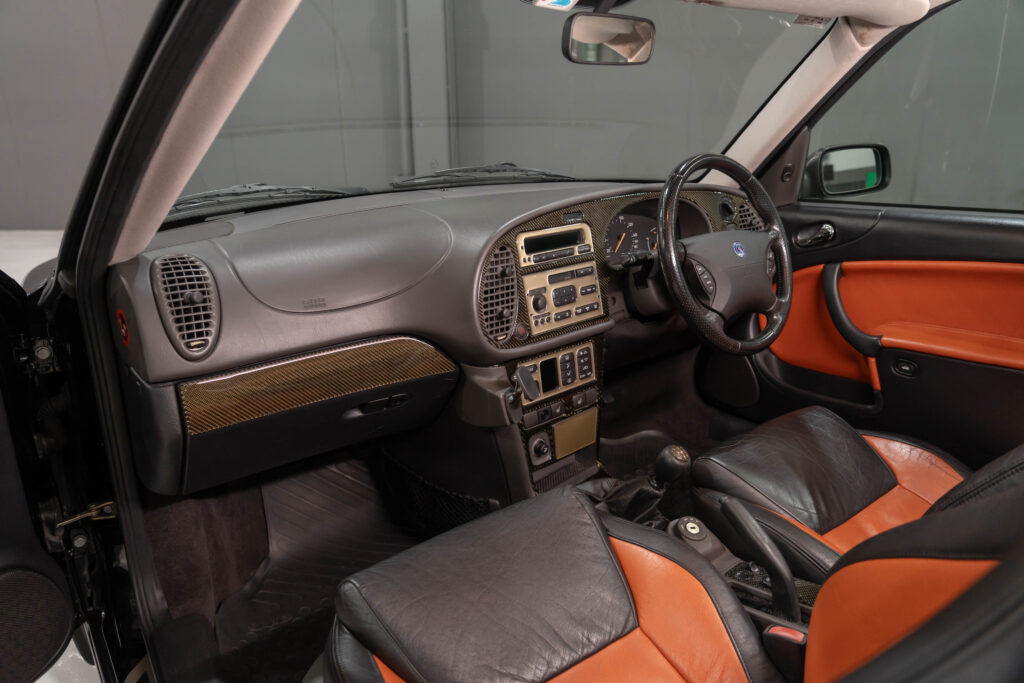
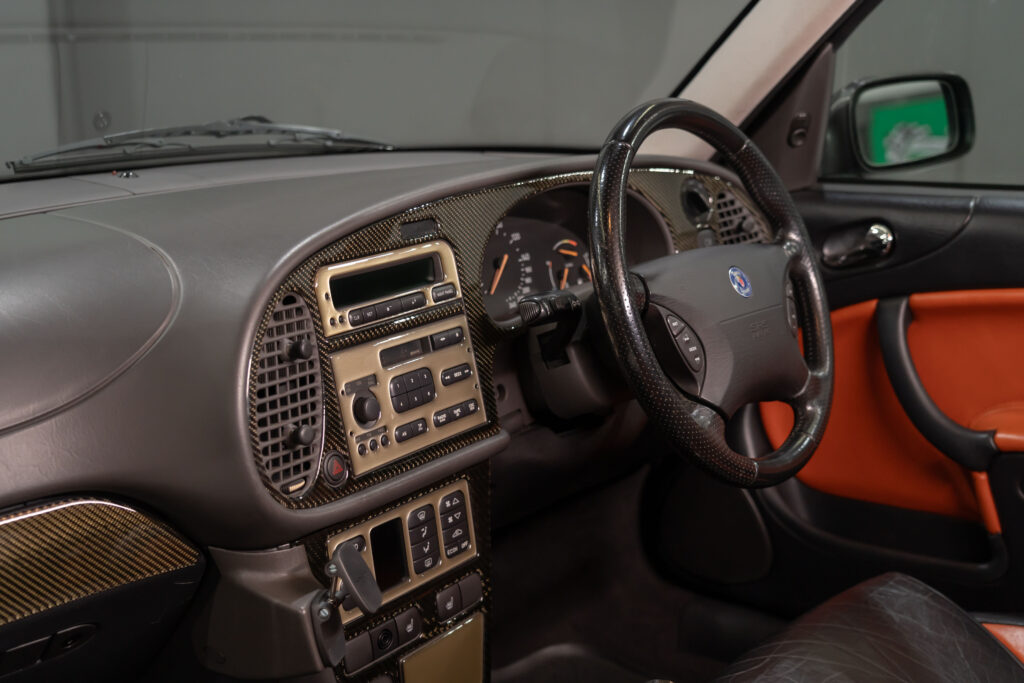
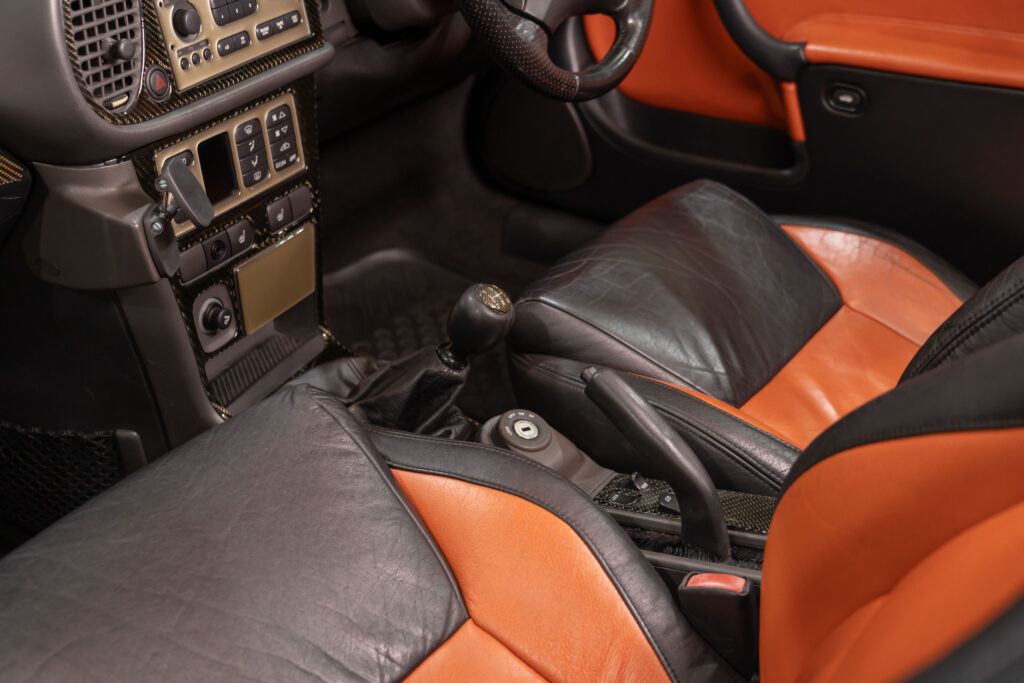
Further reminders of Saab’s aviation roots are seen within the cabin – from the ignition key located in the centre console (like on a jet fighter) to the ‘Night Panel’ mode that turns off all of the illumination for the dials, minus the speedometer (akin to the cockpit ergonomics of a Saab jet).
Also, fun fact: reportedly, Saab consulted orthopedic surgeons when they originally designed these cabins, making them very ergonomic and the seats especially very comfortable for long-distance driving.
This car is more than twenty years old now, so expect some issues to come up with the cabin trim and materials.
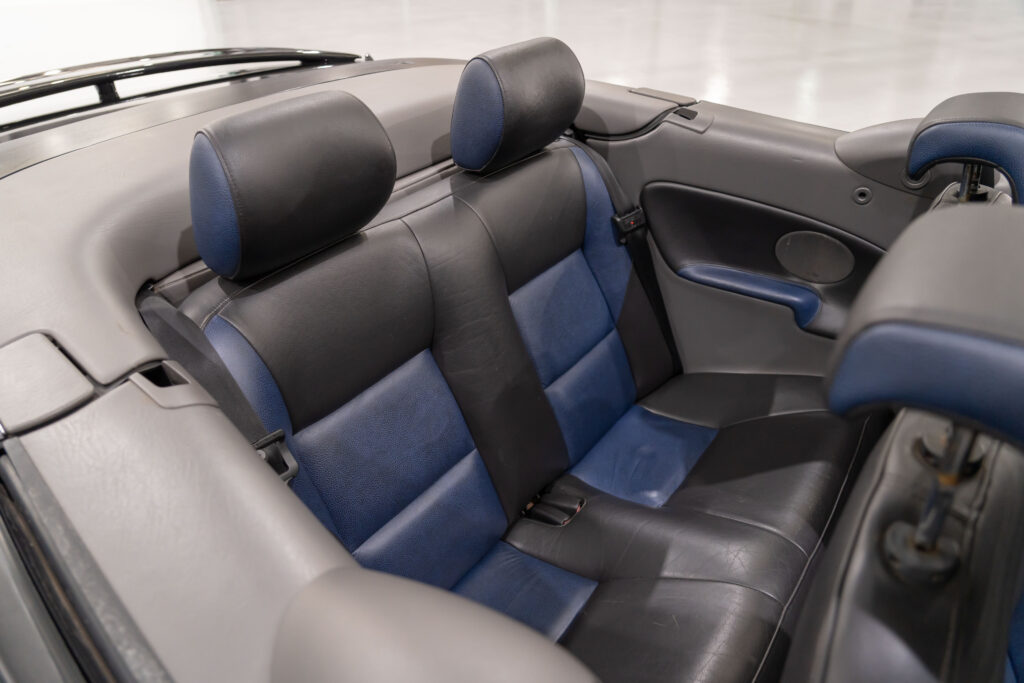
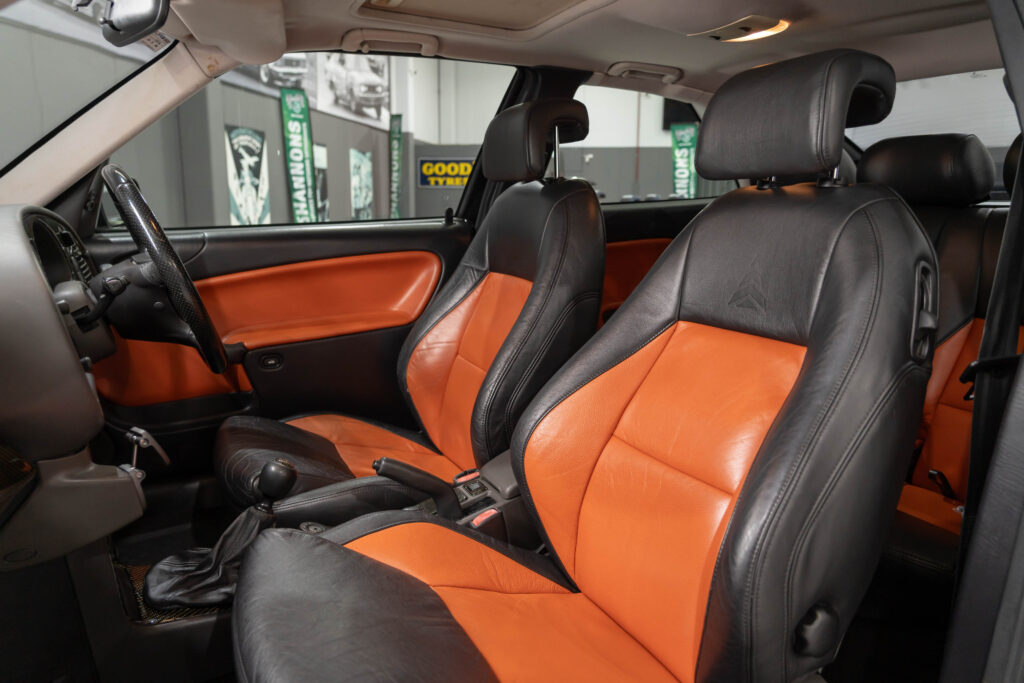
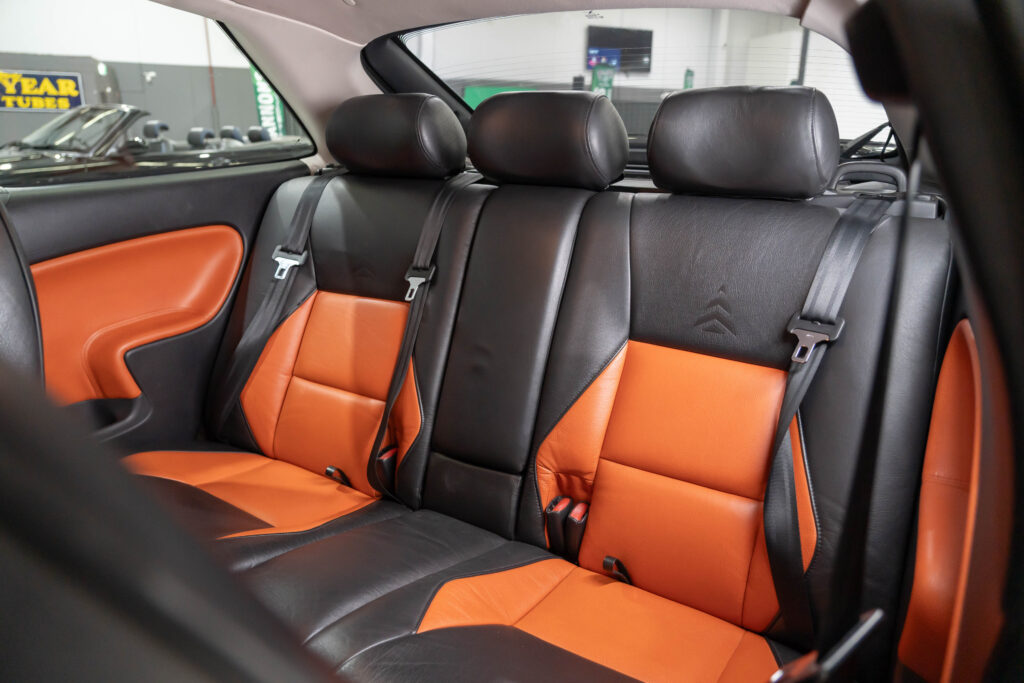
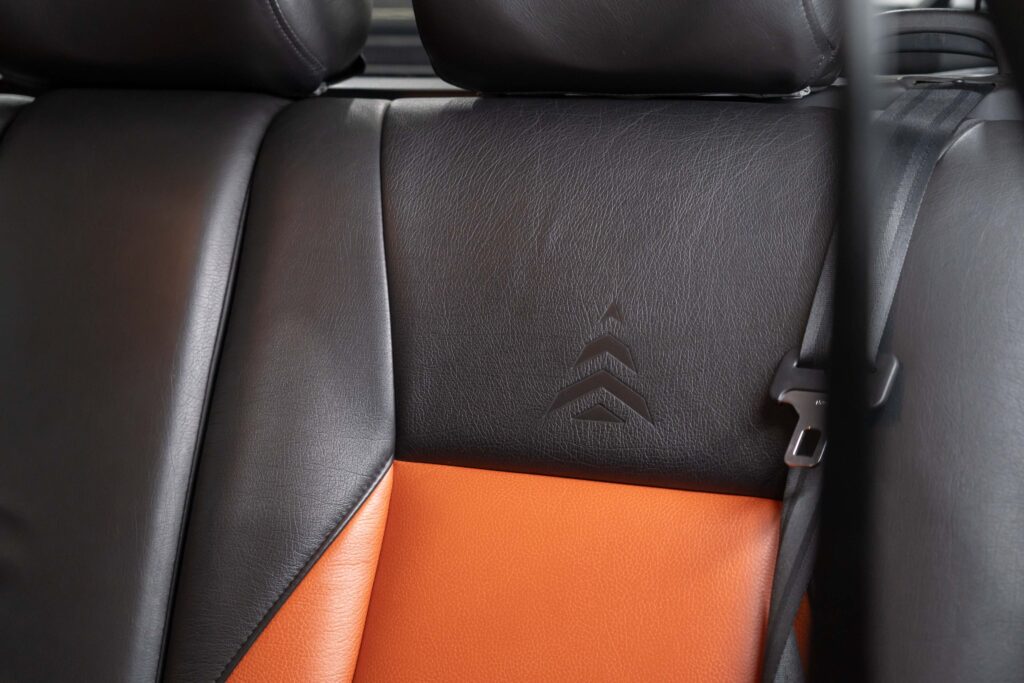
Owners tell us that the Velour upholstery is more desirable than the leather option (especially to withstand hot, Australian climates), as without fastidious care, the latter material can easily display wear (cracking/bolster damage/peeling).
Note the Viggen-specific seats have more aggressive side bolsters that can easily wear on the entry points and also feature carbon fibre trim to emphasise their ‘sporting’ character.
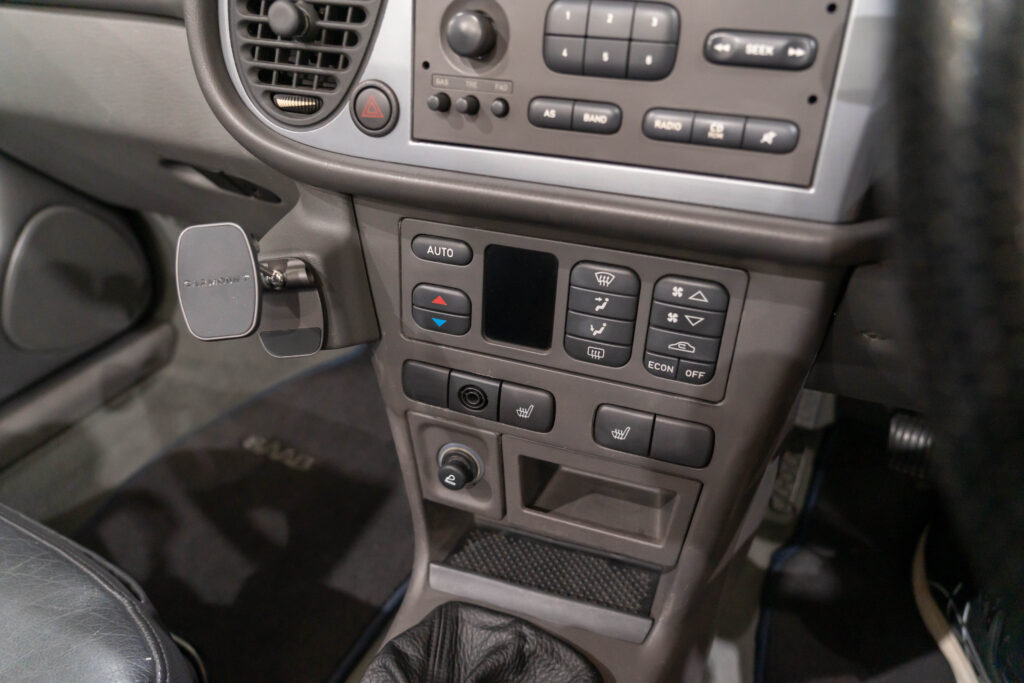
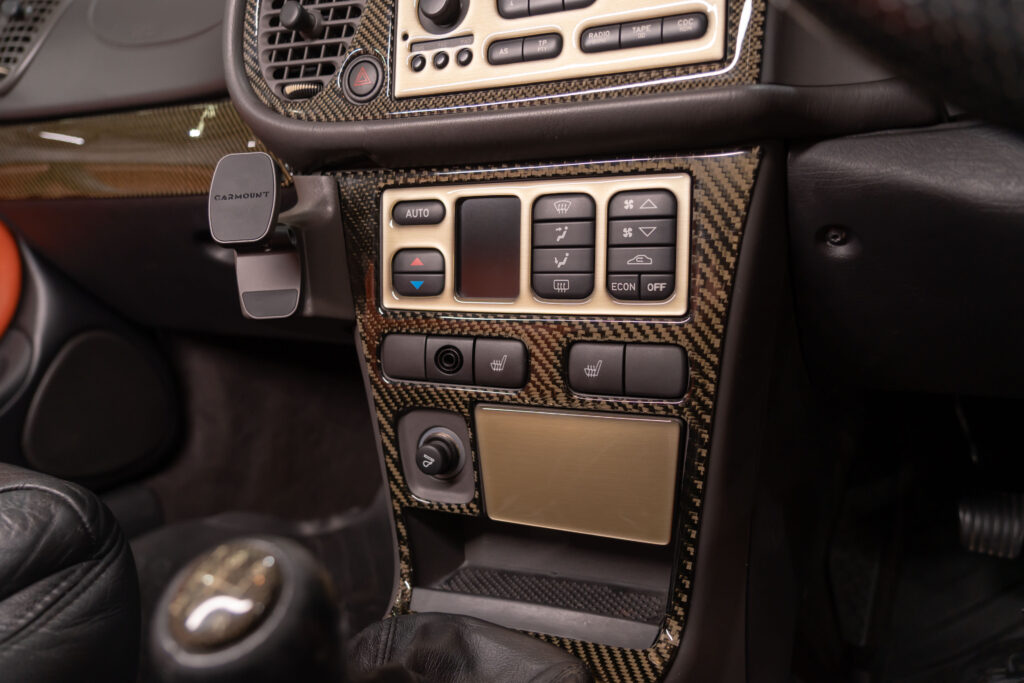
Anything made of plastic will be brittle by now. Everything from the cabin trim, the switchgear/control knobs, and buttons is susceptible to wear – the air conditioning knob on pre-update models is known for leading to larger issues with the A/C system itself.
Adding to that, check how the air conditioning system is holding up. The A/C system is known to be fairly weak at this point, unable to hold a charge or to leak refrigerant within the dashboard.
Even more difficult – owners have told us they’ve experienced multiple attempts to locate A/C leaks (without success) and, depending on the severity, may require the entire dashboard to come out to put it right. We advise consulting owners’ groups and researching all possible fixes before resorting to this option.
We’ve also heard owners say the climate control display can have issues due to the cables or LCD glass failing (faded/dead displays). It’s worth devoting time to researching solutions within owners’ groups on how you can fix plenty of these.
The roof lining can start to sag on the convertible and hardtop three/five-door models, but replacing the foam layer is straightforward and affordable.
Go through all of the electronic equipment – press every button and try every function/setting to see if they work. Compared to equivalent cars from BMW, Audi, and Mercedes, the Swedish Saab fares a bit better in electronics, just one step below the Japanese brands.
Post-update (MY2000) Saab 93s notably got a revised engine management system and a better grade of electronics – the Saab owner communities consider these ECUs to be the ‘most reliable’ out of all the units Saab produced, largely because it was mounted within the cabin (away from any heat/vibrations).
The Saab Information Display (SID) within the cluster can also have some pixel-related gremlins on both pre and post-update models.
Understandably, the Saab factory infotainment setups are very limited by today’s standards beyond AM/FM radio and cassette/CD player, and the original in-car speakers are likely worn down too (their surrounding foam degrades, causing non-functioning or rattly speakers).
But the good news is that there are aftermarket solutions to bring the Saab’s in-car entertainment to the modern era, from head units with Bluetooth hands-free, Apple CarPlay/Android Auto connectivity, and a backup camera, along with better quality speakers.
Mechanically:
Overall, at the age many of these Saabs are now at (early models are nearing at least 28 years old as of 2026), all bets are off when it comes to what can or will go wrong.
It’s been more than ten years since Saab went out of business (2016), and parts availability is a big concern when approaching these vehicles. The OG-gen Saab 9-3 fares better than older models, but there’s no denying that the availability of parts will get harder over time and command higher premiums.
However, thanks to their fantastic Saab enthusiasts (owners) community, there are ways to source parts and plenty of advice available through online forums and communities. We strongly recommend joining these and connecting with Saab experts if you’re considering buying not just a 9-3, but any Saab product.
One important item to highlight on how the Saab holds up mechanically, especially in right-hand drive markets like Australia, is the firewalls/bulkheads of the chassis, which are known to crack. Visually, it appears the front end is trying to ‘pull away’ from the rest of the car.
Signs of a cracking firewall are usually on the right-hand side, no matter what orientation it was made for. On right-hand drive cars specifically, we’re told you need to inspect the area around the brake booster from underneath to see how they’re holding up.
Saab did issue a recall back then that installed a reinforcement bracket, and we highly advise checking (and double-checking) that it was performed, as those that didn’t receive it will require welding and reinforcement work to put it right.
9-3 Convertibles, due to their slightly lesser chassis rigidity (as a result of losing the hardtop roof), are also infamous for ‘scuttle shake’ – which causes the entire car to shake and vibrate over bumps or imperfections, making the vehicle feel very unsettling.
It can also be observed in the steering moving off centre (moving independently), the dashboard/door frames moving abnormally, and the body/interior trim flexing, causing audible squeaks or rattles.
The more sportier, performance 9-3 variants (Aero/Viggen) also received a lot of complaints from the automotive press about excessive torque steer (due to their power output and open-differential setup), which can stress steering/suspension-related components like the aforementioned firewall, CV boots, or bushings.
Some can put up with this behaviour, but if you want to remedy it, owners’ groups recommend looking into aftermarket parts like steering rack braces, better suspension/reinforcement, or attempting to retrofit a limited-slip differential. Optimal tyres will also be crucial to putting the Viggen/Aero’s power down.
Even on standard Saab 9-3s, worn suspension parts (shocks/strut mounts/bushes) are very common. Evidence hinted at by clunks or vague steering points towards these parts needs replacing, and owners recommend aftermarket parts when needed.
Engines:
Most of the engines were actually reliable back in their prime, but now, as they have accumulated kilometres and aged over the years, how regularly they’ve been maintained is a big factor to consider when looking at these as a used purchase.
What tends to cause these engines to fail altogether (gradually) is general neglect and lack of servicing. When engine oil starts to sludge and collect in these, it can lead to all kinds of mechanical issues.
The gauze strainer on the oil pickup is prone to getting blocked up, which can restrict oil flow, wear the bottom-end, and can also lead to turbocharger failure.
Their most common issue then, and now, continues to be the coil packs, which are fairly straightforward and affordable to replace. Also common are oil leaks around the front of the head and timing case.
The fuel pump within the tank itself will likely need attention now (given its age), so budget for a replacement.
Note that the crank position sensors are located close to the exhaust, so being exposed to excessive heat will usually cause them to fail.
Cooling system components and hoses will also likely need attention, just because of how old they are now.
It’s important to highlight that when you are working on these, you need to treat everything as if they are fragile, as many of the engine bay components are made from plastic. A few thousand heat cycles and use over time will make everything very brittle if not handled with care.
Transmission:
The manual transmissions were made in-house by Saab and are generally reliable if looked after.
The automatic transmissions were made by Aisin, whose automatics are used in various other European/American/Korean vehicles from past and present eras. If it’s been serviced, they usually turn out fine – though you might see some issues with the range switch.
Prices for first-gen Saab 9-3s start around $2,500-3,000 for early, high-kilometre examples, while better-kept, post-MY2000-update models currently sit between $12-15,000, with very minor price differences between the sedans and convertibles.
Interestingly, for the Australian market, we observed that there are more convertibles than hardtop 9-3s on the secondhand market.
On the opposite end of the spectrum, prices for the 9-3 Viggens, given their exclusivity (fewer than 5,000 were produced globally), can start from as high as $20,000. Pristine, mint examples can ask as high as $25,000 – the most expensive ideally finished in their exclusive ‘Lightning Blue’ paint finish.
Approaching one of these as a used buy commands a specific mindset – if you’re contemplating buying one of these because it’s a quirky car that you believe makes you look cool, but you’re not really a car enthusiast as such, these Saabs aren’t for you.
These are not cars that you simply buy and use and don’t give a second thought to; if so, that’s what Toyotas, Hondas and Mazdas are for.
The ownership experience of a Saab 9-3 is a long-term commitment that takes more patience and thought to deal with its unique characteristics and flaws.
Plus, while Saab is no longer around, they’ve grown a large and supportive owners’ community following their demise that serves as an excellent resource for when you need help to keep them roadworthy or understand this platform better.
If you’re willing to commit to that kind of relationship and all the blood, sweat, and tears that come along with it, and you’ve found a near-perfect condition example like this and it checks out with a full pre-purchase inspection, first-gen Saab 9-3s can be a great choice for you.
After all, these represent one of the Swedish car industry’s pinnacle eras, with their elevated standards of safety and engineering that made them truly stand out against their German rivals.
Even better if you step up to the limited edition 9-3 Aero or Viggen models that are on their way to becoming future classic material.


Co-creator, presenter & writer, ReDriven

Probably not.

 6 days ago
 3 weeks ago
 4 weeks ago