Australia’s No. 1 Used Car Review Website
Australia’s No. 1 Used Car Review Website
+16 Photos
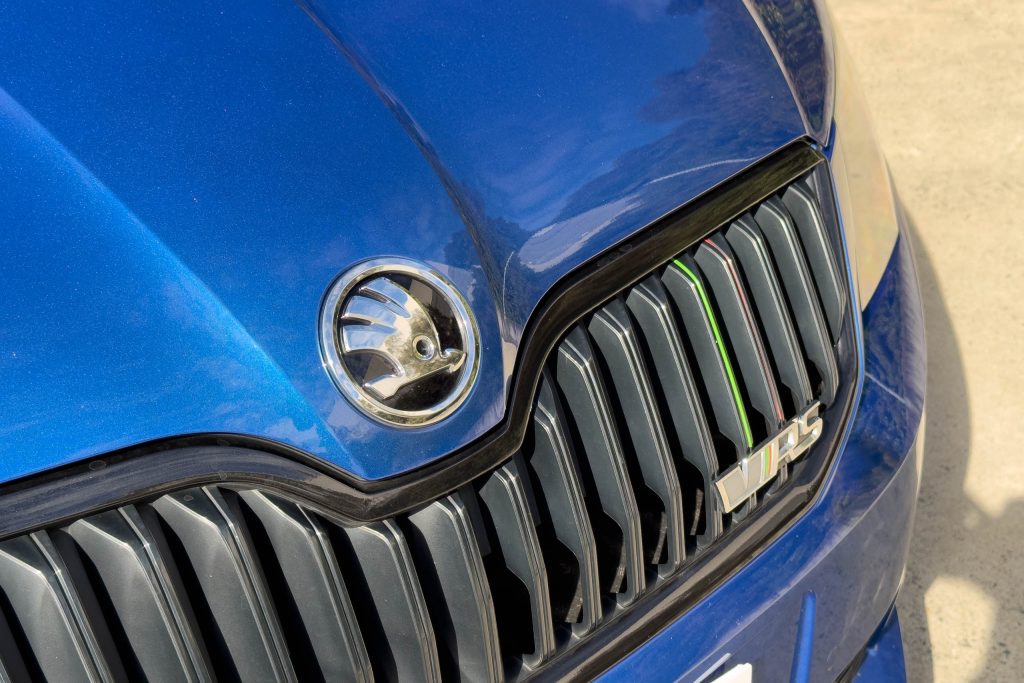
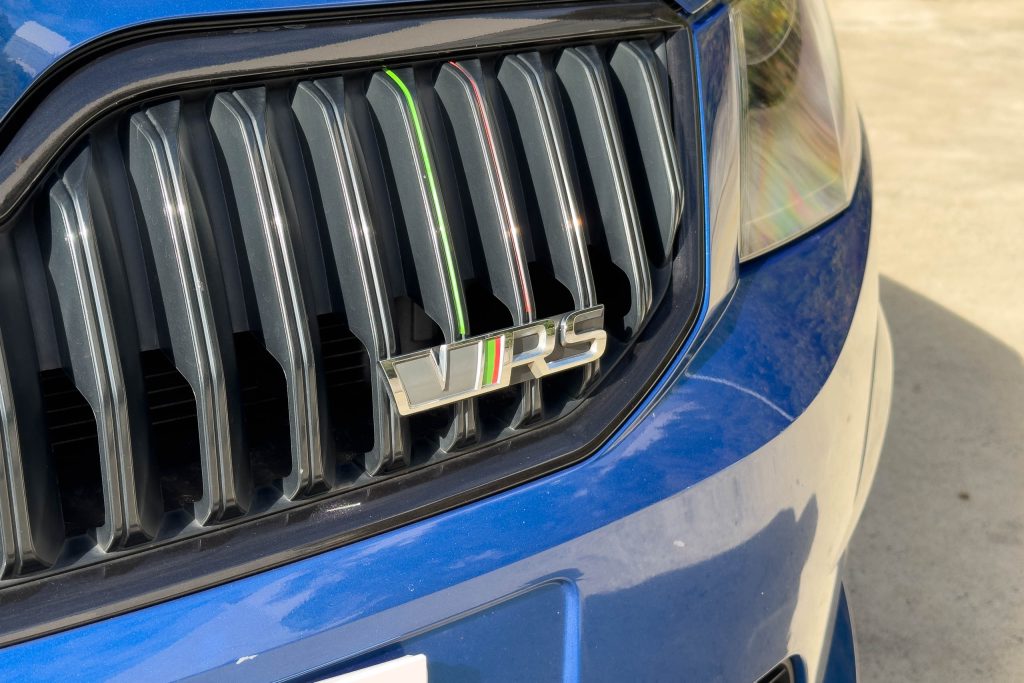
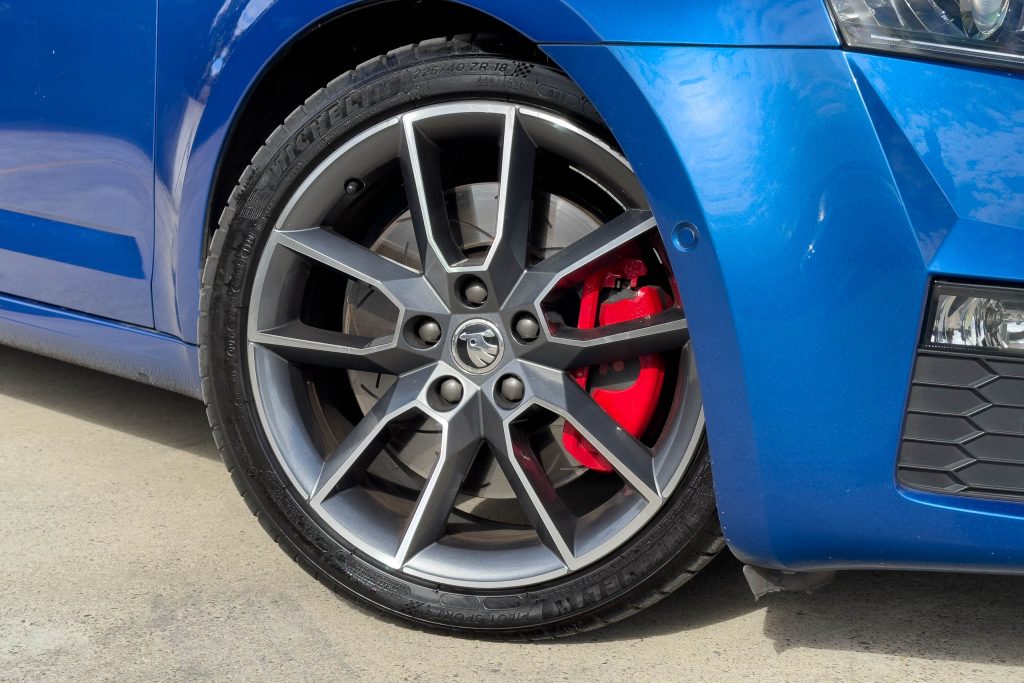
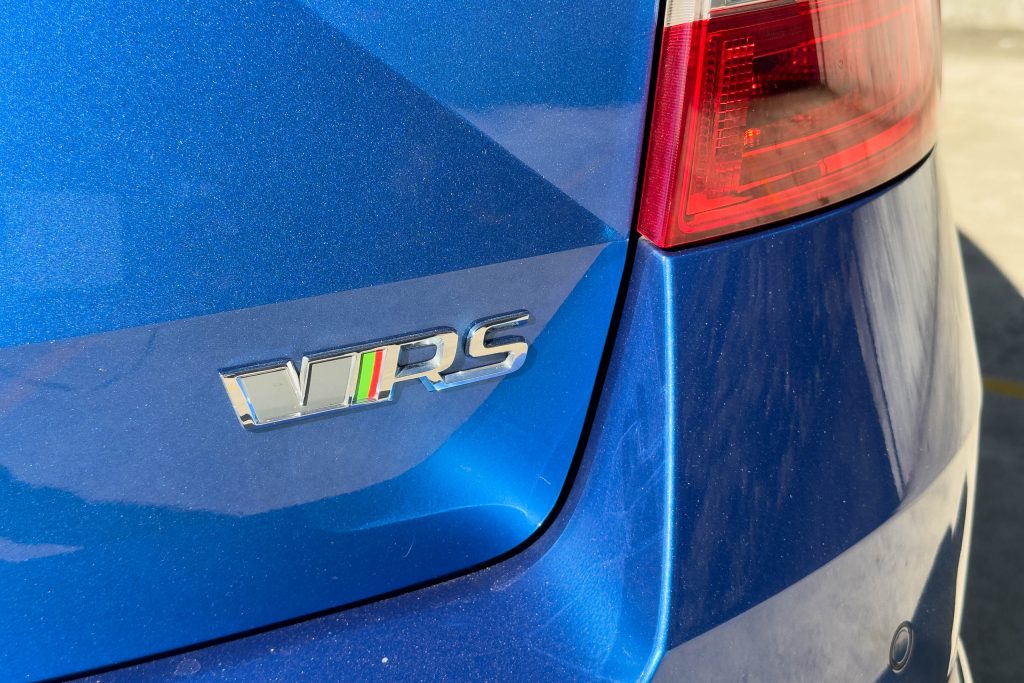
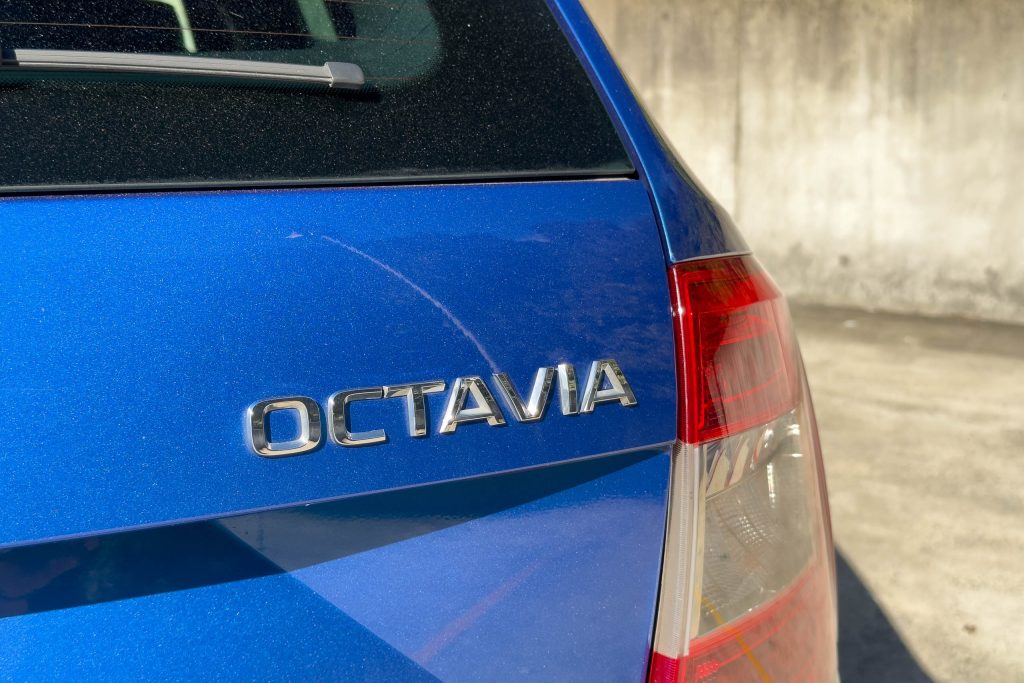
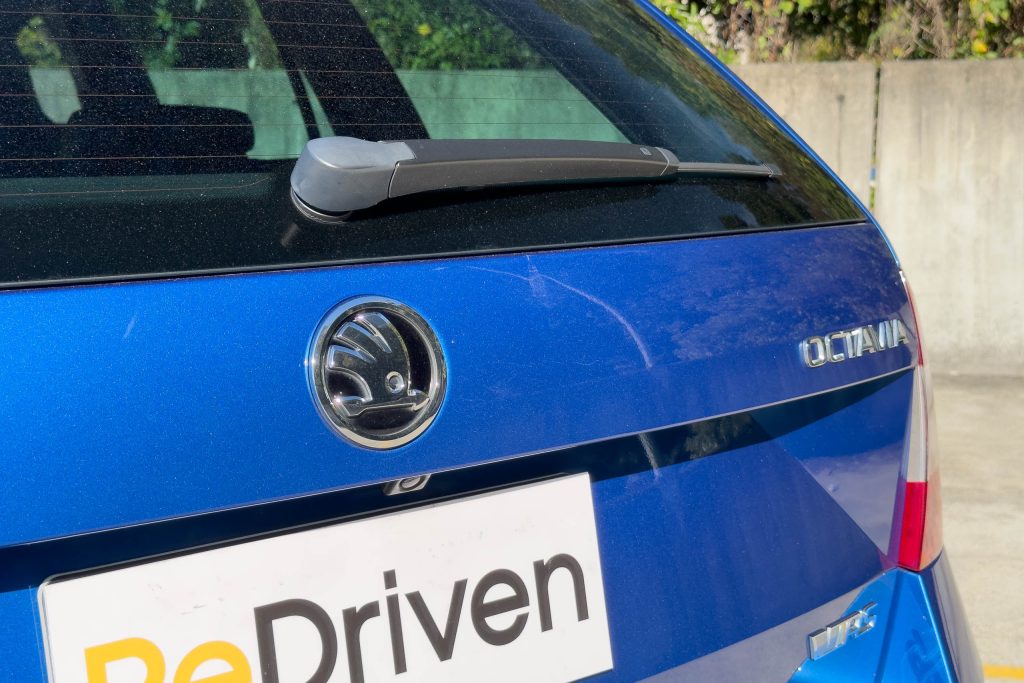
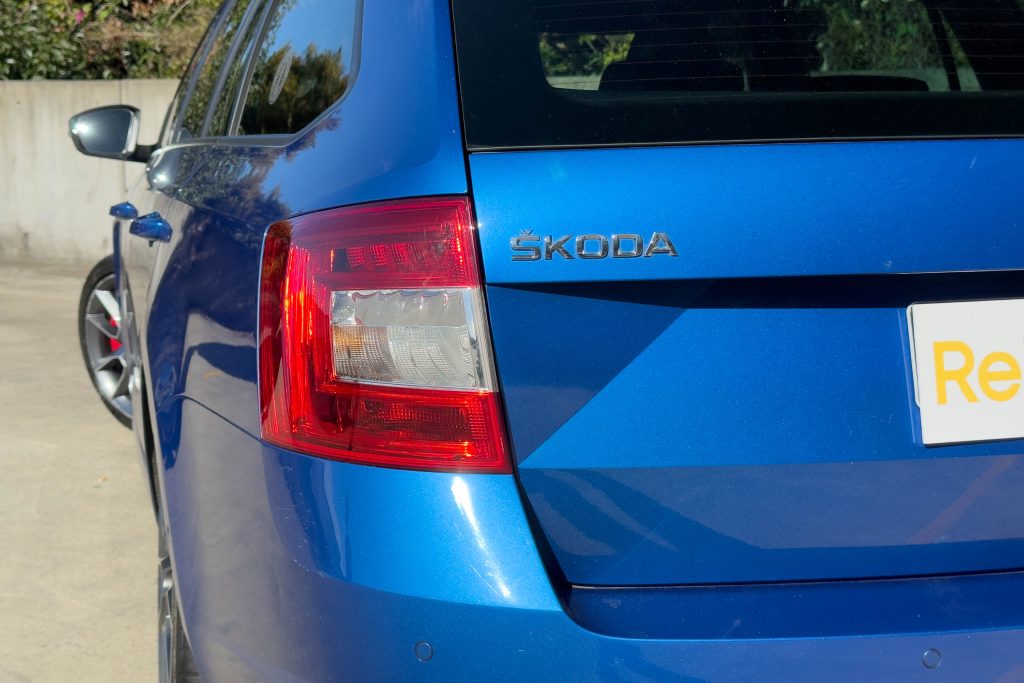
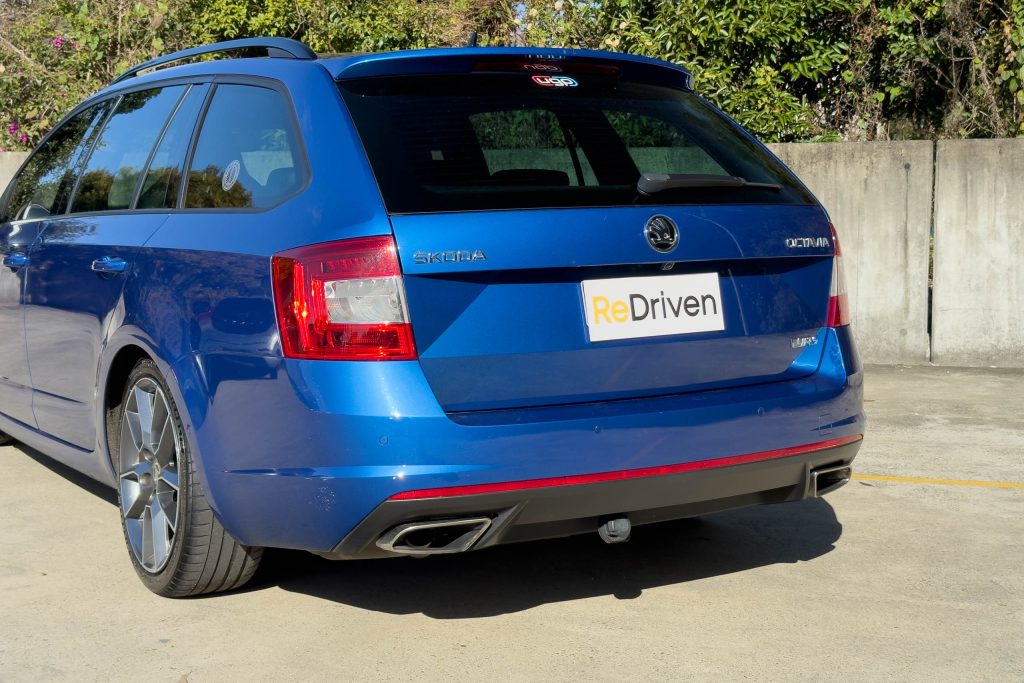
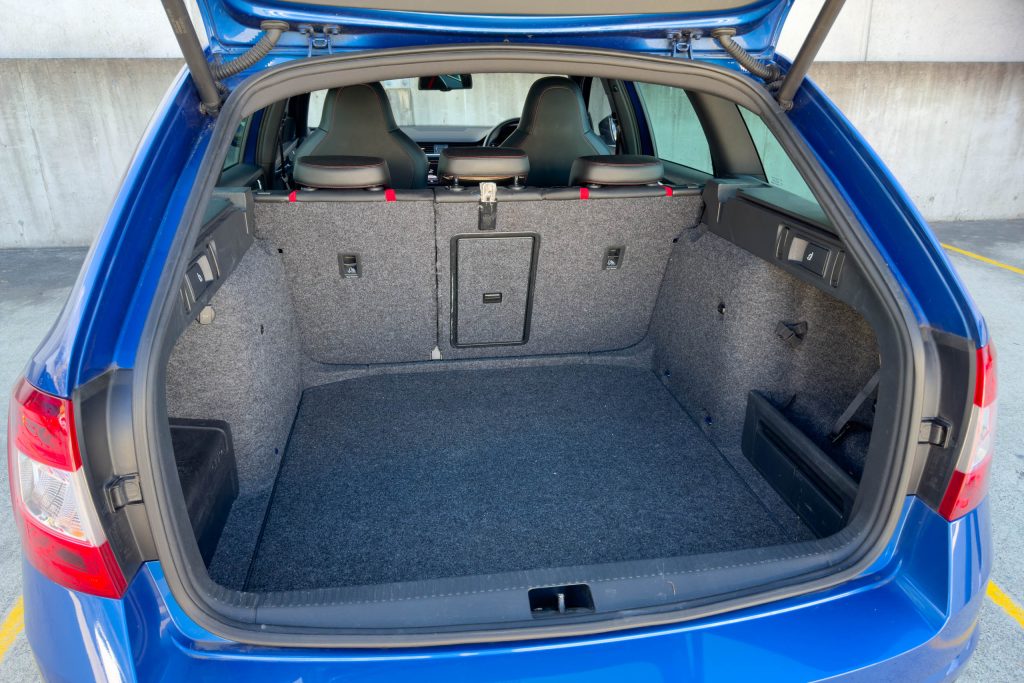
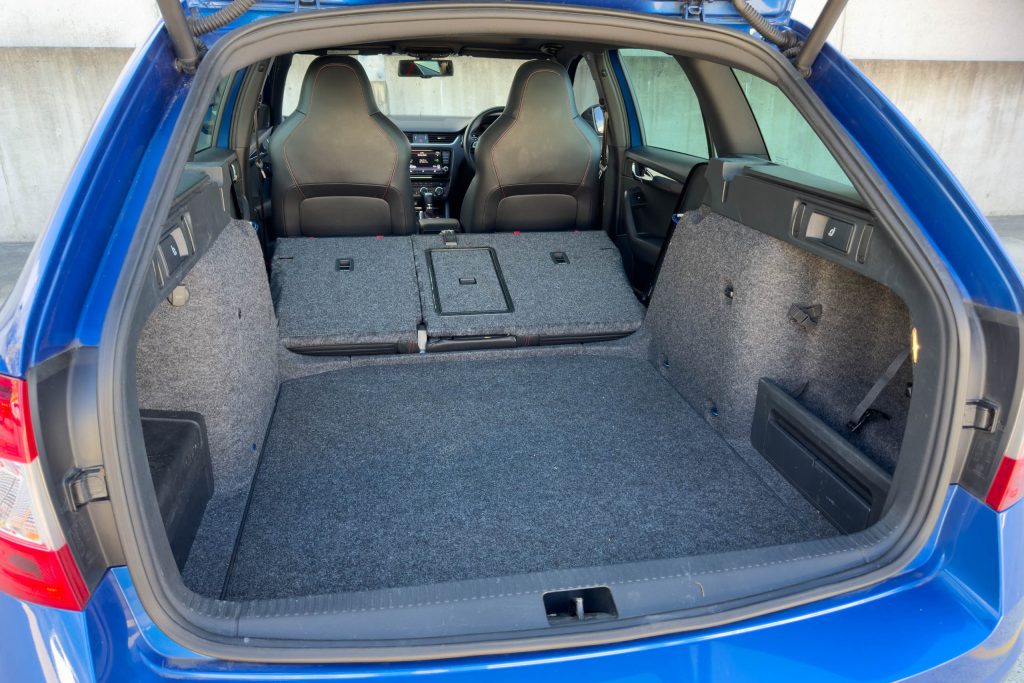

2015 Skoda Octavia RS 162TSI

25 August 2023
Yes. But only the right example.

2015 Skoda Octavia RS 162TSI

Used car review
25 August 2023
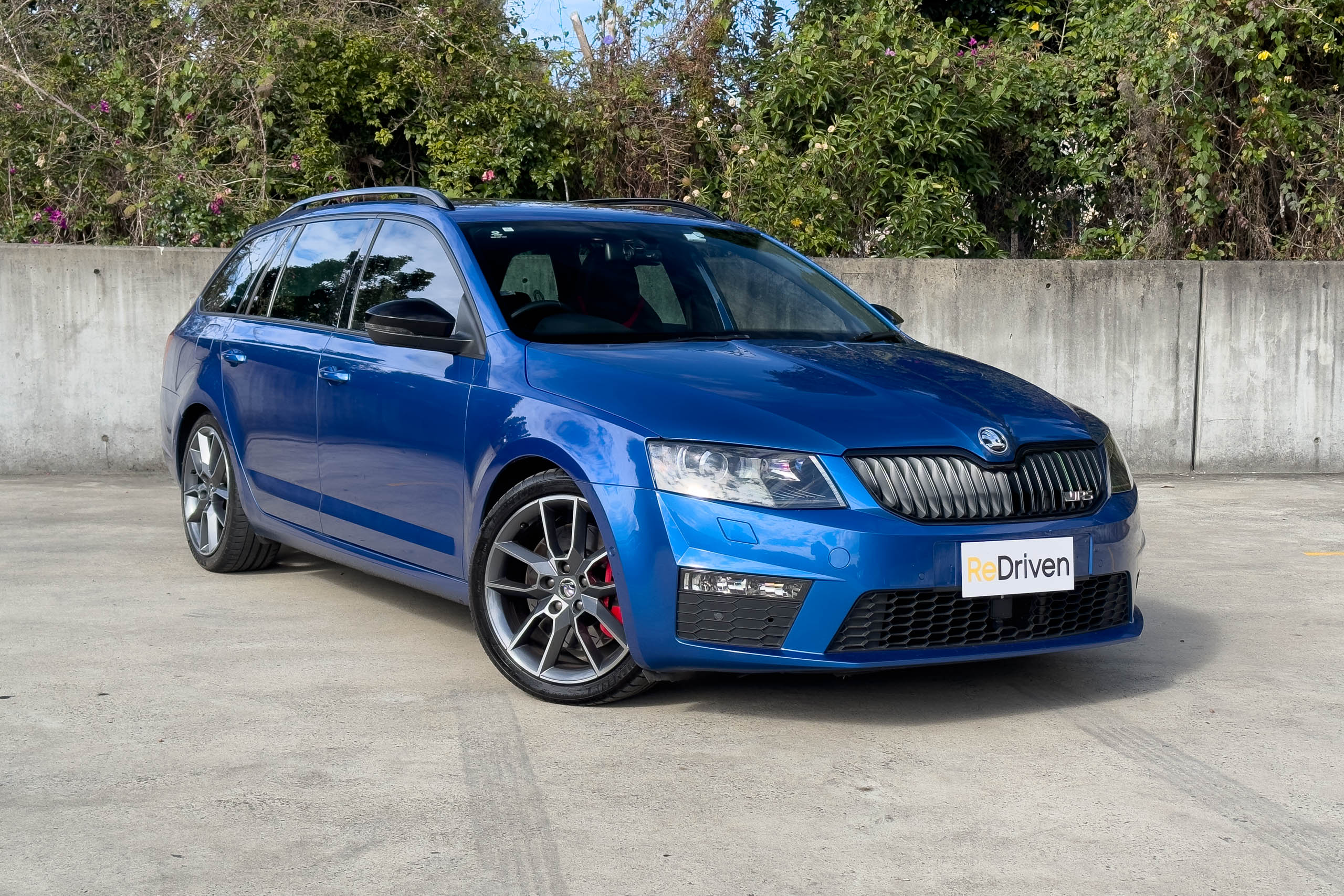
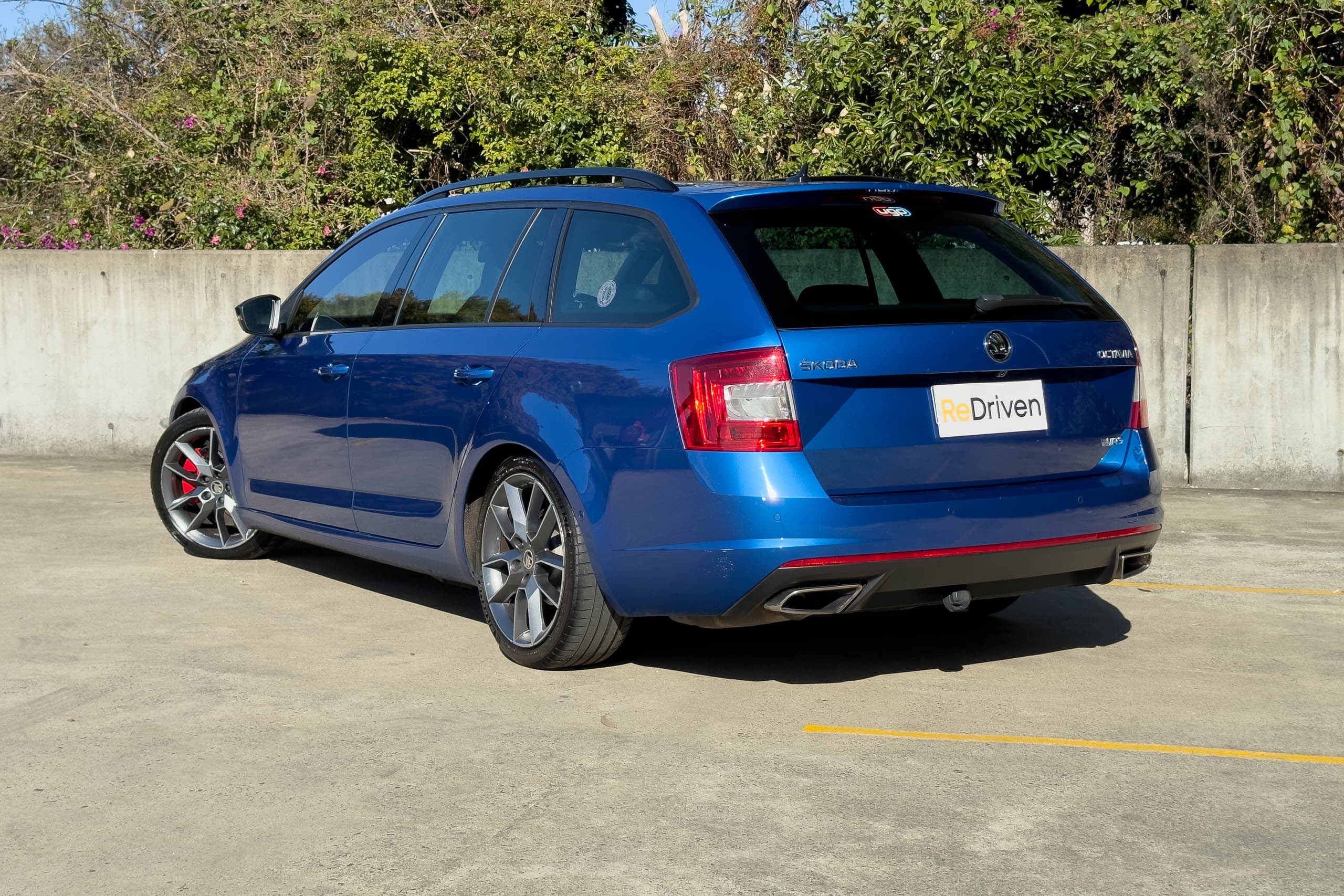
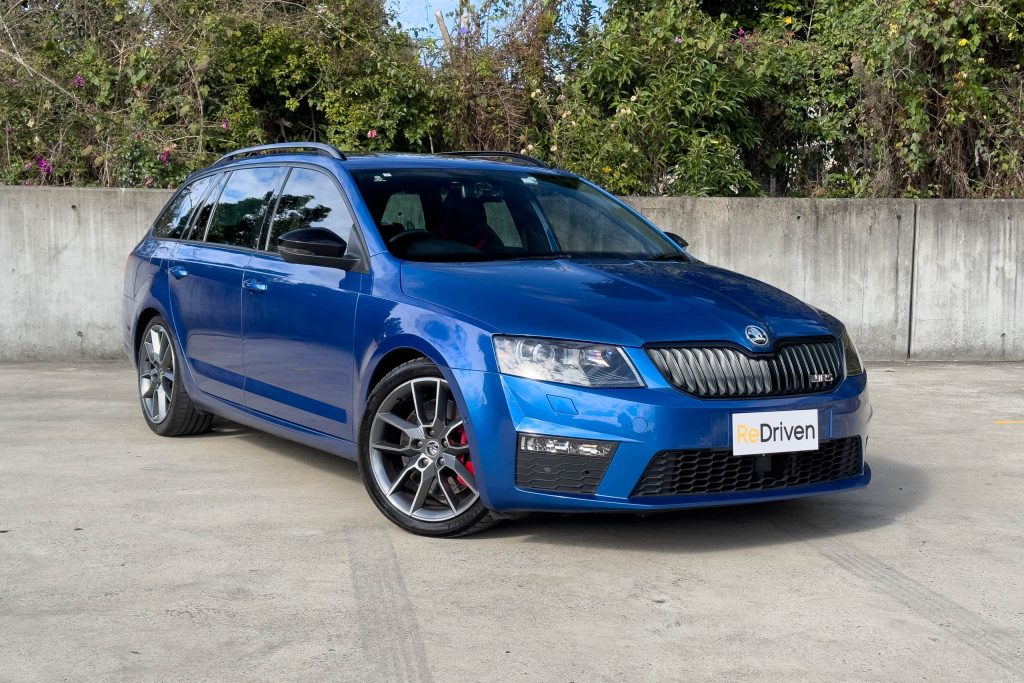
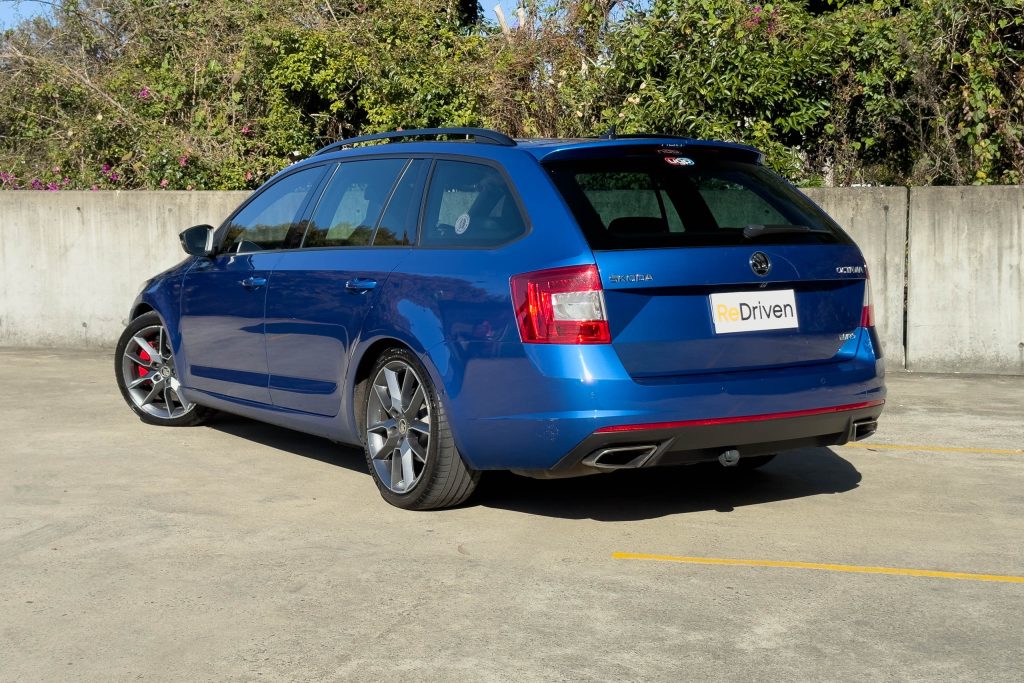
For those not in the know, picture a Volkswagen Golf GTI but in wagon form – that pretty much sums up the third-generation SKODA Octavia RS. Now, before we dig into the nitty-gritty, here’s the scoop: SKODA is under the wing of Volkswagen.
This means the Golf and Octavia share more than just a family tie; they also share common underpinnings, engines, and other components. While the Golf GTI already has its fanbase, the Octavia RS aims to stand out with a body-style twist.

Let’s set the context. This cheat sheet/review takes a look at the third-gen Octavia, produced from 2014 to roughly 2020, available in both the standard liftback hatchback and the more “funky” wagon.
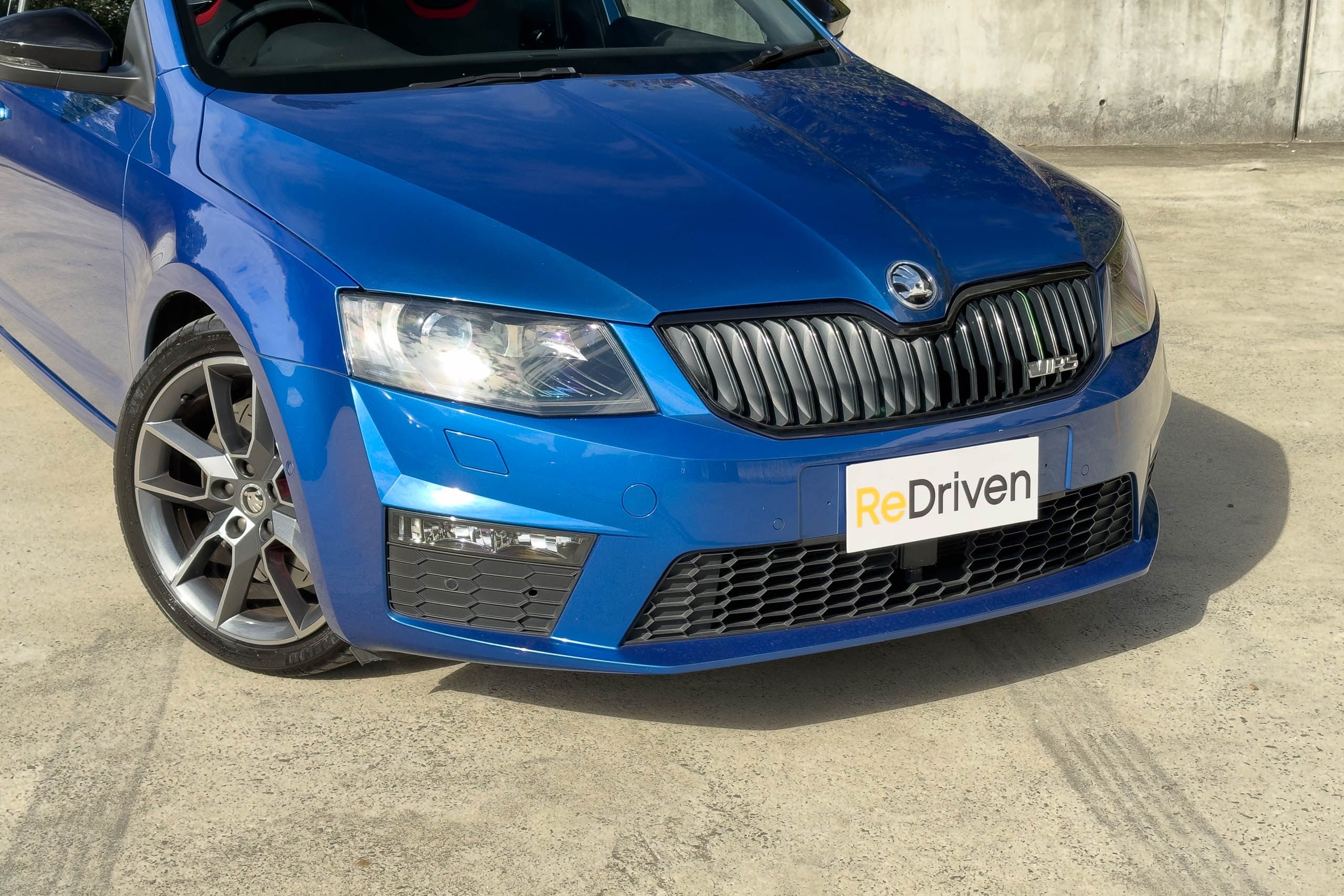
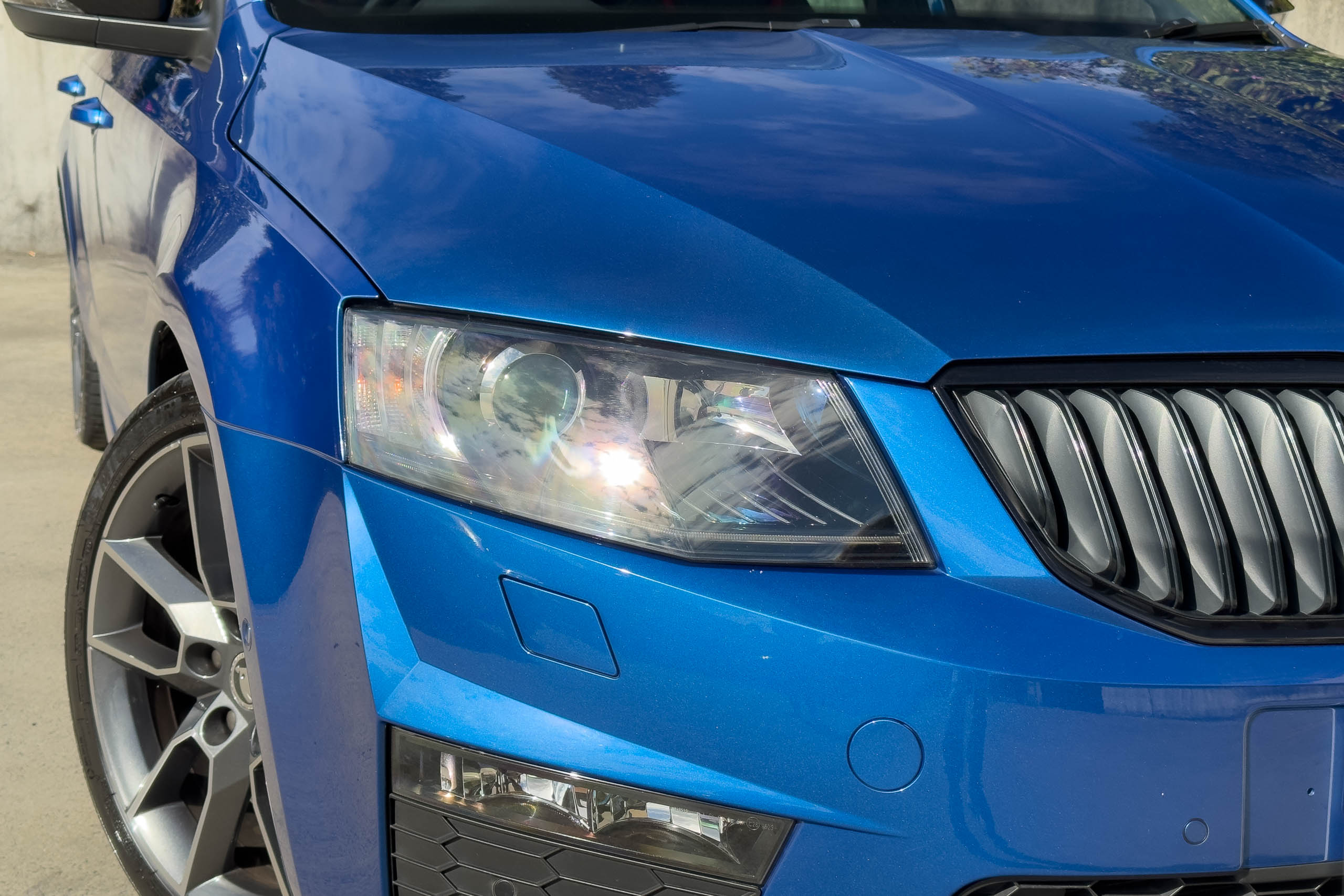
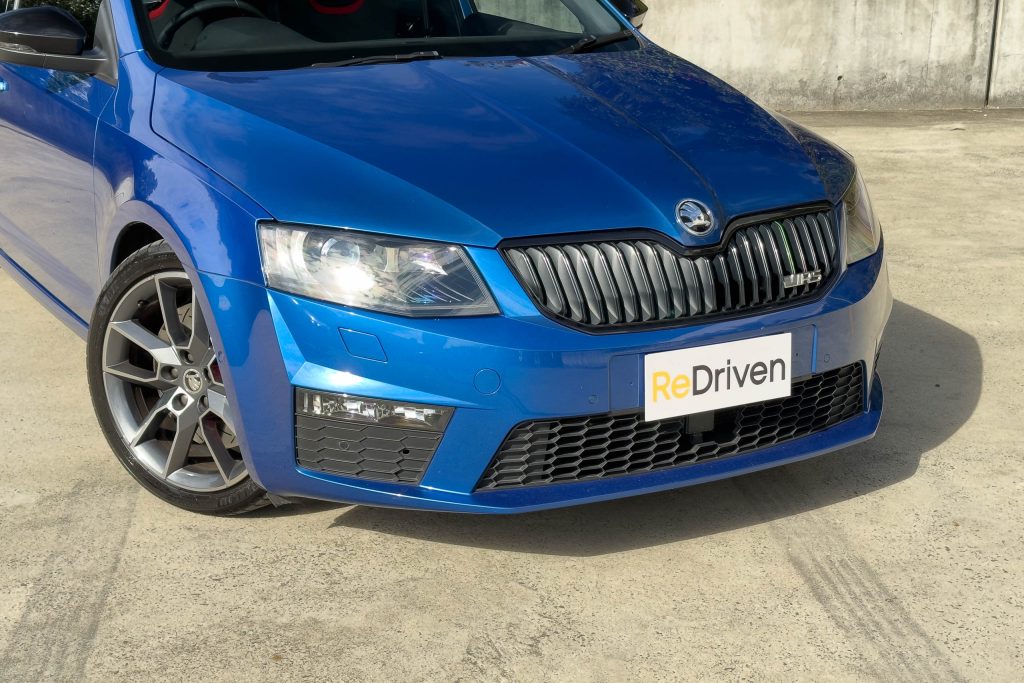
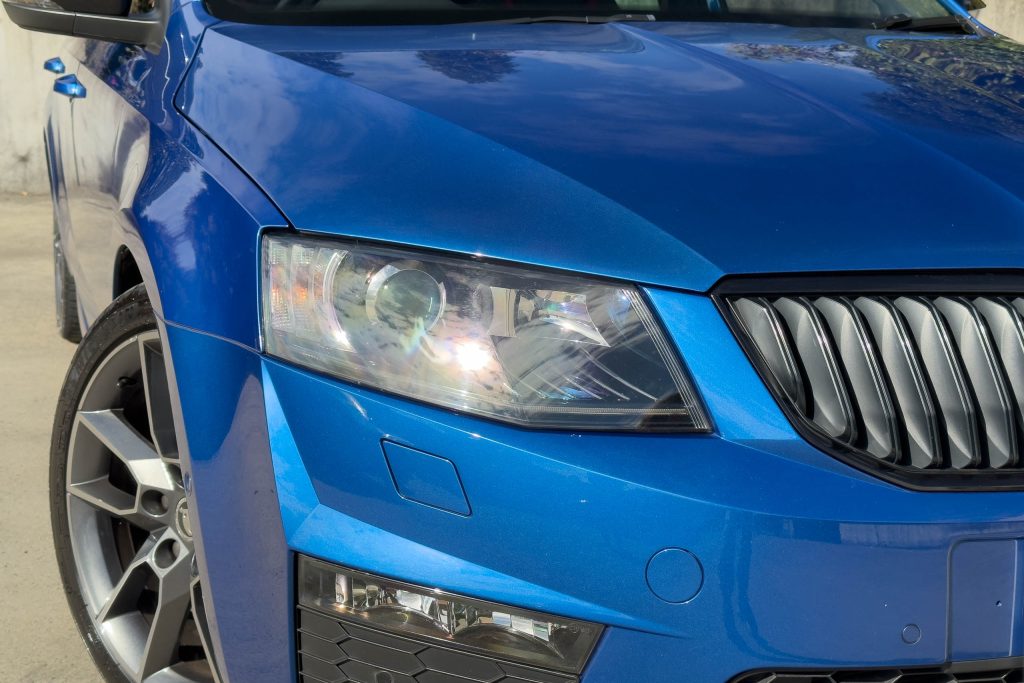
A pivotal moment for this Octavia generation came in 2017 when a sizeable update gave it a fresh look. The unique split-headlight design replaced the previous single-piece unit, but beyond the visual overhaul, this update claims to bring advancements in technology, features, safety systems, and mechanical components. We’ll unravel these supposed upgrades below.
Depending on where you’re reading this from, the Octavia lineup throws at you a baffling range of options, all with different engines.
Wrap your head around this: across the Octavia range, there were more than 30 different models, powered by both petrol and diesel engines. Even here in Australia, you can chew on the variety of 20 different Octavia models.
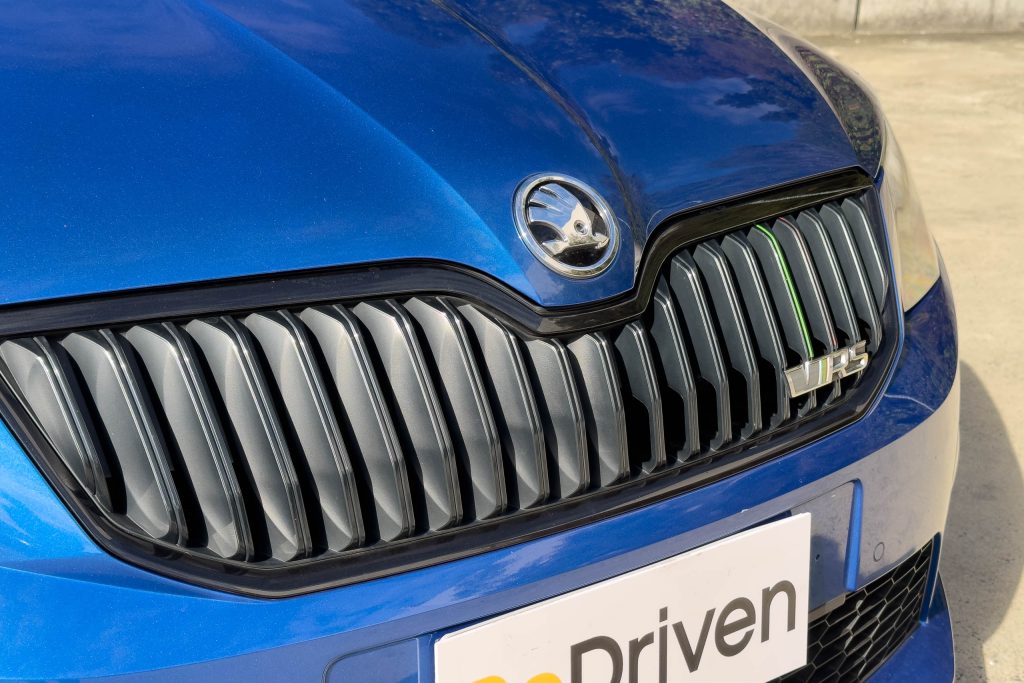
Now, here’s the twist. The story’s star players are, in many cases, the Octavia RS models. A total of six RS versions cater to those craving something sportier. While this cheat sheet covers aspects that apply to the entire Octavia family, we’ll give a bit more attention to these RS models.
Time to tackle the naming maze – it’s a bit of a head-scratcher. The digits supposedly represent the power output, but the units aren’t consistent.
The RS162, for instance, has a power output of 162 kilowatts. Yet when it comes to the 230 and later 245 versions, that number denotes horsepower, not kilowatts. Maybe it’s time for SKODA to keep it simple; those fancy number games might not be fooling anyone these days.
To sum it up, the third-generation SKODA Octavia RS might catch your eye if you’re into a fusion of the practicality of a wagon and a dash of performance. Whether you’re sizing up the whole Octavia range or just eyeballing those RS versions, one thing’s evident – SKODA wants to offer a package that promises power, style, and innovation.
However, as this generation ages, many concerns arise regarding reliability and the appetite for fastidious maintenance. Neither assisted by generally expensive parts and labour costs.
Exterior:
Numerous reports have emerged about the powered tailgate struts, which often fail to close properly or intermittently malfunction. Unfortunately, these instances tend to occur precisely when one’s hands are full of groceries or when you’re in a rush.
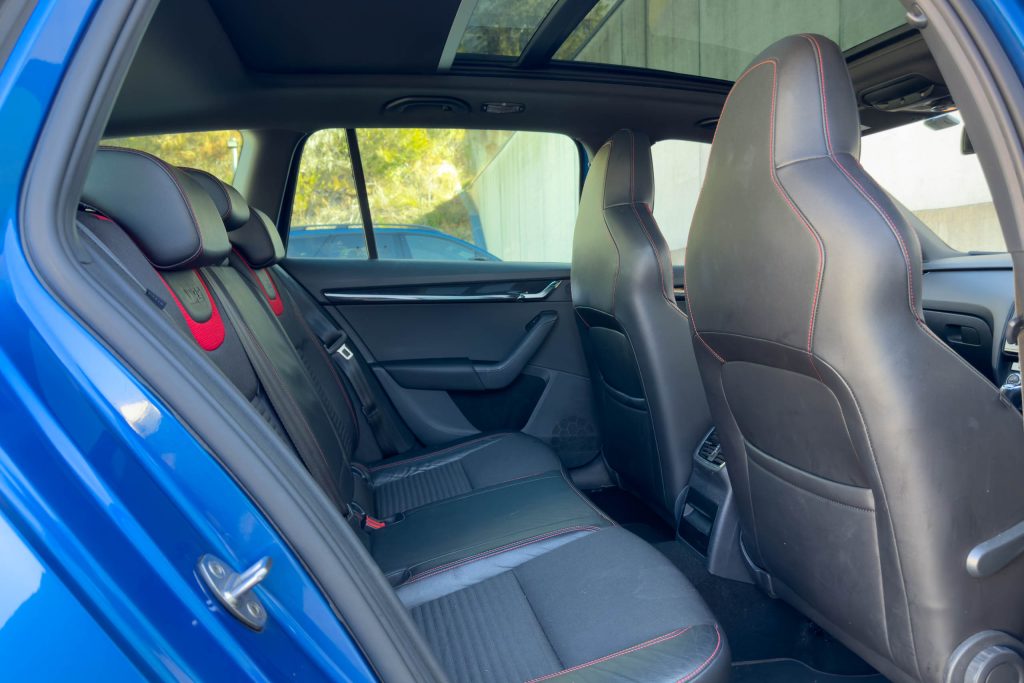
There are sporadic accounts of sunroofs being unresponsive to opening and closing, or solely the blind not operating.
For vehicles equipped with a sunroof, it’s imperative to clean the drain plugs regularly. Neglecting this can lead to water infiltrating the cabin, wreaking havoc on the electronics.
Regarding electronics, a range of complaints concerns various electrical components. Challenges encompass erratic behaviour of tail lights, finicky power windows, and malfunctioning door lock actuators.
Early vehicles have exhibited issues with deteriorating door seals. Certain owners have encountered problems stemming from blocked door drain plugs.
The matter of tyres presents an intriguing aspect. Many owners suggest that the standard tyre size may be inadequately suited for Australian road conditions. Apparently, opting for a higher-profile tyre can yield significant improvements.
Interior:
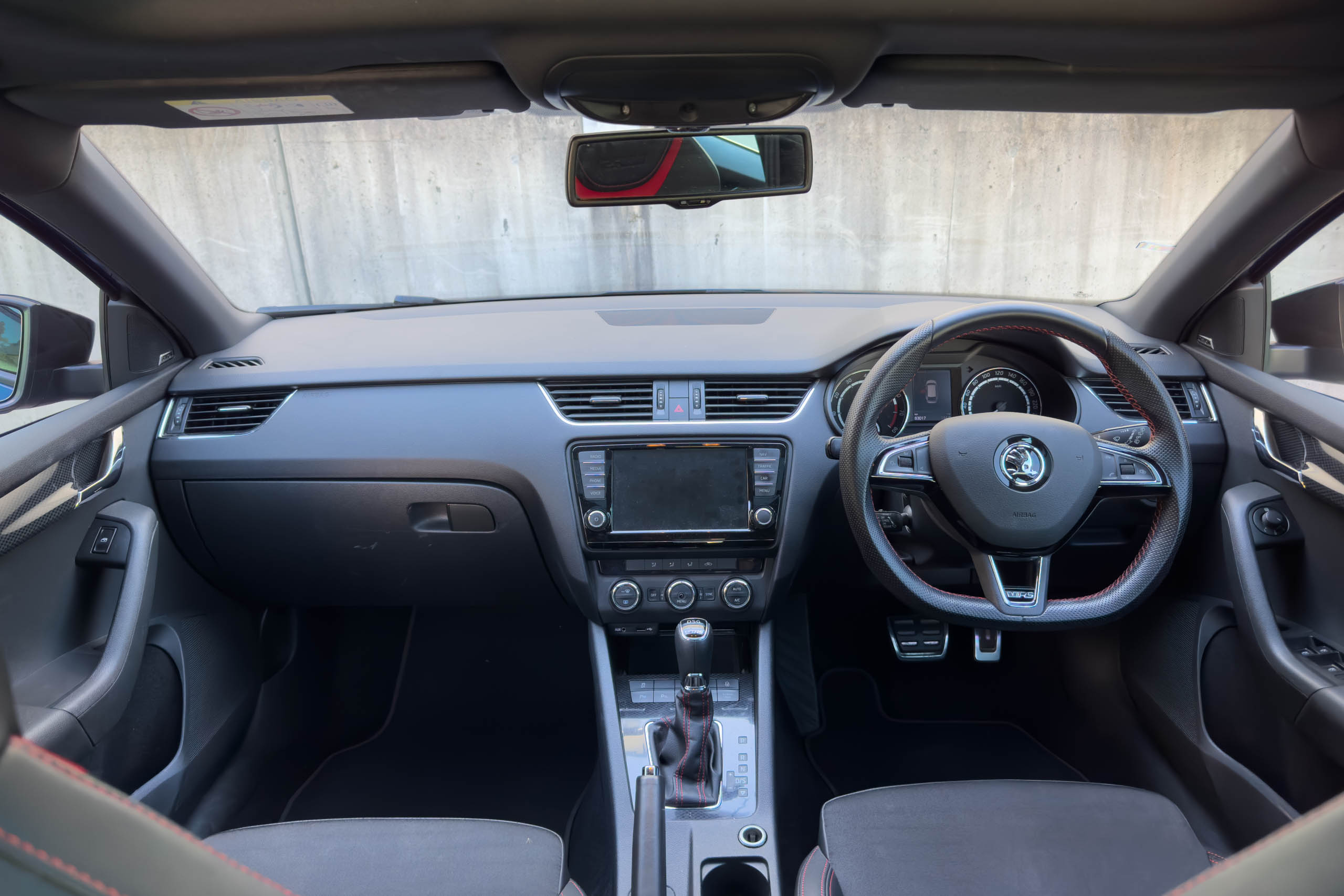
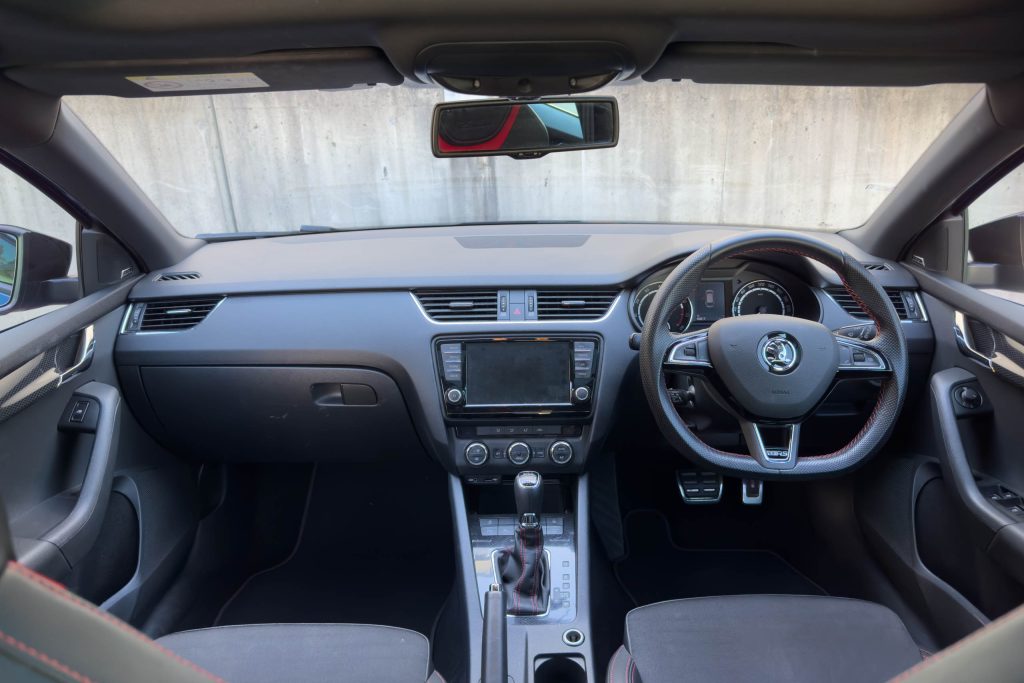
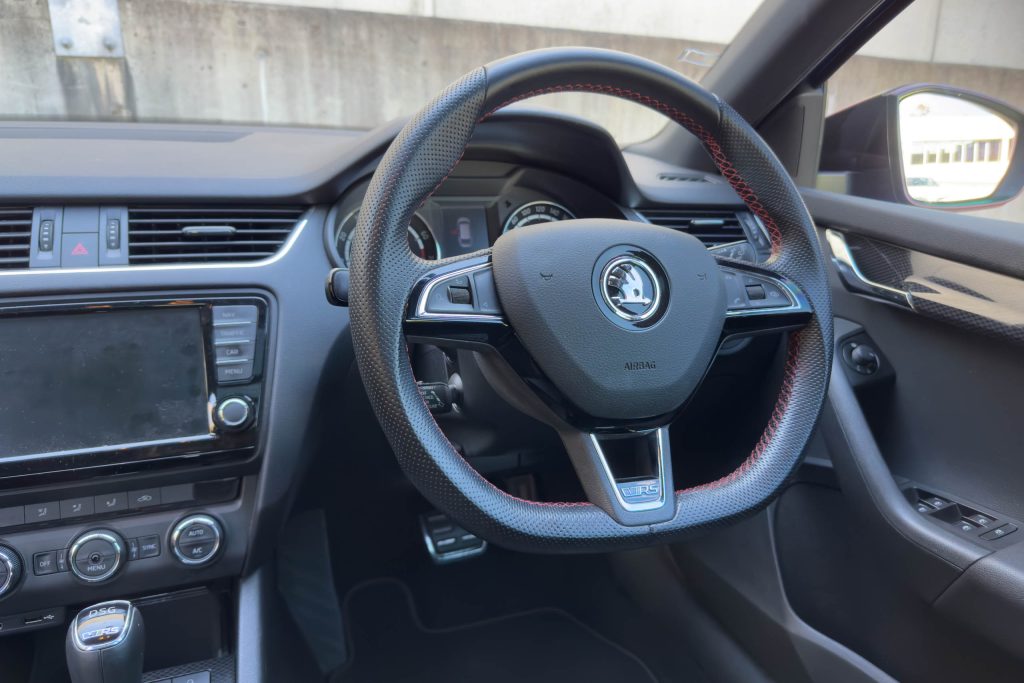
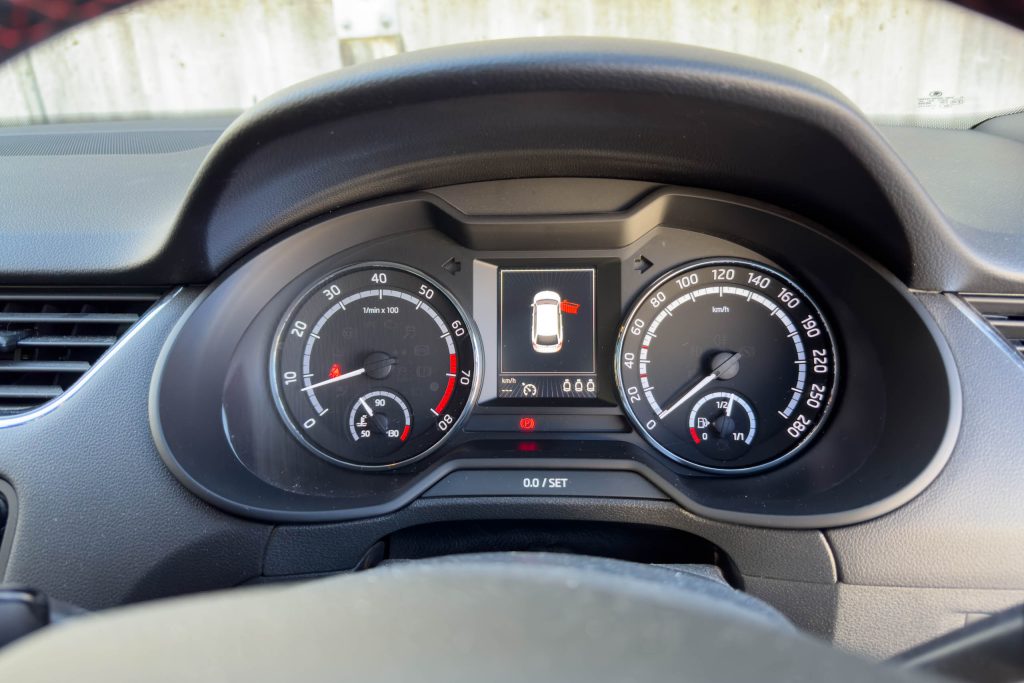
Turning our attention to the interior, the saga of electronic issues persists. Users have reported complaints about glitchy infotainment systems, with reports even noting that screens can become excessively hot.
A common complaint concerns the scroll wheels on the steering wheel, which often malfunction or even disintegrate. While not a complex problem to fix, it’s undeniably aggravating.
Many owners choose to disable the auto-start-stop feature permanently due to notable improvements in battery life and overall battery performance.
In addition, grievances extend to the stitching on the seats, which has been observed to unravel prematurely, even at relatively low mileage.
The issue of rattles is prominent, with numerous accounts citing rattles originating from the dashboard, the A, B, and C pillars, beneath the seats, and within the doors.
Mechanically:
When considering the unmodified versions of the third-generation SKODA Octavia RS, the most common and somewhat costly issue concerns the water pump and thermostat. These components tend to experience premature and frequent failures.
Remarkably, some factory-installed water pumps can develop leaks after covering only 50 to 60k kilometres. It has become an almost routine part of the maintenance schedule. Interestingly, non-genuine replacement pumps often prove more durable than their genuine counterparts.
Some examples have coolant header tanks with a silica bag; the bag can burst and block the heater matrix, leading to an expensive repair.
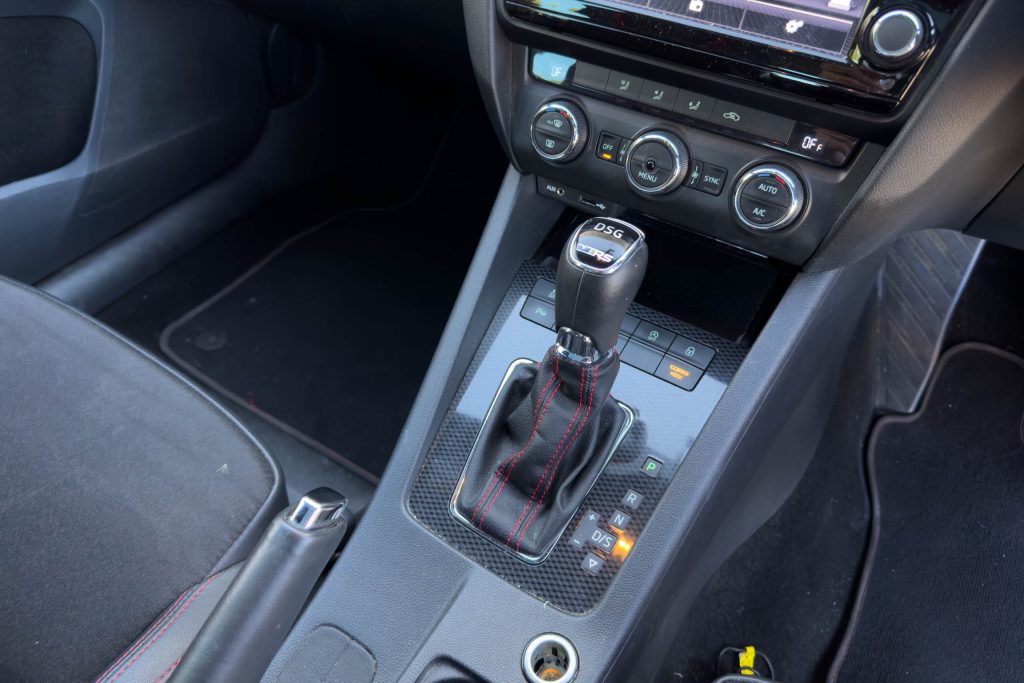
DSG transmissions can suffer from mechatronics failures, often resulting in prohibitive repair costs. At the same time, there are fewer common reports of difficulty shifting gears, leaking fluid, clutch juddering, and failed clutch or, worst case scenario, catastrophic transmission failures. In addition, other owners have reported delayed shifts and clunking noise when shifting gears.
Frequently, ignition coils require replacement. Complications involving Positive Crankcase Ventilation (PCV) systems and engine oil leaks are common culprits.
These coils are also highly susceptible to oil consumption. Occasionally, timing chain issues come to the forefront. Newer iterations of this engine tend to experience fewer inlet-tract blockages due to the incorporation of both direct and port injection.
Regarding the 2.0 diesel variant, it uses a timing belt instead of a chain, which requires replacement every 105k kilometres or 7 years.
However, the timing belt replacement might need to occur sooner if there are any oil leaks in the area – a frequent occurrence in these models. Additionally, the timing belt tensioners and idler bearings have been known to fail prematurely.
The inlet systems, encompassing throttle bodies and EGR valves, are notably prone to clogging. While installing a catch can could substantially benefit these systems, it’s rare in this vehicle type. The engine bay in these models is notably tight, leaving very little space for additional components.
Diesel Particulate Filters (DPFs) in these vehicles generally exhibit issues on par with other cars in the same category.
Historically, older European cars commonly grapple with problems tied to weak engine bay plastics, reminiscent of the water pump situation. As these vehicles age, similar issues are likely to emerge in the third-generation SKODA Octavia RS as well.
Deciding whether to take the plunge really hinges on your circumstances.
If you’re proficient with a spanner and maybe blessed with a mechanic best friend, and you’re willing to contend with potential lingering issues because the car’s charisma and uniqueness overshadow the hassle, and if you’ve reached a life stage where practicality and safety matter, yet your inner driving enthusiast remains alive and kicking, then, without a doubt, yes, go ahead and buy one.
But, even then, it’s crucial to conduct thorough research. Choose the right Octavia model, and set aside around $10,000. In the best-case scenario, allocate this sum for modifications enhancing the car’s performance; however, in a less fortunate scenario, be prepared to use those funds for repairs.
However, if you lack the luxury of easily accessing an extra $10,000 and the prospect of tinkering with and constantly maintaining a vehicle seems nightmarish, regrettably, the answer is no.
The allure of a used Octavia RS is undeniable, making it a strong contender for a solo parking spot. Yet it’s a vehicle suited to genuine motoring aficionados – individuals who derive as much pleasure from maintaining their cherished ride as from driving it.


Co-creator, presenter & writer, ReDriven

Yes. But only the right example.

 2 weeks ago
 1 month ago
 2 months ago