Australia’s No. 1 Used Car Review Website
Australia’s No. 1 Used Car Review Website
+17 Photos

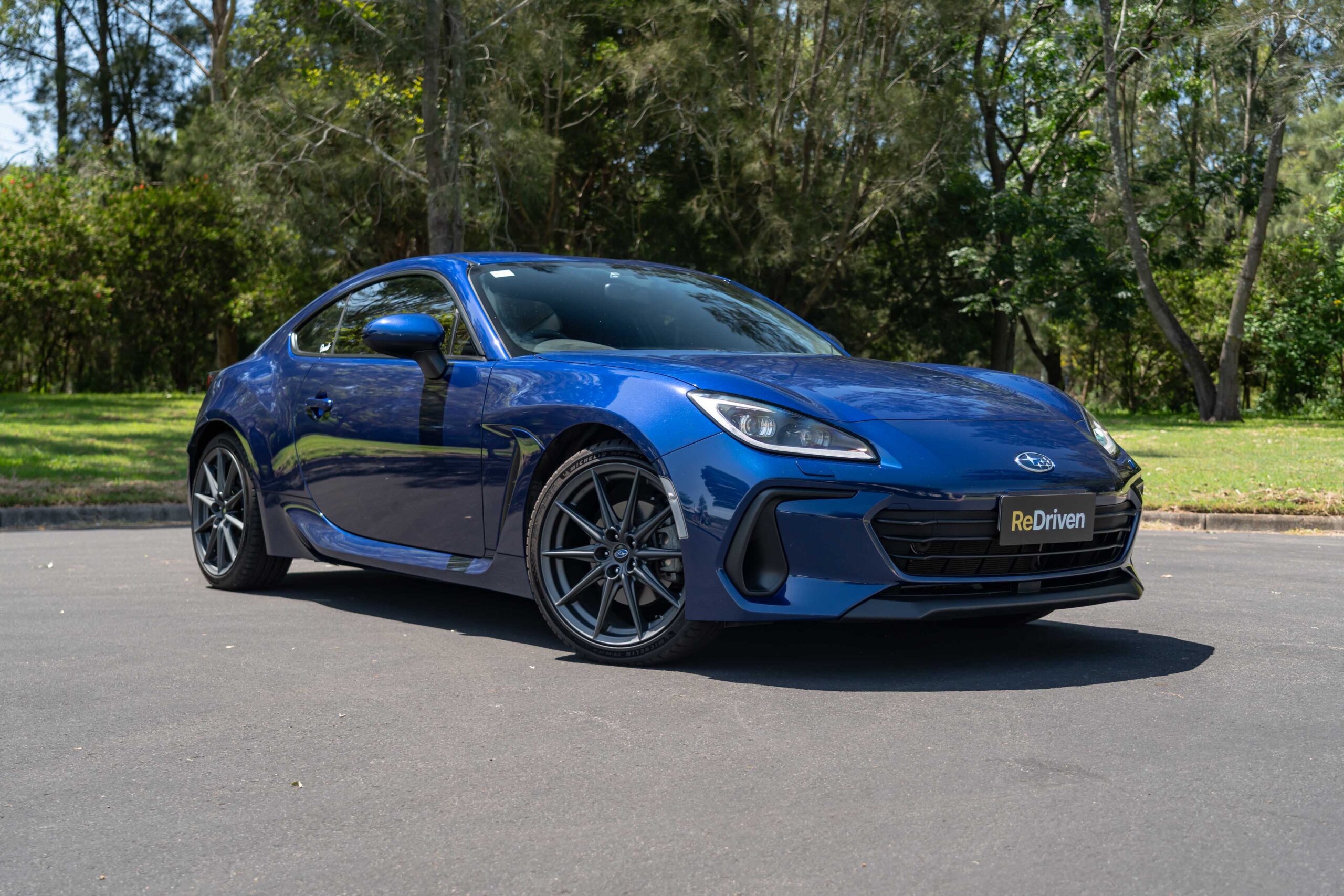
2023 Subaru BRZ

23 February 2026
Would We Buy It?

2023 Subaru BRZ

Used car review
23 February 2026
The second-generation Subaru BRZ (ZN8/ZD8)Toyota 86, as well as its twin, the Toyota 86, are direct successors to the previous iterations of the ZN6-gen Toyota 86/Subaru BRZ.
Continuing the joint venture between Subaru and Toyota, this ‘Toybaru’ iteration further improved upon the Japanese brands’ rear-wheel drive platform.

Key changes included a lighter body, a bigger flat-four engine with improved torque/power delivery, and more up-to-date cabin features.
Australia first received these models for the 2021 model year, and depending on which country or market you are based in, there are also several special or limited edition versions since the car’s debut that bring features like exclusive paint finishes, aesthetic equipment, or suspension tuning, to name a few.
The GR86/BRZ is no short of rivals – Japanese equivalents include the Mazda MX-5 (ND) and the Nissan 370Z, to more premium sports car European offerings from Porsche, Mercedes-AMG, and BMW.
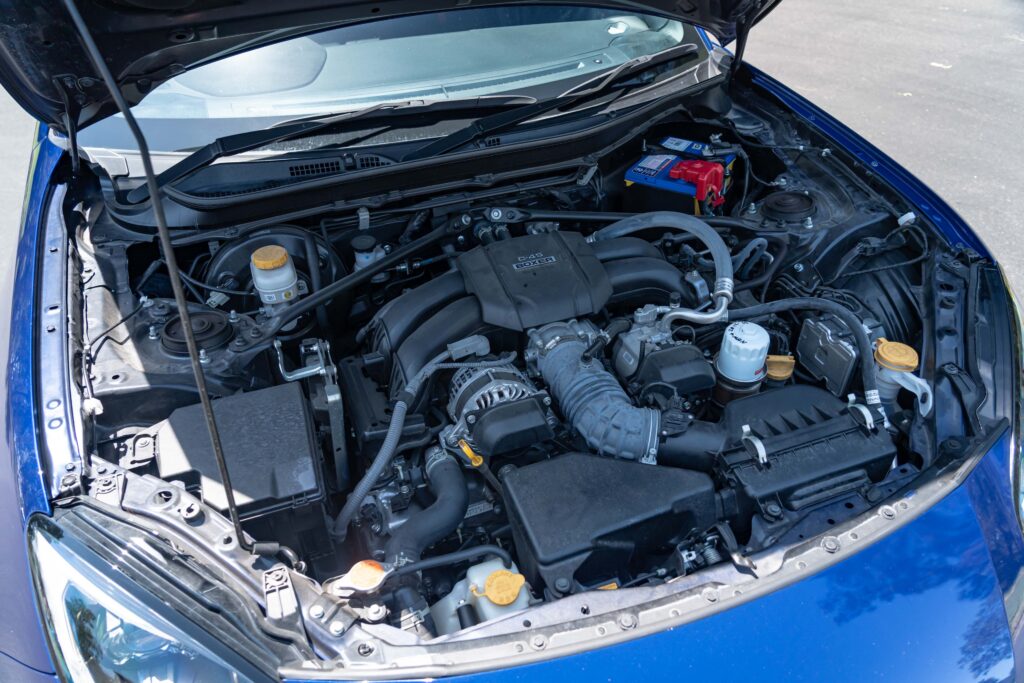
Both the Toyota and Subaru use the same powertrains: a 2.4L naturally-aspirated flat-four ‘Boxer’ engine (FA24D), paired to a six-speed manual or automatic transmission sending power to the rear.
Exterior issues:
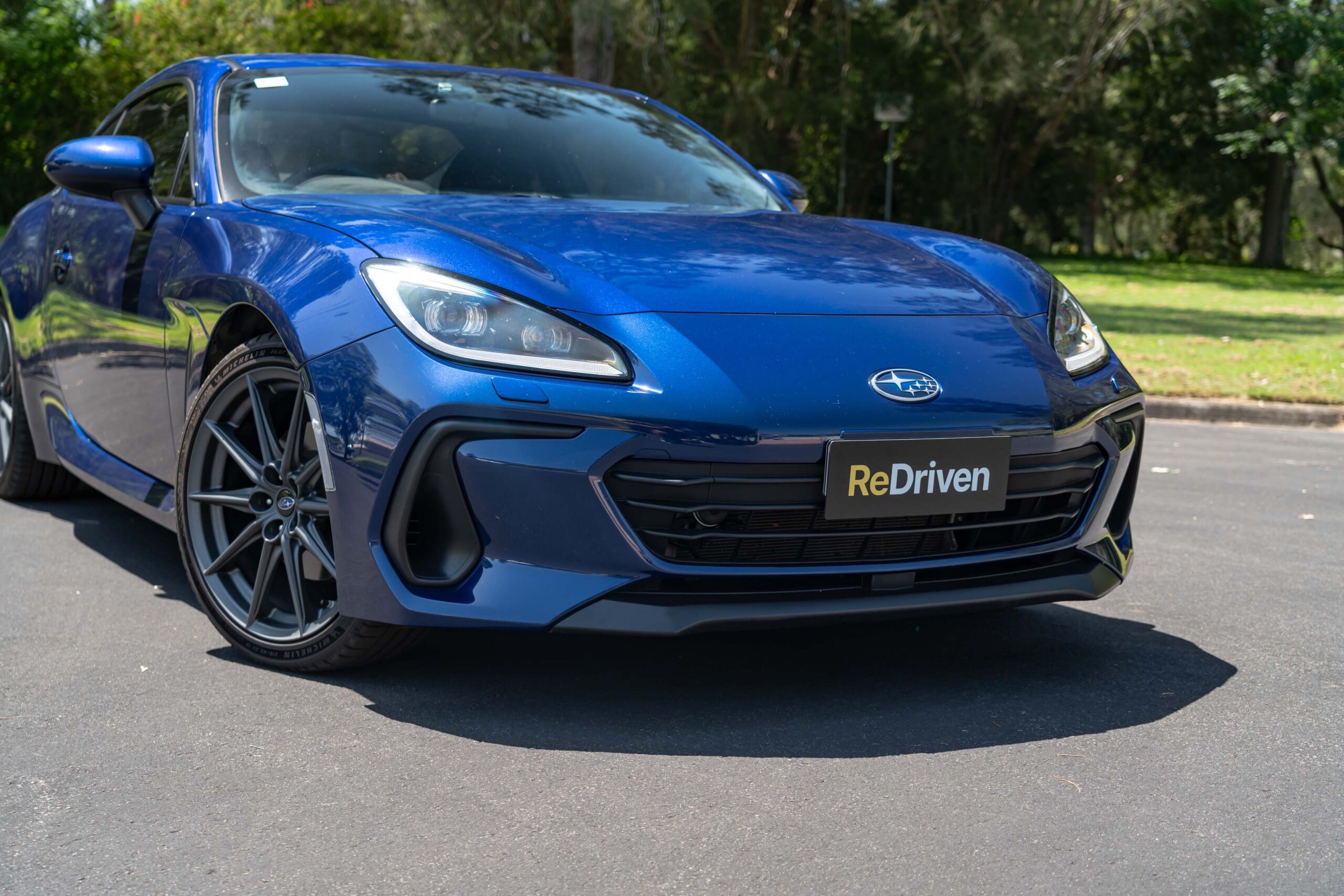
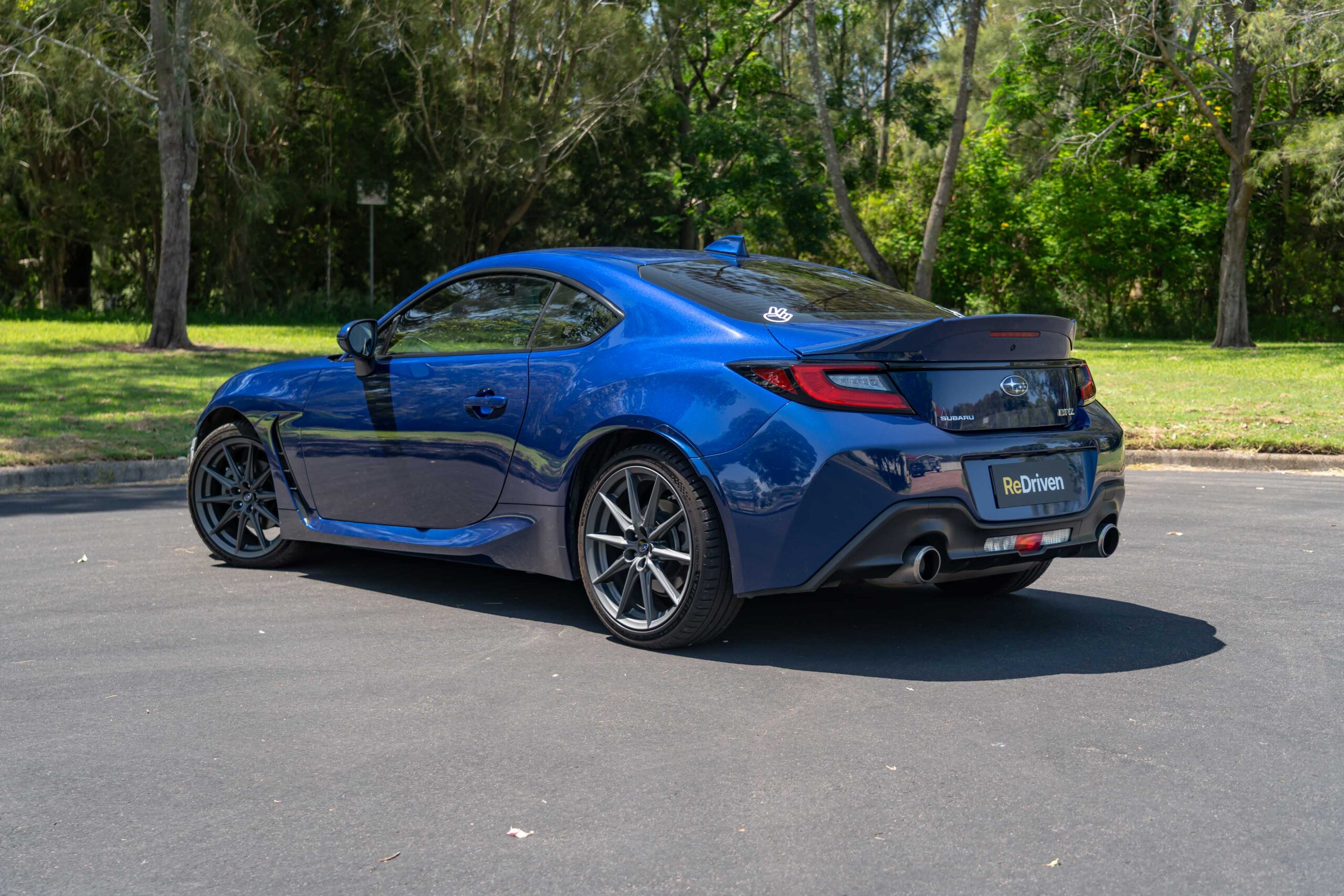
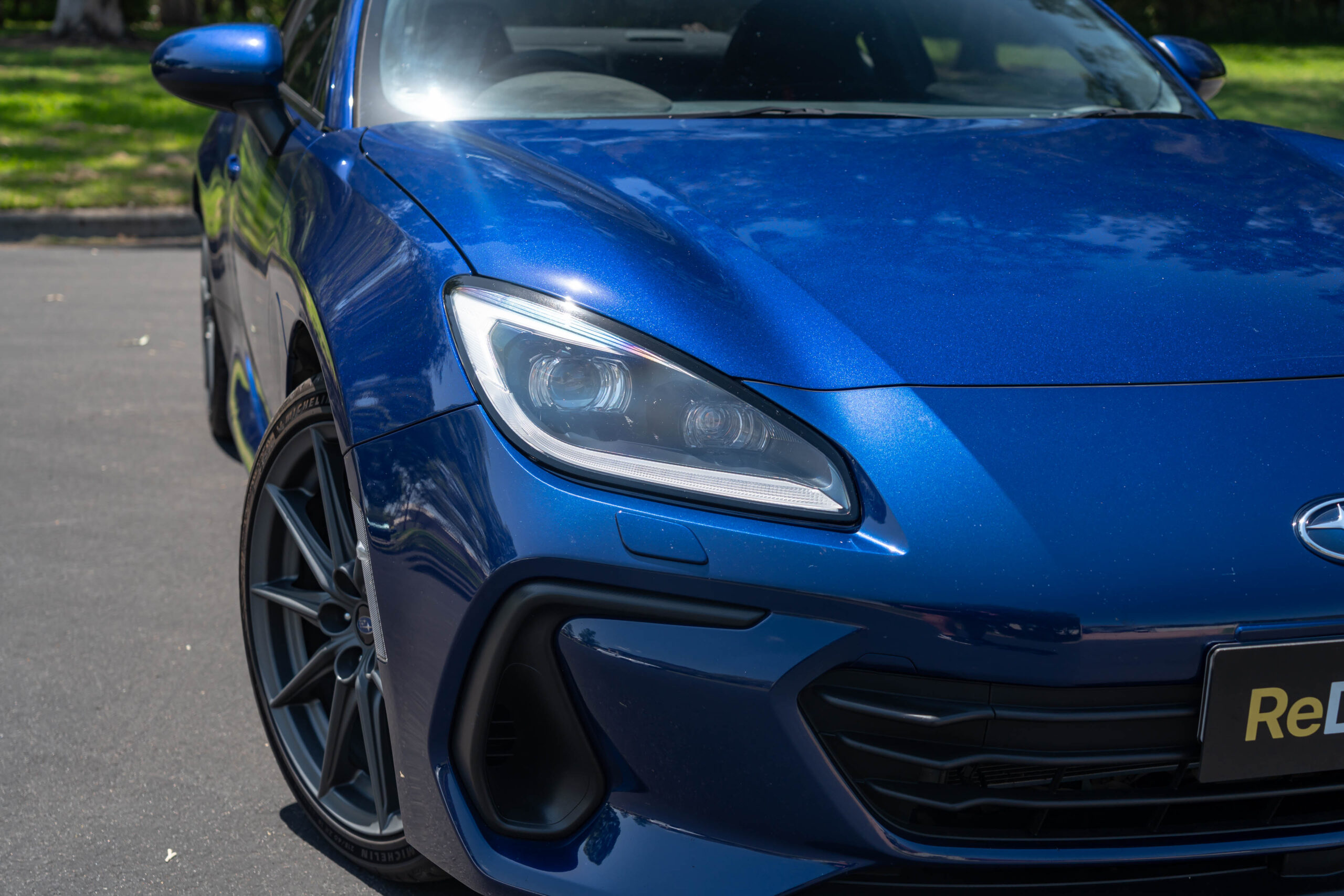
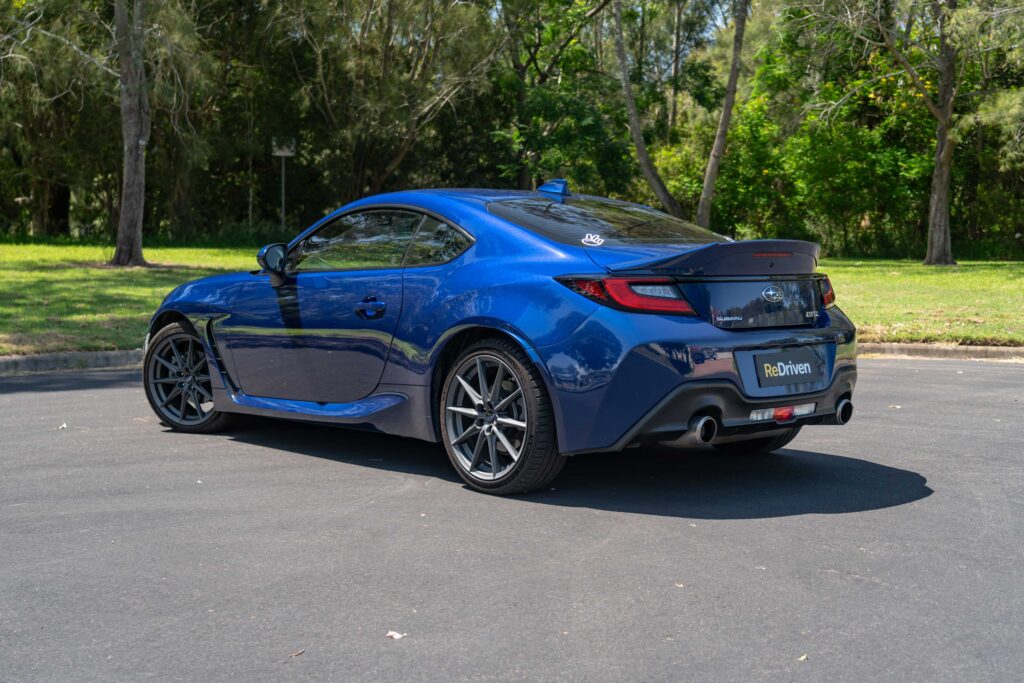
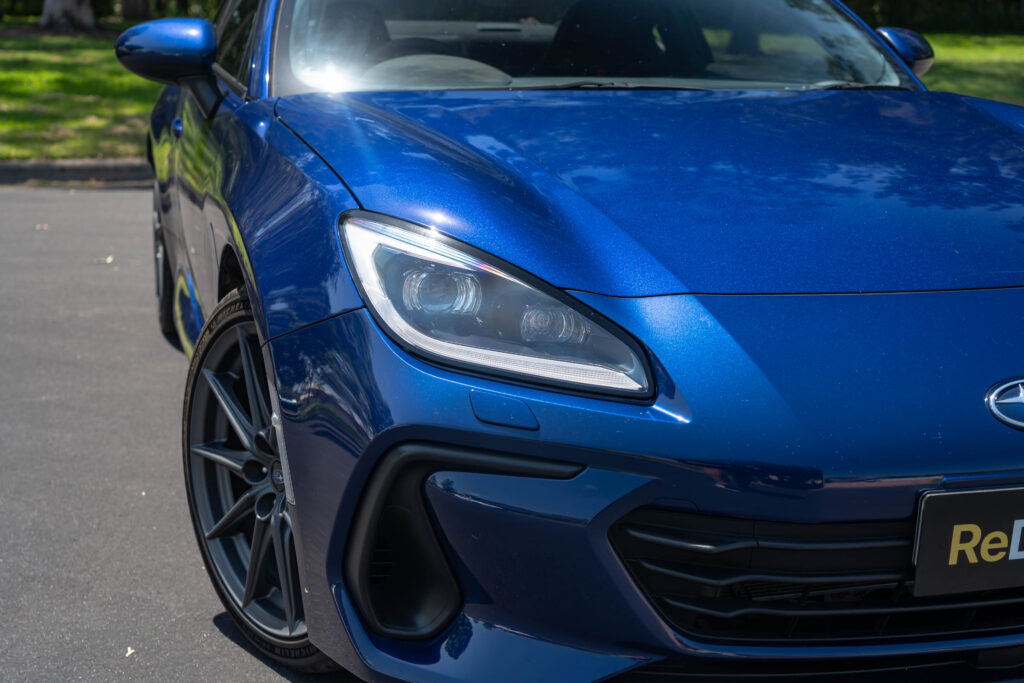
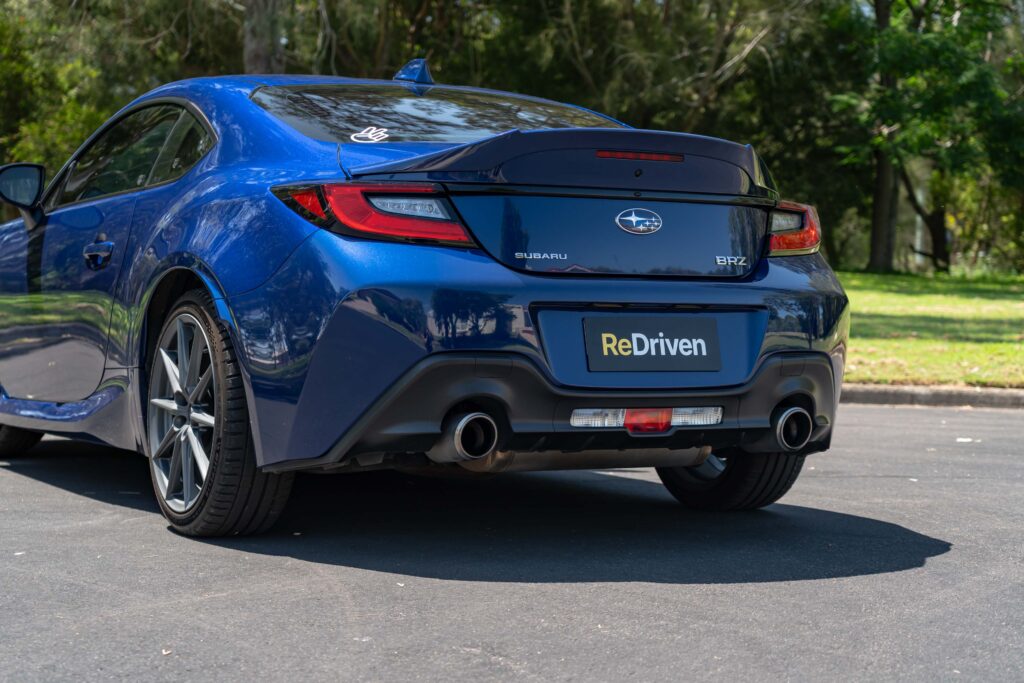
The exterior paint is fairly thin and can be easily scratched, as with other modern-era cars – one owner reports they had the front bar and bonnet sections repainted under warranty because the paint chips/marks already got that bad.
Given this, it wouldn’t hurt to consider investing in applying paint protection film to the front, especially if you’re going to subject these to track days or spirited drives where debris can easily mark these sections.
The front bonnet is made of aluminium, which means it doesn’t weigh much, but it can be dented very easily.
But being a Japanese product, both the GR86 and BRZ bodies are built very solidly, unlike most used European rivals that can suffer a wide range of exterior electrical gremlins, water ingress problems, and various trim pieces coming off.
In the rare case you do need replacement body parts or sections, being a Toyota/Subaru product, parts are likely to be readily available and very affordable – once more, unlike their more expensive European counterparts.
Thanks to their minimal weight, both models usually don’t go through consumables like brakes and tires quickly.
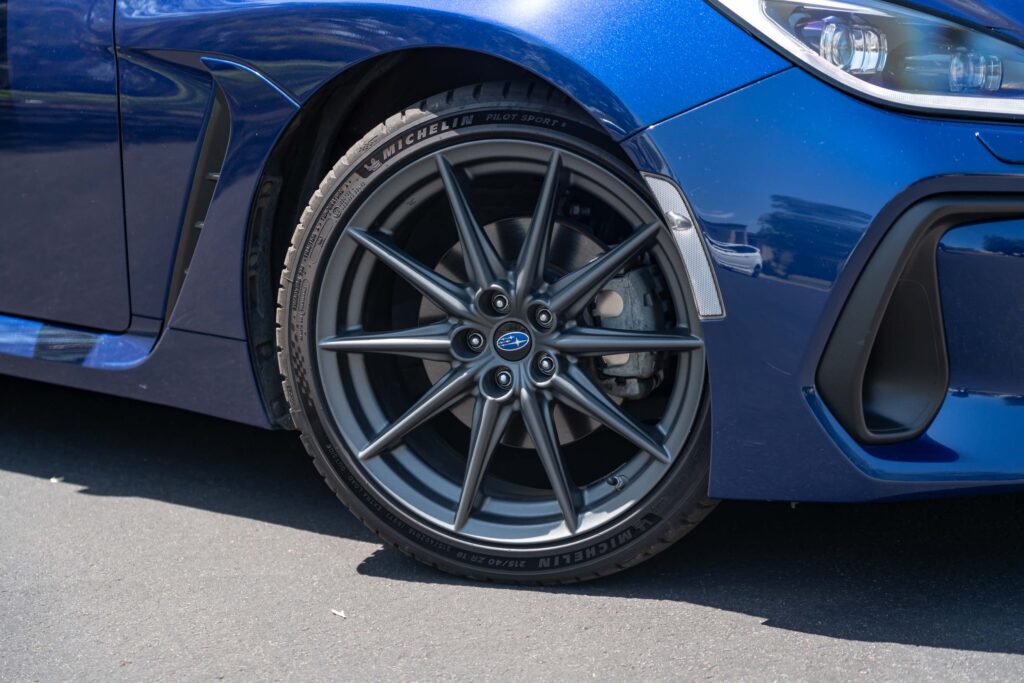
But one thing to be aware of, according to owners’ experiences: the factory wheel nuts can be especially fragile, with some breaking easily when swapping out wheels on track days.
If you are going to swap out different wheel/tyre sets, it’s also worthwhile to replace these with stronger aftermarket nuts.
Interior issues:
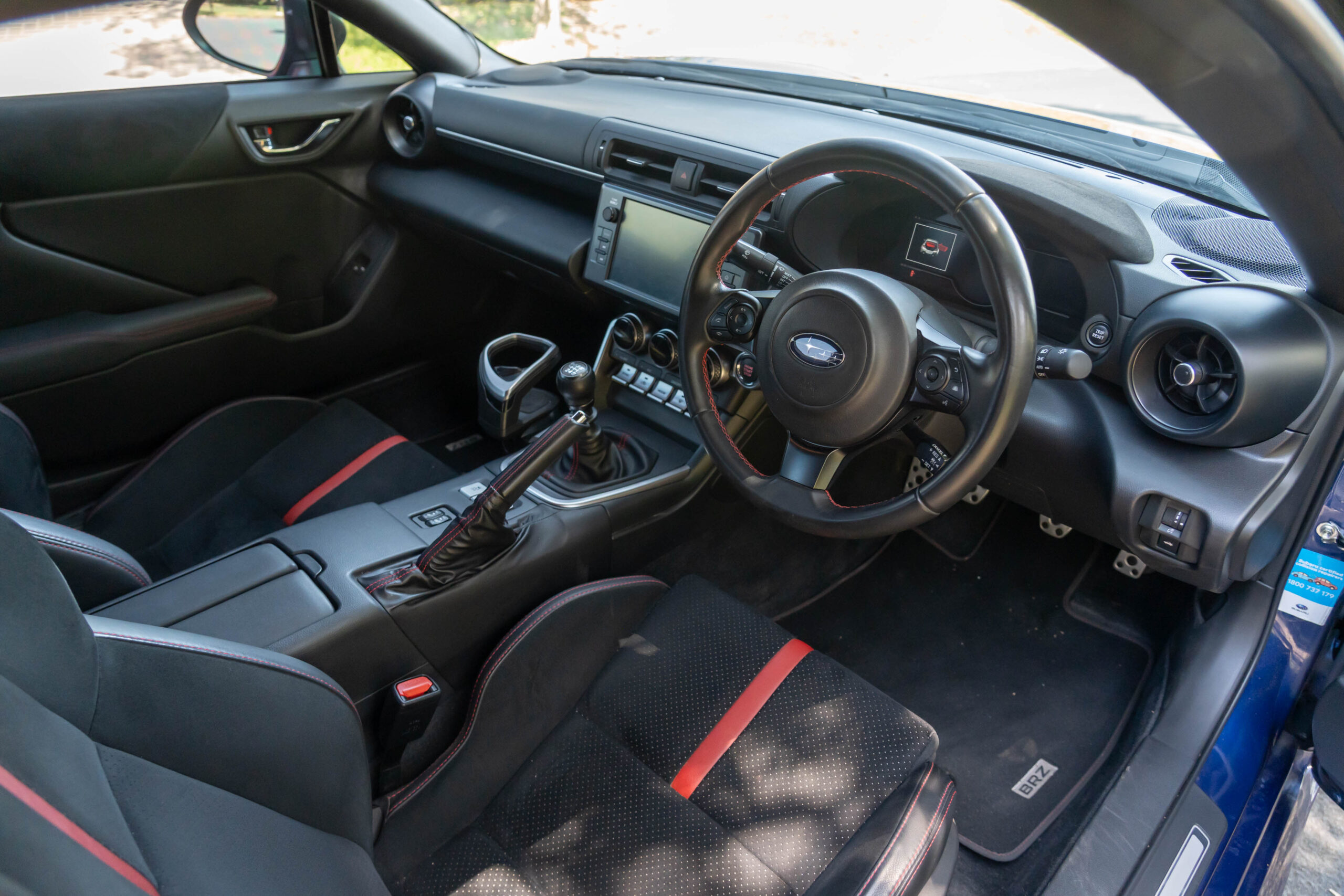
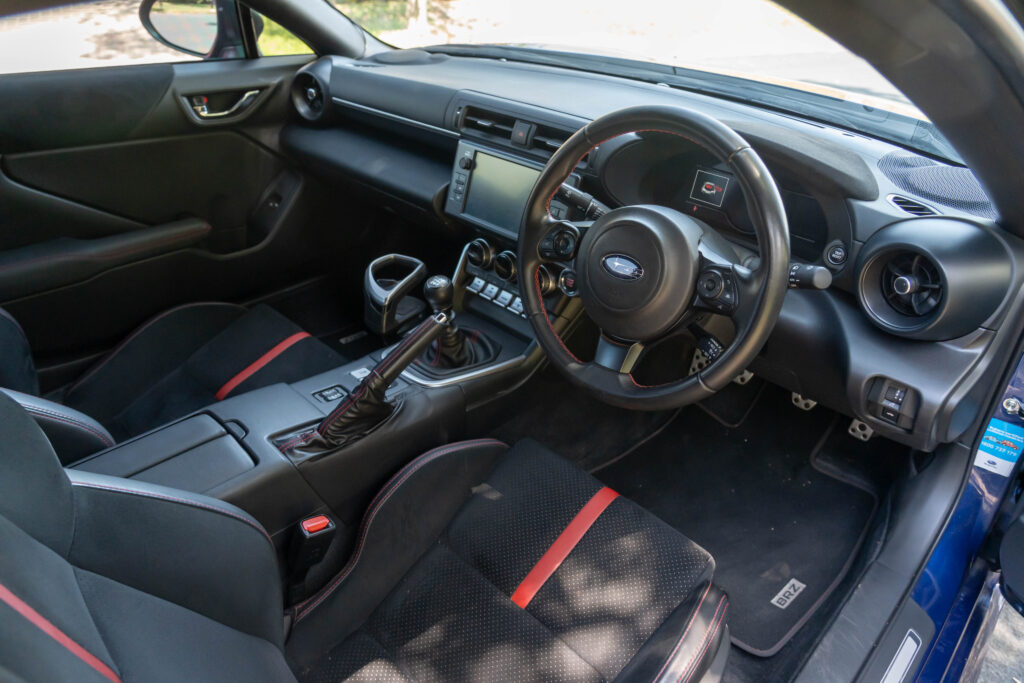
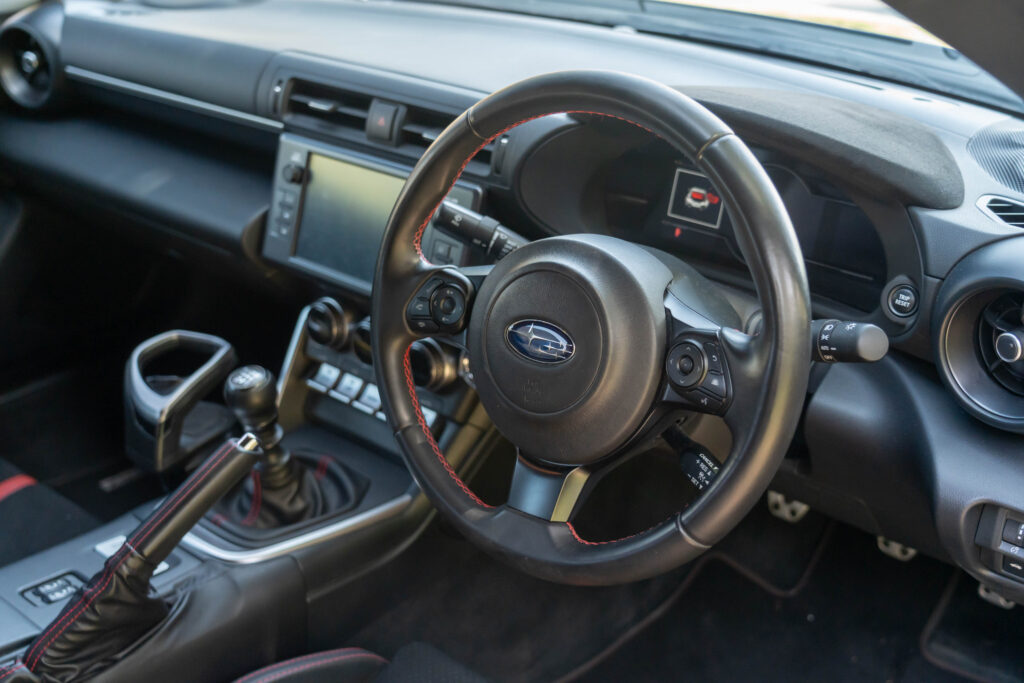
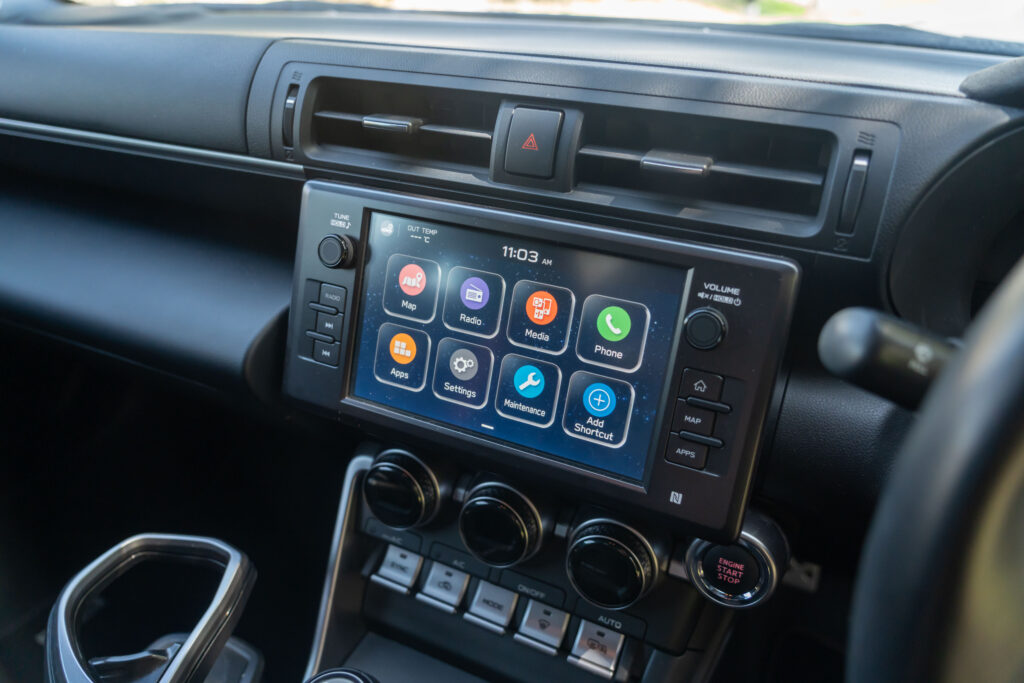
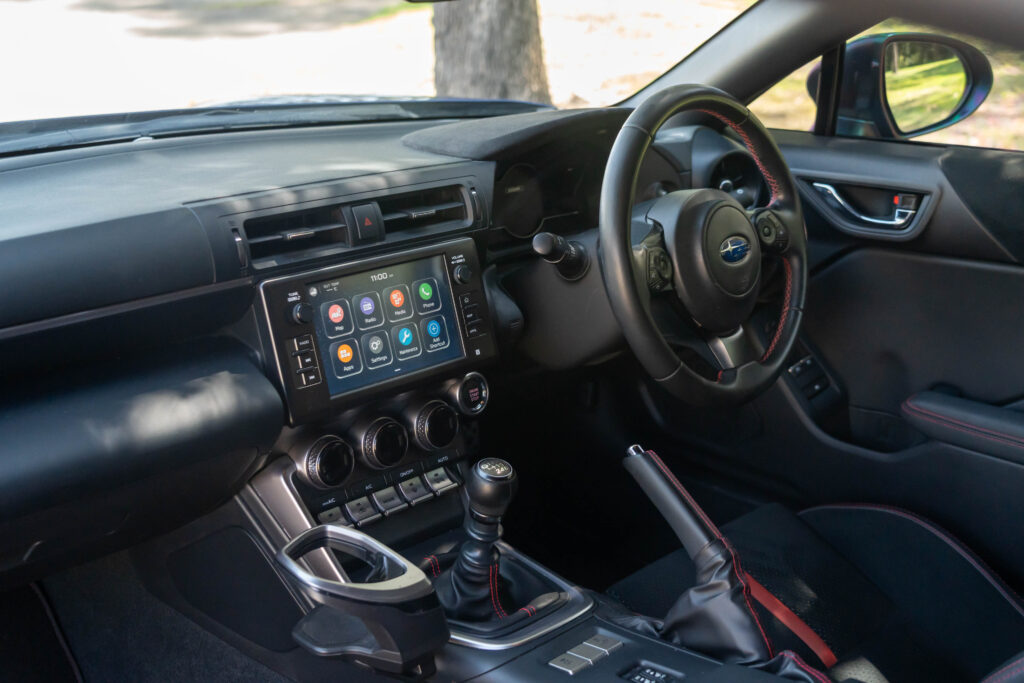
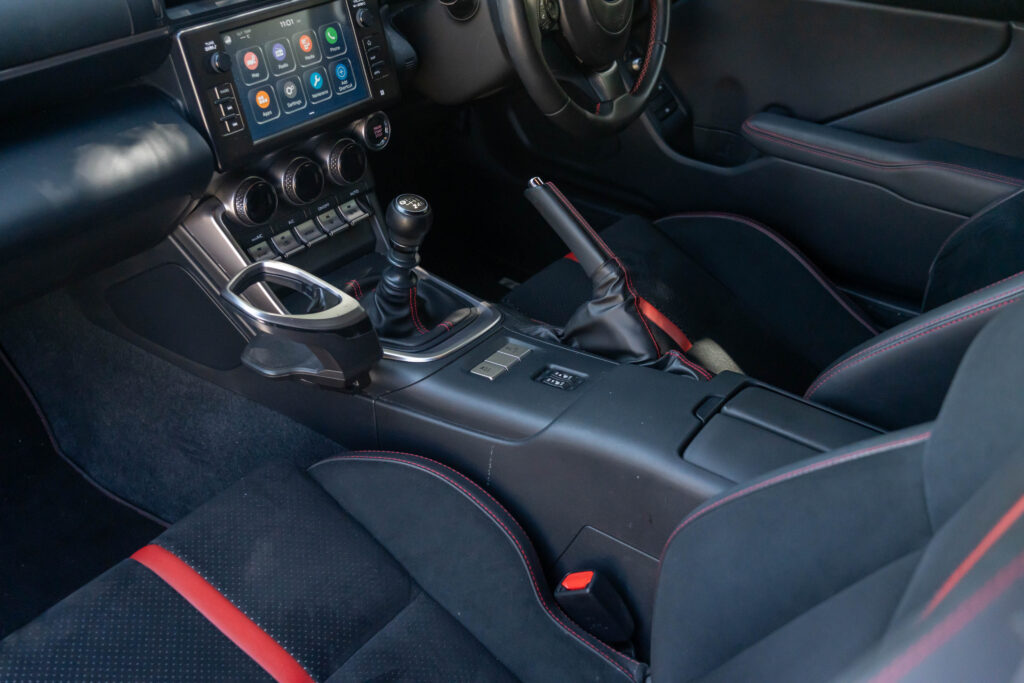
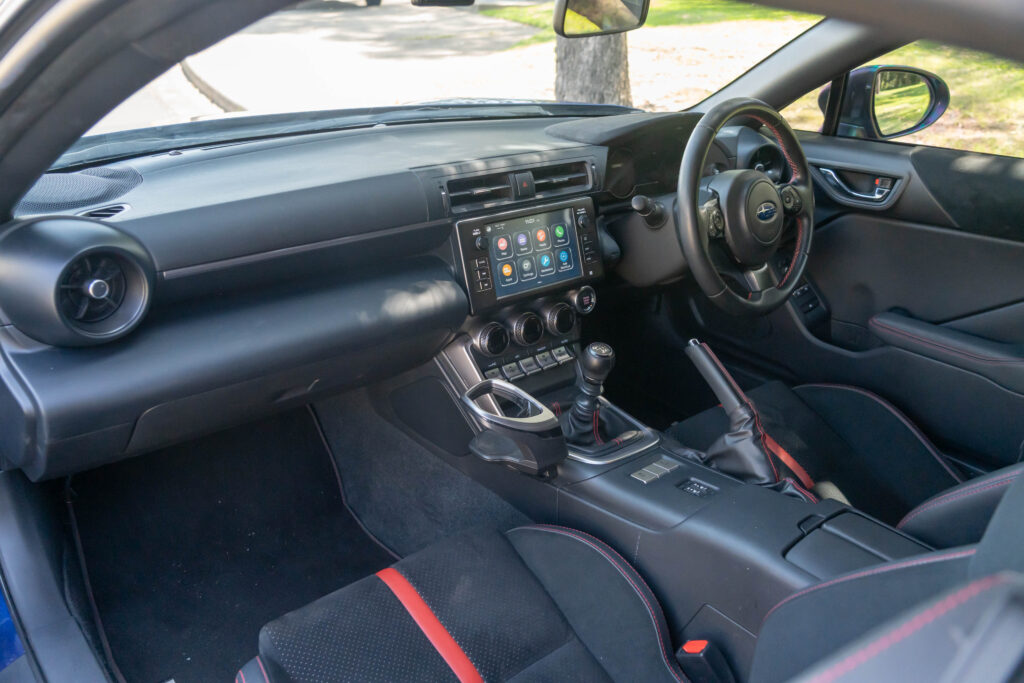
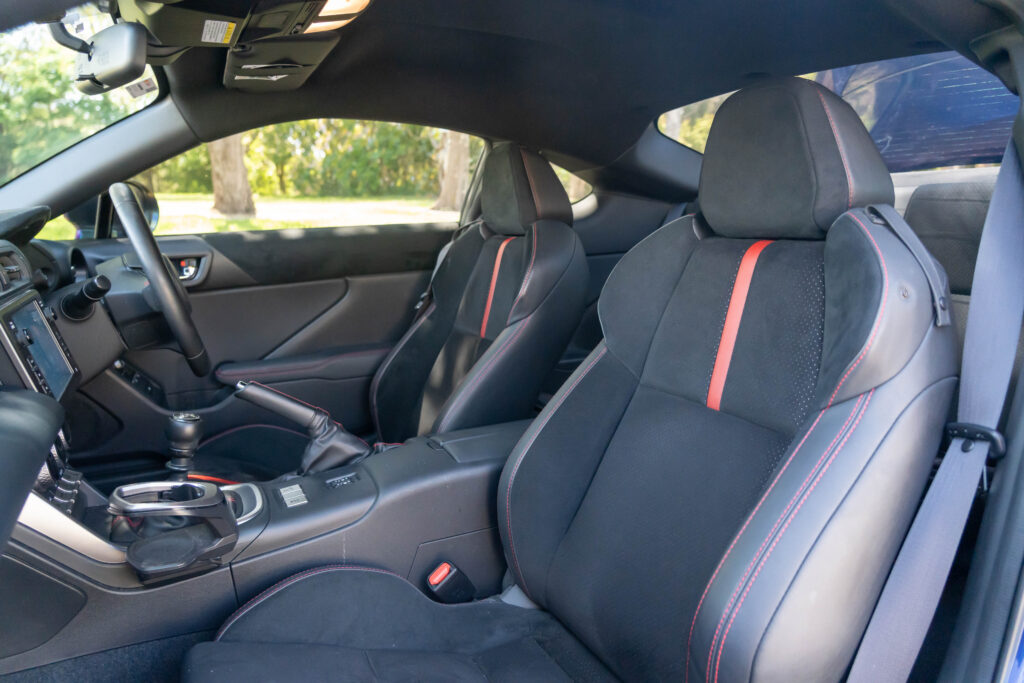
The insides of either the Toyota or Subaru are a huge improvement compared to their previous generations, with far better grade of materials, seat comfort/support, and trim construction.
Interior rattles, inconsistent fit and finish, and surfaces that mark easily can come up, but these are very rare instances and, in general, are just minor inconveniences.
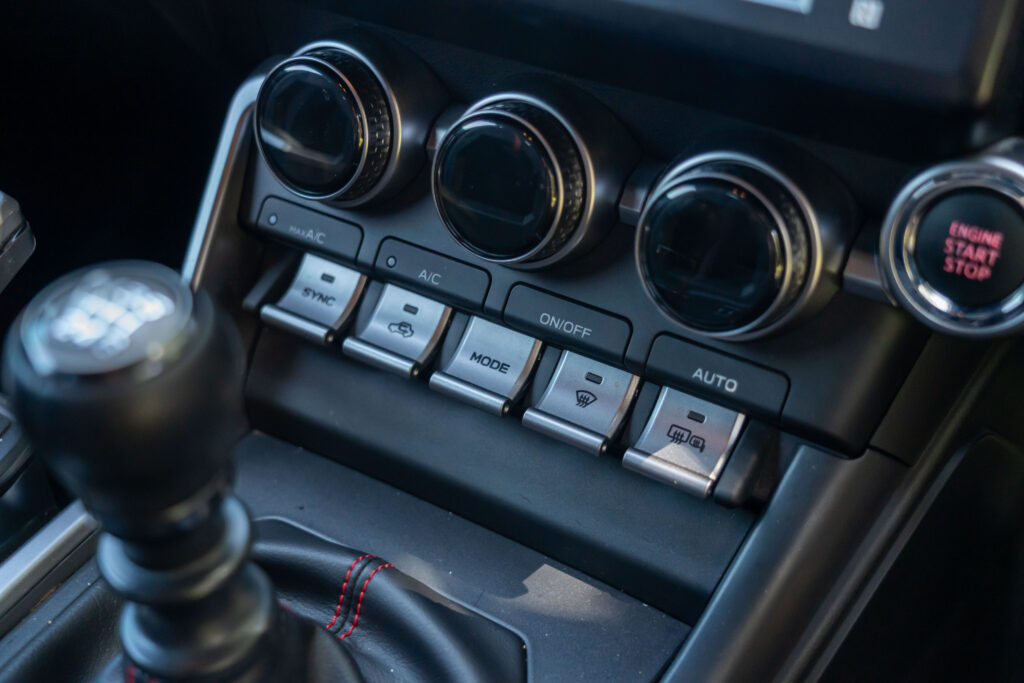
The cabin switchgear and buttons can feel a bit cheap, but don’t forget what price range this entry-level sports car is focused on, and give props to Toyota/Subaru for keeping tactile, analog controls over touch-sensitive buttons.
While both the Subaru and Toyota are the same car (minus badges), they can have narrow differences in features and equipment based on certain model years, trims, specs, and even which market they were originally made for.
Some regions, for instance, position the Subaru as the slightly more ‘premium’ of the two, with the BRZ bringing more luxuries and a better grade of amenities in return for a slightly higher premium than locally delivered GR86s. While others also received special edition GR86 models, in which case the latter was more expensive than the locally offered Subarus.
The factory infotainment units are slightly better than what the preceding ZN6-gen featured, but many owners complain it’s still very lacklustre – from the UI already feeling outdated, to a few cases of Apple CarPlay/Android Auto connection issues or Bluetooth dropouts.
The good news is that this can easily be upgraded, with plenty of aftermarket units that can take its place or advise within the owners’ groups/forums on what can be done to improve on the factory setup.
Owners of Subaru BRZs that feature the brand’s ‘Eyesight’ safety tech (which brings assists like automatic emergency braking, adaptive cruise control, lane keep assist) report that it can sometimes be overly sensitive or engage the brakes without warning. Software updates can easily fix these, besides just turning off the features altogether.
It’s also worth highlighting that, in addition to the extensive aftermarket support for this platform, plenty of tips and suggestions from very supportive owners’ communities can also allow you to enhance some of the car’s functions.
These can range from silencing the weird door chime when the doors are opened (after the ignition is switched off) to being able to operate the power windows via the remote keyfob – all small but big differences that improve everyday usability.
Mechanical issues:
Engine:
The FA24D ‘Boxer’ engine that both cars use is pretty reliable and is one of the more up-to-date versions of Subaru’s flat-four engine.
It’s no secret that both the GR86 and BRZ have been at the centre of various reports of engine failure during hard cornering, but this is very much overhyped thanks to the internet.
Early models that contained excessive RTV sealant, which could block the oil pickup, leading to catastrophic engine failure, are in reality, limited to less than 1% of engines actually failing. Also note that a small amount of sealant within the strainer of the oil pickup doesn’t always lead to oil starvation.
The oil starvation issues experienced by cars subjected to hard track use have more to do with them experiencing high G-forces for extended periods, combined with the poor factory oil sump design.
Hence, it’s highly recommended to upgrade the oil sump and pickup if you do plan to use this car for trackdays or more spirited driving environments, as with all Subarus.
The infamous flat-four ‘rodknock’ can be a concern for some, given Subaru’s past track record, but as it is a newer version of the Boxer engine, provided it has not been neglected too much, it should be very robust.
It’s worth also mentioning that the oil leak issues that affected a wide number of the preceding FA20 (centred within the upper sump, headers, and cam carrier sections) are rarely an issue for the FA24 – for now. Time will tell if this engine proves to be more robust.
These are naturally aspirated units, so they do have the advantage of not running into complications that their turbocharged variants can also run into. But just like the boosted counterparts, these can easily be ruined with any number of poorly installed or incompatible modifications.
The FA24D offers plenty of potential for aftermarket upgrades, but as we emphasised with cars that attract a lot of enthusiasts/modification potential: either target one that has been kept stock, or if you’re considering modifying/buying one pre-modified, make sure all those mods have been done in a manner that does not impact the drivetrain’s integrity.
Transmission:
Both transmissions and the drivelines are fairly trouble-free at this stage, even when daily driven.
The automatic transmission is a six-speed torque converter-based unit used in Toyotas for multiple years/models and is quite robust.
There’s no shortage online of owners with the manual GR86s/BRZs reporting slightly prolonged rev hang, or a clutch pedal that takes some time to adapt to. Still, these are primarily inconveniences rather than serious problems.
One thing worth highlighting from owners’ experiences is that the gear ratios for the automatics aren’t optimised for the GR86/BRZ, with those who initially owned automatics swapping to manual-equipped models and claiming the difference is immediately noticeable.
In fact, some even boast that this is a great car for novices to learn how to drive stick.
For maximum longevity, we’d recommend servicing every 10,000 kms (5,000 kms if driven hard or on track), rather than the manufacturers’ recommended service intervals that stretch it to as far as every 15,000 kms.
This will pay off if you intend to own these long-term, and when the time comes to sell, it offers peace of mind to the second/third owners who will have a better engine at their disposal, if they want to drive it hard and on a track.
Priced new for Australia, most Subaru BRZs started from around $40,000, while Toyota GR86s sat between $43,000-$49,000.
After a few years, many on the used market are now hovering between $30-35,000, with very limited edition Subaru/Toyota models beginning from at least $60,000.’
Whether badged as a Toyota or Subaru, both cars have proven to be excellent at holding their value, compared to the serious rates of depreciation that many of their European rivals have experienced.
These continue to be a very affordable sports car to enjoy as is, to modify, or as a go-to platform for trackdays or grassroots motorsports events, and it’s understandable to see why.
Ignore the internet critics who claim these are underpowered and not fast enough – these are great rear-wheel drive platforms to use to their fullest, with many coming from more expensive and powerful cars, citing how exciting these are behind the wheel.
On top of famed motoring journalists like Chris Harris and Jason Camisa demonstrating how amazing these can be pushed to their absolute limits.
All the driving inputs are perfectly synchronised and are a joy to use. Combine that with a great power-to-torque-weight ratio, and it still proves to be fun to drive, even at low speeds on public roads.
The current-gen ‘Toybaru’ doesn’t carry the same brand appeal and pedigree as more established European sports cars boast, and other compact Japanese sports cars, like Mazda’s MX-5, are also just as tempting.
But we argue this is the smarter buy if you prioritise driving enjoyment over image.
Both the GR86 and BRZ of this generation are still fairly young, but that doesn’t mean they can be victims of abuse or any potential issues.
If you’re looking at a used one, avoid the horribly modified or abused examples, stick to those that have a faultless service history, and do a thorough pre-purchase inspection to confirm all is in good order.


Co-creator, presenter & writer, ReDriven

 1 month ago
 1 month ago
 1 month ago