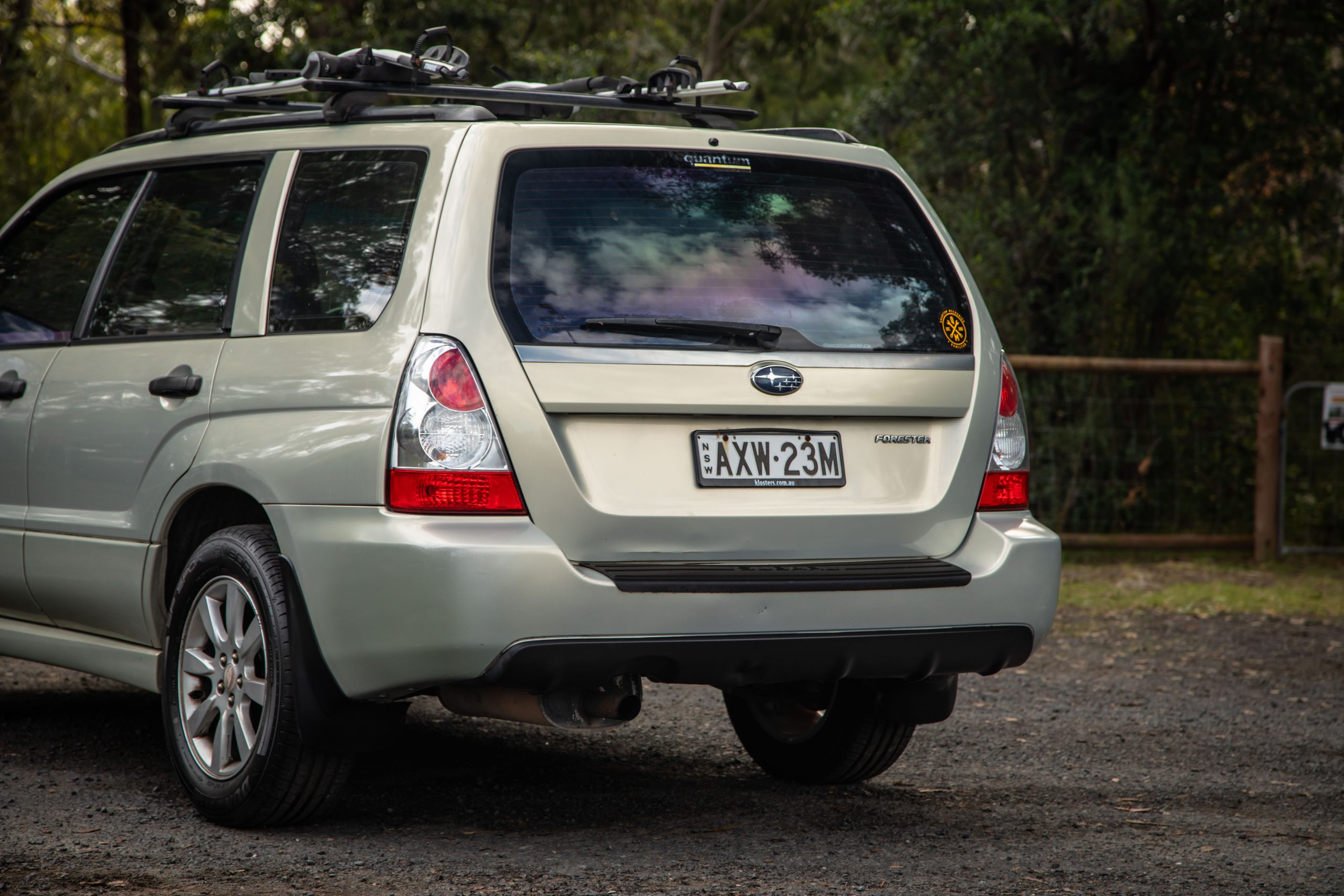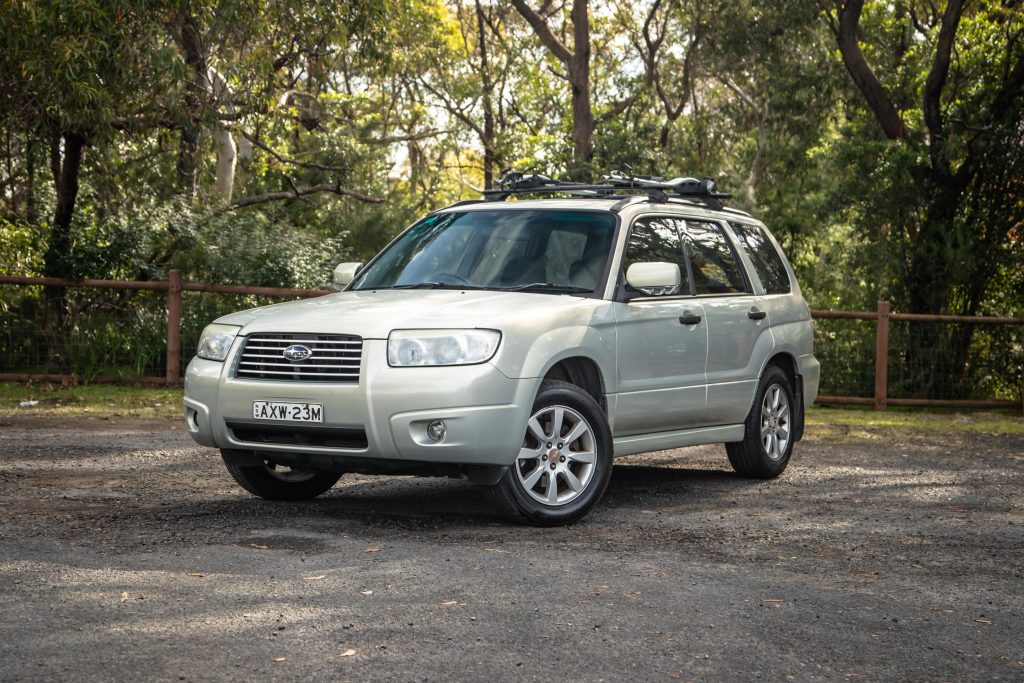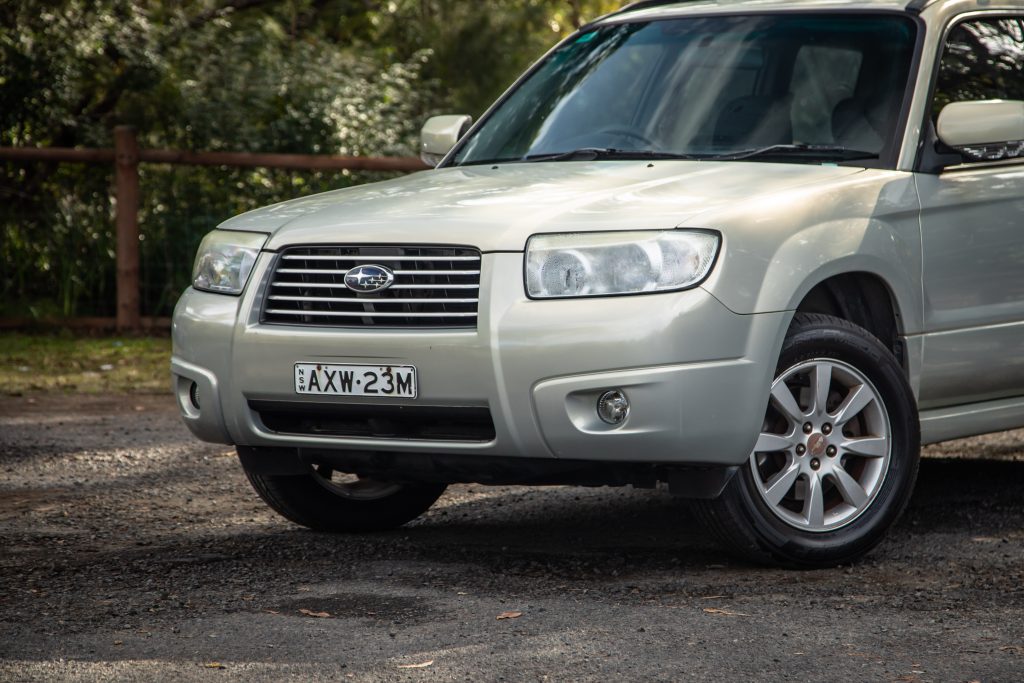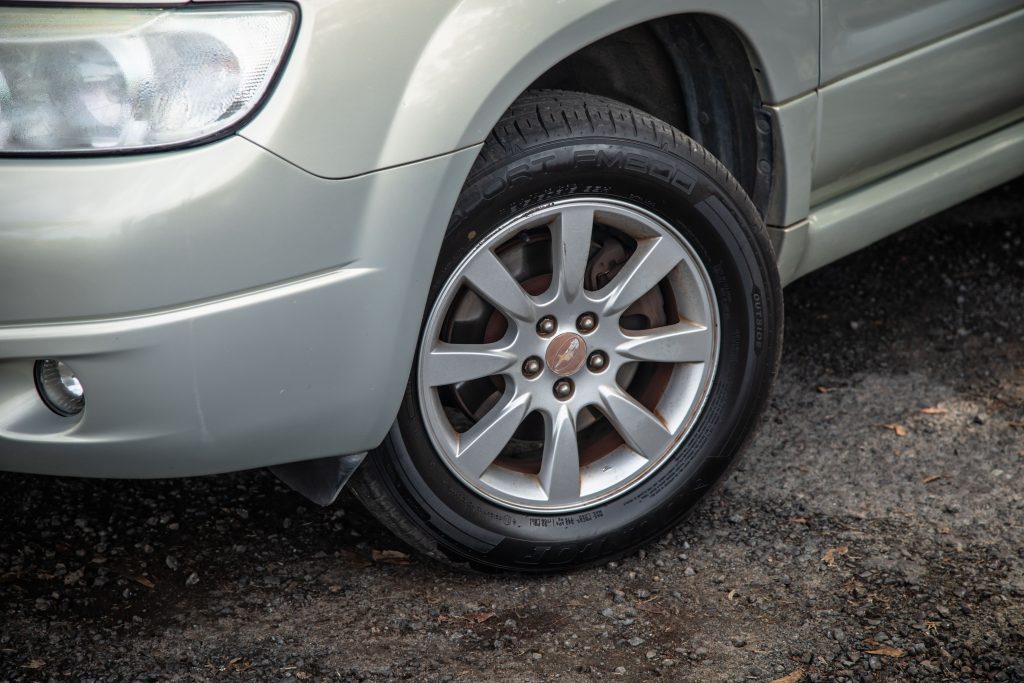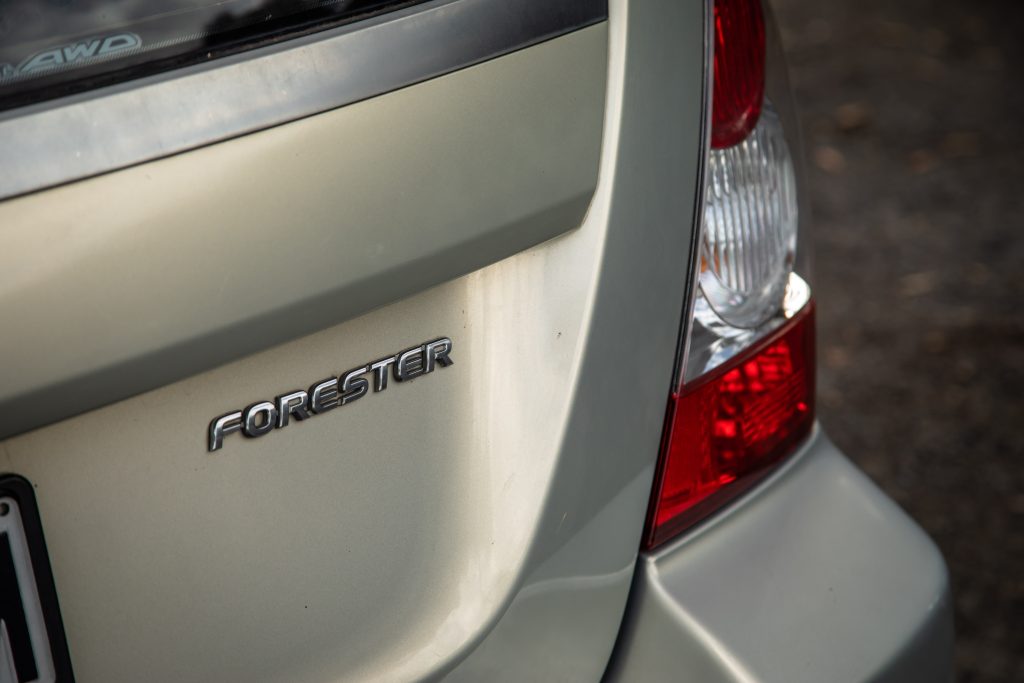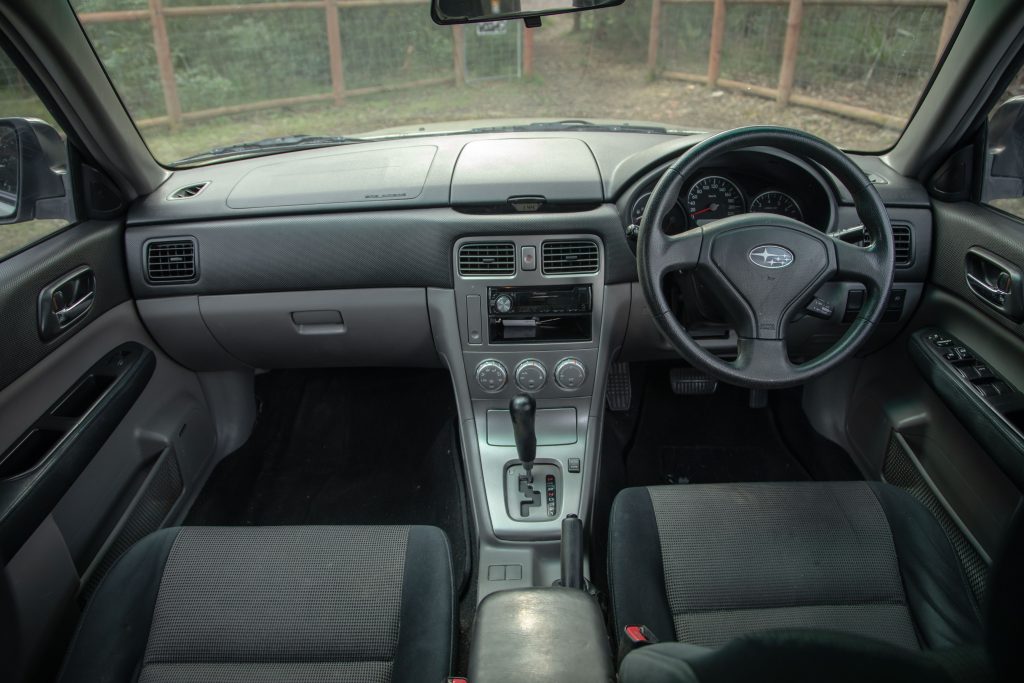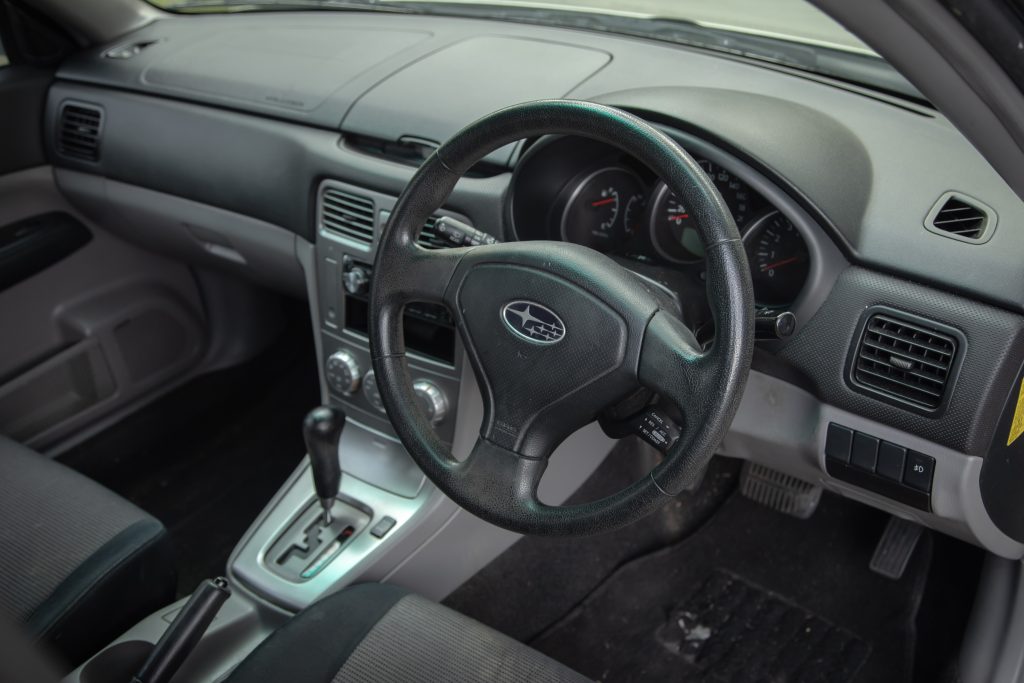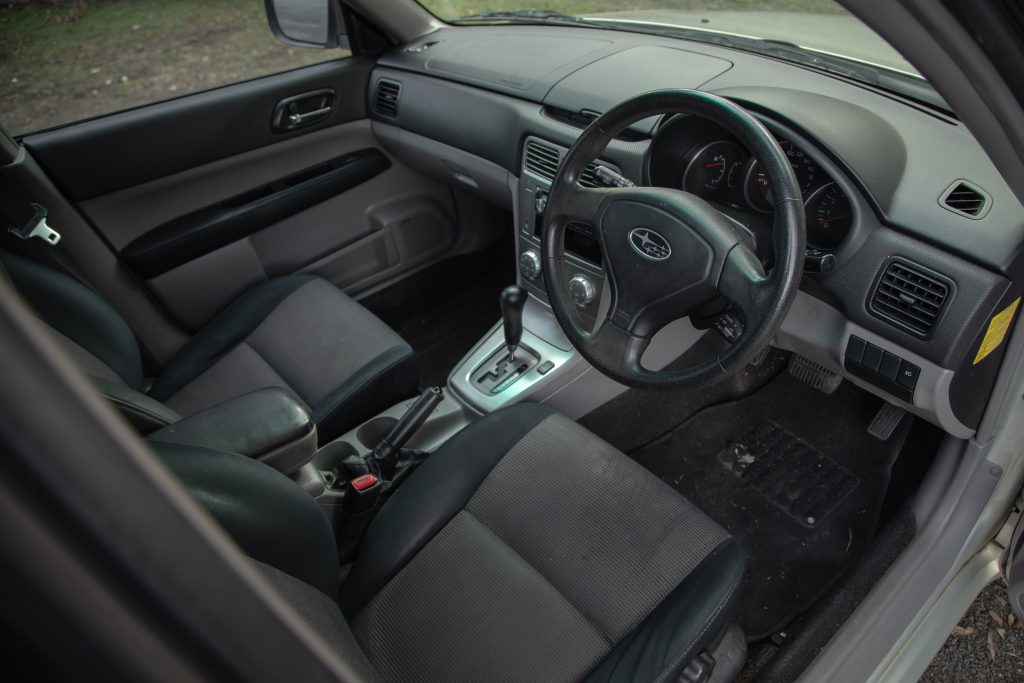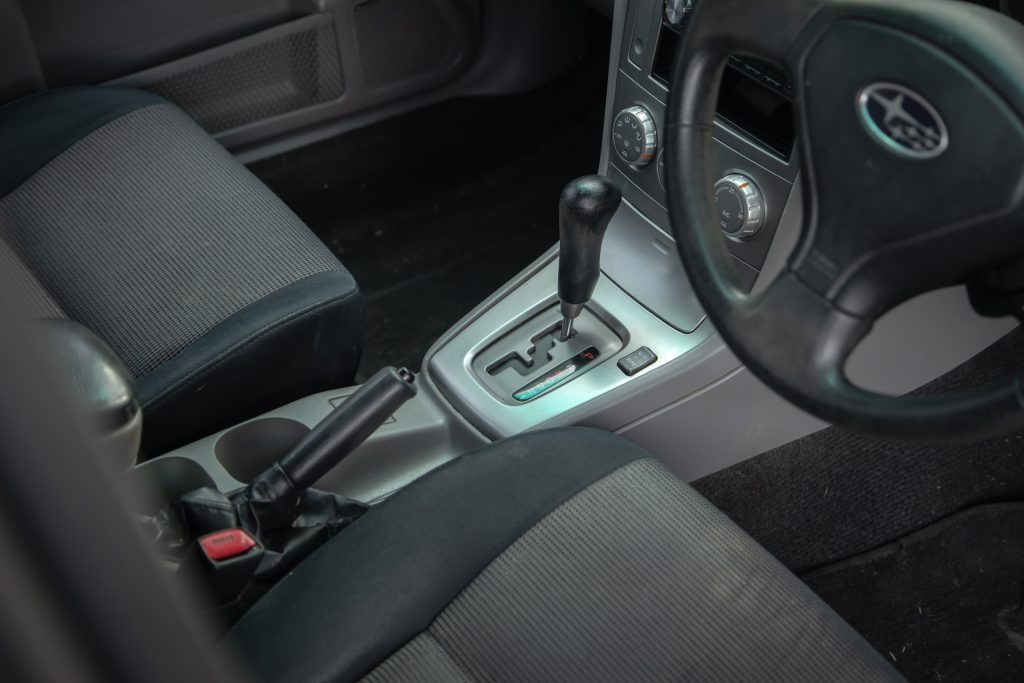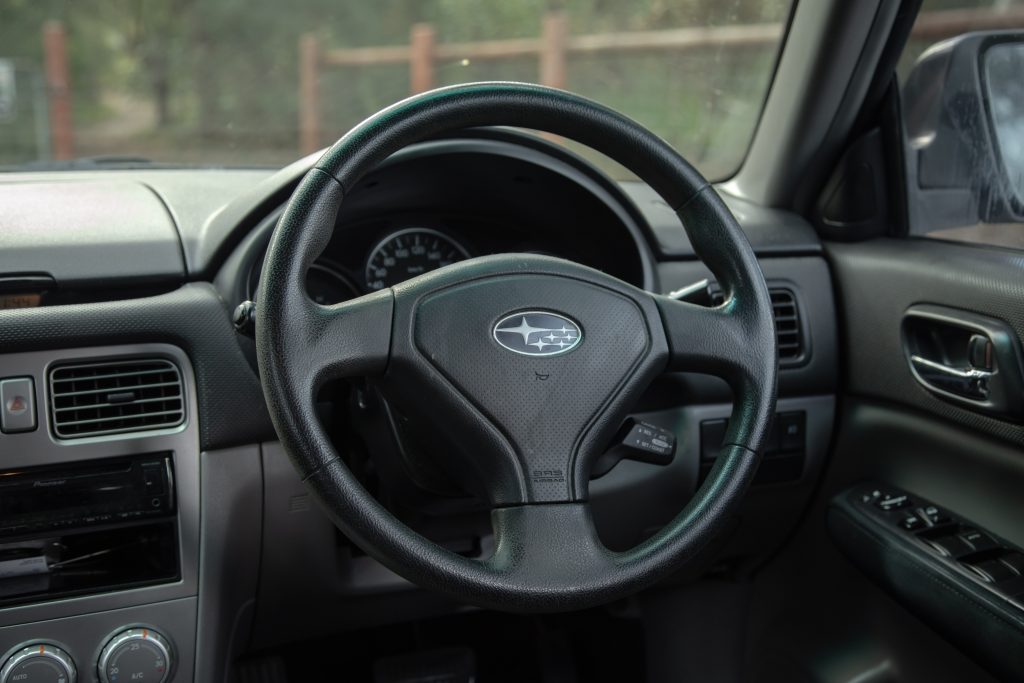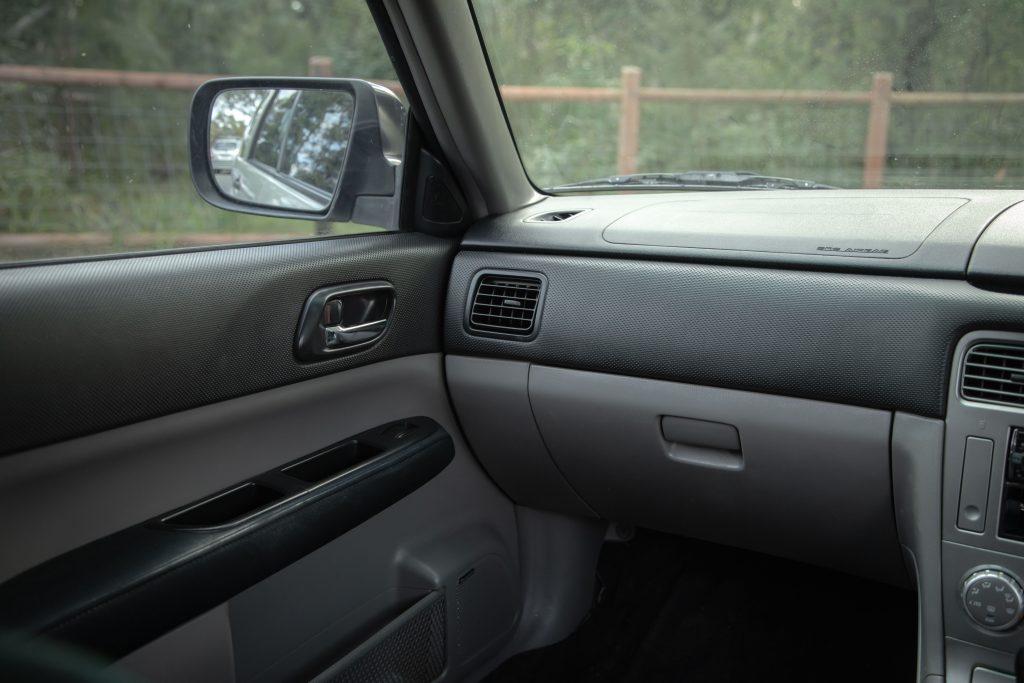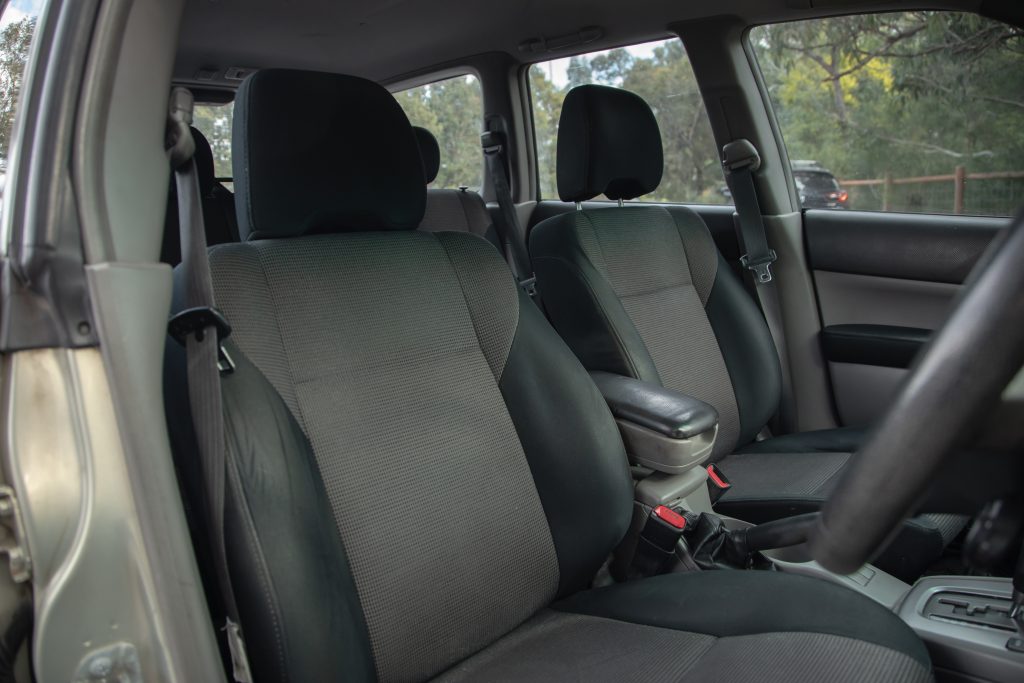
Car Image
Car Image
Car Image
Car Image
Car Image

+13 Photos

Used Subaru Forester (2nd-gen) review

Model Tested

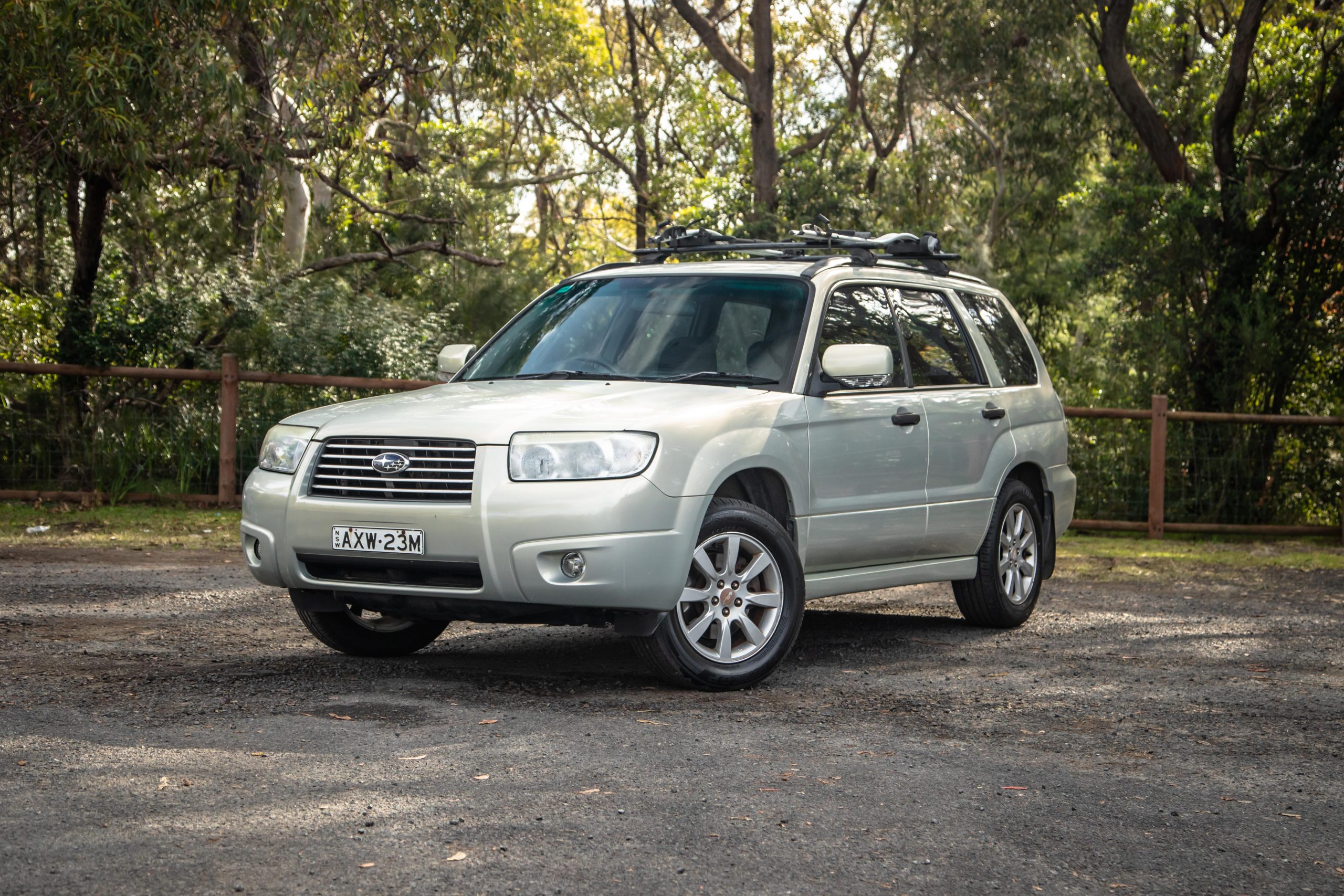
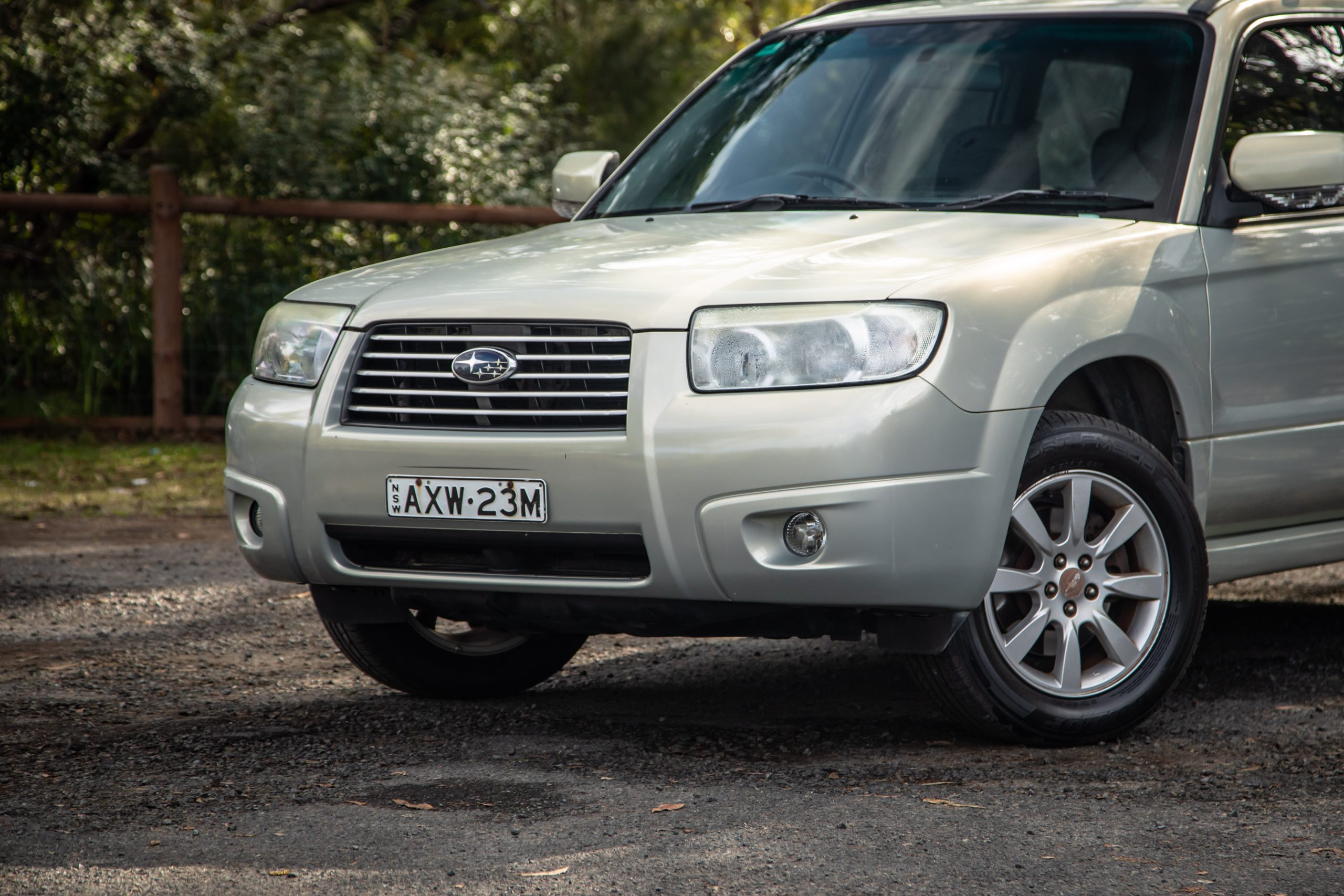
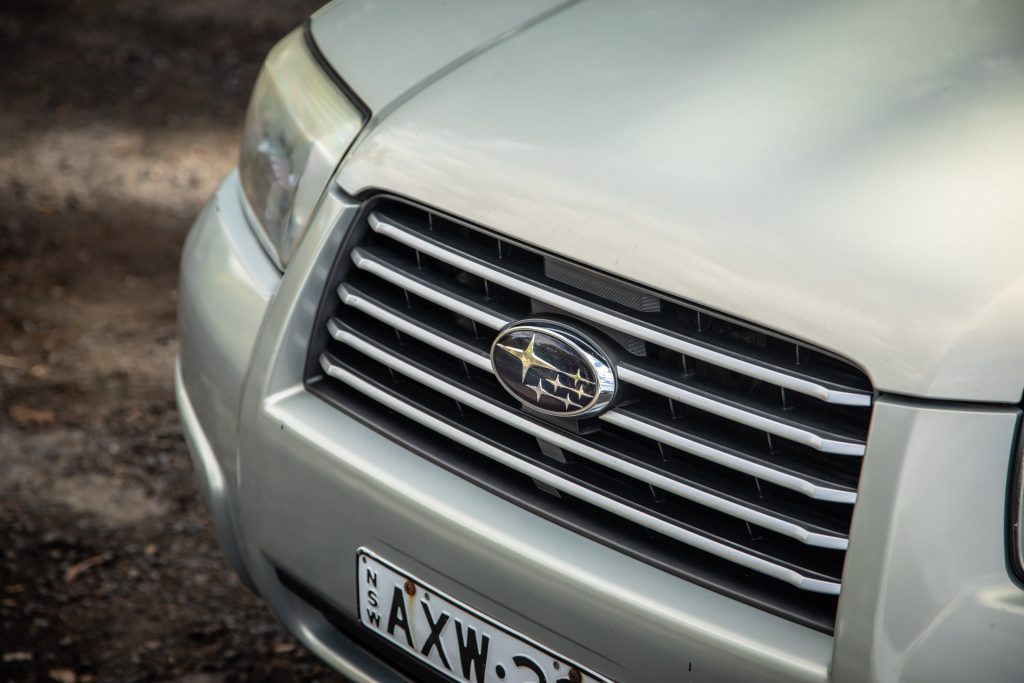
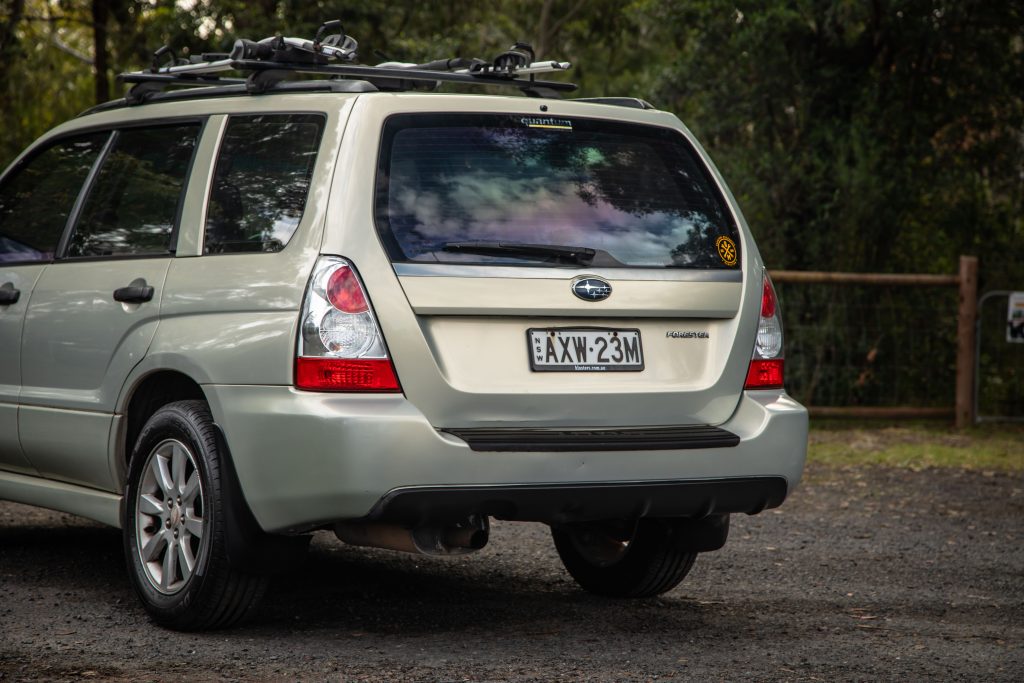
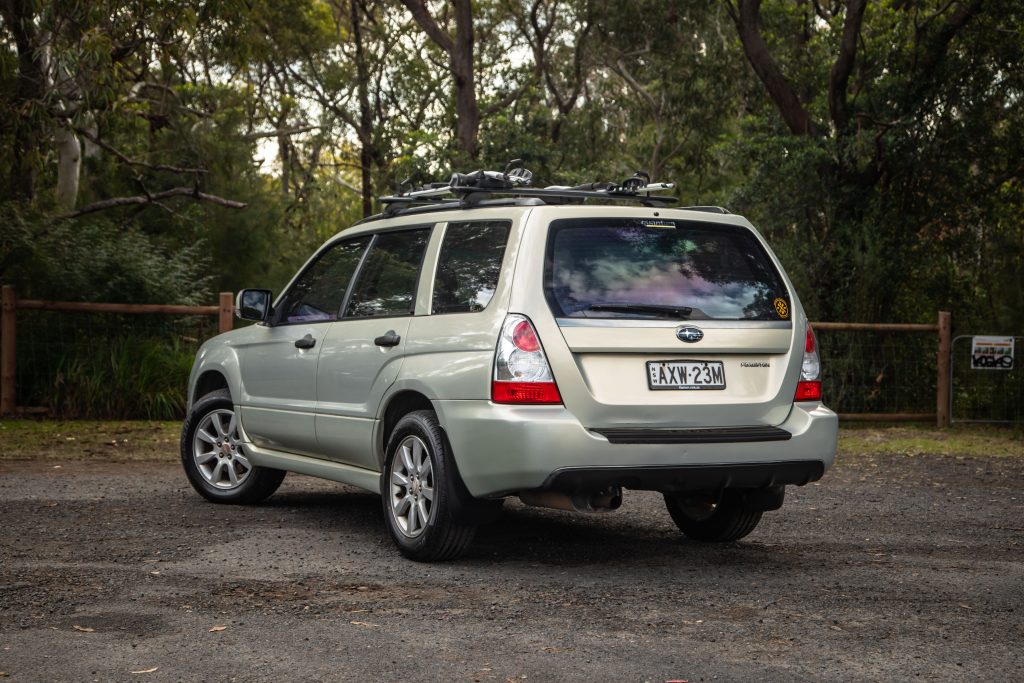
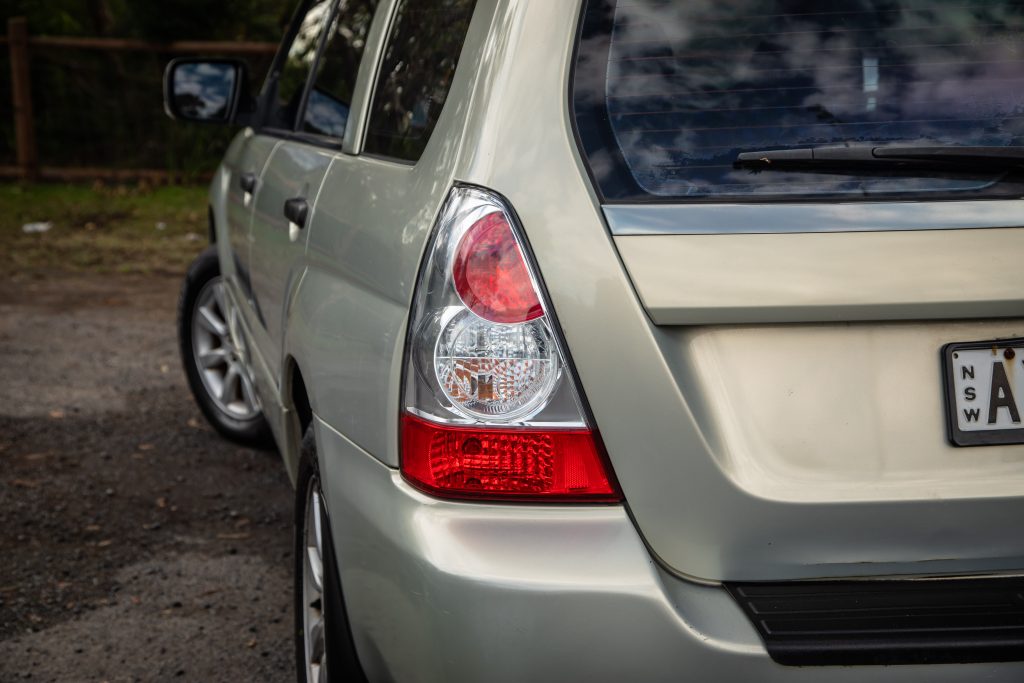
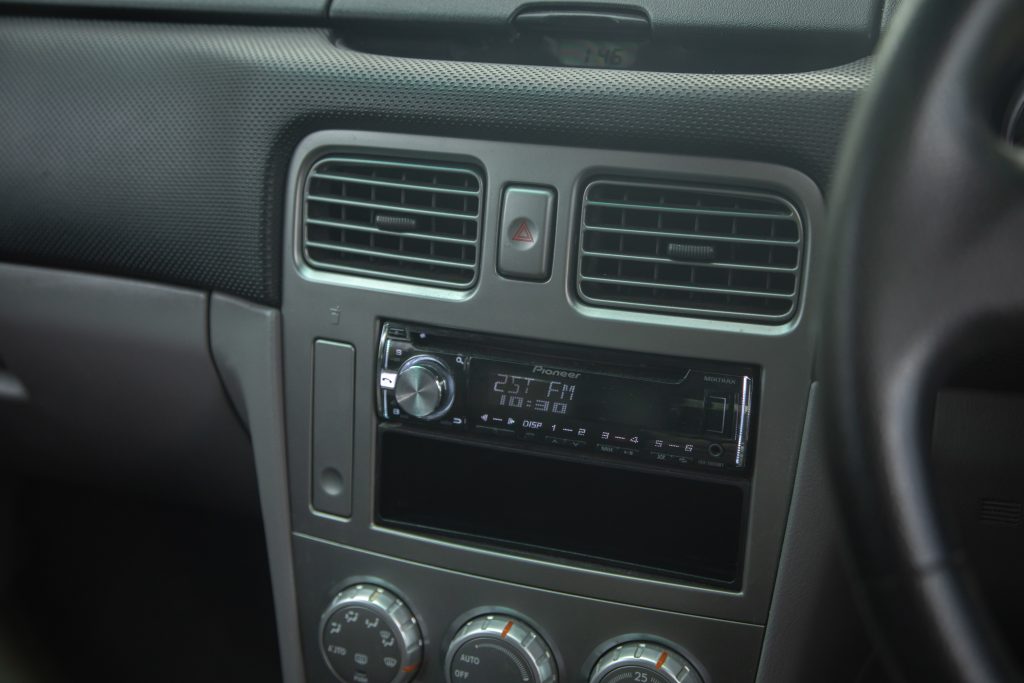
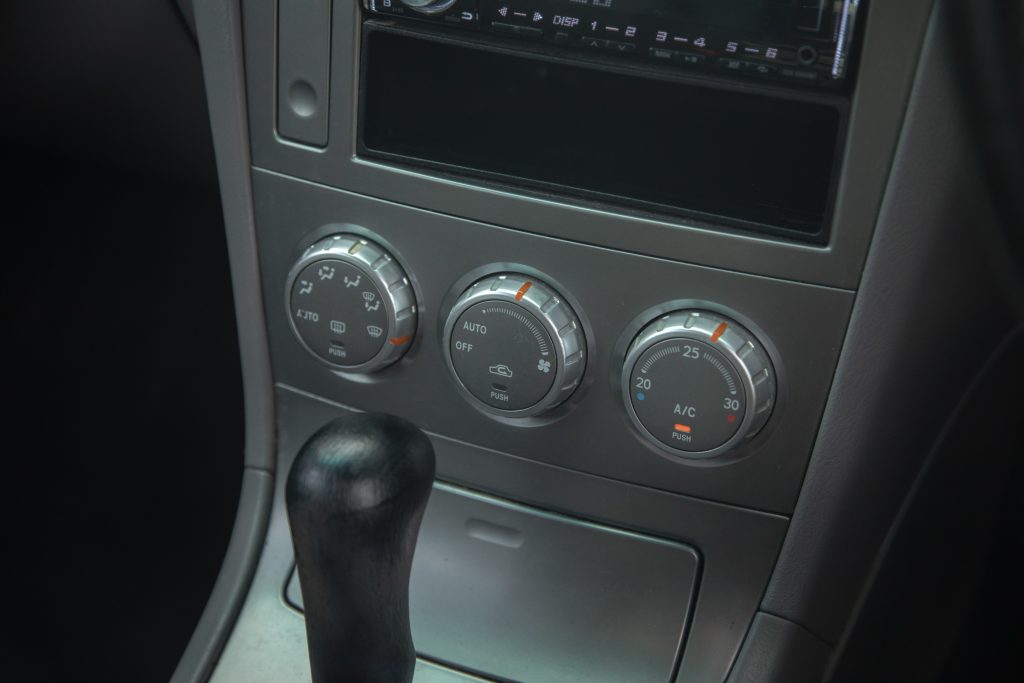
2006 Subaru Forester XS

Review Type

Used car review

Publish Date

23 July 2021

Pros

  • Excellent value for money
  • Decent off-road ability
  • Great practicality in a compact package
  • Mechanically reliable

Cons

  • Low levels of safety compared to rivals
  • Susceptible to mechanical issues
  • Not all that fuel efficient
  • Turbo models may be badly modified

Used Subaru Forester (2nd-gen) review

Model Tested

2006 Subaru Forester XS

Review Type

Used car review

Publish Date

23 July 2021

Based on the second-generation Subaru Impreza platform and featuring multiple fine-tuned improvements over the previous generation, the second-generation Forester offers something practical, capable and reliable, while also being affordable, fun and enjoyable to drive.

Produced from 2002 to 2008 and substantially updated in 2005, the Forester was available in primarily three different trim levels in Australia with the fire-breathing STi variant becoming recently available thanks to changes to Australia’s vehicle import laws.

However, Subarus of this generation can be guilty of certain mechanical unreliability, excessive oil and fuel use and a recommendation to purchase requires some homework first.

What goes wrong with a used Subaru Forester (2nd-gen)?

  • Oil cooler gasket leaks on XT and STi variants
  • Oil filter and cam seals can leak oil
  • Check for all oil leaks, if they seem major, do not buy that Forester
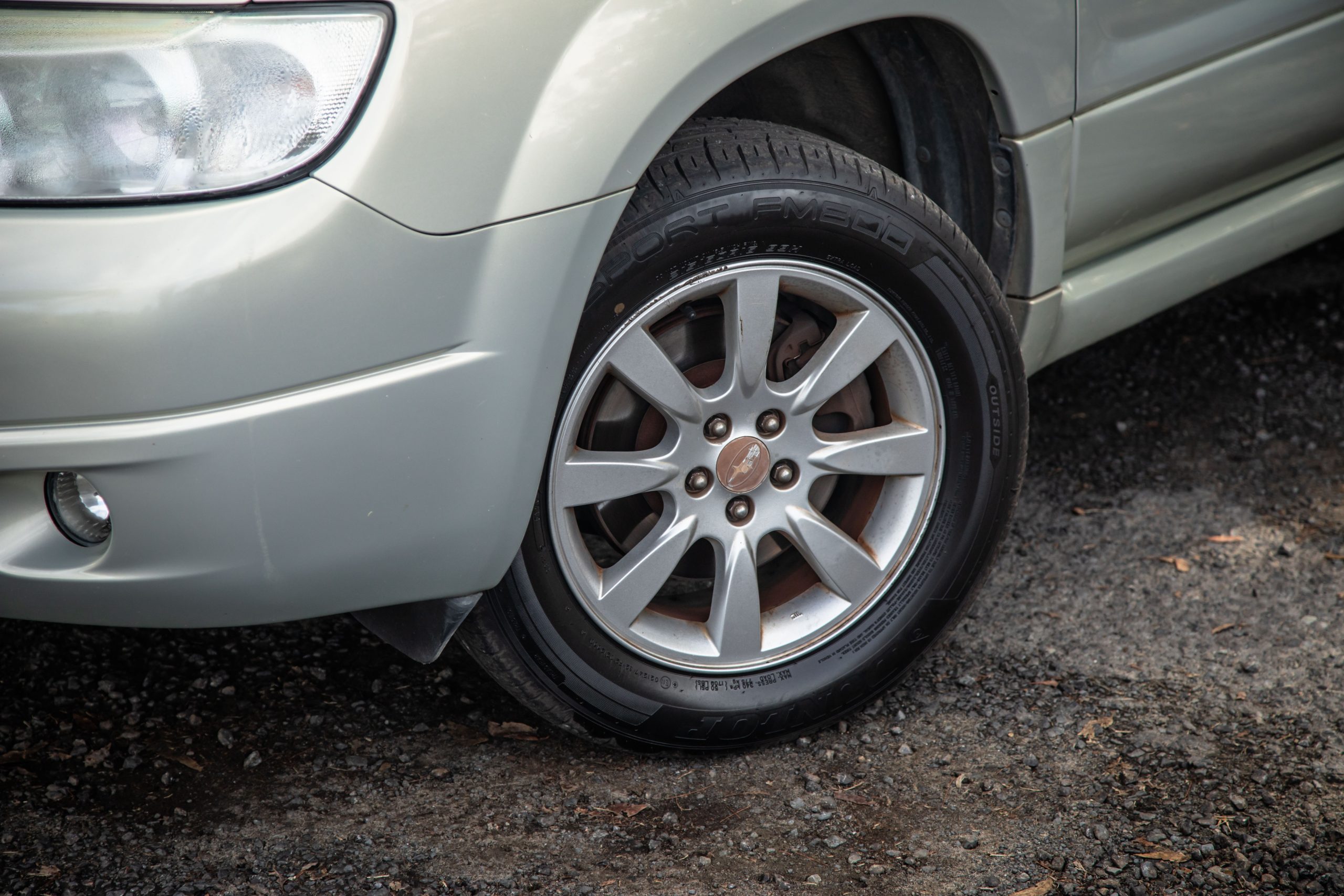
  • Wheels bearings known to wear at as early as 60,000kms
  • Rear suspension components (especially self levelling) can wear heavily. Check for excessive rear-end squat
  • Check for worn anti-roll bar bushes, drop links, wheel bearings and CV joint boots
  • Timing belt needs replacing at every 100,000kms (this is a critical change)
  • Along with the timing belt, the water pump, thermostat, the platinum and iridium plugs, belt tensioner and all the idler pulleys for the belt should also be replaced
  • Foresters fitted with 2.5-litre EJ series of engines are more likely to suffer a head gasket failure than their 2.0-litre counterparts. (Contrary to popular belief, the turbocharged DOHC 2.5-litre EJ255 and EJ25 power units are less prone to a head gasket failure than the SOHC 2.5-litre EJ253)
  • Automatic transmissions at 200,000kms can have catastrophic failures
  • If the turbocharger in one of the XT or STi variants fail, it can send fine metallic particles all throughout the intake system and in some cases take the entire engine with it. Failure is generally caused by a bearing in the turbo. (Check for distinctive blue/grey smoke, the engine burning lots of oil, slow acceleration or if the boost pressure comes on late

Should you buy a used Subaru Forester (2nd-gen)?

Buying a Subaru Forester (SG) depends on the Forester you’re looking at.

A Forester with a full and thorough service history, in excellent condition, preferably with low kilometres, being sold by someone that seems honest and trustworthy, should be a good buy.

The right Forester is an excellent car and we cannot say this enough, if it has been maintained and cared for correctly, it should be a very reliable vehicle.

However, if the Forester you’re looking at has no or minimal service history, has clearly not been looked after, is drenched in red flags and the person selling it seems even slightly dodgy, no, do not buy it.

Adam Morris
Adam Morris

Administrator

Co-creator, presenter & writer, ReDriven

Adam is a life-long car enthusiast and has been writing and presenting car content for over 10 years for some of Australia's biggest publications.

Pros

  • Excellent value for money
  • Decent off-road ability
  • Great practicality in a compact package
  • Mechanically reliable

Cons

  • Low levels of safety compared to rivals
  • Susceptible to mechanical issues
  • Not all that fuel efficient
  • Turbo models may be badly modified
Car Image

More reviews