Australia’s No. 1 Used Car Review Website
Australia’s No. 1 Used Car Review Website
+18 Photos
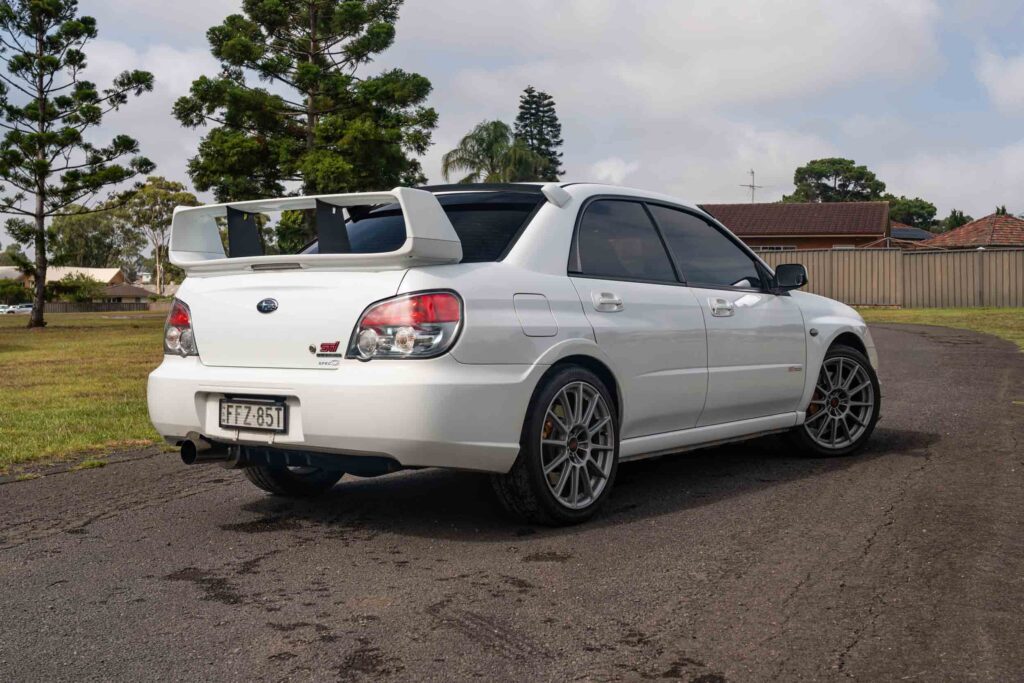
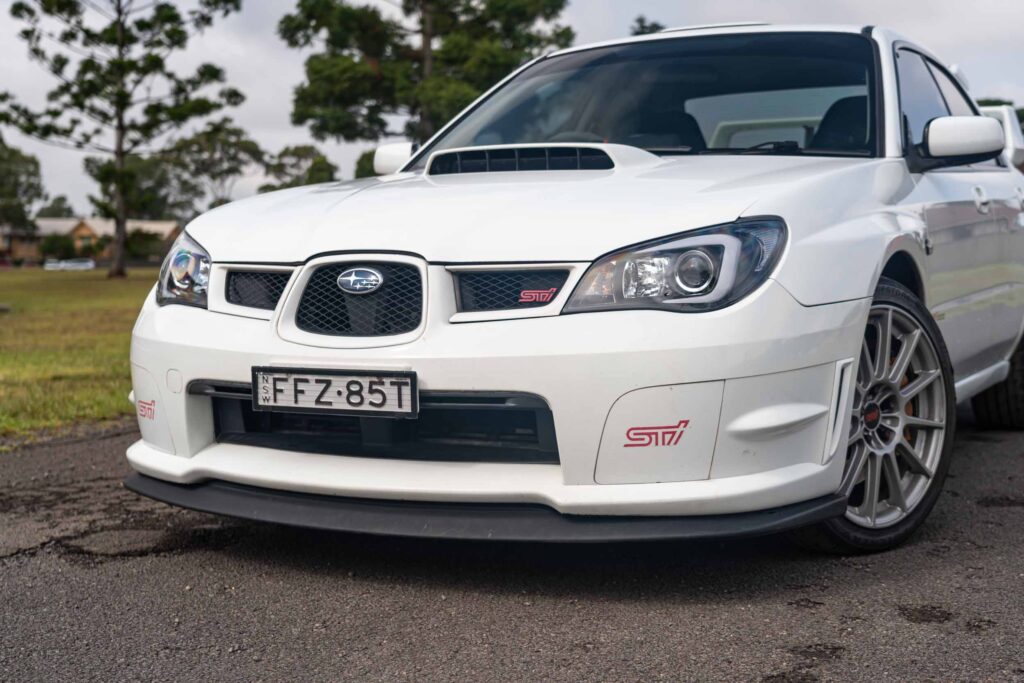
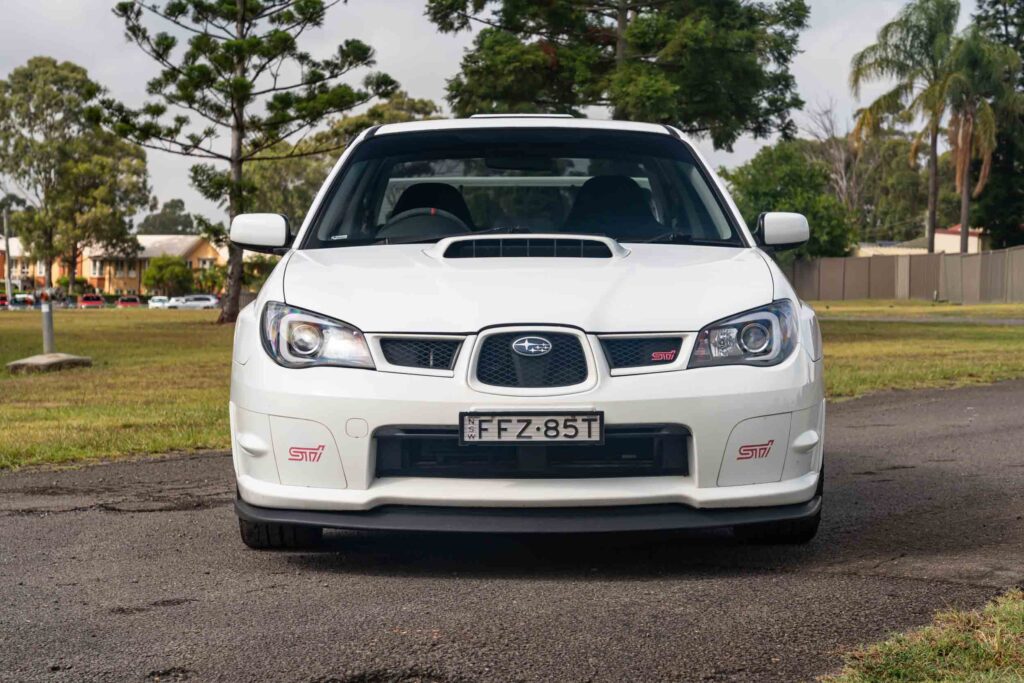
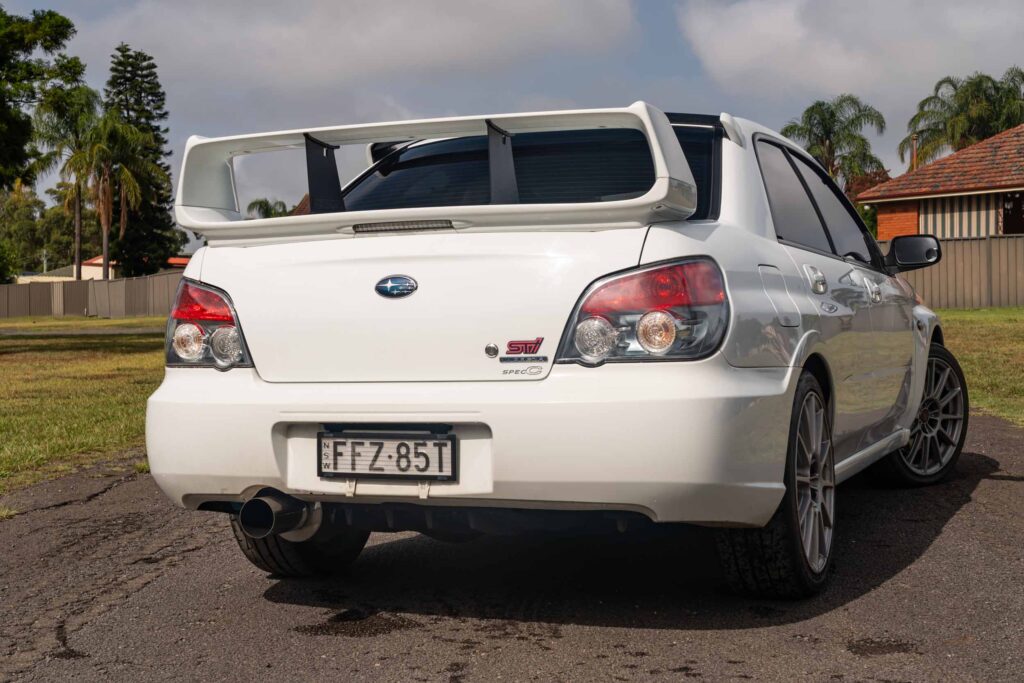
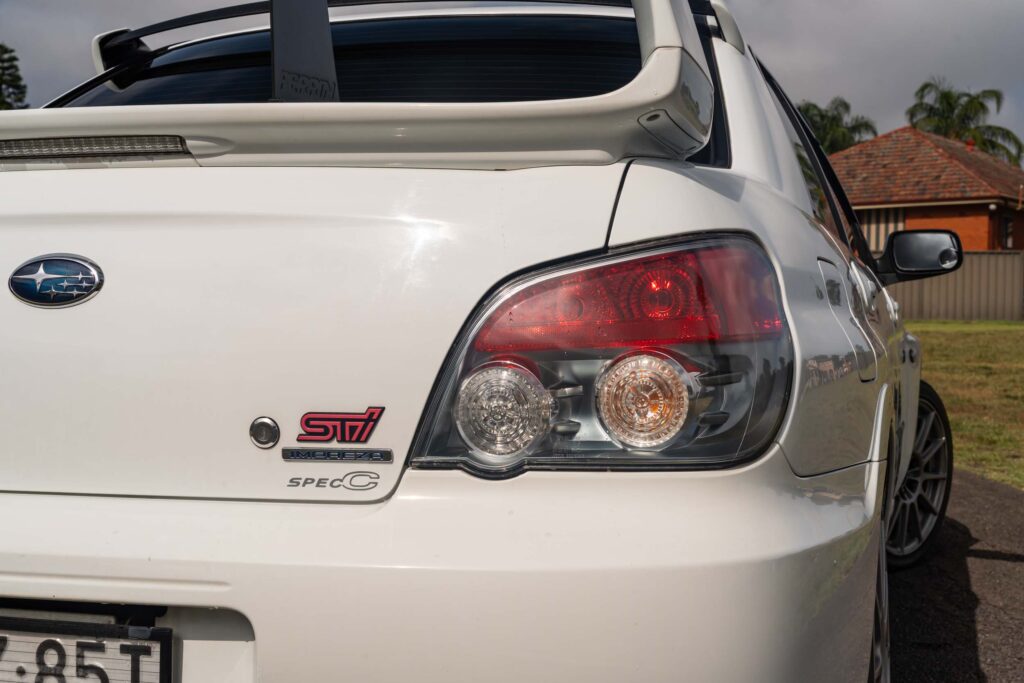

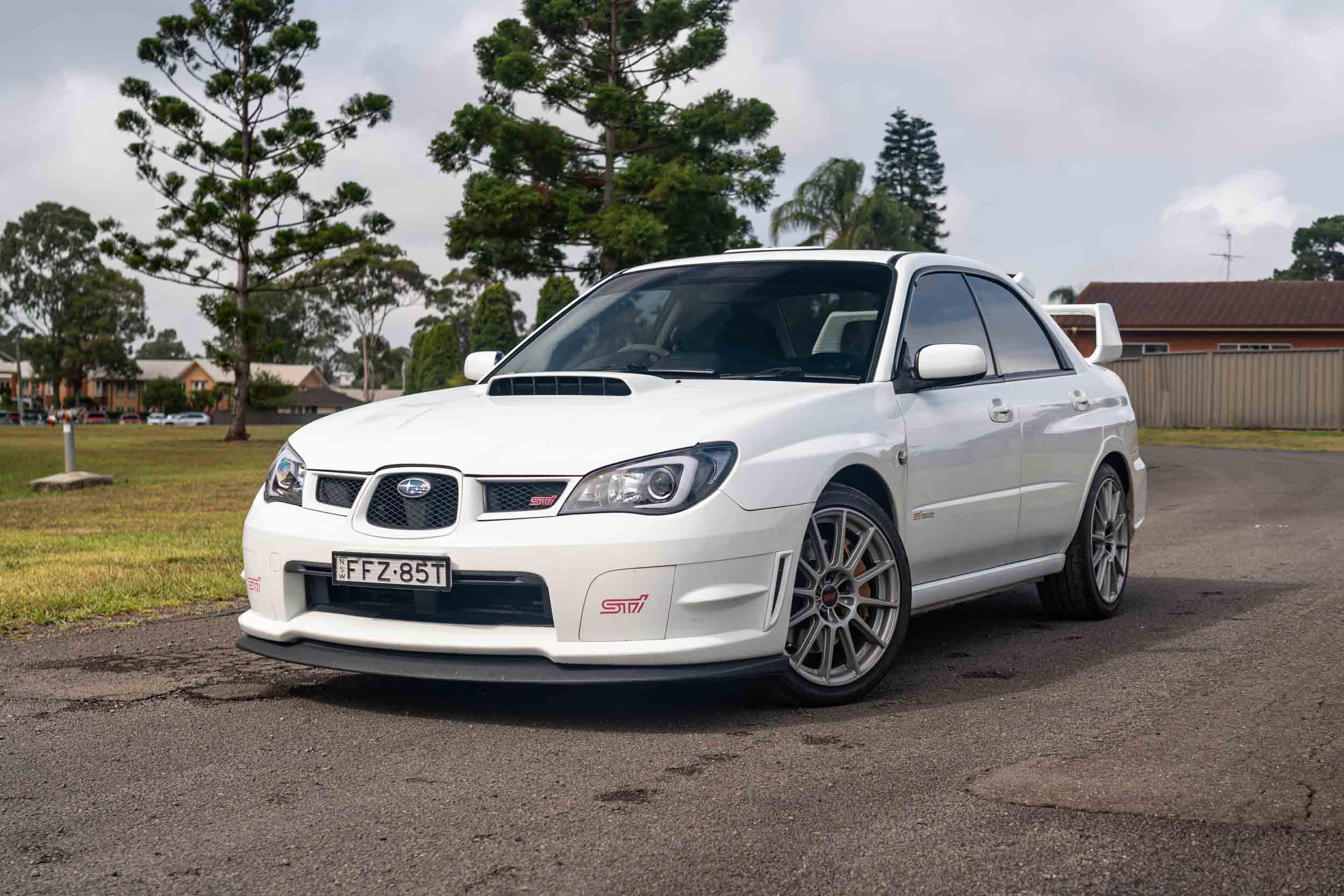
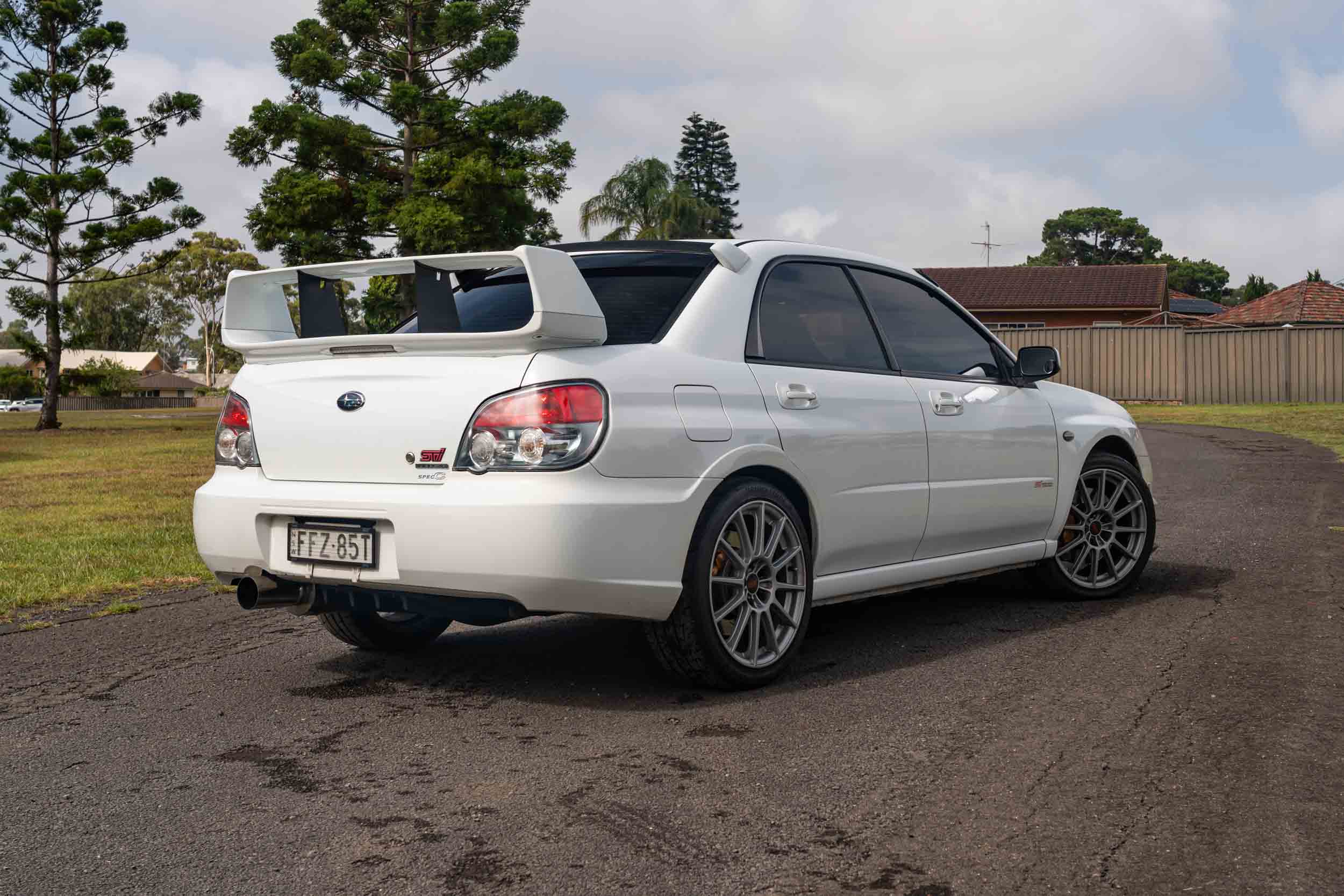
2005 Subaru Impreza WRX STI Spec C

03 February 2026
Would We Buy It?

2005 Subaru Impreza WRX STI Spec C

Used car review
03 February 2026
The second-generation Subaru Impreza WRX and WRX STI were produced from 2000 to 2007, succeeding the first generation of Subaru’s rally-bred, all-wheel drive compact sedan and evolving the platform for the new millennium.
For this generation of the WRX/WRX STI, it was available as a four-door sedan (referred to as the GD) and a five-door ‘wagon’/hatchback (GG).

Since its first model year in 2000, this Subaru experienced three life-cycle updates/facelifts, which, within the Subaru community, are referred to by their distinctive headlight designs:
Subaru Australia did bring in locally delivered models, but there are also many grey market examples, especially those originally made for the Japanese Domestic Market.
Many of the more exclusive and limited production variants come from Japan, which feature a host of performance upgrades, better suspension tuning, body styling/parts, and more.
Under the bonnet, power comes from Subaru’s signature turbocharged flat-four (horizontally-opposed) engine, with varying degrees of power output depending on the market and model.
All send power to all four wheels through Subaru’s ‘Symmetrical All-Wheel Drive’ system, through either a four-speed automatic or a five/six-speed manual transmission.
Exterior Issues:
Like with most Japanese cars of this age, rust is something to look out for throughout the exterior. Cars that spent past lives in northern Japan or in any cold climate can easily form corrosion around the rear wheel arches, the lip of the boot lid, inside the rear trunk area itself, and around the strut towers.
Inspect the body thoroughly for any hidden accident damage – check the panel gaps, as well as any evidence of paint overspray or any panels that might be mismatched in paint, both by shade and texture. The Impreza attracts certain ‘enthusiastic’ drivers who can easily abuse these cars on and off-road, and we’d avoid any that have been through less-than-careful owners.
The paint finish on any plastic parts, like the mirror caps, along with any exterior plastic or rubber trim, can easily fade or deteriorate, but these can be resolved easily through DIY solutions.
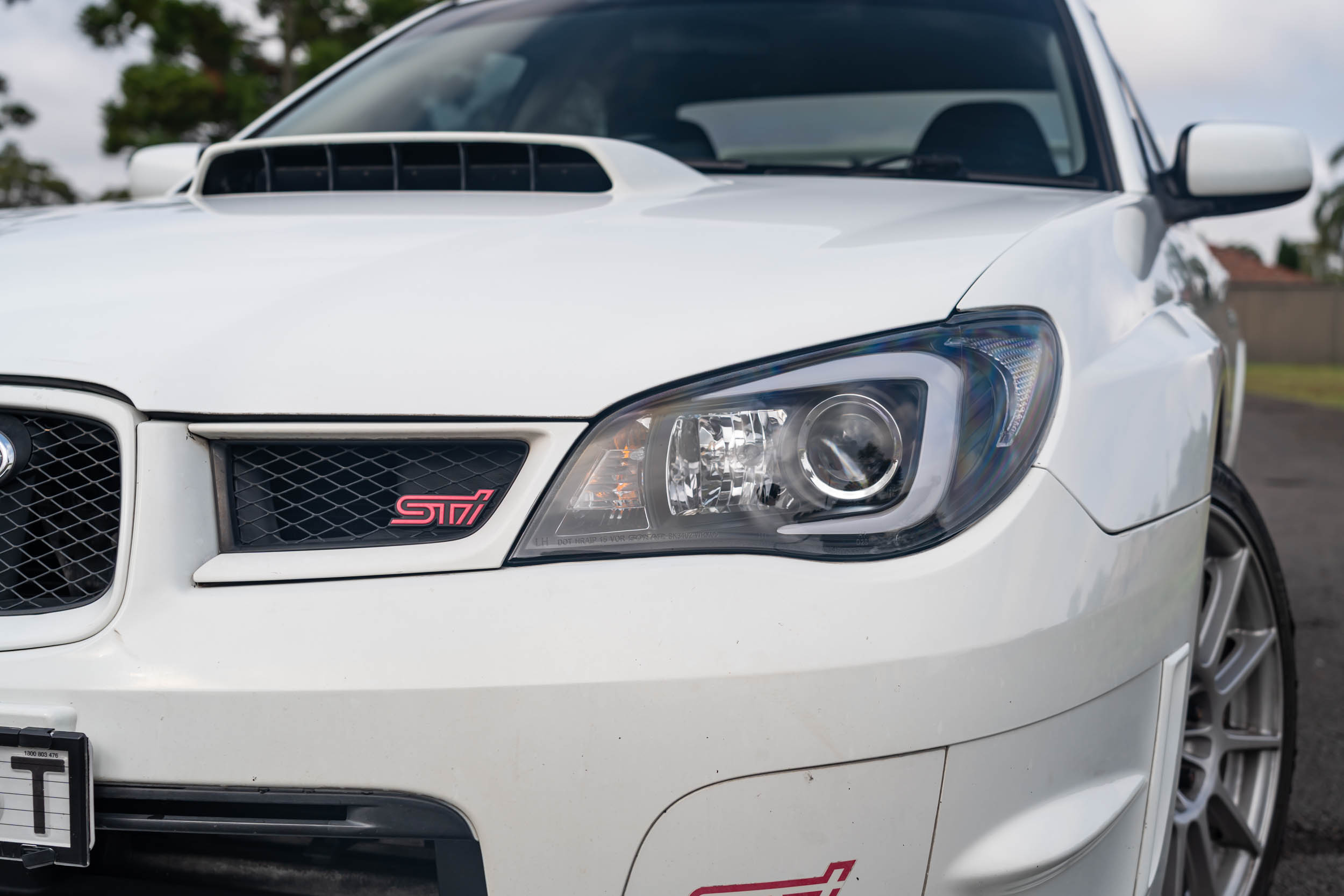
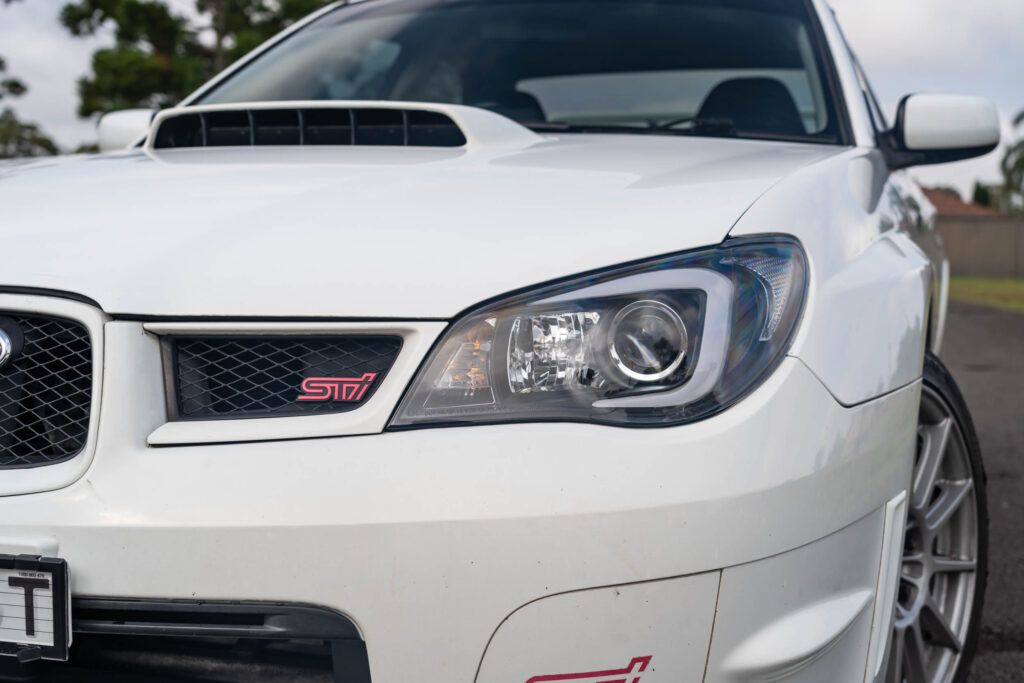
Blobeye models are prone to experiencing their headlights’ lenses fading or appearing discolored, but there are plenty of solutions to remedy this.
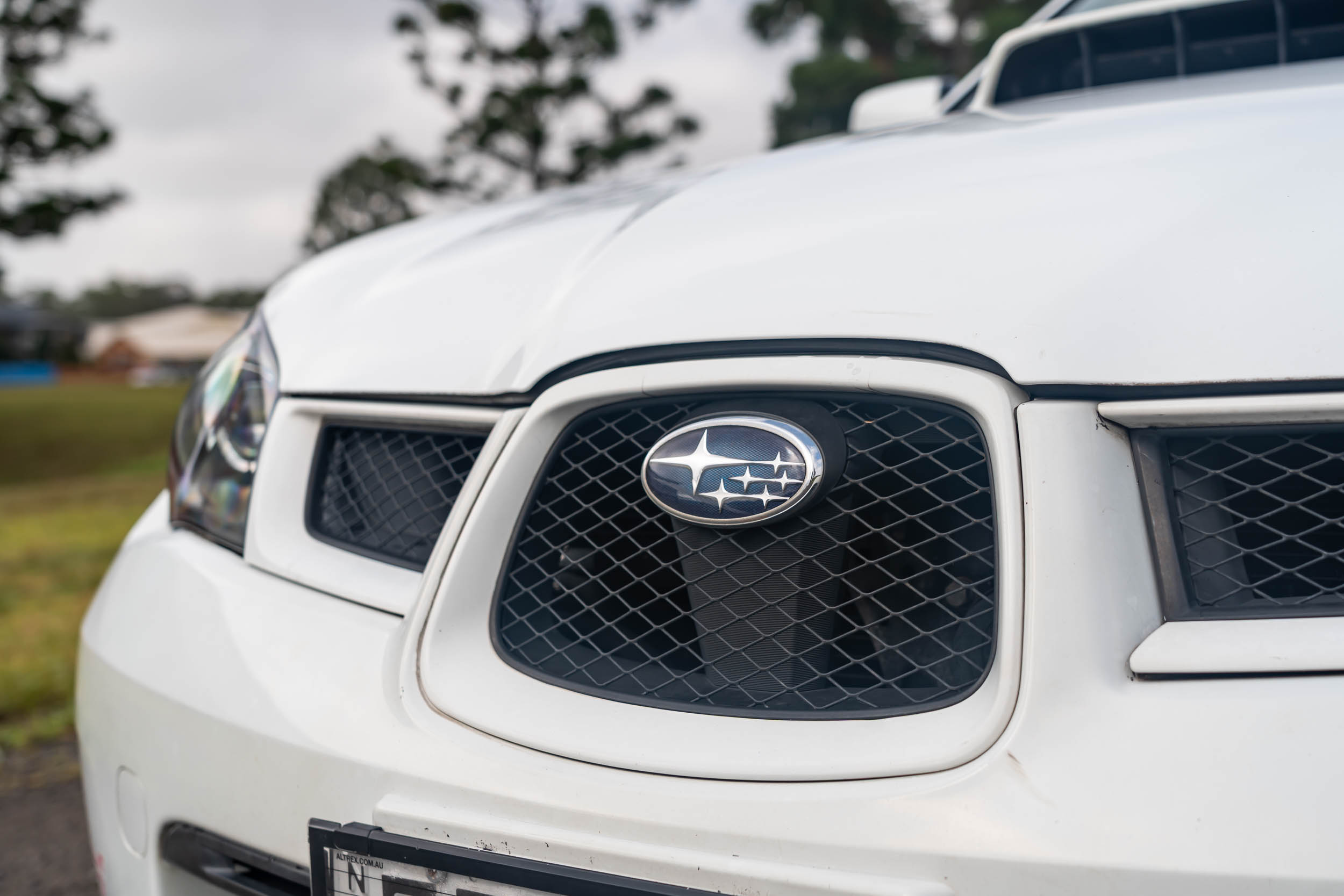
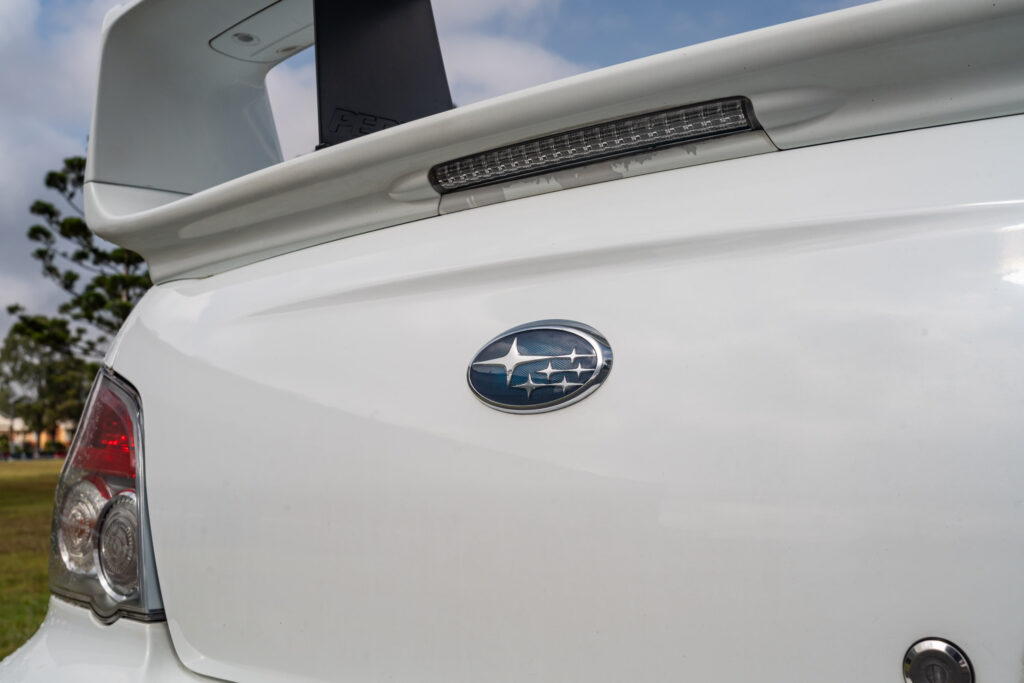
Hawkeye models have a distinctive, triangular front grille section that can easily become brittle and shatter. While OEM Subaru replacements are available, they can be quite expensive. Owners recommend looking into aftermarket, 3D-printed replacements instead, which cost far less.
The front bumpers of the Hawkeye iteration are more prone to sagging or hanging low compared to Bug/Blobeye models, but this can be easily fixed.
Interior Issues:
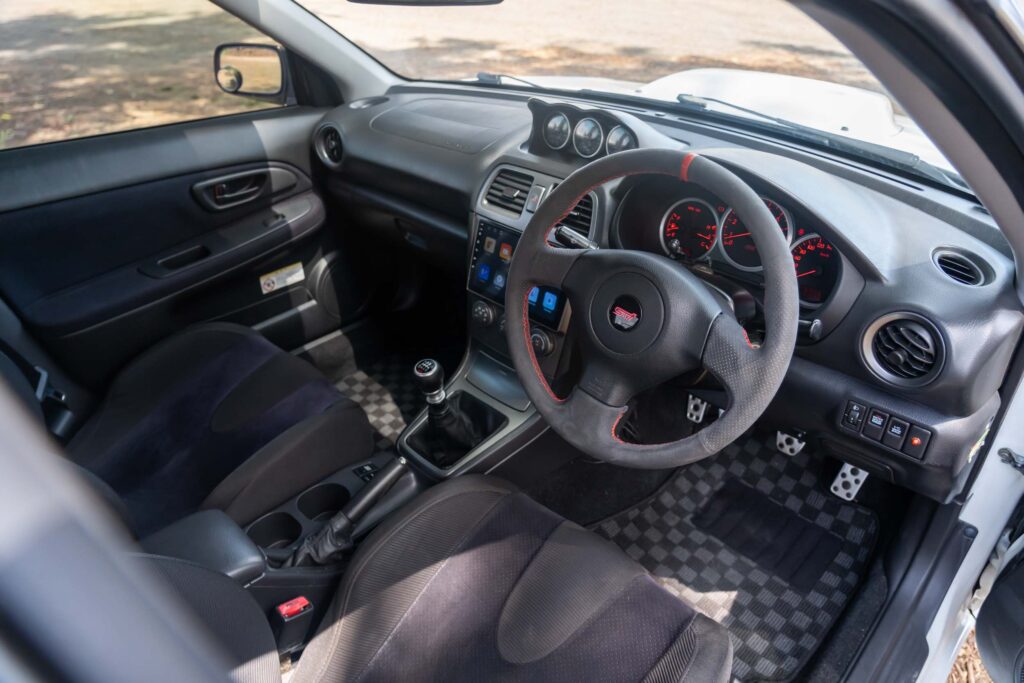
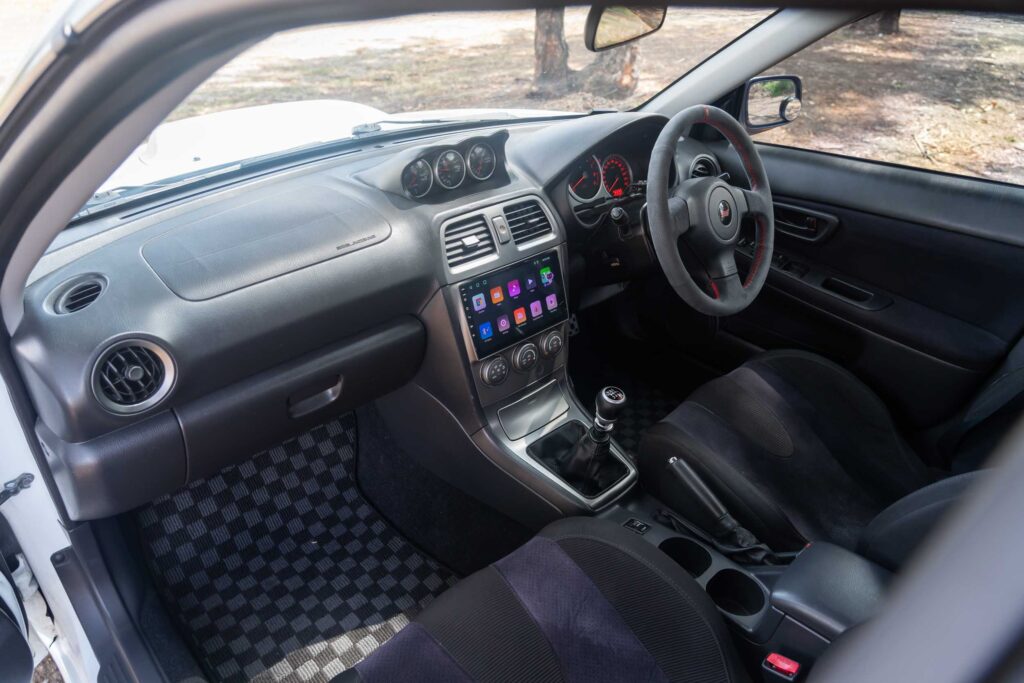
This generation of the WRX/WRX STI is more than twenty years old now, so it’s expected that some of the interiors can experience some issues.
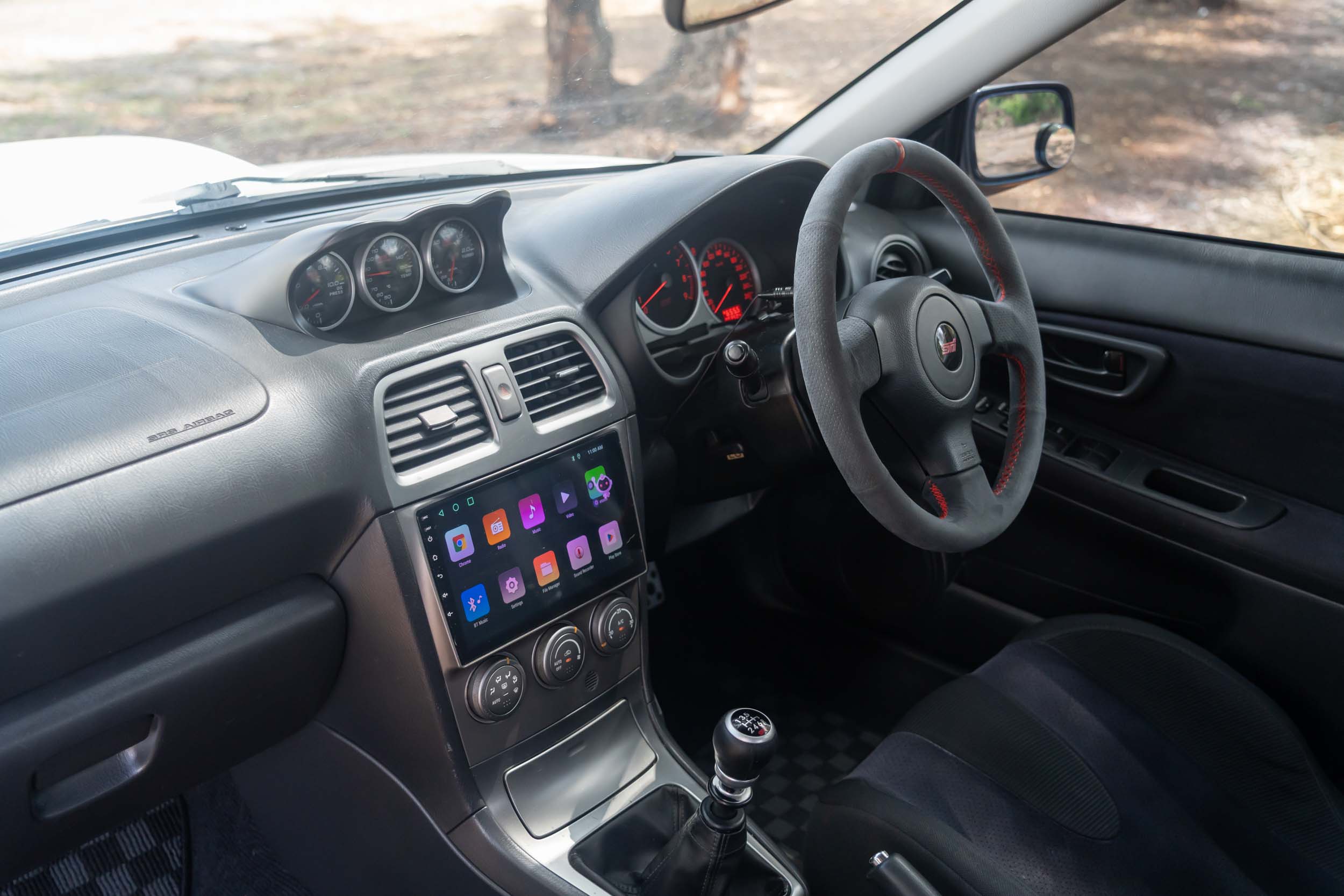
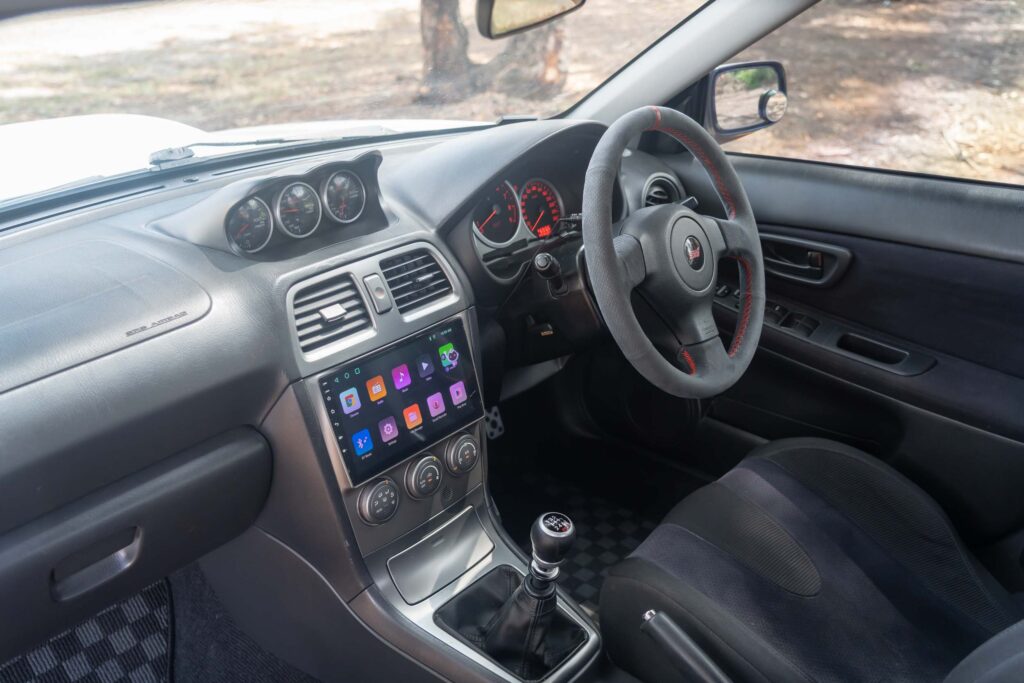
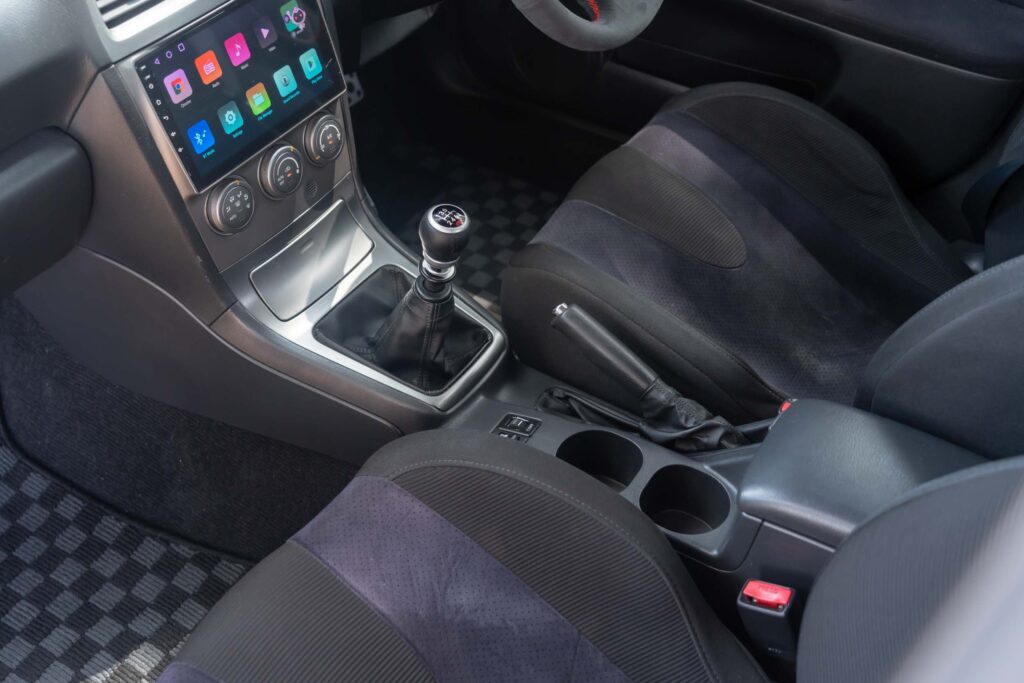
Check the condition of the interior plastics – areas like the trim surrounding the digital clock, the various storage lids, consoles, and the dashboard sections.
Sourcing OEM replacements can be hard to come by, and not cheap to buy if they are available, especially for parts unique to the top-line STI or any special edition models. Many owners have, and recommend replacing these with cheaper, aftermarket units.
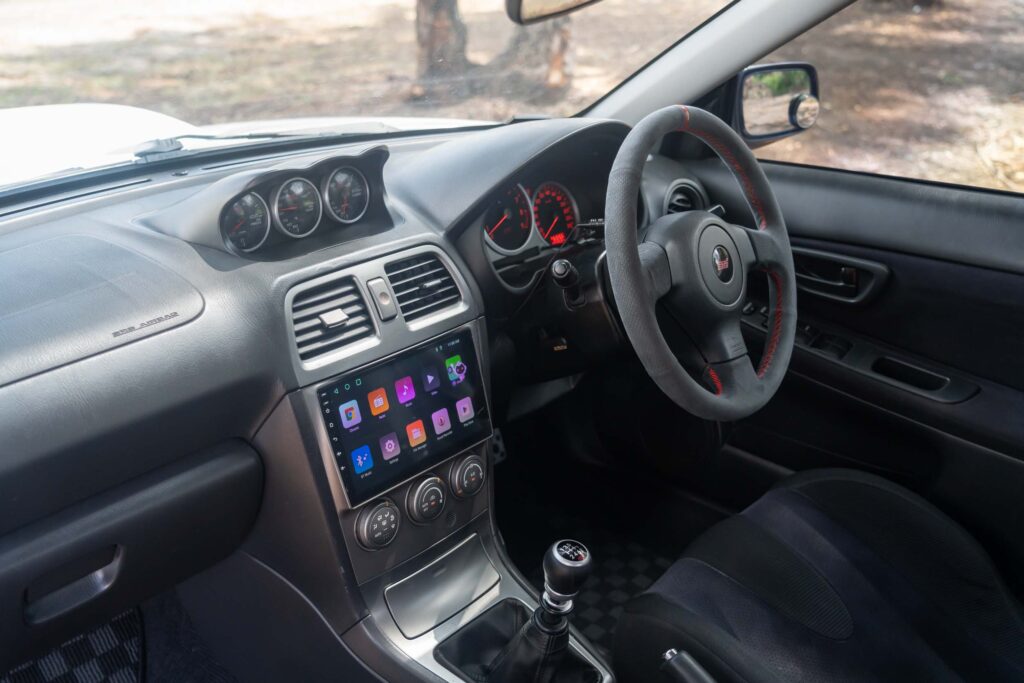
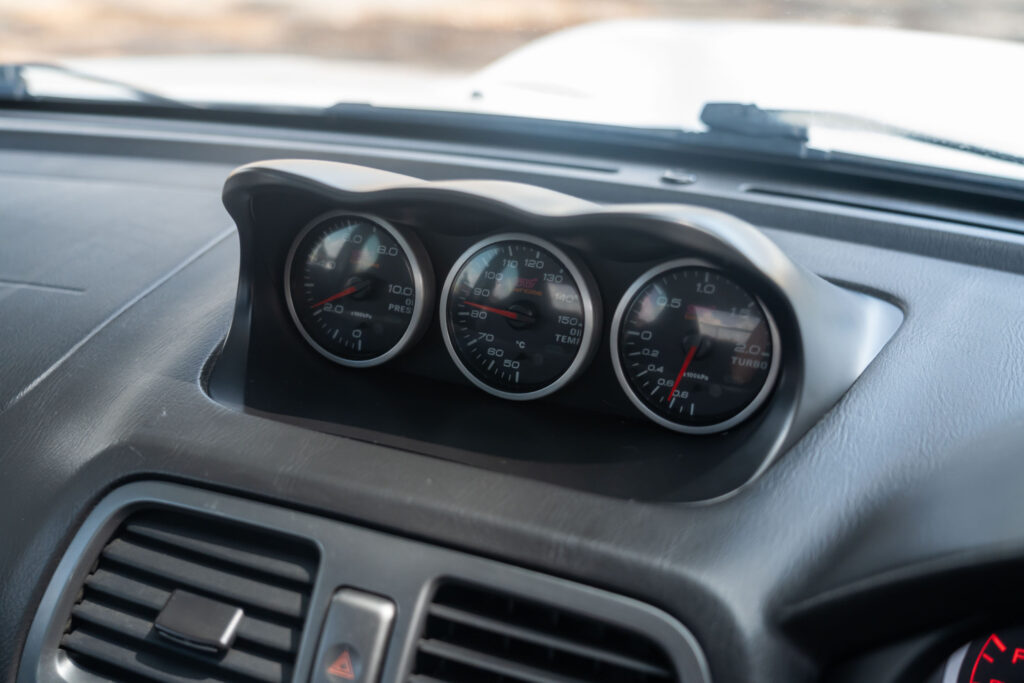
We’d also pay close attention to the A-Pillars for any signs that they had holes previously drilled in or if the plastic section itself appears broken or replaced recently. It’s common to mount aftermarket gauges here, and can be a clear indicator if the car has been previously modified.
But these issues aside, we heard that these interiors, while featuring a lot of hard plastics throughout, can prove to be very resilient. We didn’t hear of too many complaints of rattling interiors or trim, and the ‘function-first’ design of the switchgear and air conditioning controls means there’s less to go wrong.
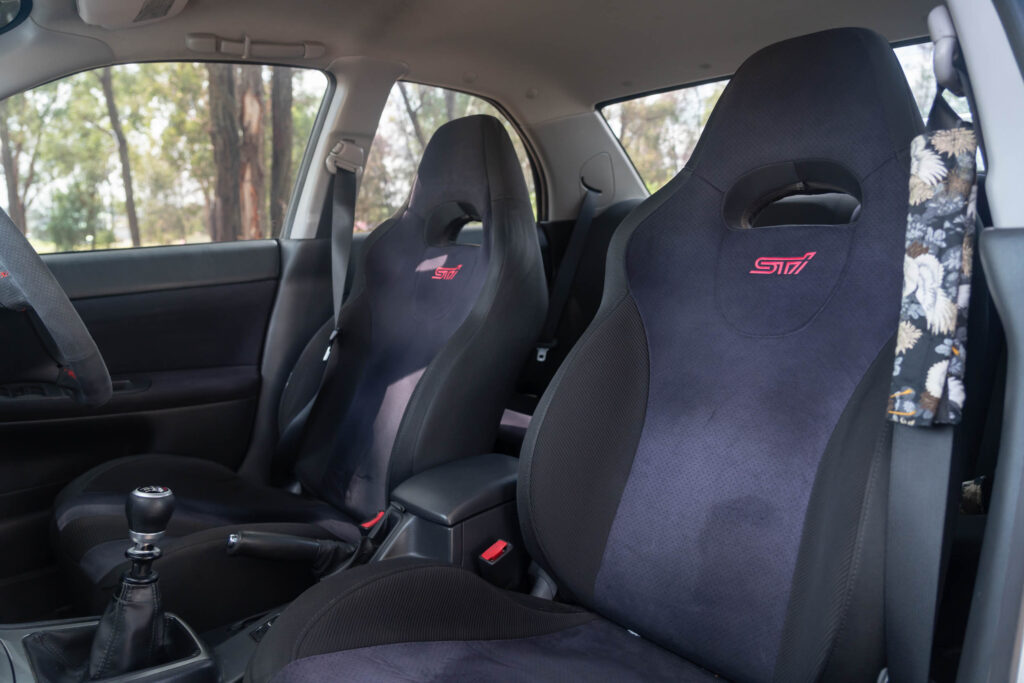
The factory Recaro-style seats can begin to show some sagging side bolsters or sections.
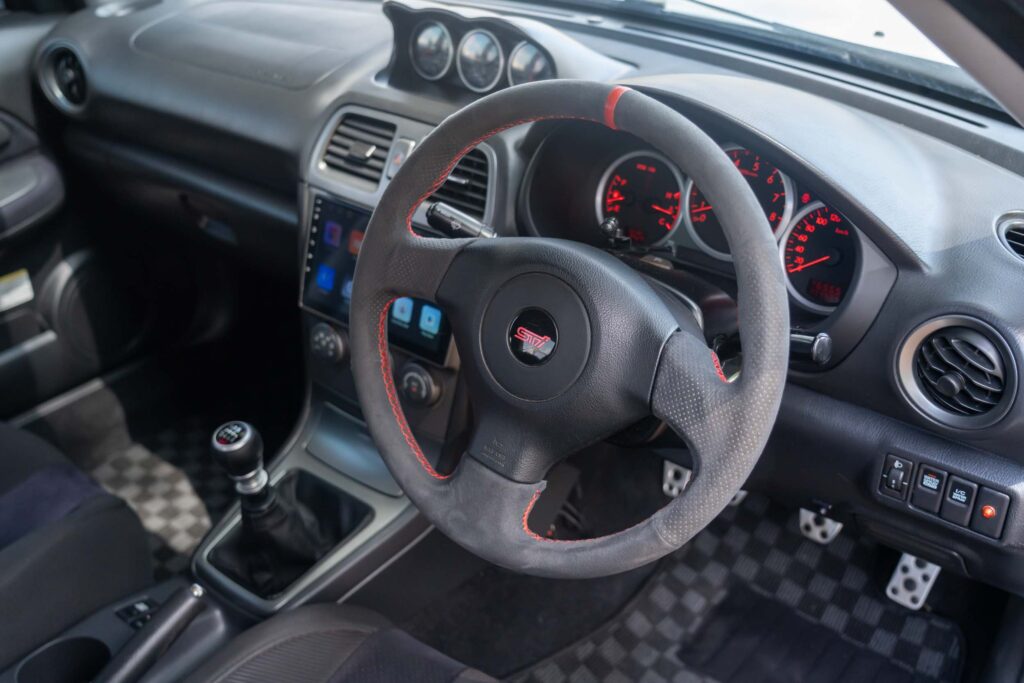
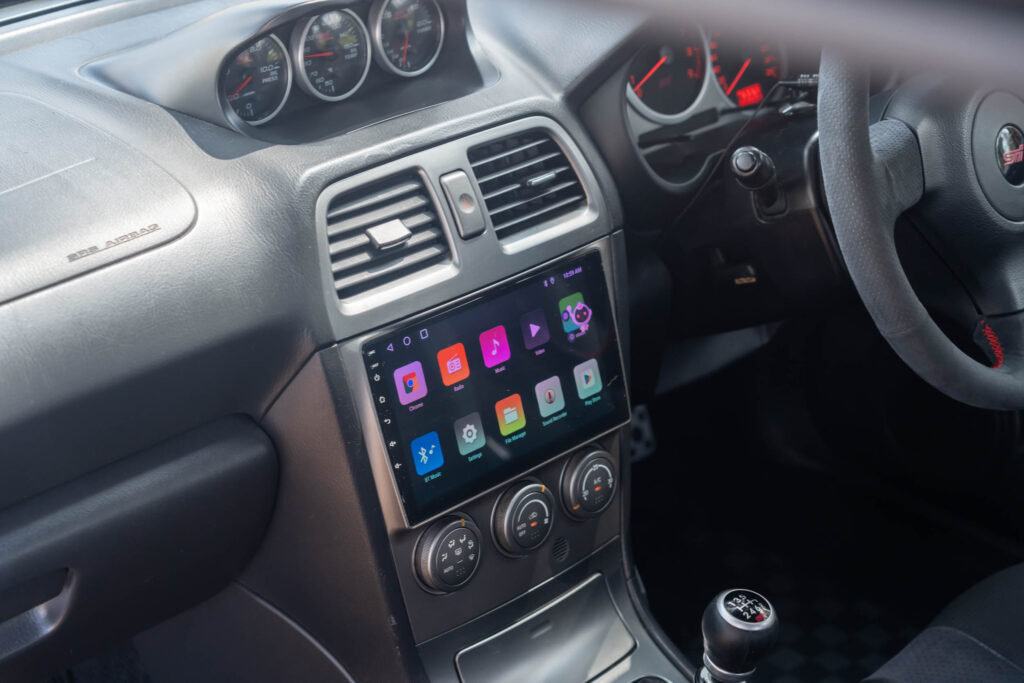
The original infotainment systems are well past their original usefulness in this day and age, and even if they were swapped for an aftermarket unit at one point, chances are it was on a slim budget, and they are still proving to be lacklustre.
But there are plenty of newer systems from the endless aftermarket parts catalogue that can add modern audio and phone connectivity
When comparing models made for your domestic market with grey-market cars made for Japan, it’s worth keeping in mind that they can differ significantly in the equipment they feature. Many Japanese-market cars, for instance, lack cruise control and other amenities, and may feature different interior trim.
Mechanical issues:
If you can get the car on a lift to inspect the undercarriage, it’s worth doing so. Just as we mentioned with inspecting the body for corrosion or accident damage, ensure any components underneath aren’t hiding signs of a car that’s been thrashed by a previous owner.
A known issue that can come up that causes these cars to stop working, or not start at all, can be down to a faulty electrical component – not the 12V battery, but more so the 2000s-era car alarm/immobiliser that might have been previously installed by Subaru dealers.
It’s no secret these Subarus were common victims for car thieves back in the day, so, understandably, Subaru Australia took steps to add extra protection for owners.
The problem is that many of these aftermarket alarm/immobiliser systems were likely the cheapest options available, resulting in said electronic issues. It’s highly recommended to swap these out for more up-to-date systems, which should reduce the chance of any electronic gremlins.
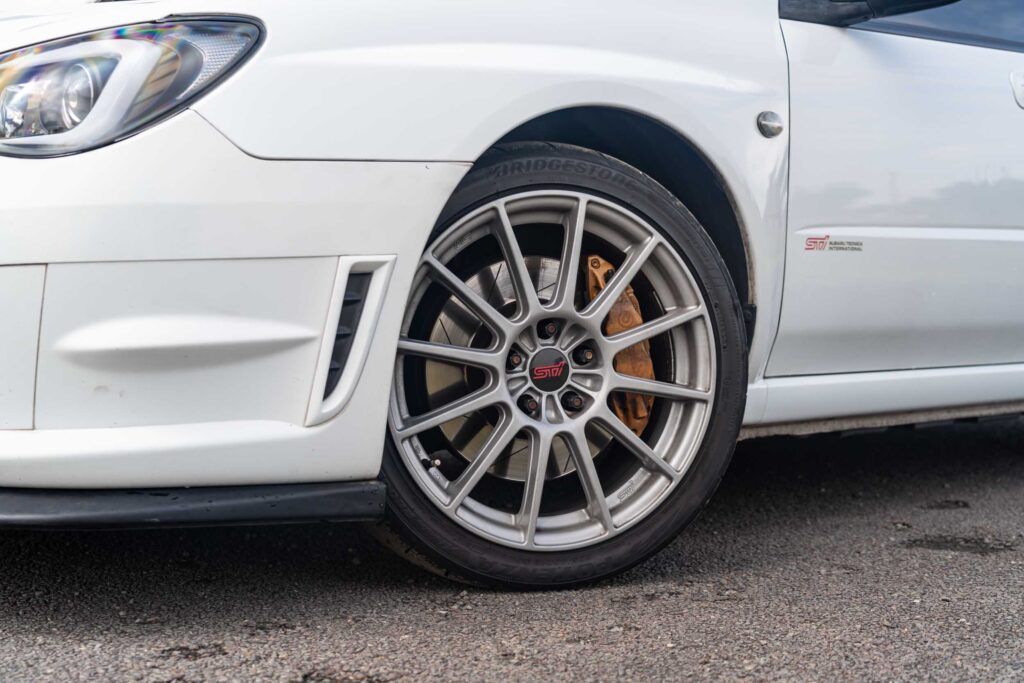
Also, being a turbocharged flat-four engine, combined with all-wheel drive, means these aren’t the most fuel-efficient cars out there. Expect to budget a lot for fuel, along with optimised performance tyres (which we’re told are getting harder to find in the original factory sizes).
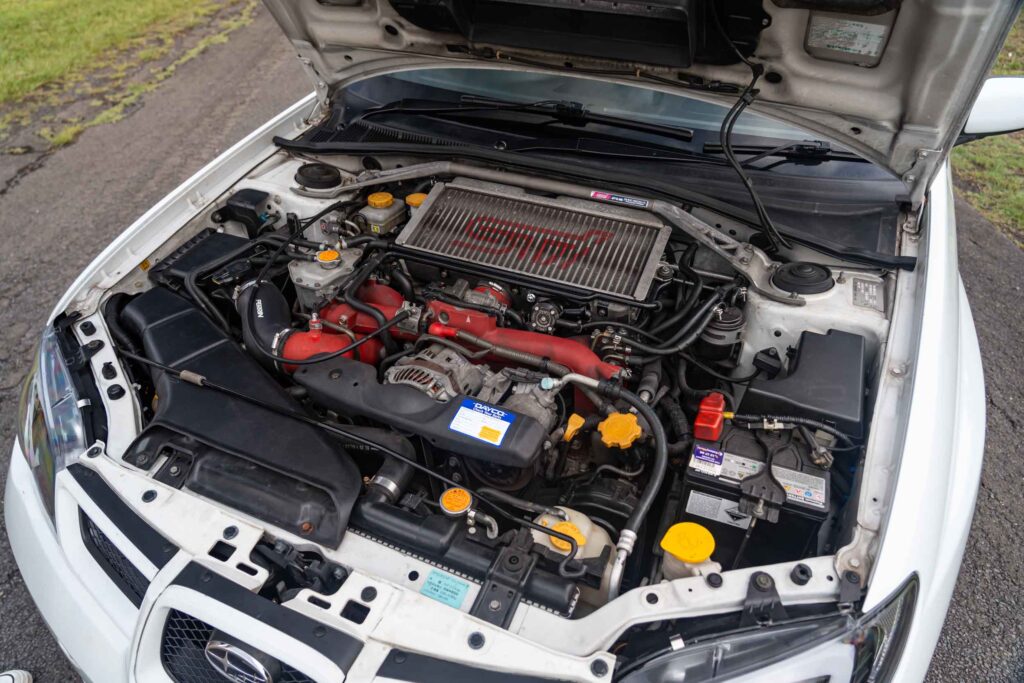
2.0L turbocharged flat-four (EJ205/207)
The 2.0L turbo flat-four is primarily featured in the Japanese-market cars (especially the JDM STI models), and they are actually proving to be quite solid compared to the 2.5L units.
These engines are still getting old and accumulating more kilometres, so internal components for the coolant system, like coolant/vacuum lines and boost control solenoids, are starting to get fairly brittle. If you’re working on these engines, it’ll be worth looking into replacing these or exercising caution.
These can also suffer from the same front crankshaft seal oil leak issues, as well as the big end bearing and piston complications as their 2.5L counterparts, but they don’t happen as frequently.
Oil leak issues are also something to keep an eye out for as part of regular upkeep.
Radiator failure can also happen, but typically not to the degree of the radiators splitting, as some owners report. Usually, it’s just down to wear and age that causes the plastic tanks to turn brown, and they should be replaced if they appear as such.
2.5.L turbocharged flat-four (EJ225/227)
It’s viewed as the more troublesome of the two EJ-series engines used in this Subaru. The most concerning problem is conrod bearing failure (aka ‘rodknock), usually caused by oil starvation.
These engines have a poorly designed oil sump, as well as an oil pickup that can easily crack and break, leading to these oil consumption issues. If you’re planning to use these on a track, it’s highly recommended to upgrade the oil sump and pickup to stronger units.
Piston failure can also occur, specifically, the pistons themselves cracking, which can lead to further engine damage.
Head gasket failure can also be an issue, but on most standard cars, it doesn’t happen frequently as it’s made out to be, and instances with the turbocharged units are less frequent compared to the naturally-aspirated engines.
Turbocharger failure is also a known issue, due to excessive oil consumption or oil starvation issues mentioned earlier. There’s also a strainer/filter within the turbo supply line that can block up and cause problems.
The oil supply to the variable valve timing component also has a strainer/filter that can clog, which leads to valve timing fault codes appearing.
PCV failure, which can also lead to engine blowby, is something to look out for.
Oil leaks are well-documented with this engine, as with most Subaru boxer units. Common areas include the rear main oil seals, valve cover gaskets, spark plug tubes, oil cooler ‘O-ring’, and the front crankshaft.
A leaking front crankshaft seal should be remedied immediately, as ignoring it can potentially lead to oil getting into the timing belt area and significantly shorten the lifespan of the timing belt. If the timing belt goes out, it’ll very likely also cause the entire engine to go out.
There’s vast potential for tuning and upgrading these engines, but any lean tunes or timing that is slightly too advanced, which pushes them beyond their limits, can easily damage any number of parts or the engine itself.
The transmissions are purpose-built to handle the Subaru’s performance-oriented drivetrain, and well-maintained examples can last fairly long; with transmission problems stemming from neglect or abuse from owners.
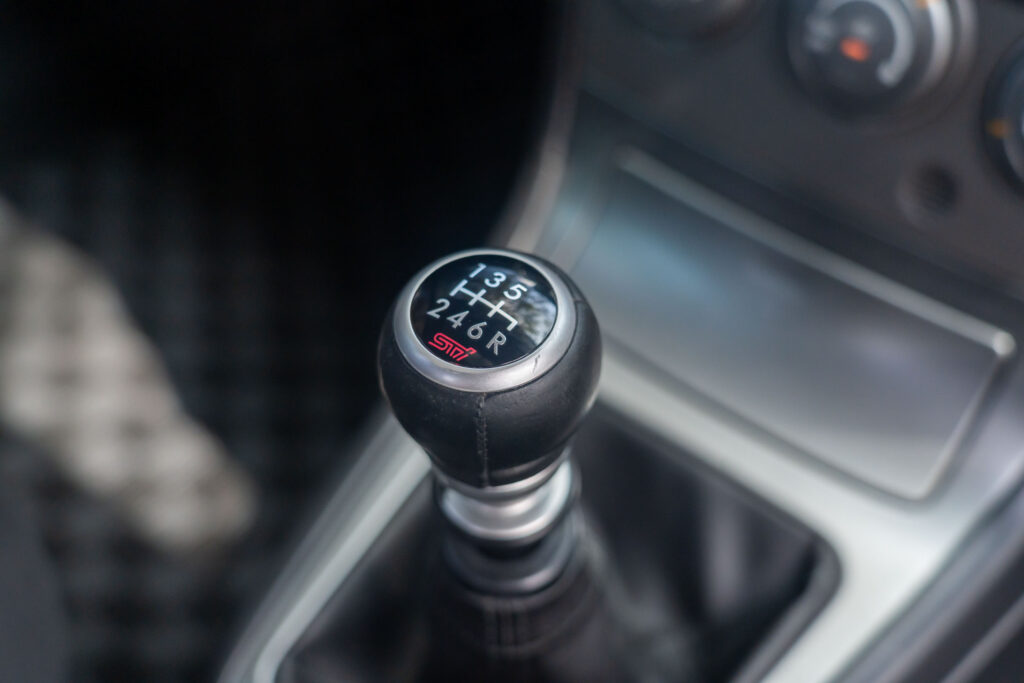
The five-speed manuals can be a bit fragile, with the six-speed units being more solid. It’s no surprise then that conversions to install the six-speed manual are fairly common.
While on a test drive, check the condition of the clutch. Stop at an incline, select a slightly higher gear, rev up to 2-3,000 RPM, then floor it. If you feel the clutch slipping (revs increase, but the car doesn’t move forward), it could be on its way out. A replacement clutch can be expensive, but it could be a card to play when negotiating on the price.
The factory shifter bushings are known to wear out – signs to look out for are a gear shifter that shakes abnormally when trying to select gears. Many owners recommend upgrading to aftermarket bushes, as they can last far longer and are cheaper than OEM Subaru parts.
If the one you’re looking at features Subaru’s DCCD (Driver Controlled Center Differential) system, check that all of the differential settings work without faults.
The cheapest examples can start as low as $4,000-15,000 for a very high mileage, well-used Bugeye gen Subaru WRX, but these can easily be a financial moneypit.
Unless you are looking for a project and are well acquainted with a toolkit, cheap, high-kilometre examples are not advised for the faint-hearted, emotionally vulnerable, or on a very tight budget for upkeep!
Most Australian-delivered Blobeye Subaru WRX/WRX STis will start from around $25-50,000 for decent examples, and are more worthy options to look into – as they offer a good balance of the analog, early 2000s WRX driving feel and modern usability.
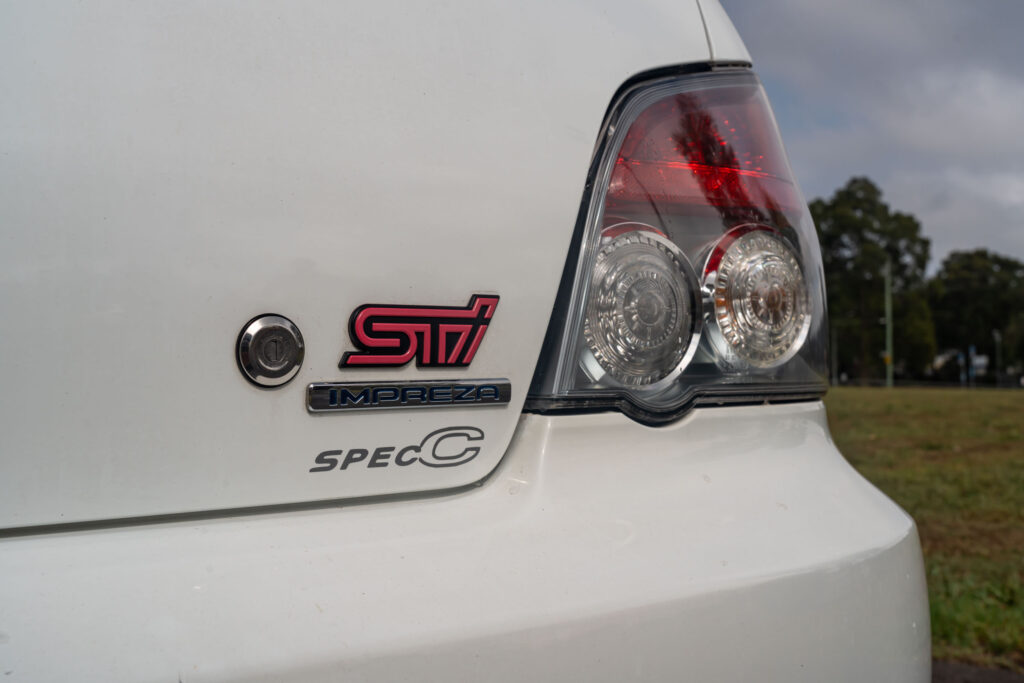
On the other end of the scale, limited production or special edition Blobeye/Hawkeye models, such as the Japan-exclusive Spec C Type RA-R or S202/3/4 models, can start as high as $100-120,000.
This may sound like a lot for a 20-year-old Subaru, but these carry far more collectable value and are prime future JDM classics.
As a performance car to drive, whether in WRX or STI form, we feel these Subarus are satisfying to experience behind the wheel, with a lack of filter between what you do and how the car responds to your inputs.
Yes, a modern all-wheel-drive hot hatch, like a Volkswagen Golf R, Mercedes-AMG A45, or a Toyota GR Corolla, may be quicker on paper, but they lack the rawness and satisfaction a performance car from this era still delivers. Especially among the special edition models, like the Spec Cs that bring better suspension and more power/torque than a standard STI.
The main concern if you’re ever in the market for a Subaru WRX/WRX STI is primarily what previous lives they may have experienced. Pre-2020, many of this generation were among the most budget-friendly options for enthusiasts, but may not have been maintained well, poorly modified, or driven into the ground with little to no care.
More risky are those that have been ‘returned’ to stock condition, or appear unmodified but sold within the higher price ranges – a car fitting that description is more likely to be a stress-inducing moneypit if you aren’t careful.
If you’re exploring locally delivered Subaru WRX/WRX STIs, we’d recommend aiming for mint condition, low-kilometre examples that pass pre-purchase inspections with no glaring concerns, and ideally come from a mature owner with a detailed service history.
But we’d also suggest exploring the grey import route to source one from the Japanese market, which typically have fewer kilometres, come with the stronger 2.0L flat-four, and often come with better specs/equipment.
Plus, many of the limited edition models that bring unique body parts, to performance upgrades were JDM-exclusives, and are worth putting your money towards.


Co-creator, presenter & writer, ReDriven


 3 weeks ago
 1 month ago
 1 month ago