Australia’s No. 1 Used Car Review Website
Australia’s No. 1 Used Car Review Website
+3 Photos
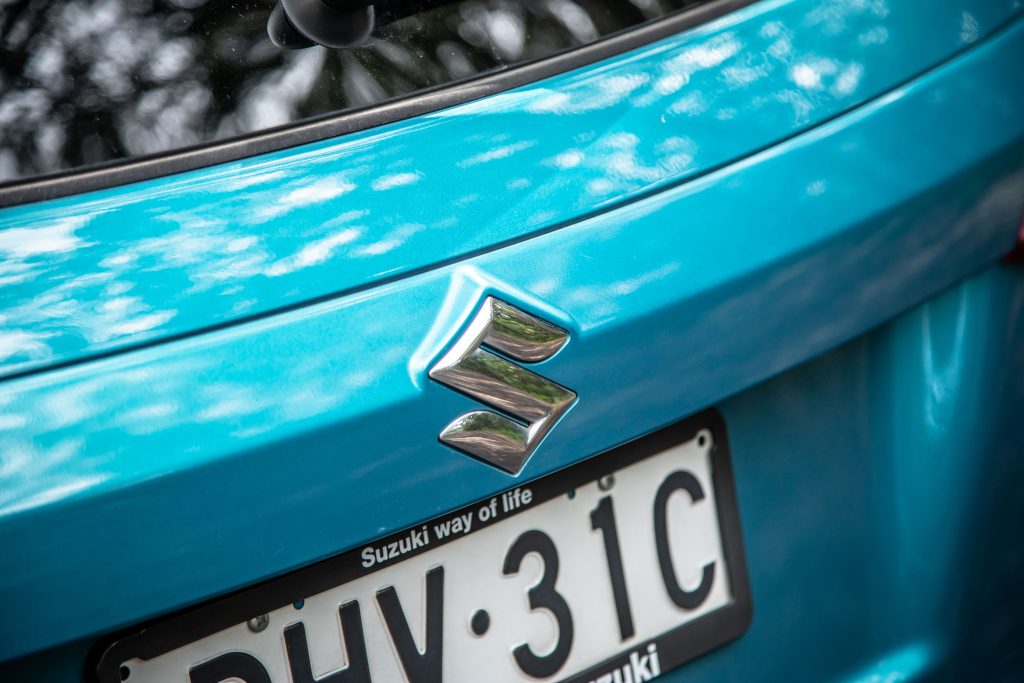

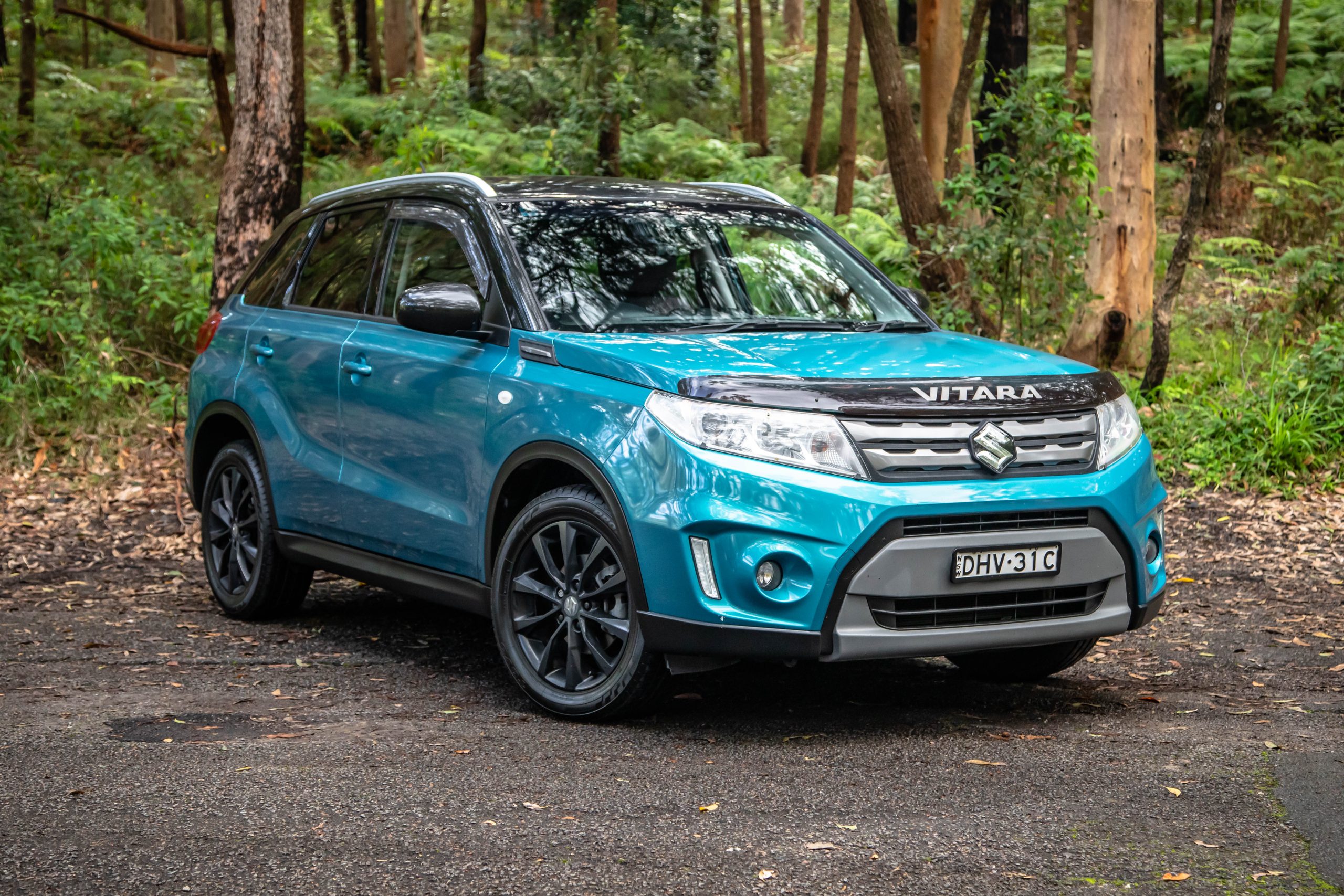
2016 Suzuki Vitara RT-S

17 June 2022
Yes. 100%.

2016 Suzuki Vitara RT-S

Used car review
17 June 2022
Those of us old enough (hi there) will remember when Suzuki’s first-generation Vitara was a fresh and quirky compact 4×4 in the 1990s. Ahead of its time, perhaps. Maybe too much. Because in 1998, the Vitara nameplate disappeared from Aussie showrooms and wouldn’t resurface until 17 years later.
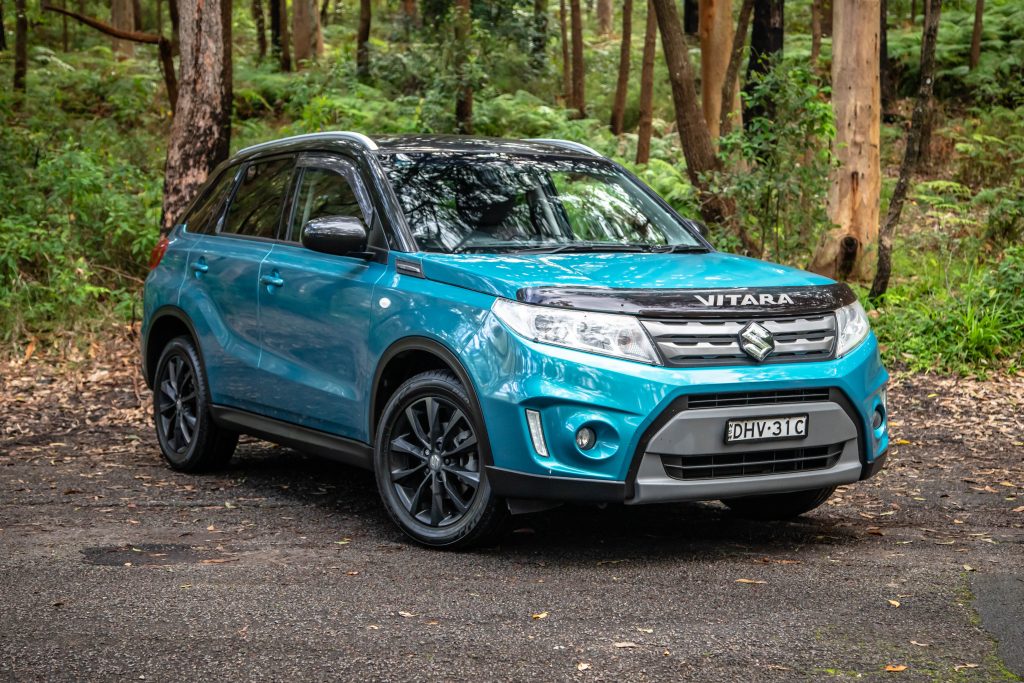
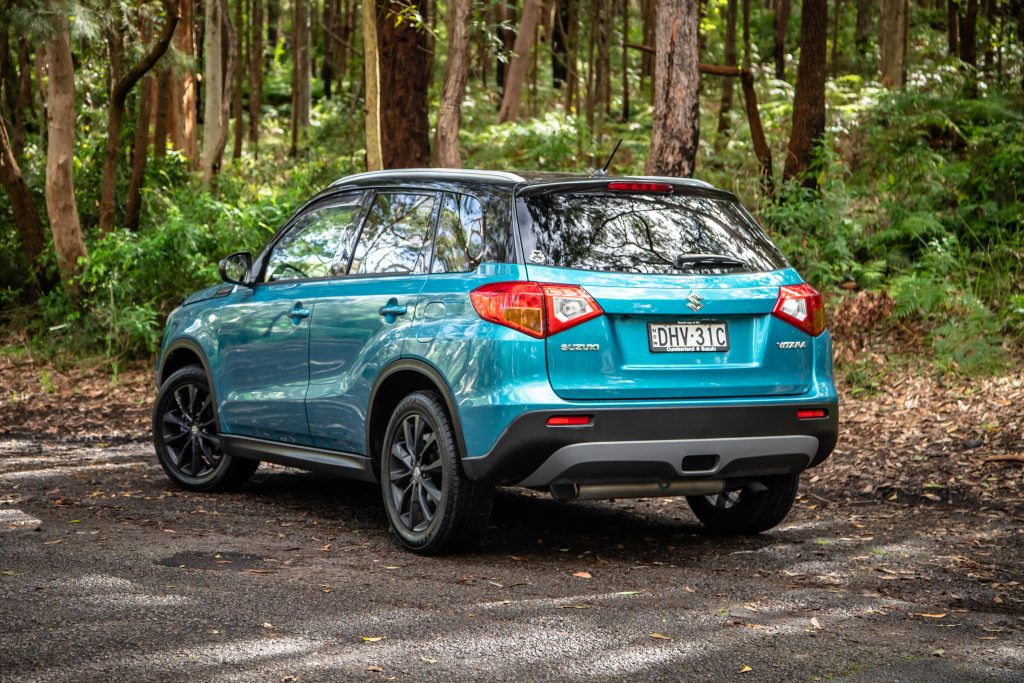
After skipping gens two and three, the fourth-generation ‘LY Series’ rebooted the Vitara nameplate locally in 2015. And it arrived, fashionably late, as a response to popularity of small SUVs that had been gaining momentum for some time.
In new Vitara, Suzuki did as many carmakers had done, essentially re-bodying a hatchback model into a high-riding, style-driven crossover more as an urban lifestyle proposition than, well, the more dedicated 4×4 the Vitara once was (and the Jimny now is).

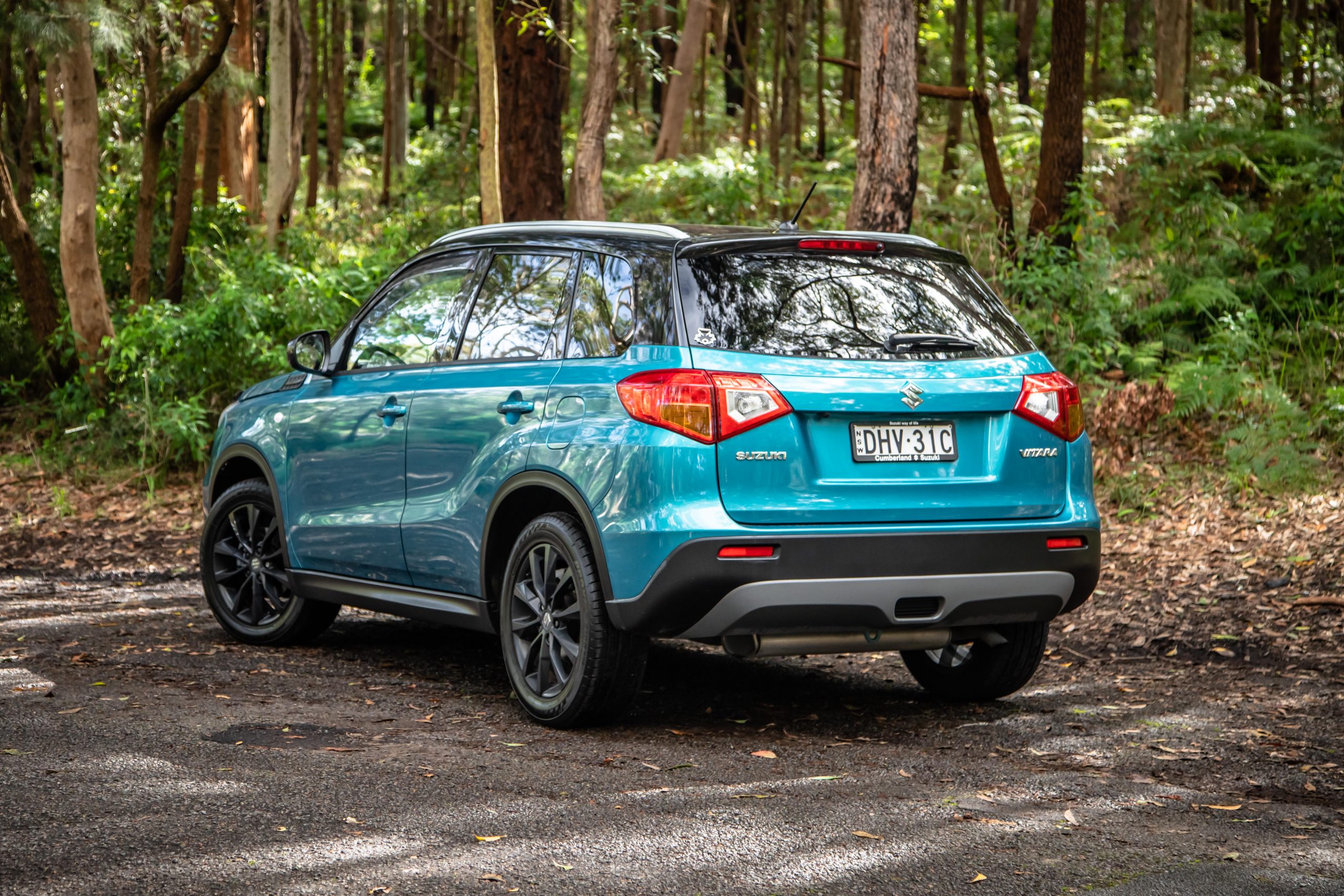
Tall, narrow and flaunting modern style, the gen-three Vitara is compact enough for the thick of the urban jungle yet roomy enough for younger, less-family oriented buyers it’s aimed at. It’s just large enough to function as a kid-hauling SUV, at a pinch.
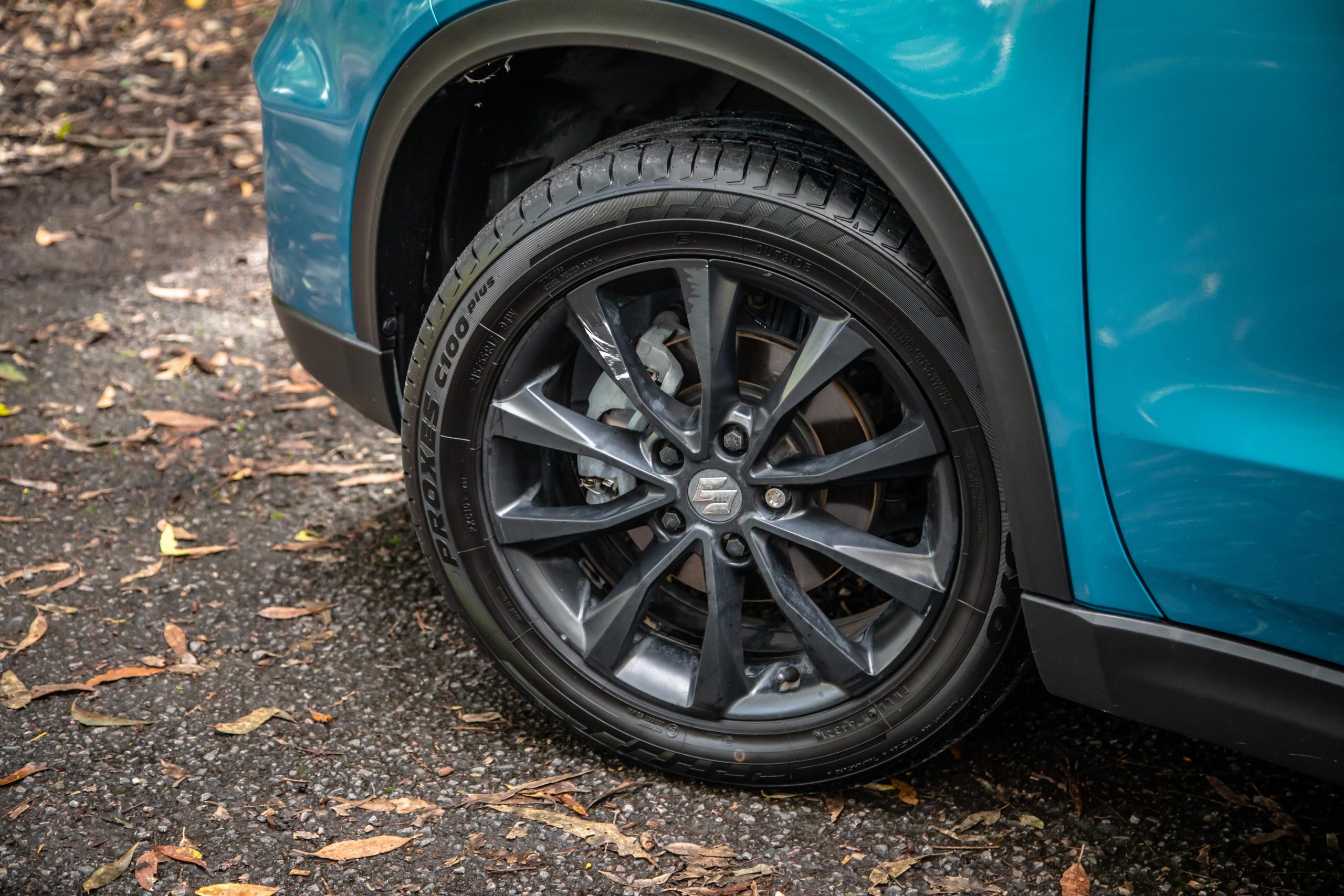
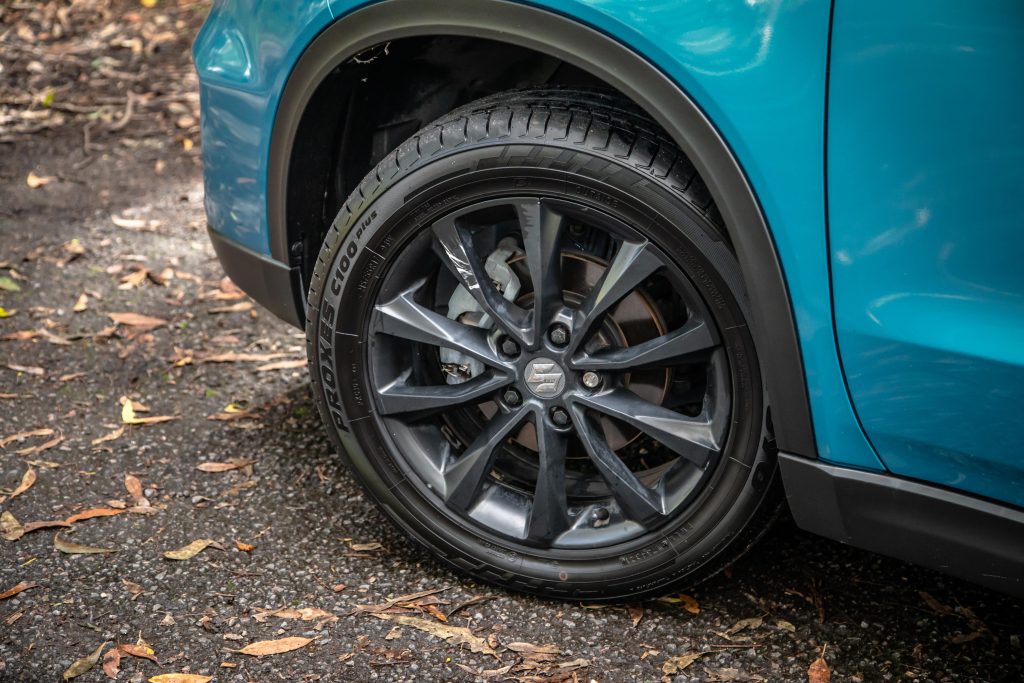
The range entered with the front-drive RT-S in five-speed manual ($22k) or six-speed auto ($24k), which offered niceties such as 17-inch alloys, sat-nav, a reversing camera and cruise control for very little dough (similar dough to what they’re priced used now).
Four-wheel drive? You needed to stump for the full-fruit GLX ($33k), with semi-suede trim, semi- LED lighting, parking sensors and panoramic glass roof and the like. Its 4×4 system is on- demand.
The letdown was the engine. Any version you chose, naturally aspirated 1.6L petrol was your power. And at 86kW (with just 156Nm), there wasn’t much of it…initially, at least. Six months in, for 2016, Suzuki lobbed the Vitara S Turbo, fitting a ‘Boosterjet’ forced 1.4L petrol good for more respectable 103kW and 220Nm and backed solely by an auto. But you needed $29k for the front driver and $33k for all-paw drive.
A 1.6L turbodiesel with dual-clutch auto, good for 88kW and 320Nm, was now available in RT-X trim as a flagship, lifting the outlay to $36k. Meanwhile, the wheezy N/A engine remained in the cheap variants.
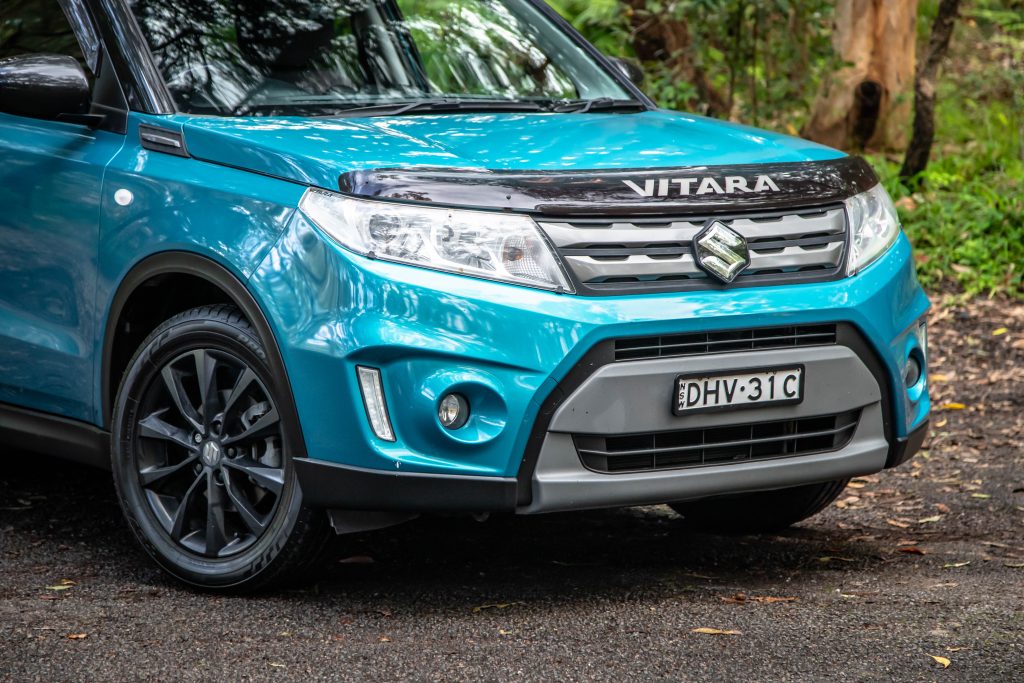
The Series II ‘wide-grille’ facelift lobbed in late 2018 (for MY19), minting the styling that remains on sale today. It ditched the diesel, leaving the big-selling 1.6 entry version, a mid-grade Turbo (FWD) and top-spec Turbo Allgrip (AWD), with pricing more or less carried over.
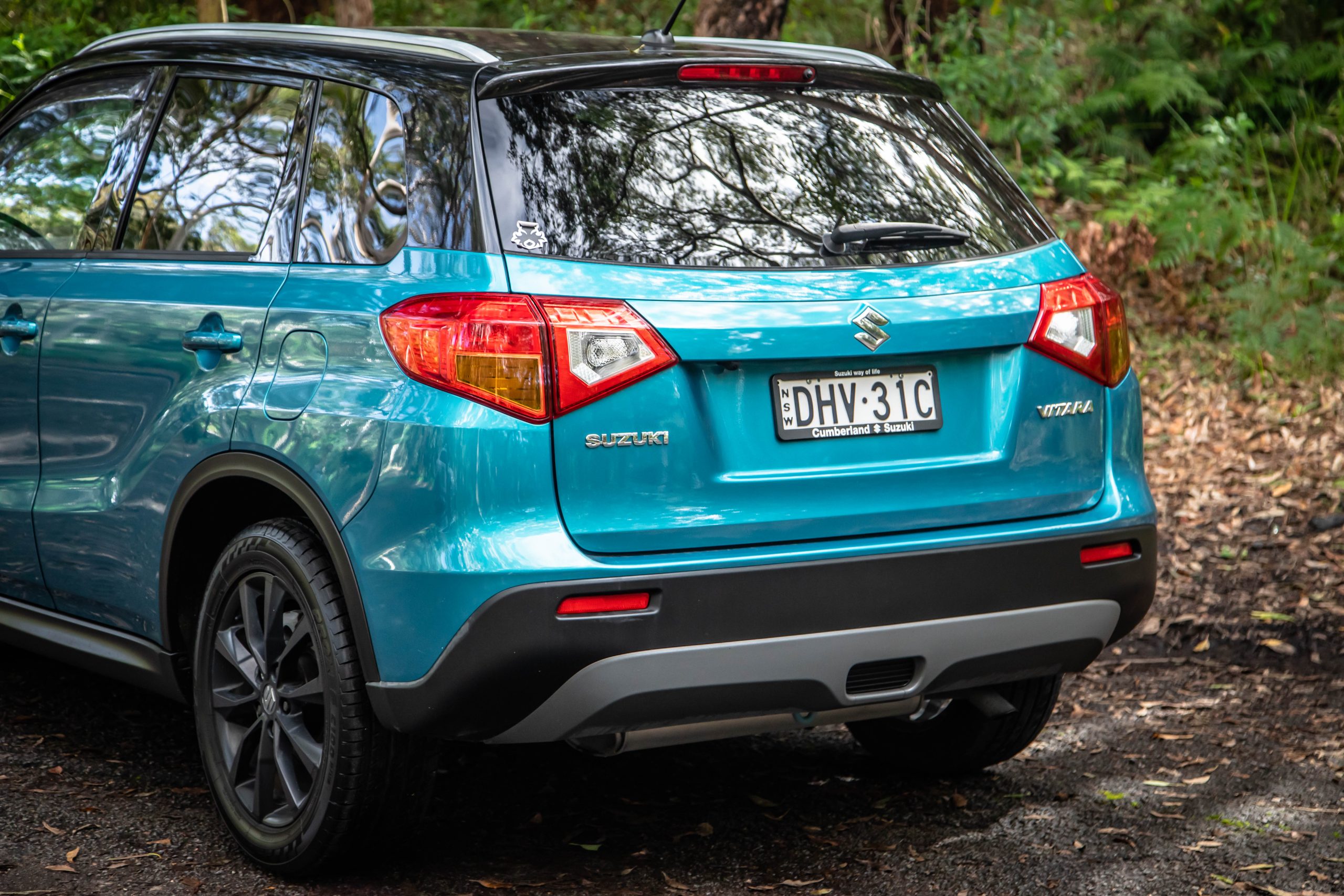
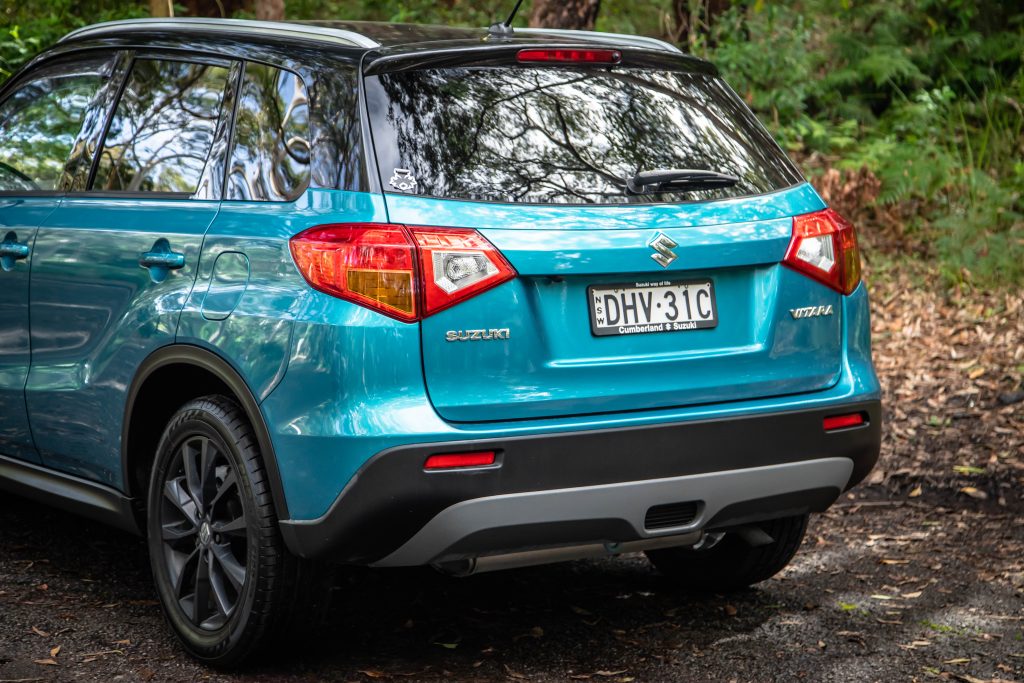
The revised version wasn’t much more upmarket or offered any more room – bootspace is 375 litres – and underbonnet outputs remained unchanged for its two petrol engines. New for breed, though, was Apple CarPlay and Android Auto mirroring.
The N/A gear is pretty slim on safety, offering seven airbags, ESP and traction control. You have to step up to the turbocharged stuff for comprehensive safety like autonomous emergency braking, lane-departure warning, blind-spot monitoring and adaptive cruise control. The higher grades also fit Alcantara and fake leather seat trim in Series II guise.
The fourth-gen Vitara survives to this day in the same three-variant line-up, priced between $27k for the entry 1.6 and $38k for the top dog Turbo Allgrip.
Thankfully these don’t have the old Grand Vitara’s petrol V6 and all its timing chain headaches and the old F9Q diesel, which is a Renault engine, although not a terrible engine, it was just terrible in the Vitara.
The line up of engines available in the current Vitara’s are all fairly reliable pretty unremarkable really.
The diesel, which is a Fiat/Chrysler engine by the way, just sayin’, they do have a few DPF and EGR issues, which like all modern diesels can be helped by fitting a catch can and regular servicing with the right type of oil.
The petrol engines have a fairly good reliability statistics and rarely have catastrophic failures.
The 1.4 turbo engine (ridiculously marketed as the BoosterJet) has had some sporadic reports of leaking injectors causing a few emissions related problems.
Typically, there’ll be a check engine light warning you if that’s the case. And because they’re direct injected, they’re most certainly going to have to carbon build up issues later in life. As they get older, the normally aspirated 1.6 petrol is probably going to be your best bet.
It does have less power; torque than the others but it’s a far less complicated engine which means there’s less to go wrong; if something does it’ll be much cheaper to fix.
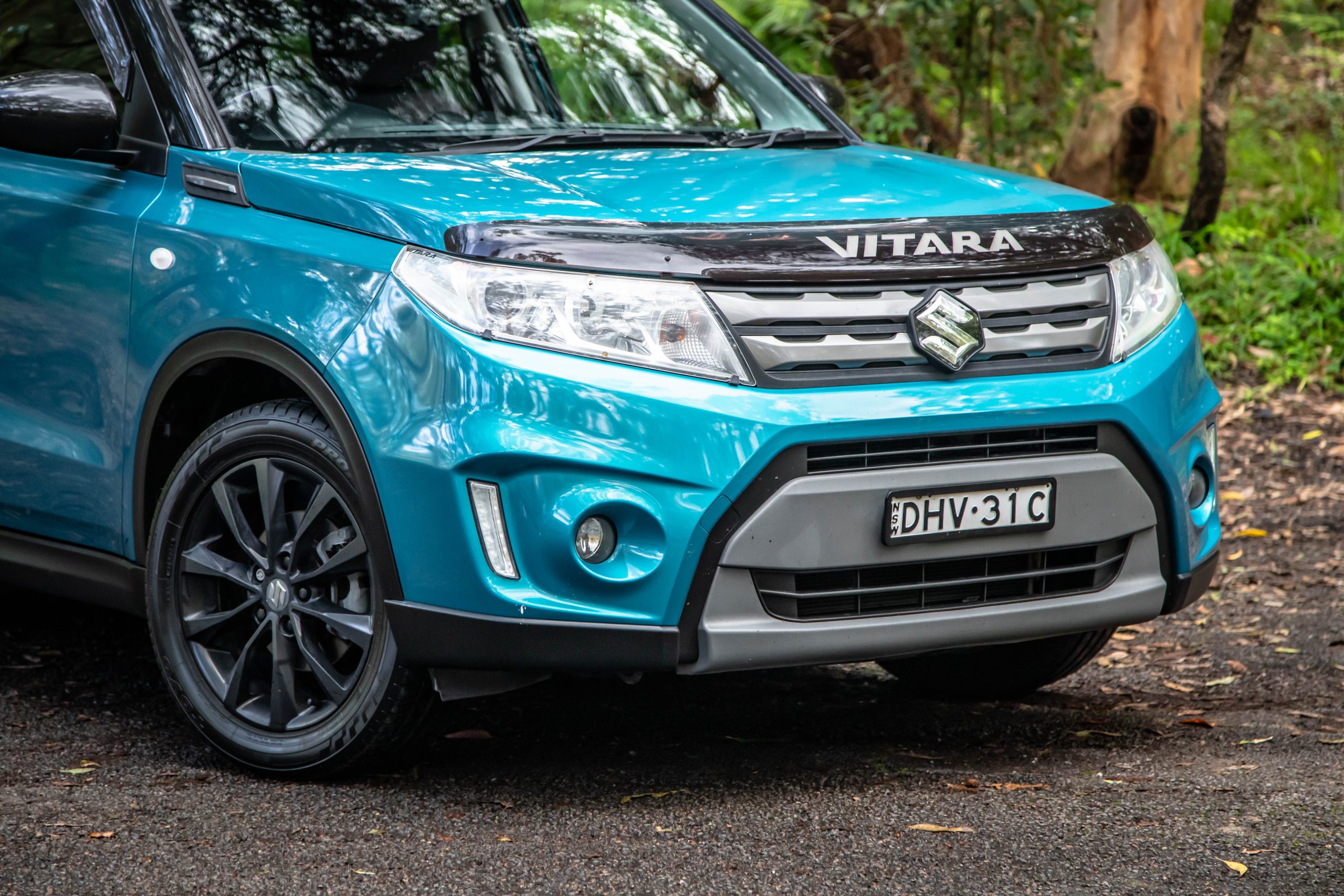
The Low beam headlights known to stop working due to burning out, but replacing the old bulbs with high quality aftermarket options is the best way to resolve this.
Inside there are a few rare Reports of the Air Conditioning not emitting any cold air, due to the condenser fan motor failing and apparently It’s also known to smell a bit in some instances.
Well we’ve always thought Suzuki is one of the most underrated car companies out there and the Vitara supports that opinion, this thing, bloody good.
For a no nonsense, practical, well equipped, safe and efficient little nugget of an SUV that is also great to drive, offers excellent value for money and is proving so far to be reliable, the Vitara is a winner.
MORE: Explore our SUV reviews


Co-creator, presenter & writer, ReDriven

Yes. 100%.

 2 weeks ago
 3 weeks ago
 4 weeks ago