Australia’s No. 1 Used Car Review Website
Australia’s No. 1 Used Car Review Website
+17 Photos
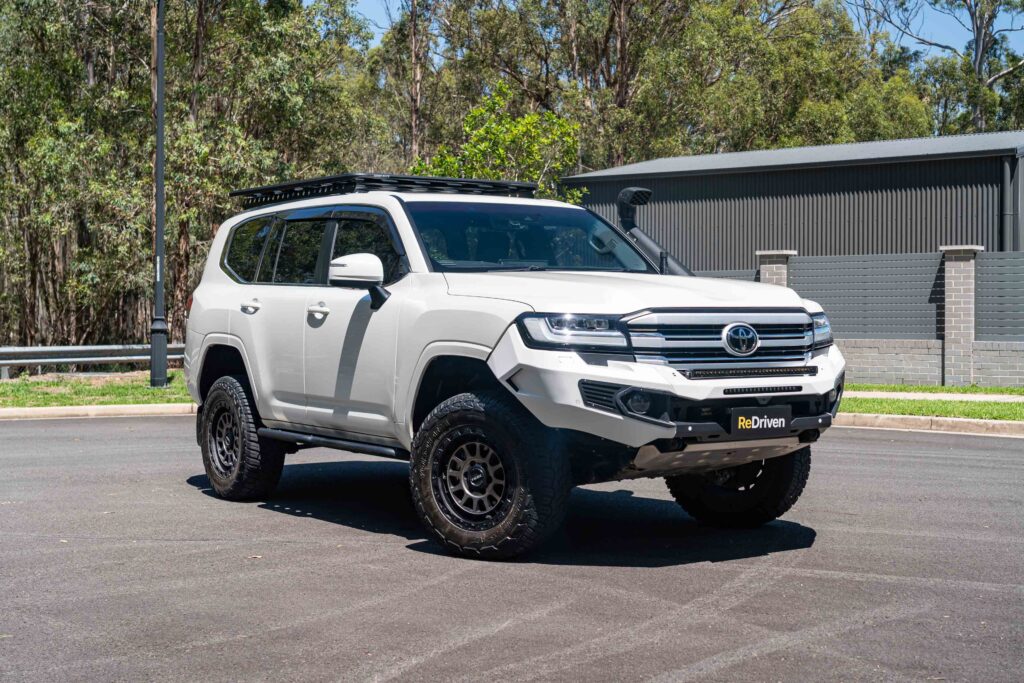
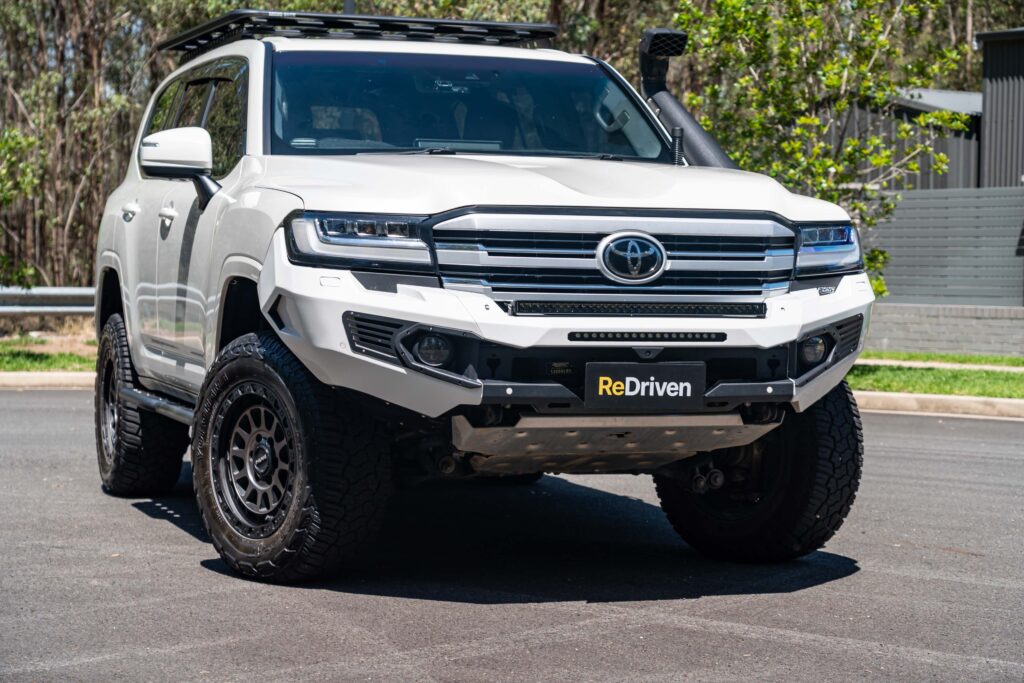
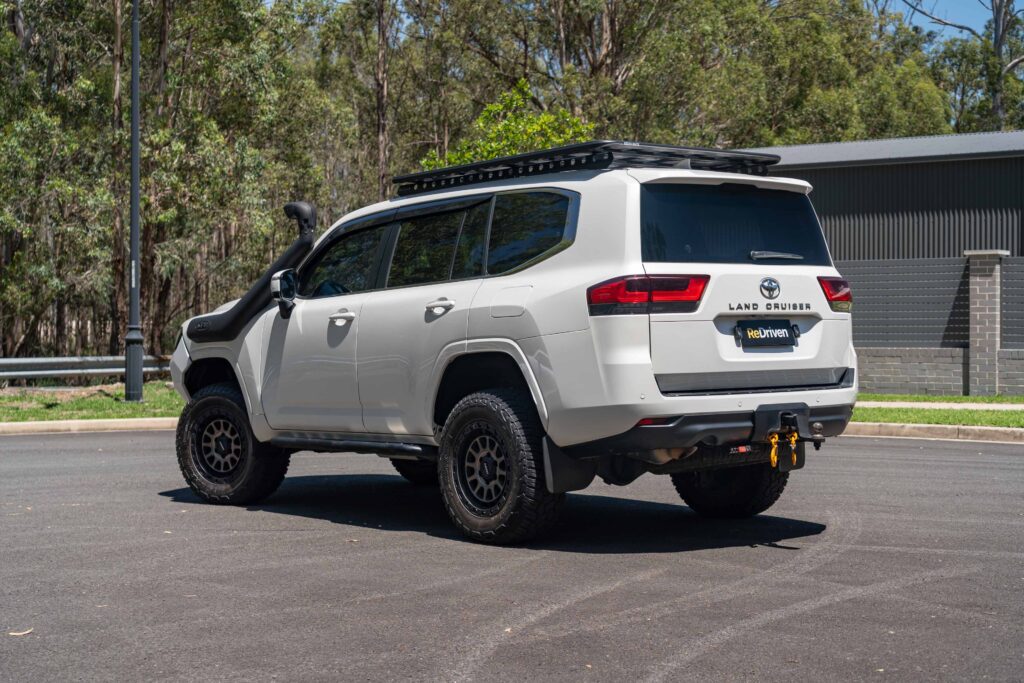
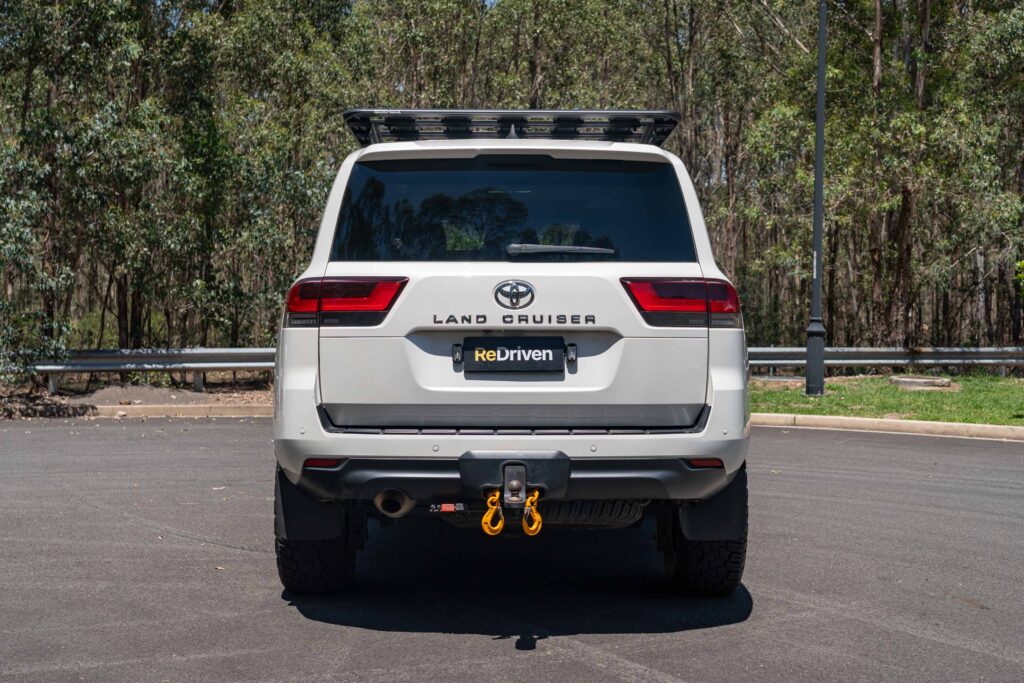
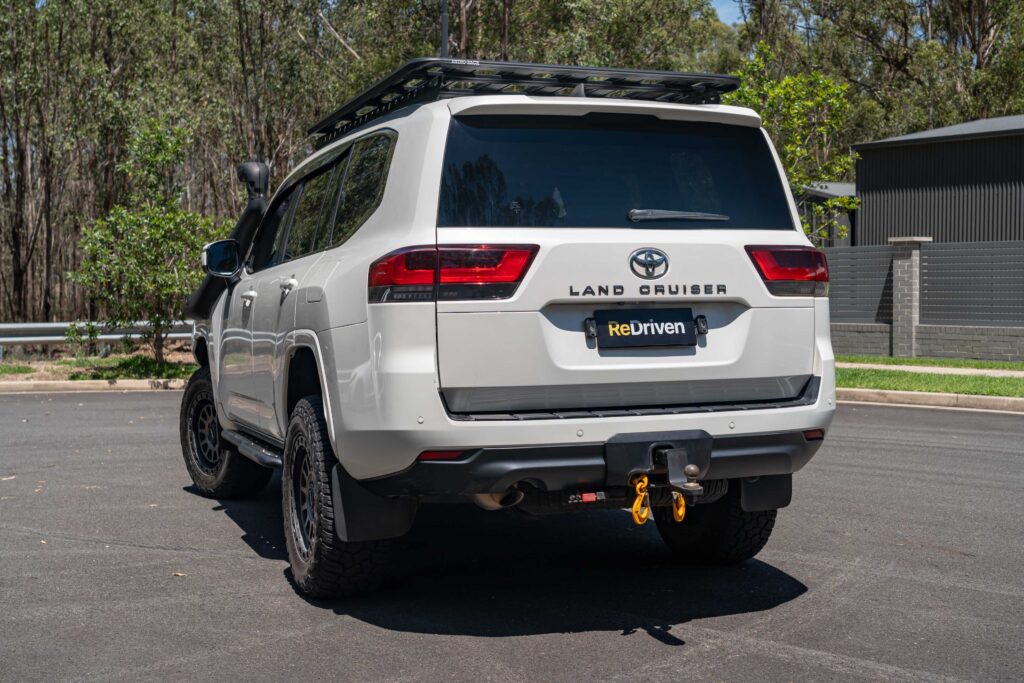
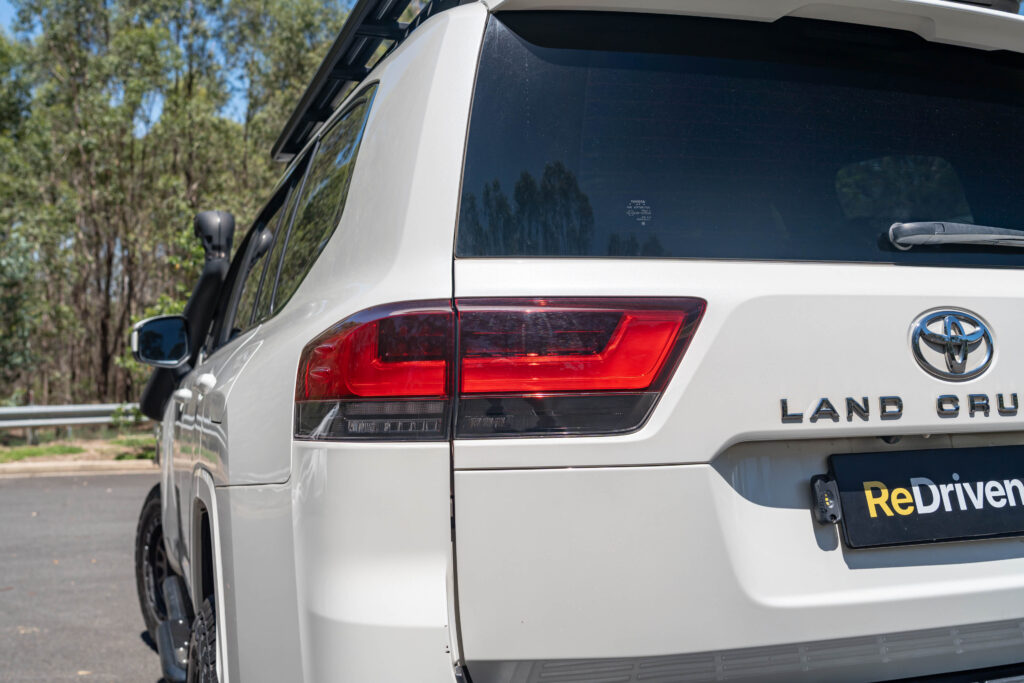
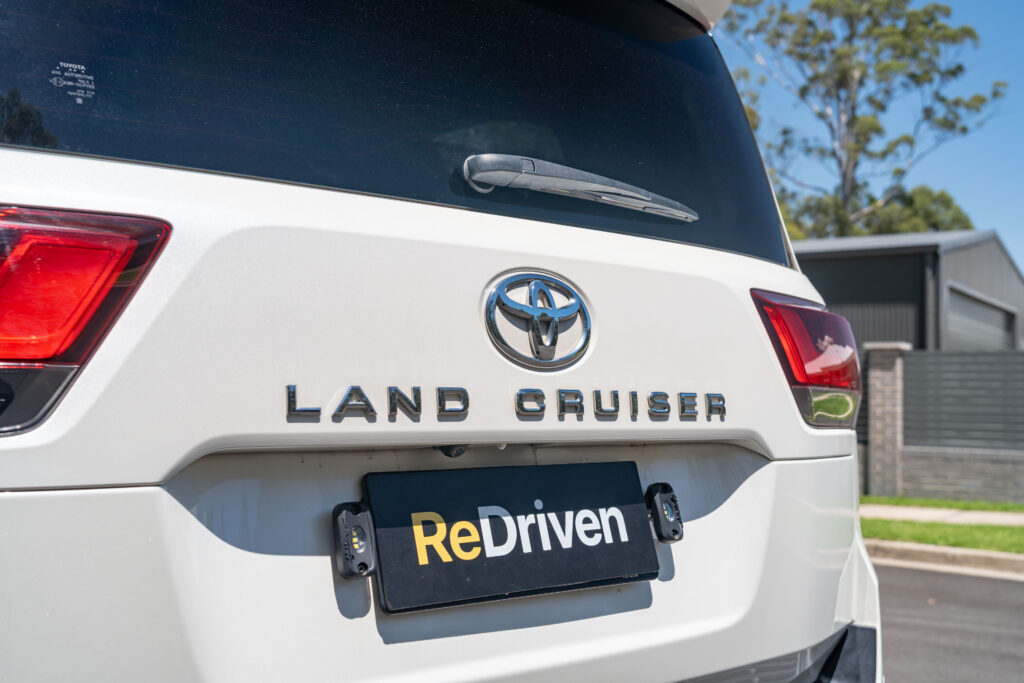
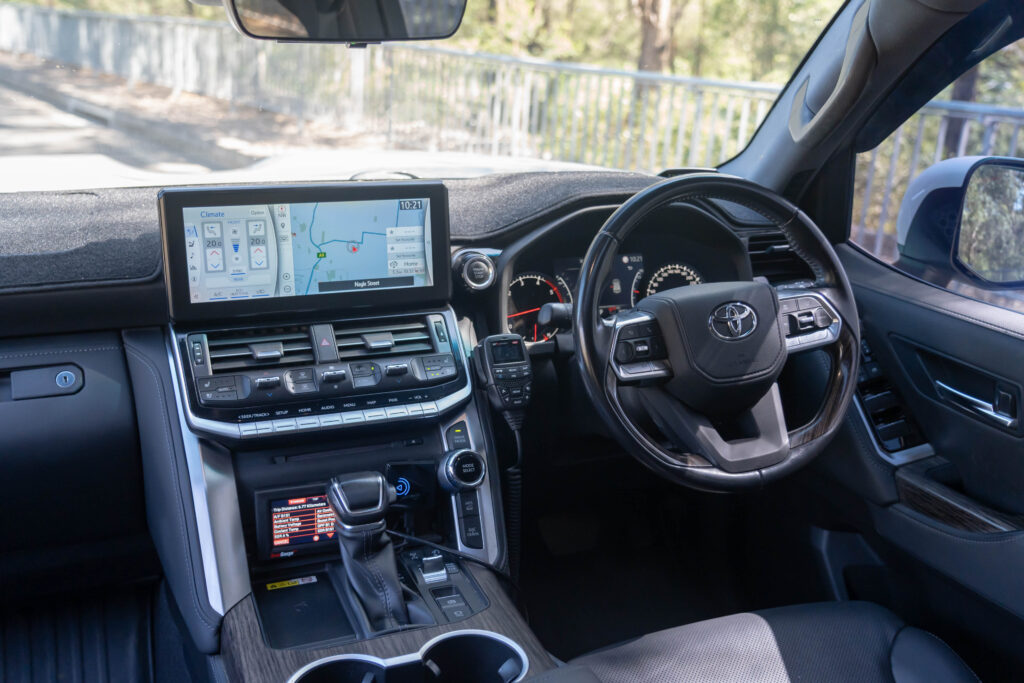
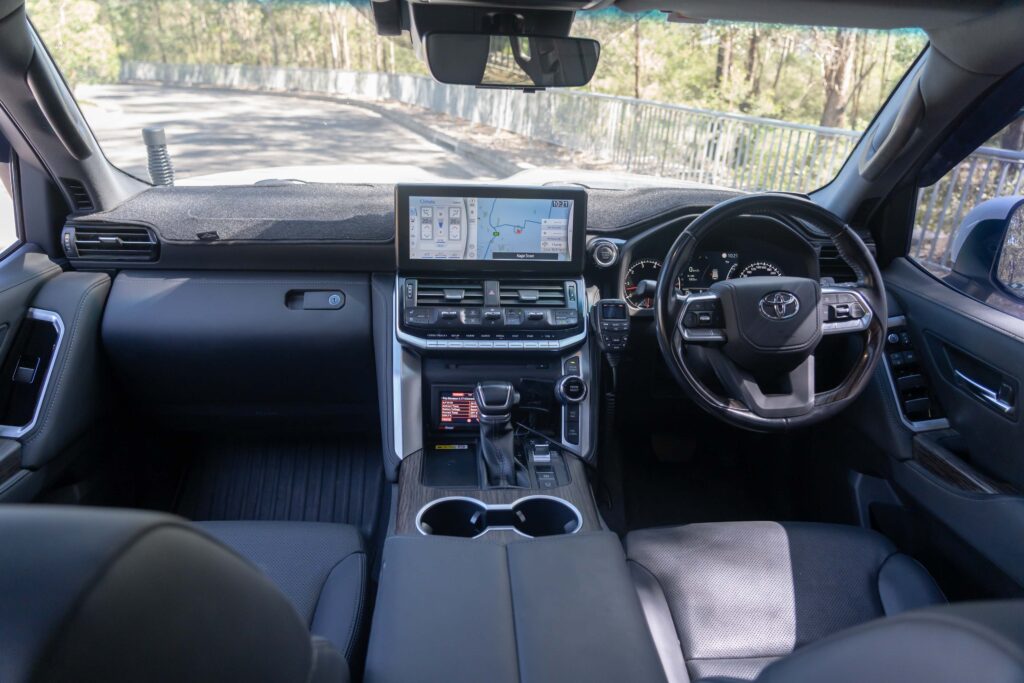

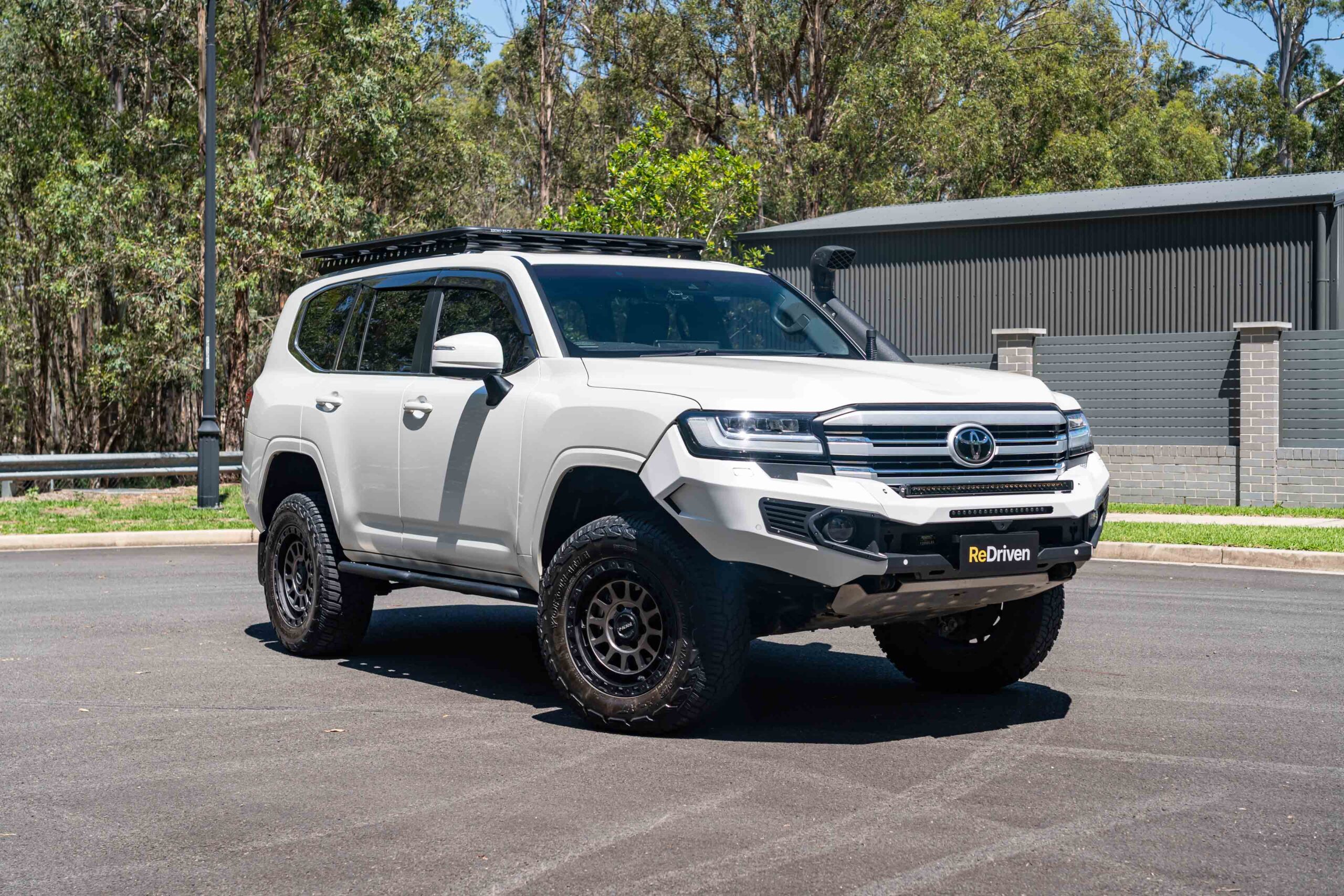
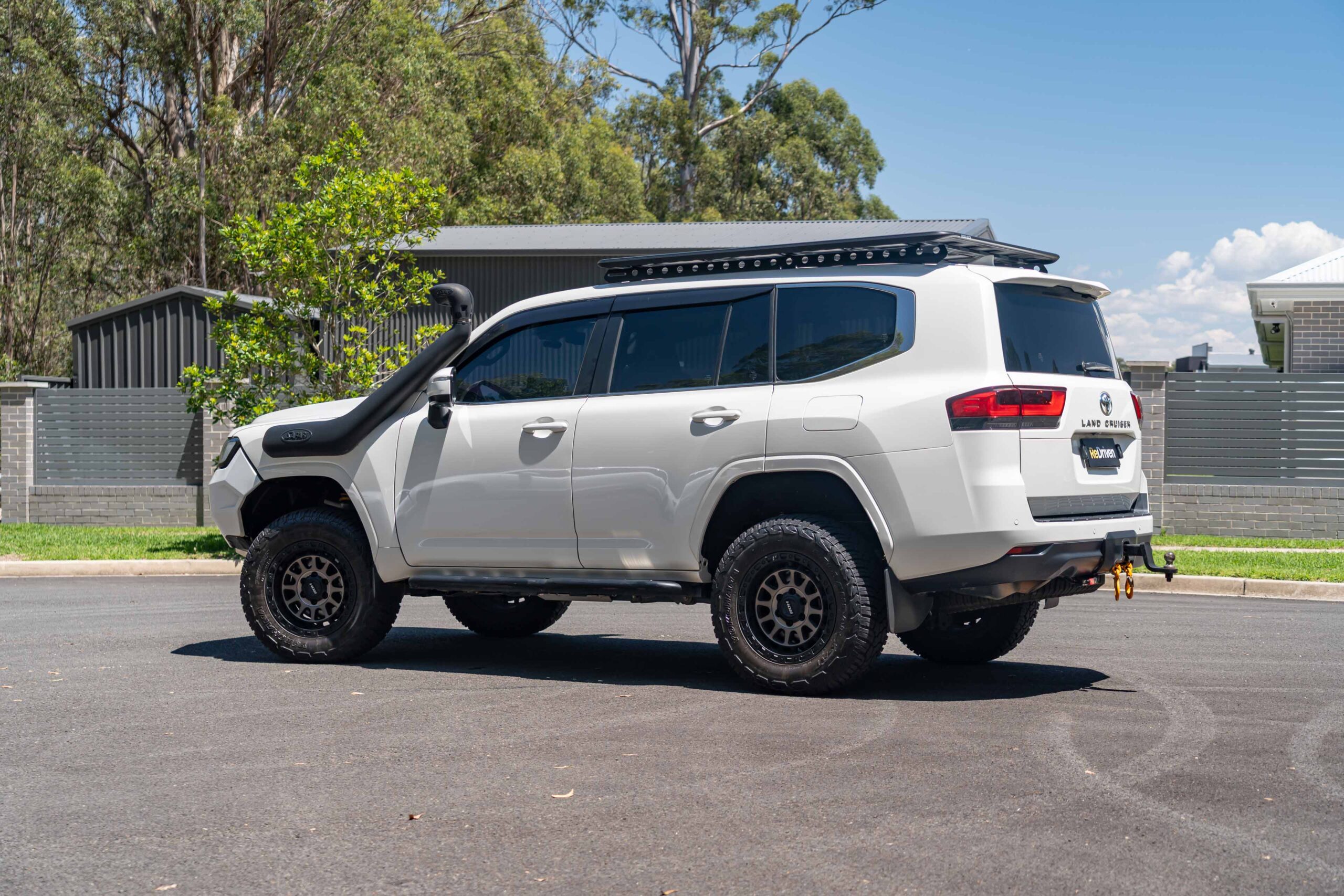
2022 Toyota LandCruiser VX (300 Series)

27 February 2026
Would We Buy It?

2022 Toyota LandCruiser VX (300 Series)

Used car review
27 February 2026
The Toyota Land Cruiser needs no introduction as one of the most reliable and dependable off-roaders in the market, since it made its debut back in the 1950s.
Fast forward to today, and that legacy continues with the latest iteration of the Land Cruiser, known as the 300 Series (J300) – which has been in production since 2021.

Notably, this Land Cruiser iteration is the first to not feature a V8 engine – with power now coming from a 3.3.L twin-turbocharged V6 diesel; though in other markets, it’s available with a 3.4L twin-turbocharged gasoline V6, a 4.0L naturally-aspirated V6, and as a 3.4L gasoline V6 hybrid.
Australian market Land Cruisers feature a 10-speed automatic transmission sending power to all four wheels, though other markets also use a 6-speed automatic transmission.
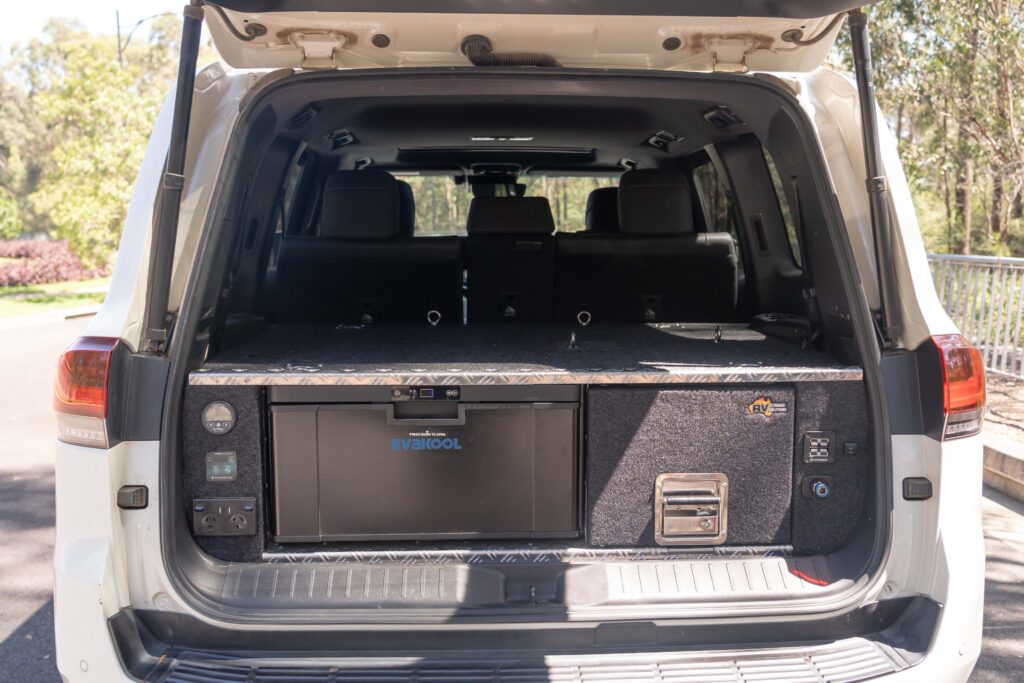
Trims for the Australian market models start from the entry-level GX/GXL, and go up to the mid-spec to top-line VX and Sahara/Sahara ZX, as well as a performance-focused GR Sport model. Both five-seater and seven-seater configurations are also available.
Exterior Issues:
Being a Japanese product, you can expect many of these Toyotas to be built far better than their equivalent European rivals.
Many examples have paintwork that is proving to be resilient, combined with great build quality and fit/finish of the body panels, and no major cases of water ingress.
On the occasion you need them, spare parts are more readily available and far cheaper than the premium European-engineered SUVs ask for.
We also struggled to find any common issues related to the exterior electronics, which tend to affect more expensive European SUVs from brands like Mercedes-Benz, BMW, Audi, and Land Rover.
That being said, while this means there’s less things to go wrong, the lack of electronic equipment on the exterior is one of the complaints frequently mentioned within Land Cruiser communities.
The base GX trim, for instance, doesn’t come standard with parking sensors, blind spot monitoring, or variable speed intermittent wipers – yet when new, this retailed for at least $100,000.
This has left many asking why an SUV of this price range doesn’t come with these features at no extra cost, yet far more inexpensive cars like a Corolla do?
Many use these vehicles for towing, but annoyingly, Toyota made the wiring harness for towing only available as an optional extra. Thankfully, many examples on the used market should have this option selected.
Interior Issues:
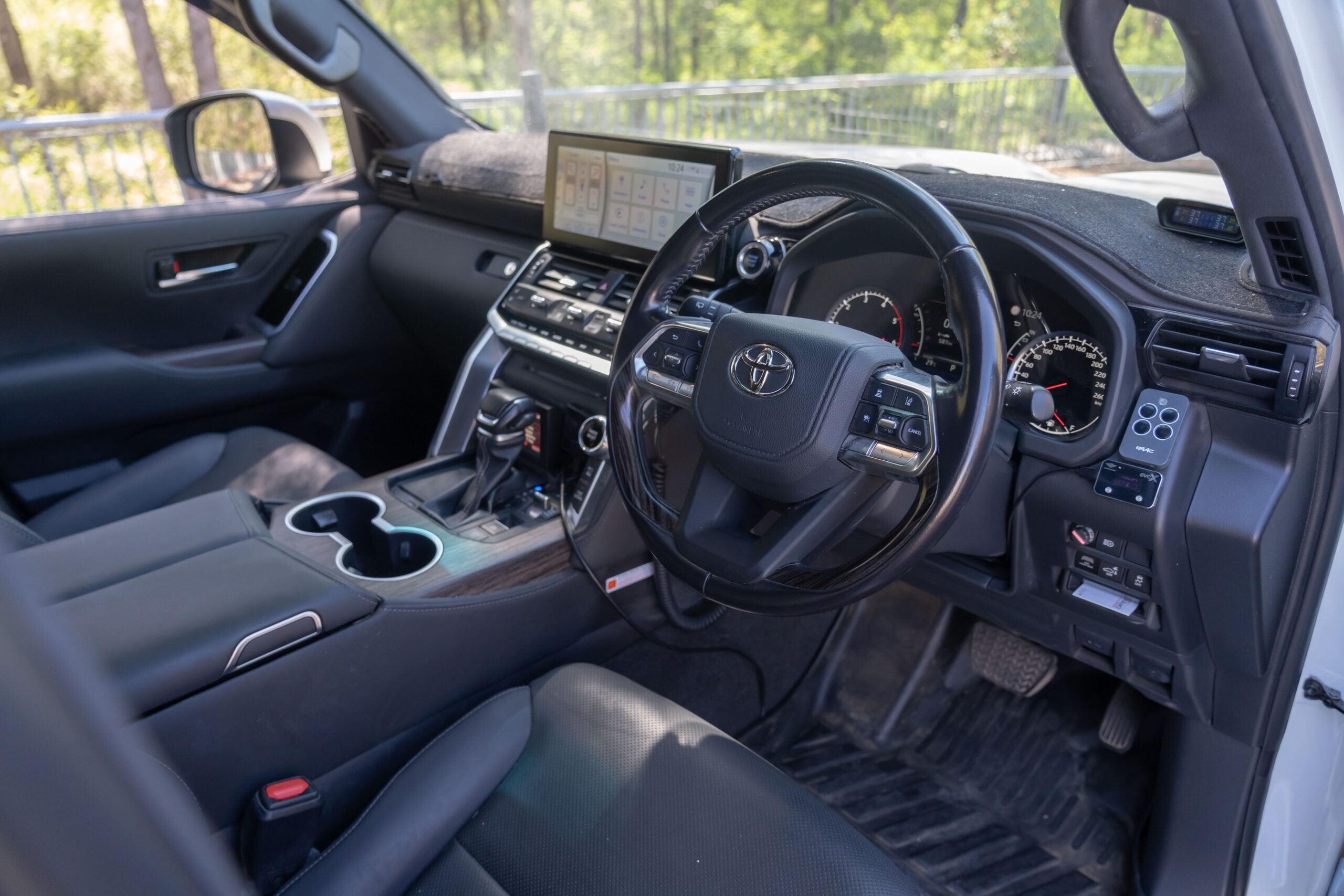
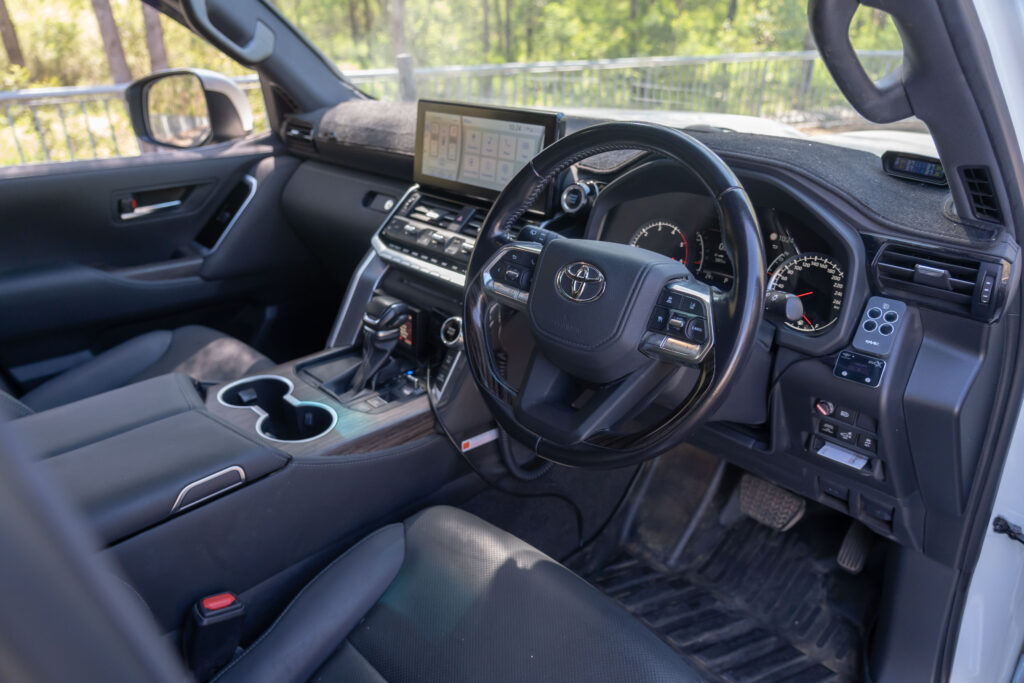
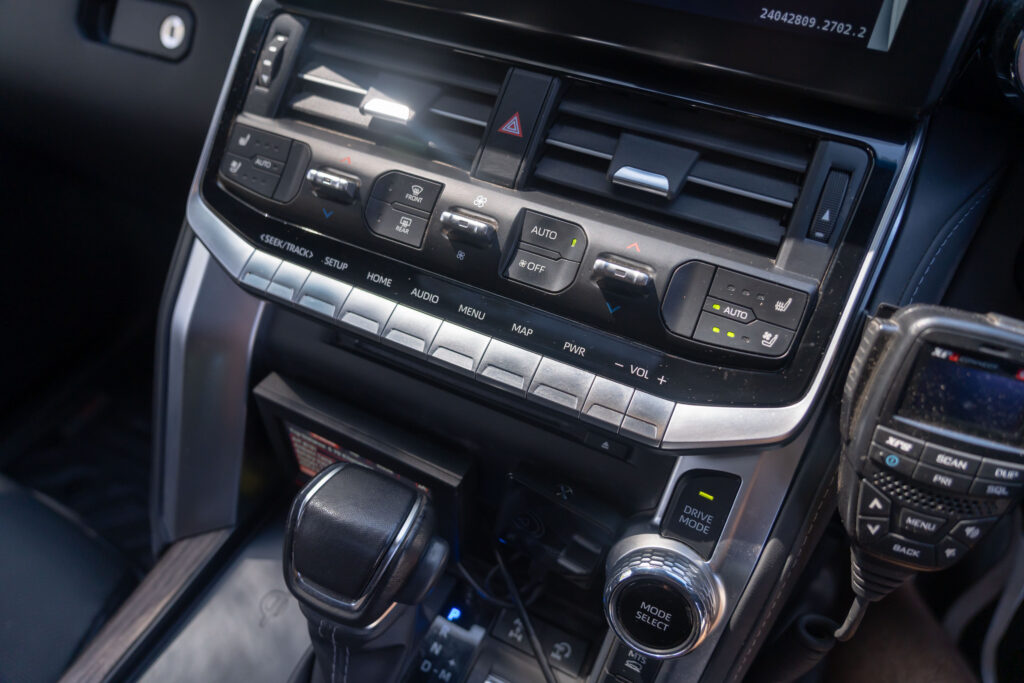
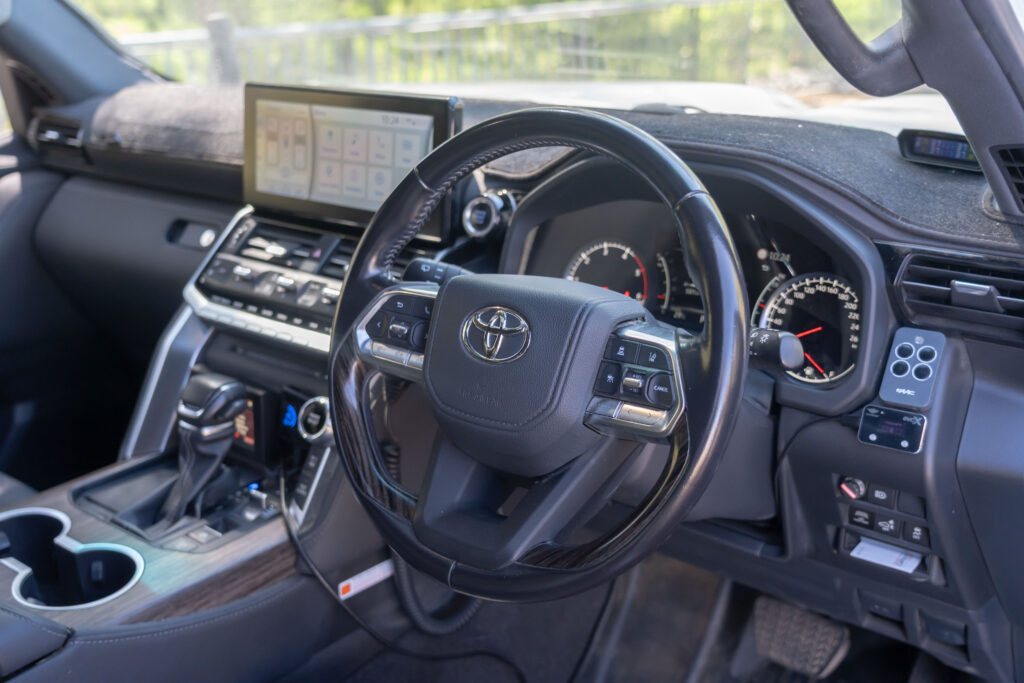
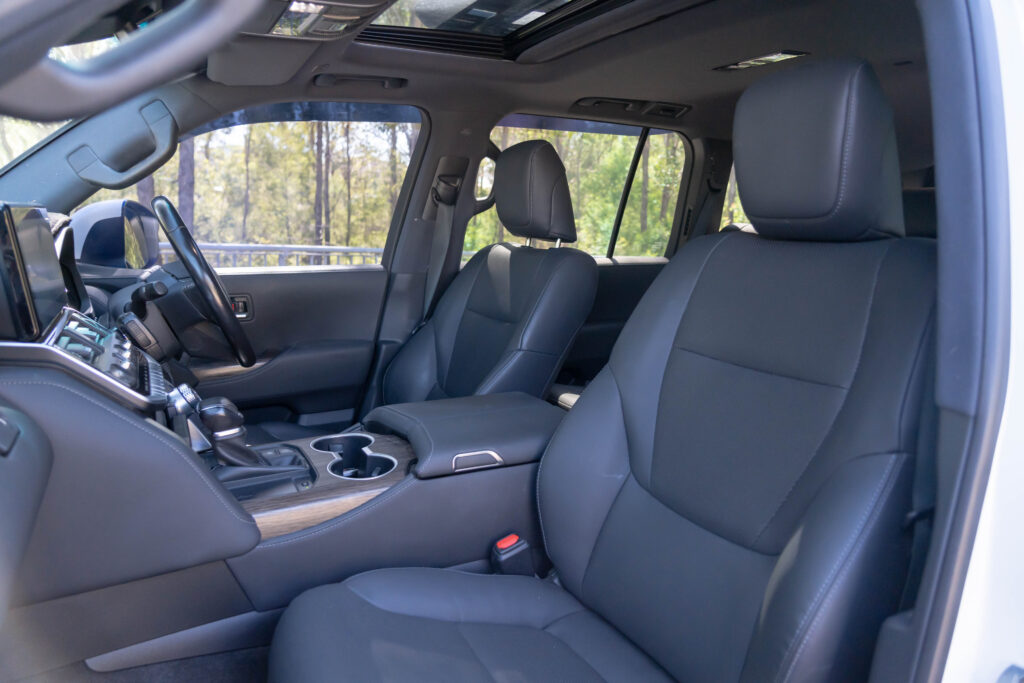
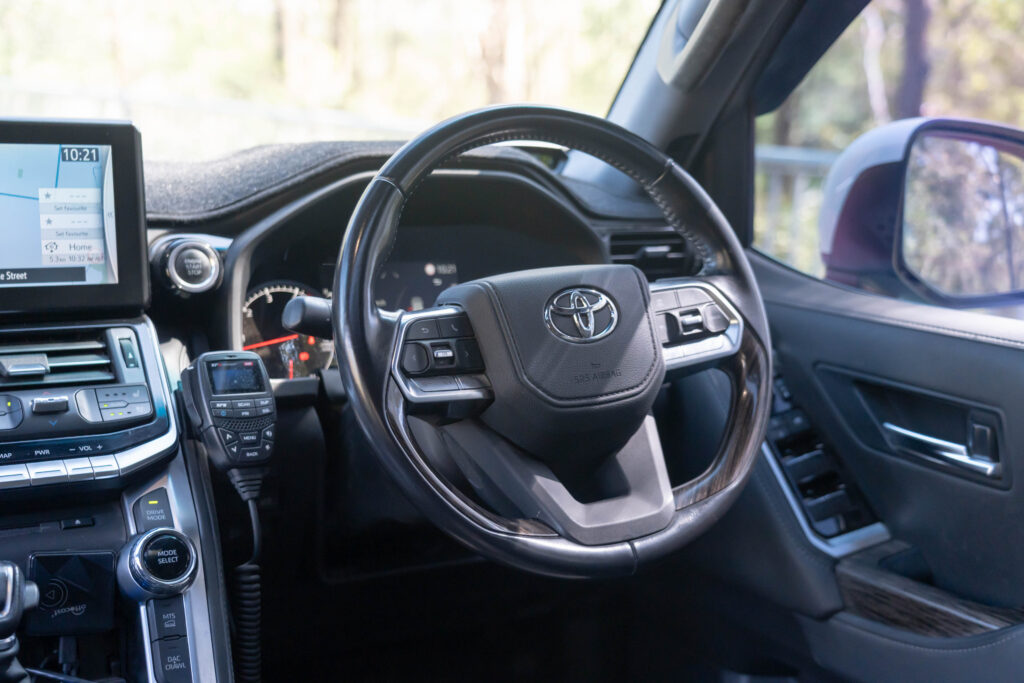
You can expect the same level of robustness within the inside of these Land Cruisers, combined with a decent level of analog controls, as well as trim and seat upholstery that is proving resilient, no matter what spec or grade.
Some owners have complained of interior rattles, with common sites being from within the dashboard and windscreen mouldings.
Unlike previous Land Cruiser iterations that have had the exterior and interior trim bolted onto the vehicle’s frame itself, the 300-Series predominantly relies on plastic clips to hold them in place, which can fail, leading to various trims coming apart or rattling.
The rear seats, from their bases to mounting points, can also rattle or vibrate excessively. We recommend looking into the Land Cruiser’s extensive owners’ groups and forums for lots of advice on how you can fix issues like these.
This generation of the Land Cruiser features a lot of standard safety tech and assists, but it has been the root of many complaints and intermittent issues from owners.
The lane keep assist is particularly very aggressive, and owners report it can really interfere when towing any degree of cargo loads, causing the entire vehicle to be unsettling.
We’re also told that driving on certain country roads that have no markings on either side can also make it overly paranoid.
Owners also report that the safety warnings/assists can be overly sensitive during low-speed reversing maneuvers, especially when hitching up to tow trailers or cargo loads.
That being said, many of these safety assists were adjusted significantly on post-update Land Cruisers made from 2025 onwards, making it far easier to live with.
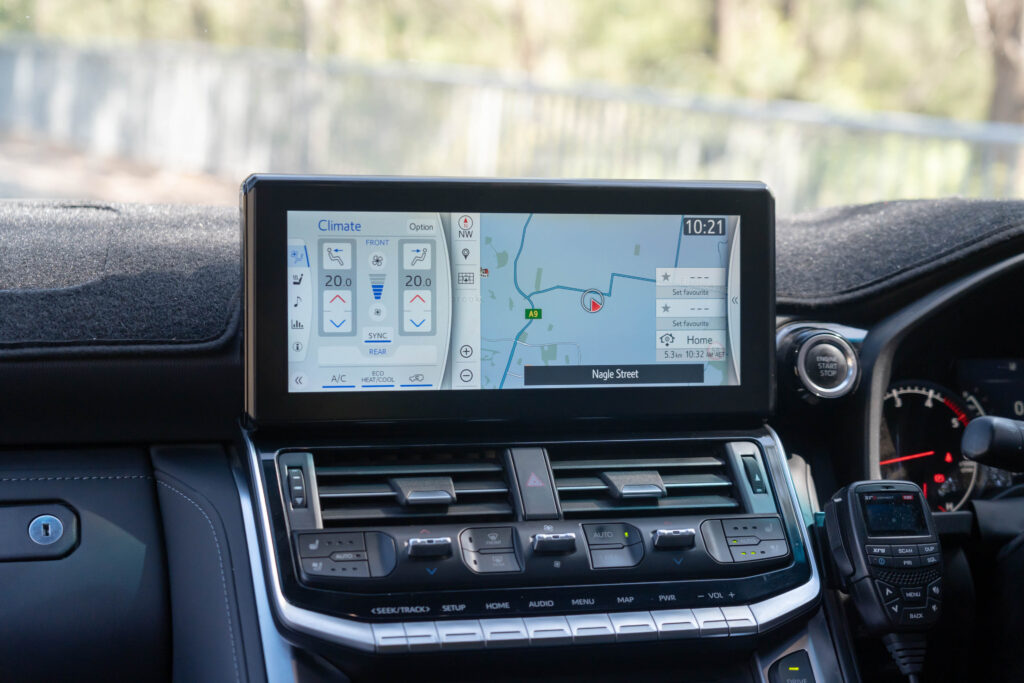
The infotainment system on early, pre-update models can feel a bit basic and underpar (as with most standard Toyota systems of this time), considering what you find among rival SUVs within this price segment; in addition to sporadic issues with the Apple CarPlay/Android Auto and Bluetooth connectivity.
Many owners highlight that the infotainment systems used in post-update models were a significant improvement, and these made from 2025 onwards also brought a higher grade of amenities and convenience features compared to older models.
Top-spec trims, like the Sahara and GR Sport, feature a premium JBL sound system that is considered fairly decent, but the sound quality of base systems on other models can be quite underwhelming.
If you’re based in Australia, you may have read the headlines that 300-Series Land Cruisers have become one of the most targeted vehicles to steal by organised crime syndicates.
Read through owners’ groups and you’ll find there is a known security flaw with these SUVs’ ECU or remote keyfob signal that can enable thieves to gain access and steal these within seconds.
Therefore, we highly recommend installing a high-quality, reputable aftermarket security system to make sure you don’t wake up one morning to find your Land Cruiser has disappeared.
It’s just disappointing that Toyota Australia did not equip a better standard of security or features to prevent these becoming easy victims in the first place – at least, something more than an old-school steering wheel lock.
Mechanical issues:
Toyota and the Land Cruiser are well recognised as a match made in heaven when it comes to some of the most reliable SUVs out there.
However, that industry-leading reputation established by its ancestors can lead some to assume their 300 Series is just as indestructible and trouble-free, resulting in some examples in the used market missing critical maintenance or servicing, being driven with zero mechanical sympathy, or, in worst cases, a combination of both.
It’s worthwhile to inspect the underneath and check for any evidence that the Land Cruiser you’re looking at has been used (or abused) off-road.
These are capable machines that can take any terrain or environment; a few surface scuffs or scratches are to be expected, but any evidence of major undercarriage damage could point to one that has been driven hard ‘through the bush’.
Many owners have and continue to use these SUVs for towing – there are countless members in owners groups and forums raving about the 300-Series’s towing prowess, with GVM upgrades making them even more perfectly set up for the task.
Plus, there are plenty of overlander content creators that serve as great resources for any towing-specific stuff for the 300-Series – special mention goes to Cam and Tiff of the ‘Wild Touring’ YouTube channel.
Just as with any other heavy-duty vehicle for towing, don’t overload it, as we know of plenty of cases where exceeding weight limits can void your insurance, and you’ll probably only become aware of this after you’ve had an accident.
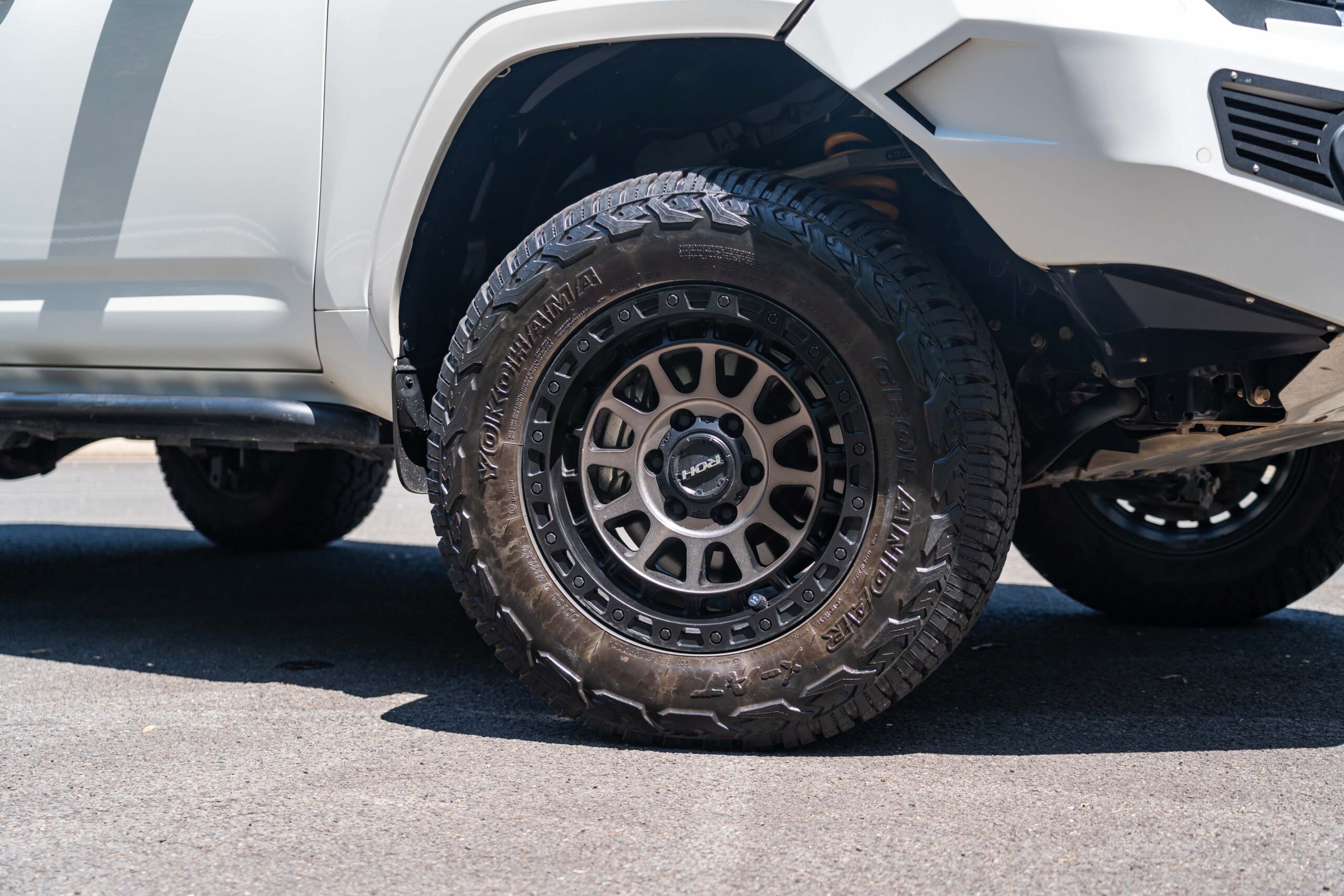
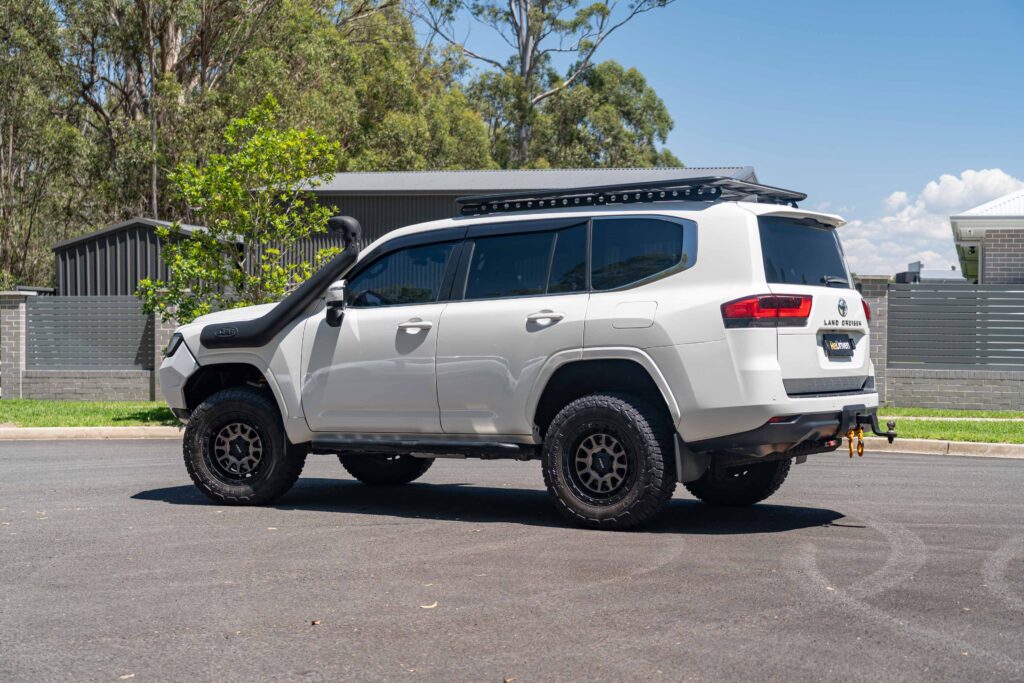
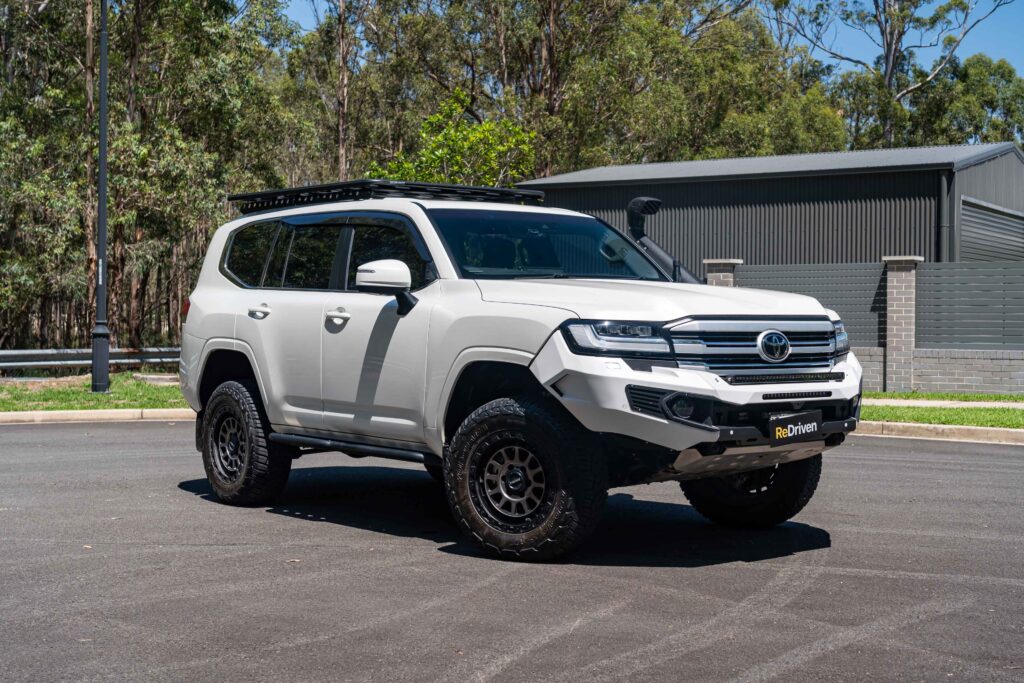
This iteration of the Land Cruiser, much like prior iterations, offers ample opportunities for modifications and aftermarket parts to make it drive better, on and off-road, as well as look the part as a utilitarian mode of transport.
But as we’ve mentioned with other SUVs/utes, ensure they are quality parts and have been installed correctly, and especially in somewhere like Australia, that they are legal and compliant.
No one wants to run into the headache of finding out that any series of modifications isn’t legal, and they need to put time/money into making them roadworthy.
Also, be mindful that any modifications to the engine (including tunes), cooling systems, and transmissions will likely void your warranty!
Engine:
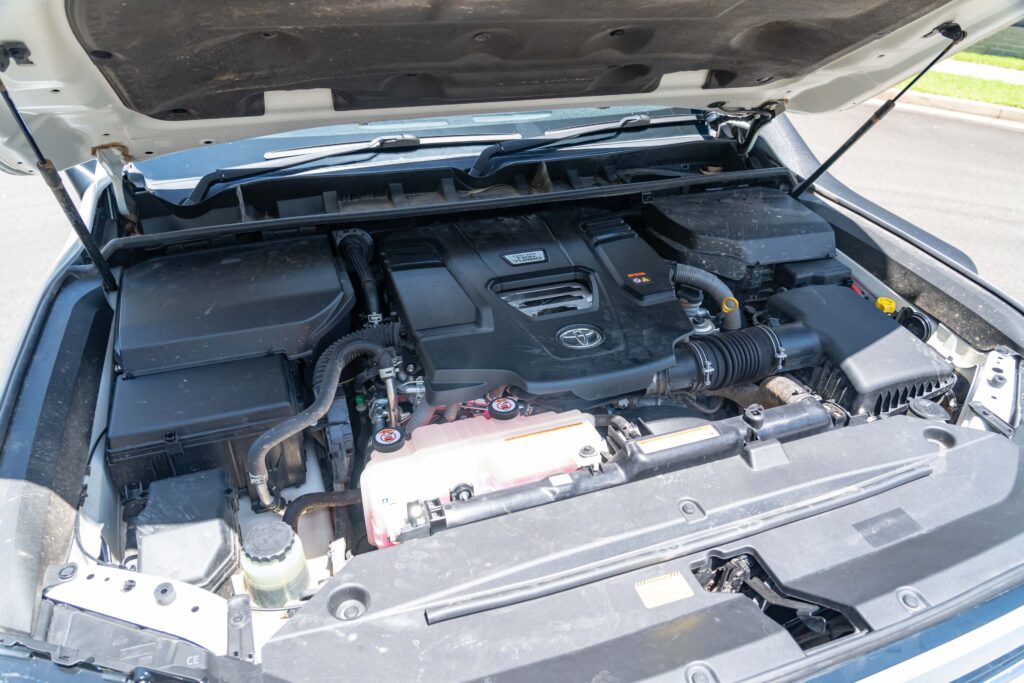
All Australian-delivered 300 Series Land Cruisers feature the 3.3L twin-turbocharged V6 diesel (F33A-FTV).
One thing worth keeping in mind when it comes to our Australian market cars – depending on where you are located, some regional dealerships or those in very remote areas may not carry certain parts due to supply chain issues, versus dealerships within more urban regions or cities.
Excessive oil consumption is a known issue, and while it’s not a common occurrence, it’s worth keeping an eye on.
Keeping to oil, Toyota recommends using a thinner 0W-20 or 0W-30 engine oil, which helps it deliver good fuel economy and reduced emissions, but compared to using a thicker oil like 5W-30 or 5W-40 in a warm climate like Australia, you won’t see any major difference.
Our advice is to stick with 5W-30/5W-40 grade oil, as even if you request thinner engine oil per Toyota’s recommendations, dealerships or service departments might not even keep stock of it.
Hot weather or climates can cause the engine to enter a ‘restricted’ power setting (aka ‘limp home mode’), especially when dealing with heavy loads.
Note that this is how the engine is engineered to not destroy itself, and it is more of a thermal management issue.
When pushed to their limits in extreme conditions, components within the cooling system, like the standard water-to-air intercooler and heat exchangers, are unable to effectively manage intake air temperatures.
Upgrading the heat exchanger to a more robust unit will significantly improve inlet temperatures.
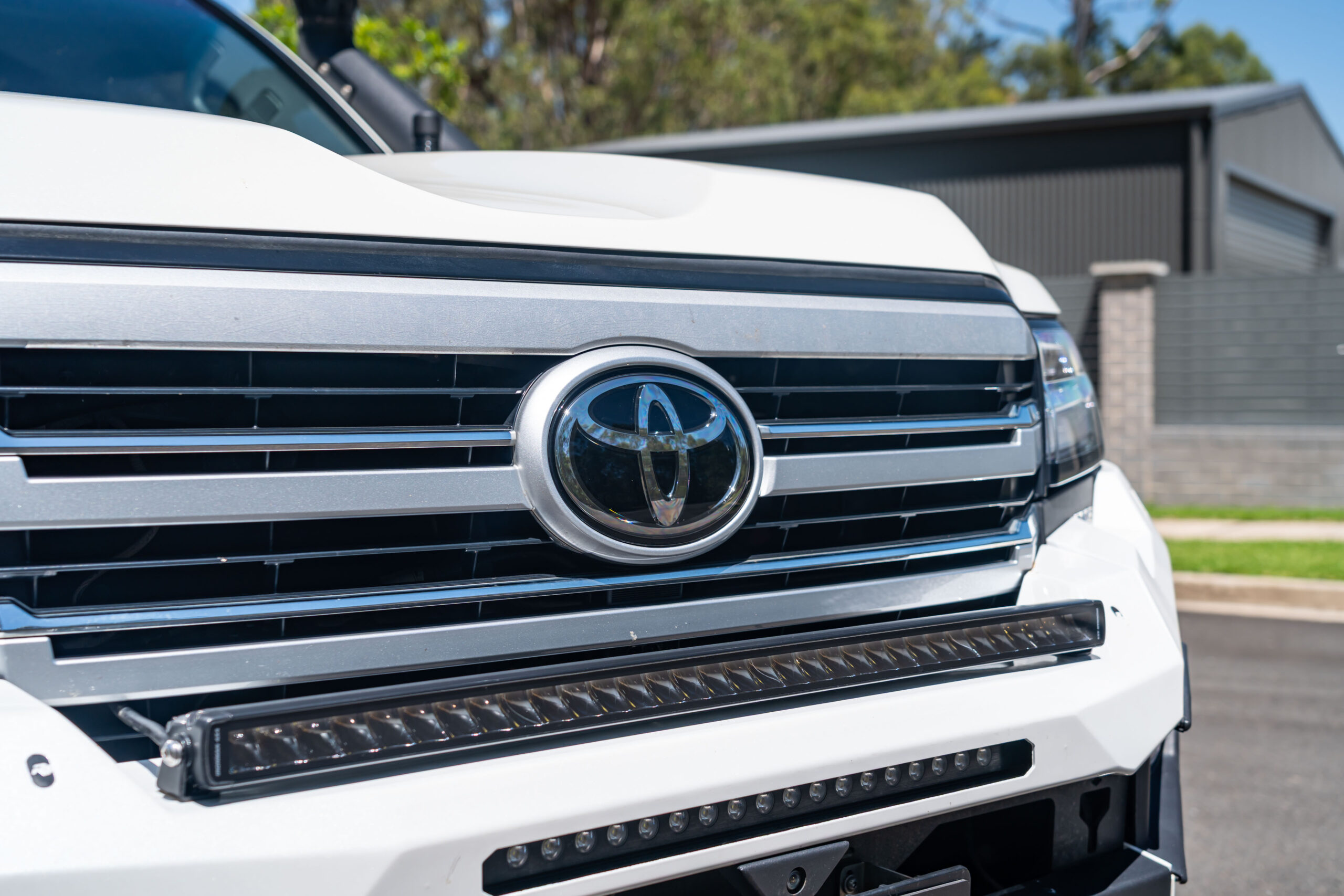
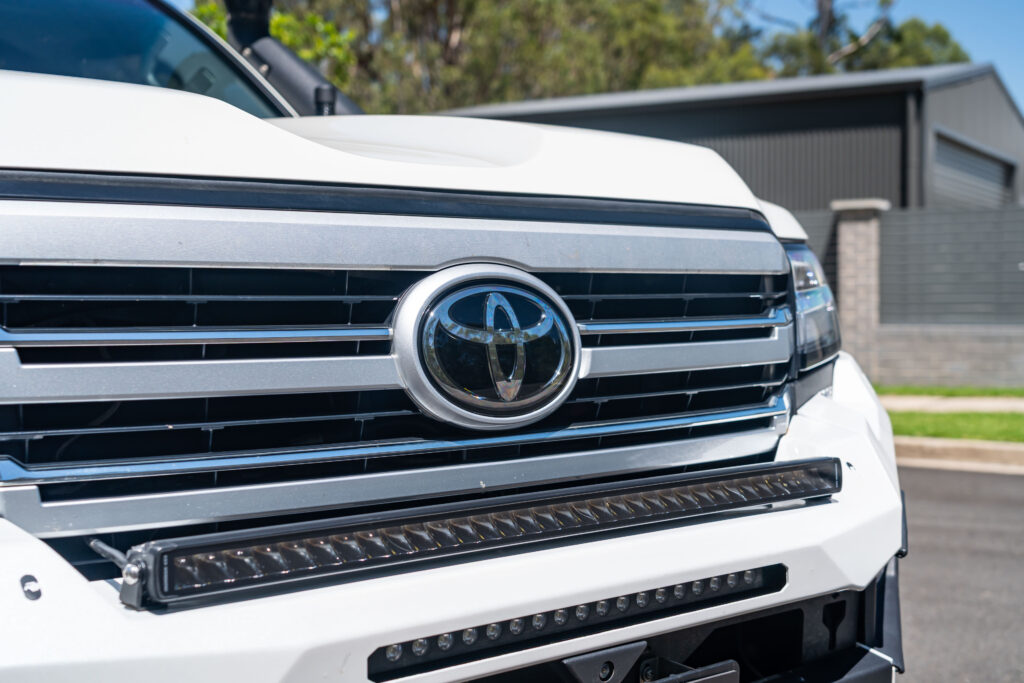
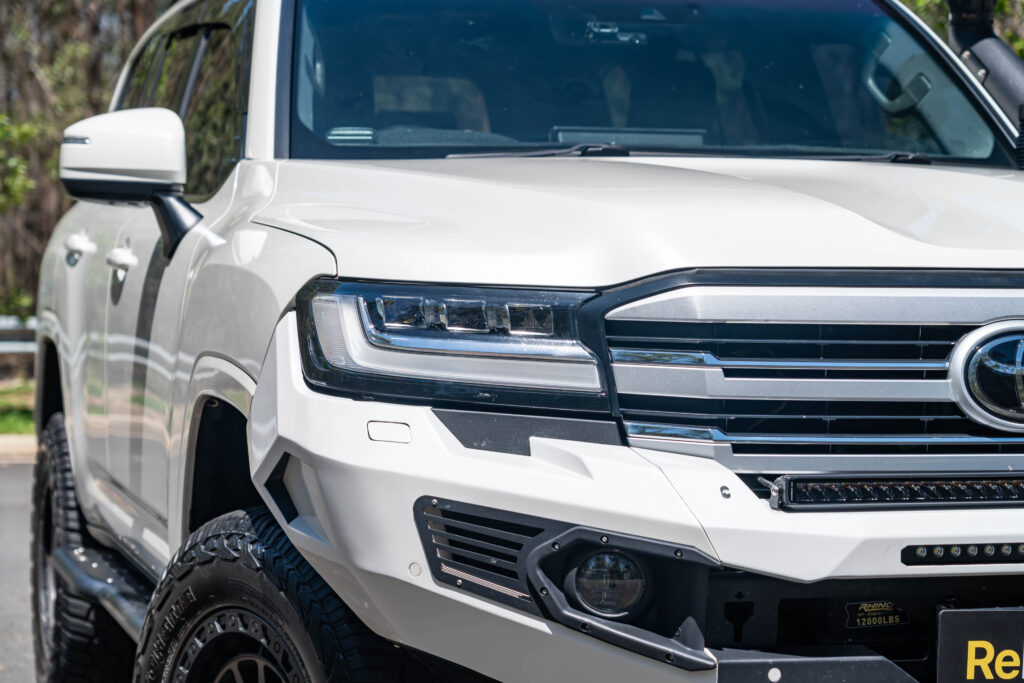
Be mindful if there are any aftermarket bullbars installed up front, as certain models can restrict air flow getting to the heat exchangers, leading to the aforementioned overheating issues.
Turbocharger problems can come up, specifically with the VGT actuators – though these aren’t too common.
Intake and bypass valves causing surges can also occur. Toyota doesn’t have an official fix for this at the moment, but we’re told that aftermarket intake pipes, combined with the right aftermarket engine tunes, can resolve this.
DPF issues and regen complications are a common complaint, as with other modern turbodiesel powertrains, but it’s worth noting that software updates introduced in later, post-update models significantly improved the system management.
The ‘hot-vee’ or V6 configuration of the engine could pose some issues in the long run, given that engines of this configuration can suffer from heat soak issues. So far, the Toyota has avoided any serious concerns, but time will only tell.
Transmission:
The ten-speed automatic transmission is quite robust, unlike some other more recent automatic transmissions made by Toyota (eg. eight-speed automatic).
Some owners have reported the transmission can have minor issues: from being a bit jerky at low speeds, to being slow to select lower gears upon kickdown.
Annoyingly, we’ve heard you can’t use the transmission in manual-shifting mode whilst cruise control is engaged simultaneously.
If you are going to be using these SUVs for towing loads, adding a transmission cooler is highly recommended to prevent the transmission itself from overheating at high stress points.
It’s worth highlighting that upgrading components like these to address any shortcomings from the factory shouldn’t be considered a flaw on Toyota’s end – ultimately, you can push any vehicle to its limits (if you try hard enough).
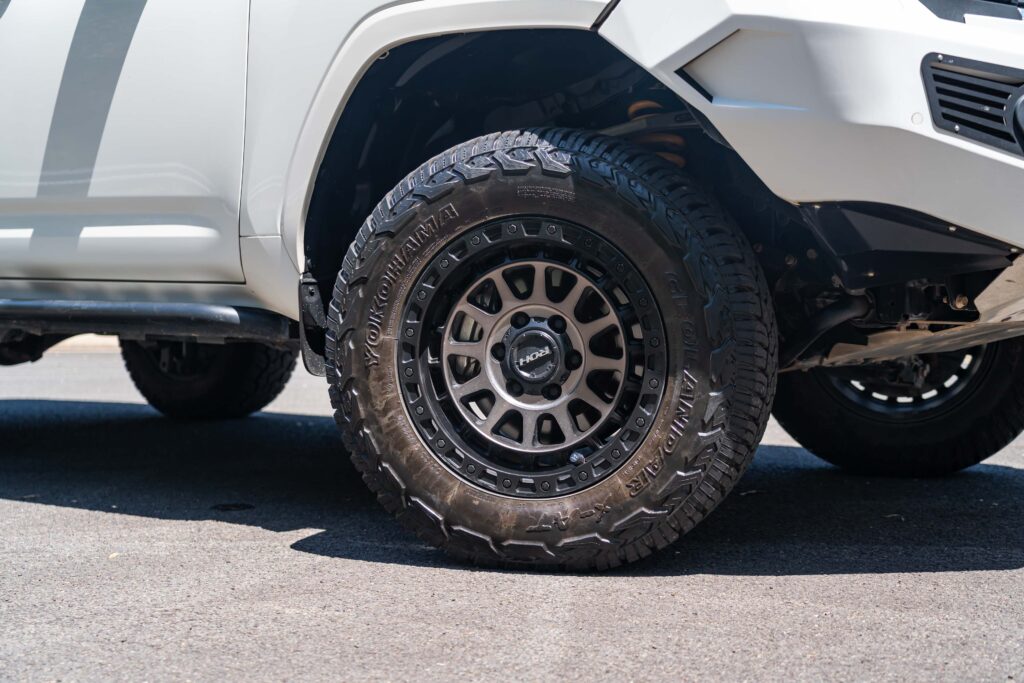
Toyota has a strong reputation for reliability, and when something does go wrong, owners tend to get pretty vocal. But many forget to invest in upgrading their cooling systems, to the same extent as upgrading the tyres & suspension to meet their needs.
In the end, if you had to cross the Australian desert or any vast amount of terrain, and you had to choose between this and anything else, any 300-Series Land Cruiser will be up for the job.
Priced new for Australia, 300-Series Toyota Land Cruisers started from around $120,000-$145,000, and currently, you can find most sitting between $75,000 to as high as $260,000 on the secondhand market.
It’s no surprise that all models of the 300 Series continue to hold their value very well in the current market, with their renowned package bridging robust build quality and luxury refinement on board.
Not to mention that they often bring far more features and equipment for your money’s worth compared to more expensive European counterparts, which time and again still struggle to be on par with the Japanese brand when it comes to reliability.
If you’re in the market for one of the most solid SUVs in the used market that will get you anywhere, any day of the year, the 300 Series Land Cruisers are another textbook example of Toyota’s most recognised SUV nameplate.
Just do your diligence to avoid any that have had a rough life and been seriously neglected, as a poorly maintained example (especially one out of warranty) could be more of a financial liability than you anticipate.
Find the best condition example your budget allows, pay for a pre-purchase inspection to confirm it’s in excellent health, and if nothing concerning comes up, you can’t go wrong with a 300 Series Land Cruiser. After all these years, it still proves to be the no-brainer choice.
MORE: Explore our 4×4 & ute reviews
MORE: Explore our SUV reviews


Co-creator, presenter & writer, ReDriven


 1 week ago
 2 weeks ago
 2 months ago