Australia’s No. 1 Used Car Review Website
Australia’s No. 1 Used Car Review Website
+13 Photos

2017 Toyota RAV4 Cruiser

22 November 2026
Yes. 100%.

2017 Toyota RAV4 Cruiser

Used car review
22 November 2026
The fourth-generation Toyota RAV4, also known as the XA40, was produced from 2013 to 2018. While serving as another entry in the brand’s long-standing crossover nameplate, the fourth-gen RAV4 also represented several firsts for the model itself.
Notably, from this iteration onwards, the RAV4 no longer received the option for a V6 engine or a short wheelbase body. In addition, the rear tailgate design transitioned from a side-opening rear door design to a traditional rear hatch.
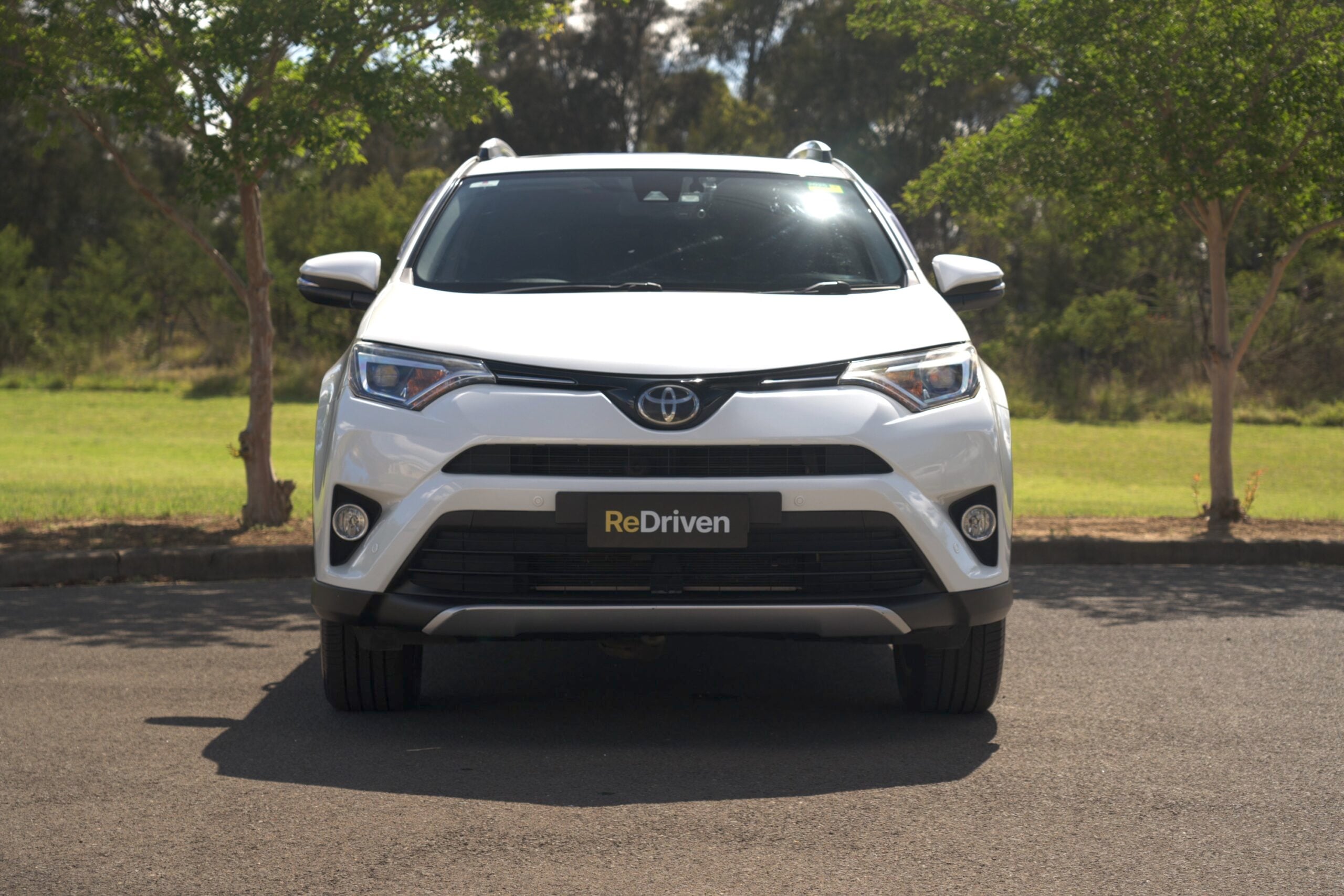
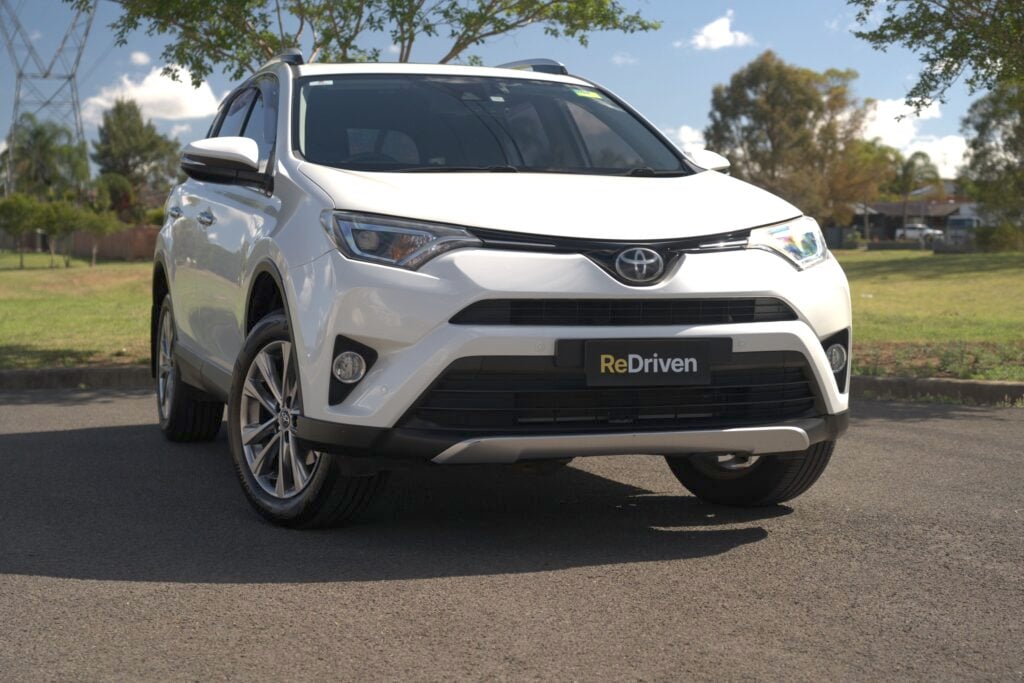
The earliest fourth-gen RAV4s were made from 2013-2015, before it experienced one facelift, applying to models made after MY2016 (2016-2019). This included new integrated LED front and rear lamps, alongside new speedometer dials and a full TFT colour multifunction display.
Various petrol and diesel four-cylinder engines were available for this iteration of the RAV4, sending power to the front or all four wheels.
Comparable models to the RAV4 of this generation aren’t short in number, and include the Mazda CX-5, Mitsubishi Outlander, Kia Sportage, Hyundai Tucson, Subaru Forester, Honda CR-V, Nissan X-Trail/Rogue, Ford Kuga, and Jeep Cherokee.
Exterior:
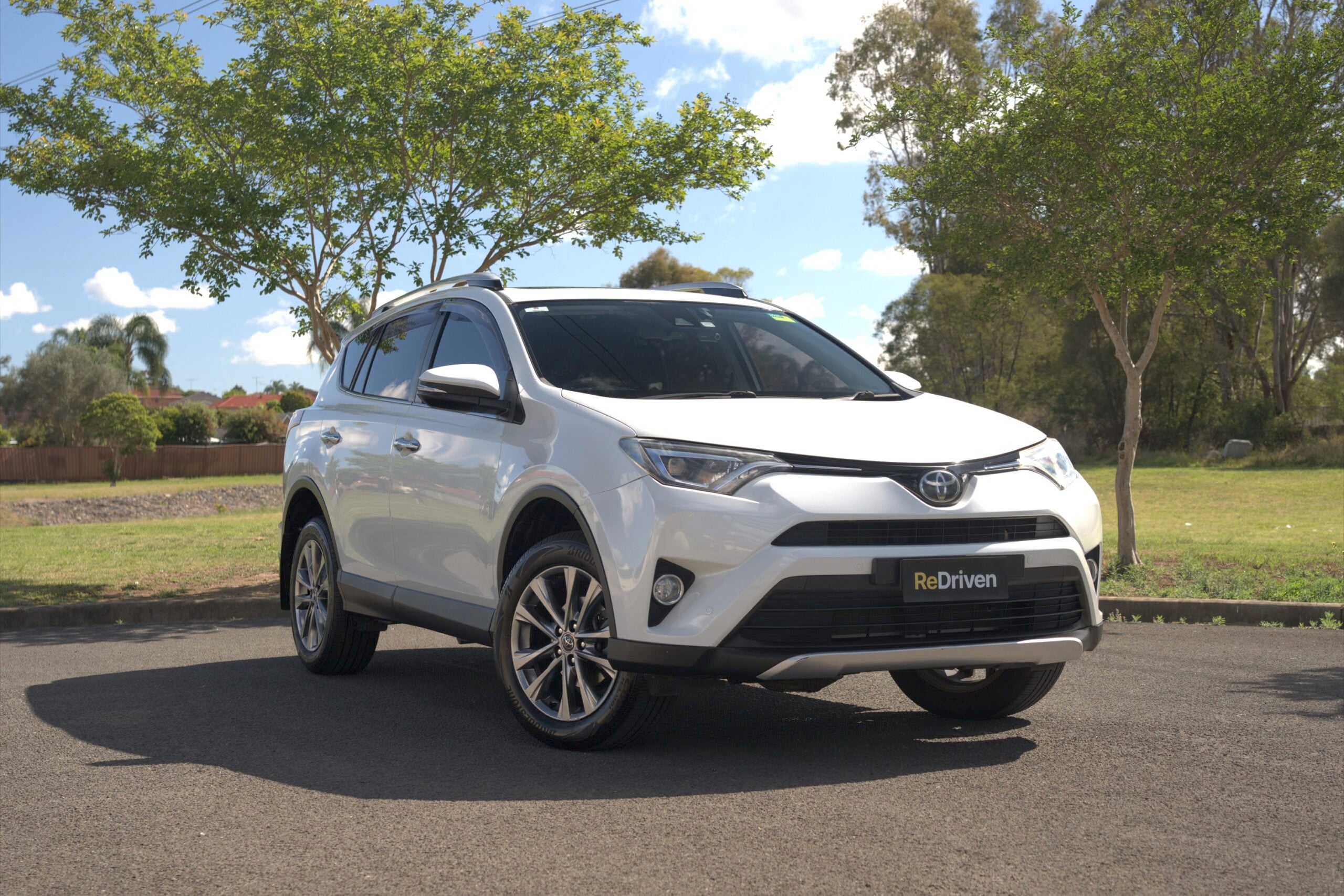
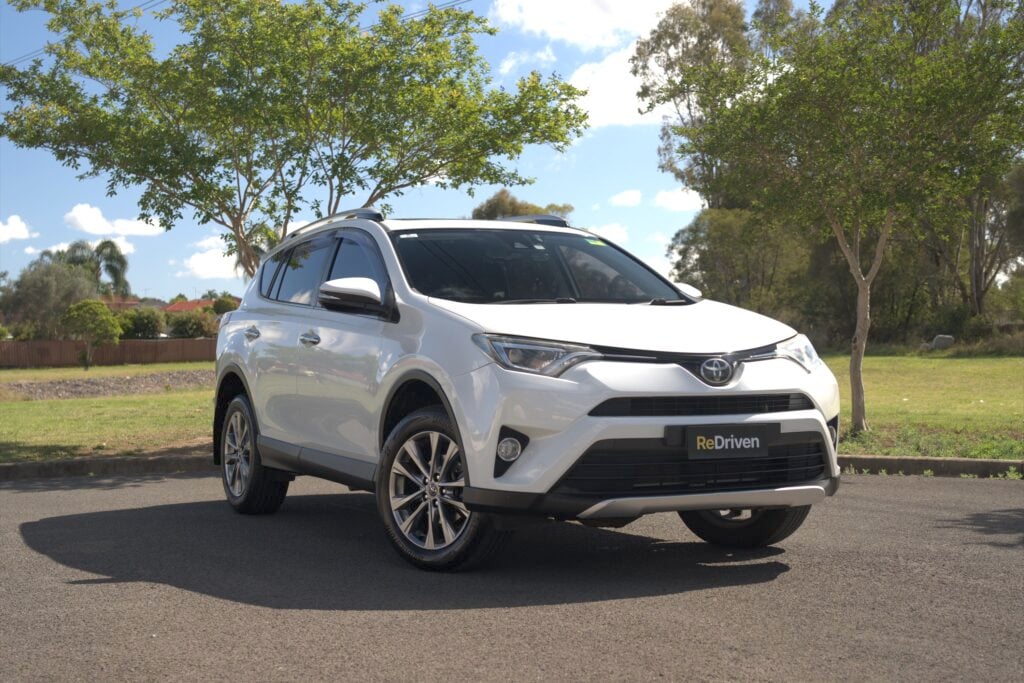
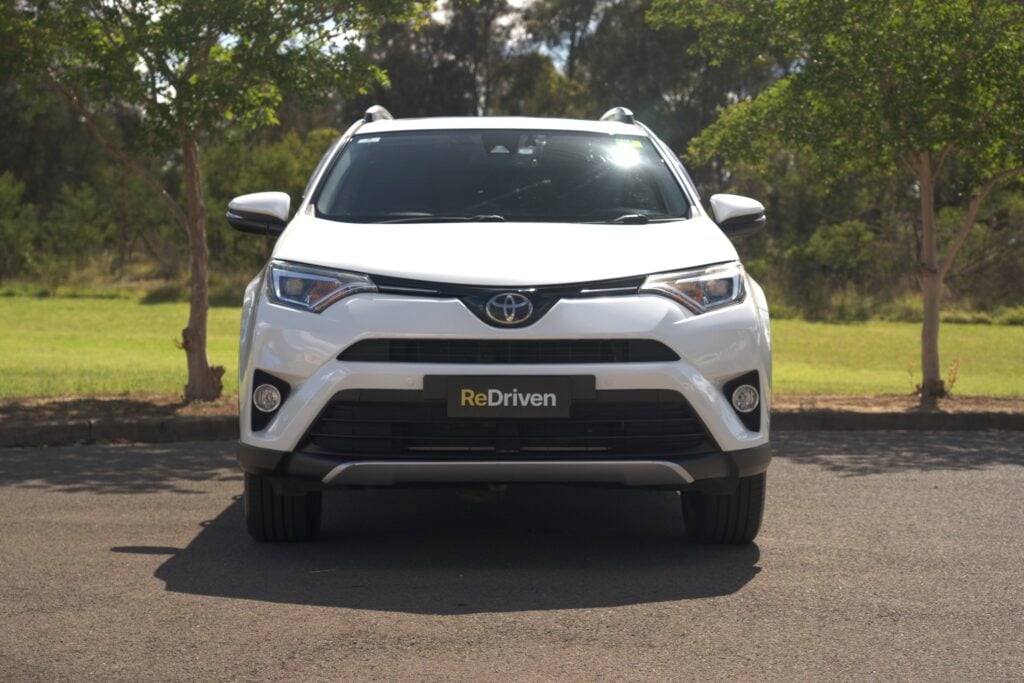
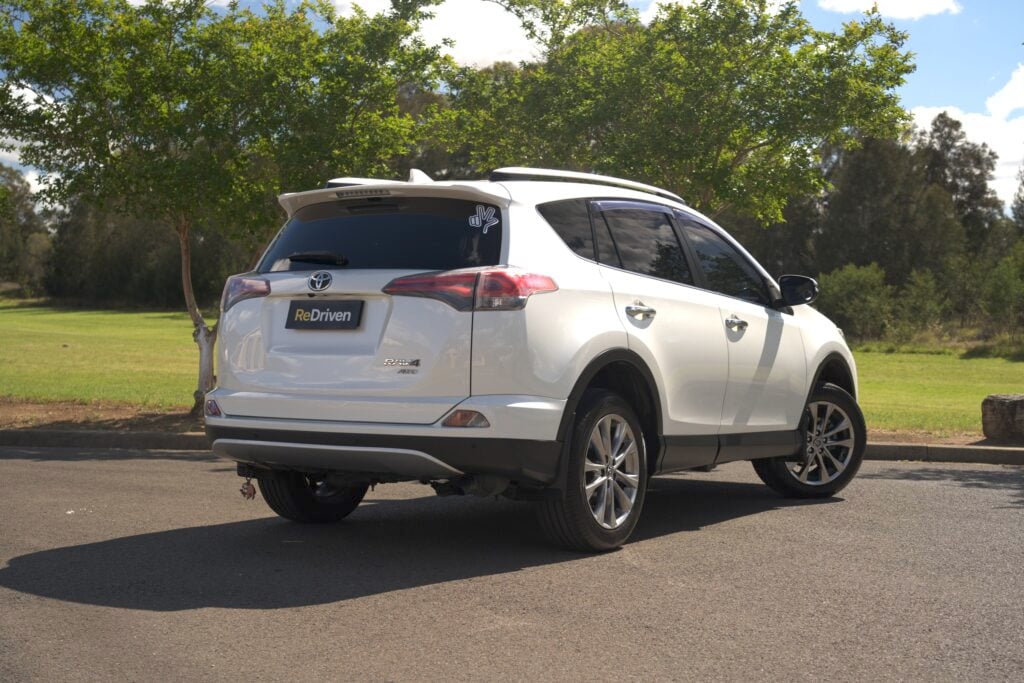
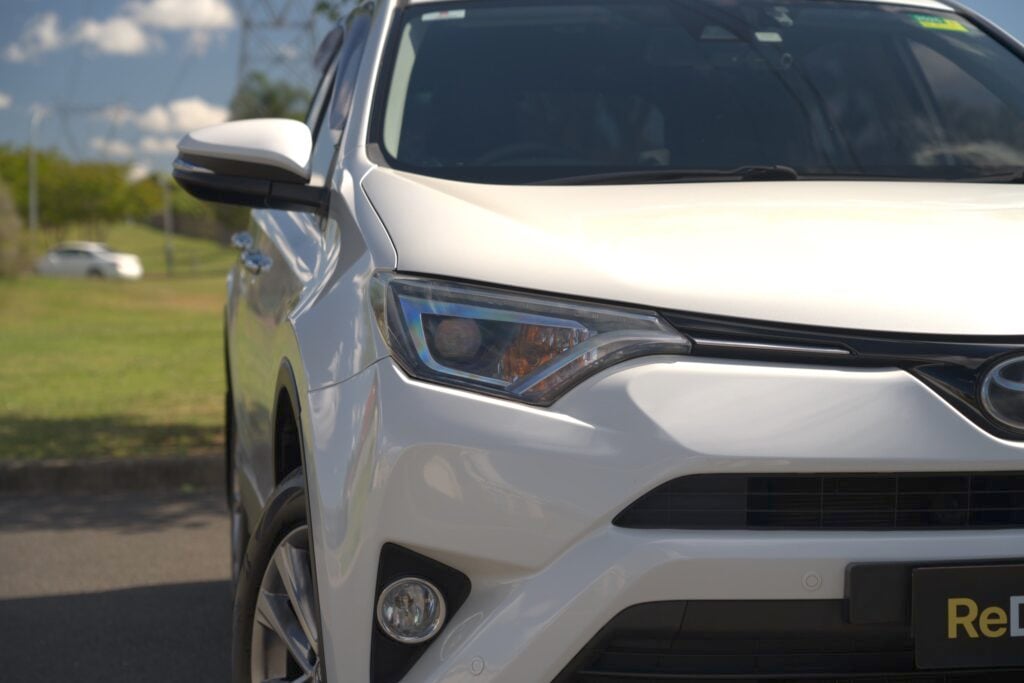
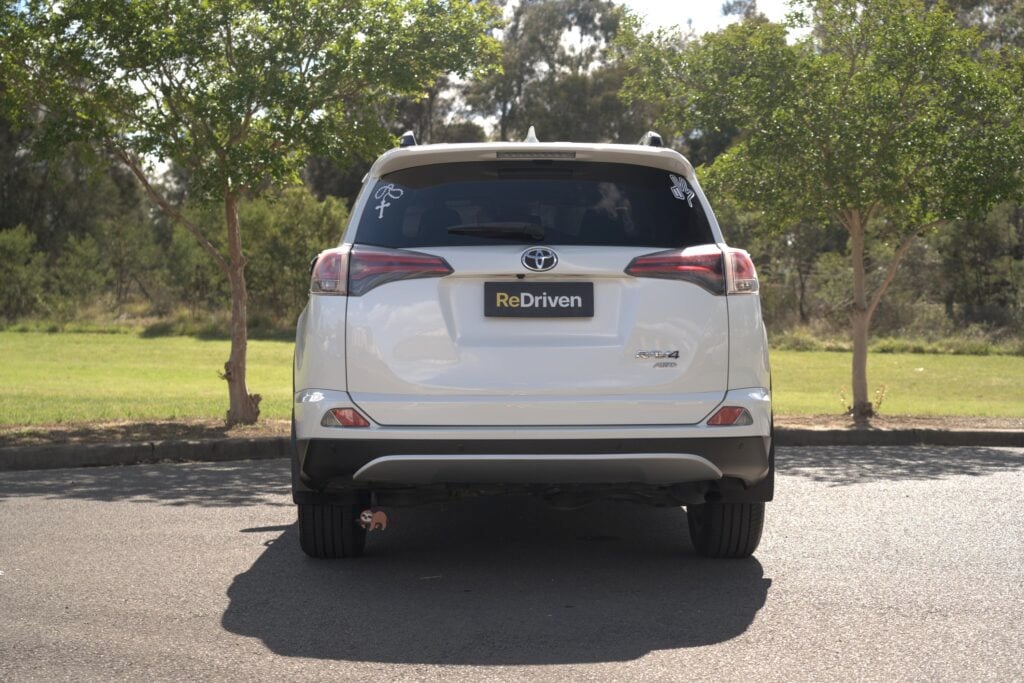
As other Toyota products of the 2000s/early 2010s report, paintwork on these RAV4s can be a weak point – White paint finishes are proving to be less prone to peeling off than earlier Toyotas, though the darker finishes are renowned for being easy to marks/chips. Hence, it’s not uncommon to find many on the used market having had their front bars [sections] repainted at least once.
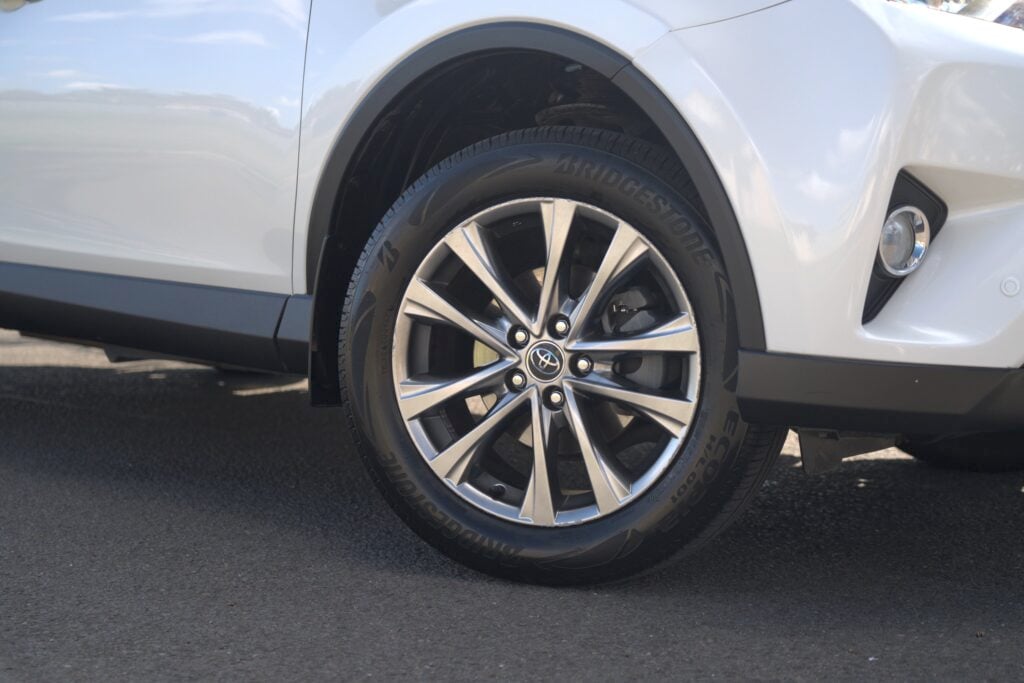
Those in Europe or North America are especially prone to corrosion due to salted roads – inspect common areas like the wheel/fender arches, door sills, and edges of the front bonnet for any rust formation.
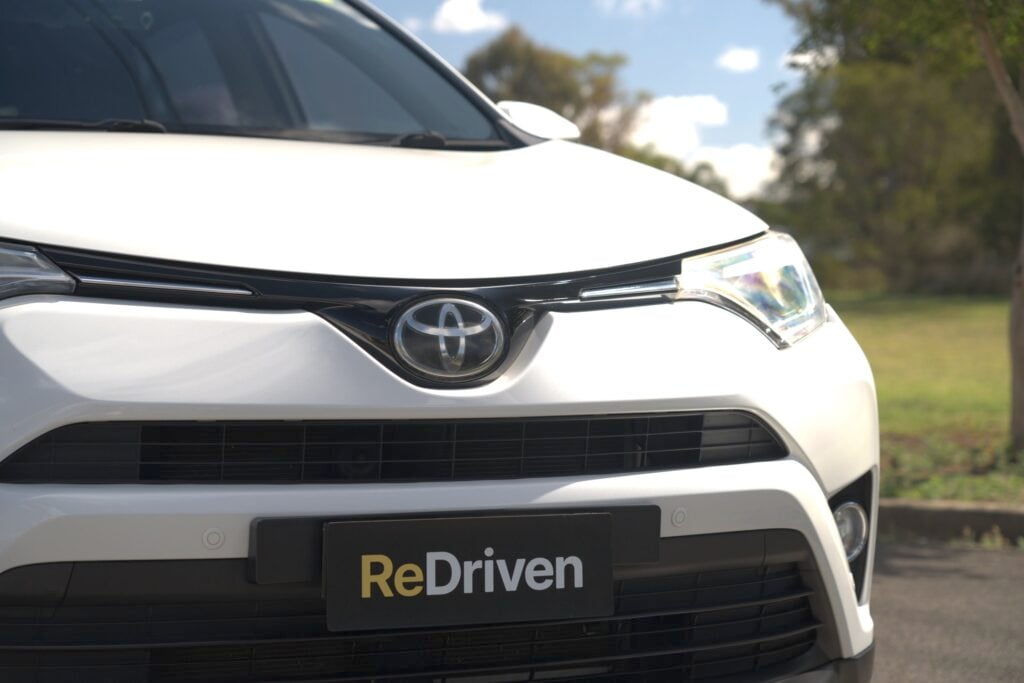
It’s also common to see the head/tailight lamp covers hazing or yellowing (especially on early pre-update RAV4s), which can be resolved easily through DIY polish kits.
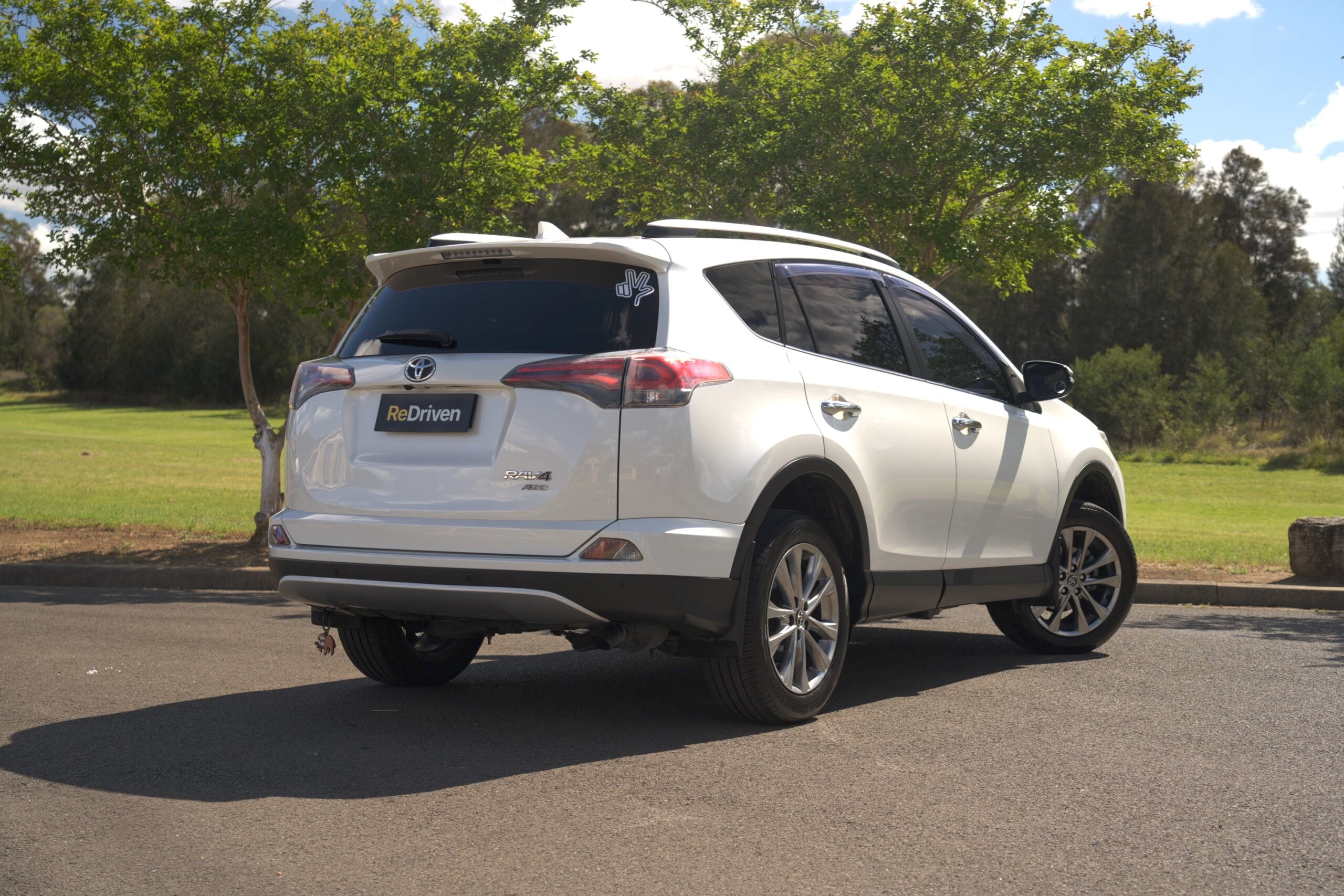
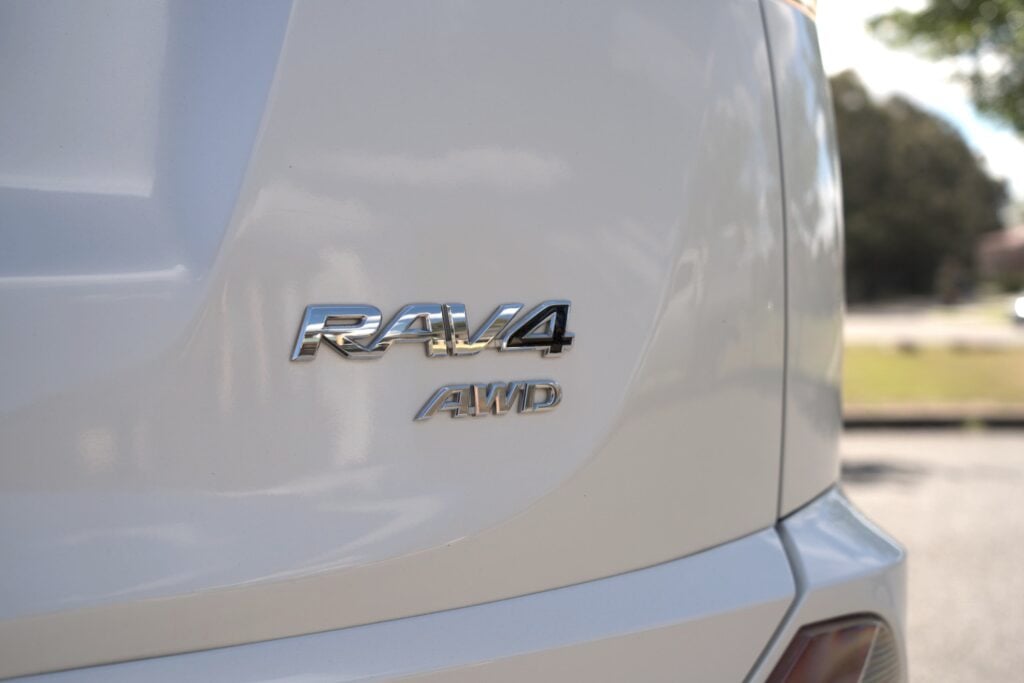
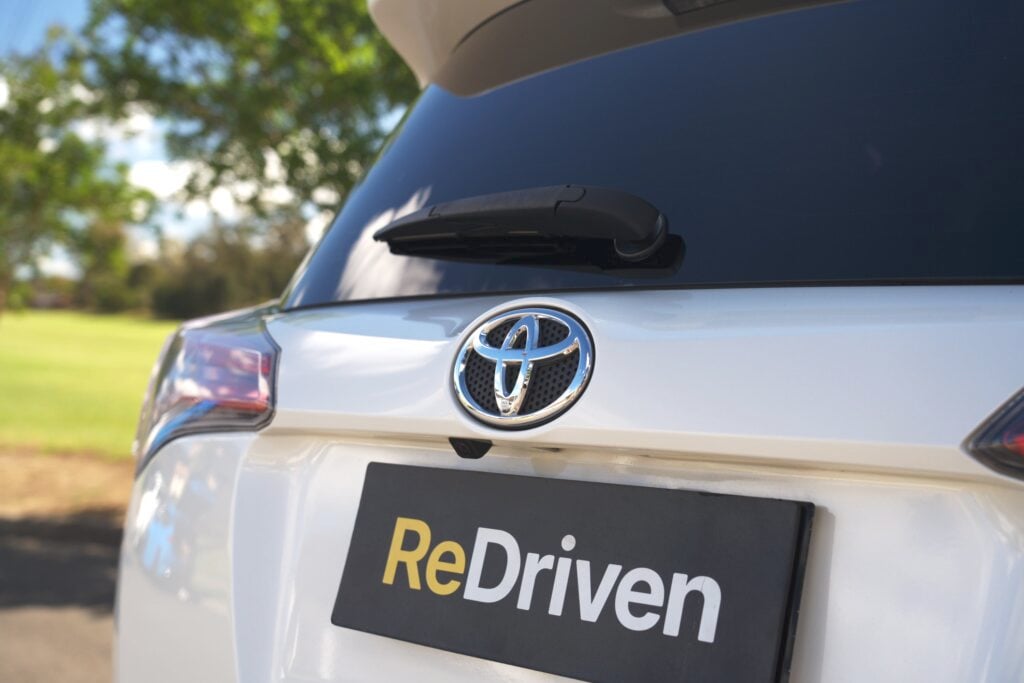
The condition of the rear tailgate is worth keeping an eye on when inspecting these RAV4s – keep an eye out for signs of previous rear-end damage. The tailgate is reportedly very difficult to fix to factory standards; the result being we’ve heard many instances where repairers cut corners fixing this, resulting in electronic gremlins, water ingress, and rattles/noises developing in these poorly-repaired cars.
In addition, early high-spec, pre-update models (MY2013-2014) featured a power-operated tailgate whose actuators often fail, and while those in post-update models encountered fewer issues, the power tailgate is quite slow to operate in either.
But one strong point on either pre- or post-update RAV4s is that the general build quality of their exteriors is consistently free of any complaints over fit/finish, trim integrity, and panel gaps – any outliers on the market could hint at one that is hiding undisclosed accident damage or poor repairs.
Interior:
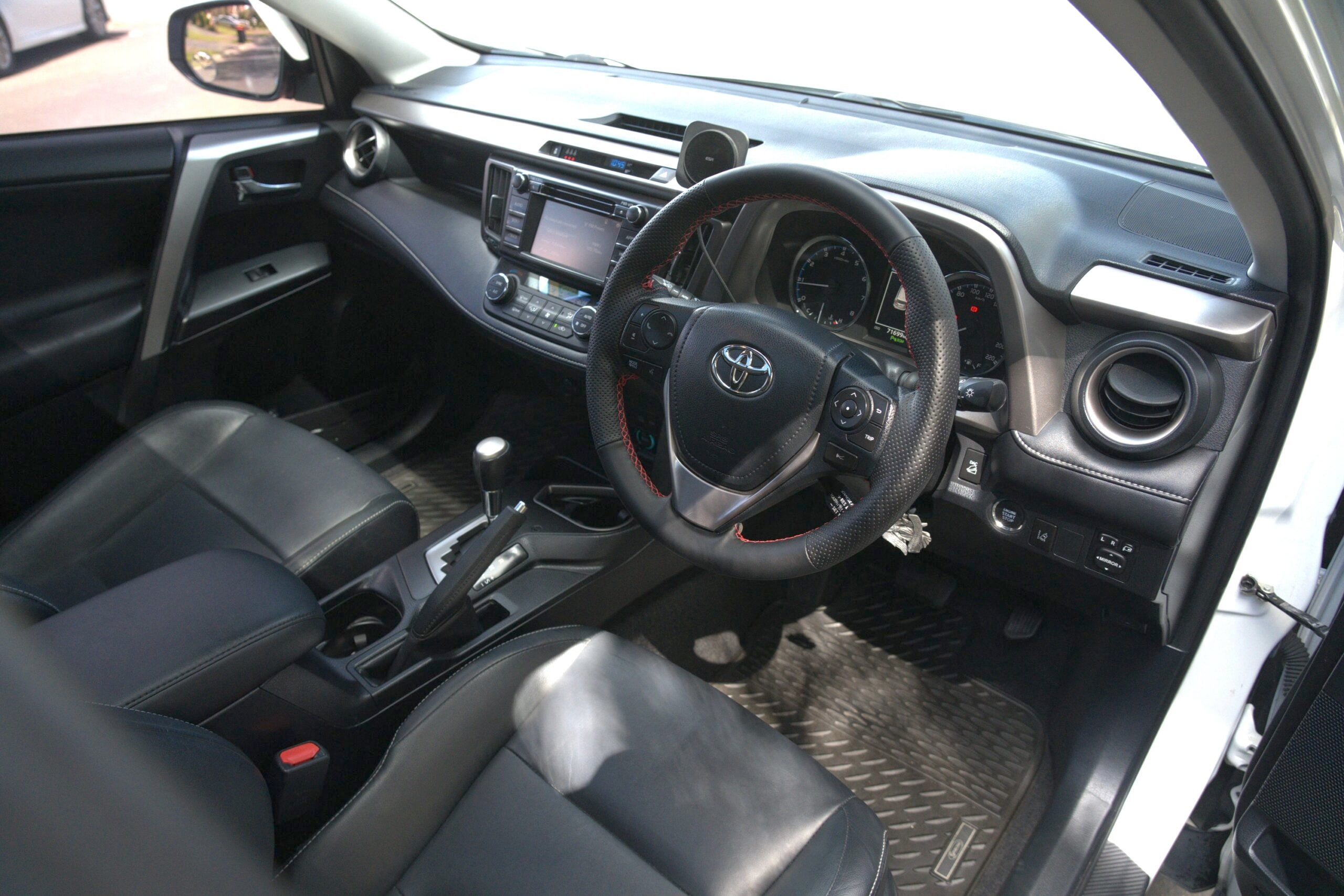
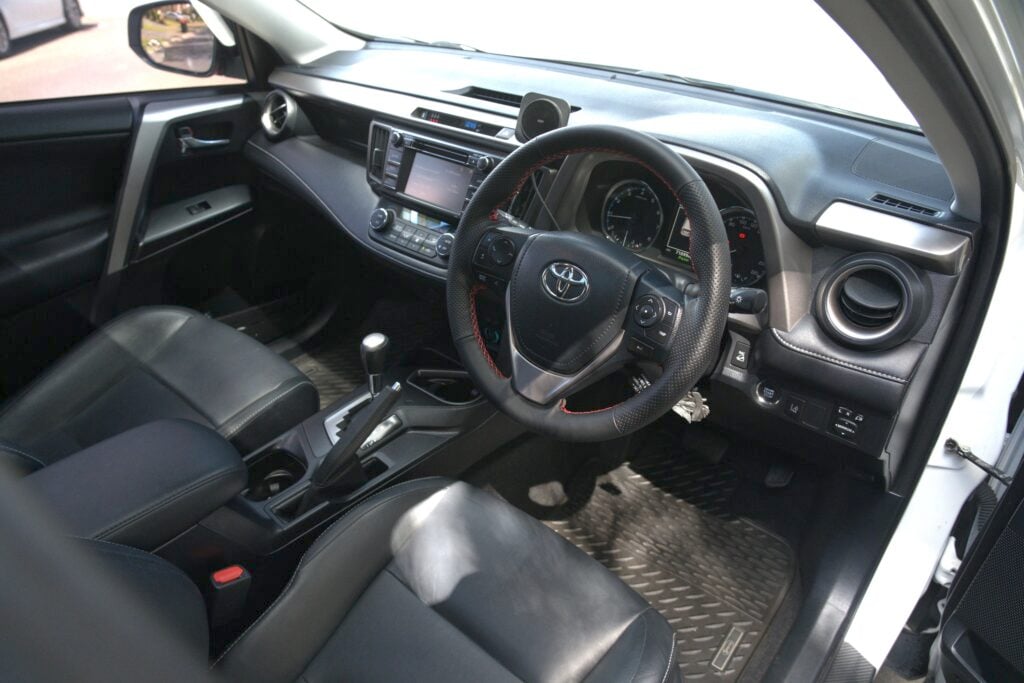
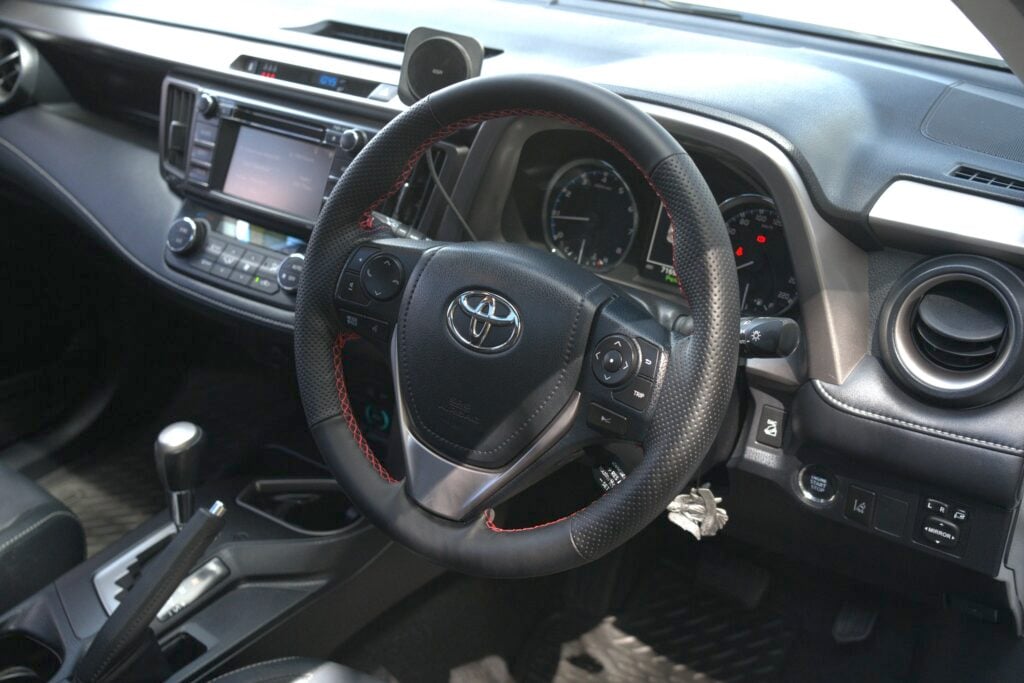
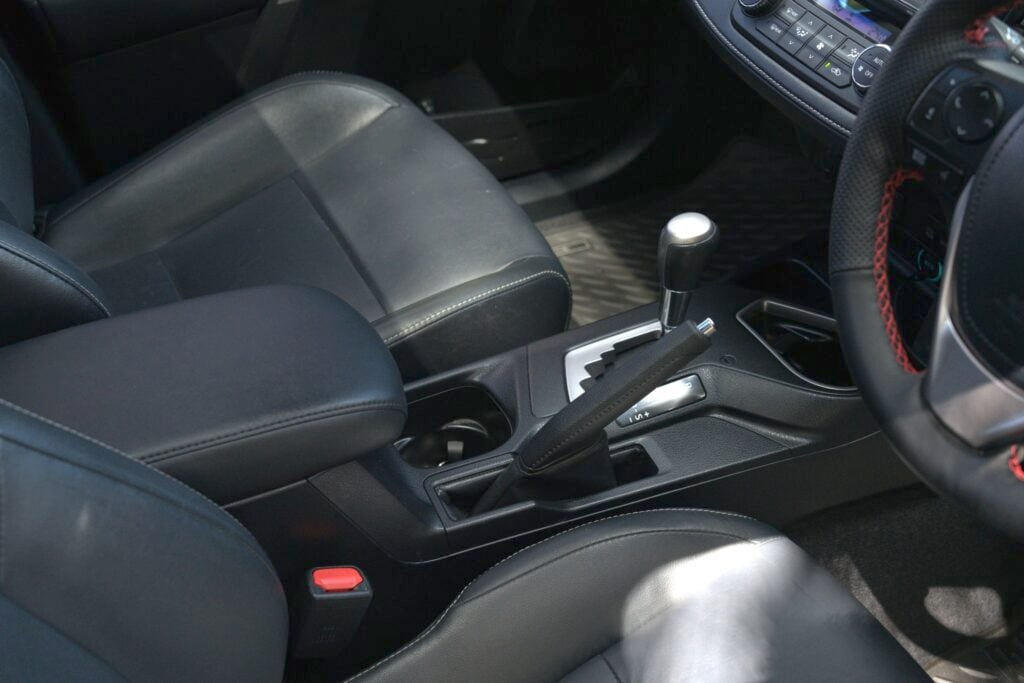
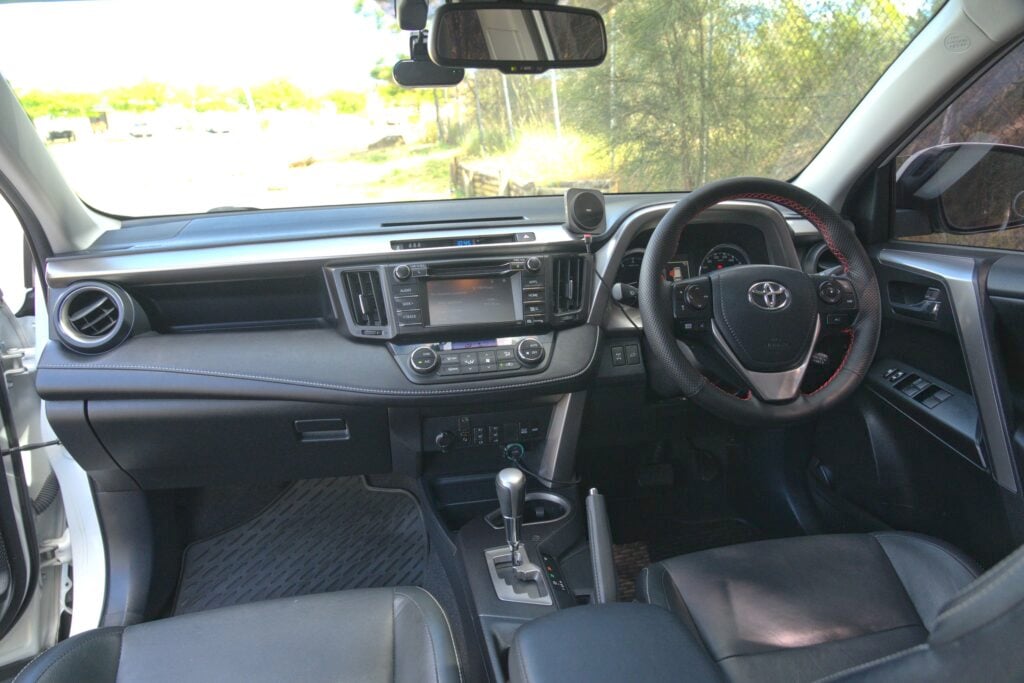
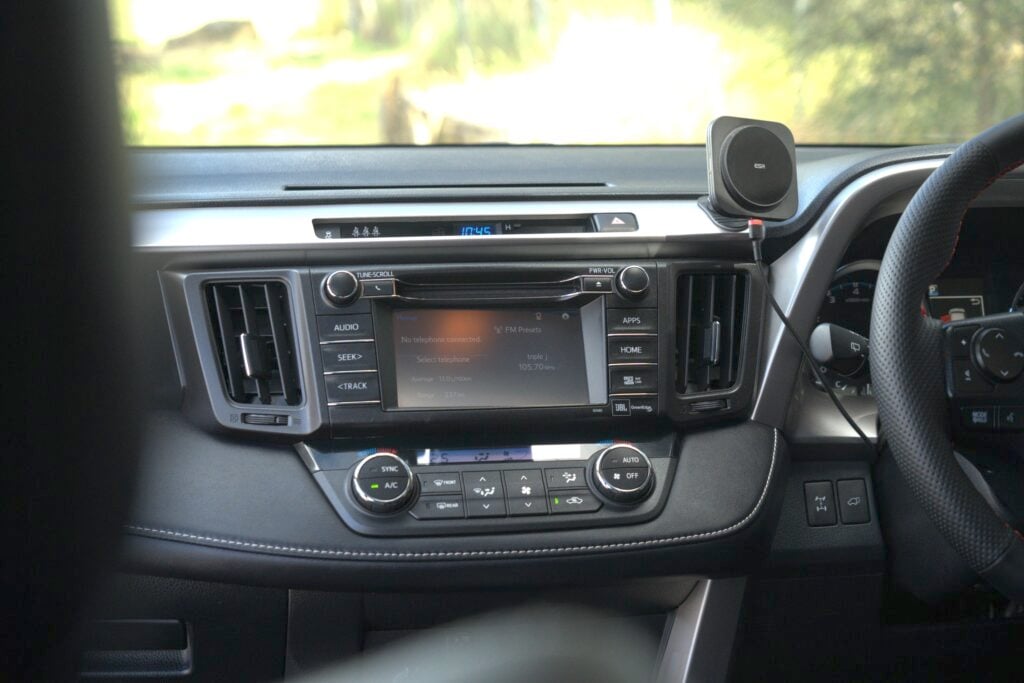
The inside is typical Toyota quality and feel of this era, with plenty of plastic sections and materials that prioritise longevity over premium feel.
Early, pre-update RAV4s, especially those accumulating high kilometres or subjected to heavy UV exposure, report more prevalent noises/rattles from the cabin plastics; post-update RAV4s do record far better-constructed interiors, but do also look through owners’ groups for suggestions on how to fix rattles if they do appear.
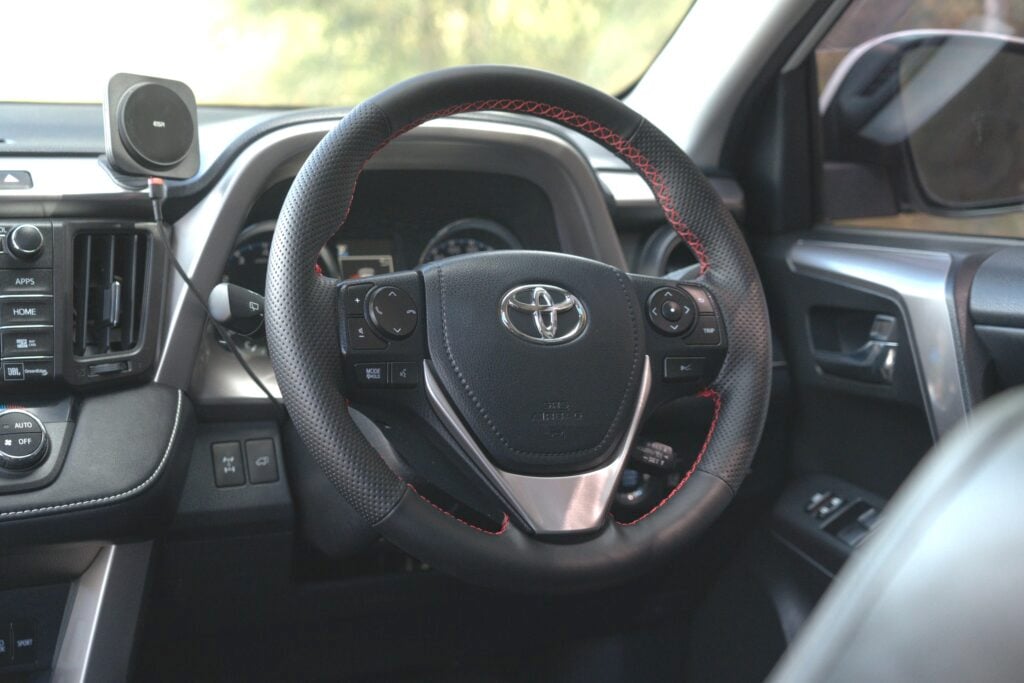
It’s also not uncommon to hear complaints that the interior plastics can be scratched more easily, along with premature wear developing on the leather steering wheel and seat bolsters.
Some may find the fourth-gen RAV4’s driving position a bit offset for their liking, but others report no issues.
By now, the factory infotainment system is quite basic in what it offers, minus basic Bluetooth hands-free/audio connectivity; even when this car was new, the setup already felt outdated compared to those in rivals. Even the premium JBL 11-speaker sound system didn’t do anything to improve upon its obsolescence.
But like other Toyotas of this era, it’s very easy to upgrade everything, from the infotainment (which can also bring wireless mobile connectivity) to the audio system with an aftermarket system. This is also an opportunity to replace the poor-quality factory rear-view camera with a better setup.
Mechanical issues:
While Toyota’s track record for reliability means their vehicles can last years, if not hundreds of kilometres, without developing serious issues, it can prove to be a liability when exploring options in the used market.
Plenty seem to assume these Toyotas can handle complete neglect, and the result is that many may have suffered harsh lives, neglected and driven hard with little to no care. In fact, during research of this model, we were told of multiple cases where cars were being sold with falsified service records due to previous owners never servicing them.
Therefore, it’s very crucial that you don’t skip over the vehicle’s history and any service records before you buy.
Between 60-100,000 kilometers, most of the suspension components are reported to wear out and require attention, with knocking sounds or irregular sensations from the front undercarriage, especially under braking.
Under regular use, consumables expected to be replaced include the front lower arm bushes, ball joints, as well as the rear multi-link bushes, which are still relatively affordable to buy and replace (~$1,000 for either job)
Engines:
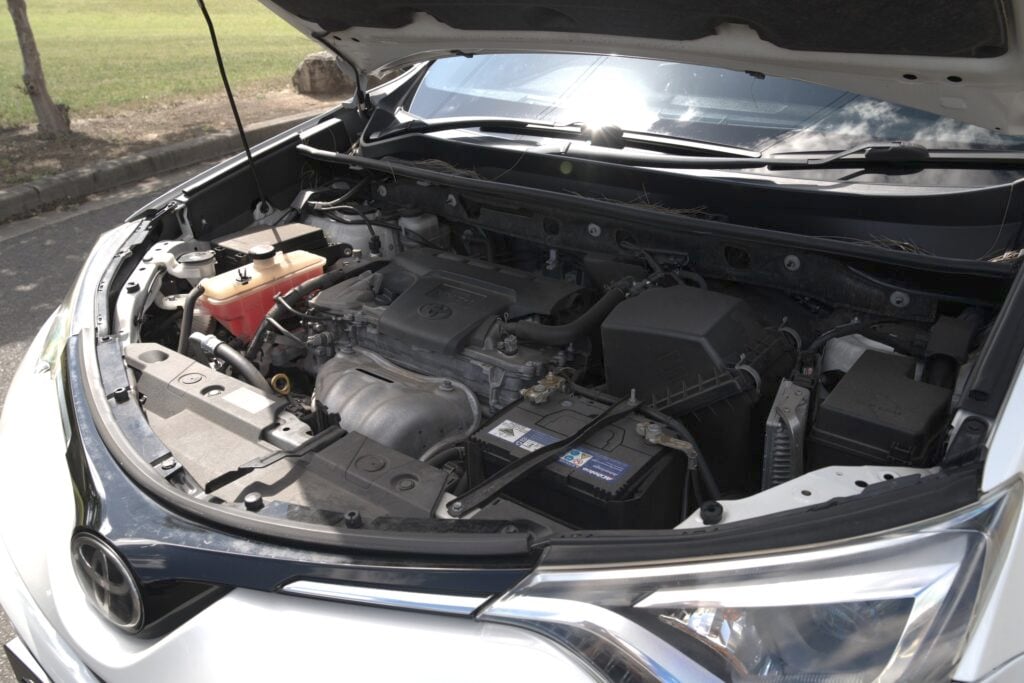
Internationally, a wide range of powertrains were available for this generation of the Toyota RAV4, including a petrol-hybrid.
For Australian-delivered RAV4s, only two four-cylinder petrol engines and one turbodiesel four-cylinder were available.
2.0-litre four-cylinder (3ZR-FE)
Generally speaking, the 3ZR-FE four-cylinders are quite robust.
Compared to earlier iterations, they are not known to experience excessive oil consumption, even among the oldest in the used market now.
Early ones were known for some injector issues, but by now they should have been largely rectified.
Given its age, you are likely to encounter leaking water pumps, coil packs failing, oil leaks, and radiators wearing out, but it’s important to remember this isn’t due to poor factory design; these are all age-related. The higher the kilometres, the more likely these preventive maintenance items will be on the recommended job list.
But, being a Japanese product, sourcing replacement parts is still readily available and affordable to purchase.
Reliability aside, some may find the 2.0L four-cylinder relatively lethargic for a vehicle of this size, especially with any cargo or people loaded up.
2.5-litre four-cylinder (2AR-FE)
The bigger 2.5L four-cylinders are also proving to be fairly reliable by now.
While they are known to develop excessive oil consumption issues, they’re not as systemic or frequent as previous iterations of this engine report.
Occasionally, these report variable-valve timing gear rattling or timing chain guide breakage, but neither is too common; nonetheless, it’s worthwhile to do a cold start when inspecting one to check for any rattling noises from the engine bay.
Oil leaks can happen on these at atypical locations, namely the timing and valve covers. But fixing these is relatively straightforward and cheap to do.
The 2.5L does offer a bit more power suitable for a vehicle of this size, at the trade-off of being slightly less gas efficient – owners typically report averaging 10L per 100 kms.
2.2-litre turbodiesel four-cylinder (2AD-FTV/FHV D-4D)
While they may be more efficient than their petrol counterparts, the four-cylinder turbodiesels are not as robust, and they are proving to be far more expensive to repair when they do go wrong.
Common issues these can experience include excessive oil consumption, alongside head gasket, injector, and EGR complications.
It’s also worth noting that on the post-2015 facelift models, Toyota did add a DPF (diesel particulate filter) for the diesel engines, heightening all the commonly reported, modern-era turbodiesel issues like debris blockage or poor performance due to short drive intervals (versus extended, high-speed driving) that can also creep up.
Factoring in all these risks, and with how reliable the gasoline powertrains are proving to be, we strongly advise avoiding the turbodiesel RAV4s of this generation.
Transmission:
The 2.0L four-cylinders come with a CVT transmission, which is known to have some internal bearing issues. But, compared to other CVT transmissions on the market, it’s considered one of the more reliable ones. Provided it’s been regularly serviced, it shouldn’t encounter any serious mechanical faults.
The bigger 2.5L models do use a traditional torque converter automatic that is far more robust than the CVT, but it can also experience some issues.
The most prevalent are torque converter-specific problems, like ‘shuddering’ sensations on acceleration or rougher shifting; it’s often misdiagnosed as a misfire, so identifying what the fault is precisely matters a lot.
Typically, a standard transmission fluid flush service can resolve it, but not all the time. If the torque converter is indeed at fault, it will require a full replacement, which is not cheap.
If you find one of the rarer six-speed manuals, they’re quite free of any issues, provided they haven’t been subjected to hard driving and have been treated with regular maintenance.
Currently on the used market, fourth-gen RAV4s are available from as low as $7,000, but the ones that are worth your time and money will be priced between $15-30,000.
The cheapest of fourth-gen RAV4s on the secondhand market will largely be early-model-year, base-spec models with no ADAS tech, and they’ve likely served as hire/fleet vehicles, driven with little to no care at all.
The Australian market received three trims for this RAV4 iteration (GX, GXL, Cruiser), and they were generally well equipped at their prime; we do advise that if you want the benefit of better-grade technology features or ADAS tech, the top-spec Cruisers, especially post-update Cruisers, are worth targeting.
Compared to its first/second-generations, the fourth-gen RAV4 might not excite in terms of driving behaviour, but when you’re in the market for an SUV in this category, prioritising reliability and good build quality above all matters the most, which is what this Toyota delivers.
Just keep in mind that owners of these may have the perception that, as a Toyota, these can get away with neglect and still prove to be roadworthy; but if they’re too far gone, they are still susceptible to issues like any poorly-treated used car.
Target those who only check out after a pre-purchase inspection with no concerns about neglect, lack of servicing, or previous accident damage, and a fourth-gen RAV4 can still prove to be a sensible used SUV purchase.


Co-creator, presenter & writer, ReDriven

Yes. 100%.
 1 week ago
 1 month ago
 2 months ago