Australia’s No. 1 Used Car Review Website
Australia’s No. 1 Used Car Review Website
+17 Photos
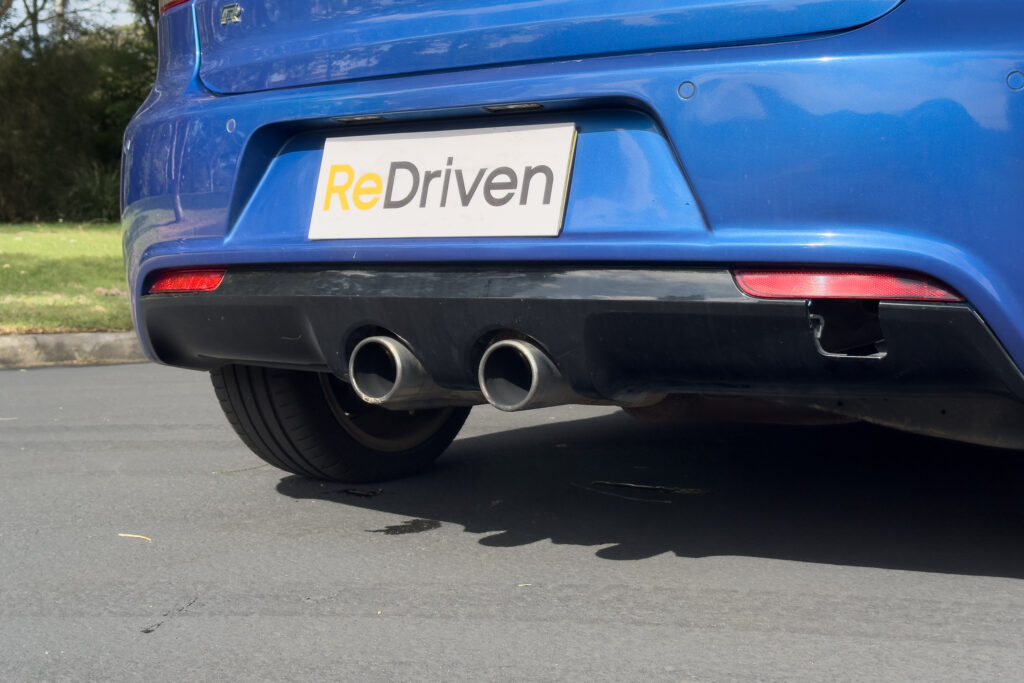
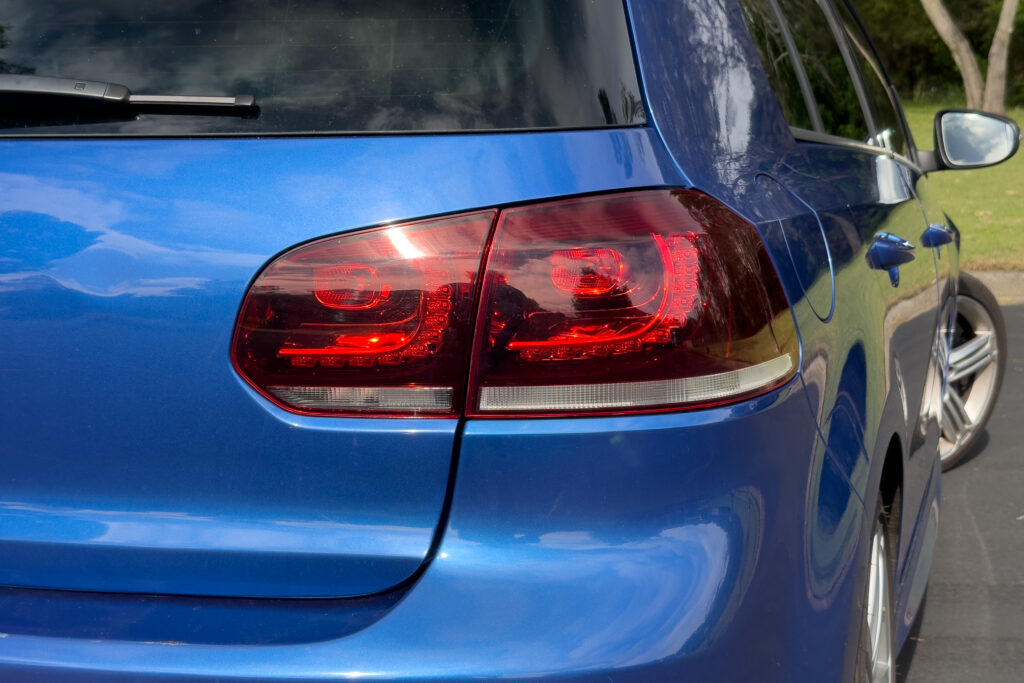
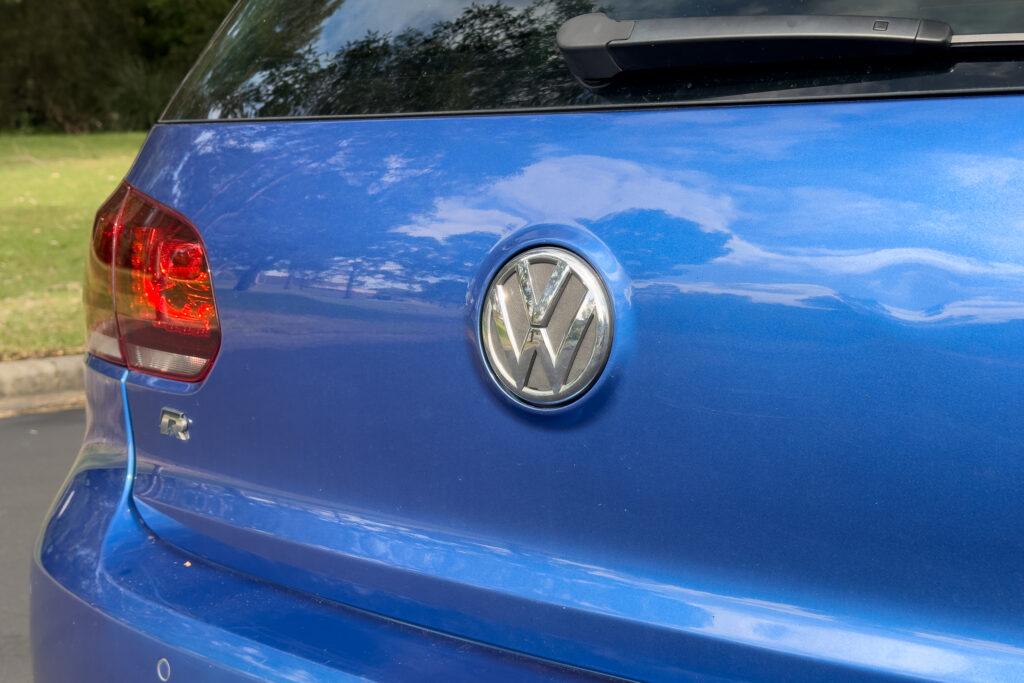
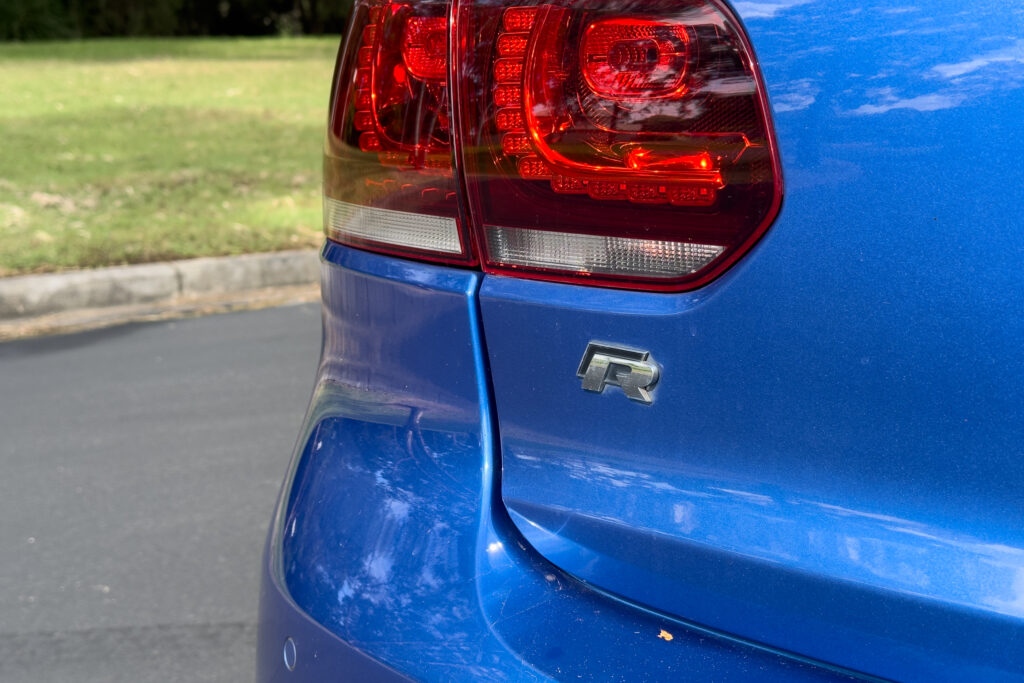
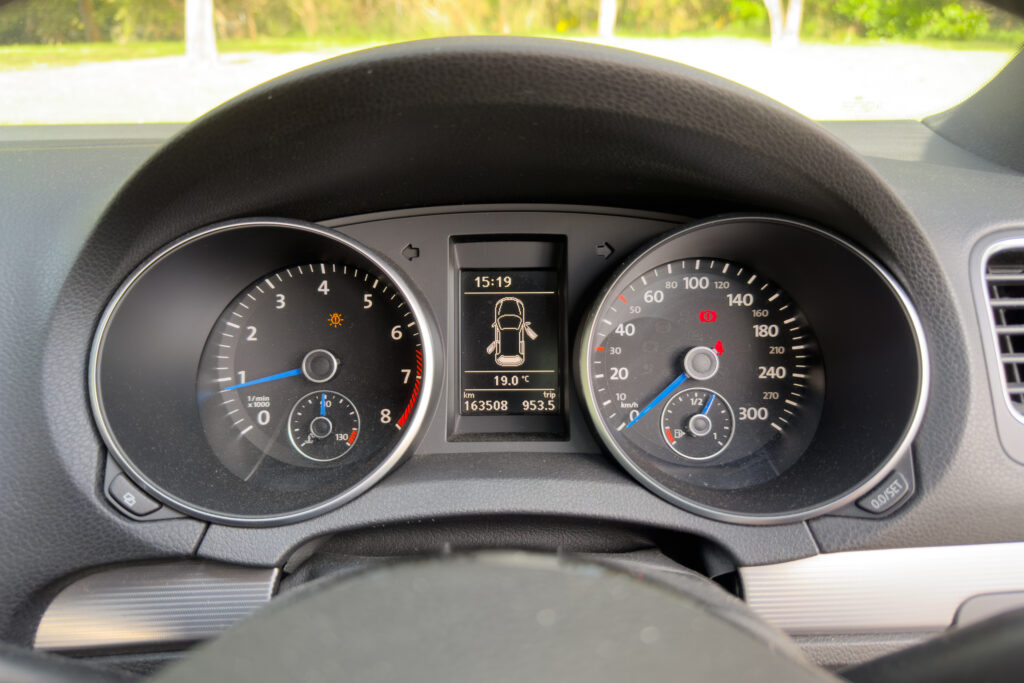
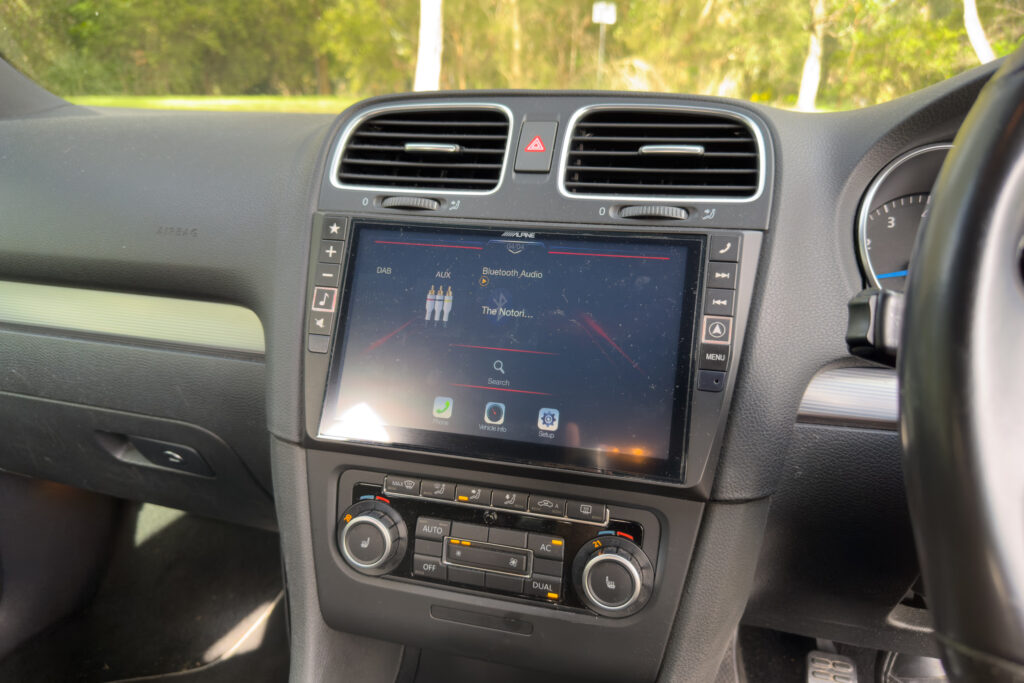
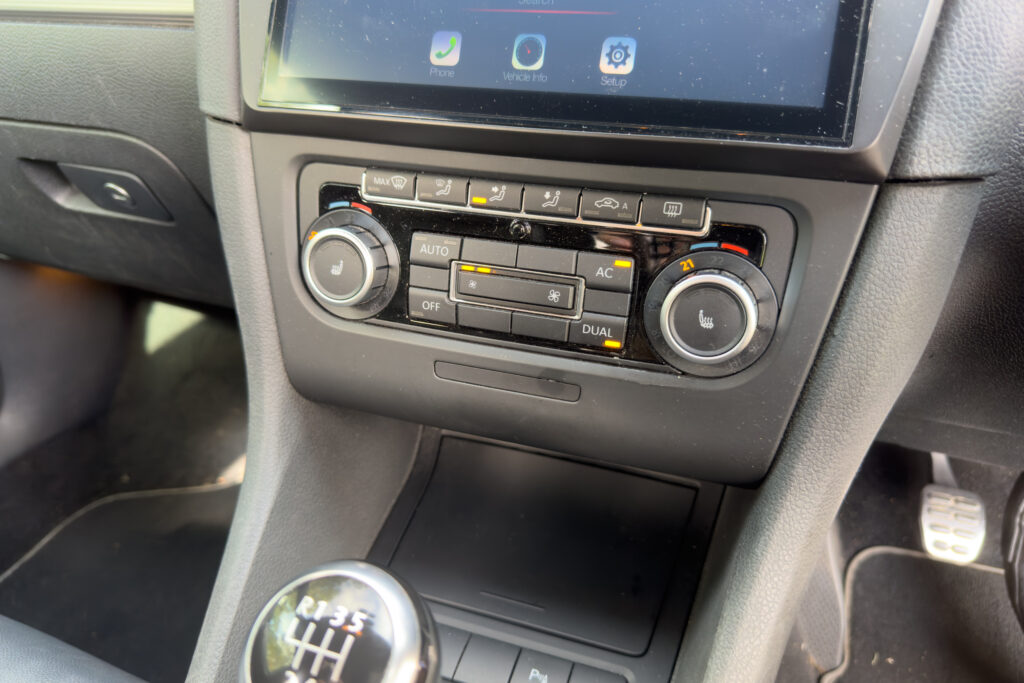
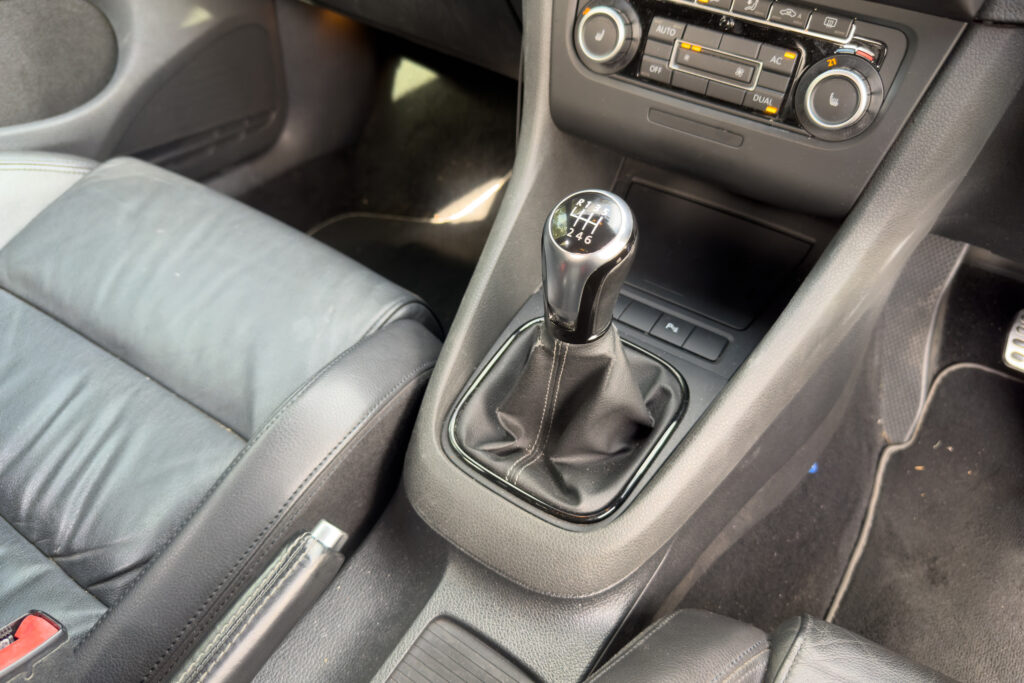
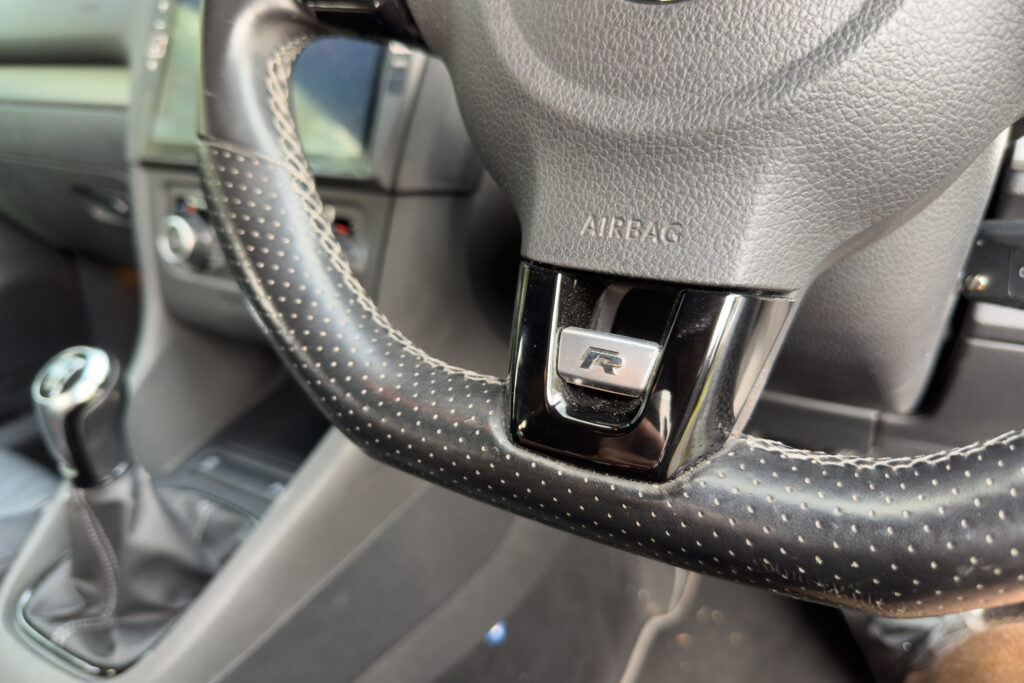
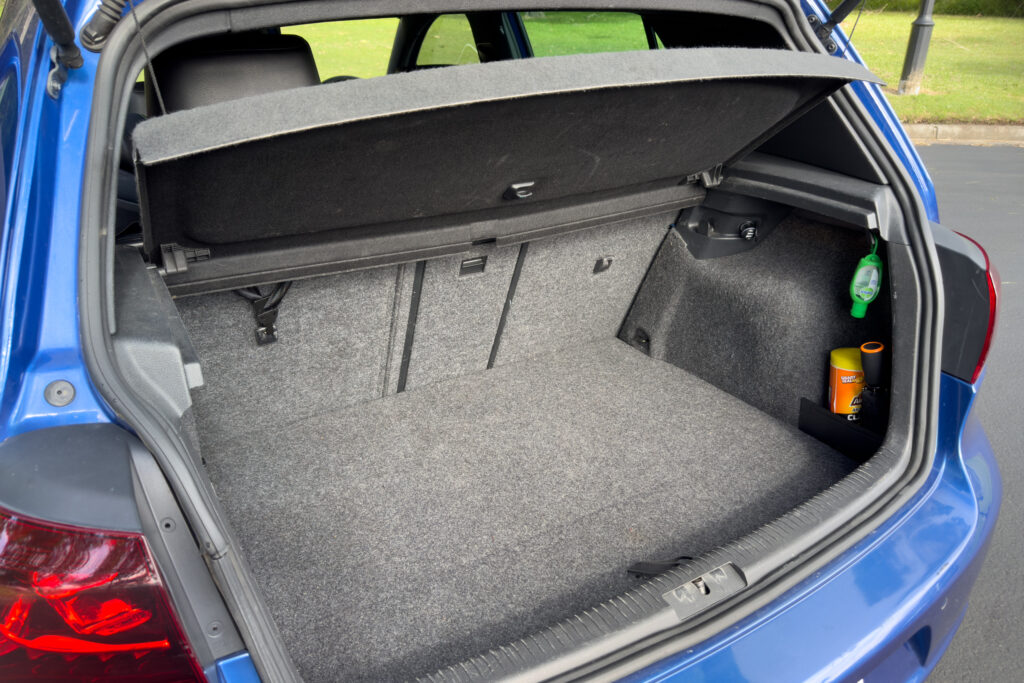
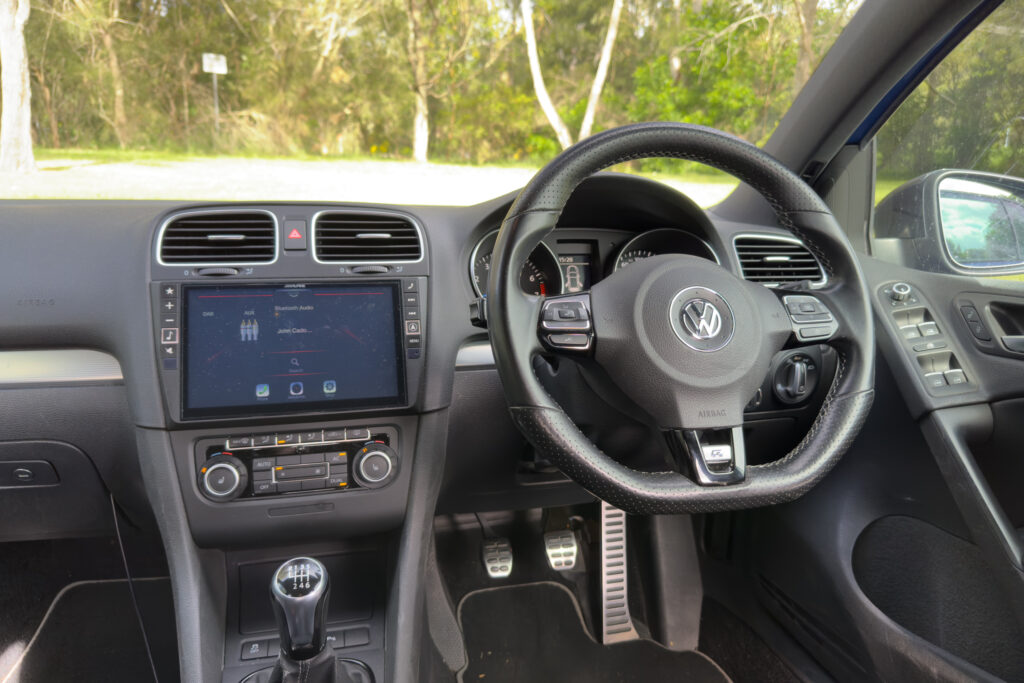

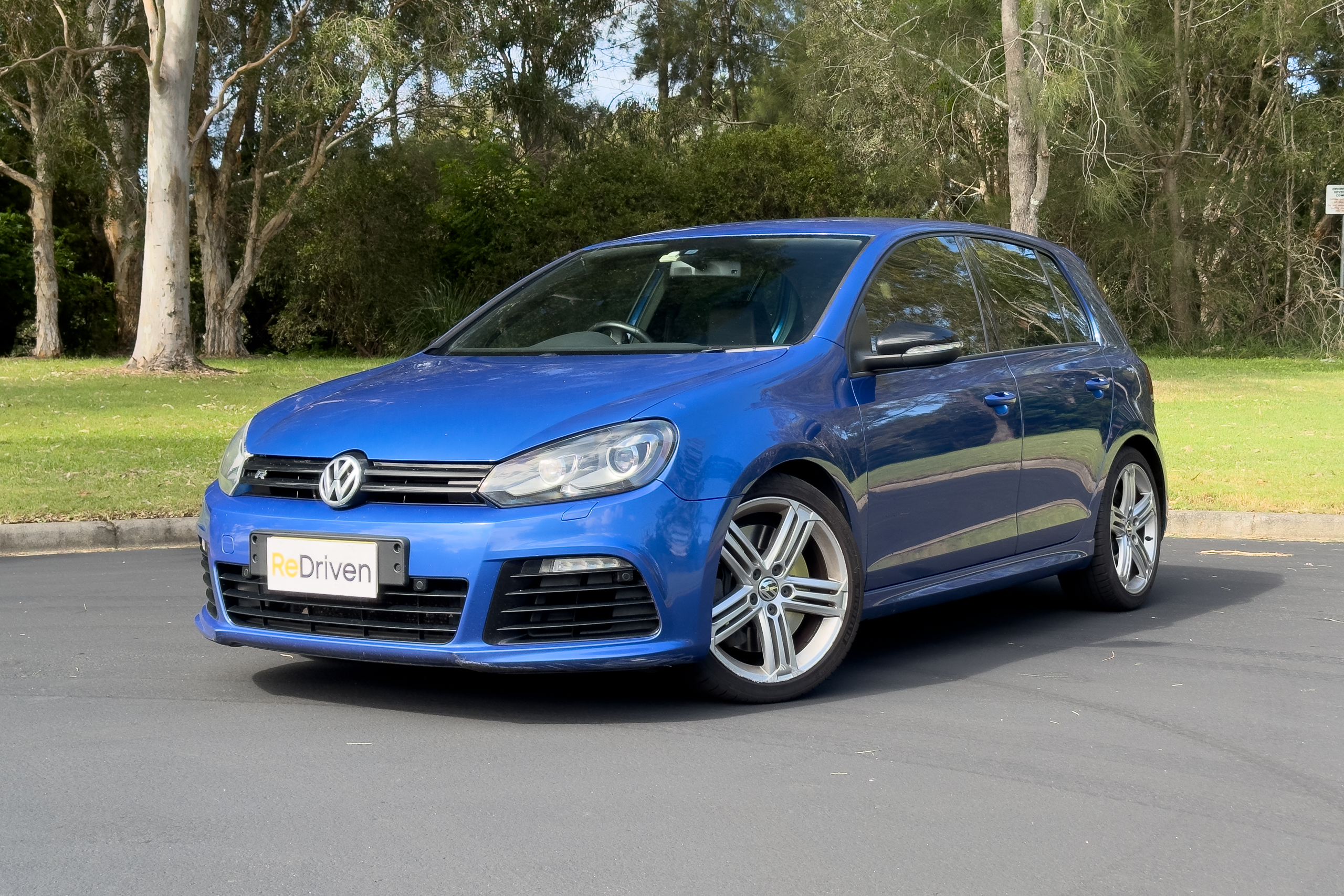
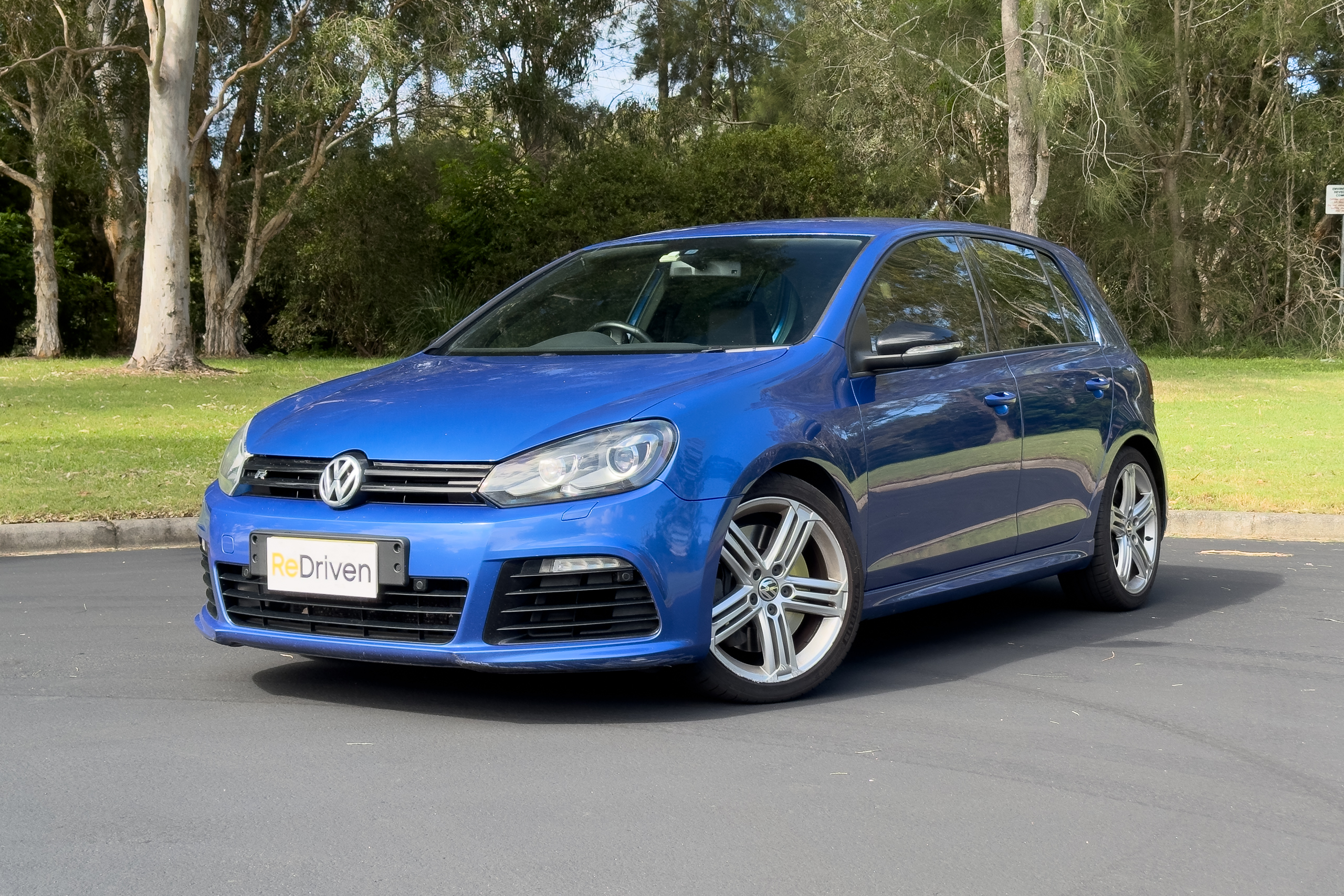
2011 Volkswagen Golf R R32

21 April 2024
Would We Buy It?

2011 Volkswagen Golf R R32

Used car review
21 April 2024
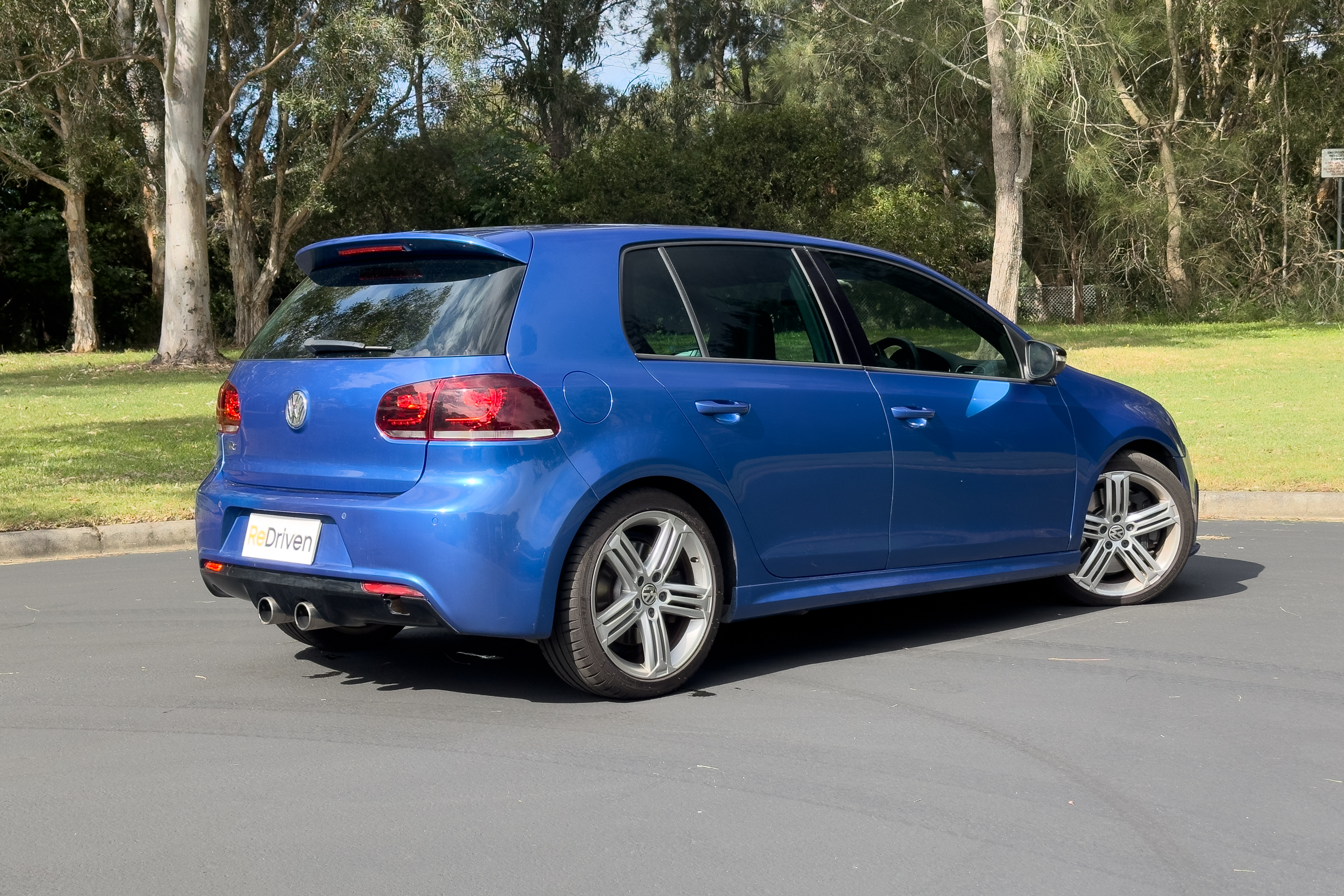
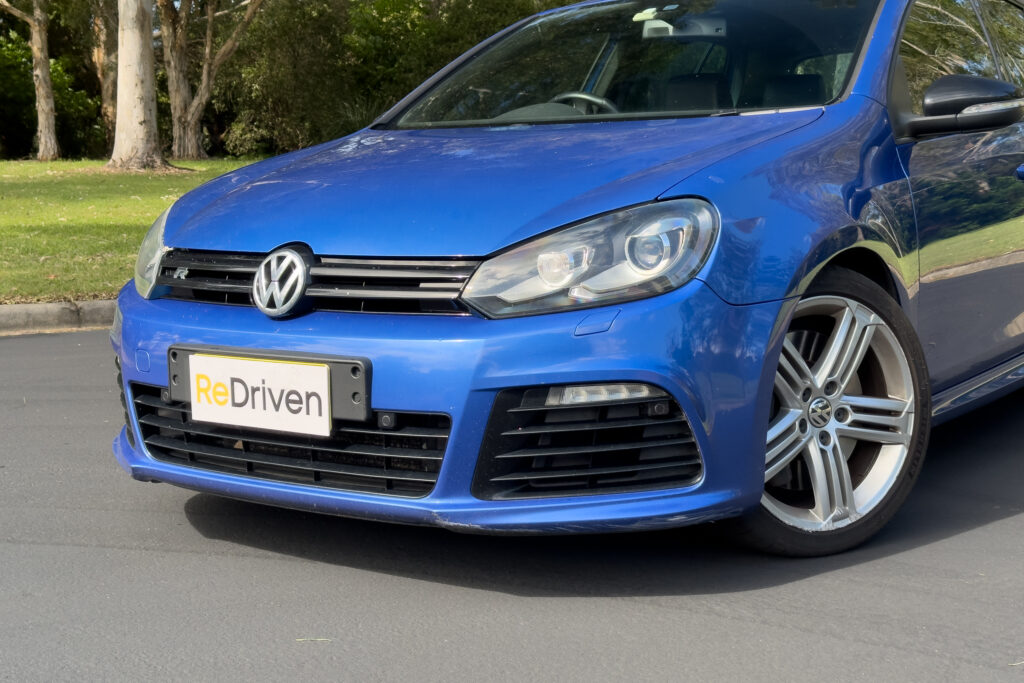
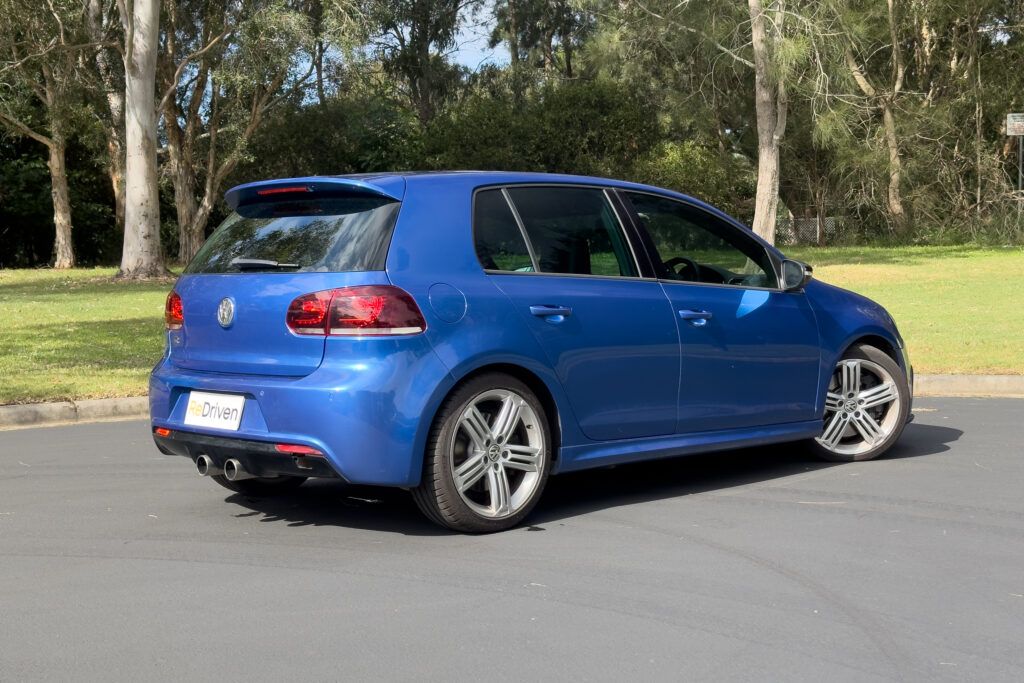
The Golf R, the flagship model of the Mk6 Volkswagen Golf range, competes directly with rivals like the Audi S3 and Mercedes-Benz AMG CLA45.
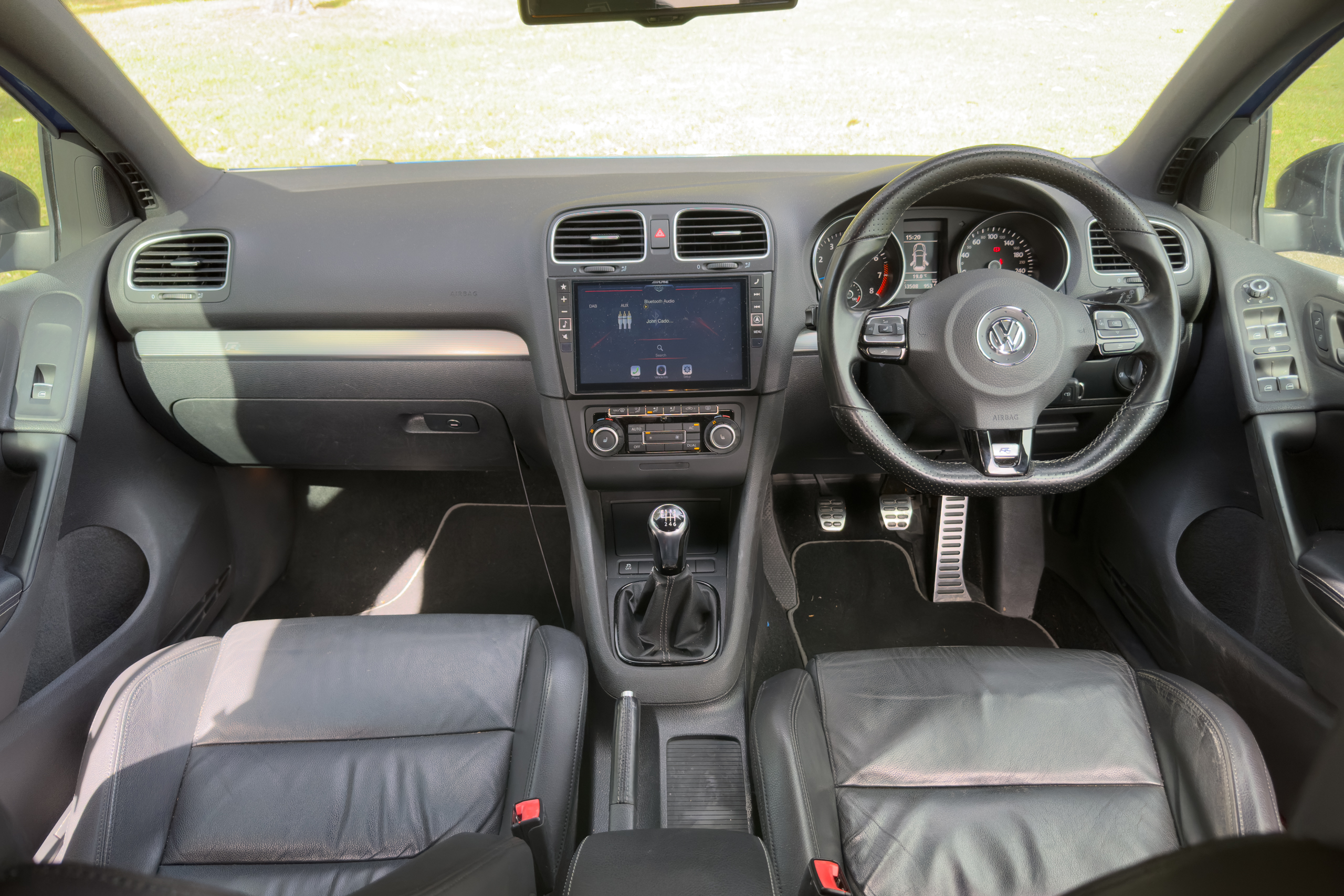
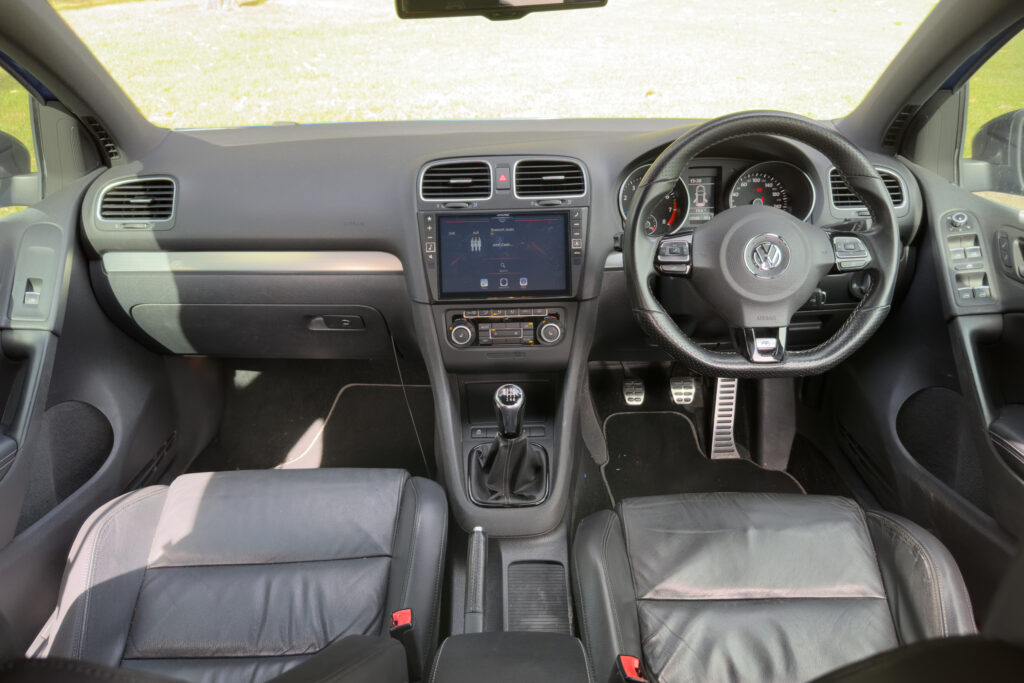
It comes equipped with a range of features typical of the Mk6 Golf line, including leather interiors and premium sound systems.

Under the hood, it boasts a potent 2.0 L turbocharged 4-cylinder engine, powering all four wheels through either a manual or dual-clutch automatic transmission.
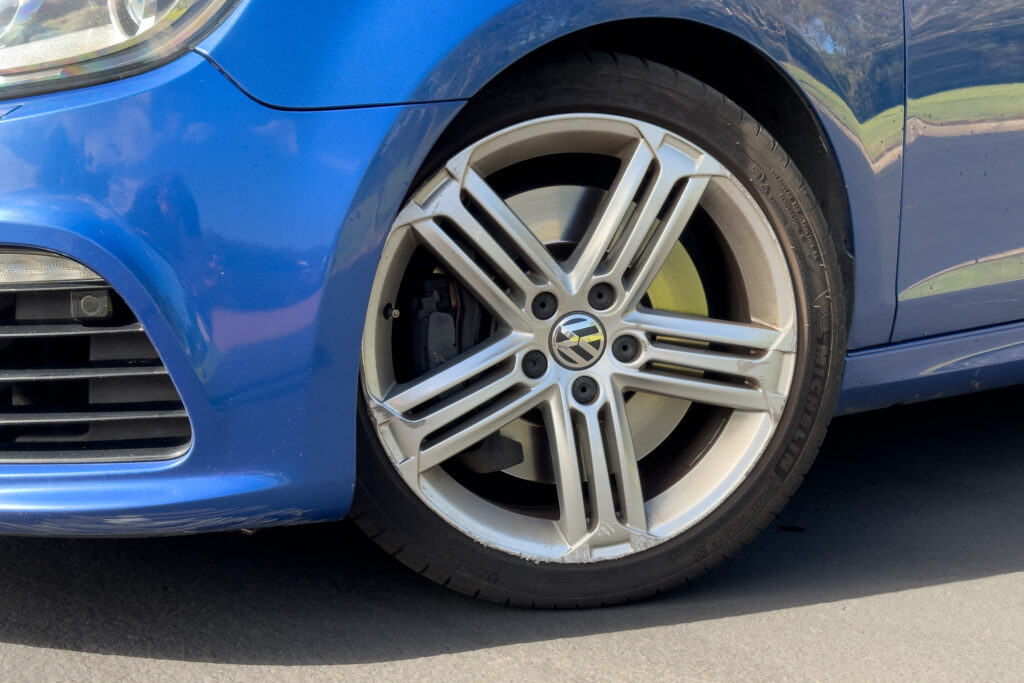
Performance enhancements include upgraded brakes and suspension.
Australian-delivered models were manufactured in Germany between 2010 and 2012.
Due to depreciating prices, the Golf R is often considered an excellent value-for-money performance vehicle.
However, many examples on the market may have been poorly modified or subjected to abuse.
Prior to purchasing, a comprehensive pre-purchase inspection is crucial to identify potential issues.
Exterior:
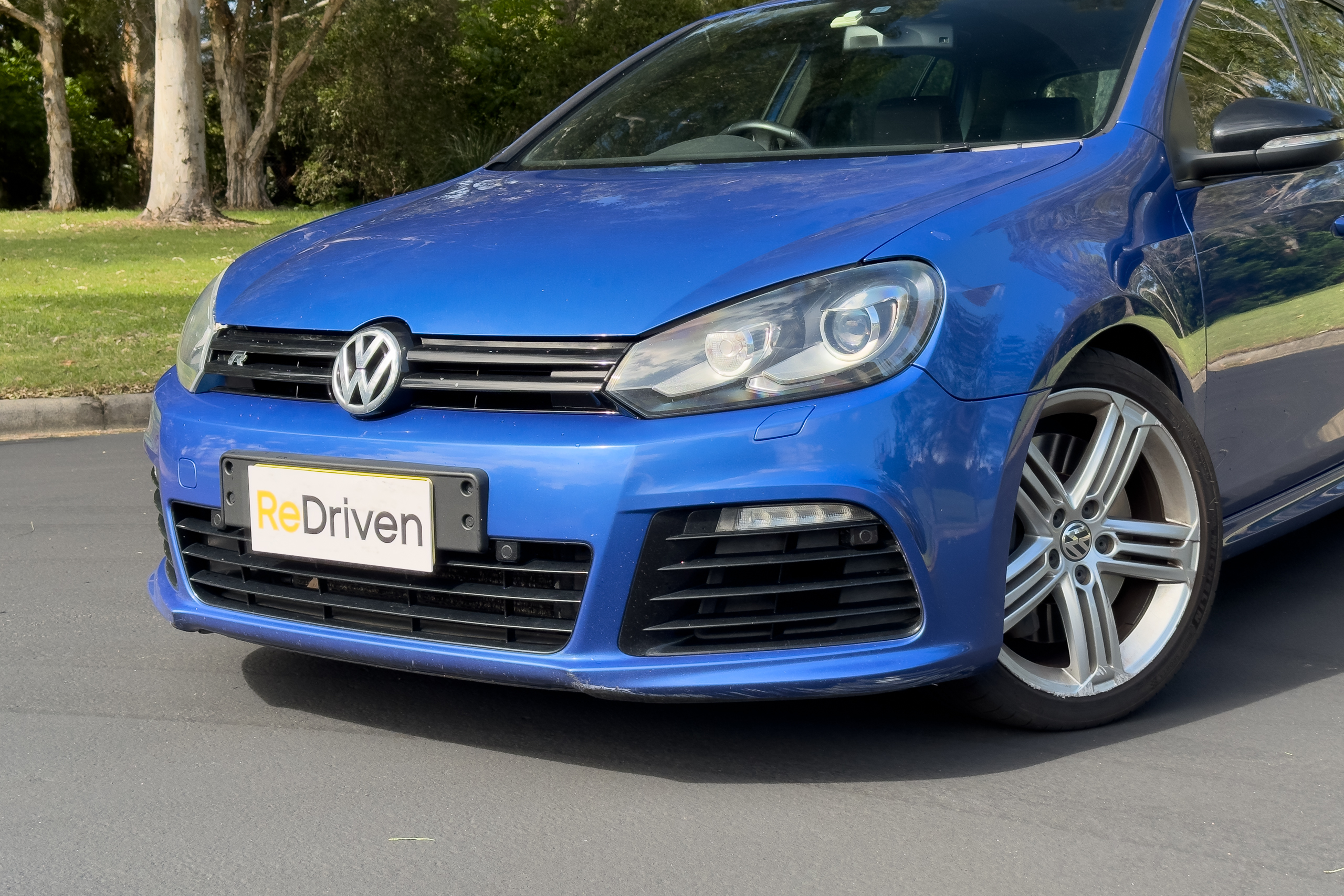
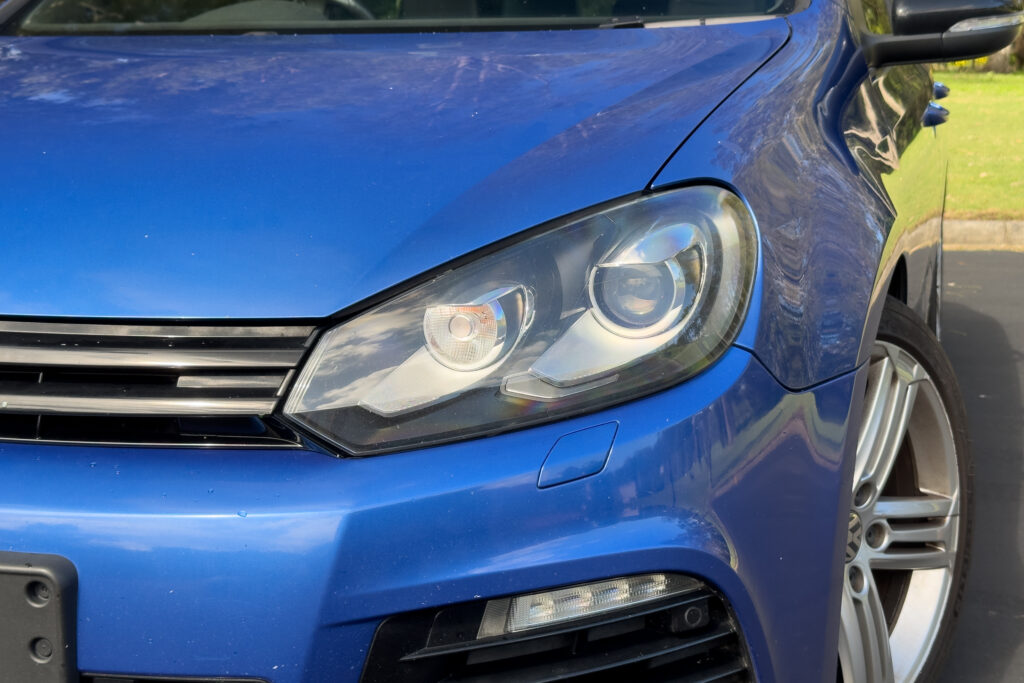
The plastic clips holding the front bumper corners can become brittle with age, leading to potential breakage and protrusion of the bumper.
Electrical components, particularly folding door mirrors, may exhibit erratic behavior, though this is not overly common.
Drainage holes in the doors can become blocked, indicated by sloshing sounds when opening and closing the doors, potentially signalling drainage issues.
A concerning issue involves sound-deadening sponge in wheel arches holding water, leading to rust and corrosion over time, particularly in cold climates or areas with salted roads.
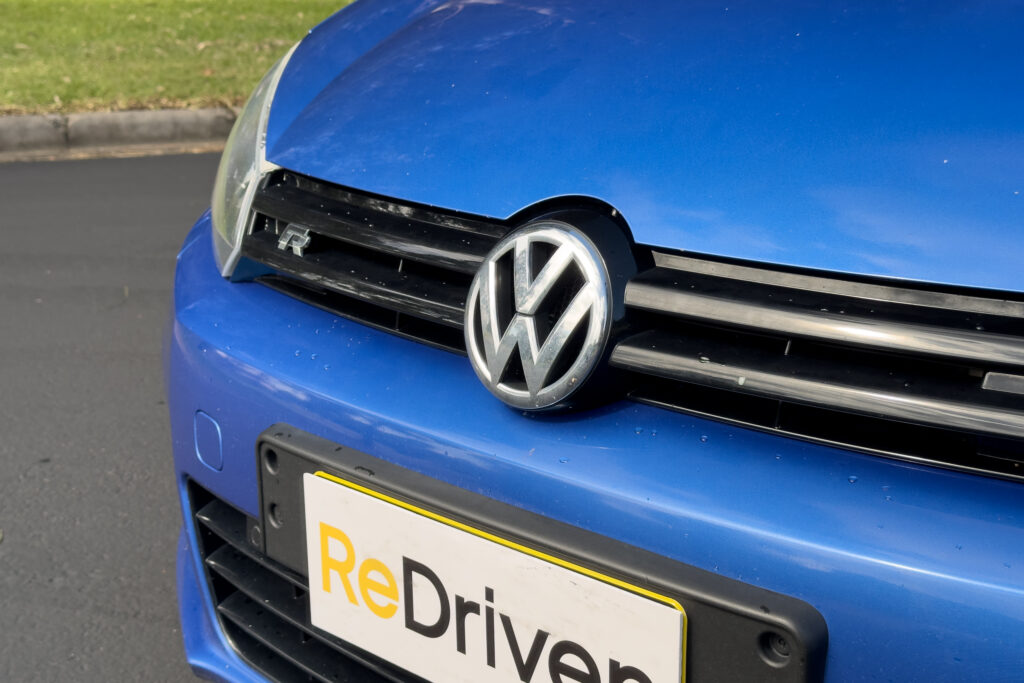
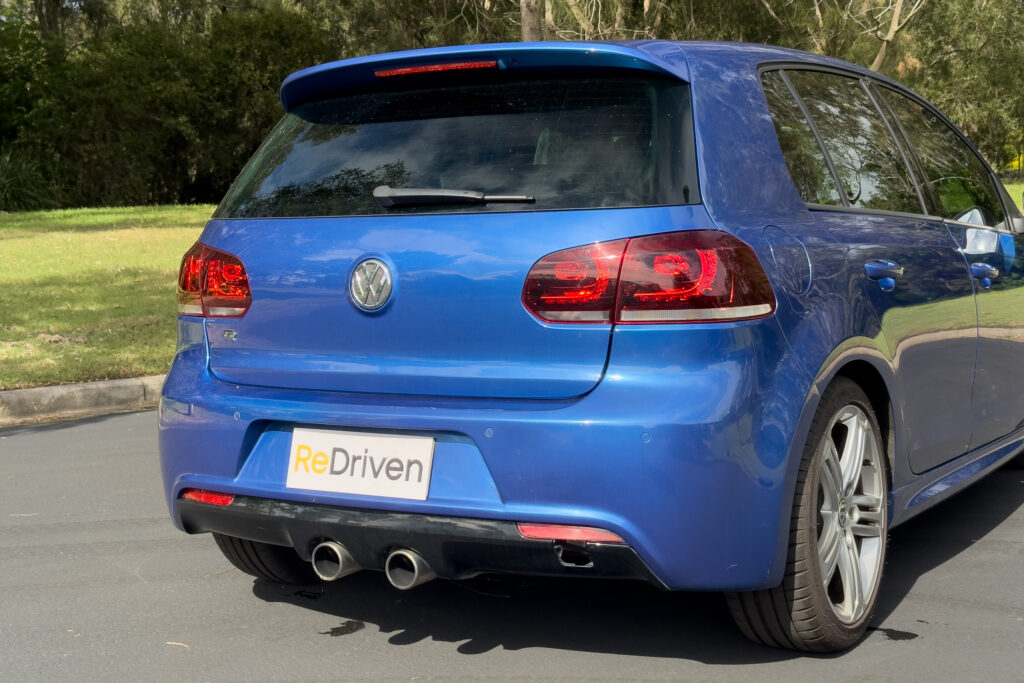
Rust around the rear badge and hatch can occur in regions with salted roads or coastal locations, albeit not very common.
With the increasing affordability of these cars, inexperienced owners may lead to accidents and shoddy repair work; thorough inspection of the exterior is advised.
Interior:
Headlining sagging can occur, easily fixed by a professional upholsterer or DIY.
Some reports mention electrical glitches, so thorough testing of all functions is recommended.
Interior plastics may become brittle, causing rattles; check for noise during test drives.
Water ingress issues may arise from door speaker seals, window regulator card seals, and taillights, leading to damp carpets in footwells.
Sunroof-equipped models should have clear drainage holes to prevent water leaks into the electronics.
Mechanical:
Engine:
The Golf R is equipped with the EA113 engine, featuring CDLF & CDLC engine codes, which utilises a timing belt rather than a chain, unlike the EA888 engine found in many other performance Volkswagen models.
Timing belt replacement is recommended every 105,000 kilometres or 7 years, although they often outlast the chains in the EA888 engines.
Notably, the timing belt operates a smaller and simpler water pump compared to the problematic water pump in the EA888.
Engine Concerns:
High-pressure fuel pump issues may arise.
Manual Transmission:
Dual Clutch or DSG Transmission:
All-Wheel Drive System:
Modifications and Tuning:
Whether we’d recommend buying a Mk6 Volkswagen Golf R largely hinges on your desired driving experience.
If you crave maximum acceleration and cornering prowess at a reasonable price, coupled with a touch of understated elegance, and you stumble upon a meticulously maintained specimen, then the Mk6 Golf R is certainly worth considering. Just set aside a few extra funds for inevitable repairs.
However, if you seek a car that demands finesse and skill to truly appreciate, prioritising driver engagement over sheer speed, and requiring time to unravel its nuances, then the Golf R might not fit the bill.
It may sound paradoxical, but setting aside potential reliability concerns, the Mk6 Golf R’s all-around excellence could lead to a sense of predictability once the initial excitement of its power wears off.
It might not be as dull as its successor, the Mk7, but there’s a risk it could become a tad mundane over time.


Co-creator, presenter & writer, ReDriven


 2 weeks ago
 4 weeks ago
 4 weeks ago