Australia’s No. 1 Used Car Review Website
Australia’s No. 1 Used Car Review Website
+12 Photos
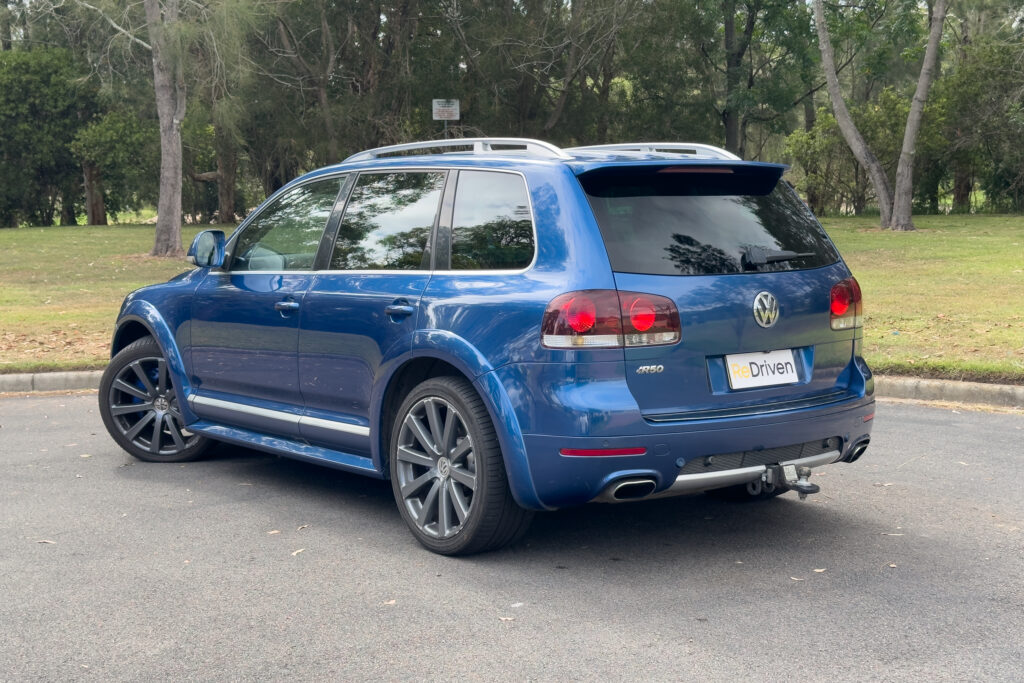
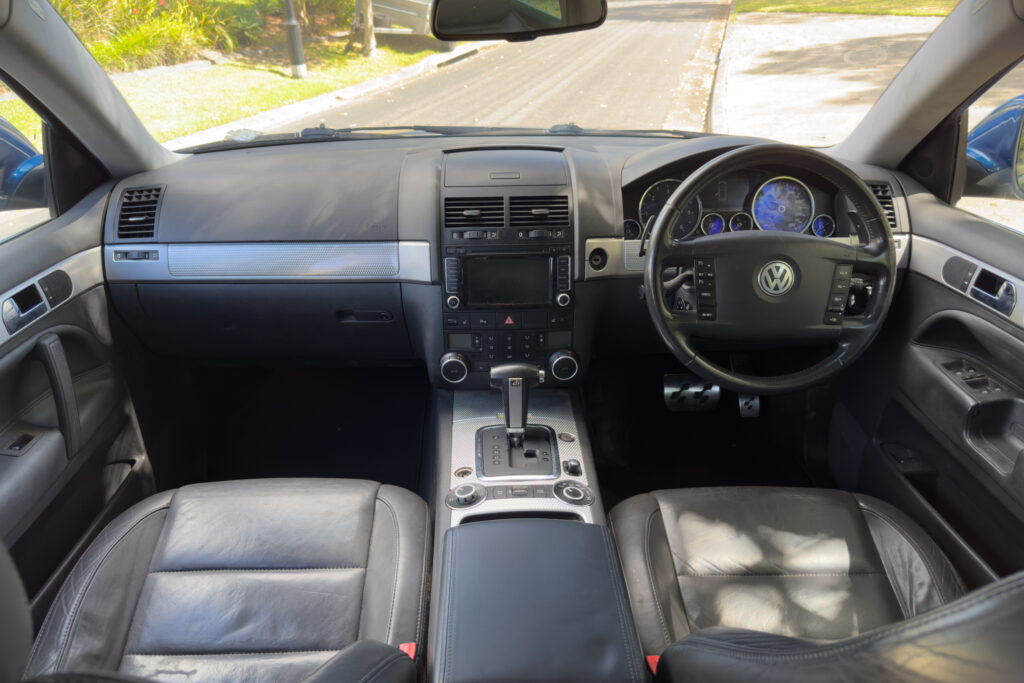
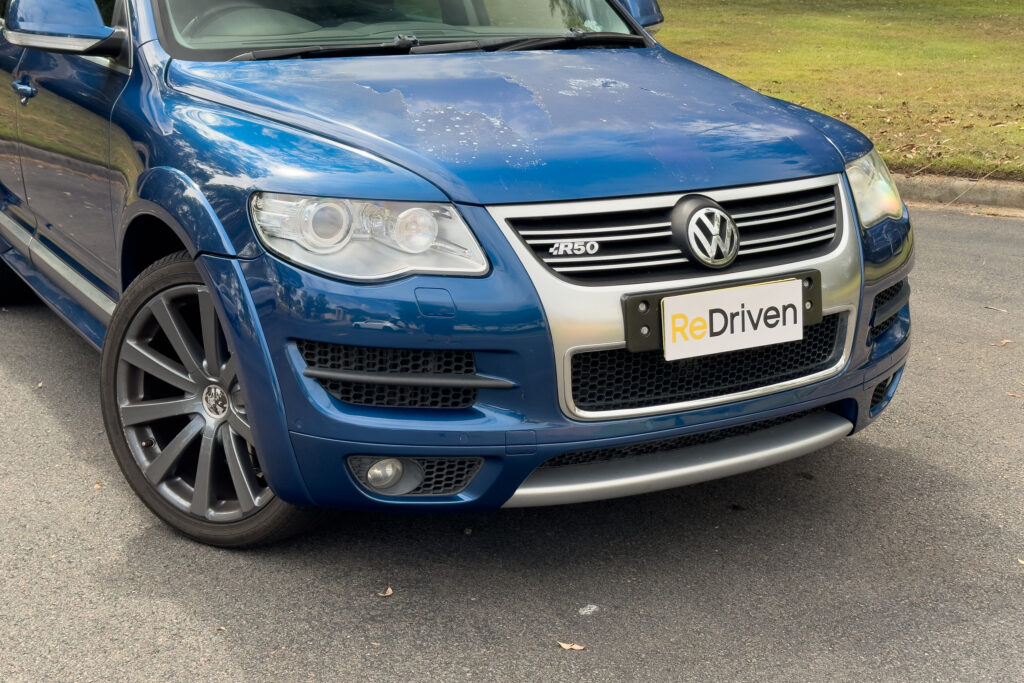
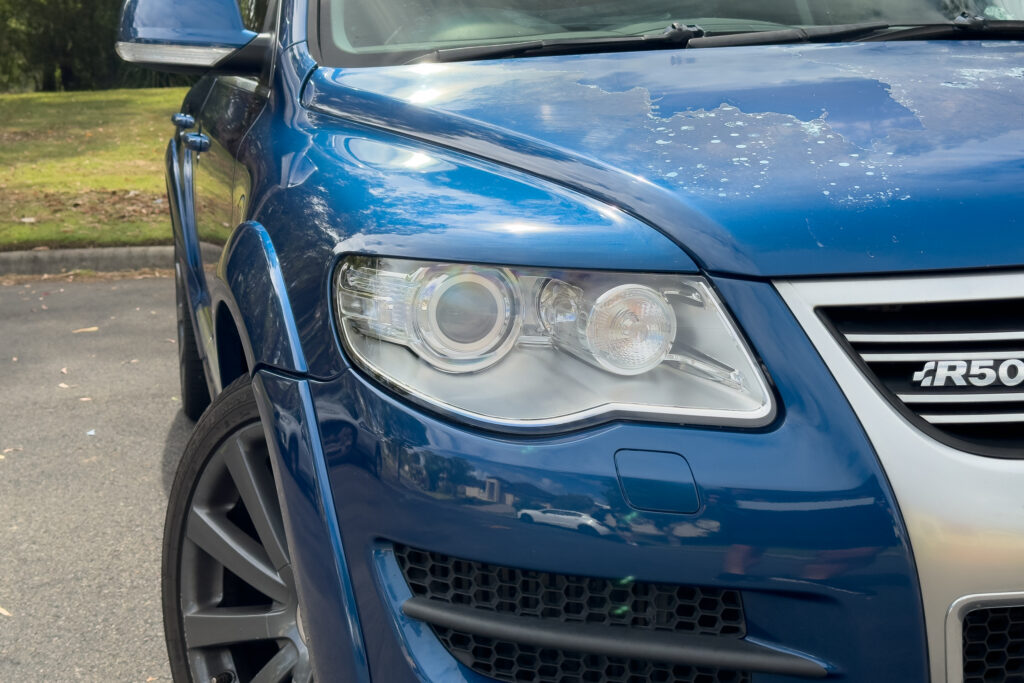

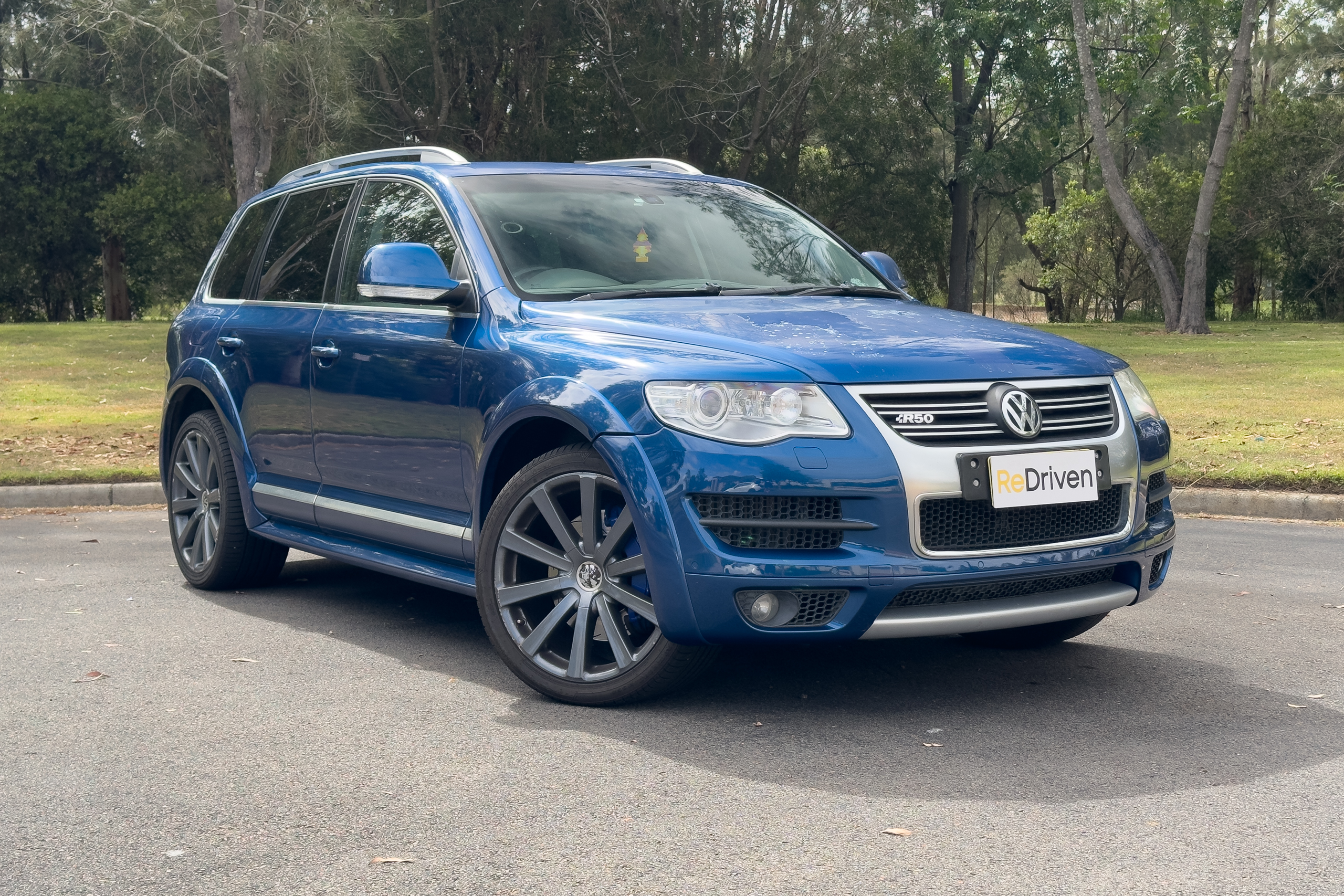
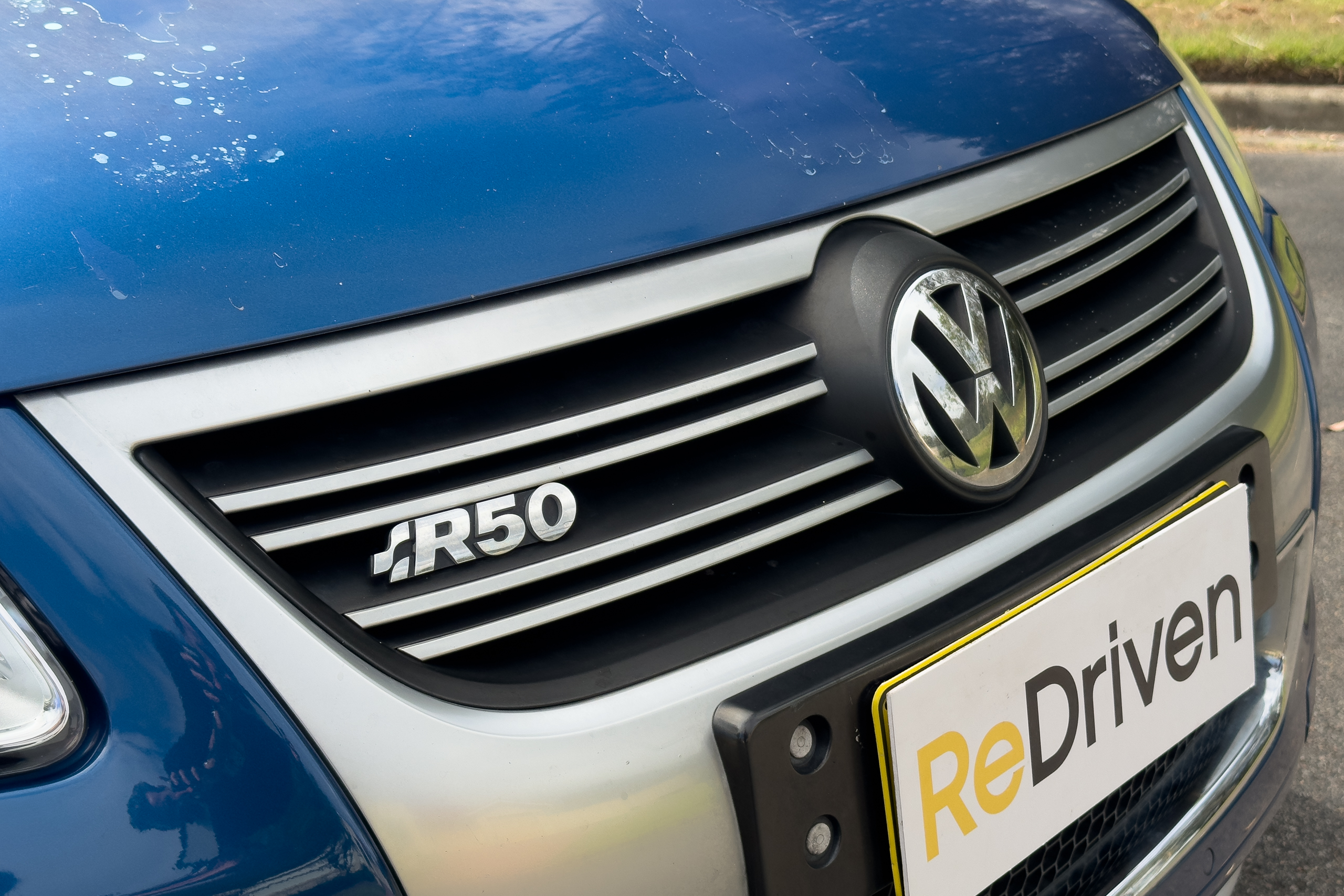
2008 Volkswagen Touareg R50

21 January 2024
Probably not.

2008 Volkswagen Touareg R50

Used car review
21 January 2024
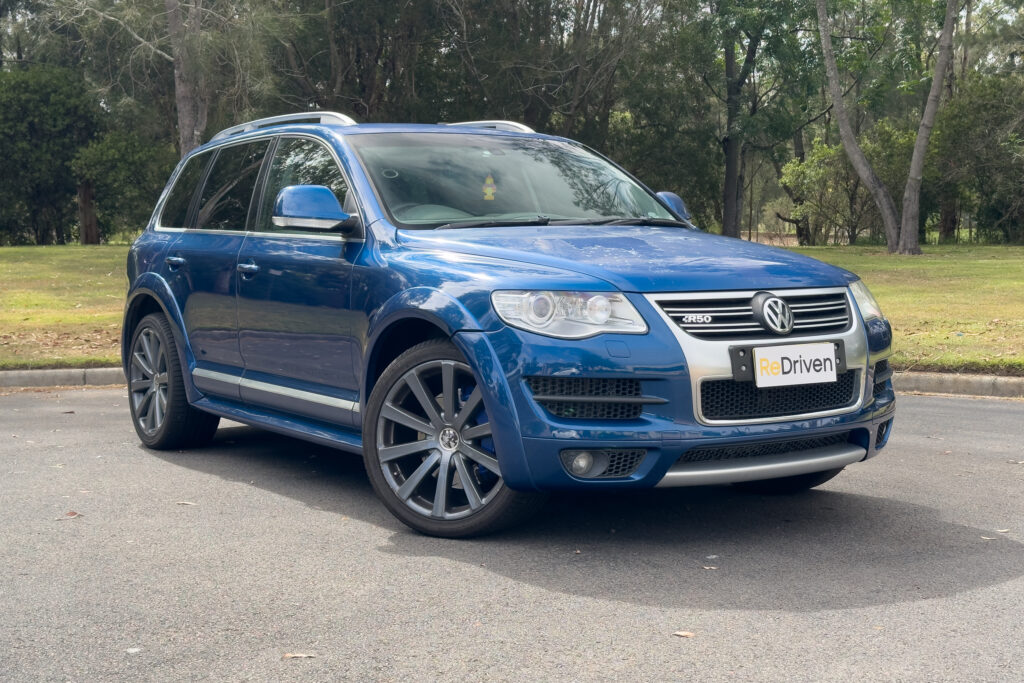
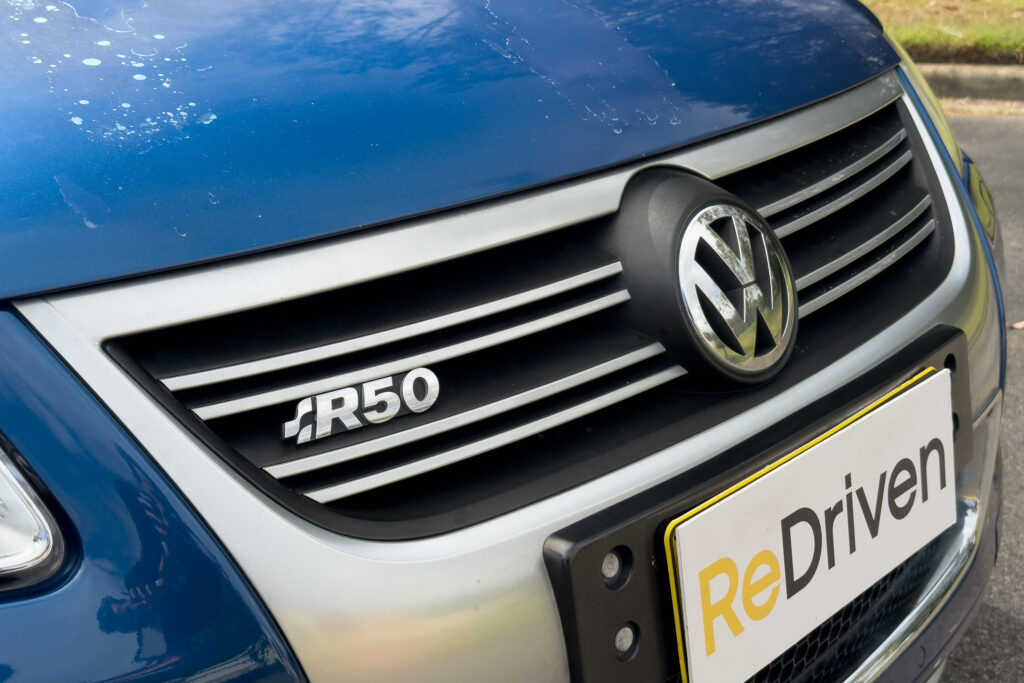
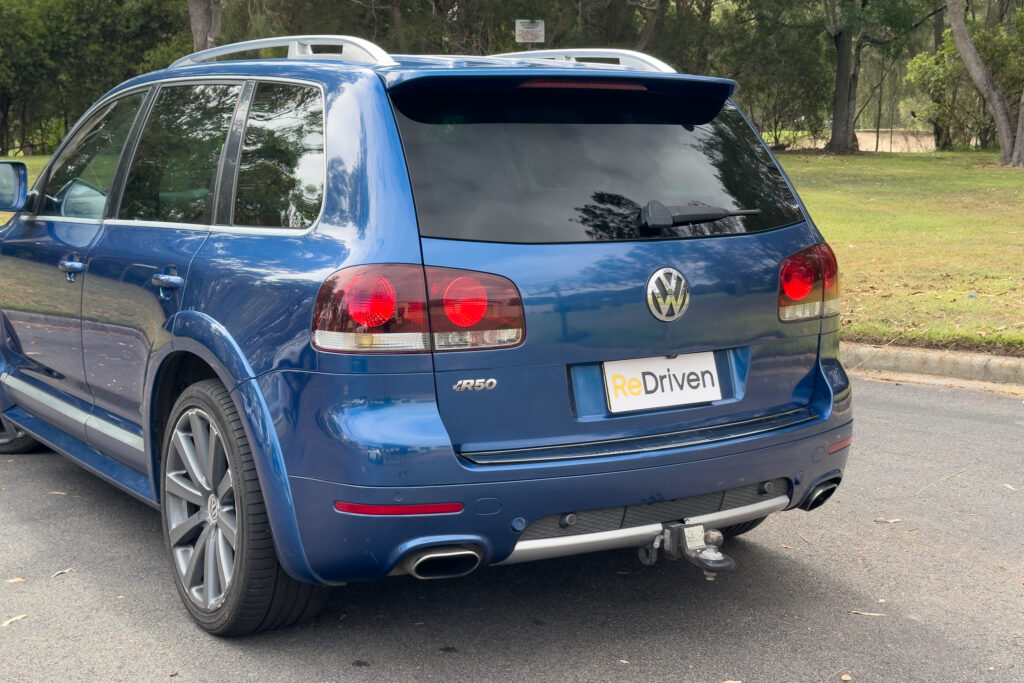
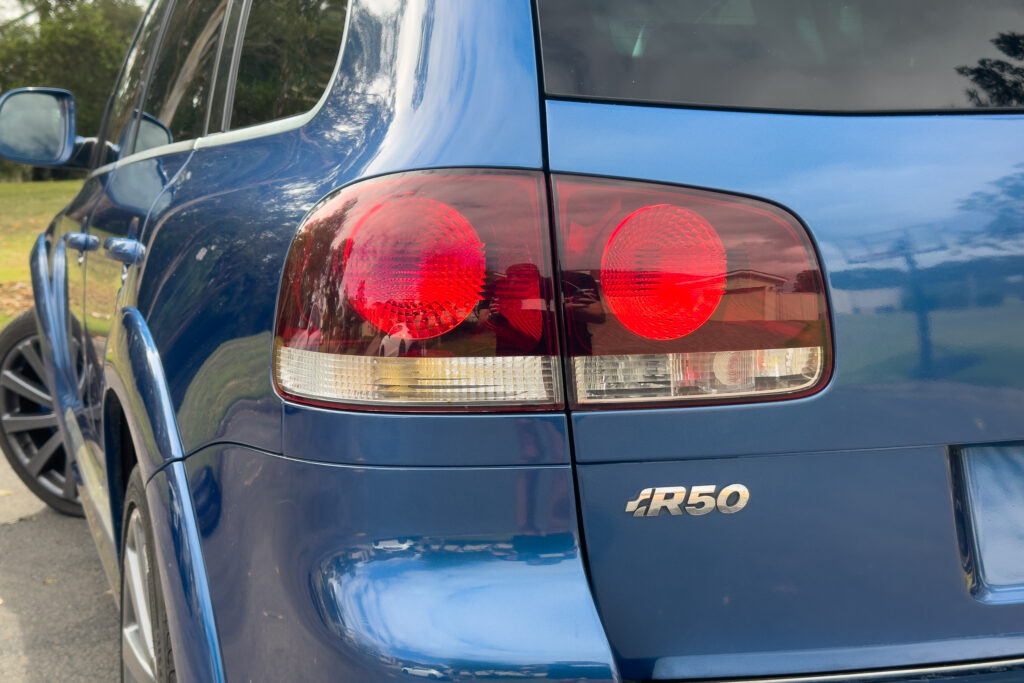
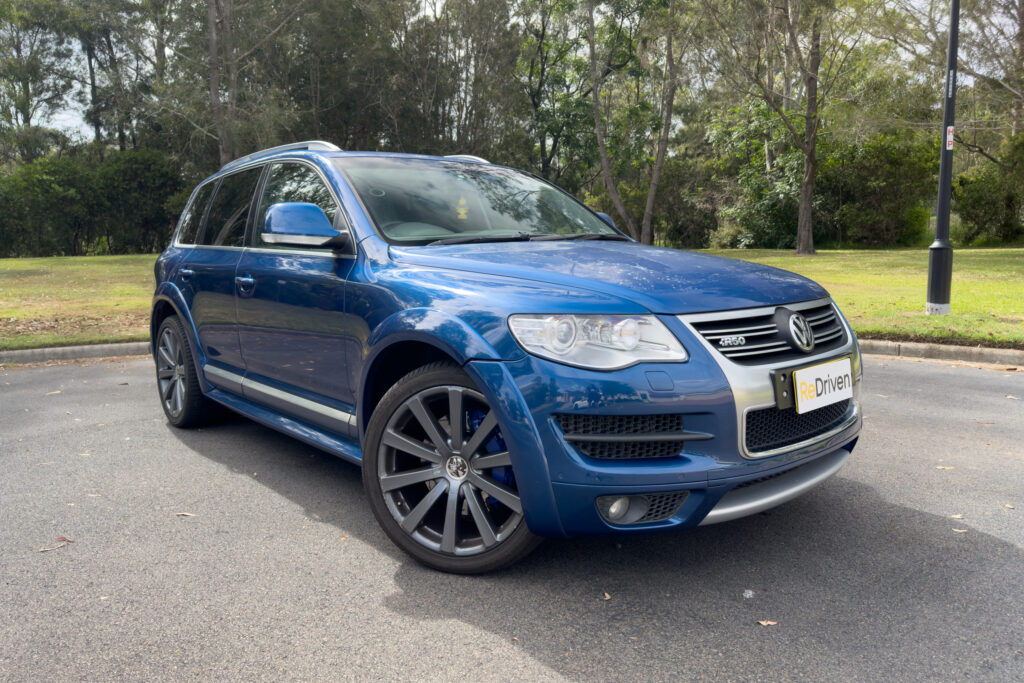
The R50 is arguably the highest-performing, most special, and unique model within the original Touareg range. It shares the same platform as the original Porsche Cayenne and Audi Q7.
Production spanned a brief two years, from 2008 to 2010, with a single trim spec. However, various options and updates led to differences among R50 examples.

Despite being part of a joint venture between three German brands, the Touareg was manufactured in Slovakia.
The R50 stands out from its siblings due to its powerful 257 kW (345 bhp) and 850 N⋅m (627 lbf⋅ft) 5.0-litre V10 engine.
The engine’s inclusion was not part of the Touareg’s initial design, but Volkswagen’s CEO insisted on it, leading to a host of engineering challenges.
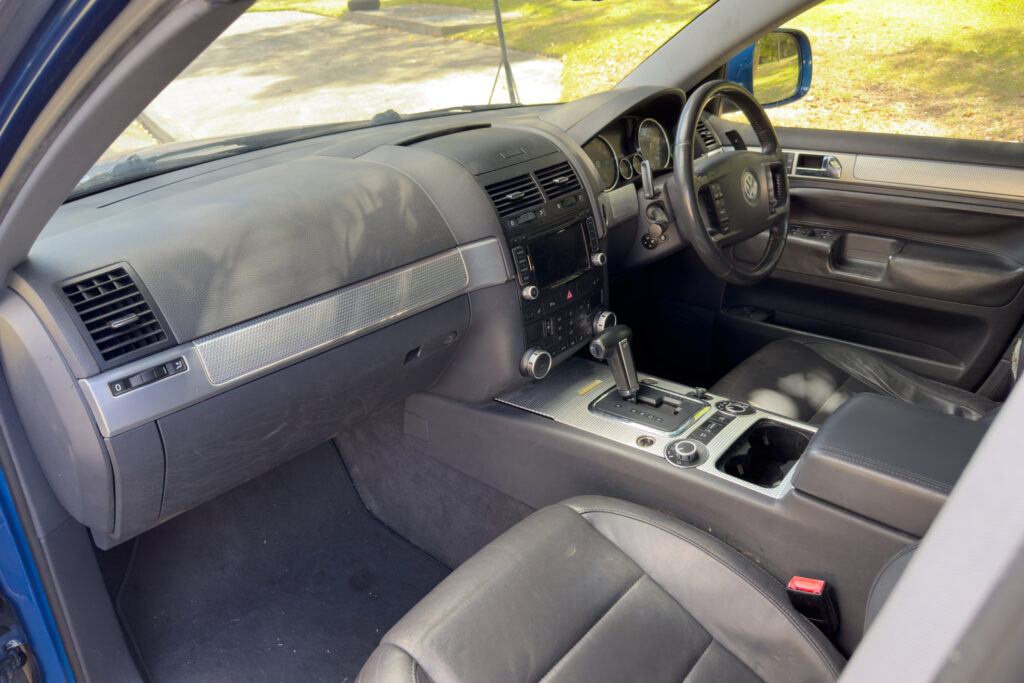
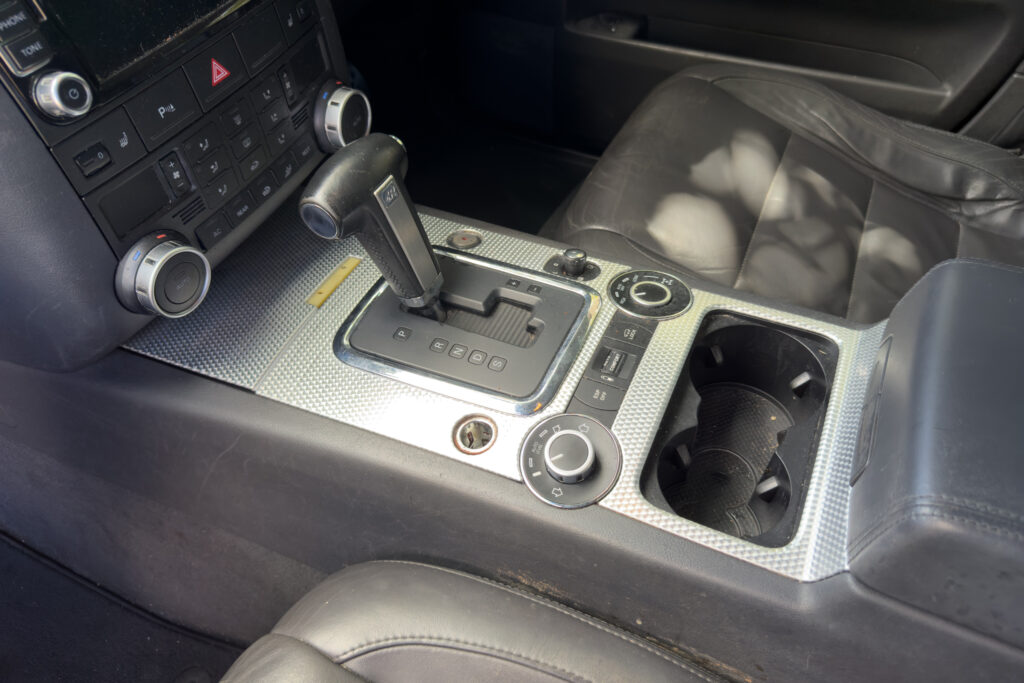
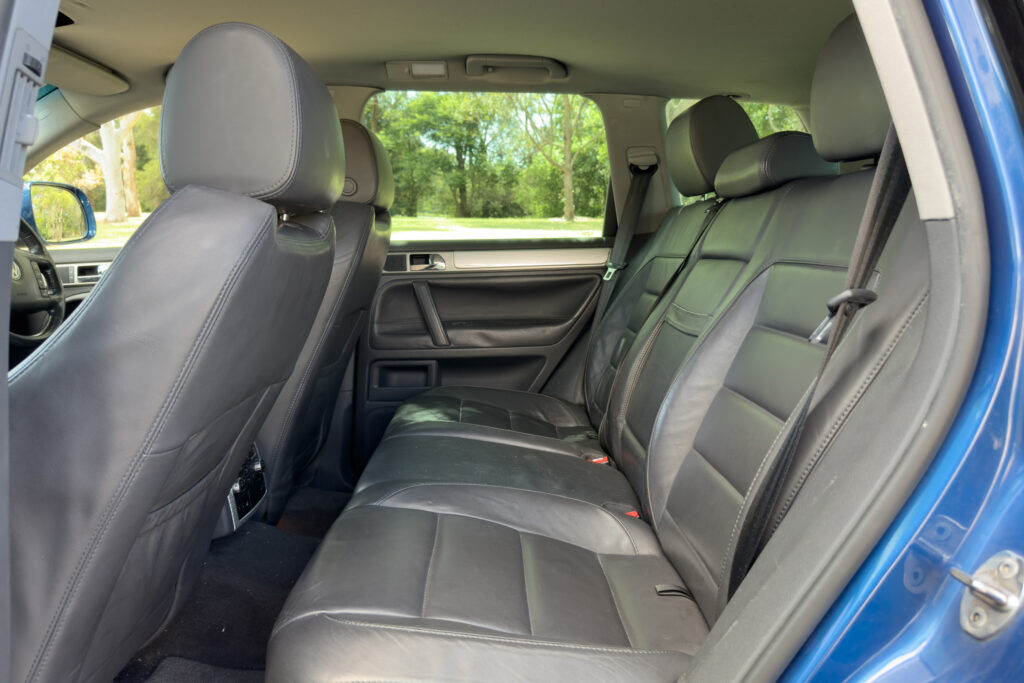
As the flagship model of the original Touareg range, the R50 features an extensive range of features and equipment (detailed below).
The R50 is essentially an updated and improved version of the V10 TDI, addressing dynamic issues present in earlier V10 Touareg models.
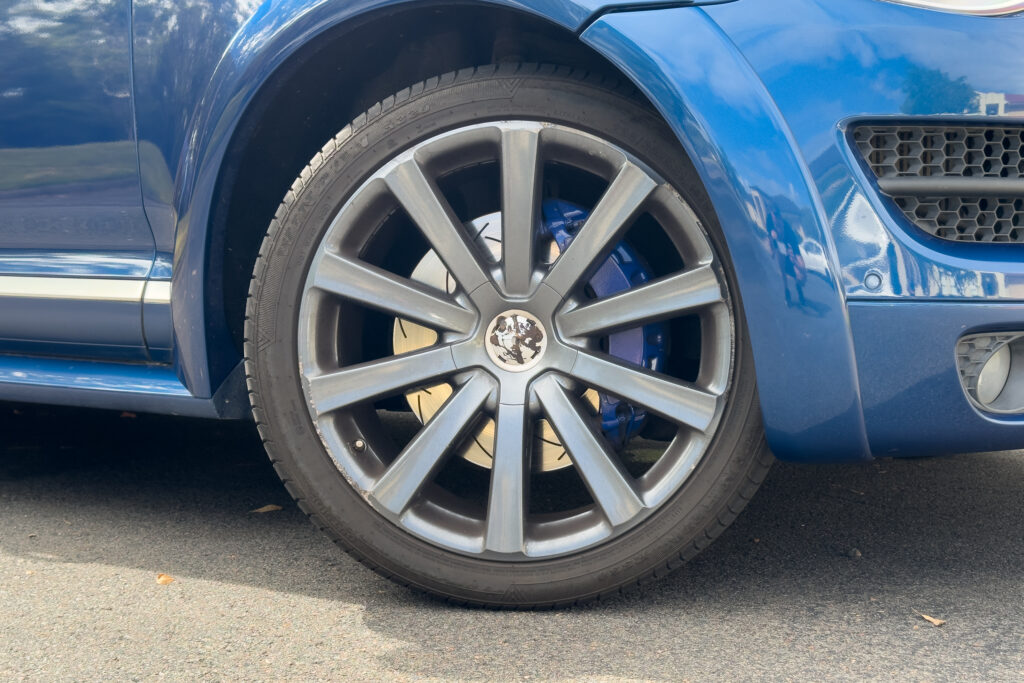
In addition to the powerful engine, the R50 is equipped with adjustable air suspension, large brakes, and Volkswagen’s 4Xmotion system, which differs from the 4Motion setup in more recent Volkswagens.
4Xmotion incorporates electronic aids and traditional mechanical components like a low-range transfer box and diff locks, enhancing off-road capabilities.
Given the R50’s age and the likelihood of many having covered over 100,000 km, reported faults range from minor to major, with owners detailing various issues.
For a comprehensive understanding of the R50’s performance, features, and potential concerns, read on.
Exterior:
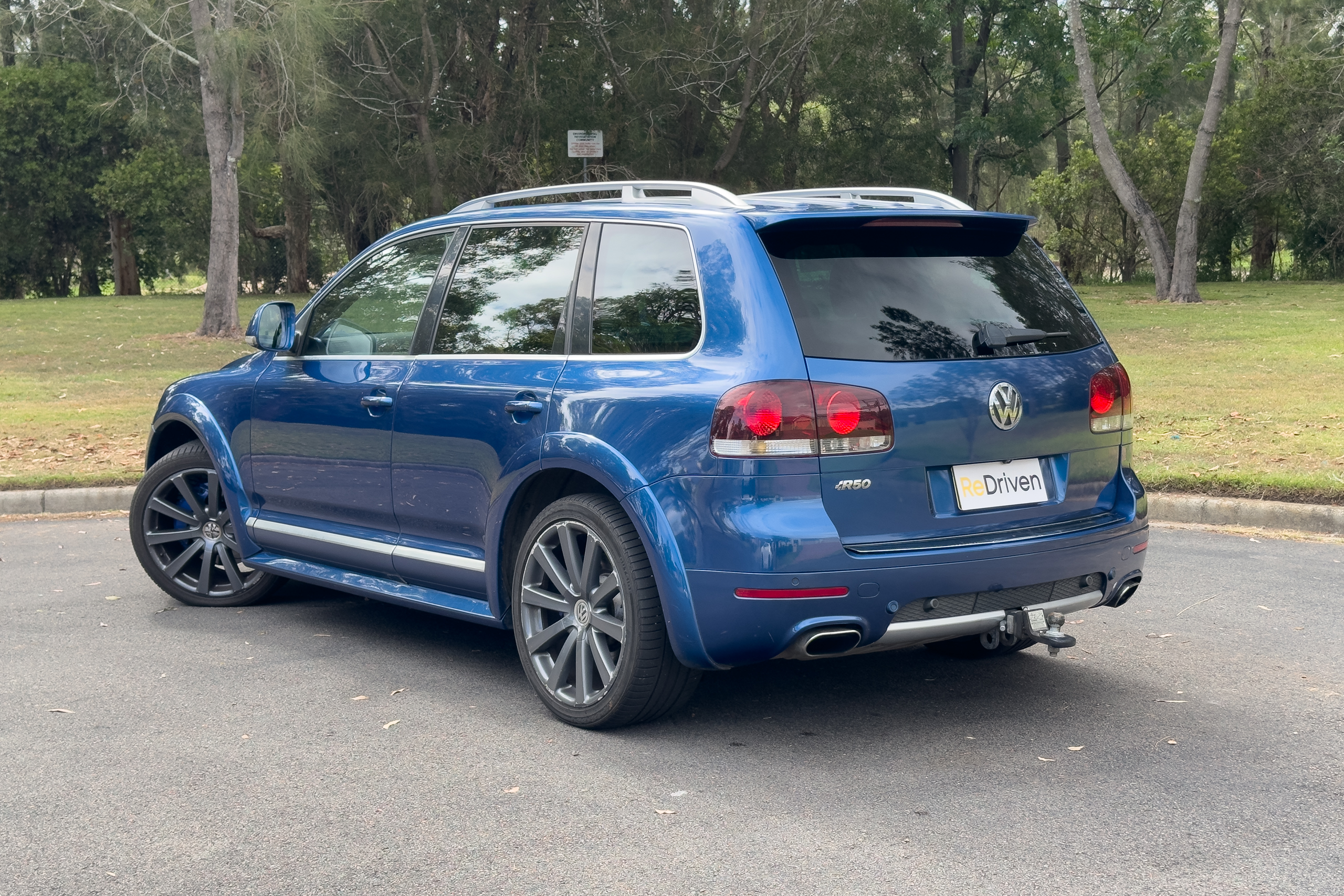
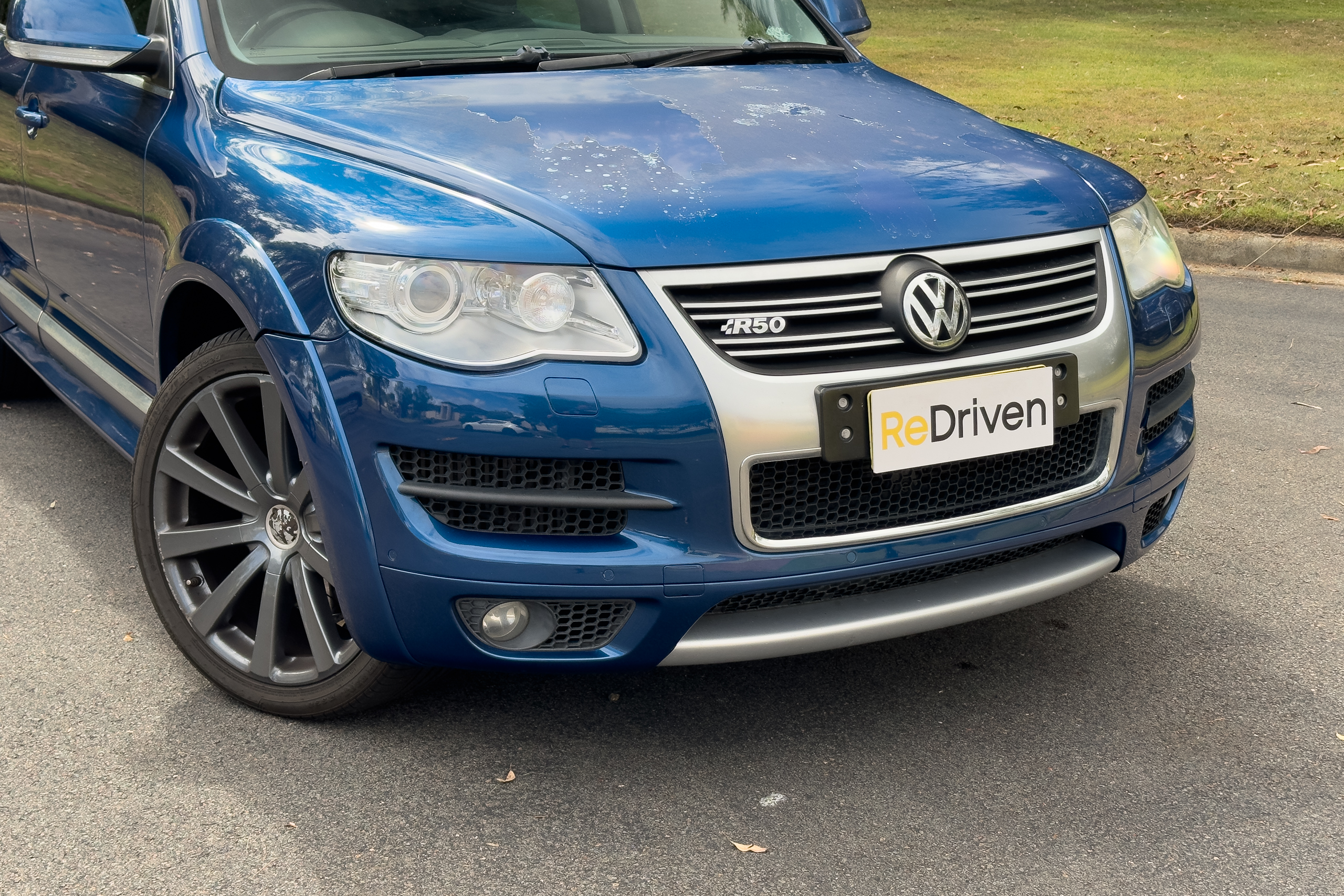
Rust poses a significant concern, particularly on the rear doors and wheel arch, both made of steel, with numerous owners reporting corrosion issues.
Look for bubbling under the paint on the curved inside edge (following the forward edge of the rear wheel arch) near the door rubbers.
Potential problems with the sensor atop the windscreen controlling auto lights and wipers.
Reported issues with power mirrors, the powered tailgate, power windows, door lock actuators, and the powered sunroof.
Electrical components tend to face malfunctions; if it runs on electricity, owners have reported failures.
Complaints about door handles potentially falling off.
Headlight problems include auto-levelling and washer malfunctions.
Windscreen wiper arms may leave unwiped sections of glass.
Water retention issues, such as blocked sunroof drains and bulkhead drains, causing water sloshing sounds and potential damage to ECUs and electrics.
Interior:
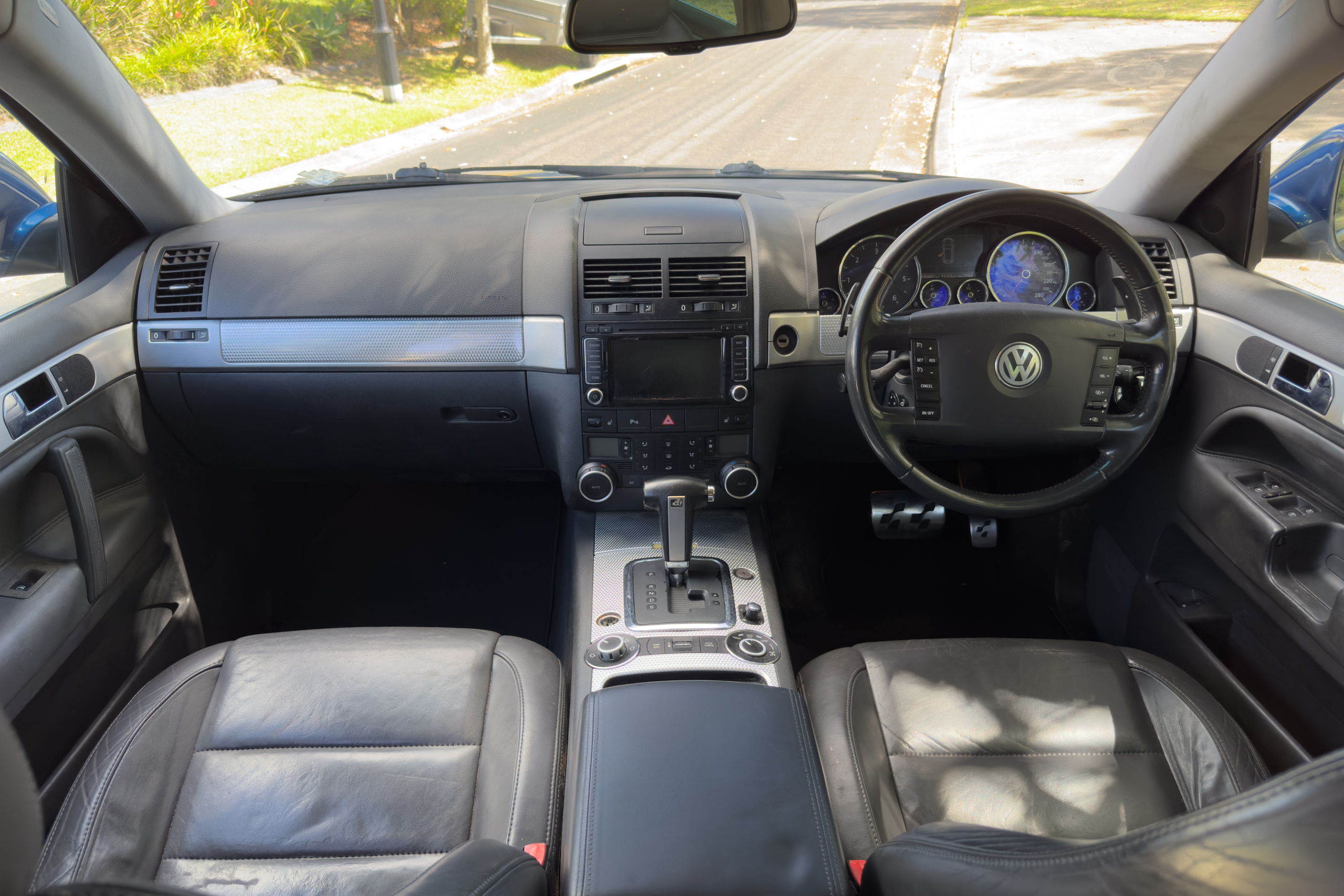
Headlining sagging, reminiscent of old Ford Falcons.
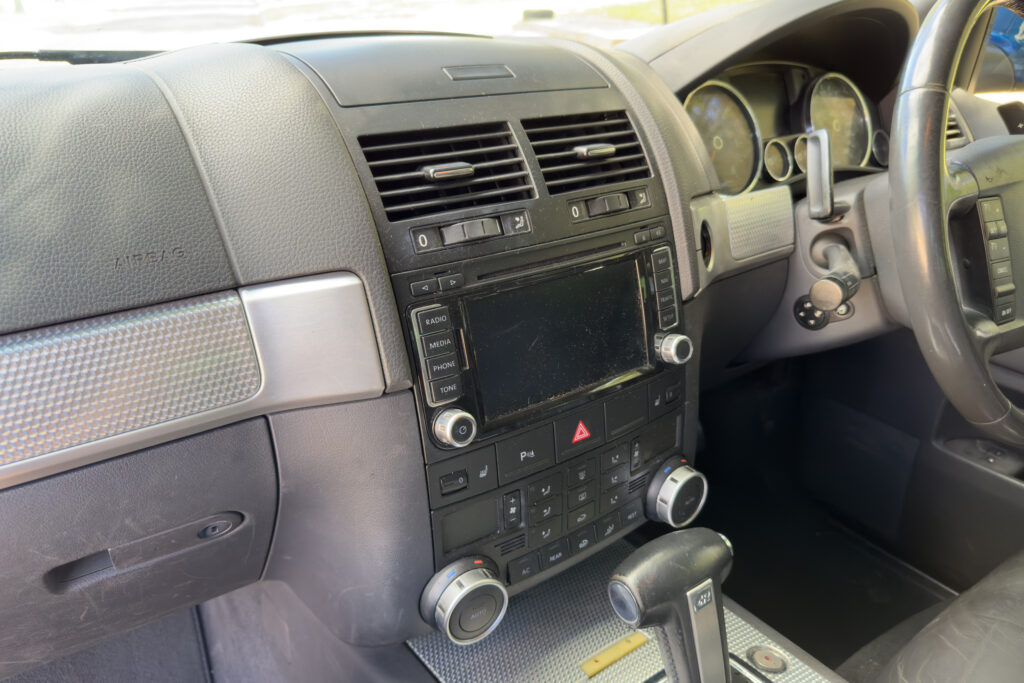
HVAC or air conditioning can present various issues, ranging from electronic glitches to heater flap servo motor failures, often requiring extensive dash disassembly.
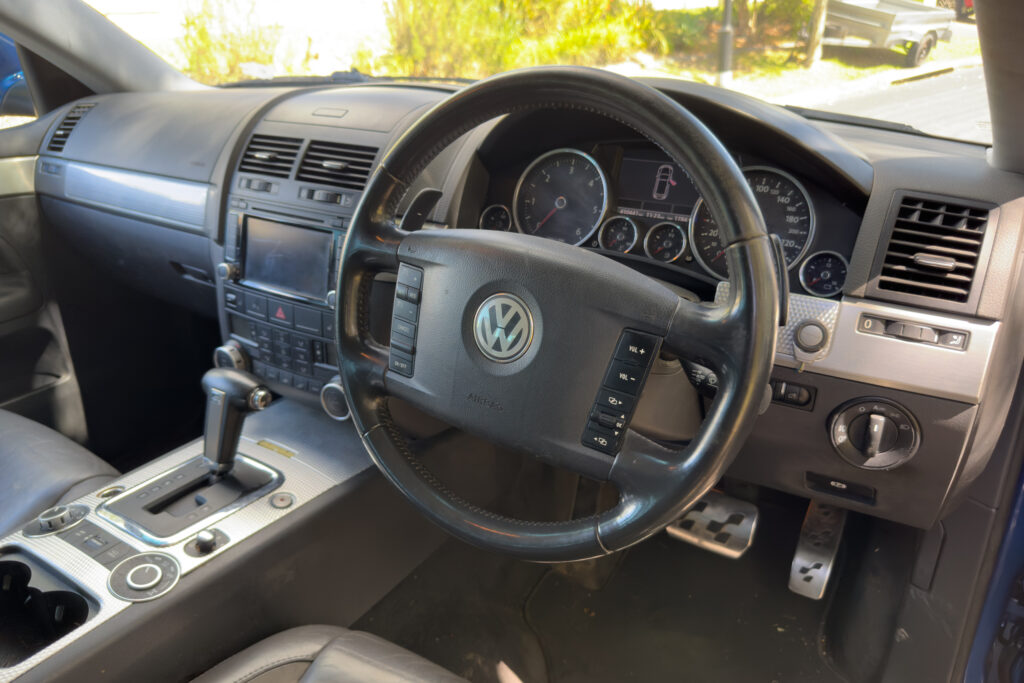
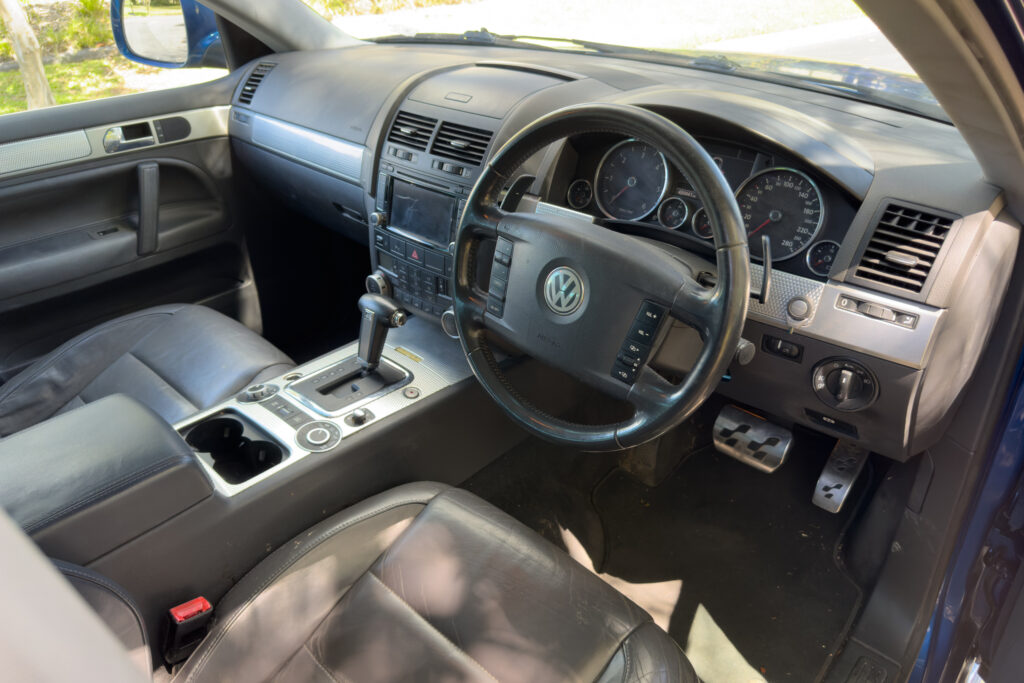
Owners report interior plastics cracking or breaking, with a check recommended for peeling buttons and switch surrounds, especially on the driver’s door.
Numerous switches and buttons can experience issues, varying from inexpensive replacements to more complex electronic problems.
Mechanical:
Despite a reputation for sketchy reliability and high maintenance costs, breaking down individual systems reveals simplicity.
The fuel system, inlet/exhaust systems, and basic turbos are straightforward, but issues like fuel pump and line problems have been reported.
Turbos may fail, and cracked exhaust manifolds necessitate dropping the sub-frame, entire engine, and transmission for repairs, which is understandably a very time-consuming and expensive project.
When addressing turbo issues, consider changing the starter motor, as it requires the removal of the engine.
While the engine is apart, replacing dual pump gaskets, leaking valve covers, and inspecting cams and buckets is advisable.
Common rail diesel complications involve DPF, EGR valve, and EGR cooler issues, leading some owners to delete these components, although this is not universally accepted.
The liquid-cooled alternator can fail and is challenging to access due to its location within the V of the engine. Plus, the alternator is often found swimming in a bath of leaked coolant, oil & fuel.
Engine repairs often involve dealing with brittle hoses, o-rings, and plastic wiring connectors.
Centre bearings and control arm bushes are prone to wear, typical for many Touaregs.
Air suspension problems are common, with reported failures in compressors, airbags, control valves, and electronics.
Electrical issues are widespread, affecting various components throughout the vehicle.
Thinking about buying a Volkswagen Touareg R50? To be honest, it’s not a recommendation we make. Although the R50 showcased its brilliance in its early days, the current market reveals a different story.
The majority of available models today come with substantial risks, and our firm advice is to avoid making a purchase.
Despite this caution, there exists a community of enthusiasts who harbour a unique love for the R50. To those distinct individuals, we extend our utmost respect and admiration.
However, for the broader audience, the R50 is not for the faint-hearted. It is best suited for the most loyal R50 fans and those committed do-it-yourselfers who are prepared to tackle potential challenges head-on.
An analogy that captures the essence of buying an R50 is akin to entering a marriage where you occasionally enjoy the company with your significant other but this comes with the certainty that it will eventually lead to a costly divorce, taking a huge toll on your finances.
Understandably, it’s a decision we strongly advise against.
Given the potential complications and risks associated with R50 ownership, we recommend exercising caution and exploring alternative options for a more reliable and financially sensible choice.
MORE: Explore our SUV reviews


Co-creator, presenter & writer, ReDriven

Probably not.

 2 weeks ago
 3 weeks ago
 4 weeks ago