Australia’s No. 1 Used Car Review Website
Australia’s No. 1 Used Car Review Website
+22 Photos
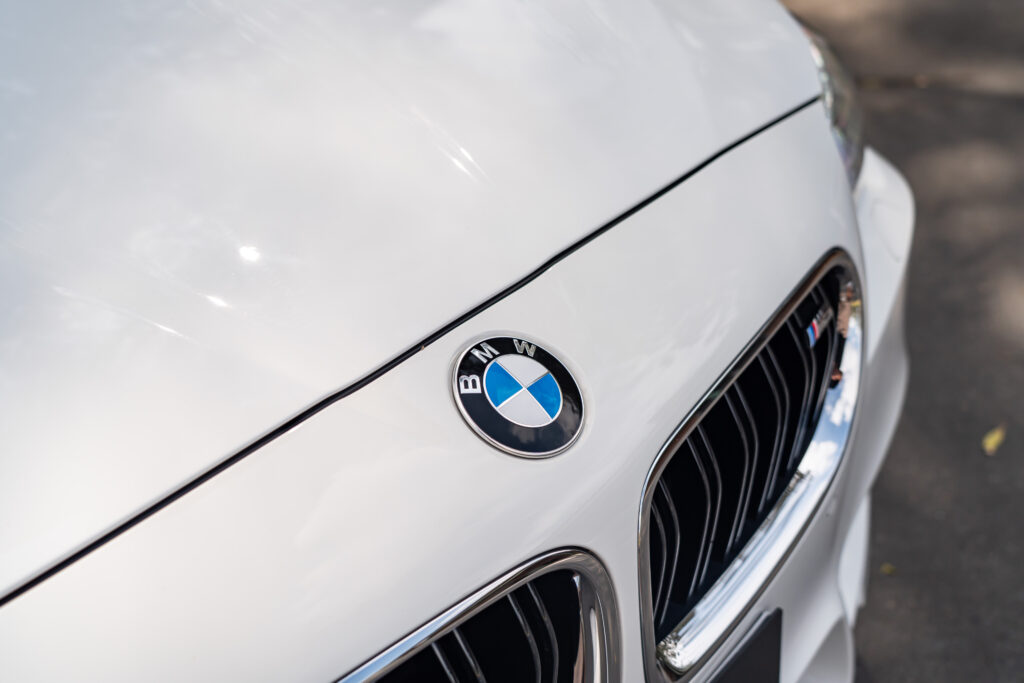
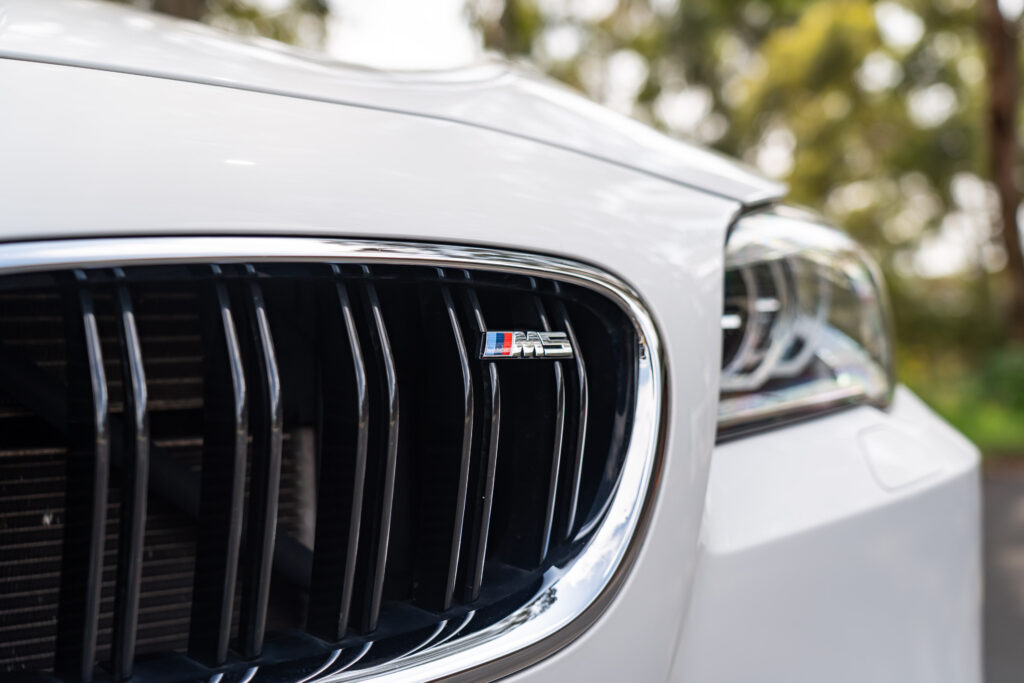
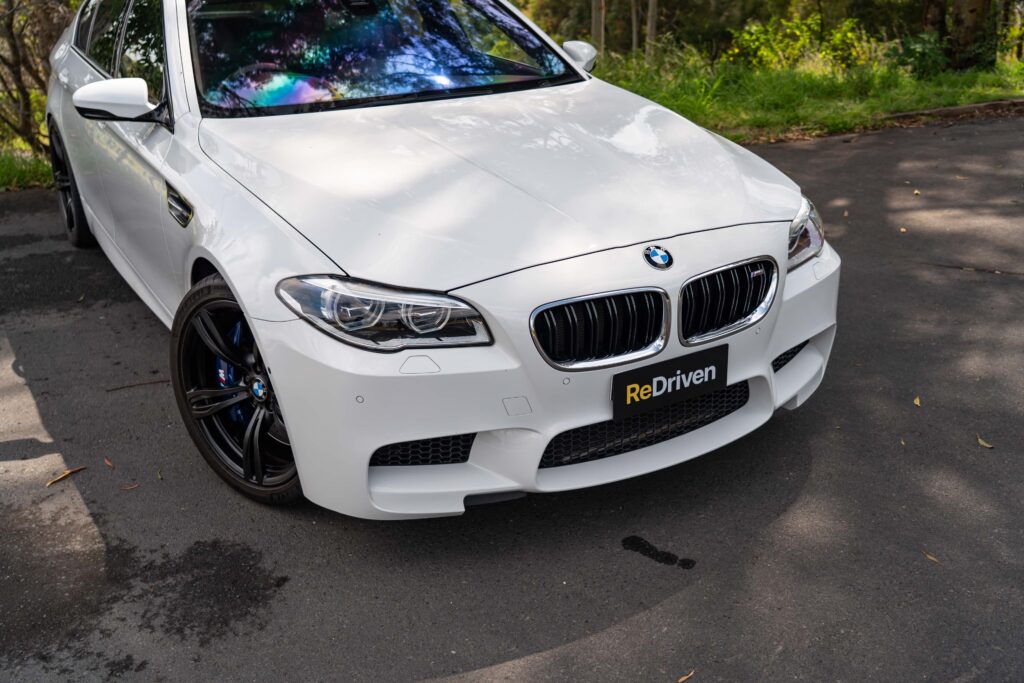
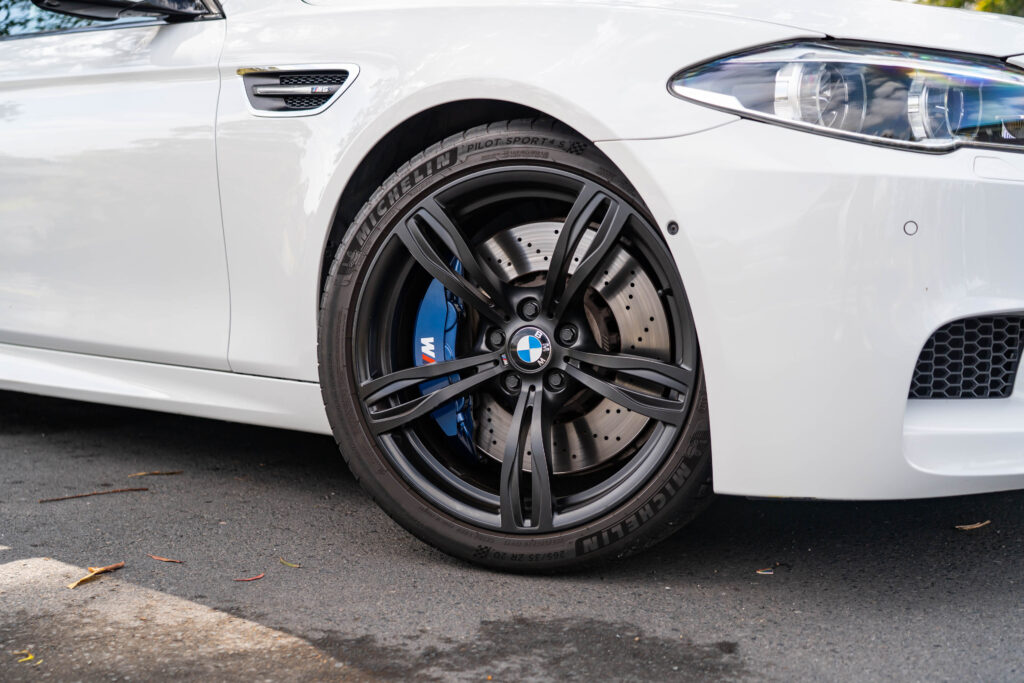
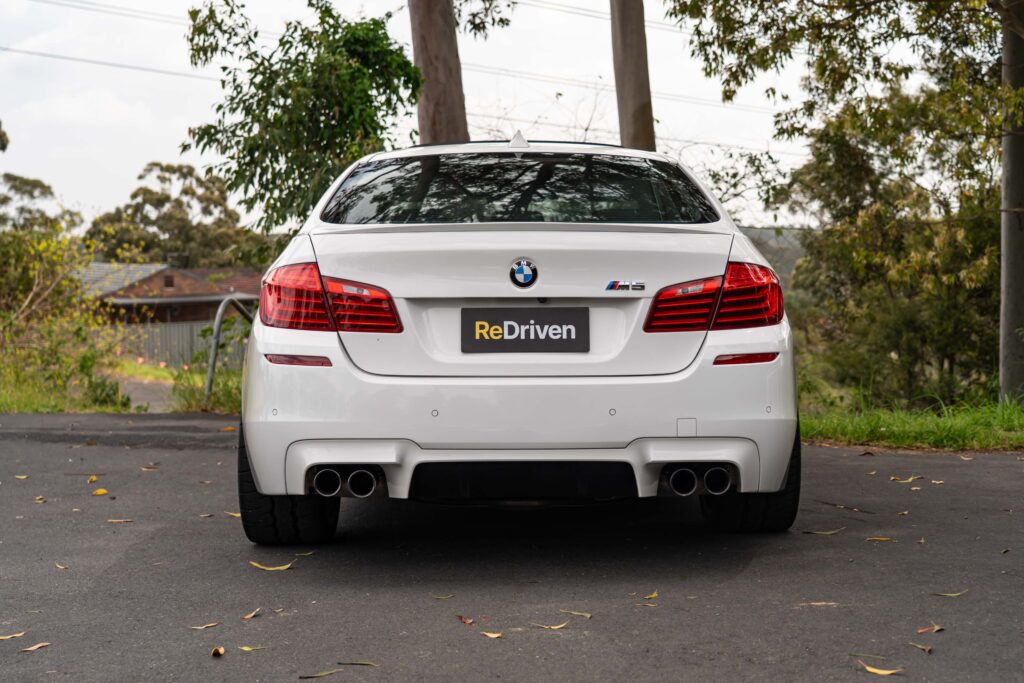
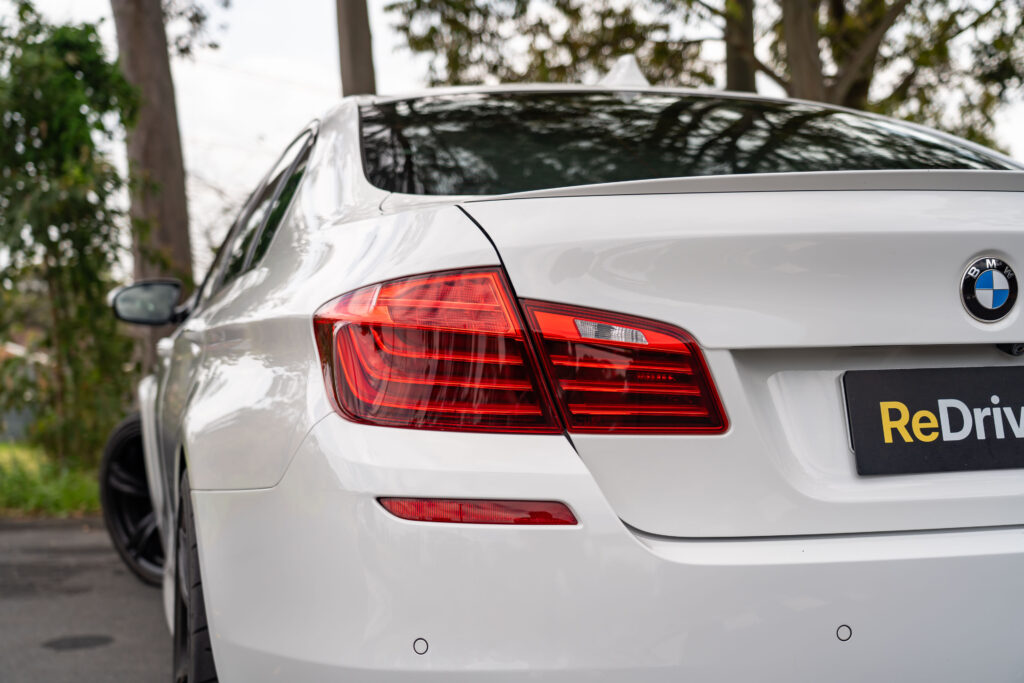
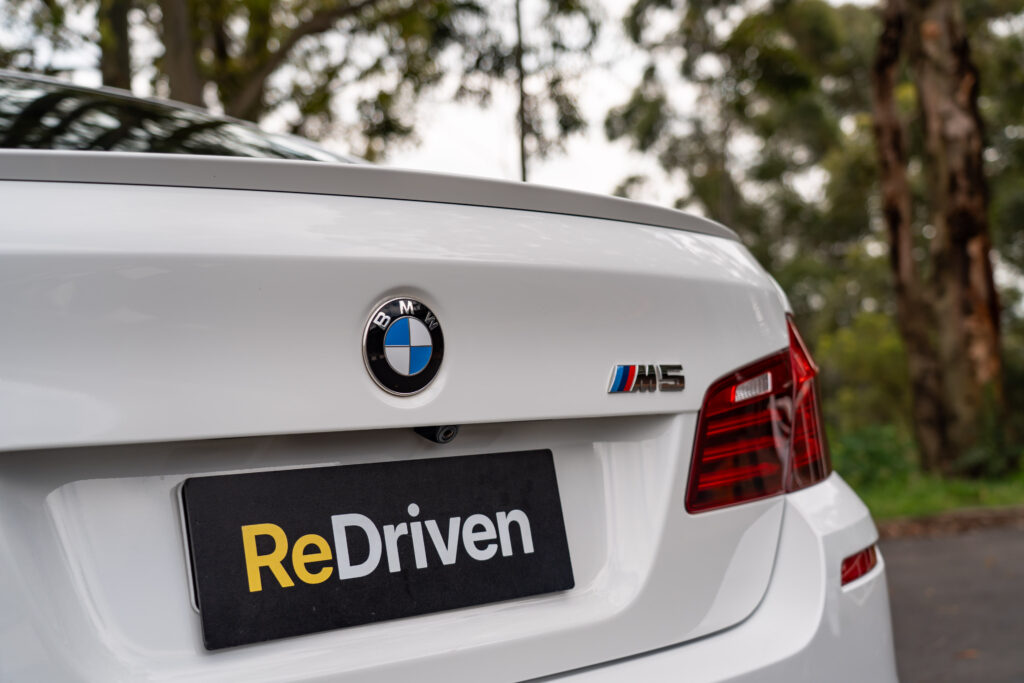
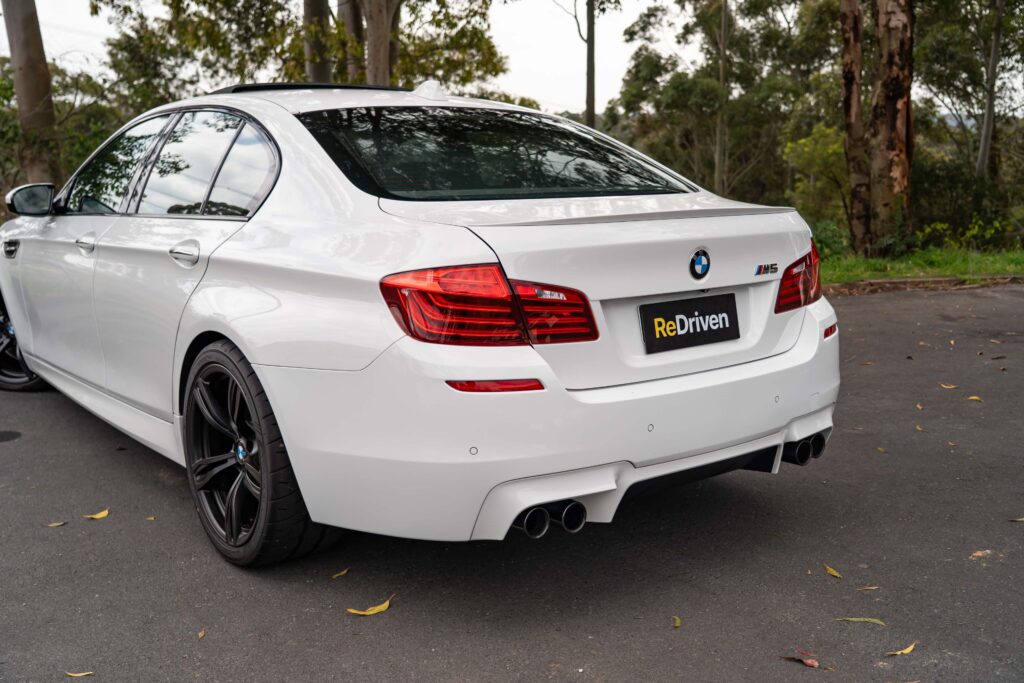
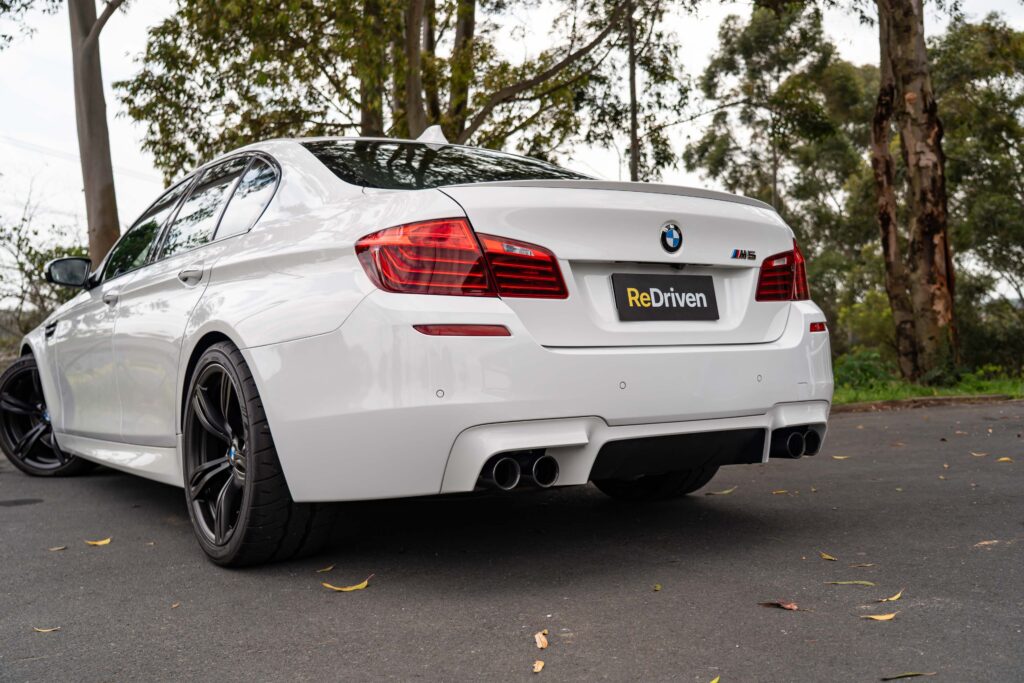
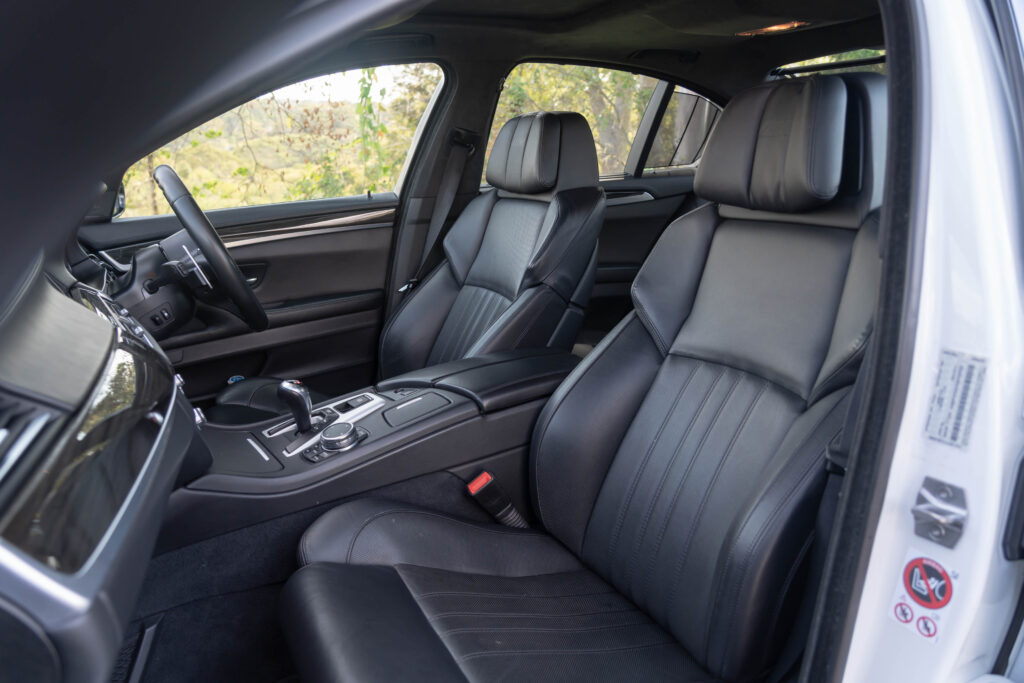
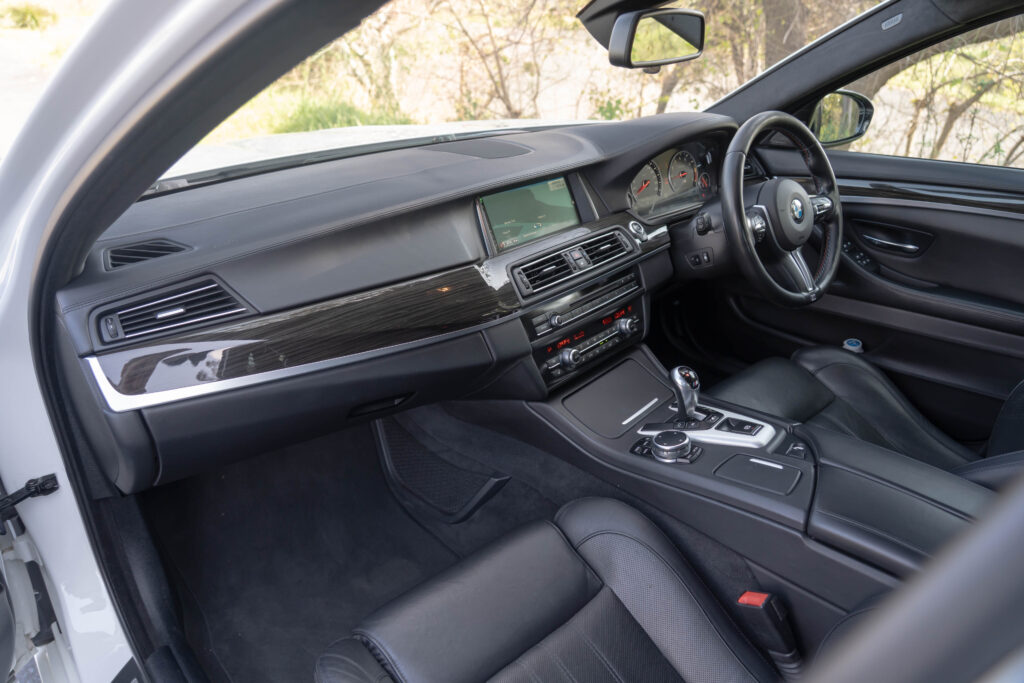
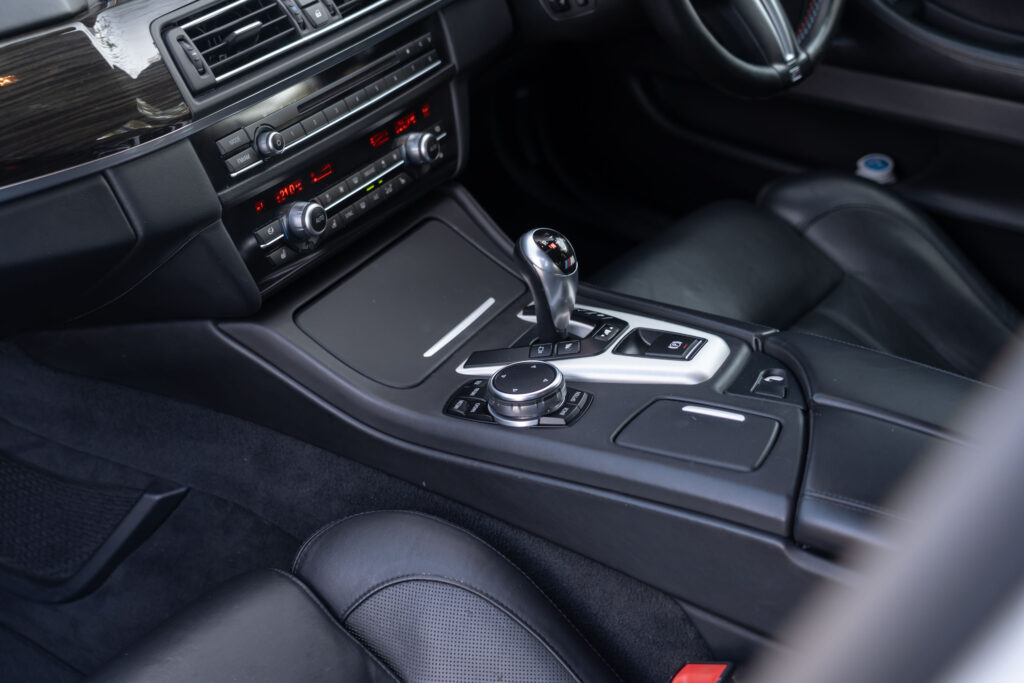

2015 BMW M5 (F10 LCI)

08 October 2026
Yes. But only the right example.

2015 BMW M5 (F10 LCI)

Used car review
08 October 2026
Produced from 2012 to 2015, the F10-generation of the BMW M5 had a lot to prove when it first launched.
Not only was it another model belonging to BMW’s famed sport sedan nameplate, but it had to succeed the famed E60-generation M5, which brought together a V10 engine in a luxury rear-wheel-drive sedan: a combination that could be possible from the horsepower rivalry between German brands in the 2000s.
Using the same body and platform as the F10-generation BMW 5-Series sedan, under the hood, the M5 marked a departure for BMW M models as a whole, as it utilised forced induction for the first time.
While the 4.4L twin-turbocharged V8 lacked the theatrics and higher rev range of the preceding naturally-aspirated 5.0L V10, it produced 552 hp, making it the most powerful production BMW at the time, and its 501 lb-ft of torque demonstrated it was more potent than the preceding E60 M5.
These could be enhanced further with an optional Competition Package, which increased power output to 567 hp, alongside revisions to the suspension and chassis setup, and the highest grade of equipment available on the F10-gen M5. In addition, all Australian-delivered models featured the Competition Package as standard, adding to their desirability.
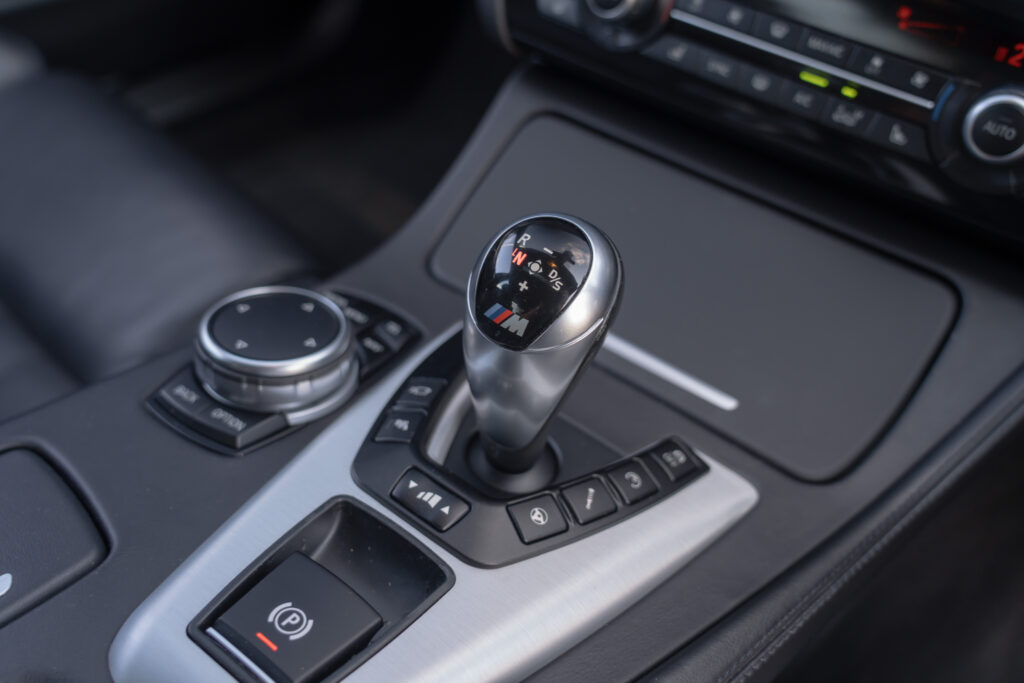
Most markets, Australia included, received a seven-speed dual-clutch automatic (phasing out the single-clutch SMG gearbox), but exclusive to North American models, these were also available with a six-speed manual transmission.
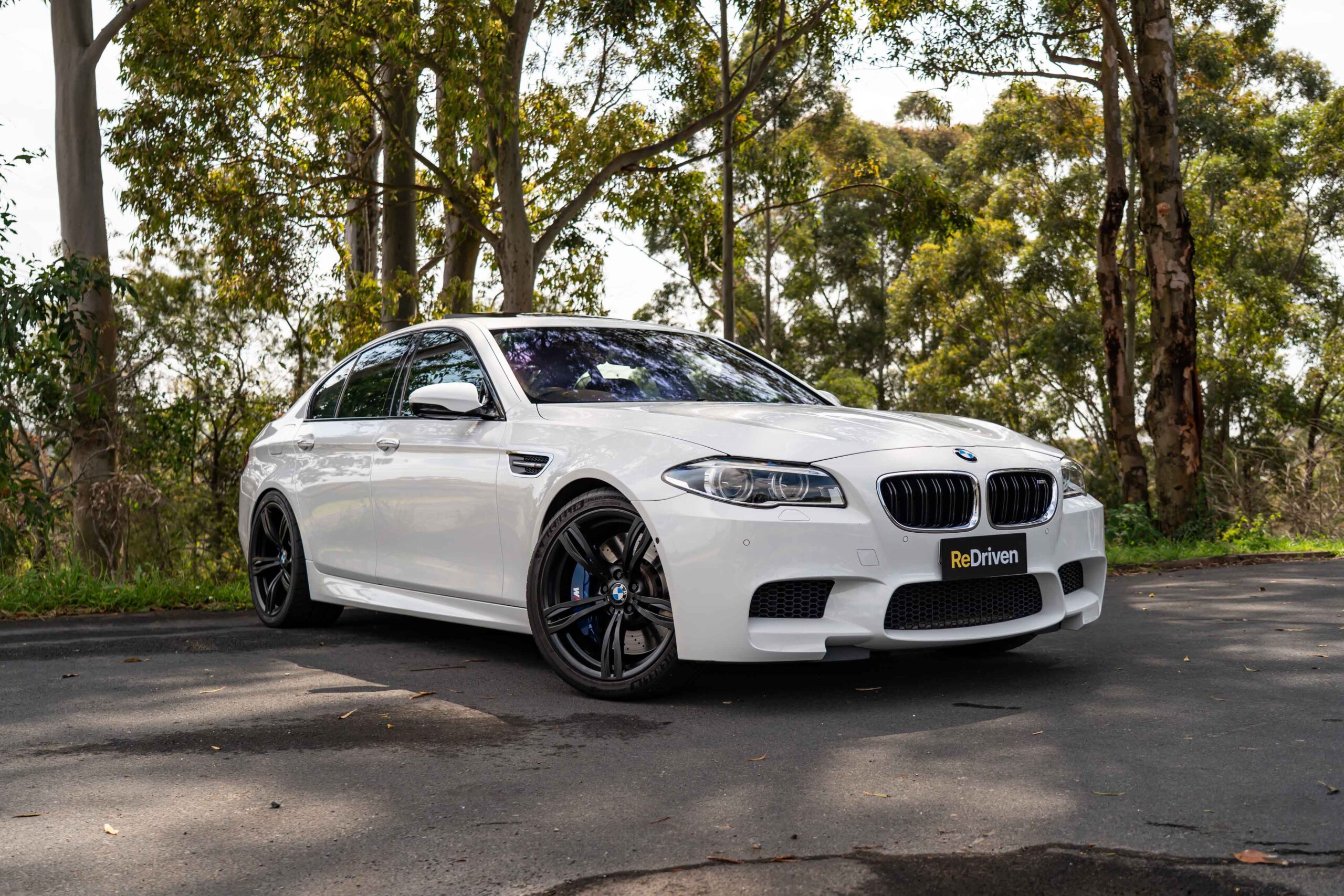
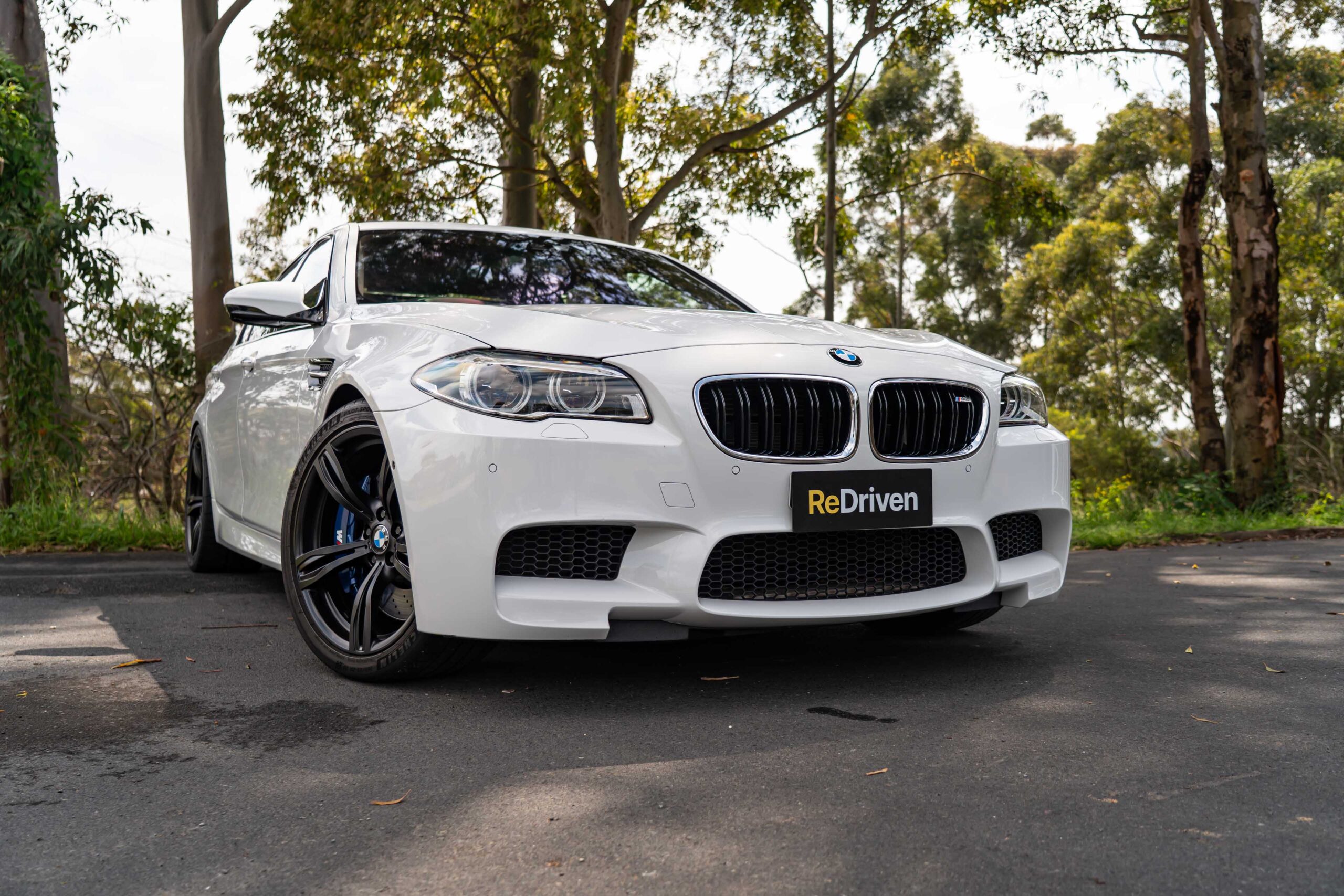
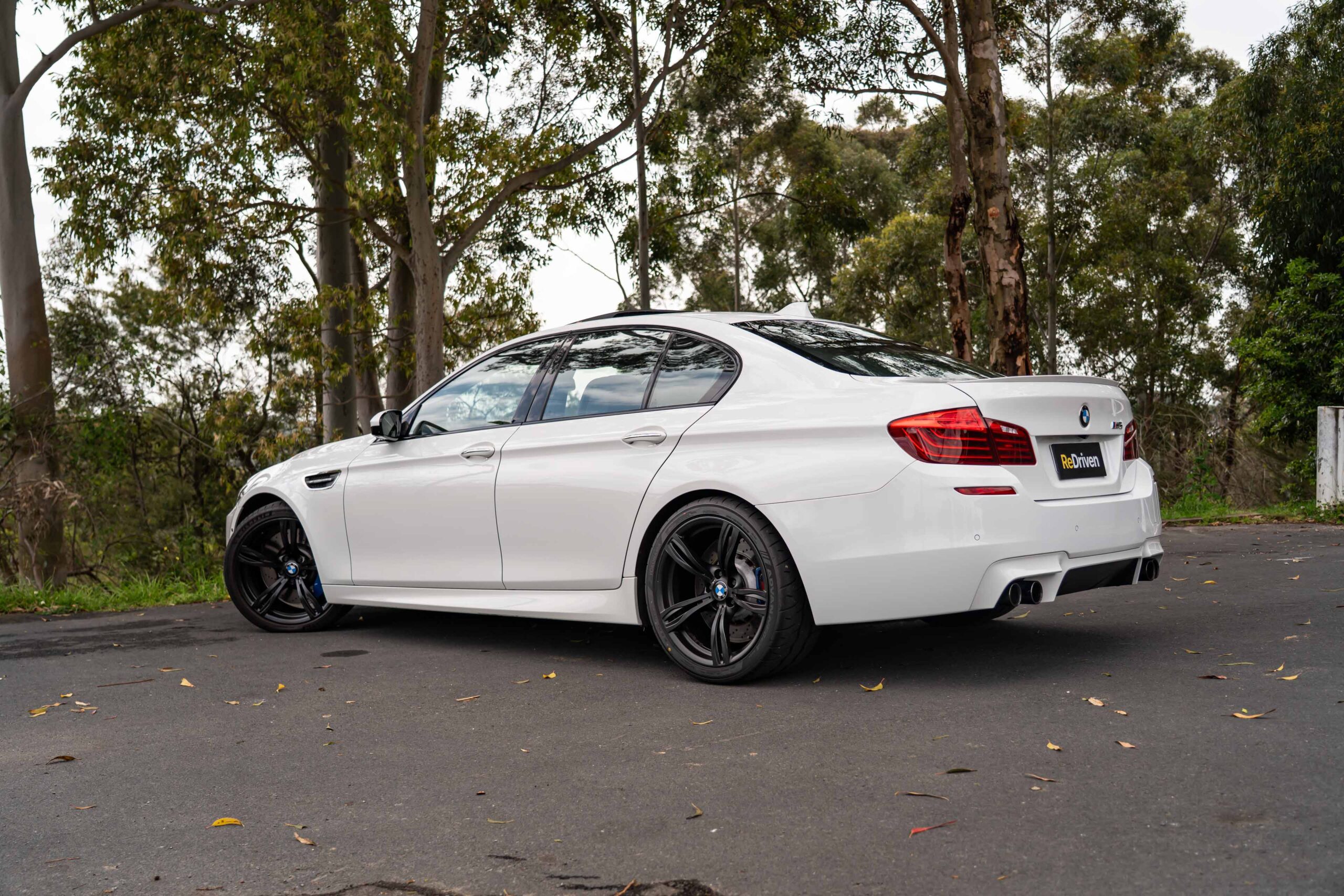
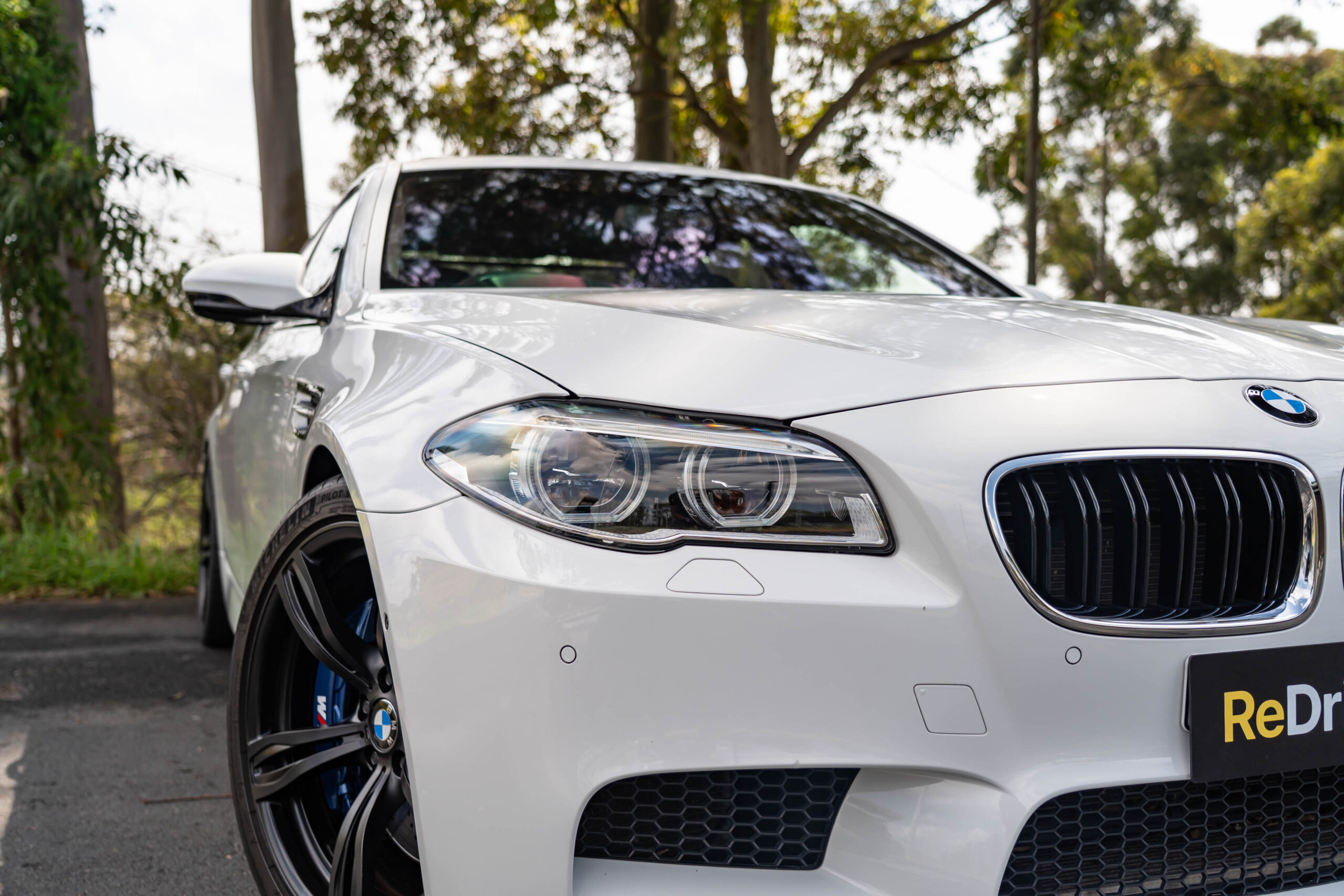
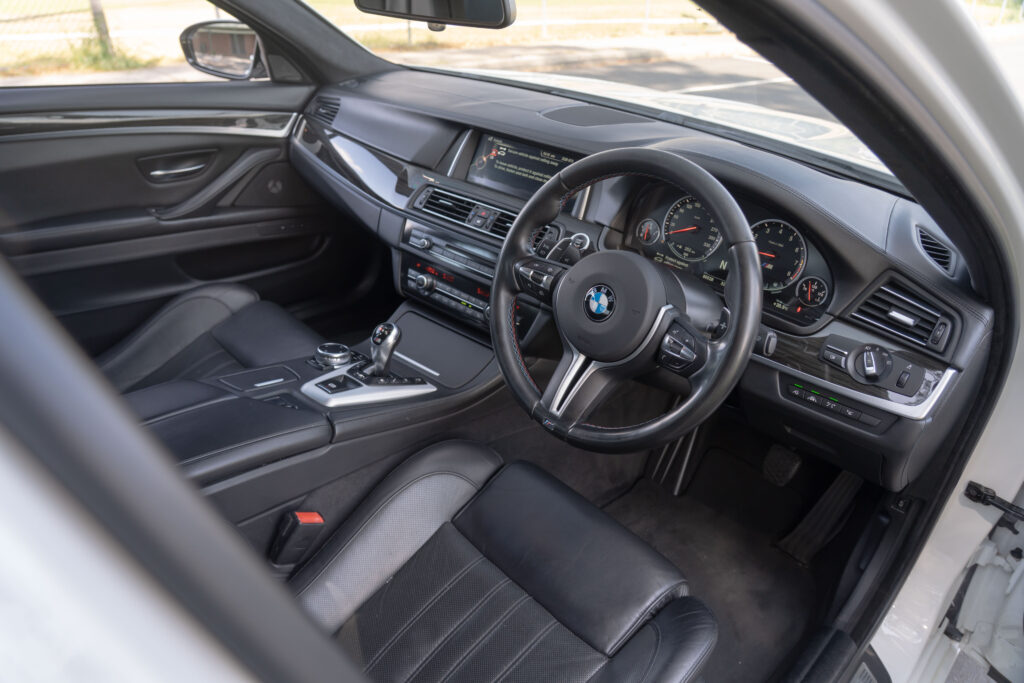
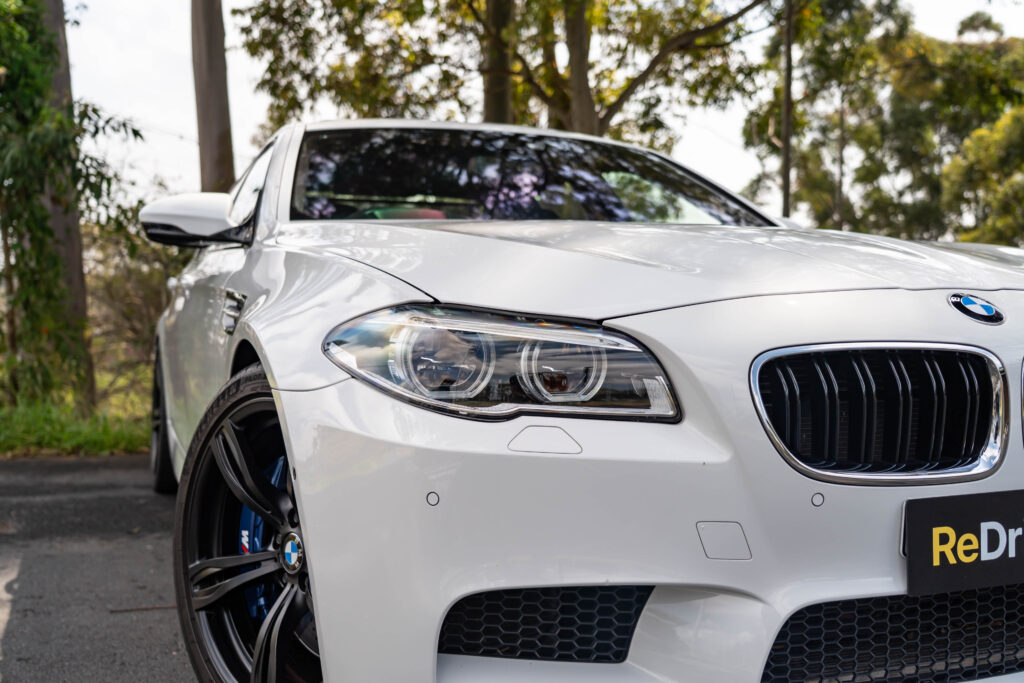
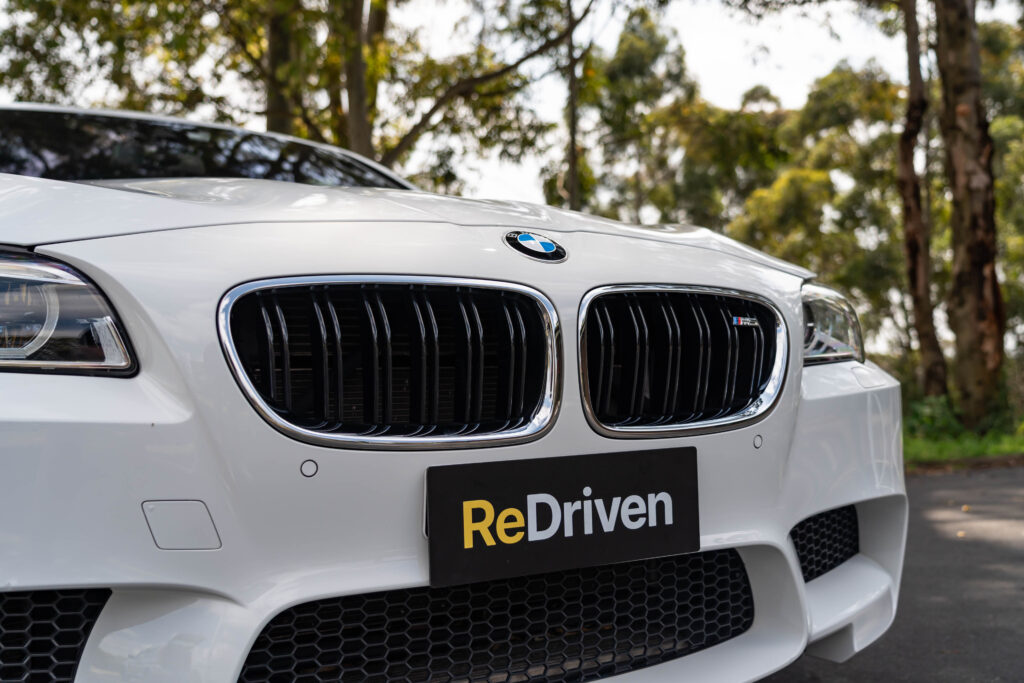
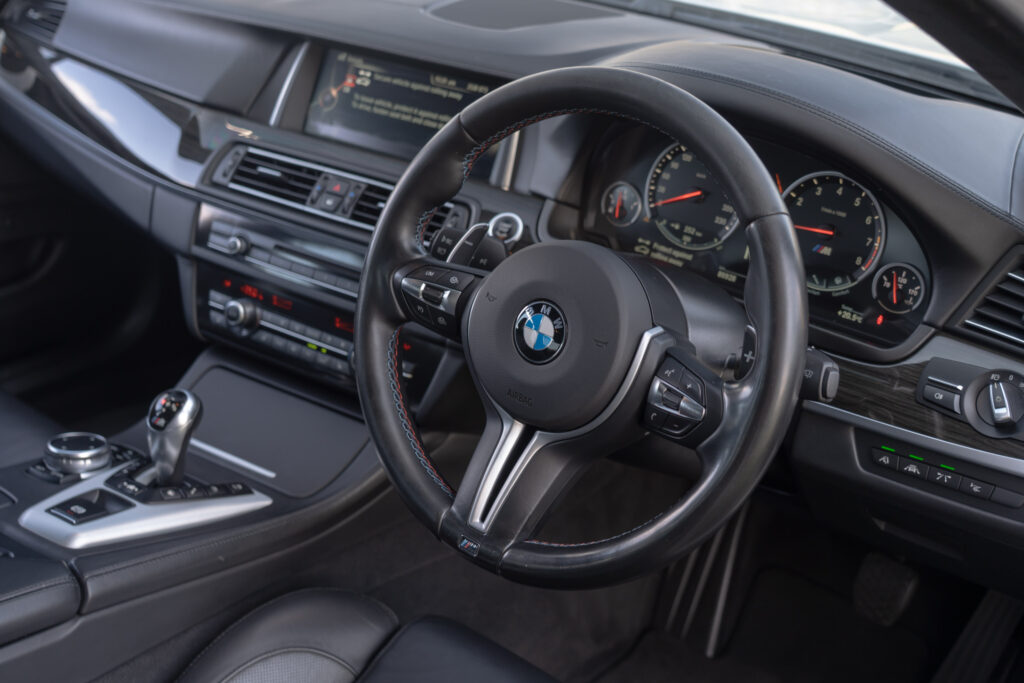
A midlife update, aka LCI (Life Cycle Impulse), applied to models made from 2014 onwards. Key changes include slightly redesigned front kidney grilles, headlights, side indicators on the mirrors, revised three-spoke steering wheel design, along with a power increase for Competition Package models from 567 to 591 hp.
If those numbers aren’t enough, BMW also released a ‘30 Jahre’ special edition of the F10-gen M5 (limited to 300 units worldwide), building upon the Competition Package enhancements with power increased further to 600 hp, and it was the fastest production vehicle in BMW’s history at the time.
The F10-gen BMW M5 continued to rival other German high-performance sedans, consisting of the Mercedes-AMG E63 AMG (W212) and Audi S6/RS6, the Australian-engineered HSV E-Series (Commodore), as well as the Chrysler 300C SRT8/Dodge Charger SRT from the Americas, and the Japanese Lexus GS-F.
Exterior:
Build quality of the F10-generation M5, much like the standard 5-Series, doesn’t attract a lot of issues, but this generation can still be susceptible to a few gremlins.
The headlight control modules are known to fail on these, and often it can be mistaken for a bulb that needs replacing – more often, the entire module needs to be replaced, which can be expensive (with used ones harder to find).
Small reports of water ingress have been reported on these M5s, like other F10-generation 5-Series models. The rear boot area is a common area for this, and it’s crucial to check underneath the carpeting for any dampness, as electronic components like the fuel pump controller, sensors, and the battery (on some cars) are housed here.
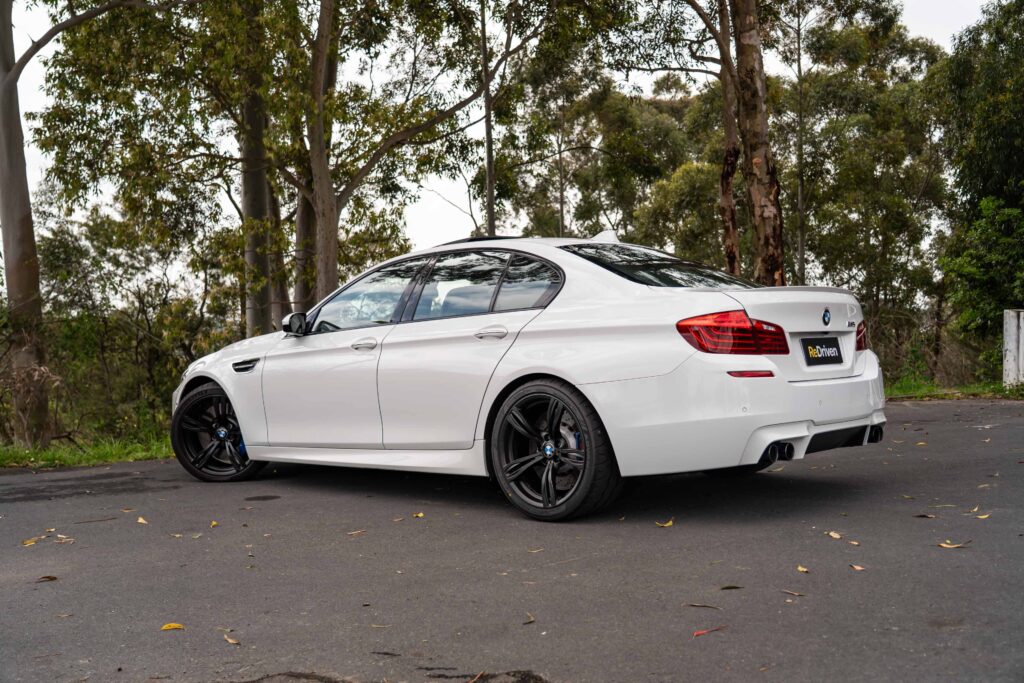
All ‘30 Jahre’ models came with a unique Frozen Dark Silver metallic paint finish, but combined with the model’s rarity, owners’ communities highlight that this particular paintwork is far more expensive to remedy than the standard M5 colour options.
Certain M5-specific wheel designs can also be challenging to keep in their pristine state, whether it be to clean or, depending on how severely damaged they are, to repair.
Interior:
Intermittent issues can affect plenty of the electronically powered equipment, from glitches to being unresponsive altogether.
But more often, these issues may not require a full replacement of their associated components or a software update, as a main 12V battery running at a low voltage is often the cause – with plenty of faults resolved by replacing the battery.
The front floors are a common site for water ingress and contain a plastic drainage grommet underneath the footwell carpeting that can easily let moisture inside.
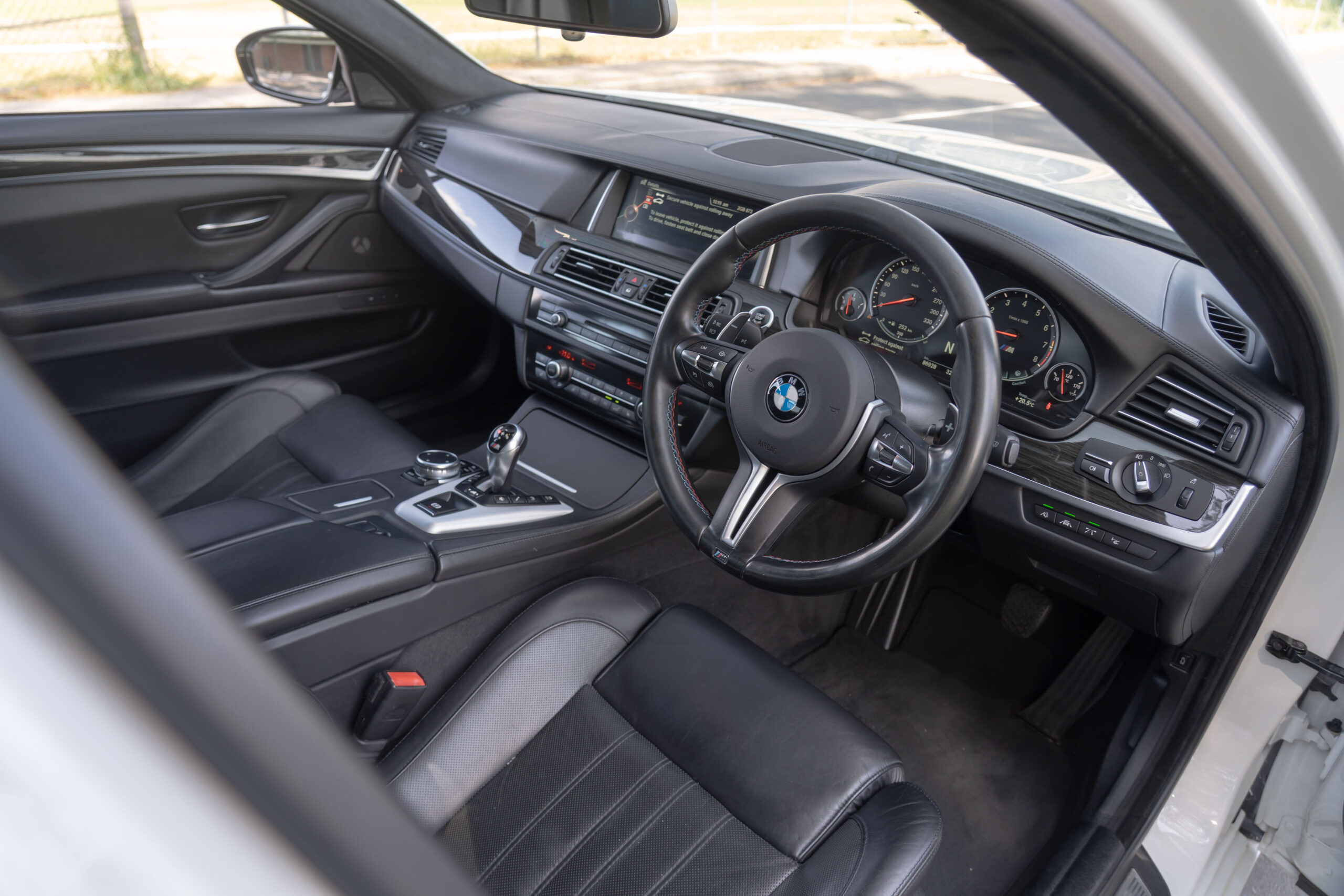
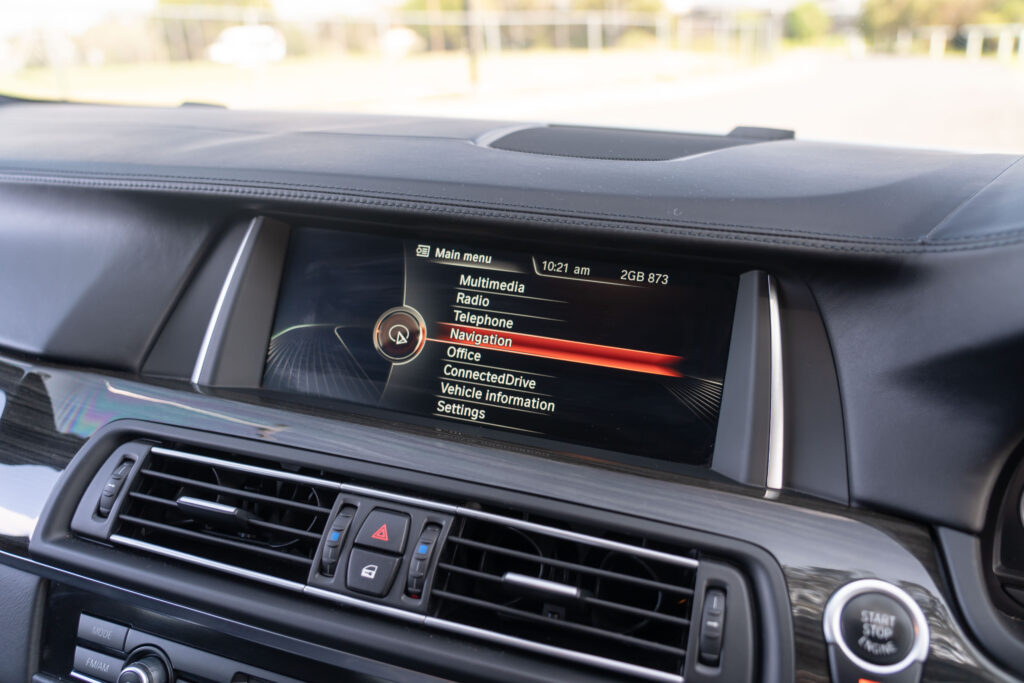
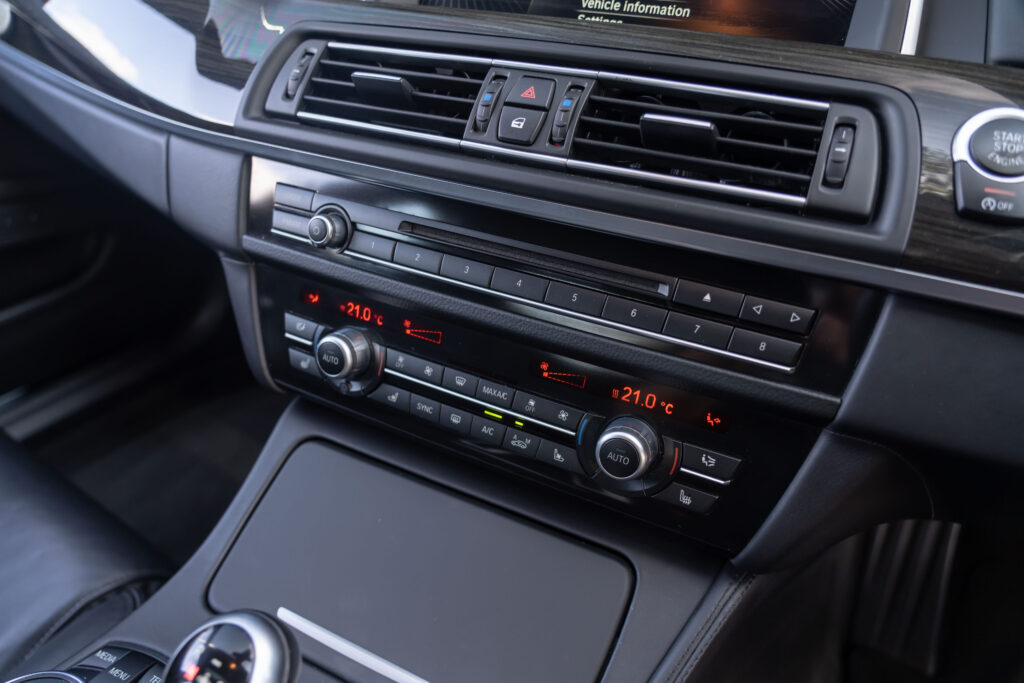
The factory iDrive systems found in this iteration of the M5, much like the regular 5-Series, are one of the older setups and are starting to show their age by now, especially the CIC-based iDrive system used in early pre-LCI cars.
It does feature Bluetooth connectivity, but one of the biggest complaints from owners is how inconsistent it is at connecting to devices. Both pre/post LCI update versions of iDrive also lack more up-to-date connectivity (CarPlay/Android Auto), but there are aftermarket solutions to retrofit these into the existing hardware.
Mechanically:
With the amount of torque and power it sends to the rear wheels, the right set of tyres is crucial to allow this car to drive at its best. Cheap or very worn tyres will easily trigger the already-sensitive traction control settings with the slightest amount of throttle.
But even the most experienced drivers may find handling the M5 more terrifying than enjoyable, given the power delivery from the twin-turbo V8 feels a bit out of sync with the existing 5-Series platform, combined with the firm suspension settings that make the whole car sensitive to any road imperfections.
Though unlike more recent iterations (F90-generation onwards) that come with standard all-wheel drive (xDrive), the F10-generation M5 can still tolerate slight differences between front and rear tyre rolling diameters, allowing replacements only of the rear tyres without affecting the transmission/transfer case.
Also, given the M5’s weight comes up to close to two tonnes, how often you need new consumables (tires/brakes etc.) will be dictated by your driving style.
Quotes for OEM replacement brakes can start from $2,000 for rotors/pads, or up to $10,000 for the more powerful carbon ceramic units (which may require full replacements as some are nearing the end of their lifecycle).
Suspension parts, such as the adaptive dampers, front lower control arms, and rear subframe bushings, will also very likely be near the end of their lives (exacerbated by the heavy weight of the car).
Adding to the premiums associated with any parts related to BMWs, let alone a BMW M product, the costs for OEM replacements can add up quickly. But as many of the owner groups and communities repeat, it’s worthwhile to research aftermarket equivalents when it comes to parts, which often outlast and cost far less than BMW parts.
Engine:
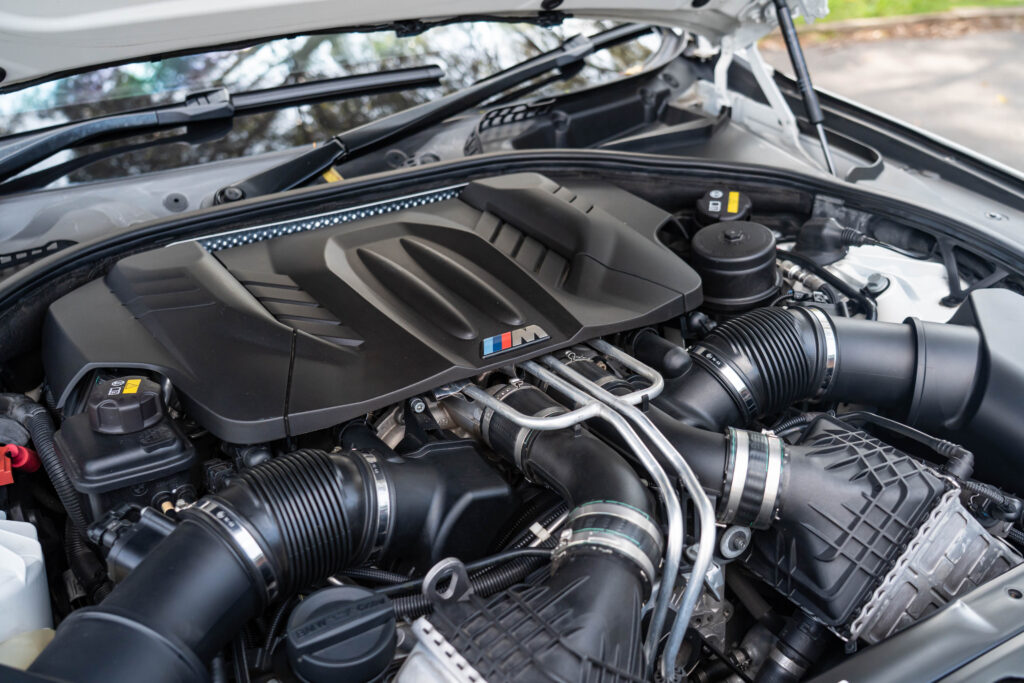
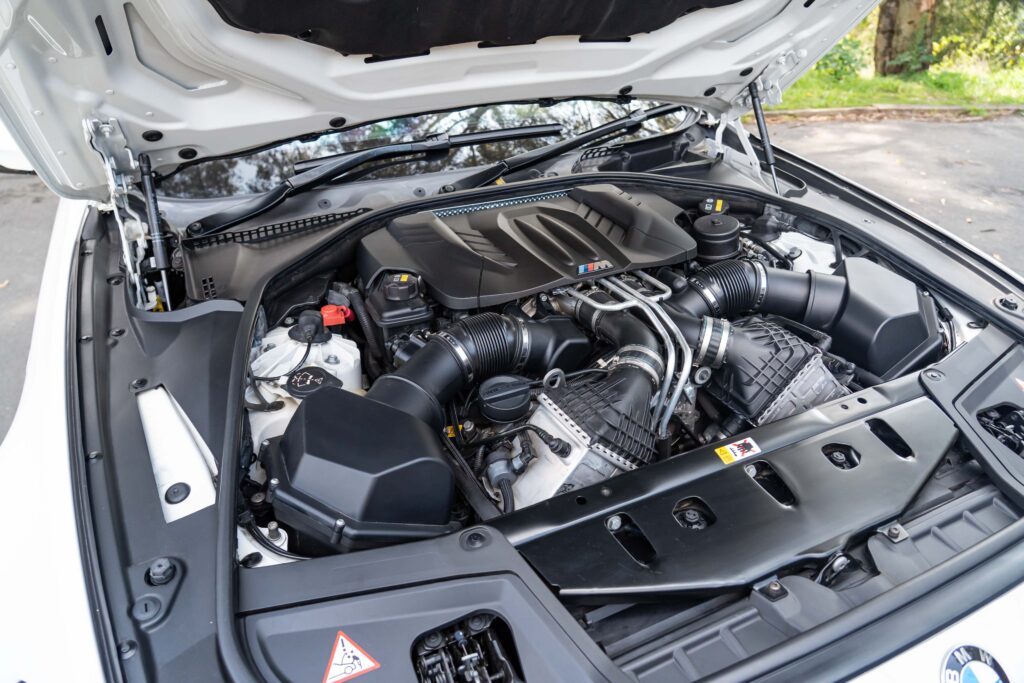
The F10-gen M5 uses the S63 V8, a twin-turbocharged V8 enhanced by the M Division that also found its way into other BMW M models that began to employ forced induction in their engines (BMW X5M/X6M).
The S63 twin-turbo petrol V8 is an evolution of the N63 V8, and it’s well known that early versions of the N63 are regarded as arguably one of the least reliable of all modern-era BMW engines (though it did slightly improve in recent years).
Adding to this, the N63/S63 V8 was one of the first mass-produced engines to utilise a ‘hot-vee’ configuration, which is the root of its well-documented, heat-related issues affecting parts like the gaskets, seals, oil lines, and coolant pipes.
The coolant system used in the S63 V8 is very complex, and there’s a host of problems that can affect any parts within them – charge coolers, heat exchangers, electric pumps, and multiple coolant hoses (~50 individual units), are just some of the things that can go wrong.
The oil/coolant pipes, especially turbo oil supply lines, can get blocked due to all of the heat, starving the turbos of oil and causing turbocharger failure.
To add to the complexity of the coolant system, this engine also uses dual water-cooled engine control modules (DME), which see coolant run through a computer within the engine bay.
Another common issue known on these engines is injector failure. In the worst cases, it’s known to cause oil dilution or even lead to the injectors sticking open, causing hydraulic locks and the connecting rods to bend out of alignment.
Failure of the connecting rod bearings is a very well-documented fault that affects the S63 V8s. This can be due to many factors, including oil dilution from leaky injectors, poor maintenance, and the engine’s poor oil-gallery design.
Oil dilution can also be caused by internal leaks in the HPFP and PCV-related fuel trim issues – all of which make diagnosing specific causes of the engine’s many issues harder to pinpoint!
VANOS solenoid and actuator issues are also something to monitor on these engines.
But in some ways, BMW engineers knew plenty of these issues would creep up, as they designed the S63 V8 to be easily removed as a whole; it just takes a few hours to drop the entire engine block out of the bay, making repairs far easier to facilitate.
As mentioned in other BMW models that use this V8, the likelihood or extent of these issues is more prevalent among neglected or poorly modified examples.
The S63 V8 can be explored for tuning potential with many modifications or engine tunes, but it’s highly advised to be careful with any modified example, especially if the work was done poorly. Less-than-optimal tunes or setups that chase higher numbers (while impeding the integrity of anything else) can easily cost you an entire engine.
Transmissions:
The M-DCT dual-clutch automatic used by F10-gen M5s was originally manufactured by Getrag, and it is no stranger to a host of issues that need attention as these cars age further.
The DCT, as is the natural operation of other dual-clutch units, can be a bit jerky or hesitant to change gears at low speeds, with manoeuvres like hill starts or reversing commanding some patience.
Regular maintenance and treating them with care is crucial, as with other performance-oriented DCTs, to guarantee they can last long without necessitating any major transmission repairs or a full replacement.
The paddle shifters can also become unresponsive and not change gears at all, due to the connectors becoming loose and worn – which is usually a simple fix to reconnect them.
When these were new in BMW showrooms, F10-gen M5s started at as high as $190-240,000.
Now, pricing for this iteration of the M5 starts as low as $30,000, with more recent, post-LCI models topping out in the $60-65,000 range, with an exception for the very limited edition ‘30 Jahre’ models that command a slight premium over the standard M5s.
Similar pricing trends are observed for other premium luxury sedans from European brands; this segment has seen extreme levels of depreciation, but those for the M5 have slowed down in the last few years.
The result is that, if you’re looking for an everyday performance car for great value for money, or the equivalent of a new entry-level compact, the F10-generation is a very alluring prospect.
But don’t forget: while they might be at a very attractive price point, now that they’ve depreciated to more attainable levels, an affordable M5 can easily become an expensive one from running and upkeep costs alone.
In addition, a big concern among those on the used market is how they’ve been cared for by previous keepers.
As these do not have the resilience of a comparable Japanese model, plenty of missed services or treatment with a lack of mechanical sympathy can mean further problems down the line.
Ultimately, if you’re considering a F10-generation BMW 5 Series that offers a rewarding driving experience and equal value for money among used European sedans, but won’t be much of a financial headache, the truth is, a F10-gen 535i may satisfy all those requirements just as easily.
The Genesis G70 can also deliver the same levels of luxury and performance as the BMW, but for an even more competitive price on the used market.
If you want a performance luxury sedan that won’t be a mechanical or depreciating headache, the Lexus GS-F is resilient in both of these areas.
But if you are still finding an F10-generation M5 an alluring prospect, just know that finding the right example takes enough diligence and a sizeable wallet to keep it at its best.
Don’t cheap out with the most affordable one available, which could be hiding a host of potential repair bills that can make it more expensive than it is worth; invest in a pre-purchase inspection to shortlist (ideally) unmodified examples with a faultless service history.


Co-creator, presenter & writer, ReDriven

Yes. But only the right example.
 2 weeks ago
 2 weeks ago
 2 weeks ago