Australia’s No. 1 Used Car Review Website
Australia’s No. 1 Used Car Review Website
+15 Photos
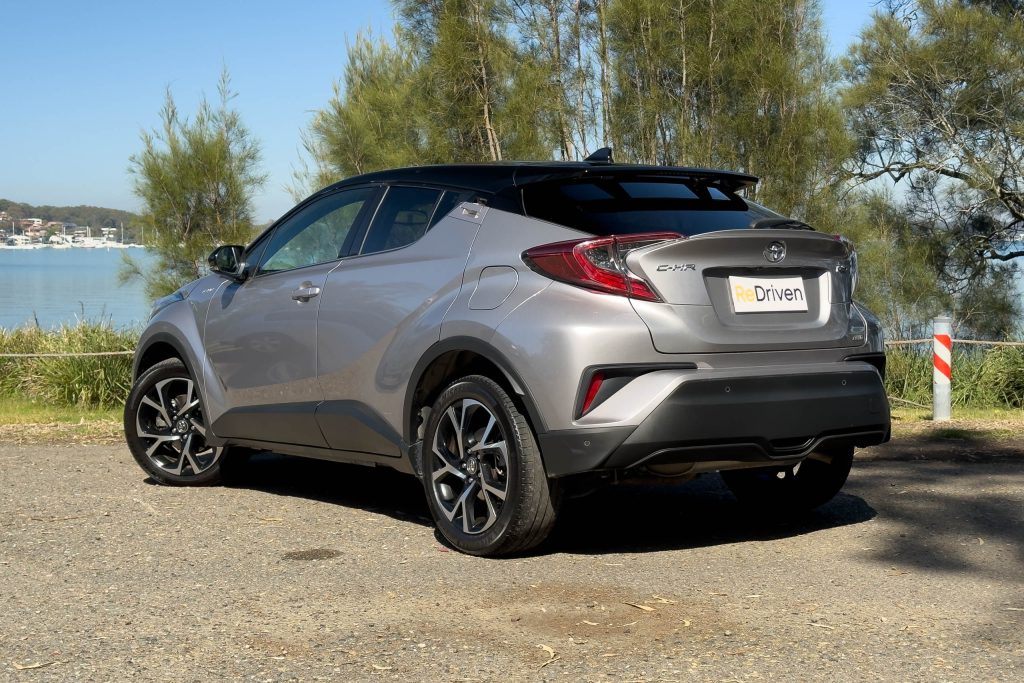
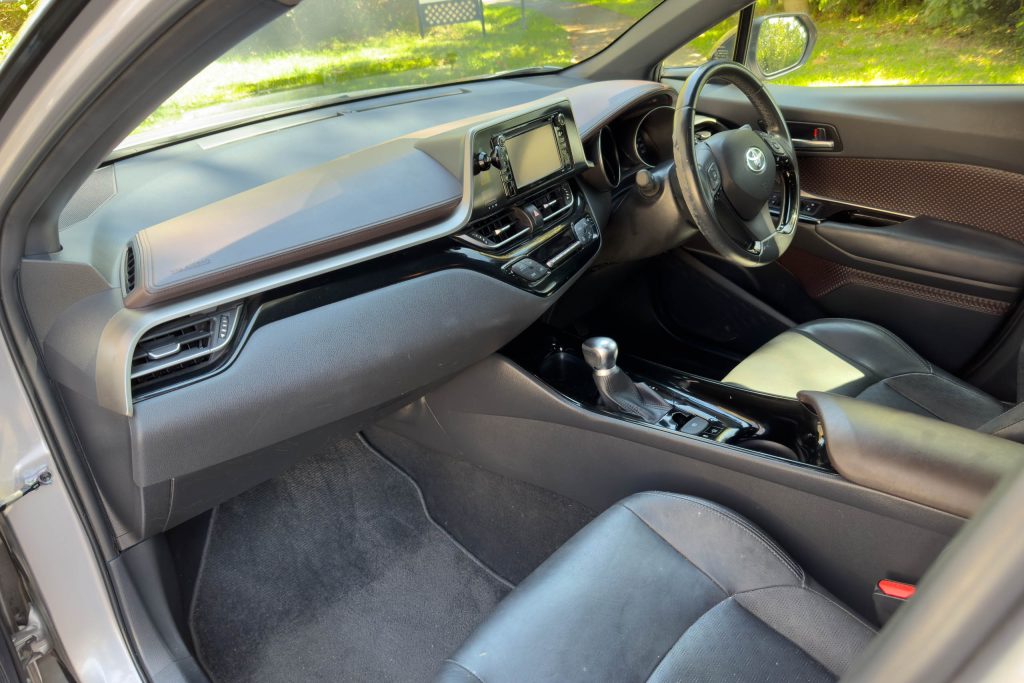
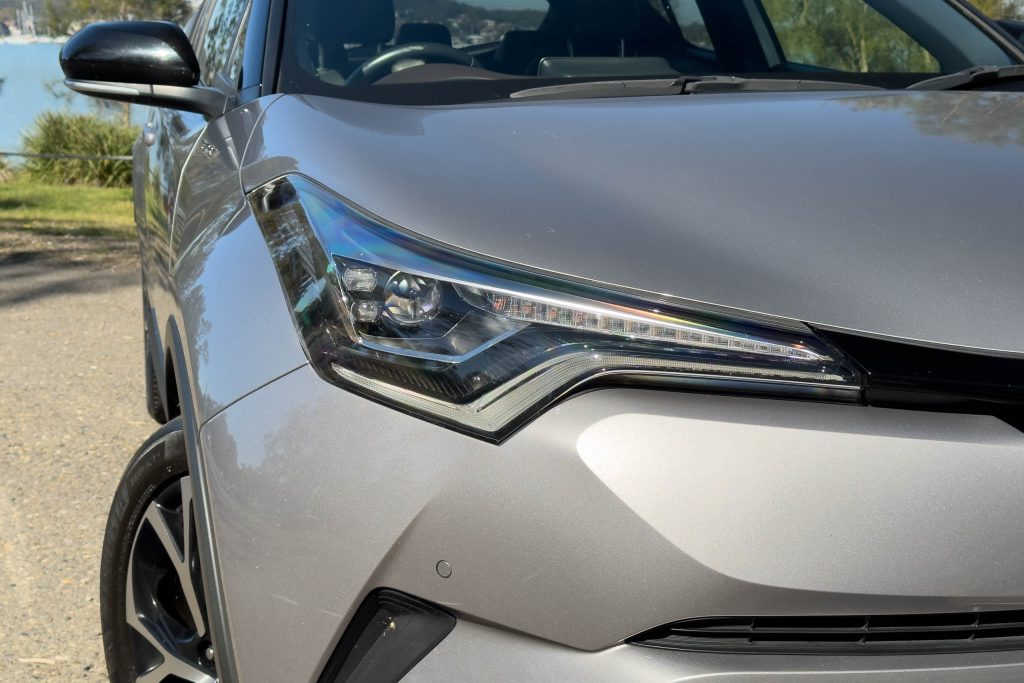
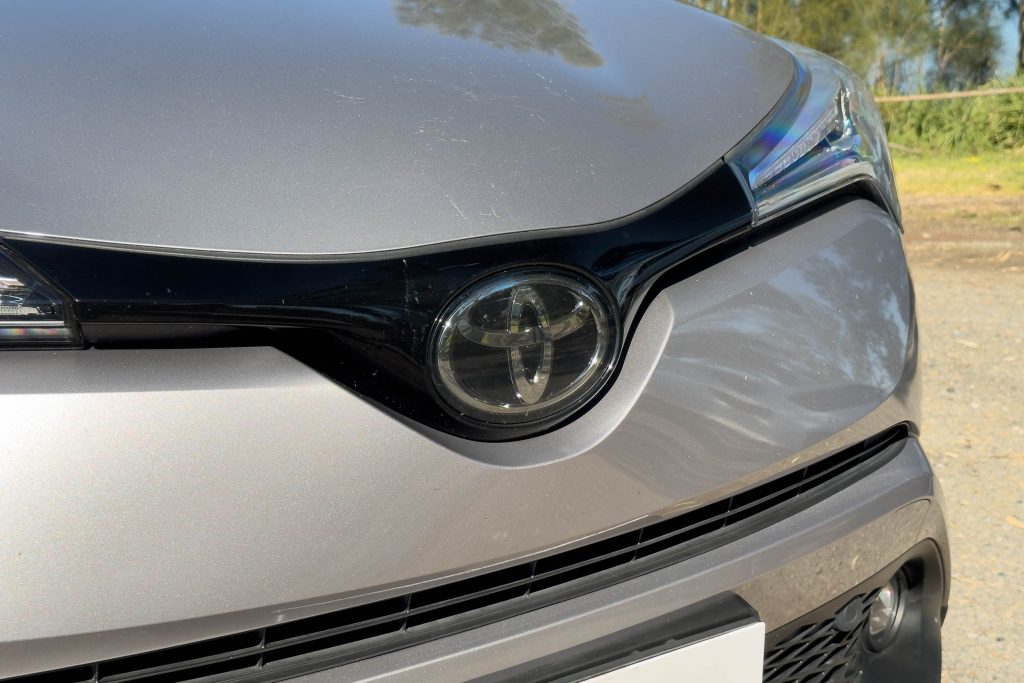
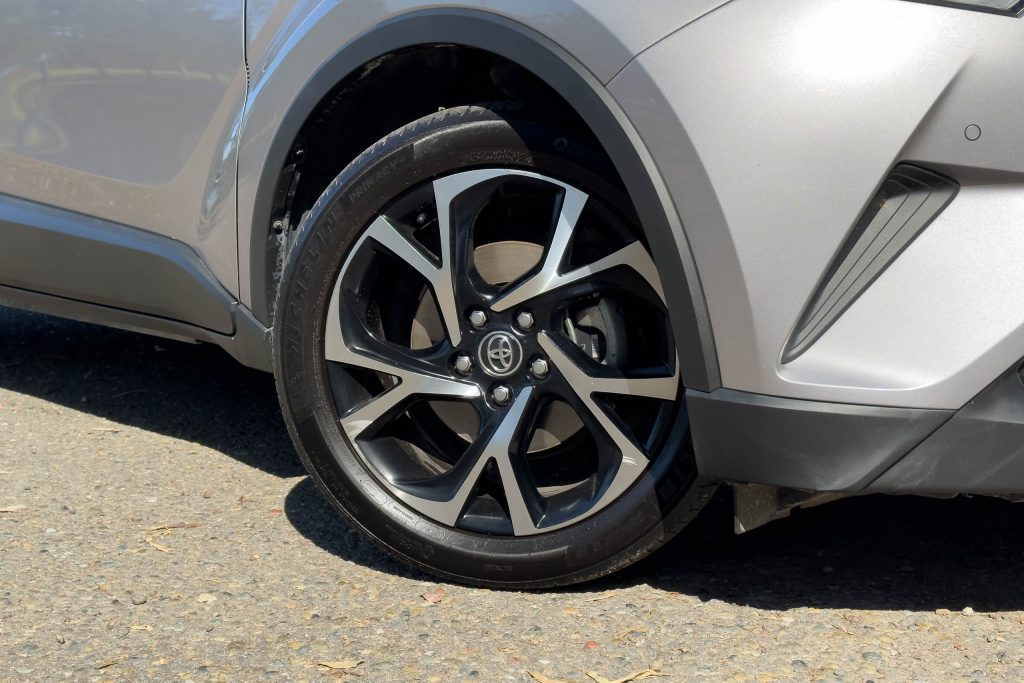
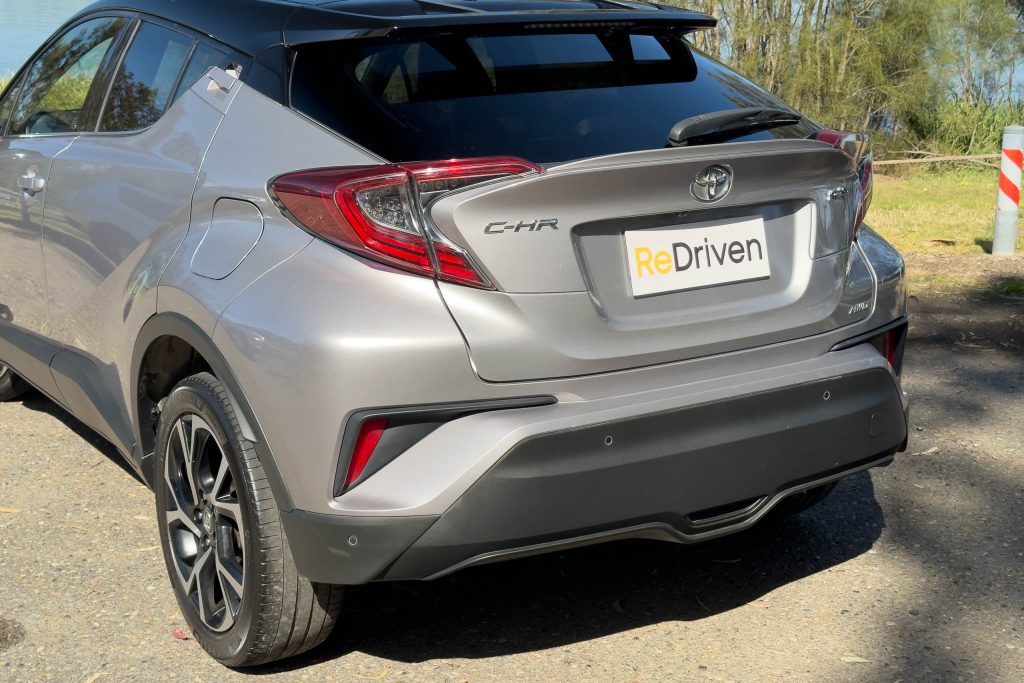
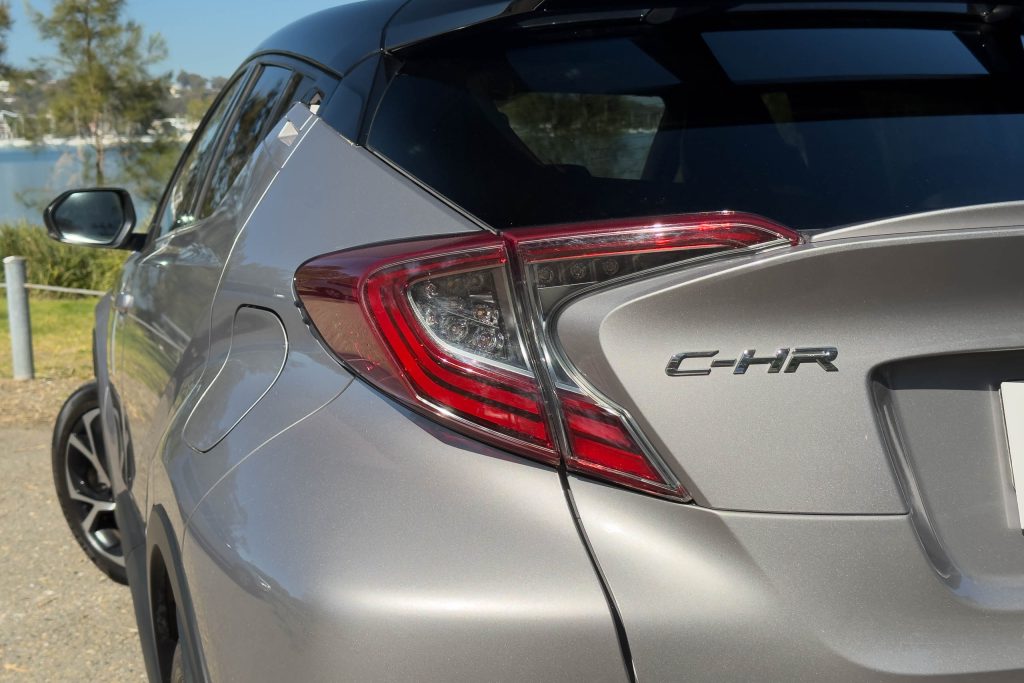
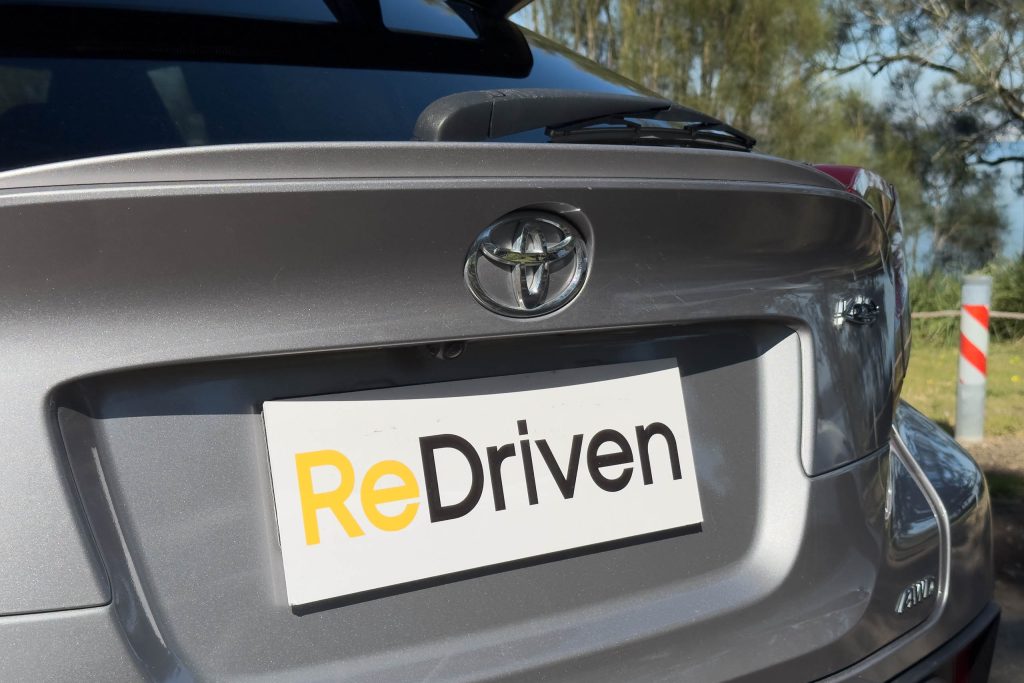
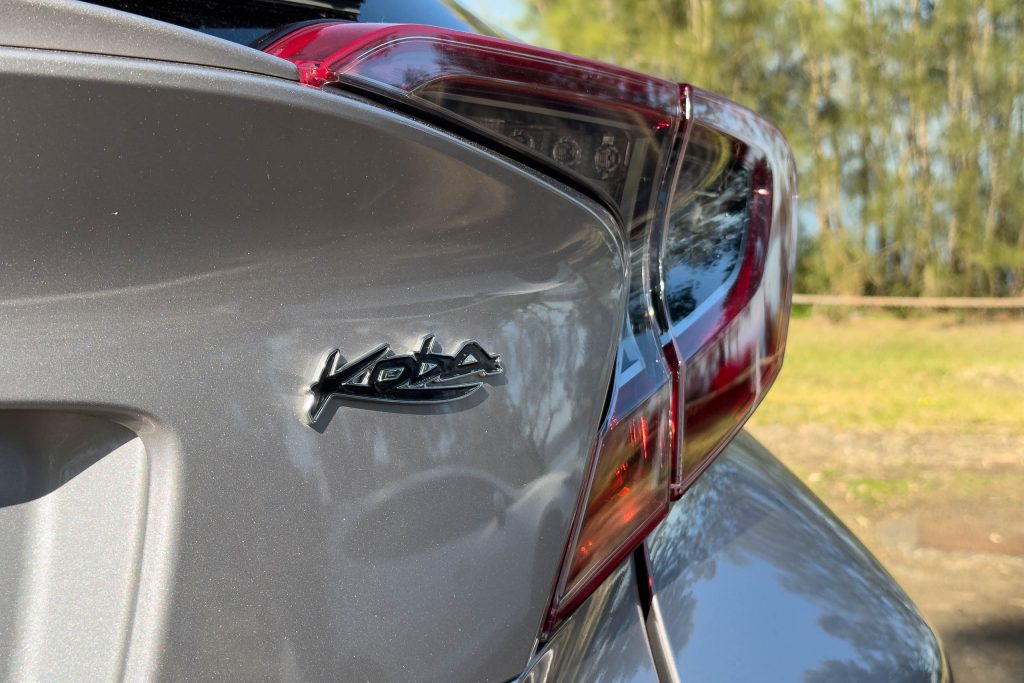
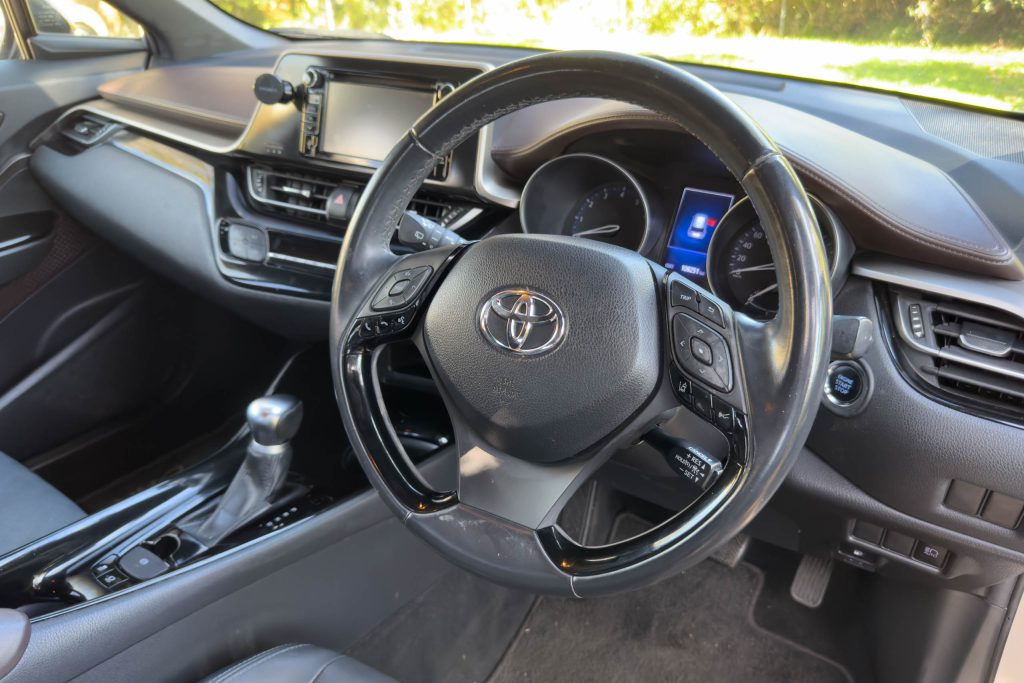
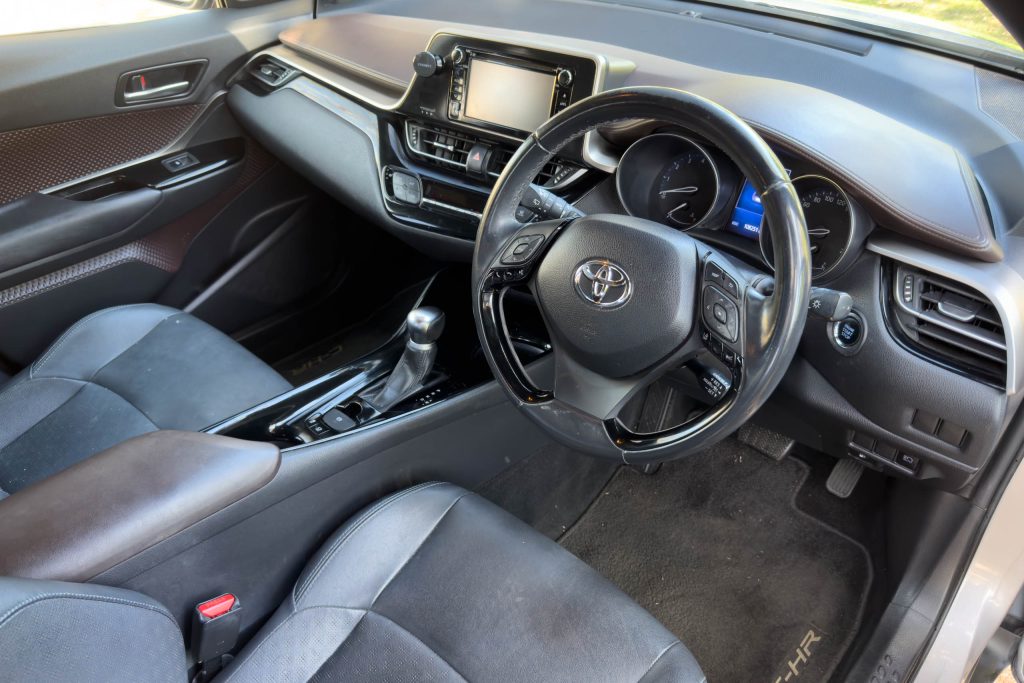
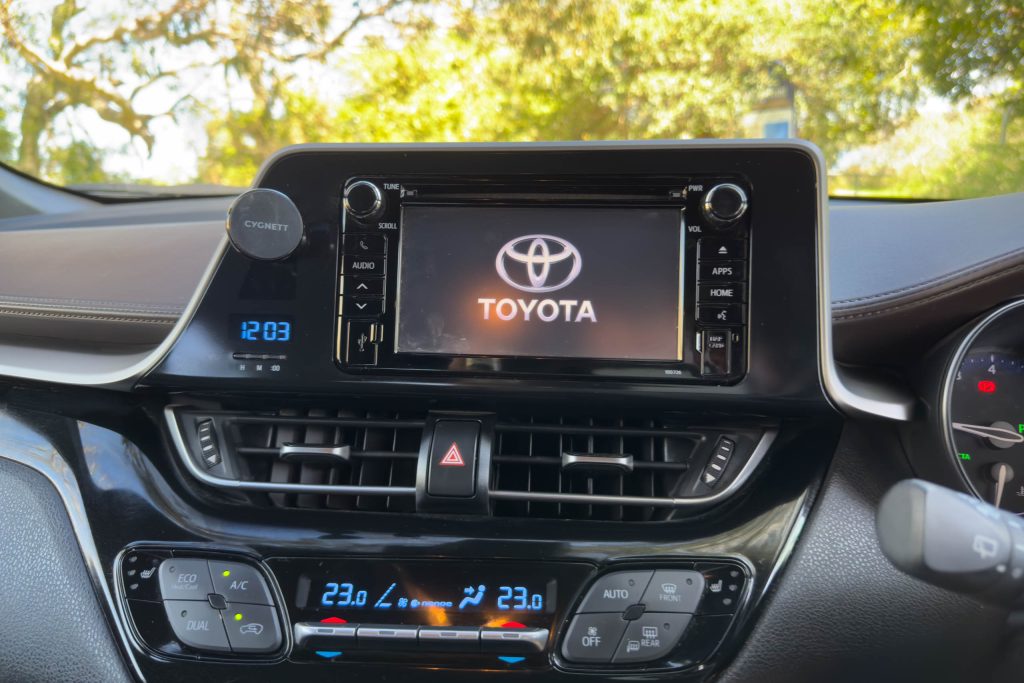
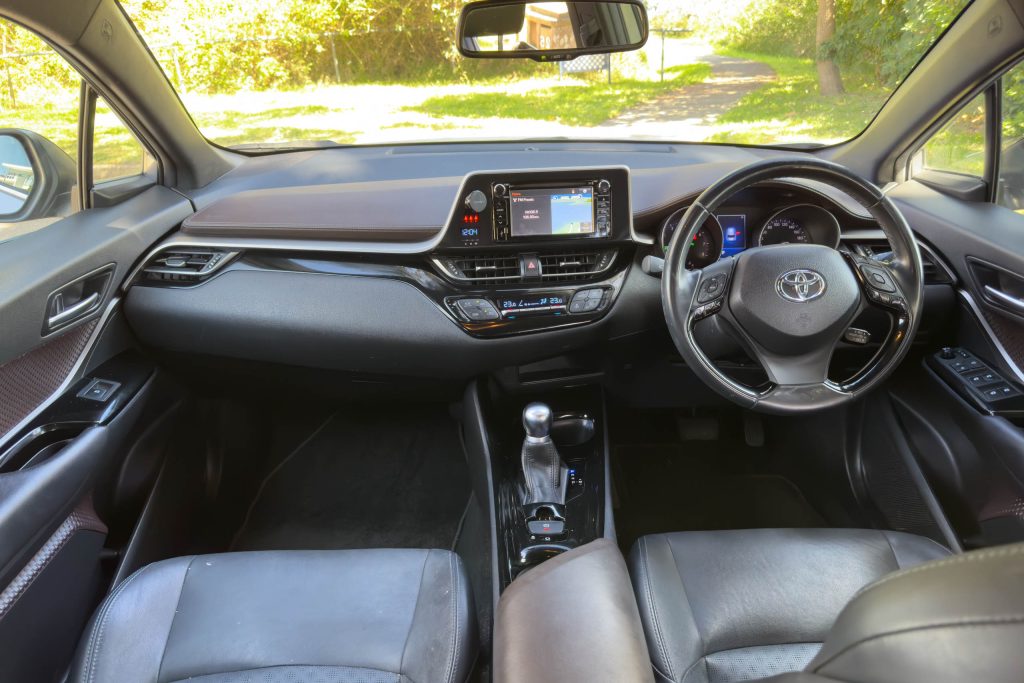

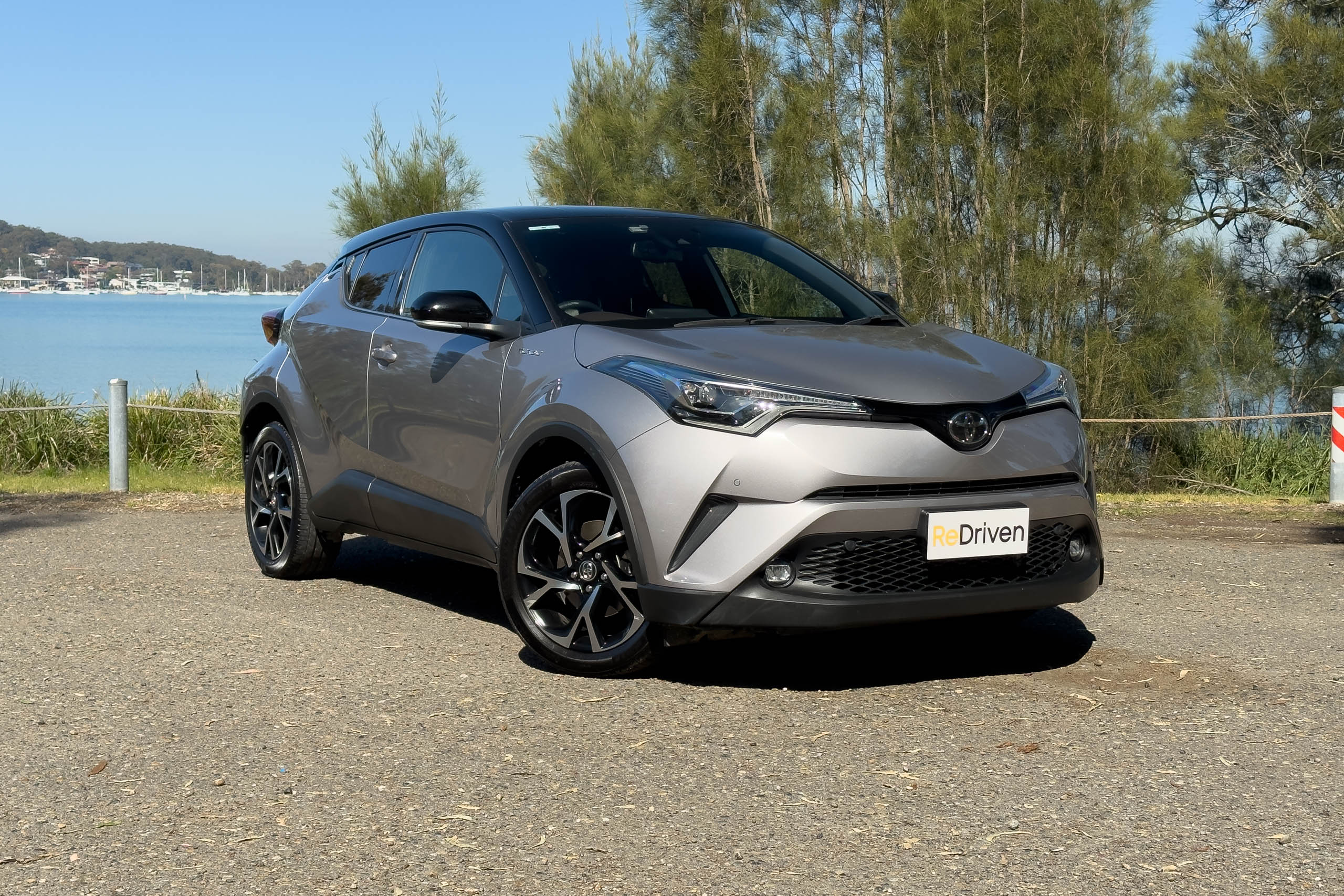
2019 Toyota C-HR Koba AWD

11 July 2023
Yes. 100%.

2019 Toyota C-HR Koba AWD

Used car review
11 July 2023
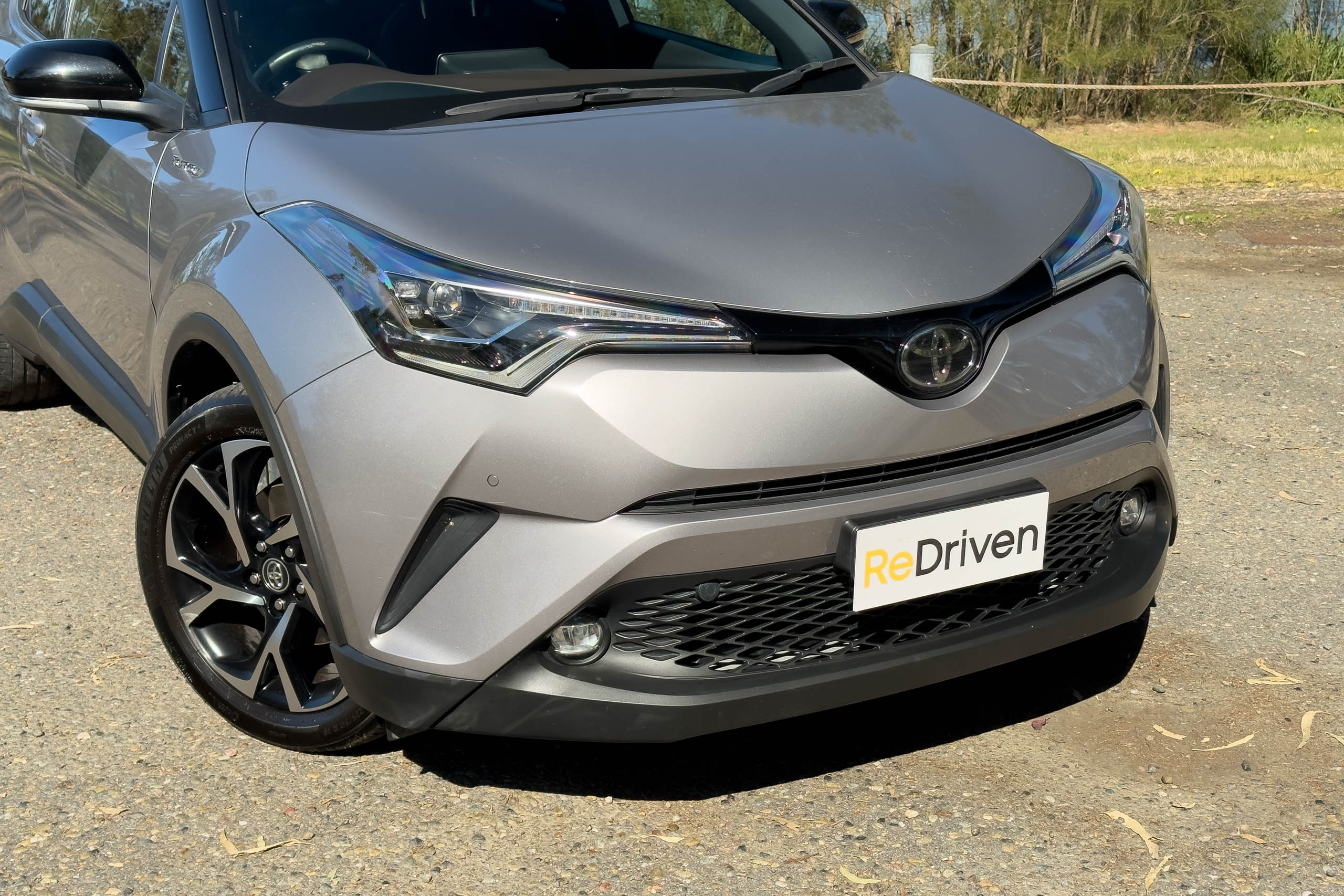
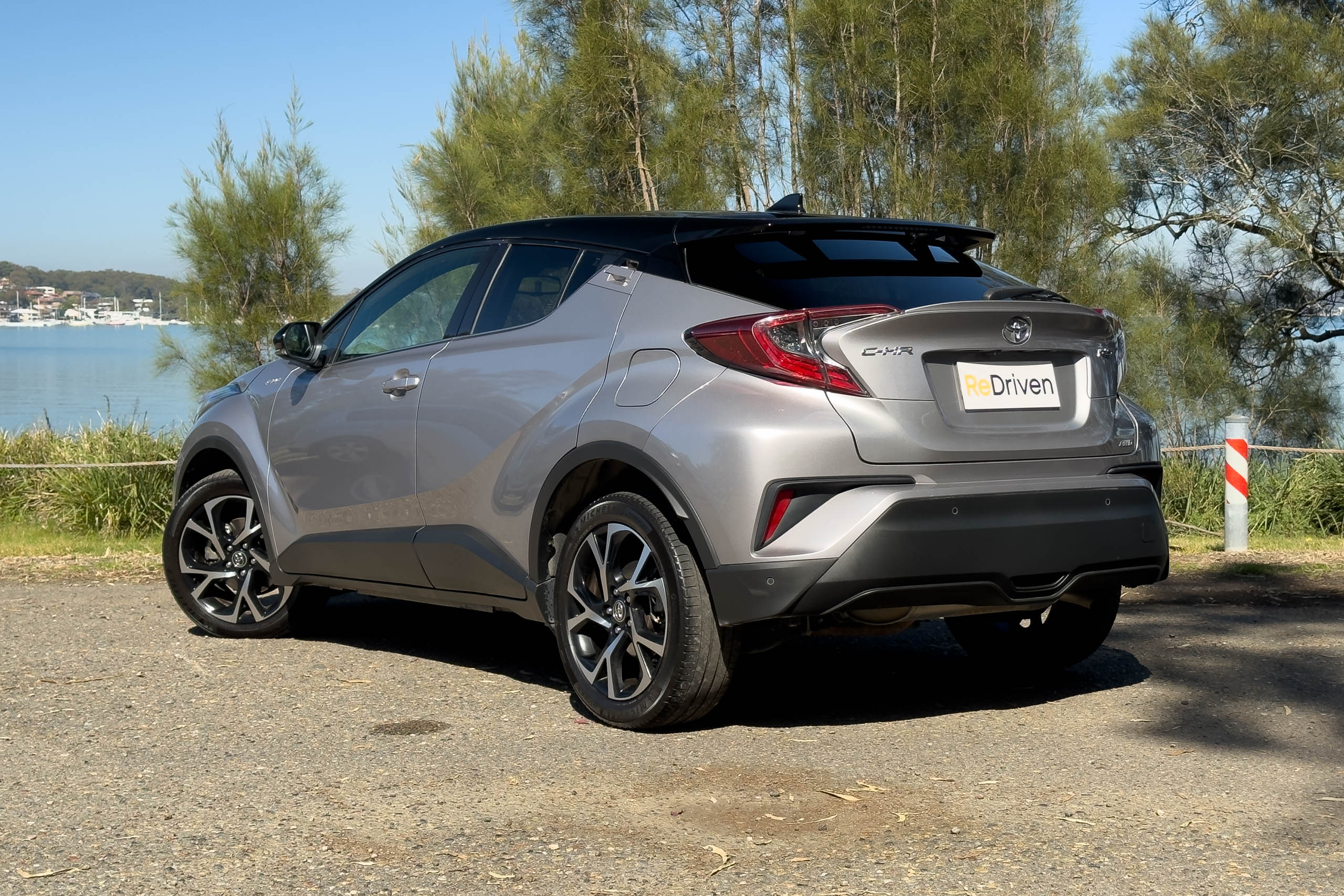
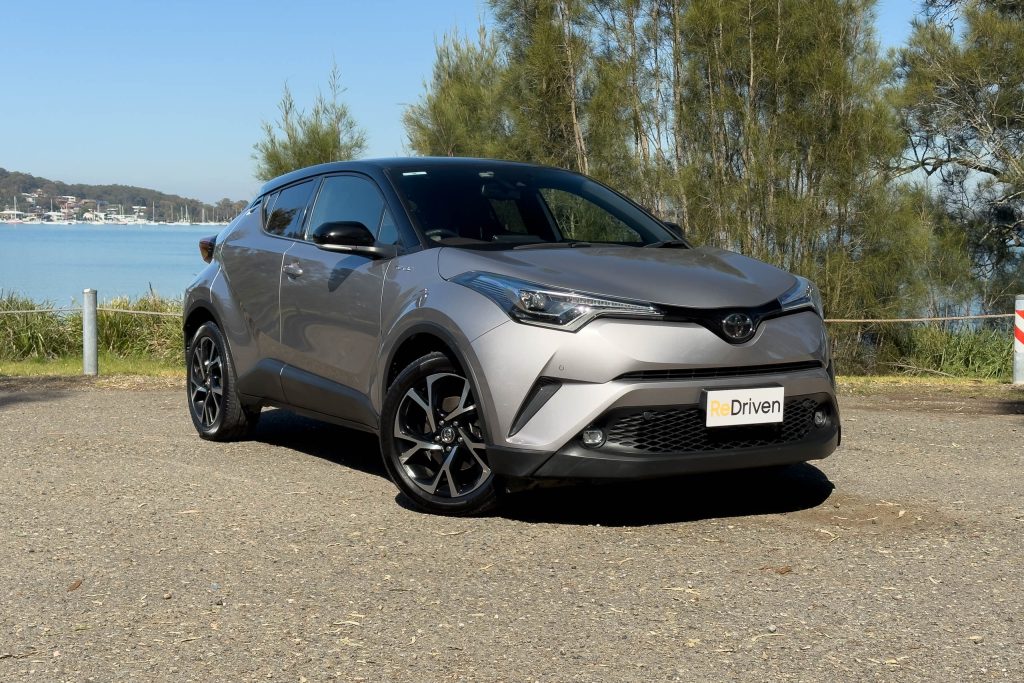
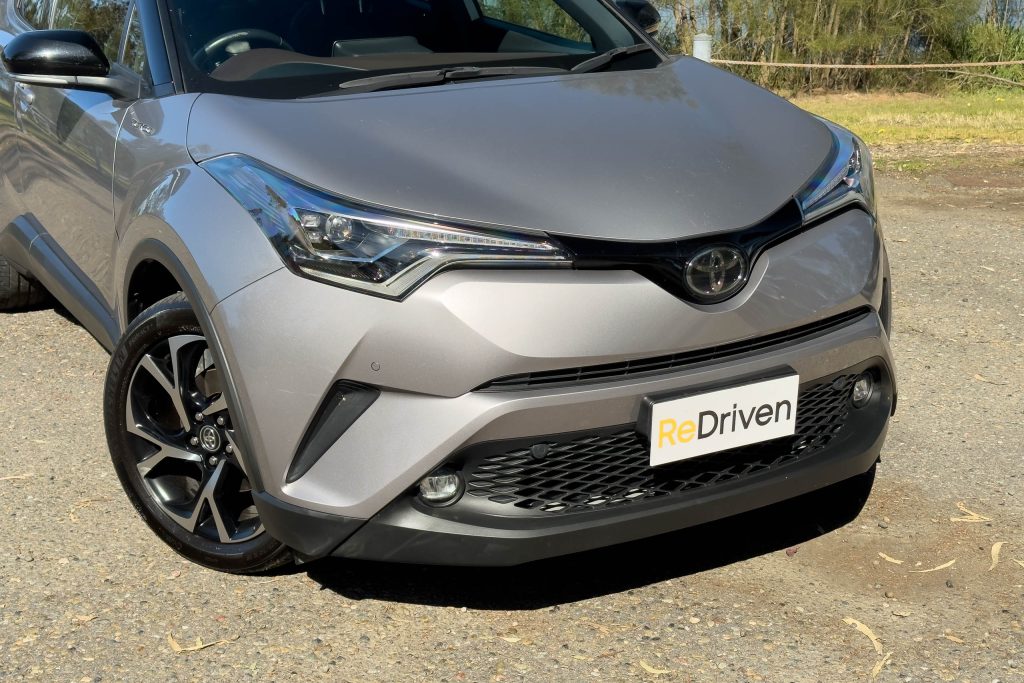
The Toyota C-HR is a subcompact crossover SUV that was first released in Australia in 2016. It has a distinctive, angular design that has been popular with buyers, and it is available in both petrol and hybrid models.
The petrol C-HR is powered by a 1.2-litre four-cylinder turbo engine that produces 85kW of power and 185Nm of torque. It is available with either a six-speed manual transmission or a CVT automatic transmission. The hybrid C-HR uses a 1.8-litre four-cylinder engine and an electric motor to produce a combined output of 72kW. It is only available with a CVT automatic transmission.
The C-HR is a front-wheel-drive vehicle, but all-wheel drive is available as an option. It has a comfortable ride and good handling, and it is also relatively fuel-efficient. The petrol C-HR has an average fuel consumption of 6.8L/100km, while the hybrid C-HR has an average fuel consumption of 4.3L/100km.
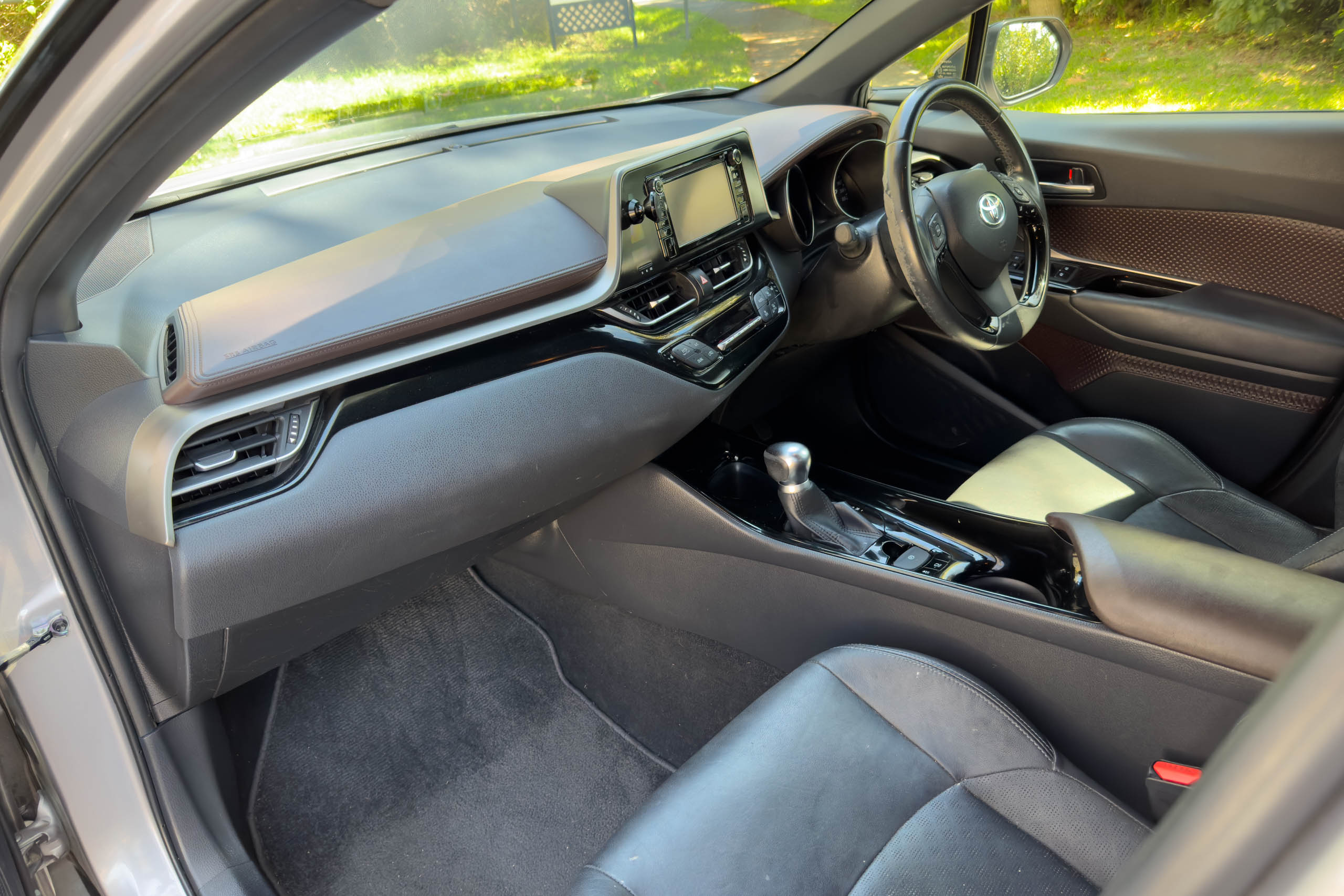
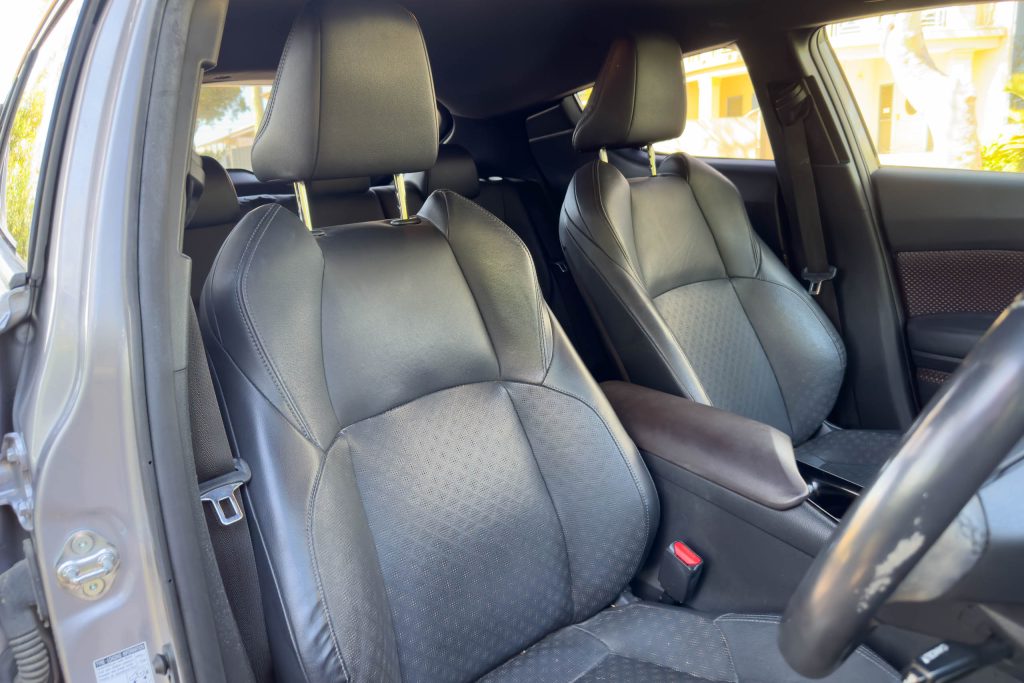
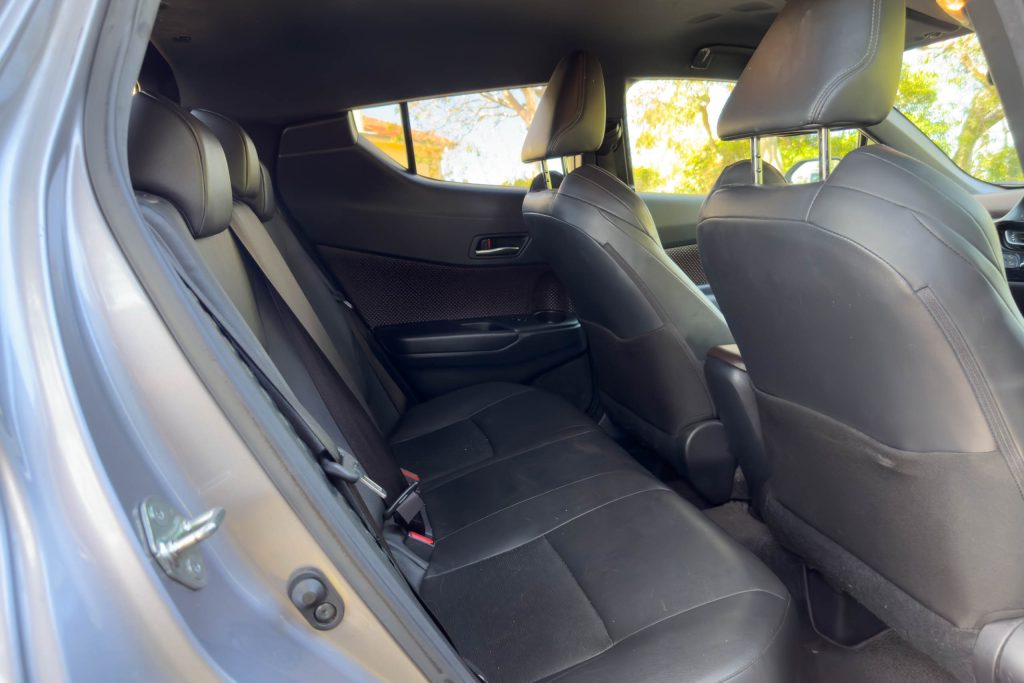
The interior of the C-HR is stylish and well-equipped. It has a spacious cabin with plenty of legroom and headroom for front and rear passengers.
The C-HR comes standard with a comprehensive safety suite that includes features such as seven airbags, Lane Departure Assist, Front Collision Assist, Rear Cross-Traffic Alert, ABS, stability control, and traction control. ANCAP has also awarded it a five-star safety rating.
Overall, the Toyota C-HR is a stylish and well-equipped subcompact crossover SUV that is both fun to drive and fuel-efficient. It is a good choice for buyers who are looking for a stylish and practical vehicle that is also safe and fuel-efficient.
Exterior:
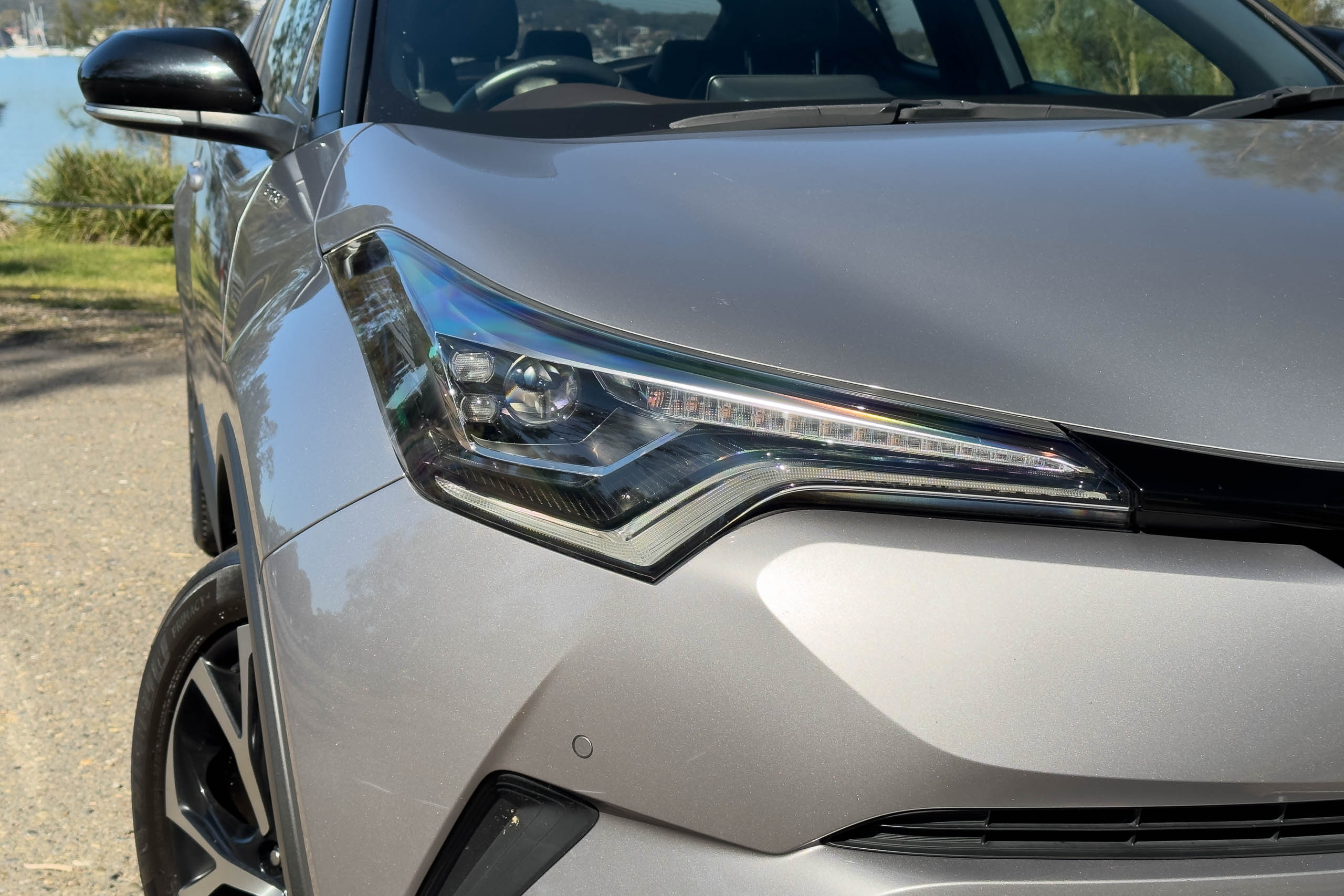
There are reports of the paint being poor quality which can lead to rust.
Some 2020 C-HR owners have reported that their rear windshield has developed cracks or shattered without impact.
Interior:
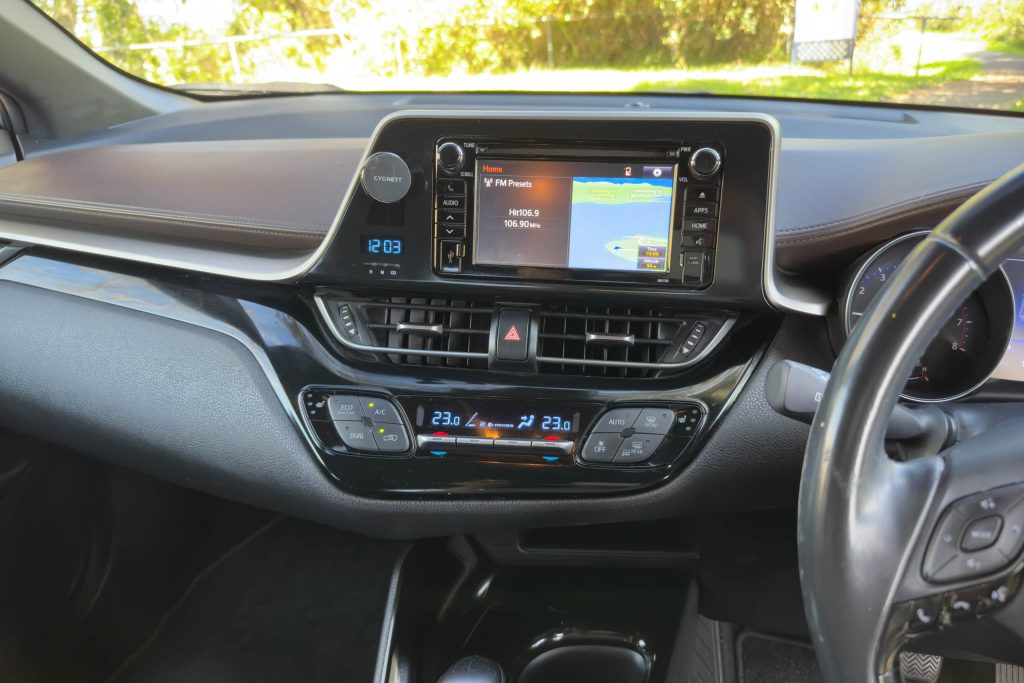
There are reports of air conditioner systems that don’t blow cold or hot air, or make strange noises. This can be a sign of a serious problem with the air conditioner.
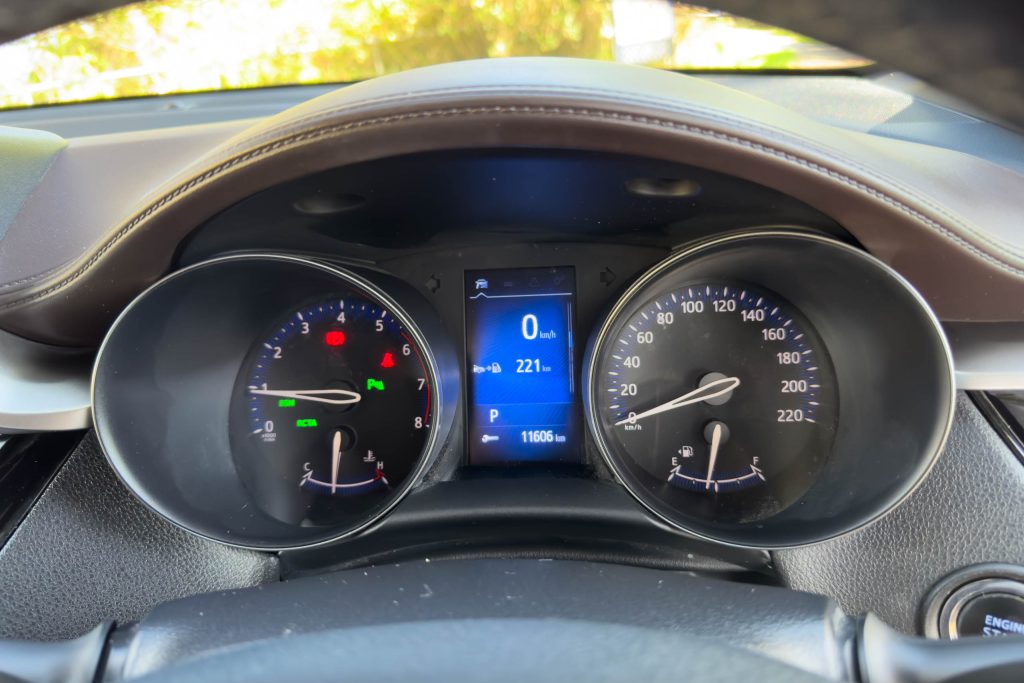
Some owners report multiple issues with the electronic system, this can range from problems with lights flickering, gauges not working, or the car not starting.
There are a handful of owners that have reported issues with the calibration of the safety systems. For example, the lane keep assist being too aggressive.
Some 2020 C-HR owners have reported that the TPMS sensor incorrectly reads the pressure in the tires. This can lead to the driver being unaware of low tire pressure, which can be dangerous.
The C-HR is equipped with a front camera that is used for various driving assistance features. This camera can fail due to dust accumulation, which disables all the related safety features and makes driving dangerous.
Mechanically:
Some owners have reported stalling, misfiring, or overheating. This can be dangerous or cause serious damage if it is not addressed.
There are reports of batteries that die unexpectedly, do not hold a charge, or have battery warning lights come on. This can leave the car stranded or require frequent jump-starts.
Some CH-Rs have experienced delayed shifting, harsh shifting, slipping, or complete failure of the transmission. This can make the car feel sluggish or jerky, or even leave it stranded.
There are also reports of some CH-Rs having brakes that squeal, grind, or stick.
Some owners have had suspension problems, such as clinking, rattling, or shaking. This can be a sign of wear and tear, or even make the car unsafe to drive.
The C-HR, like other Toyota vehicles, is prone to rodent damage due to the soy-based covering on the wiring harness. Rodents have been known to chew through the wiring harness, causing a variety of electrical problems, including the car stalling.
Recalls:
The Toyota CH-R was hugely popular when it launched. This was for good reason; it blended funky design, decent practicality, and a zippy engine. And, with the low fuel economy of the hybrid models, you can have an economical city runabout that’s also half-decent to steer.
In the years since its launch, it’s become clear that the CH-R benefits from Toyota’s typical reputation for longevity and reliability. Despite the list of reported issues, the many CH-Rs will not have all of these issues; even so, most of the issues reported aren’t catastrophic.
Of course, the best way to ensure you get a CH-R that will (hopefully) provide trouble-free motoring for years to come, is to purchase one with a full service history and get on with the most amount of factory support left on it.
CH-Rs that launched with the 3-year warranty will all now be without any support, so if you want the peace of mind of factory support, you’ll need to shop for a post-2019 model. Also, make sure you get a pre-purchase inspection done, spending just a few hundred dollars upfront can save thousands down the track.
MORE: Explore our SUV reviews


Co-creator, presenter & writer, ReDriven

Yes. 100%.
 2 days ago
1 week ago
2 days ago
1 week ago
 2 weeks ago