Australia’s No. 1 Used Car Review Website
Australia’s No. 1 Used Car Review Website
+13 Photos

2025 Toyota Prius Z E-four (XW60)

26 December 2025
Yes. 100%.

2025 Toyota Prius Z E-four (XW60)

Used car review
26 December 2025
The Toyota Prius is one of the most famous models to come from the Japanese brand, being the car that launched the hybrid powertrain into mainstream popularity.
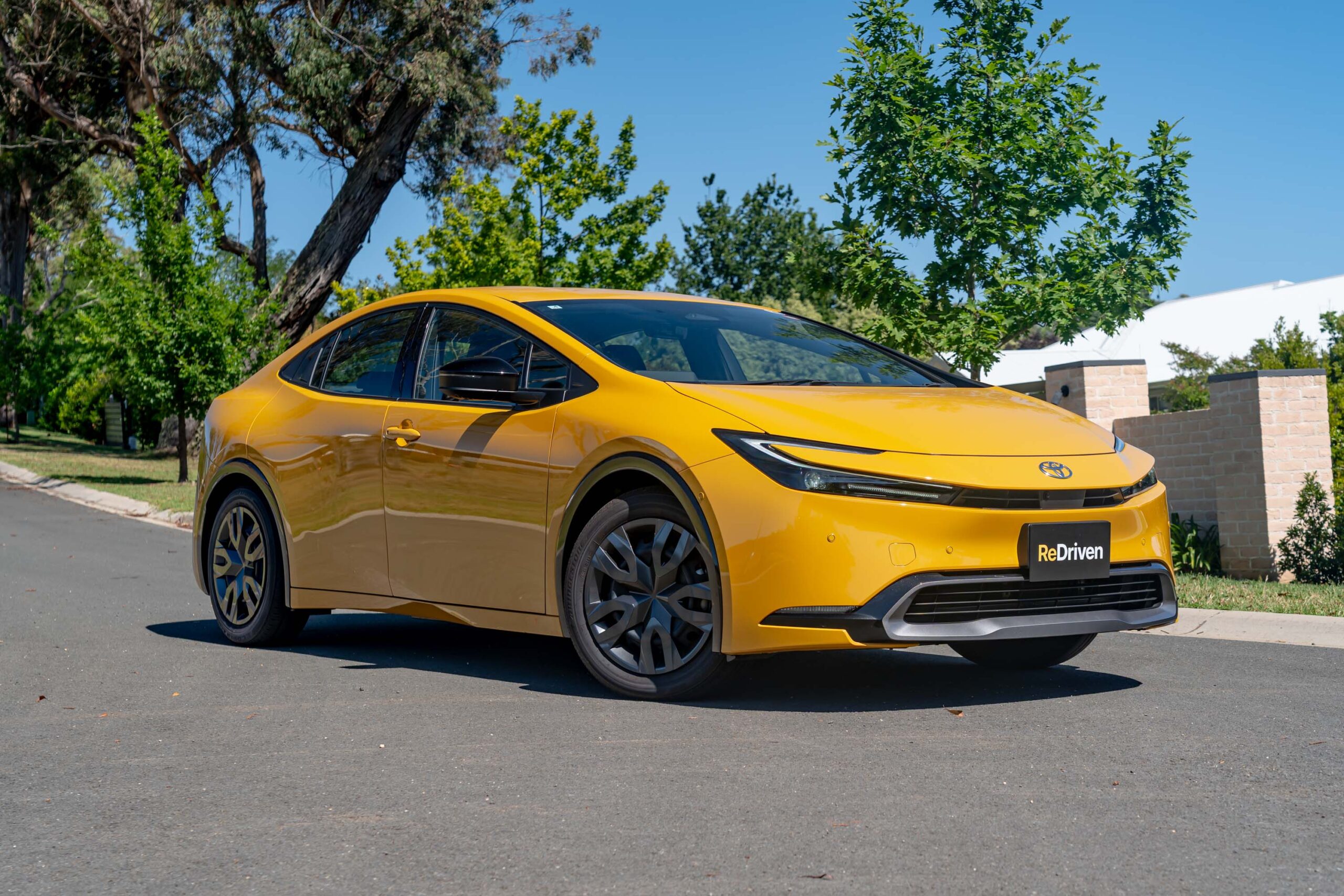
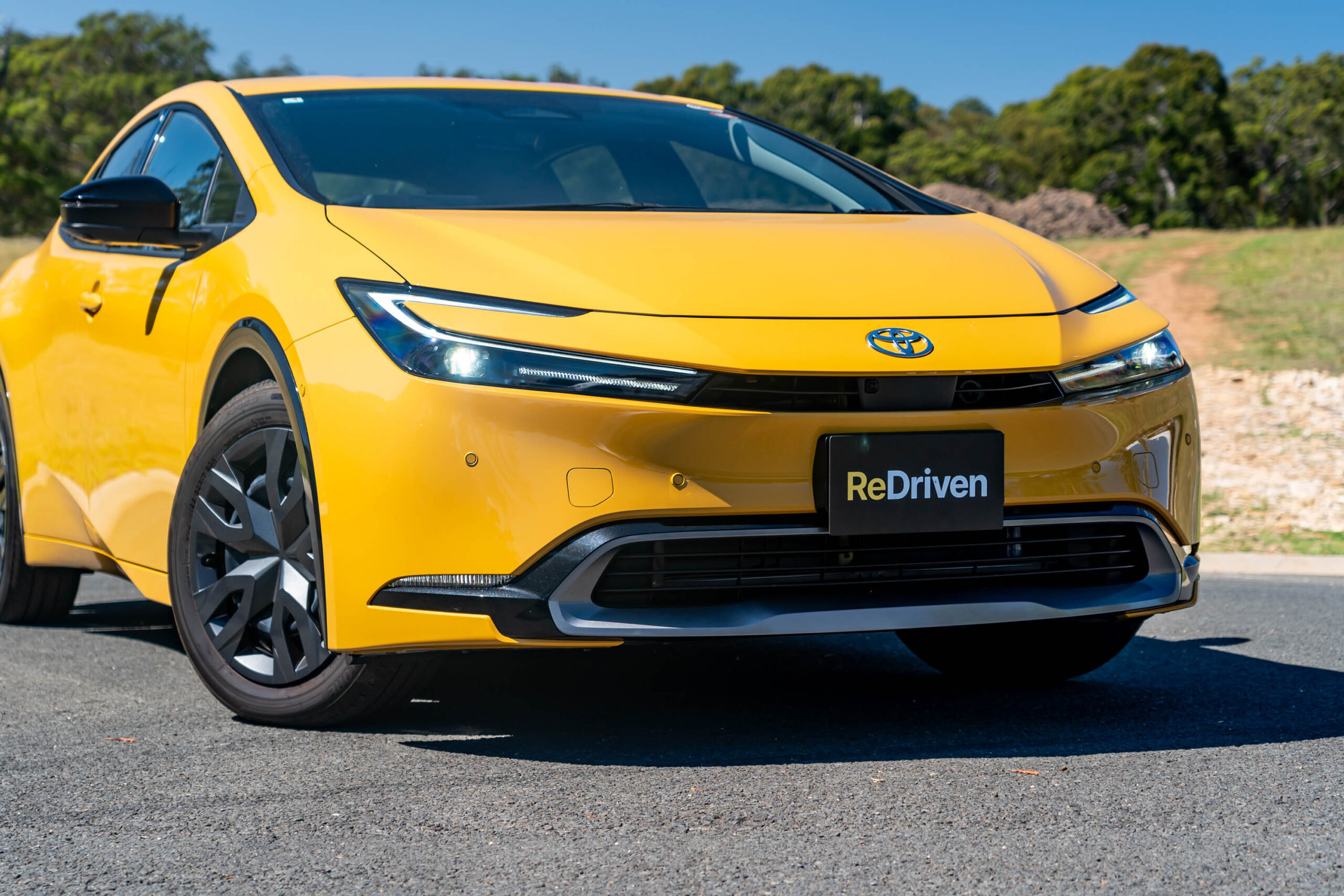
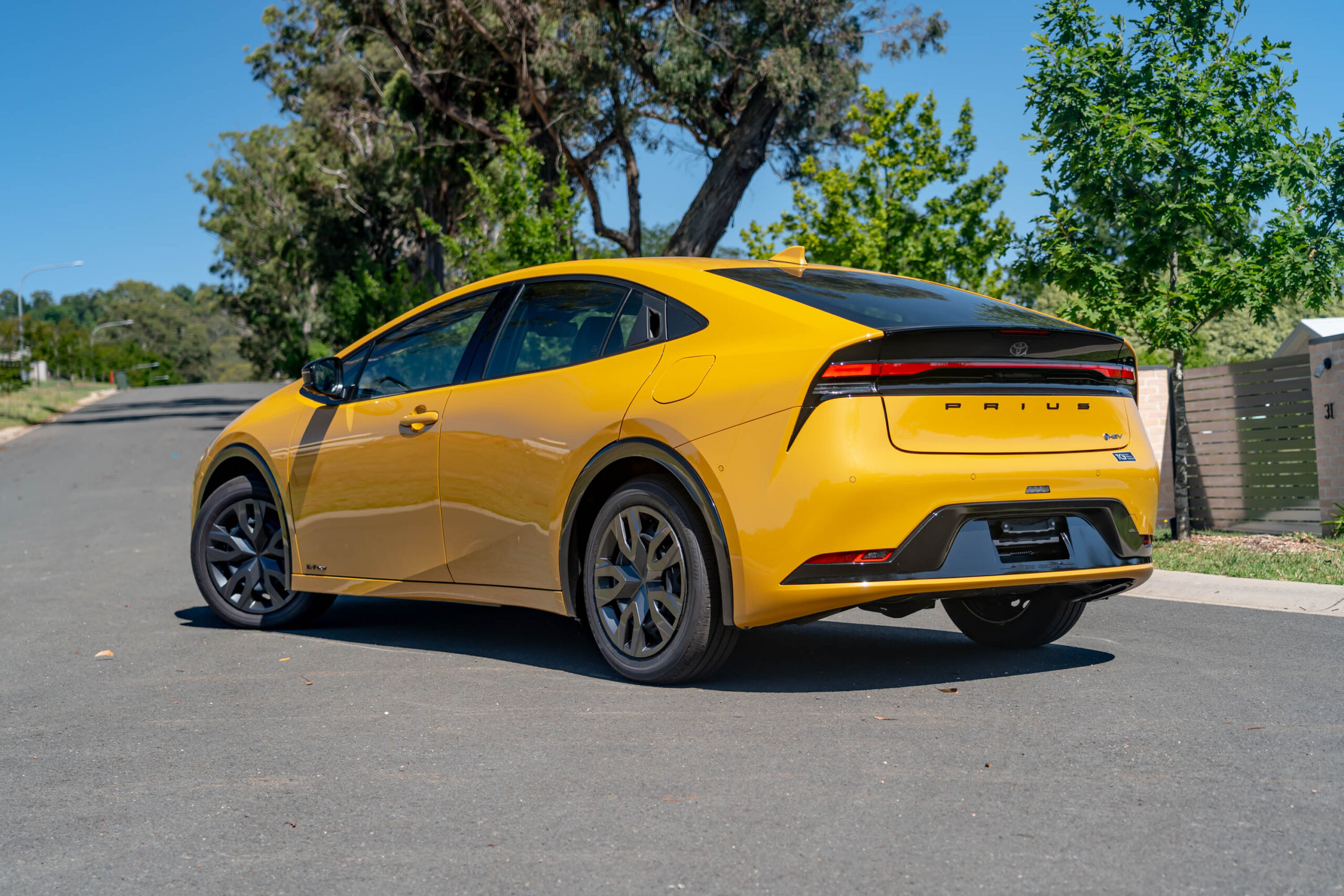
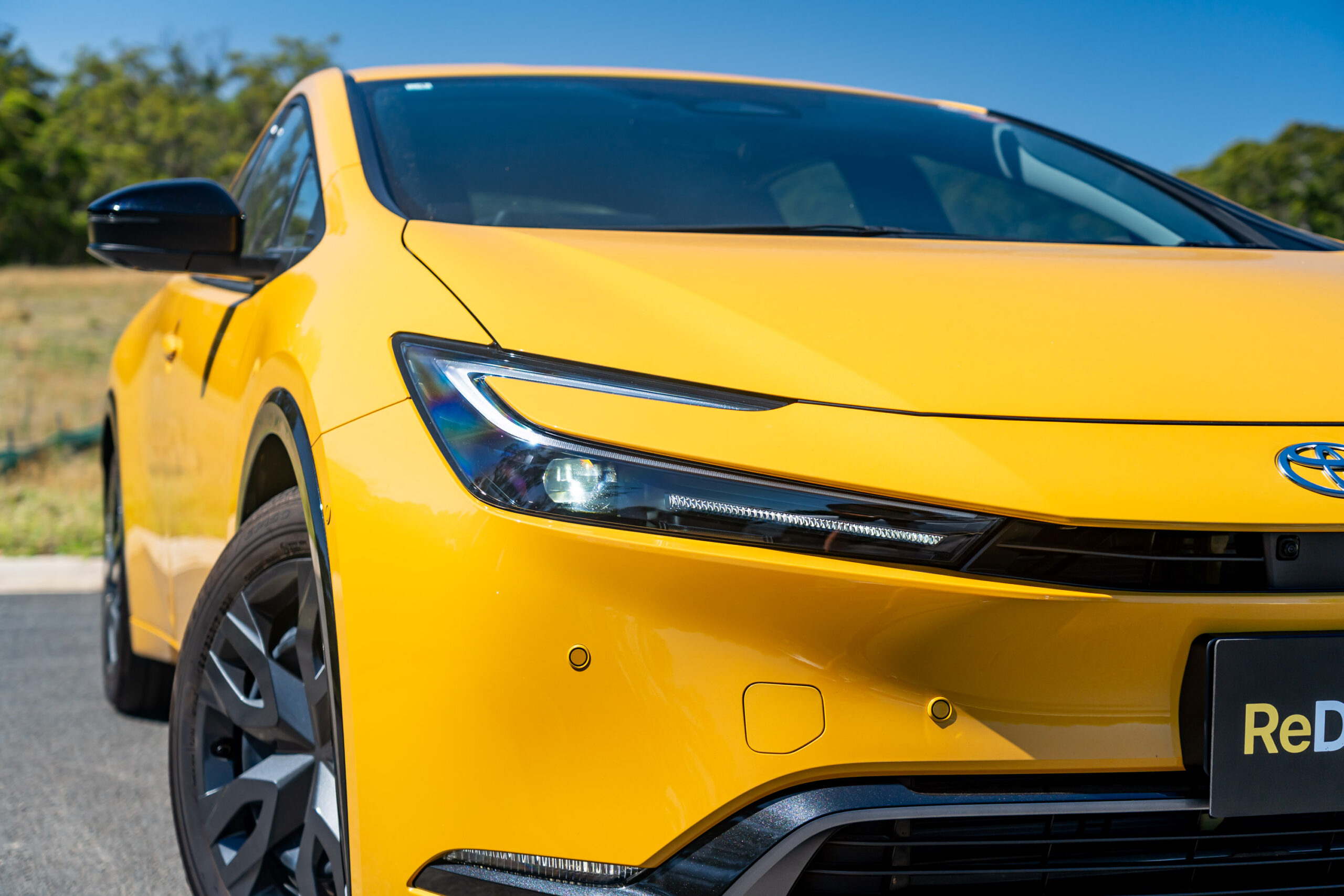
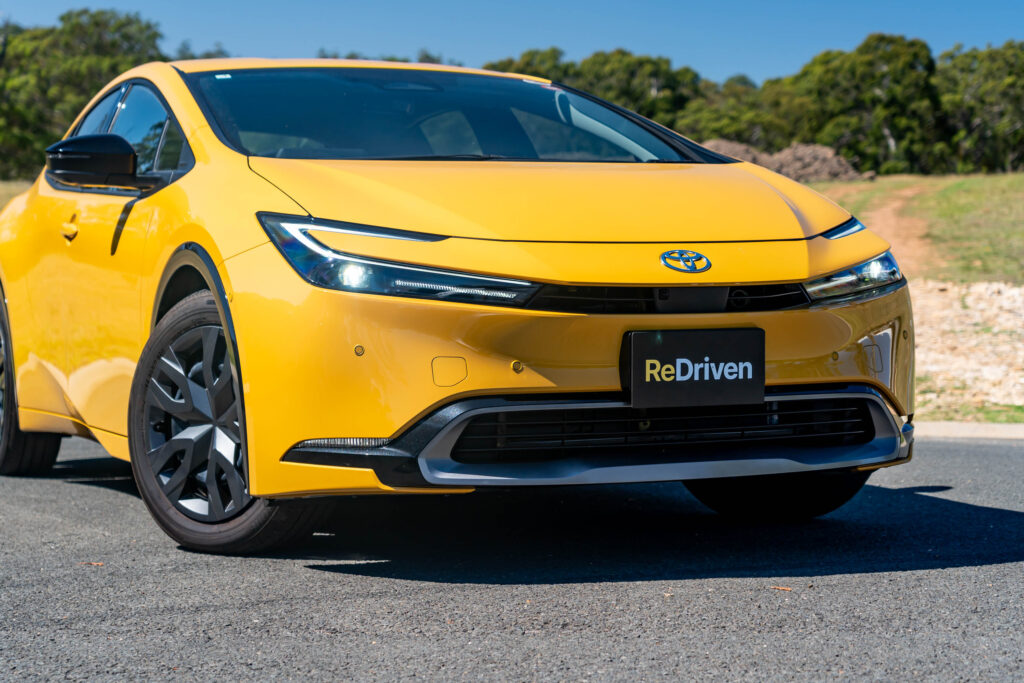
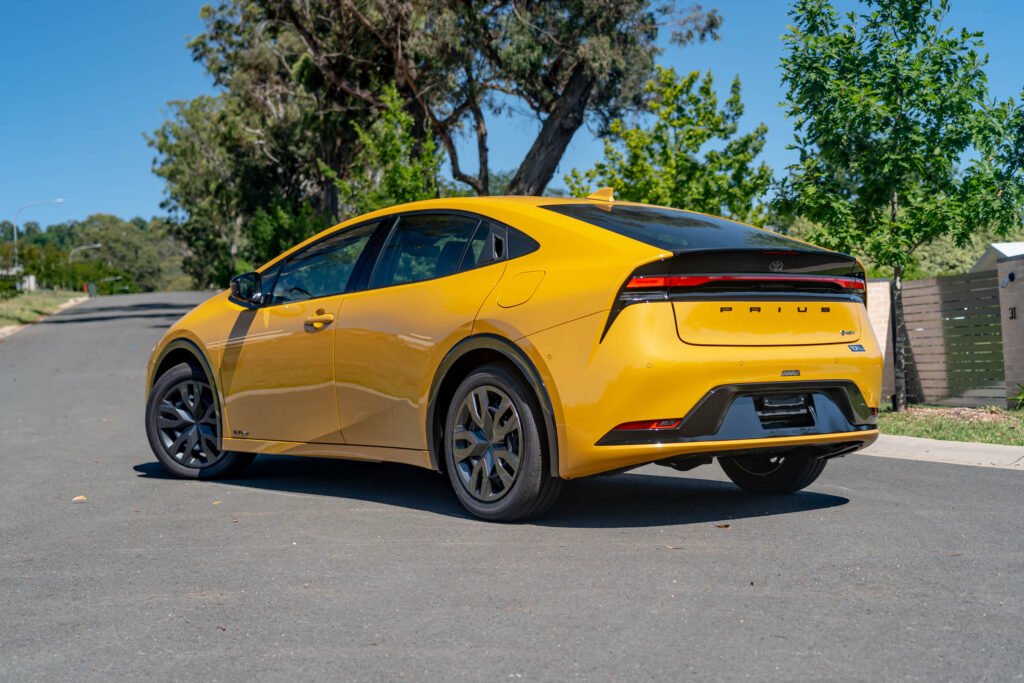
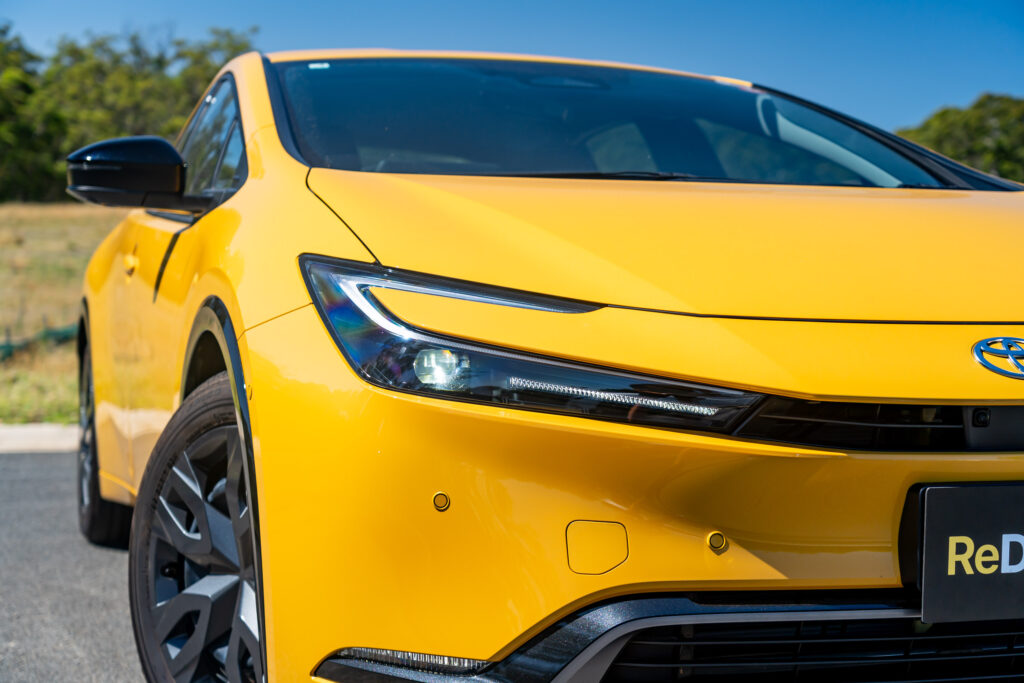
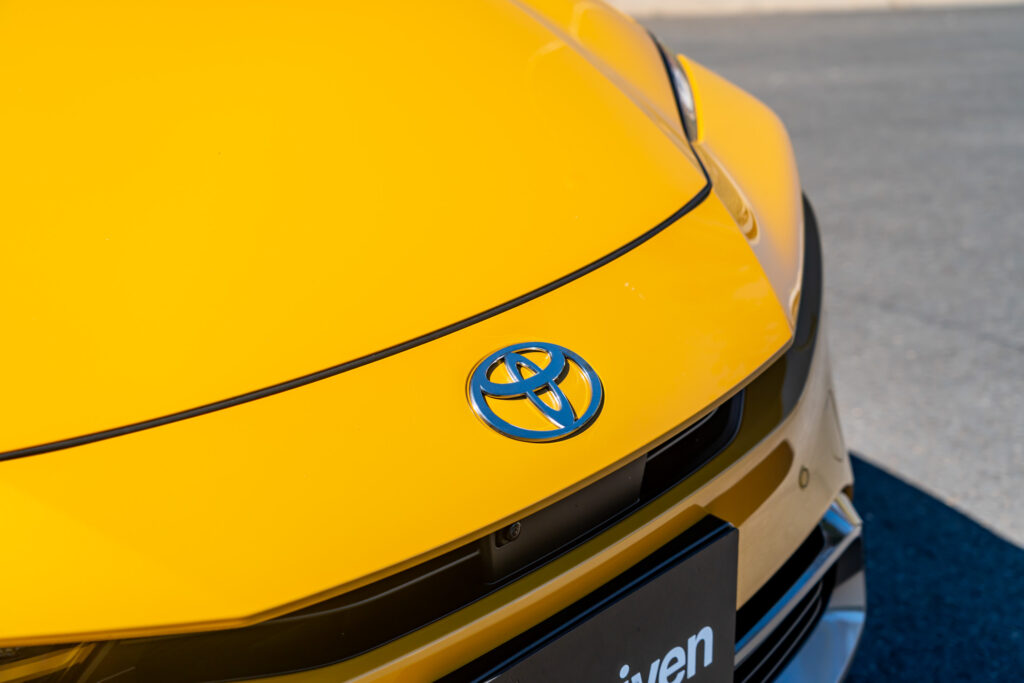
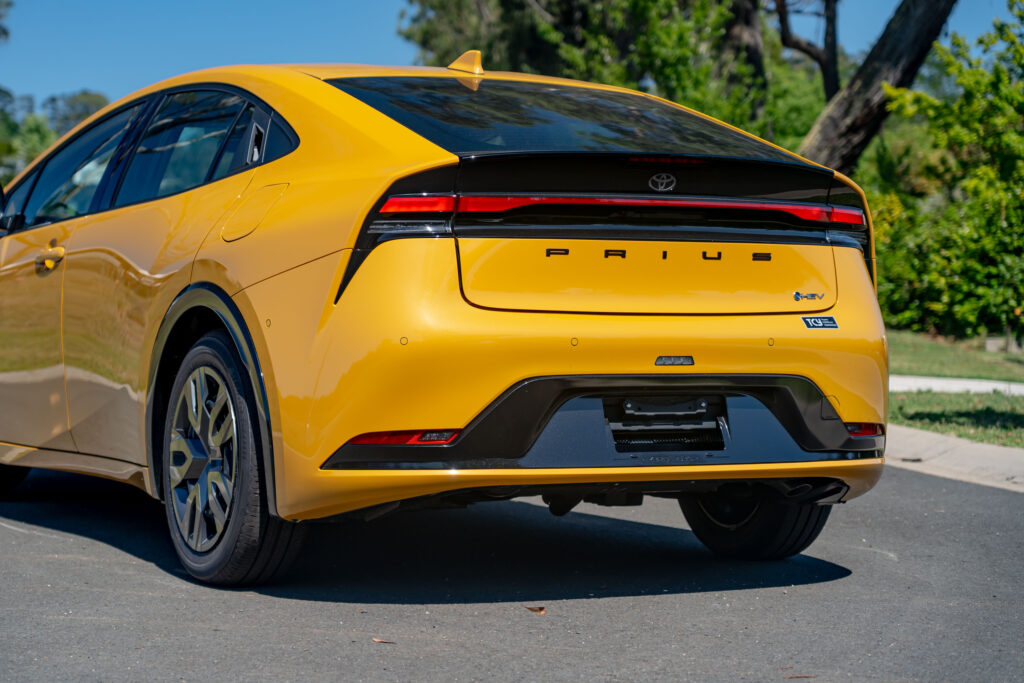
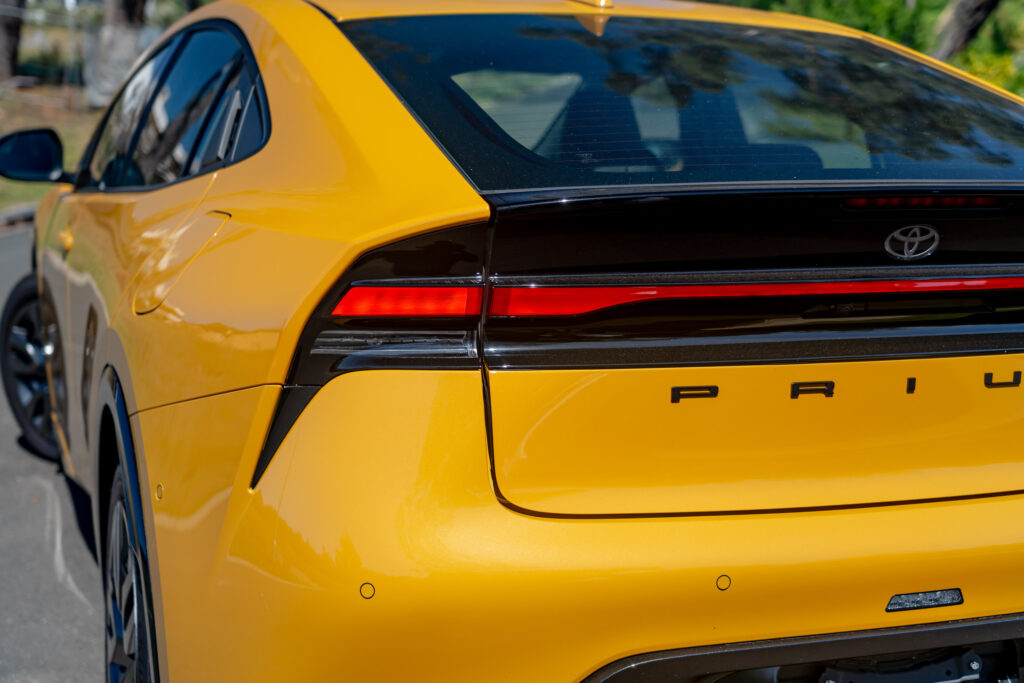
However, with this iteration of the Prius, Toyota gave this primarily sedate hatchback a serious makeover, giving it more athletic, sporty lines and a lower body profile that makes it one of the most stylish cars available today.
While it is sold in various countries, for Australia, all 5th-generation Prius models currently available are grey imports originally made for Japan, as Toyota Australia has decided to stop bringing in the Prius to the Australian market.
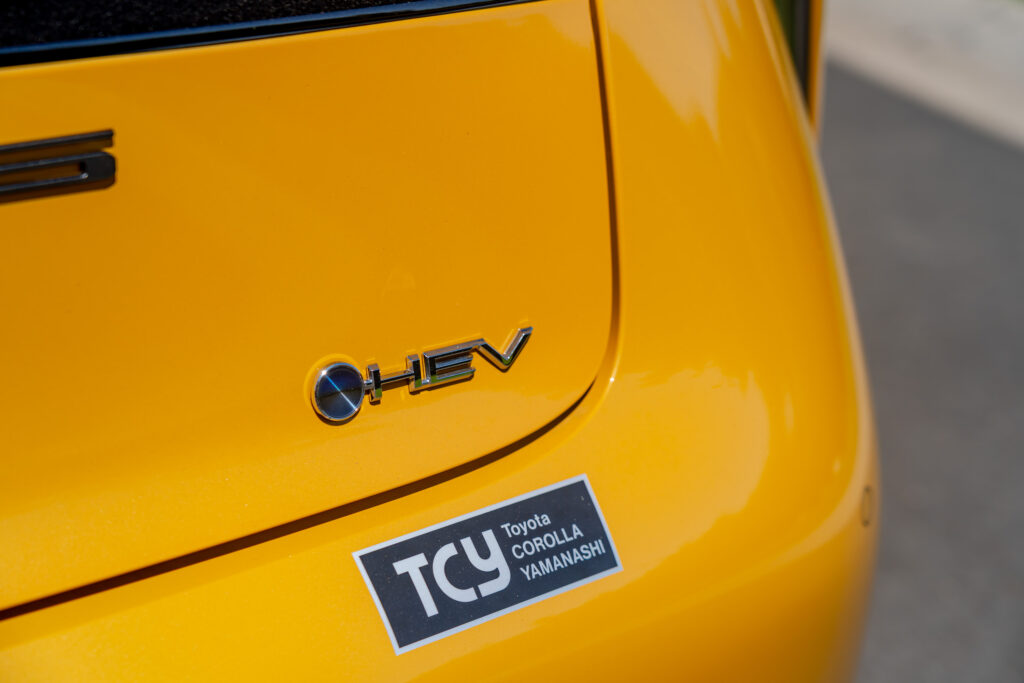
The 5th-gen Prius is available with either a full petrol hybrid configuration (paired with a 1.8L or 2.0L four-cylinder engine) or as a plug-in hybrid (available only with a 2.0L four-cylinder engine, paired with a dual electric motor setup), both paired with an Electronic Continuously Variable Automatic Transmission (eCVT).
In certain markets, all-wheel drive is an option for the petrol-hybrid Prius, but most examples you will find are front-wheel drive only.
The Prius continues its formula of a very efficient, practical vehicle that’s easy to live with.
But there are various rumours that Toyota’s stellar reputation for build quality has been slipping with their most recent products – does this mean this version of the Prius is to be approached with caution, or is there nothing to be concerned about?
Exterior Issues:
This iteration of the Prius is still fairly new, and generally, we haven’t found any serious concerns affecting the car’s bodywork and outside features.
The paintwork can be very easily chipped or scratched (as experienced with other fairly recent cars) – it’s worthwhile to look into getting full paint protection film applied for long-term protection.
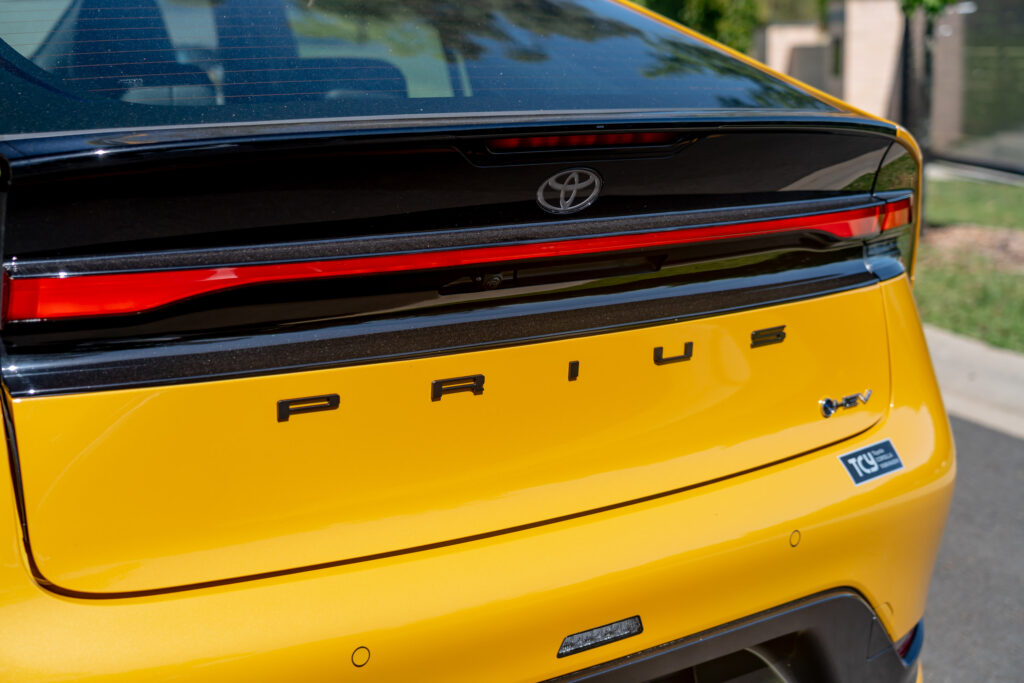
Do some internet searching on the 5th-gen Prius, and words along the lines of “new Prius hatch cracking” can pop up. Some owners complain that the trim along the rear boot edge can crack. Rare cases of exterior issues should be resolved under warranty.
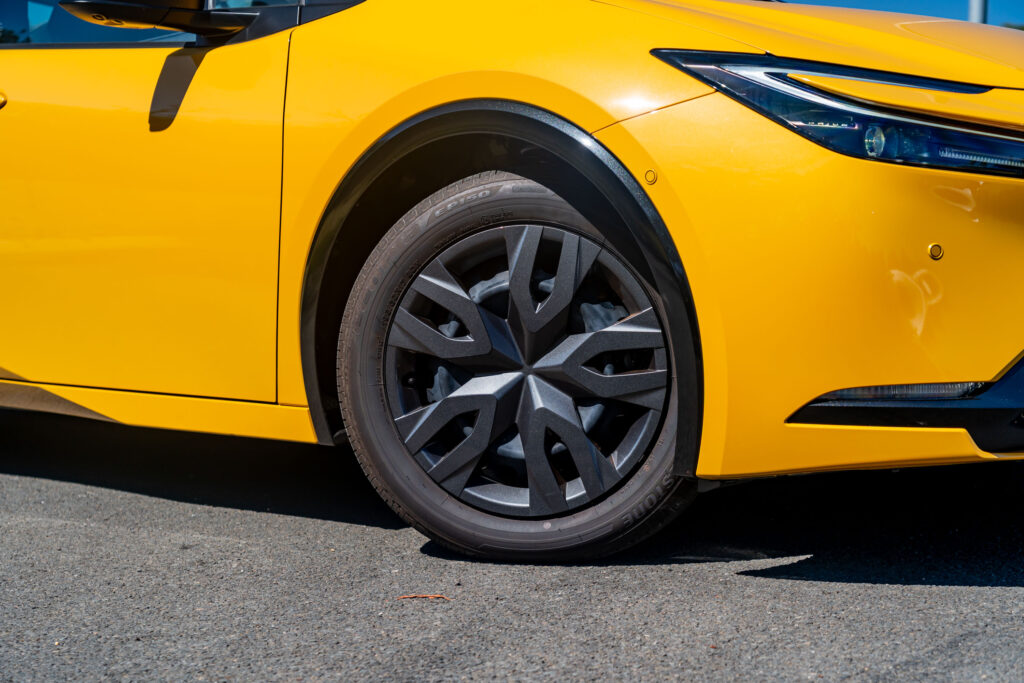
Also, when it comes to sourcing replacement tires, it may be a bit challenging as the factory tire size isn’t common, which may require you to pay a premium to find compatible tires. In addition, driving style can possibly wear them out faster than you expect.
The exterior sensors and radar are important items that help monitor safety functions like lane keep assist and adaptive cruise control – make sure they’re clean of any debris to keep them working normally, especially in colder climates.
Interior Issues:
Some very early models had issues with the air conditioning compressors, but ideally, these should have been sorted under warranty.
But it’s worth highlighting as well from our research, while most early examples of cars tend to suffer the most from initial teething/quality control issues, the 5th-gen Prius has escaped much of these initial teething issues – we struggled to find any common interior faults across all years of the 5th-gen Prius.
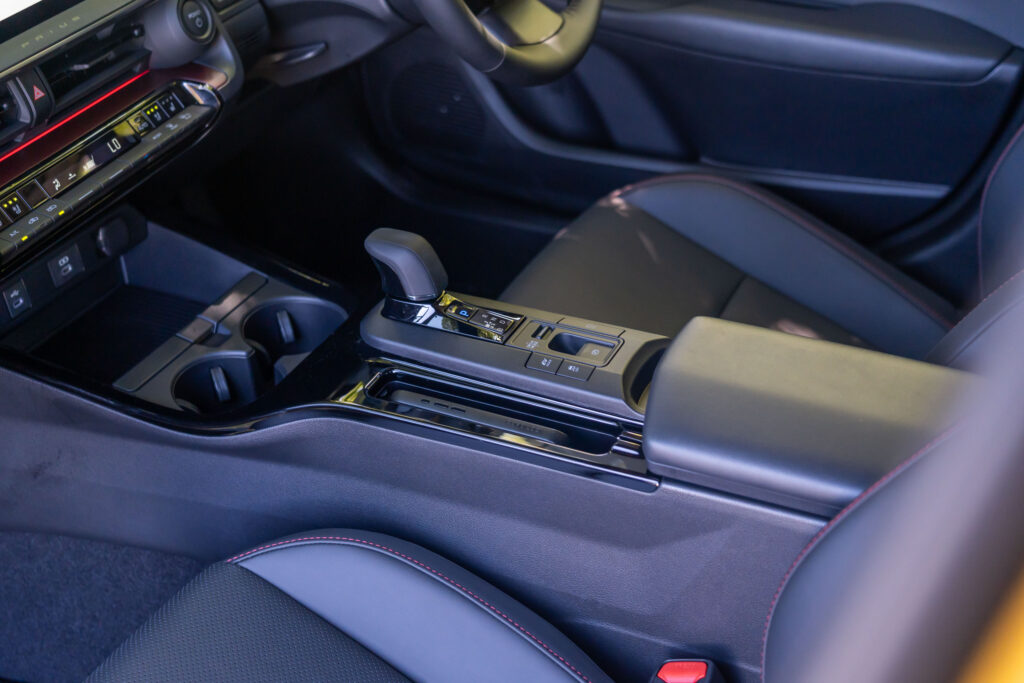
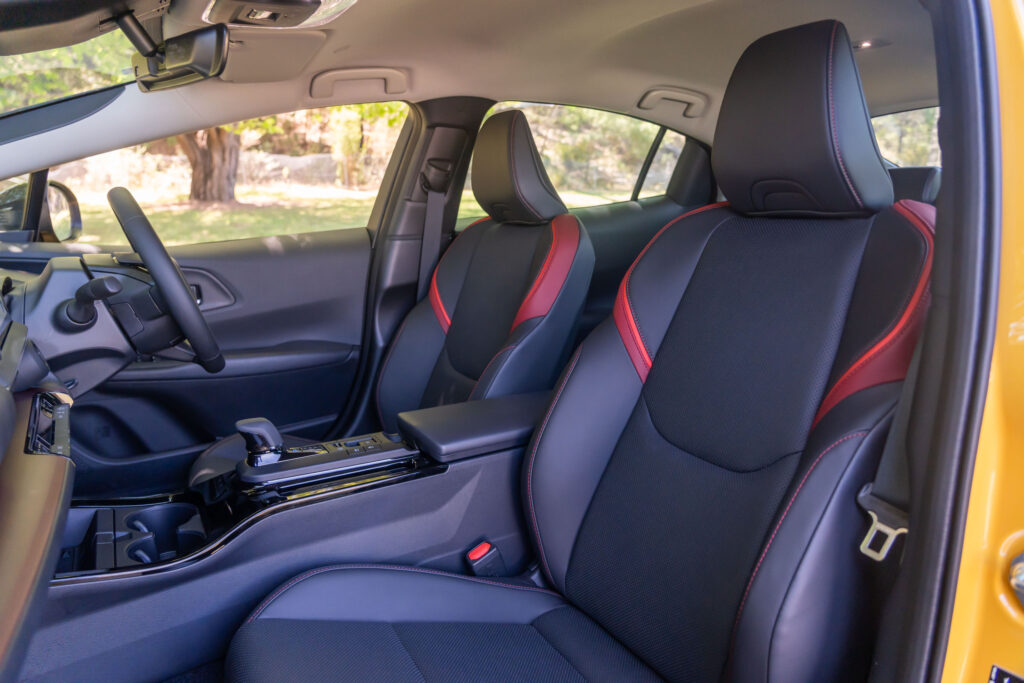
Even with the seat materials, whether it be cloth or the slightly upmarket leather, we heard from owners, especially those who use these for ride-hailing duties, that these are continuing to hold up fine, with no premature wear throughout the material, and the cabin trim is very resilient.
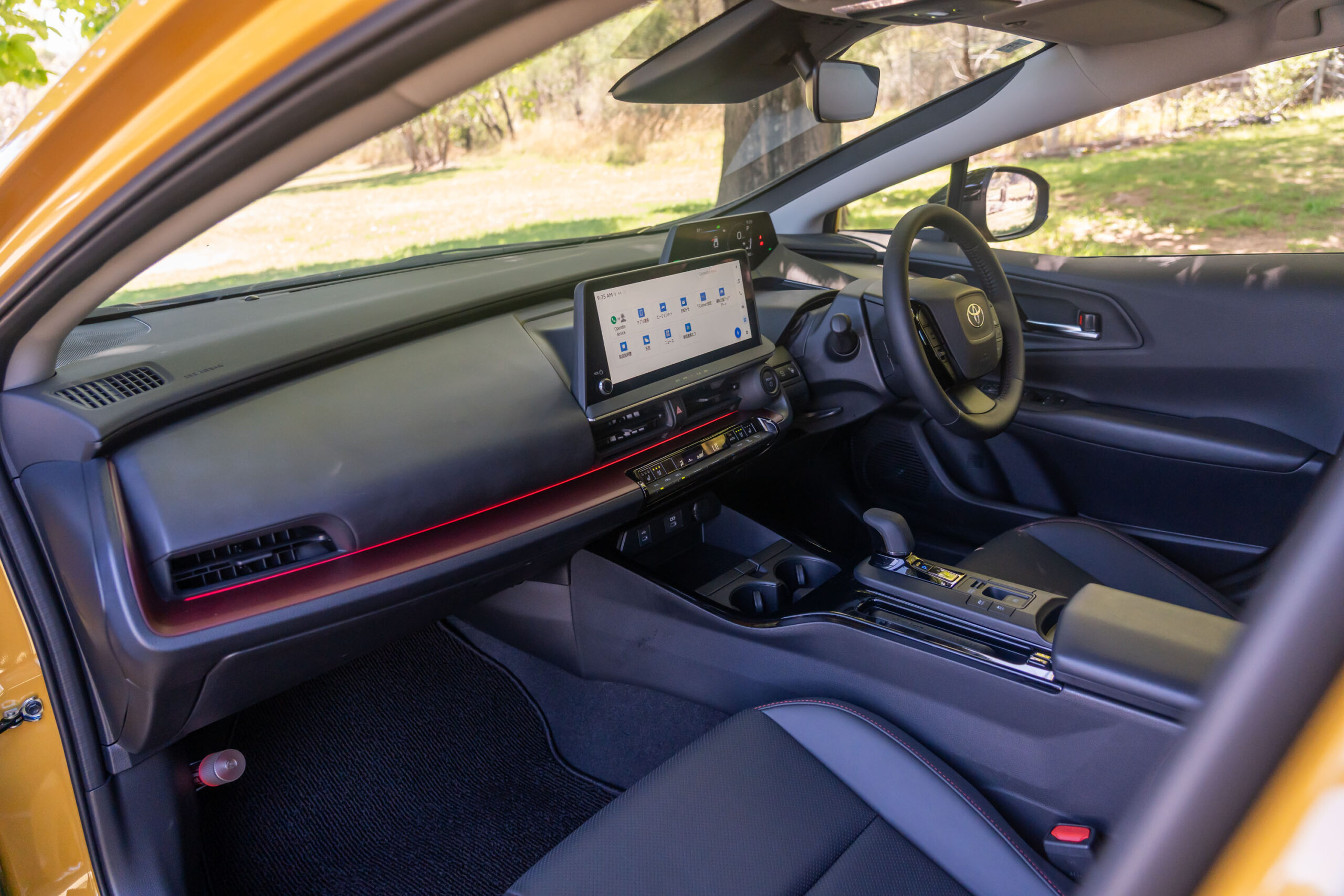
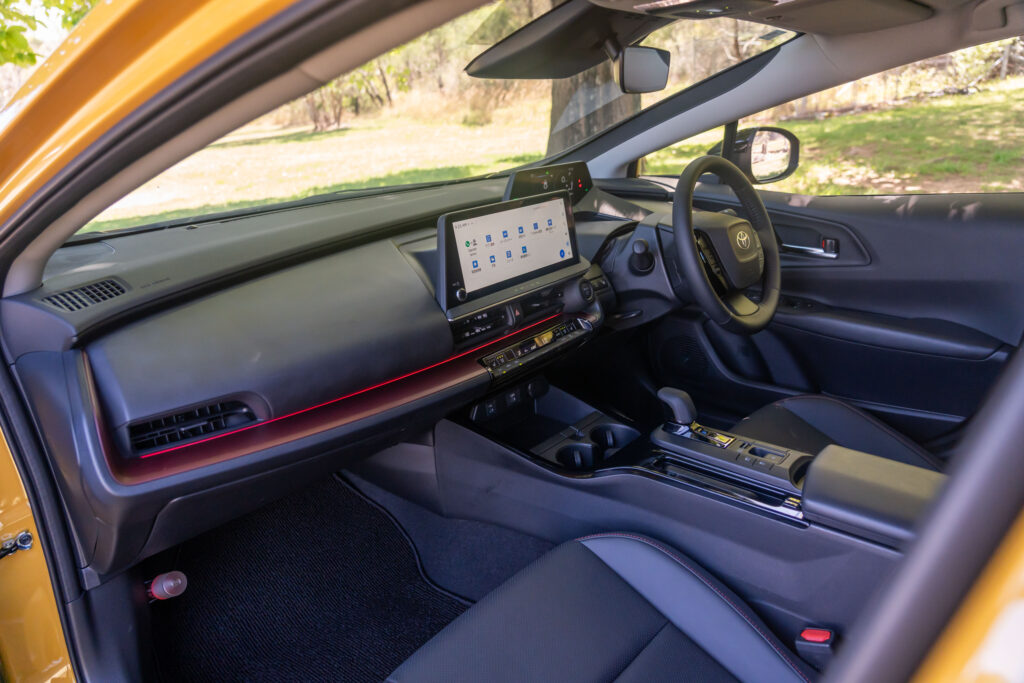
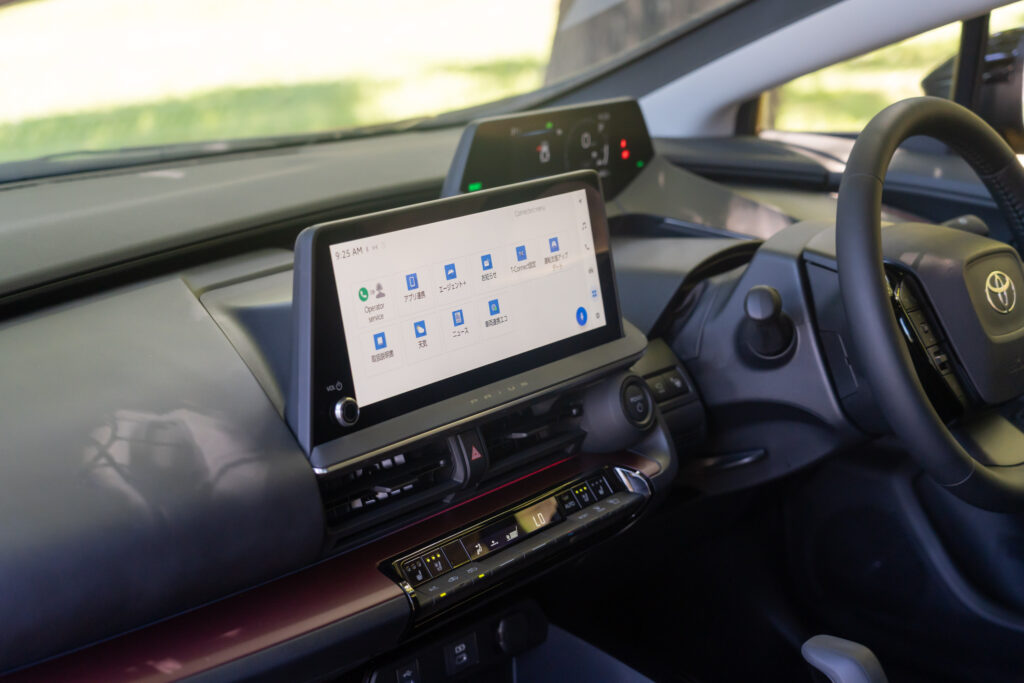
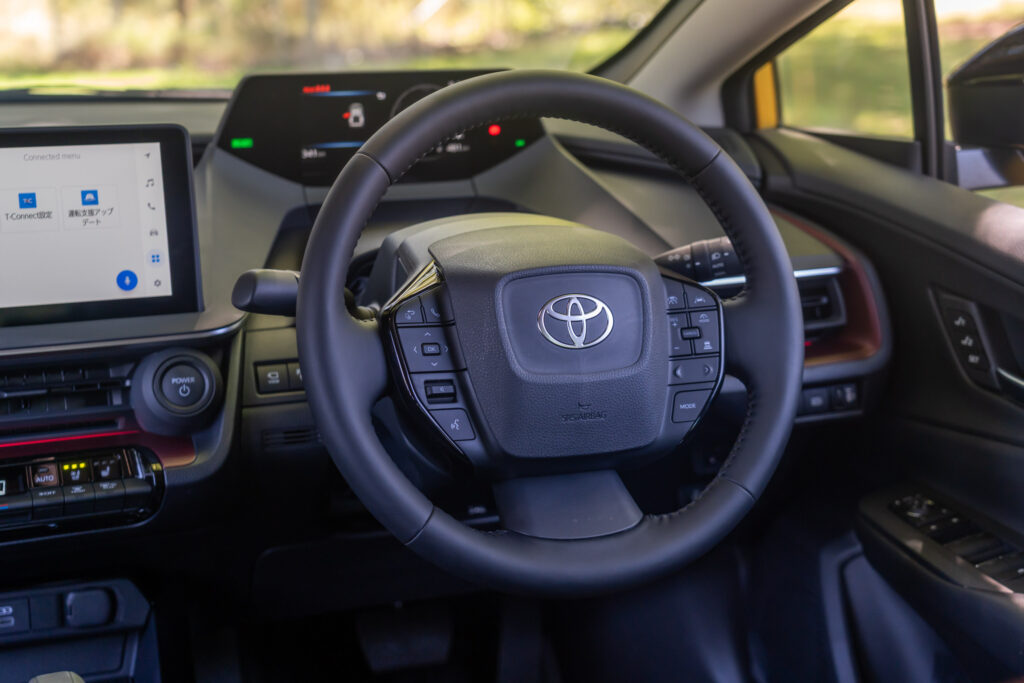
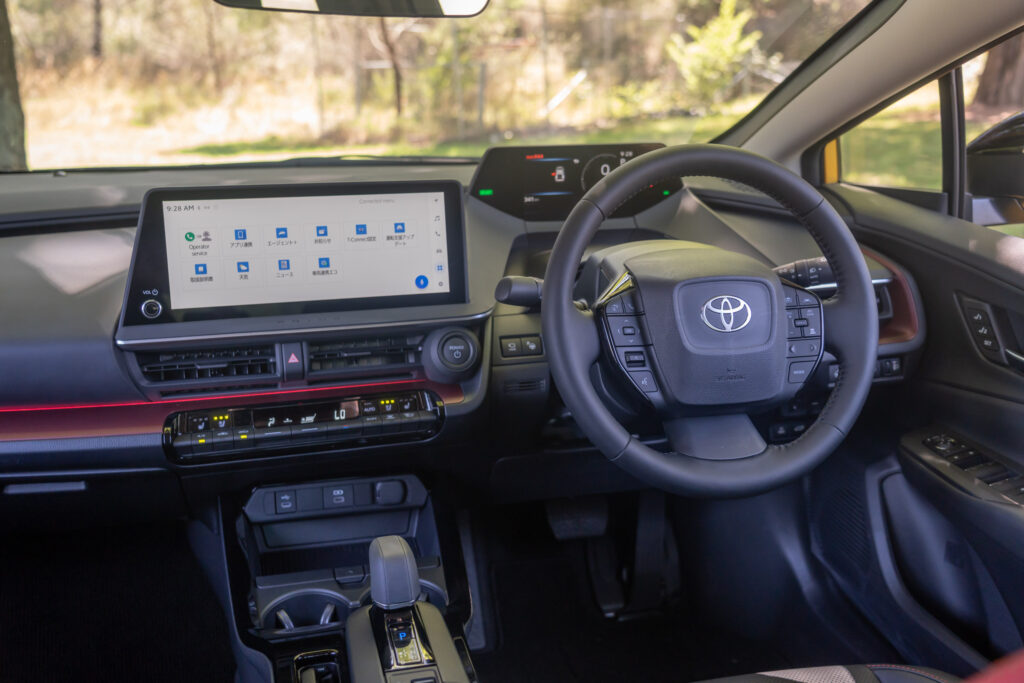
The only slight complaint we’ve noted with the 5th-gen Prius’s interior is some ergonomic points – namely with some aspects this car shares with the all-electric BZ4X, which causes the steering wheel to obstruct the full view of the digital gauge cluster.
Owners of the plug-in hybrid variant have reported issues they’ve experienced with the main 12V battery, which powers many of the car’s primary safety, infotainment, and other electronically powered equipment. (separate from the hybrid system battery that powers the car in full ‘EV’ mode).
Some point to the 12V battery installed from the factory being too small, meaning when functions are being used in ‘accessory’ mode or the car is left in a ‘standby’ mode, this can lead to unexpected battery drain.
Solutions have ranged from some dealers swapping out the 12V battery for bigger, more durable units before they were delivered to new owners to software updates that are reported to resolve this drain issue.
It’s also wise not to keep the remote keyfob stored anywhere in proximity to the car when it’s parked (to avoid leaving it in powered in ‘standby’ mode), or if you’re storing it for extended periods, keep it plugged into a trickle charger.
The infotainment system is the latest version from Toyota and offers plenty of features you expect out of the box – including wireless Apple CarPlay/Android Auto and Bluetooth connectivity.
Occasionally, some of these can experience connection issues, but a software update can easily fix them. Plus, even if you source a Prius made for Japan and you find the UI to be in Japanese, it’s easy to reset the language to English.
The wireless charging pads can play up and not charge devices consistently.
In most markets, this Prius generation comes with a dedicated mobile app that allows you to control and monitor specific vehicle functions – such as remote start, unlock/locking functions, locating the car, and preset climate control settings.
However, many owners report the app delivers an inconsistent experience due to software glitches or not connecting to the vehicle, leading some to abandon the app altogether.
One minor note when comparing the full petrol versus plug-in hybrid, the plug-in hybrid Prius has slightly smaller boot space due to the inclusion of a larger battery pack onboard.
Mechanical issues:
The 5th-generation Prius’s status as a grey import may seem like a liability, given local Toyota dealerships are likely hesitant to service them, but don’t forget many of the parts found in Australian market Toyotas, such as the Toyota Corolla Hybrid and Lexus UX, are shared with this Prius iteration.
Therefore, aside from any Prius-specific components, parts availability should not be an issue.
Engines:
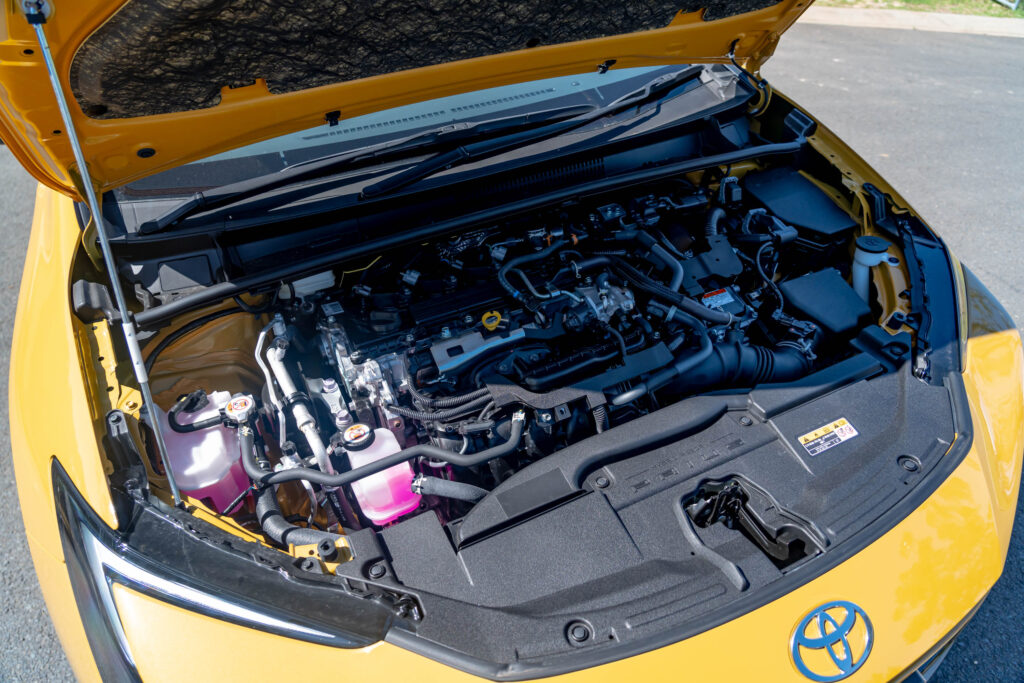
Both the 1.8L and 2.0L four-cylinders use Toyota’s Hybrid Synergy Drive system, and the good news is that there are not many reports of serious failures or issues to look out for, including those related to the hybrid system’s batteries.
In the rare occurrence you do experience battery issues, check the filters for the hybrid battery cooling fan is clear and not clogged up, as these are the most frequent cause for issues affecting the hybrid battery/system.
1.8L four-cylinder (2ZR-FXE)
The 2ZR-FXE four-cylinder has a strong track record of being very reliable, and only seriously neglected examples are more prone to issues, such as high oil consumption.
Some can have issues with the electric-driven water pump, which can then lead to overheating of the engine. Typically, the water pump will log a fault code as a key indicator of this before more serious problems can occur.
Occasionally, these can experience an EGR valve or wiring issue, but this is a rare occurrence.
2.0L four-cylinder (M20A-FXS)
Engines from the M20 series use an electronically-controlled water pump, which contains plastic internals that can fail and lead to overheating or fluid leaks, but this is not a commonly reported problem.
Compared to the 1.8L 2ZR-series four-cylinder, these models utilize a simpler EGR system that is less prone to issues than the latter.
These very minor concerns aside, the fact that this engine has a fairly basic construction adds to its strength as a reliable powertrain. Not using highly complex parts like drive belts, starter motors, alternators, or turbochargers means fewer items can go wrong.
One area we would highlight is that Toyota recommends using a thinner 0W-16 engine oil, which helps it deliver good fuel economy and reduced emissions, but compared to using a thicker oil like 5W-30 in a warm climate like Australia, you won’t see any major difference.
Most Toyota dealerships still use the factory-advised 0W-16/0W-20 oil, but our advice is to just use 5W-30 grade oil. Also, to guarantee maximum longevity of the engine, change the oil every 10,000 km, not the recommended 15,000 km.
Both the hybrid and plug-in hybrid Prius models use the same automatic transmission, Toyota’s eCVT (Continuously Variable Transmission), and generally, they are proving to be trouble-free.
In summary, this Prius is another textbook case of a solid, dependable Toyota product that should last very long, with the proper care and attention given.
If you’re keen on this iteration of the Prius, prices currently range from $30,000 to $58,000, with more pricier models being the plug-in hybrid variants. That might seem steep to some buyers, but don’t forget what you’re getting for the money – one of the most fuel-efficient, dependable vehicles currently in the market.
Comparing the Prius to the equivalent Corolla Hybrid, for example, various owners are reporting 4-5 litres per 100 kilometres, and plenty of tests have shown the Prius to be more fuel/energy efficient than the Corolla Hybrid.
One tip if you want to maximise fuel efficiency – go for one speced in front-wheel drive with the smaller wheels, or consider the plug-in hybrid model, which offers up to 70 kilometres of EV range, which means you don’t need to use the petrol engine for most of your daily commute.
Plus, as one of the more recent Toyota offerings, the 5th-generation Prius has escaped much of the fears over reliability that have plagued other models in the current product range.
Speaking to a Toyota service manager in the United States, they stated the full-petrol hybrid Prius is arguably one of the most reliable cars since its release; minus the occasional inconvenience or issue, he knows of no extensive warranty repairs across the entire Toyota network.
It’s hard to find comparable models that offer this level of great gas efficiency and the confidence of a well-assembled product that feels more premium than it really is.
European hybrid/plug-in hybrid rivals often have underwhelming levels of reliability and build quality, expensive parts and maintenance costs, and significant levels of depreciation on top.
While comparable vehicles from other Asian brands like Honda, Kia/Hyundai, BYD, as well as the Prius’ siblings like the Corolla Hybrid don’t match this car when it comes to standing out in its own right, from a design and overall feel perspective.
The Prius was always the sensible choice you made out of common sense, putting any emotional appeal and feelings to the side.
But now that the latest version has some better aesthetics, while continuing to deliver high marks for reliability and fuel efficiency, we think the Prius now offers something a bit more special over comparable vehicles in this segment.
Ensure you work with a reputable importer to help secure a great example that is completely faultless, and the 5th-gen Prius can make for a rewarding vehicle purchase.


Co-creator, presenter & writer, ReDriven

Yes. 100%.
 4 weeks ago
 1 month ago
 3 months ago