Australia’s No. 1 Used Car Review Website
Australia’s No. 1 Used Car Review Website
+20 Photos

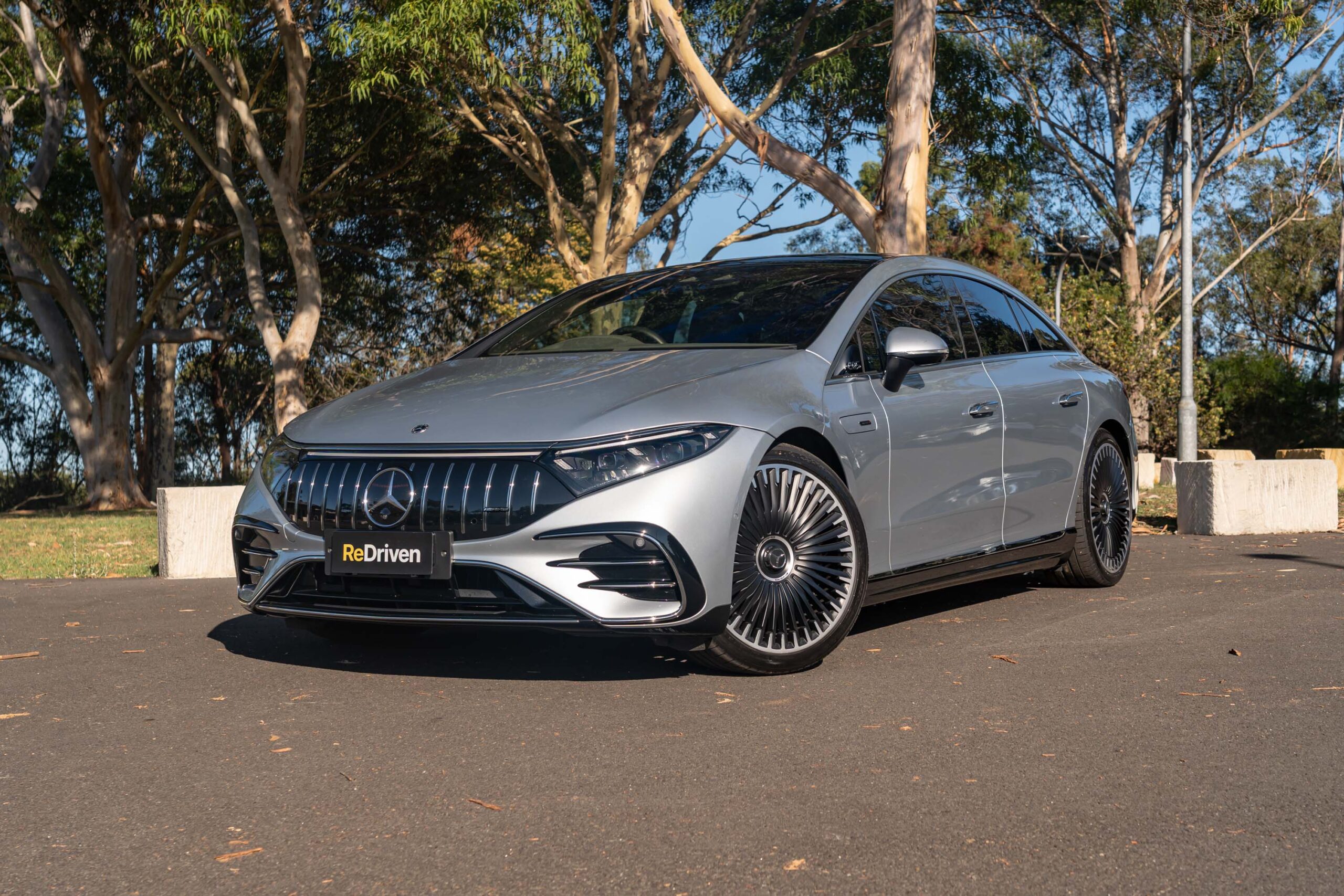
2022 Mercedes-AMG EQS53

04 January 2026
Zero chance.

2022 Mercedes-AMG EQS53

Used car review
04 January 2026
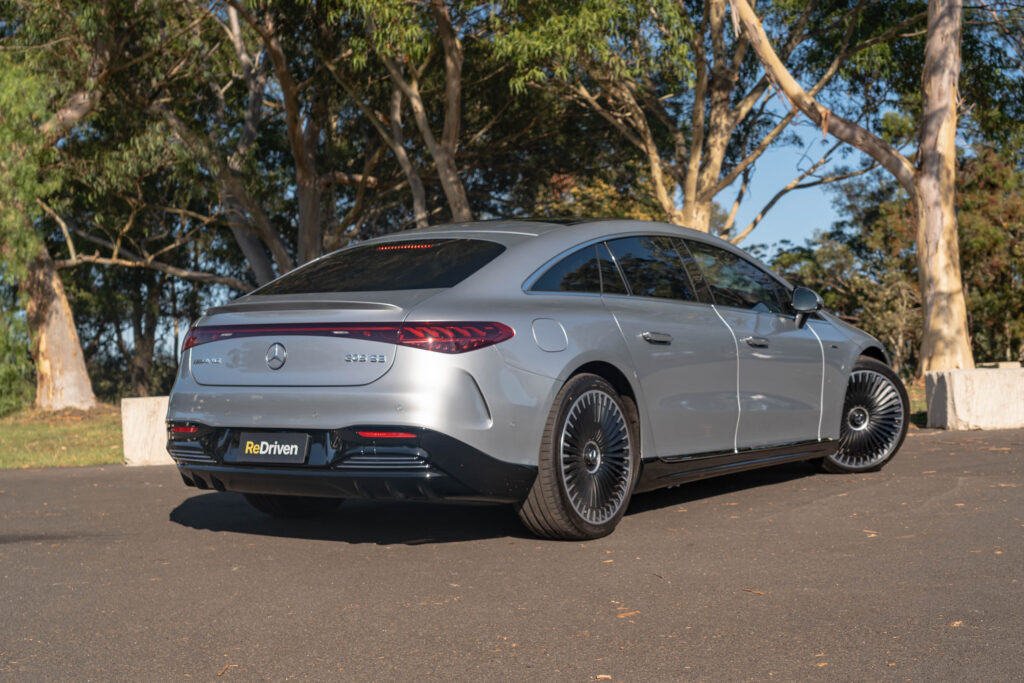
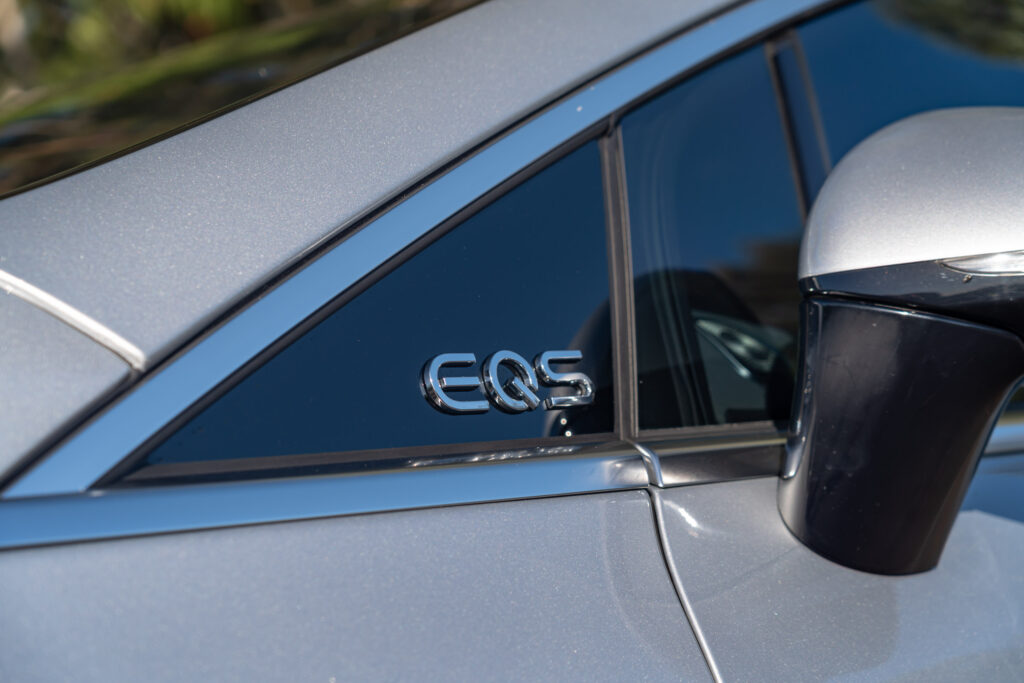
The Mercedes-Benz EQS Sedan is the flagship sedan model of the German brand’s all-electric lineup, known as the ‘EQ’ range. In other words, think of it as the electric counterpart of the S-Class.
Depending on where you are located, the EQS is available in multiple variants with different battery packs and degrees of power output, with rear or all-wheel drive.
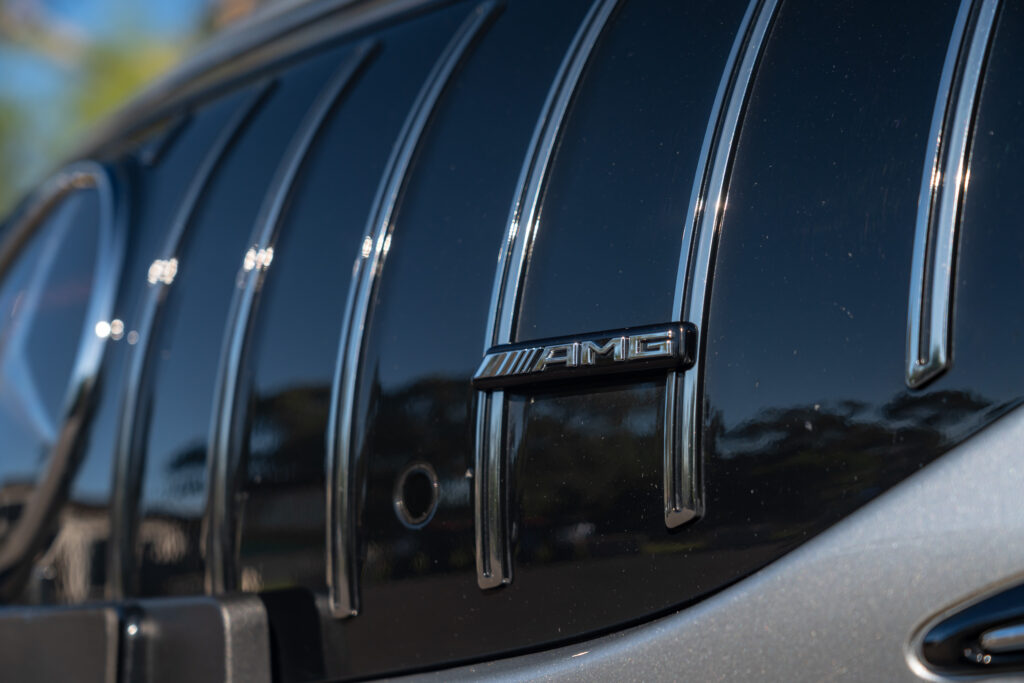
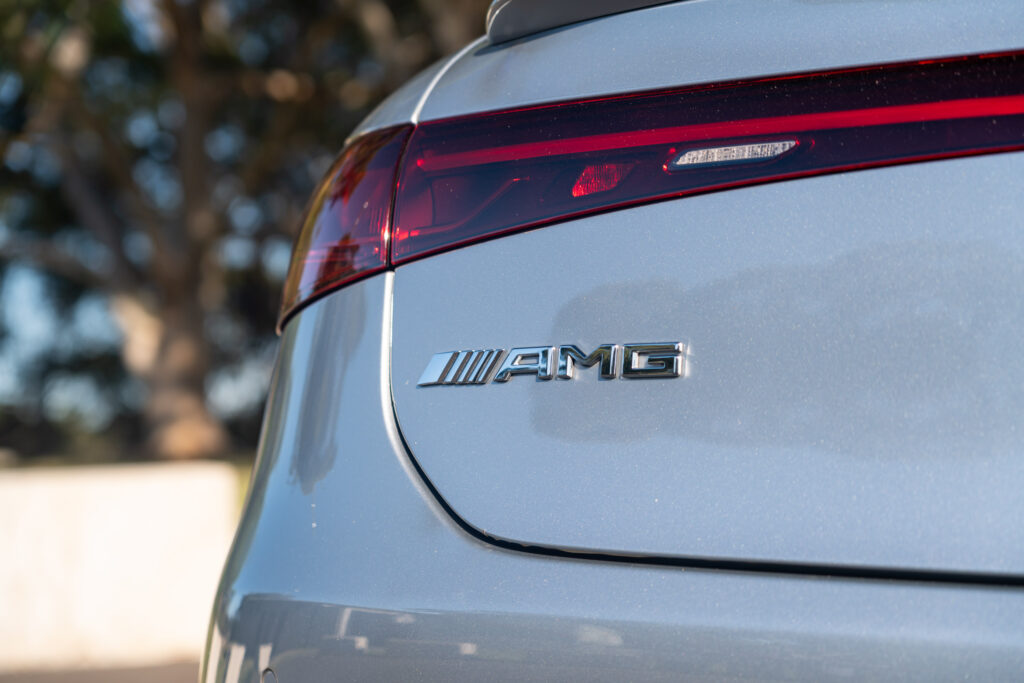
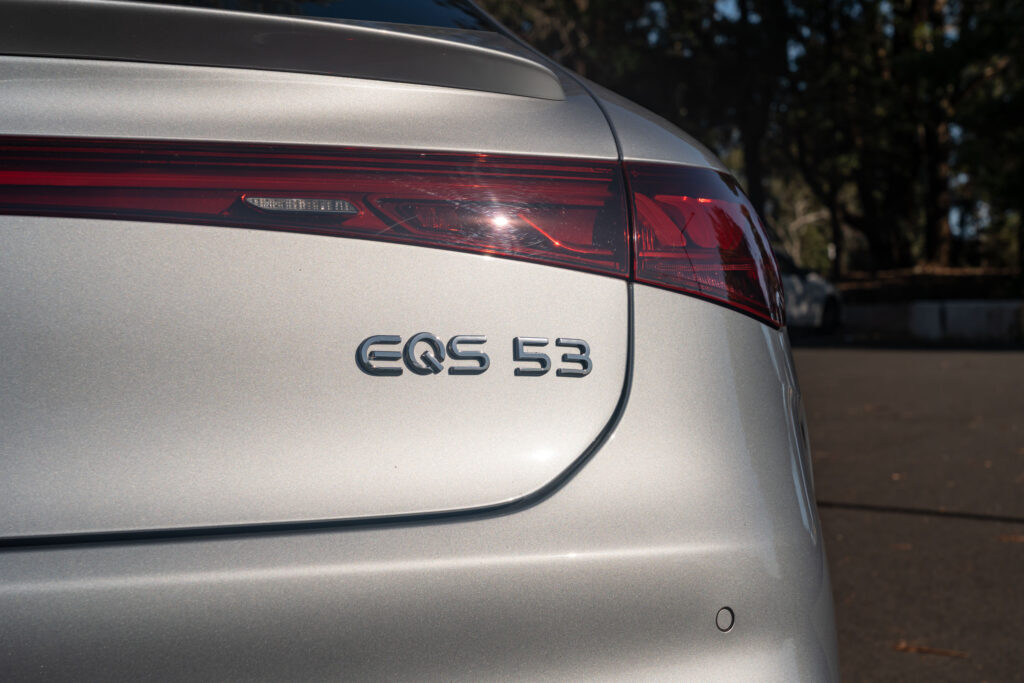
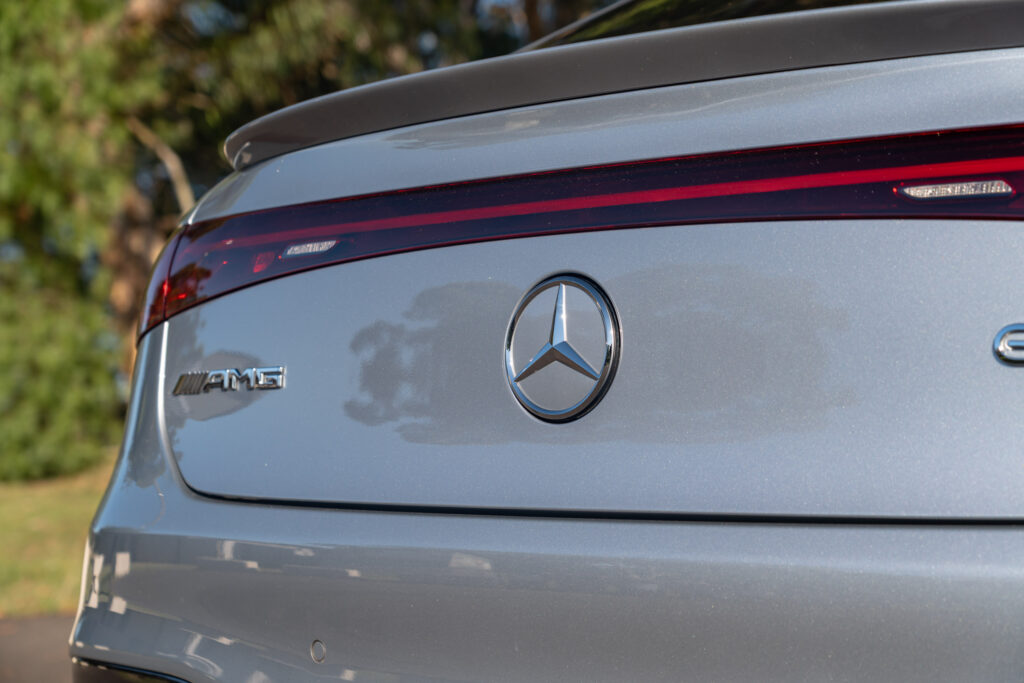
However, for the Australian market, the EQS Sedan is only available in one variant – the performance, top-spec Mercedes-AMG EQS53, which is also the most powerful all-electric model produced by the German brand.
Equipped with the Dynamic Plus Package, it can send up to 751 hp and 752 lb-ft of torque to all four wheels.
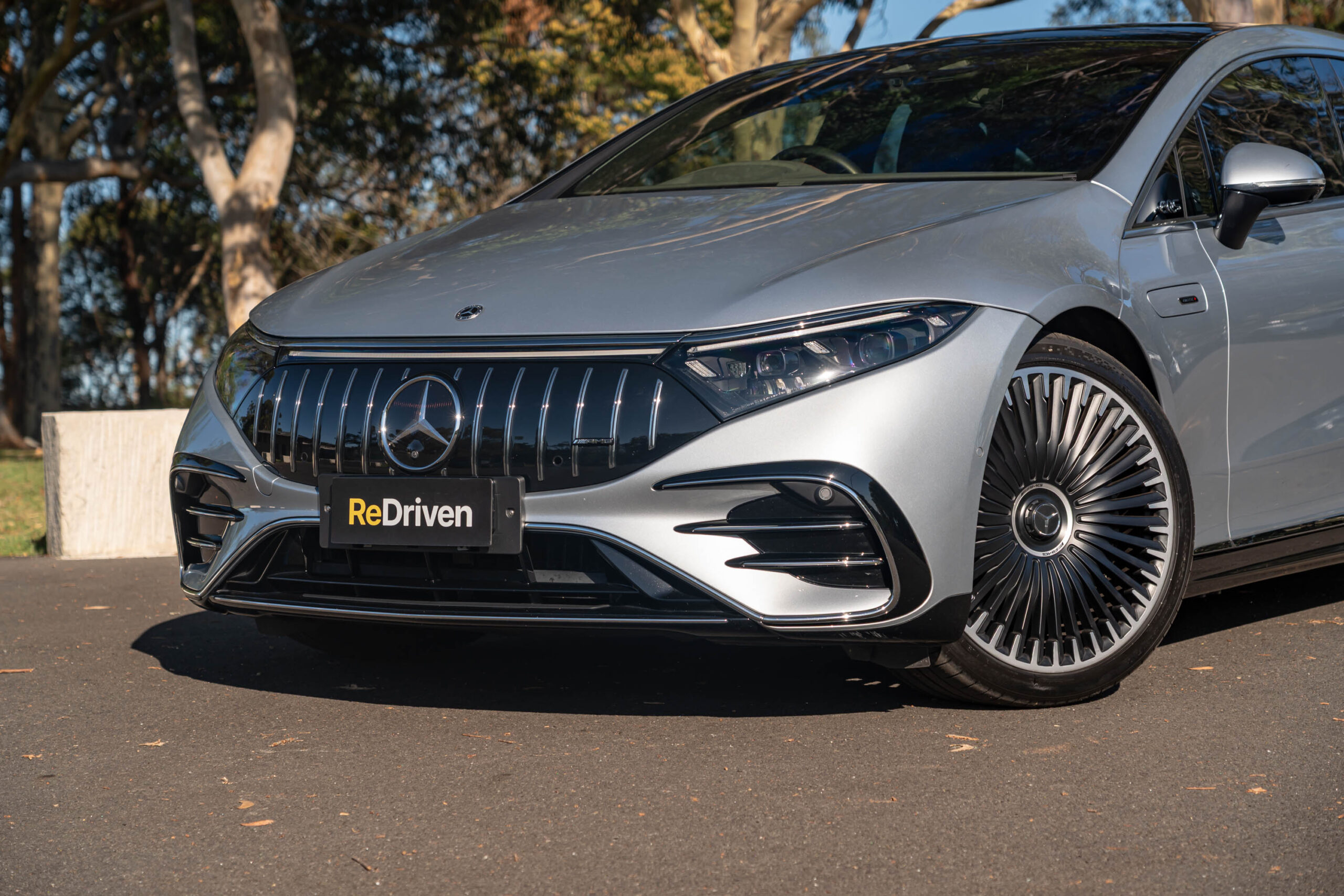
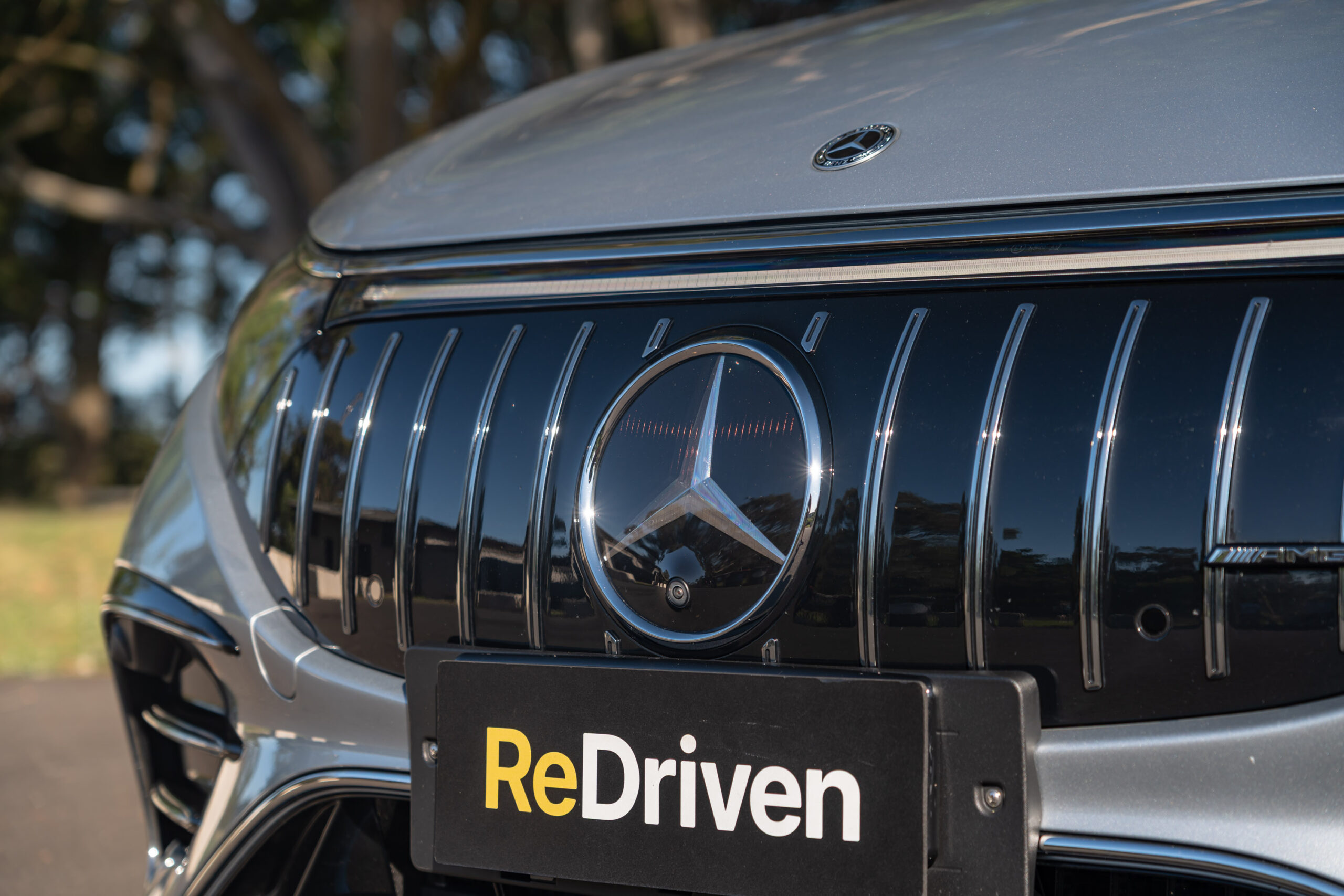
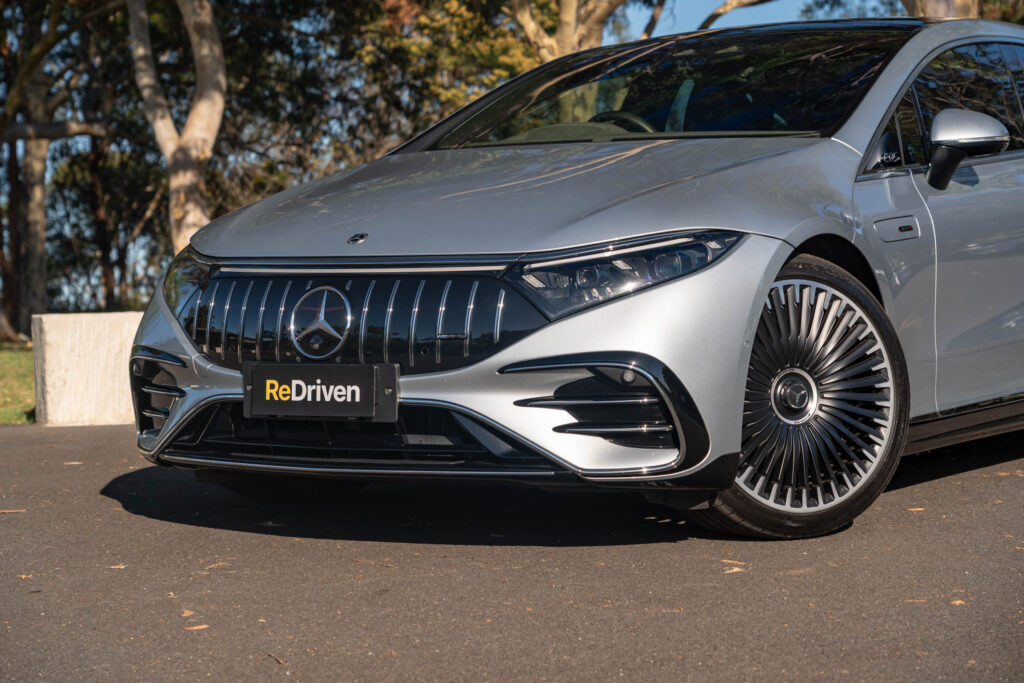
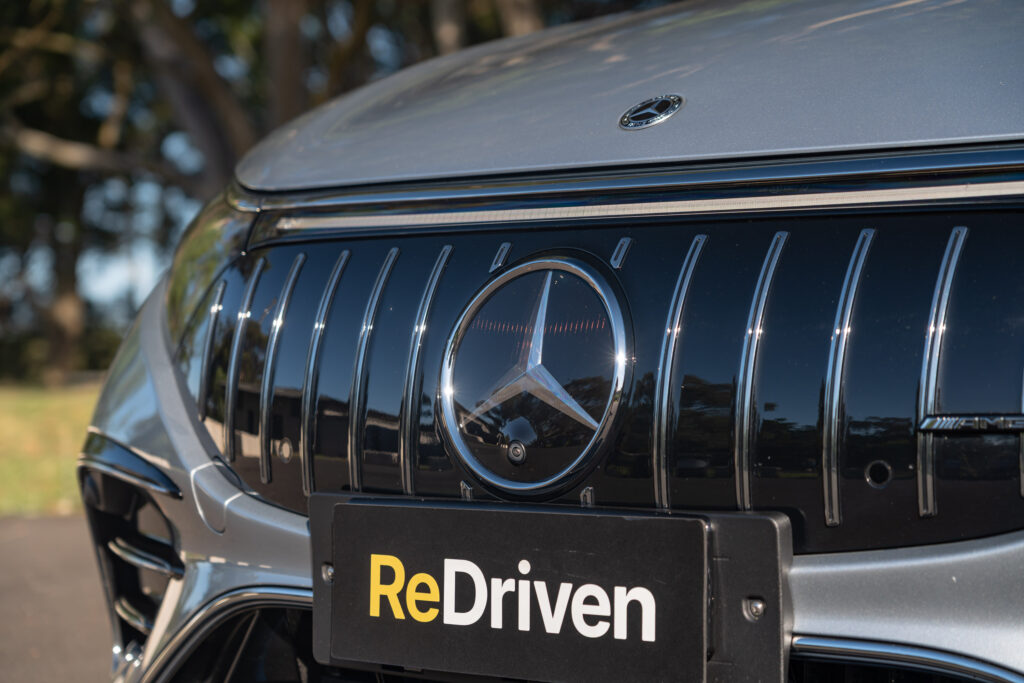
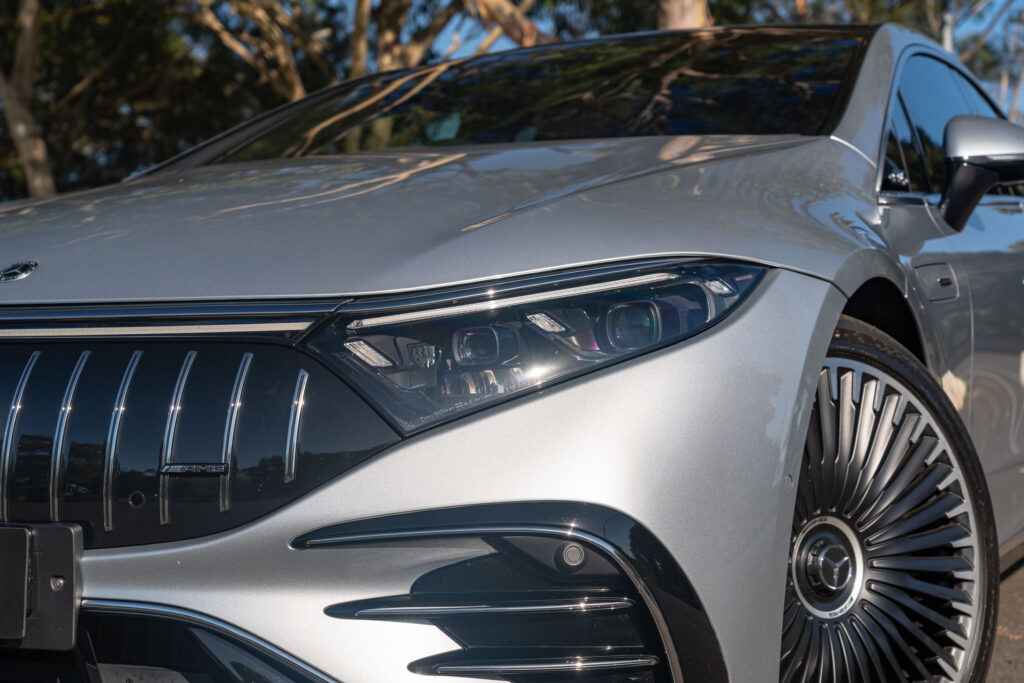
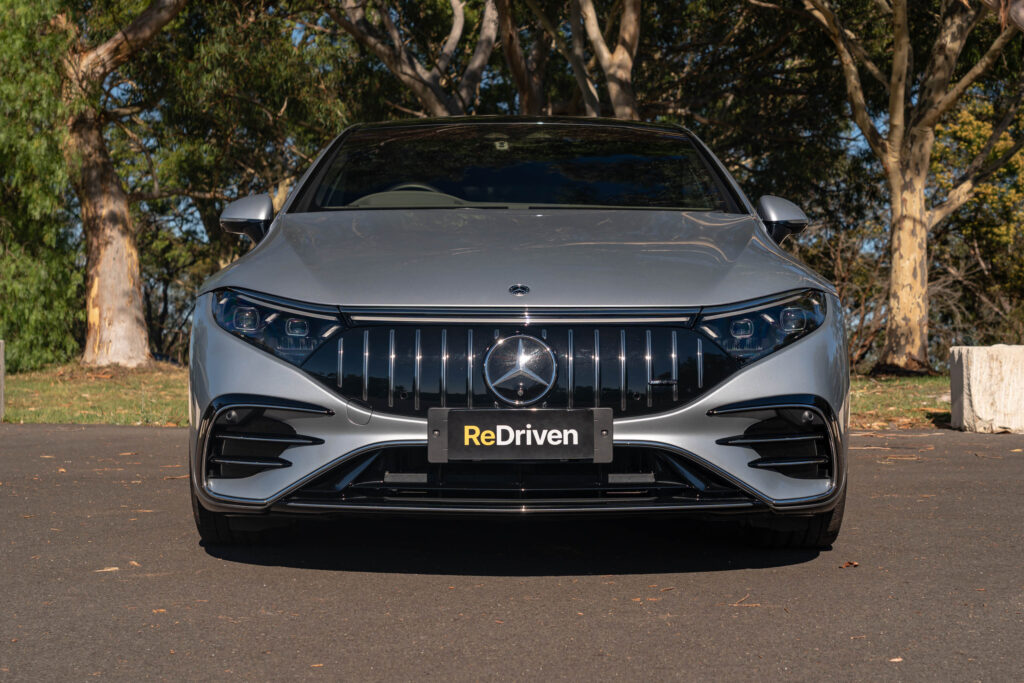
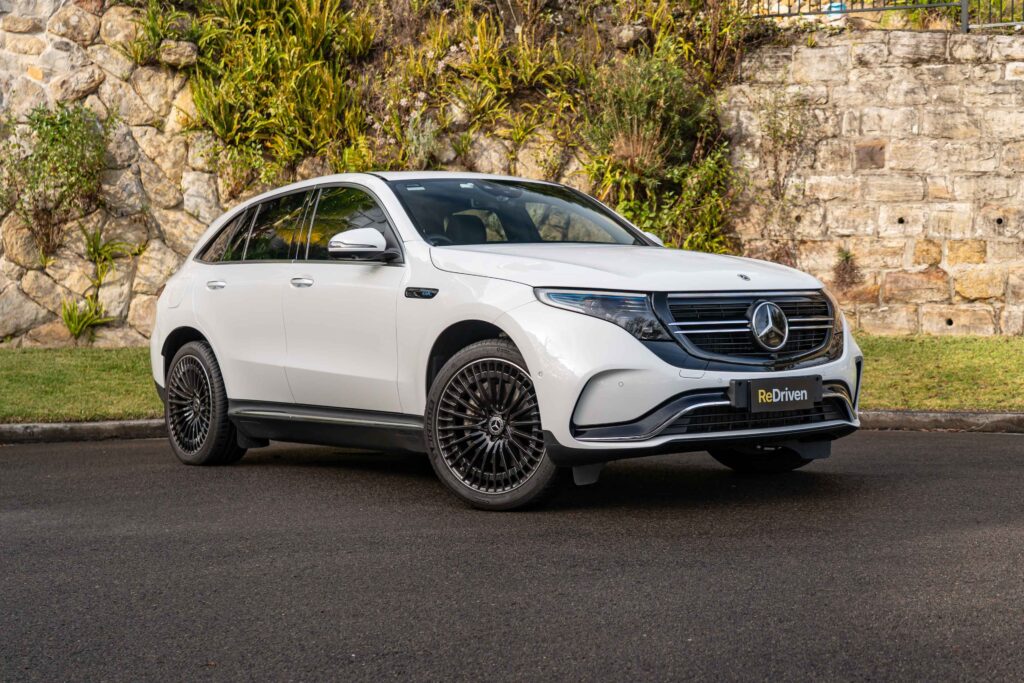
The EQS experienced one midlife update for the 2024 model year, which primarily consisted of minor styling changes that added a vertical Mercedes-Benz hood ornament, a new front grille design, and increased the battery capacity for certain variants.
Rivals of the EQS Sedan include a range of other luxurious EV sedans, which include those offered from mainstream brands like Tesla Model S, the BMW i7, the Porsche Taycan, Audi e-Tron GT, Kia EV6, and Genesis G80 Electrified, to the endless options coming from new and emerging Chinese EV brands or sub-brands (that are just too many to list).
Exterior Issues:
It’s important to know that while this EV is highly equipped with a lot of features, what you can access will depend on where you live. The fairly complex dynamic high beam lighting system, for example, is accessible to Australian owners, but not for certain markets – even though all of these come equipped with the hardware necessary.
The windscreen houses a lot of electronics and sensors internally to run various features of the car, especially the advanced safety assists. If it needs replacing, it’s highly recommended to use an OEM unit and ensure that it’s recalibrated properly, which will not be cheap.
Check thoroughly that any number of powered exterior features function without issues – from the retractable door handles, the powered rear trunk, the powered door mirrors, as well as the charging flap and plug.
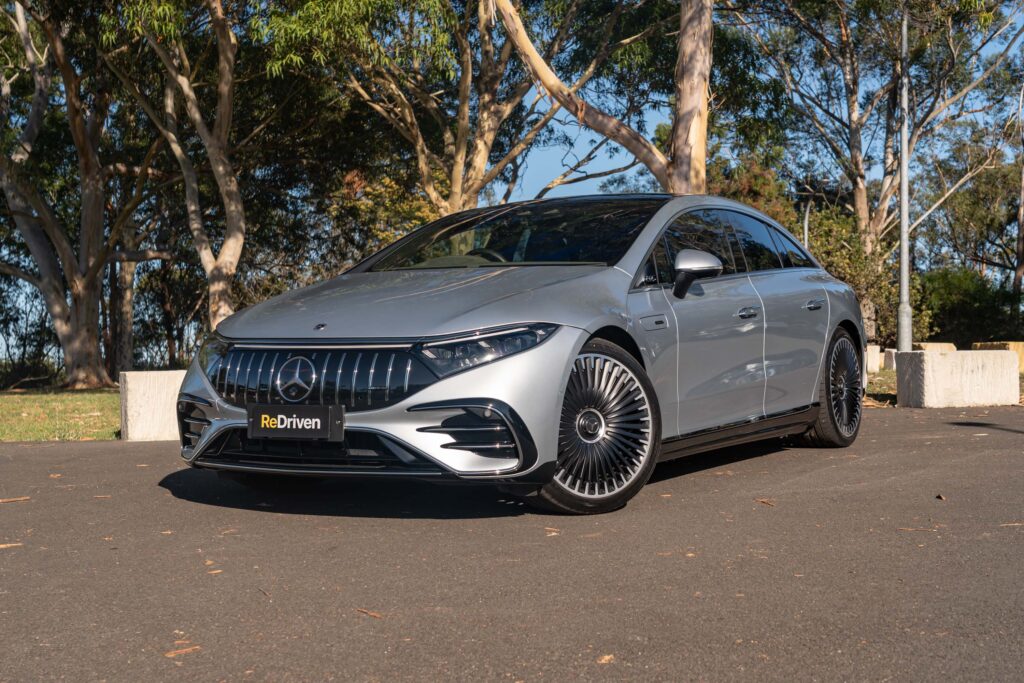
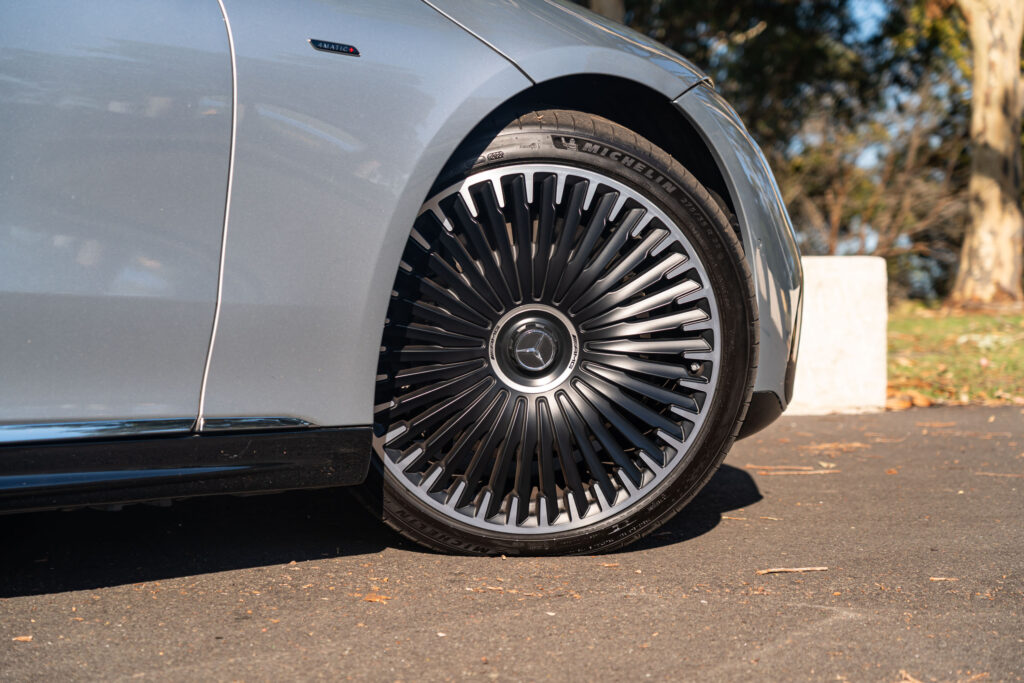
The alloy wheels look nice, but they can be easily cracked or damaged on imperfect road surfaces.
While most EVs have a ‘frunk’, or front cargo compartment for added practicality, the EQS doesn’t have one – and any unauthorised means to open the front bonnet can impact your warranty.
Interior Issues:
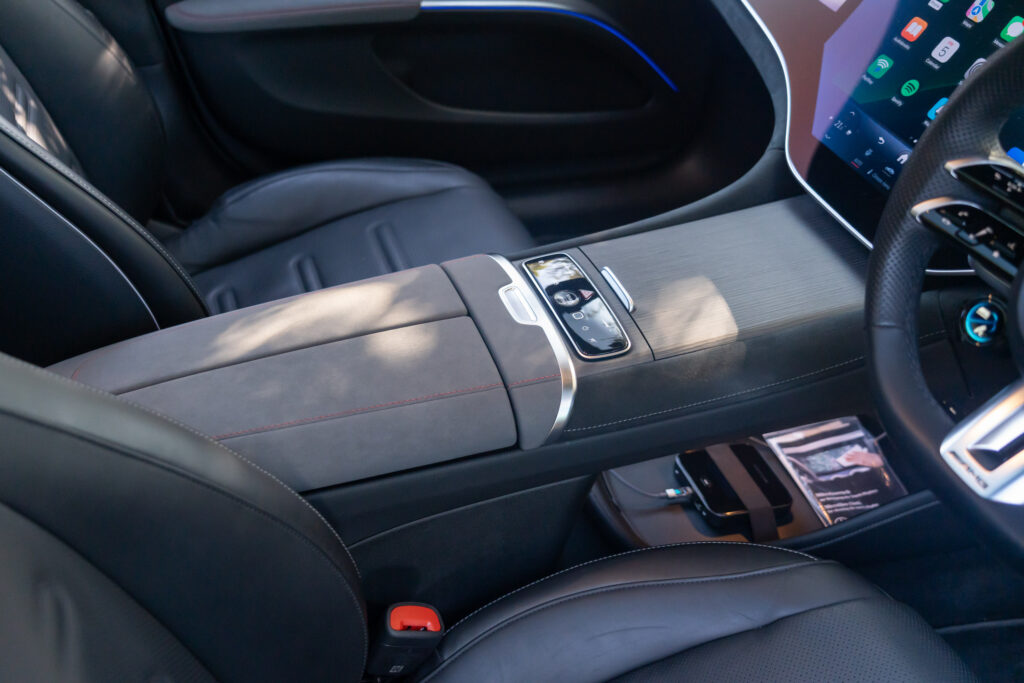
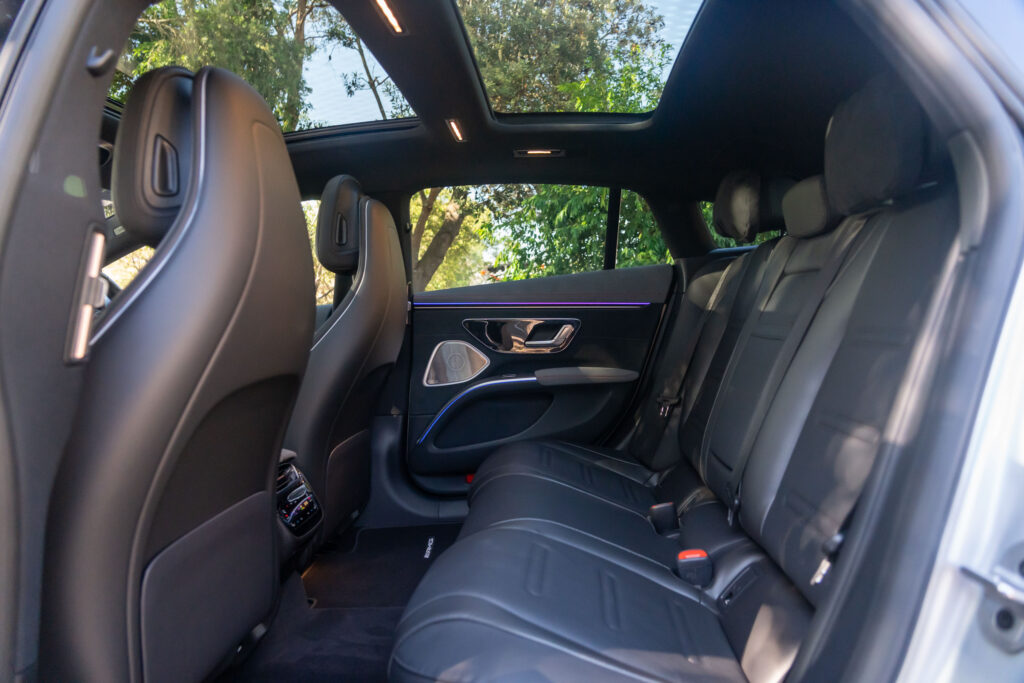
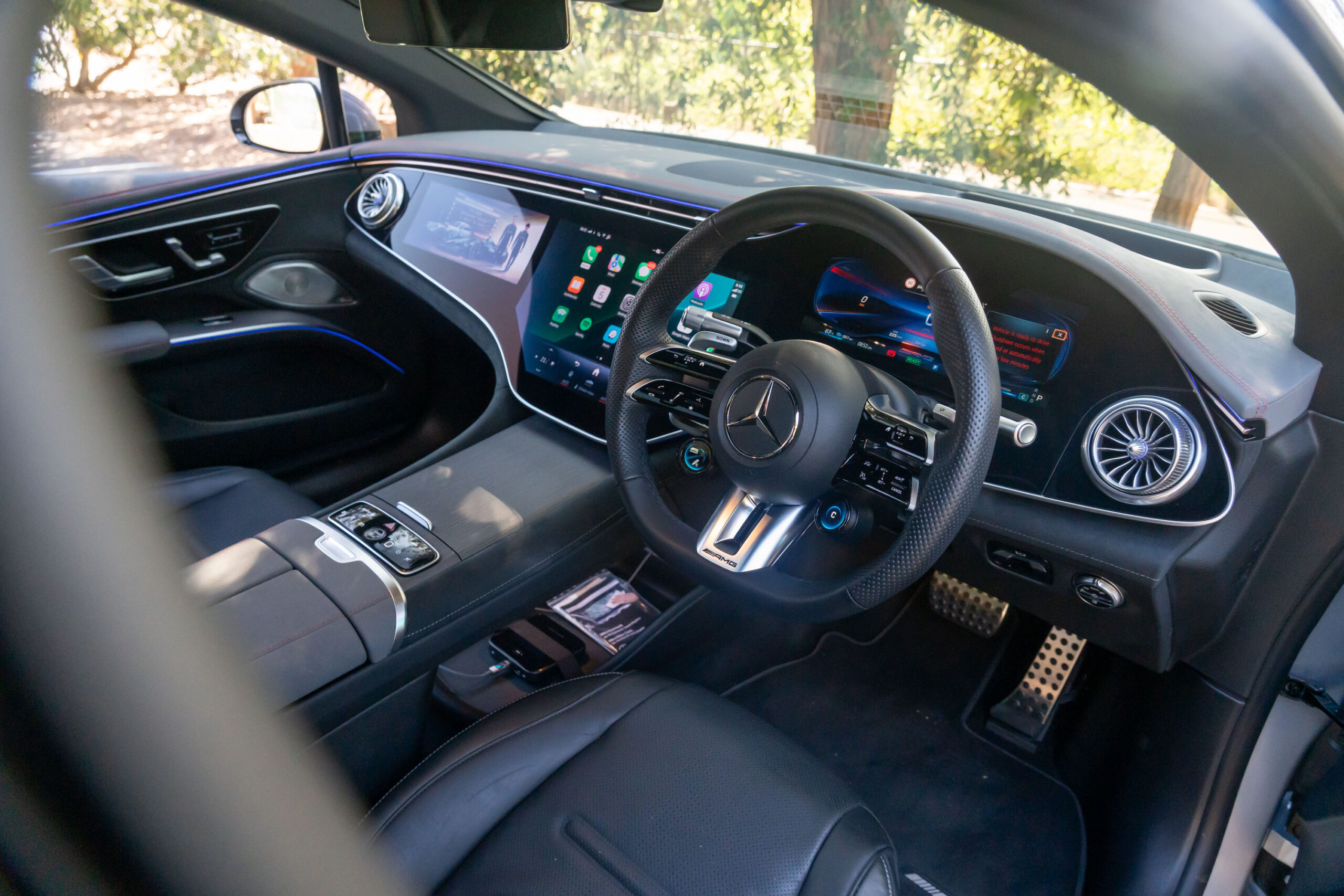
Whereas other modern Mercedes-Benz models we’ve featured have attracted complaints over their cabin’s fit and finish, as well as the quality of the materials used, the good news is that the EQS is reported to have one of the better-constructed interiors – with high-quality materials that are holding up well that giving the impression this is a car worthy of the Mercedes-Benz badge.
But this being a high-end EV, most of the known issues we’ve been told of are down to the vast array of complex features and tech equipment onboard.
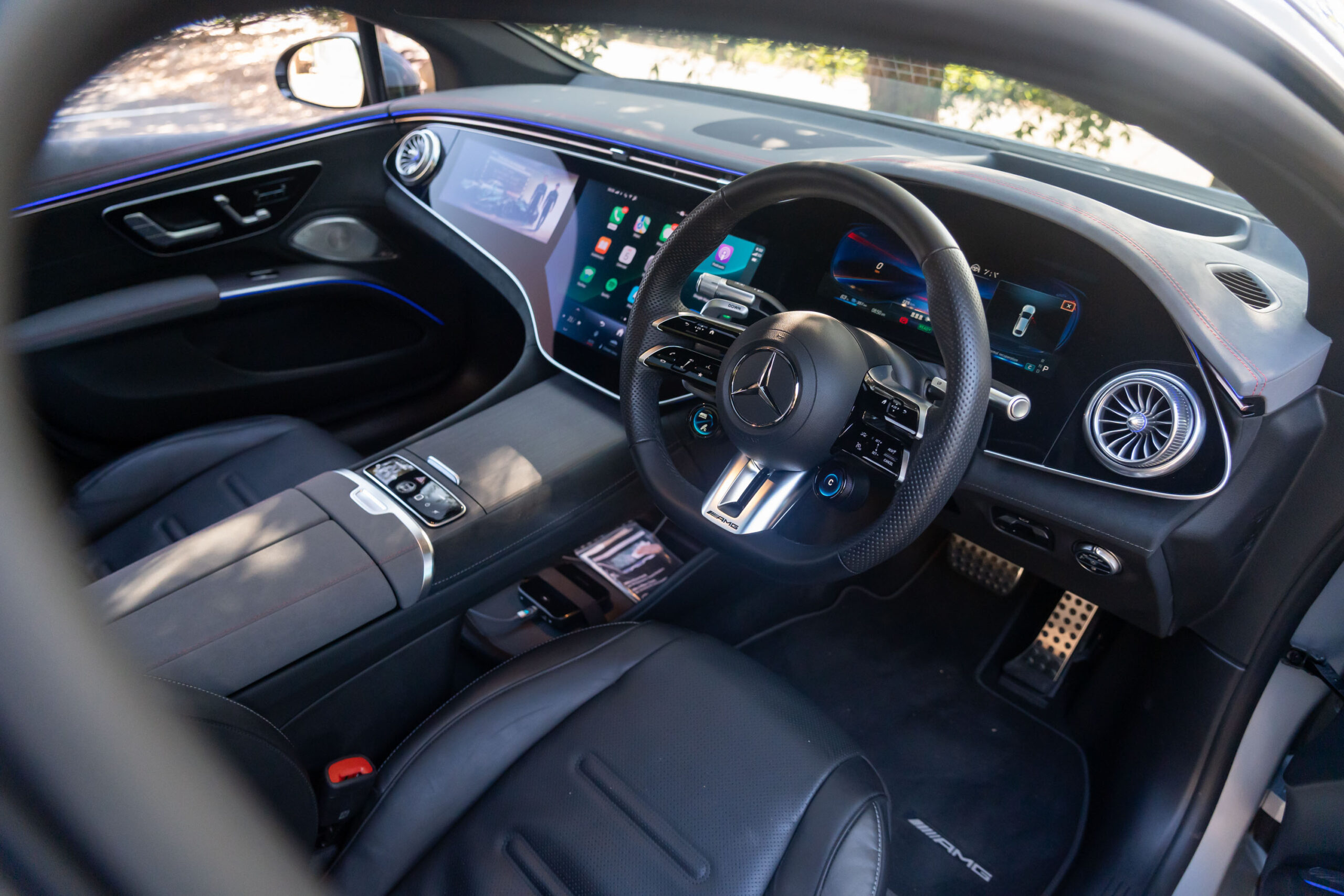
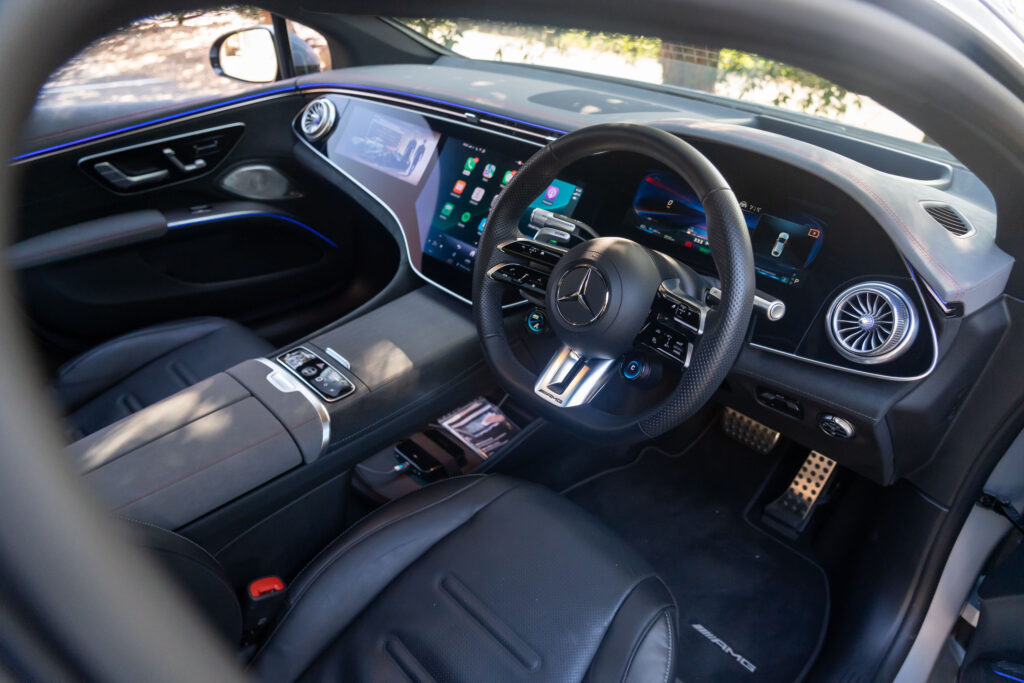
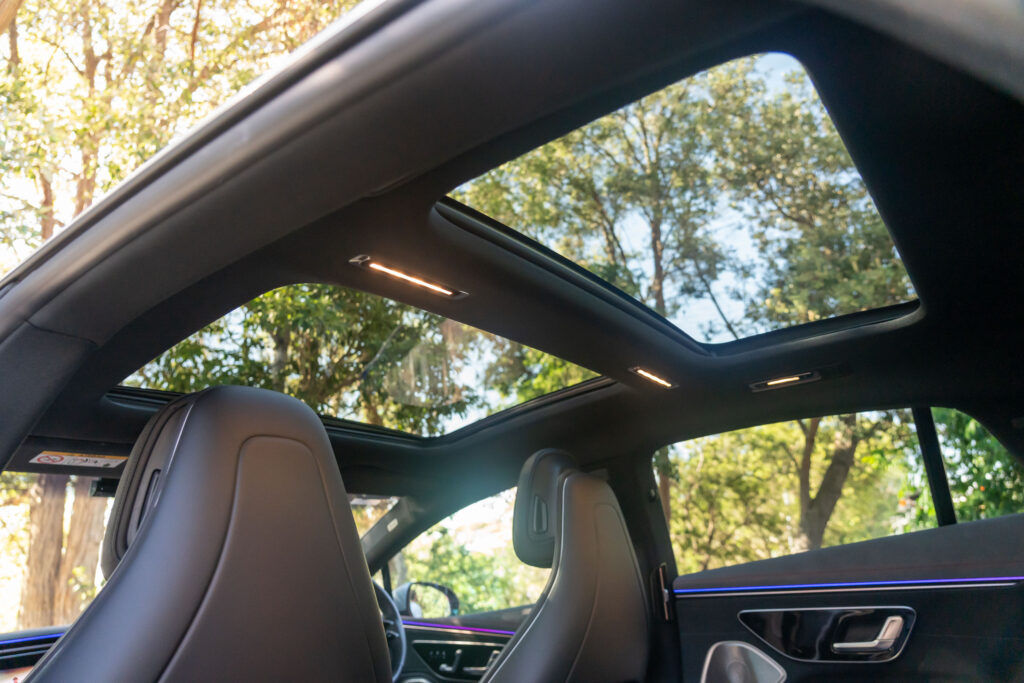
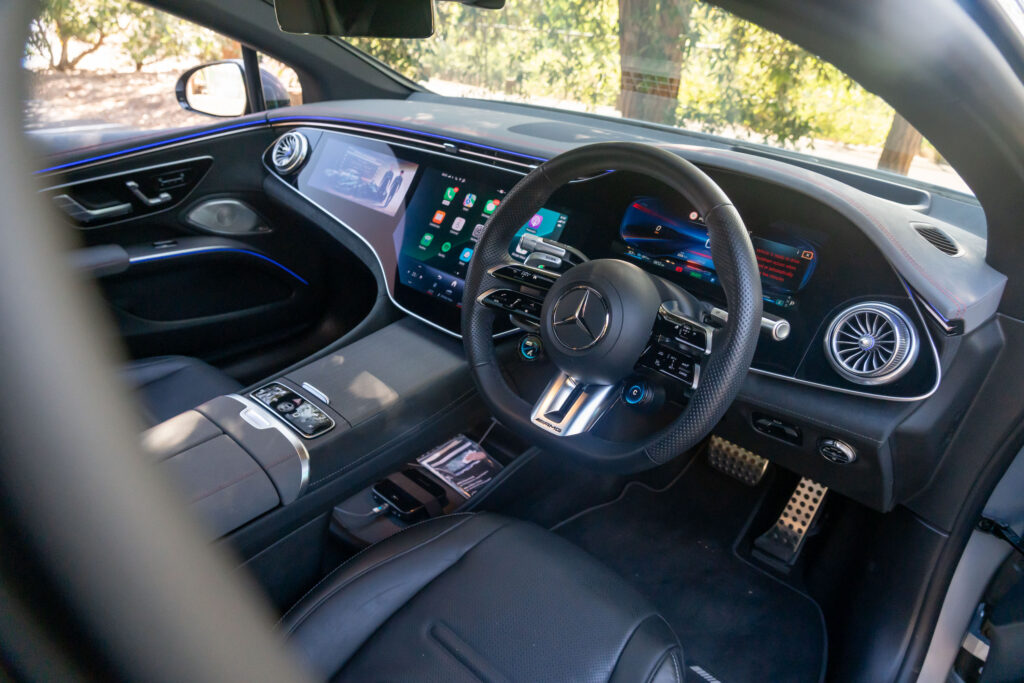
The interior multi-zone ambient lighting looks impressive, offering up to 190 different colors that can be selected.
However, it requires six different modules to operate, and they all must work in sync to make this complex feature run properly – if one fails, so does the entire system, and this ‘trickle down’ effect can also cause issues with other functions within the car.
For example, we heard from one owner that when the door lighting failed, the air conditioning system also began to have issues.
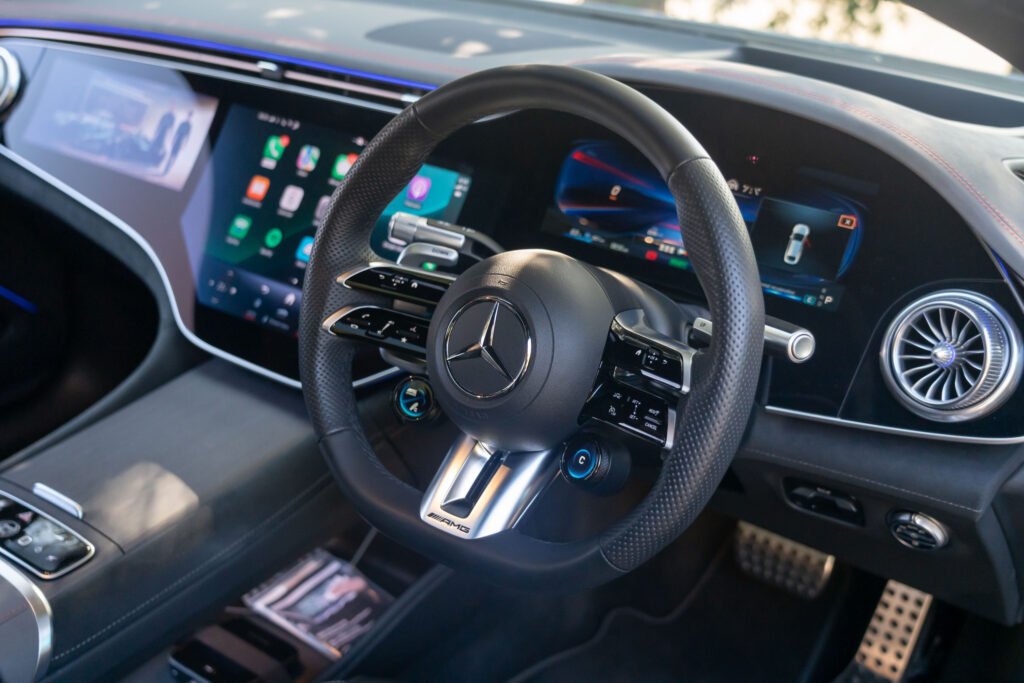
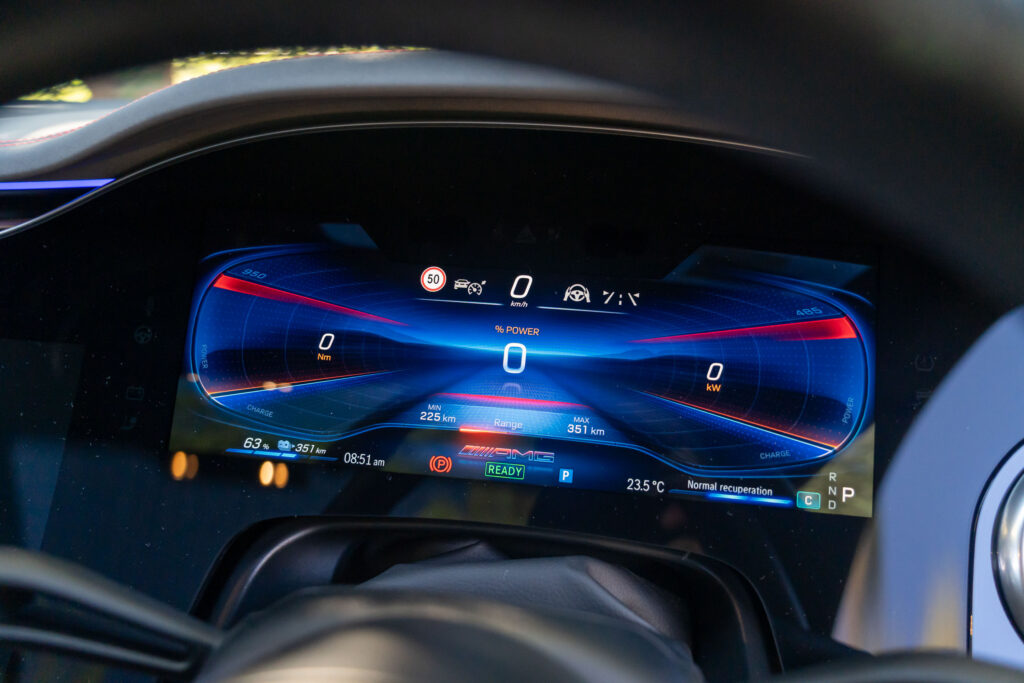
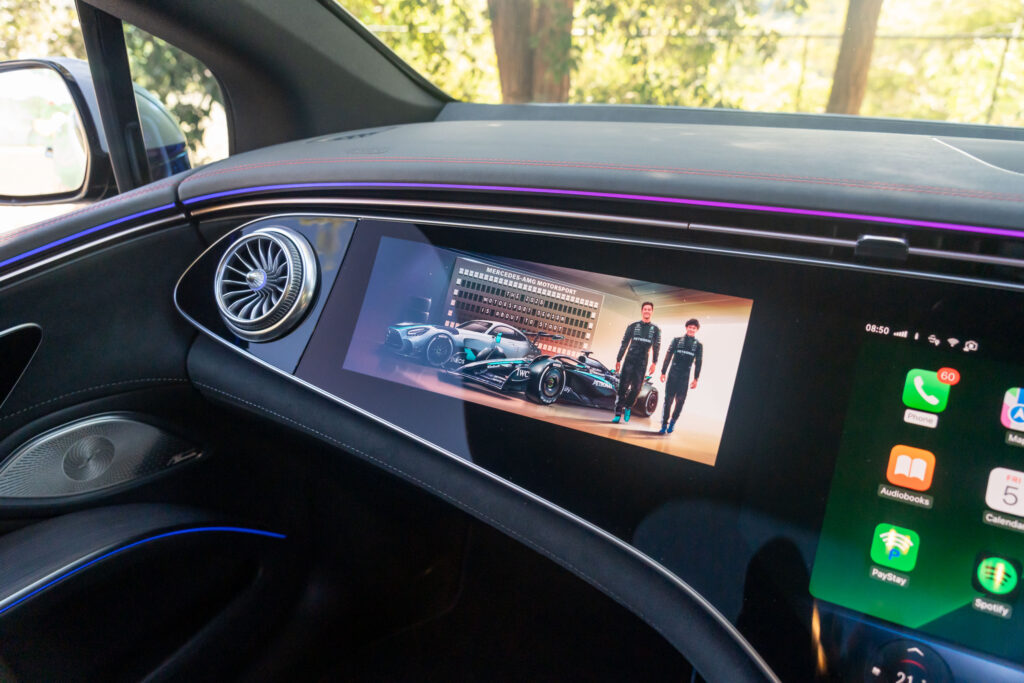
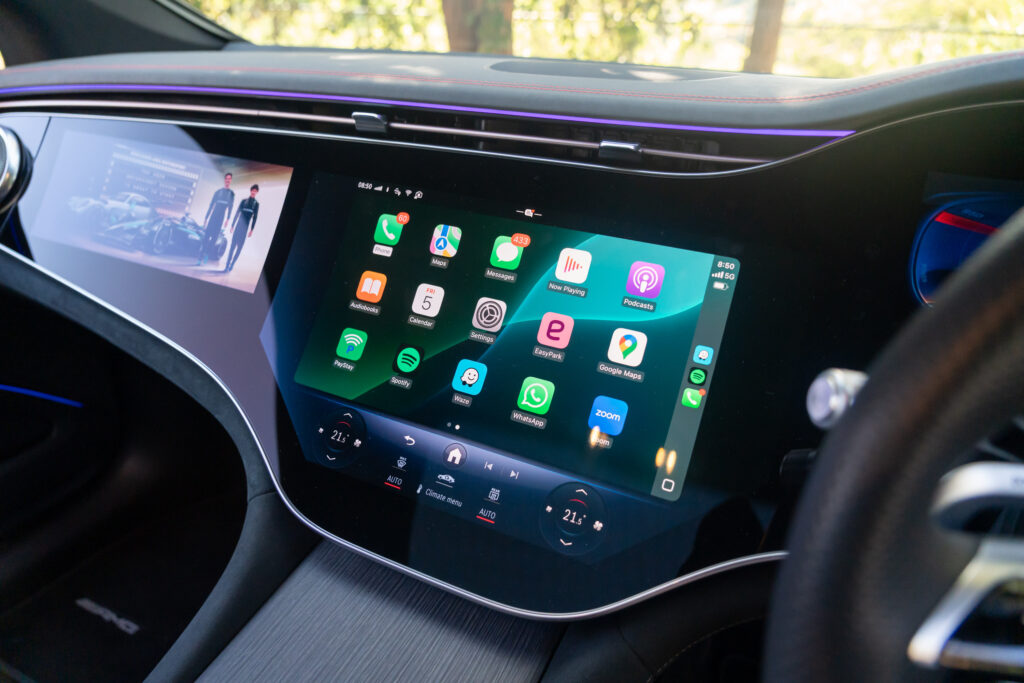
The most defining feature of the EQS is the very impressive ‘Hyperscreen’: exclusive to the top of the range models, and houses all of the car’s functions and the MBUX infotainment UI through two separate OLED screens and a digital LCD instrument cluster.
While the lack of knobs or physical buttons can raise some concerns over usability, this fully digital dashboard implemented by Mercedes-Benz is arguably one of the better ones heavily reliant on a screen-based setup.
It isn’t entirely troubleproof, as some owners have experienced the UIs freezing or not responding to inputs, device connection issues, or other system interface problems that require dealership visits to put right, or multiple over-the-air updates to resolve these software bugs.
The problem is that that might not always resolve the problems – either the software updates fail to resolve these problems, causing the entire UI to lock up altogether, or present even more issues with other functions.
For instance, one owner mentioned that after their EQS received the latest update, they’ve lost their radio function, and they haven’t been able to resolve it, even after multiple visits to the dealership.
The EQS is available with 4G data to allow owners to download and access various services, just like you would on your smartphone – but some have reported not being able to access the data connection at all, meaning they’re locked out of using some of the apps or have to get creative with other means to restore the connection.
There’s a lot of advanced safety tech onboard that makes the EQS one of the safest vehicles on the road, but sometimes these features can misbehave.
Owners have complained of sporadic instances of the automatic braking function activating unexpectedly, to safety warning messages on the display that remain on, even when the car is stationary. If a faulty module isn’t the problem, usually a system reboot or software update can resolve these glitches.
Mechanical issues:
As an electric vehicle, it’s hardly a mechanical issue that causes these to stop on the side of the road. Usually, it’s a software or electrical problem that leaves its owners stranded.
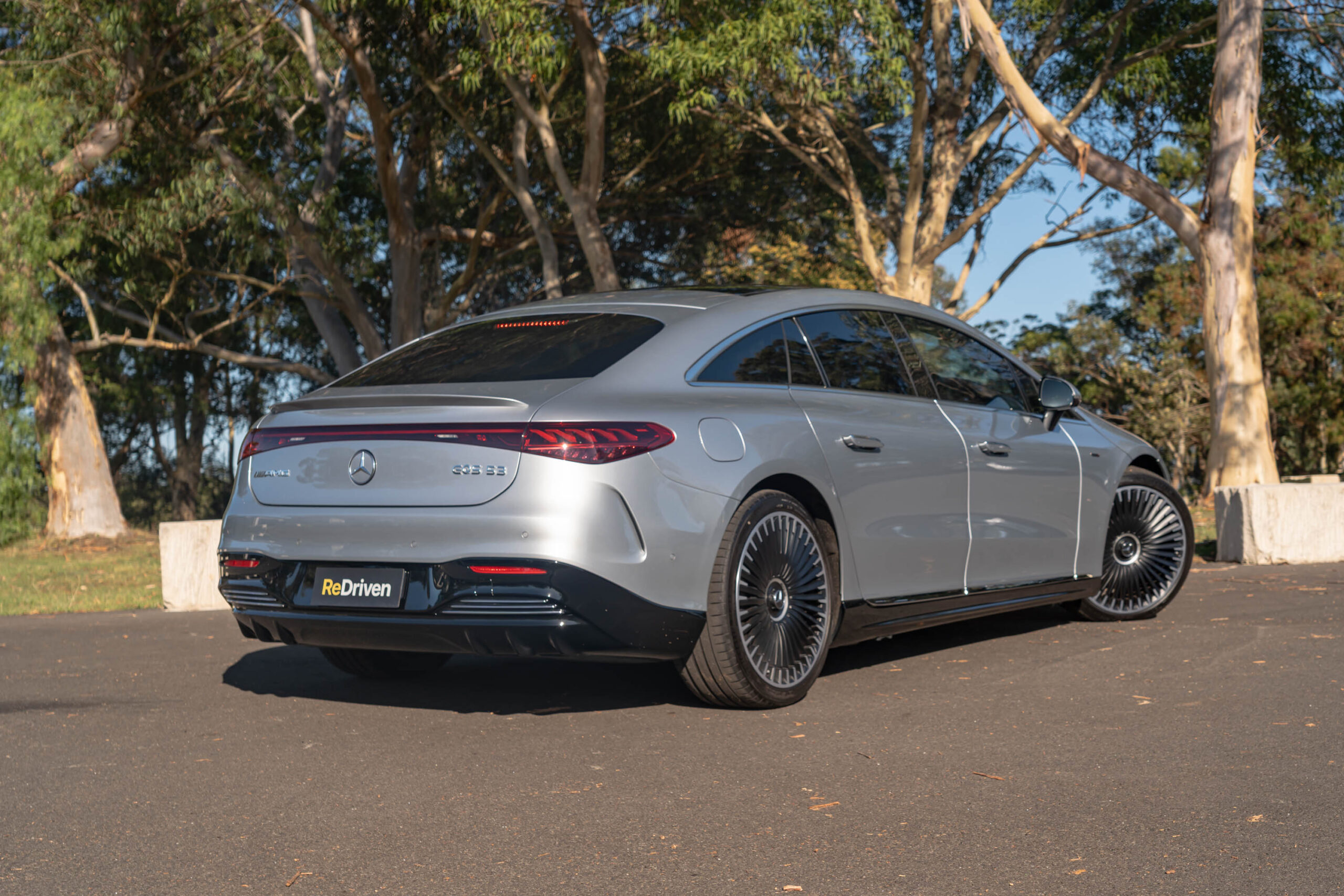
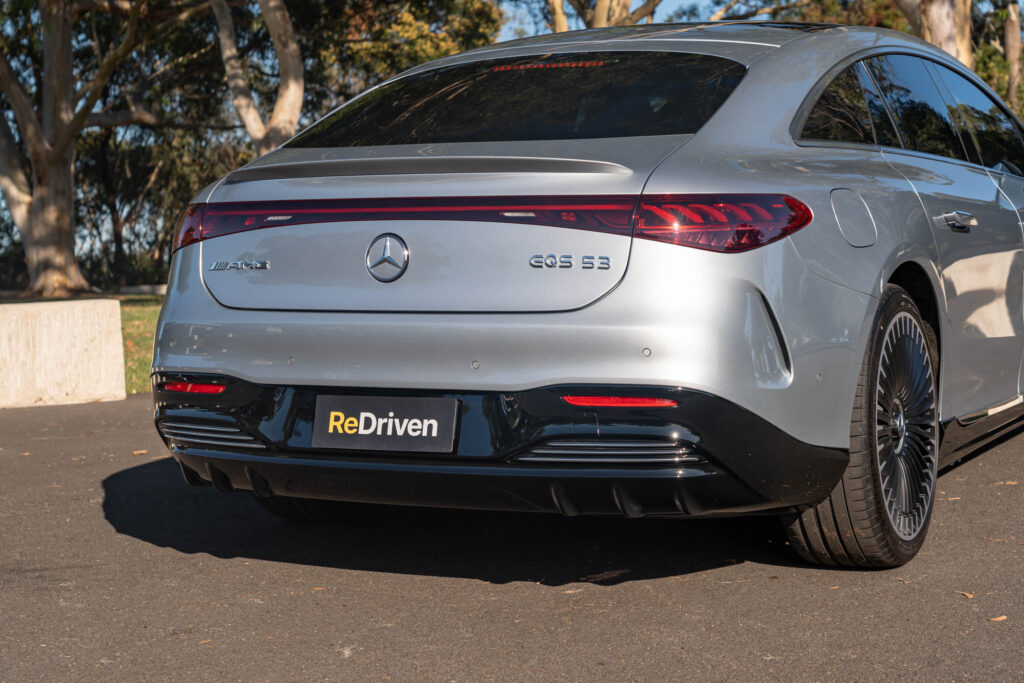
More concerning is the cost for consumables like tyres, wheels, and spare parts that can easily wipe out any money you save on fuel if you choose to embrace EV ownership with this Mercedes-Benz. For example, when getting quotes for a replacement rear diffuser, some Mercedes-Benz dealerships were quoting over $2,000 for a new unit.
The big issue with a modern EV like this is how it will fare in 10 or more years, as with all technology – eventually it will become obsolete.
Plus, because Mercedes-Benz hardly sold any of these new, the question of how long they’ll provide updates/support is hard to ignore, as eventually it won’t be viable – meaning resolving electrical glitches or sourcing model-specific parts could be eye-wateringly expensive.
Mercedes-Benz claims the battery pack shouldn’t suffer serious degradation for the first 10 or 20 years of its life. Some markets have the battery covered for the first 10 years, but note in Australia, it’s now 8 years or 160,000 km (whichever comes first), with the rest of the car covered under a 5-year warranty.
We did hear of one instance where an EQS owner had to replace the entire battery due to a dent within the battery pack – thankfully, their insurance covered the replacement, as out of pocket, it would have set them back $65,000!
Currently, the most prevalent issues raised by owners are problems with battery charging issues, likely due to the complexity of the electronics in this car.
Even the most experienced technicians have mentioned that the knowledge base of how to approach these vehicles can be a bit of a grey zone, worsened by the lack of factory support when it comes to diagnosing any number of glitches that can come up.
Our advice is not to take any risks if you need the powertrain thoroughly looked over, and for the time being, leave it to official Mercedes-Benz dealerships, not independent workshops.
The EQS is a very heavy vehicle, especially in the performance-oriented AMG specification – weighing at least 2,480-2,655 kgs. Hence, tires will likely be a frequent consumable item you need to account for, and it’s highly recommended you stick to the tires engineered specifically for this car, whose costs can easily add up.
We’ve heard from a few owners experiencing premature tire wear, with some going through a full set after just 10,000 kilometers.
In addition, it’s highly advised you only have Mercedes-Benz specialists install new tires, as the sensor design of all these EQSs can mean those inexperienced can easily damage the highly complex electronics inside.
A few early models have reported issues with the advanced air suspension system that allows this heavy EV sedan to remain composed and deliver a very compliant ride, ranging from components leaking, premature wear, or electronic issues.
These should have been fixed under warranty, but once it runs out – expect costs to resolve these problems to be very expensive, as unlike other cars, you likely won’t be able to replace the system with conventional struts.
The same applies to the very complex four-wheel steering, if equipped: any faults mean you could be in for another hefty repair bill.
The EQS, when new, cost over $380,000 when it was introduced only three years ago. Since then, it’s depreciated heavily, with most on the used market now going for $120,000 – that’s at least $260,000 (70%) of its original value gone.
Lower-spec EQS models are reportedly suffering far worse levels of depreciation, with them losing up to 80% of their original retail value.
That is a significant disadvantage for the unlucky few who paid a premium to order these new from Mercedes-Benz, assuming they paid full price; as reportedly, among the 120 EQS53s delivered to Australia, only about 25 sold – meaning even as a new car, Australian dealers struggled to sell these out the door, subjecting them to significant price discounts.
But as an upside, with prices continuing to drop and the fact that mileage doesn’t play a big factor in these types of vehicles, you could receive a lot of car for your money’s worth if you’re shopping for a secondhand EV; provided you’re financially comfortable and only plan to own this for a few years.
We understand the appeal of the Mercedes-Benz badge when comparing the EQS to other premium EVs from Kia or Hyundai, but the pressing concern is that as these get older, this EV could become a potential liability for existing or future owners, especially as these are no longer covered under their original warranty.
Adding to this, one of the things that really struck us when reading through owners’ groups and forums was how many owners are concerned about what new features future Mercedes EVs would come with, and could their EQSs be at risk of becoming obsolete?
The main reason you buy an EV is for sustainability, but if it can become nearly redundant and unroadworthy in less than a decade because it’s not financially viable to keep roadworthy, the environmental impact is alarming; not to mention how many resources it takes to make the electric powertrain in the first place.
In that case, if you truly want a car that leaves a minimal carbon footprint, it might be more sustainable to look into a reliable secondhand hybrid, which brings many of the existing EV benefits with far fewer drawbacks.
Yes, the EQS offers impressive performance as a luxury sedan, and a high-end product feel behind the wheel, complemented by all of its impressive technology onboard.
But in the end, you can find these same points in far cheaper vehicles that will likely not experience the risk of planned obsolescence or financial liability as the Mercedes.


Co-creator, presenter & writer, ReDriven

Zero chance.
 1 week ago
 3 weeks ago
 2 months ago