Australia’s No. 1 Used Car Review Website
Australia’s No. 1 Used Car Review Website
+16 Photos
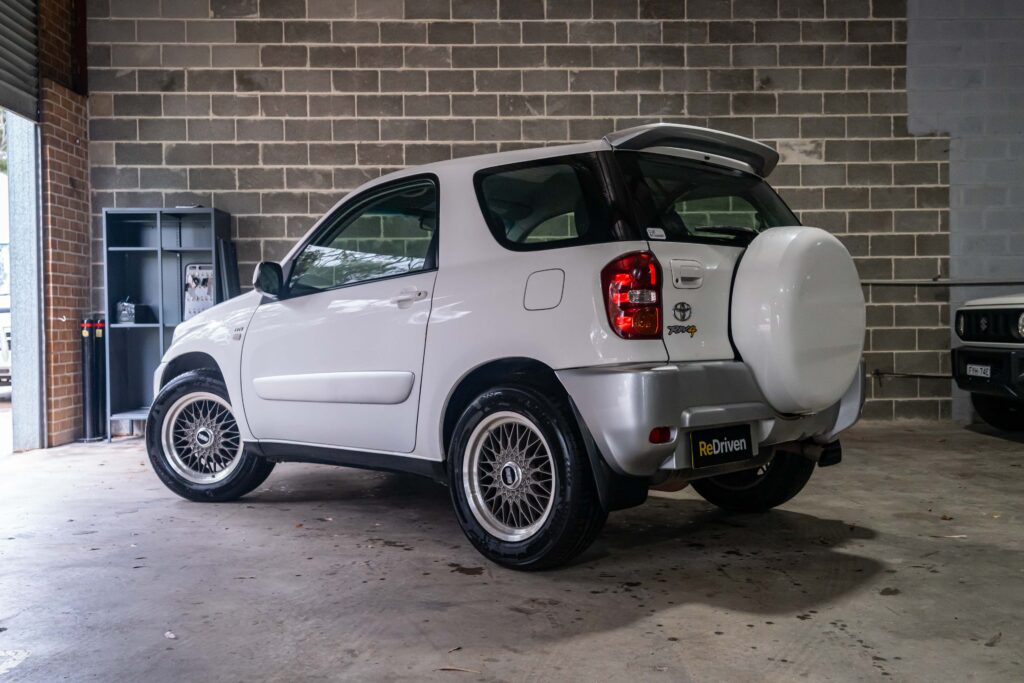
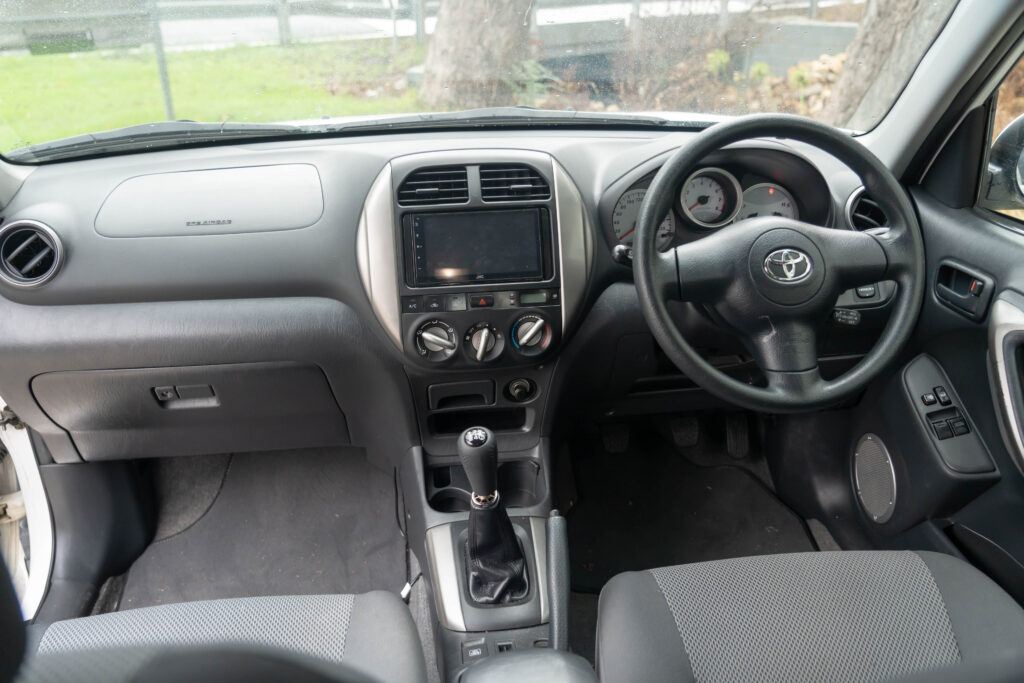
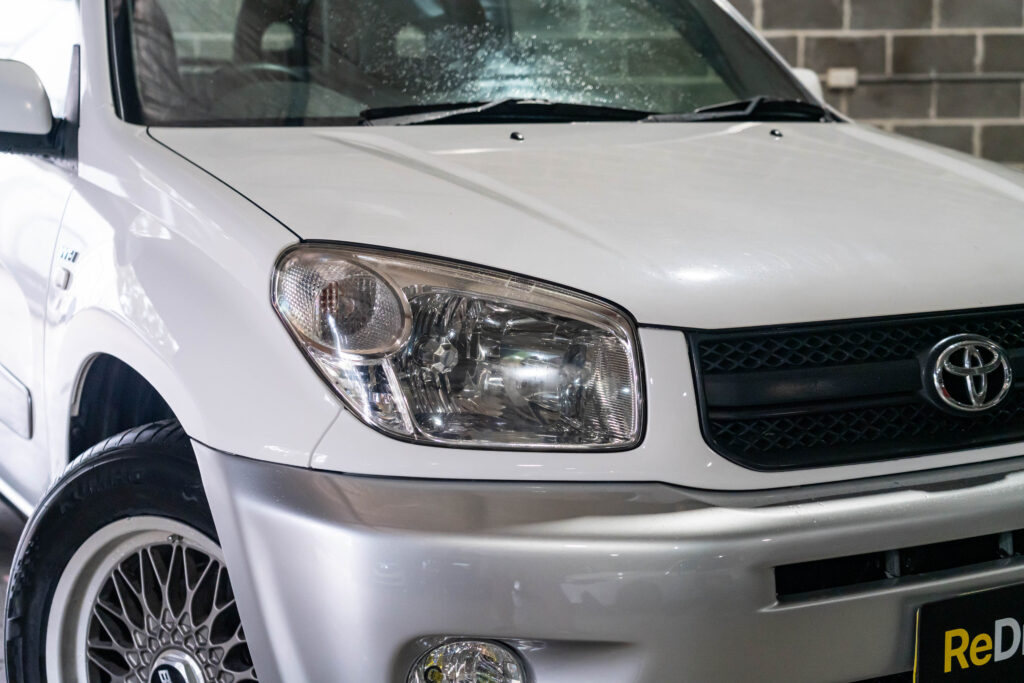
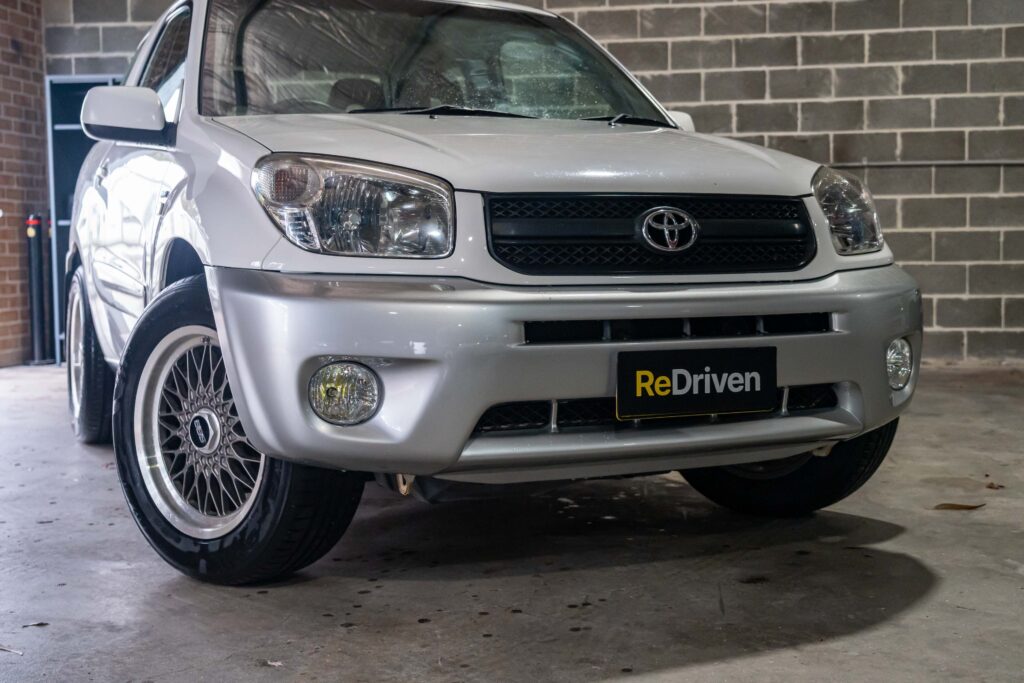

2004 Toyota RAV4 CV 3-Door

02 April 2026
Yes. 100%.

2004 Toyota RAV4 CV 3-Door

Used car review
02 April 2026
The second-generation Toyota RAV4 was originally produced from 2001 until 2005, continuing Toyota’s compact SUV nameplate that the preceding generation had established.
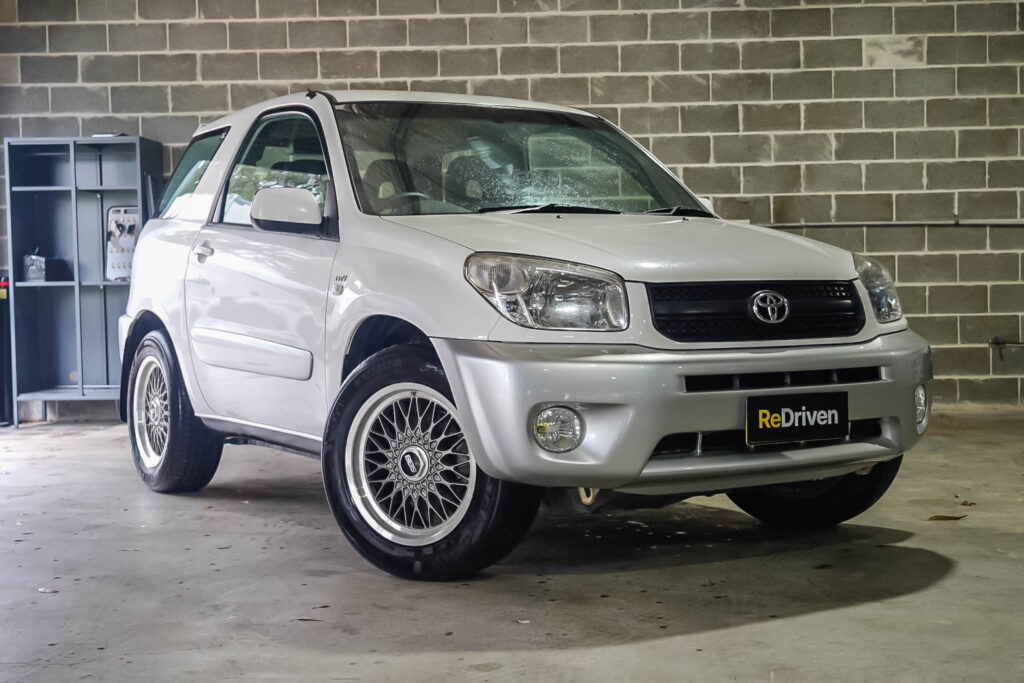
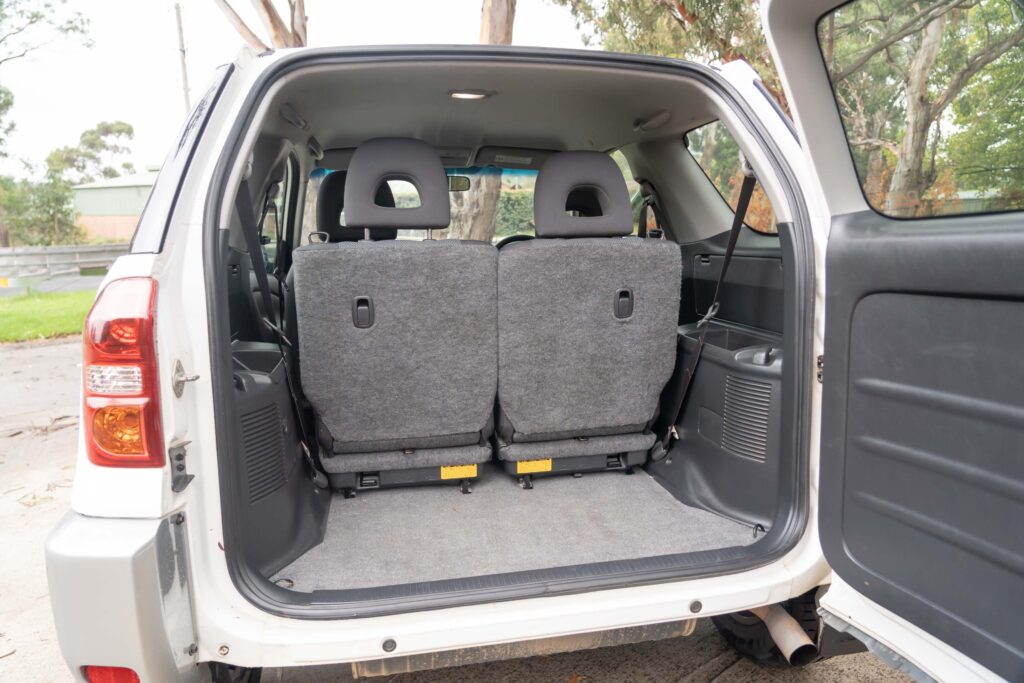
For the Australian market, this iteration of the RAV4 was offered in both a short wheelbase three-door and a long wheelbase five-door configuration.
Pre-update RAV4s of this generation were made from 2000 to 2003, while post-update models were produced from 2003 up until this generation was discontinued in 2005.
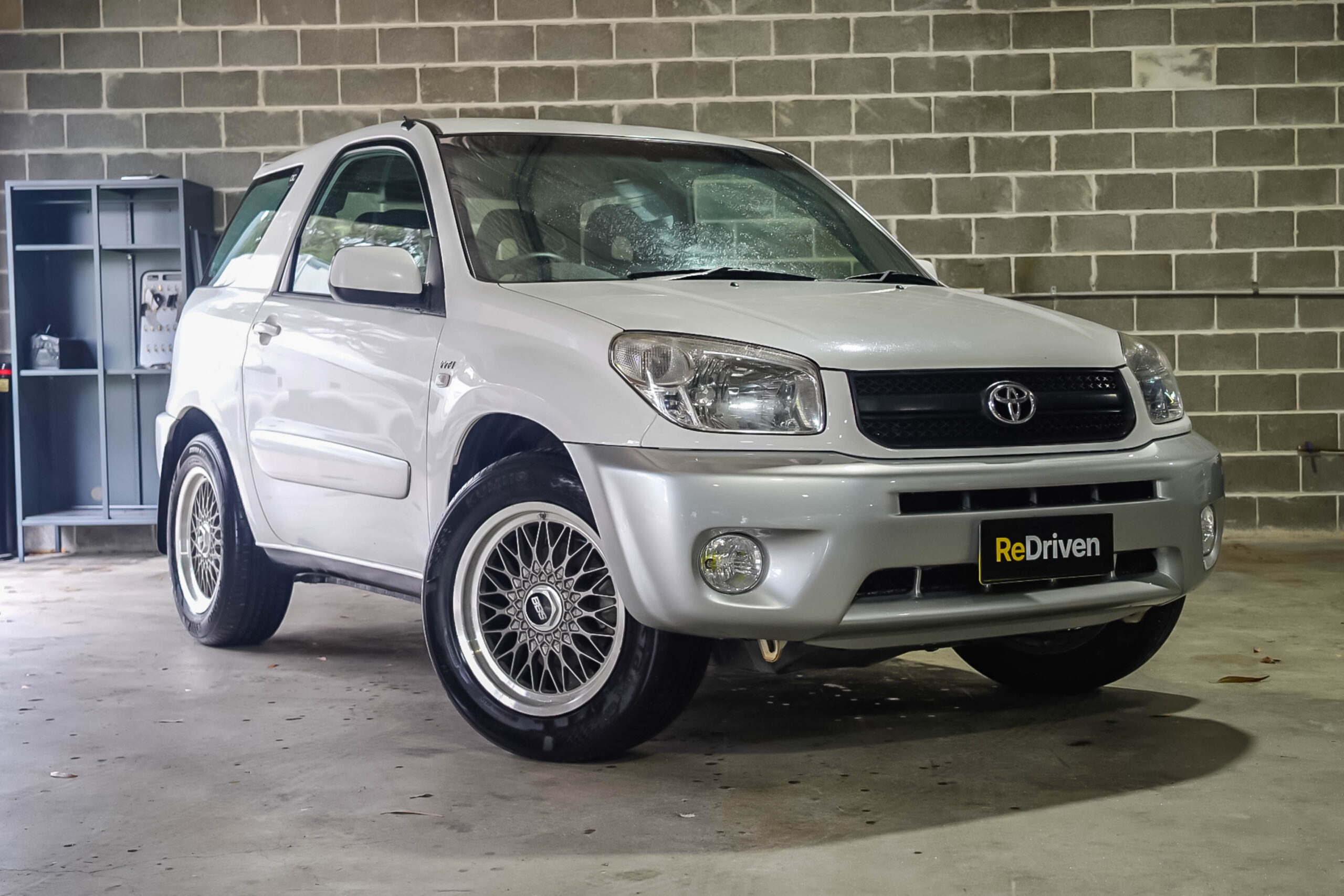
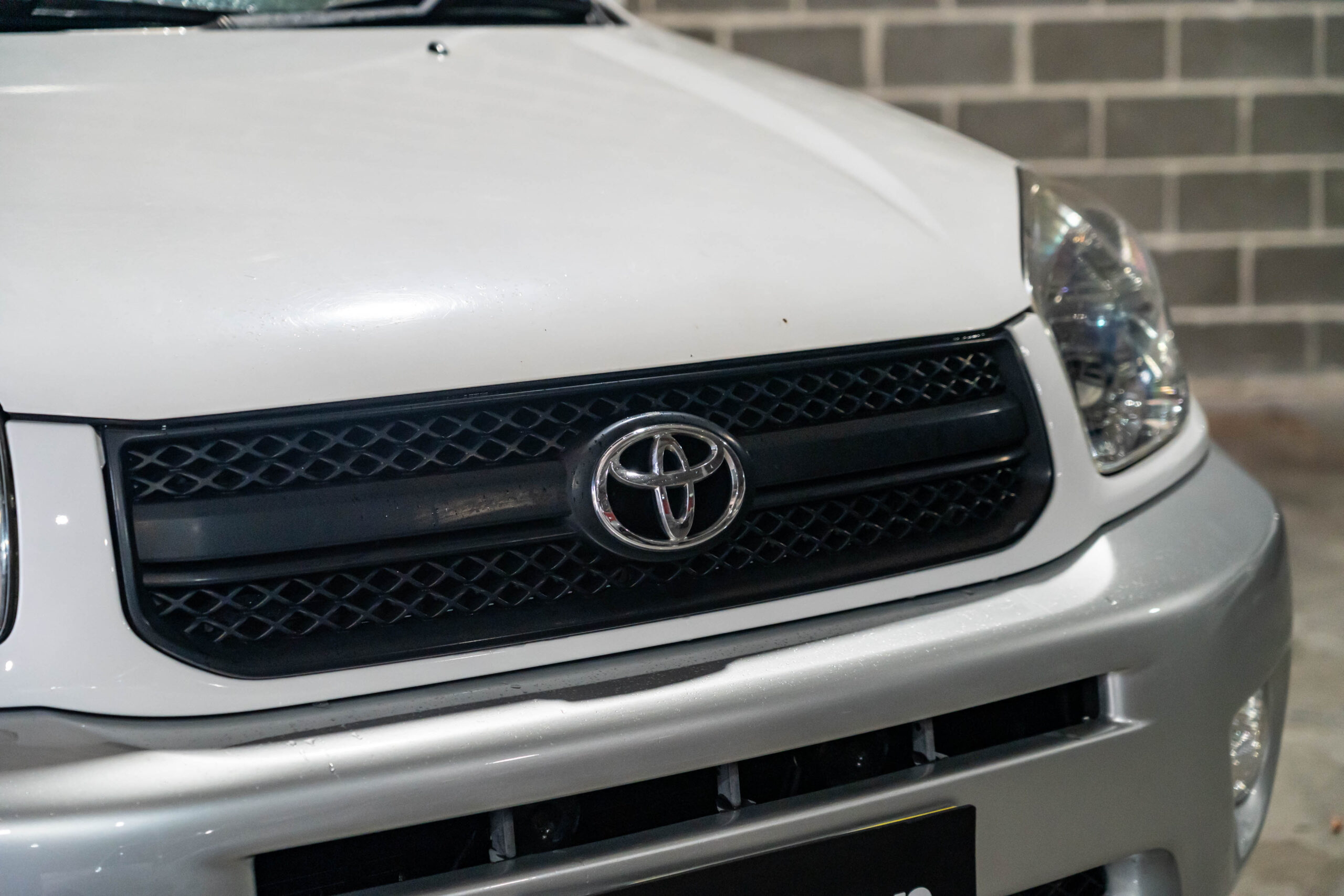
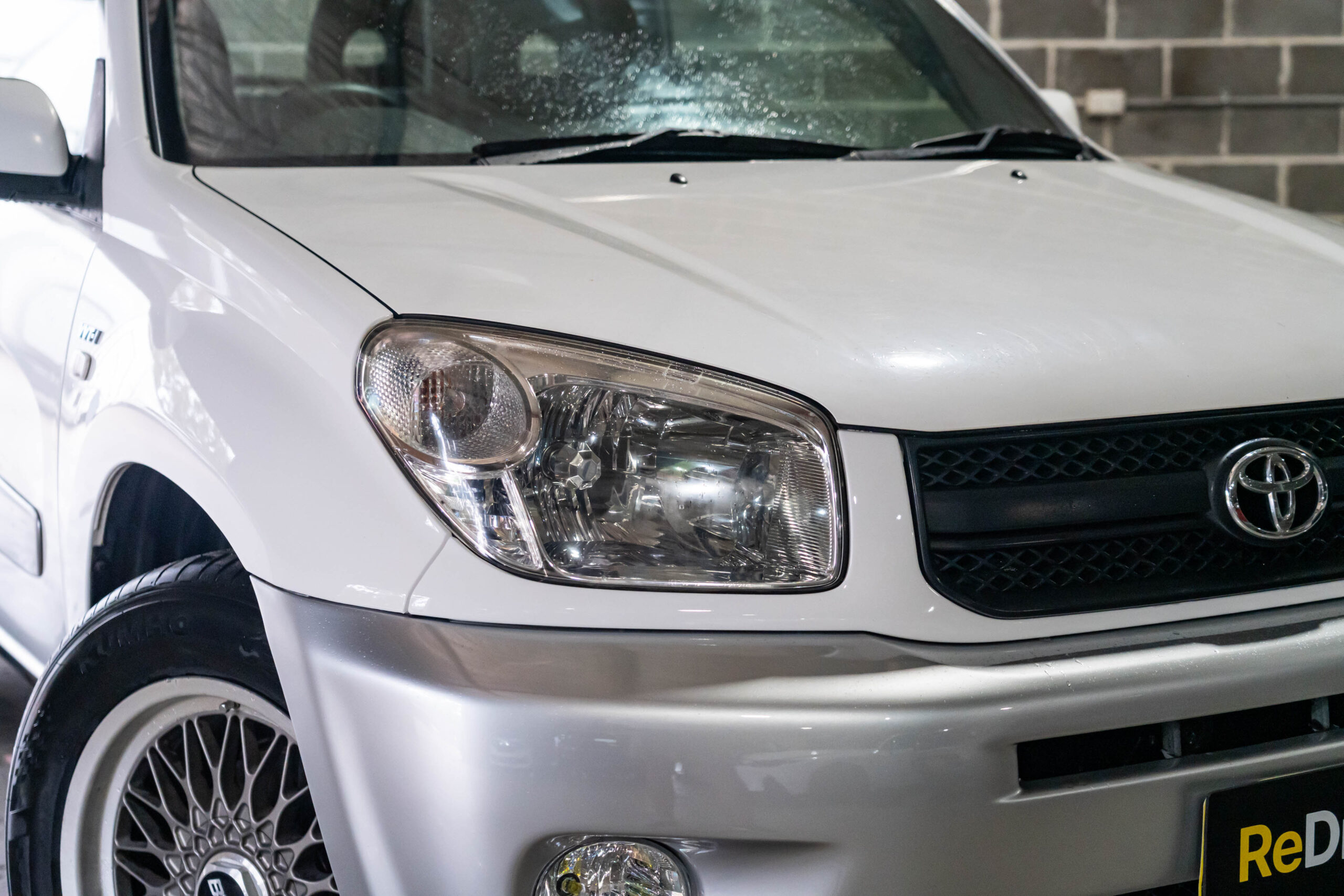
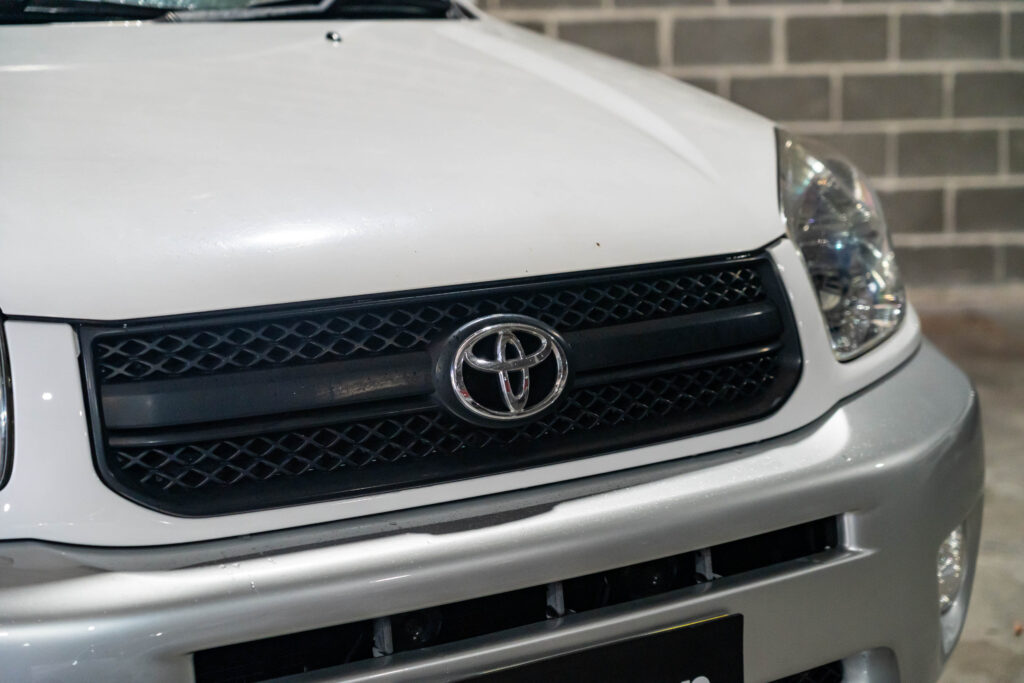
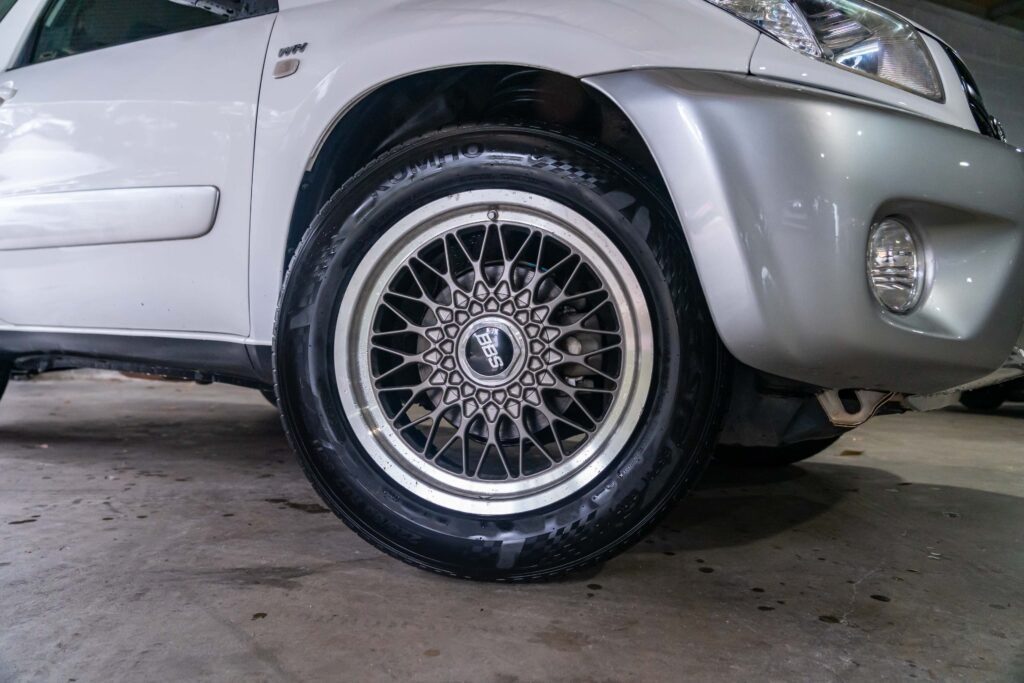
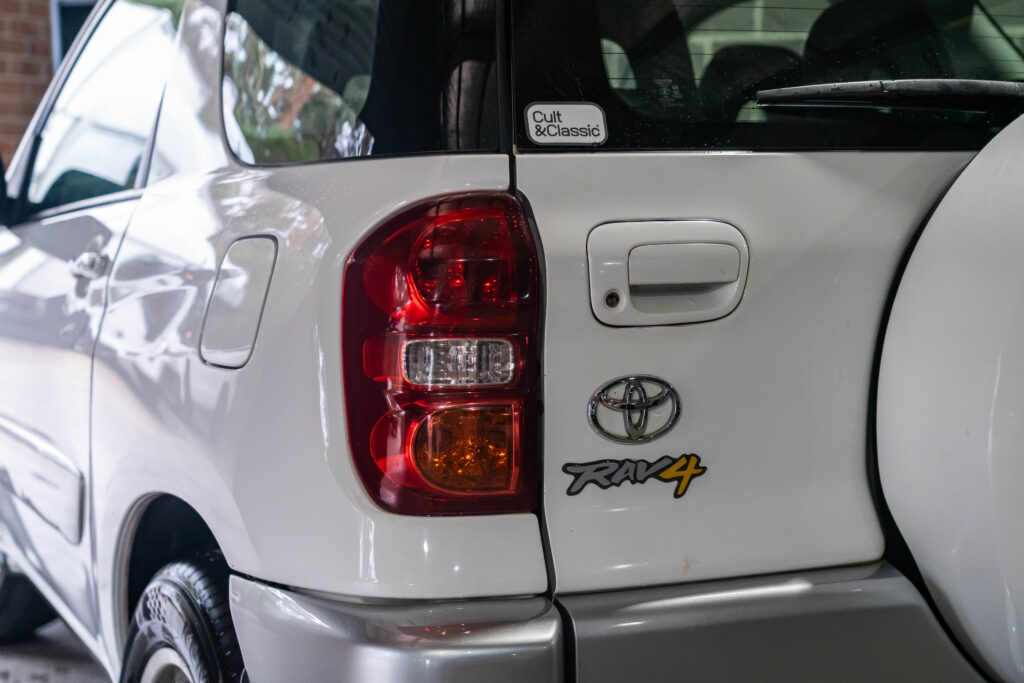
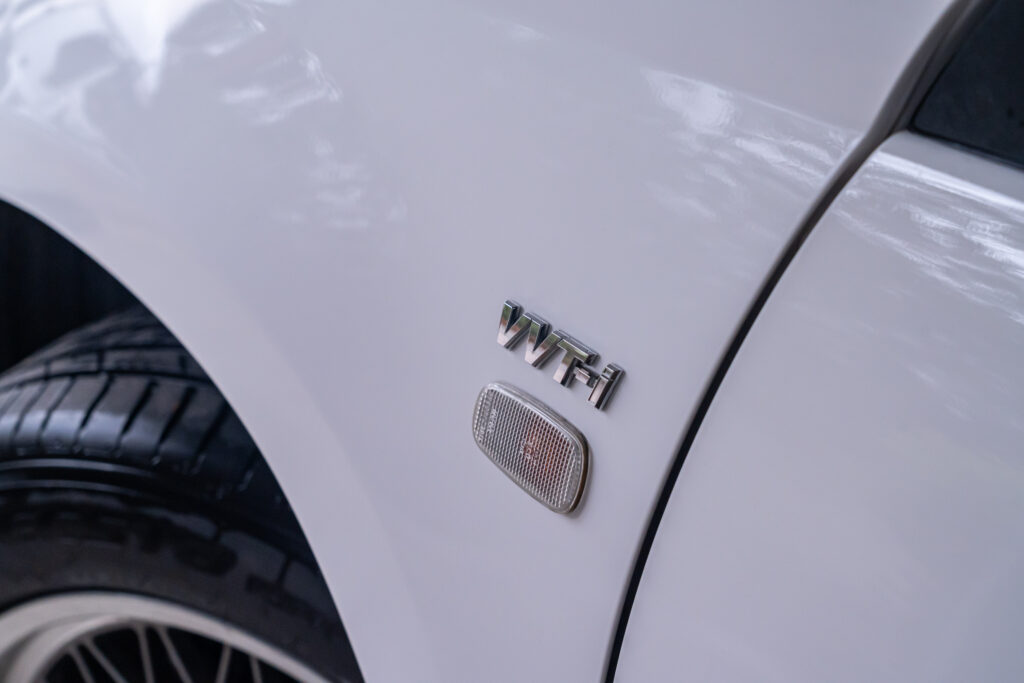
To distinguish between the two, post-update RAV4s featured slightly different front/rear bumper designs, with white [clear] indicator lights (versus the orange side markers pre-update RAV4s featured), as well as circular fog lights.
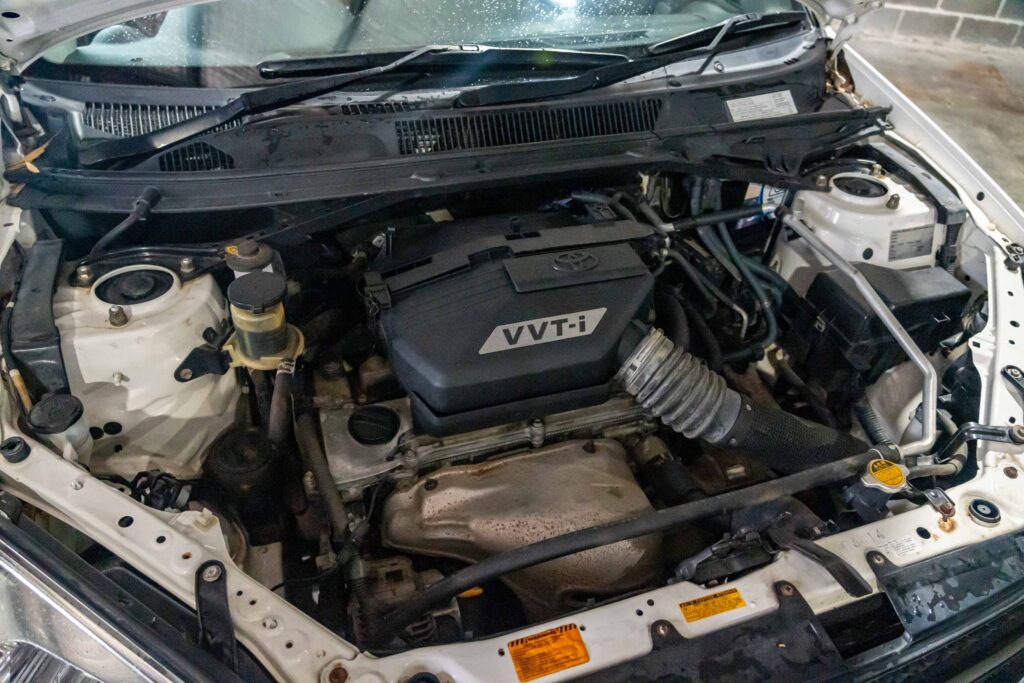
Under the bonnet, our locally-delivered RAV4s featured a 2.0L naturally aspirated four-cylinder, which was bumped up to 2.4L in post-update models that increased both the power and torque outputs. Transmissions included a five-speed manual or four-speed automatic transmission, sending power to the front or all four wheels.
Rivals at the time consisted of multiple compact SUVs offered by Japanese, American, Korean, and European brands, such as the Honda CR-V/HR-V, Suzuki Vitara/Grand Vitara, Ford Escape, Jeep Patriot, Kia Sportage, and Hyundai Tucson.
Exterior:
Check how the exterior paint and clear coat are holding up, especially those with darker colors that have spent a lot of time outside or received a lot of UV exposure.
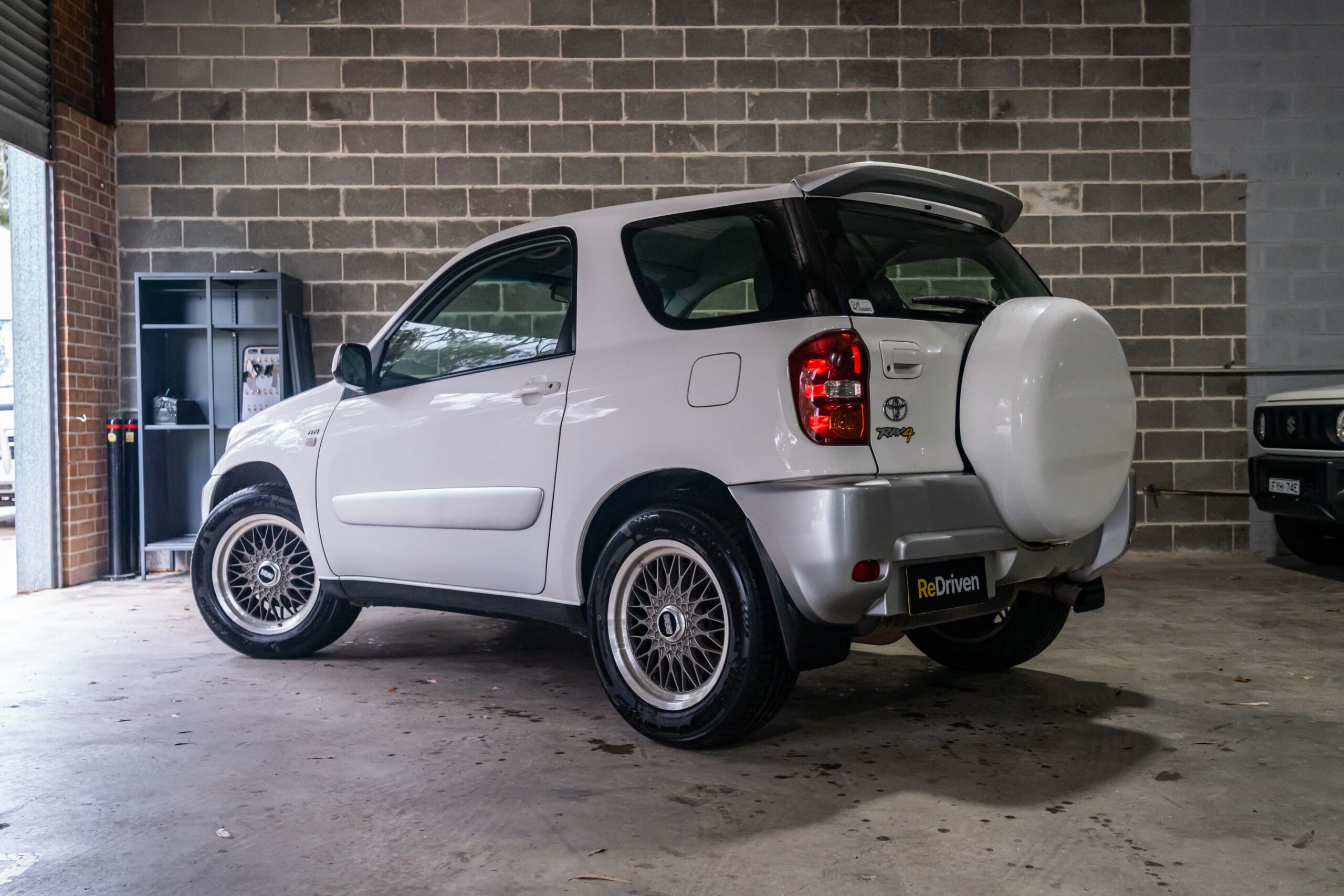
We’d also check how the rear hatch is holding up. With a heavy spare tire mounted on this section, the hinges can be worn down over time, leading to the hatch itself sagging low and not allowing it to close/open properly. Windy conditions can also wear down the door and hinge mounting points themselves.
Also, check the surrounding rubber seals around the rear hatch, along with the side door seals, too. Over time, these rubber and plastic sections can deteriorate, and alarmingly, a few owners report that exhaust fumes can make their way inside if these seals aren’t tight anymore.
It’s also worthwhile to check for any previous signs of resprays, which may be hiding undisclosed accident repairs or damage on dodgy examples you should avoid.
Rust, or corrosion, is also something to look out for within the body, especially on those that have spent any time in cold or snowy climates.
Key areas to inspect are around the fuel tank filler neck, underneath the wheel arches, as well as the rear suspension mounting points – and corrosion to any degree can mean the car is better off as scrap metal.
The headlights’ lenses are notorious for ‘yellowing’ or experiencing foggy/discoloured surfaces, as with most cars of the RAV4’s age – there are plenty of solutions online to remedy these, ensuring the lights brightly illuminate as they should.
Owners have complained that the factory lights are fairly weak and recommend installing higher-grade LED lights or bulbs for better visibility at night.
But beyond these exterior issues that are expected with a vehicle more than twenty years old, reports of exterior electronic faults are pretty nonexistent. Unlike some of the RAV4’s rivals, the owners groups and forums rarely mention any number of central locking, power window, or exterior lights faults – a testament to its strong reliability as a 2000s-era Toyota.
Interior:
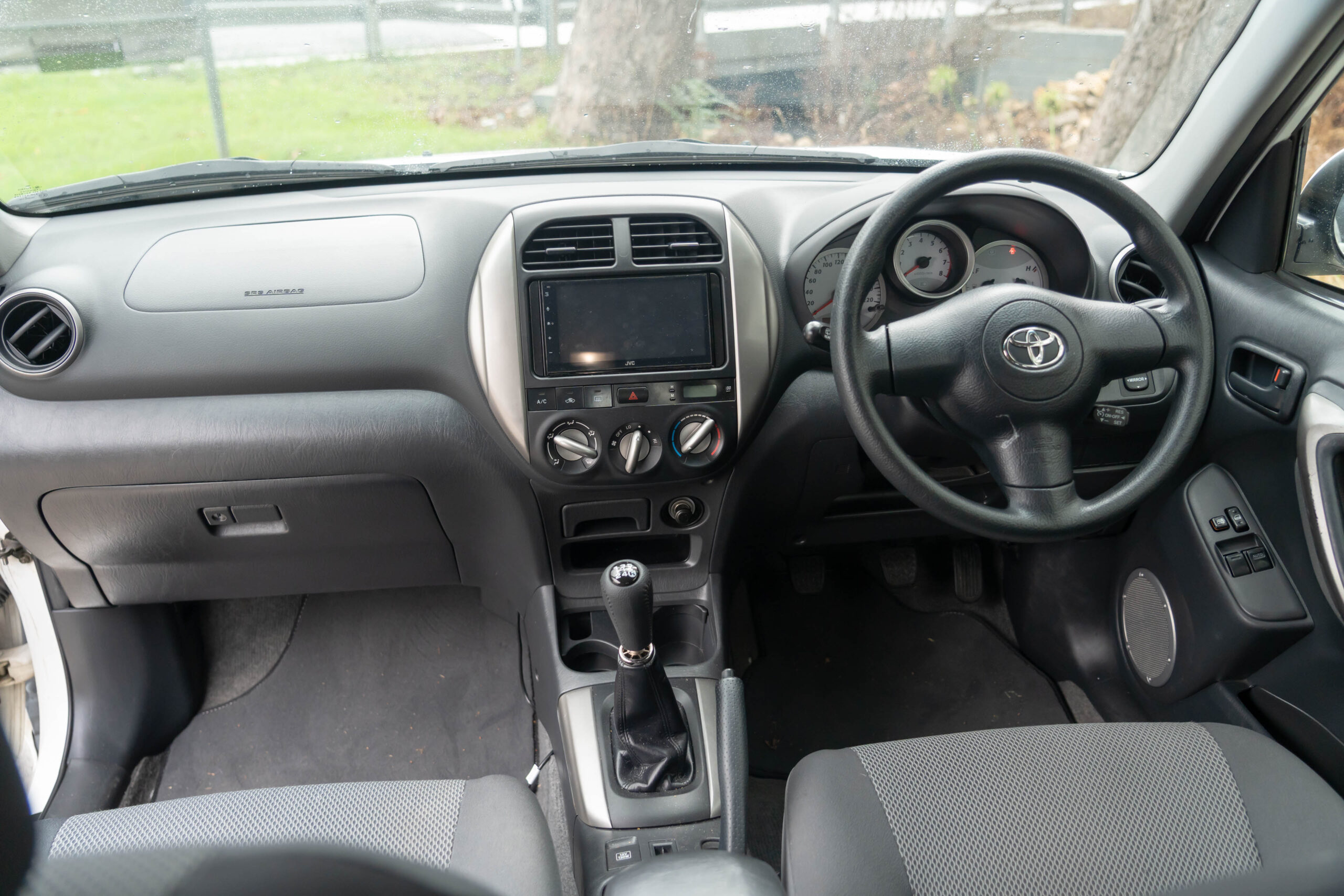
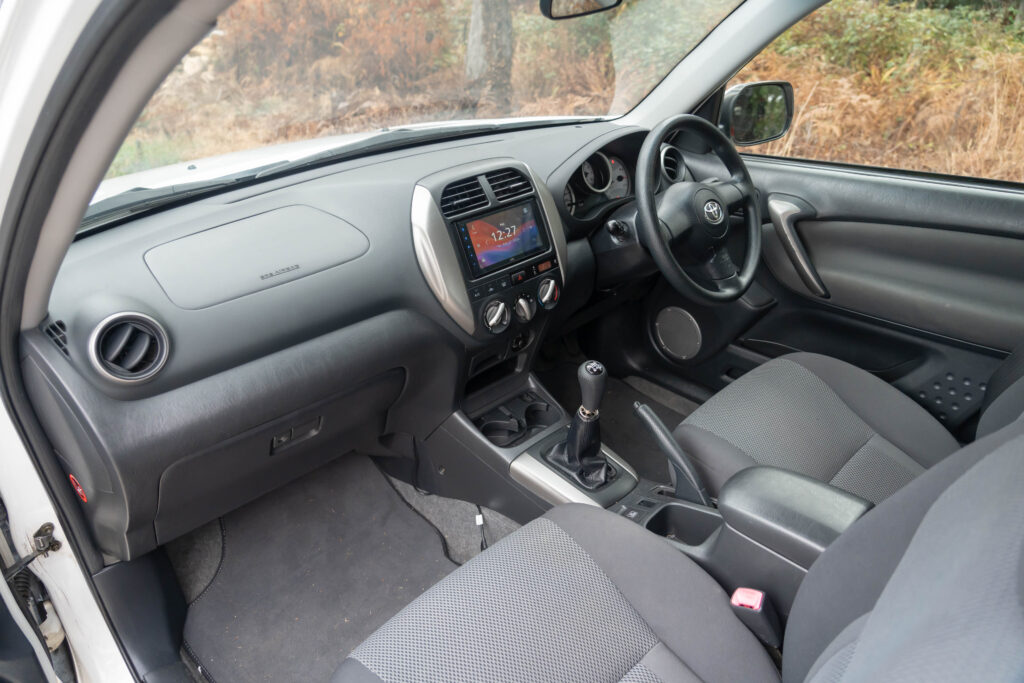
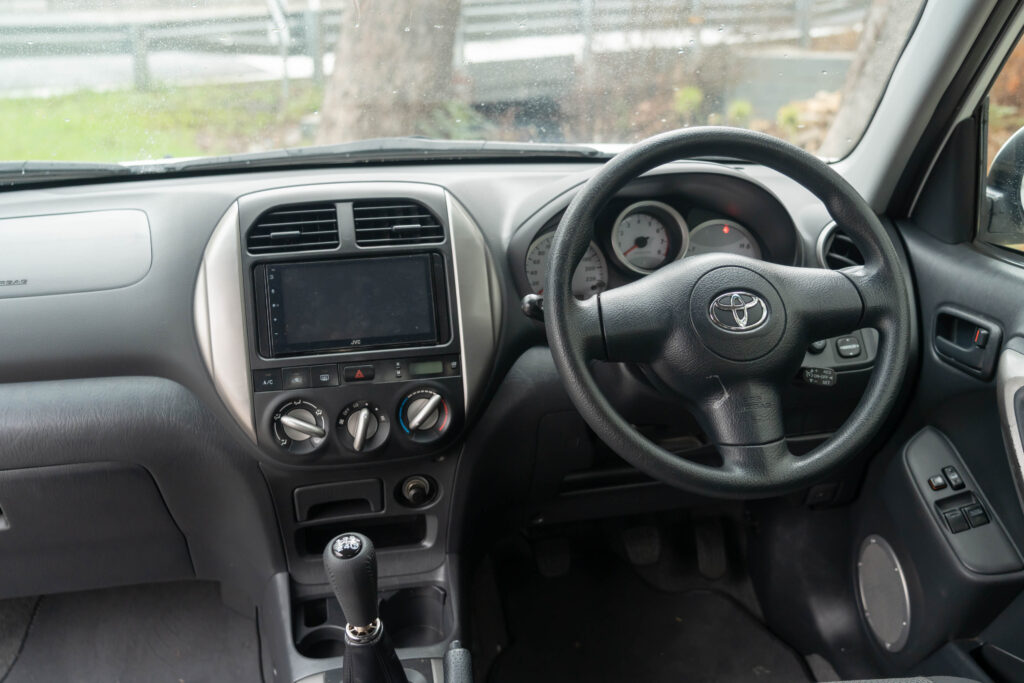
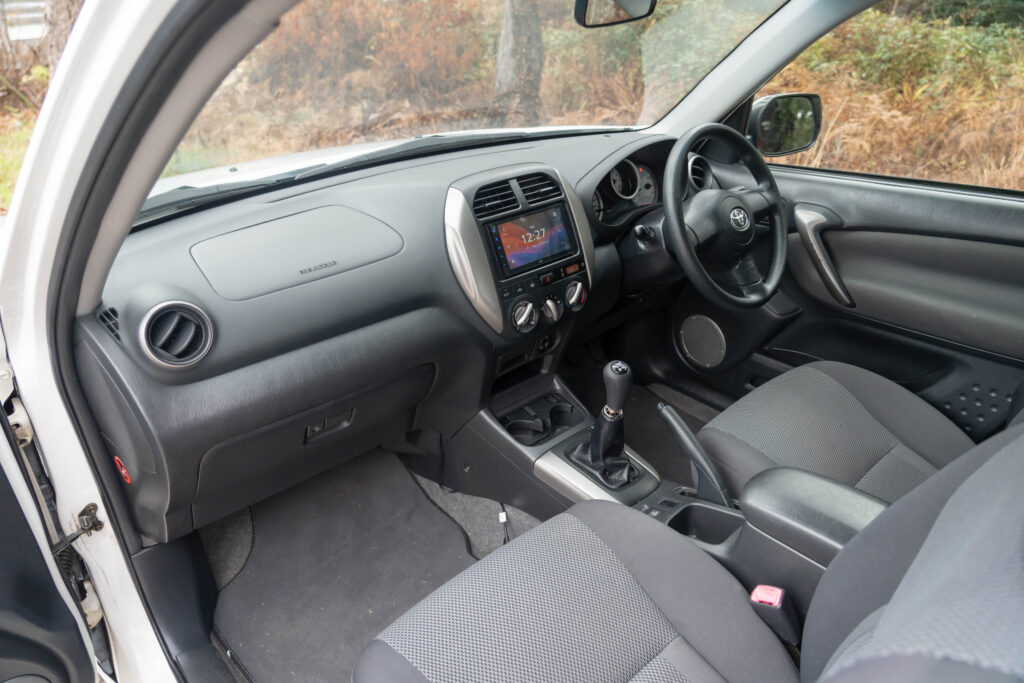
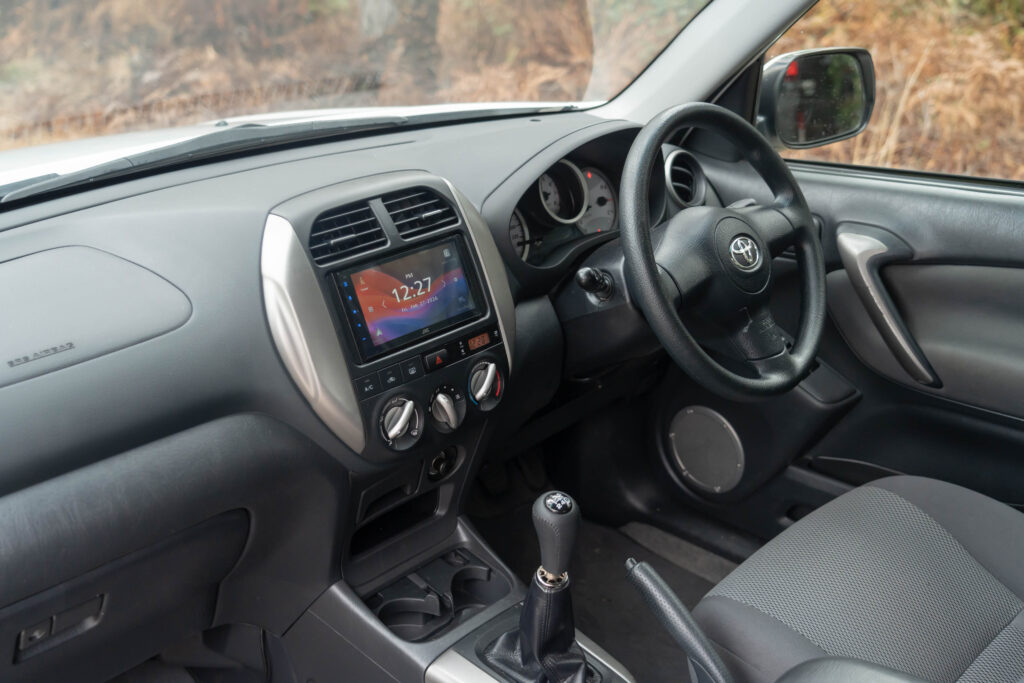
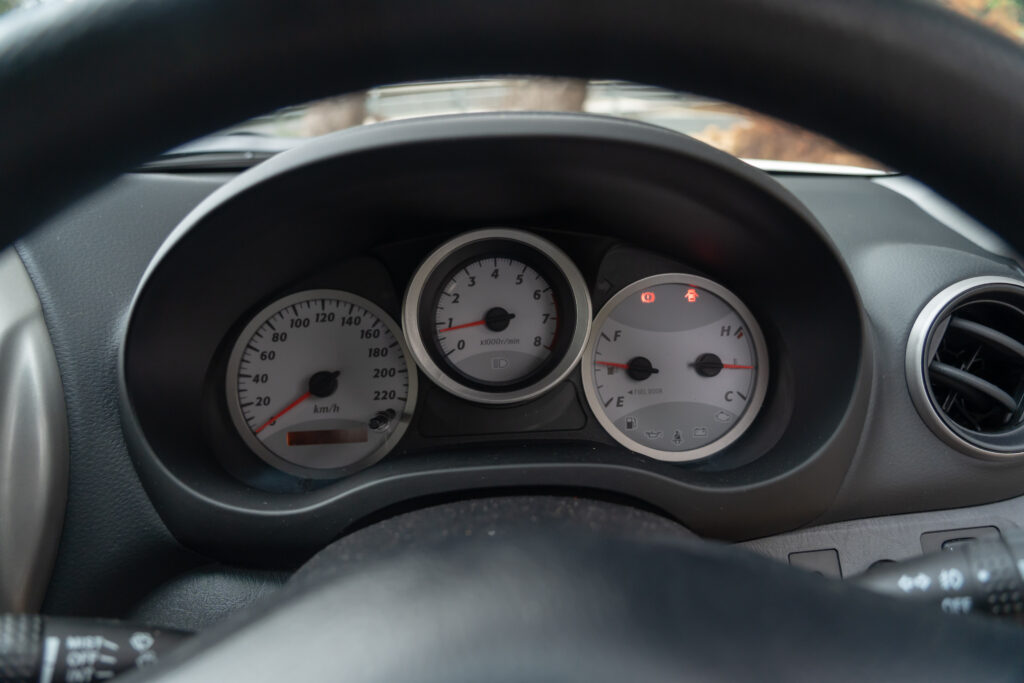
Given how old these RAV4s are now, it’s not uncommon to hear that the cabins are showing their age, from trim pieces rattling to the state of the plastic materials.
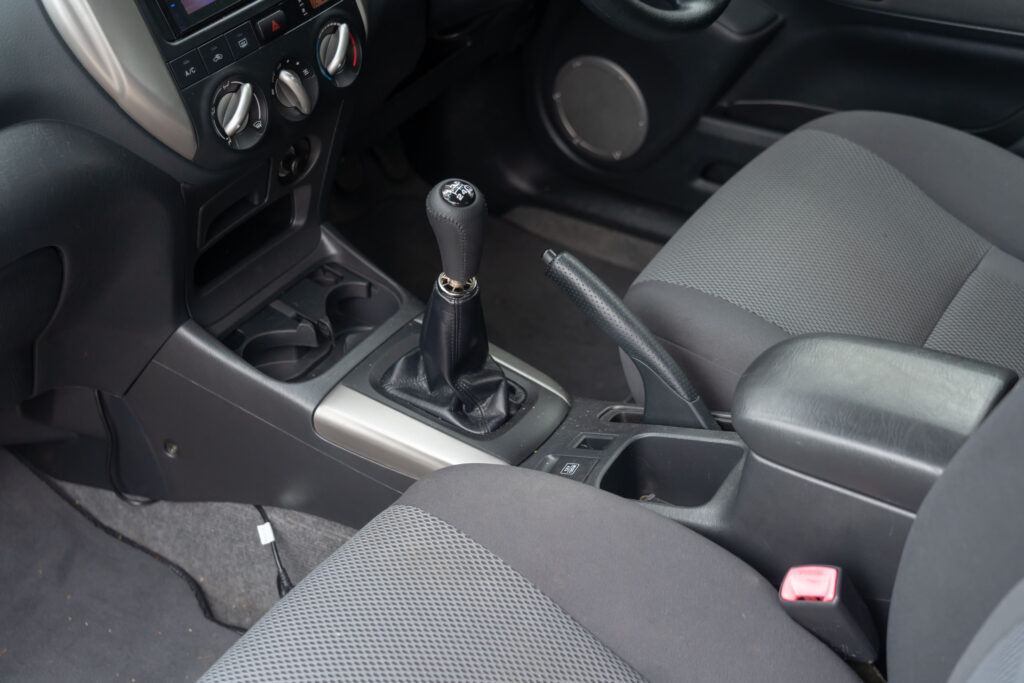
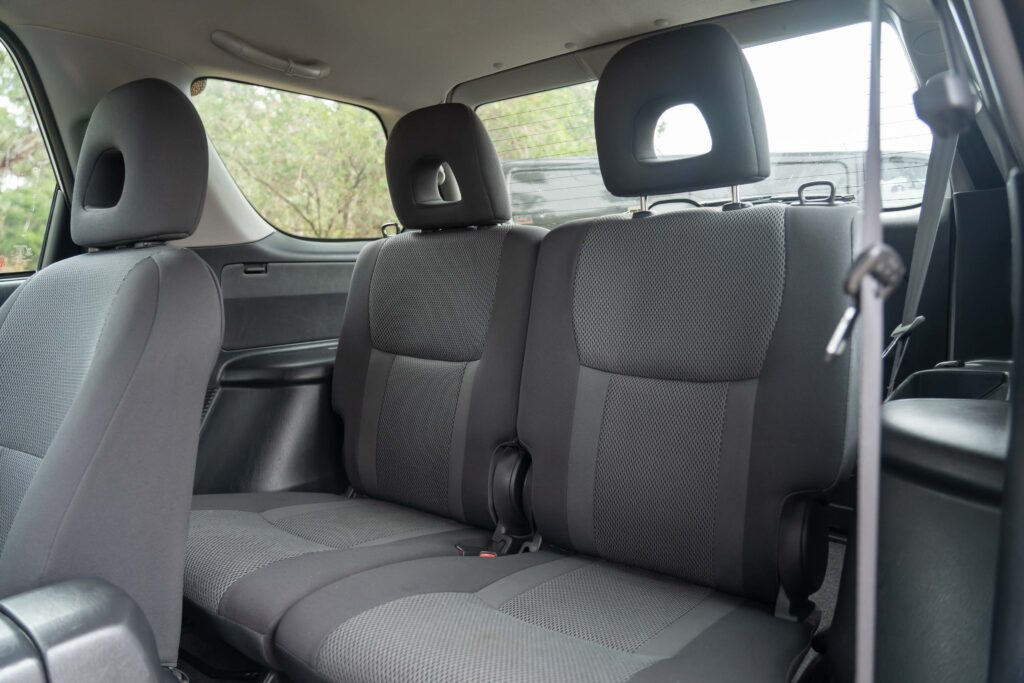
But just like the exterior, generally the interiors are proving to be quite solidly built and resilient, with the fabric seat upholstery still proving to be supportive, even on the oldest and highest-kilometre examples.
The same goes for the majority of the cabin equipment, from the air conditioning to the window switches – we rarely heard of any faults affecting these parts.
Keeping to cabin refinement, we’d also highlight that post-update RAV4s featured better sound deadening and insulation materials compared to early models.
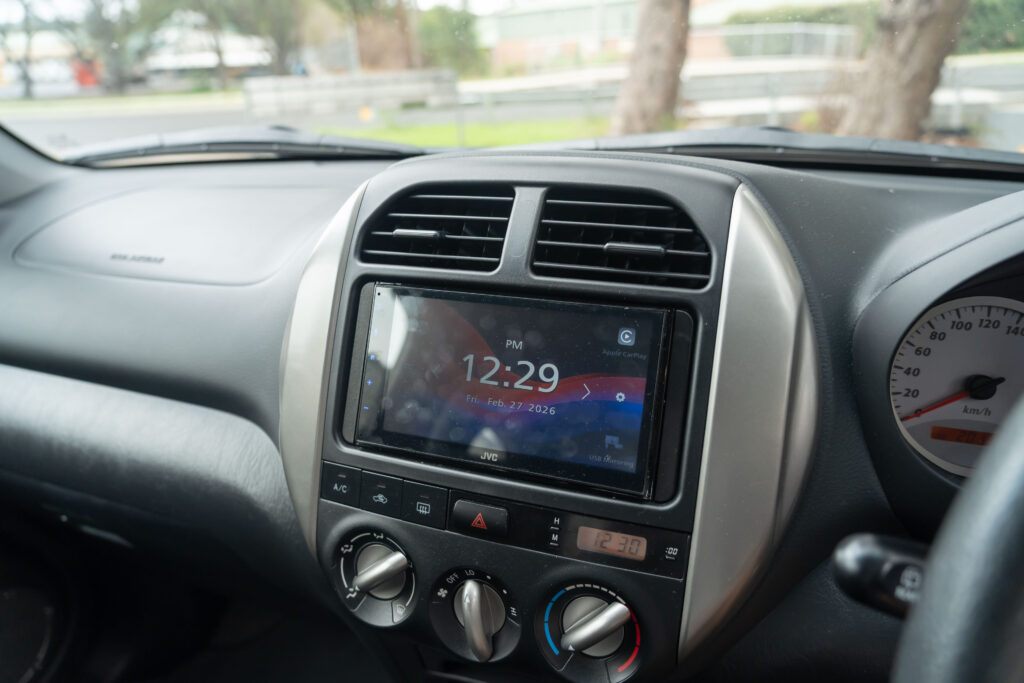
The factory audio systems are way out of date by now, but, as with many Japanese cars of this era, there’s plenty of aftermarket support to replace them with more current-generation head units that add Bluetooth audio, Apple CarPlay/Android Auto, and reversing camera functions.
Mechanical issues:
Engine:
While these are Japanese-engineered, that doesn’t mean the powertrains can be susceptible to several known issues.
These four cylinders are notorious for excessive oil consumption due to a design flaw within their piston rings. On very high-mileage examples or those that have been neglected, this issue can be exacerbated. Identifying whether this issue is currently present is not easy to do, even when doing a pre-purchase inspection.
Early models are also prone to head gasket problems, which can also lead to another issue related to the head bolt threads within the engine block that can fail when re-tensioning them. Usually, this can be repaired with a thread insert repair, but otherwise, it’s not worth attempting to repair, and the entire engine is better off being scrapped.
Other known issues to look out for are valve cover and timing chain tensioner oil leaks, plus with a car this old, all the seals and gaskets are likely to be dry/hard and prone to fluid leaks.
Ignition and cooling systems issues associated with a car this old can also come up, but fixes are usually simple and inexpensive to perform.
Also, given the RAV4’s age, you should keep an eye on the condition of suspension components, especially the lower ball joints that should be checked often.
For models equipped with the automatic transmission, check that the ECU module is working fine. If they fail, they can cause the entire unit to seize altogether, and these days, repairing or replacing transmissions will cost more than what these RAV4s are worth.
When it comes to safety equipment, do note that assists like cruise control, traction, and electronic stability control (ESC) were originally optional extras limited to the top-spec, post-update models.
Also, as with other vehicles of the same era, be cautious of sketchy sellers or ownership histories, as these Toyotas can easily be the victim of odometer rollbacks.
Used prices for the second-gen Toyota RAV4 currently start as low as $2,000, with the most expensive, mint examples maxing at around $13,000.
Aside from a slight premium that post-update, short-wheelbase three-door models ask for, you really shouldn’t be concerned if there is any significant price difference between pre/post-update second-gen RAV4s, as pricing for either model, in three or five door form are equal across the board.
Even as an SUV that is now more than twenty years old, many owners report they are continuing to be satisfied with their RAV4s and foresee driving them for many more years to come.
We have no reason to doubt their experiences, and if you find a decent, well-maintained example that has no glaring concerns or issues to factor in after a pre-purchase inspection, any RAV4 of this iteration will be a great buy.
However, there is still a risk of running into a less-than-stellar example on the used market, which can happen more often with a car this old and, crucially, from a brand renowned for its products’ bulletproof reliability, which can act as a double-edged sword.
This can lead to some examples being neglected by ‘cheap’ owners who assume that these can last forever due to Toyota’s build quality among their products of this era. This results in them skipping crucial maintenance/servicing.
It’s important to consider how often the example you’re looking at has been maintained, and how much the previous owner/s have been willing to spend to keep it roadworthy.
As such, we highly advise doing as much due diligence to shop around for the right one that won’t be a financial liability, or end up unroadworthy in the near future. Perfect examples of the RAV4 will serve you fine, but the wrong one can do the opposite.


Co-creator, presenter & writer, ReDriven

Yes. 100%.

 4 days ago
 6 days ago
 4 weeks ago