Australia’s No. 1 Used Car Review Website
Australia’s No. 1 Used Car Review Website
+15 Photos
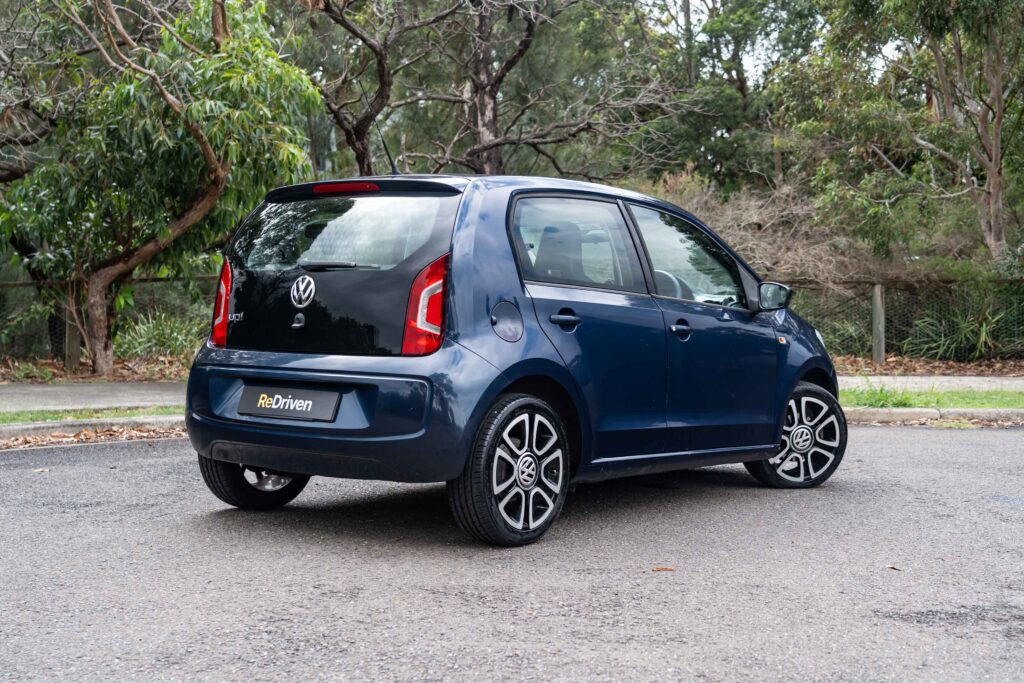
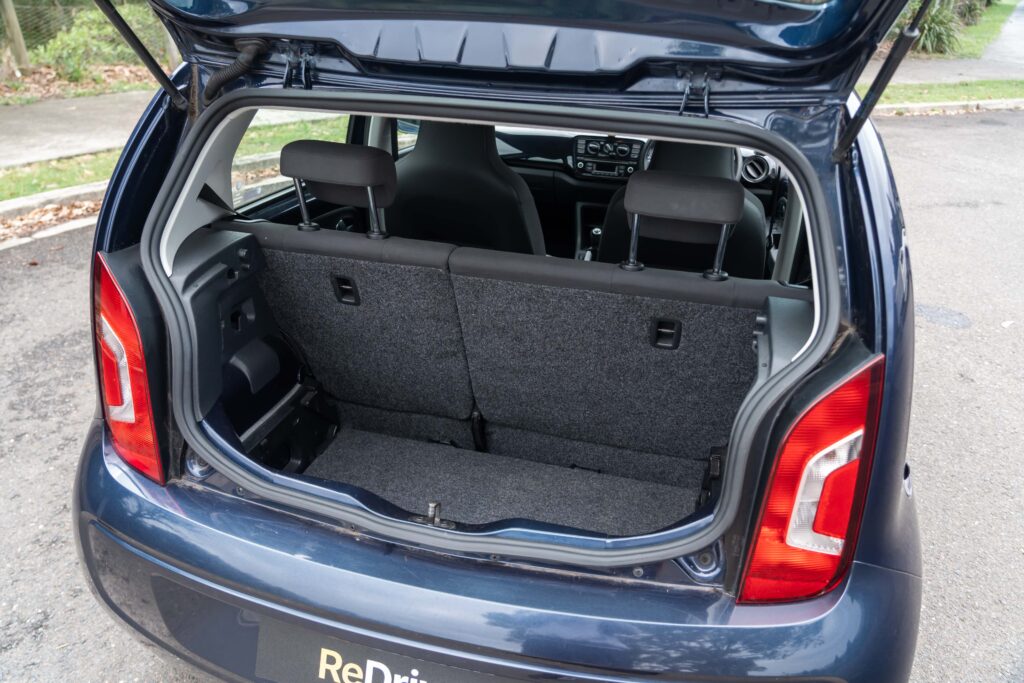

2013 Volkswagen Up!

09 April 2026
Yes. 100%.

2013 Volkswagen Up!

Used car review
09 April 2026
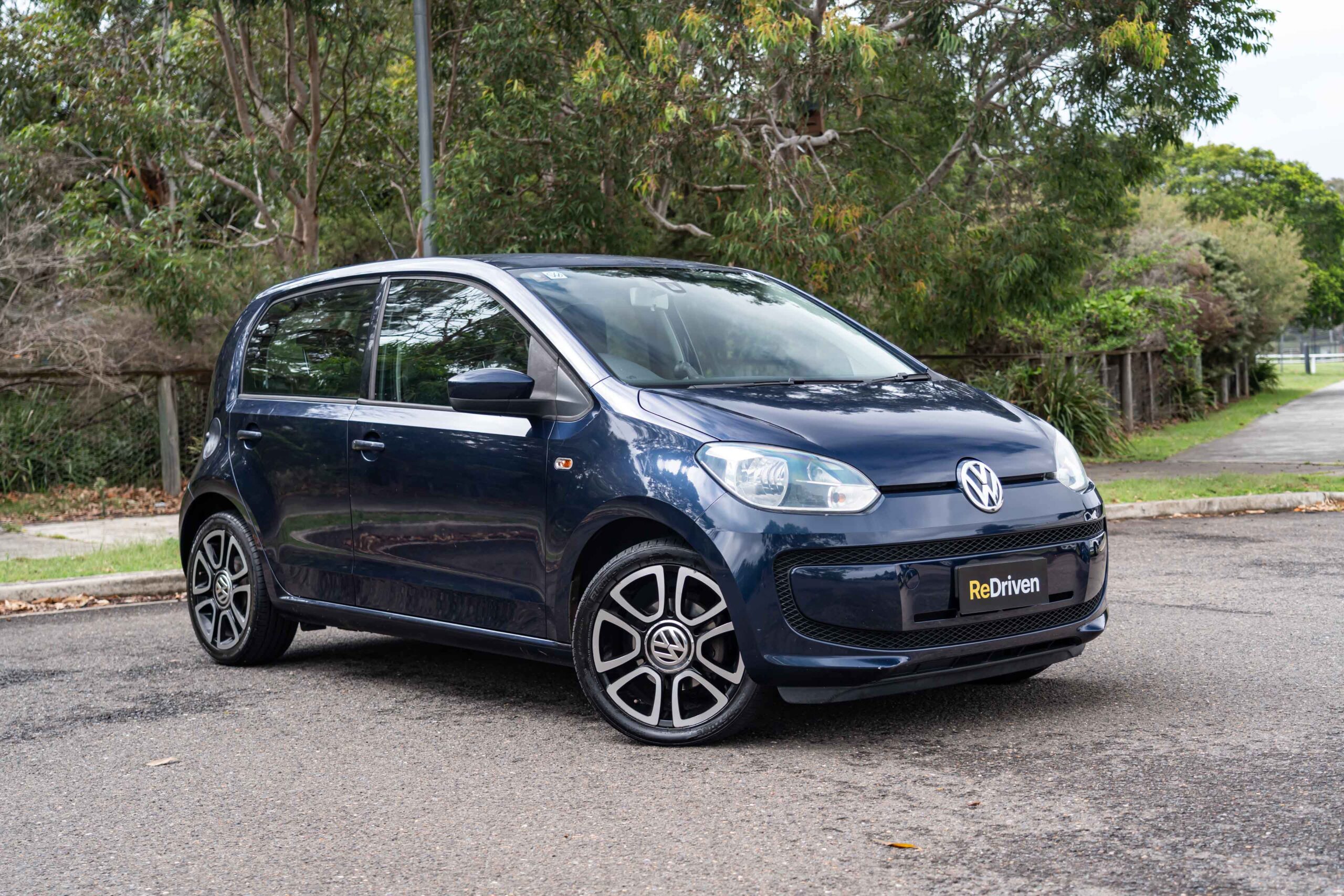
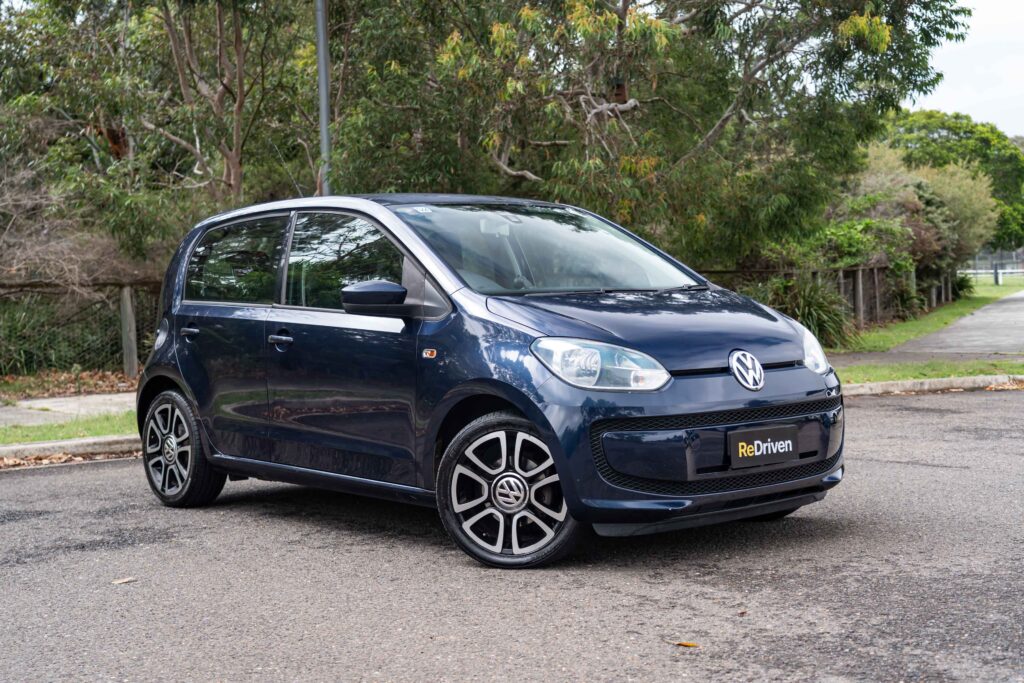
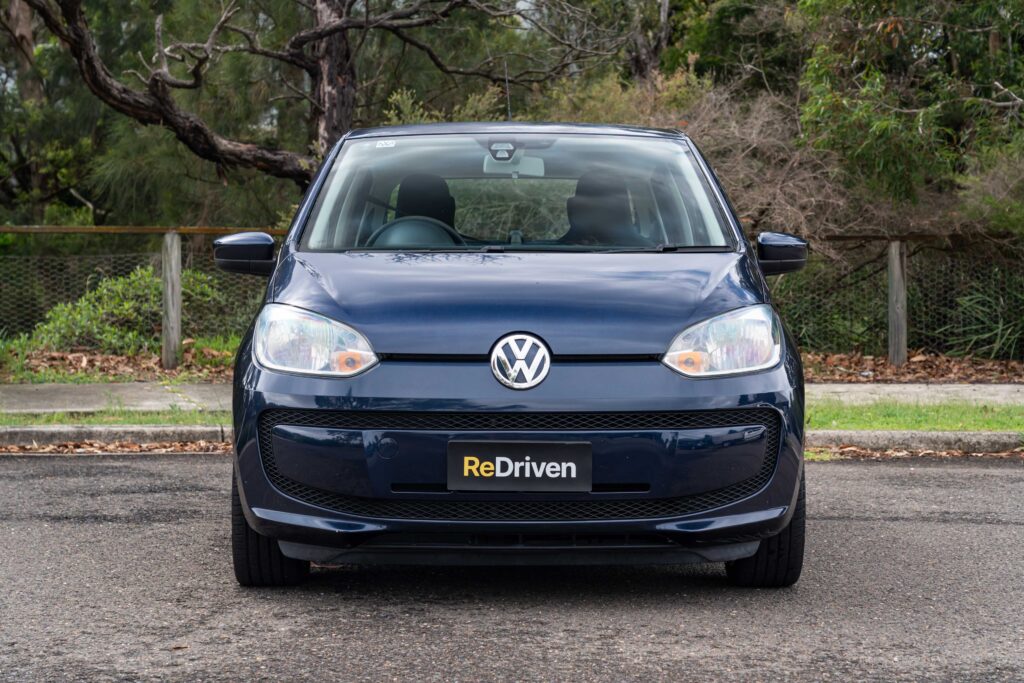
Produced from 2011 to 2023, the Volkswagen Up! was a city car and was the smallest vehicle the German brand produced during its production run, positioned below the compact Polo and Golf hatchbacks.
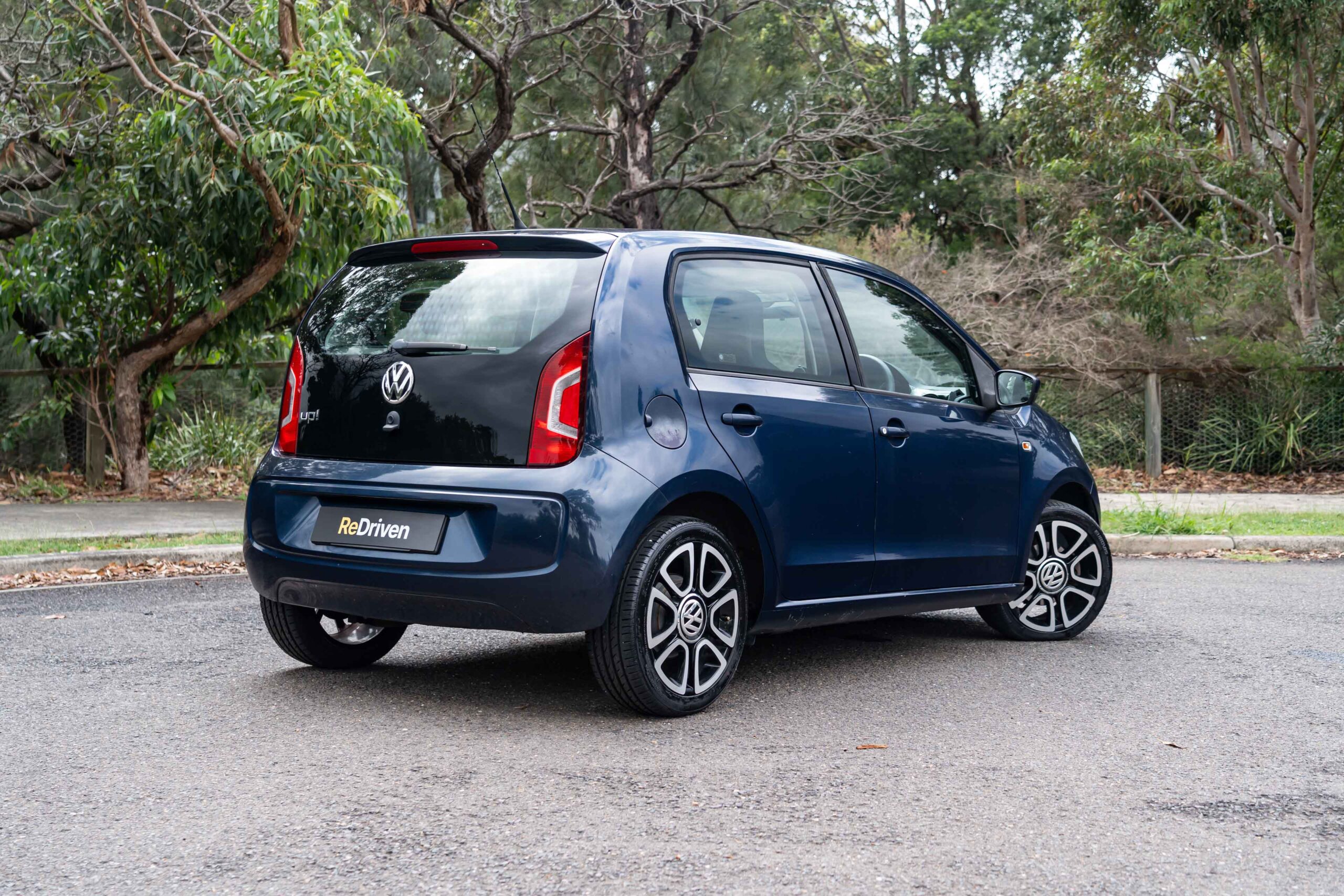
The Up! was sold in Australia from 2011 to 2015 and featured the same powertrain-transmission combination used on the majority of Up!s in other markets: a 1.0L turbocharged three-cylinder paired with a manual transmission sending power to the front. Both three-door and five-door configurations were available.
Though in certain markets, there were versions available with a non-turbocharged 1.0L three-cylinder (with support for LPG/compressed natural gas) and an automated manual transmission, an all-electric powertrain (sold as the E-Up!), and even a hot Up! GTI variant, which we annoyingly never received.
Also, depending on where you are based, especially in Europe, the Up! was rebadged as the Skoda Citiigo and SEAT Mii (both brands which also belong under the Volkswagen Group umbrella) – all of which were made in the same production line in Slovakia.
Rivals of the Volkswagen Up! include other subcompact city cars, ranging from the Mini Cooper, Mazda 2, Kia Picanto, Ford Fiesta, Fiat 500, Renault Twingo, Audi A1, and Smart ForTwo.
Exterior issues:
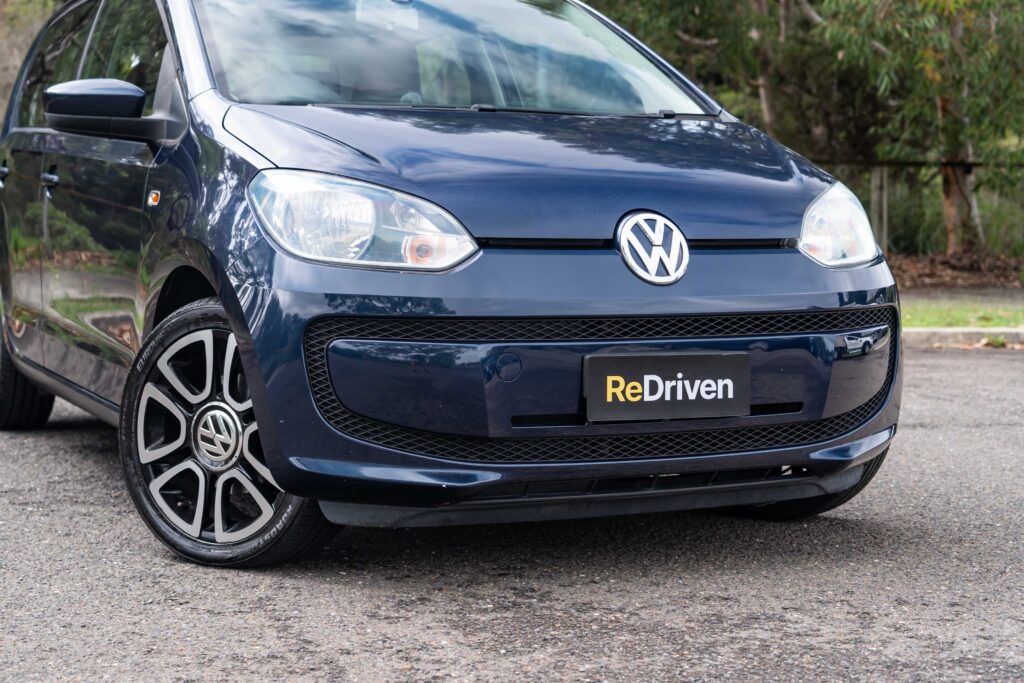
Surprisingly, owners report the paint finish is proving to be very resilient, even in countries like Australia with quite harsh UV/sunlight levels.
We are told the red paint finish can be more fragile than other colour options, and any examples left outside for extended periods can still experience surface fade or paint/clear coat discolouration.
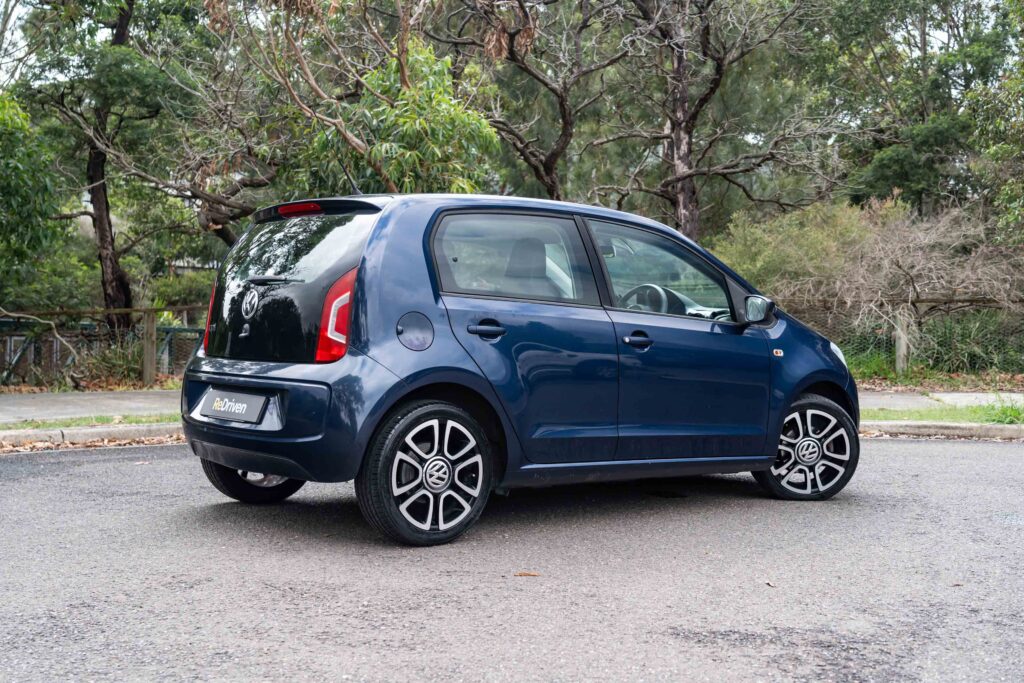
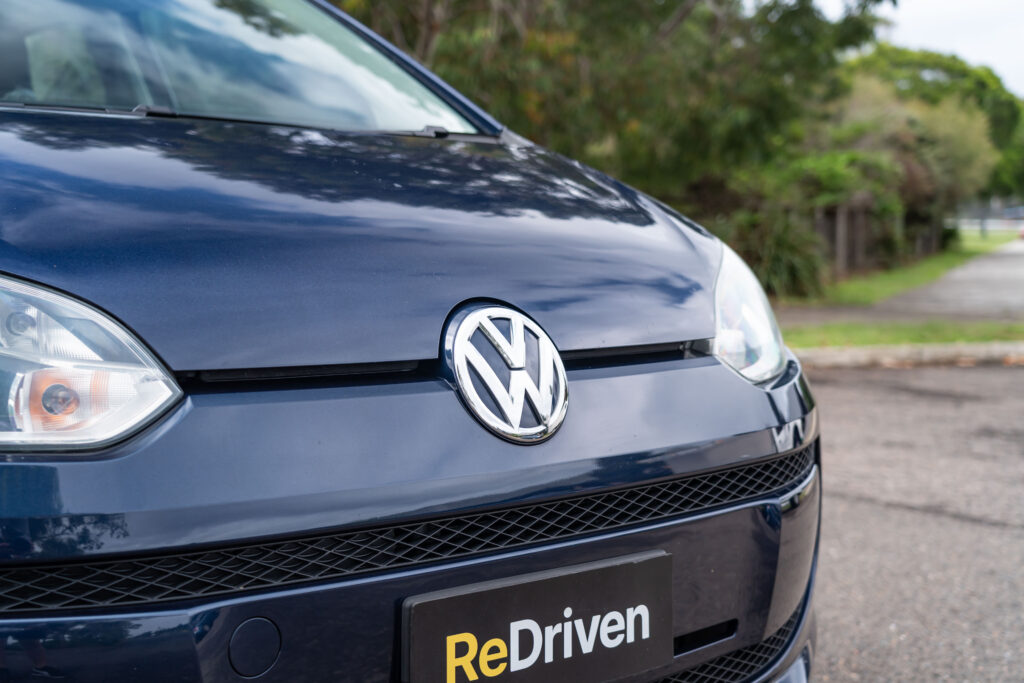
It’s also worthwhile to check that the paint on all sections matches and the body panels line up as they should from factory. Any hints of the opposite could be indicators of hidden accident damage, and given the value of this car, likely that it was done on the cheap by previous owners.
Corrosion can be an issue, particularly for those with past lives near coastal areas. Check all of the body areas for any rust, with the wheel arches around the fuel tank being a common site.
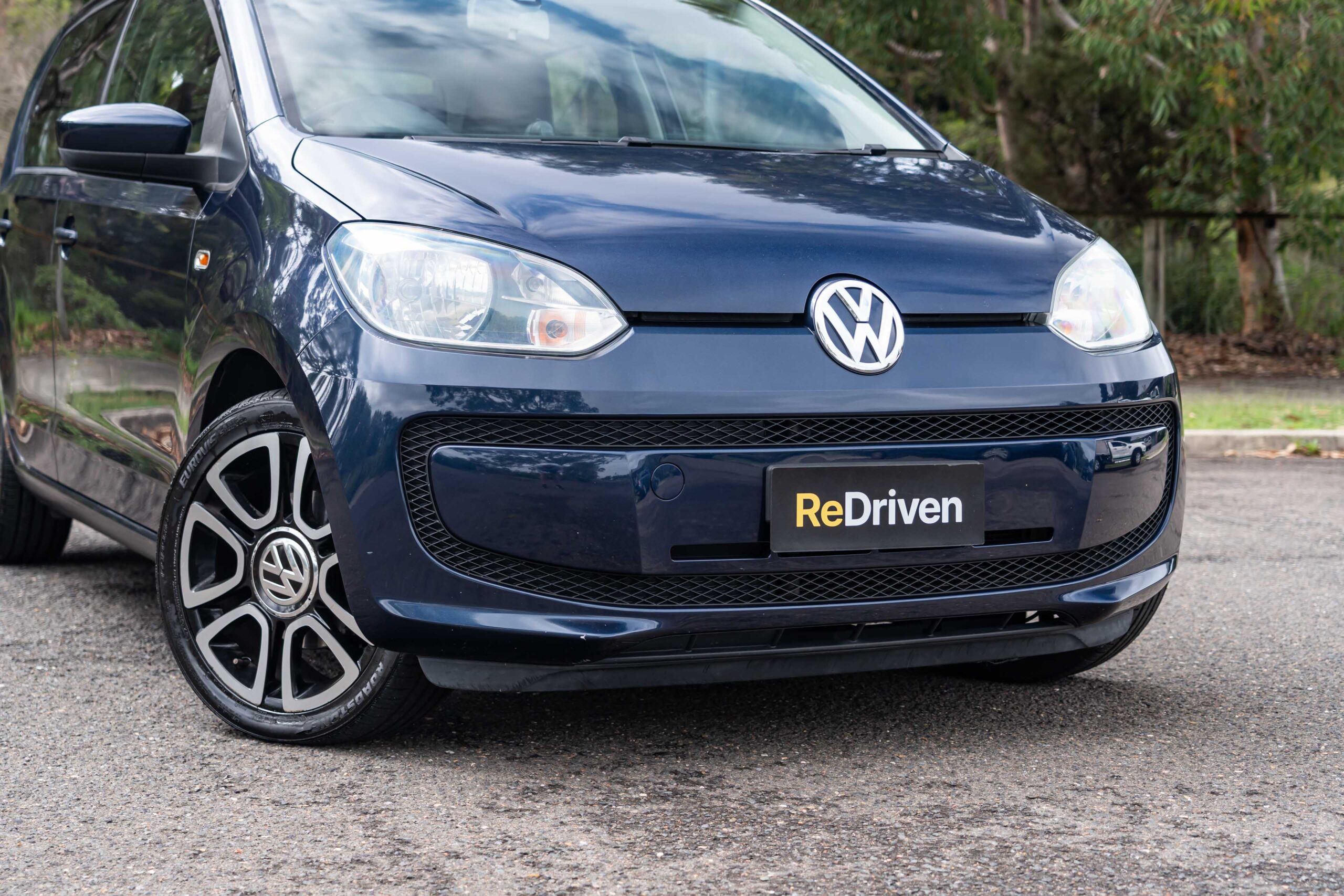
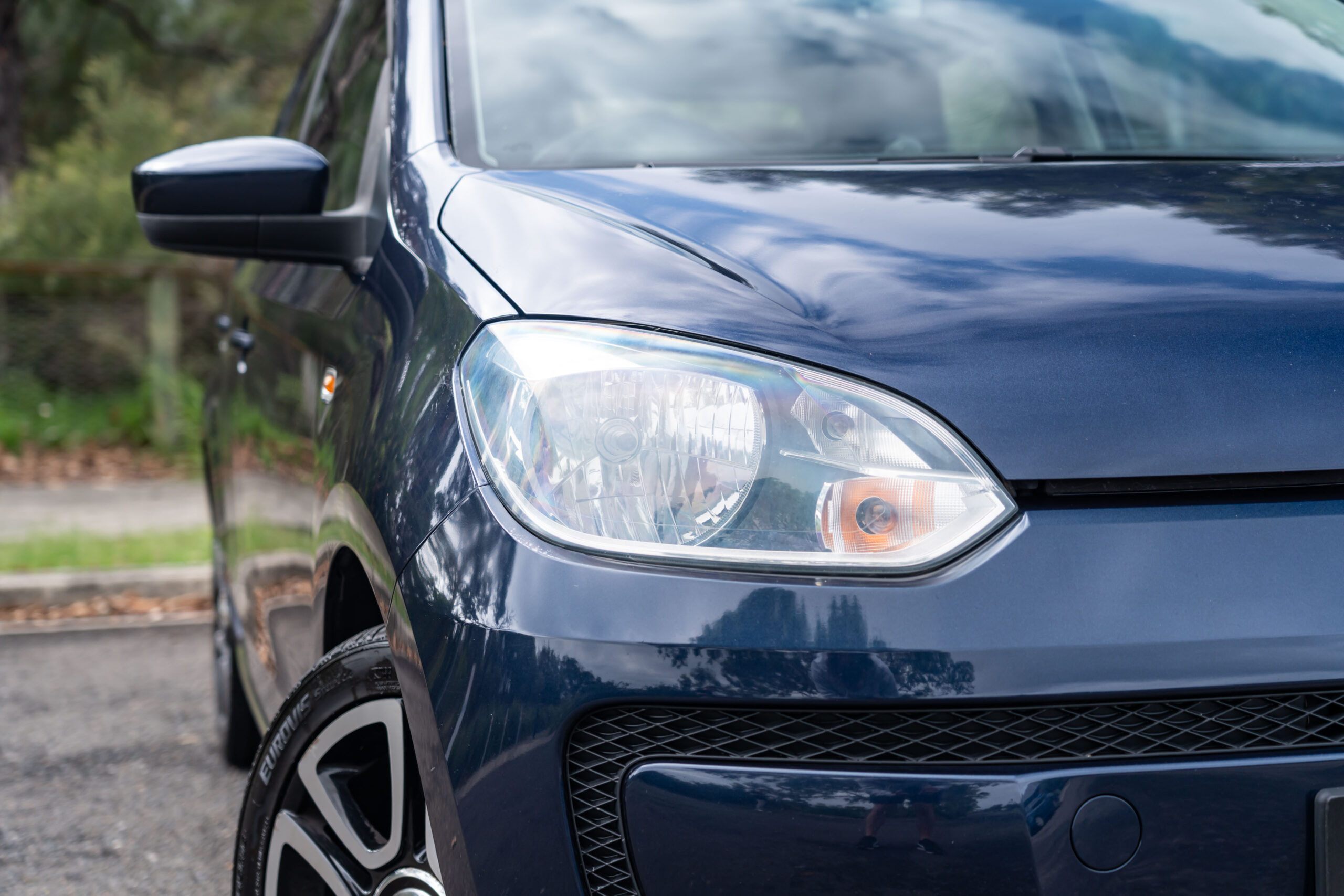
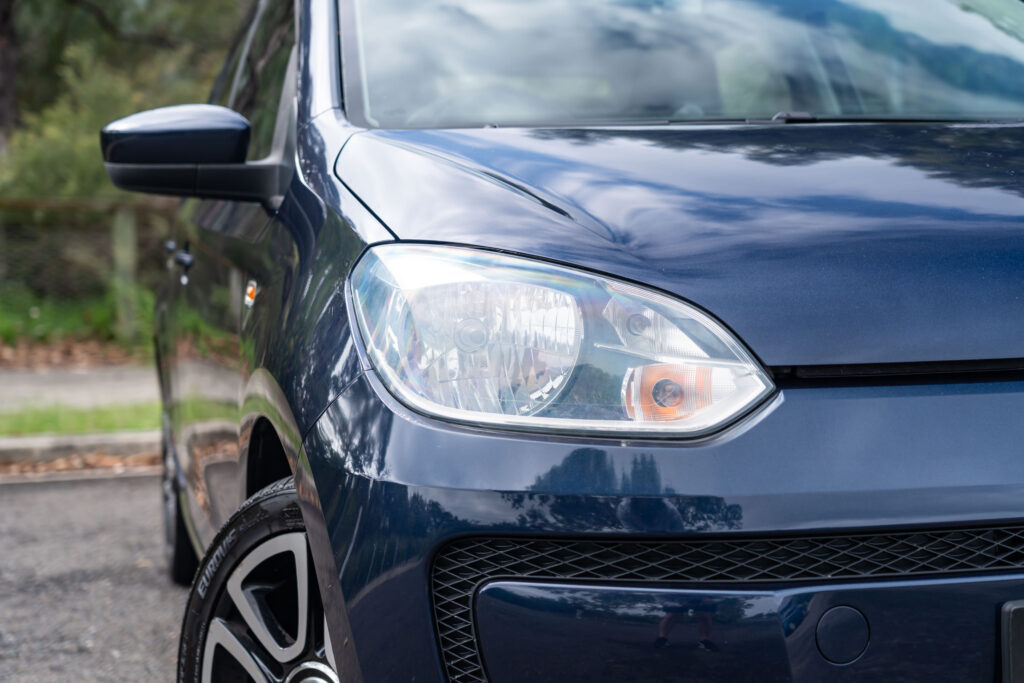
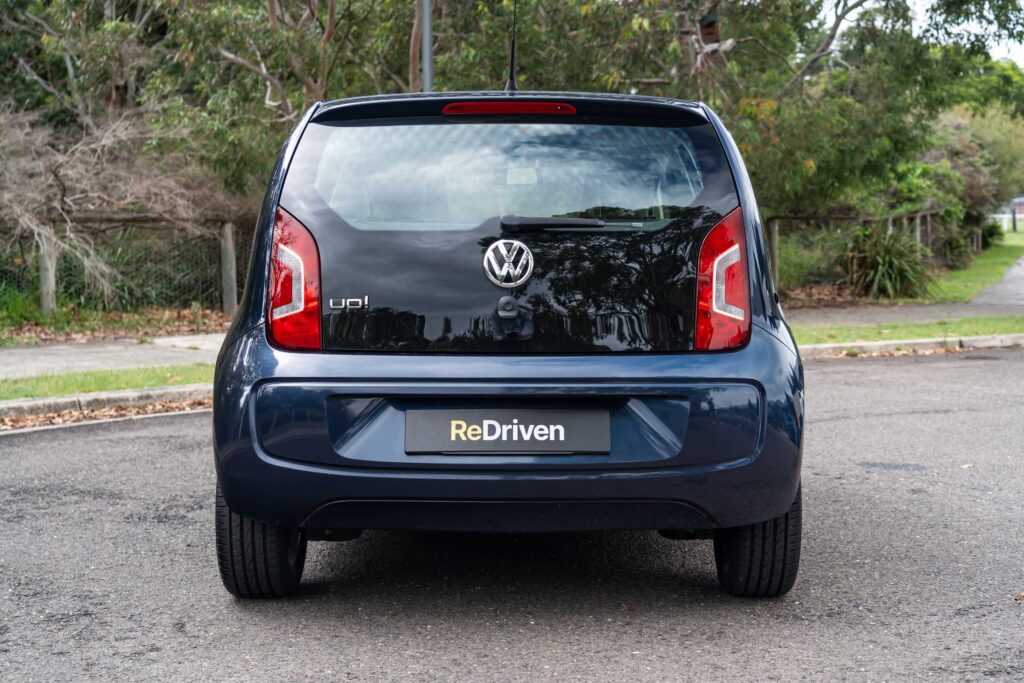
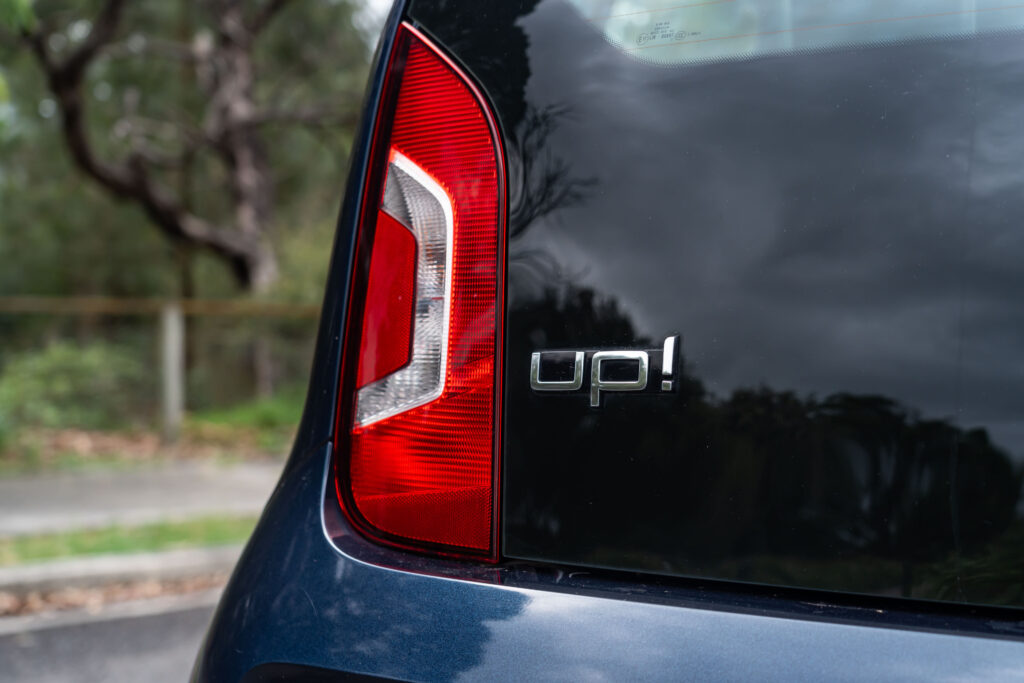
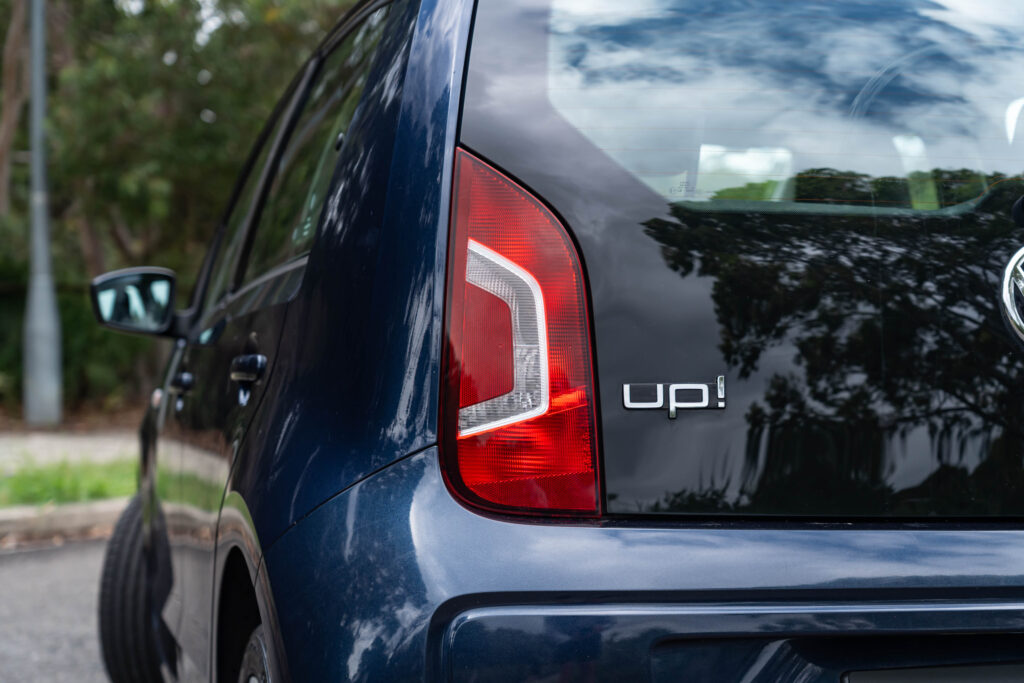
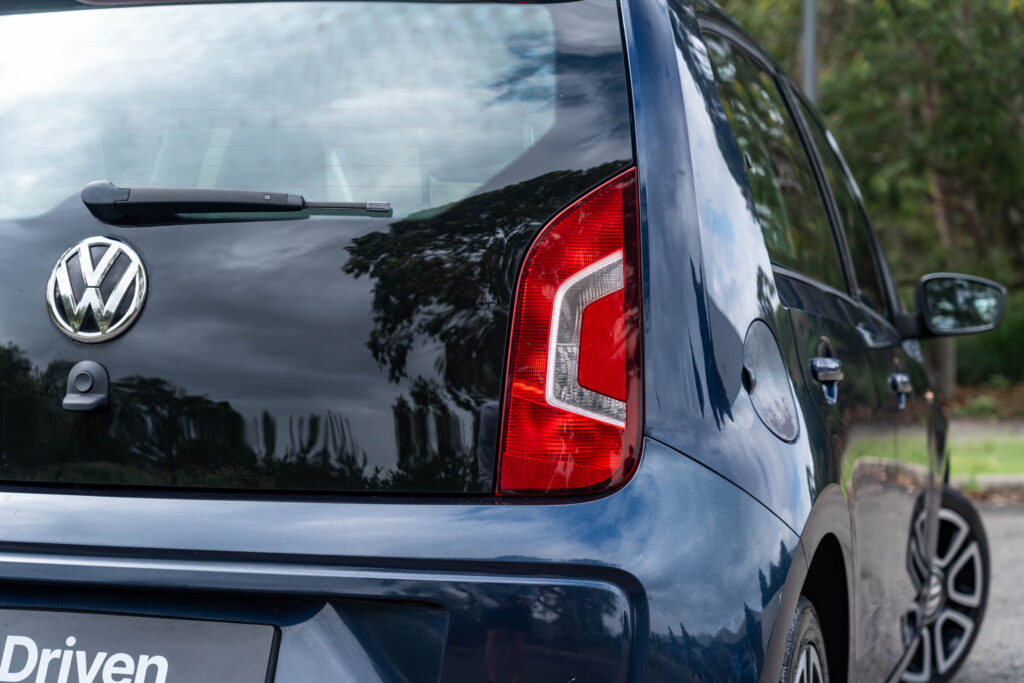
Some owners report issues surrounding the exterior lights. The headlight bulbs are known to fry themselves, as well as the rear tailight bulbs (especially if the seals aren’t water-tight anymore and let moisture in).
Water ingress issues can affect these models, so it’s worthwhile to check how all of the rubber seals are holding up. The rear wiper hose, in particular, can wear/pop off, and the drainage channels throughout the body can get blocked.
Check for any dampness in the interiors too, such as the spare wheel well, the footwells, the rear boot, and the interior headlining.
Being a European car, the Up! can be susceptible to some minor electronic gremlins, check all of the powered equipment on the exterior works normally.
Common areas include the tailgate actuator, fuel cap release, and door lock actuators, but as this is a fairly affordable car, fixes are very easy and cheap to do.
Check the latest recalls in your market or region have been done – for instance, in Australia, some 2012-2013 models were affected for sensitive automatic brake system sensors that could set off the AEB (automatic emergency braking) unnecessarily.
Also, fun fact: the rear windows are manually operated, pop-out panels, unlike the powered units at the front.
Interior issues:
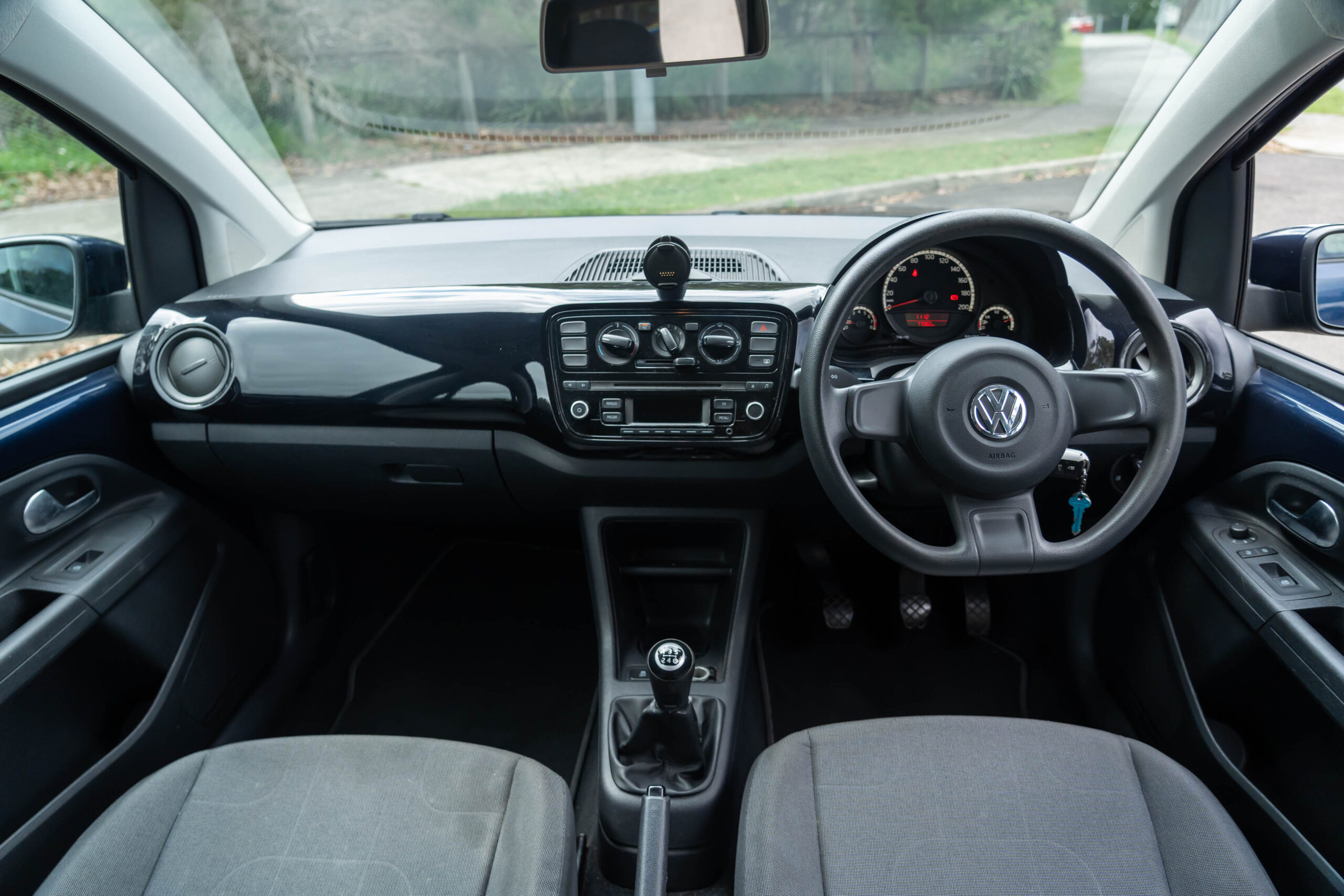
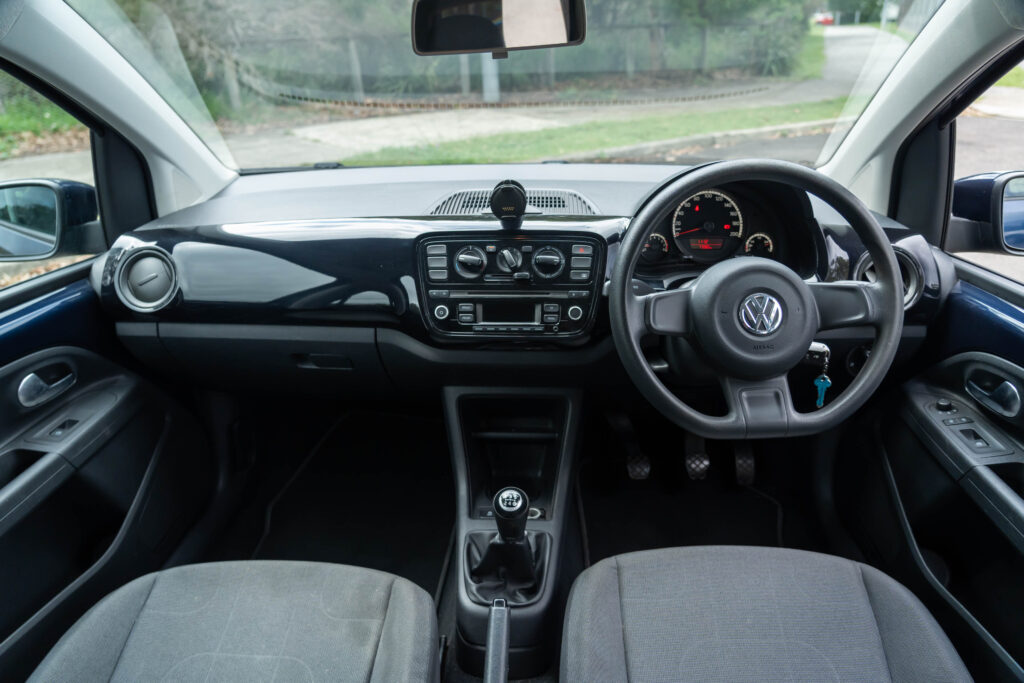
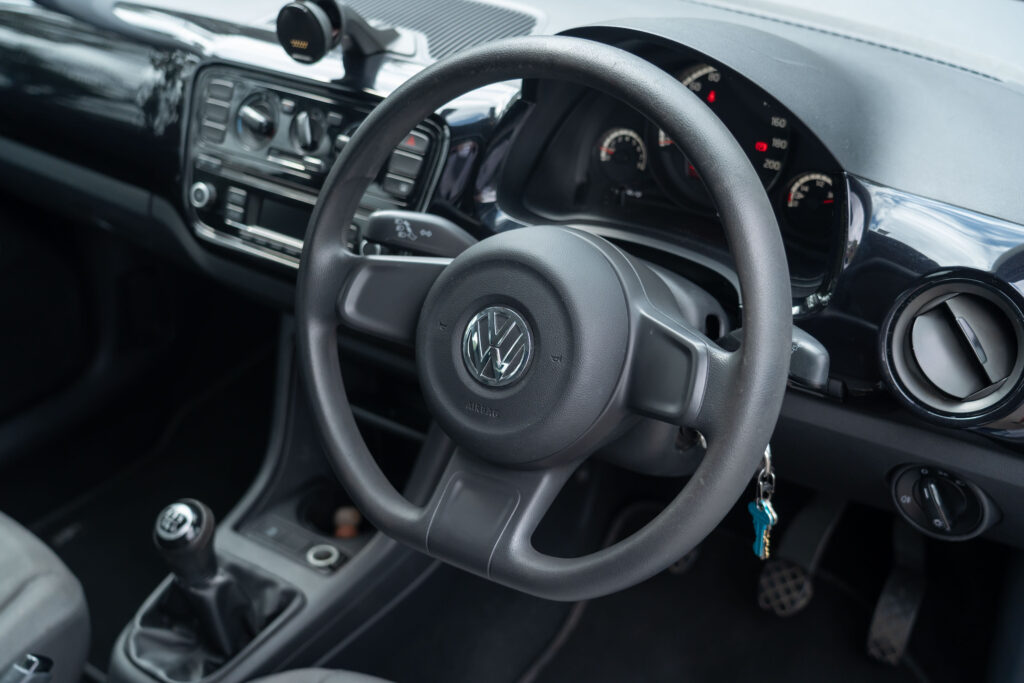
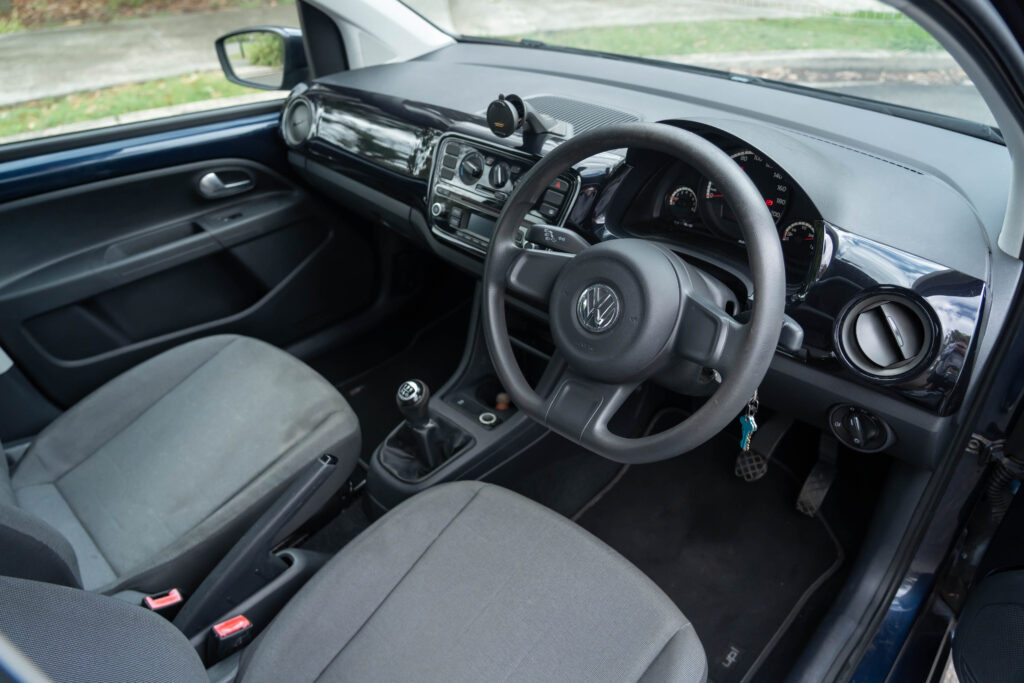
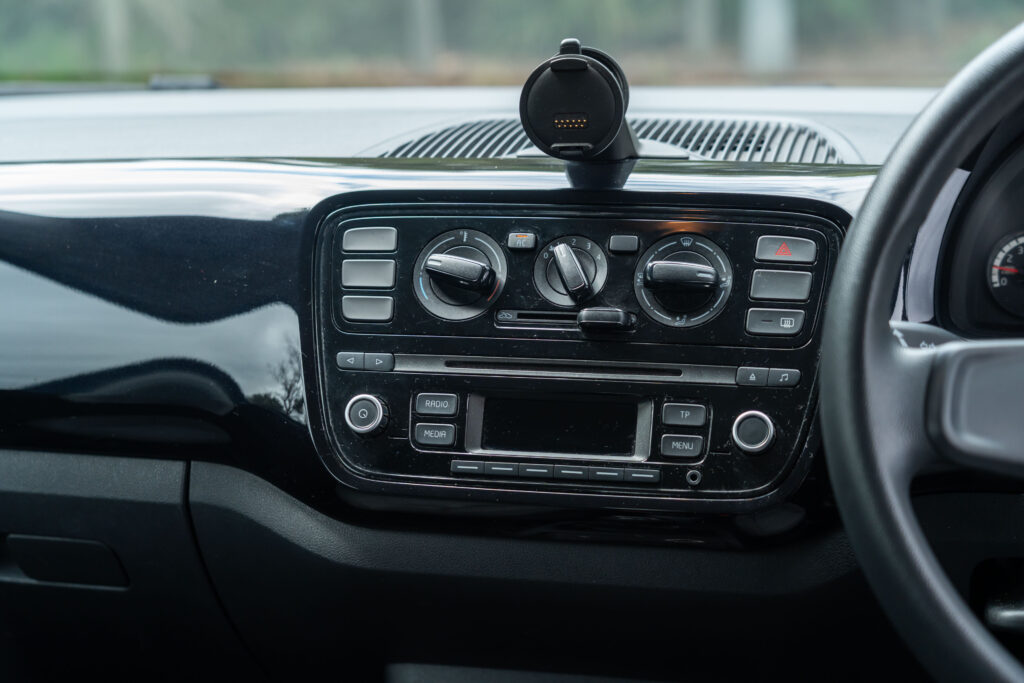
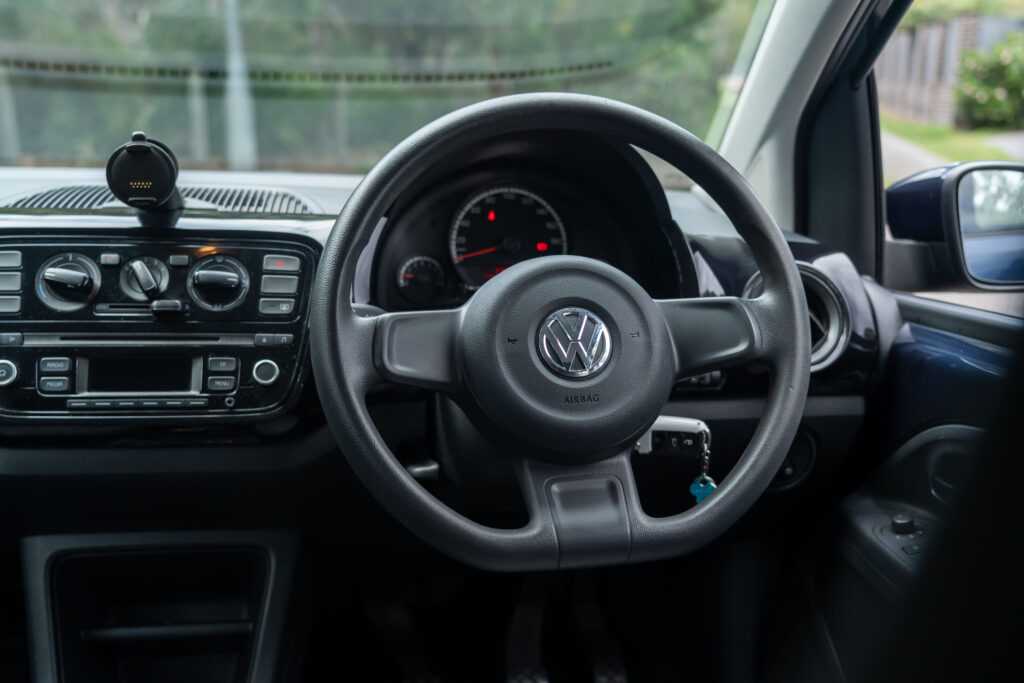
The cabins of Volkswagen Up! are very basic, but functional and built fairly tough, with plenty of physical buttons where you need them to be to access everything.
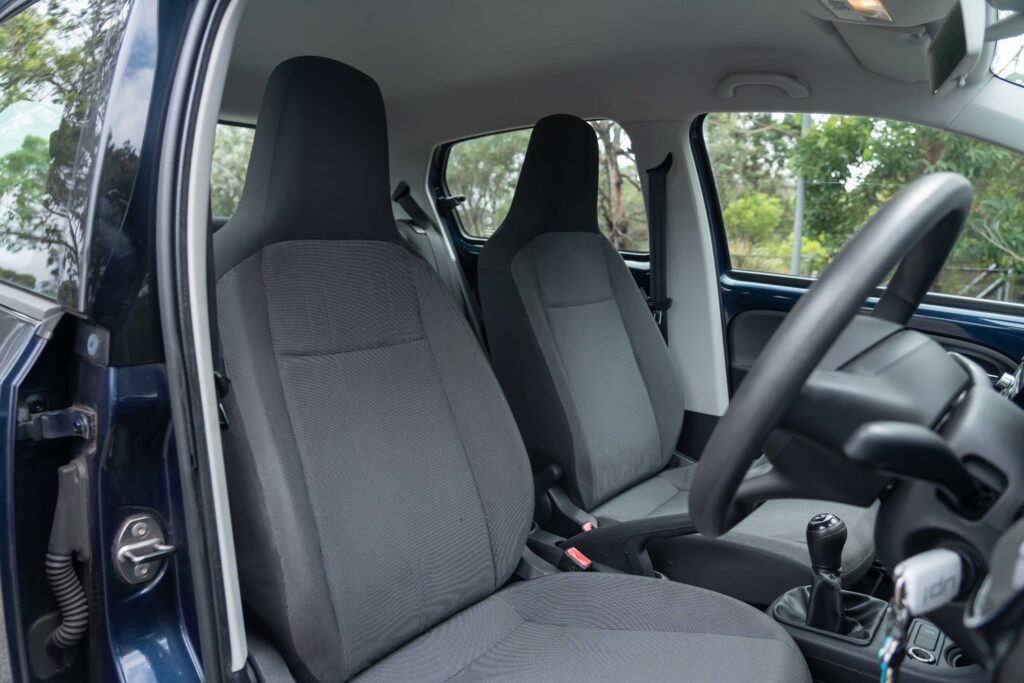
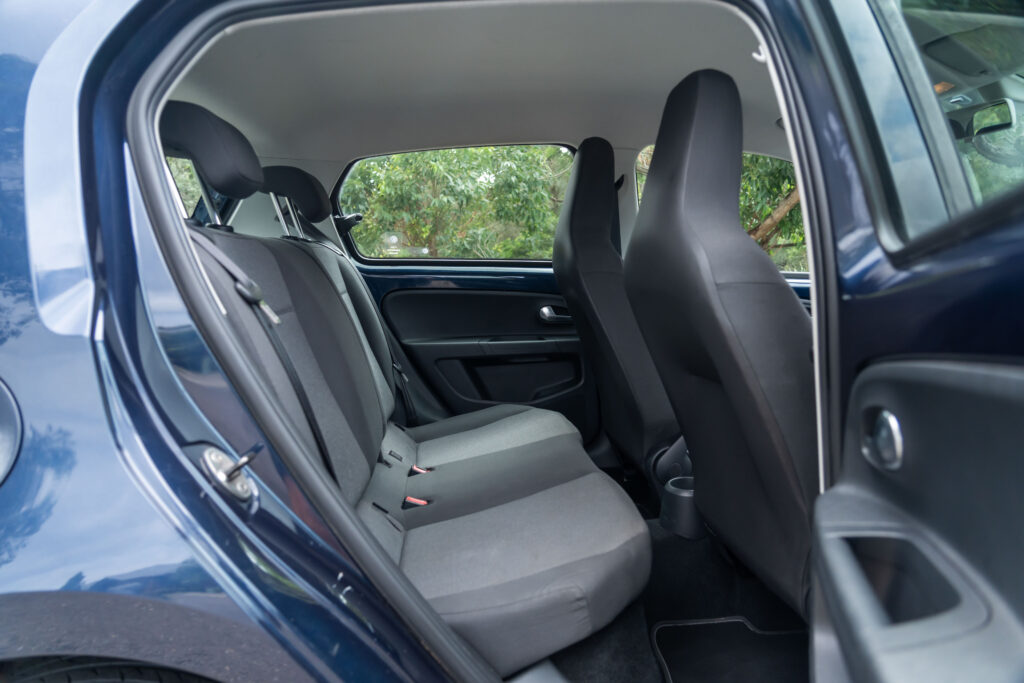
It may be a small car, but just like Japanese kei-cars, there’s a sense that there is more space inside, with how everything is laid out.
Various sections are composed of hard plastics that can get brittle or develop rattles over time, but as with other Volkswagens, they have a nice premium feel to them that feels nice to touch.
The start-stop system is reportedly very sensitive to voltage from the main 12V battery and can pose some electrical issues. If the car has primarily been used for short drives with the system activated, the battery might not be able to recharge fully or wear down more quickly. Many recommend turning this feature off entirely.
The seats are fairly basic, but many have found that they’re proving to be both supportive and comfortable, though some have found certain fabrics can stain easily. Also, for those with the ‘easy-entry’ access lever on three-door models, it’s known to be quite brittle or get stuck easily.
The factory infotainment setup was very basic and, by now, is quite underwhelming in terms of features and connectivity it supports.
Even those that relied on your personal device can feel quite subpar (fun fact: some didn’t come with a headunit in the first place, with either a portable GPS or your smartphone occupying a specially designed holder in the middle), from poor Bluetooth connectivity or a very obsolete interface that frustrates many owners.
The good news is that by consulting the very resourceful owners’ groups/forums, there are various aftermarket solutions to install a more up-to-date system/headunit that will bring current-gen Bluetooth audio. Apple CarPlay/Android Auto, or a reversing camera.
Mechanical issues:
Based on current European data, the Up! is statistically Volkswagen’s most ‘reliable’ car, which we agree reflects how it fares now.
With its fairly light overall weight of just over 900kg, wear on consumables is reported to be minimal. Owners have told us the lifespan for tires and brakes can last fairly long, and we heard of little to no complaints over premature wear of suspension components.
The Up! is quite a reliable vehicle, with sporadic reports of minor issues that creep up; largely due to the fact this is a car that is nearly 10 years old.
Engine:
The water pump is a common fault, as with other VW-engineered products. It’s a plastic unit and is driven by a designated belt at the rear of the cylinder head (not by the timing belt simultaneously), but unlike other VW models, the one used by the Up! is easily accessible, and replacements are fairly affordable.
Timing belt replacements should be done every 105,000 km/7 years, whichever comes first. It’s highly recommended not to ignore this preventive maintenance, as they can fail on high-mileage, very well-used/neglected units.
The throttle body can also experience some issues, but they’re not too common nor very costly to replace if needed.
Ignition coils are another drivetrain component to look out for, which often fail because the spark plugs are also on their way out.
Oil pressure control valves can fail (flashing a fault code is a clear indicator), but they’re not too common.
Coolant temperature sensors can leak internally, causing coolant to leak into the plug and make its way into the wiring harness and into the ECU. Note, it’s not a common occurrence and can be slightly difficult to diagnose.
Locations of oil leaks can also be misdiagnosed by inexperienced technicians, which is something to keep in mind.
Transmission:
Australian-market Ups only received the five-speed manual transmission, missing out on the slightly better six-speed manual. Fortunately, our models missed out on the potentially problematic and complex five-speed automated manual, or ‘ASG’ (Automated Shift Gearbox).
Generally, the five-speed manuals are proving to be quite robust, with no major or common failure point known to affect them.
Originally, Volkswagen never stated when transmission oil changes should be carried out, and its likely examples on the used market never had at least one oil service, which is something we highly advise doing.
Note that there’s no oil dipstick or filler level plug; you have to measure manually how much fluid you put in (1.2 litres).
Most Volkswagen Up! now start at $2-3,000 and top out at around $8,000. When you consider that priced new, these were around $10-14,000 at retail, these continue to be very affordable, even in the used market.
We find that most have experienced the most depreciation they’ll ever go through, with pricing currently remaining fairly stable, and even some of the best examples are beginning to rise in value.
Not only do Volkswagen Up!s represent a great all-round package as a daily driver that is very frugal on fuel, well-equipped, and the right size for urban areas, but interestingly, it offers a fairly underrated driving experience.
The three-cylinder engine and steering response are quite lively, and combined with the manual transmission, make this a very fun platform to chuck about corners.
In fact, many Up!s are proving to be the favourites and drivers of choice for motoring journalists, with owners that include Matt of The Right Car?, Mandy of Motorcar Memoirs, and Jez from Chasing Cars.
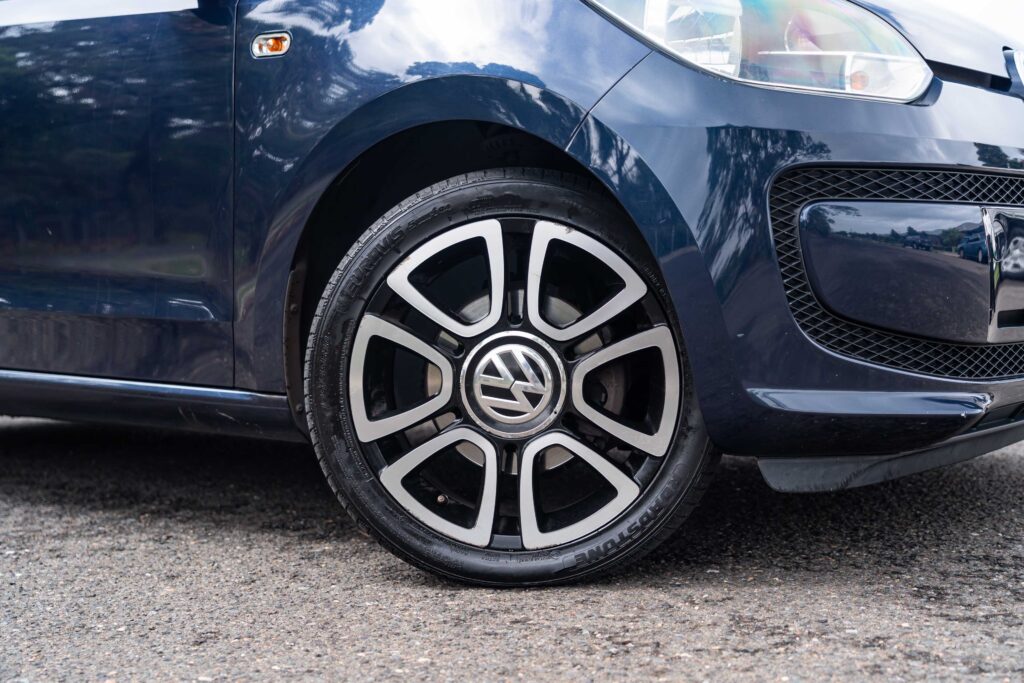
The Australian market primarily got one variant of the Up!, with various option packs that added equipment of varying degrees. Our recommendation is to find one with these packs selected, which can bring larger alloy wheels, parking sensors, and cruise control.
Also, we should to highlight that the Up! offers a surprising amount of aftermarket/modification potential, if that is something you want to explore – just check out the Up! GTI video series done by ‘Mighty Car Mods’.
Being a car on the very affordable end of the used car market, though, we would do as much due diligence to check that the Up! you’re considering hasn’t had major financial corners cut through missed servicing or subpar parts being used, or poor quality repairs.
Though interestingly, the Volkswagen Up! is proving to be quite a tough, resilient vehicle that has been appreciated by owners who show love and care for these nuggets.
Find yourself one that has a solid service history and no concerns are brought up by a pre-purchase inspection, and you cannot go wrong with a Volkswagen Up! as your next daily driver.
It’s no coincidence that one of the simplest, most analog Volkswagens of the past decade is proving to be one of the best as a used purchase, and we very much agree with that.


Co-creator, presenter & writer, ReDriven

Yes. 100%.
 1 month ago
 1 month ago
 1 month ago