Australia’s No. 1 Used Car Review Website
Australia’s No. 1 Used Car Review Website
+20 Photos
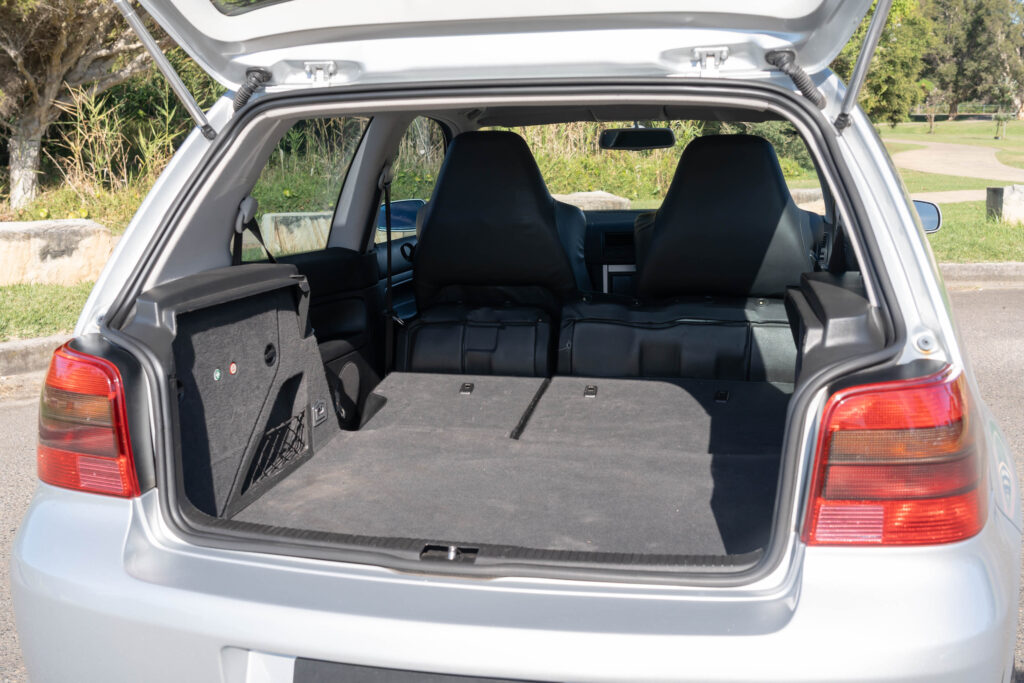
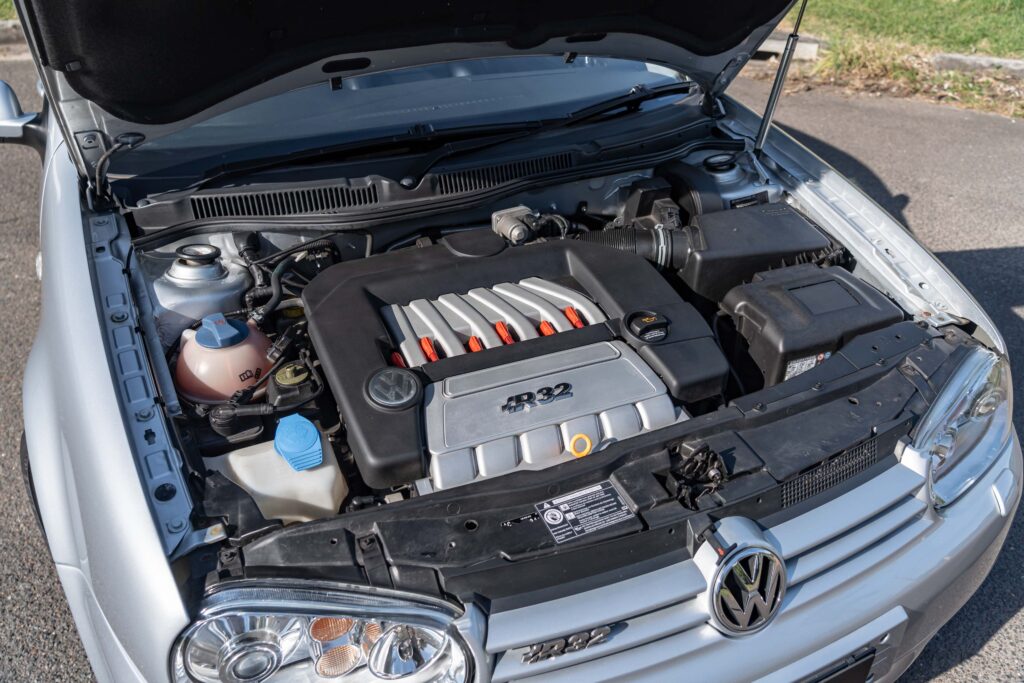

2004 Volkswagen Golf R32

29 May 2026
Yes. But only the right example.

2004 Volkswagen Golf R32

Used car review
29 May 2026
The MK4-generation Volkswagen Golf R32 is arguably one of the most iconic VW models from the 2000s, next to its other iconic hot hatch, the Golf GTI.
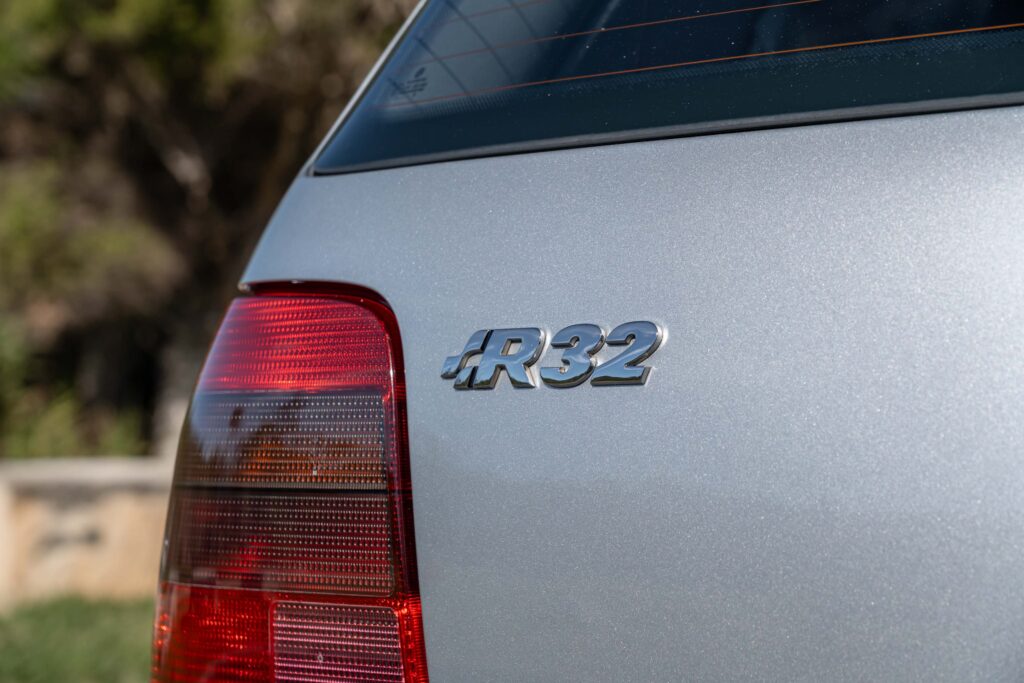
Based on the MK4-gen Golf, this was both the very first Volkswagen ‘R’ and Golf R32 model. Initially limited to its home market in Europe, Volkswagen eventually decided to introduce this variant to other markets abroad for the 2004 model year, including Australia.
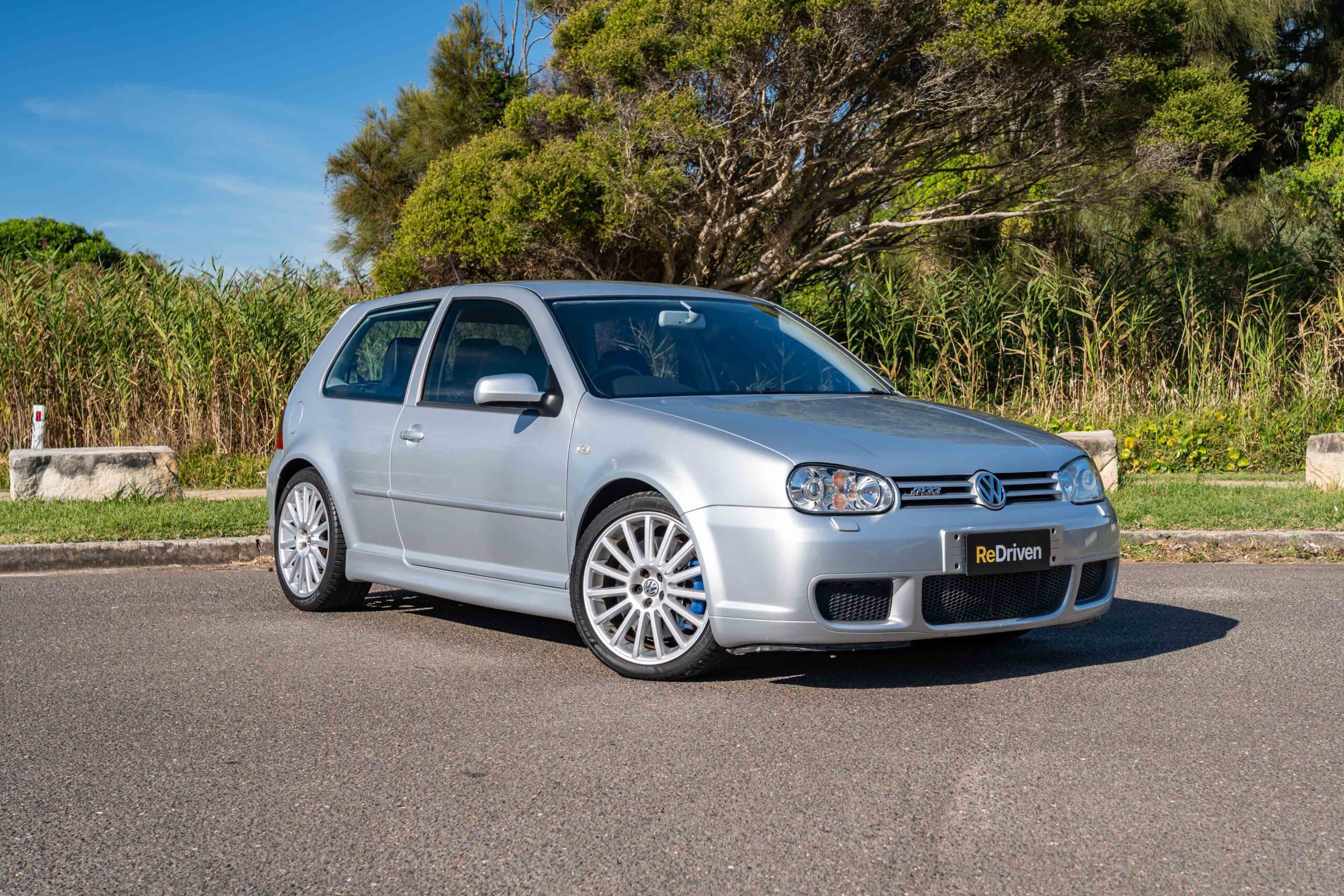
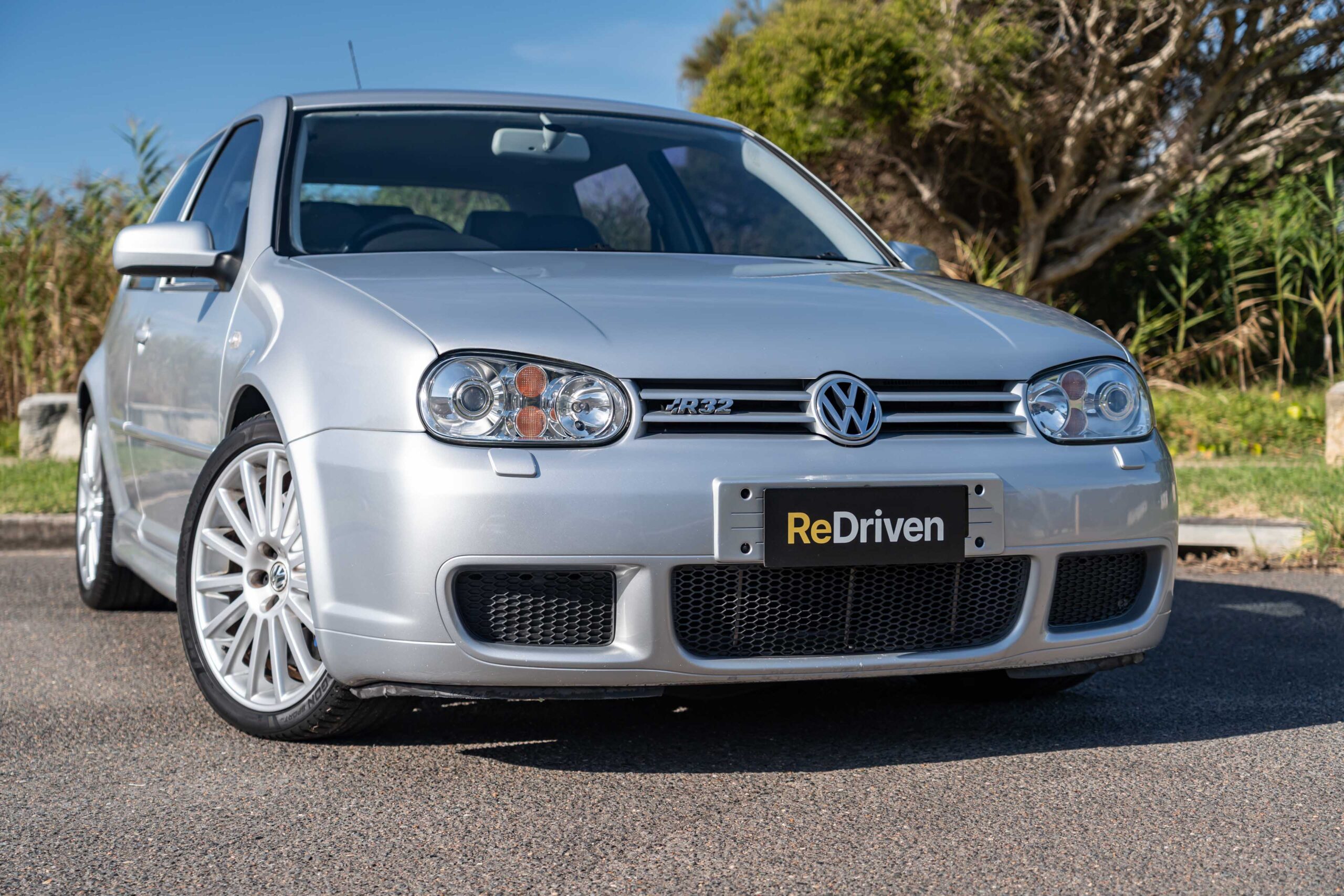
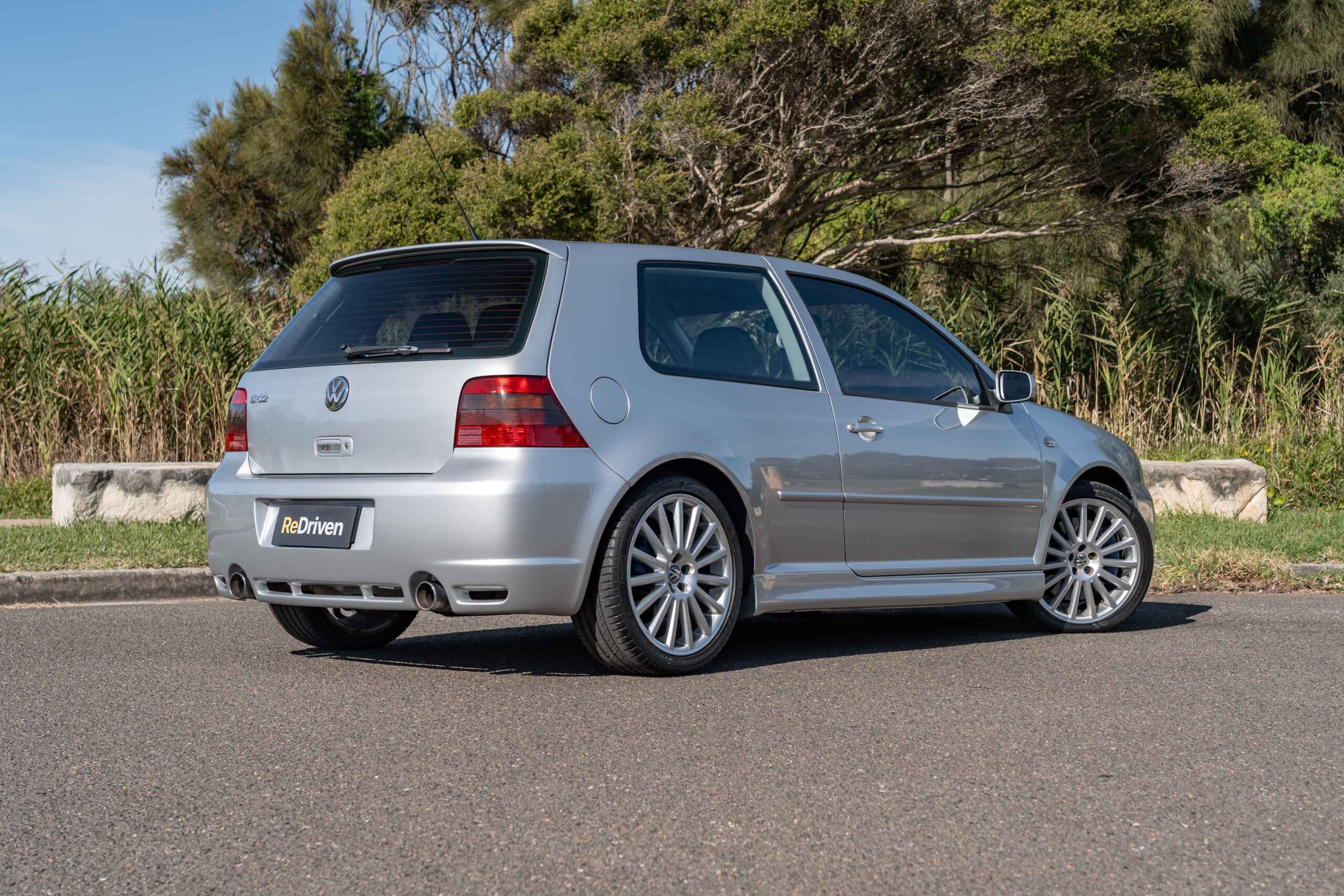
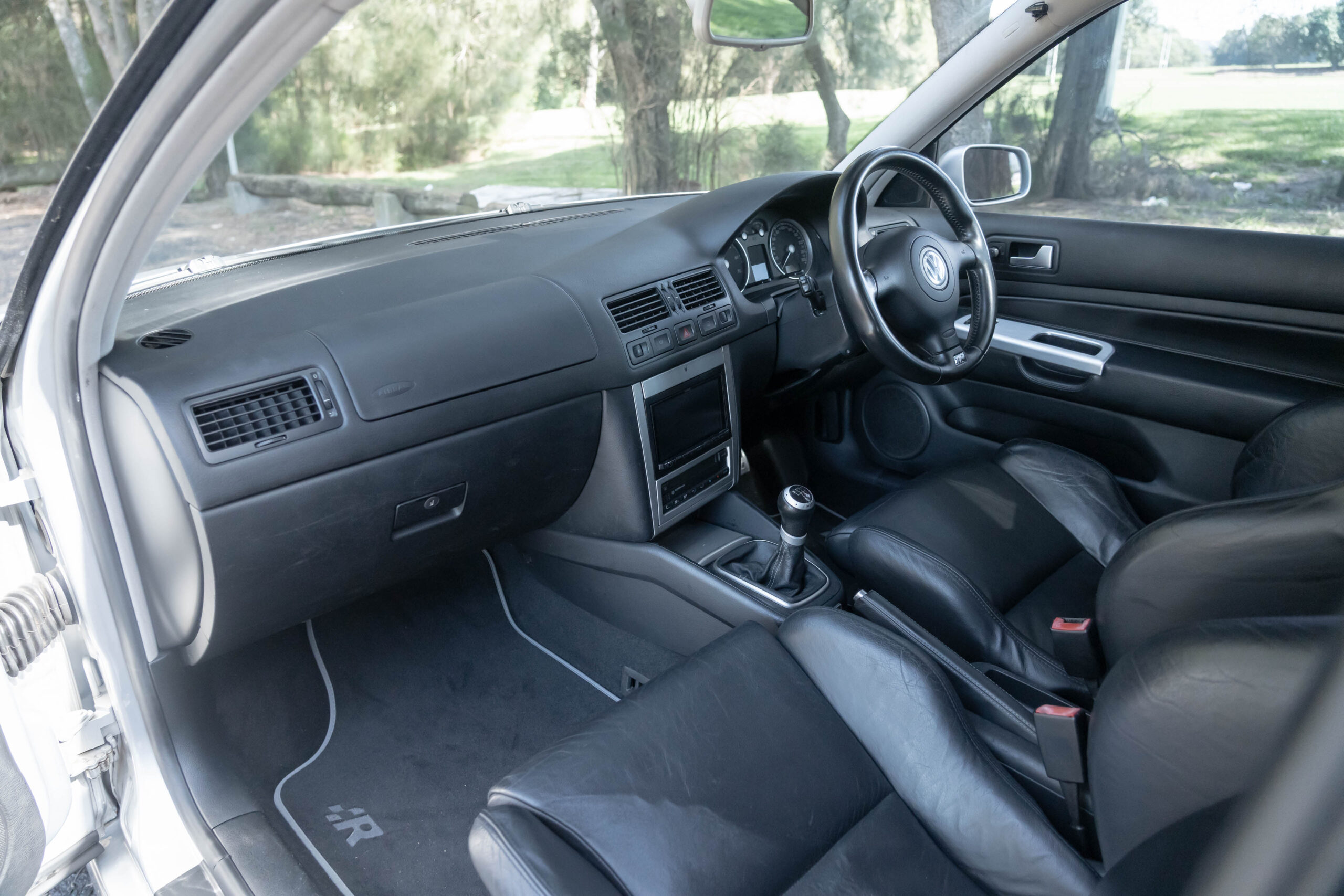
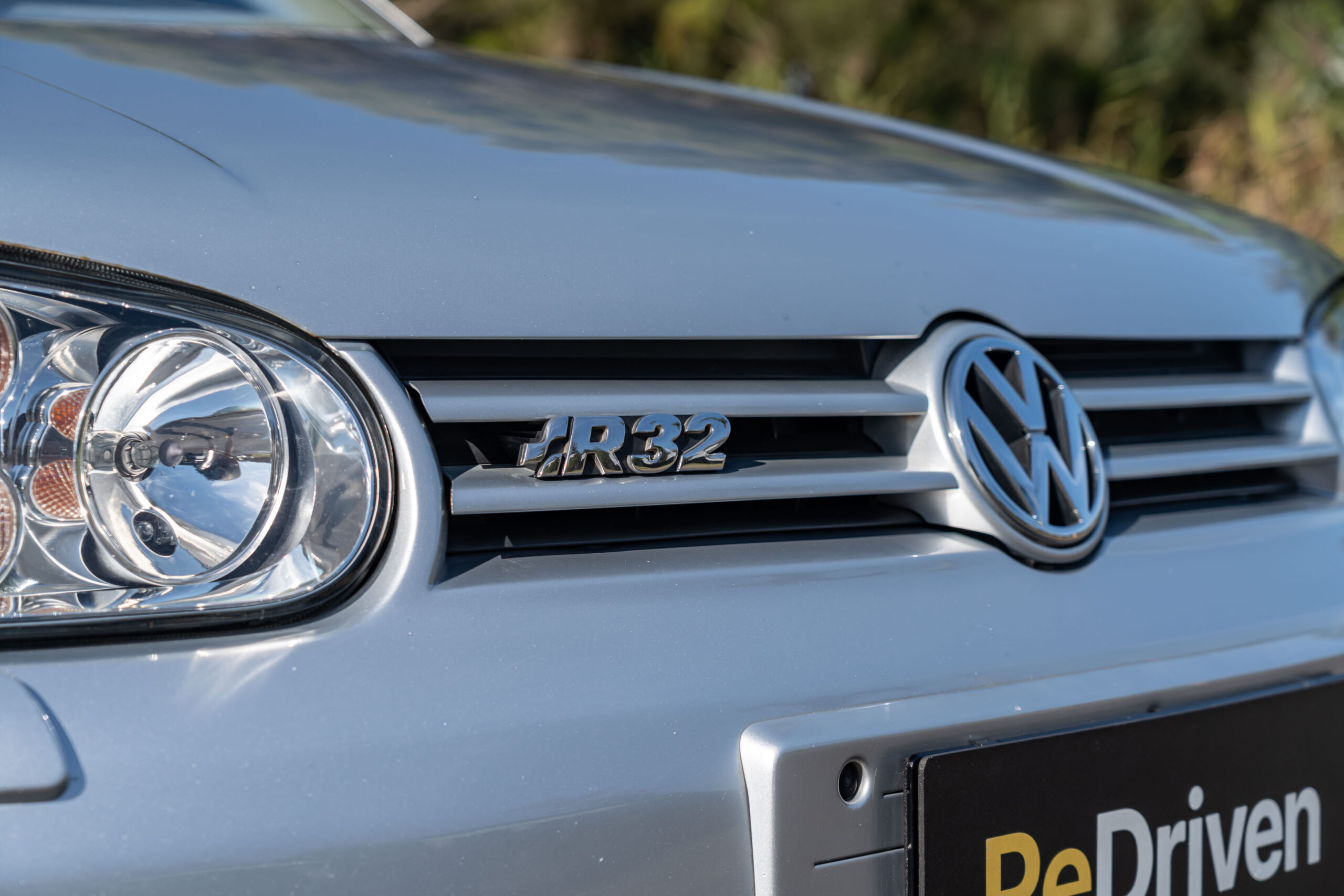
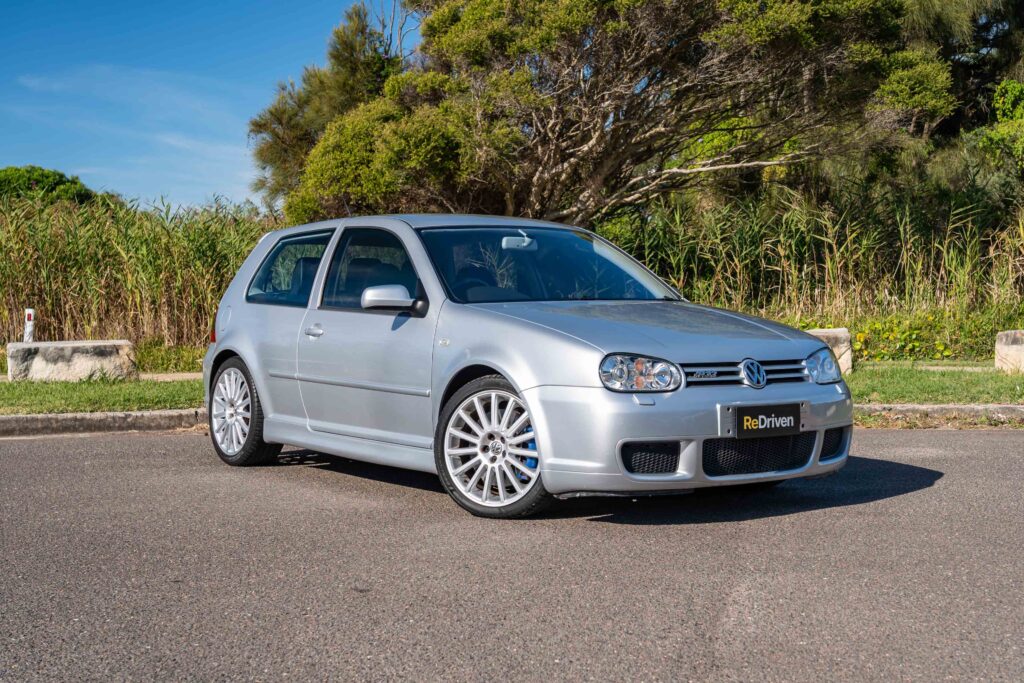
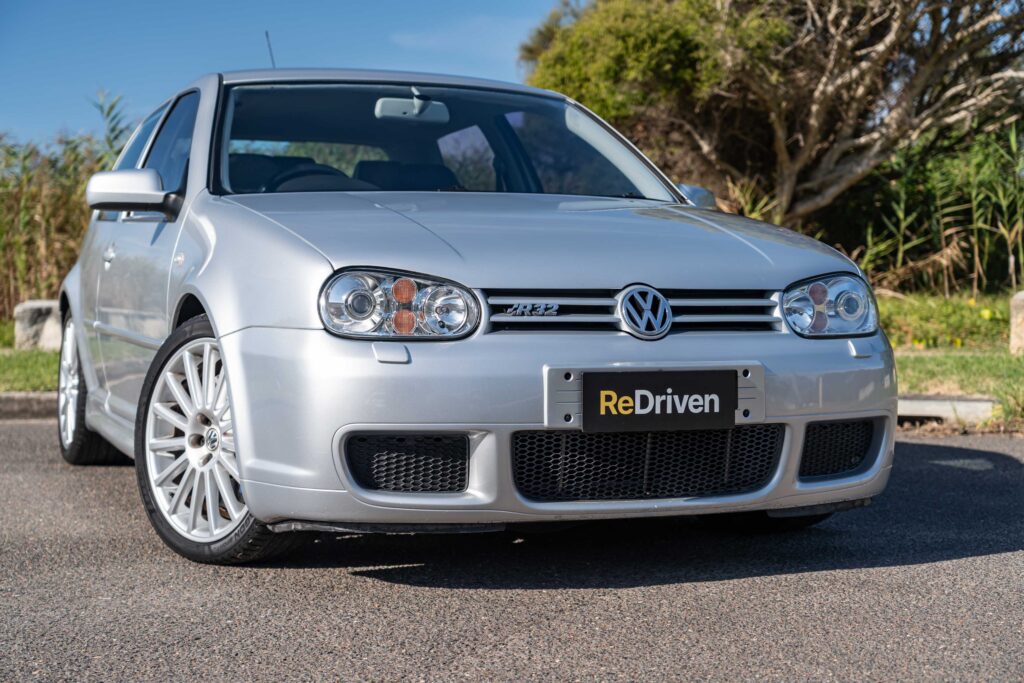
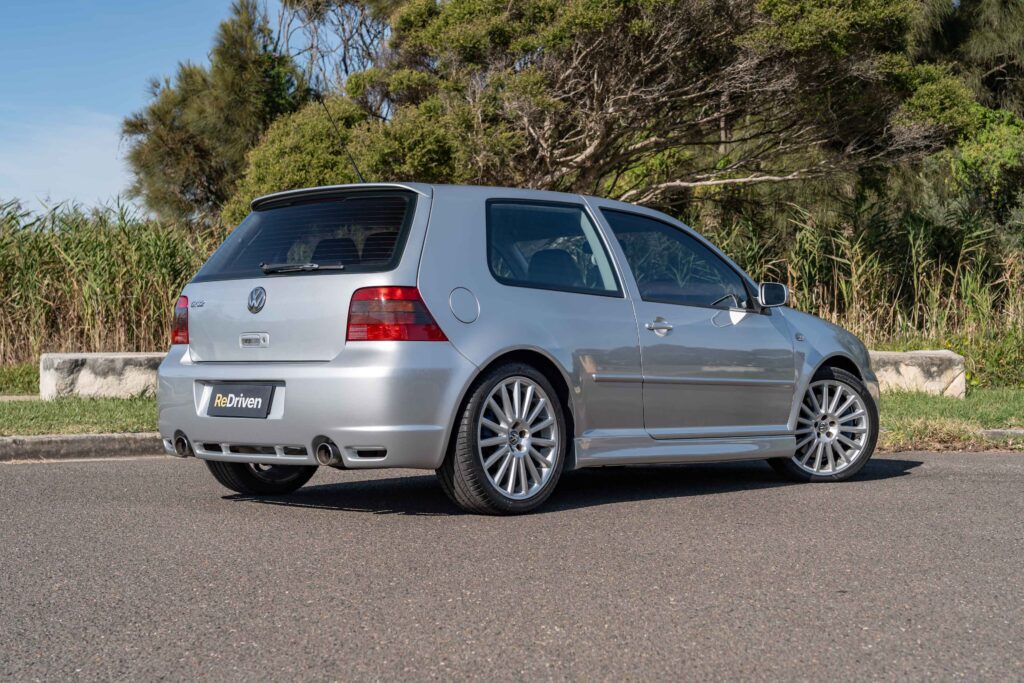
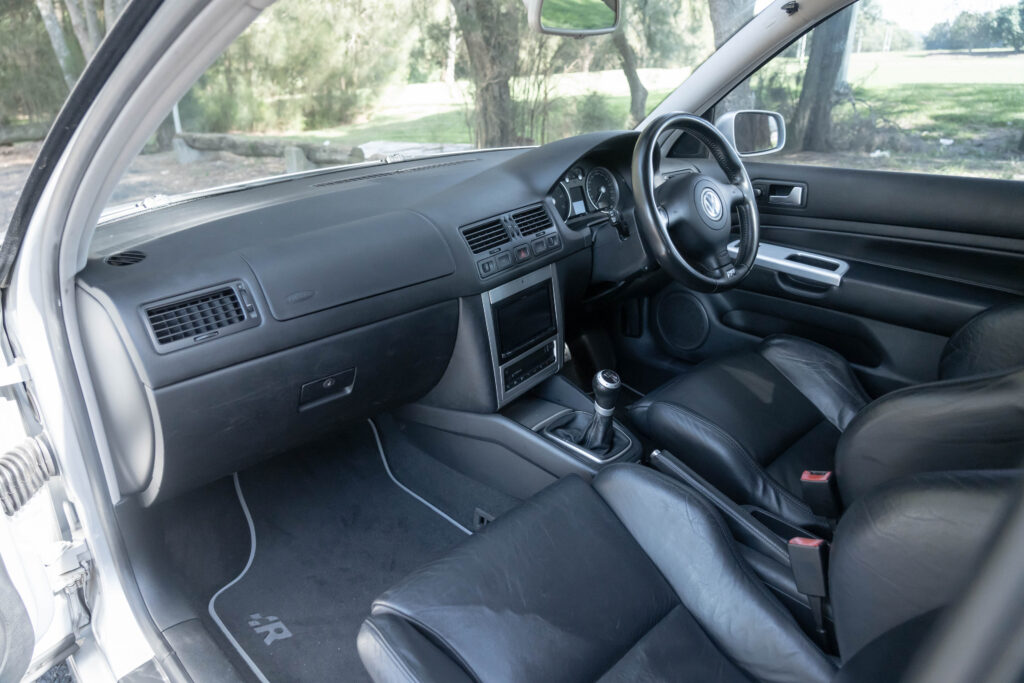
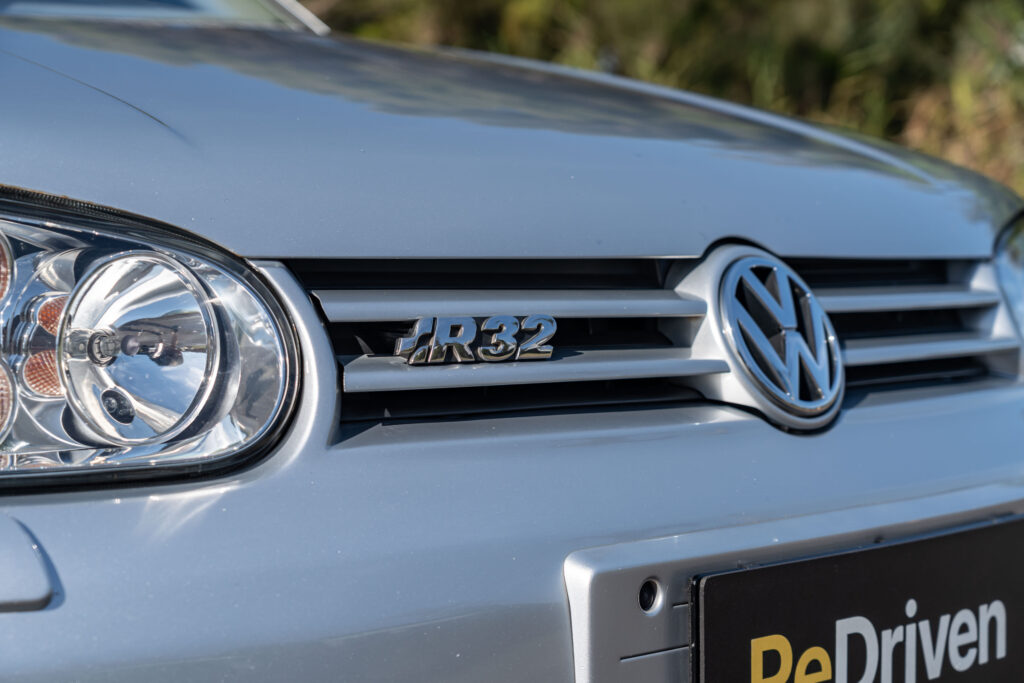
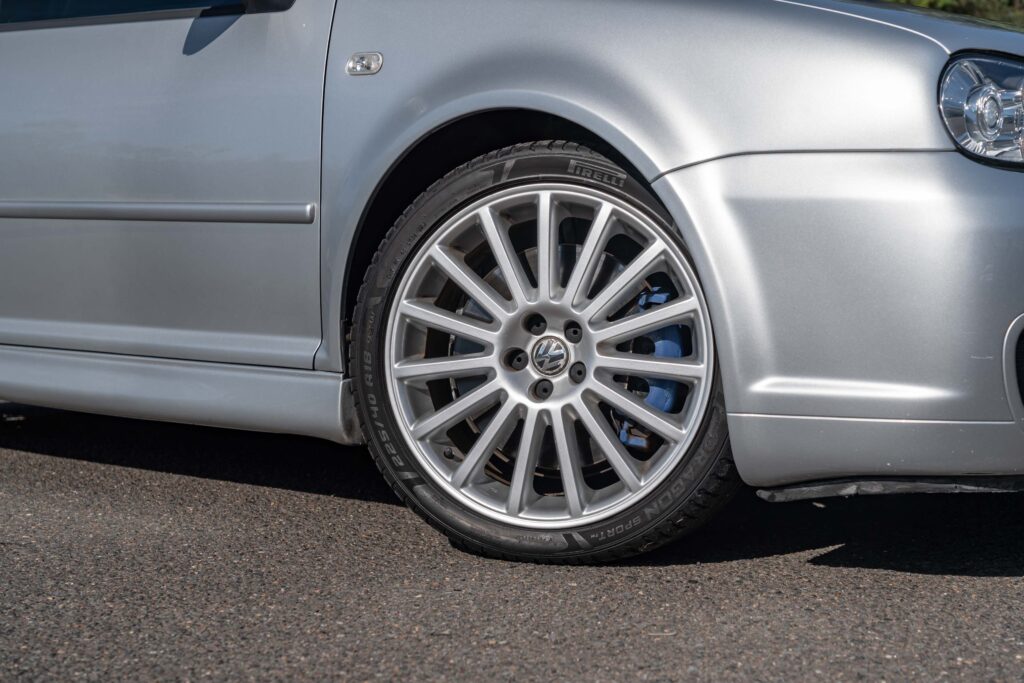
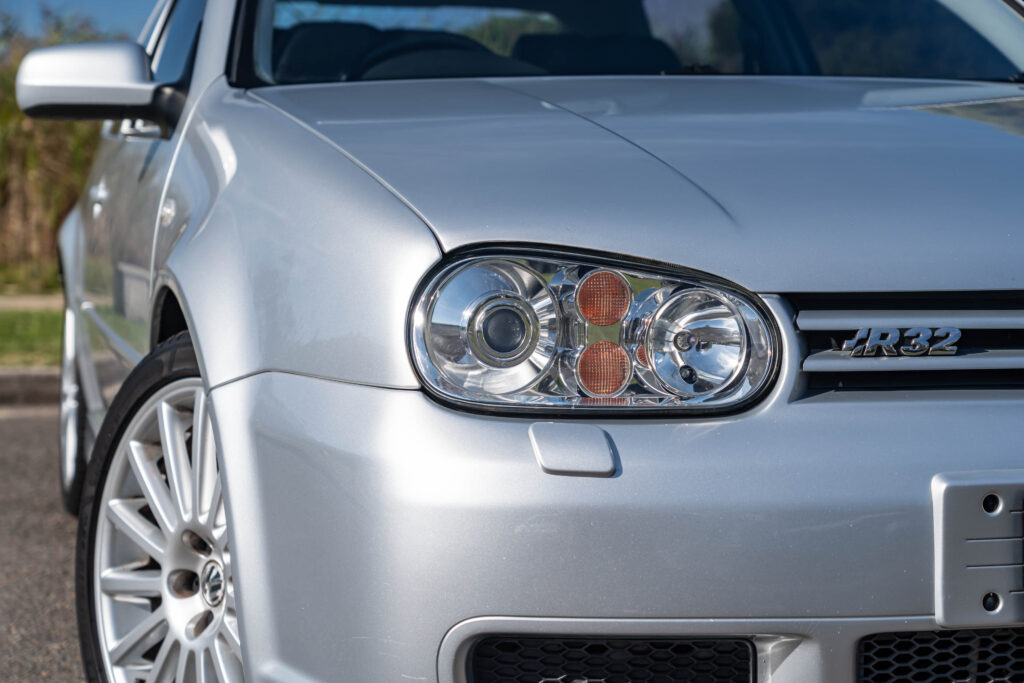
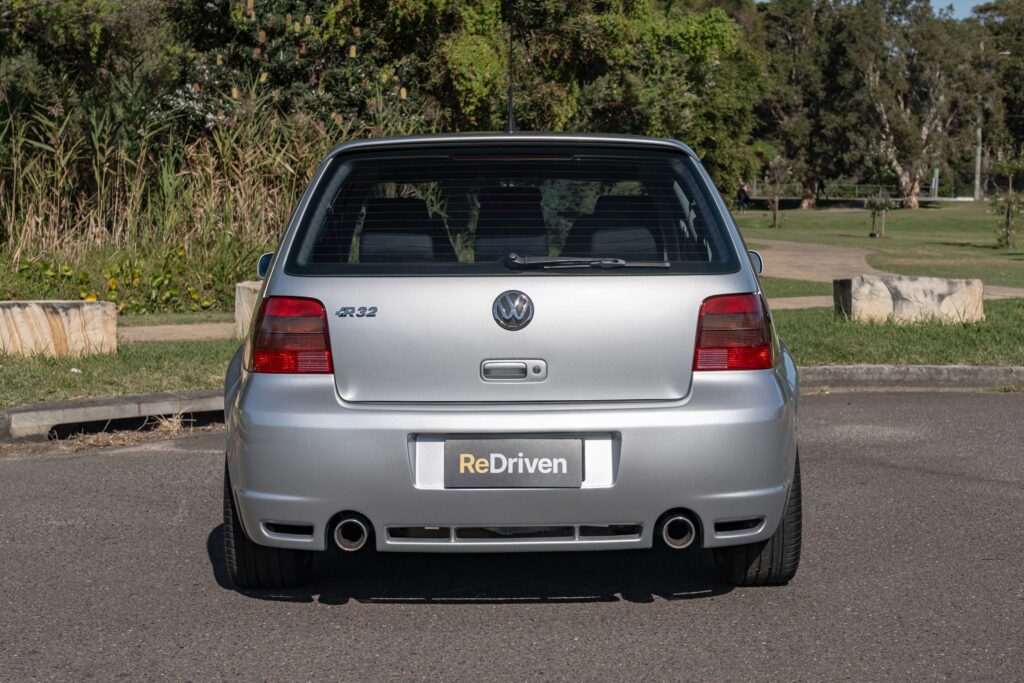
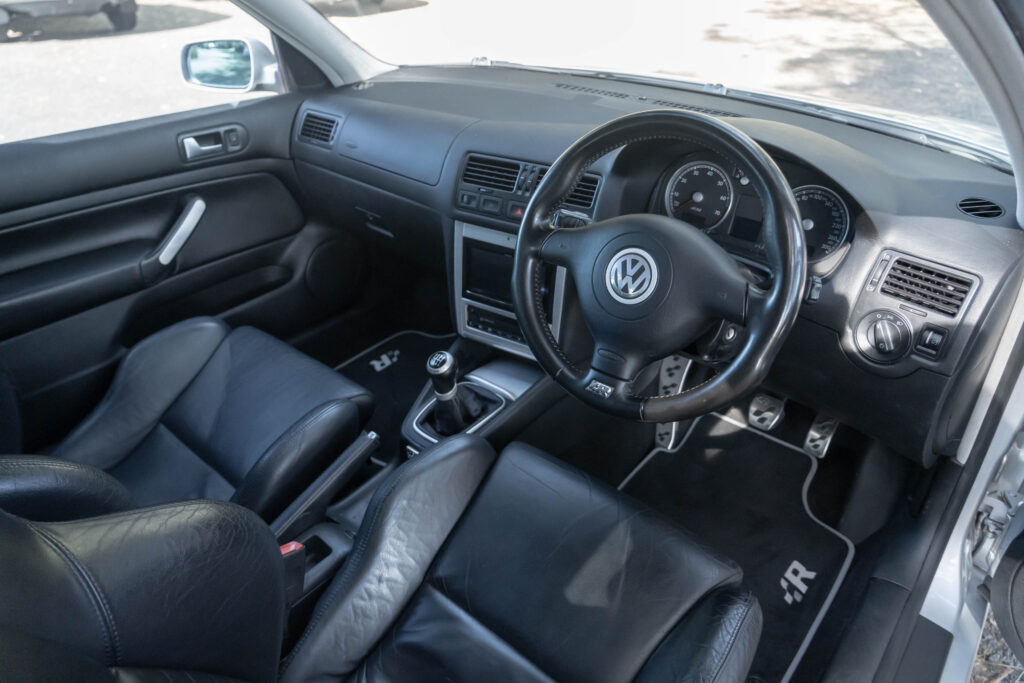
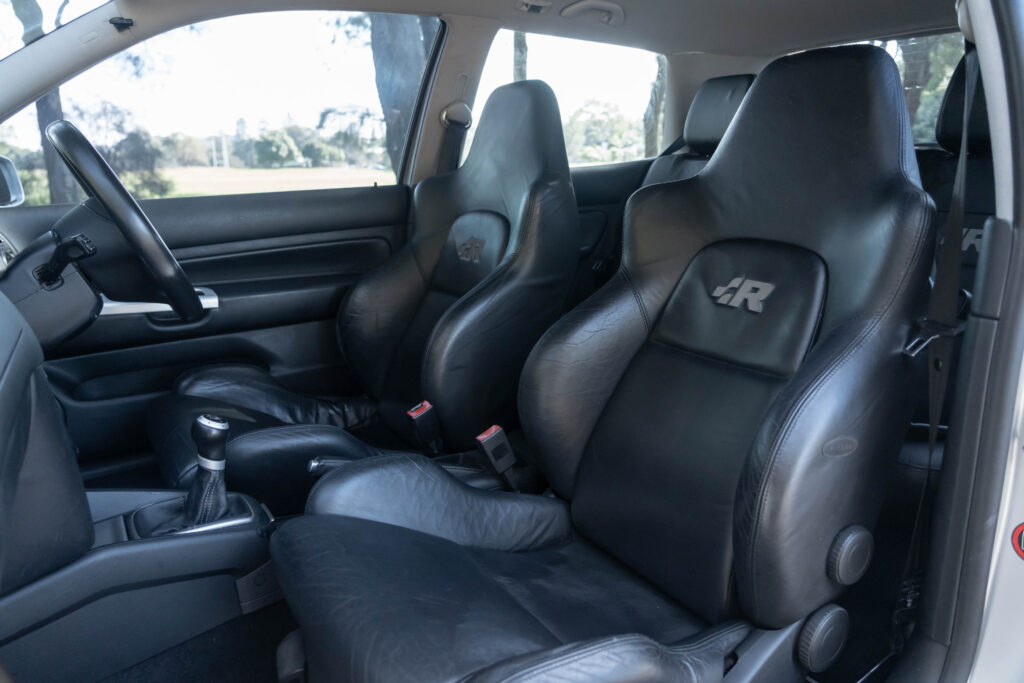
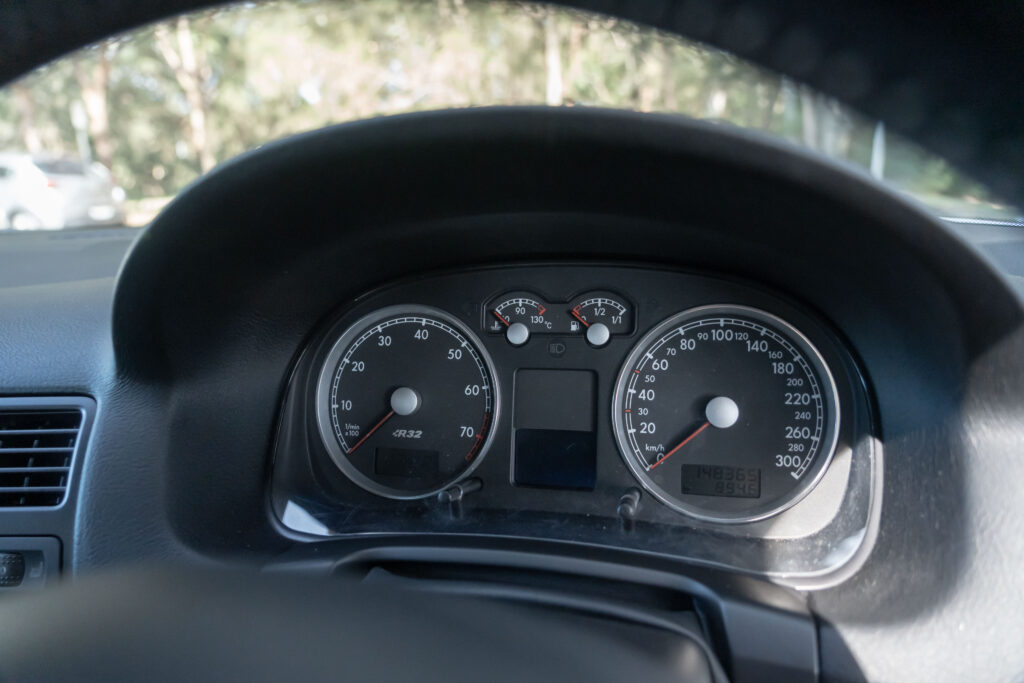
These made themselves distinct from a standard MK4 Golf and GTI with R32-specific body kit (bumpers, side skirts), wider fenders, lower-profile wheels, along with subtle ‘R’ details within the interior, including sport bucket seats and instrument dials. A three or five-door configuration was also available.
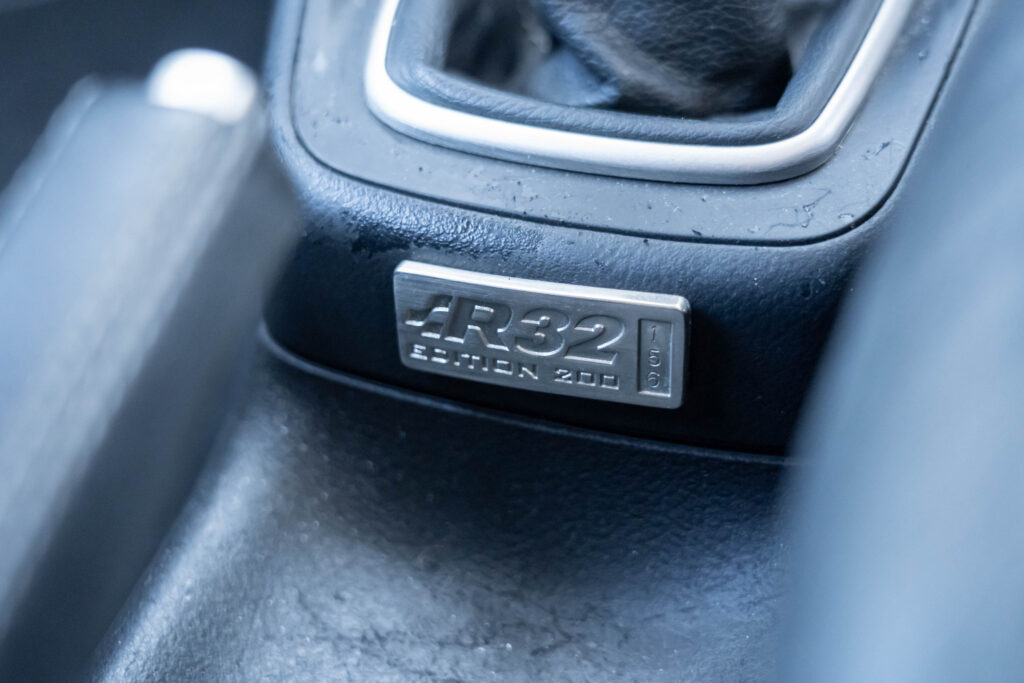
It’s worth also highlighting that Australian-delivered R32s are distinguished by their interior plaques and came in only three factory colours: Black Magic Pearl, Deep Blue Pearl, and Reflex Silver.
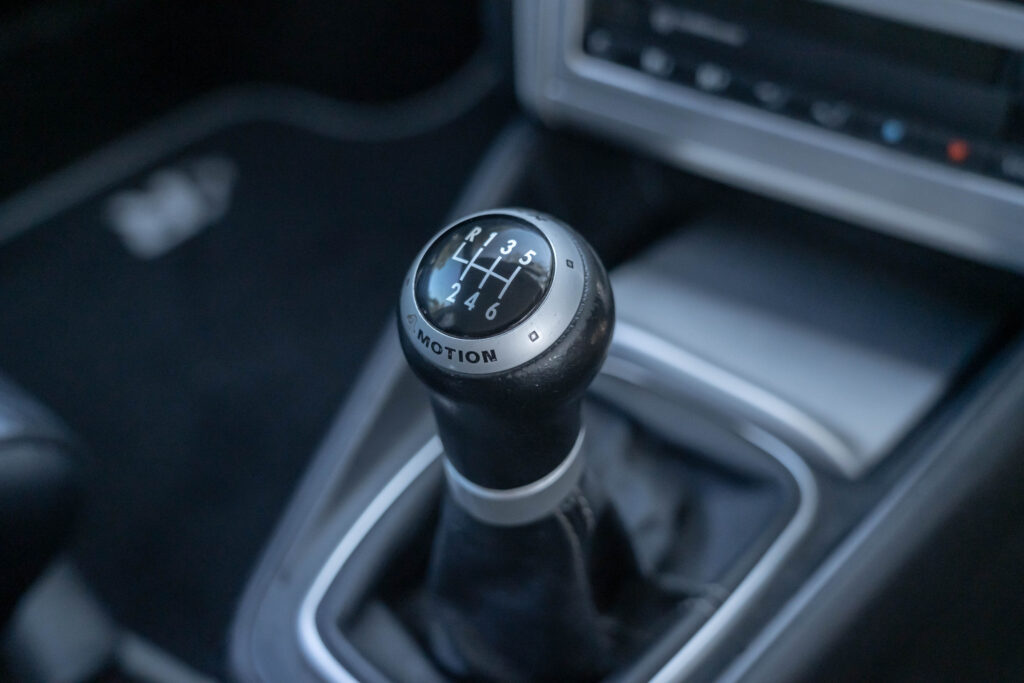
Under the hood, power came from the VW Group’s naturally-aspirated VR6 engine (3.2L), paired to a Haldex-based 4MOTION all-wheel drive system and a six-speed manual, though in markets outside of Australia, the then-radical DSG dual-clutch automatic transmission was available.
Though V6-powered hot hatches have largely been phased out now, at its prime, the MK4 R32 rivalled the BMW 130i (E87) and Toyota Blade Master G, alongside comparable all-wheel-drive performance models from its VW Group sibling, the MK1 Audi TT, to the Subaru WRX/WRX STI.
Exterior:
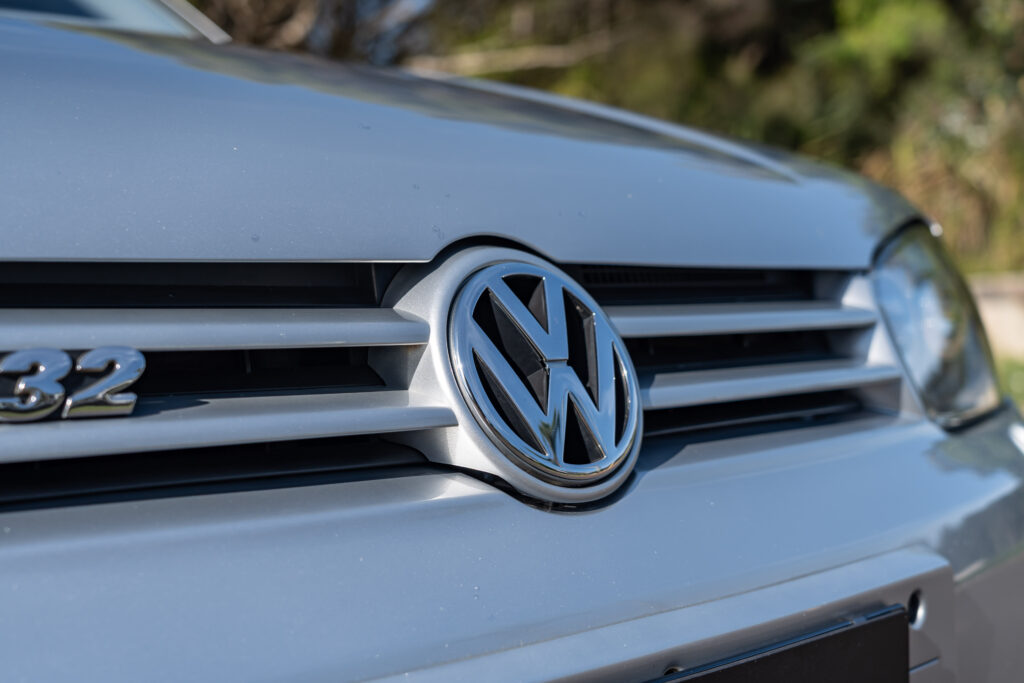
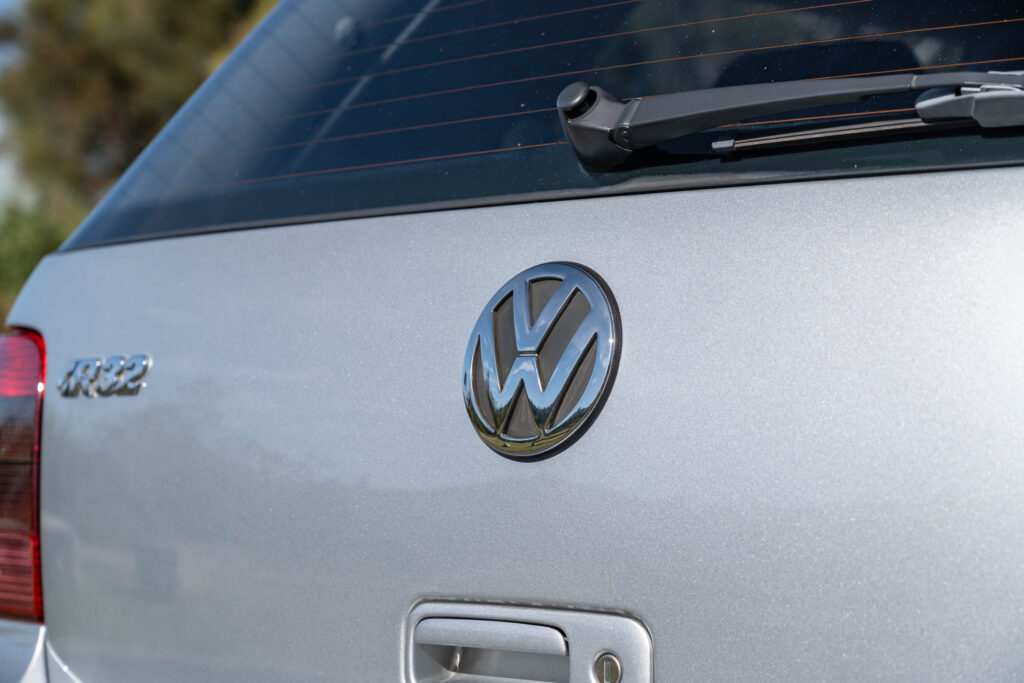
Examples in warmer climates are far less prone to rust or corrosion. However, it’s still worthwhile to inspect common sites – including the lower edges of the front quarter panel, underneath the rear (sill areas, front jacking points, behind the side skirts), around the ‘VW’ badge on the hatch, and door hinges.
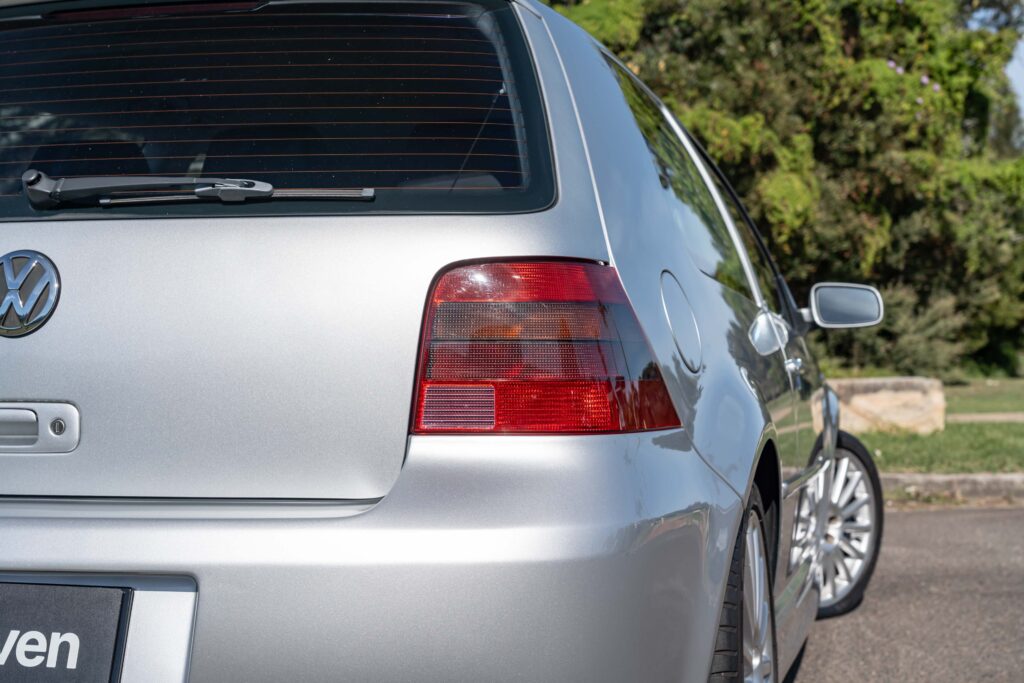
Check the integrity of the R32-exclusive body features – the front/rear bumpers and side skirts, especially if they might have been subject to certain ‘drivers’ under previous ownership.
Replacement, OEM parts are hard to come by nowadays, and the R32-specific body parts can command a high premium on the used parts market. It’s worthwhile to consult owners’ groups for solutions or recommendations, which can extend to 3D-printing replacement units.
Exterior plastics can also show signs of becoming brittle, especially those previously subjected to harsh UV exposure.
The headlights at this point are susceptible to surface fade and condensation buildup, but these can be resolved easily and on a budget via DIY solutions – though if they’re beyond saving, the entire headlight cluster may need to be replaced.
The door latch mechanism and switches are known to fail frequently, and the central locking system can suffer electronic gremlins – make sure to check all the doors unlock/lock normally.
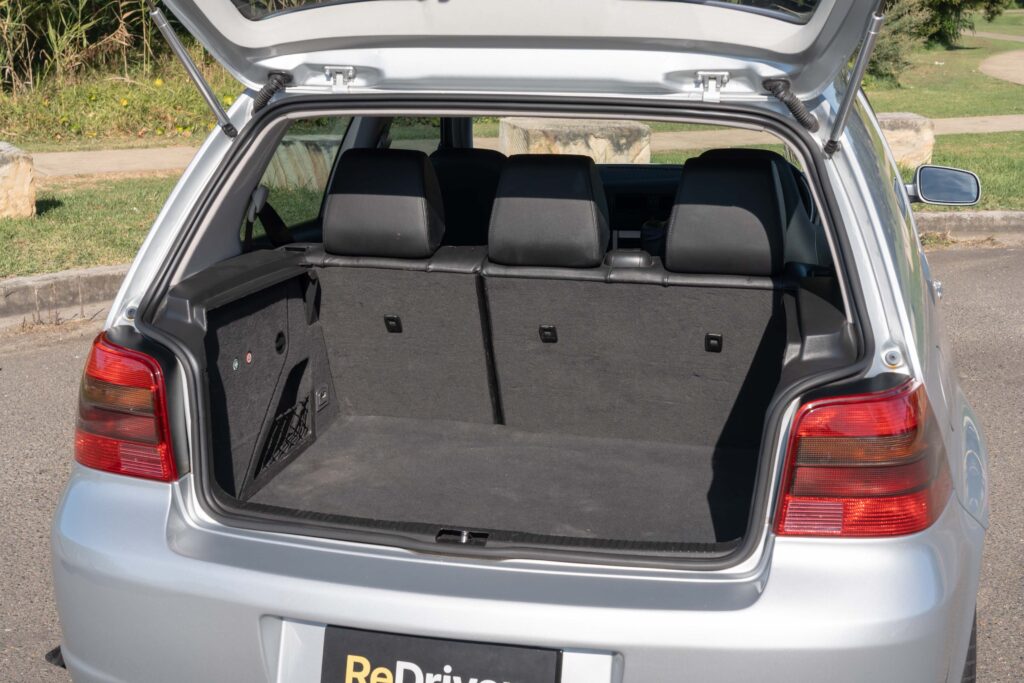
The rear hatch handle is also known to be quite delicate and is prone to breaking.
We also hear that the electronic window regulators are quite weak (as they use plastic clips) and become brittle with age, causing the power windows to fail to rise or get stuck. But research within owners’ groups to find recommendations for DIY fixes/advice, alongside aftermarket replacement clips/regulator assemblies.
Those equipped with a sunroof can experience all sorts of water ingress issues caused by the drainage tubes getting blocked by debris, which could lead to electrical issues if not resolved.
Interior:
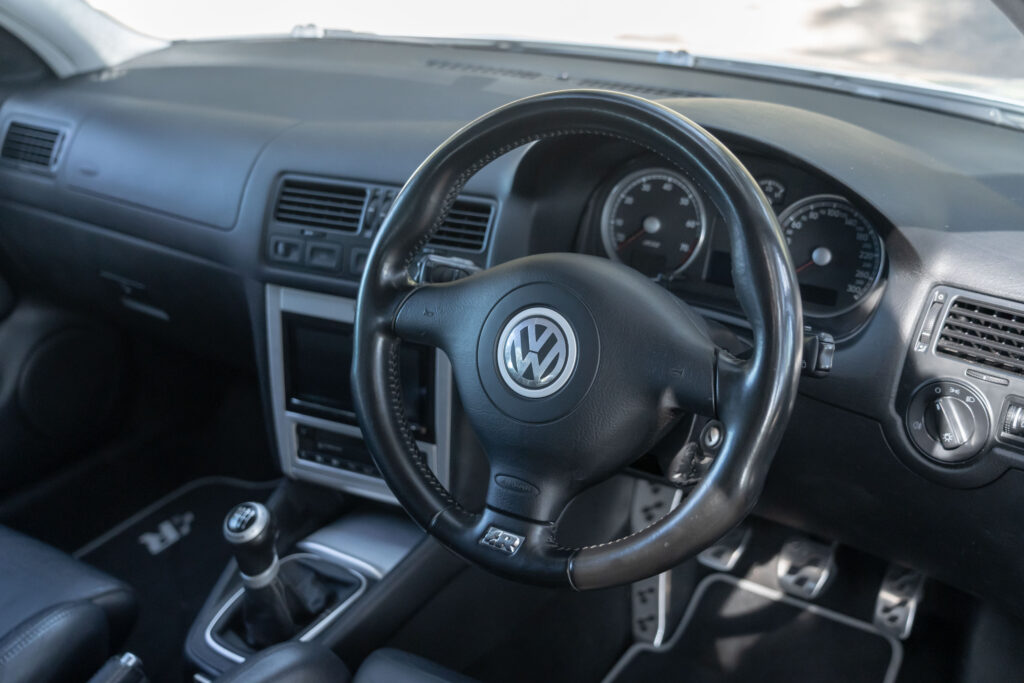
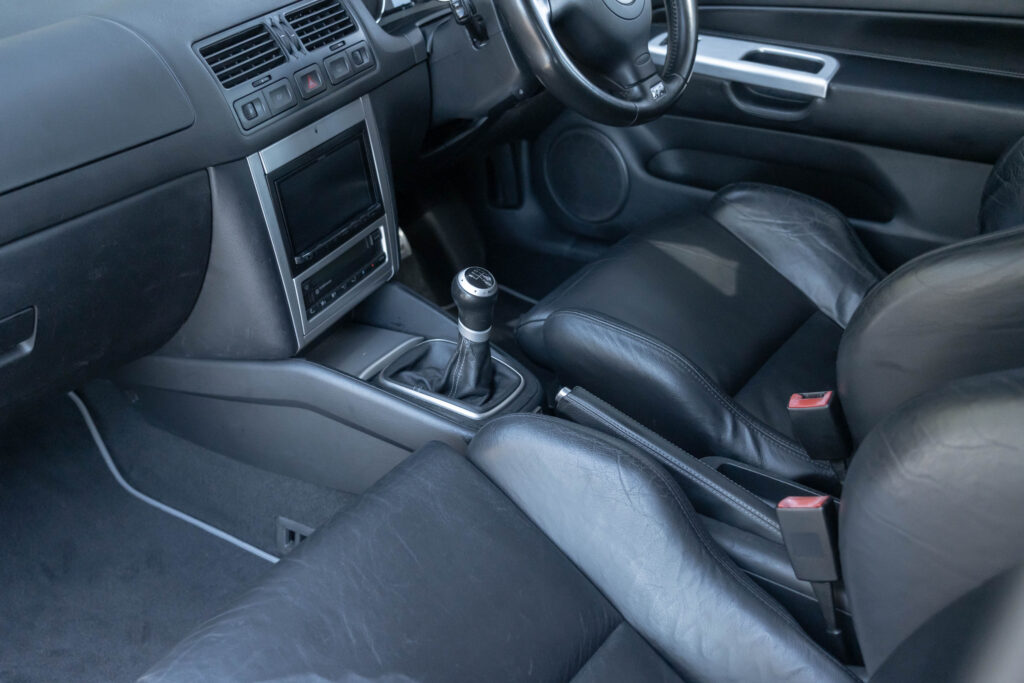
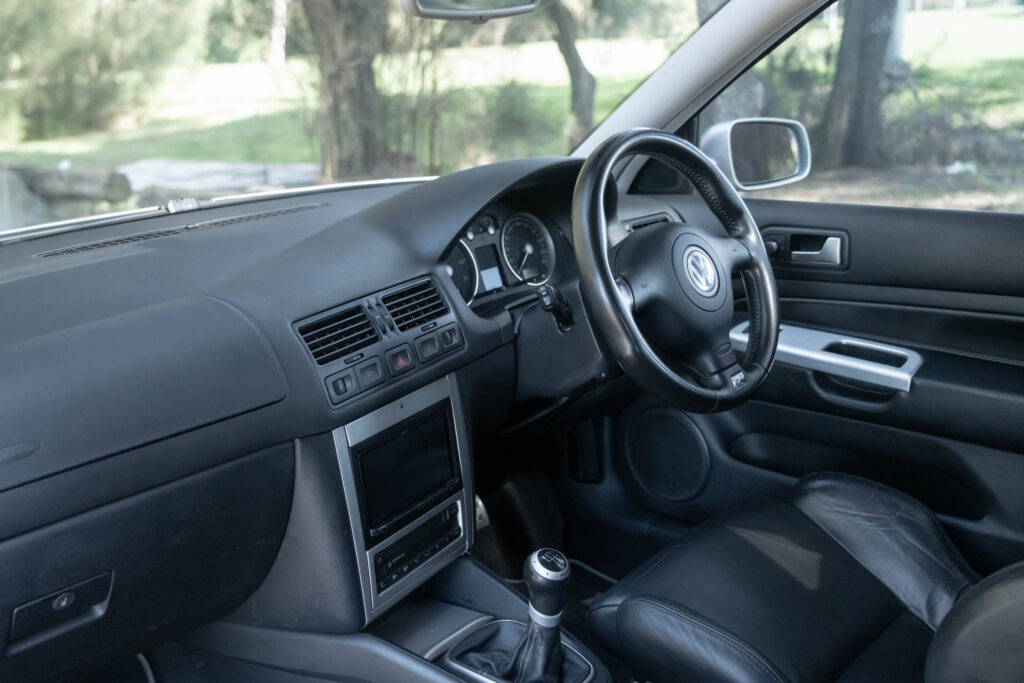
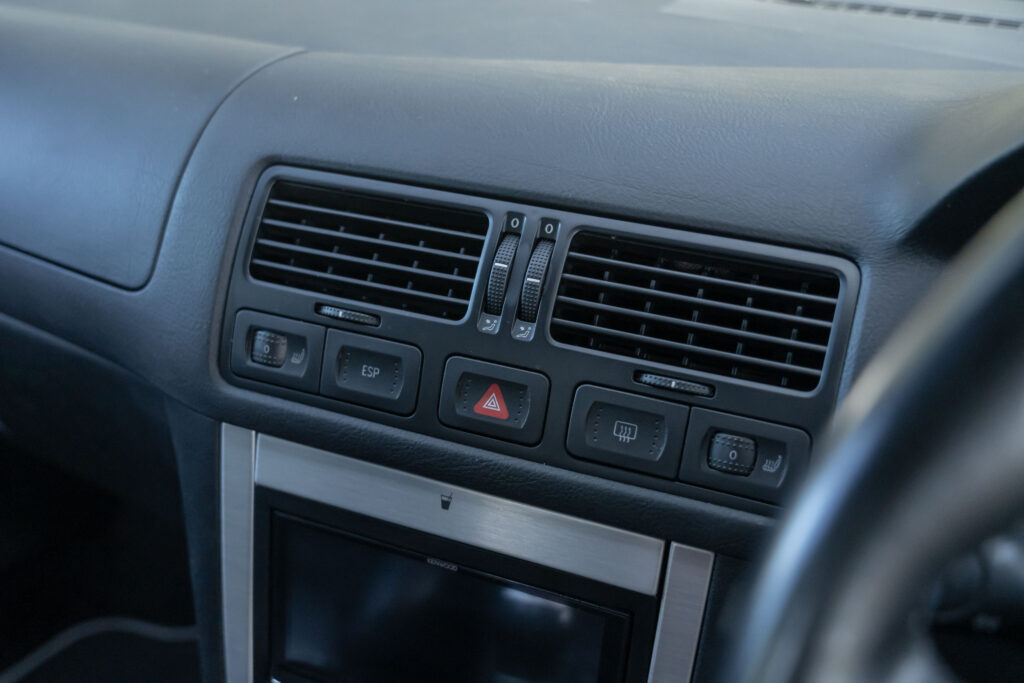
Even though these are more than 20 years old, it still feels fairly modern inside, and many compliment the design/layout of all the controls – coming from an era where physical, directly-controlled buttons defined interiors, before they became overloaded with touchscreens.
That being said, expect some parts of the interior might need attention or look less than ideal. The VW community reports that compared to the MK5 and up, the MK4 Golfs, R32s included, are slightly better constructed, but plastics can still rattle due to age and natural wear over time.
Plastic components, like the glove box handle, plenty of switches/buttons, and storage bin mechanisms, are known to be fragile. While some replacement units are no longer produced by VW, many owners report that 3D-printed or aftermarket parts can serve as ideal substitutes.
High UV exposure can cause the dashboard area around the defroster vents to warp, as well as leather sections to degalvanise or appear ‘glossy’.
Even among the most fastidiously-maintained examples, the side door card leather/fabric is known to separate, as the adhesive that holds them in place and the plastic clips weaken.
The interior headliners may also require some attention as they start to sag, due to their adhesive wearing off.
Surprisingly, R32 owners we’ve spoken to report that the brushed aluminium interior trim is quite solid.
The R32-specific sport seats up front (made by Konig) can also start to show wear on their leather surfaces, from hardening of the material to surface cracks or loose sections. Check as well that the seat adjustments work without difficulties.
The instrument cluster lighting and LCD display can experience intermittent issues, but it’s worth consulting owners’ groups/forums for solutions. Also, we’re told there are now plenty of specialists who can repair the cluster units.
Check that the ‘Climatronic’ dual-zone air conditioning works – the heater or fan can sometimes get stuck at certain settings. Still, typically a replacement blower motor resistor will correct them, and they’re a straightforward, inexpensive fix.
The standard infotainment unit (AM/FM/CD player) is, to no surprise, very obsolete by today’s standards, but can be easily substituted with a current-gen headunit to add Bluetooth hands-free, Apple CarPlay/Android Auto connectivity, and a rear view camera.
Mechanically:
For those who know their Volkswagen/Audis, the MK4-gen Golf R32 shares a lot of mechanical parts in common with the MK1 Audi TT (3.2L V6 Quattro) – meaning if needed, you can source parts from it, or other VW/Audi models (if they are compatible).
At the car’s current age, expect suspension components to require some attention – parts like bushings, struts, and springs are perished or worn out.
All the components need to be in perfect condition to ensure the R32 delivers its widely-accoladed handling to all four wheels – many owners recommend it’s worthwhile to forgo OEM VW parts for better quality aftermarket parts that can improve the driving feel altogether.
Just exercise caution, or avoid examples that have been modified on the cheap, or with poor quality aftermarket parts – this was marketed as an affordable sports car back in the day, meaning it’s susceptible to questionable ownership and driving styles.
Optimal tyres and setups are essential to keep the R32 at its best on the road – cheap rubber or poor wheel alignments can hint at cost-cutting under previous ownership. In reality, these perform at their best with high-quality rubber and perfect alignment settings.
Engine:
At its heyday, the VR6 was one of the best-sounding and uniquely designed engines made by Volkswagen, but that same praise doesn’t translate as much when assessing how easy they are to maintain and own.
The 3.2L VR6 engine used in the R32 has been employed in various Volkswagen Audi group products – you’ll find this engine not only in the Golf, but in everything from the Audi TT/A3 to the Volkswagen Passat/Transporter, and the Porsche Cayenne (MK1).
But the way this is packaged within the MK4 Golf’s compact engine bay means it’s far more difficult to access certain items, as well as far more expensive labour quotes compared to other VW models.
Many of the issues these experience and require attention are not necessarily because it’s unreliable, it’s just due to its current age, and how it might fare in the future as mileage/use increases. So any problems are not a case of ‘what if’, but ‘when?’.
They can also experience plenty of the mechanical issues the MK4 Golf’s four cylinder engines or other Volkswagen Group models that use this V6 engine can experience – faulty ignition systems causing misfires/electrical problems, coolant system issues, or emissions system gremlins (PCV valve/vacuum lines)
The timing chains are an item that needs particular attention – especially on high-mileage or neglected cars. Note that it’s located at the back of the engine, and they’ll require the gearbox and/or engine to be removed before you can access them. Highly insist on performing a cold start when viewing one, as any audible rattles point to it going out.
Transmission:
The MK4-gen R32 was the first production vehicle to feature a dual clutch transmission (DSG), and while it was a major technical achievement at the time, nowadays, that might be a liability.
Being one of the earliest iterations of a dual-clutch automatic (DQ50), issues being jerky or slow to respond during low-speed maneuvers (creeping, etc.), along with components like clutches wearing out, are things to keep an eye out for.
Pay close attention to how it operates during a test drive – ideally free of any lurches, clunks, or any odd noises at low speeds, and gear changes happen quickly – whether done manually or performed by the gearbox itself.
Servicing the DSG is essential to keep it in functioning order, as any degree of neglect or poor aftermarket tuning can seriously impede its integrity.
The manuals are considered more robust, provided they haven’t been driven hard or strained by aggressive driving styles.
The manuals are still susceptible to potential issues. The dual mass flywheel is a known weak point, developing very audible rattles when it needs replacement. Higher mileage examples may also need internal bearing and synchro complications resolved.
We are told the shifter bushings are known to require attention – look out for irregular vibrations from the gear stick as signs they need replacement.
We don’t know of any common issues with the Haldex couplings/transfer cases, but make sure the Haldex system functions normally, sending power to all four wheels, and has been serviced regularly.
Do note that if you’re attempting to perform fluid changes yourself, the transfer case has its own fill point (separate from the transmission).
You can expect most MK4-gen Golf R32s to now start from around $1,500, while the most pristine, low-kilometre examples will start from at least $30,000 (~$50-60,000 for the ultimate ‘time capsule’ ones), with those finished in the iconic Blue and in desirable three-door configuration asking the highest premiums.
Unlike the rest of the MK4 Golf range, prices for the R32 are likely to rise in the near future – especially for original, Australian-delivered examples. Current data reports that just 200 examples were originally imported for a single year (MY2004), creating genuine collectability for these Aussie-centric examples.
Compared to other MK4 Golf models, the GL/GLE/GTI of this generation are generally not worth the trouble to own and maintain, when there are so many other cars out there that outclass them. But when it comes to the R32, that’s a whole different story.
It might not be the fastest off the line compared to equivalent or modern-era hot hatches, even with its V6 powertrain – but the torque delivery, and theatrics of the VR6 engine more than make up for its lack of competitive figures.
Plus, don’t forget that underneath, it’s still a Volkswagen Golf – so it’s an all-rounder that can be used or enjoyed any day, and is comfortable to drive when you’re not using its platform to the limit.
A VR6-powered Volkswagen Golf ‘R’ model is very unlikely to be replicated in the near future, making these great candidates for a future classic. We’d agree with the notion that they’re an understated ‘sleeper’ hot hatch, unlike modern equivalents that tend to go overboard with extravagant spoilers, fake exhaust tips, or excess amounts of carbon fibre (artificial or real).
Given the age of MK4-gen R32s now, expect these to require upkeep on par with most modern European classics of similar age, and owning one will take a certain mentality and savings account.
Obviously, it’s best to avoid any with sketchy histories, inconsistent maintenance records or unsavoury modifications; unless you’re happy to approach R32 ownership as a long-term project you’re willing to invest labour and money towards.
If you’re considering an MK4-gen R32 to acquire as a future classic, check all the critical pre-purchase inspection boxes, and accept that these will require more care than modern hot hatches; do it, as these are special cars that deserve to be celebrated.


Co-creator, presenter & writer, ReDriven

Yes. But only the right example.
 4 weeks ago
 1 month ago
 1 month ago