Australia’s No. 1 Used Car Review Website
Australia’s No. 1 Used Car Review Website
+20 Photos
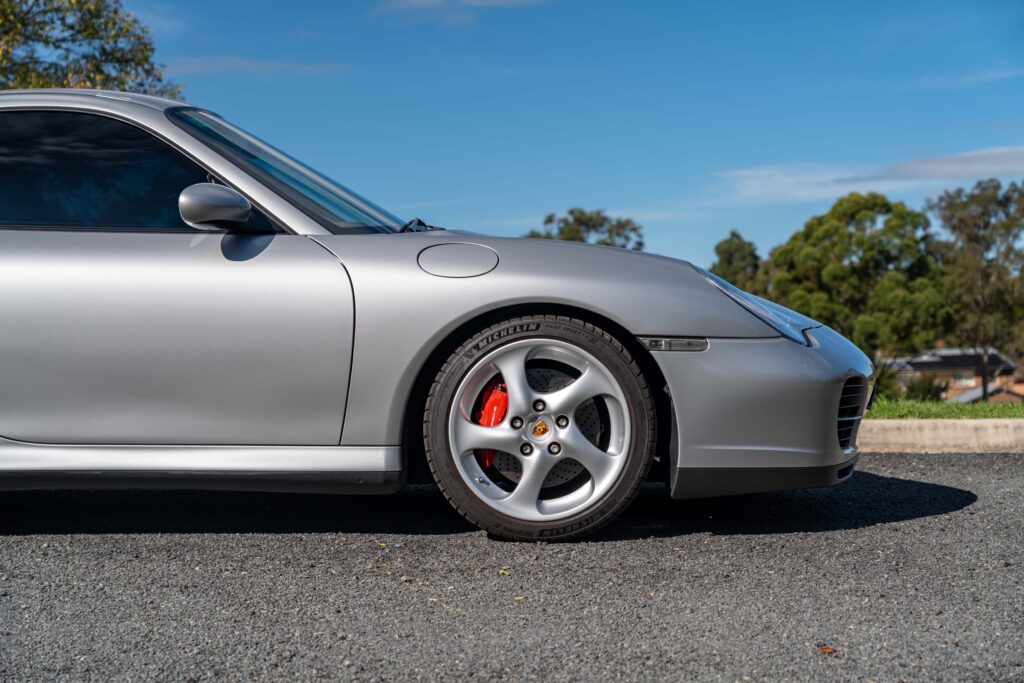
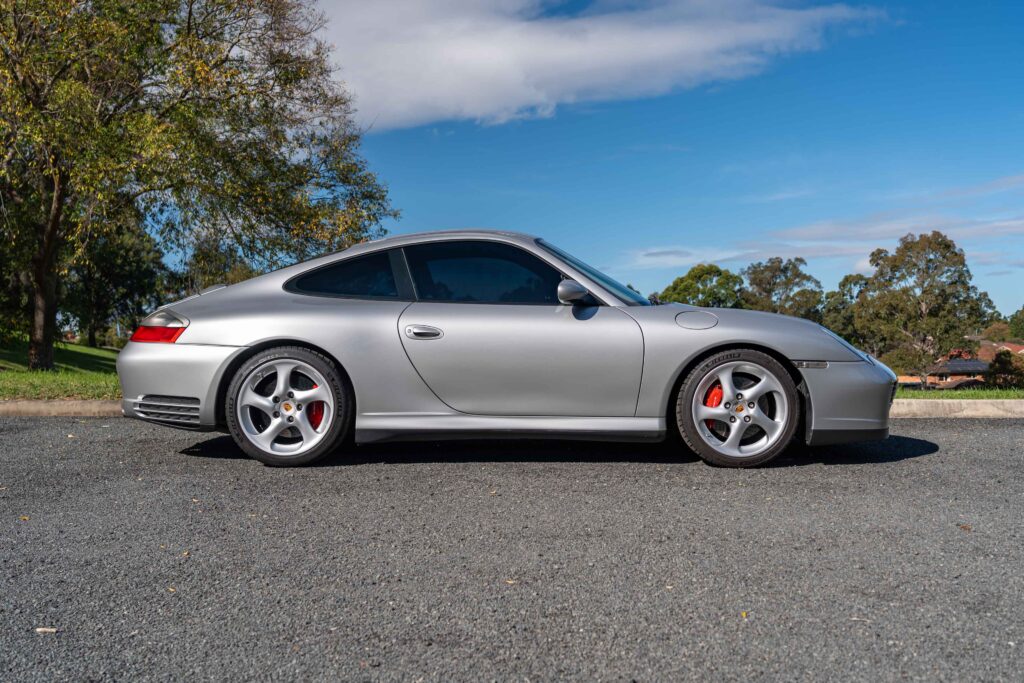
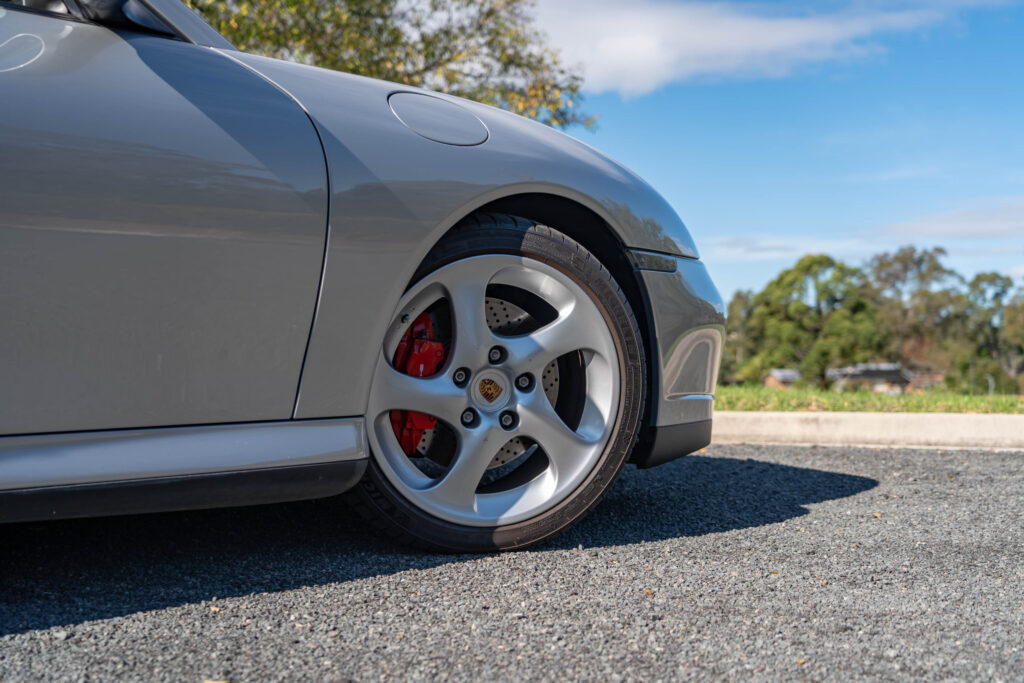
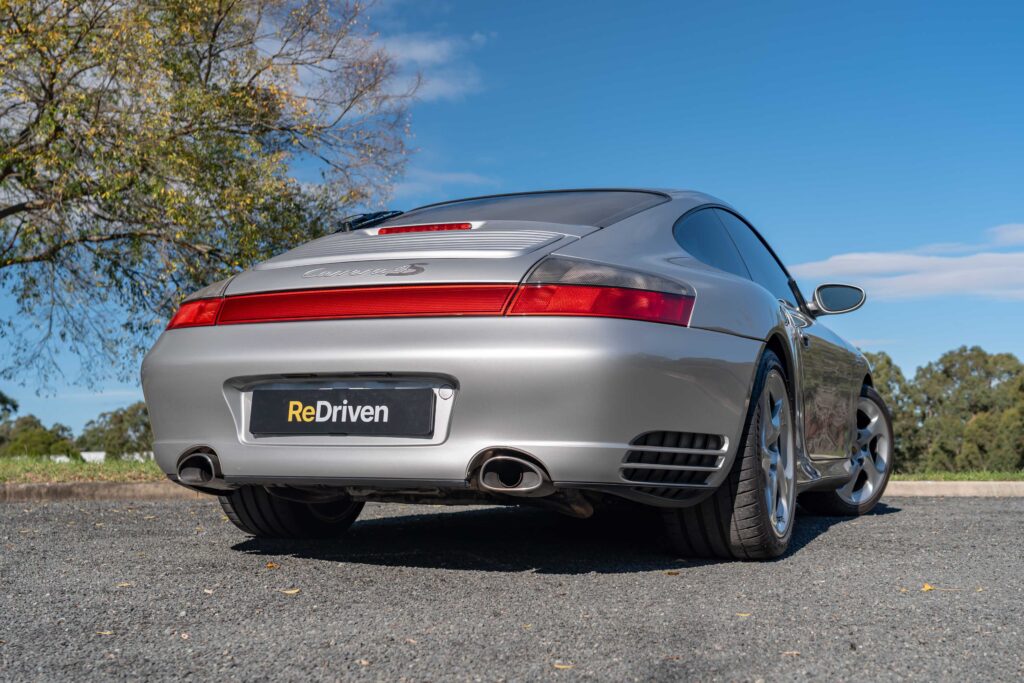
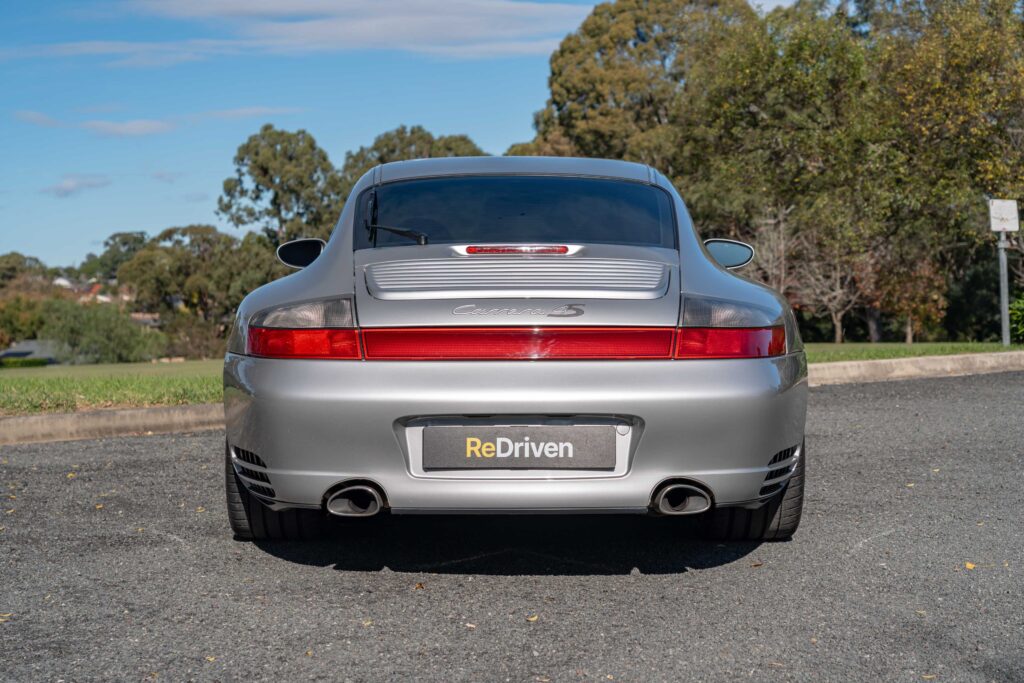
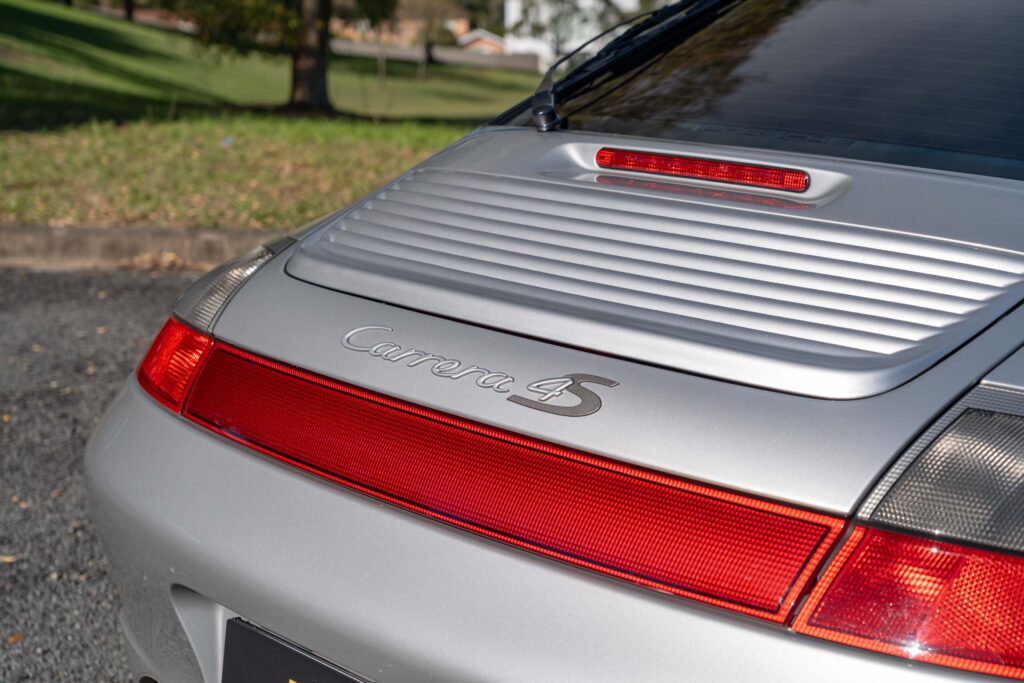
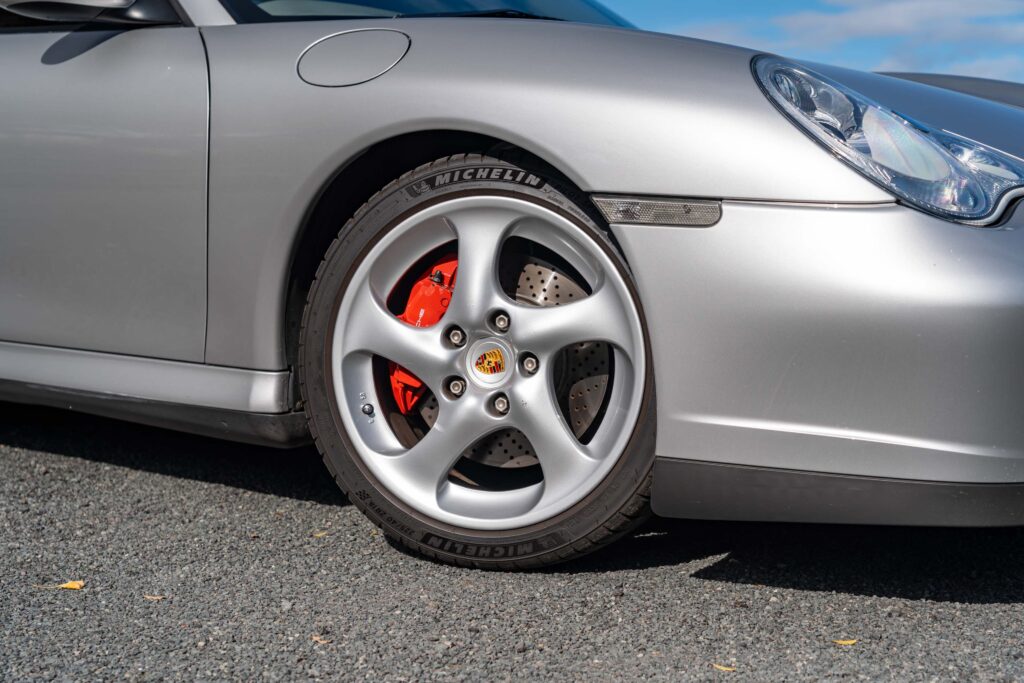
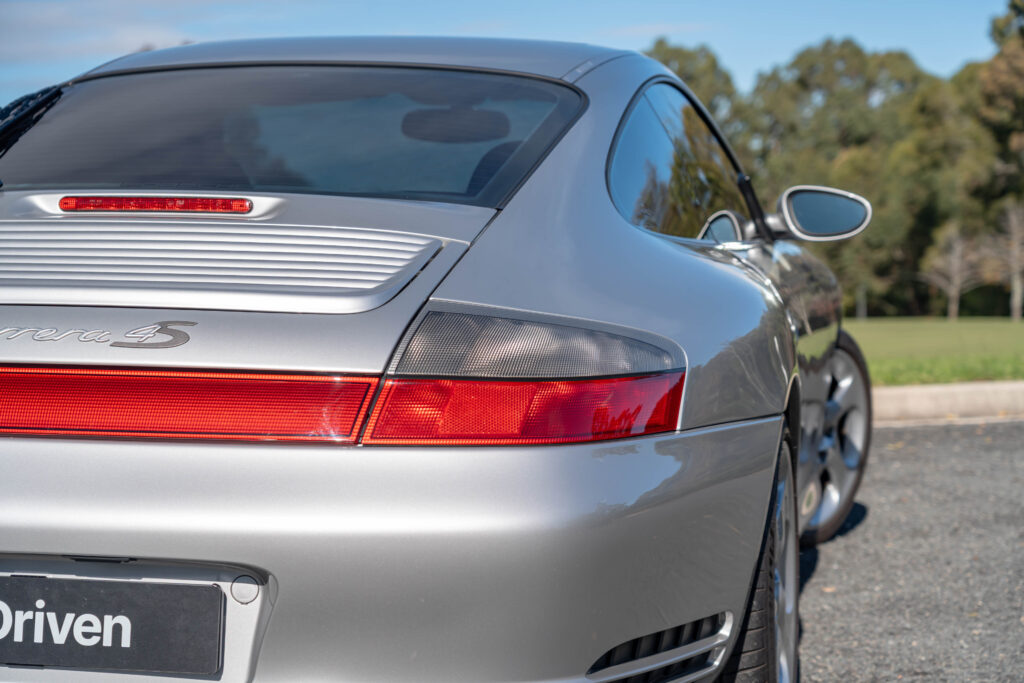
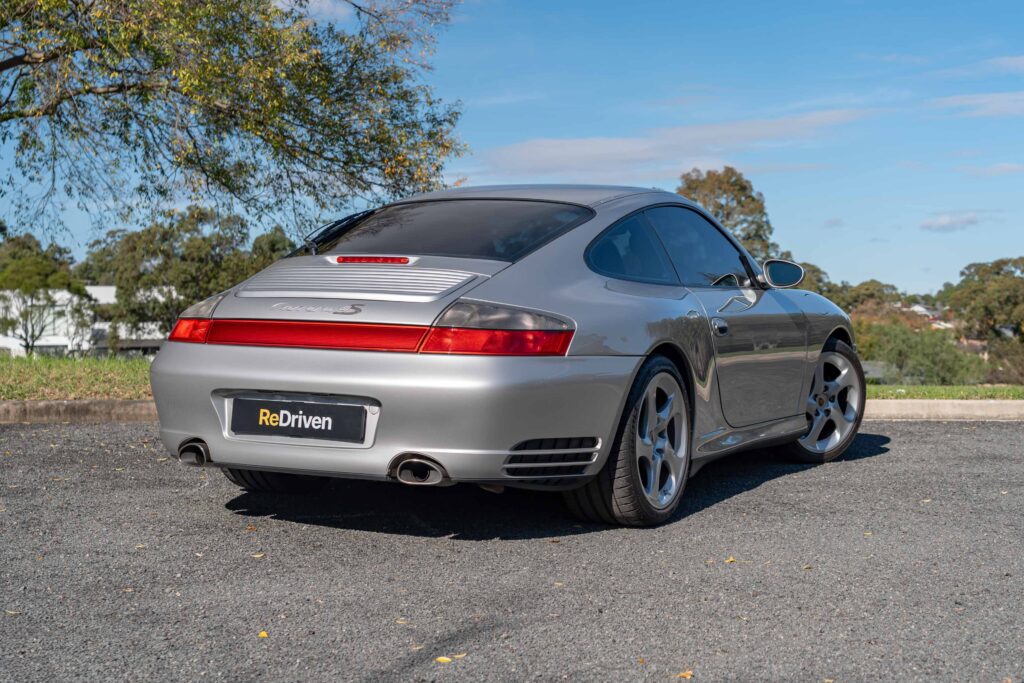

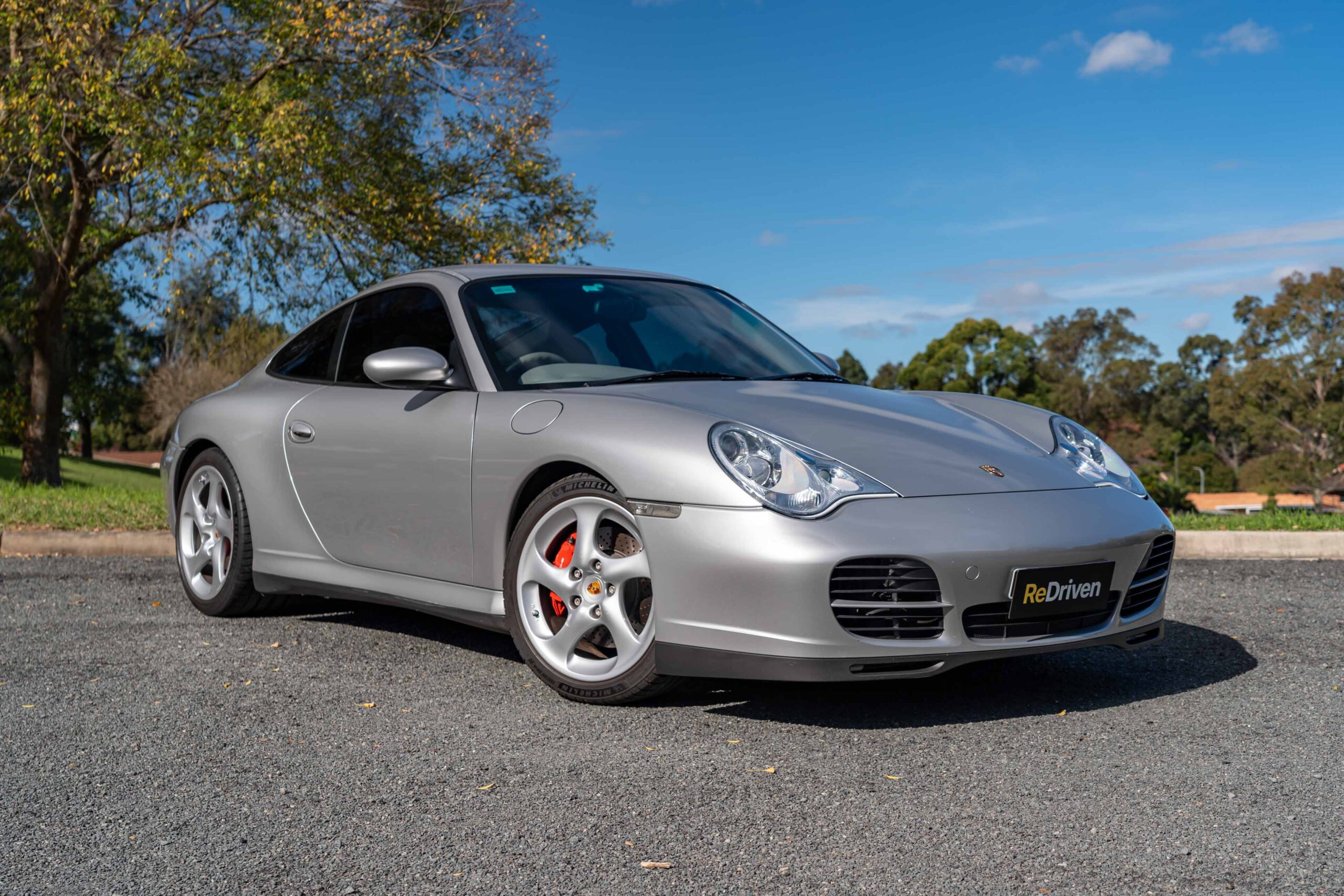
2002 Porsche 911 996 Carrera 4S

17 July 2026
Yes. 100%.

2002 Porsche 911 996 Carrera 4S

Used car review
17 July 2026
The 996-generation Porsche 911, aka the fifth generation of Porsche’s 911 sports car, was produced from 1997 to 2004, with some variants continuing until 2005 or 2006.
Being the first Porsche 911 model for the new millennium, it was completely redesigned from the ground up, with an all-new body credited to designers Pinky Lai and Harm Lagaay, a new chassis, and to make it more suited for efficient, mass volume production (given Porsche’s financial troubles at the time), it even received input from ex-Toyota engineers who applied the brand’s production strategies.
The result is that the 996 shared many components with the 986-generation Boxster to reduce production costs, including the front suspension, various interior components, and the engine.
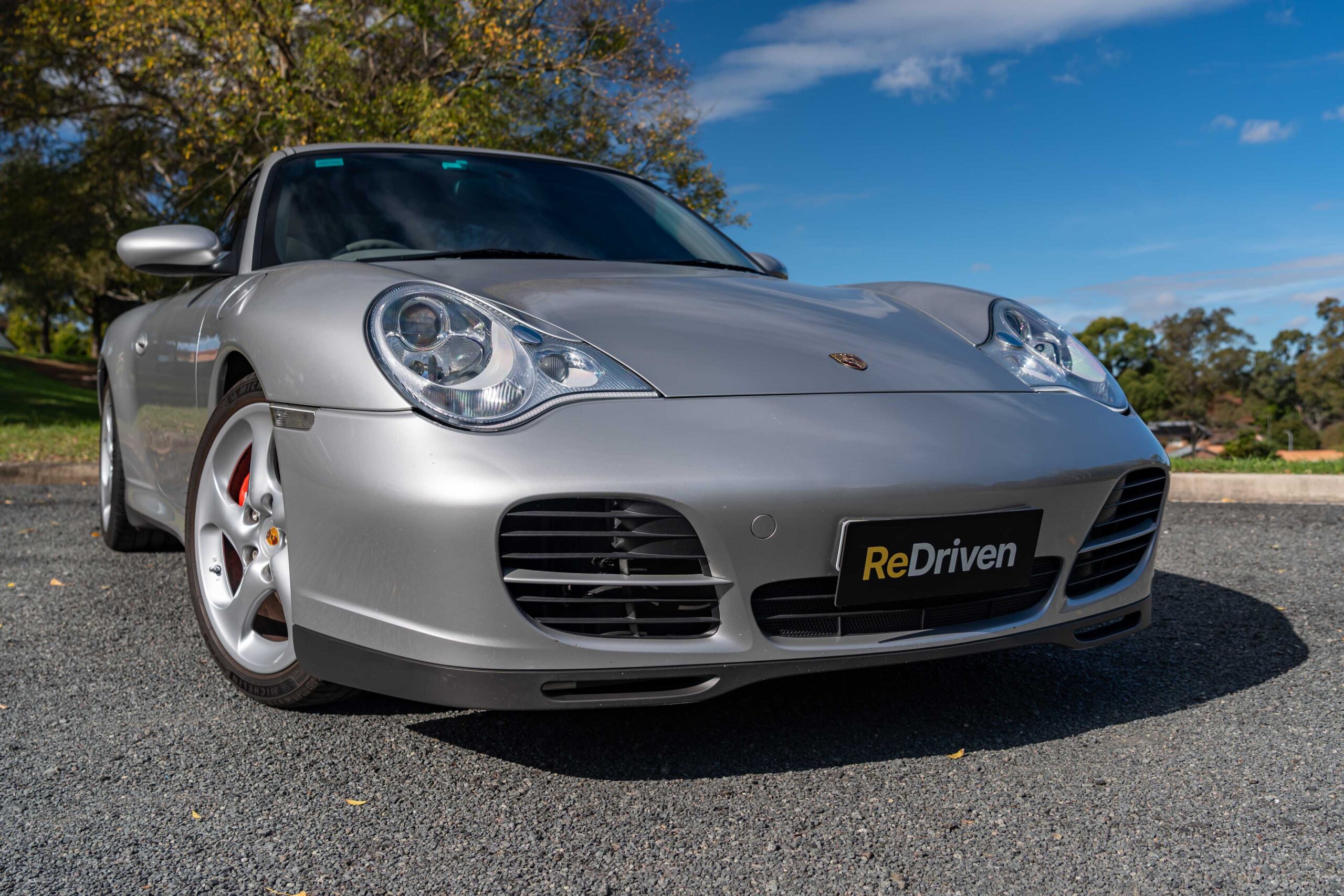
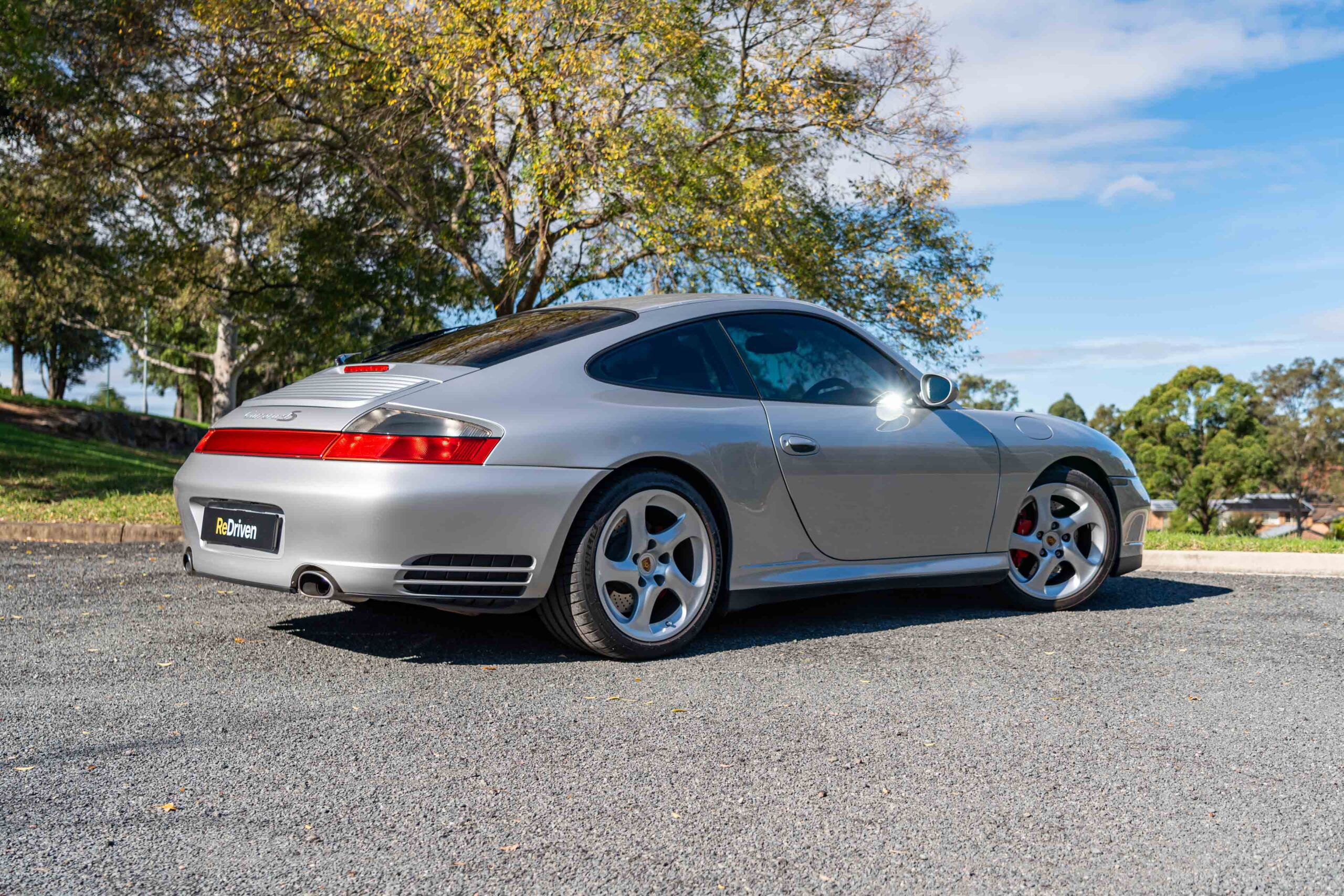
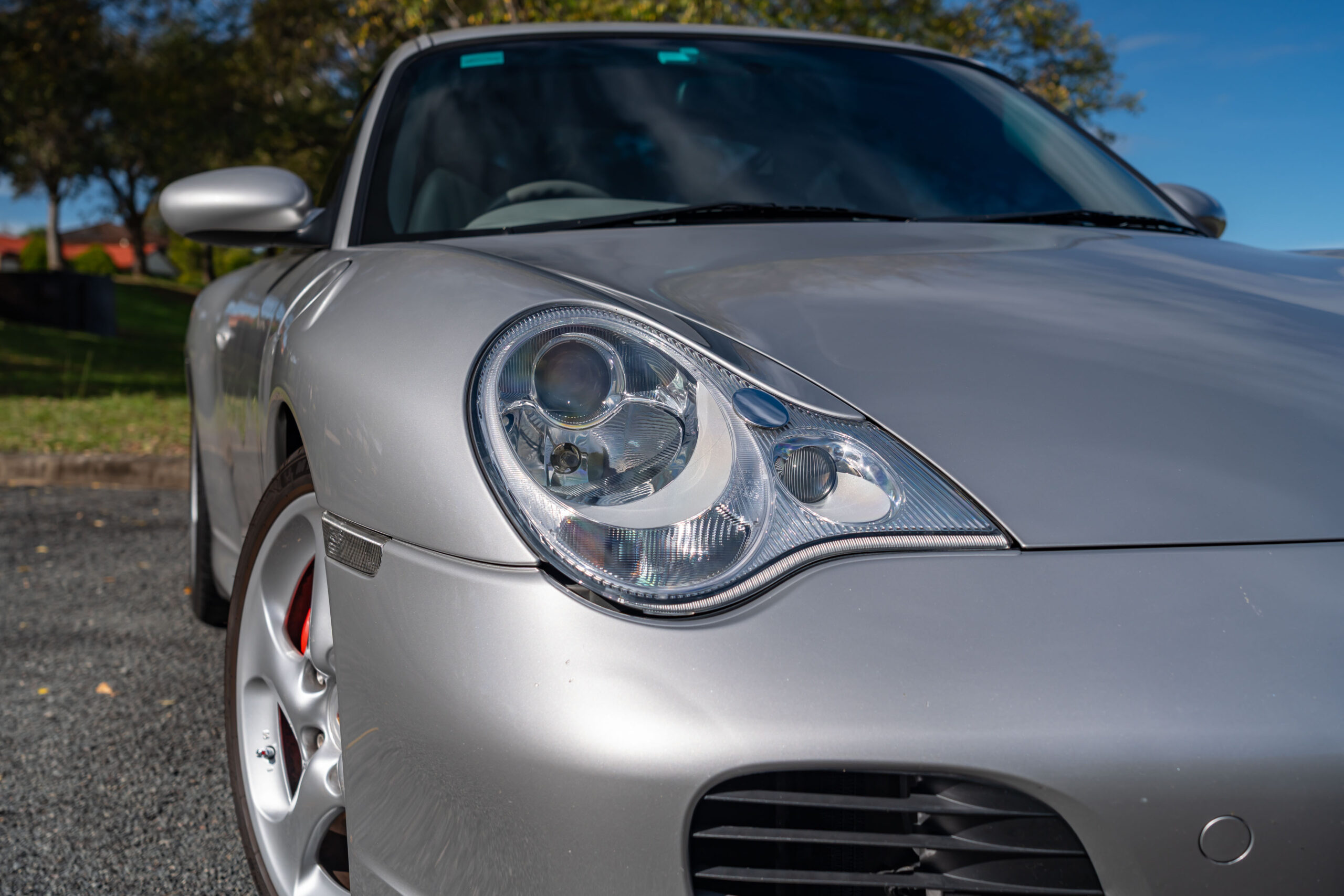
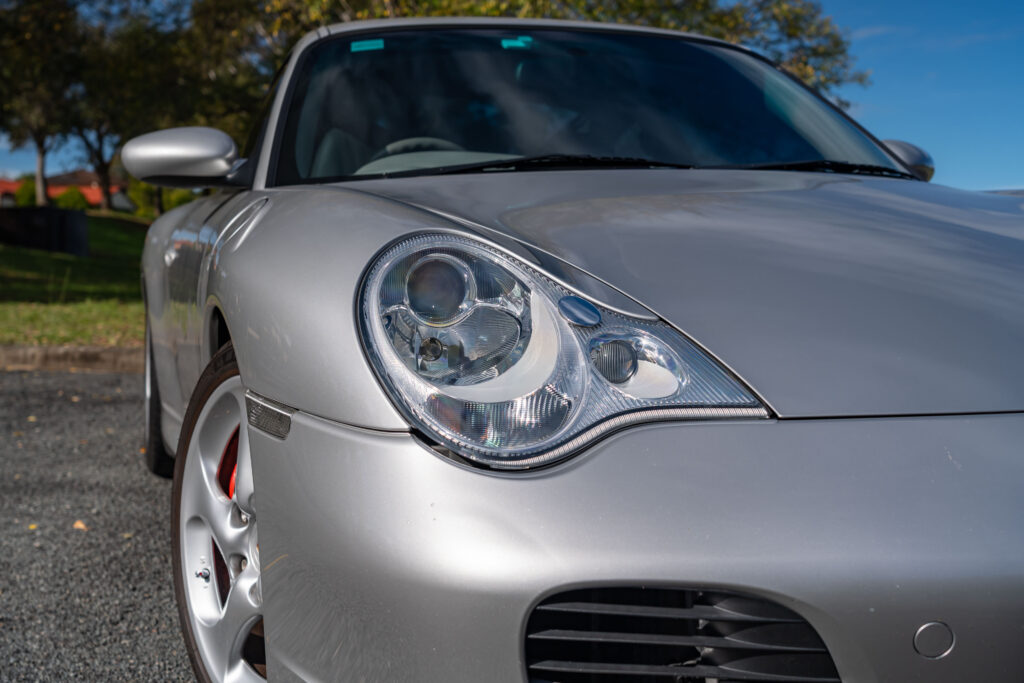
The 996 generation represented many significant firsts for the 911 nameplate: notably, it was the first 911 to feature a water-cooled engine, as the brand transitioned from air-cooled engines for the first time. It also became infamous for a controversial headlight design, commonly referred to as the ‘fried eggs’, versus the circular headlights featured in earlier iterations.
Here in Australia, like other markets and regions, the 996-gen consisted of many variants and models, based on body style, engine, and configuration. This consisted of the following:
Also, depending on the market/region, Porsche released various special-edition models of the 996 generation that offered varying degrees of factory options exclusive to them. Examples include the ‘Millennium Edition’, ‘40 Jahre’, and ‘40th Anniversary Edition’, to name a few.
Keeping to 911 tradition, engines featured in the 996-generation are all flat-six units mounted in the rear, with both naturally-aspirated and turbocharged variants used. Transmissions included five/six-speed manuals and a five-speed ‘Tiptronic’ automatic transmission, sending power to the rear or all four wheels.
The 996 generation also differed significantly between its two midlife updates, with key differences largely being the following:
While many regular 996 models are attractively priced among secondhand, modern classic cars, are they recommended if you’re looking for an affordable sports car, or what do you need to be warned about?
Exterior:
The 996 iterations’ infamous headlights are known to suffer yellowing, especially the pre-update 996.1 units and their decisive ‘fried-egg’ design – but can easily be resolved through DIY solutions found online.
Bigger concerns to look out for in the headlights, though, are their internal wiring harnesses and headlight assemblies; they can deteriorate, and the insulation wears down, and are not cheap to fix/replace – we’ve heard owners quoted $3,000-7,000 for both headlights.
Thoroughly inspect for any corrosion or rust throughout the body and undercarriage, especially among cars in cold climates, or if you’re looking to import a 996 from abroad due to their attractive pricing, as some sketchy grey-imports are known to hide serious corrosion.
Some common areas to look out for corrosion include behind the door striker plates, behind the front wheels and the plastic rear wheel arch liner (around the lip, and down the base, underneath the rear window), which can trap water/debris and lead to rust – casual walkarounds may not easily pick them up, so it’s highly recommended to get it on a lift to inspect the car thoroughly.
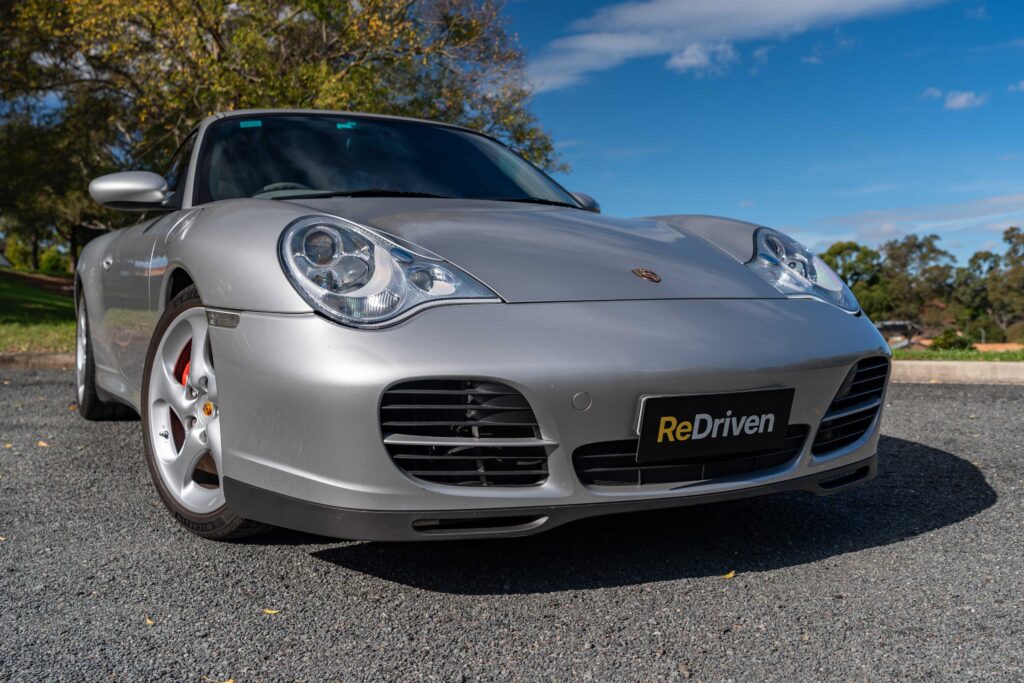
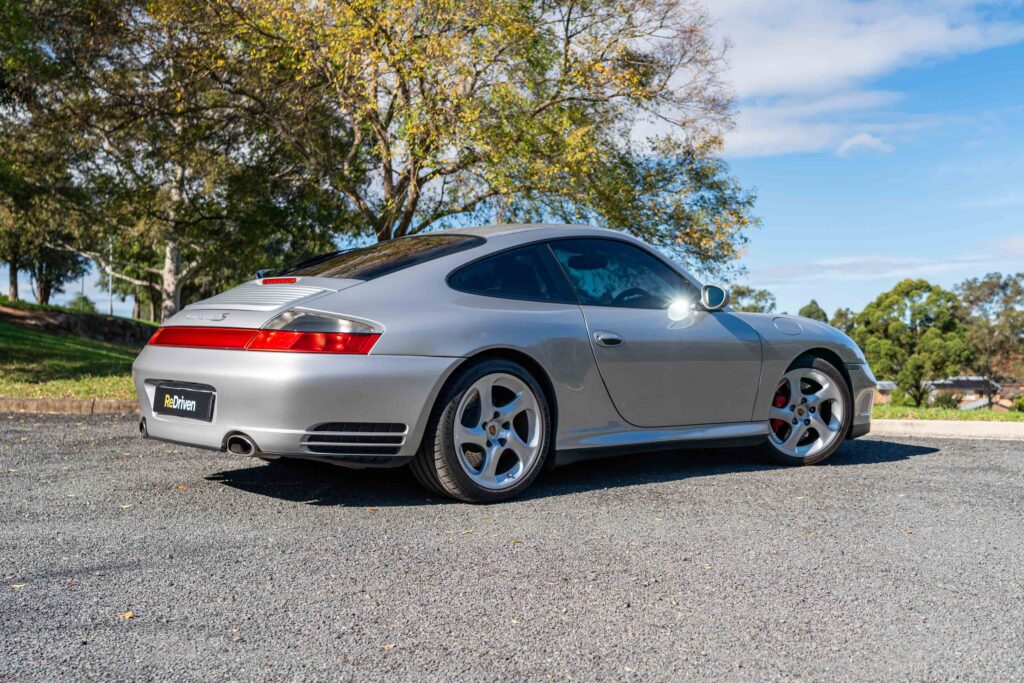
The exterior intakes can also easily suck up debris and other small objects that collect inside, trapping moisture and causing corrosion (including damage to A/C condensers). The C4 models, with their larger nostrils, are especially vulnerable – ensure these grilles are removed, and the intakes are regularly cleaned to avoid any issues.
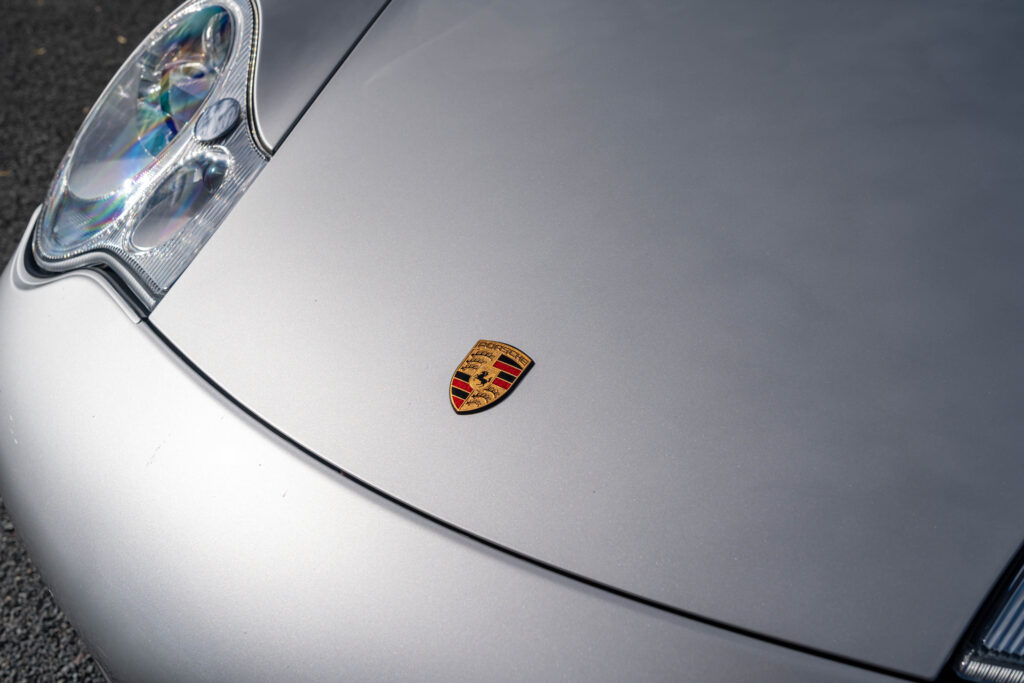
Keeping to the body, check the condition of the paintwork – good examples should ideally have received paint protection film, as these can be fairly easily scratched by stone chips (that can eventually lead to surface rust).
In the worst cases, the car may need a full respray, which can be expensive (especially if the 996 you’re considering is finished in Porsche’s special-order ‘Paint to Sample’ colours). The wider-bodied models (C4S/Turbo/GT2) are also more susceptible to stone chips along their rear quarter sections.
In addition, all the exterior plastics/trim and rubber door seals are well-aged by now and will likely need some TLC.
The rear stone guards are well-known to ‘yellow’ or show discolouration/scratches as they age, but replacements are very affordable.
If the main 12V battery dies, it not only causes any powered equipment to stop working but also disables the ‘frunk’ release (electronic on 996.2s, a cable on 996.1s) and the central locking, leaving you locked out. This can pose further difficulties as the battery is located inside the ‘frunk’ – meaning you can’t access the battery to replace it.
Despite this design oversight on Porsche’s part, there is a way around this (should it happen): attach a battery jump pack to a jump point behind the fuse board to unlock the ‘frunk’, or remove the front wheel and wheel arch liner, pull a cable to manually open it.
Check that the rear decklid ‘spoiler’ raises and lowers without issues, both manually and at certain speeds – these can have their electric motors/wiring play up, causing them to not work properly. Note that the Turbos use a more complex electronic rear spoiler with hydraulic actuators that can develop leaks or fail.
Also, check the ‘frunk’ and rear engine cover open and close without issues – the struts can wear out, and if they don’t hold up, they’re due for replacement.
On hardtop coupes equipped with a powered sunroof, check that it works, and they don’t leak.
If you’re inspecting a convertible, check that the softop roof mechanisms work normally, the roof opens/closes without issue, and that the softop material has no major damage/sagging.
The best case is that the mechanisms just need a realignment, unless they need a lot invested to repair them outright.
Interior:
When it comes to refinement, it’s important to remember that 996-generation 911s don’t have the same levels you expect from their up-to-date equivalents – Porsche communities also note the succeeding 997 generation brought far better levels of cabin insulation and noise/vibration/harshness levels.
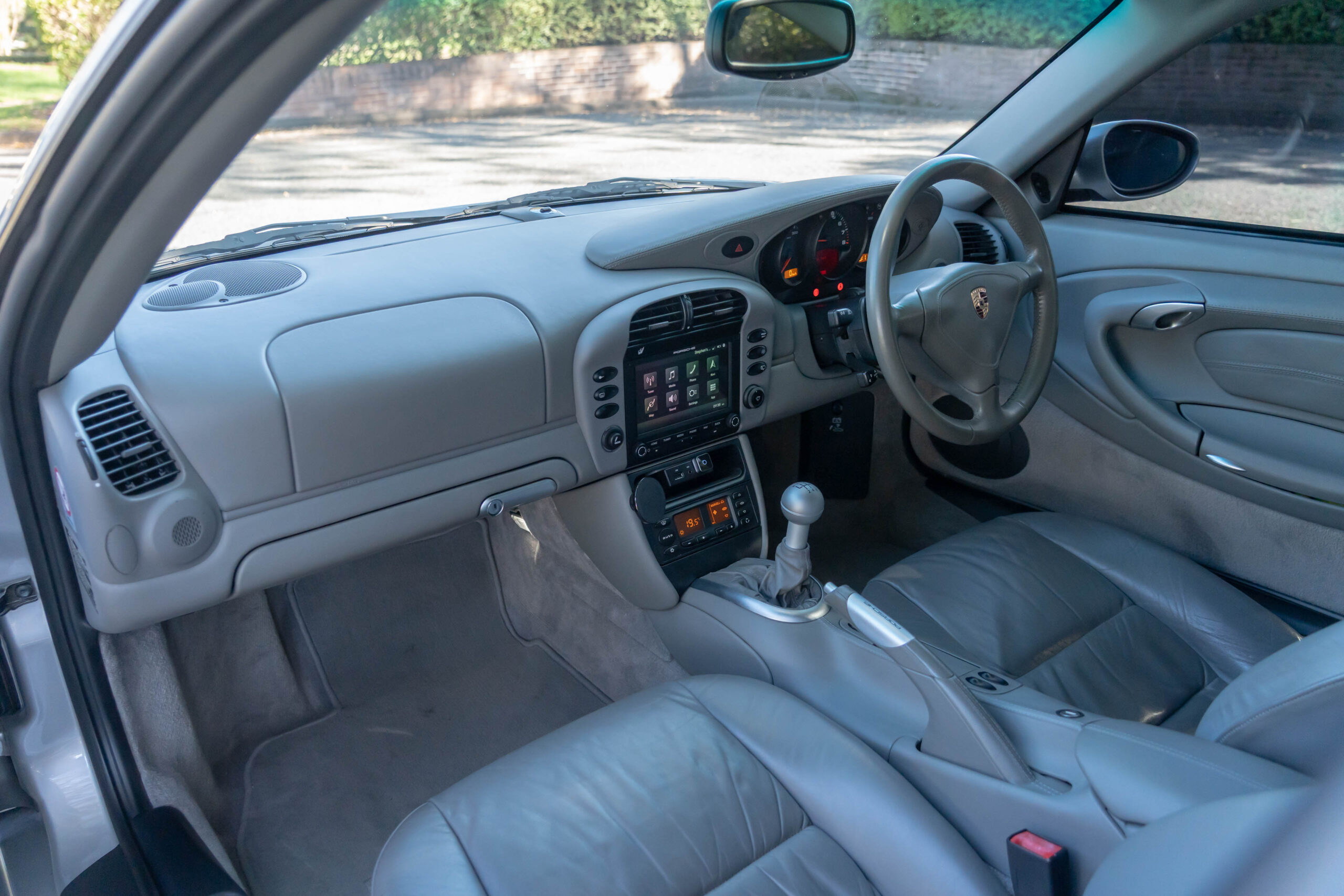
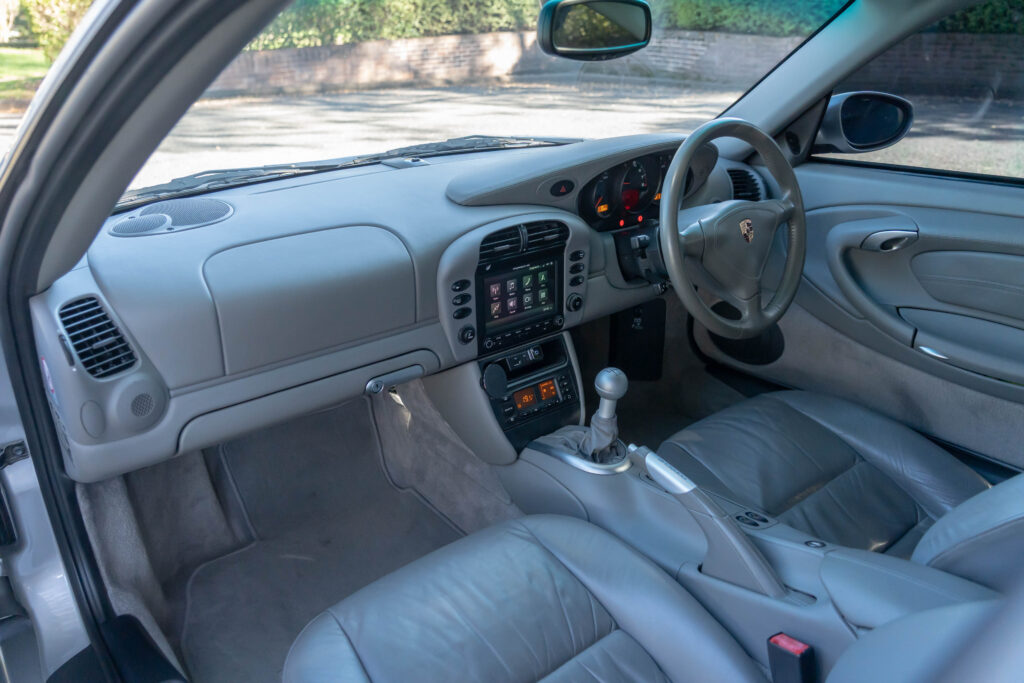
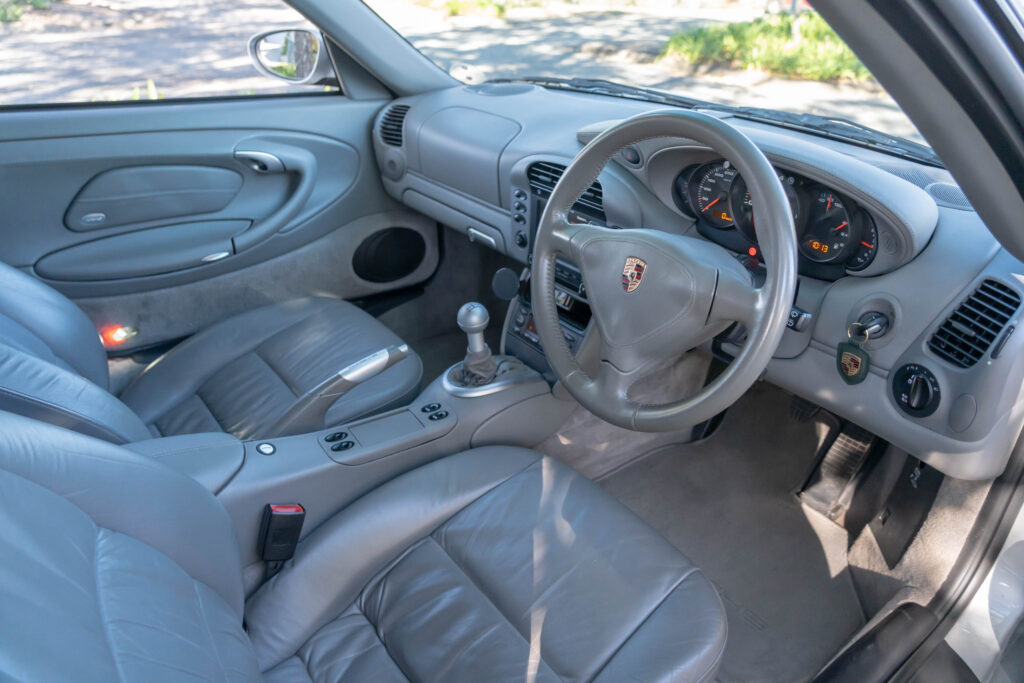
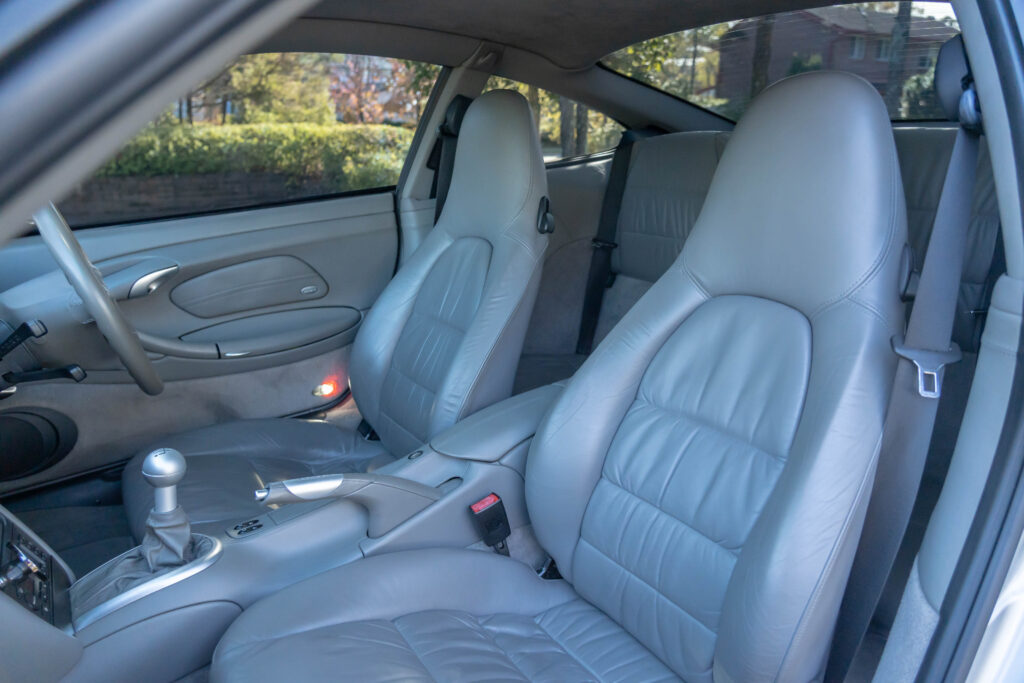
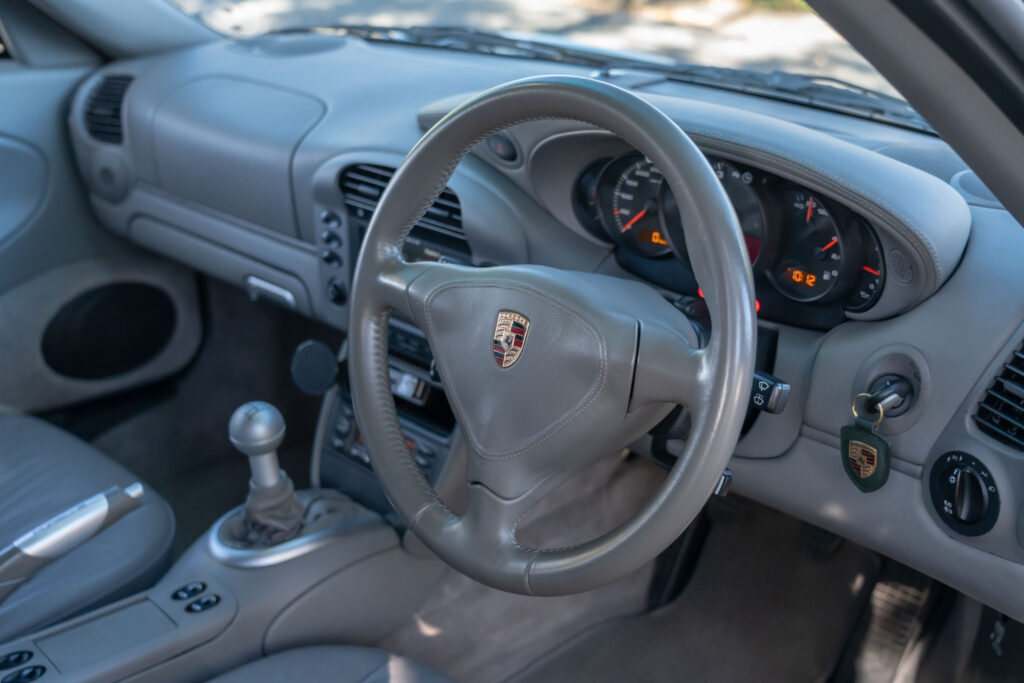
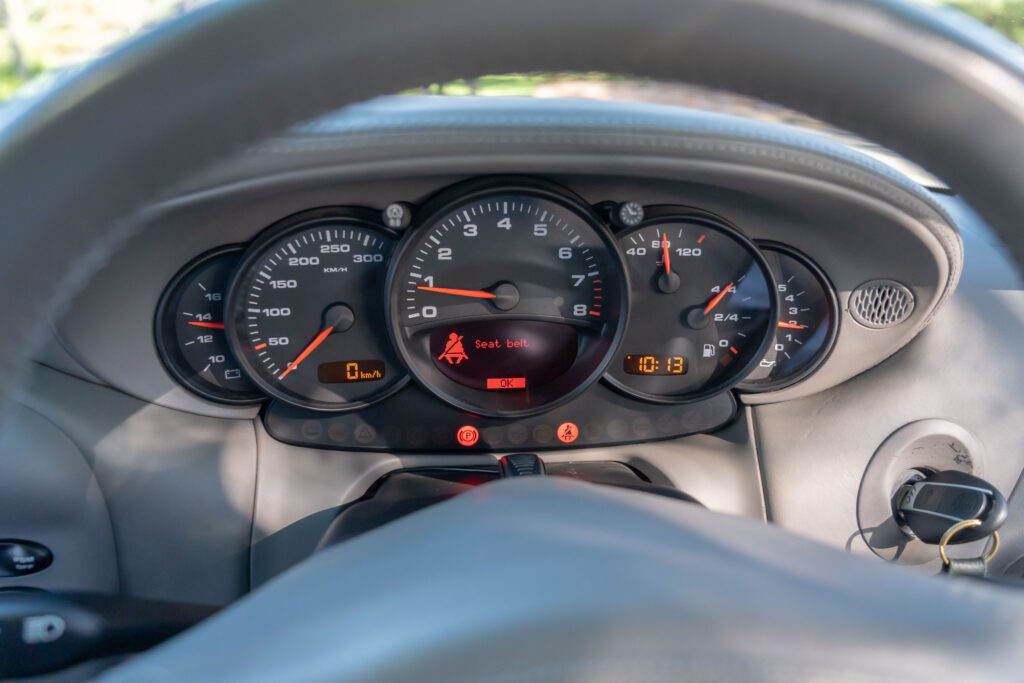
Despite this shortcoming, many owners compliment the 996’s cabin design, which is very driver-centric – being user-friendly and contributing to the enjoyable driving experience, with a great driving position, clear gauges, and supportive seats (with the GT models featuring far more aggressive, body-hugging seats).
Use the back seats as cargo space (ignore any potential they have for carrying occupants), combined with the ‘frunk’ area, and these offer great everyday usability as a sports car.
The common issues to look out for with these cabins are mainly items or areas that remind you this car was originally made twenty years ago -therefore, some TLC/attention will need to be paid.
The cabin switchgear can all begin to look more tired and worn out at this age, as the coating becomes sticky and not pleasant to touch – budget to have these replaced, or as a DIY, low-cost solution, clean them with alcohol.
The same applies to various interior trim – many are made of plastic, and easily become brittle with age/time, or in worst cases, break completely.
Any interior vinyl surfaces and the leather upholstery, if not cared for, can easily display cracks, fade, or be loose, including the side seat bolsters sagging.
Depending on your preferences, there are ample opportunities here to refurbish or restore the cabins to eliminate any hard use or age they’ve experienced, from new trim/buttons to fresh leather, or even better grade materials like carbon fibre/alcantara.
The air conditioning systems are known to develop issues (as with other Porsche models of this period) – specifically, the foam material used within the HVAC ducting, behind the dashboard, and door panels breaks down.
This causes more interior rattles that are difficult to locate and fix, but can also cause black/grey foam particles to blow out the air vents when the fan is switched on; in that case, fixing a problematic A/C system requires the dashboard to be removed, and the entire job can cost between $2-4,000.
To check for any A/C system issues – run the blower on full with the A/C on, and monitor any debris that comes out the vents, and push firmly on top of the dashboard; any hollow, ‘crunching’ noises indicate this foam material has worn.
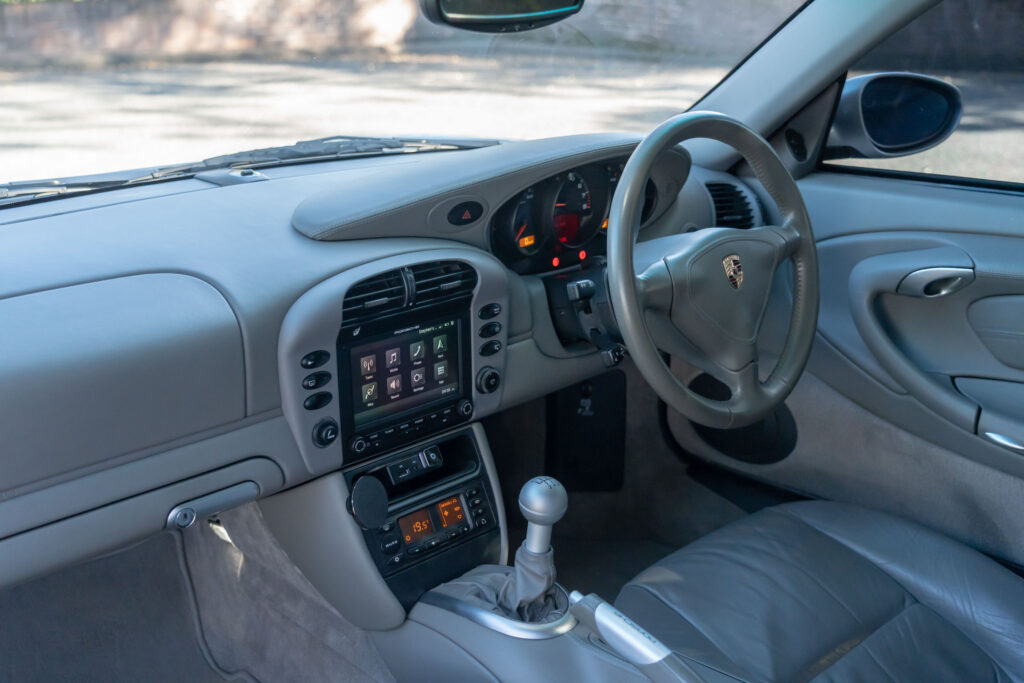
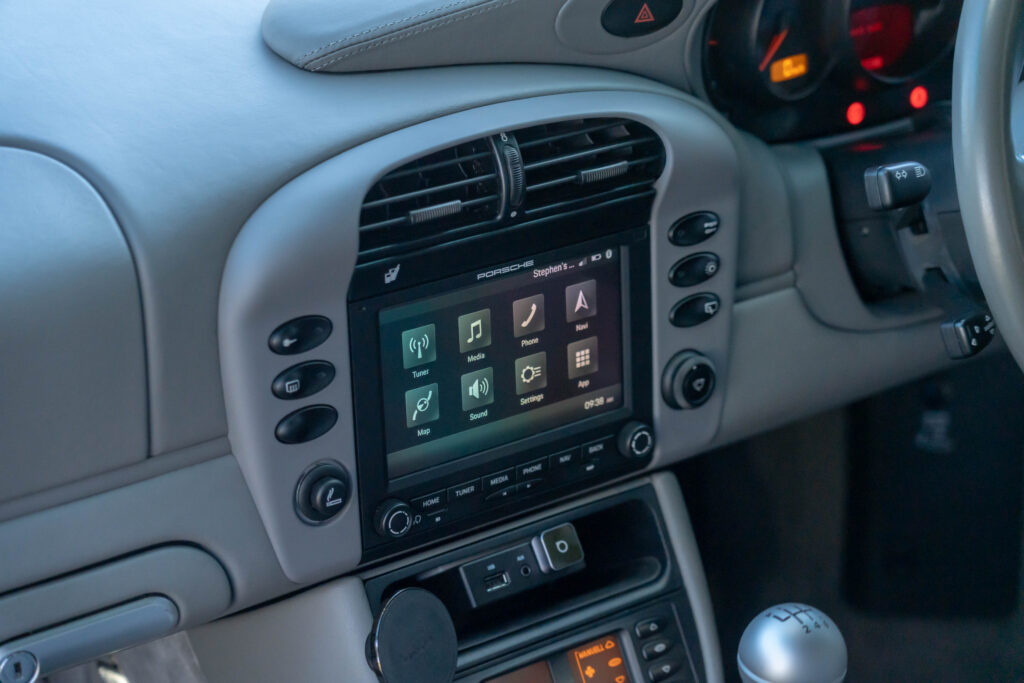
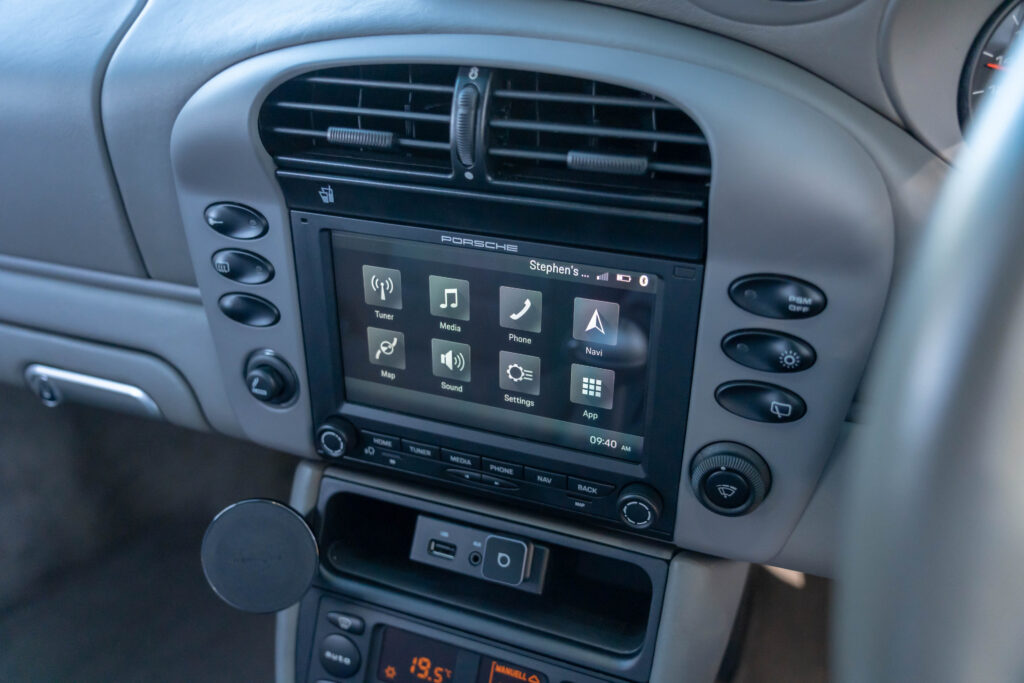
In addition, the HVAC control unit LCD display (below the infotainment screen) can discolour or lose pixels over time, but replacement displays or methods to repair them are available.
The original PCM (Porsche Communication Management) headunits are very outdated by now, and their screens are known to develop dead pixels/worn screens over time. Porsche’s Classic department does offer a ‘modernised’ version of this PCM headunit that adds Apple CarPlay/Android Auto/modern Bluetooth connectivity, but these units can ask a hefty premium.
But shop around, and for far less money, you can still install aftermarket infotainment headunits to add this same level of modern connectivity/features, which may provide far more features and outperform the Porsche retrofit systems.
Intermittent issues can also affect plenty of electronic equipment onboard – check that all these work without problems (audio-speakers, power-seat adjustments, window switches, multifunction instrument display, cruise control, volume controls, etc.)
Other interior electric gremlins to look out for are the brake/reverse light switches on Tiptronic models, which are known wear items – but these are easy and inexpensive to replace.
Mechanical Issues:
The 996-generation Porsche 911 is widely praised among enthusiasts and DIY mechanics for its level of accessibility. Combine that with a logical design and plenty of information accessible online through owners’ forums and 911 resources, and these cars aren’t challenging to work on.
To quote one owner, “These [Porsches] are very well engineered, and everything makes sense. They are an easy car to work on and maintain yourself.”
But being a modern classic, especially from a brand like Porsche, you need to adopt a certain mindset when it comes to the regular upkeep of these cars, and be prepared for any unforeseen expenses, given that these are more than twenty years old.
Especially among examples that have not been maintained regularly or just downright neglected – it’s hard to imagine owners neglecting a sports car of this category, but it does happen.
We strongly recommend that anything, from a pre-purchase inspection to regular maintenance or modifications done by a reputable Porsche specialist, or technicians/workshops who know these cars very well, and can walk you through the entire ownership/upkeep process.
Engine:
3.4L/3.6L naturally-aspirated flat-six (M96)
Standard 996 models (Carrera 2/4, Targa/Targa 4, Carrera 4S) utilise this first iteration of Porsche’s water-cooled, flat-six engine, in both the 3.4L (996.1) and 3.6L (996.2) configurations.
The IMS (intermediate shaft bearing) is the most high-profile fault known to affect the 996-generation. If you have the slightest interest in this generation, this is likely the first thing you’ll be warned to look out for.
Yes, they can fail, and when they do, they cause catastrophic engine failure that can be very expensive to fix, or if it’s too far gone, a full replacement engine.
But in the real world, the truth is that concerns over IMS bearing failure are overblown; it’s worth keeping in mind that the most affected cars are those made from 2000 to 2005, which have, on average, an 8% failure rate.
There are IMS bearing replacement kits available, but it’s difficult to say how many still on the road have already been repaired or upgraded, unless you can do a thorough pre-purchase inspection, or documentation within the service history confirming it’s been replaced.
The rear main oil seal is also prone to leaking, often serving as a catalyst to get the IMS bearing upgraded. If you have the transmission removed, it’s worthwhile to replace these at the same time (alongside any transmission components).
Bore scoring issues are also something to monitor on these flat-six engines – this is physical damage to the cylinder bore/s and piston skirts, and happens more frequently with the 3.6L M96 units, especially post-update 996.2 models.
Indicators of bore scoring problems are knocking noises, as well as smoke and oil burning from the rear. To assess the condition within the engine in full detail, you need to look through a borescope.
‘D-Chunk’ failure is a major and well-known issue that affects the 3.4L M96 flat-six engines used in 1999-2001 models. It starts with a small crack within the cylinder block near the top of the bore, which then grows and causes a small ‘D-shaped’ chunk of the block to separate.
Timing chains/chain guides will also need attention, as they wear out due to use and age. Monitor for any timing chain rattles on cold starts (which can also indicate any cam timing/correlation issues) – this is more common on higher mileage/neglected examples.
Less expensive, but more common issues you might encounter include AOS (air oil separator) faults – this is the PCV, or breather system of the engine.
As it’s all constructed from plastic, enough heat cycles will cause the plastic housing and all the associated hoses to break and leak. This can result in vacuum leaks, as well as smoke pouring out (as the oil within the system is sucked into the inlet).
It’s also worth looking out for other issues affecting the cooling systems, ignition coils, and plenty of oil leaks – as expected with a twenty-plus year old car, and the number/degree of issues will vary depending on how well the car has been looked after over the years.
3.6L twin-turbocharged flat-six (Mezger unit)
Compared to the standard M96 flat-six engine you find in non-turbocharged variants, the ‘Mezger’ unit found in the Turbo/GT2/GT3 is a motorsport-derived dry-sump engine adapted for road use.
These were designed by famed Porsche engineer Hans Mezger, and the key difference of Mezger flat-sixes is that they use far more robust internals (initially found in Porsche’s motorsports vehicles).
The result is that these are not affected by common M96 issues, like the aforementioned IMS bearing issue, and can withstand far more amounts of power and torque to match their impressive power figures – especially if applied to the GT2/GT3/GT3RS, or the Turbo (when enhanced by the optional ‘X50 Package’).
As far as mechanical issues go, there’s virtually no overlap between the Mezger and non-Mezger engines, and they really have to be treated separately from the standard 996 range.
Transmissions:
Six-Speed Manual:
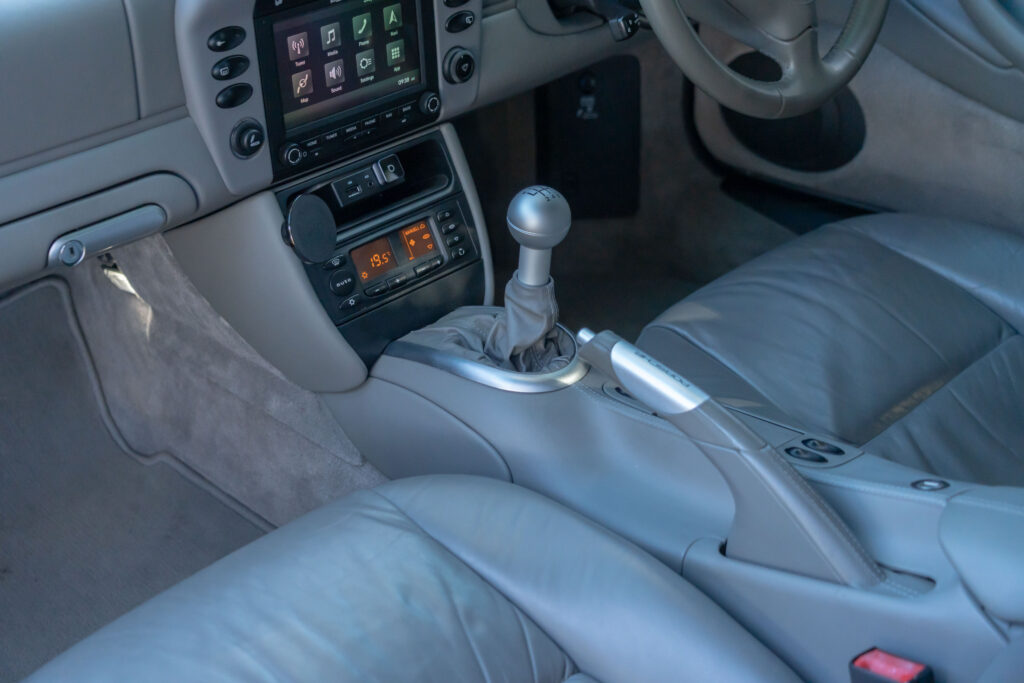
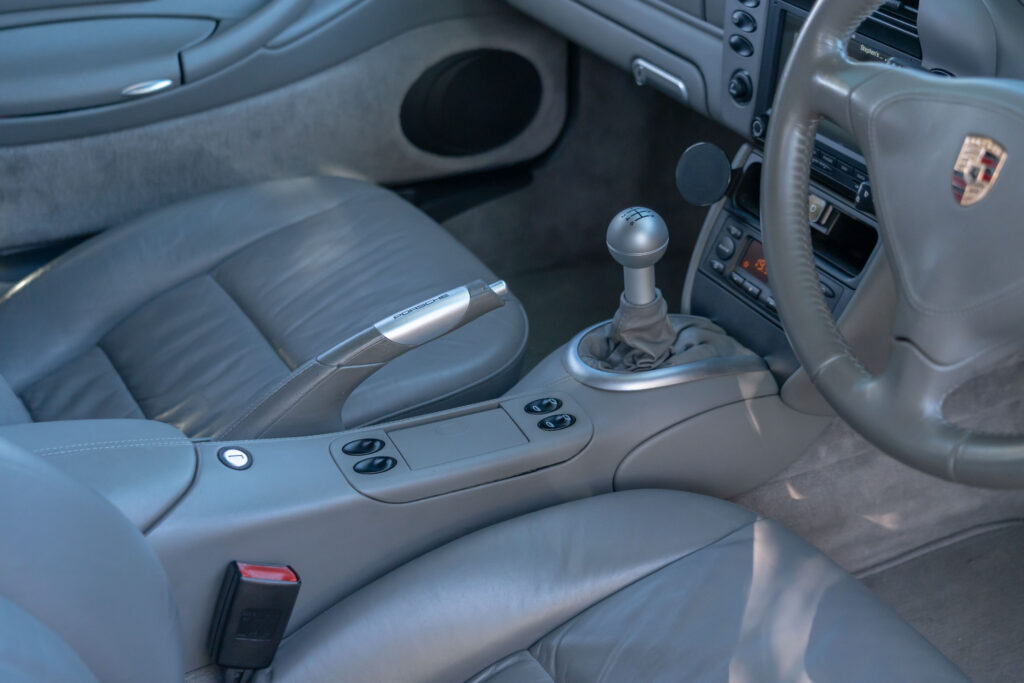
The six-speed manual is the more desirable option for utilising the 996 platform to its fullest potential, as intended as a sports car, delivering a more rewarding driving experience.
However, the manuals are not without their common issues you need to look out for.
The manual gearbox synchros wear out over time and are often overlooked when performing maintenance. Synchros for second gear are especially prone to wearing out, causing the car to jump out of first/second gear (especially on high-mileage examples).
They can also have worn pinion bearings, producing an abnormal whining that gets louder as road speed increases. It’s not very common, but it’s quite expensive to resolve.
The gear shifter and shifter cables are also worth keeping an eye on. These are heavily constructed from plastic or use a lot of plastic parts within; the shifter will feel very vague as age and wear accumulate.
In Australia, a full gearbox rebuild can cost approximately $15-20,000, because the synchros cannot be replaced individually (they have to be replaced as a set).
The dual mass flywheel and clutch will also require attention over time and with further use – these typically require replacements around 100-130,000 kilometers. Clutch wear will vary, depending on how the car has been driven and with mileage.
Many owners and specialists recommend using aftermarket single-mass flywheel conversions, which are far more resilient and have longer life than the OEM flywheel.
To maximise labour efficiency while the gearbox is already removed, it’s highly recommended to combine replacing these while you are also replacing the IMS bearing, air oil separator, and rear main seal.
Five-Speed Tiptronic (Automatic):
The five-speed Tiptronic used by 996-gen 911s is either a ZF unit (ZF5HP19) or a unit derived from Mercedes-Benz (5G-TRONIC).
Overall, 30% of 996s were sold with the Tiptronic automatic transmission.
The Tiptronics offer more accessibility for the 911 platform, but many cite that as an automatic from this era, it can be sluggish and unresponsive to shift, even on the Turbo models, and generally let the overall driving experience down.
Porsche suggests these are ‘filled for life’ (maintenance-free), which is complete nonsense. These must be serviced regularly to keep them in working condition, and doing so will save you from any major financial headaches in the long run.
The most common issue to look out for with Tiptronics is valve body and solenoid issues, caused by contaminated transmission fluid.
Some owners may find the manual shifting via the steering-wheel-mounted buttons a bit cumbersome, but through research on owners’ groups and aftermarket solutions, you can find ways to retrofit paddle shifters onto Tiptronic models.
It is also possible to convert 996s originally equipped with Tiptronic to manual, but as with any manual transmission conversion, do your homework to ensure the installation is done by a reputable specialist (to avoid any mechanical surprises).
Drivetrain:
Key components, namely the suspension and brake parts of these Porsches, are crucial to allow them to perform at their best, no matter what road setting or environment they’re used on.
By now, components like suspension bushings, shocks, springs, top mounts, and drop links will be on their last legs and overdue for replacements – any clunking or knocking sounds, pulling to one side at speed, or if the ride feels too soft/stiff, all pinpoint to suspension issues.
The same applies to plenty of brake parts – brake lines, pads, rotors, and calipers will also need attention at this point. The brake lines (running front-to-rear) are known to corrode (where they pass through chassis clips), which can lead to brake line failure.
While genuine Porsche parts are available (at a premium), it’s worthwhile to consult various Porsche owners’ communities to research what quality aftermarket suspension/brake parts are available or recommended.
Whether you are aiming for a setup for daily drivability or for track use, there are plenty of aftermarket solutions to fully optimise your 996 and make it perform better than its factory settings.
Pricing for 996-generation Porsche 911s spans across a great range, based on factors like what specific model you are looking at, factory options/configurations, and overall condition.
Here in Australia, prices start from as low as $40,000, which will likely get you a base-spec Carrera 2 Coupe/Cabriolet, with high mileage and equipped with the Tiptronic transmission. Move up from that price range, and you’ll likely find rough or decent examples of Carrera 4s, Targa, and Targa 4 coupes.
It’s also worth noting that a factory manual can often add a $10,000 premium versus an equivalent Tiptronic model, and trends show that the hardtop coupes ask substantially more than the cabriolets.
Mint, low-kilometre examples of models like C4Ss can start from around $80-90,000 (where rough condition Turbo/GT3s are also found) and top out around $120,000.
Stepping into more performance-oriented models like Turbos, decent examples can start from $130,000 and top anywhere near $240,000 for unique, factory-optioned examples (Paint-to-Sample colours, X50 Package, etc.)
If you really want something special from the 996 generation, GT3s/GT2s will be anywhere from $220-280,000, while the track-spec, limited production GT3 RSs are starting from at least $400,000.
It’s important to keep in mind that, excluding the cabriolets and Tiptronics, values for 996 have risen 8–15% annually from 2019 to 2024, and those we spoke to in the industry are confident this trend will continue – in other words, 996s are well on their way to becoming valuable future classics.
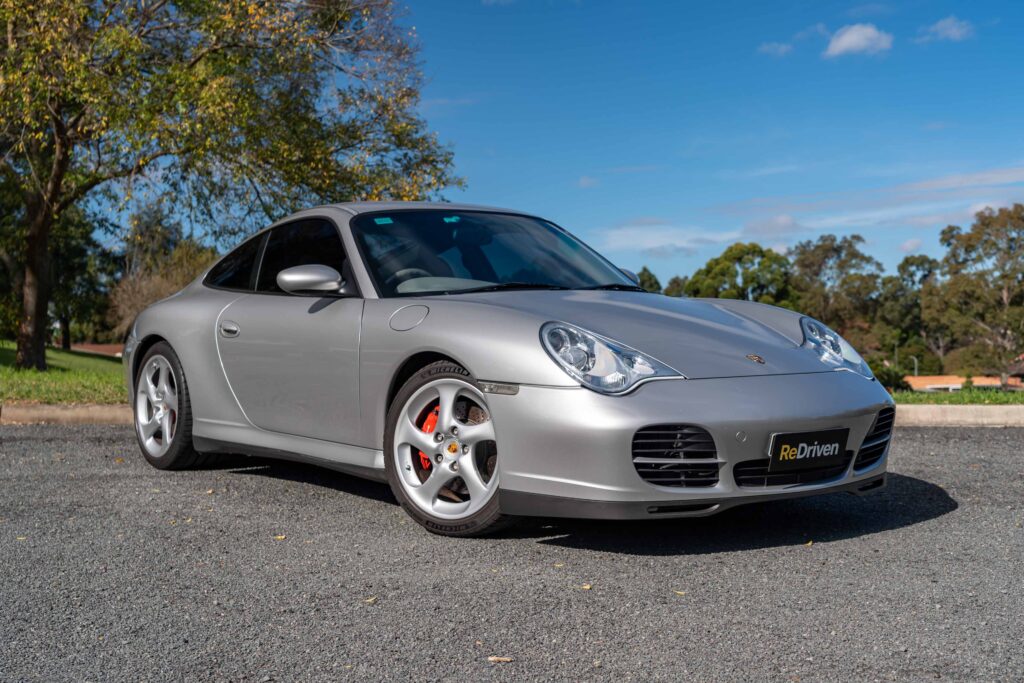
We think the sweet spot for 911s of this generation is the 996.2 C4S: you get the more desirable, wider Turbo-body with up-to-date styling/features, alongside Turbo spec brakes, suspension geometry, and all-wheel drive; but with a naturally aspirated engine, and it will most likely be more affordable than a 996-gen Turbo, or any of the higher-tier, limited edition GT/GTRS models.
The long list of issues and things to look out for may give the impression that ownership of a 996-gen 911 is not worth the trouble, but ownership isn’t to be discouraged – provided you’ve found a mint condition example that passes all the critical pre-purchase inspection boxes, including a specialist pre-purchase inspection.
Crucially, it’s important to know what you are getting into and not treat ownership of a modern classic like a Porsche as any regular used car purchase.
If you enter this world of ‘affordable’ Porsche ownership with this in mind, while doing as much due diligence and research to ensure you avoid dodgy examples, you’ll get yourself one of the best examples of millennium-era Porsche 911s, and their widely-praised, analog driving experience.


Co-creator, presenter & writer, ReDriven

Yes. 100%.
 2 days ago
 3 weeks ago
 2 months ago