Australia’s No. 1 Used Car Review Website
Australia’s No. 1 Used Car Review Website
+19 Photos

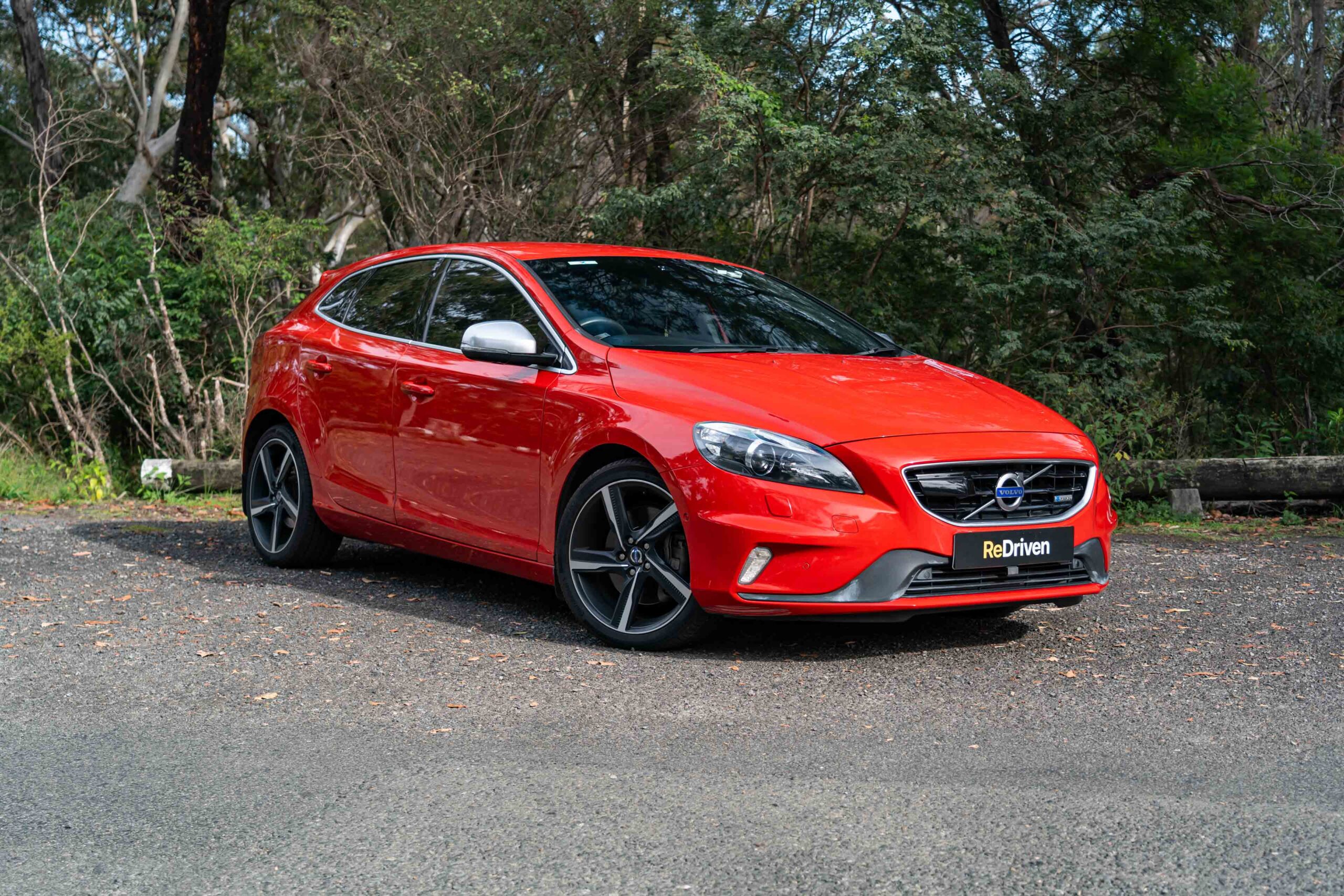
2014 Volvo V40 T5 R-Design

29 May 2026
Yes. But only the right example.

2014 Volvo V40 T5 R-Design

Used car review
29 May 2026
The Volvo V40 was produced from 2013 to 2019, succeeding the C30 as the smallest, entry-level model within the Swedish brand’s lineup.
Swedish in its design language and appearance, but unknown to many, the V40 actually utilises the same platform used by the MK3-generation Ford Focus, which itself is also closely related to the BL-series Mazda 3.
First produced from 2012-2016, the V40 experienced one midlife update during its production run, with models produced from 2016-2019 slightly refreshing the cabin and body styling (most noticeable with the addition of Volvo’s Thor’s Hammer’ LED headlight design).
Also, special mention has to go to the V40 Cross Country variant (2013-2019), which not only added prominent exterior cladding, bigger tires/wheels, but also brought a higher ride height and more powerful engines compared to the standard V40 (along with hill-descent control on certain variants).
For the Australian market, V40s were available with a variety of turbocharged petrol and diesel engines in varying sizes, with four or five cylinder configurations. Transmission options varied (depending on powertrains), with options including six-speed manual and automatics (eight-speed automatics in later models), sending power to the front or all four wheels.
At its prime, the V40 was positioned against other hatchbacks from European and Japanese brands, including the Volkswagen Golf, Toyota Corolla Hatch, Honda Civic, BMW 1-Series, and Mazda 3.
Exterior:
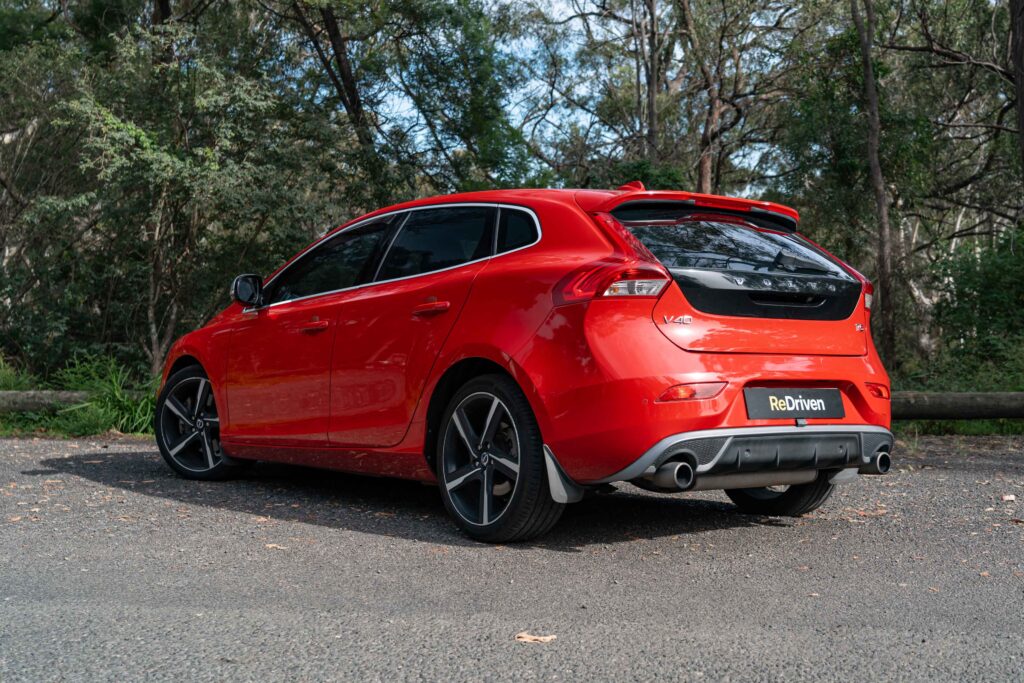
As with all used cars, check carefully for any hidden accident damage. Poor or substandard repairs can easily lead to more work required to put them right, and certain parts for European brands like Volvo can ask a hefty premium.
Actuators on early V40s are reported to be quite weak, leading to side doors failing to unlock or open from the outside, with post-update models using far more robust units.
However, pre/post-update V40s use the same fuel filler cap actuator, and this unit can also have some difficulties, causing the flap to not open or refuse to lock properly.
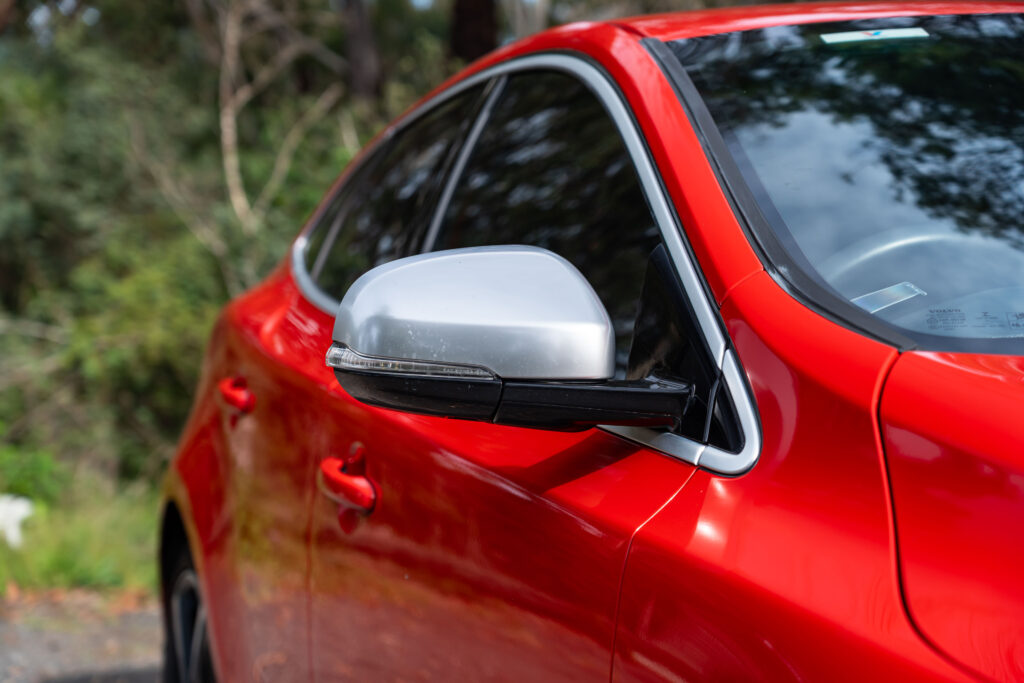
The power-folding side door mirrors can also play up, as their internal motorised gears can be fragile and snap/seize altogether, which is more prevalent in cold or dusty environments.
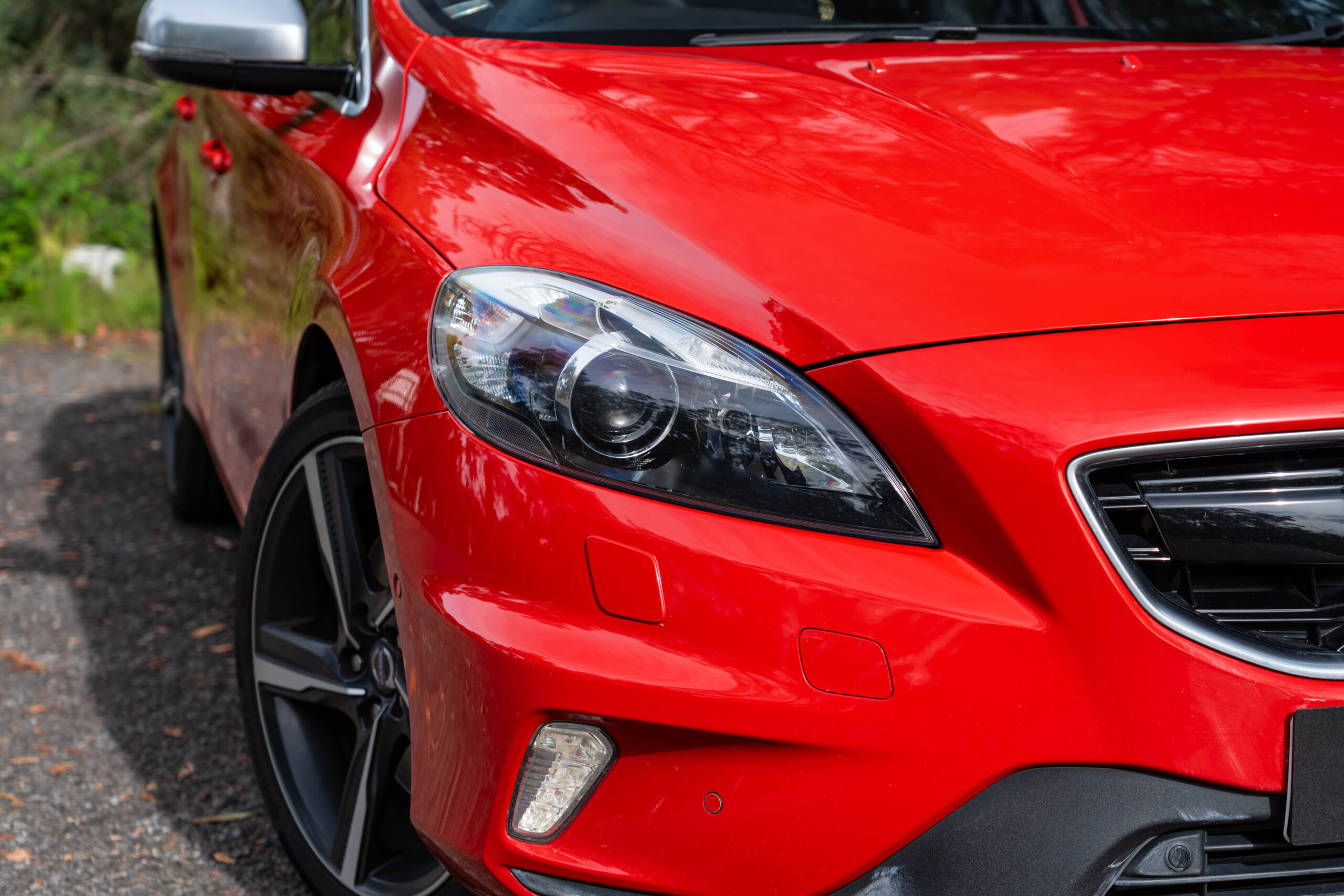
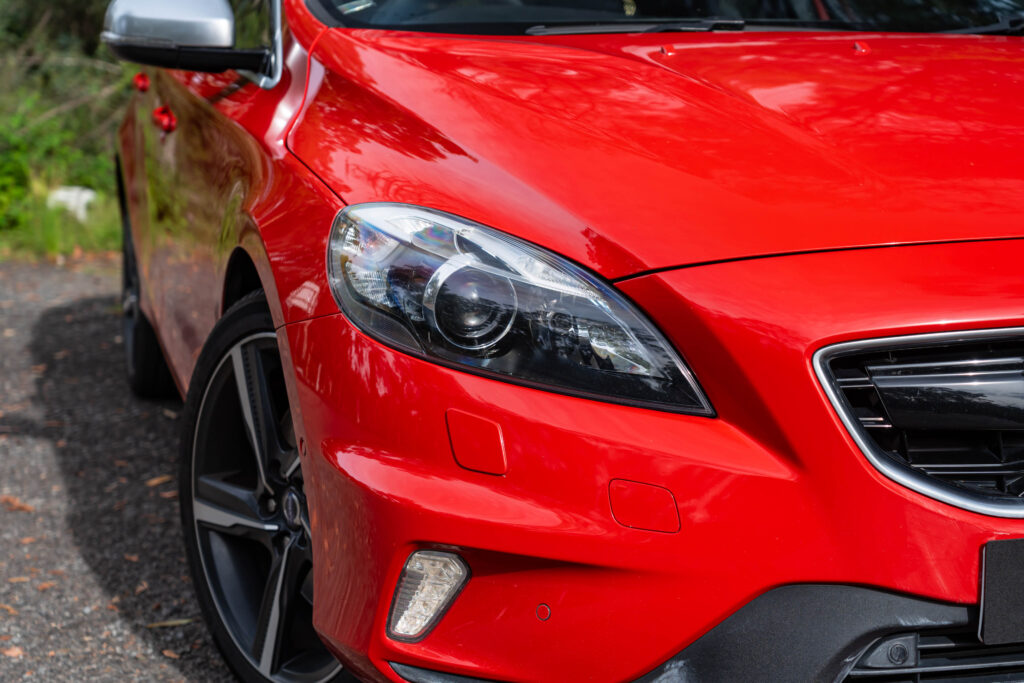
The headlights are susceptible to some issues. Pre-update V40s are known to form condensation within their units, which can be resolved via DIY solutions, but in the worst case, they will require the entire unit to be replaced.
Post-update V40s feature LED daytime running lights, but even these can suffer issues such as dimming, yellowing, or flickering over time, and a replacement LED unit can cost up to $1,700.
If the one you are considering has a sunroof, check that the drainage channels are clear and free of blockages, as any issues with these can then lead to water ingress problems.
But generally speaking, most V40s report fairly resilient bodywork and paint finishes, unlike some of its rivals.
Interior:
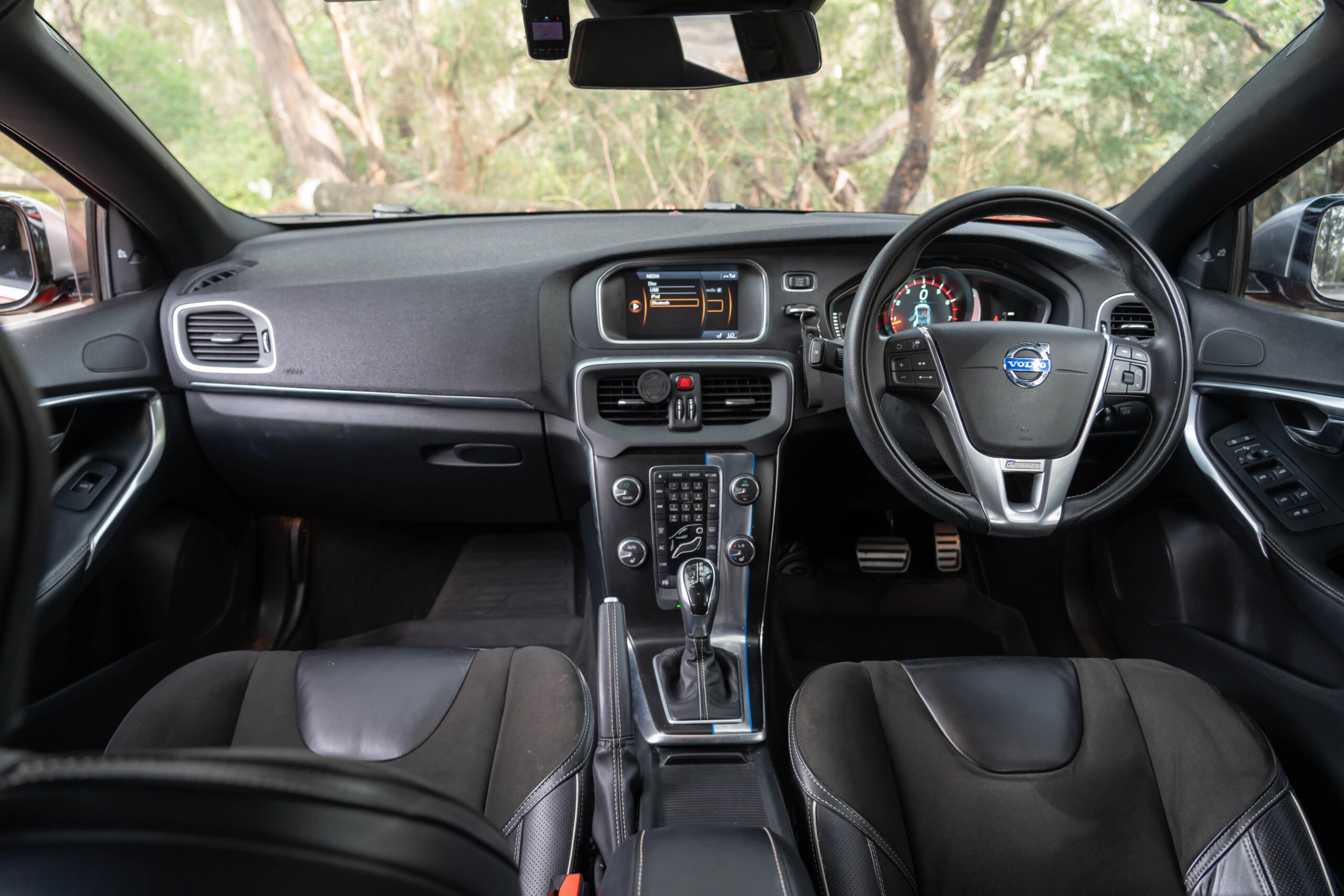
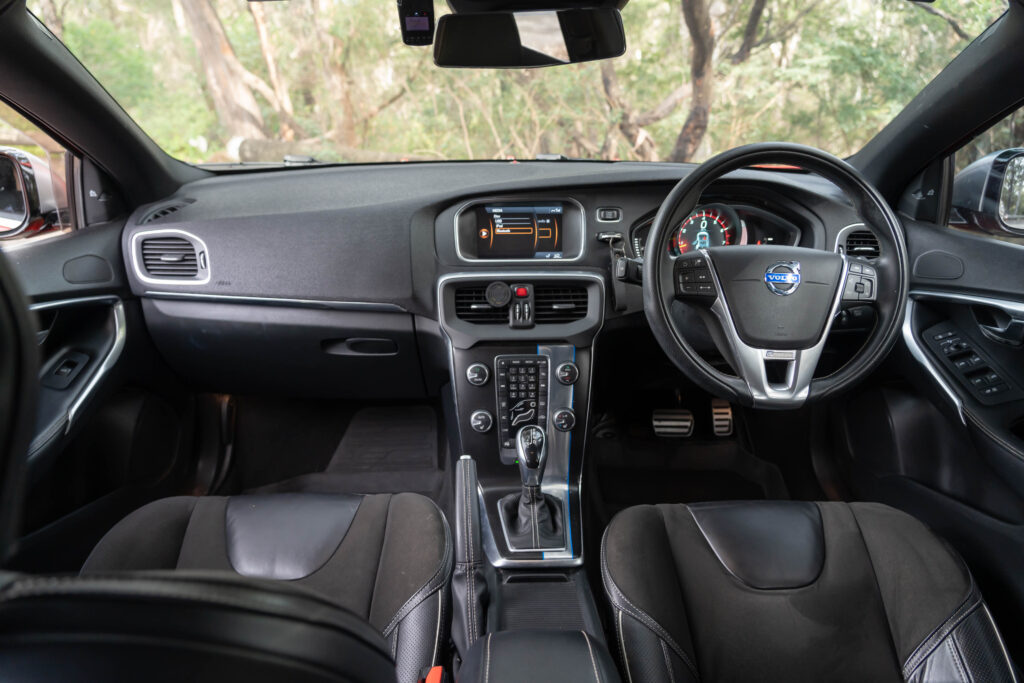
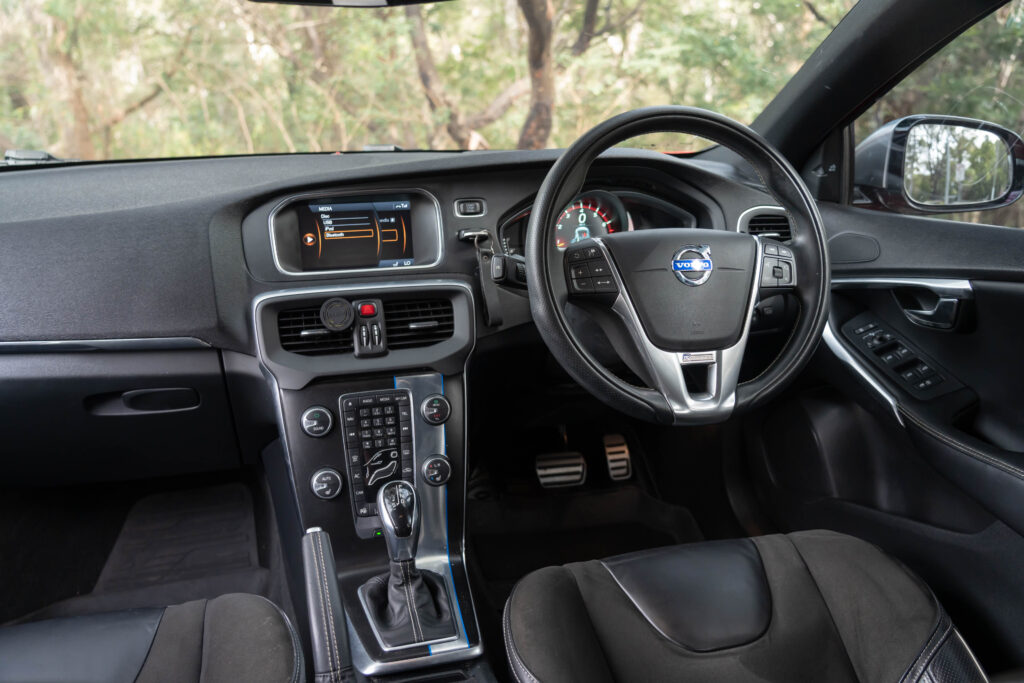
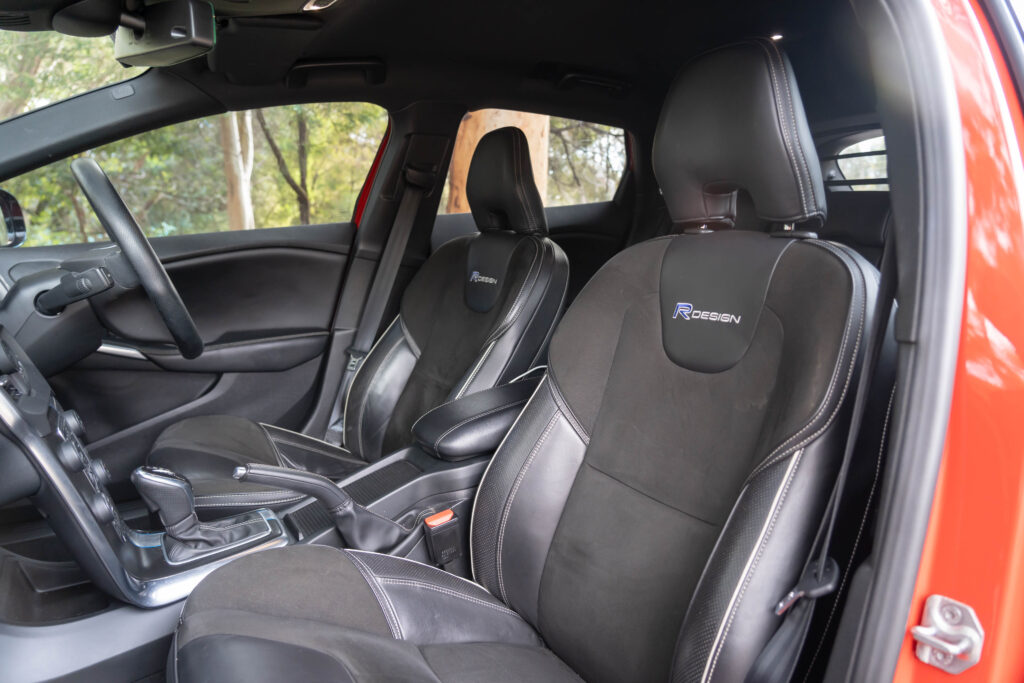
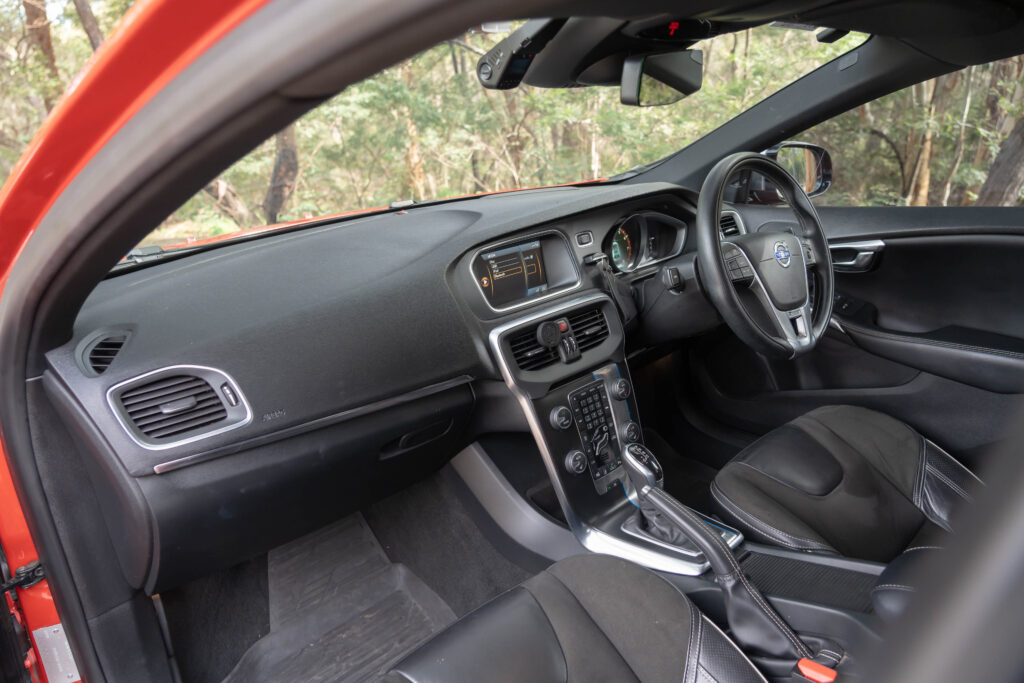
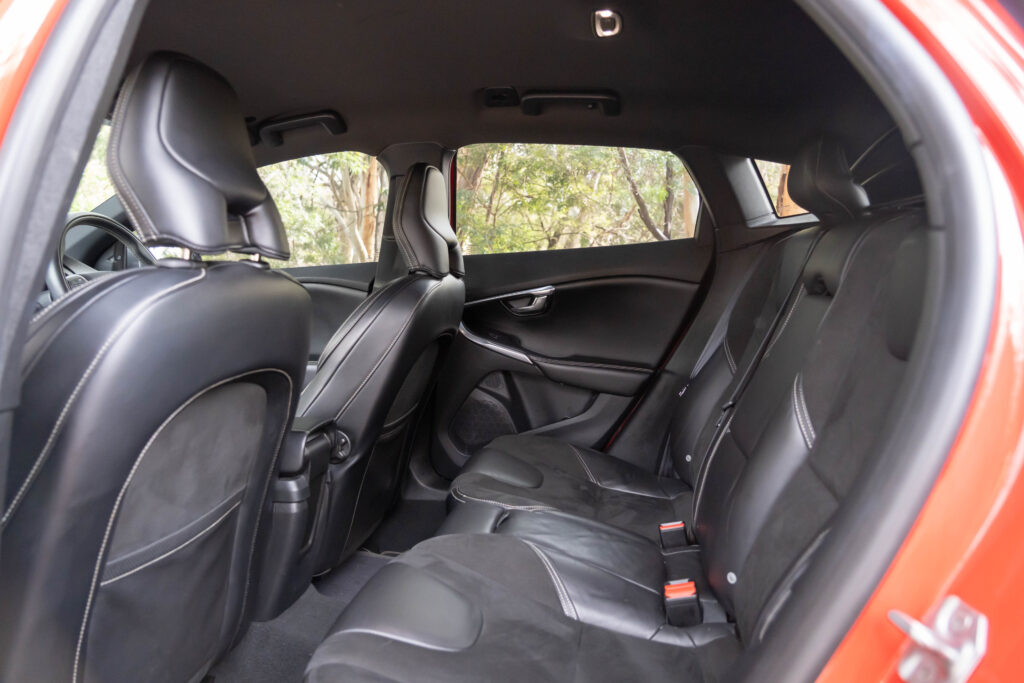
The interiors of these Volvos are fairly resilient, with the materials used throughout the cabin trim and seat upholstery reported by owners to be holding up well.
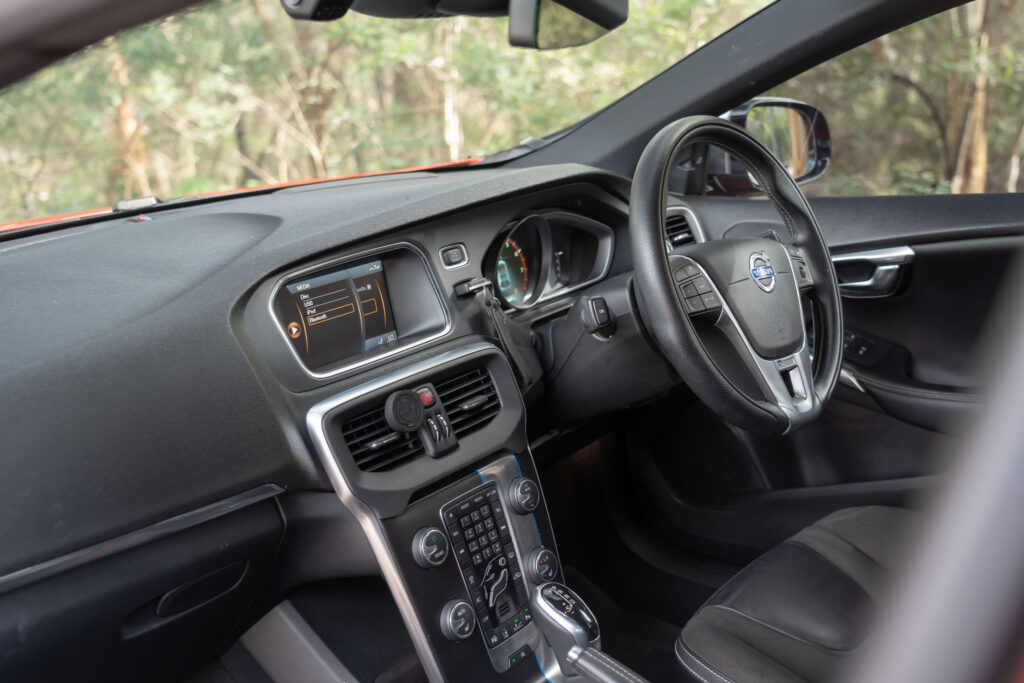
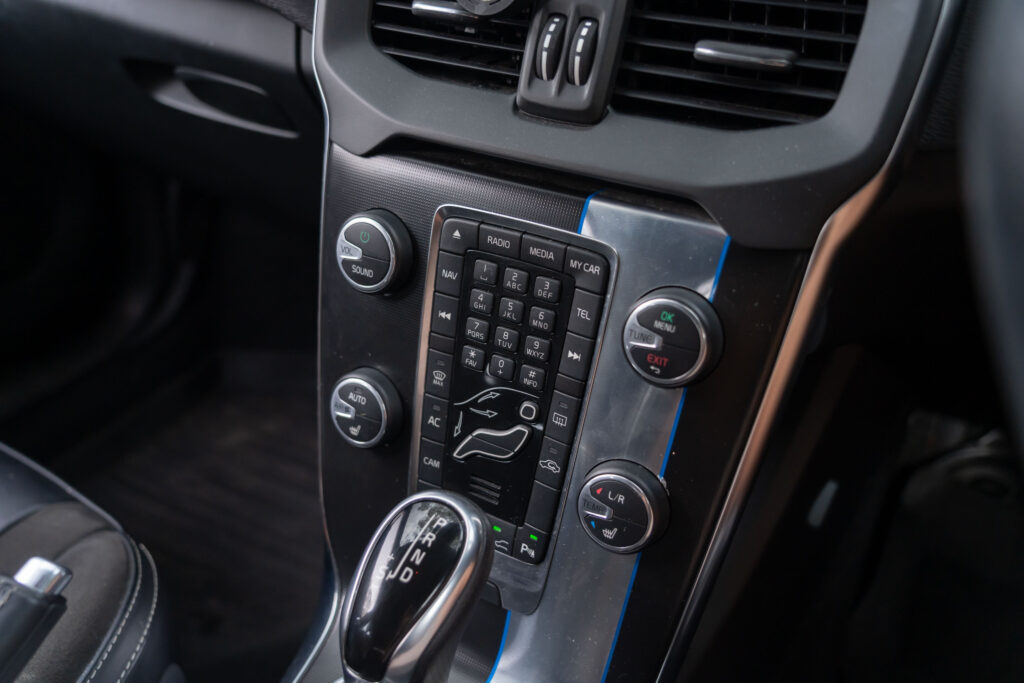
We’d also compliment the overall ergonomics, from the dashboard layout to switchgear, which have aged very well, especially with the ‘Waterfall’ design that Volvos are known for from this era.
These still can experience a few issues as they age. For instance, those exposed to high UV rays or sunlight are known to experience their plastic trim or leather surfaces wearing down, with rattles becoming far more prominent among well-used, high-kilometre examples.
The cabin plastics, notably around the dashboard/centre console, can be quite fragile now, and we’d exercise caution if they need removing to avoid breaking the small clips/attachments that hold them in place.
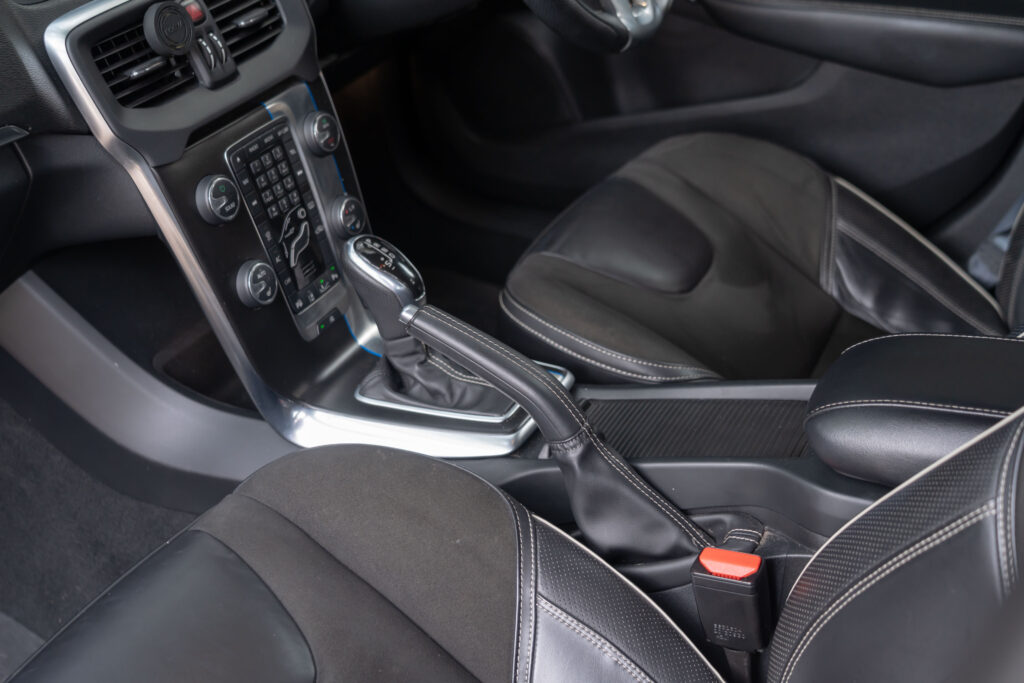
The rubber seals around the doors and mirrors are also reported to lose their adhesive qualities over time, as well as the illuminated area of the gear selector.
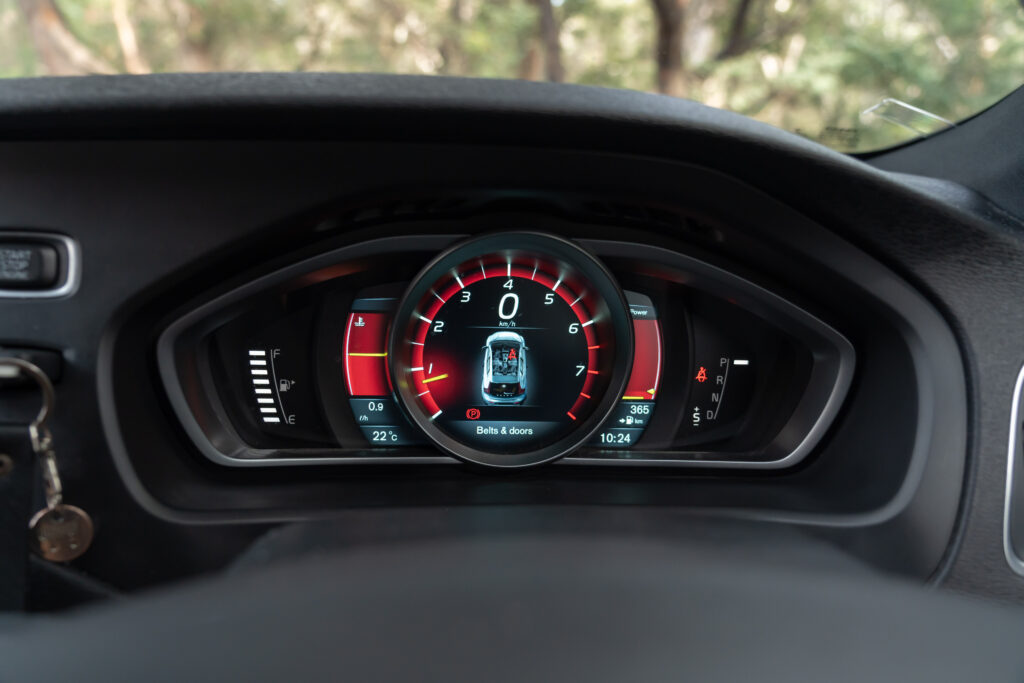
Plenty of warning lights that appear on the dashboard may be due to an electrical issue, and not a problem with the vehicle itself – we’ve heard owners experience this after replacing the battery with a subpar unit, or if they’ve not recalibrated the modules after replacing the battery.
A weak battery or voltage issues can also cause plenty of powered equipment/features to operate intermittently, such as the engine start/stop functions being disabled.
If an “ESC Service Required” warning appears, this could be due to the ABS and Traction Control Sensors corroding.
Although it’s not uncommon for these Volvos to experience issues that are not battery/electrical related, but due to specific components failing.
A good example is the air conditioning system – check that all of its settings work and for extended periods. The blend door motors internally can fail, leaving the air direction settings stuck at ‘windscreen/floor’ settings regardless of what position the switch is in. The evaporator can also leak, causing issues with the overall A/C system’s performance.
If these do need attention, ideally, they will remain easy and affordable fixes to do, but in the worst case, the entire dashboard may have to be removed, which can be quite expensive.
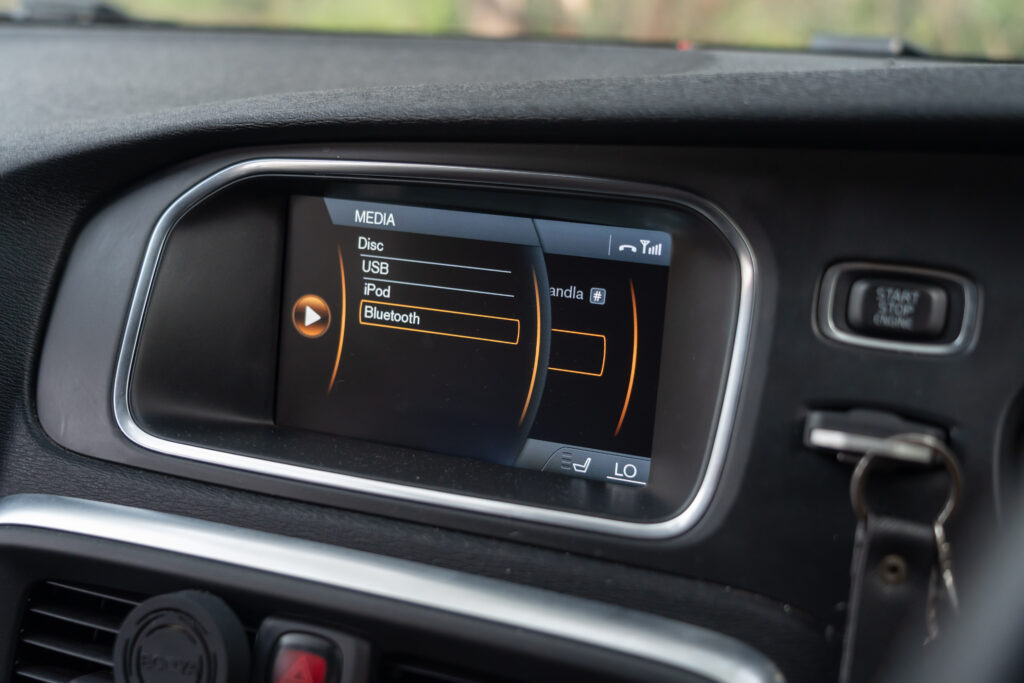
The factory Volvo ‘Sensus’ system can be very temperamental, and many owners complain it’s proving to be quite limited in functions nowadays. It’s also no stranger to Bluetooth connectivity dropouts, software glitches, or the UI freezing/rebooting at random points.
Thankfully, there are plenty of options to upgrade these via kits that bring Apple CarPlay/Android Auto or retrofit a more up-to-date system altogether.
Safety is the Volvo’s key selling point, and it comes with a lot of passive/active safety features as standard. However, some owners have complained that the factory calibrations can be overly sensitive.
But in terms of cabin equipment and features, these Volvos should come very well-equipped. While the grades of features vary between pre/post-update iterations, when compared to an equivalent German model that typically costs far more, these tend to offer better value for money.
Mechanically:
While this era of Volvo products isn’t as problematic as some of the brand’s latest models laden with tech features, the V40 is still a European-manufactured car, meaning delayed or neglected servicing can quickly lead to all kinds of issues.
Owners and those from the Volvo group emphasise that brakes and suspension components are essential to keep these performing at their best, ideally with the best possible parts available, as any cheap/subpar units will easily throw the whole dynamics off.
It’s recommended to stick to OEM parts, or even research aftermarket units that can improve their driving behaviour immensely, on top of lasting far longer than equivalent Volvo parts.
Drivetrain components, especially those pertaining to the suspension, are one of the V40’s known weak points, based on reports we’ve heard from owners and Volvo technicians. We’ve heard of multiple instances of components such as springs (especially at the front), drop links, control arms, bushes, and strut tops wearing out prematurely or even snapping altogether.
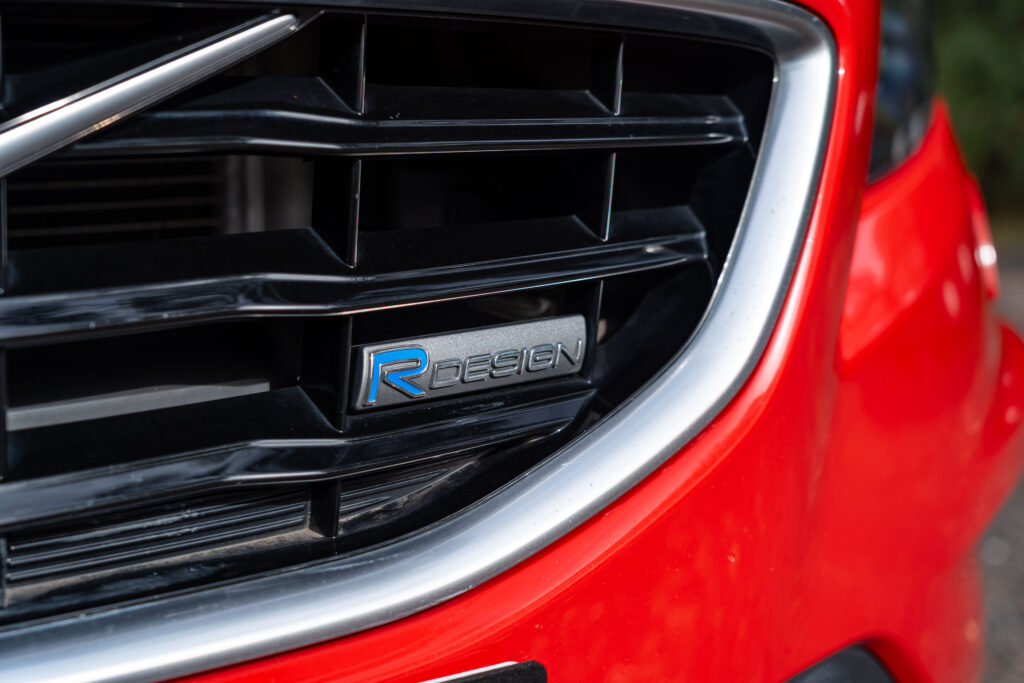
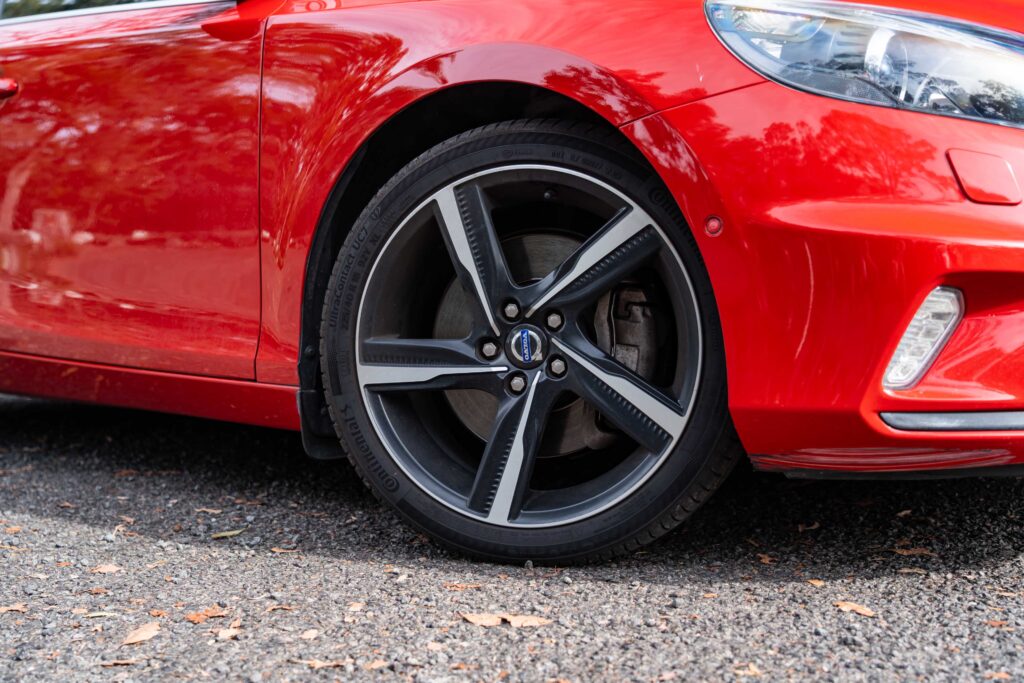
This premature suspension wear, we are told, is especially prevalent on the sport-oriented R-Design models, which have a firmer ride and lower suspension setup.
Aside from weird sounds from the undercarriage or vibrations, or the steering not remaining centred at any speed, accelerated tyre wear can also hint towards suspension issues.
We’ve also heard the rear brakes are known to stick easily, as well as those at the front wear unevenly.
Some V40s spontaneously catching on fire have been reported, attributed to faulty powertrain/fuel system components (fuel hose, engine bay plastics) and to issues within the electrics (safety restraint systems). Hence, it’s critical to ensure that any you are considering have had the latest recall fixes completed.
Engines:
1.5L, 1.6L Turbocharged Four-Cylinder (T3)
The pre-update units are heavily related to the Ford Ecoboost engine family, and we’d do our best to avoid these, given that they are some of the oldest examples and from the Ecoboost’s earliest iterations.
The same issues related to cylinder heads, bores, and turbochargers that affected the Ecoboost units also apply to the ones in the Volvo.
Post-2015, the four-cylinder was updated to a 1.5L Volvo unit (VME, aka Volvo Modular Engine family) and, generally, is far less prone to issues, but still has a track record for known weak points.
2.0L Turbocharged Four-Cylinder (T4)
Early 2.0L turbocharged four-cylinders still share a lot with the Ecoboost family, and don’t fare much better in terms of reliability.
Pre-update 2.0L engines are known to experience head gasket issues, engine bore issues (cracking), and turbocharger complications; excessive oil consumption is a common issue reported with these, made more difficult by the fact that no matter how thorough you attempt a pre-purchase inspection, it’s hard to identify.
Purge valves and evaporator problems can also come up, typically indicated by lean engine codes appearing, and the turbochargers can also experience issues.
Post-update 2.0L were also updated to units from the Volvo Modular Engine (VME) family, which, like their smaller equivalents, made them slightly better in terms of performance/reliability (but not significantly).
Post-update 2.0Ls also suffer from excessive oil consumption and high-pressure fuel pump issues (though it isn’t too frequently reported).
Pre or post-update, these four-cylinders feature a cooling system largely composed of plastic components, which will likely need attention after 150,000 kilometres.
2.0L, 2.5L turbocharged five-cylinder (T4, T5)
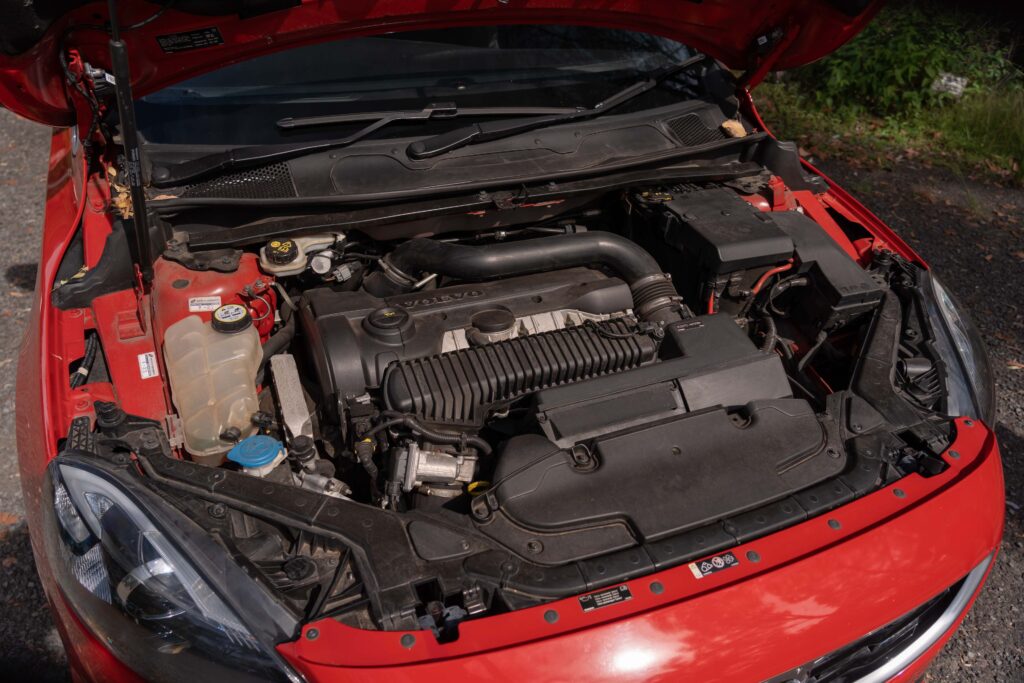
The turbocharged five-pot is a Volvo staple and is one of the strongest engines available in the V40 – both in potency and overall reliability, and this unit is actually closely related to the five-cylinder unit used by the MK2-gen Focus RS.
The five-cylinder engines are not fully bulletproof – the most common issue known to affect these involves the PCV valve diaphragm, with a humming sound hinting that it needs attention. You can also identify that it needs attention if it stops making the noise after removing the oil dipstick.
As mentioned with other Volvos, you can just change the diaphragm to resolve it, without having to replace the entire oil filter housing – though if the filter is leaking as well, it’s worthwhile to replace it at the same time.
Engine mounts will also need attention on the oldest/highest-kilometre examples (the rightmost engine mount usually goes out first), and they’re quite fragile, so keep an eye out for when they need replacing.
The drive belt tensioner is another known weak point, and in the worst cases, the drive belt can get out of alignment, wrapping itself around the crankshaft pulley and other nearby internal components, which can lead to total engine failure. So it’s recommended to keep an eye on it.
Oil and fluid leaks are also a common fault – especially toward the rear of the head (around both camshaft blanking plates).
Coolant leaks can also happen around the thermostat housing and expansion tank, which can then cause excessive overheating, which these engines do not like at all, and can lead to the head gaskets failing.
Don’t forget that the cooling system components are made from plastic, which means they are quite brittle and, if ignored, can also lead to overheating issues.
1.6L, 2.0L, 2.4L turbodiesel/twin-turbodiesel four cylinder (D2, D4)
Fun fact, the 1.6L turbodiesel four-cylinders are heavily related to the Ford Duratorq/PSA (Peugeot Citroen) diesel series, and are likely the least ‘Swedish’ component on V40S that utilise it.
Pre-update diesels are very sensitive to even the smallest neglect; servicing them on time is essential – namely, do oil changes every 10,000 kilometres.
Modern diesel powertrain issues, anything from EGR/DPF filter problems to NOx sensor issues, are still something to keep an eye out for, especially as these get older and accumulate more kilometres/usage.
Injector seals are known to fail on the four-cylinder diesels, as they leak and cause soot to collect internally within the engine, contaminating the engine oil, which can then lead to all sorts of blockages within other components and turbochargers failing.
In the worst cases, the oil pickup within the bottom of the sump can clog up, which translates into a seized engine.
2.0L turbodiesel five-cylinder
Pre-update five-cylinder diesels actually carry a reputation for being one of the more ‘reliable’ modern-era Volvo powertrains, being part of the Volvo Modular engine family (VD5).
Even so, it also suffers the same number of modern-diesel issues as mentioned earlier (DPF, EGR, on top of excessive oil consumption and more frequent cases of engine mounts breaking being reported.
They’re also infamous for clogging up their inlets – if debris collects badly enough, this will cause the swirl flaps within the intake manifold to fail. Note that as its all integrated as one unit, you’ll need to remove the manifold and the injectors just to replace the flap.
The turbodiesel’s most alarming weak point surrounds the harmonic balancer (front pulley), which can often fail; and when it does, can lead to the drive and timing belt becoming misaligned, causing major engine damage.
Post-update diesels, four and five-cylinder (VEA) largely experience emissions-related issues affecting their EGR (Engine Recirculation) valves and coolers, which are expensive to put right, on top of excessive oil consumption.
The post-update diesel units can also suffer oil dilution, which can lead to additional soot loading (debris collection) for the DPF filters, requiring more frequent recirculations.
This won’t be a serious issue when subjected to frequent trips at highway speed for long periods at a time. But under short journeys within urban, low-speed areas, these DPF complications can be exacerbated, causing the vehicle to go into ‘limp mode’ and require a technician to do a forced DPF regen (which is not cheap).
It’s important to highlight that no matter what engine, petrol or diesel, their timing belts need attention as they get older. Service intervals can range from every 140,000 to 240,000 kilometres, and it’s essential to replace them on schedule to avoid any serious engine damage.
Transmission:
Early models (petrol and diesel) were also paired with the infamously problematic ‘Powershift’ dual-clutch transmission, and we’d avoid them altogether.
Models made after 2014, and all post-update (MY2016) models, thankfully upgraded to a more reliable Aisin-manufactured torque converter automatic (six and eight speed), which is known to be more robust (provided it’s been regularly serviced and used under normal driving conditions).
Current prices on the used market for Volvo V40s start from around $6,000 and max out around $25,000. Price differences between the standard V40s and the top-line, all-wheel drive only Cross Country variants remain fairly marginal.
Volvos, V40s included, are not the strongest options when it comes to holding their overall value. These still depreciate far more on average, compared to equivalent models from Japanese rivals like Mazda, Toyota, or Honda (but not as heavily as some more premium European brands, for now).
That doesn’t sound positive if you bought these new at retail, but as a secondhand option, that can translate into getting a lot for your money’s worth.
Value aside, the main flaw the Volvo has to contend with is its alternatives. A Mazda 3 or Honda Civic is just as nice to drive, more practical, just as well equipped, without much of the V40’s reliability and build quality concerns.
In other words, if you’re not a diehard Volvo enthusiast or are not attempting to seek an unconventional hatchback within this segment, a V40 isn’t the best choice for you.
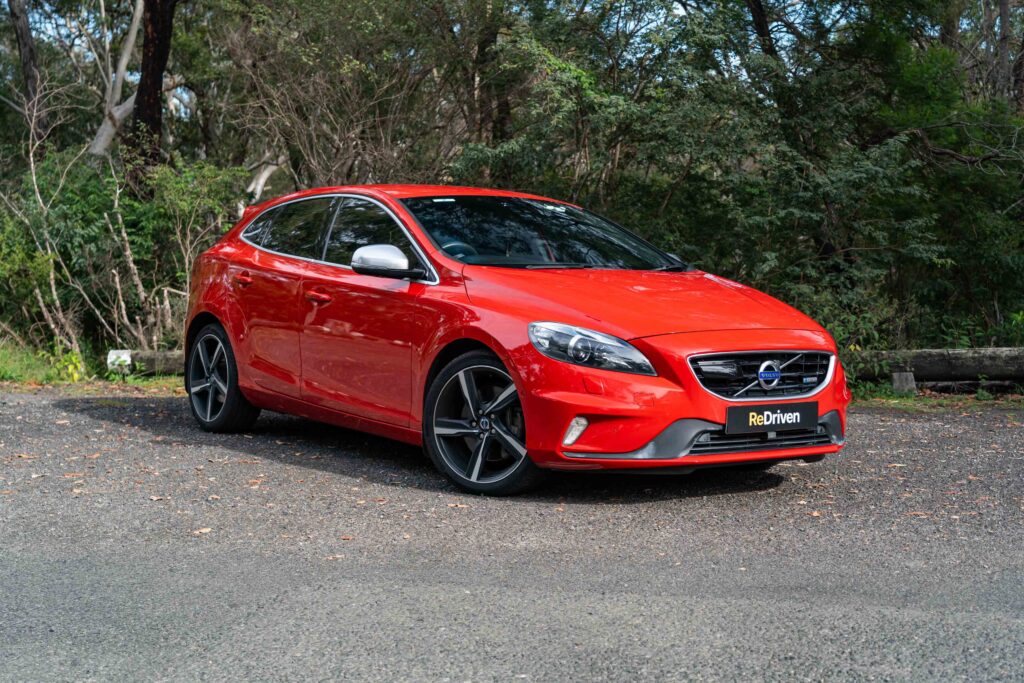
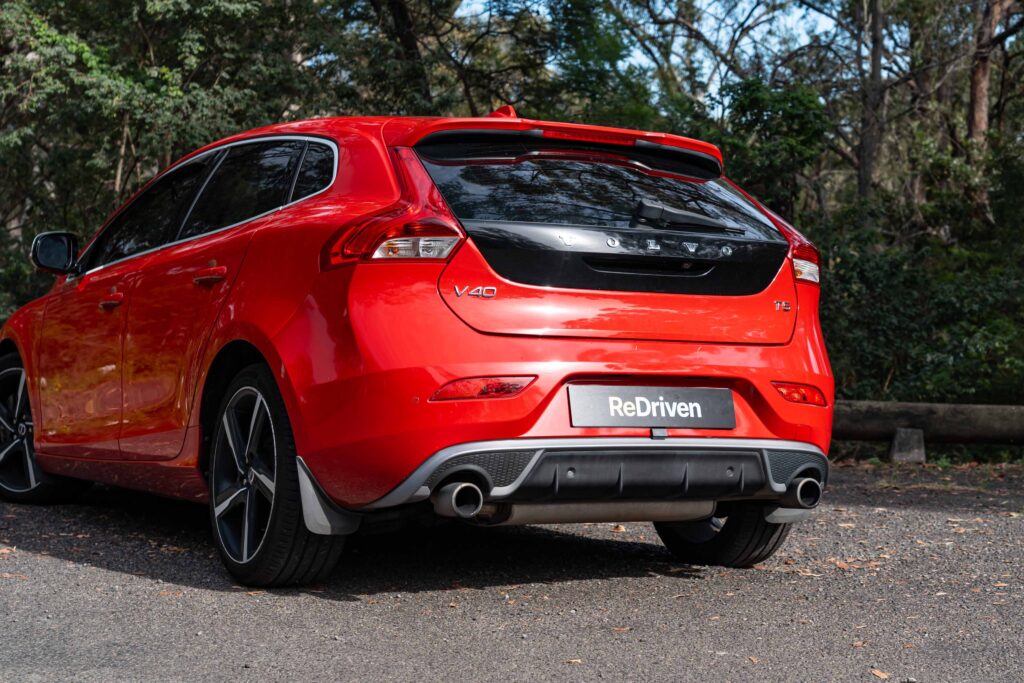
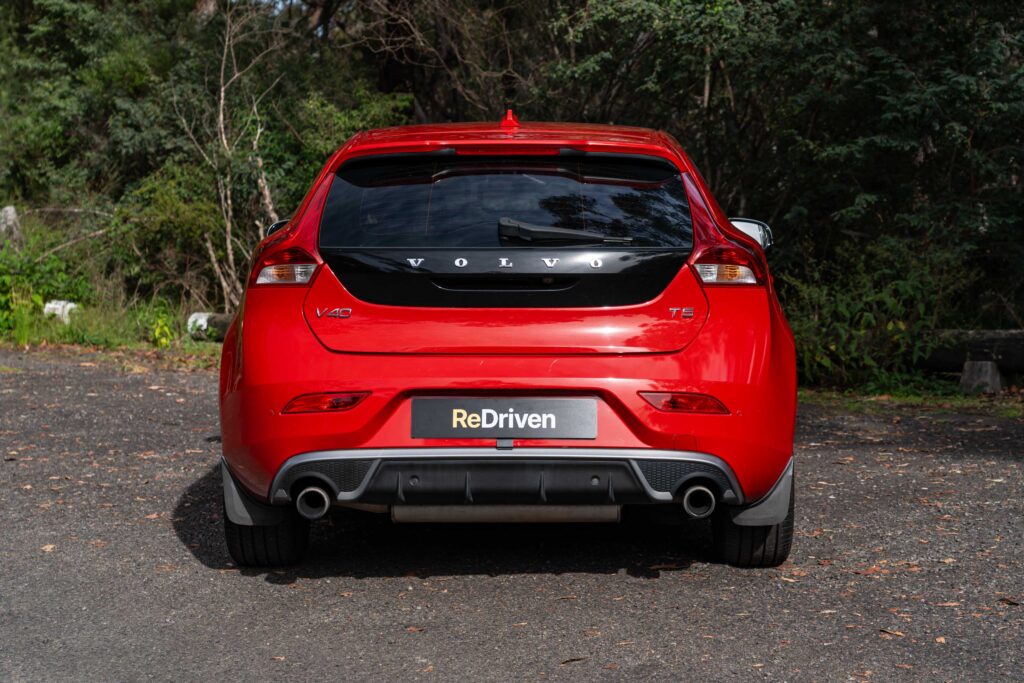
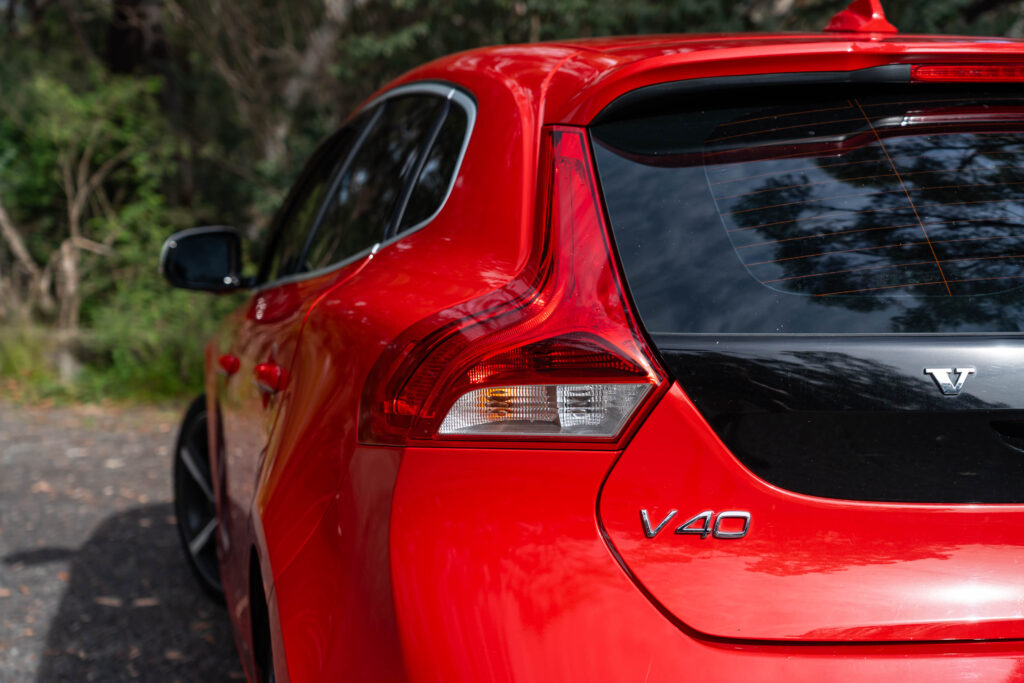
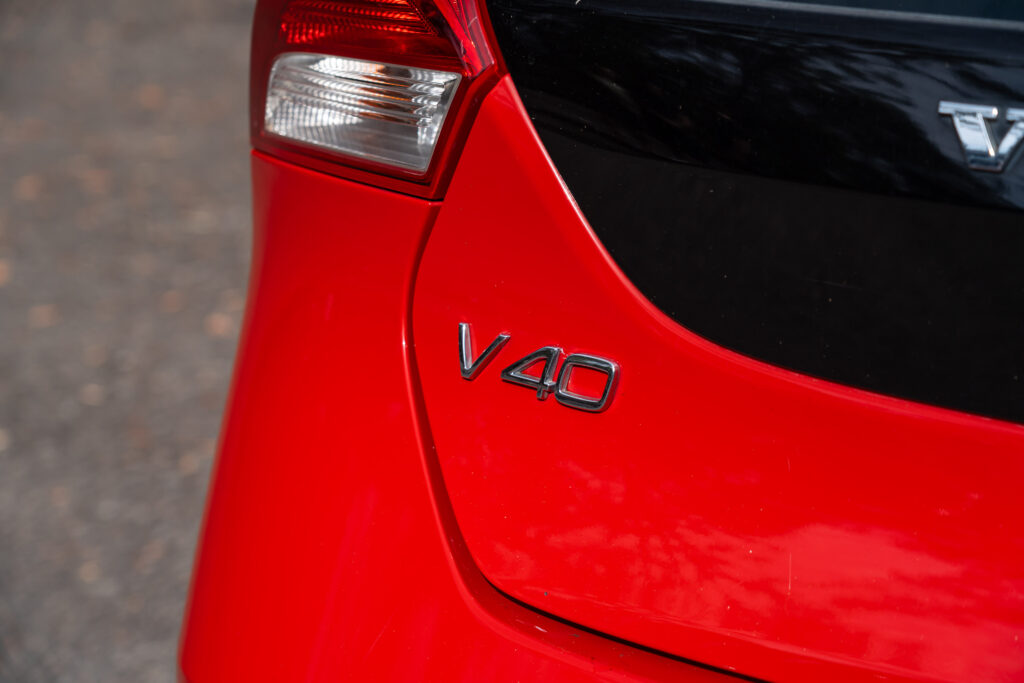
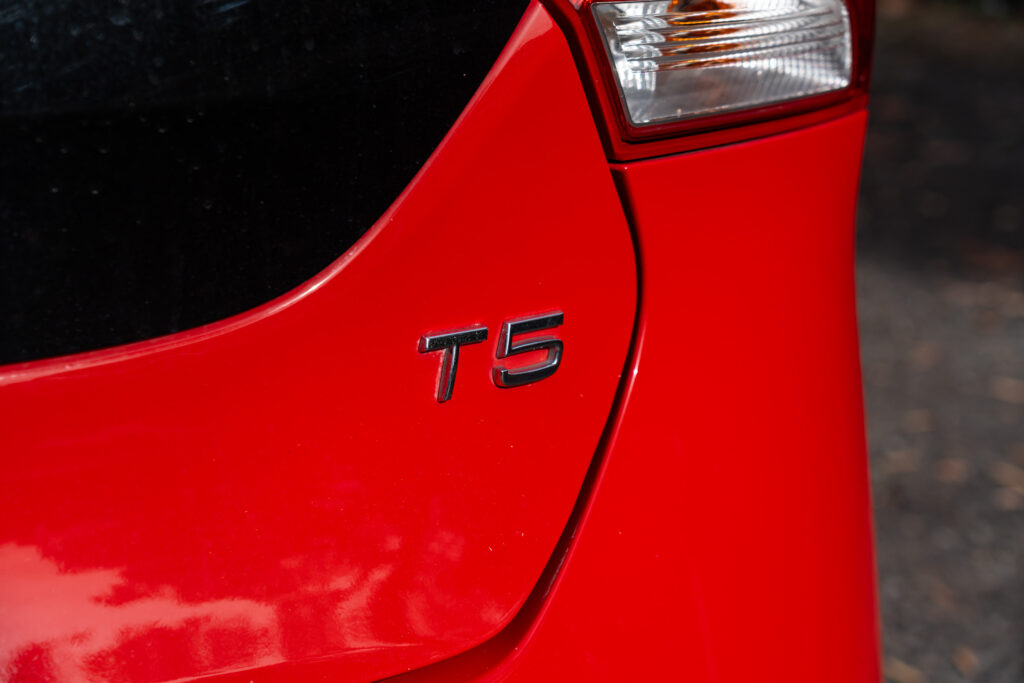
Out of the examples in the used market, we’d recommend targeting the petrol, five-cylinder V40 T5 models, which bring the added sporting qualities of their optional R-Package, and the Swedish brand’s potent five-cylinder under the hood.
We’d ignore any of the lower spec models, as while attractive, they’re too much of a liability in other departments when it comes to keeping them running – especially the Ecoboost-powered, Powershift-equipped variants (that are far too unpredictable reliability-wise).
Even better if you manage to land upon a V40 Cross Country, which brings the most potent turbo four/five-cylinder engines available with the elevated ride height and all-wheel drive, and power figures rivalling that of some hot hatches; making them the ideal sleeper for those who want to remain subtle.
If you’re happy to give these Swedish hatchbacks the level of TLC and attention they require over time, and nothing concerning is brought up under a pre-purchase inspection, we reckon these are candidates to put on your shortlist – provided you know what you’re getting yourself into.


Co-creator, presenter & writer, ReDriven

Yes. But only the right example.
 3 weeks ago
 4 weeks ago
 4 weeks ago