Australia’s No. 1 Used Car Review Website
Australia’s No. 1 Used Car Review Website
+18 Photos
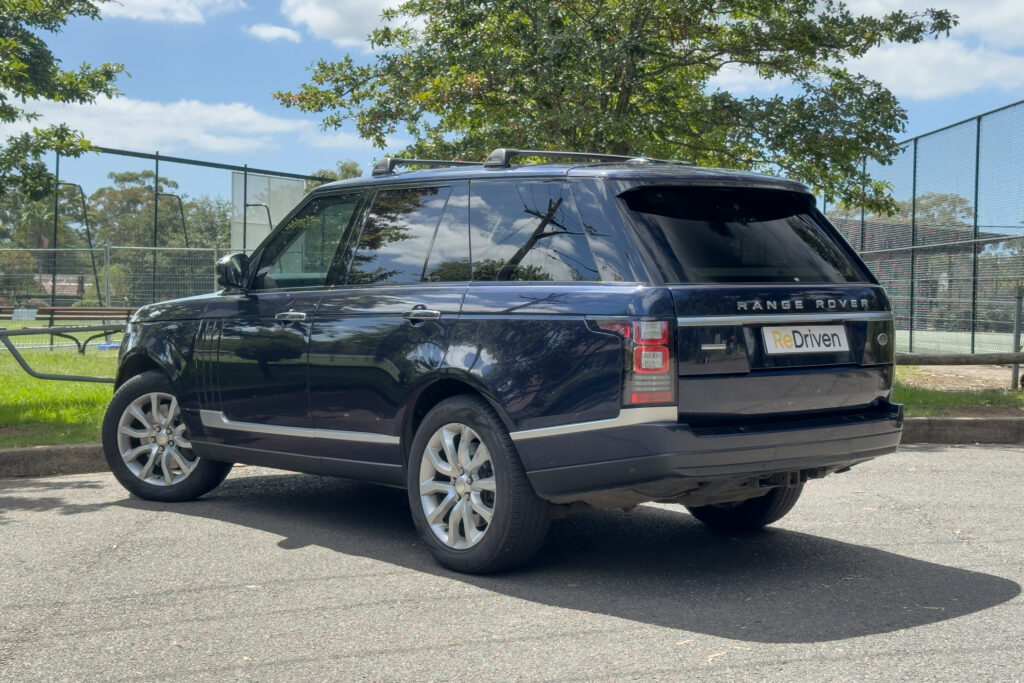
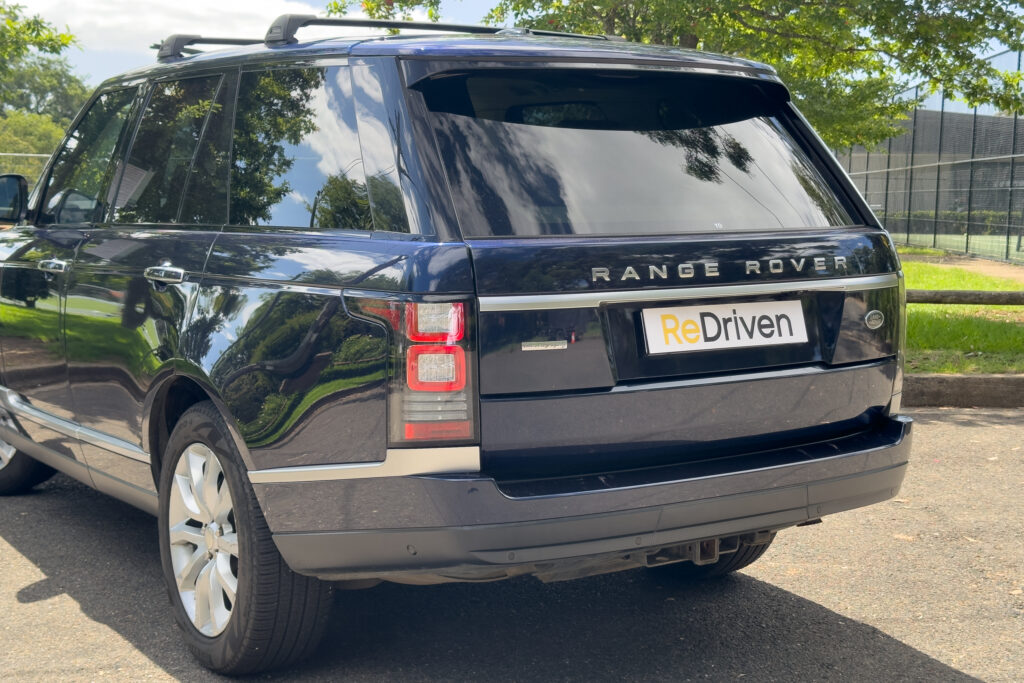
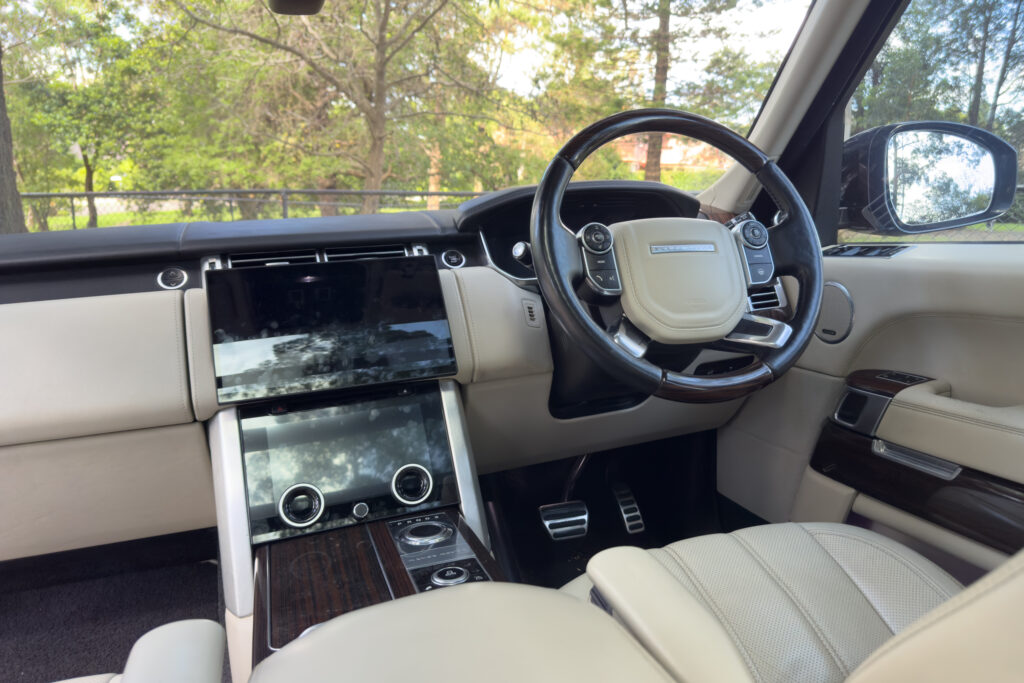
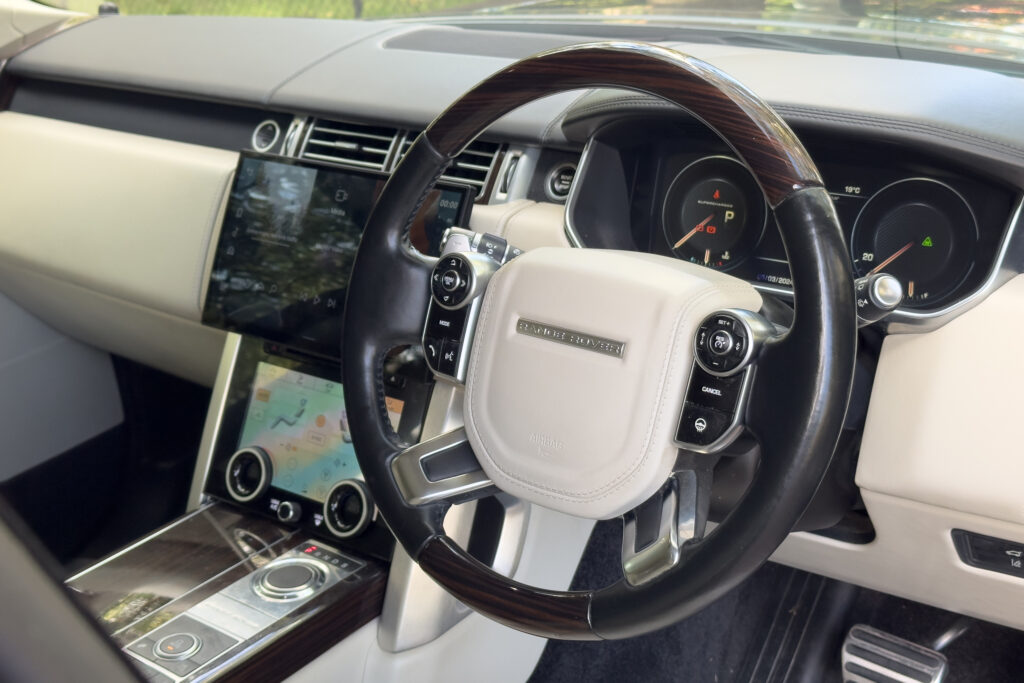
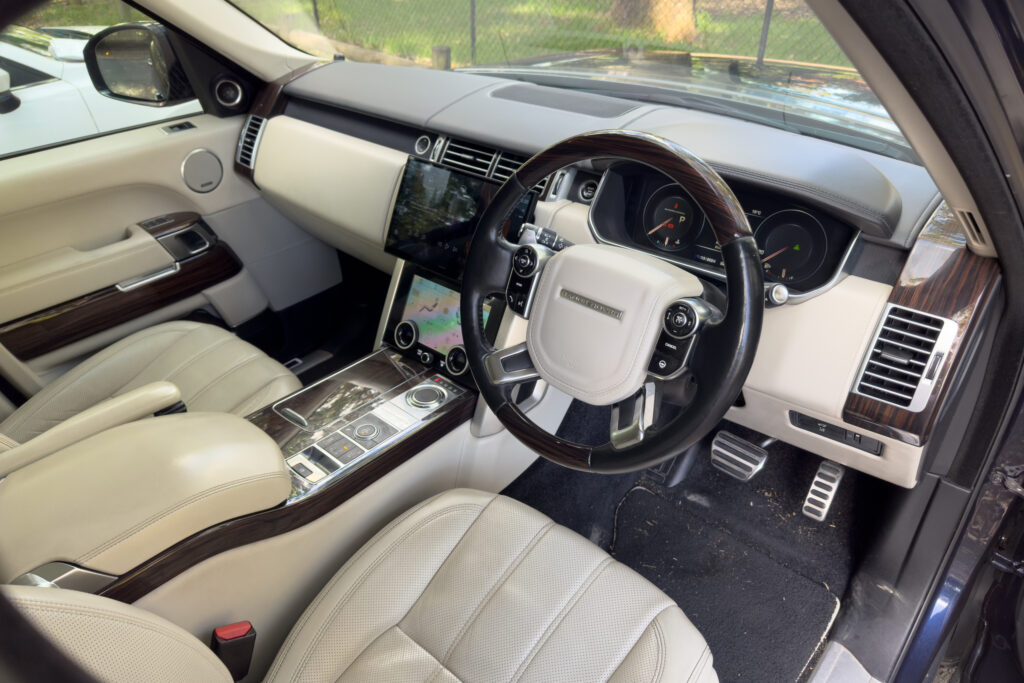
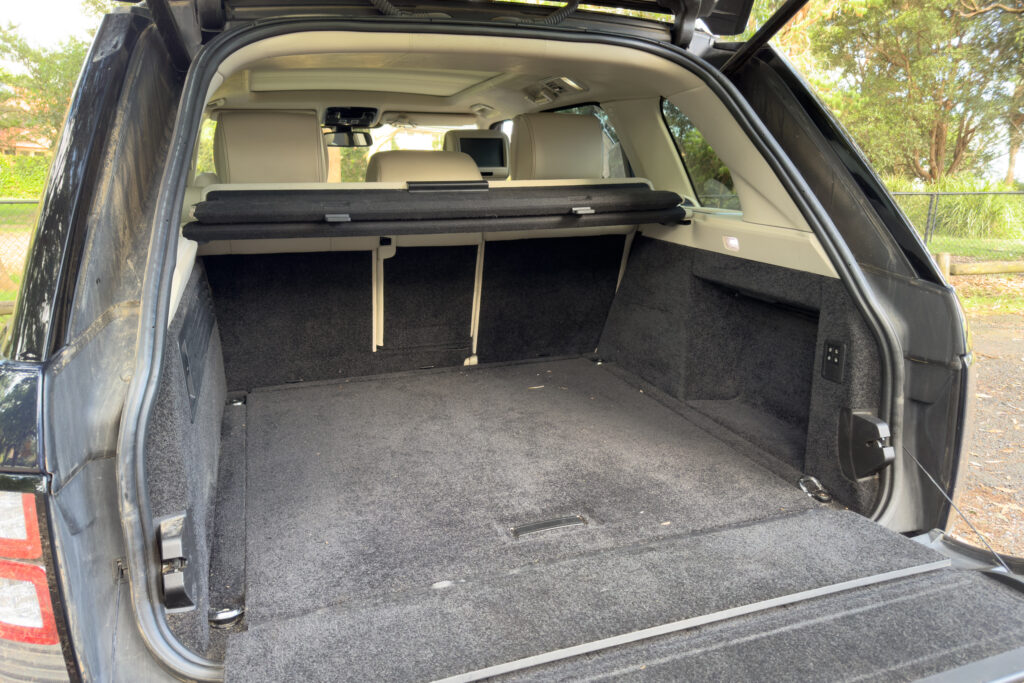
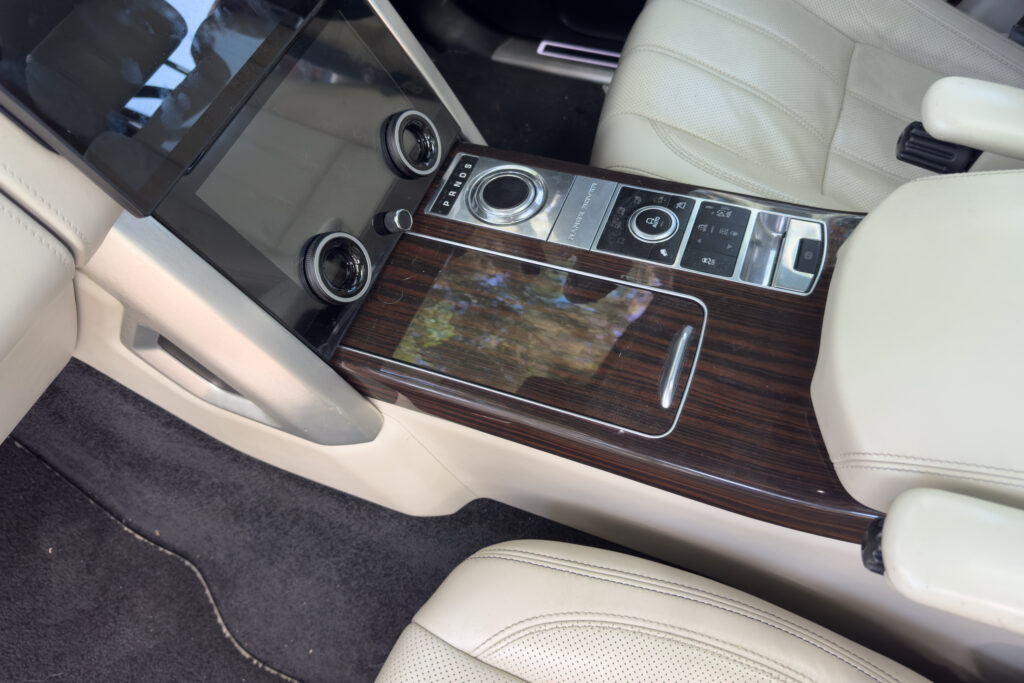
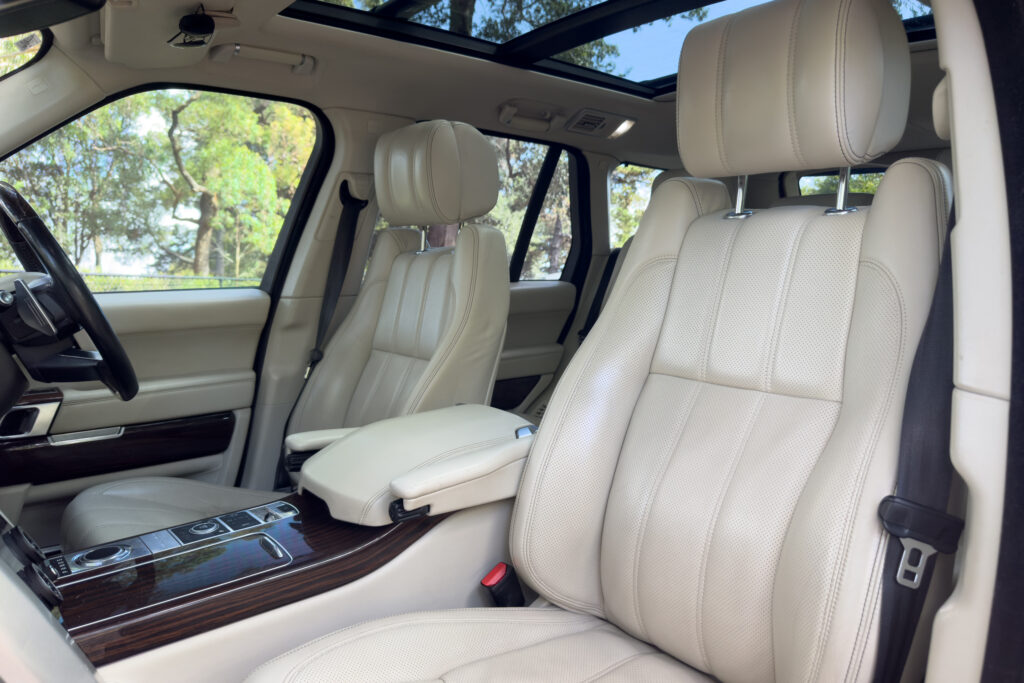
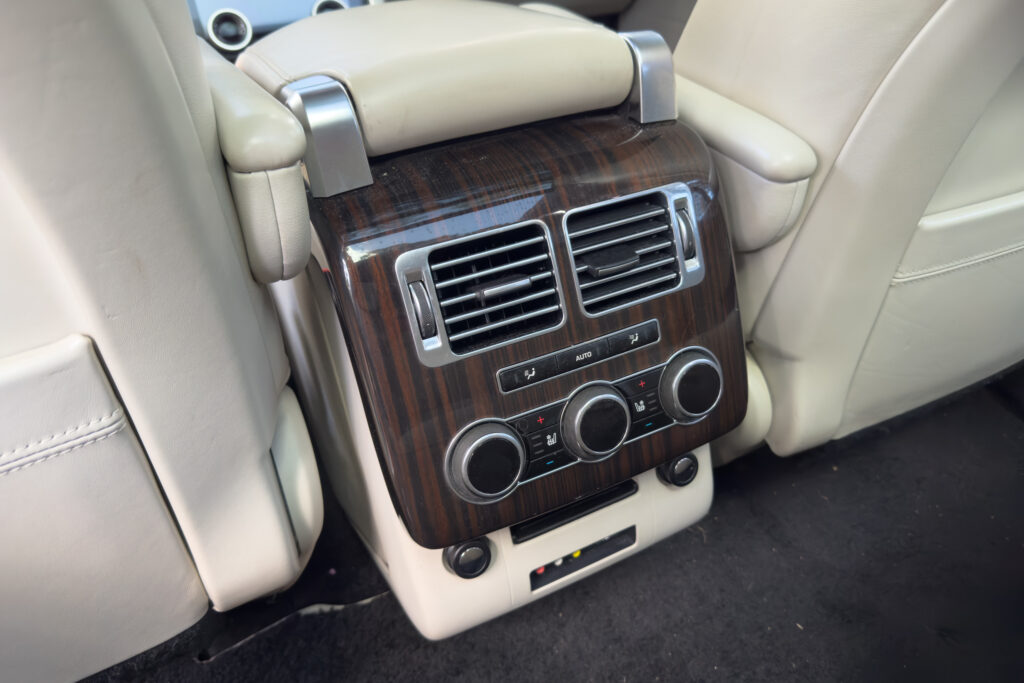

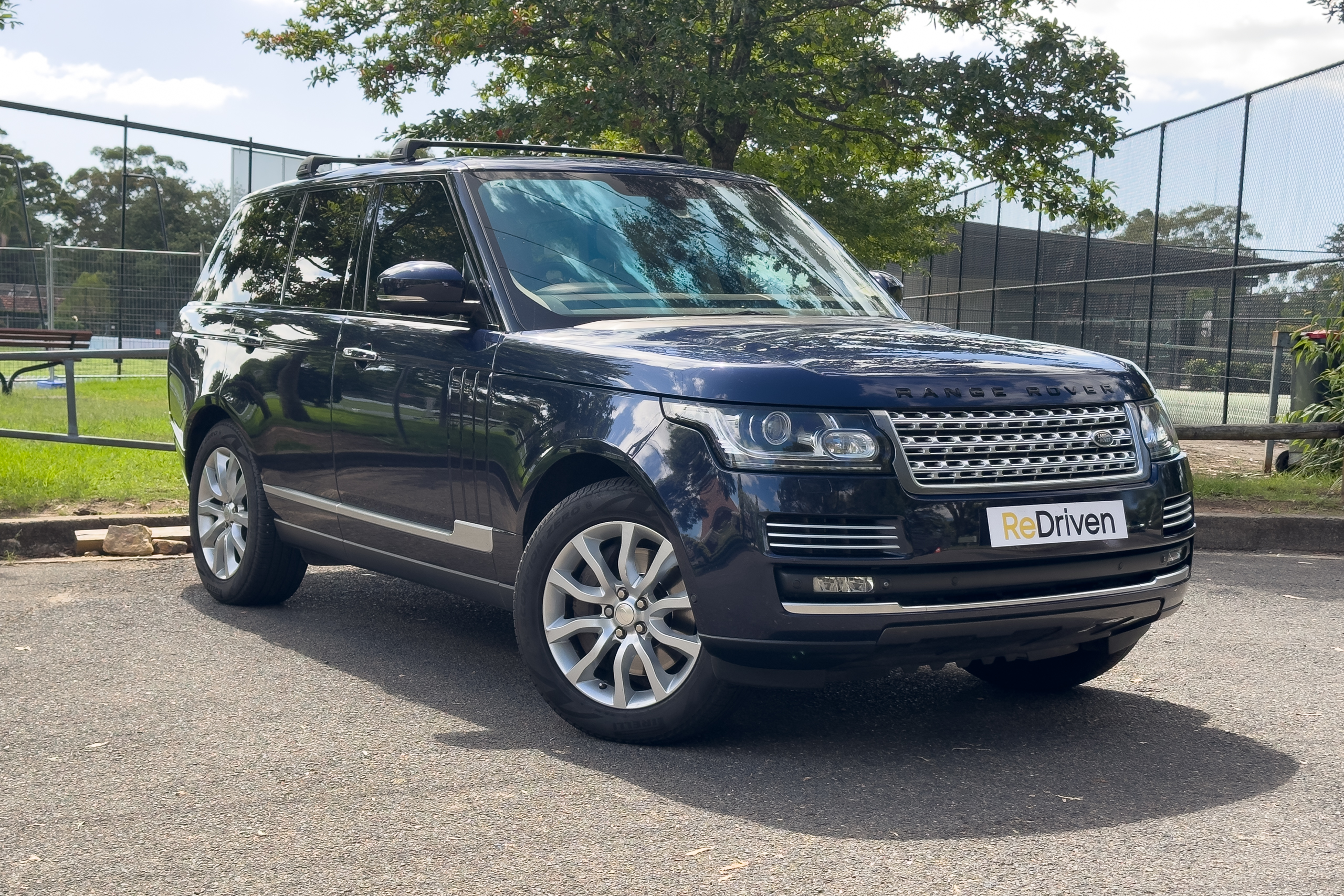
2014 Range Rover Autobiography L405

15 March 2024
Would We Buy It?

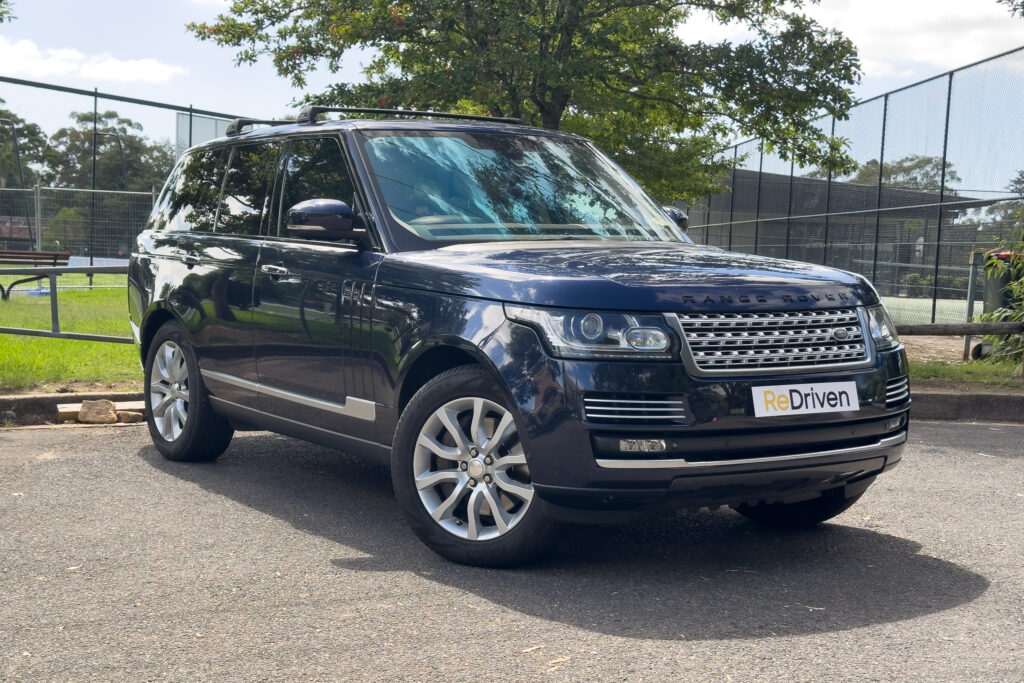
2014 Range Rover Autobiography L405

Used car review
15 March 2024
The Land Rover Range Rover L405, spanning from 2012 to 2022, can be categorised into several sub-generations:

Engine choices vary, with four petrol options and three diesel options available in Australia. Power outputs can differ even within the same engine type (details in the tech specs).
Prior to 2019, model names were determined by engine choices, such as SDV8 for Supercharged Diesel V8. However, in 2019, Land Rover changed naming conventions to reflect fuel type and power outputs (e.g., D350 for Diesel 350 hp).
The Range Rover L405 is acclaimed for its versatility, supported by Terrain Response 2 technology optimising wheel traction and braking for different surfaces.
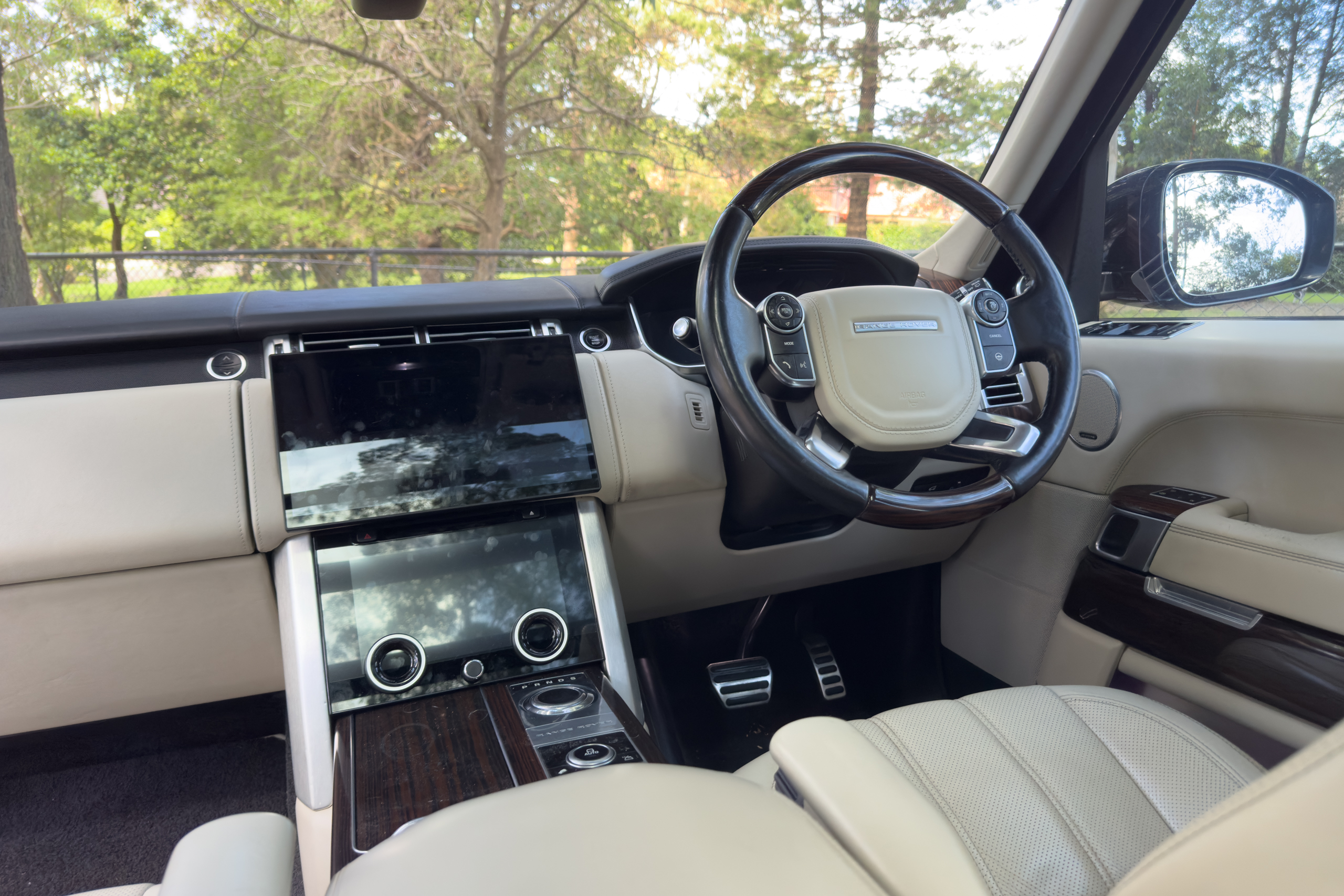
Trim specifications typically include three levels, with various special editions available. Features can vary annually, with a huge range of additional optional extras and feature packs offered.
Short and long wheelbase body styles are available, providing further customisation options.
Used prices vary significantly due to different configurations and options. However, Range Rovers are known for steep depreciation over a few years, coupled with high maintenance costs, making them financially impractical despite their driving excellence, not to mention a terrifying list of common faults.
Exterior Issues:
Wide range of reported malfunctions due to electrical issues.
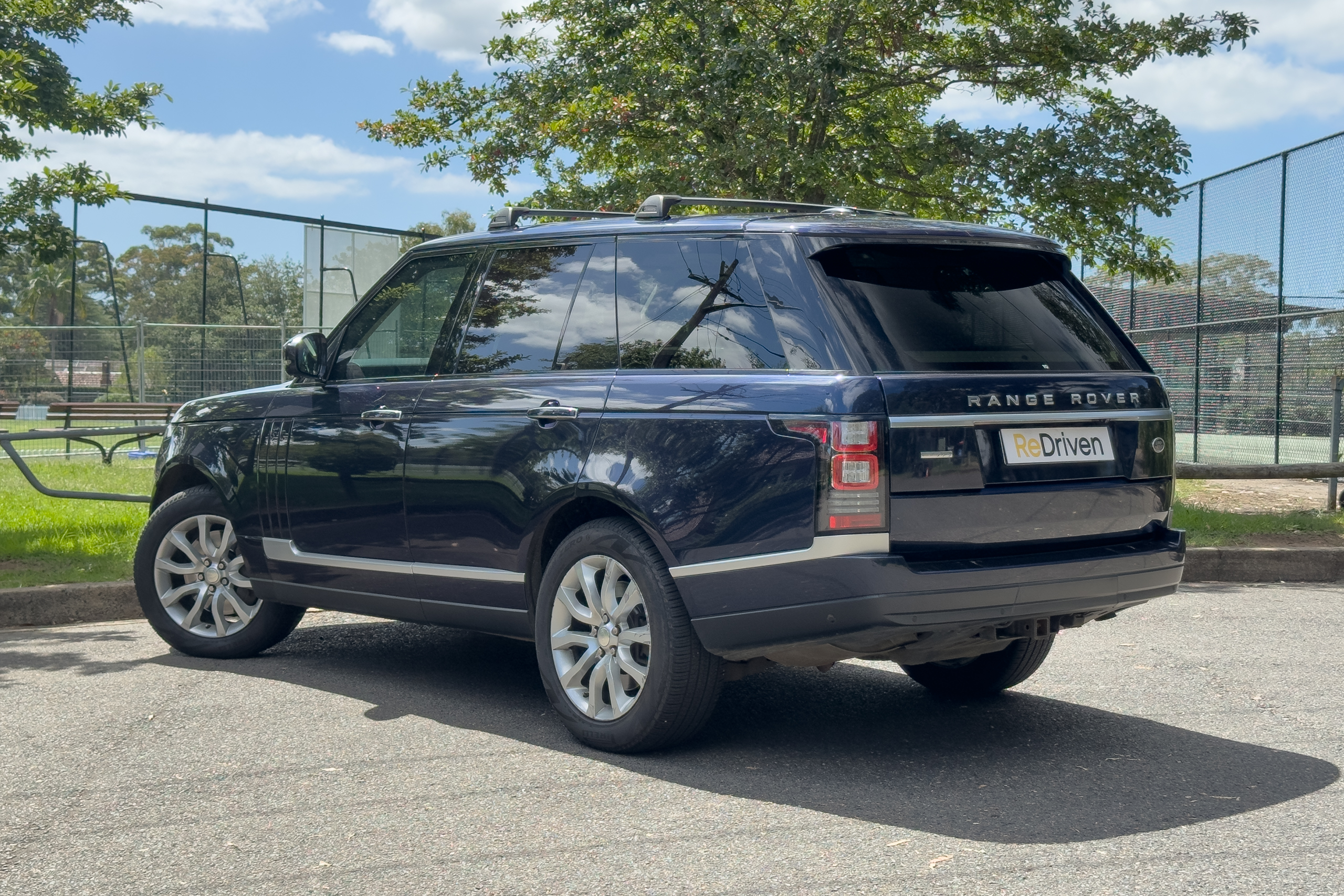
Common problem with tailgate alignment causing operational difficulties.
Door locking mechanisms may intermittently fail due to electrical faults.
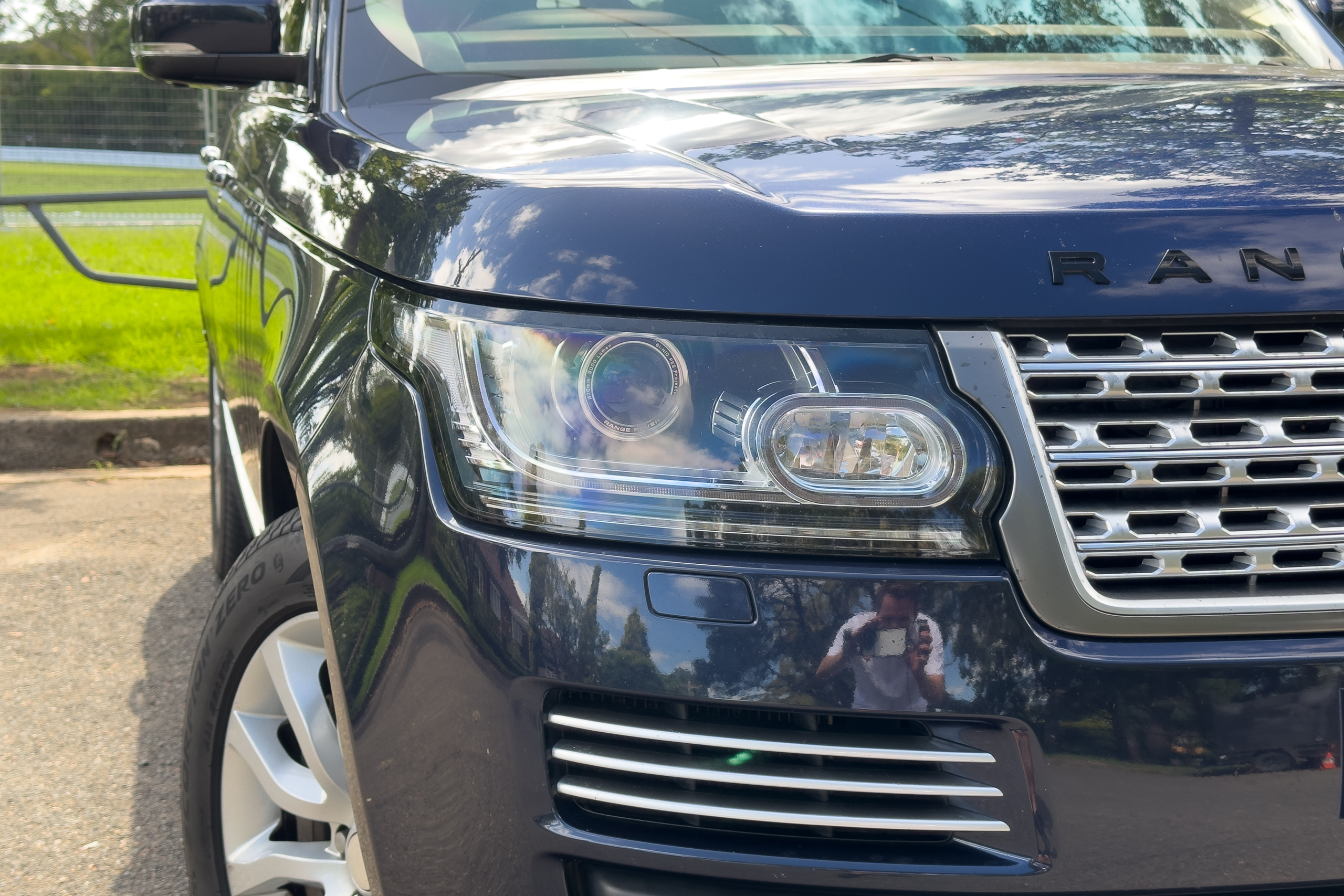
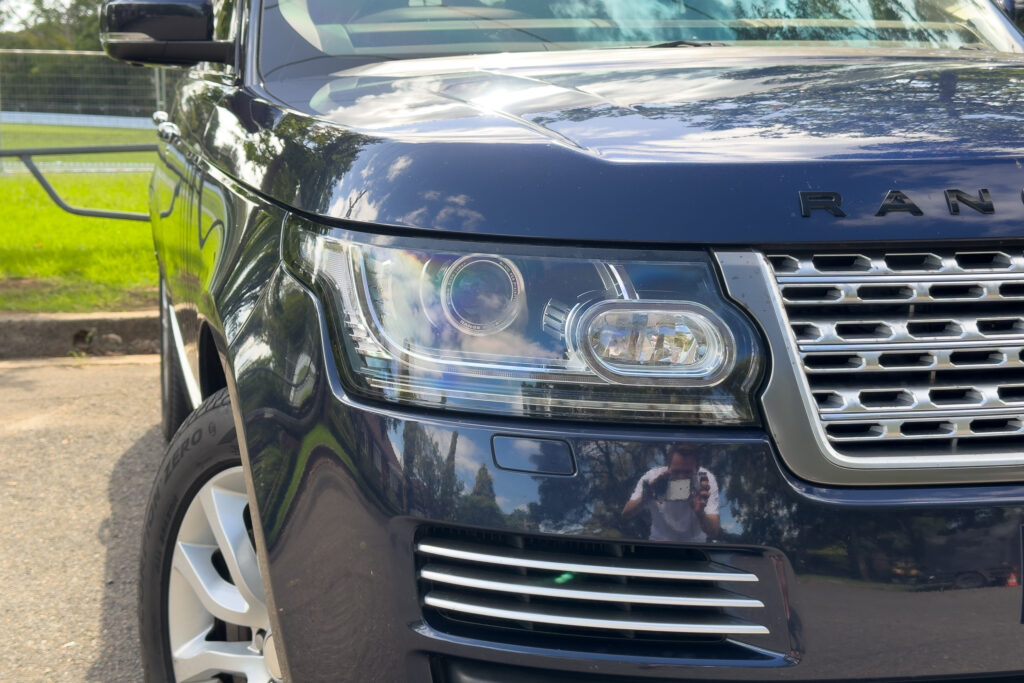
Lighting issues were reported sporadically.
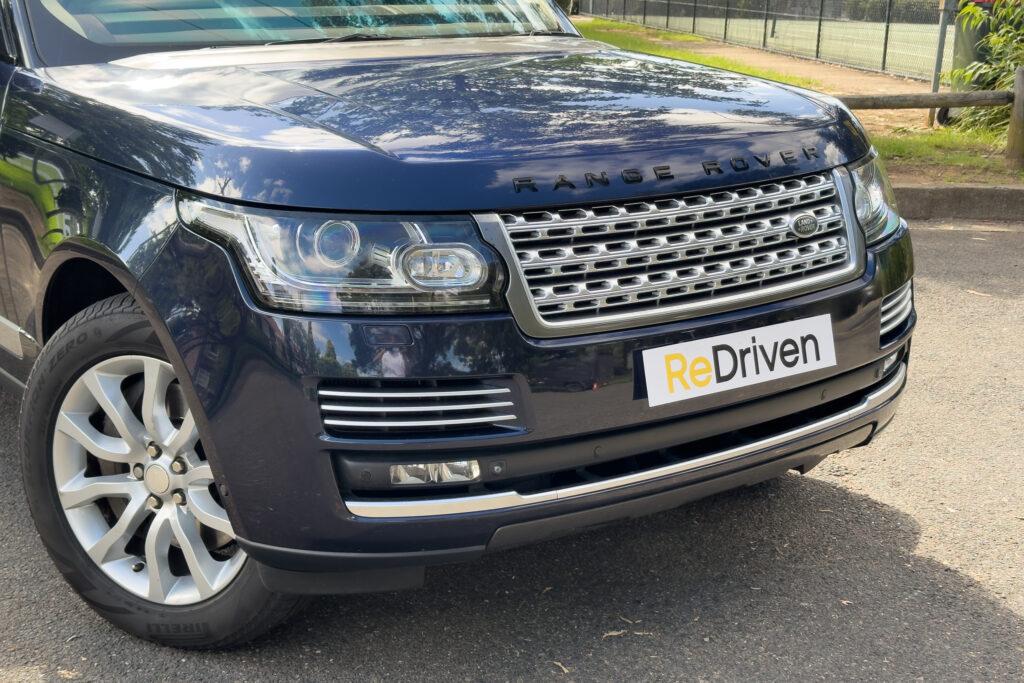
Reports of poor panel alignment, particularly noticeable on rear doors, tailgate, and bonnet.
Misaligned bonnets and faulty bonnet sensors can trigger fault codes, potentially immobilising the vehicle.
Sunroof issues range from malfunctioning operations to leaks, often impacting the vehicle’s electronics.
Regular cleaning of sunroof drains is recommended to prevent water damage.
Electrically deployable tow bars, power-operated retractable steps and really anything powered by electricity may fail to operate when needed.
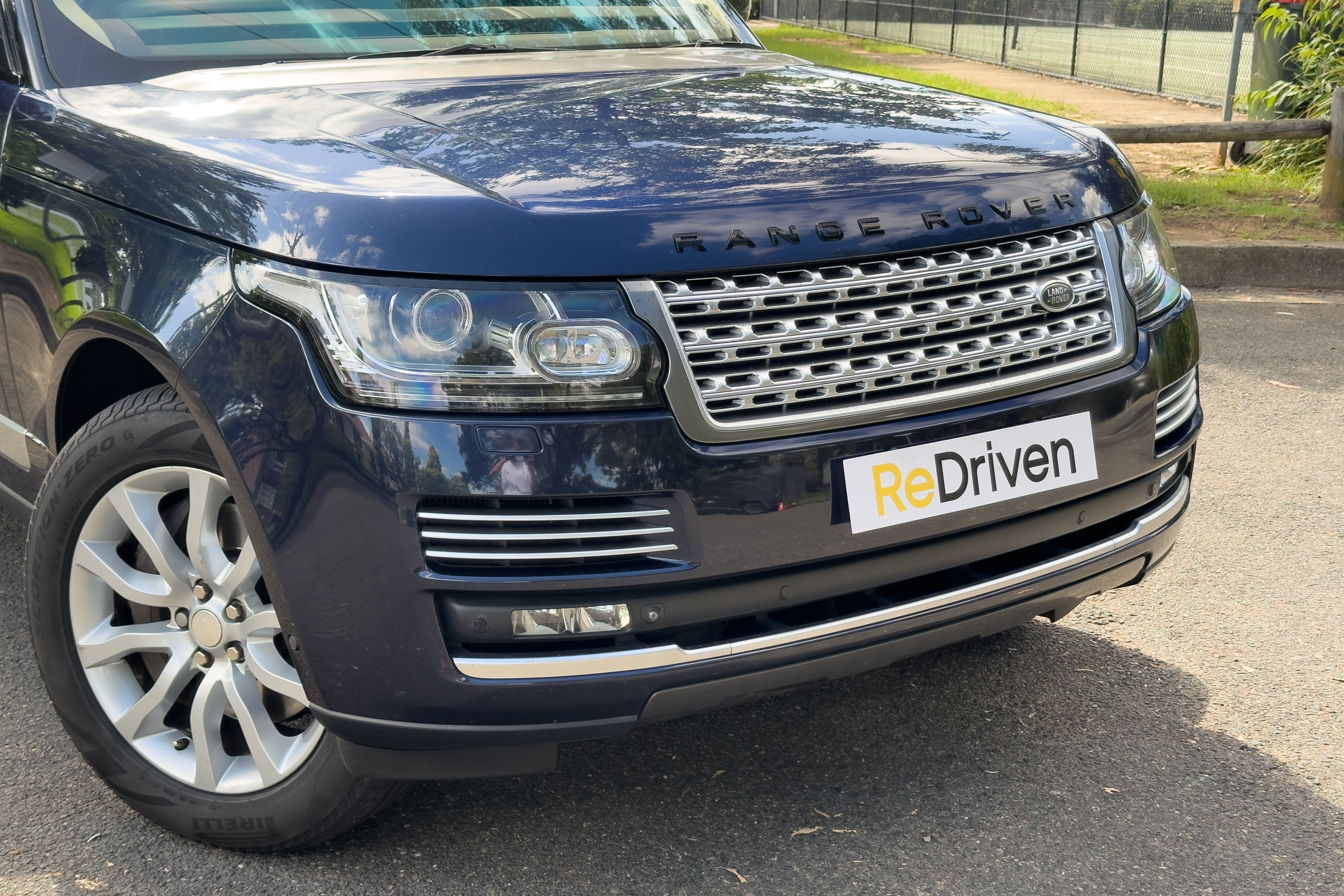
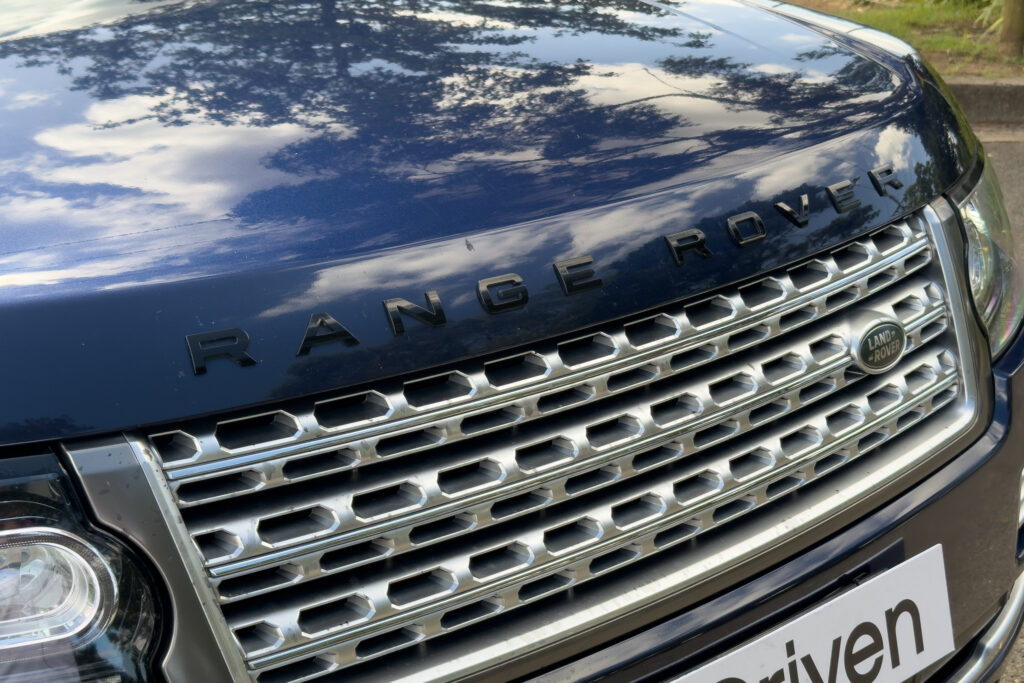
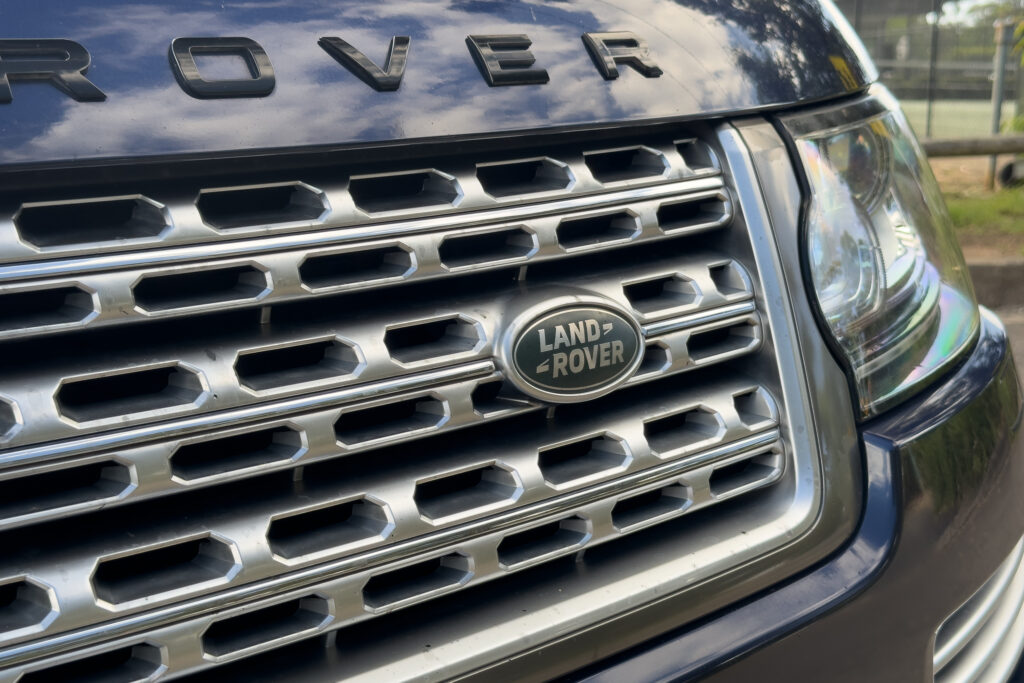
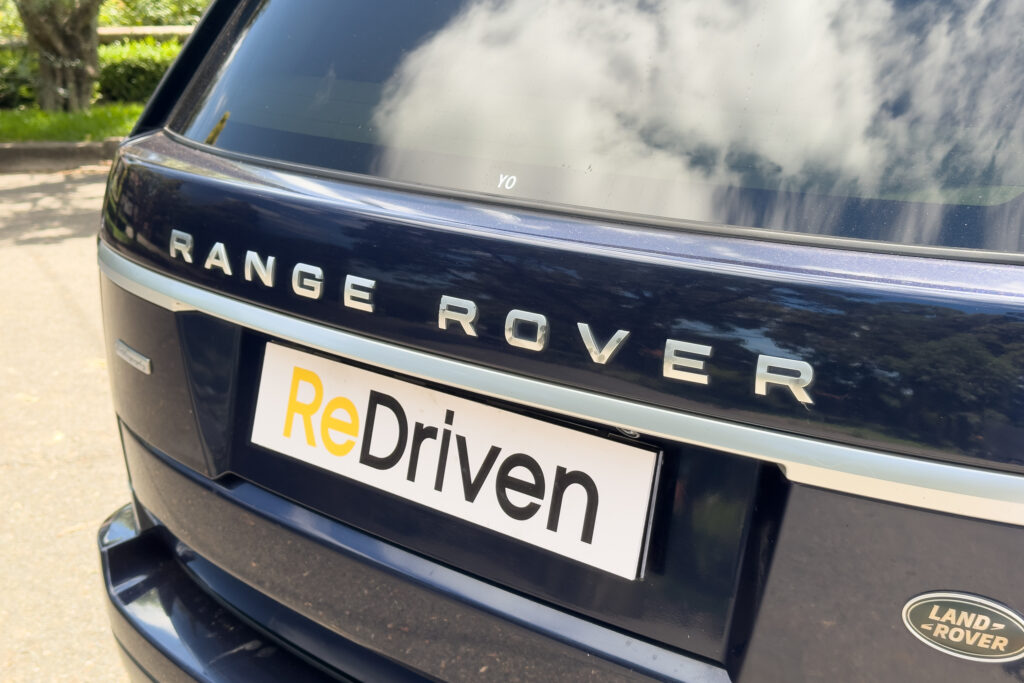
Corrosion is commonly observed on the “RANGE ROVER” bonnet and tailgate lettering.
Models from 2015 onwards are generally expected to have fewer issues, although newer examples may still face problems.
Interior:
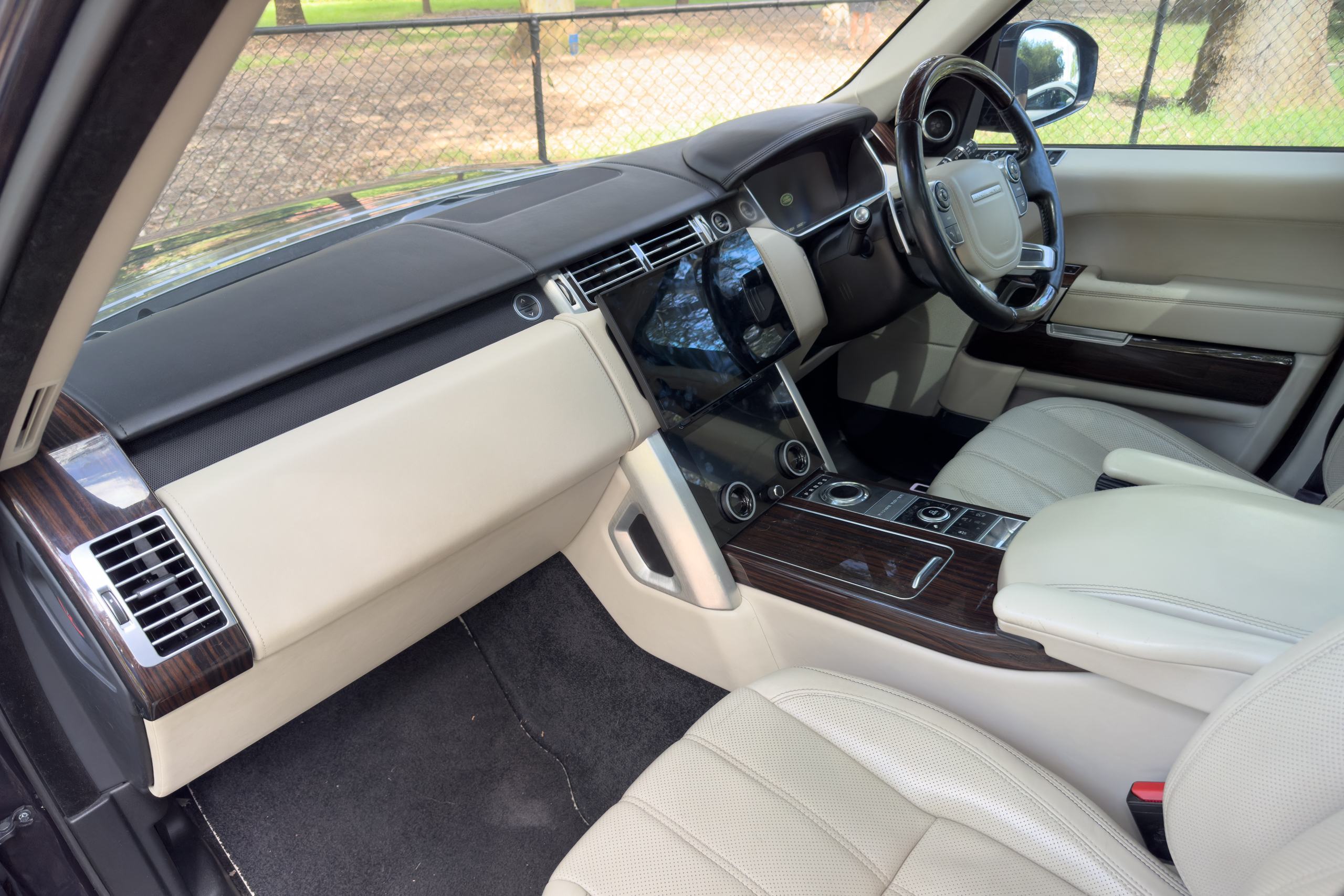
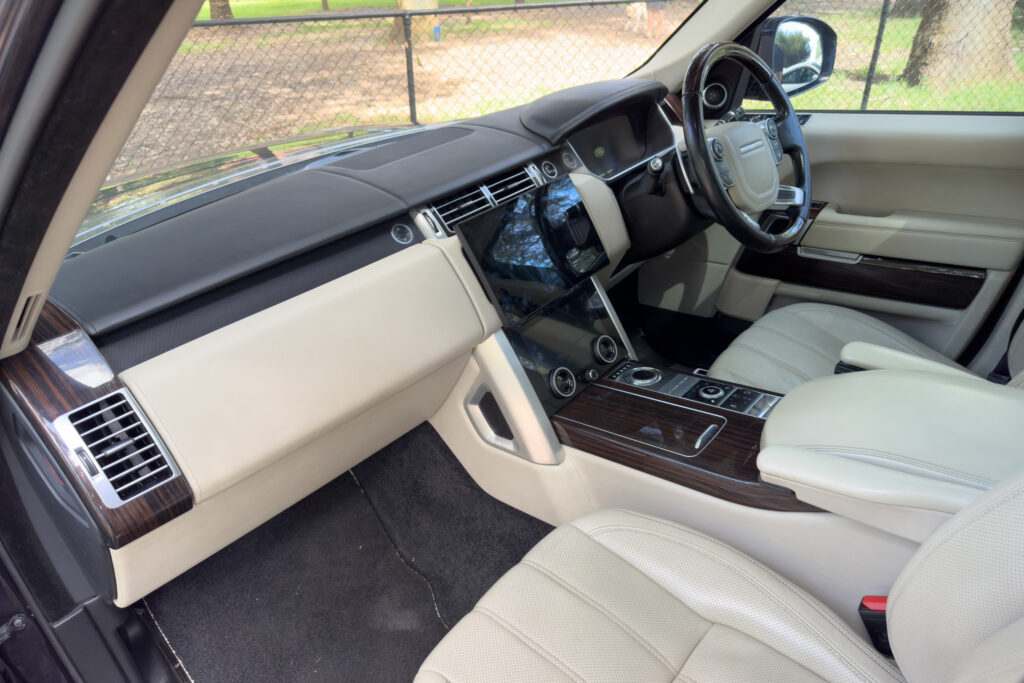
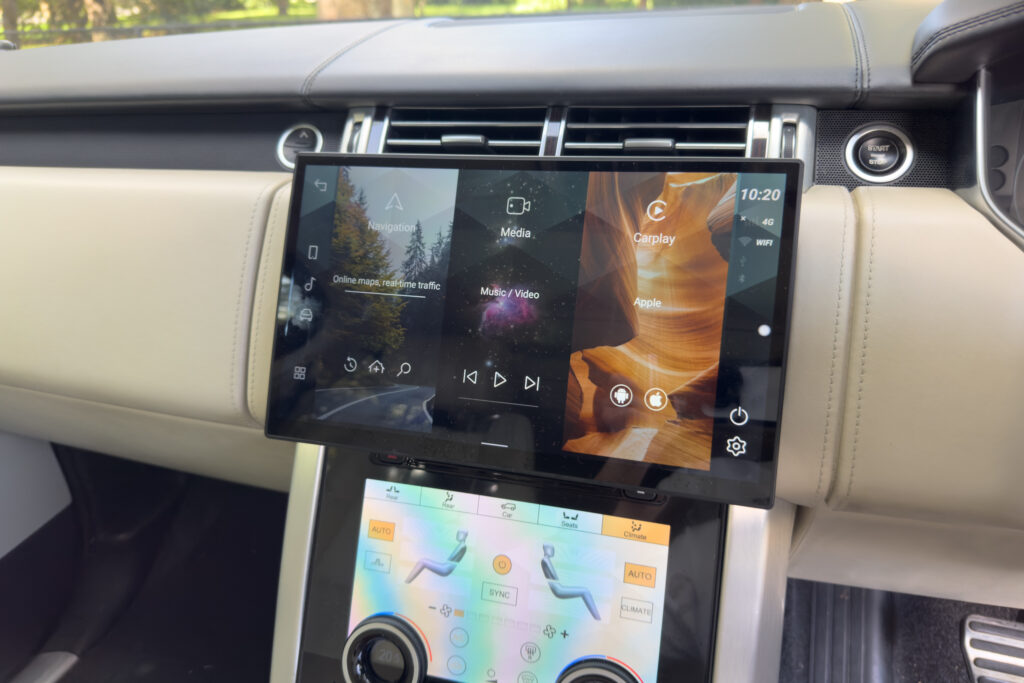
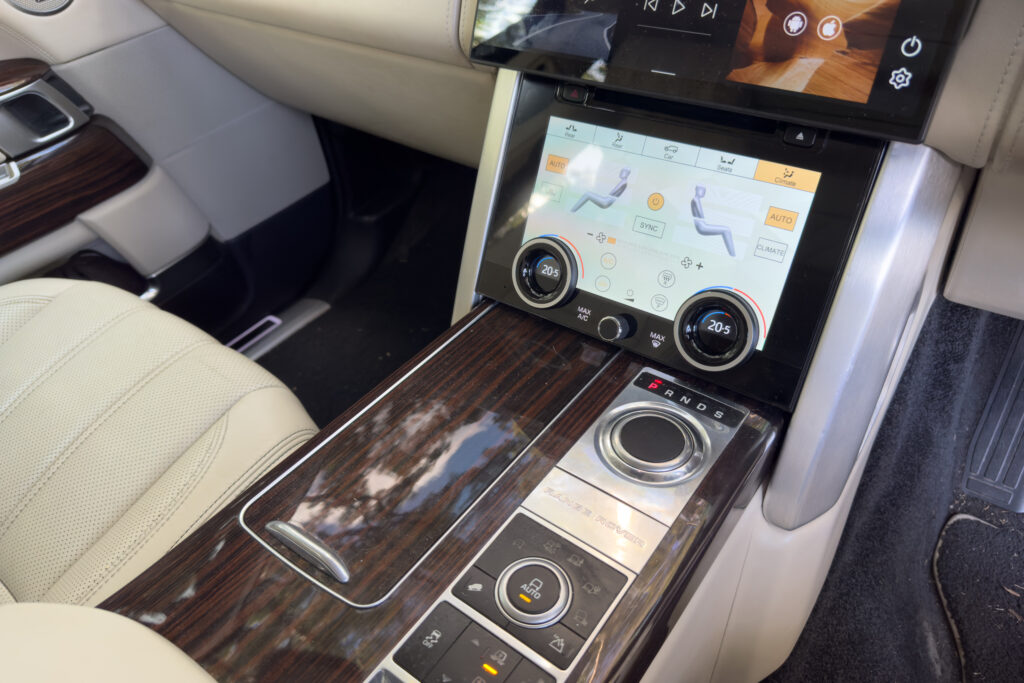
HVAC controls prone to button failures, affecting air flow and temperature regulation. Issues can result from blocked cabin filters (affordable and easy fix) however these problems may require complete dashboard removal for repair, resulting in high costs.
Infotainment screens, especially the main unit, may flicker due to master control unit failures.
Replacement costs for faulty components can be exorbitant.
Infotainment systems have reported to operate excessively slowly, even in newer models.
Early key fobs may wear prematurely, leading to operational issues.
Leather interiors may lose firmness over time, affecting appearance.
Interior door handle mechanisms may experience issues and are complex and often expensive to repair.
Relay attacks pose a risk, making theft relatively easy.
Keys should be stored securely to prevent unauthorised access.
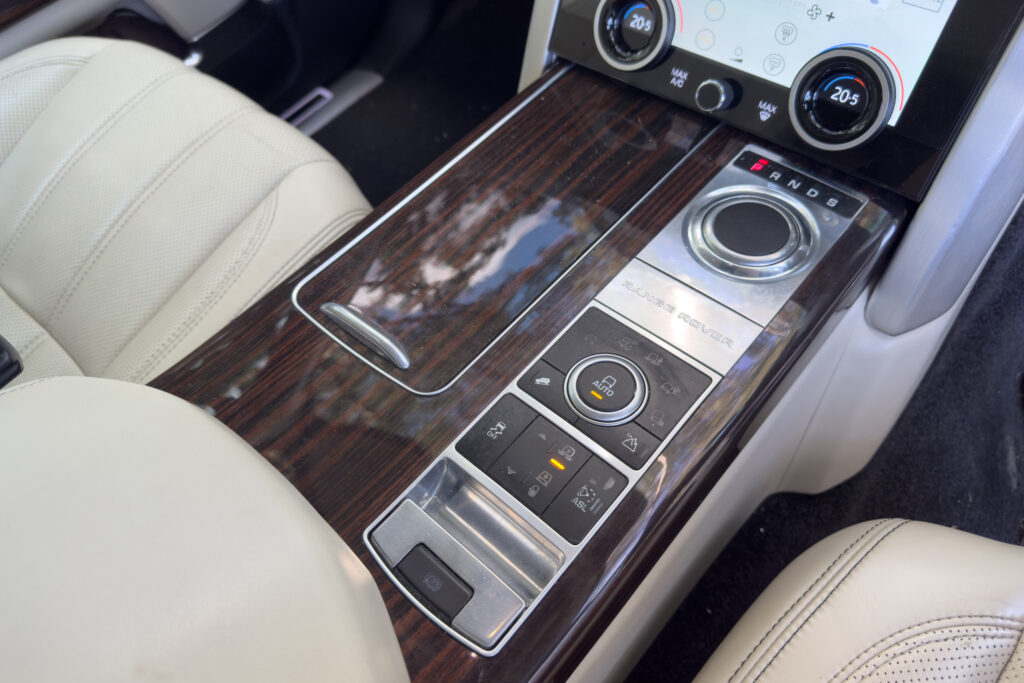
Everything from minor issues such as window switches and occasional buttons failing to operate, through to the rising gear selector failing to rise therefore, the vehicle cannot be driven, and many more issues are often reported.
Mechanically:
2.0L and 3.0L Petrol Ingenium Engines:
Timing chain and valve-train issues are common, leading to stretched chains and broken guides, this often results in catastrophic engine failure.
Repairs can be costly due to the location of the timing chain at the back of the engine.
Common issues include timing chain tensioner failures, oil pump problems, and cooling system fragility.
Sourced from Ford, this engine faces turbo failures, EGR valve complications, and bottom-end engine failures.
Timing belts and high-pressure fuel pump belt require regular replacement to prevent catastrophic engine failure.
Notorious for oil dilution and turbo failures, as well as timing chain issues.
Regular servicing is essential, although some owners fail to adhere to proper maintenance schedules.
Hybrid models are considered the least popular and most complicated, exacerbating the vehicle’s overall unreliability.
ZF 8HP transmissions should be serviced every 40,000 kilometres for optimal performance and reliability.
Air suspension is prone to leaks, sensor failures, and compressor issues, necessitating expensive repairs and maintenance.
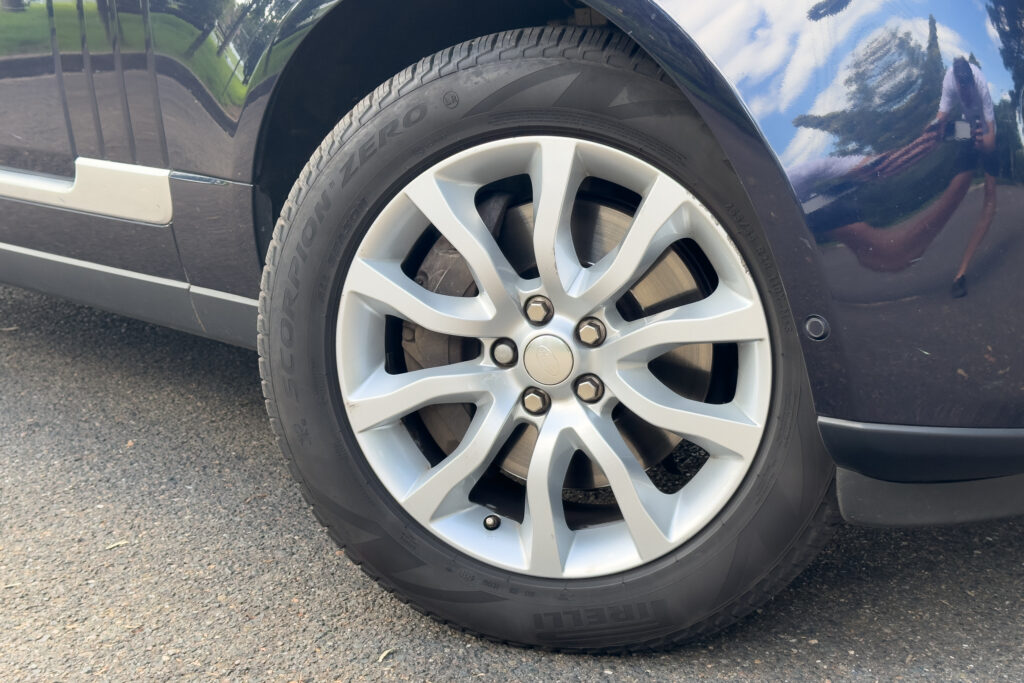
Bushes wear out over time, further contributing to suspension problems.
Note: While not all Range Rovers encounter all these issues, the brand’s consistently low dependability rankings in mainstream reports from 2015 to 2021 underscore the prevalence of these problems within the Range Rover lineup.
Before delving into whether you should consider purchasing an L405 Range Rover, it’s crucial to acknowledge that this vehicle occupies the most polarised ends of the used car spectrum.
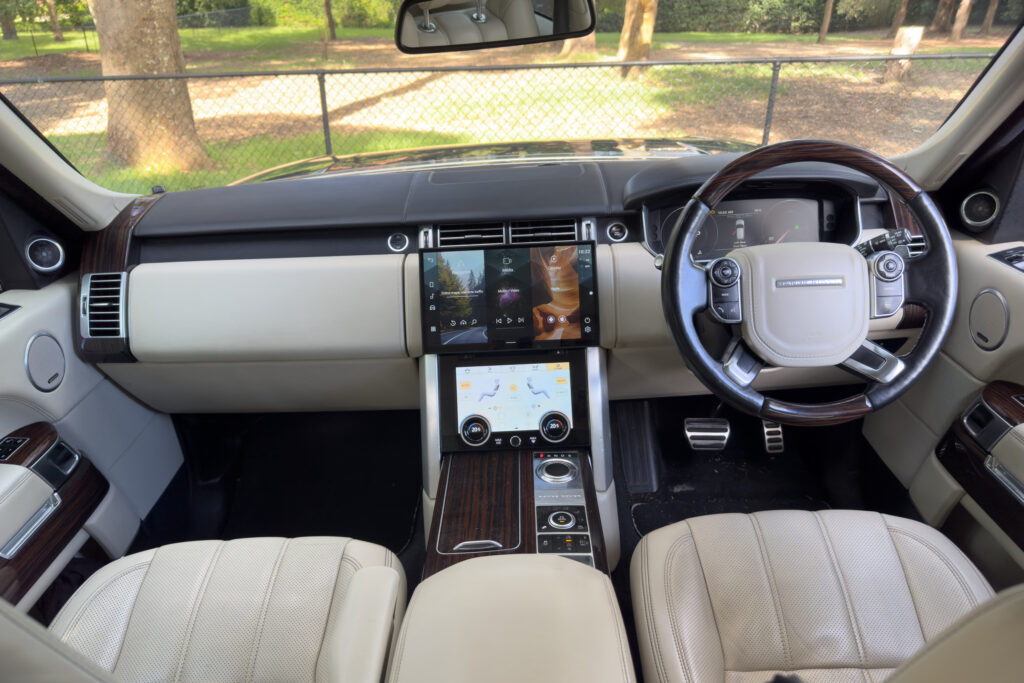
On one hand, the L405 Range Rover stands out as an exceptional vehicle in numerous subjective aspects. Its design, interior, and driving experience combine to create an unmatched driving sensation, offering unparalleled brilliance in various scenarios. It exudes excellence and sophistication.
However, many examples suffer from subpar build quality, potential reliability issues, and exorbitant repair costs. The substantial depreciation, which shows no signs of abating, coupled with ongoing maintenance expenses, renders the vehicle financially impractical for most individuals.
If you possess significant wealth and an unwavering dedication to the Range Rover brand, and if you stumble upon an example that has been meticulously cared for, akin to how you would treat it, then by all means, proceed with the purchase. After all, it’s just money, right?
However, if you do not meet these specific criteria, it’s strongly advised against purchasing one. Despite its brilliance, the Range Rover’s drawbacks are too significant to justify the risk for the average consumer.


Co-creator, presenter & writer, ReDriven


 4 days ago
 1 month ago
 2 months ago