Likes

  • R models offer an incredible driving experience
  • Loaded with more tech than you will ever need
  • Offer plenty of brand appeal

Dislikes

  • Long list of potential issues
  • Base Tiguans are just not special enough to recommend
  • Diesel engines can be problematic
  • Publish: December 8, 2025

Stuff you should know

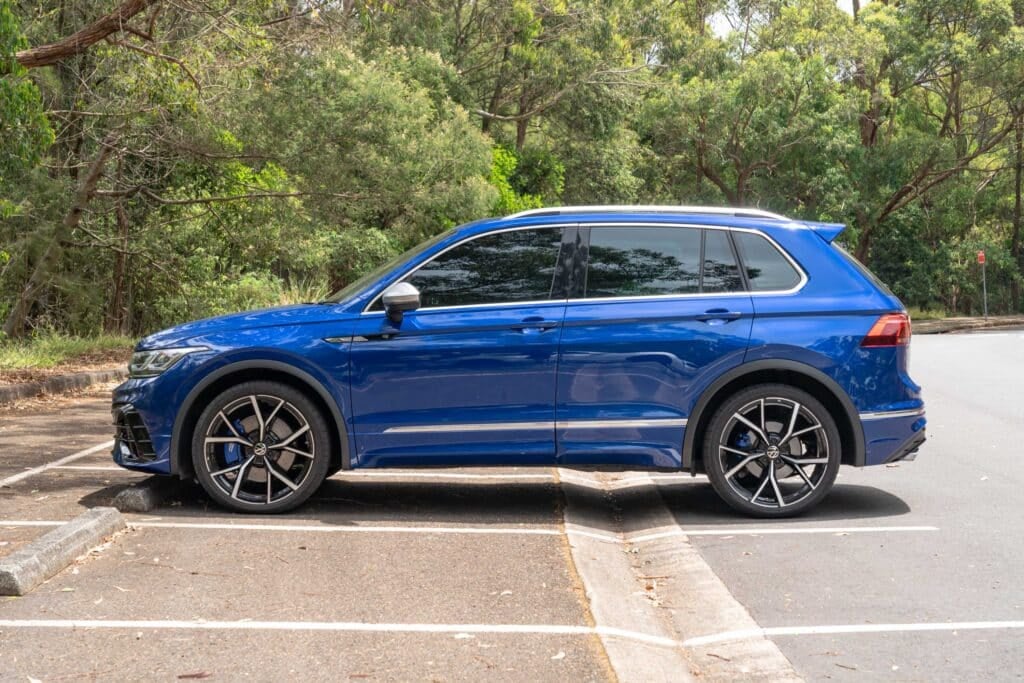
For the Australian market, the second-gen Tiguan debuted for the 2016 model year. This iteration of the Tiguan was also available for the first time with third-row seating, with the addition of a ‘Long Wheelbase’ variant known as the Tiguan Allspace, sold alongside the standard wheelbase models.

Engine choices included two turbocharged petrol engines (1.4L and 2.0L four-cylinders), as well as a 2.0L four-cylinder turbodiesel. A six-speed manual was standard on the entry-level model, but the majority sent power through VW’s dual-clutch automatic transmission, known as the ‘Direct Shift Gearbox’, to either the front or all four wheels (through VW’s 4MOTION system).

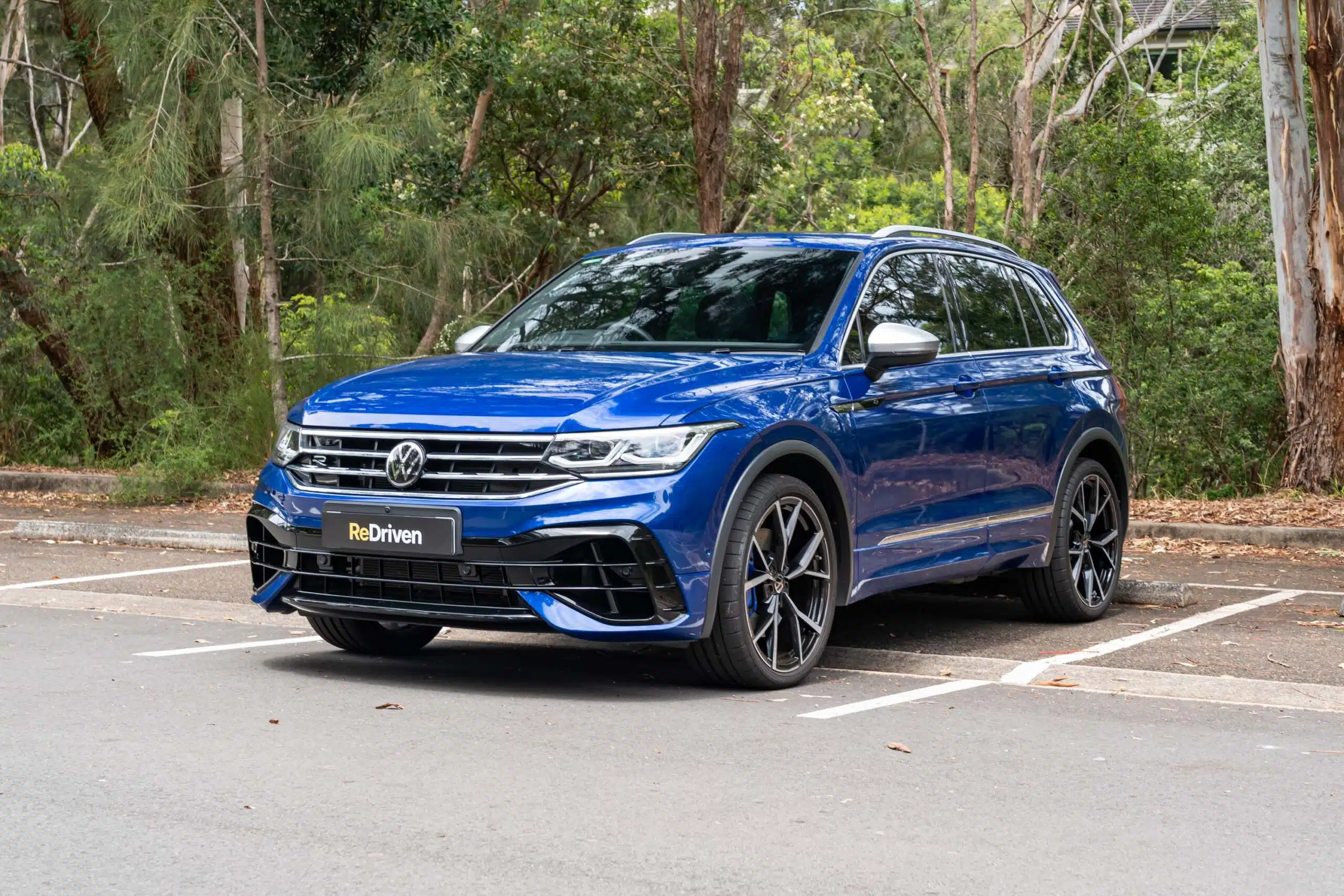
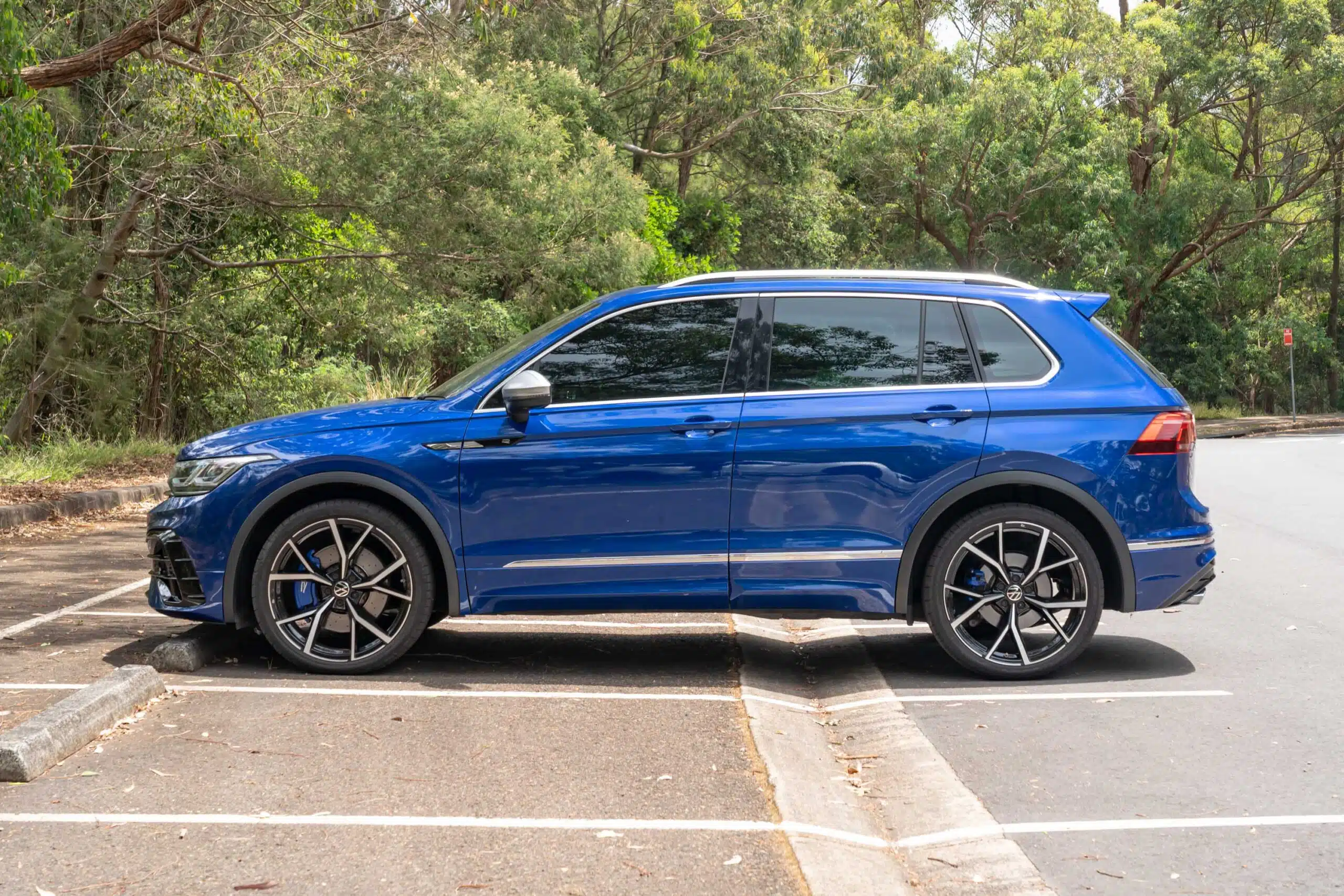
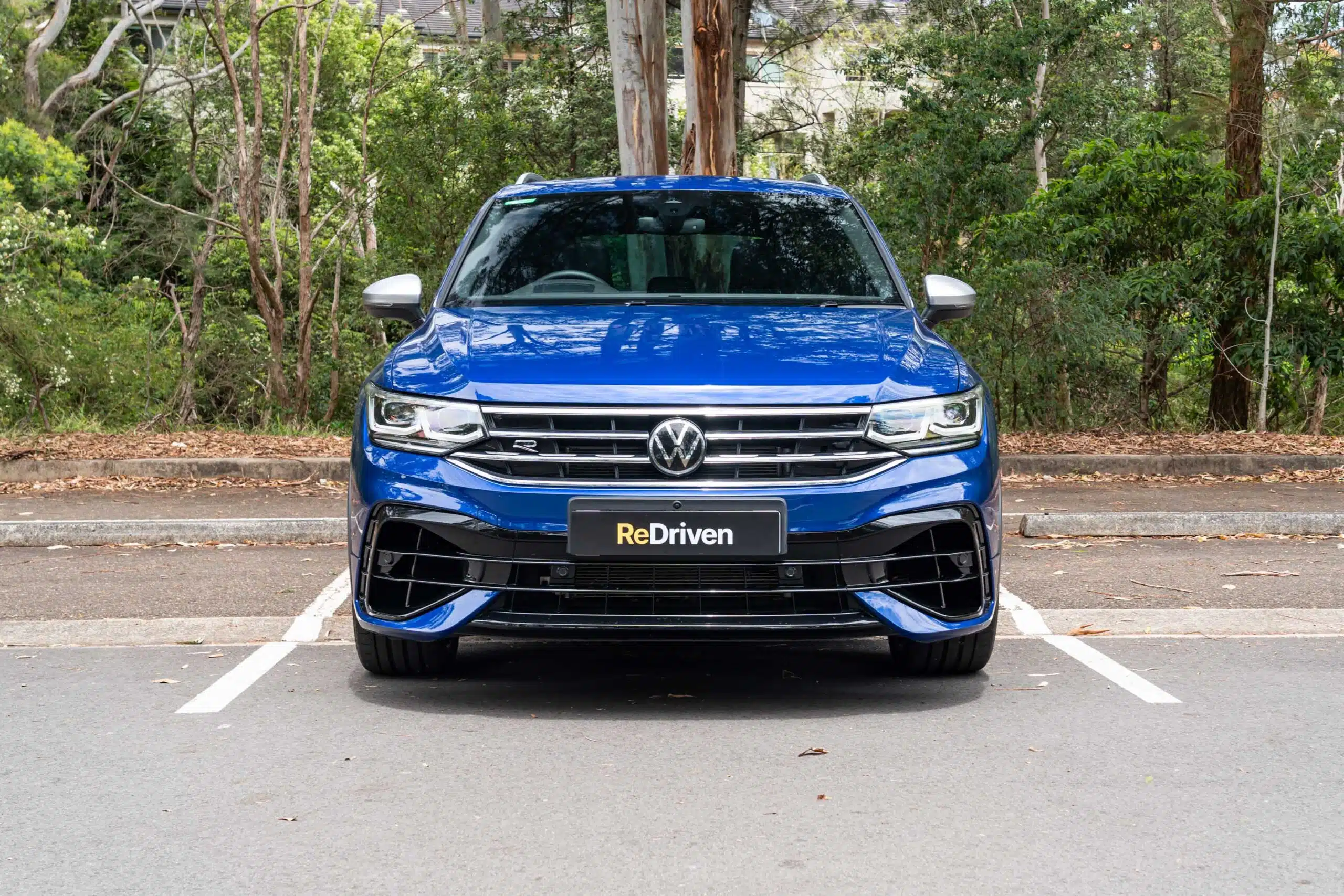
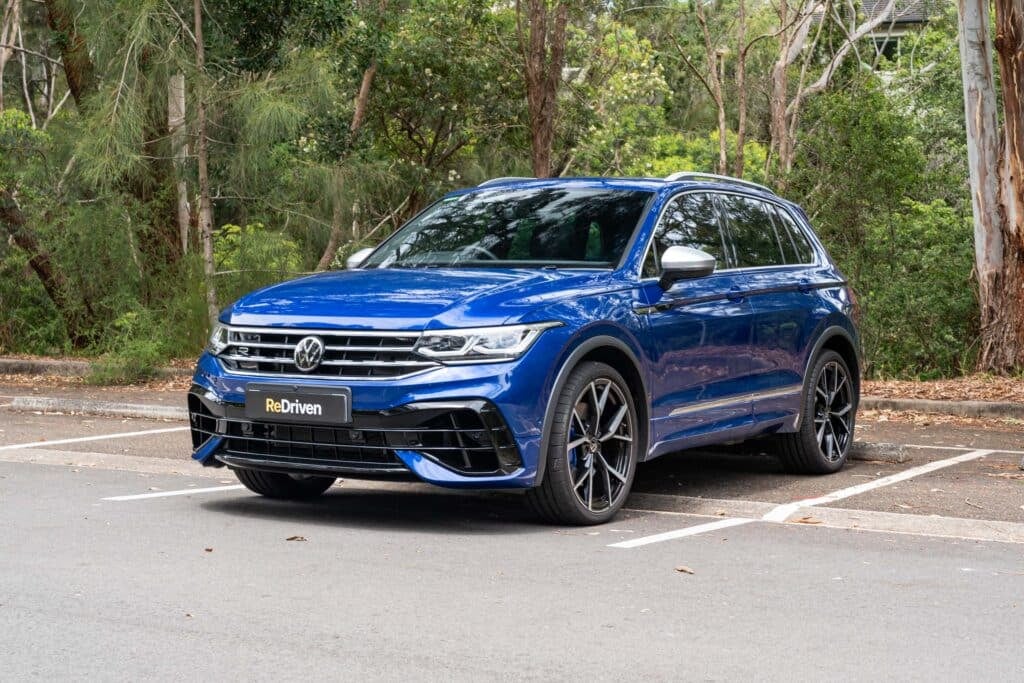
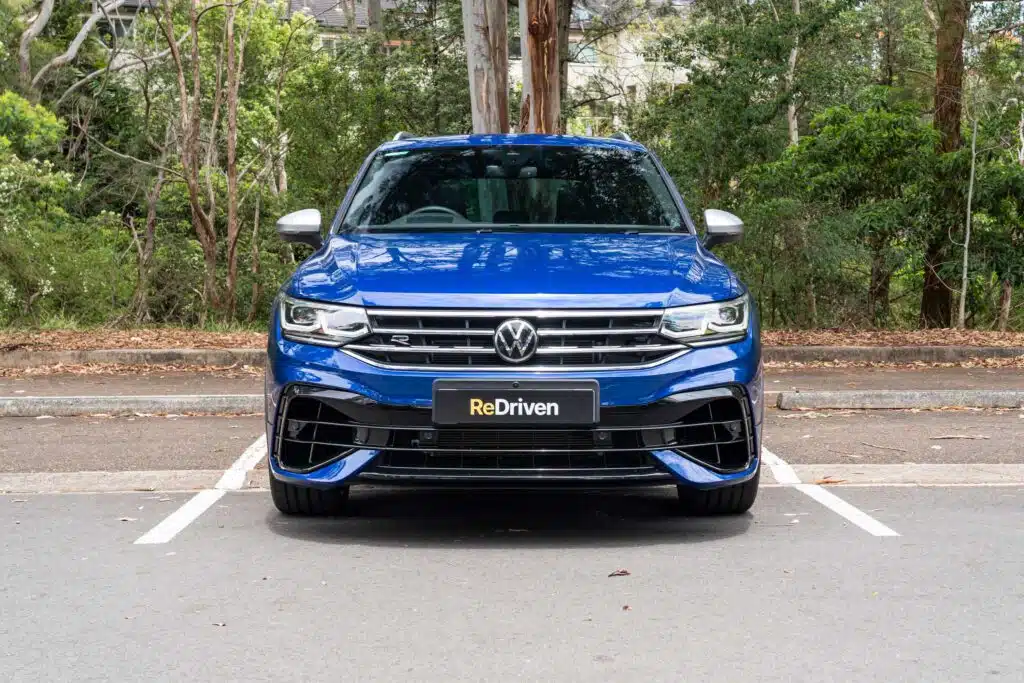
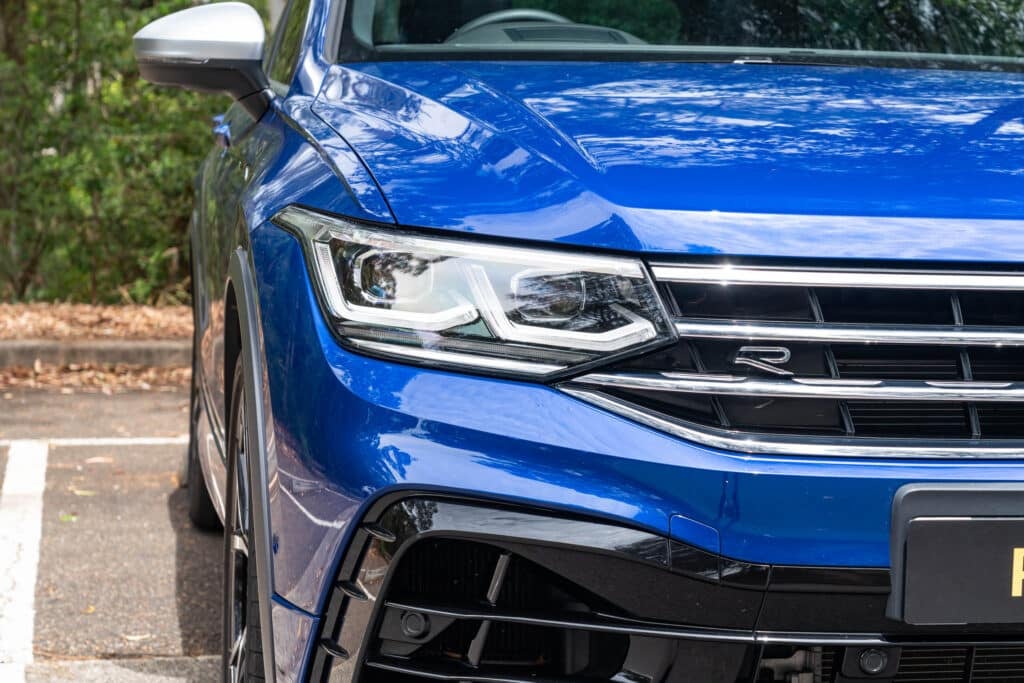
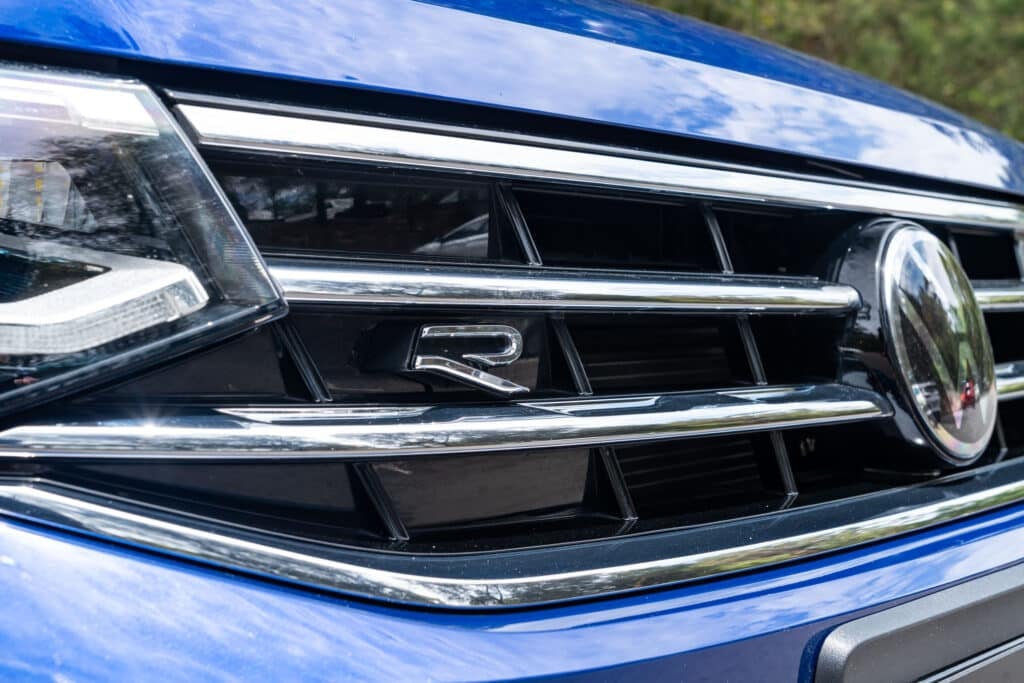
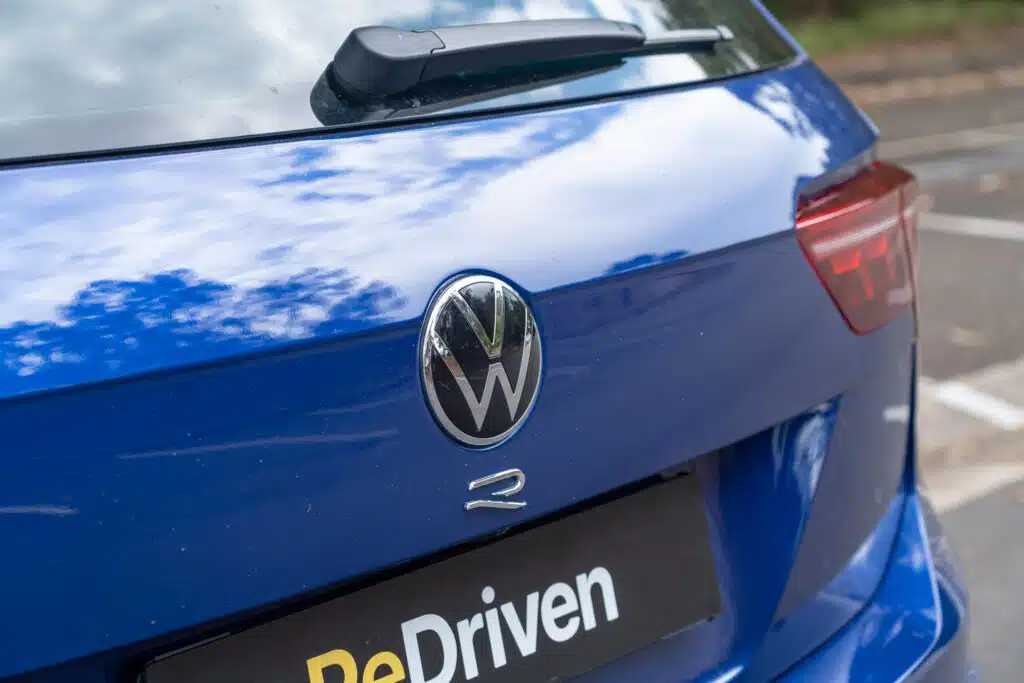
The second-gen Tiguan experienced two iterations. Early, pre-facelift models ran from 2016 to 2020. The facelift, applied for models sold from 2020 to 2024, also saw the introduction of a Volkswagen Tiguan R model for the first time in the nameplate’s history, serving as the top-line, high-performance model to rival other performance-tuned SUVs like the BMW X3 M.

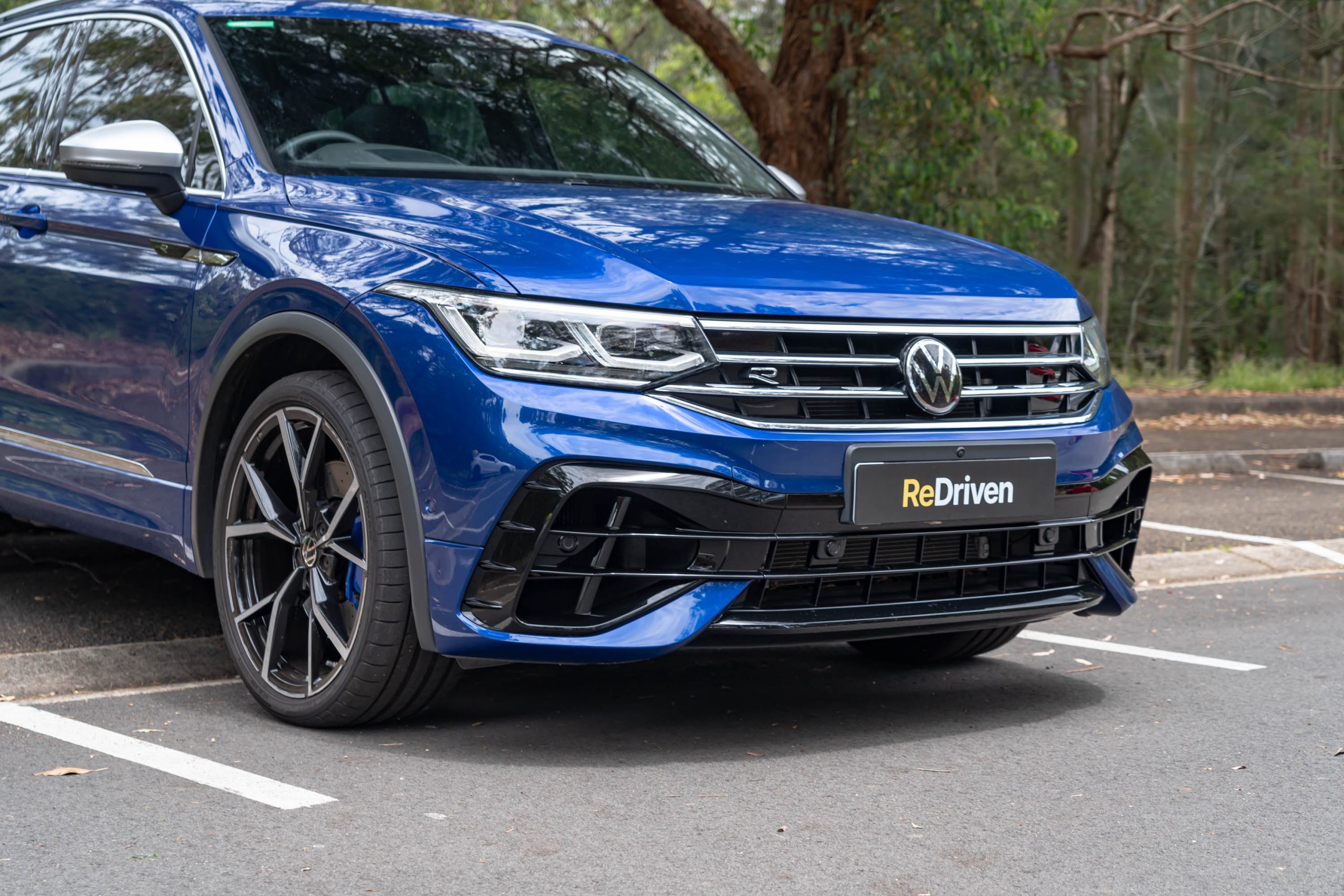
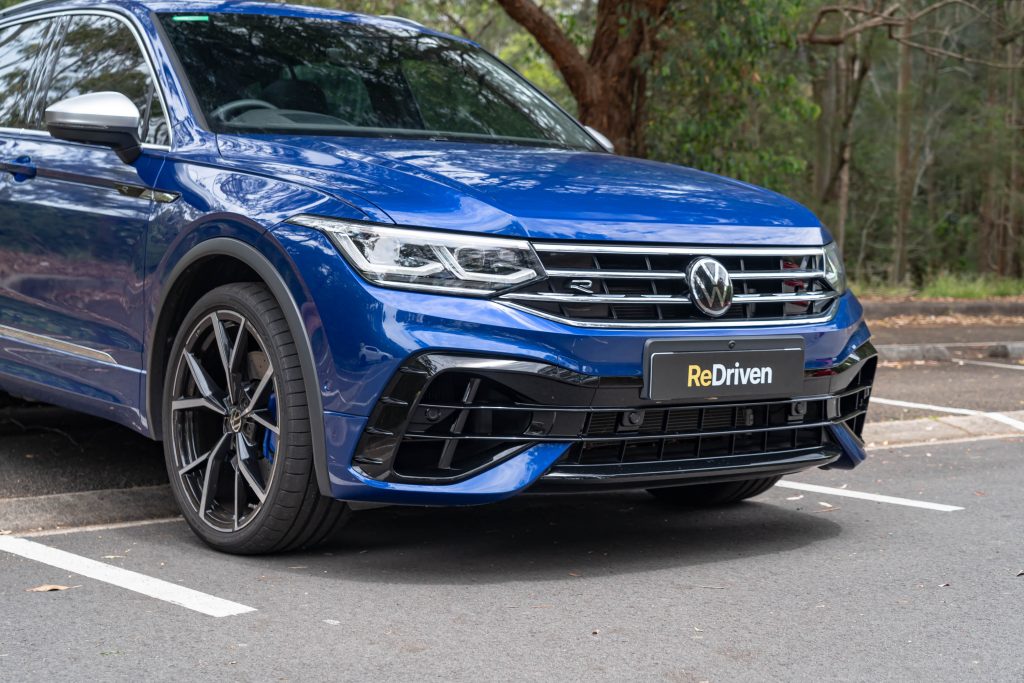
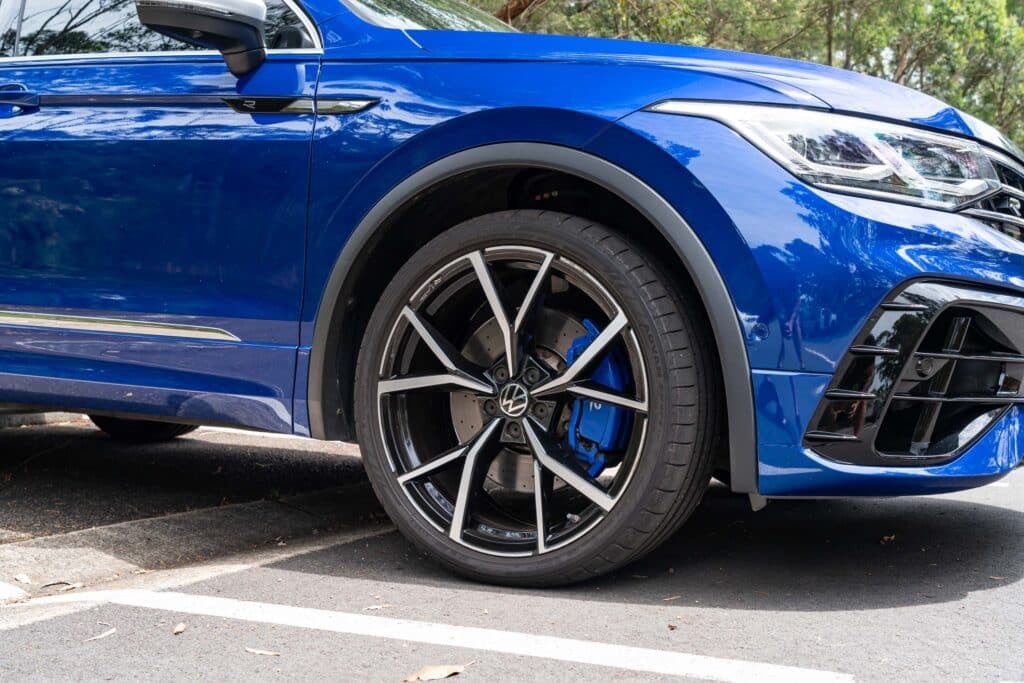
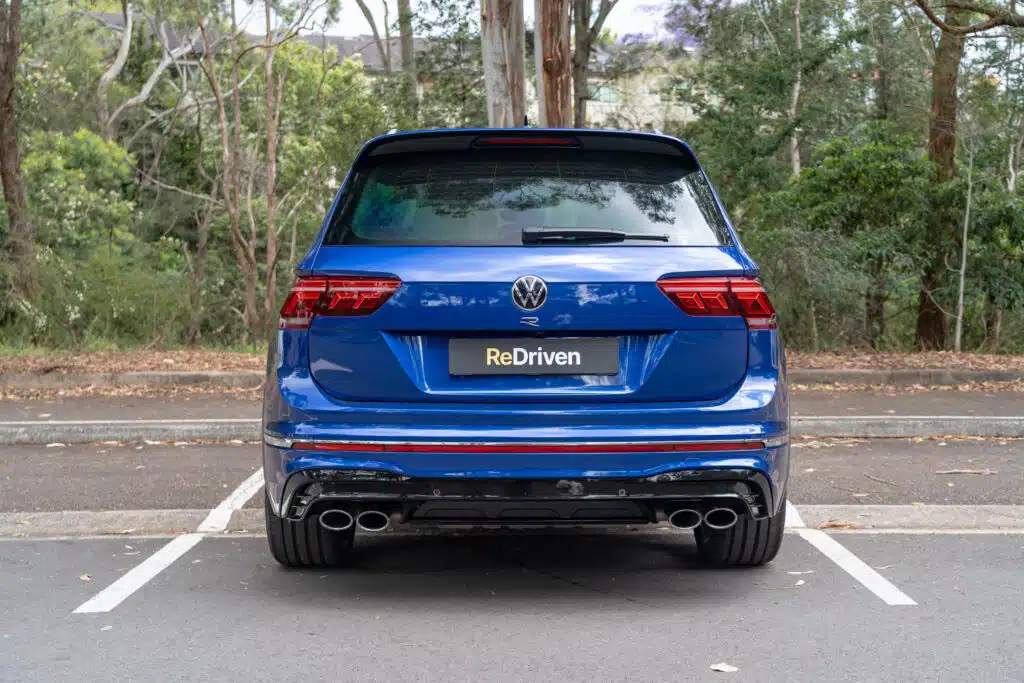
On top of this, the Tiguan R brings slightly elevated performance – including the same 2.0L turbocharged four-cylinder utilised by the MK8-generation Golf R, split-variable all-wheel drive system, upgraded brakes, and was also available with an Akrapovič exhaust system.

This iteration of the Tiguan received many awards and praise from the automotive media when it first debuted, but as a secondhand purchase, is it still worthy of that prestige and glamour?

What goes wrong?

Exterior issues:

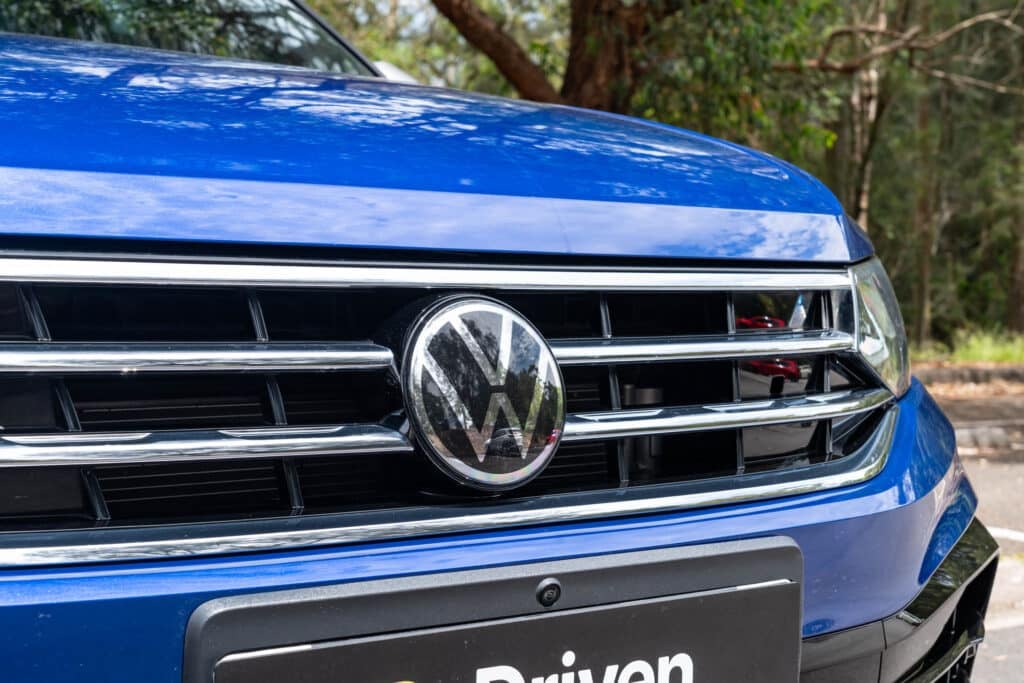
The bodywork can be susceptible to occasional build quality issues – it’s worth checking that areas such as certain plastic areas or chrome/metal trim aren’t hanging loose or show signs of discolouration or fading in general.

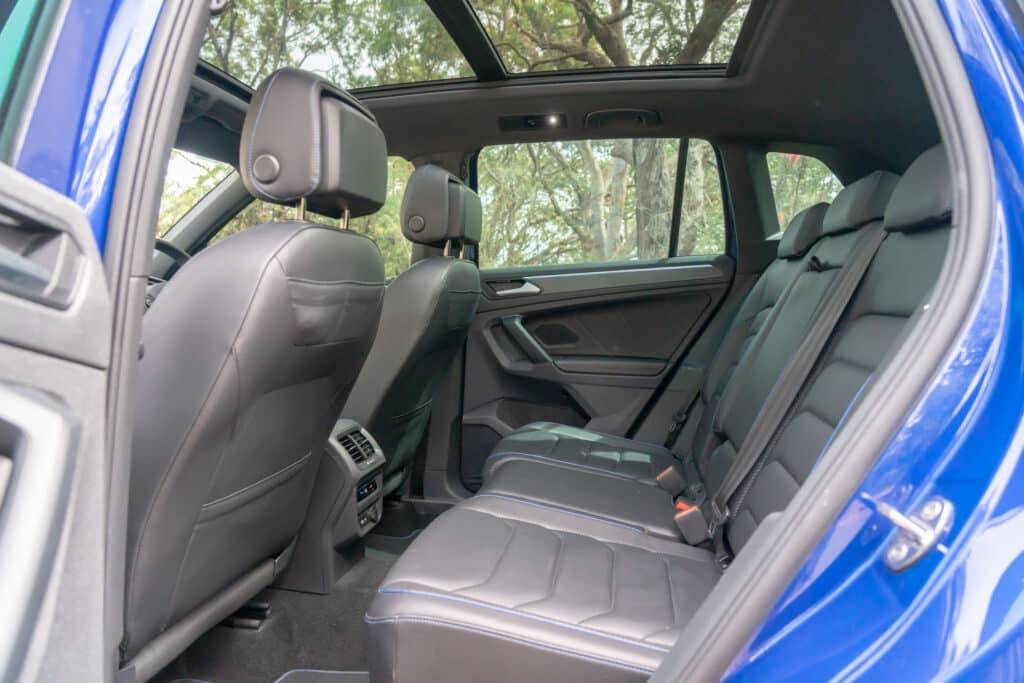
The panoramic sunroof can be a source of many issues, as with other Volkswagen products of this era. Ensure it operates normally and, at best, has been maintained properly. Any neglect can present issues with the roof’s mechanism, along with rattling noises.

Also, if the roof’s drainage channels aren’t cleaned regularly, debris can build up and cause water to leak into the cabin. It can also lead to the internal rubber and plastic tubing wearing out, leading them to become brittle and wear out easily. Early models are also prone to having drainage tubes pinch shut – all of which can lead to water ingress issues into the interior.

This generation of Tiguan features multiple sensors around the body that allow the advanced safety tech to work. However, as with other modern-era cars, owners report that these systems can be a tad oversensitive or bombard the driver with various warning chimes, messages, and lights.

If you experience any problem with sensor-driven aids like the parking sensors, adaptive cruise control, or emergency braking, it could be something as simple as dirt/grime collecting on the sensors or resetting a module. But worst case, this could be an issue with the wiring loom or a larger problem with the internal electronics, which could be expensive to fix if its out of warranty.

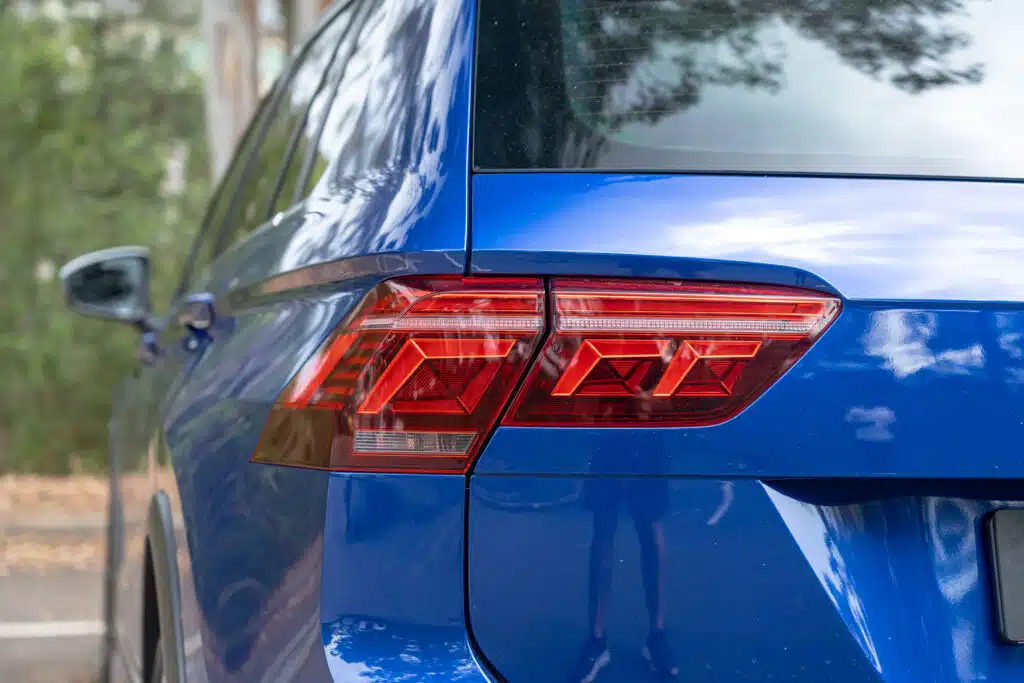
In addition, check that all of the electrical accessories throughout the exterior function normally: items such as the power folding side door mirrors, exterior lights/LEDs, central locking, and power side windows.

Thankfully, if any issues do arise, a software update should resolve any electronic gremlins, but technicians we spoke to report doing multiple software updates that fix one set of issues, but then uncover more in a never-ending loop.

Interior issues:

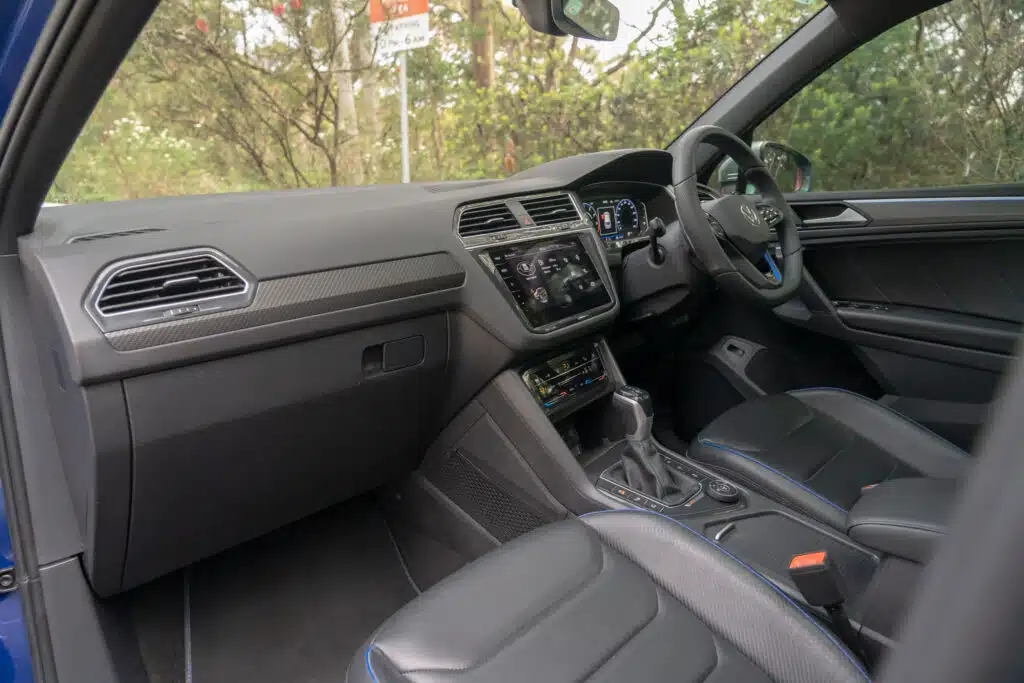
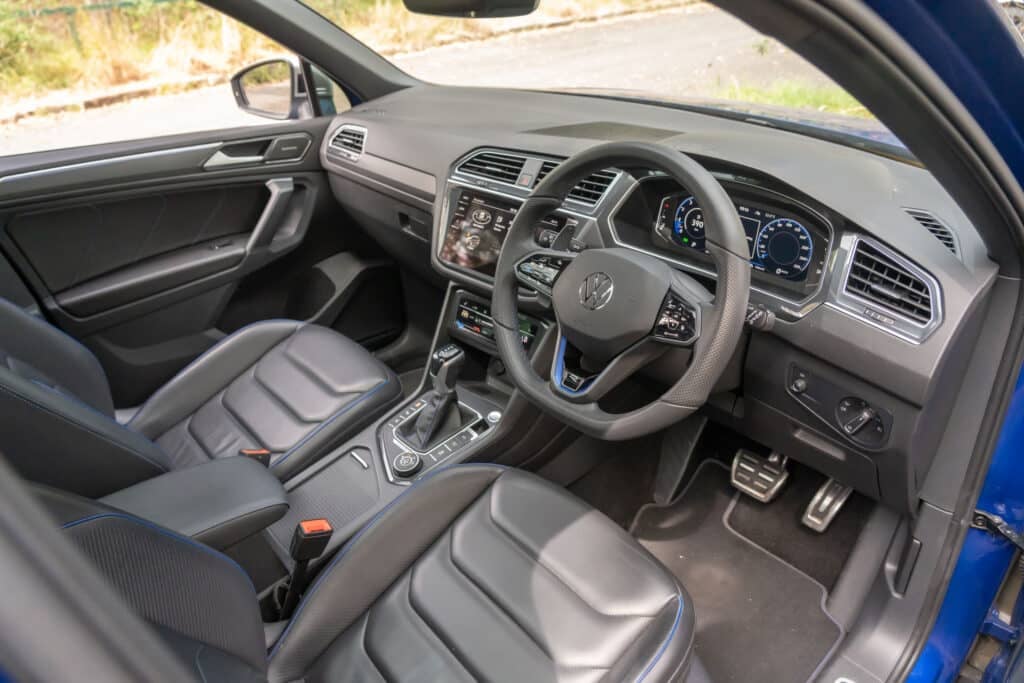
The build quality inside Tiguans is reported to be holding up fine, but like the exterior – some model years are more prone to small issues or not being as resilient as others.

We’ve heard a lot from owner groups, forums, and technicians about the build quality of this iteration being inconsistent compared to older Volkswagen products, which tends to affect early models made for 2016 and during the COVID period (2020-2022). Many recommend avoiding those built during the latter timeframe as not only are they more likely to have build quality/electrical issues, but can also be lacking in certain features compared to other years.

Early Tiguan models also report a higher number of rattling or noises from areas such as the

Exterior issues:

The bodywork can be susceptible to occasional build quality issues – it’s worth checking that areas such as certain plastic areas or chrome/metal trim aren’t hanging loose or show signs of discolouration or fading in general.

The panoramic sunroof can be a source of many issues, as with other Volkswagen products of this era. Ensure it operates normally and, at best, has been maintained properly. Any neglect can present issues with the roof’s mechanism, along with rattling noises.

Also, if the roof’s drainage channels aren’t cleaned regularly, debris can build up and cause water to leak into the cabin. It can also lead to the internal rubber and plastic tubing wearing out, leading them to become brittle and wear out easily. Early models are also prone to having drainage tubes pinch shut – all of which can lead to water ingress issues into the interior.

This generation of Tiguan features multiple sensors around the body that allow the advanced safety tech to work. However, as with other modern-era cars, owners report that these systems can be a tad oversensitive or bombard the driver with various warning chimes, messages, and lights.

If you experience any problem with sensor-driven aids like the parking sensors, adaptive cruise control, or emergency braking, it could be something as simple as dirt/grime collecting on the sensors or resetting a module. But worst case, this could be an issue with the wiring loom or a larger problem with the internal electronics, which could be expensive to fix if its out of warranty.

In addition, check that all of the electrical accessories throughout the exterior function normally: items such as the power folding side door mirrors, exterior lights/LEDs, central locking, and power side windows.

Thankfully, if any issues do arise, a software update should resolve any electronic gremlins, but technicians we spoke to report doing multiple software updates that fix one set of issues, but then uncover more in a never-ending loop.

Interior issues:

The build quality inside Tiguans is reported to be holding up fine, but like the exterior – some model years are more prone to small issues or not being as resilient as others.

We’ve heard a lot from owner groups, forums, and technicians about the build quality of this iteration being inconsistent compared to older Volkswagen products, which tends to affect early models made for 2016 and during the COVID period (2020-2022). Many recommend avoiding those built during the latter timeframe as not only are they more likely to have build quality/electrical issues, but can also be lacking in certain features compared to other years.

Early Tiguan models also report a higher number of rattling or noises from areas such as the trim pieces, side door cards, and the A/B-pillars.

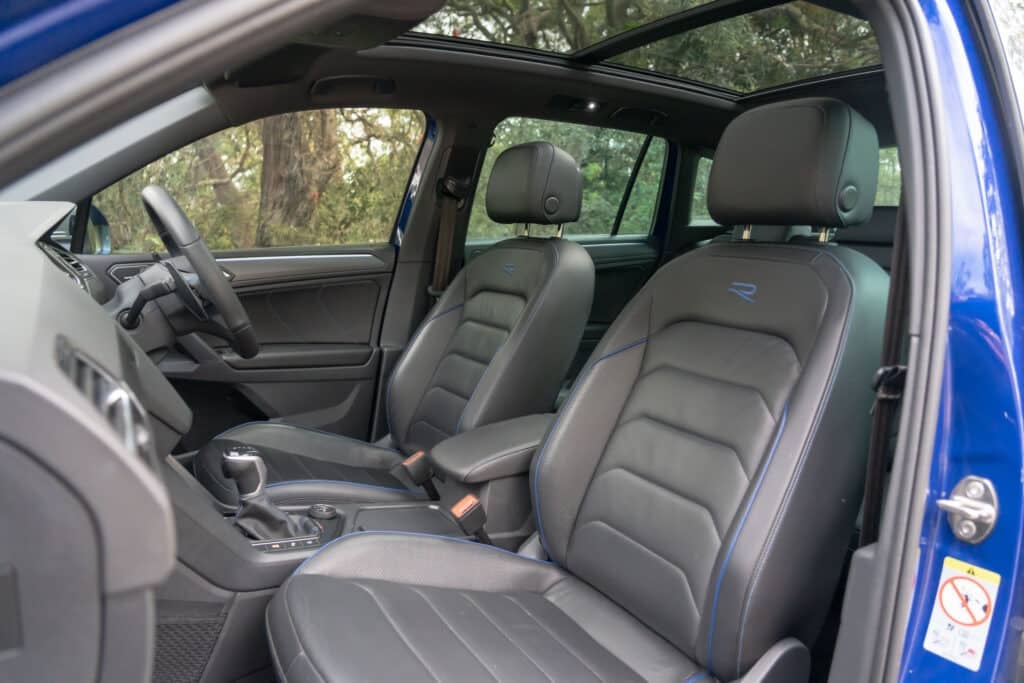
Minor observations from owners also note that while the interior feels premium and nice to touch, certain areas like the cloth/fabrics can become loose and wear prematurely, and even the leather can show signs of wear fairly easily – some even report the steering wheel leather fading from as early as 30,000 kms.

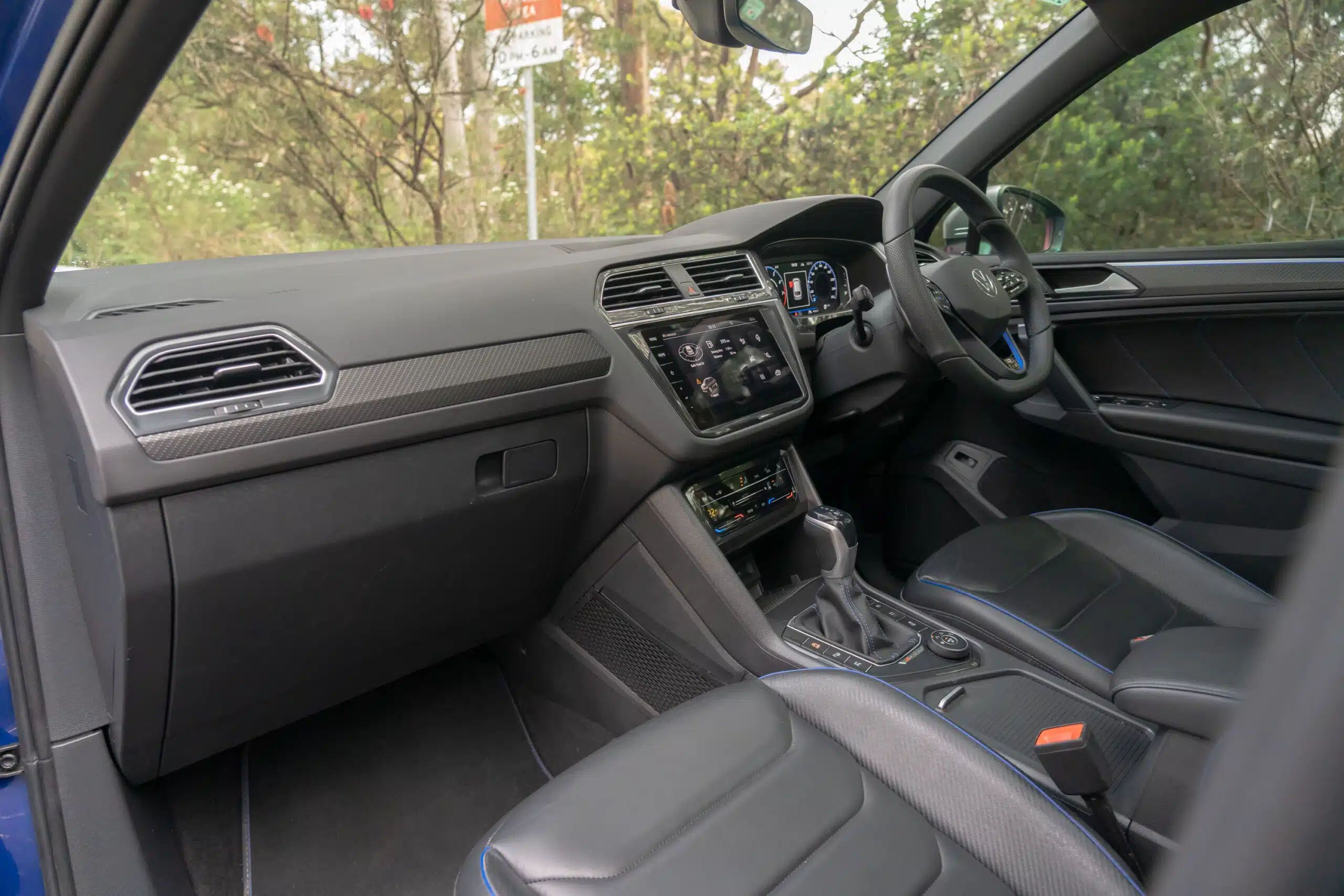
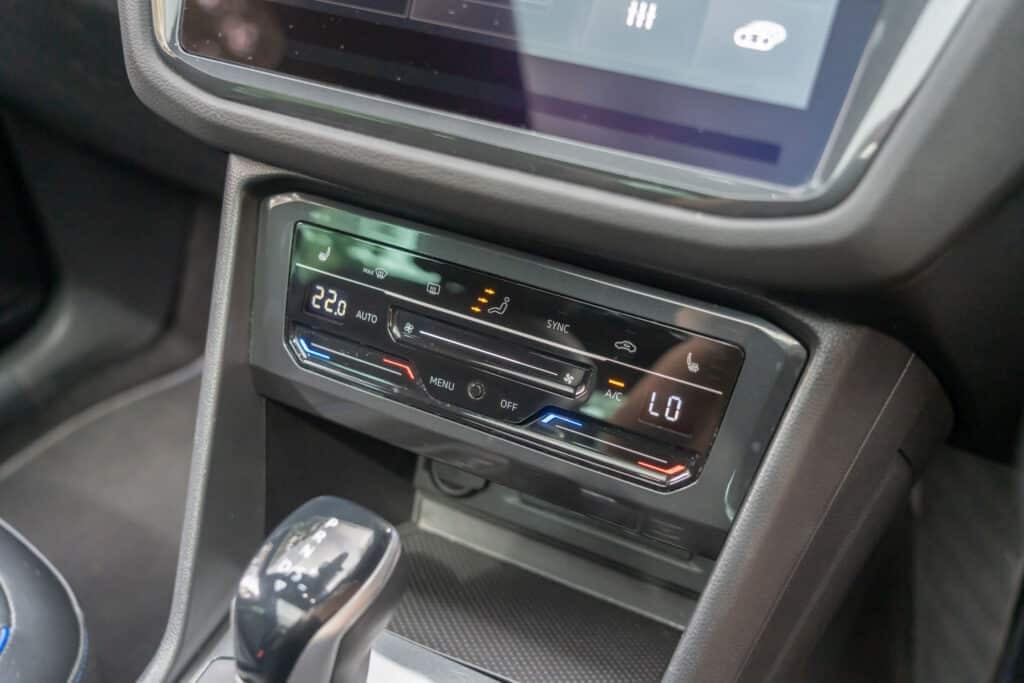
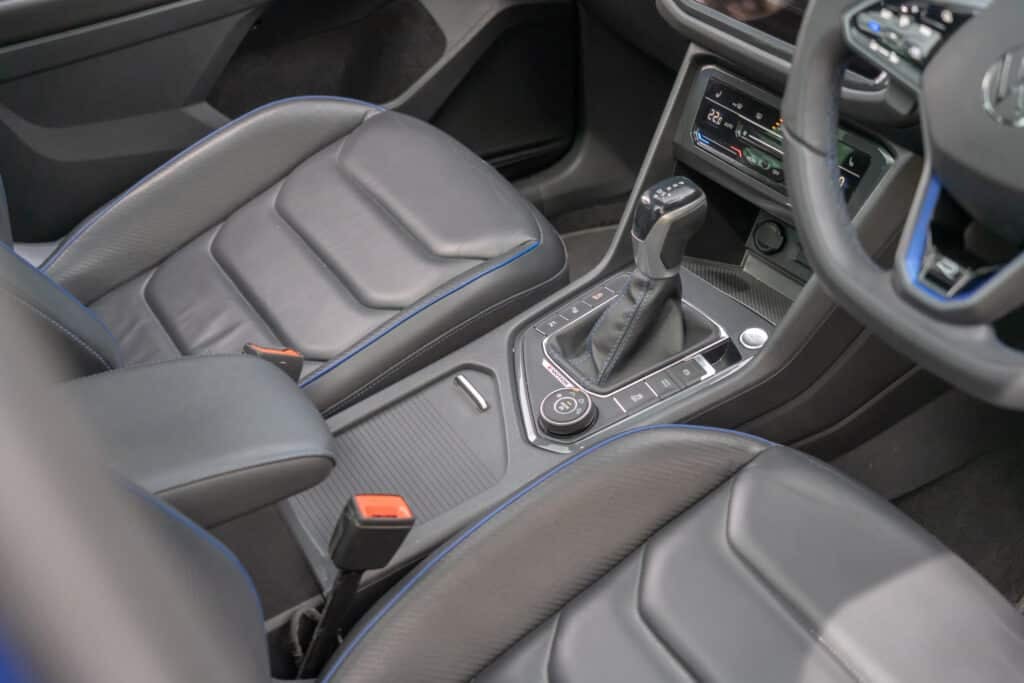
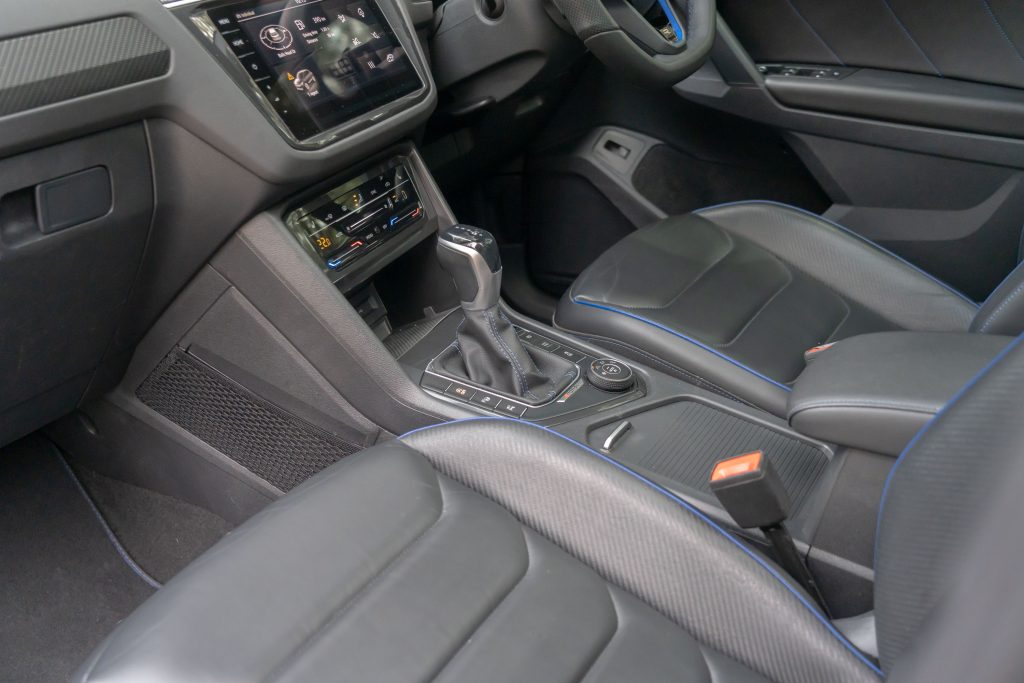
A common issues has to do with their HVAC systems. Check all the fan speeds and temperature settings work, and listen for any odd noises when changing certain settings. Any significant repair work that needs to be done, such as replacing faulty air conditioning compressors, will require the dashboard to be removed, and that is not a cheap fix.

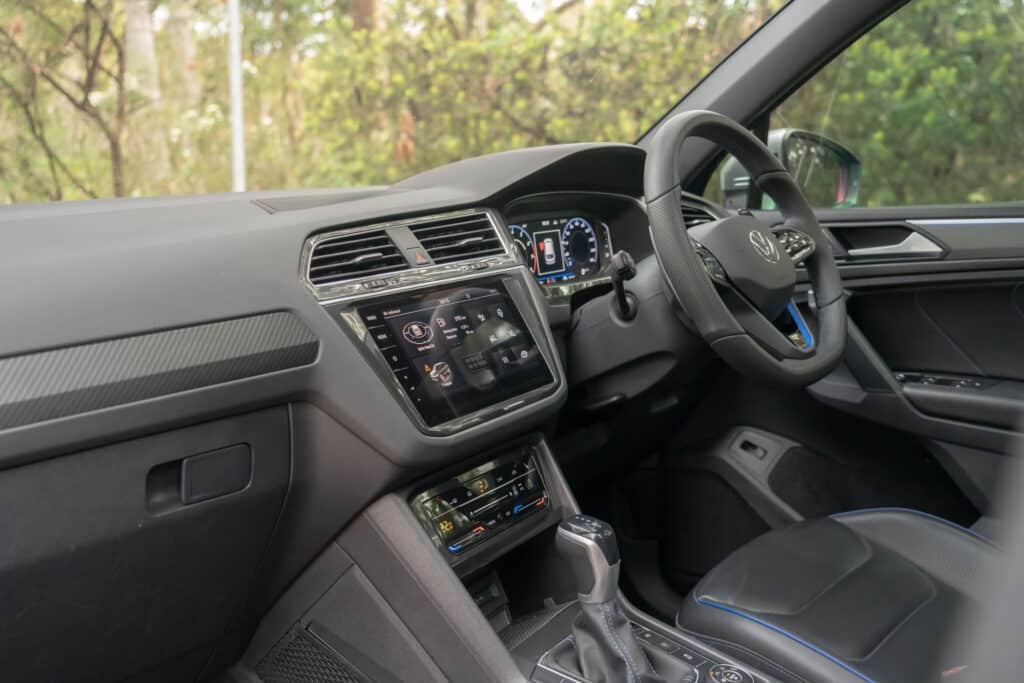
Also, as part of the post-update models made from 2020 onwards, Volkswagen changed the physical HVAC controls for a touch-sensitive setup, which, depending on who you speak to, has proven to be a welcome upgrade or source of frustration.

Check all the interior buttons and switchgear work – owners report some of the buttons are proving not to be very resilient, with the plastic coating on early models being very easy to wear off. Sourcing replacement buttons isn’t difficult, but if replacing the buttons still brings up issues with their respective function/s, it could allude to an electronic fault.

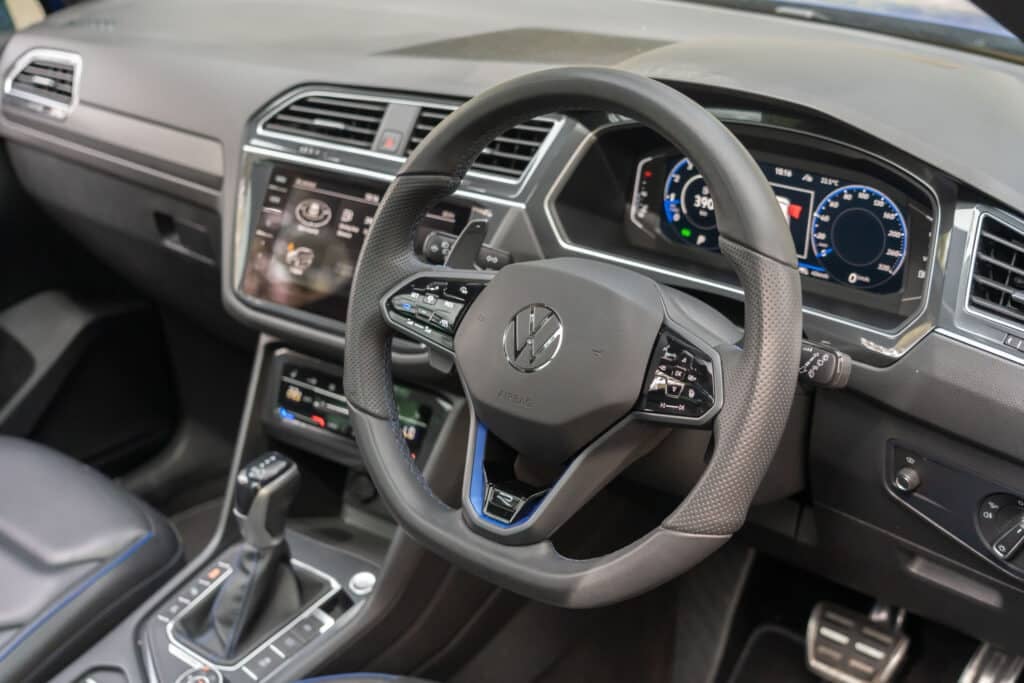
The steering wheel controls can be especially temperamental – owners report certain buttons or the horn working inconsistently. Some have also experienced an airbag warning light appearing on the cluster when these issues happen, which could likely be a faulty electronic connector within the wheel.

Also, the haptic feedback steering wheel buttons Volkswagen introduced on post-facelift Tiguans can also divide owners – some have adapted to it, but a large number prefer physical buttons featured on the pre-update modes.

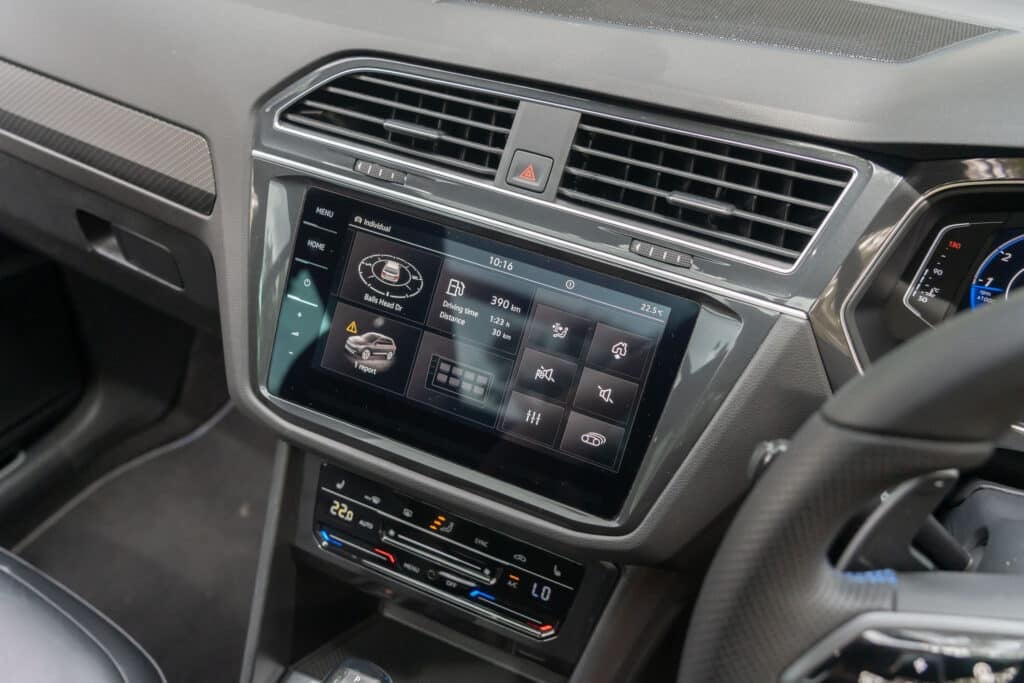
The factory infotainment system brings all the standard levels of connectivity you need, from Bluetooth hands-free to Apple CarPlay/Android Auto, but on occasion, can experience issues like failing to connect to the touchscreen UI not responding or glitching out. It usually just takes a software update to fix this, but in the rare case, it can be a hardware issue and may require a replacement unit altogether.

In terms of equipment on offer, the Tiguan comes with plenty as standard, but certain items like multi-zone climate control or heated seats may require some specific targeting for the most expensive or specially optioned models. However, one tip we’ve been told is that some of the more digitised features, only available as optional extras, can be activated and are physically accessible within the car, but with some third-party software updates, can unlock these without paying a hefty premium to Volkswagen.

Mechanical issues:

One thing to keep in mind sourcing parts or replacing consumables, it’s worth not directly going to Volkswagen dealers or paying the expenses just to get OEM parts, but explore aftermarket options that could outlast, outperform them, and cost far less than the OEM equivalents.

1.4L turbocharged four-cylinder (EA211):

We consider the EA211 to be the most resilient of the current-era Volkswagen Group four engines. It uses a timing belt versus a timing chain, and while the water pump is made of plastic and is prone to cracking or warping over time, replacement units continue to be affordable, and its relatively easy to replace.

Occasional turbocharger-related issues can affect this engine, such as wastegate actuators rattling and sticking, which can then lead to abnormal/intermittent turbo boost delivery.

In addition, the coil packs can also fail, causing misfiring and fault codes to appear. If you’re replacing the coils, treat them as fragile, as they can break if not treated right when they’re removed.

PCV complications can also happen, causing air/fuel ratio fault codes to be displayed or an odd sucking noise coming from the engine bay, as well as exacerbating some of the excessive oil consumption issues known to affect this engine.

2.0L turbocharged four-cylinder (EA888):

We’ve previously mentioned how trouble-prone the EA888 version of the 2.0L turbocharged four-cylinder is, but the good news is that Volkswagen improved the build quality in the later iterations that are largely featured within this generation of the Tiguan. As a result, the widely reported excessive oil consumption issues and timing chain problems are likely to occur less frequently.

However, the water pump continues to be problematic with the EA888 engine – as a reminder, it’s driven by the timing chain, and some have experienced the water pump (combined with the thermostat) failing early in the car’s life. It remains a weak (and fairly expensive) point of this engine. It’s also recommended to replace this unit with a far  better built and cheaper aftermarket unit, compared to an OEM one.

Premature turbocharger wear can also happen, but if the engine’s been serviced regularly, it shouldn’t be a major concern.

More problematic and common, especially among high-mileage examples (past 120,000 km), are the inlet manifold swirl flap actuators and the map position sensor failing – if you happen to also be replacing the water pump, which will require the manifold to be removed, it’s worth checking if these parts need replacing as well.

2.0L turbodiesel four-cylinder (EA288):

The turbodiesel four-pot is a generally solid unit, provided it’s been maintained to schedule.

Occasional problems can occur with their EGR valves, as well as the DPF (Diesel Particulate Filter), but often this is due to issues with the ‘AdBlue’ fluid these era of VW diesels now use. Before assuming a faulty DPF is at fault, check components like the Nox or MAP sensors aren’t clogged first, as well as for any signs of boost leaks.

Don’t forget that these turbodiesel powertrains don’t perform at their best with too many short drive cycles; prolonged drives at highway speeds to clear them out is necessary.

The water pump used on this engine can also be an issue, but unlike in its petrol counterparts, fluid leaks aren’t a concern here. The pump used in the diesels has an electrically-powered clutch that can fail to engage/disengage normally, which can then lead to overheating issues.

The intercooler/heat exchanger located within the inlet manifold can leak, which in some extreme cases can cause the engine to hydrolock.

An important piece of advice when treating the cooling system on the diesels is to bleed the fluid properly – there is a crucial process to follow and it can be easy to get air locks in the system if not followed, which can then cause problems with the cooling system.

Transmission/Drivetrain:

Listen for any odd noises coming from the undercarriage or suspension. The standard setup, even on the base Tiguan models, delivers a surprisingly premium and sharp drive, even for a SUV of this type. However, the suspension bushes are reported to be on the softer side and can wear prematurely.

Some owners have also complained of premature brake wear – it can vary depending on your driving style, but can especially be prevalent on the performance-tuned Tiguan R models.

Most Tiguans will feature the DSG dual-clutch automatic, but even when it’s working properly, it can be temperamental. Just like other dual-clutch transmissions, some complain of jerkiness at low speeds, or even worse, the transmission fails altogether. The DSG is also a source of complaints of being slow to respond/change gear, unless you really throttle hard or drive it under ‘spirited’ driving conditions, compared to casual, around-town driving.

Some have reported transmission control module software updates can improve overall drivability, and over the years, the reliability of the DSG has improved, especially with post-update Tiguans, but they can still experience issues that you should monitor.

The mechatronic units can experience issues – telltale signs include the gearbox not shifting normally or not selecting gears at all. Clutch position sensor faults can also result in a non-functioning transmission.

Wear on the clutch pack can cause abnormal shuddering or jerkiness when moving from a standstill. It’s recommended to service the transmission every 60,000 km (or even ahead of schedule if possible).

It’s worth highlighting that some of these are still covered under the factory five-year warranty, but this warranty will eventually expire. If you are considering going for a Tiguan, we recommend keeping this in mind and having enough savings set aside in case major mechanical components need replacing after the warranty goes out, especially the DSG transmission.

Exterior issues:

The bodywork can be susceptible to occasional build quality issues – it’s worth checking that areas such as certain plastic areas or chrome/metal trim aren’t hanging loose or show signs of discolouration or fading in general.

The panoramic sunroof can be a source of many issues, as with other Volkswagen products of this era. Ensure it operates normally and, at best, has been maintained properly. Any neglect can present issues with the roof’s mechanism, along with rattling noises.

Also, if the roof’s drainage channels aren’t cleaned regularly, debris can build up and cause water to leak into the cabin. It can also lead to the internal rubber and plastic tubing wearing out, leading them to become brittle and wear out easily. Early models are also prone to having drainage tubes pinch shut – all of which can lead to water ingress issues into the interior.

This generation of Tiguan features multiple sensors around the body that allow the advanced safety tech to work. However, as with other modern-era cars, owners report that these systems can be a tad oversensitive or bombard the driver with various warning chimes, messages, and lights.

If you experience any problem with sensor-driven aids like the parking sensors, adaptive cruise control, or emergency braking, it could be something as simple as dirt/grime collecting on the sensors or resetting a module. But worst case, this could be an issue with the wiring loom or a larger problem with the internal electronics, which could be expensive to fix if its out of warranty.

In addition, check that all of the electrical accessories throughout the exterior function normally: items such as the power folding side door mirrors, exterior lights/LEDs, central locking, and power side windows.

Thankfully, if any issues do arise, a software update should resolve any electronic gremlins, but technicians we spoke to report doing multiple software updates that fix one set of issues, but then uncover more in a never-ending loop.

Interior issues:

The build quality inside Tiguans is reported to be holding up fine, but like the exterior – some model years are more prone to small issues or not being as resilient as others.

We’ve heard a lot from owner groups, forums, and technicians about the build quality of this iteration being inconsistent compared to older Volkswagen products, which tends to affect early models made for 2016 and during the COVID period (2020-2022). Many recommend avoiding those built during the latter timeframe as not only are they more likely to have build quality/electrical issues, but can also be lacking in certain features compared to other years.

Early Tiguan models also report a higher number of rattling or noises from areas such as the trim pieces, side door cards, and the A/B-pillars.

Minor observations from owners also note that while the interior feels premium and nice to touch, certain areas like the cloth/fabrics can become loose and wear prematurely, and even the leather can show signs of wear fairly easily – some even report the steering wheel leather fading from as early as 30,000 kms.

A common issues has to do with their HVAC systems. Check all the fan speeds and temperature settings work, and listen for any odd noises when changing certain settings. Any significant repair work that needs to be done, such as replacing faulty air conditioning compressors, will require the dashboard to be removed, and that is not a cheap fix.

Also, as part of the post-update models made from 2020 onwards, Volkswagen changed the physical HVAC controls for a touch-sensitive setup, which, depending on who you speak to, has proven to be a welcome upgrade or source of frustration.

Check all the interior buttons and switchgear work – owners report some of the buttons are proving not to be very resilient, with the plastic coating on early models being very easy to wear off. Sourcing replacement buttons isn’t difficult, but if replacing the buttons still brings up issues with their respective function/s, it could allude to an electronic fault.

The steering wheel controls can be especially temperamental – owners report certain buttons or the horn working inconsistently. Some have also experienced an airbag warning light appearing on the cluster when these issues happen, which could likely be a faulty electronic connector within the wheel.

Also, the haptic feedback steering wheel buttons Volkswagen introduced on post-facelift Tiguans can also divide owners – some have adapted to it, but a large number prefer physical buttons featured on the pre-update modes.

The factory infotainment system brings all the standard levels of connectivity you need, from Bluetooth hands-free to Apple CarPlay/Android Auto, but on occasion, can experience issues like failing to connect to the touchscreen UI not responding or glitching out. It usually just takes a software update to fix this, but in the rare case, it can be a hardware issue and may require a replacement unit altogether.

In terms of equipment on offer, the Tiguan comes with plenty as standard, but certain items like multi-zone climate control or heated seats may require some specific targeting for the most expensive or specially optioned models. However, one tip we’ve been told is that some of the more digitised features, only available as optional extras, can be activated and are physically accessible within the car, but with some third-party software updates, can unlock these without paying a hefty premium to Volkswagen.

Mechanical issues:

One thing to keep in mind sourcing parts or replacing consumables, it’s worth not directly going to Volkswagen dealers or paying the expenses just to get OEM parts, but explore aftermarket options that could outlast, outperform them, and cost far less than the OEM equivalents.

1.4L turbocharged four-cylinder (EA211):

We consider the EA211 to be the most resilient of the current-era Volkswagen Group four engines. It uses a timing belt versus a timing chain, and while the water pump is made of plastic and is prone to cracking or warping over time, replacement units continue to be affordable, and its relatively easy to replace.

Occasional turbocharger-related issues can affect this engine, such as wastegate actuators rattling and sticking, which can then lead to abnormal/intermittent turbo boost delivery.

In addition, the coil packs can also fail, causing misfiring and fault codes to appear. If you’re replacing the coils, treat them as fragile, as they can break if not treated right when they’re removed.

PCV complications can also happen, causing air/fuel ratio fault codes to be displayed or an odd sucking noise coming from the engine bay, as well as exacerbating some of the excessive oil consumption issues known to affect this engine.

2.0L turbocharged four-cylinder (EA888):

We’ve previously mentioned how trouble-prone the EA888 version of the 2.0L turbocharged four-cylinder is, but the good news is that Volkswagen improved the build quality in the later iterations that are largely featured within this generation of the Tiguan. As a result, the widely reported excessive oil consumption issues and timing chain problems are likely to occur less frequently.

However, the water pump continues to be problematic with the EA888 engine – as a reminder, it’s driven by the timing chain, and some have experienced the water pump (combined with the thermostat) failing early in the car’s life. It remains a weak (and fairly expensive) point of this engine. It’s also recommended to replace this unit with a far  better built and cheaper aftermarket unit, compared to an OEM one.

Premature turbocharger wear can also happen, but if the engine’s been serviced regularly, it shouldn’t be a major concern.

More problematic and common, especially among high-mileage examples (past 120,000 km), are the inlet manifold swirl flap actuators and the map position sensor failing – if you happen to also be replacing the water pump, which will require the manifold to be removed, it’s worth checking if these parts need replacing as well.

2.0L turbodiesel four-cylinder (EA288):

The turbodiesel four-pot is a generally solid unit, provided it’s been maintained to schedule.

Occasional problems can occur with their EGR valves, as well as the DPF (Diesel Particulate Filter), but often this is due to issues with the ‘AdBlue’ fluid these era of VW diesels now use. Before assuming a faulty DPF is at fault, check components like the Nox or MAP sensors aren’t clogged first, as well as for any signs of boost leaks.

Don’t forget that these turbodiesel powertrains don’t perform at their best with too many short drive cycles; prolonged drives at highway speeds to clear them out is necessary.

The water pump used on this engine can also be an issue, but unlike in its petrol counterparts, fluid leaks aren’t a concern here. The pump used in the diesels has an electrically-powered clutch that can fail to engage/disengage normally, which can then lead to overheating issues.

The intercooler/heat exchanger located within the inlet manifold can leak, which in some extreme cases can cause the engine to hydrolock.

An important piece of advice when treating the cooling system on the diesels is to bleed the fluid properly – there is a crucial process to follow and it can be easy to get air locks in the system if not followed, which can then cause problems with the cooling system.

Transmission/Drivetrain:

Listen for any odd noises coming from the undercarriage or suspension. The standard setup, even on the base Tiguan models, delivers a surprisingly premium and sharp drive, even for a SUV of this type. However, the suspension bushes are reported to be on the softer side and can wear prematurely.

Some owners have also complained of premature brake wear – it can vary depending on your driving style, but can especially be prevalent on the performance-tuned Tiguan R models.

Most Tiguans will feature the DSG dual-clutch automatic, but even when it’s working properly, it can be temperamental. Just like other dual-clutch transmissions, some complain of jerkiness at low speeds, or even worse, the transmission fails altogether. The DSG is also a source of complaints of being slow to respond/change gear, unless you really throttle hard or drive it under ‘spirited’ driving conditions, compared to casual, around-town driving.

Some have reported transmission control module software updates can improve overall drivability, and over the years, the reliability of the DSG has improved, especially with post-update Tiguans, but they can still experience issues that you should monitor.

The mechatronic units can experience issues – telltale signs include the gearbox not shifting normally or not selecting gears at all. Clutch position sensor faults can also result in a non-functioning transmission.

Wear on the clutch pack can cause abnormal shuddering or jerkiness when moving from a standstill. It’s recommended to service the transmission every 60,000 km (or even ahead of schedule if possible).

It’s worth highlighting that some of these are still covered under the factory five-year warranty, but this warranty will eventually expire. If you are considering going for a Tiguan, we recommend keeping this in mind and having enough savings set aside in case major mechanical components need replacing after the warranty goes out, especially the DSG transmission.

Should you buy one?

You can expect second-gen Tiguans to start from as low as $8,000 (for the oldest, very used examples) and topping out at $70,000 (for late model, pristine, top-spec examples).

If you’re looking at the Tiguan R, which really should be treated separately from the standard Tiguan range, its prices can range from $45,000 to $70,000 on the used market. Few vehicles offer this perfect mix of everyday usability and performance – if you can budget the price and maintenance costs, and land one that has a meticulous service history and is in great health, we absolutely recommend the R.

But for the rest of the Tiguan range, we wouldn’t be so eager – as from our research, for every satisfied owner, there’s another who regrets their purchase. Some have reported theirs have proven so expensive to repair, it was better to get whatever remaining value it had left as parts, while others have had ownership experience so poor, they’ve completely been turned off Volkswagen as a brand.

If you’re eyeing the very bottom price range, which will primarily net you older, high-kilometre example between $8,000-$25,000, we don’t think it’s worth considering one of these Tiguans – especially if prioritising things like reliability, depreciation, repair costs, and the extent of maintenance are on your list.

For this amount of money, we reckon you’re better off with one of the non-European family SUVs/crossovers from the Tiguan’s many rivals. Proven, reliable Japanese models like the Toyota RAV4/Honda CR-V, or the Korean Kia Sportage/Hyundai

You can expect second-gen Tiguans to start from as low as $8,000 (for the oldest, very used examples) and topping out at $70,000 (for late model, pristine, top-spec examples).

If you’re looking at the Tiguan R, which really should be treated separately from the standard Tiguan range, its prices can range from $45,000 to $70,000 on the used market. Few vehicles offer this perfect mix of everyday usability and performance – if you can budget the price and maintenance costs, and land one that has a meticulous service history and is in great health, we absolutely recommend the R.

But for the rest of the Tiguan range, we wouldn’t be so eager – as from our research, for every satisfied owner, there’s another who regrets their purchase. Some have reported theirs have proven so expensive to repair, it was better to get whatever remaining value it had left as parts, while others have had ownership experience so poor, they’ve completely been turned off Volkswagen as a brand.

If you’re eyeing the very bottom price range, which will primarily net you older, high-kilometre example between $8,000-$25,000, we don’t think it’s worth considering one of these Tiguans – especially if prioritising things like reliability, depreciation, repair costs, and the extent of maintenance are on your list.

For this amount of money, we reckon you’re better off with one of the non-European family SUVs/crossovers from the Tiguan’s many rivals. Proven, reliable Japanese models like the Toyota RAV4/Honda CR-V, or the Korean Kia Sportage/Hyundai Tucson, which may lack the prestige of a European badge, but offer even greater value for money as a used purchase.

That being said, if you are seriously considering one and accept the depreciation these will suffer, and have savings set aside for any of the issues that might arise, your best bet is a late model, high-spec Tiguan with a comprehensive service history showing it’s been well cared for.

Should you buy one?

You can expect second-gen Tiguans to start from as low as $8,000 (for the oldest, very used examples) and topping out at $70,000 (for late model, pristine, top-spec examples).

If you’re looking at the Tiguan R, which really should be treated separately from the standard Tiguan range, its prices can range from $45,000 to $70,000 on the used market. Few vehicles offer this perfect mix of everyday usability and performance – if you can budget the price and maintenance costs, and land one that has a meticulous service history and is in great health, we absolutely recommend the R.

But for the rest of the Tiguan range, we wouldn’t be so eager – as from our research, for every satisfied owner, there’s another who regrets their purchase. Some have reported theirs have proven so expensive to repair, it was better to get whatever remaining value it had left as parts, while others have had ownership experience so poor, they’ve completely been turned off Volkswagen as a brand.

If you’re eyeing the very bottom price range, which will primarily net you older, high-kilometre example between $8,000-$25,000, we don’t think it’s worth considering one of these Tiguans – especially if prioritising things like reliability, depreciation, repair costs, and the extent of maintenance are on your list.

For this amount of money, we reckon you’re better off with one of the non-European family SUVs/crossovers from the Tiguan’s many rivals. Proven, reliable Japanese models like the Toyota RAV4/Honda CR-V, or the Korean Kia Sportage/Hyundai Tucson, which may lack the prestige of a European badge, but offer even greater value for money as a used purchase.

That being said, if you are seriously considering one and accept the depreciation these will suffer, and have savings set aside for any of the issues that might arise, your best bet is a late model, high-spec Tiguan with a comprehensive service history showing it’s been well cared for.

Need help with finance?

What is the car's build year?

2020

Loan Amount

$5,000

Finance estimate ~

$30

Per week*

8.49%

Comparison rate p.a#

Buying a used car? Buy a PPSR report first.

Have ultimate peace of mind when buying a used car by purchasing an official PPSR report.

In the market?

Disclaimer

Please note that pricing information is subject to fluctuations in the automotive market.

Information correct as of December 8, 2025.

The advice provided on this website is general advice only. It has been prepared without taking into account your objectives, financial situation or needs. Before acting on this advice, you should consider the appropriateness of the advice, having regard to your own objectives, financial situation and needs.

Read our full terms and conditions here.

Related Blog Articles Latest from ReDriven Blog

Join the ReDriven Community

You are the best, the content in your videos is so helpful, delivered in a great way. Please keep going as for sure you are unique in every way. All the best from Guatemala

L. G. - YouTube

You guys have truly found something wonderful… Loved this channel ever since from the beginning… Will support you guys as long as you guys keep making these wonderful car reviews…

Calvin - YouTube

This is probably the best channel I have ever seen when reviewing vehicles. New or old. The honesty is so appreciated. I’ve been a mechanic for 20 years and I find it very informative when looking for a vehicle for my daughter. Keep up the awesome work.

Jason T. - YouTube

© 2025 ReDriven All Rights Reserved