Australia’s No. 1 Used Car Review Website
Australia’s No. 1 Used Car Review Website
+16 Photos

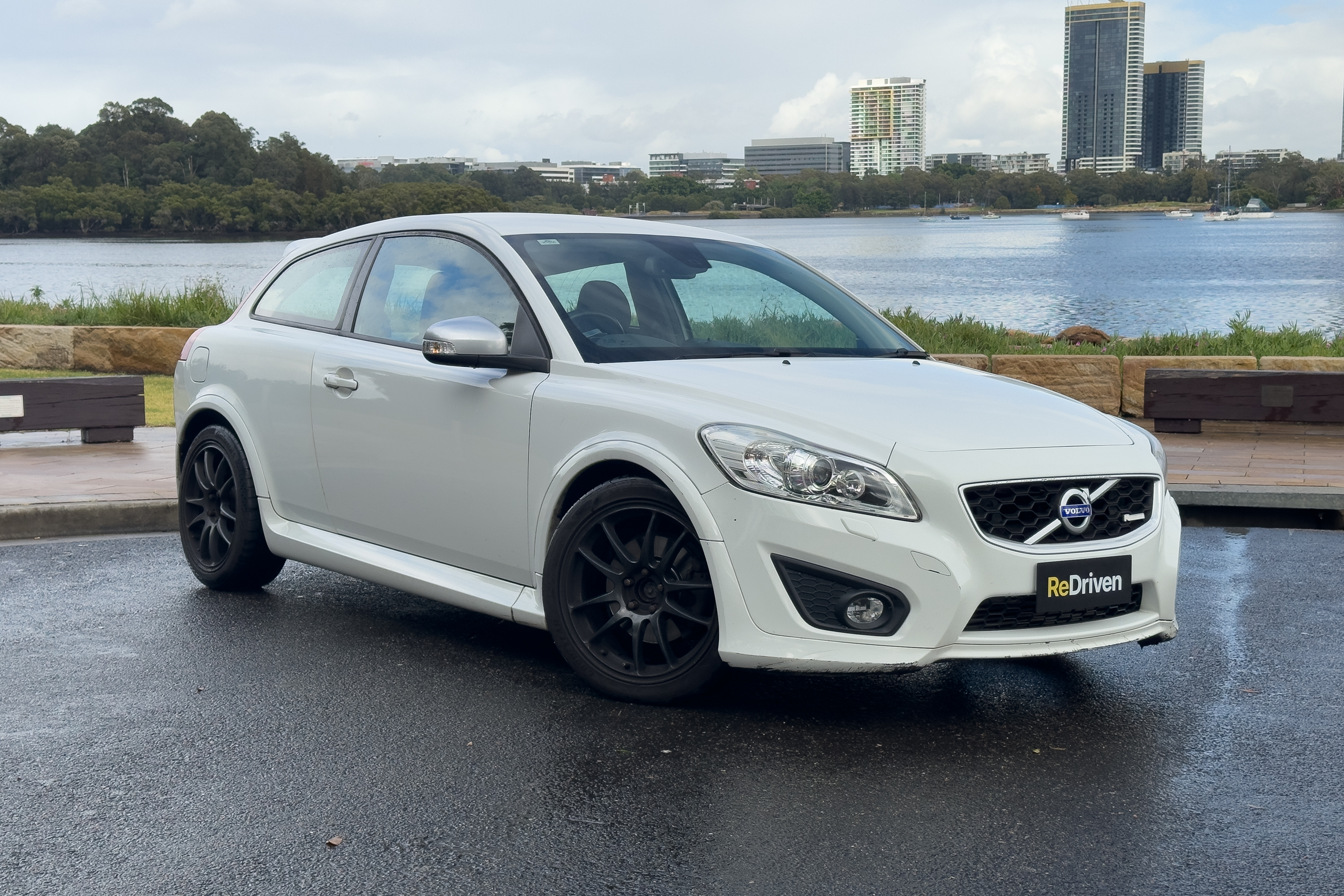
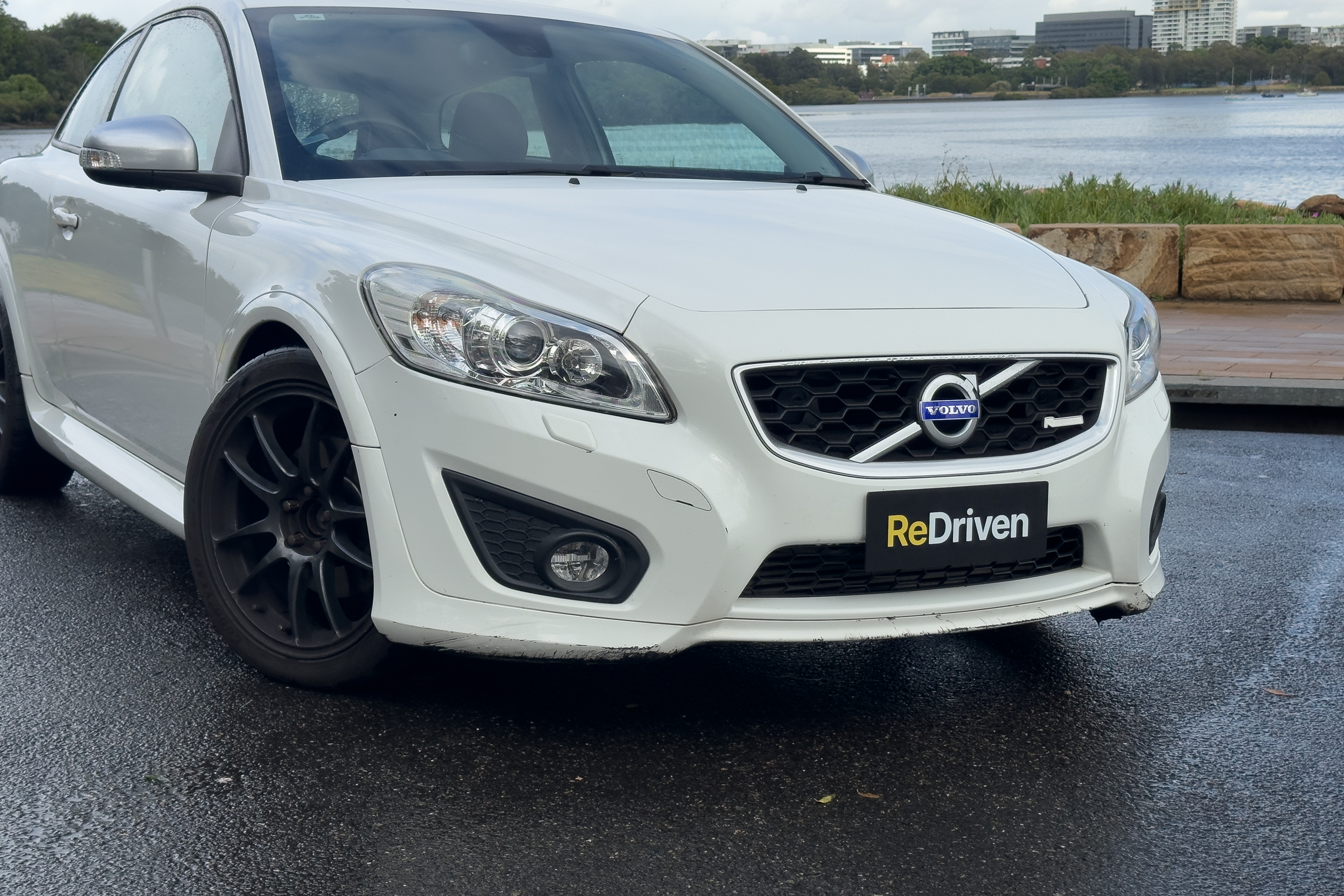
2012 Volvo C30 T5 R-Design

18 October 2024
There are better cars out there.

2012 Volvo C30 T5 R-Design

Used car review
18 October 2024
Did you know the Volvo C30 shares its underpinnings with the second-gen Volvo S40, V50, and C70? And that’s not all – it’s also rolling on the same Ford C1 platform used in the 2005-2010 Ford Focus and 2004-2008 Mazda 3.
Why? Well, because back when the C30 was being developed, Ford owned a chunk of both Volvo and Mazda. Ah, the glory days of platform sharing!
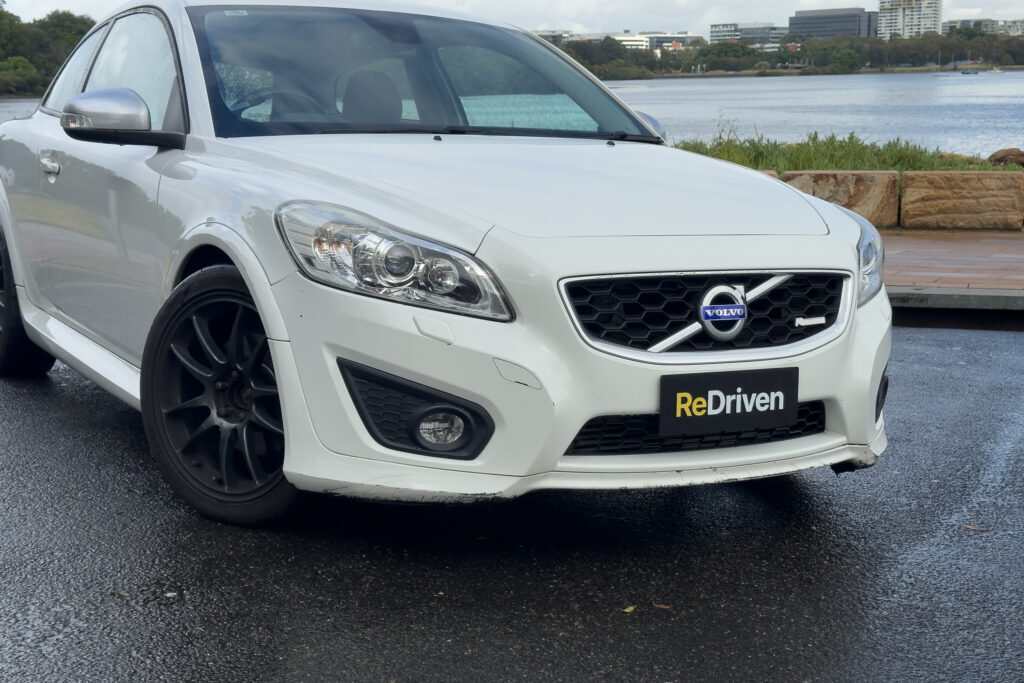
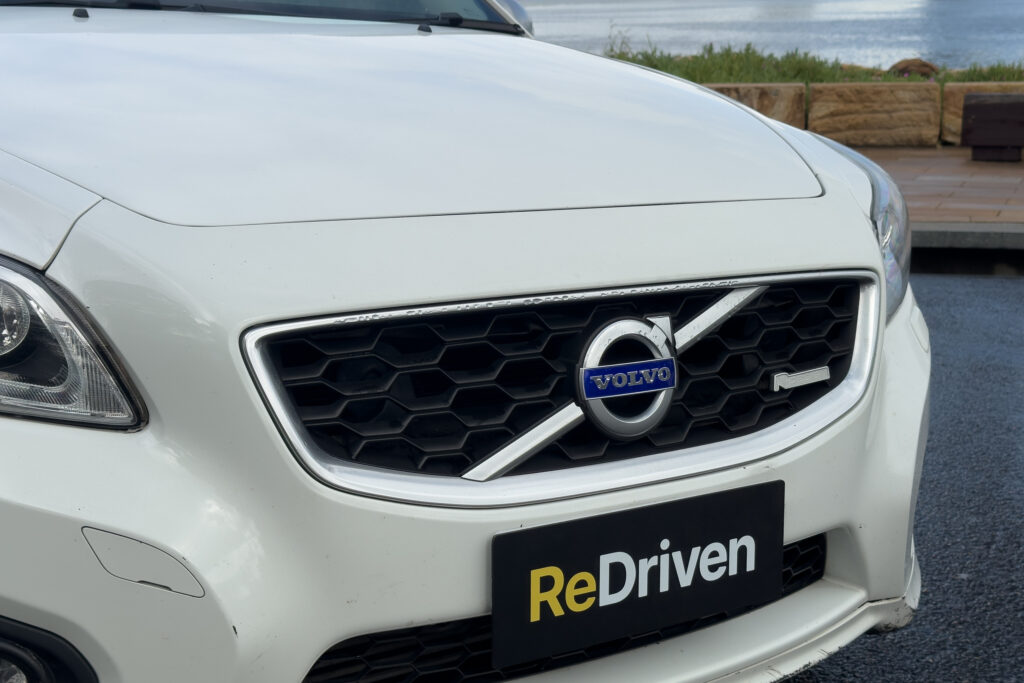
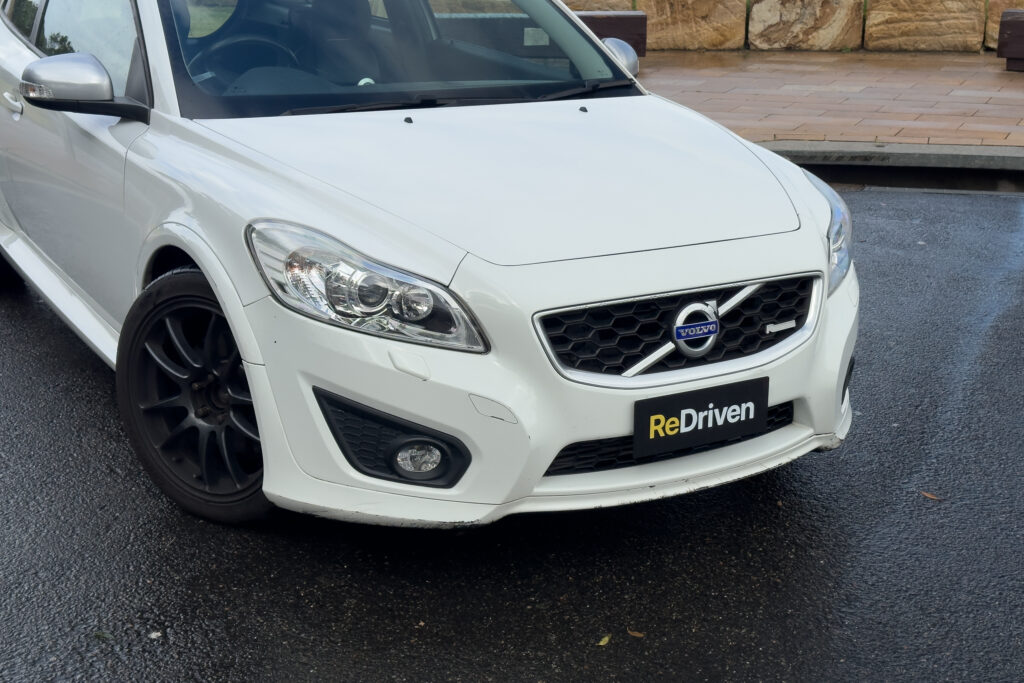
The C30 hit Aussie shores in 2007, and in 2010, it got a bit of a facelift. The updated version came with a sharper, more aggressive front grille, some snazzy new bumpers, and a revised rear end that gave it a more modern look. Tech upgrades were sprinkled in too, keeping things fresh.
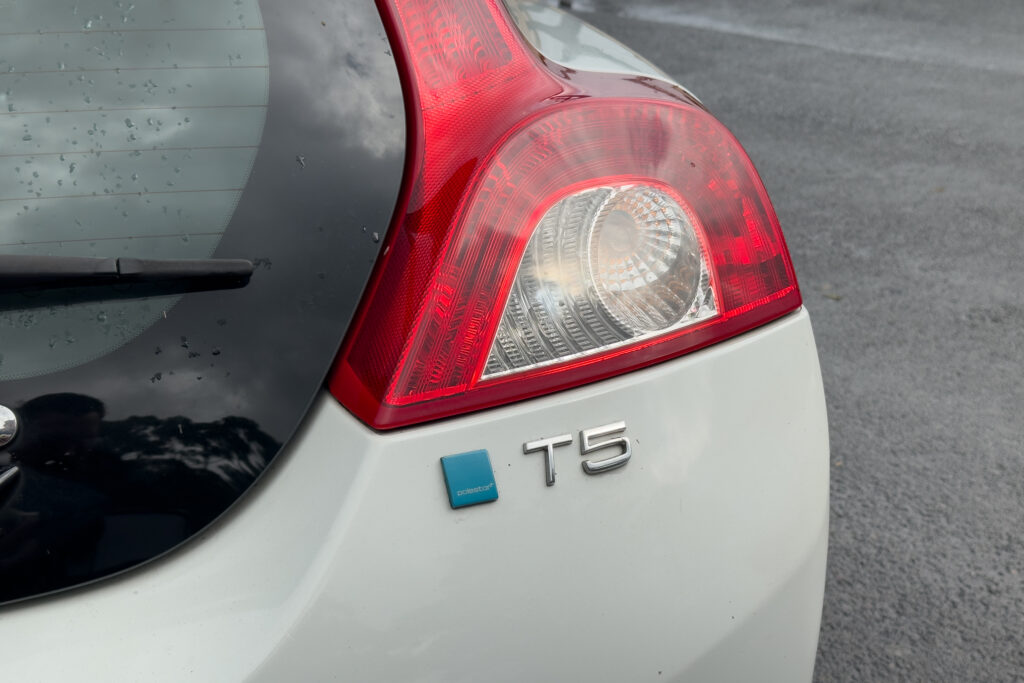
Now, if you’re into engine options, the C30 has you covered – or maybe over-covered in Australia. We got seven different engines (yep, seven). On the petrol side, you had a 1.6L 4-cylinder, a 2.4L 5-cylinder, and the mighty 2.5L 5-cylinder turbo (aka the T5).
Diesel fans weren’t left out either, with 1.6L and 2.0L 4-cylinders, plus the D5 (a 2.4L 5-cylinder with 132kW) and another higher-output 2.0L 4-cylinder (120kW). That’s a lot of variety for a car that wasn’t exactly flying off the shelves down under.
Transmission-wise, you had the choice of a 5-speed manual for the lower-powered petrol and diesel models. If you wanted something punchier, the higher-powered variants got 6-speed manuals or Volvo’s Geartronic 5-speed automatic.
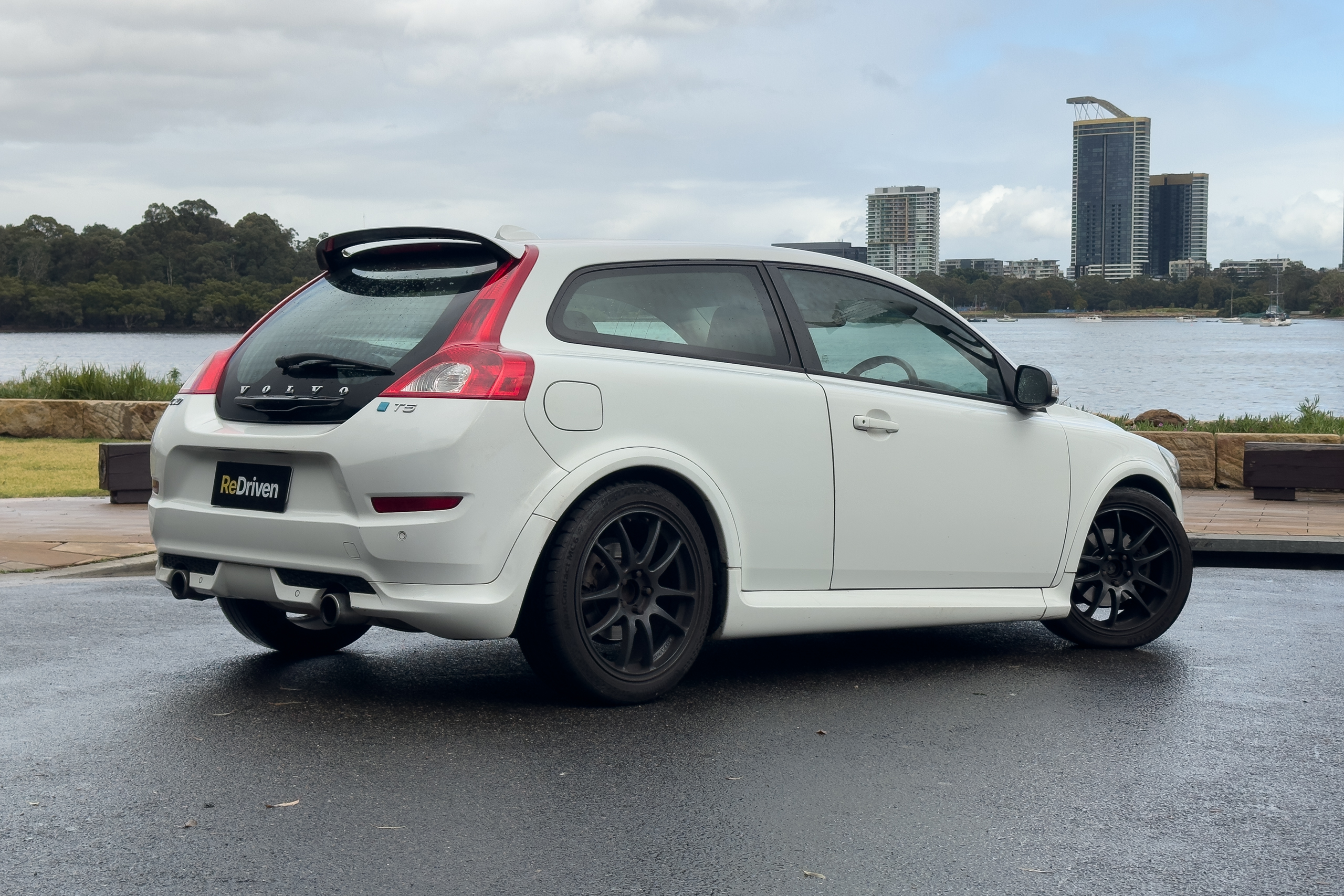
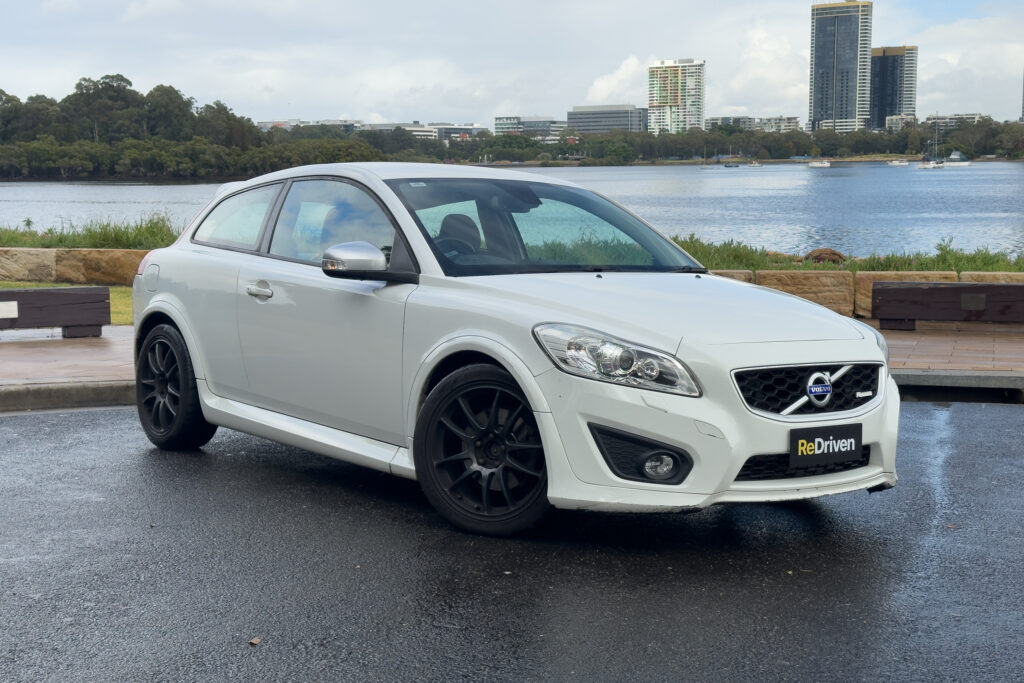
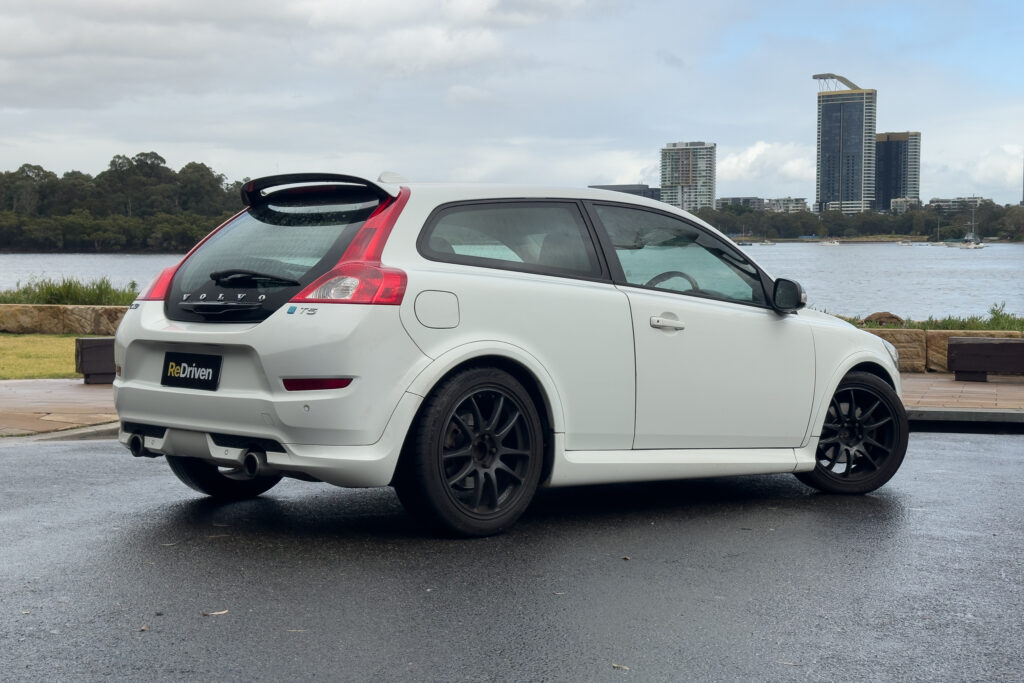
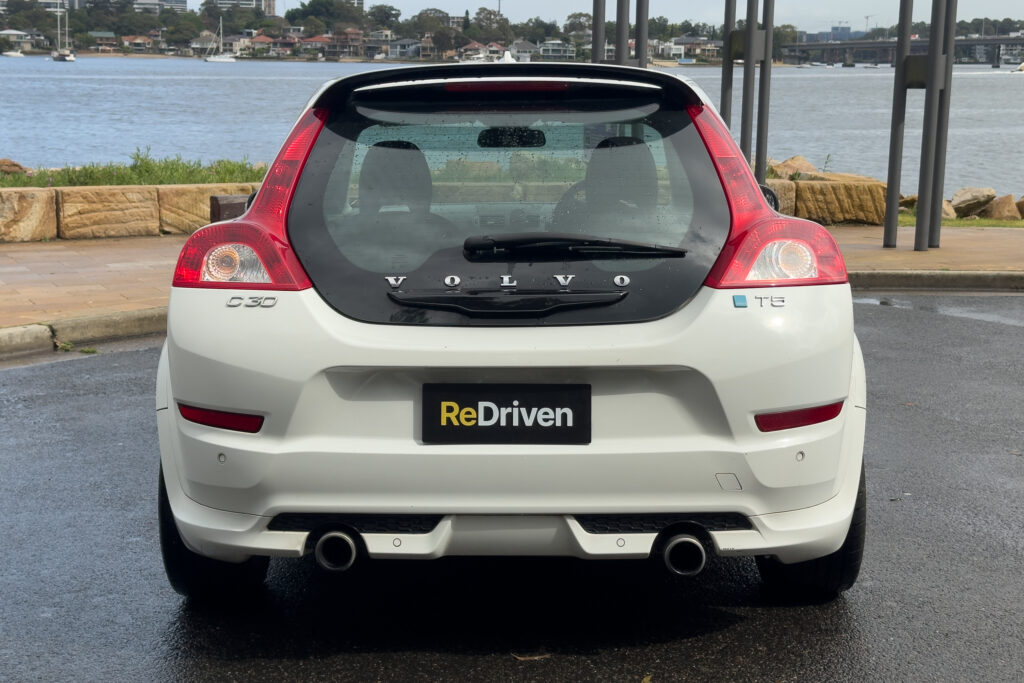
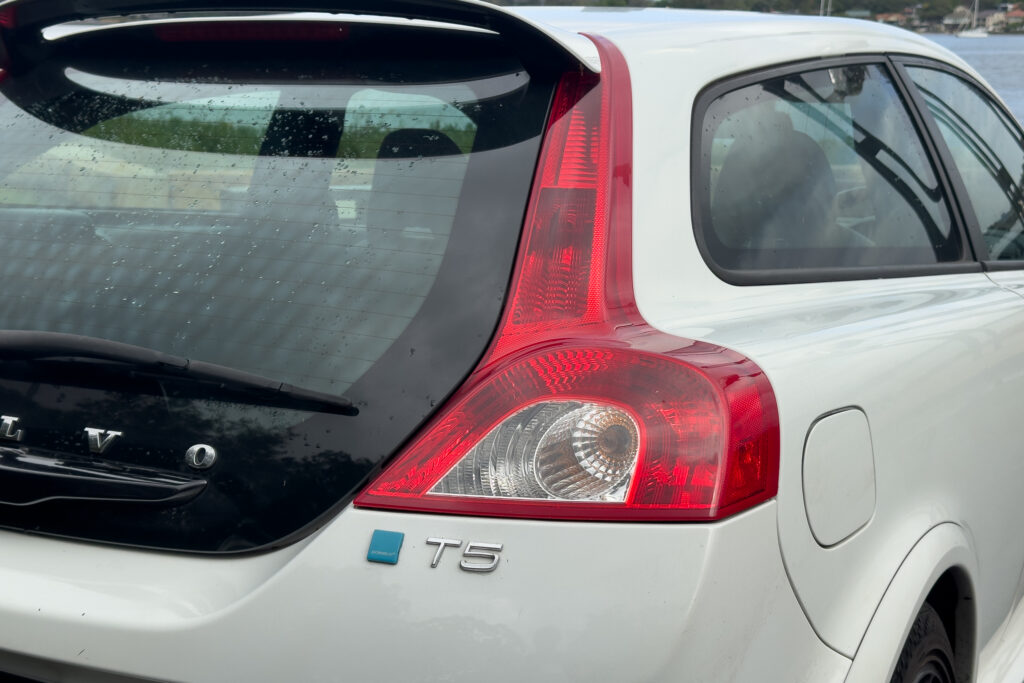
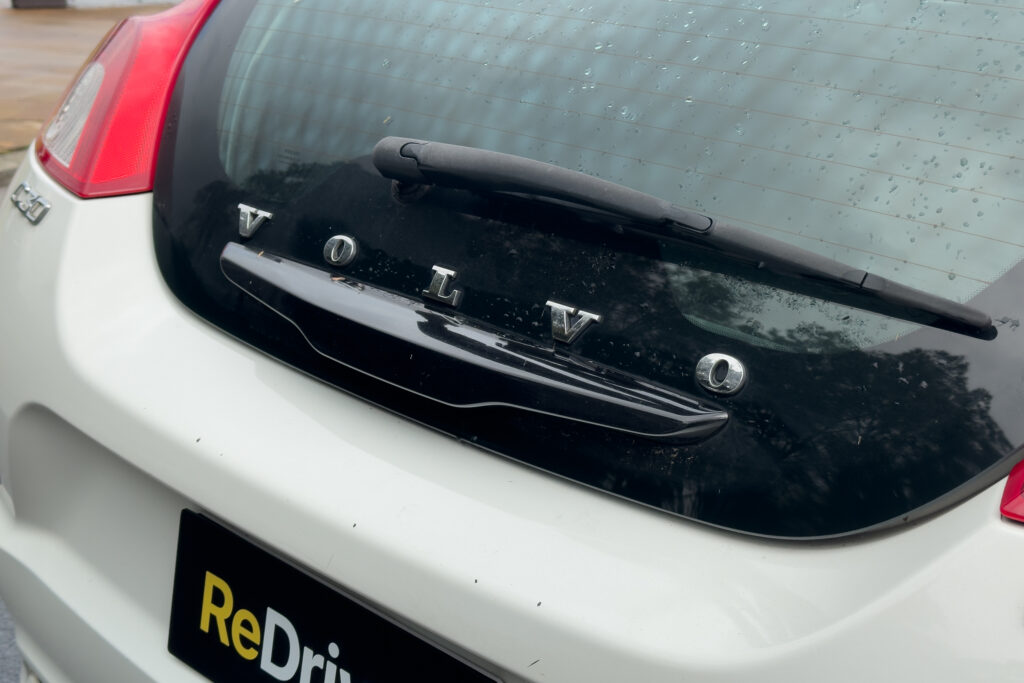
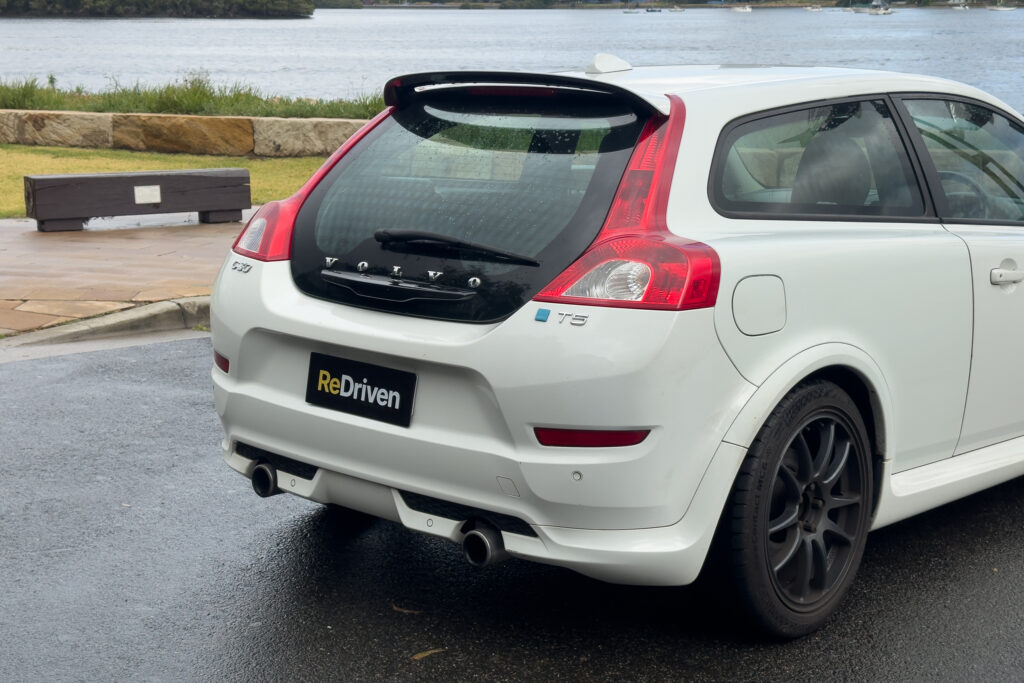
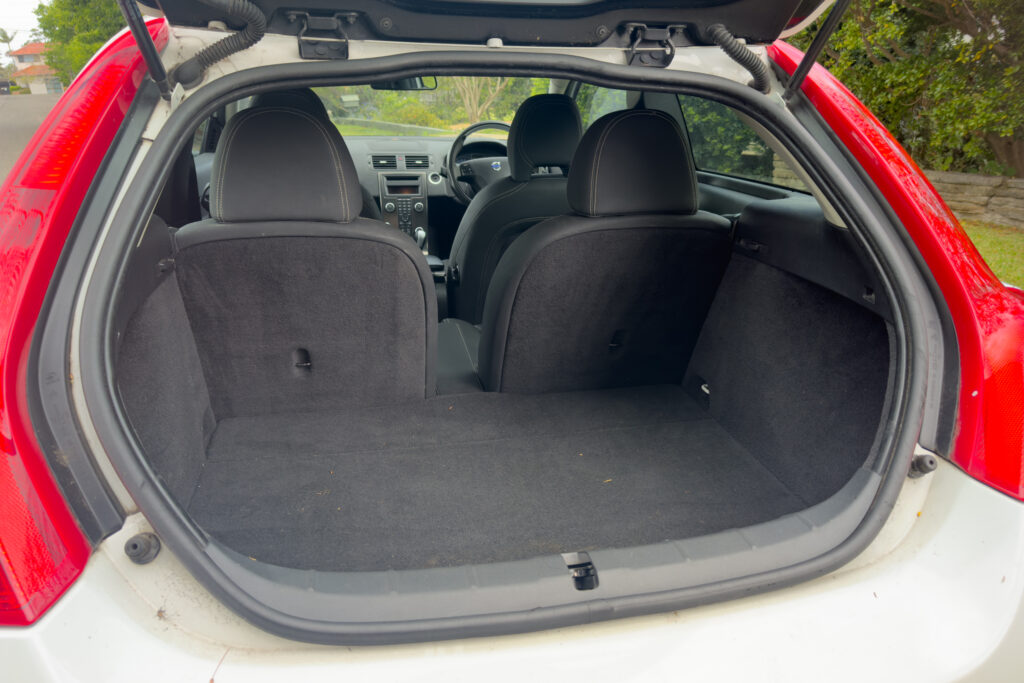
Volvo designed the C30 to appeal to a younger crowd with its compact, sporty hatchback vibe. The standout feature? That rear end with its glass tailgate – love it or hate it, it sure grabs attention. And let’s not forget the typical bold stance of a Volvo.
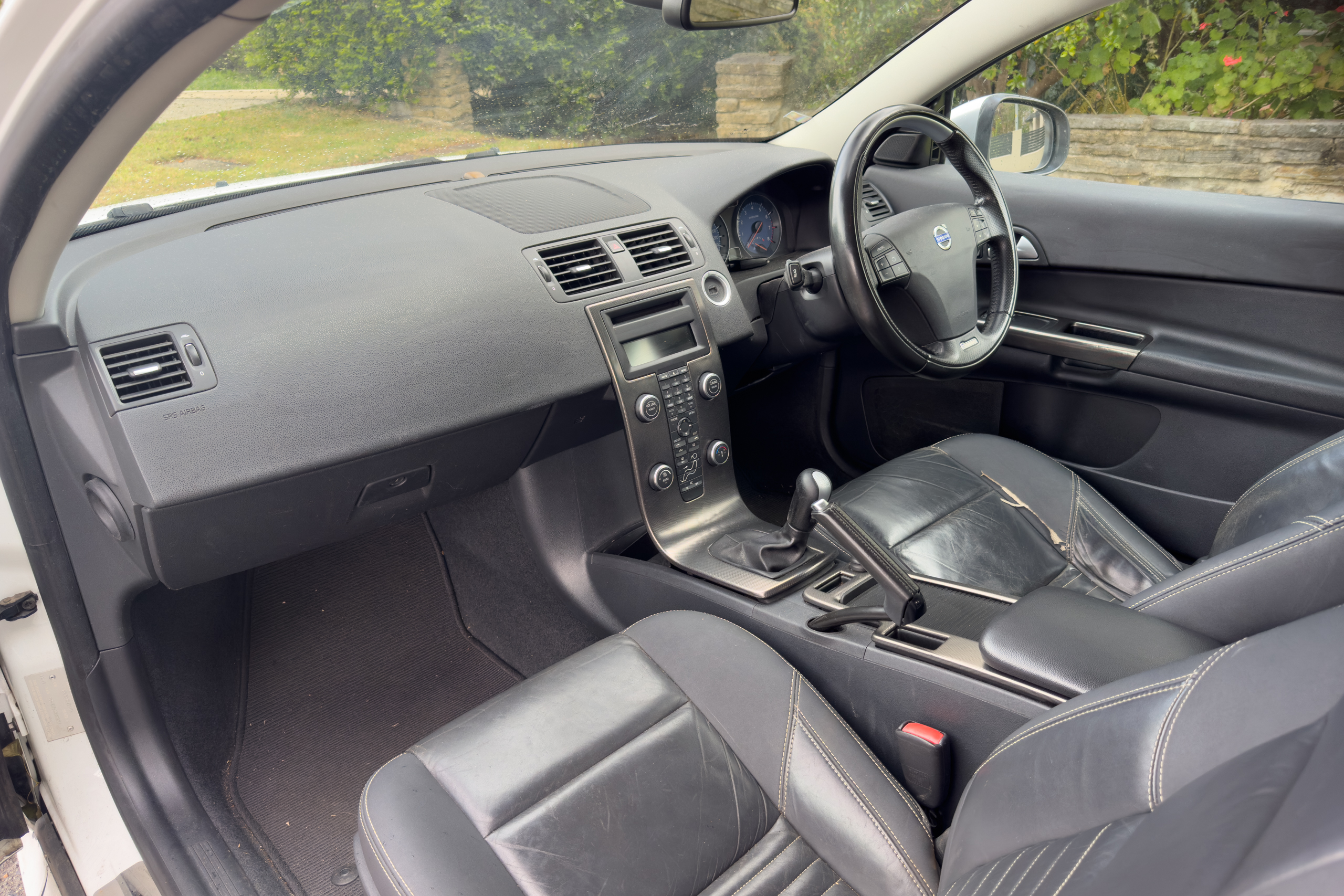
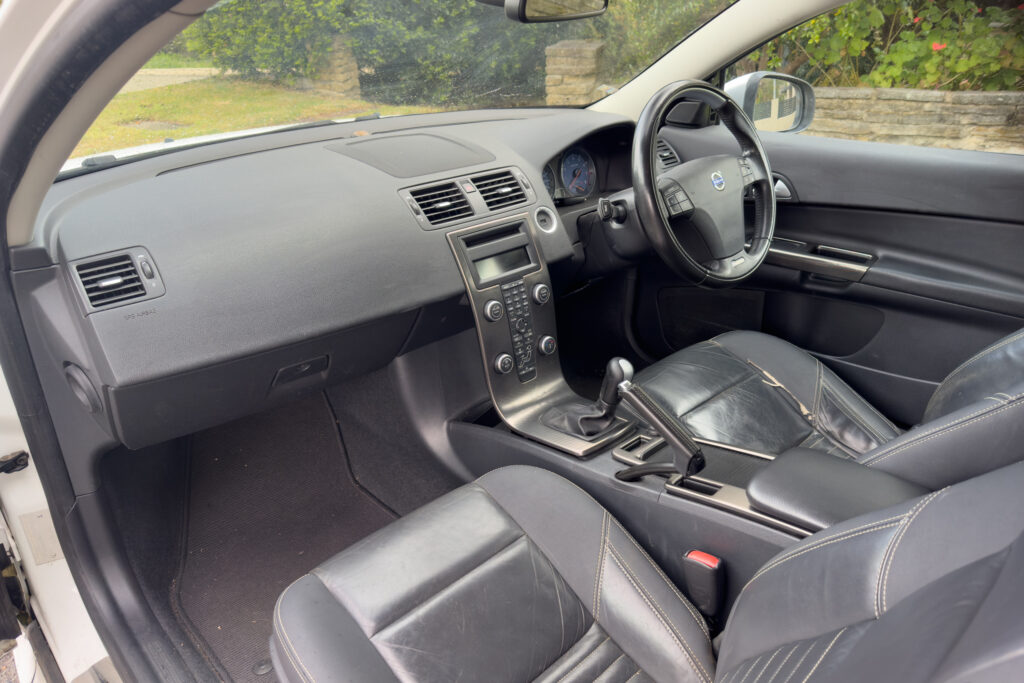
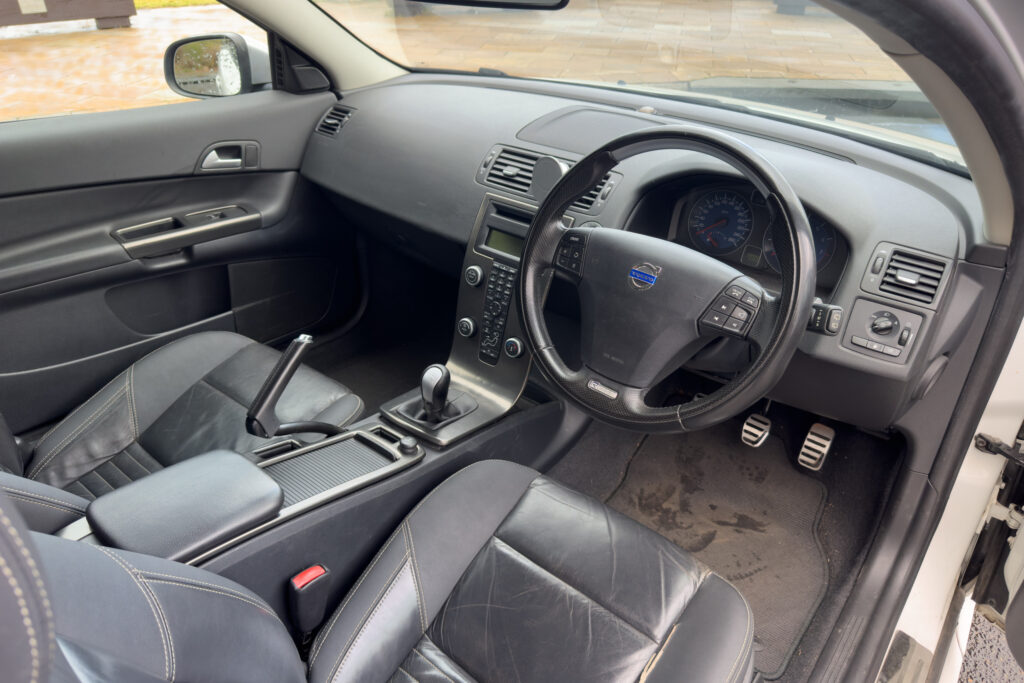
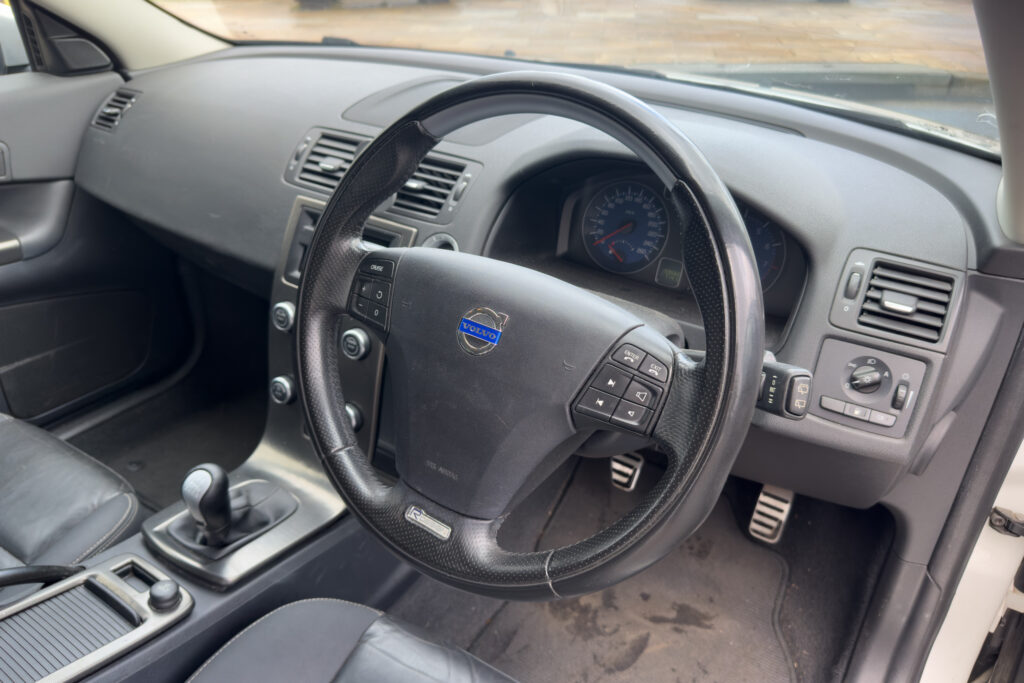
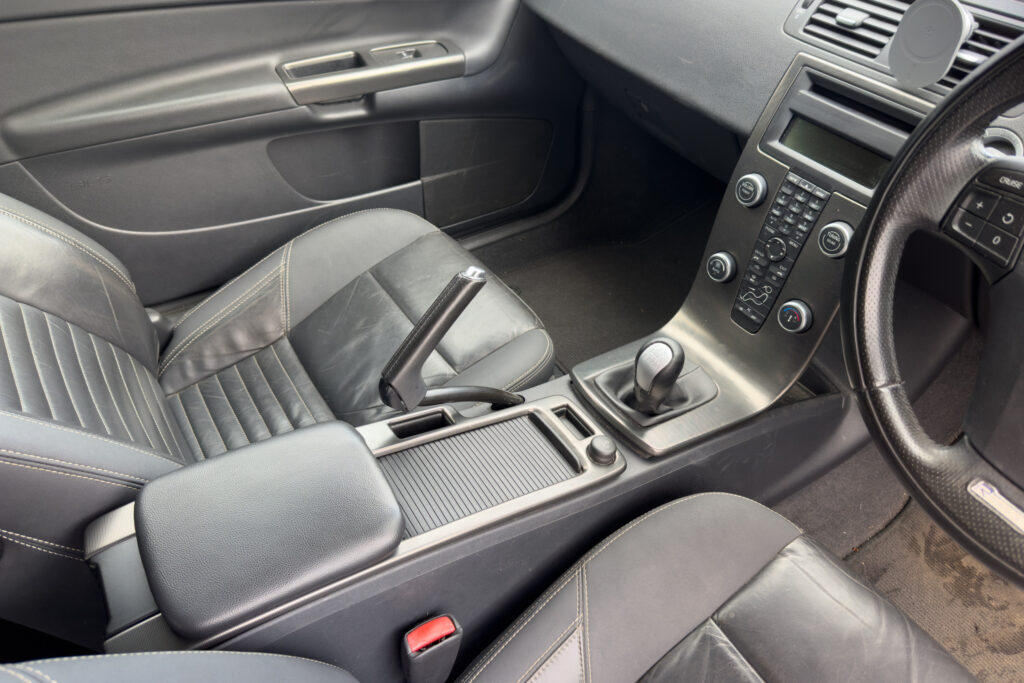
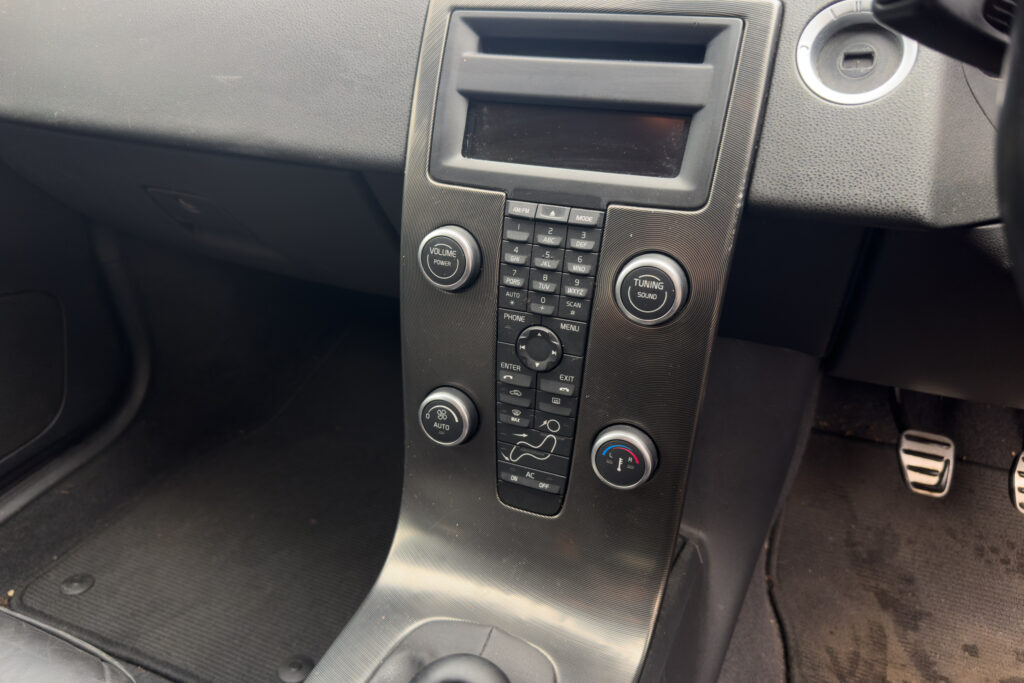
Step inside, and you’re greeted with Volvo’s signature minimalist yet premium interior. Think floating centre console, ergonomic seats, and that classy Scandinavian styling. In Australia, the C30 came in three main trims: S (base trim), LE (Luxury Edition, with fancier materials and extra features), T5 (the sporty version packing the turbocharged 2.5L engine)/
You could also tick some boxes for leather seats, sunroofs, and high-end sound systems to suit your tastes.
Safety, of course, was a top priority – this is a Volvo after all. Standard gear included airbags all over the place, ABS, electronic stability control, and Volvo’s WHIPS (Whiplash Protection System). Back in the day, this was one of the safest small cars money could buy.
If you were after efficiency, the diesel options were where it was at. The 1.6L diesel could sip as little as 4.9L/100km, making it perfect for both city commutes and longer road trips without breaking the bank.
While the C30 wasn’t a massive hit in terms of sales, it’s gained something of a cult following in Australia. Its quirky design and character have found fans, especially the performance-oriented T5.
That said, like many niche European cars, its resale value isn’t exactly sky-high, so keep depreciation in mind if you’re planning to hold on to one for a while.
Now, we’d love to say that the C30 is bulletproof, but sadly, like other Volvos of this era, it has a few common issues.
Exterior:
If the C30 you’re considering has a sunroof, be sure to check for water leaks. The drainage channels for the sunroof are prone to clogging, and worse still, the plastic drainage tubes can age poorly, becoming brittle and even breaking if you try to clear them.
Thankfully, this is an easy and cheap fix (around $5), and there are plenty of tutorials available in Volvo owner forums to guide you.
Another water ingress issue to watch for is around the windscreen. Over time, vibrations can cause the windscreen seal to deteriorate, leading to leaks. Be sure to check the top of the windscreen for any signs of water entering the cabin.
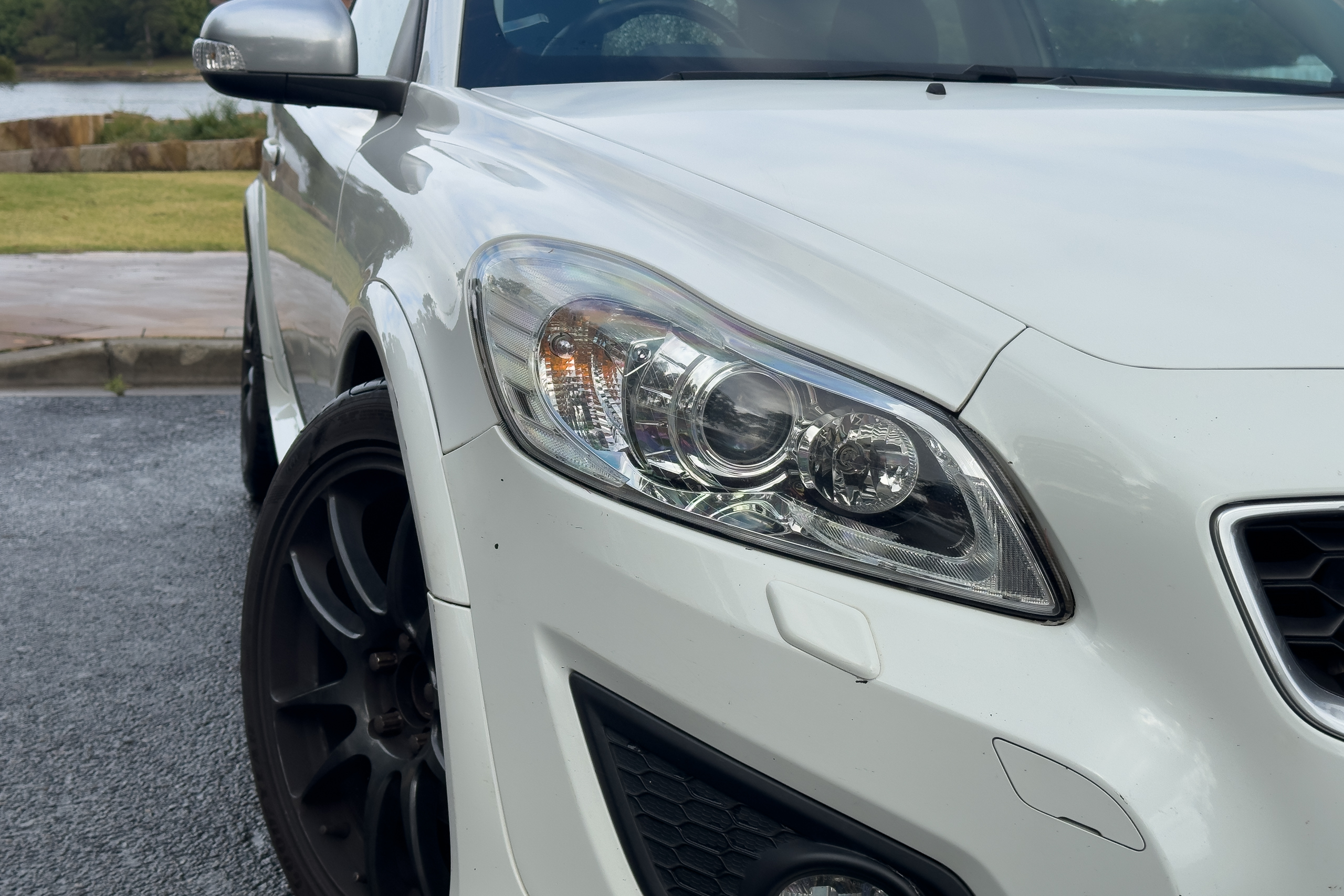
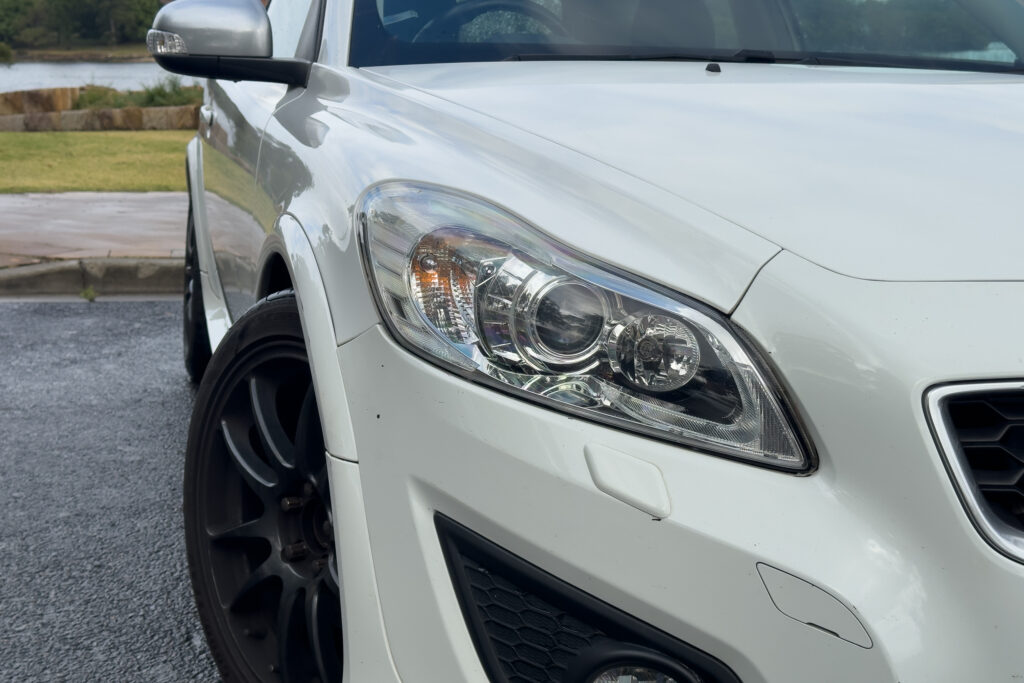
Many pre-facelift C30 owners have complained about the non-Xenon headlights, describing them as so dim they’re almost dangerous. While this is an issue, there’s good news – you can find a wide range of aftermarket kits and upgraded bulbs to significantly improve the lighting performance.
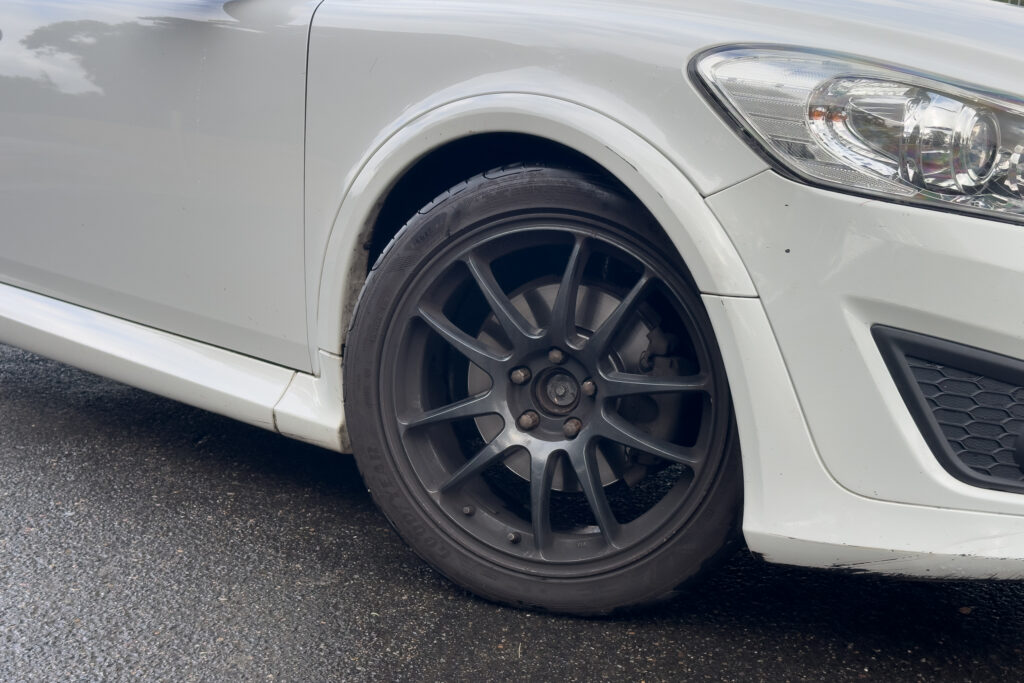
In sunny climates like Australia, the C30’s paint can suffer if not regularly maintained. The prominent curves and hips of the car are especially susceptible to sunburnt, faded paint, so check the bodywork carefully if the car has spent a lot of time parked outside.
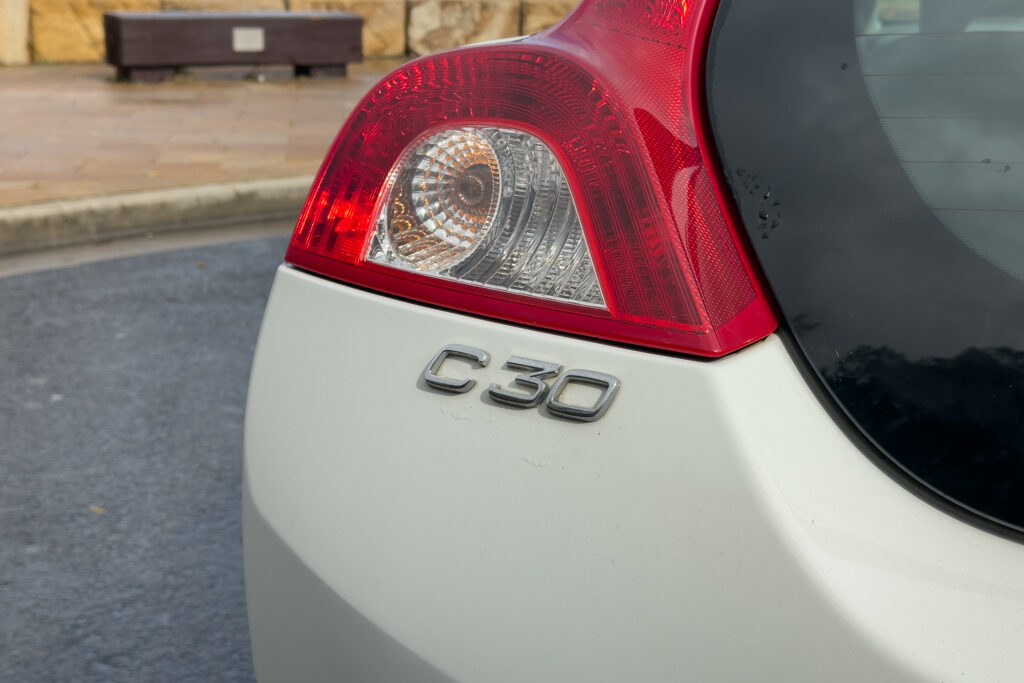
As the C30 ages, some exterior plastic components are becoming brittle. One common issue is the tailgate handle, which can snap if pulled too hard. So, if you’ve got a heavy-handed child (or adult!), this could be a point of failure.
Interior:
Air conditioning problems are a common theme in older C30s. The most frequent issue is with the compressor clutch, which can fail and cause the air conditioning to stop blowing cold air after a few minutes of driving – not ideal for Australia’s climate.
Fortunately, this is a relatively inexpensive and easy fix. However, a failed condenser is a more involved and costly repair. Additionally, the heater core can leak, and this can be particularly problematic if the coolant leaks onto the central electronic module (CEM), as water and electronics don’t mix well.
Speaking of the CEM, it’s located beneath the glovebox, and many owners have experienced problems where passengers accidentally kick it, leading to all sorts of electronic gremlins. Replacing this unit with dealer programming can be an eye-watering expense, sometimes costing thousands of dollars.
If the car has had sunroof leaks or any other water ingress, check under the carpets, particularly around the front seats. Water can accumulate and cause corrosion in the airbag connections, which is a serious safety concern in a car renowned for its safety credentials. So, take a good look under those mats!
When test-driving a C30, try every button and function, including the air conditioning and heating, to make sure they work properly. Run them for a good amount of time to ensure they keep working consistently, as intermittent failures are often a sign of bigger problems.
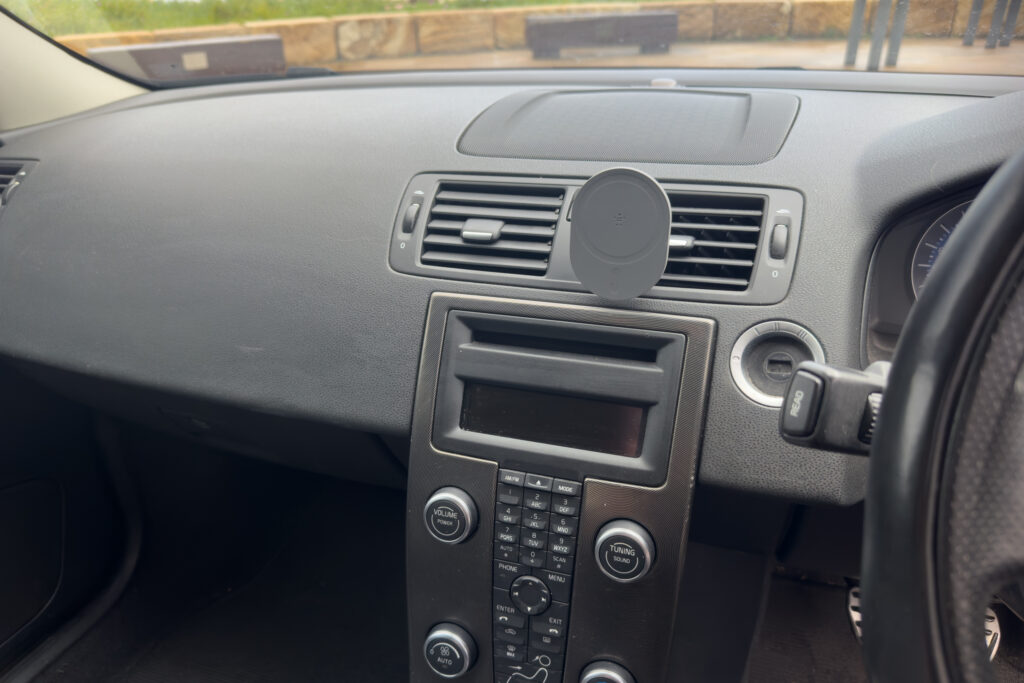
The mechanism that lifts the pop-up infotainment screen can develop issues over time, and many owners have had problems with the door lock mechanisms. Don’t ignore these, as leaving the door locks unchecked for too long can cause them to fail entirely.
Owners have recommended avoiding C30s with the black and white leather interiors, as they tend to show wear and tear more visibly and can look quite shabby unless meticulously maintained. Squeaks, rattles, and creaking trim panels (particularly door cards) are also common, and these can be frustratingly difficult to fix.
Mechanical:
Petrol Engines (5-cylinder models):
The turbo and non-turbo 5-cylinder engines share several common issues:
This can cause problems, but the good news is that you can often replace just the diaphragm for a fraction of the cost instead of replacing the entire oil filter housing.
Heavy oil consumption has been widely reported, so keep an eye on oil levels.
Oil leaks from these are common. If the cam seals are leaking, it may also mean replacing the timing belt.
These are becoming a regular concern. The expansion tank can split, the cap can fail, and the thermostat housing or heater hose fittings can become brittle with age, potentially leading to overheating.
In worst-case scenarios, this can result in head gasket failure or even cracked engine blocks in poorly maintained or modified cars.
These need to be replaced every 150,000 km or 10 years – so if the C30 you’re looking at is due for this service, factor in the cost of doing both the belt and the water pump together.
Diesel Engines:
The most common problem is blocked inlet manifolds, especially on the 5-cylinder diesel. The inlet manifold is part of the valve cover gasket, making it a time-consuming and costly repair. If ignored, it can lead to seized swirl flaps and failed actuators.
These, along with clogged MAP sensors, are increasingly common. If left unresolved, they can cause issues with the diesel particulate filter (DPF), leading to more expensive problems. A failure here is common across all models.
In the 5-cylinder diesel, this is a critical component that’s known to fail, and when it does, it often results in catastrophic engine failure. So, regular inspection is crucial.
Some markets got the dreaded Ford Powershift transmission, which has been notorious for reliability issues. Thankfully, this wasn’t common in Australia, but double-check what transmission your potential C30 has.
The more common automatic transmission in Australia is the Aisin unit, which is generally reliable with proper maintenance. However, valve body, solenoid, and clutch pack issues can arise if the car has been tuned or driven hard.
The manual gearbox is generally bulletproof, so if you’re after reliability, this could be the best option.
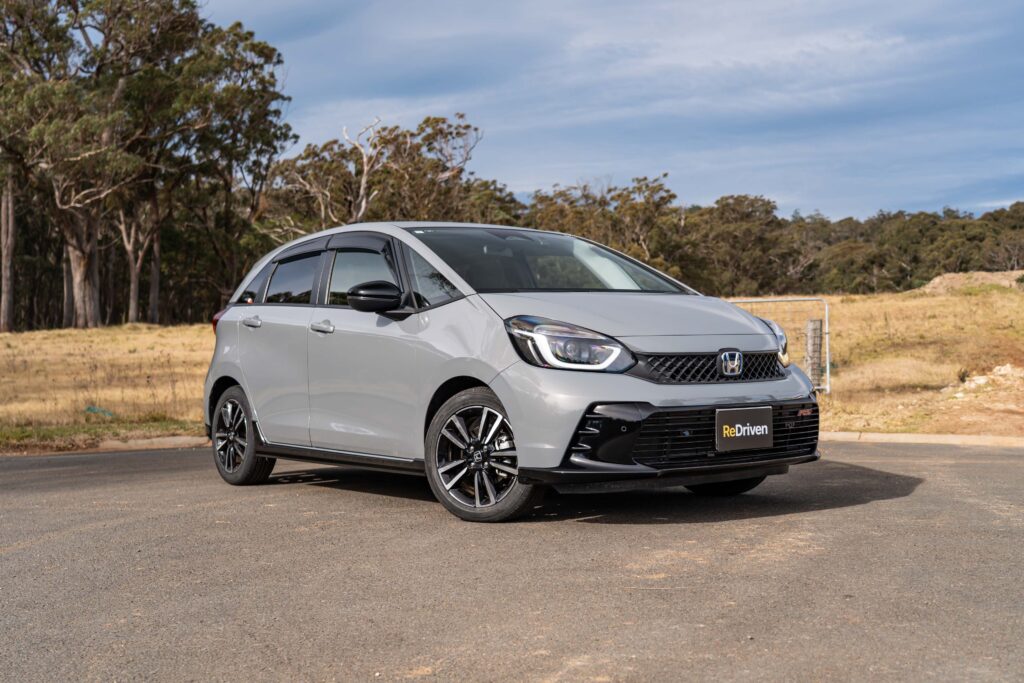
Should you buy a Volvo C30? Well, if you’re eyeing a regular, non-T5 C30, we’d probably steer you in another direction. For the $5k to $10k asking price, you’d be better off looking at options like a Toyota Corolla or Yaris, Mazda 2 or 3, Honda Civic, or even a Suzuki Swift.
Why? Because at this budget level, your priorities should be reliability, affordability, and a solid support network. These cars offer cheaper parts, better resale value, and stronger reputations for long-term resilience – essentials when shopping in the used car market.
But when we’re talking about the spicier T5 models, especially in R-Design trim, things get a bit more interesting. If you’re handy with a spanner, know your way around some DIY repairs, and you’ve found a well-maintained example with a full service history, then you might just have a hidden gem on your hands.
Just make sure you’ve got around $5,000 stashed away for those “just in case” moments – because Volvos of this era can throw a tantrum or two, and repairs aren’t always cheap. But if you can handle that, the T5 C30 could be one of the most underrated hot hatch coupes for this kind of money.
It’s fun, fast, and loaded with character, offering a unique blend of premium feel and sporty performance that you won’t find in your average hatchback.


Co-creator, presenter & writer, ReDriven

There are better cars out there.
 2 months ago
 2 months ago
 2 months ago