Australia’s No. 1 Used Car Review Website
Australia’s No. 1 Used Car Review Website
+17 Photos
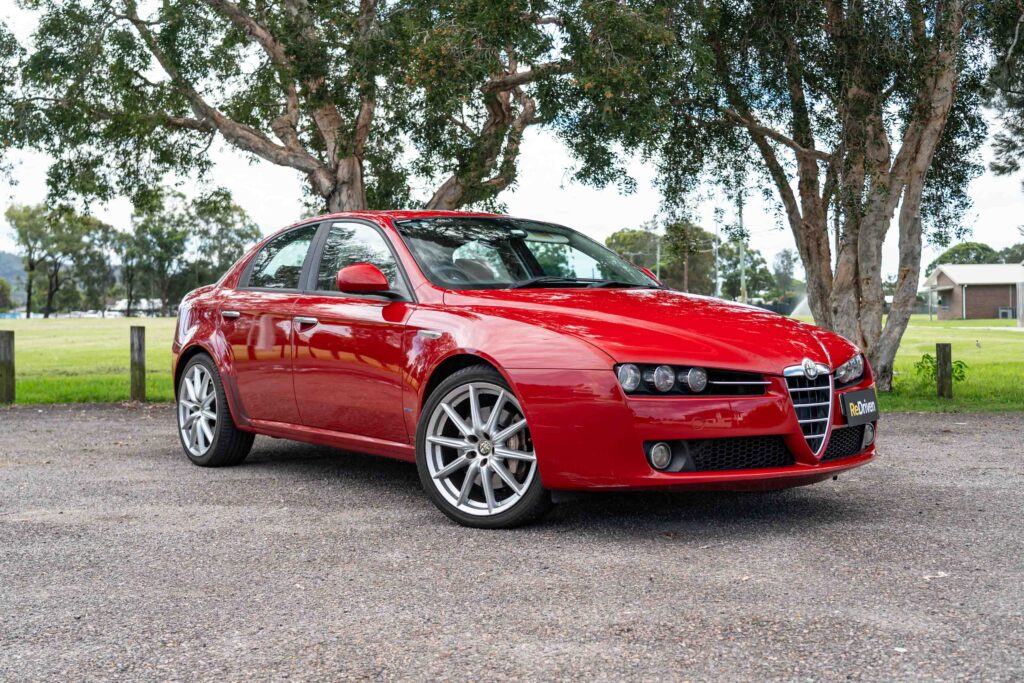
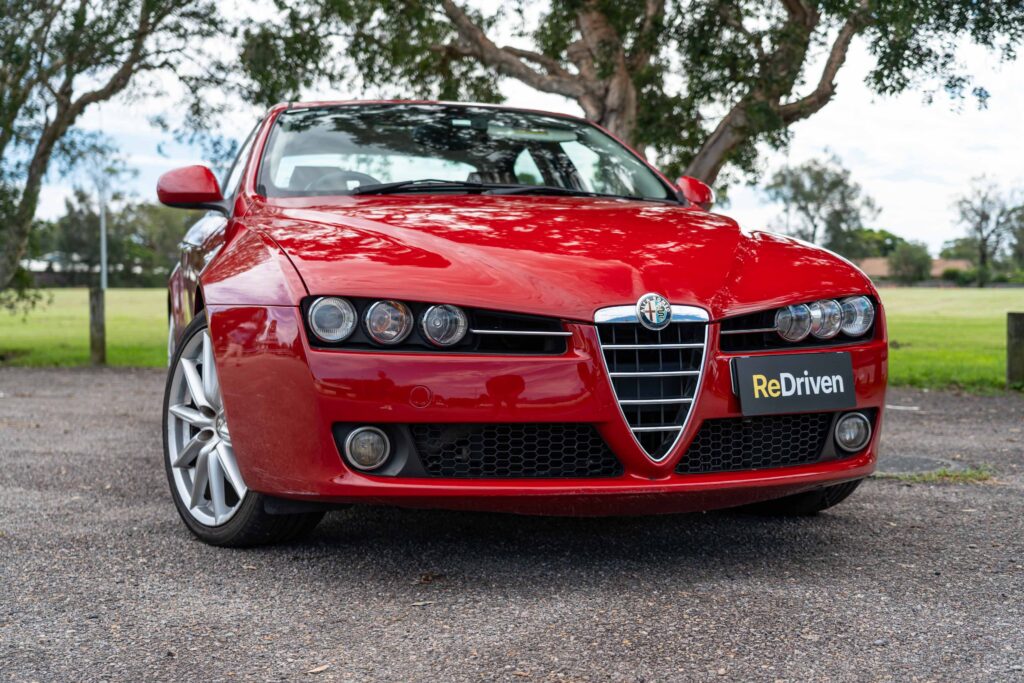
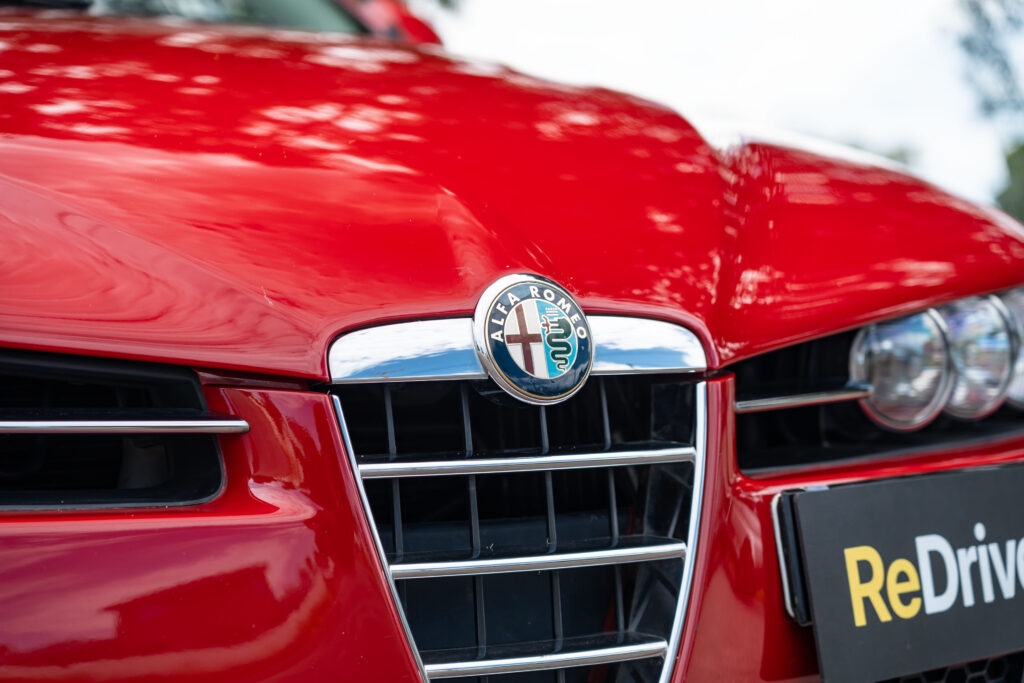
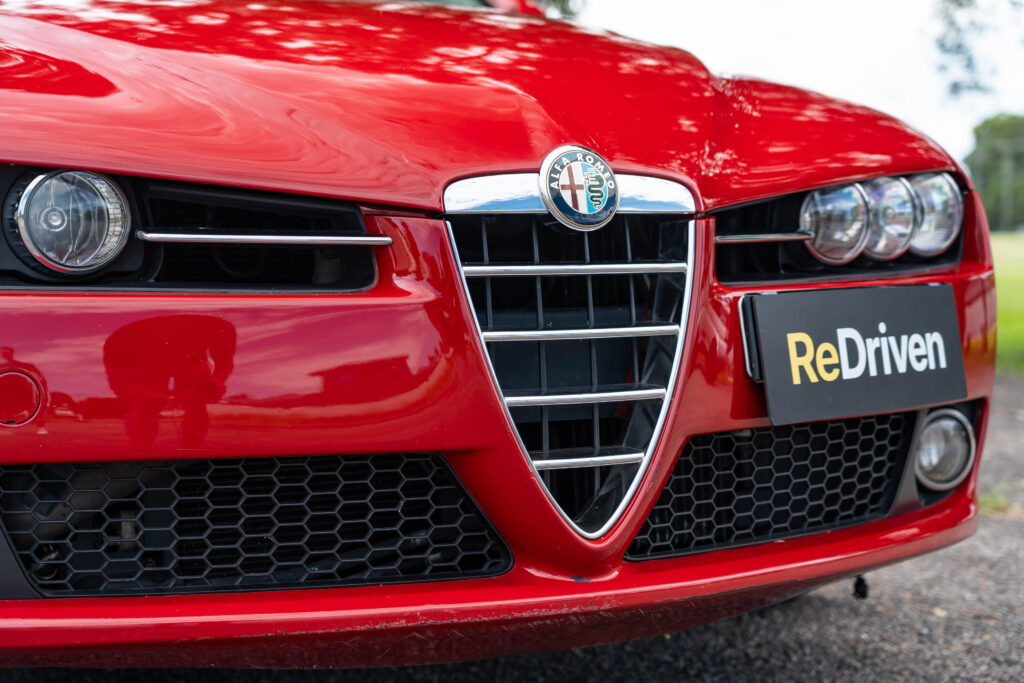
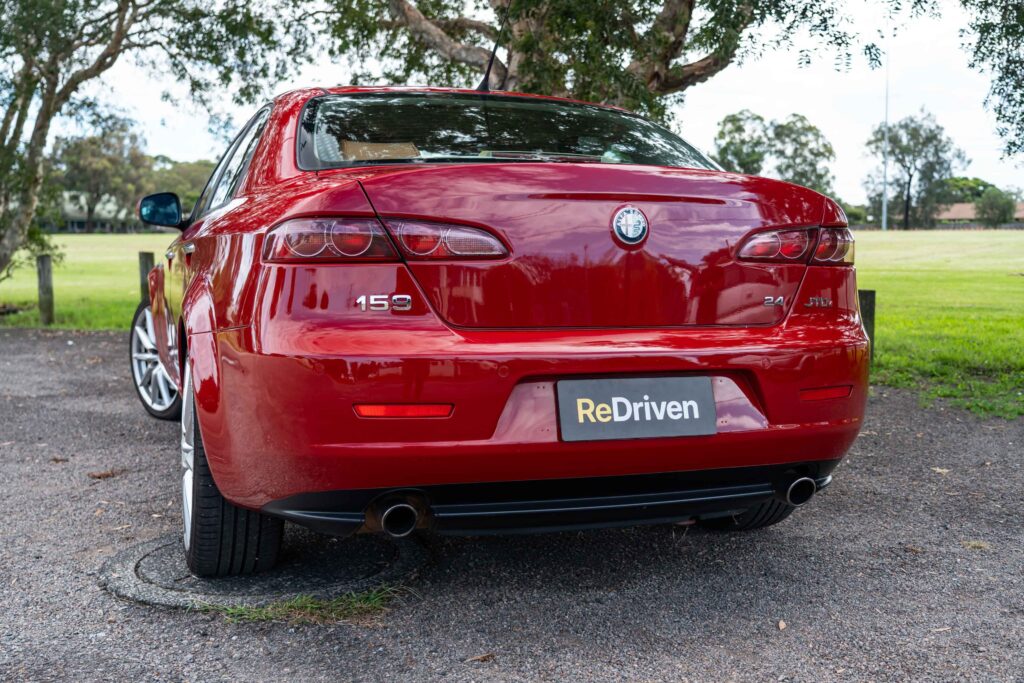
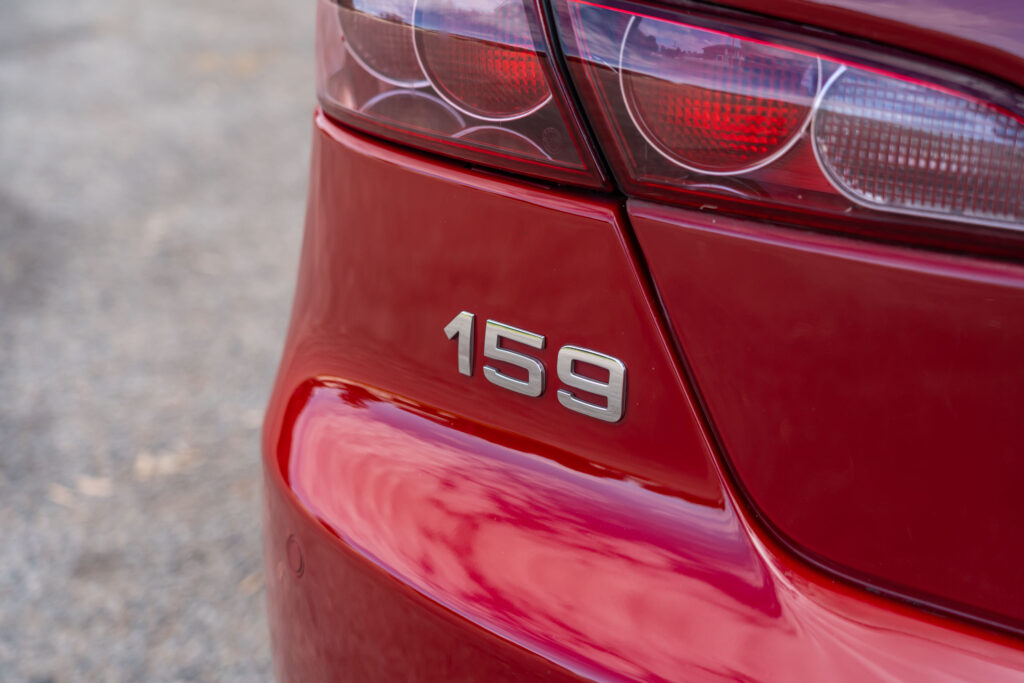
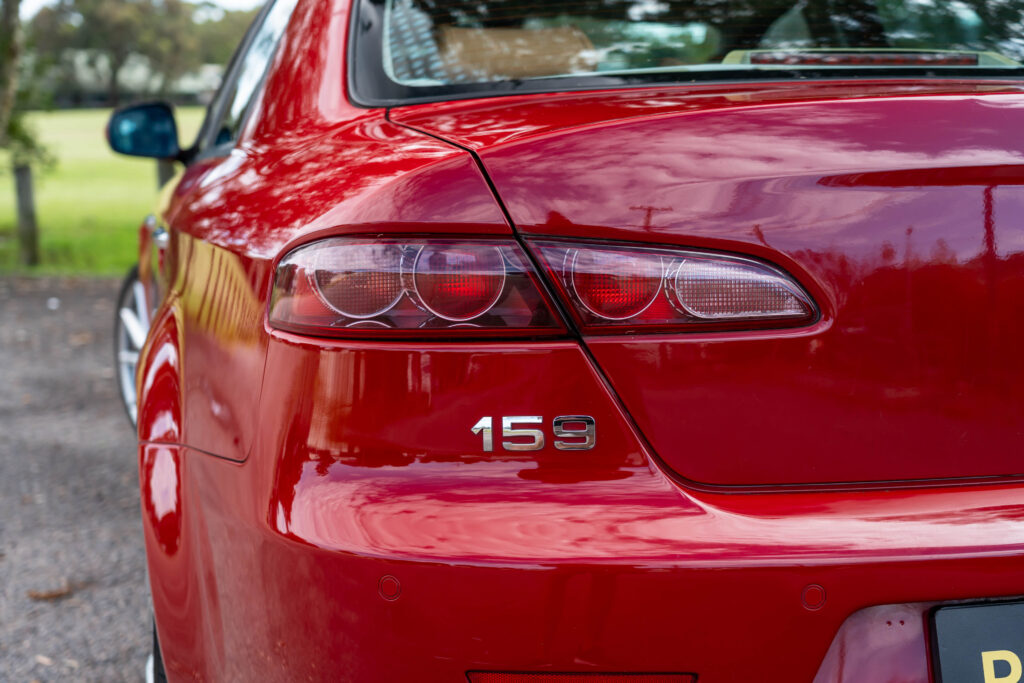
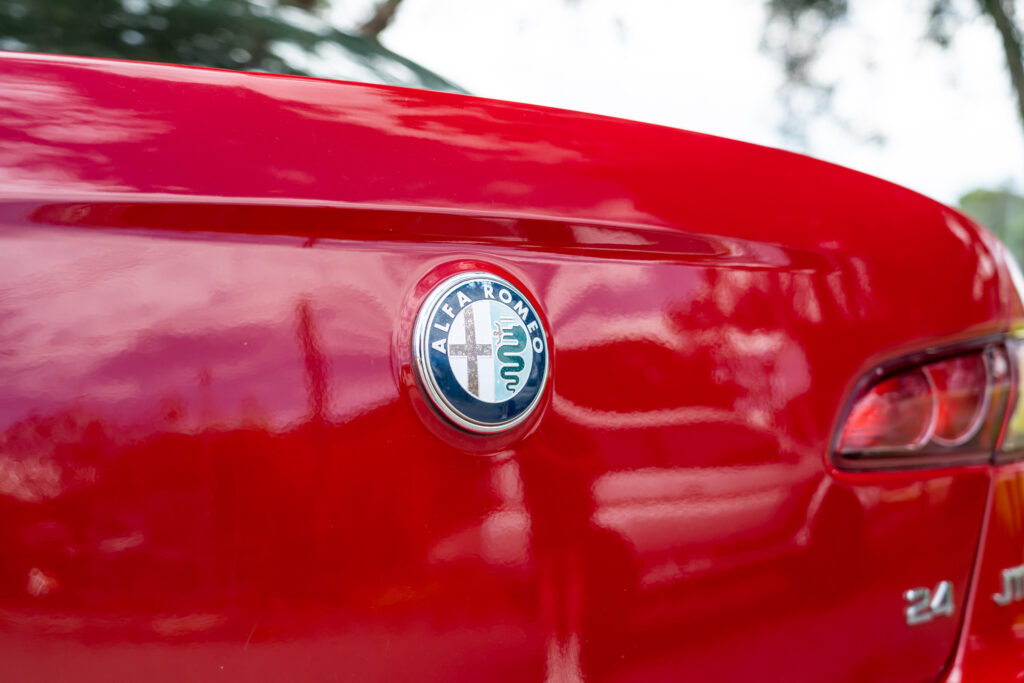
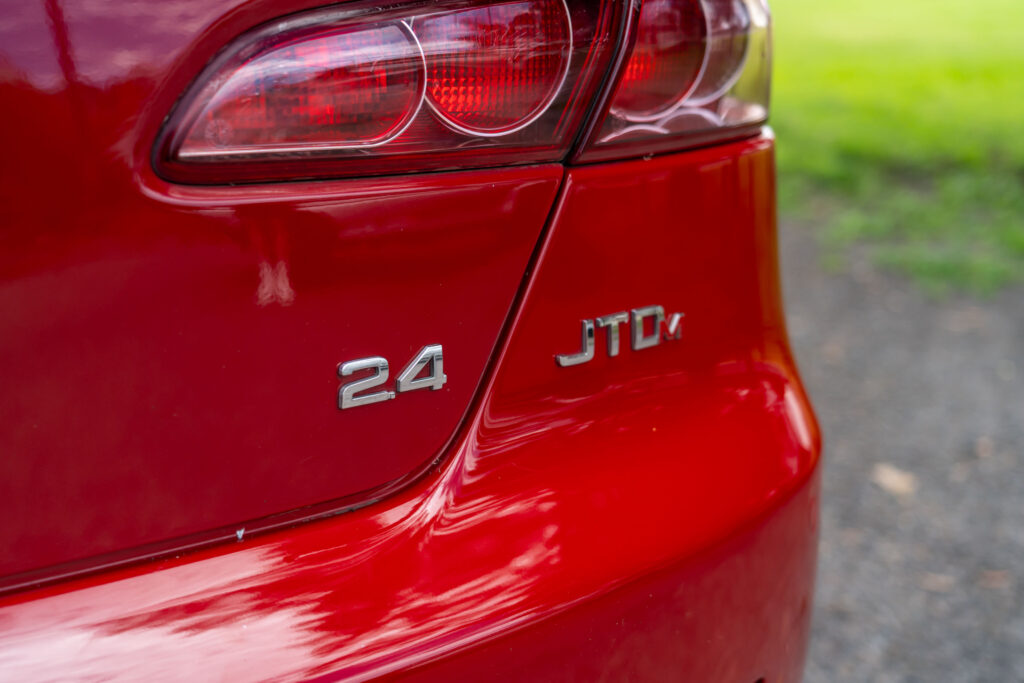
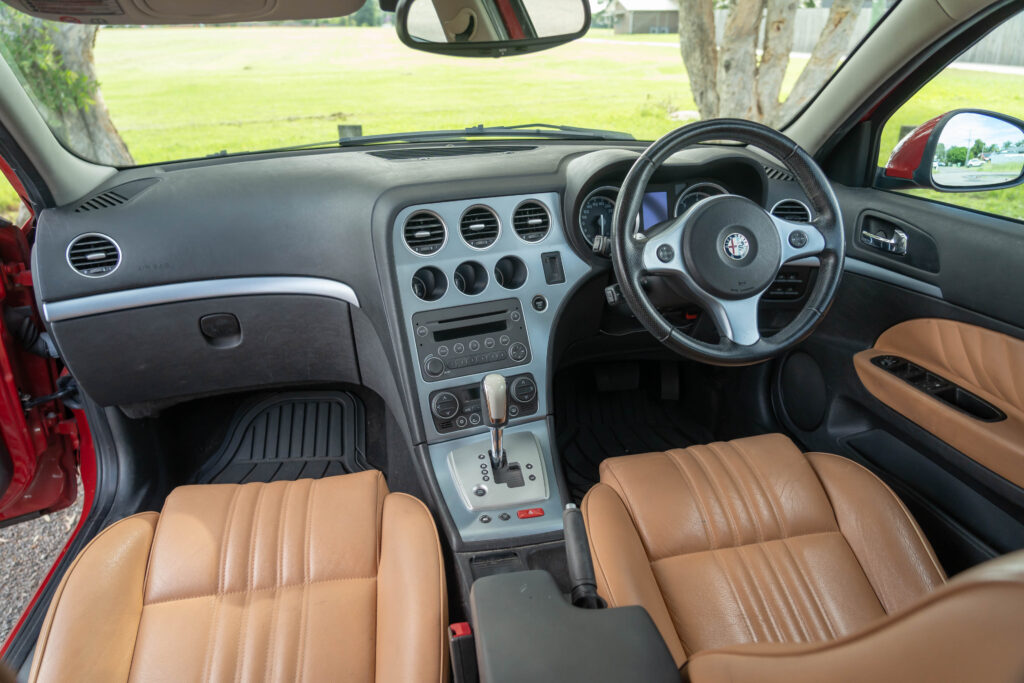

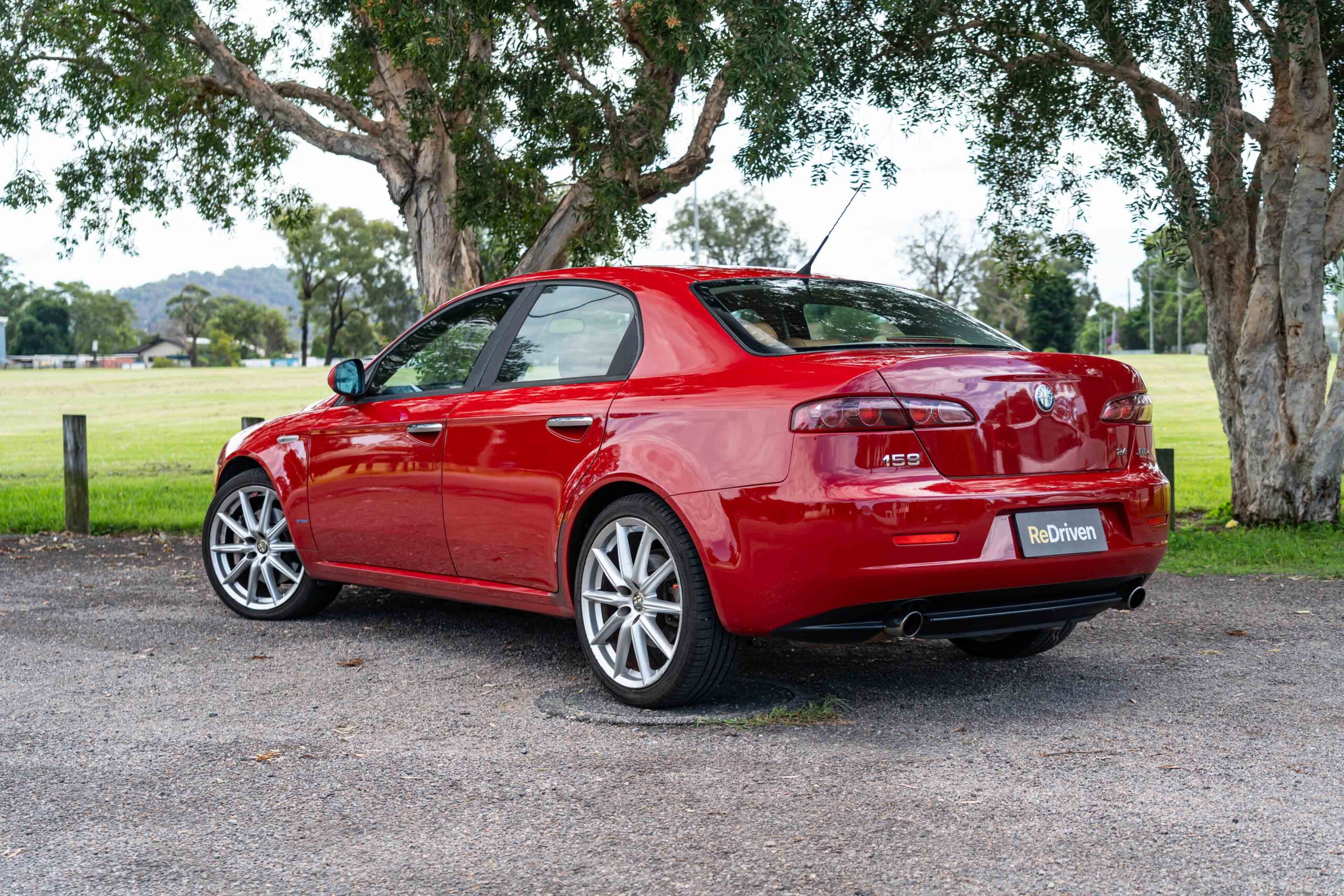
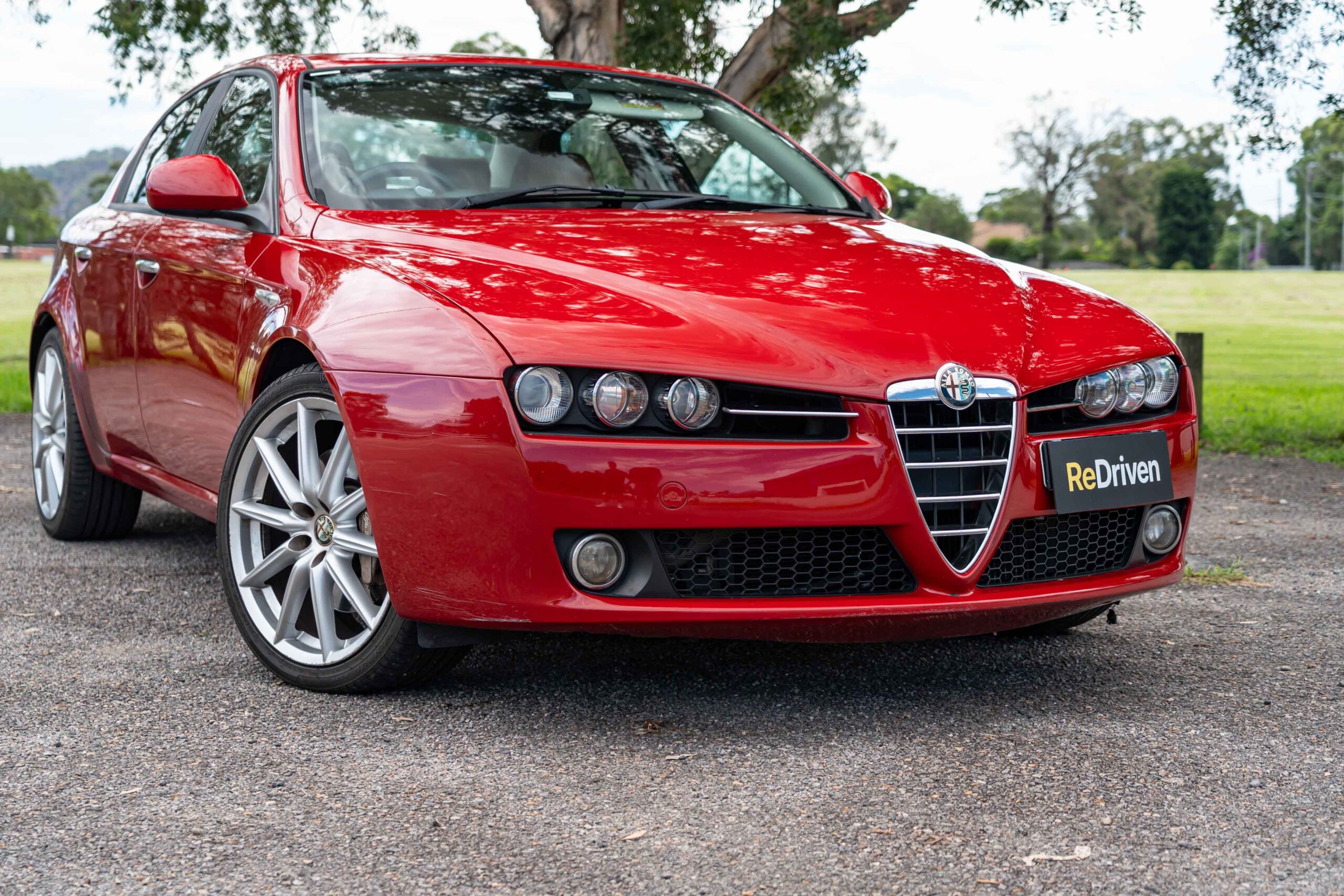
2008 Alfa Romeo 159 JTDm 2.4

28 April 2026
Probably not.

2008 Alfa Romeo 159 JTDm 2.4

Used car review
28 April 2026
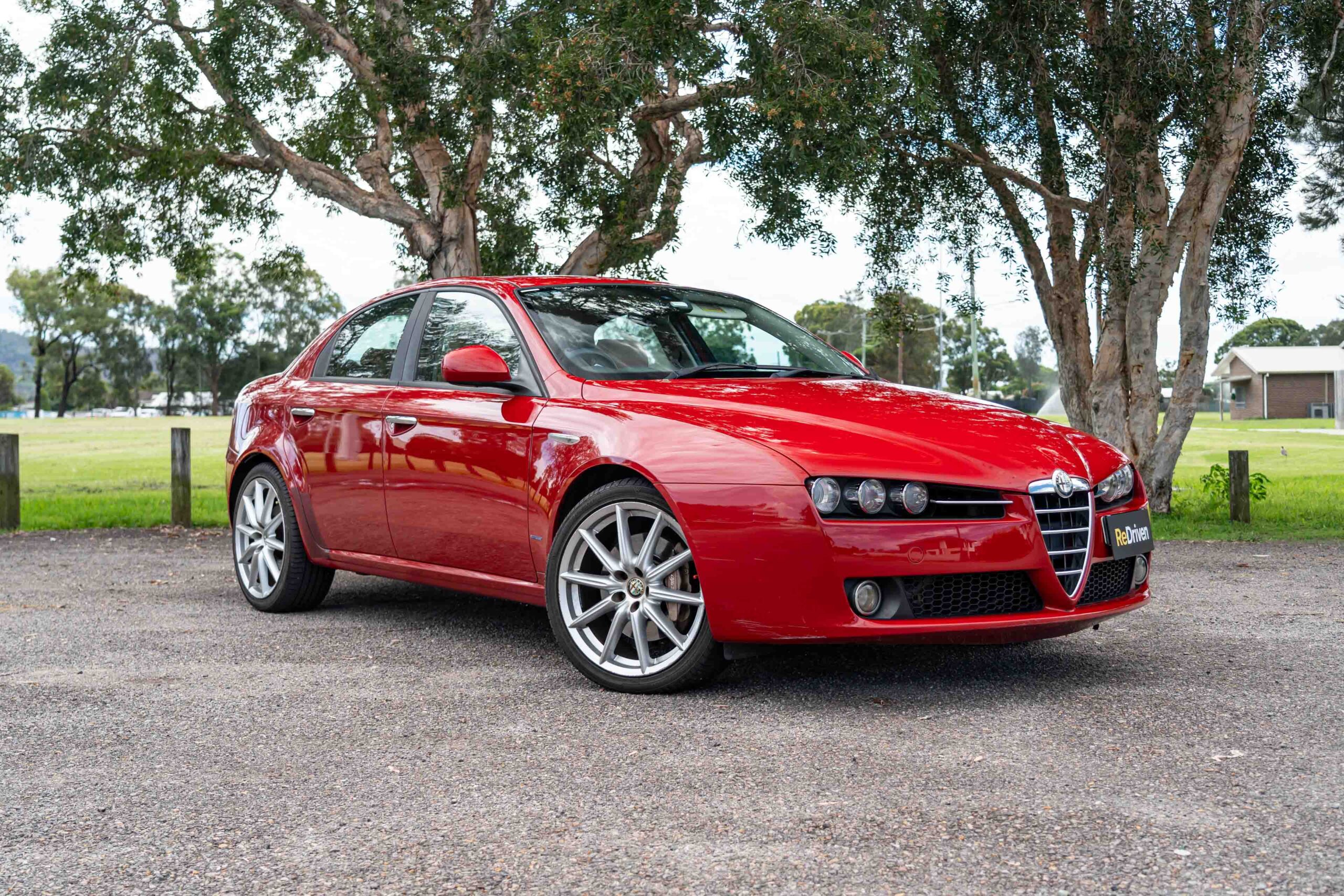
The Alfa Romeo 159 was produced from 2004 to 2011 as the successor to the Alfa Romeo 156 compact executive sedan – serving as an Italian entry to a segment dominated by German brands like the Audi A4, Mercedes-Benz C-Class, and BMW 3-Series.
Initially sold as a four-door sedan, the 159 gained a five-door estate variant from 2006 onwards, referred to by Alfa Romeo as the ‘Sportwagen’.
The 159 evolved each year it was produced, but in summary, the bulk of updates these cars experienced consist of:
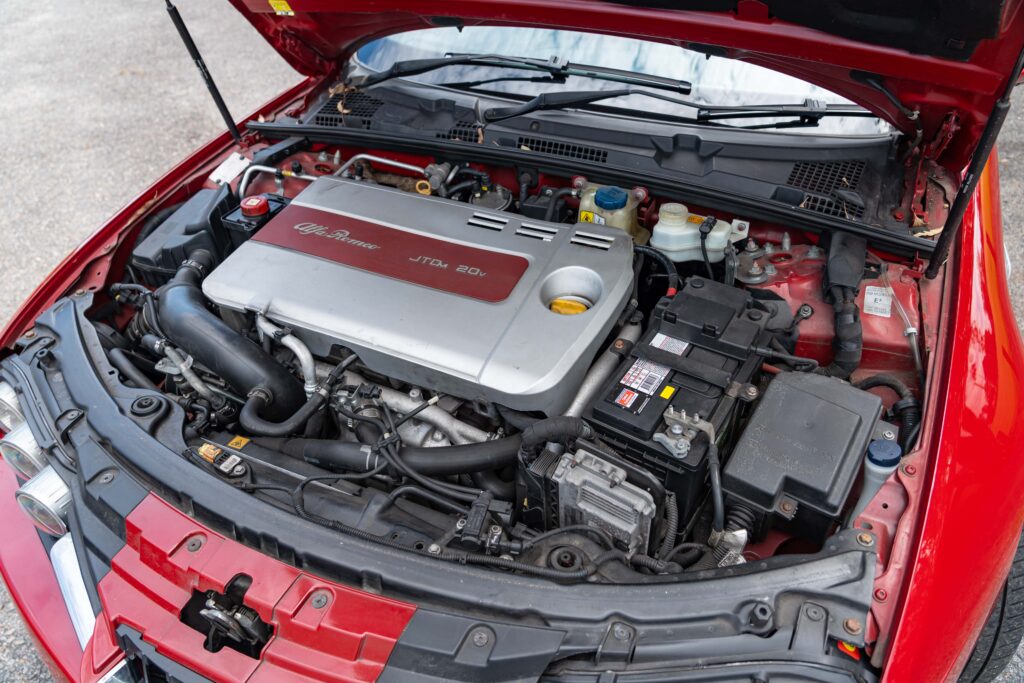
Powertrains included a petrol 2.2L four-cylinder, a 3.2L naturally-aspirated V6, and a 1.75L turbocharged four-cylinder. Diesel power was also available, from either a 1.9L turbodiesel four-cylinder or two variants of 2.4L turbodiesel five-cylinders (with varying power outputs).
Most sent their power to the front, though all-wheel drive via Alfa’s ‘Q4’ system, along with a limited-slip differential, was available exclusively for the V6 models.
Transmissions included a six-speed manual and automatic, as well as an automated manual known as ‘Selespeed’.
Exterior:
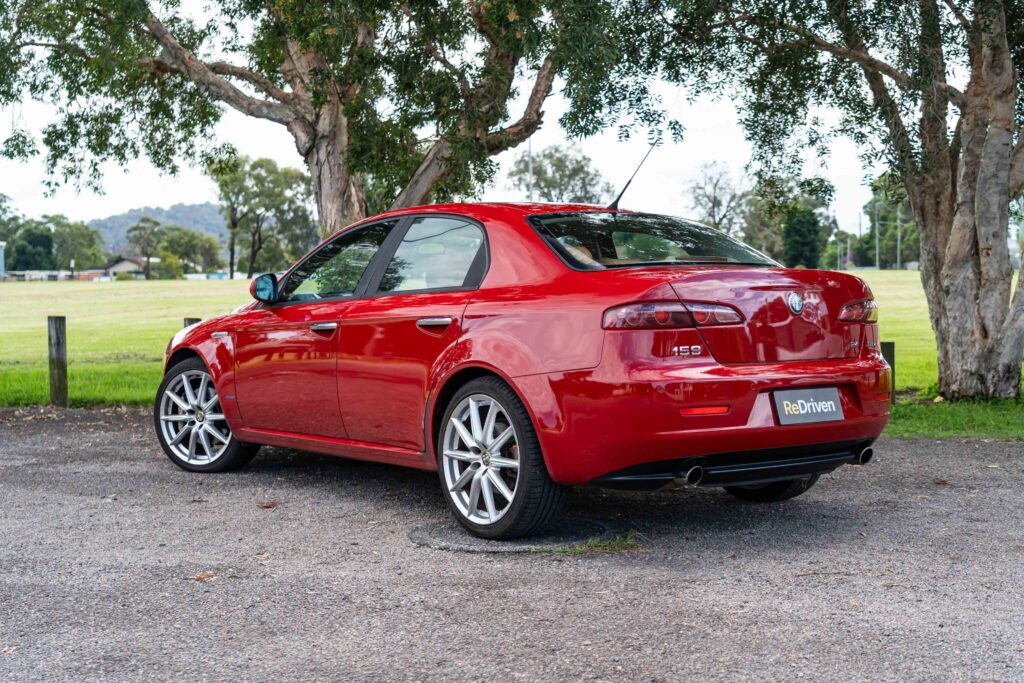
Some exterior issues can come up, largely due to being a more than ten-year-old car, and if they’ve been subjected to hot climates like Australia.
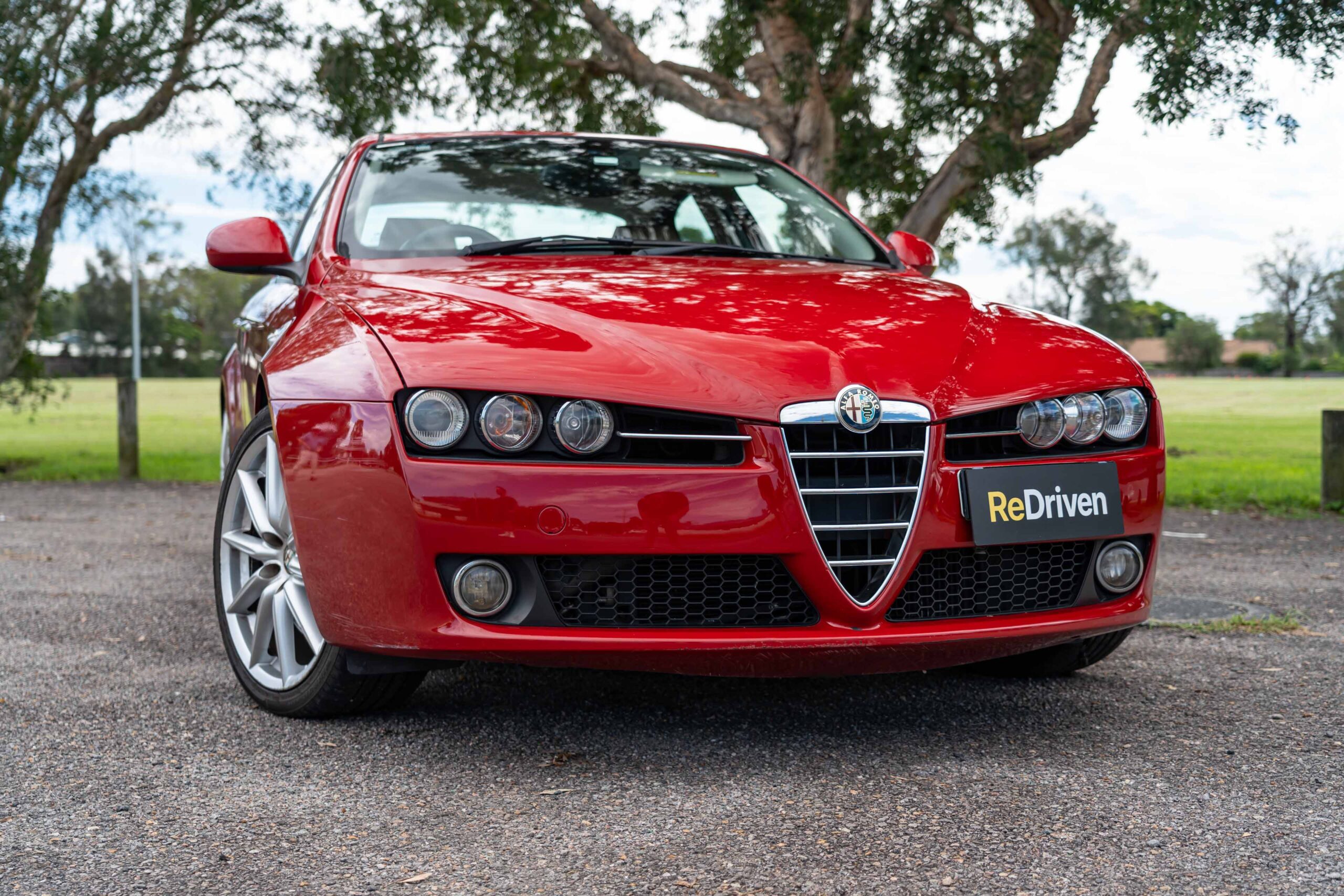
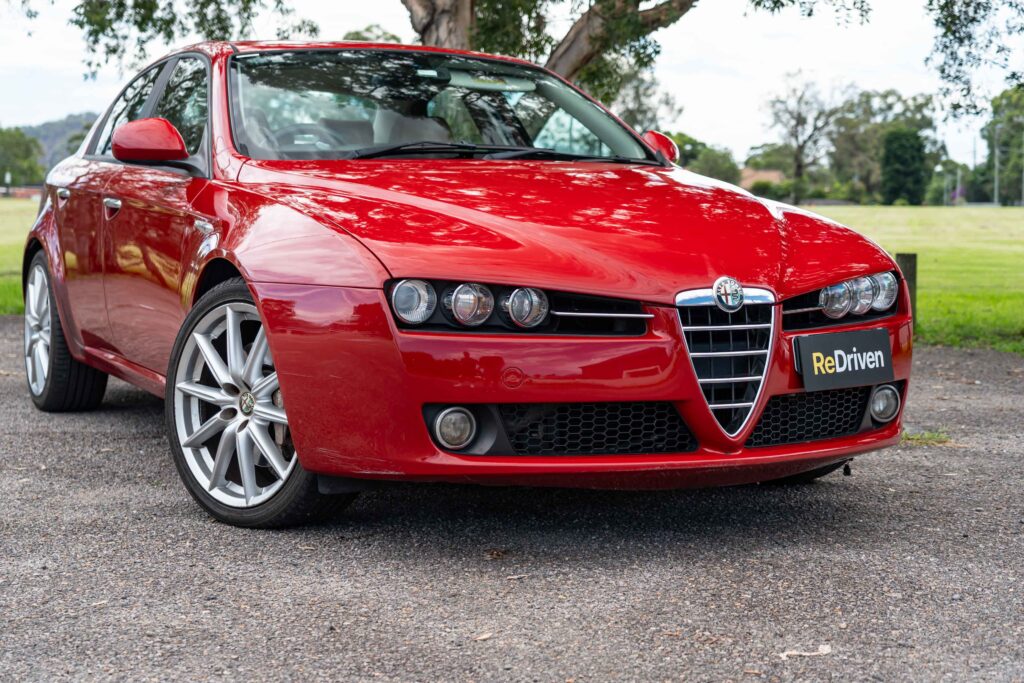
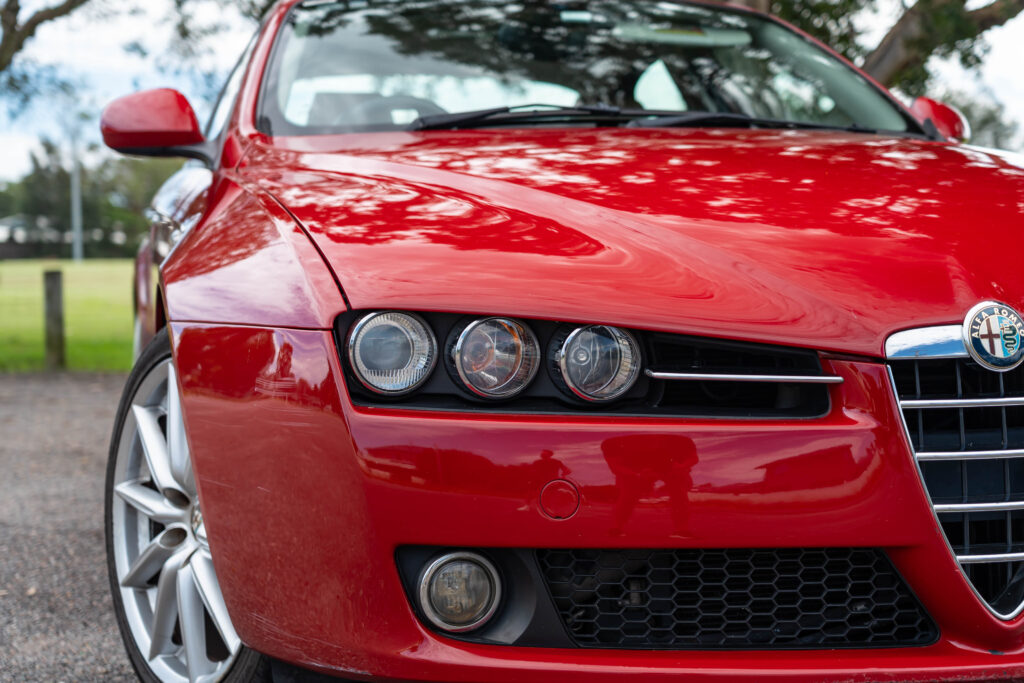
Areas like the chrome trim around the triangular front grill, door handles, and badges are known to fade over time.
Rubber seals around the doors can also shrink or become brittle, making them less watertight than they used to be. The seals around the rear tail lights, in particular, are a known weak point, but resolving these is fairly easy to do via DIY solutions.
The clear coat on sections like the roof and bonnet can also experience fade or discolouration from exposure to UV rays/sunlight.
The lower body sections are known to be susceptible to stone chips, especially along the front of the rear wheel arches.
Keep an eye out for any signs of corrosion throughout the body. Also, it’s worthwhile to look underneath, as Alfa Romeos of this era are known for corroding subframes.
Check how the front bonnet and rear trunk lid (or hatch on the Sportwagens) open and close without difficulty – the front bonnet release cable is known to stretch or stick.
Also, check the condition of the exterior lights – the chrome within the units (driving lights and headlights) can fade, and yellow on their surfaces, and HID-equipped 159s can also experience ballast/xenon module failure. The Alfisti owners’ communities will be a great resource for solutions.
On models featuring power side mirrors, the motors are known to seize up, causing them to not fold in/out normally. The same can apply to the rear windscreen wiper on Sportwagen models, but owners report it can also fail due to electrical issues caused by a faulty body control module.
If the 159 you’re considering is equipped with rear parking sensors, check that they function properly; replacements are easy to install, but note that the bumper must be removed entirely to access them.
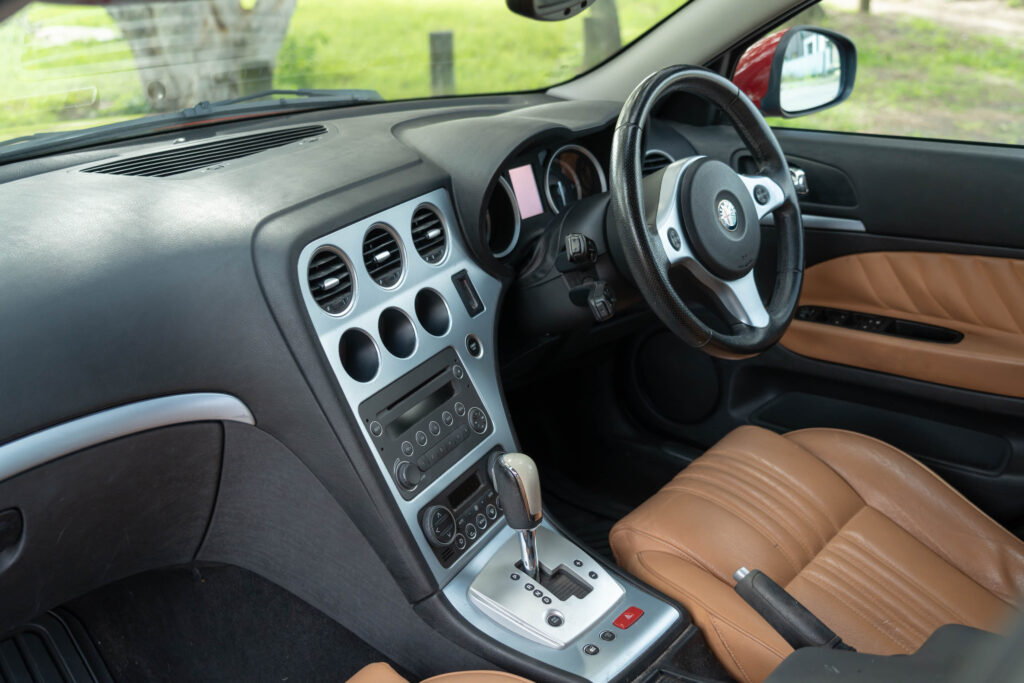
Interior:
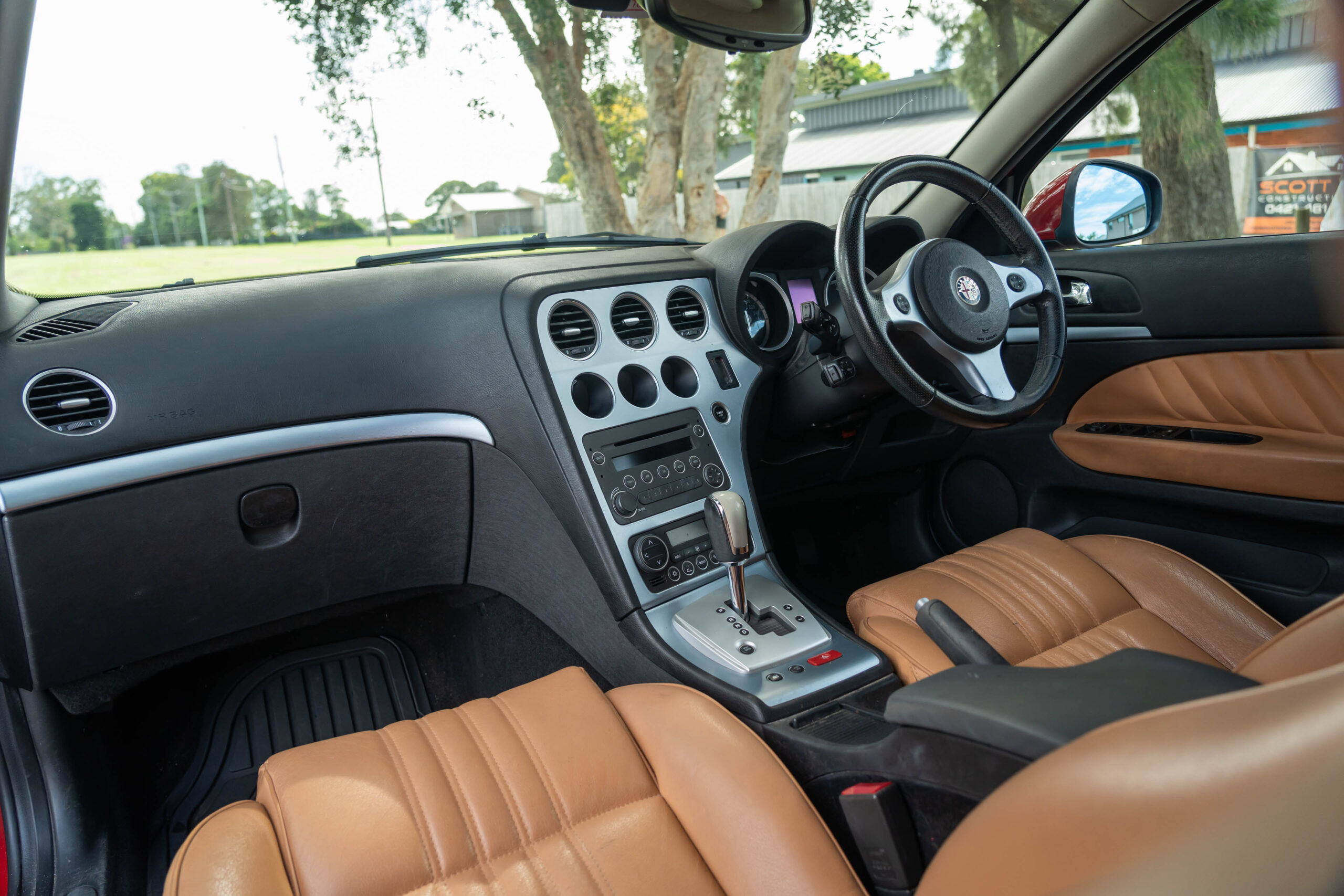
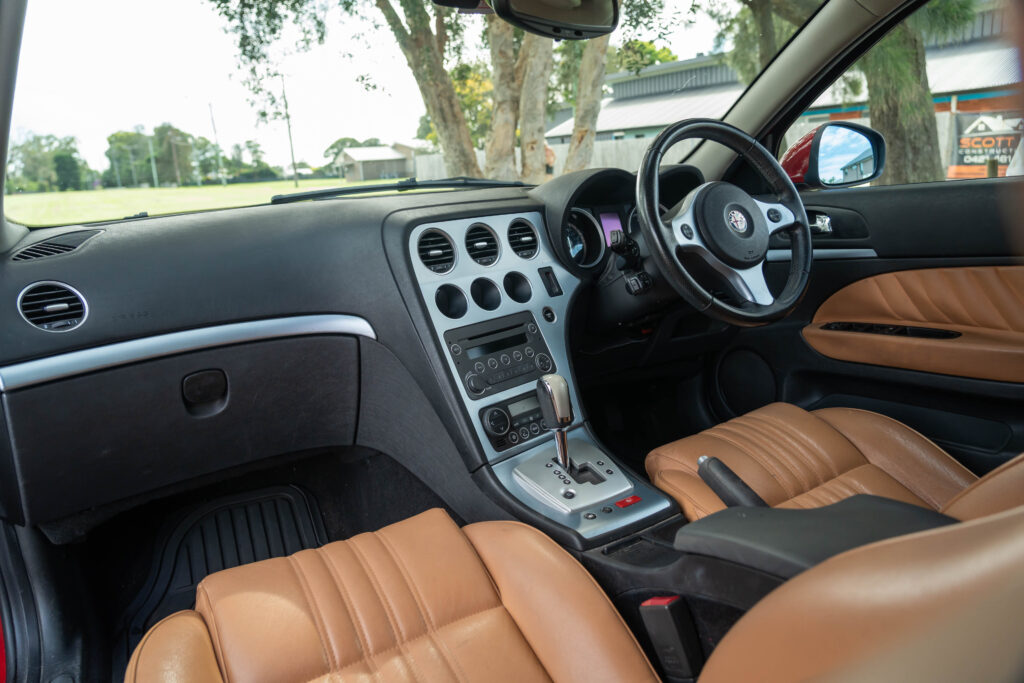
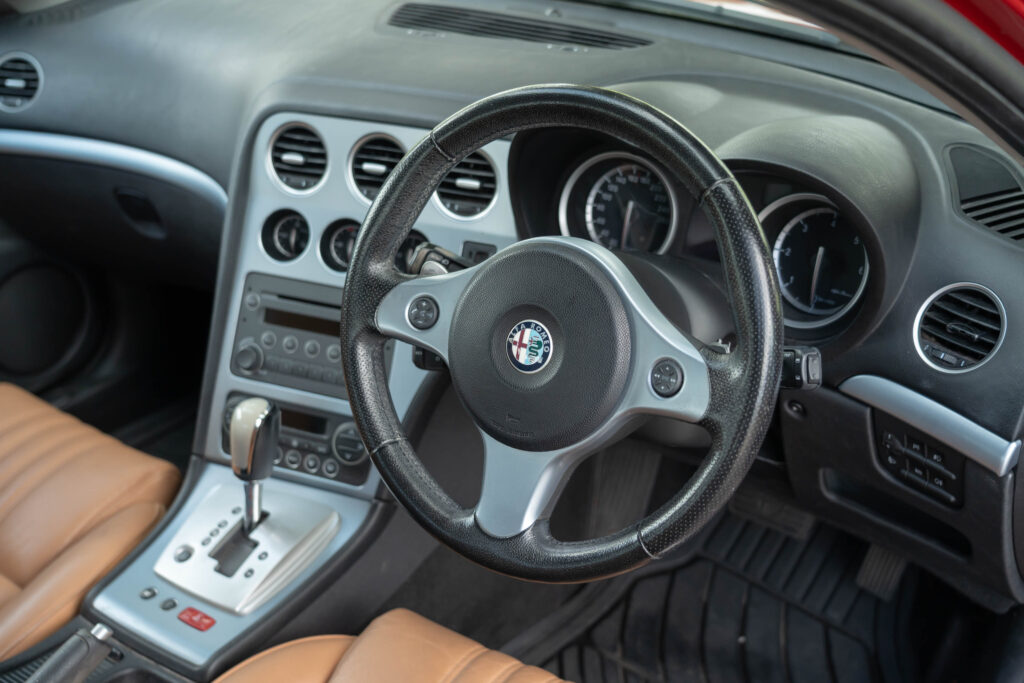
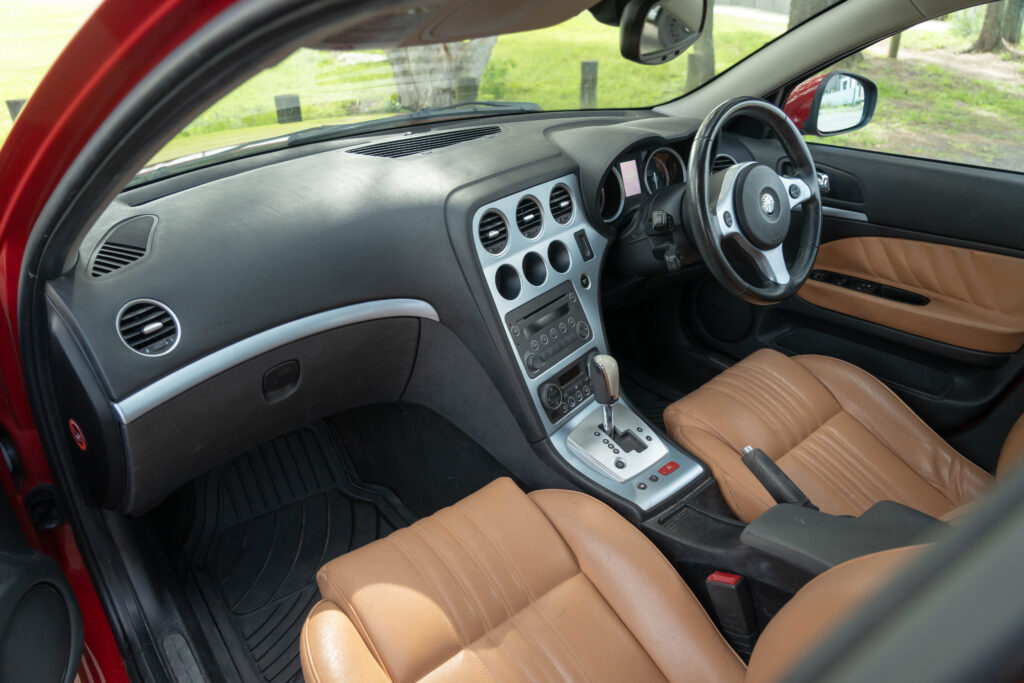
Compared to older Alfa Romeos, the 159’s interior is much better built, but they can still experience several issues now that they’ve aged considerably.
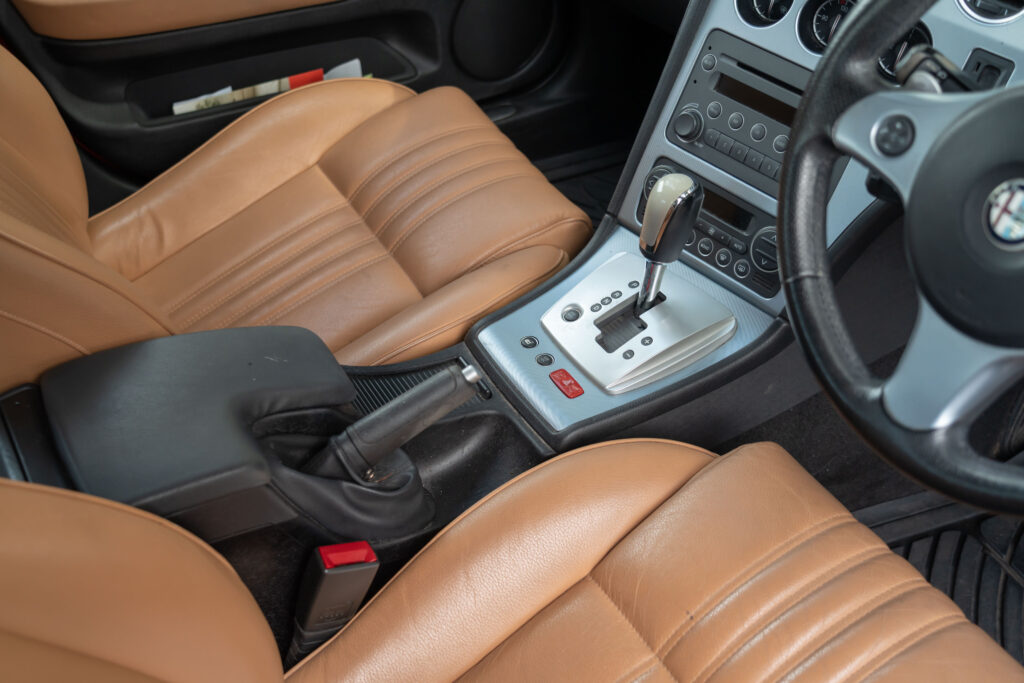
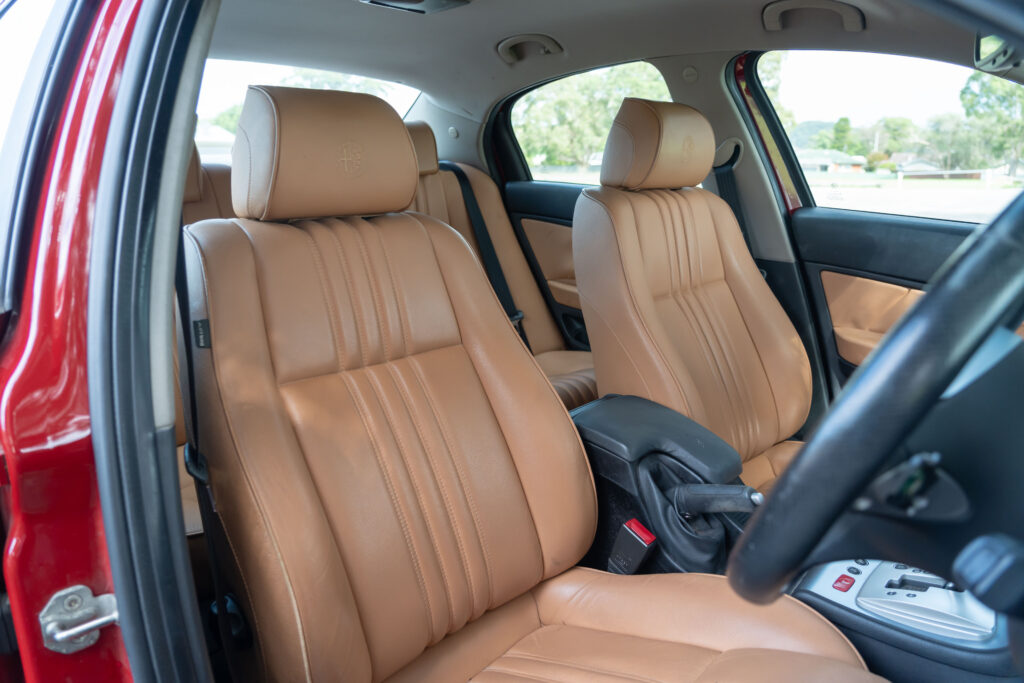
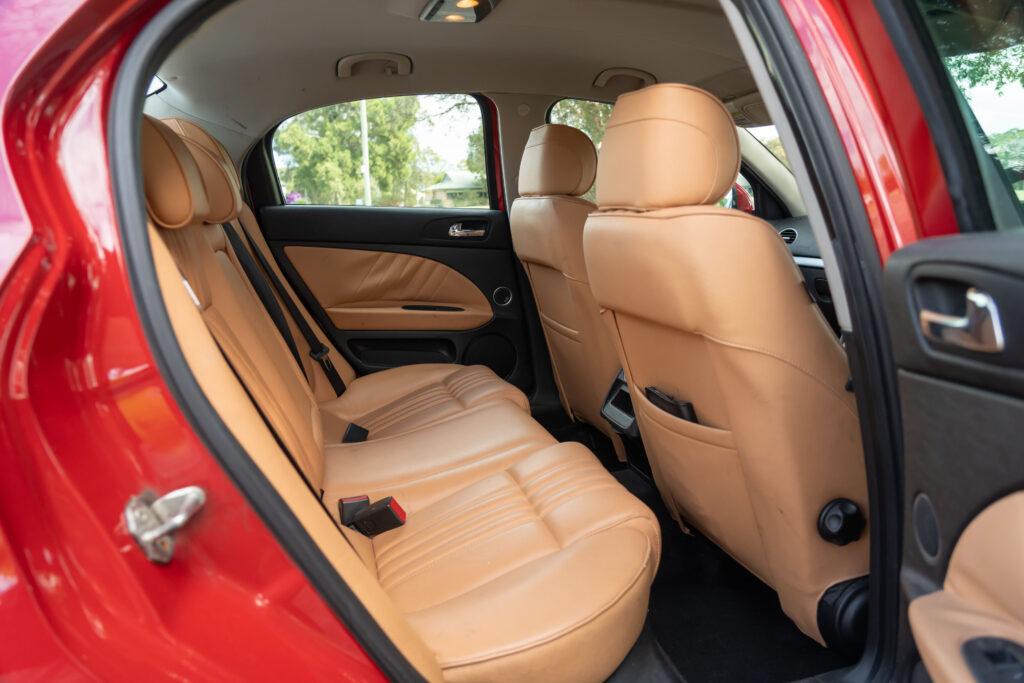
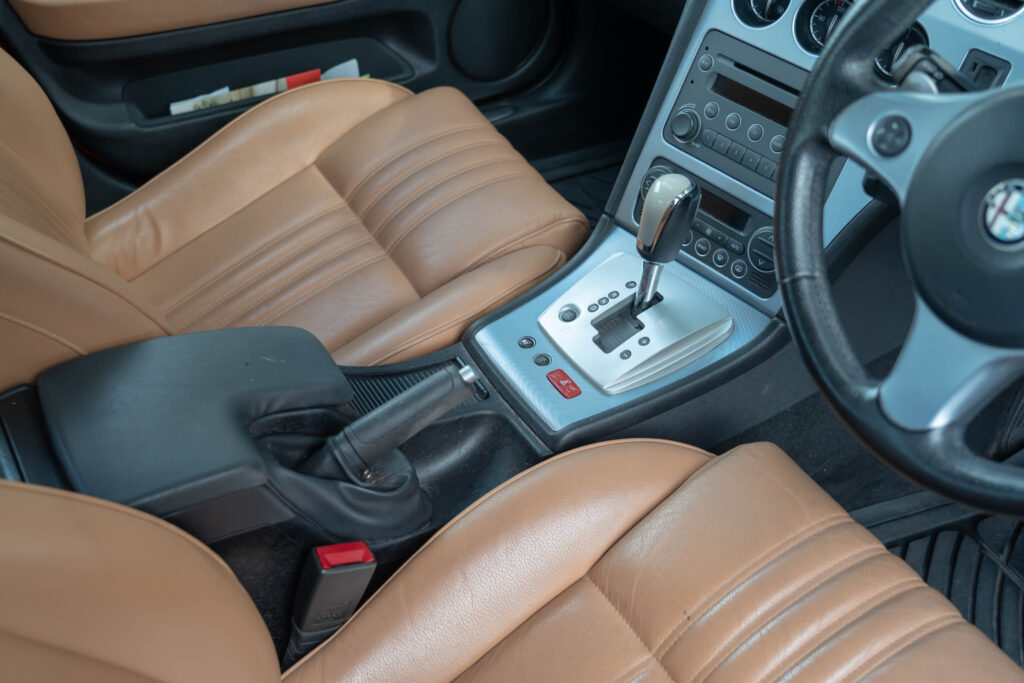
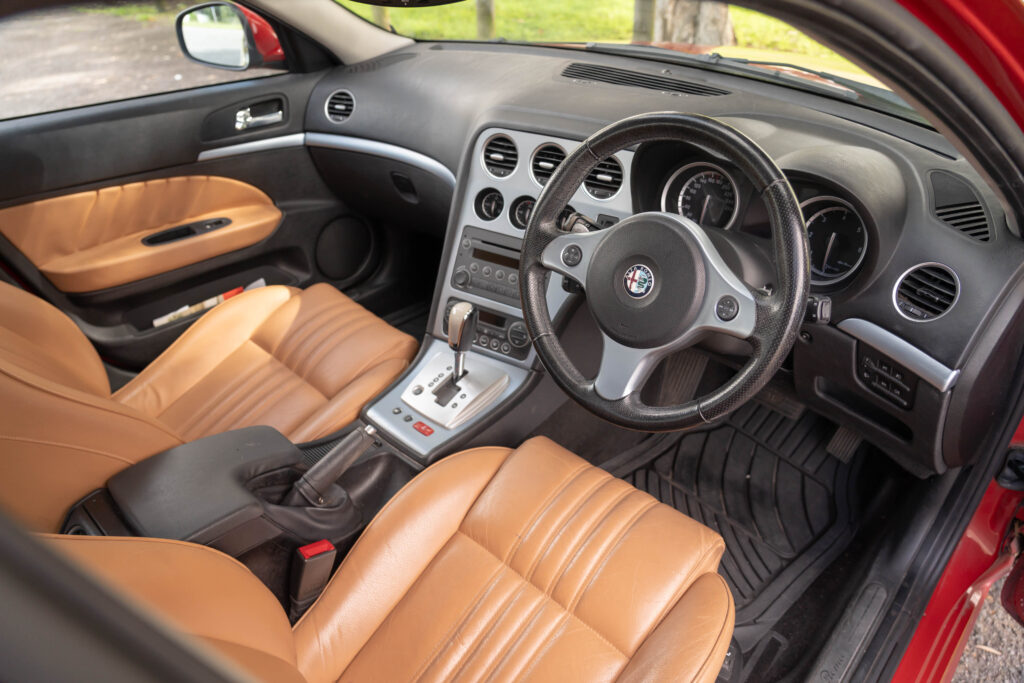
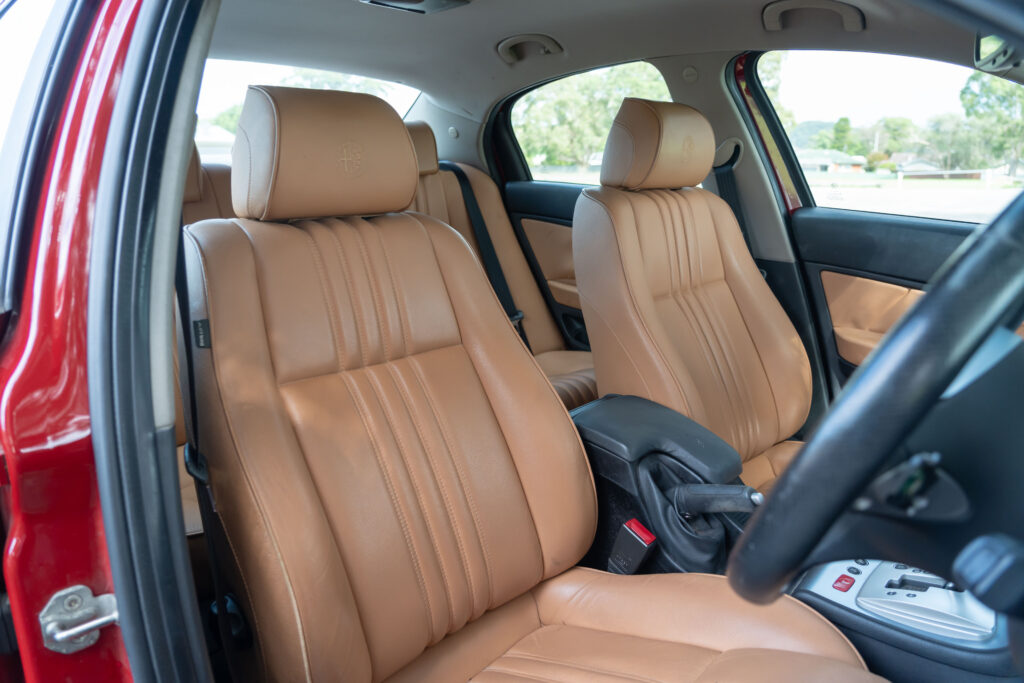
That being said, optional features like the electronically operated seats are reported to still be fairly trouble-free, and the leather upholstery is proving to be quite solid.
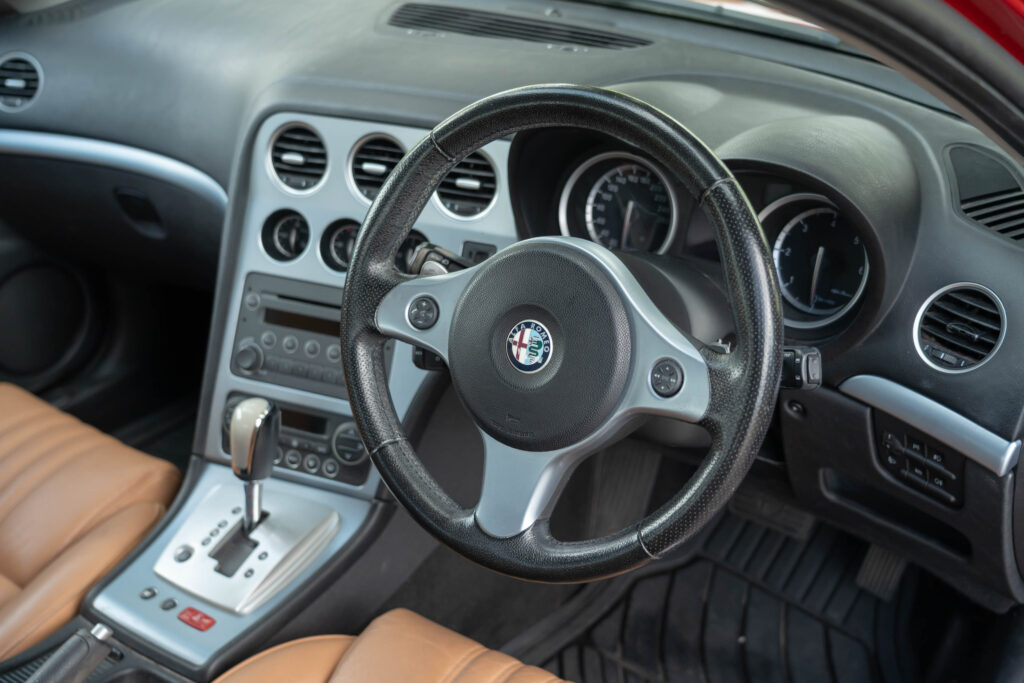
The interior plastics and trim, such as the inside door handles, glove box/centre console hinges, can experience some rattling/wear; as well as the buttons/switchgear (which, as with other modern classic Italian cars, can also look tired or form a layer of sticky residue due to the coating they originally received degrading).
159 Sportwagens feature a rear folding seat that extends the cargo space when needed, but a few have reported that the mechanism can get stuck.
It’s worthwhile to read up on 159 owner groups for recommendations on solutions, some of which include installing 3D-printed components (ie, hinges/brackets), and refurbishing the plastic coating.
In addition, some of the cabin’s stylish chrome/metallic sections or finishes can be easily scratched, with the area on the centre console surrounding the keyfob insert a common site for this.
Owners we spoke to report that plenty of aftermarket kits are available to replace these sections, or even replace them altogether with materials like carbon fibre.
The interior headliners can also start to sag as their adhesive wears off – but this can be resolved by installing replacement material.
As with other Italian cars of this period, voltage issues are known to affect 159s, so check the main 12V battery and alternator regularly; a weak battery can cause various electrical issues. Many owners advise that whenever a light appears on the dashboard, to always check the battery first before digging further to see if it’s truly a mechanical issue.
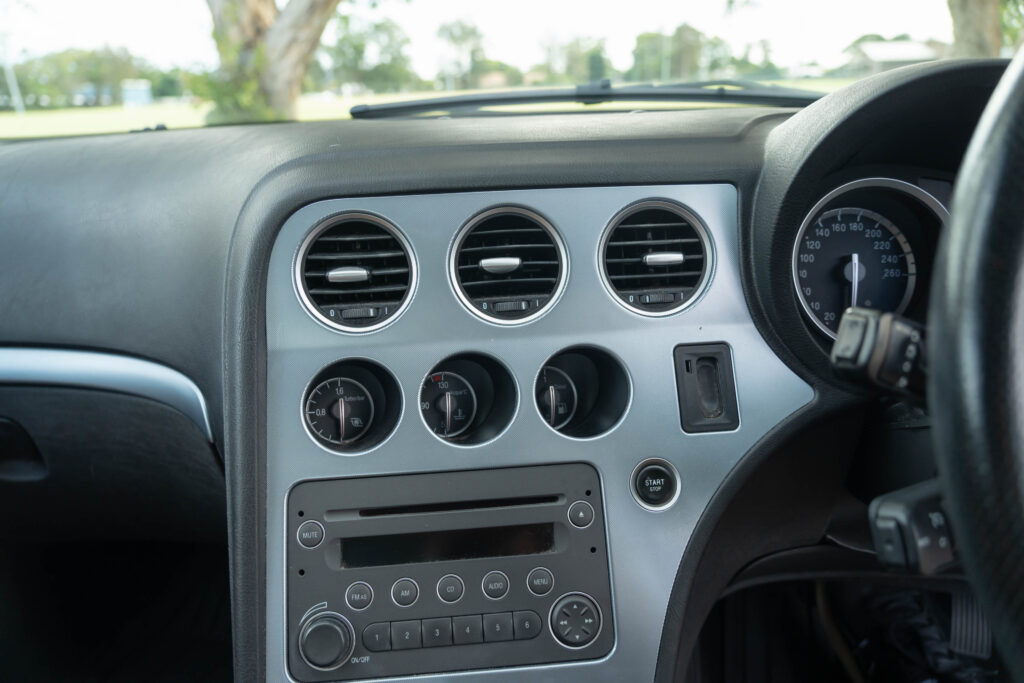
Keeping to the cabin equipment, check that everything works – from the buttons to the gauges, and especially the climate control settings/knobs.
The HVAC system is known to experience an audible ‘whine’, and owners mention that fixing the system is often not worth the cost to put right, or is impossible to fix. The heater flap motors can fail, causing the HVAC to be stuck at hot/cold (but it isn’t very common).
The power windows are known to experience some common issues. Window motors can fail as the plastic cogs wear out, and the window regulators can play up, but they aren’t too expensive nor difficult to resolve – owners mention that repairing these components should be done quickly to avoid the windows not closing altogether.
The power door locks/central locking can also be a bit temperamental, due to a rod that runs from the door handle to the lock mechanism that can break, as well as the motor itself, which can be problematic.
The standard infotainment system is also well past its usefulness by now, but there are plenty of aftermarket solutions to bring more up-to-date systems with Bluetooth, Apple CarPlay/Android Auto connectivity, and other features.
Mechanical issues:
While Alfa Romeos are infamous for their mechanical quirks and troubles, the 159 is actually better built compared to earlier Alfa models.
Suspension components can be a consumable that needs more attention over others, given the 159 is a fairly heavy vehicle, meaning items like bushings can wear out more often.
For example, some owners report having to replace front wishbones and track-rod ends every 25,000 kilometres. Also, with its driver-focused platform, the right wheel alignment and geometry are critical to its setup, and the wrong settings can both impede the handling and accelerate tyre wear.
But speaking to Alfistis, who’ve experienced the 159 and its predecessor, the 156, this is regarded as the lesser of the two. The 159 is still quite a heavy front-wheel drive car, and pushing it through corners, you can feel its greater weight; with some viewing this as not as fun or engaging to drive as the 156.
Engines:
2.2L four-cylinder petrol
The four-cylinder’s weak point is its unnecessarily complex timing chain. It’s prone to failure due to poor oil supply, which can cause it to rattle and slip, leading to correlation issues. The cam phasers (variable-valve timing) can also fail, leading to the aforementioned correlation issues.
PCV (pressure control valve) problems can also lead to intake vacuum leaks and worsen existing oil/fluid leaks as well.
High and low-pressure fuel pumps are also known to fail, as well as the low-pressure supply pump.
The injectors can also be something to keep an eye on, as they’re known to cause misfiring/fuel mixture issues (leading to lean air fuel ratio problems), but they’re not too frequently reported.
Cooling system components, like the coolant hoses and radiator fans, are also recommended to keep an eye on, especially as these Alfas get older.
3.2L V6 petrol
Note that the V6 used in the 159s is not Alfa Romeo’s iconic ‘Busso’ V6, but a 3.2L JTS-series engine with direct fuel injection, and many of its components are shared with General Motors’ ‘Alloytec’ V6 engine family.
Just like the 2.2.L four-cylinders, the V6s have an unnecessarily complex timing chain and variable-valve timing camshaft setup. The complex packaging and way the V6 is put together mean that to repair or access components, it can be a very labour-intensive job.
Misfires are known to happen due to the V6’s coil packs going out, which can also cause their catalytic converters to ‘melt’ themselves, caused by unburnt fuel from faulty ignition coils.
Excessive oil consumption can also affect the V6 engine, so keep an eye on the engine oil levels.
While a V6-powered Alfa is bliss, the Alfisti community says that when applied to the 159, it might not be the best combination. The V6s aren’t quite gas-efficient, and they’re known to develop ECU issues, especially when paired with the automatics.
1.75L TBi petrol
Fun fact that only the most passionate Alfisti may know – this turbocharged four-cylinder unit is also used in the Alfa Romeo 4C!
This being the only turbocharged petrol engine out of the three available in the 159, turbocharger-specific problems, like turbo wear or premature failure, are a known problem, which can be worsened by excessive oil consumption.
This uses a timing belt, and it’s recommended to replace the timing belt and water pump every 100,000 kms/5 years.
Also known to affect these engines are faulty wastegates and boost control solenoids.
Both the low and high-pressure fuel pumps can also experience some problems.
It’s important (and no excuse in our view) that regularly servicing the 1.75L TBi is crucial for maximum longevity, especially if you want to avoid serious problems like engine oil dilution.
Diesels:
Just like other modern-era diesels, the 2.4L five-cylinder turbodiesel is susceptible to the same number of potential EGR and DPF regeneration issues.
The five-cylinder diesel is prone to intake manifold issues – the swirl flap internally can wear and fail, along with the bushings that also lead to the shaft causing boost leaks.
Injector seals are also known to fail, and if they need attention, replace them immediately, as if neglected, the fuel injectors can be impossible to remove, or break easily when attempting to remove them.
The boost pipe is also prone to splitting – note Alfa Romeo will typically quote you for the entire assembly, but you can just buy the rubber sections/hoses individually to save money and time.
Cylinder head and head gasket issues are also known to affect this powertrain, and they can lead to overheating, which this engine does not like at all.
The 1.9L four-cylinder diesel can also experience a similar range of issues as the 2.4L five-pot, but is less prone to head gasket and cylinder head problems.
Transmissions:
The automated-manual, electronically-operated clutch ‘Selespeed’ is arguably the 159’s weakest link, and it has not aged well to this day. In fact, its reputation is so poor that some mechanics nowadays refuse to work on these units.
These are extremely sensitive to loss of hydraulic pressure – if the hydraulic pump has issues, this will lead to major transmission problems.
The Selespeed’s clutch is also known to wear out every 3-4,000km, or even earlier, depending on the driving style the transmission has been subjected to.
The actuators can be especially problematic, often due to a faulty accumulator, which prevents the hydraulic actuator from activating and renders the entire vehicle immobile; any one of these components is not cheap to fix.
How the Selespeed has been used previously can also play a big role in its long-term reliability. They can be trouble-free for daily driving if past owners have looked after them diligently, but integrity is less certain among high-mileage examples (~120,000 km and above).
Some Alfisti purists will stand by the Selespeed and state they have encountered no major issues under their ownership. Still, it’s impossible to ignore the very high chance of total Selespeed transmission failure, even with the most diligent upkeep.
If you must have one with Selespeed, owners stress that you have to drive it in a certain style (as recommended with a BMW SMG, Lamborghini E-Gear automated manual) – namely, drive it like a standard ‘manual’ transmission, with enough delays between gear shifts and careful operation in low-speed scenarios (hill starts, parking etc.)
By contrast, the Asin torque-converter-based automatic transmission is far more robust, given its application to a host of other vehicles from European, Japanese, and American brands.
Just note that while some give the impression these are maintenance-free for life, these still need regular upkeep. Ensure transmission fluid changes are done every 80,000 kms, and aside from this, you won’t have any major issues.
The same applies to the manual transmissions, minus some instances of input shaft bearing issues, dual mass flywheel, and clutch slave cylinder failures; these can prove to be generally reliable if driven and treated correctly.
Prices for used Alfa Romeo 159s now start from around $2,000, and top out at around $20,000. On average, though, you’ll find most in the used market priced between $8-10,000.
Depreciation over the years has made these Alfas very affordable on the used market to buy, but as many warn, the cheapest examples will likely require a lot of TLC to own outright.
Pricing between the sedans and Sportwagens is slightly different, with the desirable Sportwagens carrying a bit more of a premium (but not too significant).
It takes a special mindset and openness to consider an Alfa Romeo 159, mainly if you are the type of person who thinks an equivalent BMW, Mazda, Lexus, or Mercedes-Benz sedan is too boring for your liking – but you’re willing to not be ‘sensible’ in exchange for the Alfa’s beautiful design and Italian charms.
Plus, as an Alfa Romeo, the very resourceful and helpful ‘Alfisti’ owners communities are within reach to offer plenty of solutions, troubleshooting, or recommendations on how to take care of these unique vehicles.
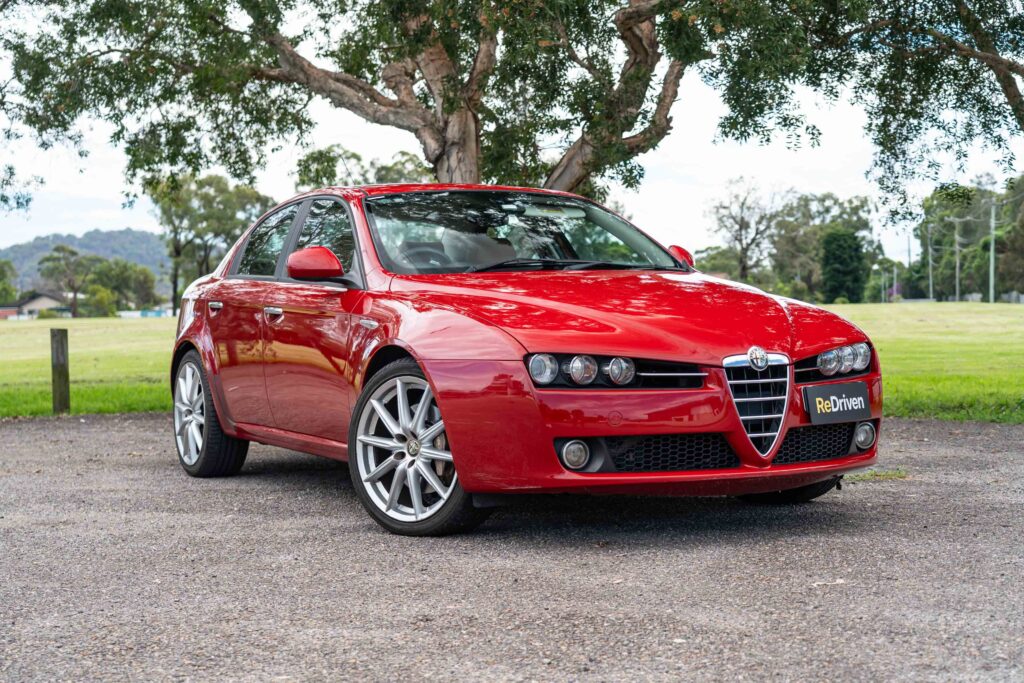
If you obsess over a car’s ridiculous nuances and have that special ability to look past all sorts of red flags because you value Italian beauty and engineering, an Alfa Romeo 159 is a great candidate to consider.
Provided you have savings put aside when this car requires upkeep or for any surprises, find one with a flawless maintenance history, and it passes a full pre-purchase inspection, these can reward you handsomely.


Co-creator, presenter & writer, ReDriven

Probably not.
 7 days ago
 3 weeks ago
 2 months ago