Australia’s No. 1 Used Car Review Website
Australia’s No. 1 Used Car Review Website
+23 Photos
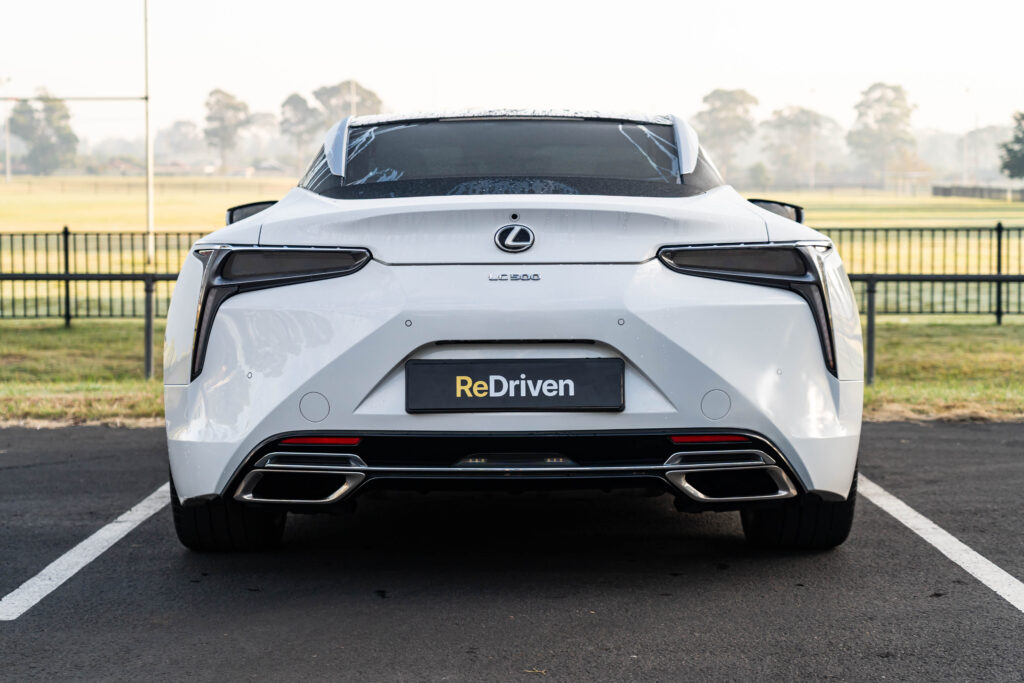
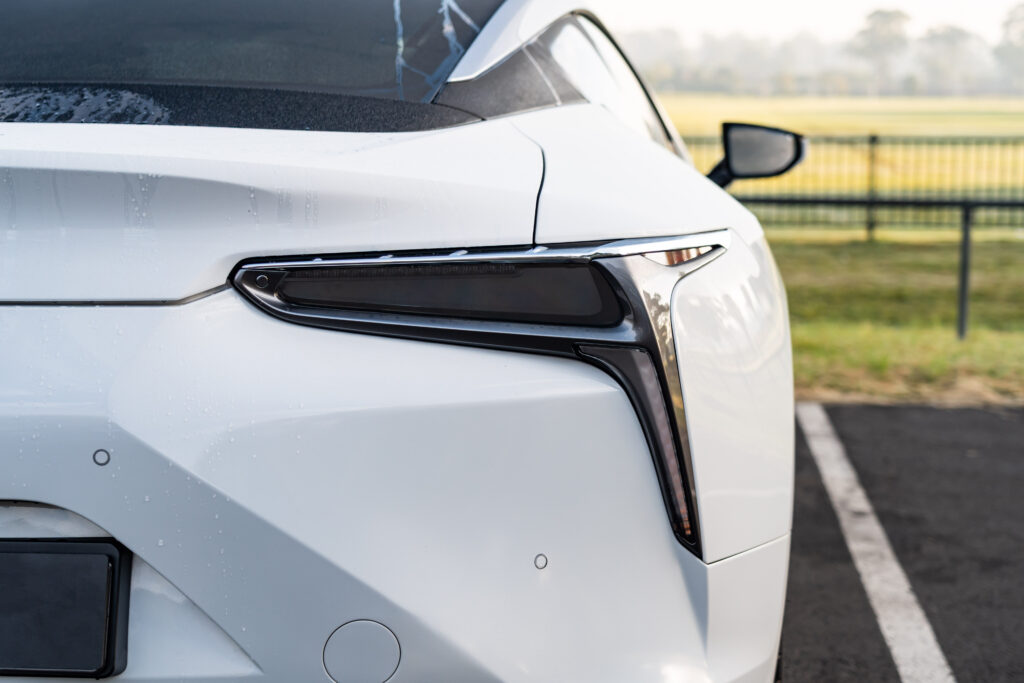
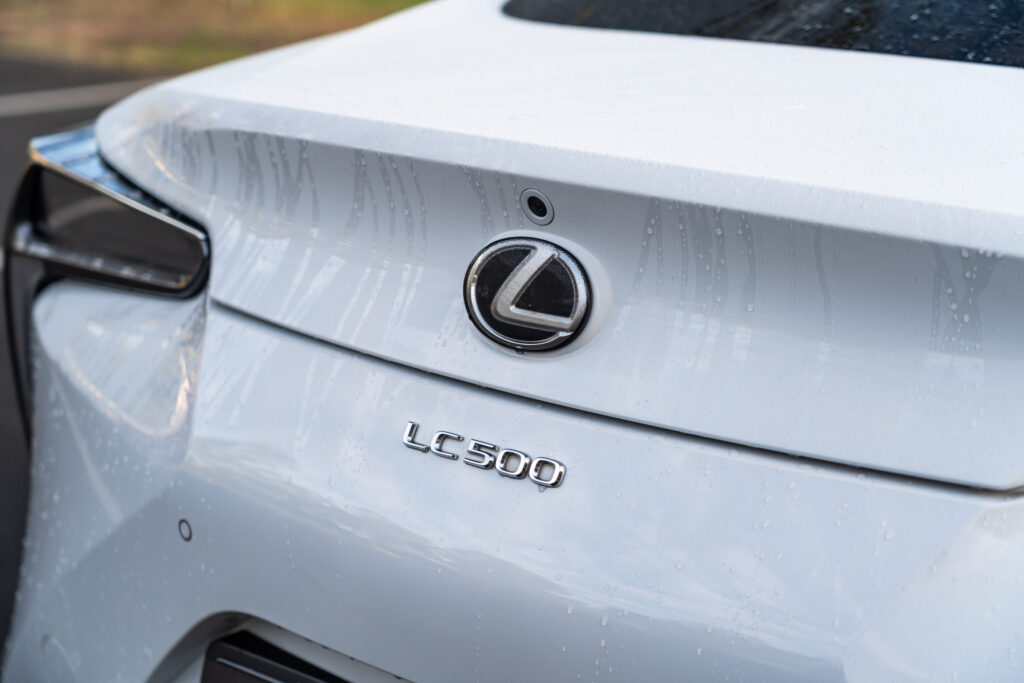

2018 Lexus LC500 Sports Luxury

04 May 2026
Yes. 100%.

2018 Lexus LC500 Sports Luxury

Used car review
04 May 2026
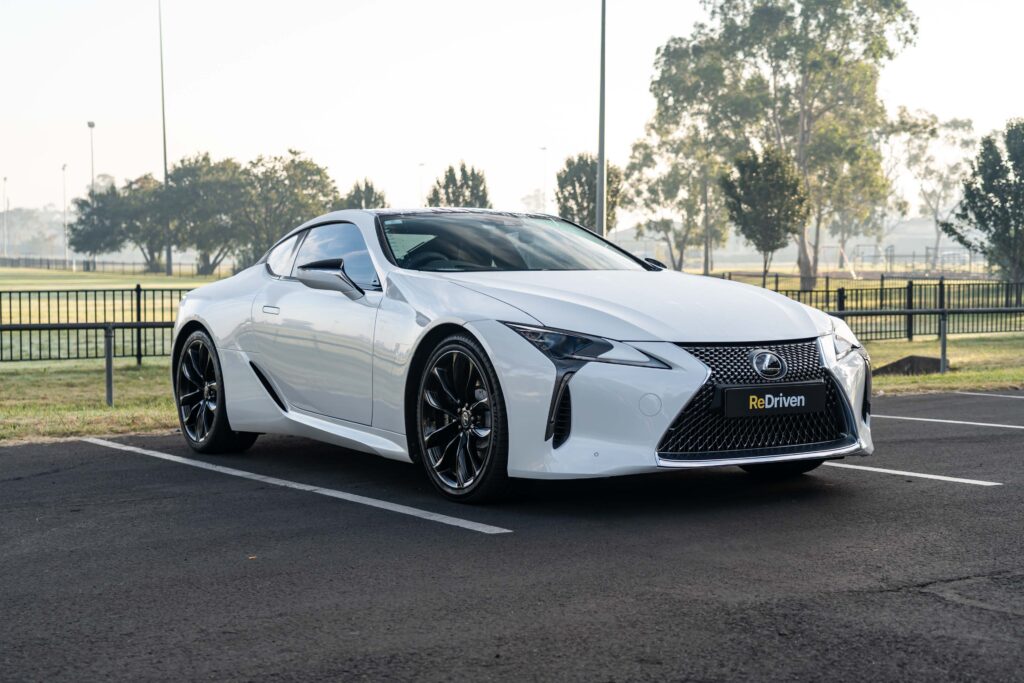
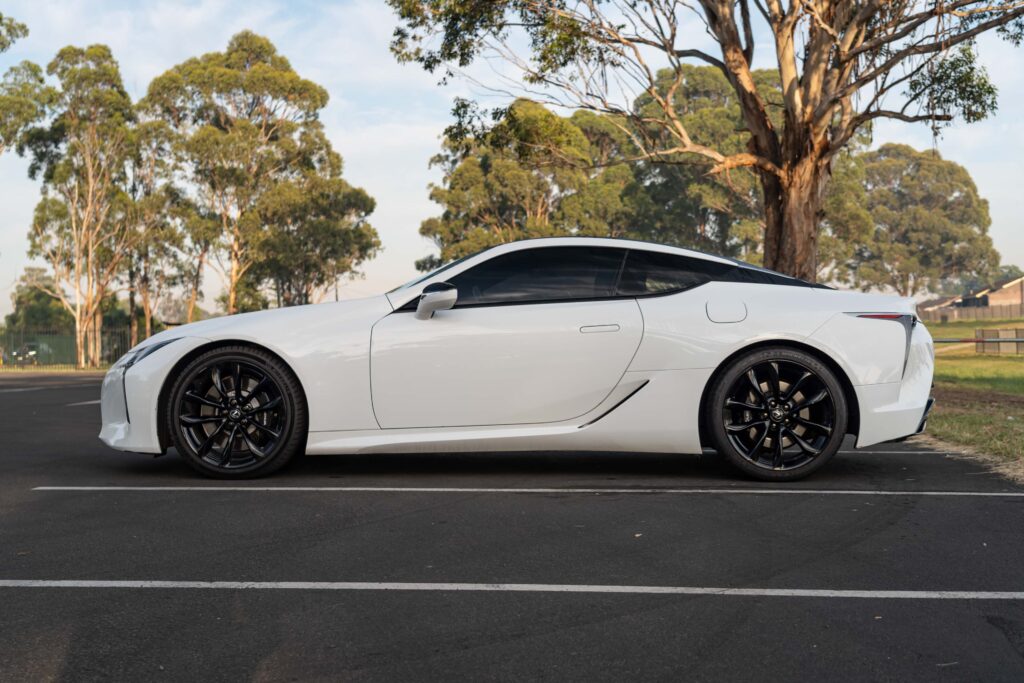
The Lexus LC500 (Luxury Coupe) is the flagship, two-door coupe (aka grand tourer) within the Japanese marque’s lineup, being a long-awaited successor to the Lexus SC. It also served as the first model to use Lexus’s front-engine, rear-wheel drive ‘GA-L’ platform.
Heavily inspired by the 2012 LF-LC Concept, the LC entered production in 2018, with 2026 due to be its final model year.
In Australia, like other markets, it was available as a coupe and convertible.
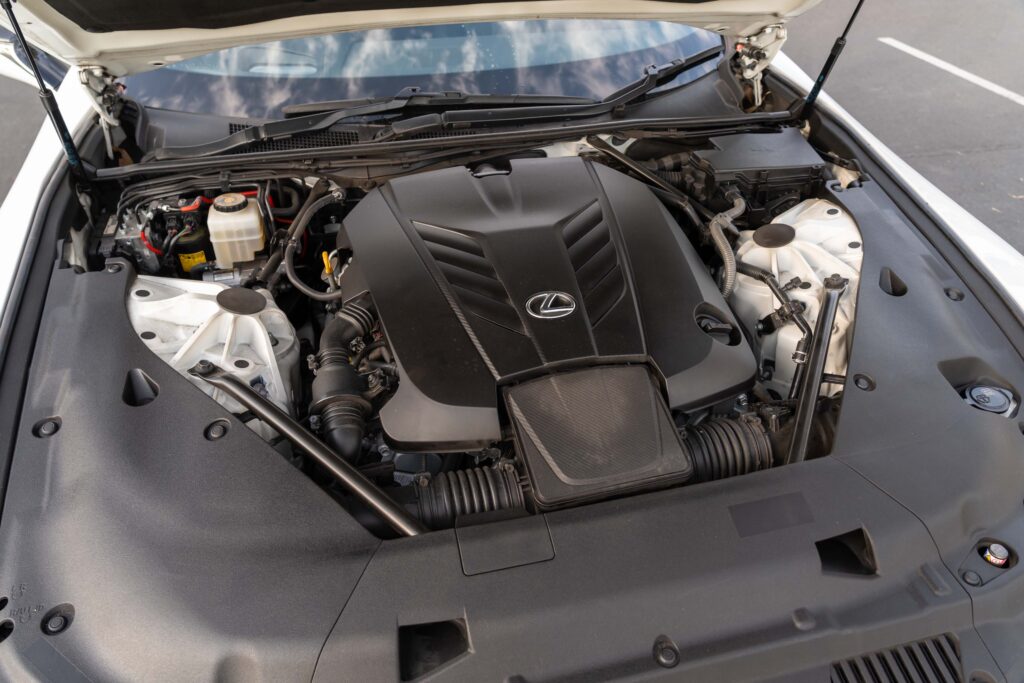
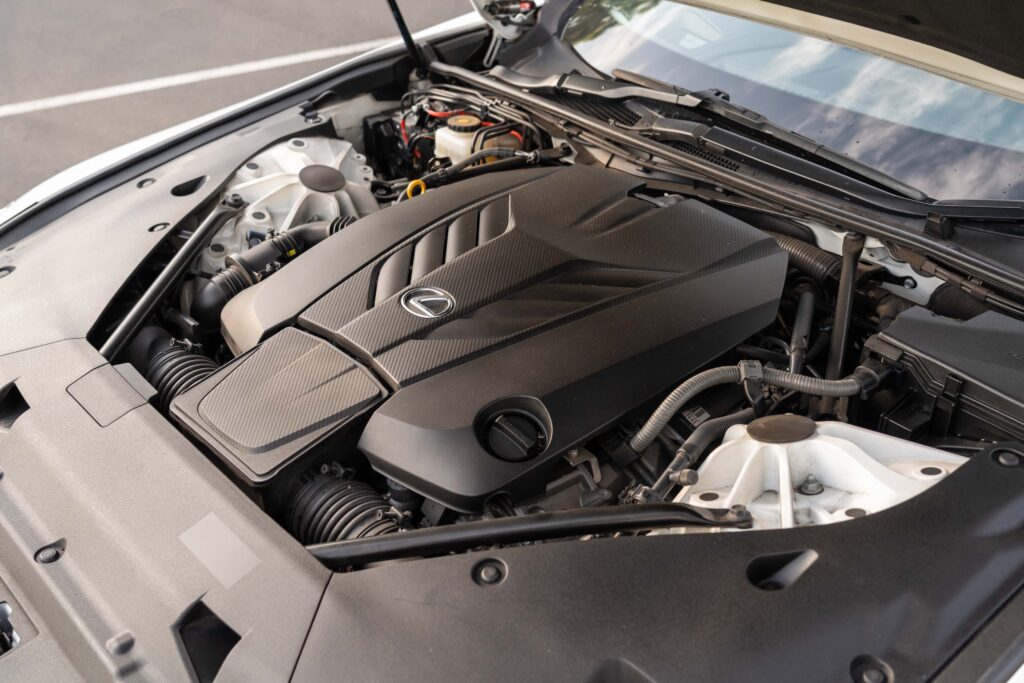
Under the hood, power comes from either a 5.0L naturally aspirated V8 (LC500) or a 3.5L V6 petrol-hybrid powertrain (LC500h), driven by a 10-speed automatic transmission (eCVT for the LC500h) and sending power to the rear wheels.
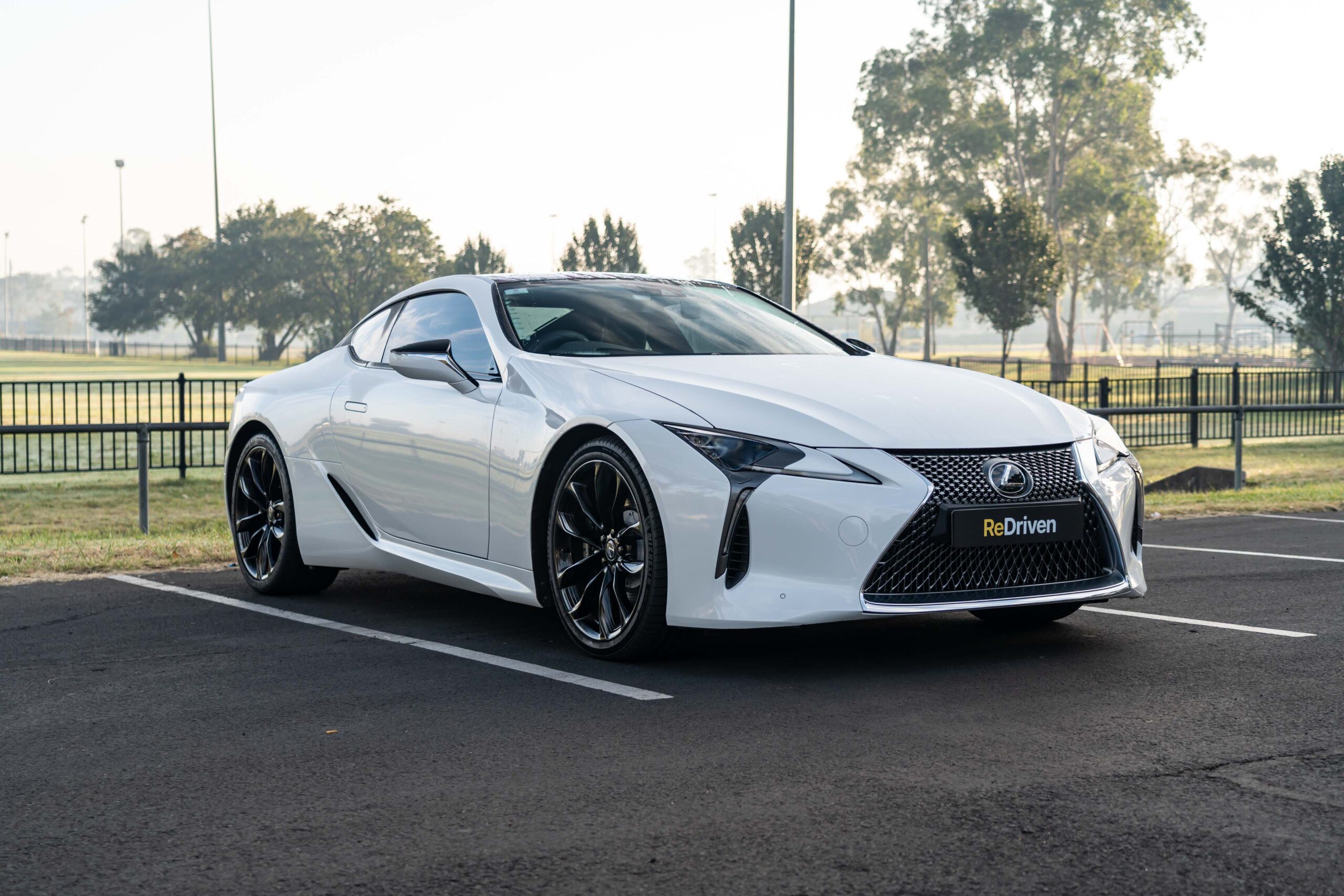
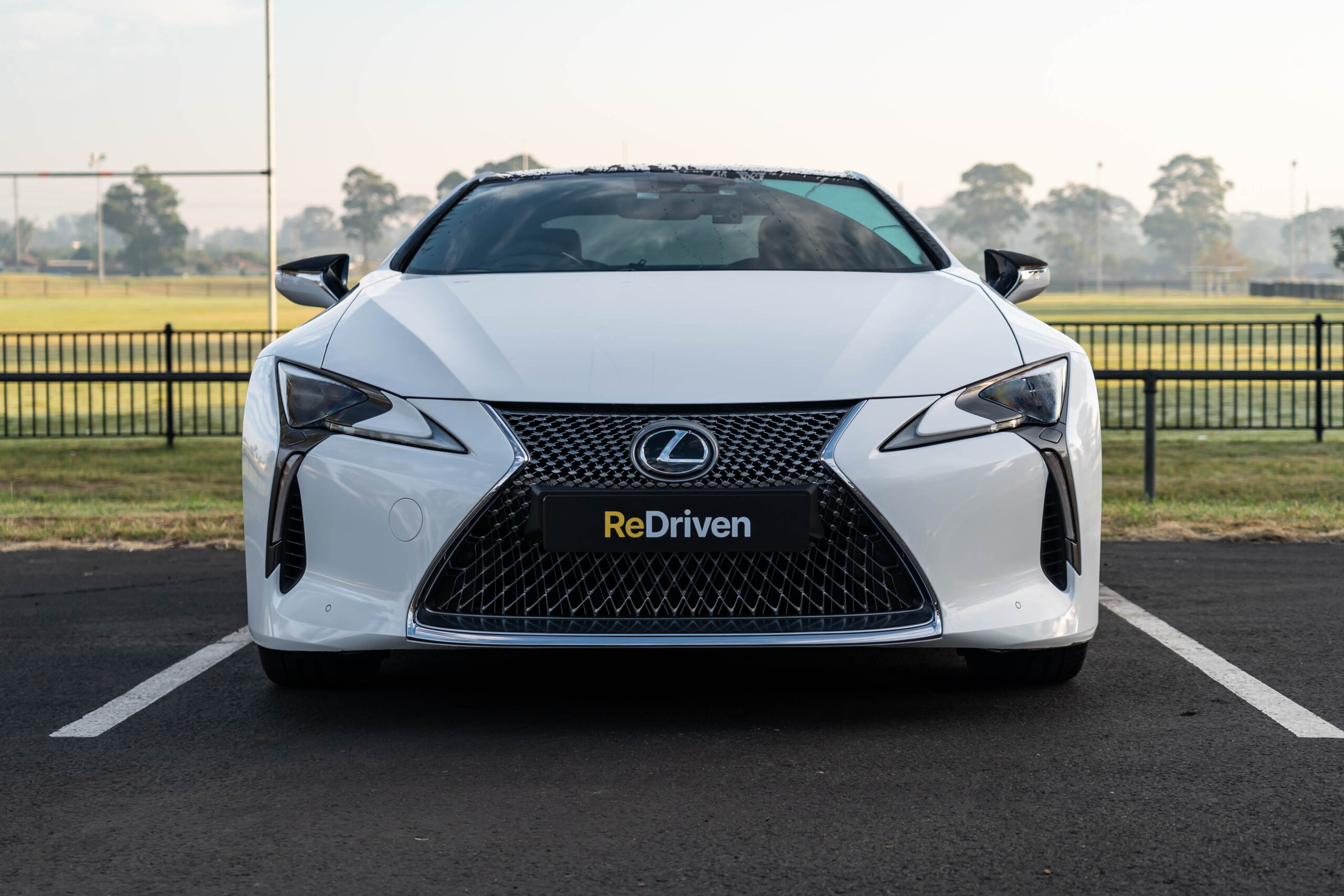
Exterior:
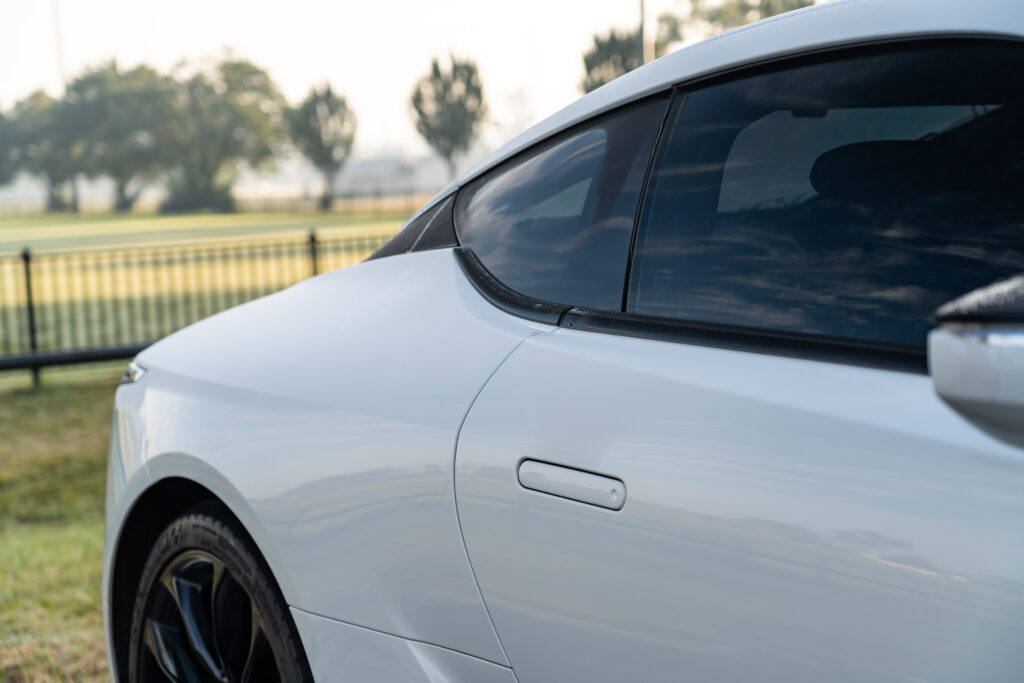
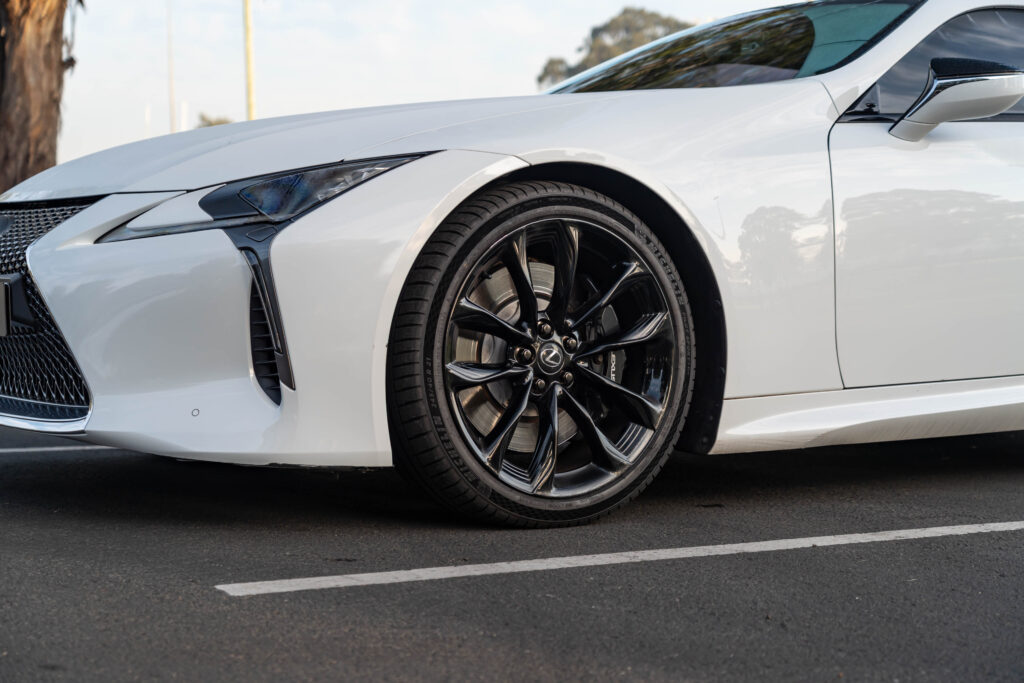
The motors for the door actuators can be a bit sensitive to water exposure. Left unchecked, moisture can cause these to corrode and eventually fail, as the door handle won’t pop out to open the door.
Also, they’re made from plastic, and those on early models can wear out prematurely, with quotes for replacements starting around $3000 per unit.
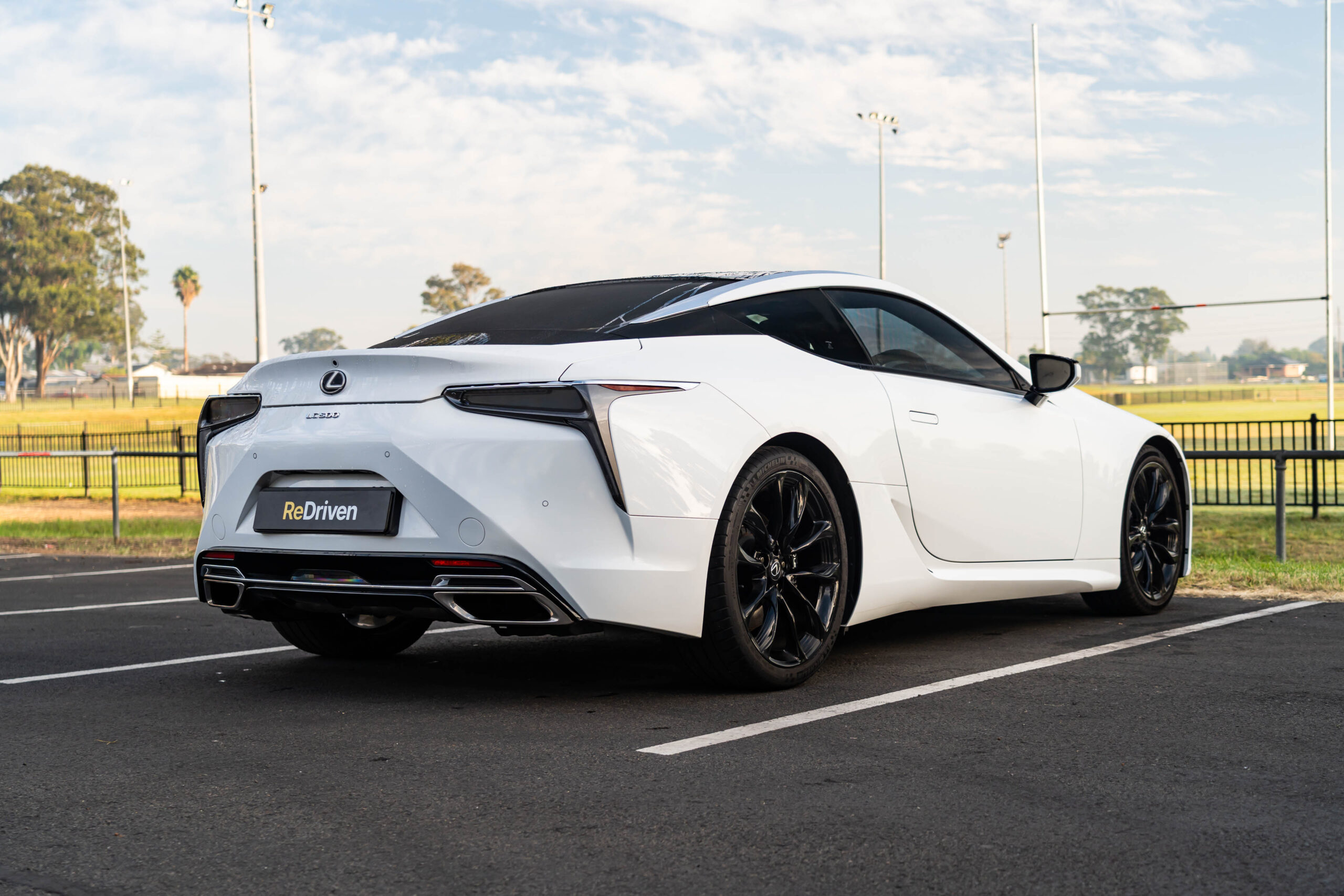
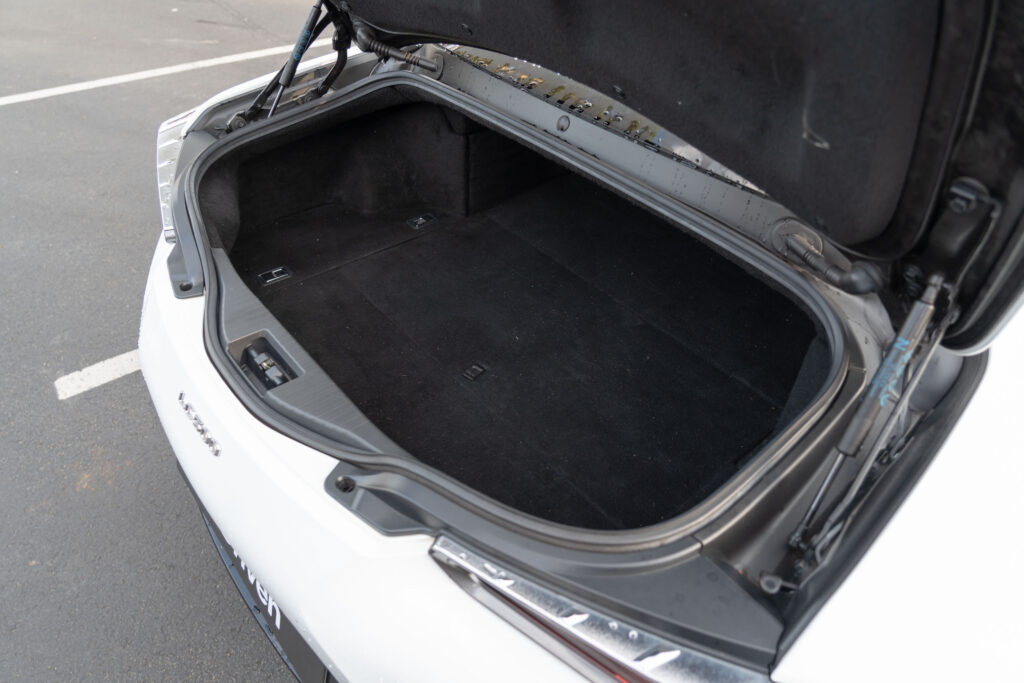
We’re also told the doors and boot lid are made out of carbon composite materials, meaning that if they need to be replaced, expect new units to be very expensive.
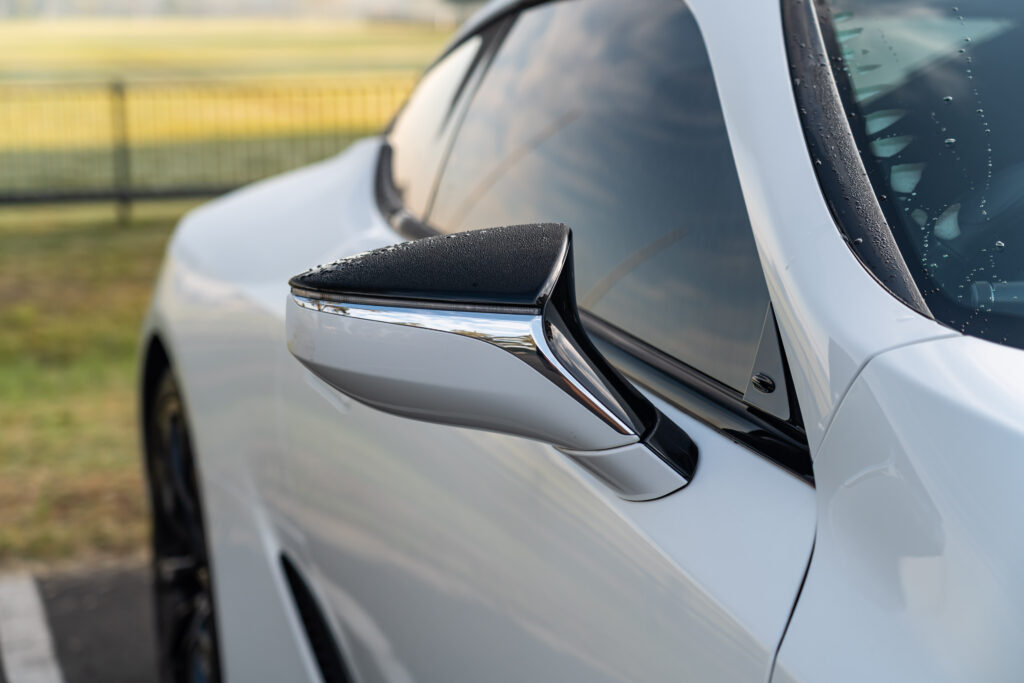
The exterior door rubbers/seals are also known to harden over time, and are more susceptible to wear on early, pre-update cars that resided in hot climates like here in Australia, resulting in them developing some audible squeaks. (with later models featuring more resilient units)
If they need attention, we’d research owners’ groups, which can offer plenty of tips for DIY solutions.
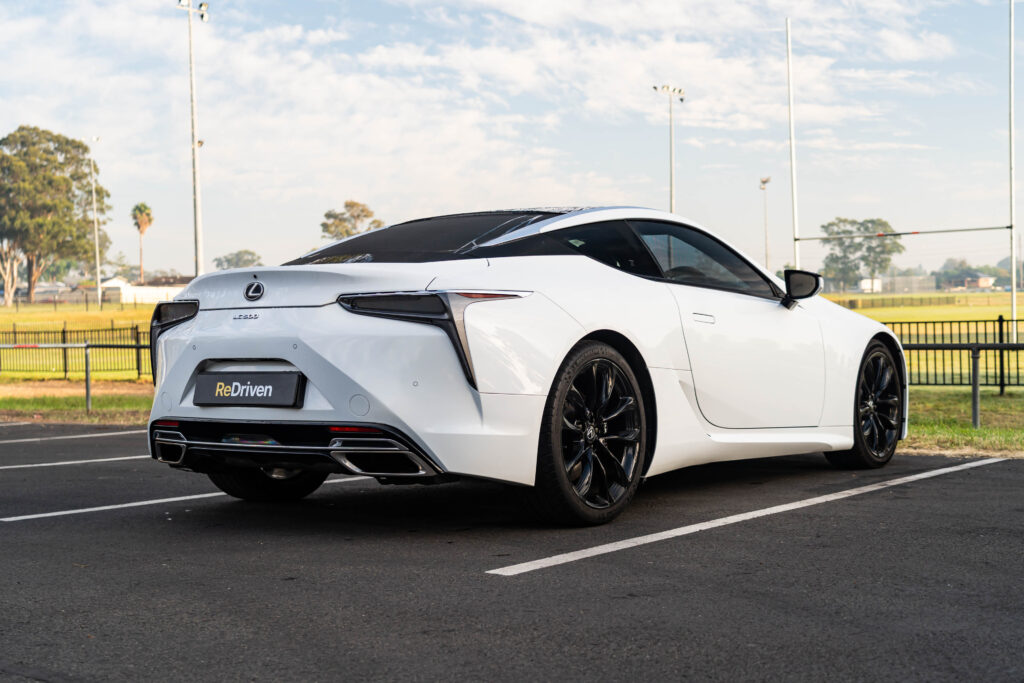
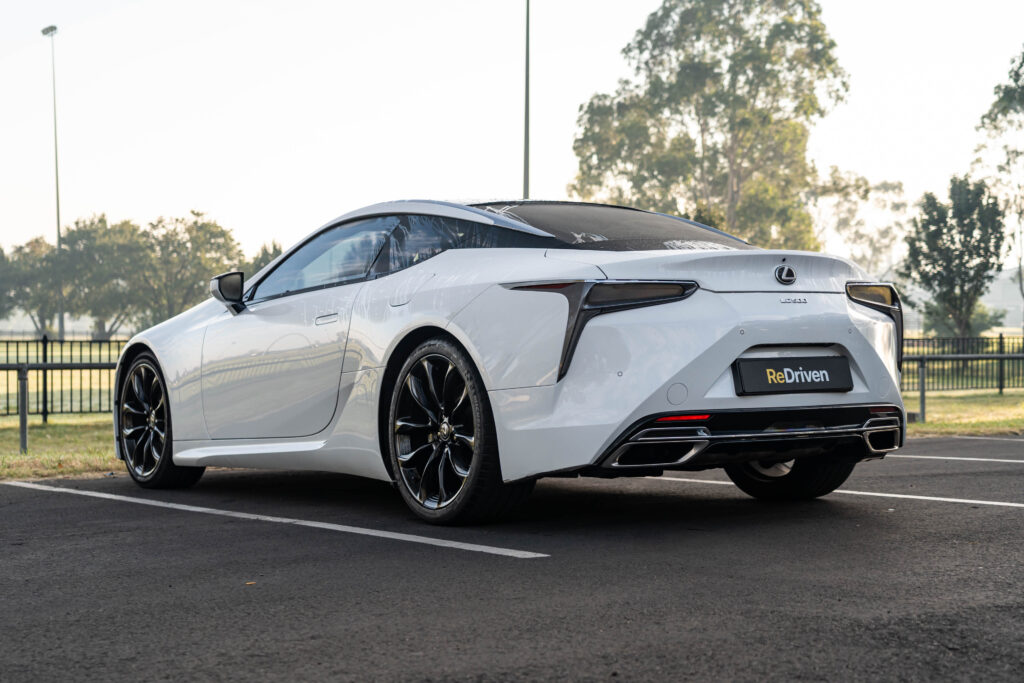
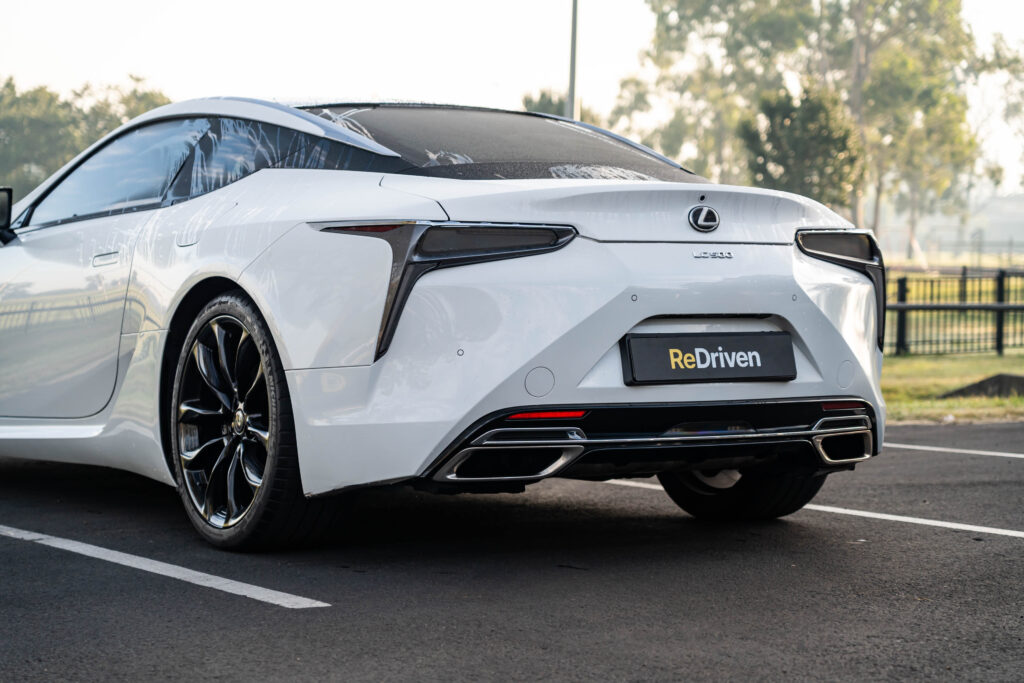
Minor exterior trim rattles have been reported on well-used, high-mileage cars, with the areas around the rear brake lights and roof (on those with a power sunroof) reporting some complaints.
But as far as exterior issues are concerned, there’s nothing major to be worried about. Where plenty of European alternatives from Maserati, Jaguar, Audi, BMW, and Mercedes-Benz are known to suffer various exterior electronic gremlins, trim issues, and water leaks, the Lexus seems to avoid any of these concerns.
Even for the convertible models, we know other models featuring electronically controlled and motorised soft tops can have various alignment and reliability issues; on the LC, we struggled to find any common concerns.
It’s worth also highlighting that for Australian-delivered LCs, we primarily received them in two trim levels: the standard variant and an ‘Enhancement Pack’ variant that added a carbon fibre roof and active rear spoiler.
Interior:
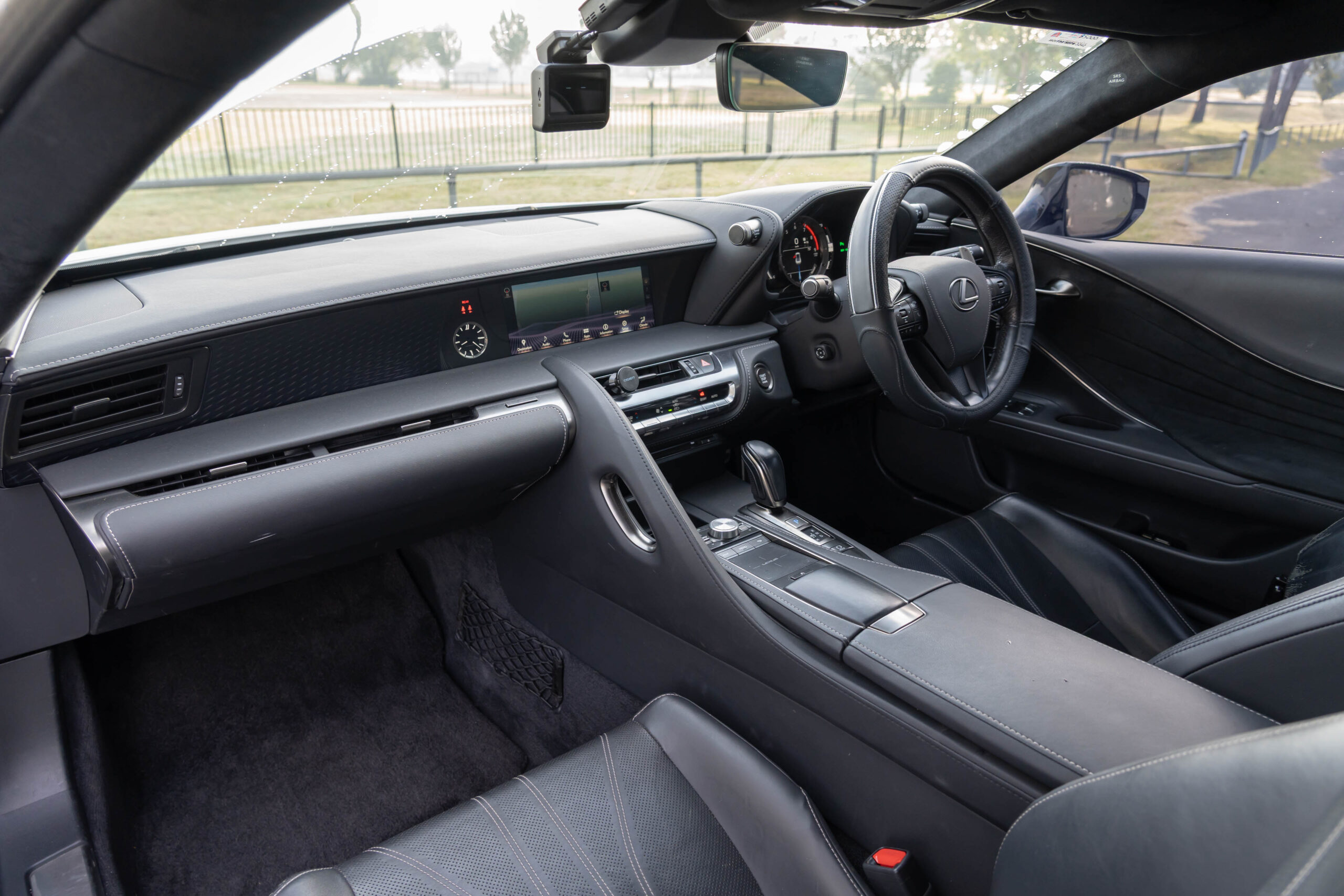
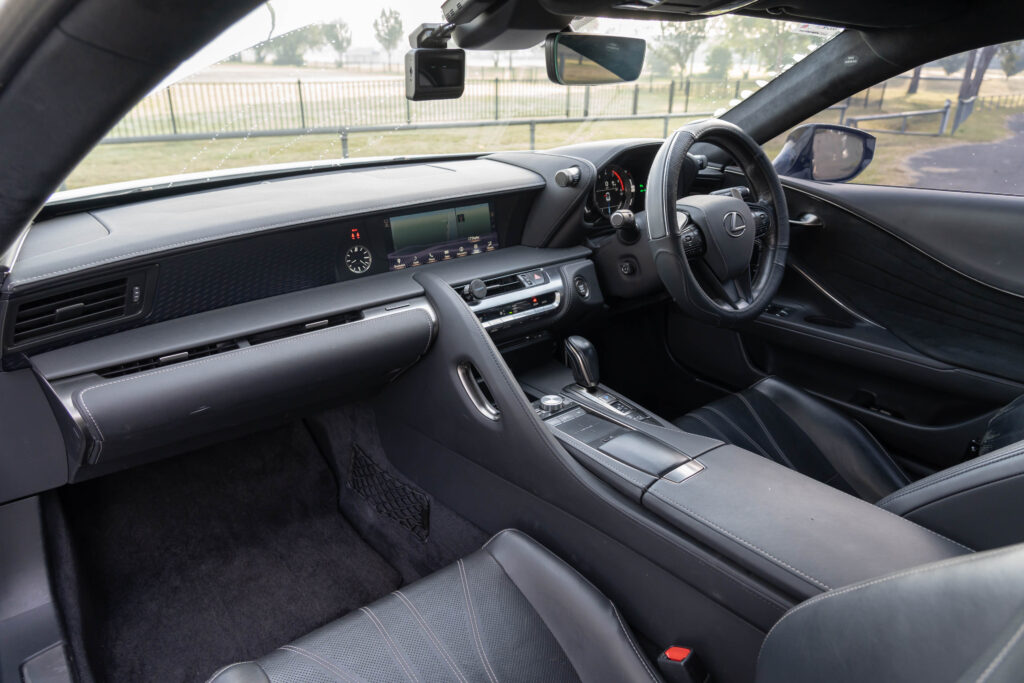
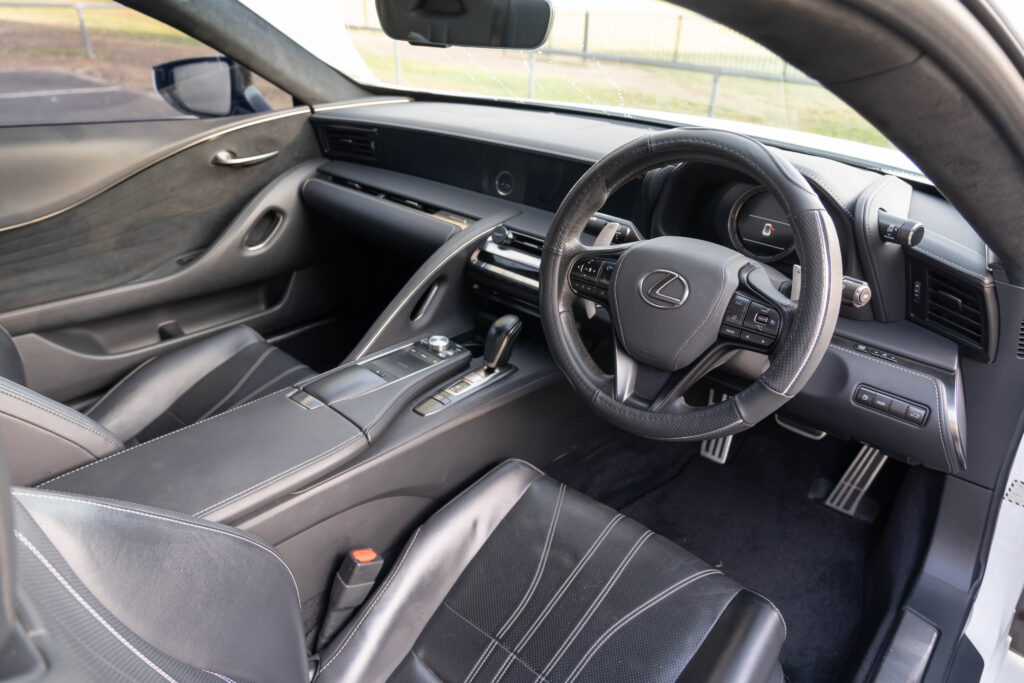
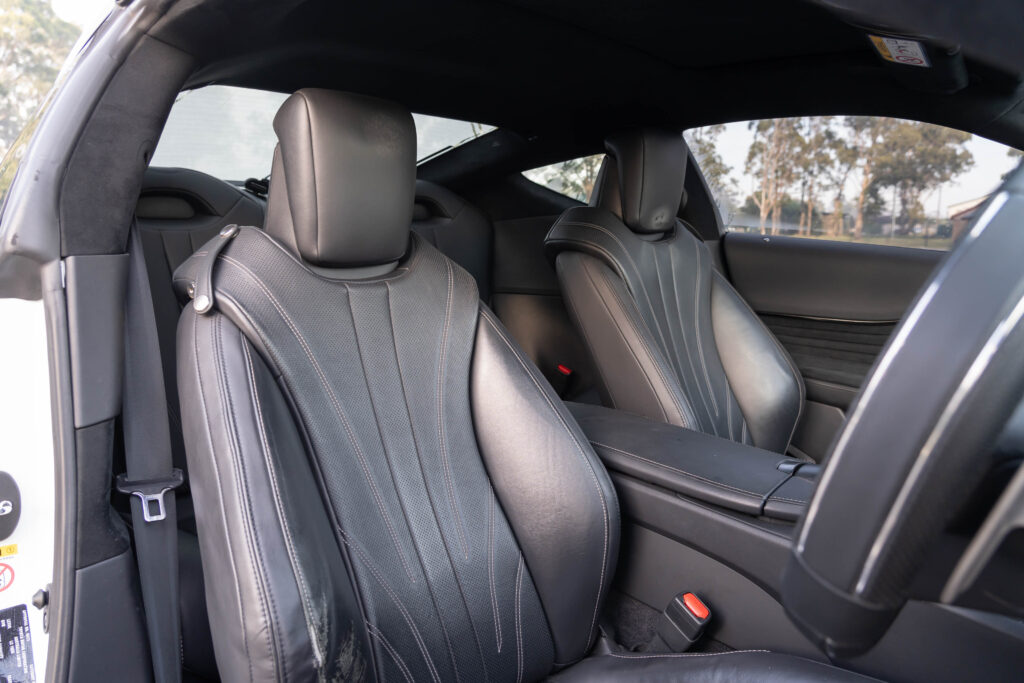
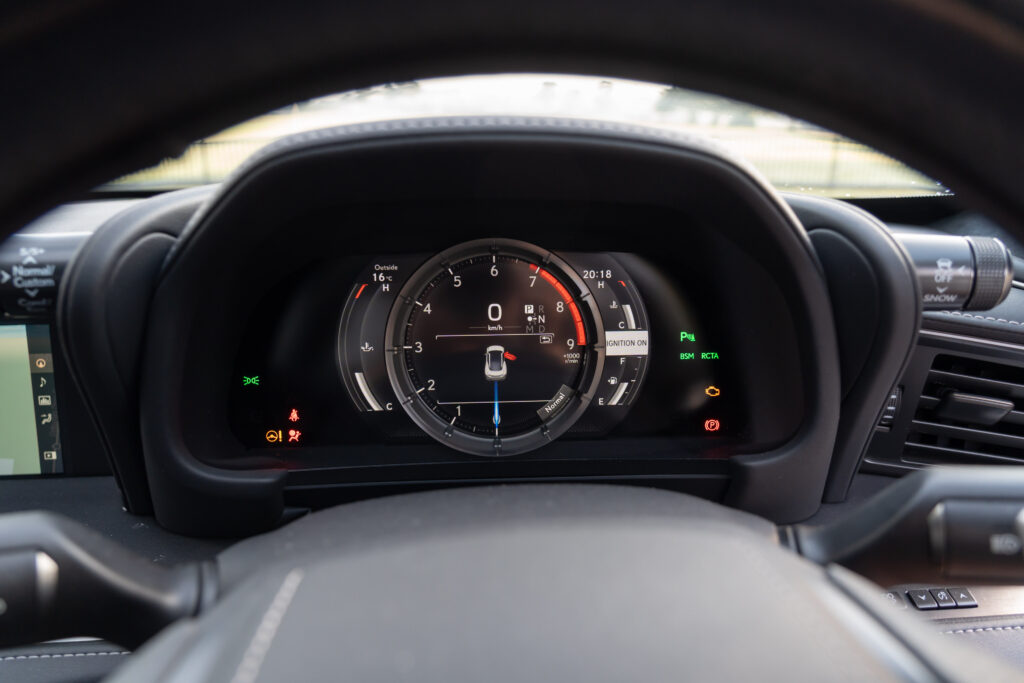
As Lexus’s flagship coupe, you expect impeccable attention to detail inside, and it very much applies.
In fact, to put into perspective how much perfection Lexus sought within the design of the LC’s interior, these were all assembled by only a select few Lexus ‘Takumi’ craftsmen.
Reportedly, fewer than 20 of these specialists specific to the LC are employed in the Lexus production line, who dedicate at least 60,000 hours towards perfecting their skills.
Also, a fun fact, many of these “Takumi” who oversaw production of the Lexus LFA continued their work on different areas of the LC, including the carbon fibre parts, leatherwork, and paint.
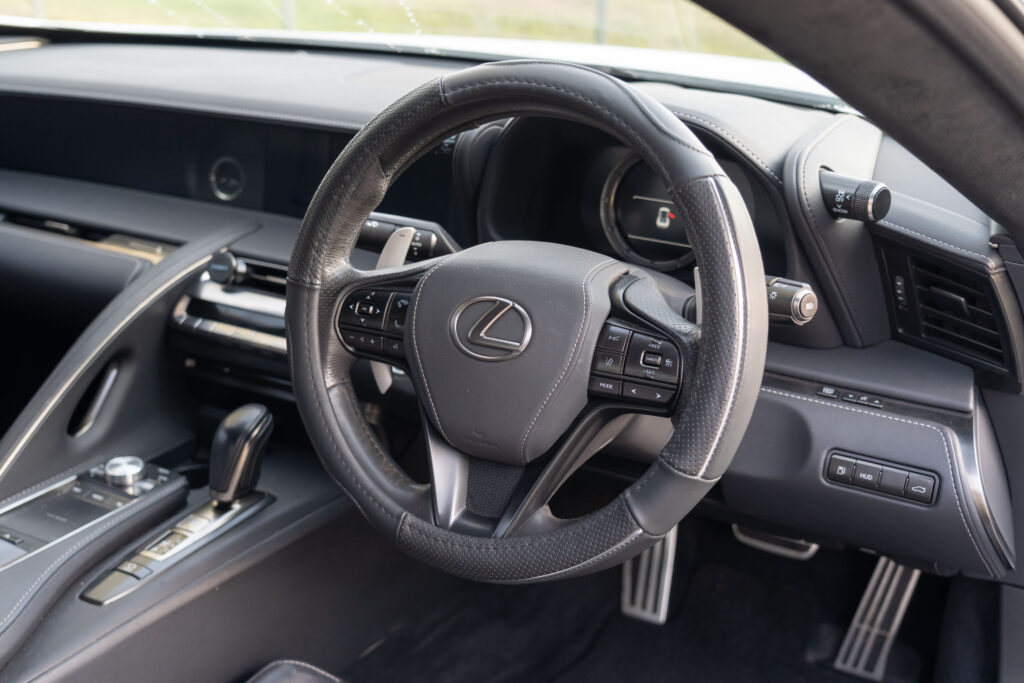
It’s these attentive individuals who ensure every part of the cabins is in perfect alignment and shape from the minute they leave the production line – from the leather upholstery to the magnesium paddle shifters.
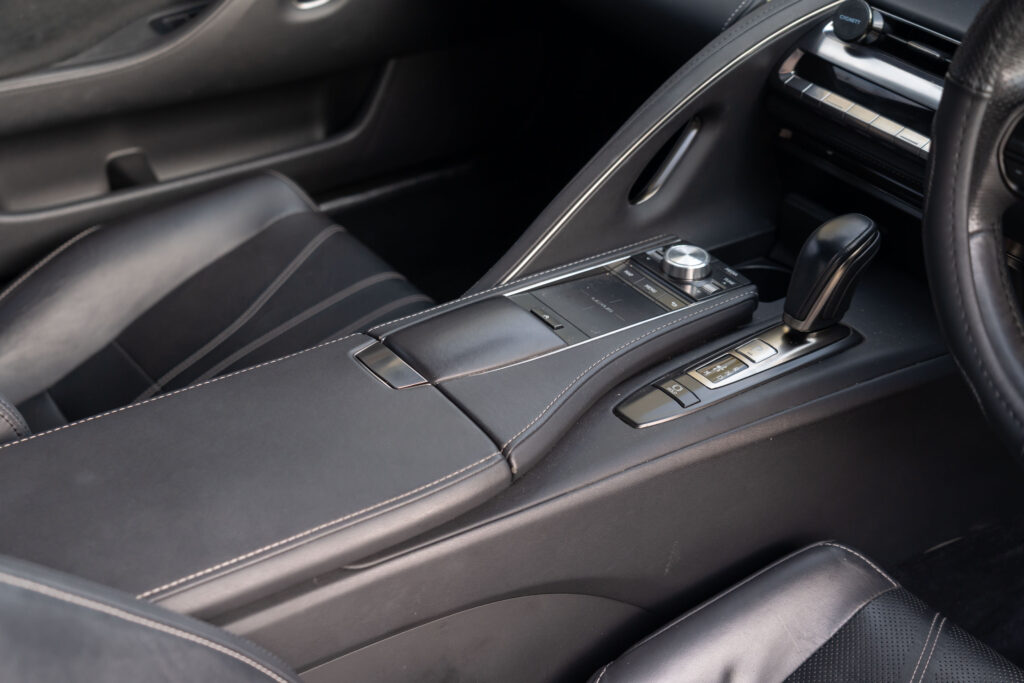
Minor issues, like the latch on the centre console coming loose, were reported, but these would have been quickly resolved under warranty – many owners highlight Lexus’s proactiveness to resolve even the most minor of imperfections with up-to-date service bulletins and recalls.
The leather and alcantara material on the seats’ side bolsters can also wear a bit prematurely on the entry points.
Some of the oldest, higher mileage examples are beginning to report rattles from the interior trim and pieces – such as the dash, side door cards, and centre console.
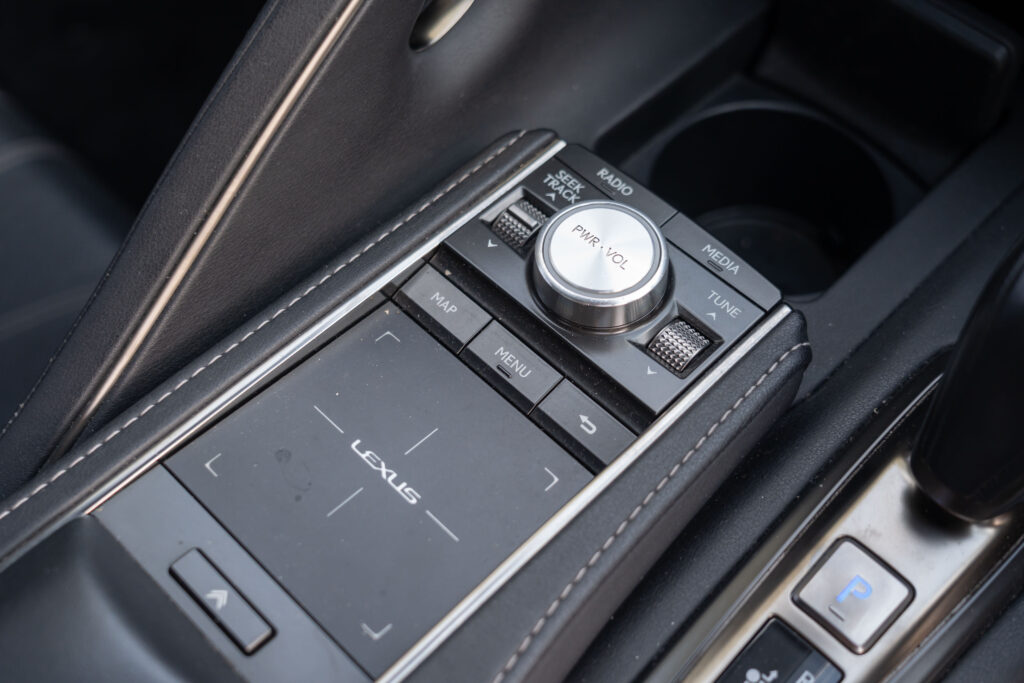
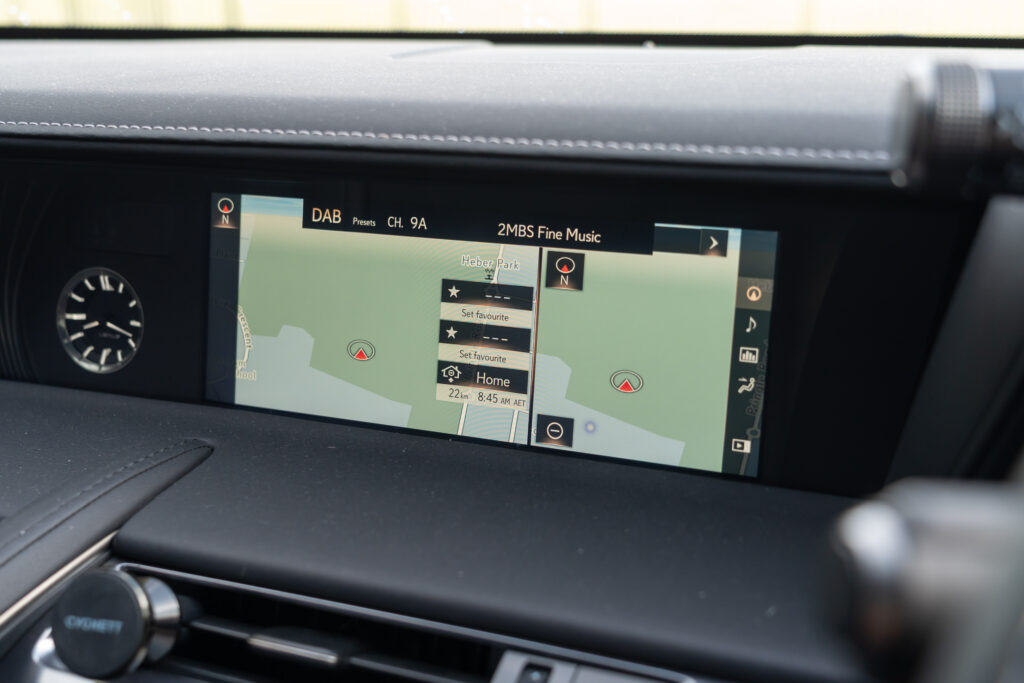
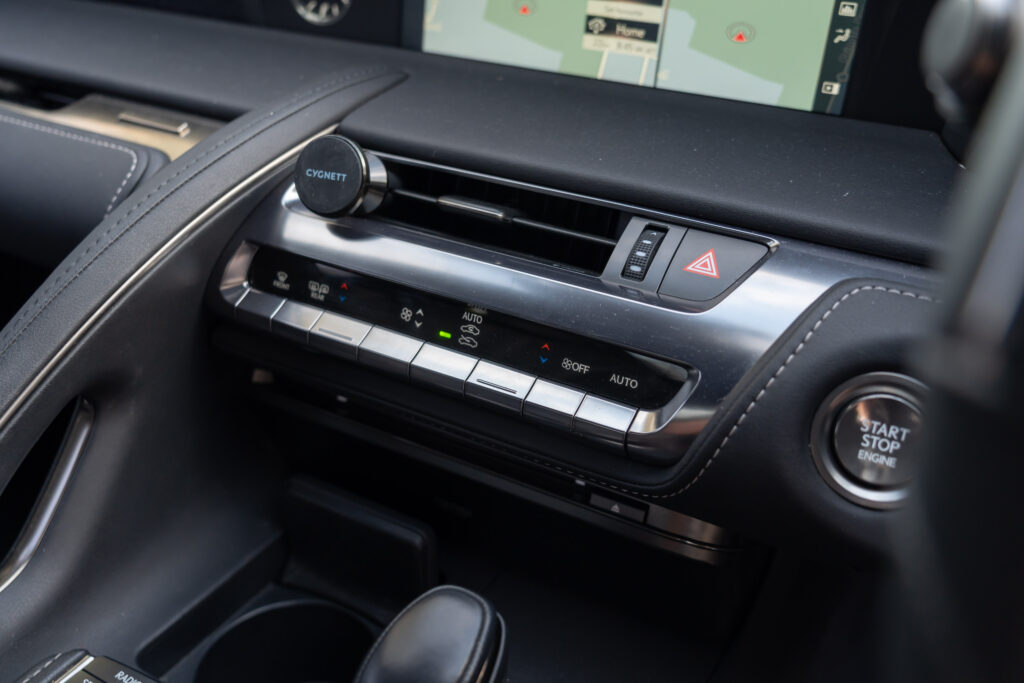
The older, pre-update infotainment systems are, like other Lexus products, the main source of complaints. The ‘Remote Touch Interface’ featured wasn’t the frustrating mouse-dial setup used in earlier versions, but even this ‘updated’ trackpad arrangement still drew frustration.
Thankfully, in models post-2024, Lexus added a larger, more direct touchscreen setup and adjusted the dash to suit, added a 360-degree camera, Lexus Connected Services, and significantly improved the voice control; but more importantly, ditched the Remote Touch Interface altogether.
Even if the post-update Lexus LCs are out of reach, don’t forget that many of these features can be retrofitted or upgraded in early models, like Apple CarPlay/Android Auto (wireless CarPlay was introduced 2020 onwards), a newer version of the infotainment system UI, and a better resolution reversing camera (as early models are known to be subpar quality).
Many feature a premium Mark Levinson sound system as standard, and it’s still regarded as top grade among car audio systems to this day.
Mechanically:
Even those who vaguely know the Lexus brand know these are among the most solid cars made, and very little goes wrong with them. Lexus has always been renowned for its impeccable reliability, and as a result, the Lexus LC is one of the most solid models in this segment.
The luxury marque never really considered the LC range “finished”, and with each year, sought to continually improve it – in a perpetual process of ‘chasing perfection’. With this attention to detail, it’s no wonder Lexus continues to top reliability and customer satisfaction surveys each year.
Lexus also reportedly tweaked the suspension settings for models made after 2020, and yet again for the latest models post 2024, which made small but major differences to the handling and driving behaviour.
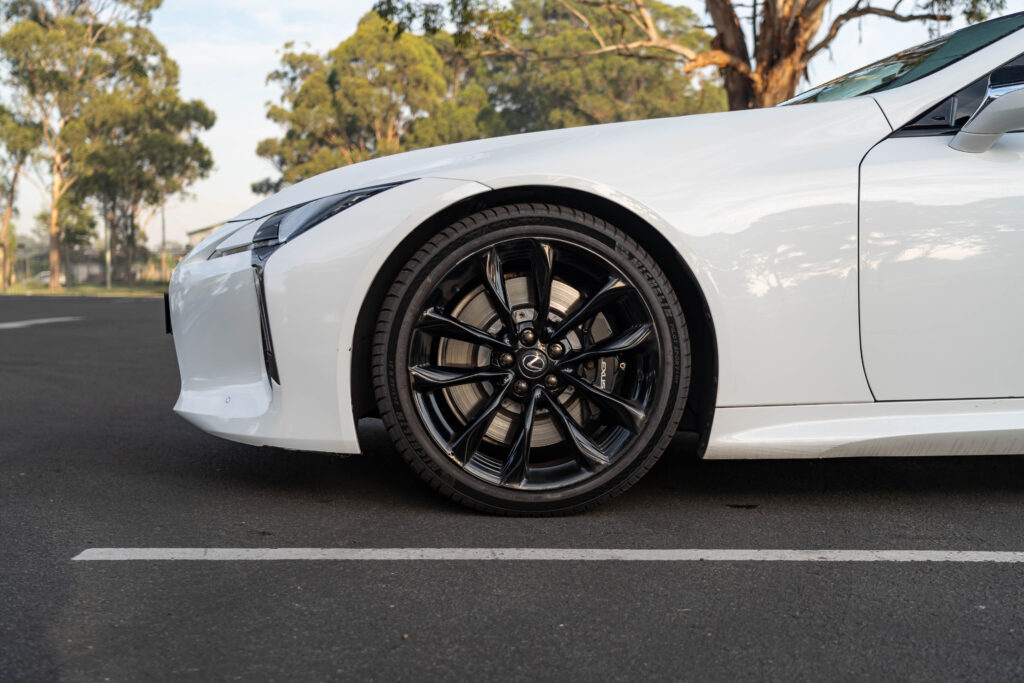
But don’t forget the LC is quite a heavy vehicle, weighing nearly 2 tonnes, meaning wear on consumables like tyres, suspension components, and brakes can depend on driving styles.
Engines:
3.5L Hybrid V6 (8GR-FXS)
If you want the potency of a V6 with great gas mileage, this powertrain brings the best of both worlds. The hybrid V6 powertrain has been applied to various Lexus/Toyota models over the years, and it’s very reliable.
Early versions are known to experience oil leaks from the timing covers and sumps – this is more of a quality assurance issue from the production line rather than general wear/tear, so fixes should have been covered under warranty.
The water pump can also experience some issues, as well as the thermostat – it’s known to get stuck open, causing the engine to run cold – a fault code usually pinpoints issues affecting these components. It’s recommended to replace the thermostat simultaneously if you are also replacing the water pump.
The high-pressure fuel pump can also occasionally experience faults.
On top of routine maintenance, ensure the cooling fan vent filter is regularly cleaned. This helps regulate the hybrid system’s batteries’ temperature – and reduces the likelihood of an expensive hybrid battery replacement.
Beyond possible reliability issues (or lack thereof, the only issue you might find with the LC500h is finding one in the first place, as Lexus Australia hardly sold any new.
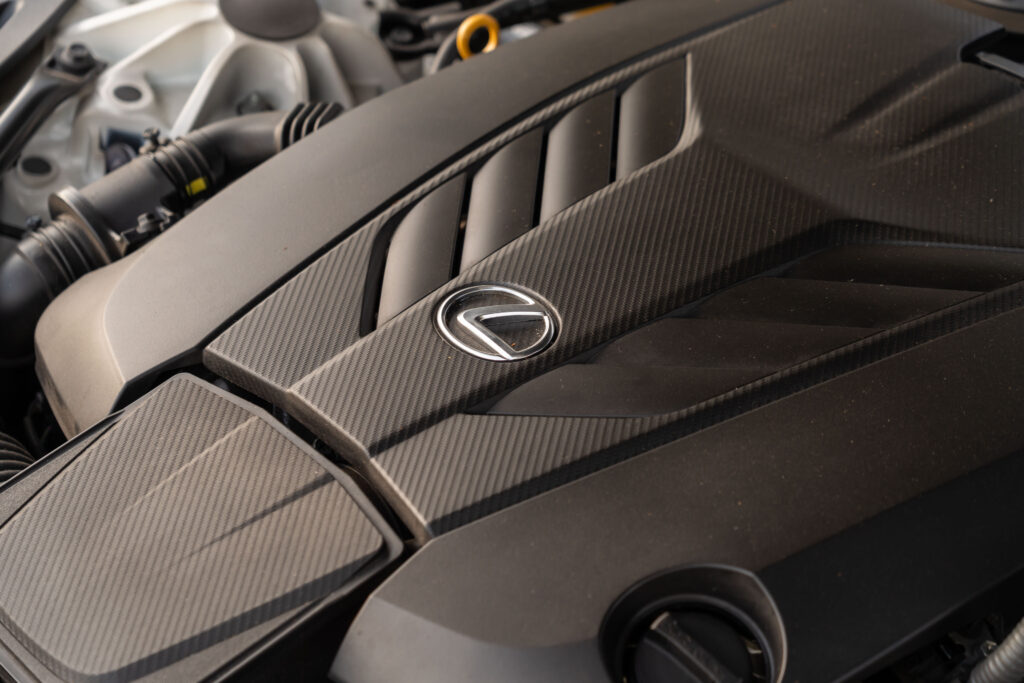
5.0L V8 (2UR-GSE)
There’s really not much to say here, as the 2UR-GSE V8 continues to be one of the most reliable, modern V8 engines ever made. Don’t forget this is the same V8 utilised by Lexus F models (IS F, GS F, RC F) that was developed in conjunction with Yamaha.
It’s not entirely bulletproof, as early versions were prone to coolant leaks from the valley plate cover. The entire inlet has to be removed to access this part of the engine, which can take a few hours to remove and put back together.
It’s also worthwhile to note that if you already have a decent part of the cooling system disassembled, it’s an opportunity to replace the water pump as it’s another known weak point.
A few instances of high-pressure fuel pump issues are also reported, but not too common.
We also hear of rare instances of higher than average oil consumption, but it’s also not a too common occurrence.
Transmissions:
The 10-speed ‘Direct-Shift’ automatic transmission used in the LC is an Asin unit (AWR10L65) and has been employed on other Toyota/Lexus products (ie. Toyota Tundra), with a solid reliability track record under its belt.
Most issues known to affect the 10-speed auto are more associated with its application in the Tundra, with the Lexus rarely experiencing any problems to the same degree as its Toyota siblings.
Things like thermal load and transmission fluid degradation cause most of the reliability issues, but unless it’s been seriously neglected or used heavily in a track environment, it should be generally bulletproof under regular, daily use.
Some pre-update LCs report experiencing roughness or hesitation during gear changes, or delayed gear engagement when pulling away, while later models received up-to-date tuning that makes them more responsive.
Plus, as owners report, there are aftermarket solutions, like transmission coolers and software updates/tunes to make these more efficient.
It’s recommended to perform a transmission service (eg, replace trans fluid) every 60-80,000 kilometres – do so, and these should be faultless.
A few LC owners have complained that 10 gears are too many for a platform like this, but this is purely down to preference – after all, this Lexus isn’t a full-on sports car.
The most ‘affordable’ Lexus LCs on the used market now start from $140,000, with near-new examples still asking around the $240,000 range, and on average, most will be asking around $160,000.
When you consider new, these started from at least $190,000, the Lexus has held their value considerably and hardly depreciated; not to the extent as their European equivalents in the luxury segment.
On average, over 5 years, you can expect about a 30% drop in value, while plenty of its European rivals are seeing more than 50% drops over the same period.
Plus, when compared to more expensive European rivals, their parts and maintenance often cost way more, and very few other manufacturers can match Lexus’s quality of after-sales support and customer service.
Even as the current iteration of the LC nears retirement from Lexus’s lineup, many are still proving to be great products – combining one of the most striking designs of the past decade, with the Japanese luxury marque’s renowned build quality and refinement into a well-developed, grand-tourer.
It might not deliver class-leading performance figures, but even when it was being developed, Toyota’s directive was simple – the LC500 had to stir ‘genuine emotion’, even if that meant not attempting to strive for numbers marketing teams and internet comment sections always obsess over.
Provided they pass a pre-purchase inspection with no sketchy ownership histories or secrets hiding underneath, any Lexus LC will prove to reward you for your money’s worth.


Co-creator, presenter & writer, ReDriven

Yes. 100%.
 21 hours ago
 2 weeks ago
 2 months ago