Australia’s No. 1 Used Car Review Website
Australia’s No. 1 Used Car Review Website
+24 Photos
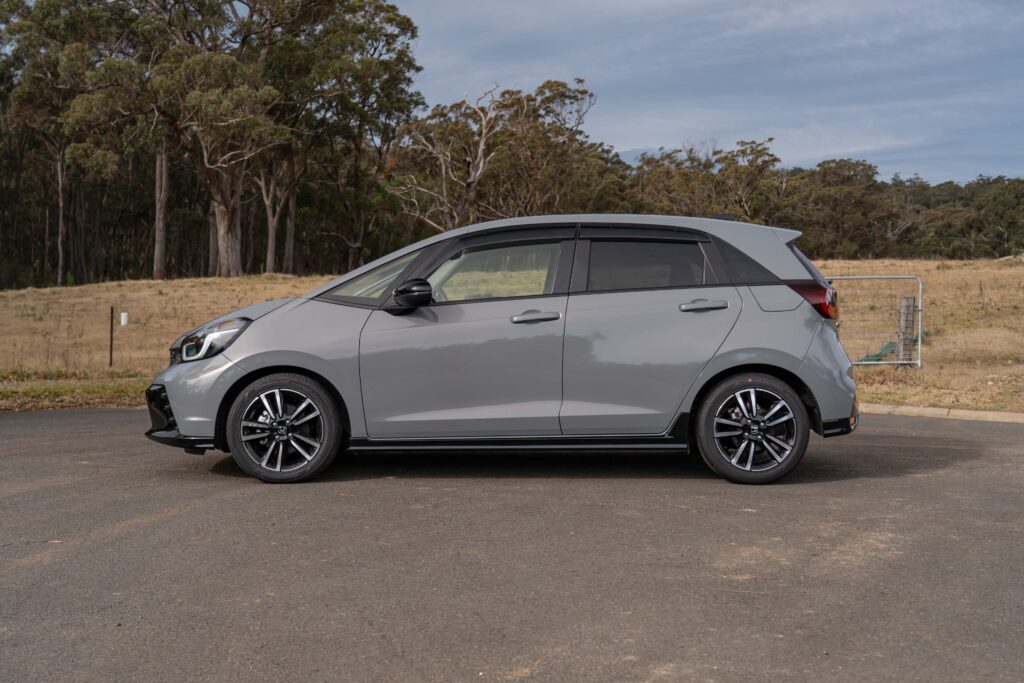
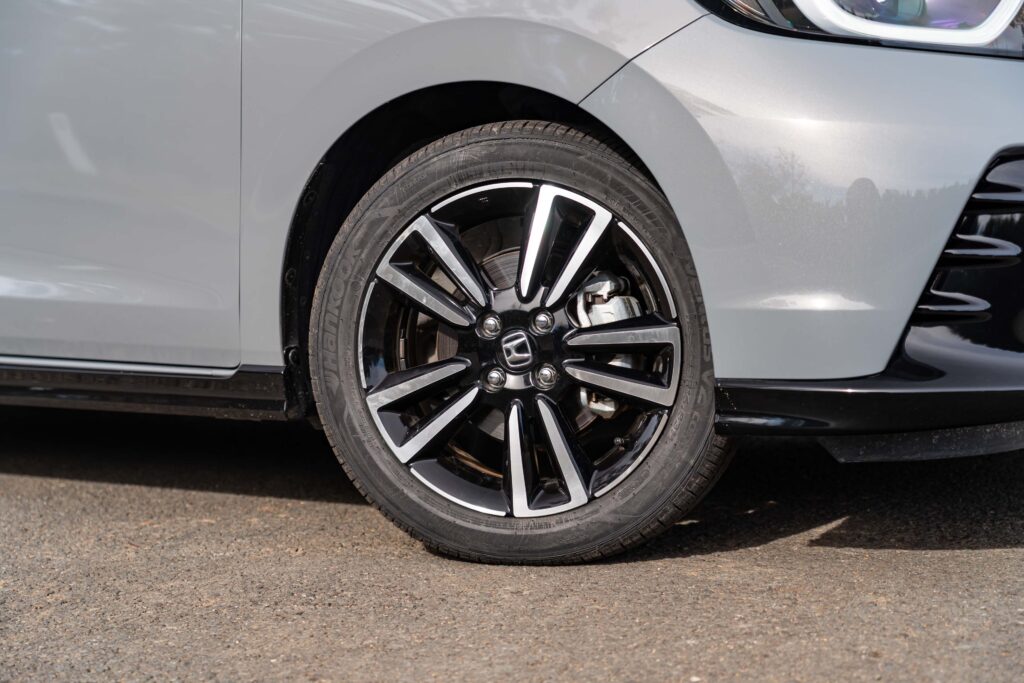
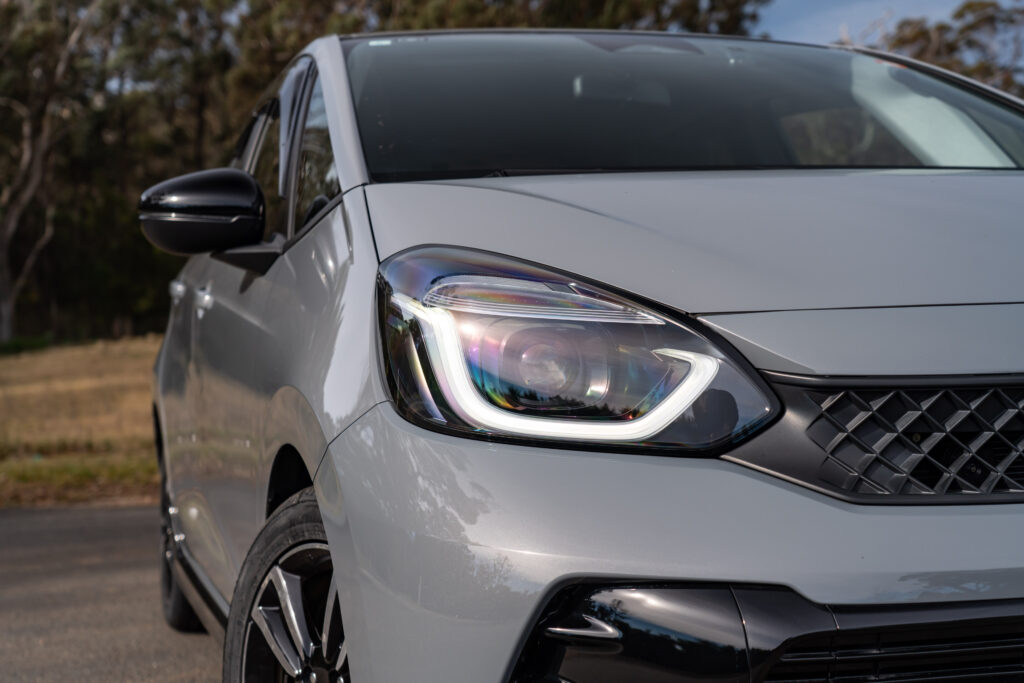
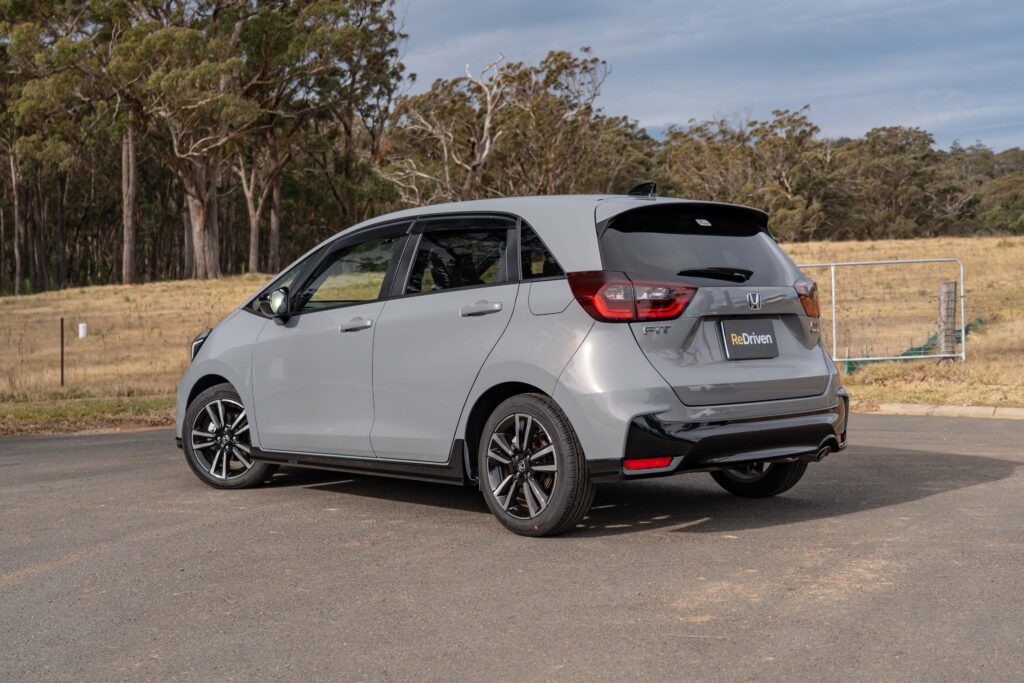
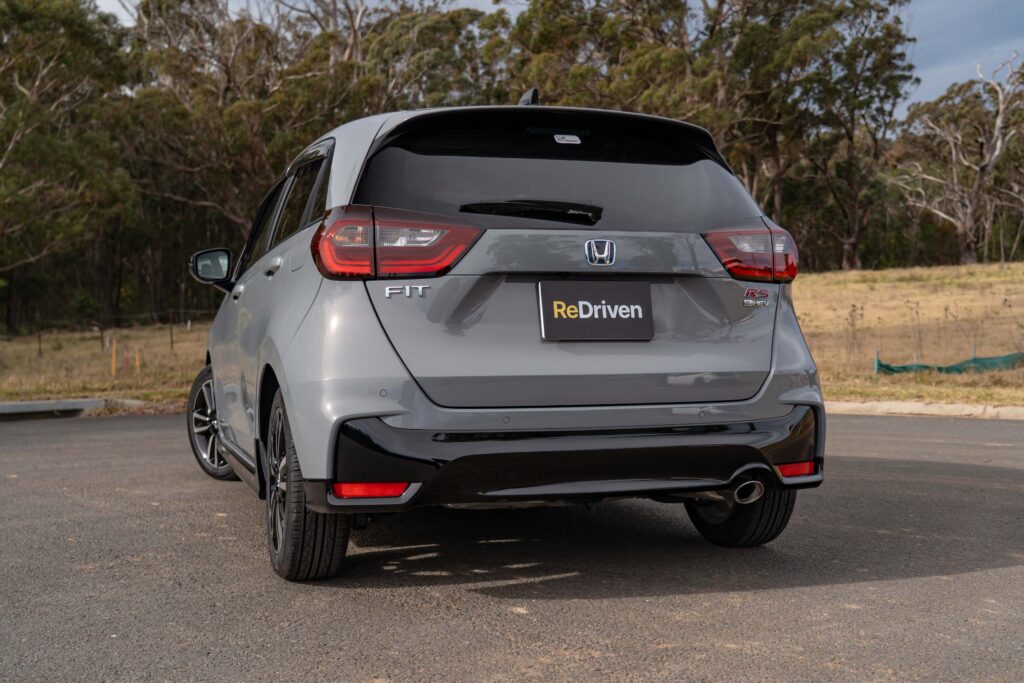
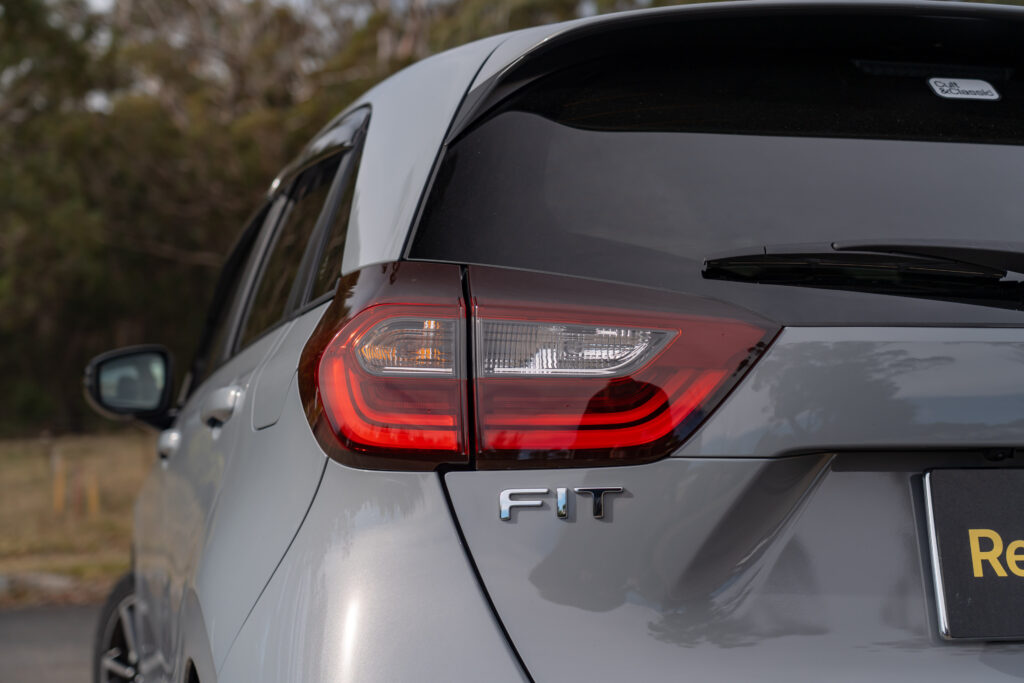

2021 Honda Fit e:HEV (RS)

21 August 2026
Yes. 100%.

2021 Honda Fit e:HEV (RS)

Used car review
21 August 2026
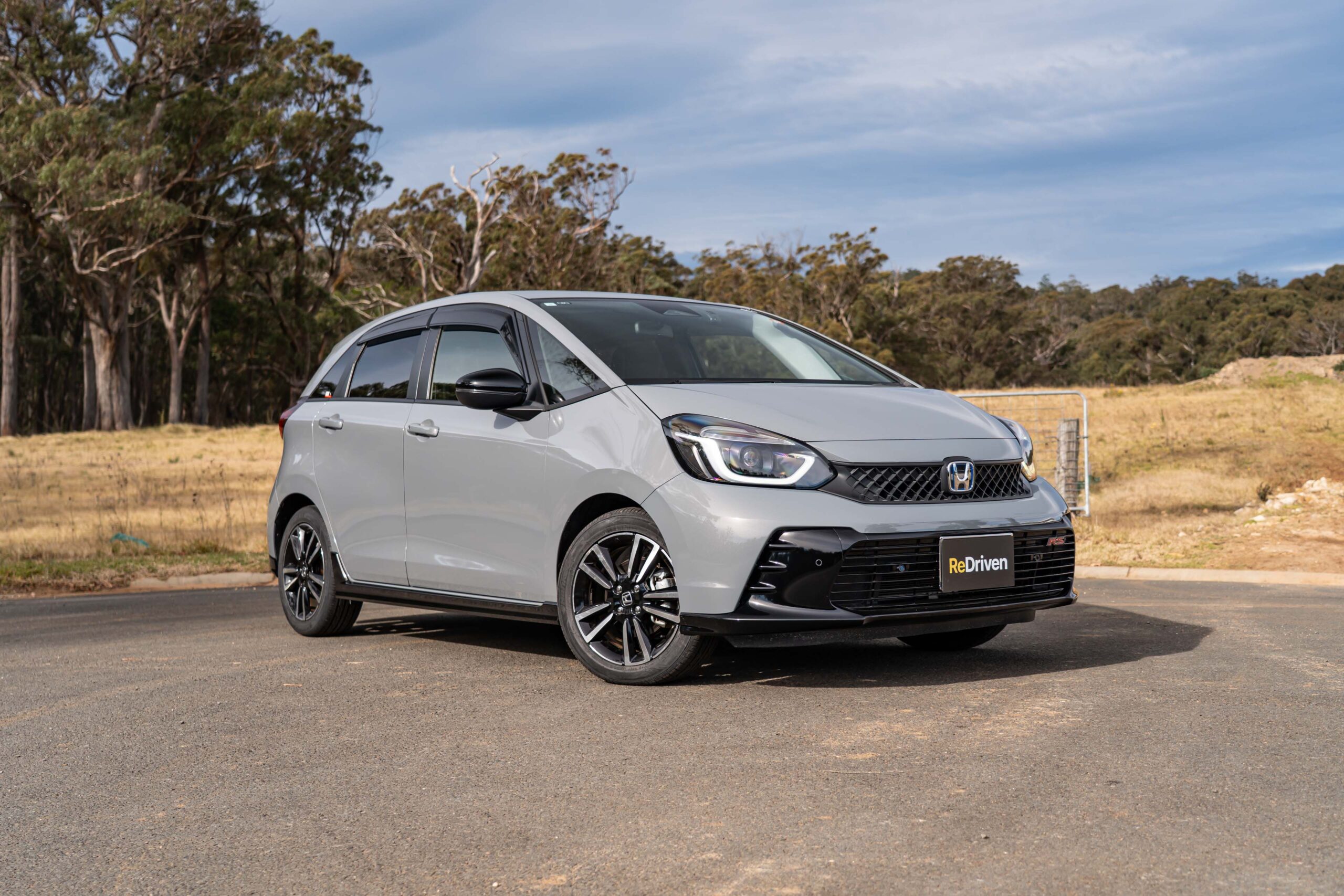
Honda’s subcompact hatchback, the Fit/Jazz, entered its fourth generation in 2020. But unlike the past three generations that were made available for the Australian market, this latest generation was never brought over by Honda Australia.
The fourth-gen Honda Fit continues to be sold in other markets like Europe, New Zealand, Southeast Asia, and China, but not in the North American or Australian markets.
If you want one here in Australia, they’re currently brought over as grey imports – originally made for the Japanese market.
Unlike previous gens, fourth-gen Fits are no longer available with manual transmissions; CVT/eCVT automatics are the only option. Honda also engineered fourth-gen Fits with electrification in mind, with focus paid towards a 1.5L four-cylinder hybrid powertrain, aka e: HEV models; though these can also use 1.3L or 1.5L non-hybrid four-cylinder engines.
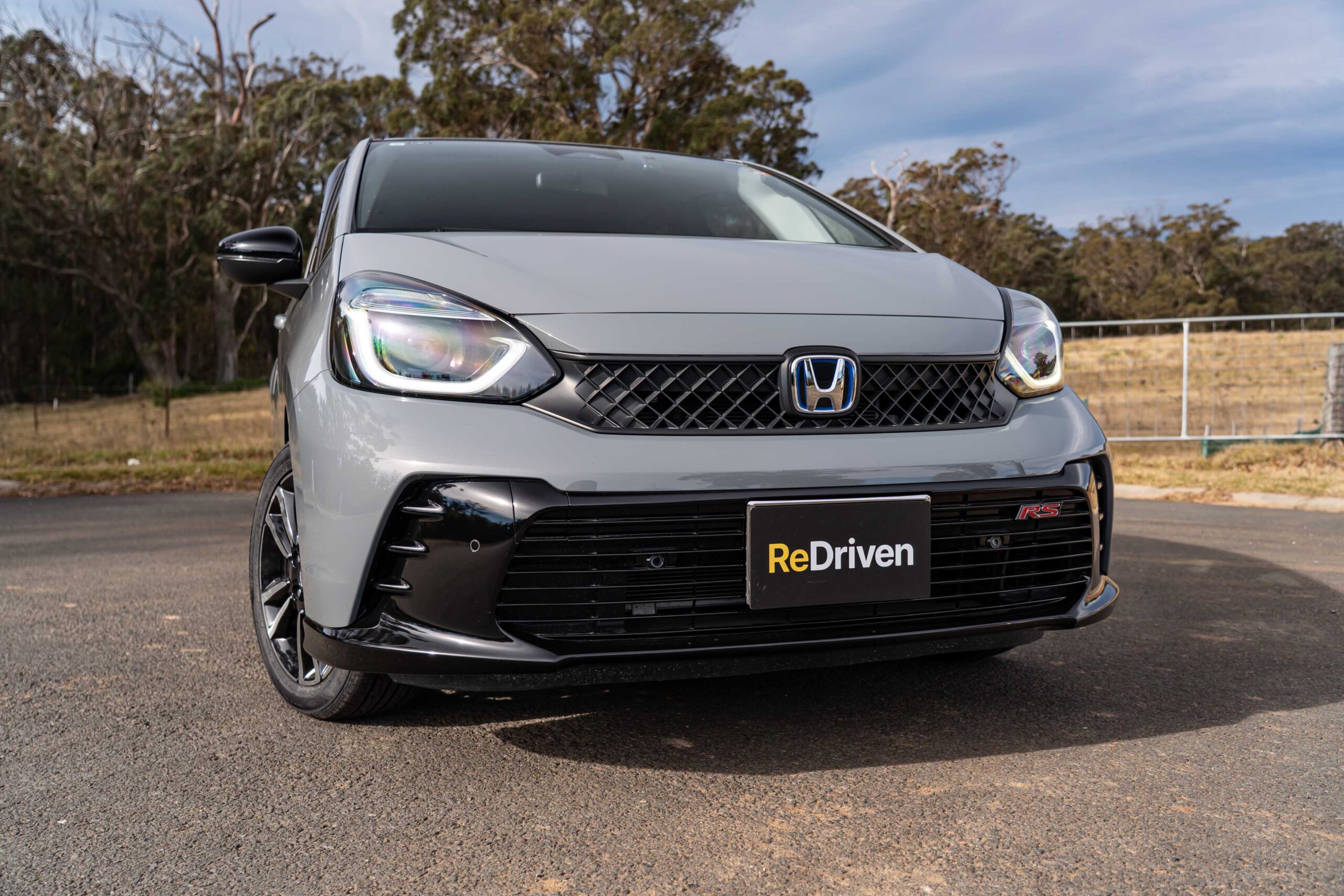
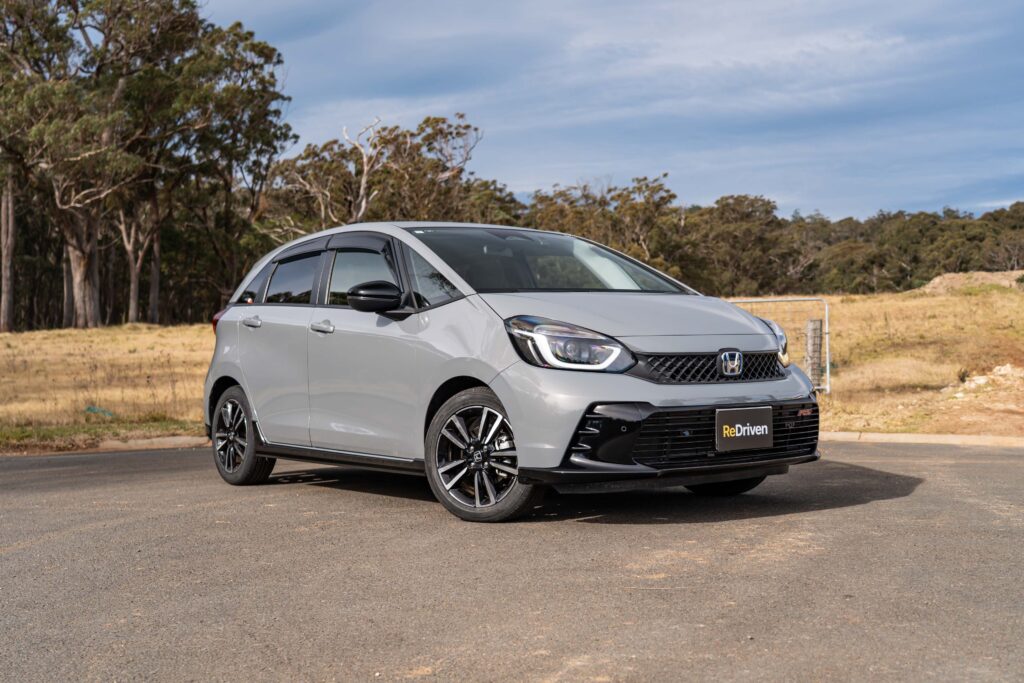
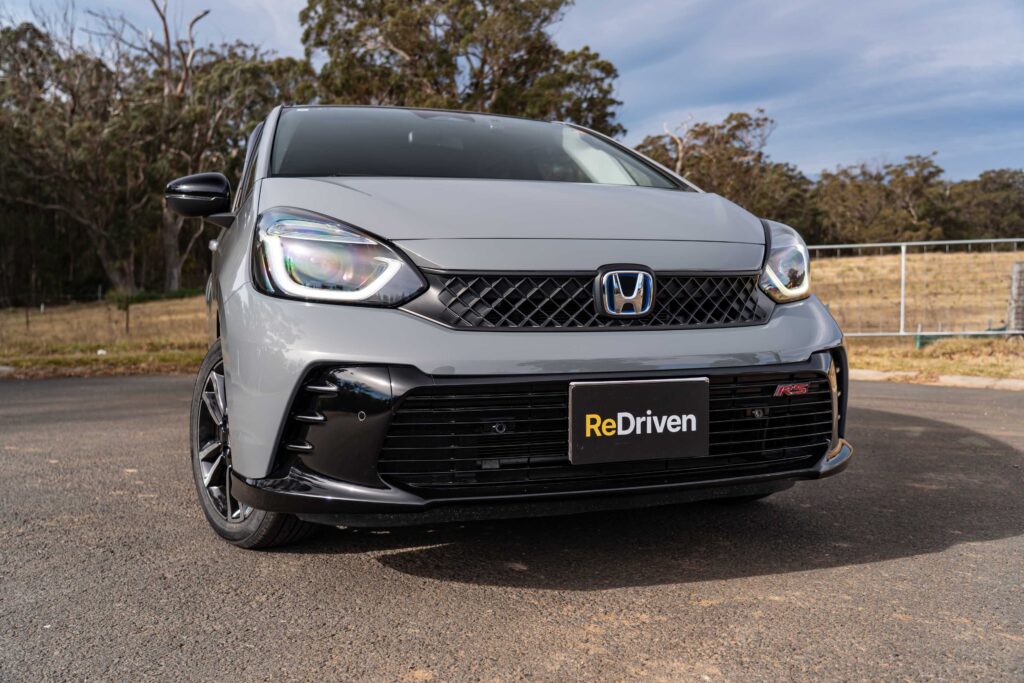
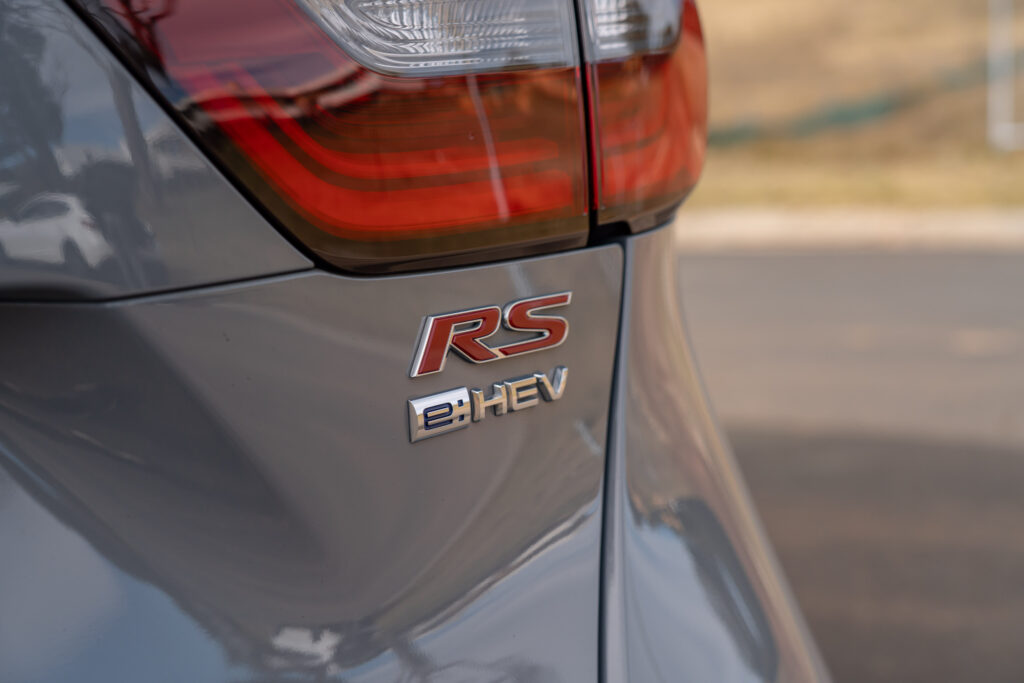
Japan market models experienced a facelift in 2022, making small changes to the styling and reintroducing a sports-inspired ‘RS’ trim.
There’s also a four-wheel-drive version, known as the Honda Fit Crosstar, that offers a higher ride height and ground clearance, and better traction with power sent to all four wheels.
Exterior:
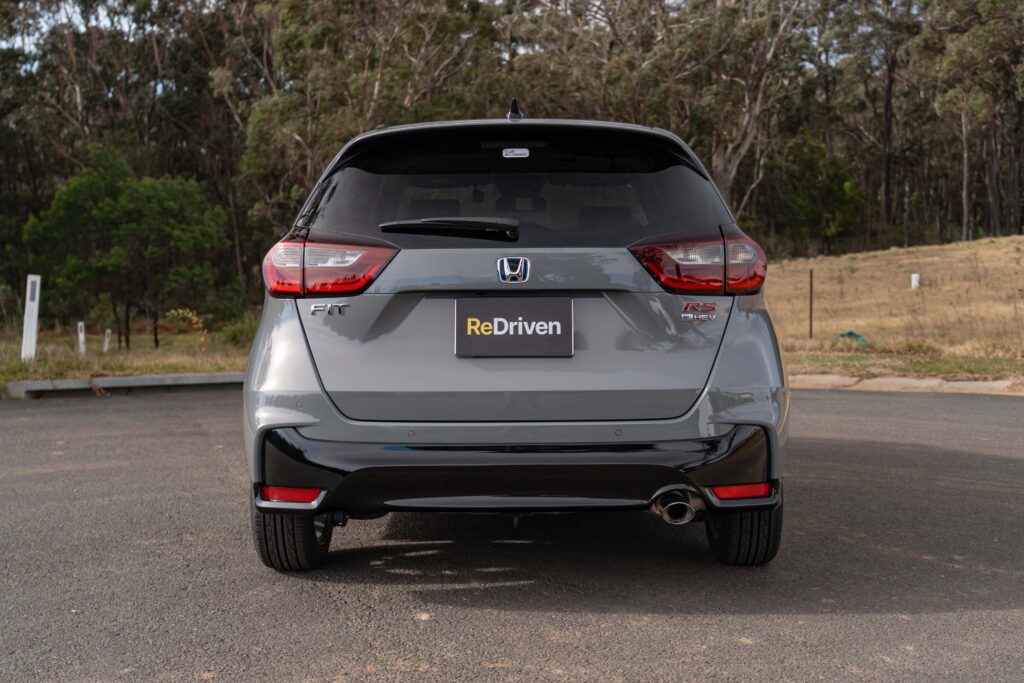
When it comes to exterior issues, from the bodywork to any of the powered equipment, there isn’t a lot to be concerned about.
Aside from the fact that fourth-gen Honda Fits are still new on the market, we struggled to find any reports of things that go wrong with the exterior. Minus some owners reporting high amounts of audible wind noise at freeway speeds, these don’t attract any serious issues.
The paint quality is reported to be very good, and the overall construction of these cars is on the same level you expect with other modern Japanese brands.
We did hear one owner mention a potential concern over watertightness and subsequent ingress under heavy rain, where the drainage channels within the doors could allow water to collect and cause corrosion.
But from our research, we couldn’t find any reports of this actually happening.
Interior:
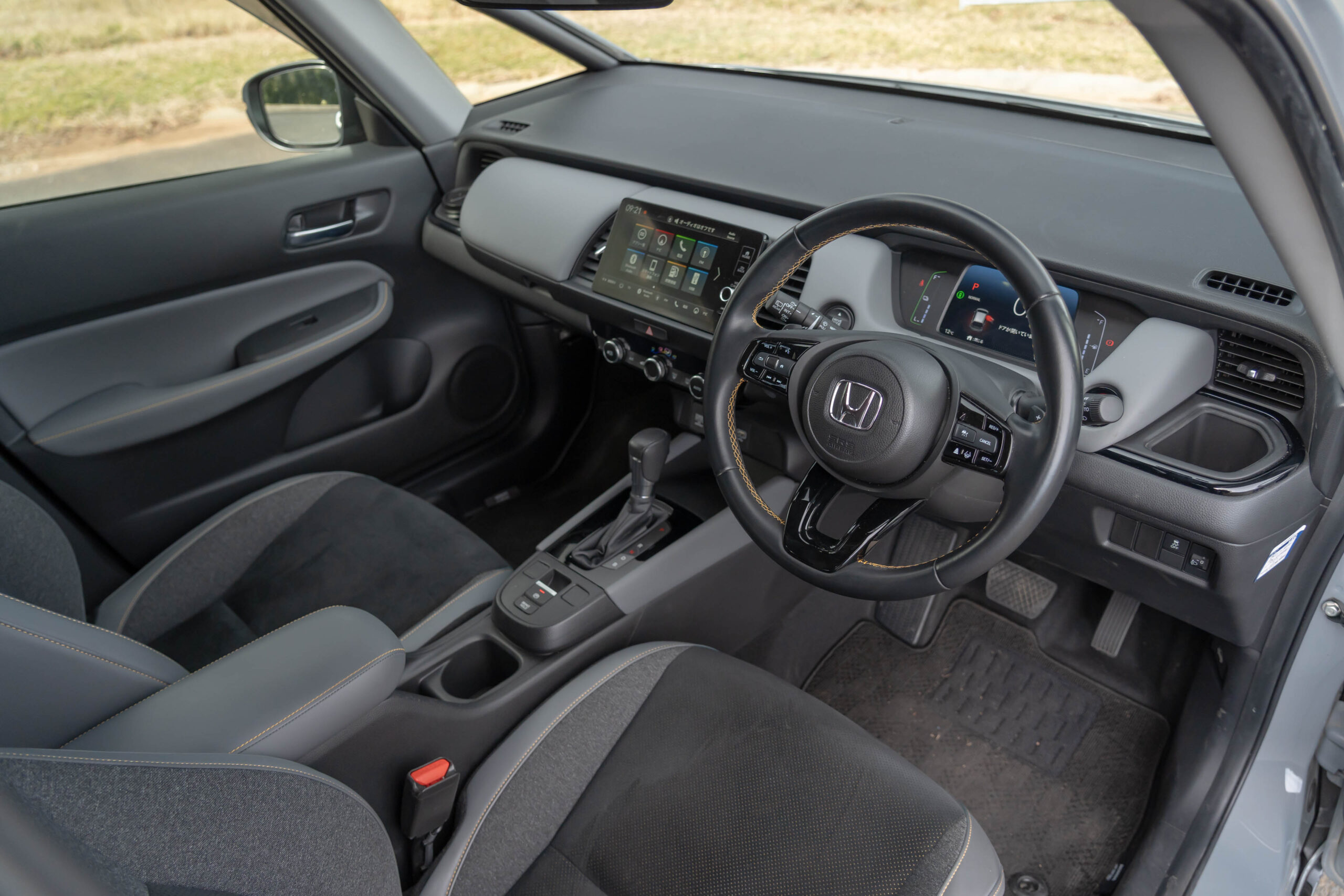
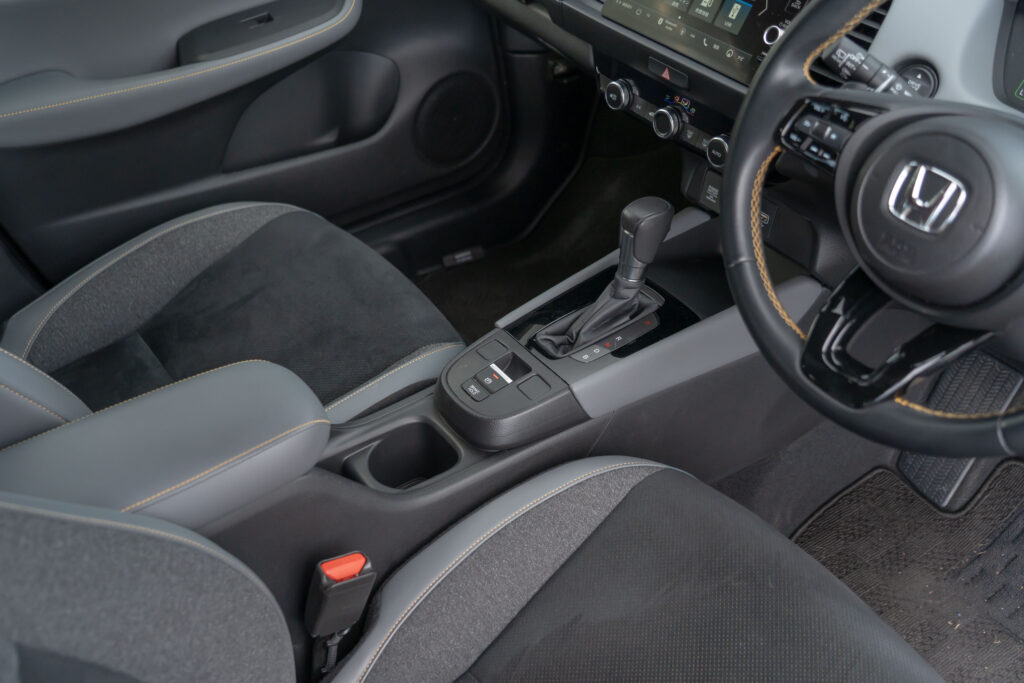
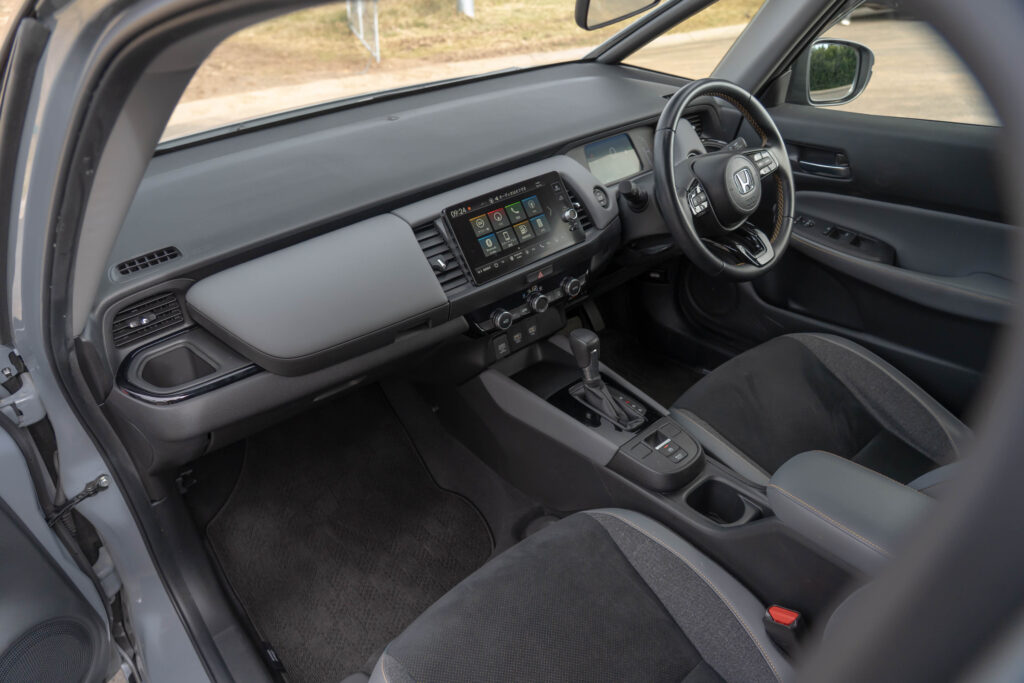
Compared to previous generations of the Honda Fit/Jazz, many have complimented this version for improving significantly when it comes to passenger comfort and overall build quality.
For example, previous Fit/Jazz iterations were known for excessive road noise, but the fourth-gen has a far better insulated cabin that doesn’t make it as much of an echo chamber driving at highway speeds.
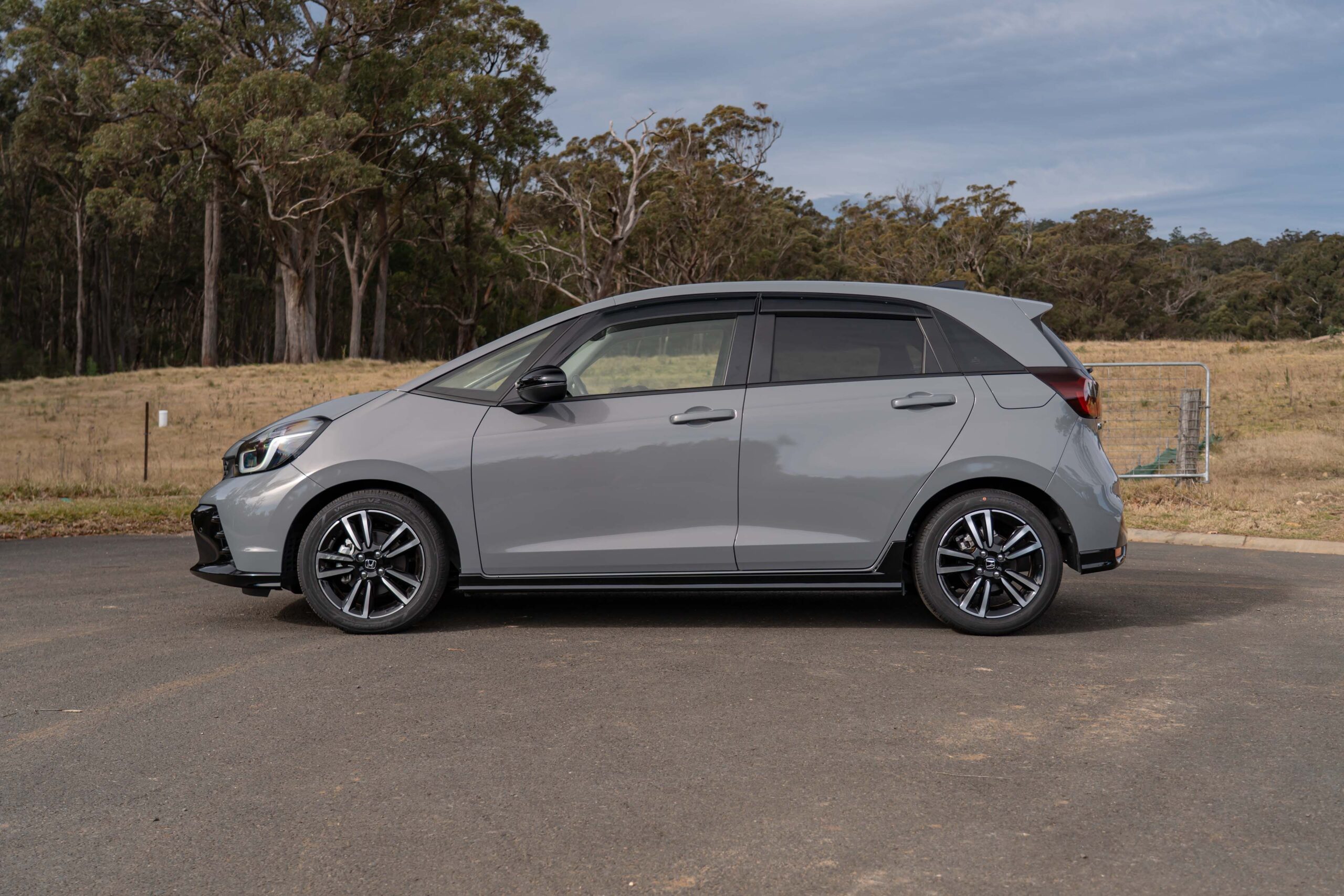
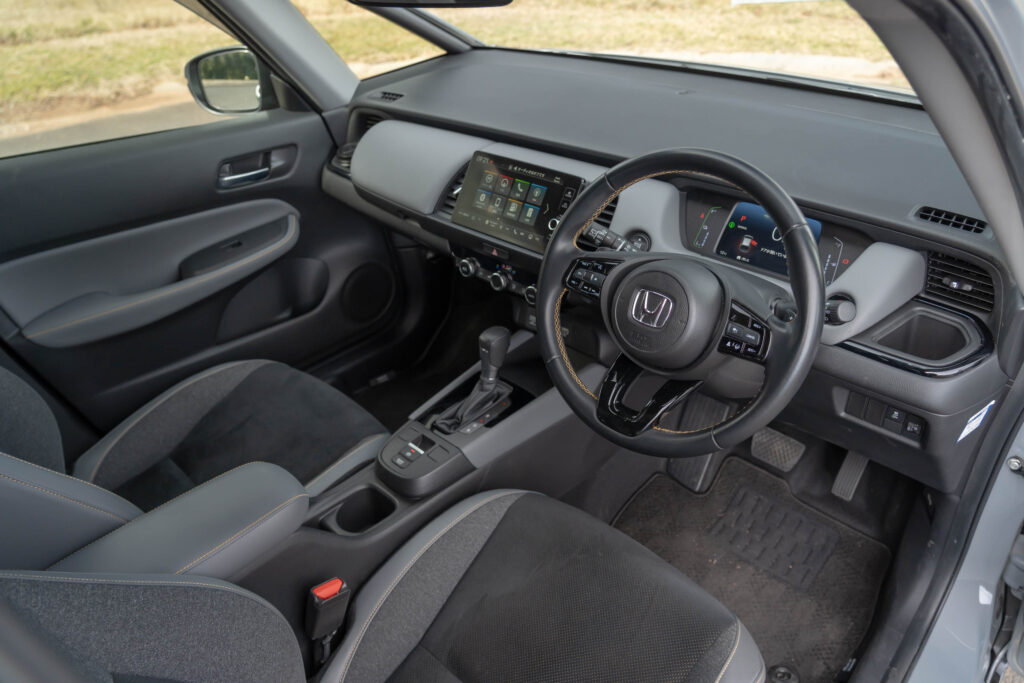
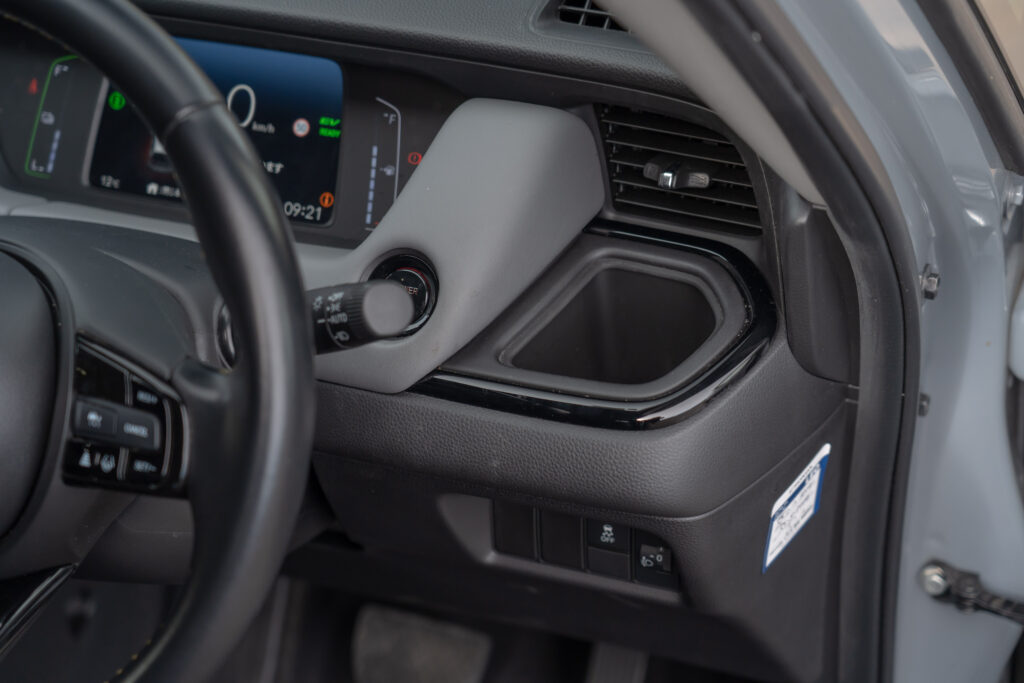
Honda also improved the all-round visibility, notably redesigning the front window pillars to be thinner, and lowering the dashboard for better forward/surrounding vision.
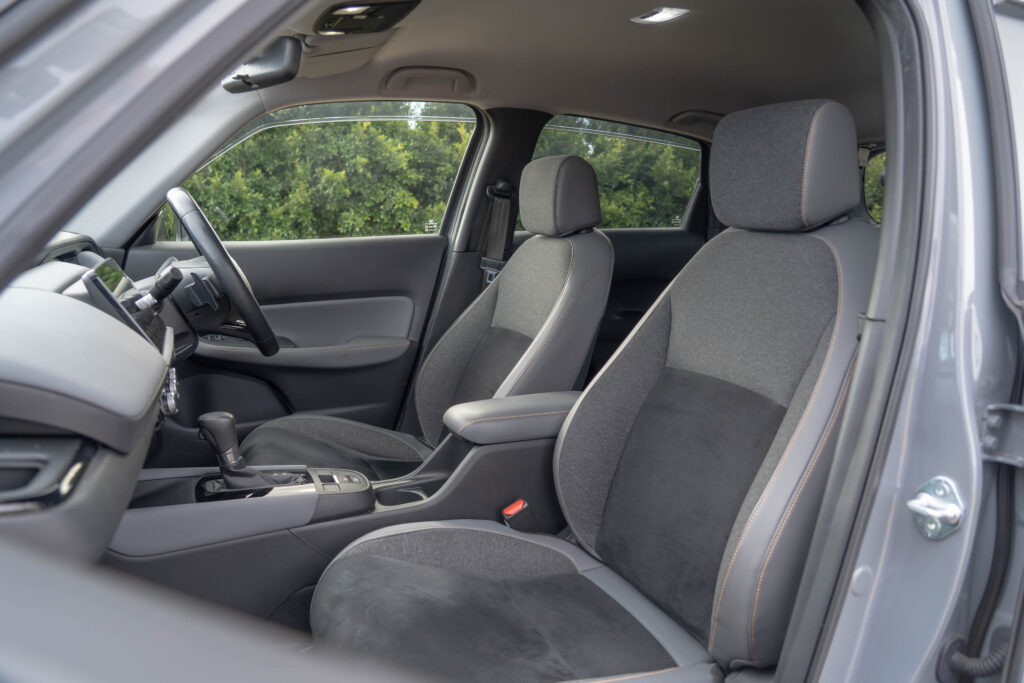
We’ve heard a lot of praise for the front seats, which have significantly improved over previous generations. In previous models, very uncomfortable front seats were a frequent complaint, but Honda evidently listened and made these far more supportive, alongside better driving positions now that the seats can lower further down.
The cabin materials have also been reported to be far better quality than in older Fit generations, from the base ‘Luxe’ to higher-spec ‘RS’ trims.
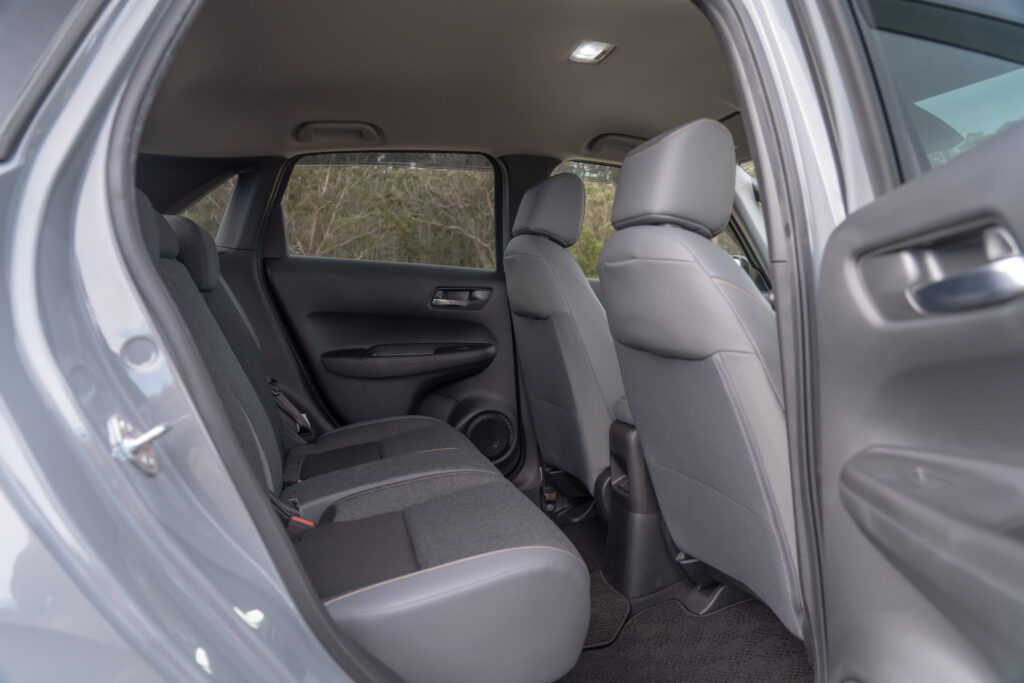
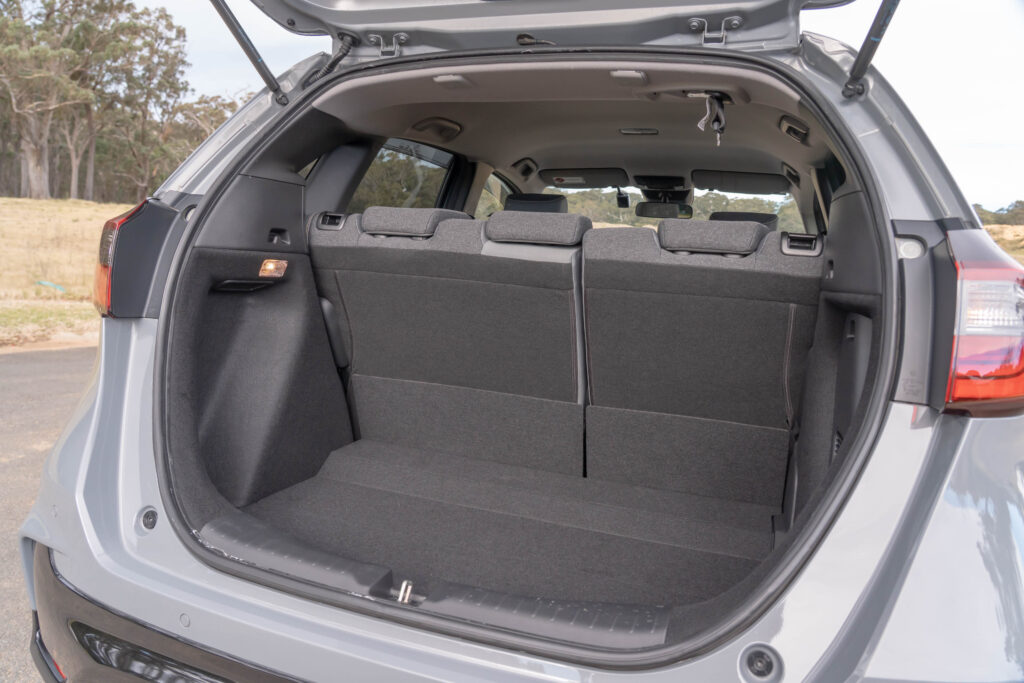
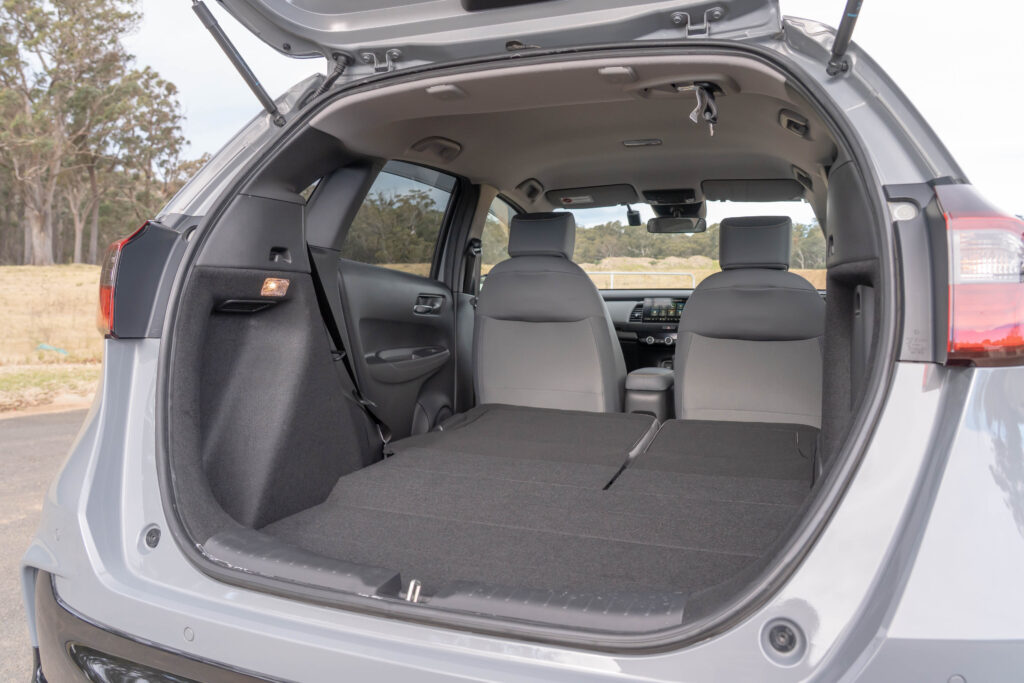
The Honda Fit’s signature party piece, its versatile rear ‘Magic Seats’, continue to be part of the fourth-gen’s interior and offer versatility for various seating arrangements to maximise cargo room in the rear.
Even though these feature a hybrid powertrain, which means their necessary tech and battery pack take up more interior room (which also means no spare wheel or storage compartment underneath the boot floor), you’ll still find these offer far more practicality and usable cargo space than equivalent hatchbacks.
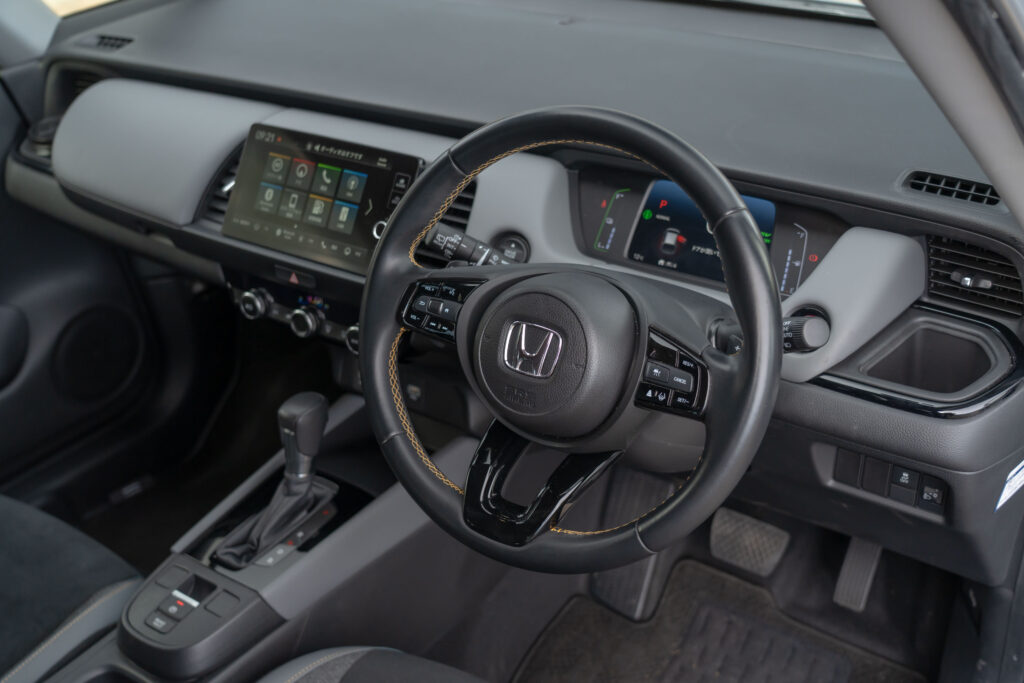
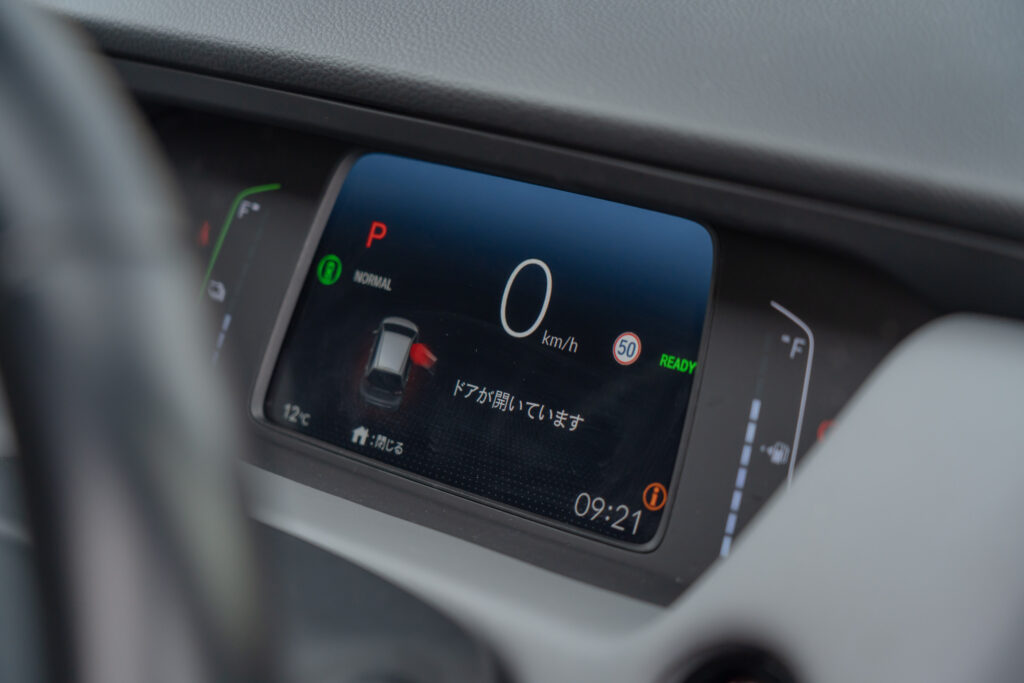
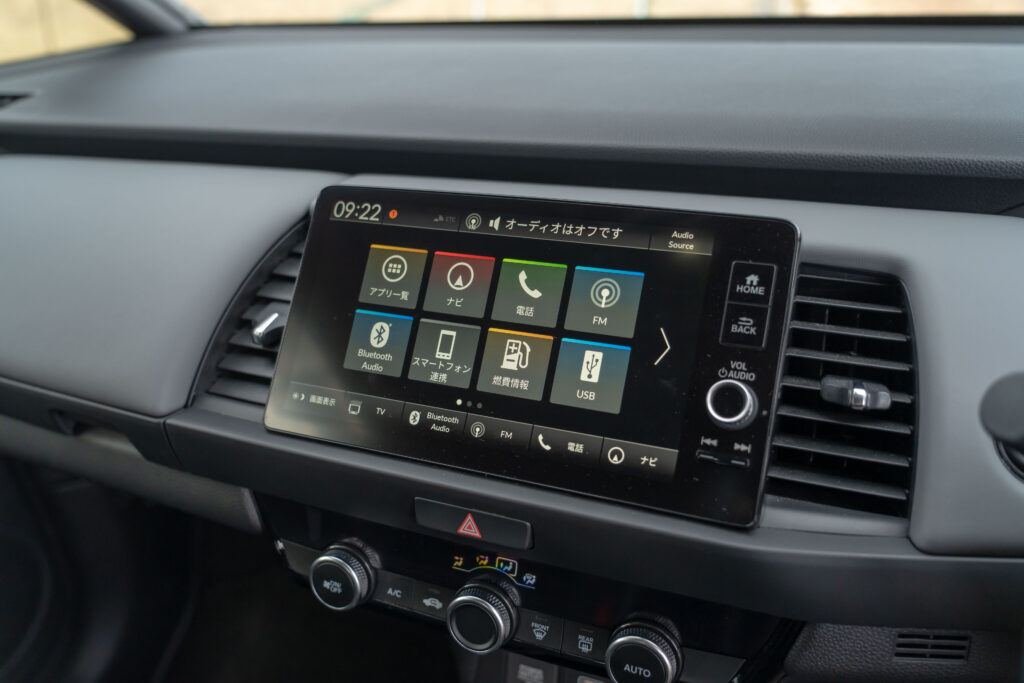
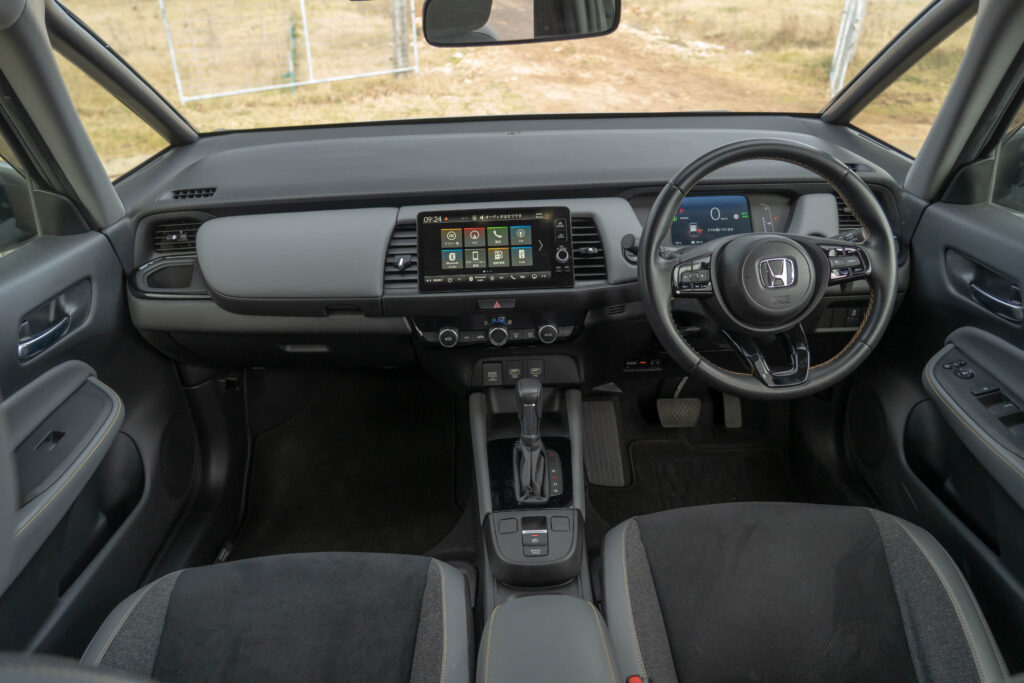
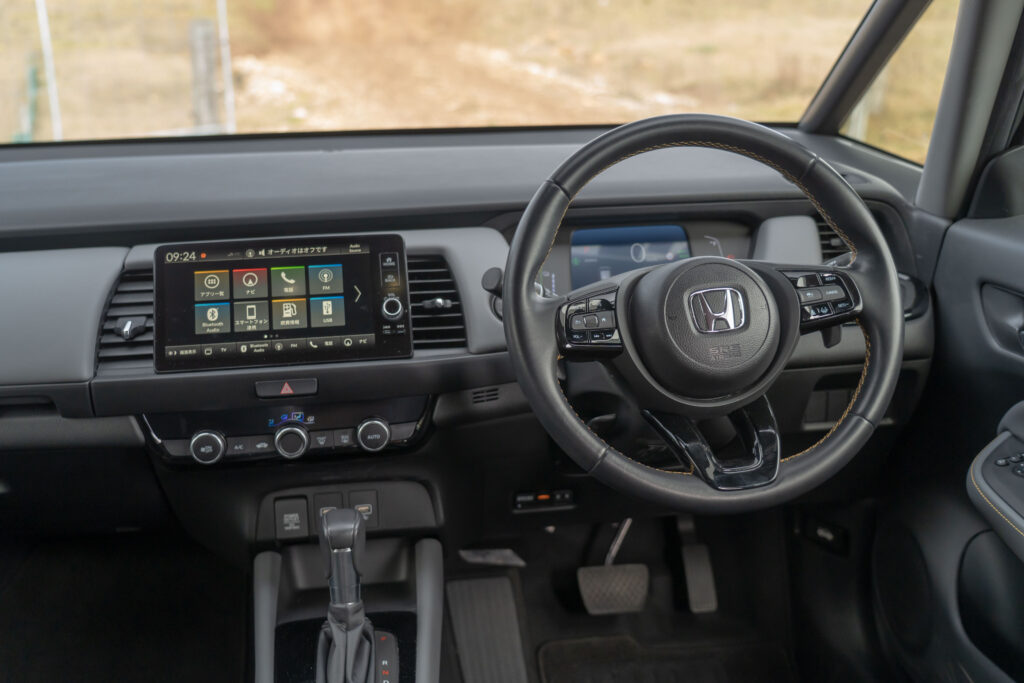
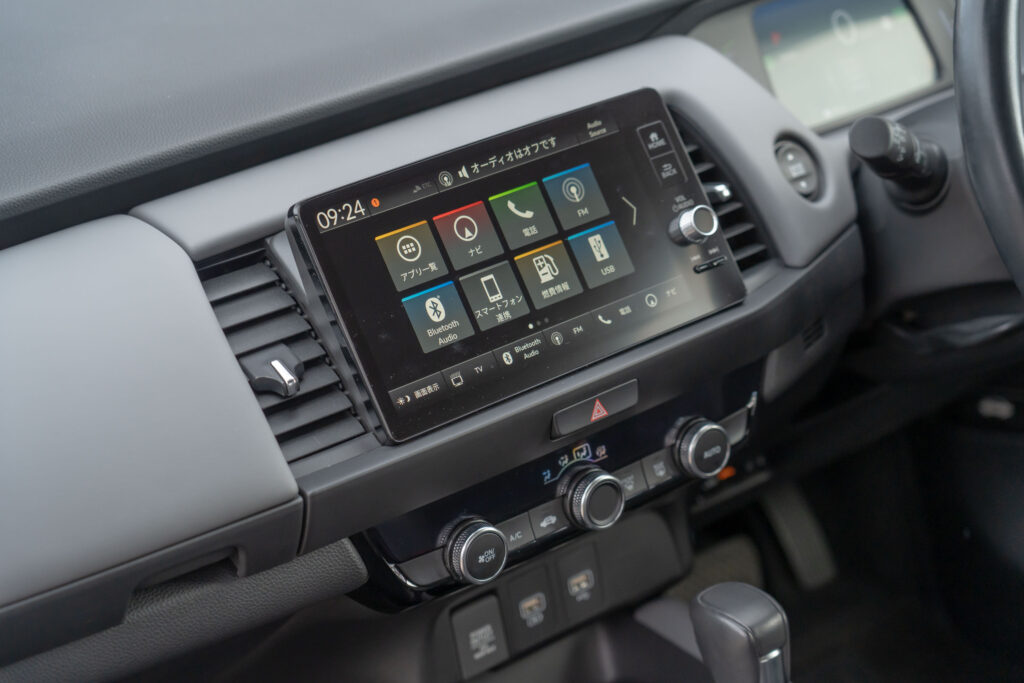
One obstacle you might encounter, given the car’s Japan market origins, is the factory infotainment system being in Japanese, as well as the multi-function central driver display/menus.
These are often locked to Japanese script, but despite the language barrier, they’re intuitive to use without trying to convert them into English.
The standard infotainment units also come with Apple CarPlay/Android Auto support out of the box, but you can still replace these with aftermarket head units; in fact, it’s even easier to do on lower trims, as they use a traditional single DIN style system that’s far more seamless to swap out, and a wider range of compatible head units can take their place.
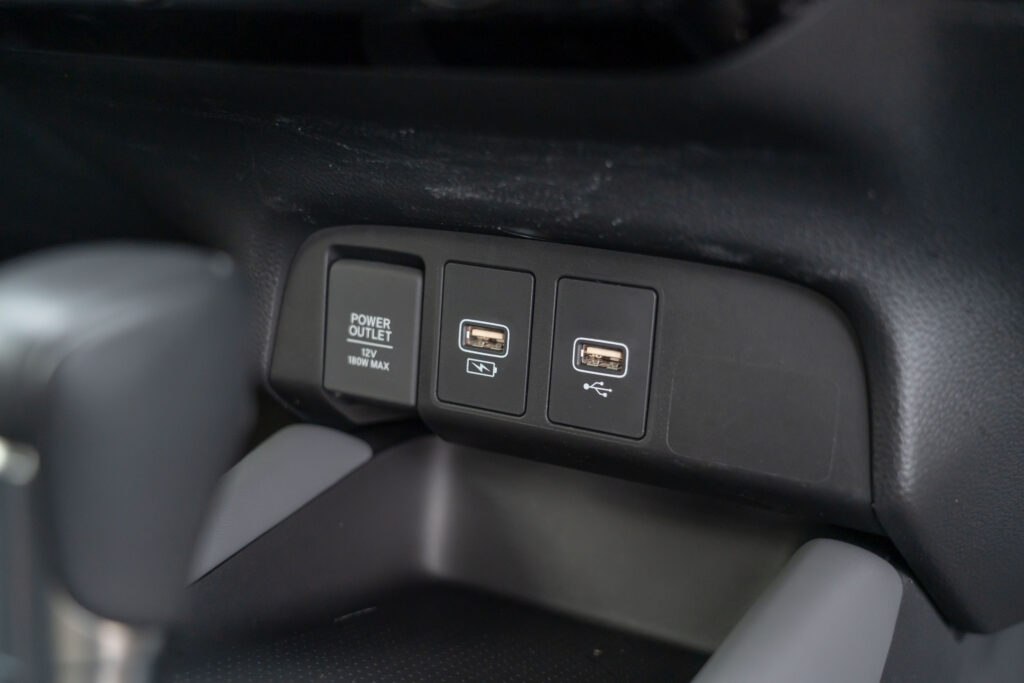
The only minor inconvenience you might experience is the main 12V battery draining due to lack of use, resulting in sporadic electronic issues, but this affects other modern cars that sit idle for extended periods.
Mechanically:
These Hondas are still fairly young vehicles, and in keeping with Japanese build quality, the fourth-gen Honda Fits are very reliable, with no serious documented reliability issues to date.
As a grey import, the lack of OEM aftersales support from Honda may be something to consider, unlike other comparable Japanese models.
But the good news is that finding parts is still relatively accessible – working with reputable importers and specialists can help source them much like importing the car itself, as well as ensuring it satisfies local vehicle regulations.
Engines:
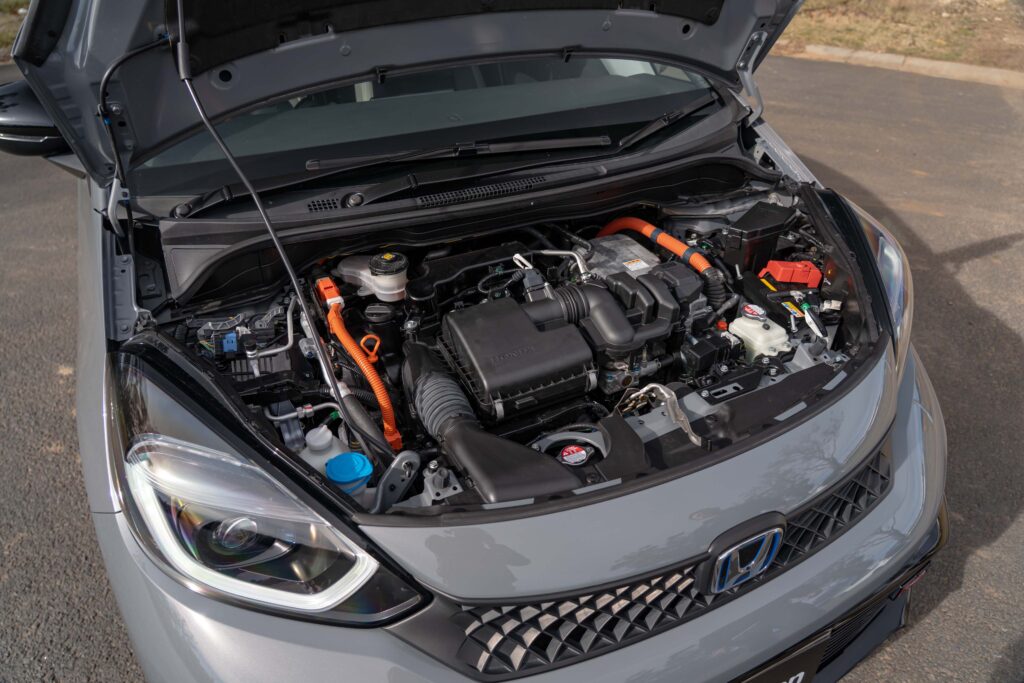
Japanese market fourth-gen Honda Fits use either a 1.3L or 1.5L non-hybrid, naturally aspirated ‘Earth Dreams’ four-cylinder engine, or a 1.5L gasoline-hybrid four-cylinder (e: HEV) as their featured powertrains.
Fit Hybrids use Honda’s latest hybrid system (i-MMD, Intelligent Multi-Dual Mode Drive) that replaces the dual-clutch-based hybrid (i-DCD) and older IMA hybrid systems. Being still fairly new, these haven’t experienced any known problems yet, but they should prove to be very reliable.
The Fit Hybrids are also reported to deliver very good gas mileage figures; on average, owners report between 4.8-5.6L per 100 kilometres.
Just ensure they receive regular servicing and look after them in general, and these can be very bulletproof.
Transmissions:
The CVT automatics are also quite trouble-free, and we’ve heard of no serious mechanical concerns that affect these.
Some may be put off by the power delivery and rubber-banding sensation provided by the CVT transmission, but it’s well set up for normal driving.
It’s also worth highlighting that on the hybrid models, combined with their regenerative braking feature, these can behave similarly to a full EV – where you can rely purely on the hybrid powertrain for slowing down and hardly apply the brakes.
You can find the cheapest examples of the fourth-gen Honda Fit within the Australian market to start around $17,000, with the most expensive models (RS, Crosstar) topping around $25-28,000.
Value for money, the closest rival to the Fit is the Toyota Yaris Hybrid. But the arguments for the Honda are quite strong: they’re just as fuel efficient, but have more space and arguably are more refined and enjoyable to drive.
Plus, being a hybrid, you don’t have to put up with the constraints of an electric vehicle lifestyle or be concerned about range anxiety.
Despite the fact these are grey import models and the lack of domestic OEM support for this iteration of the Fit, there aren’t far too many negatives to be concerned with when owning one.
It’s a shame Honda Australia decided not to continue the Fit/Jazz nameplate, the brand citing declining sales and that the latest gen would have been too expensive to import for our market.
It’s also frustrating that current new car market trends show demand for oversized SUVs continues, rather than space-efficient, fun-to-drive, affordable-to-own, and generally cool compacts like the Fit.
The fourth-gen Honda Fit is another Honda subcompact we recommend checking out if you need a frugal, reliable, and very practical daily driver – provided it checks out after a pre-purchase inspection and, if you’re importing one from Japan, is done through reputable channels.
MORE: Check out our other Honda reviews


Co-creator, presenter & writer, ReDriven

Yes. 100%.
 2 months ago
 2 months ago
 2 months ago