
Australia’s No. 1 Used Car Review Website
Australia’s No. 1 Used Car Review Website
+18 Photos

1994 Autozam AZ-1 M2

03 November 2026
There are better cars out there.

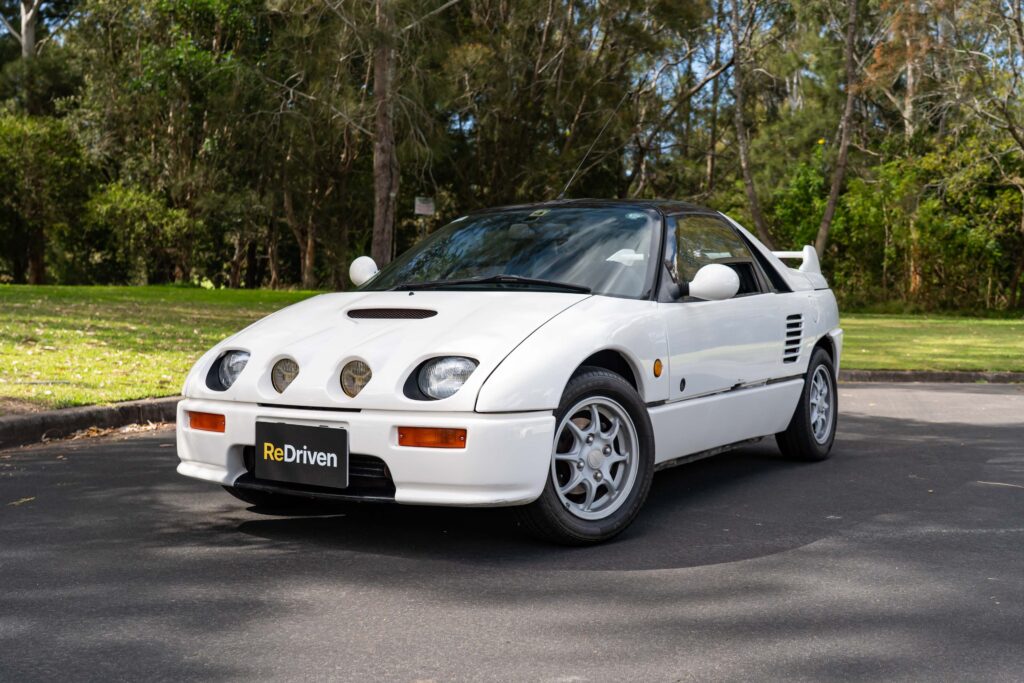
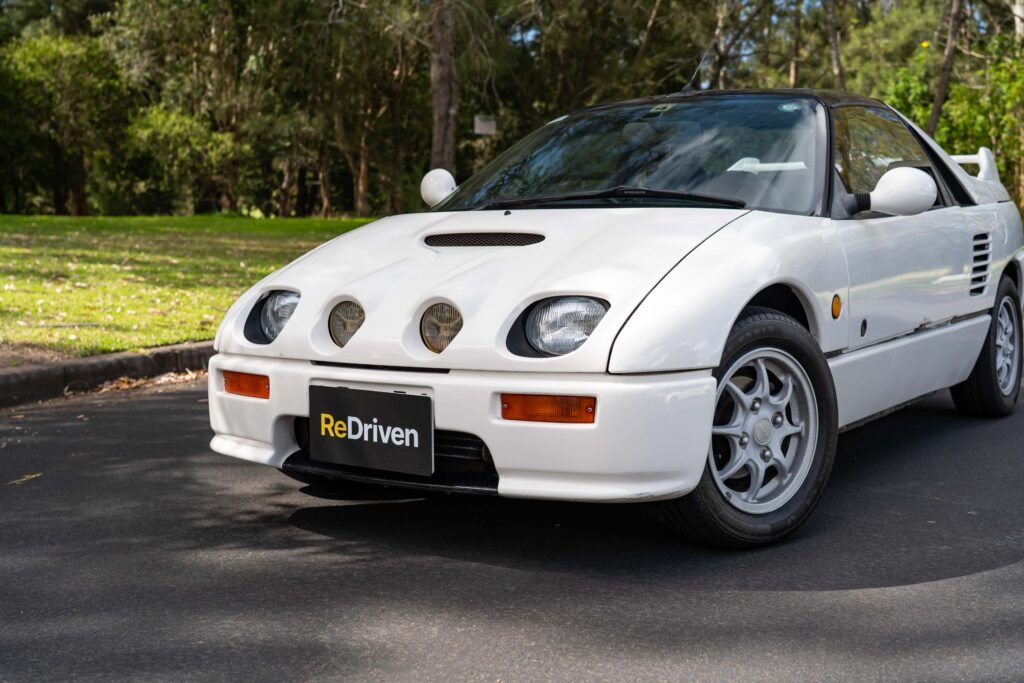
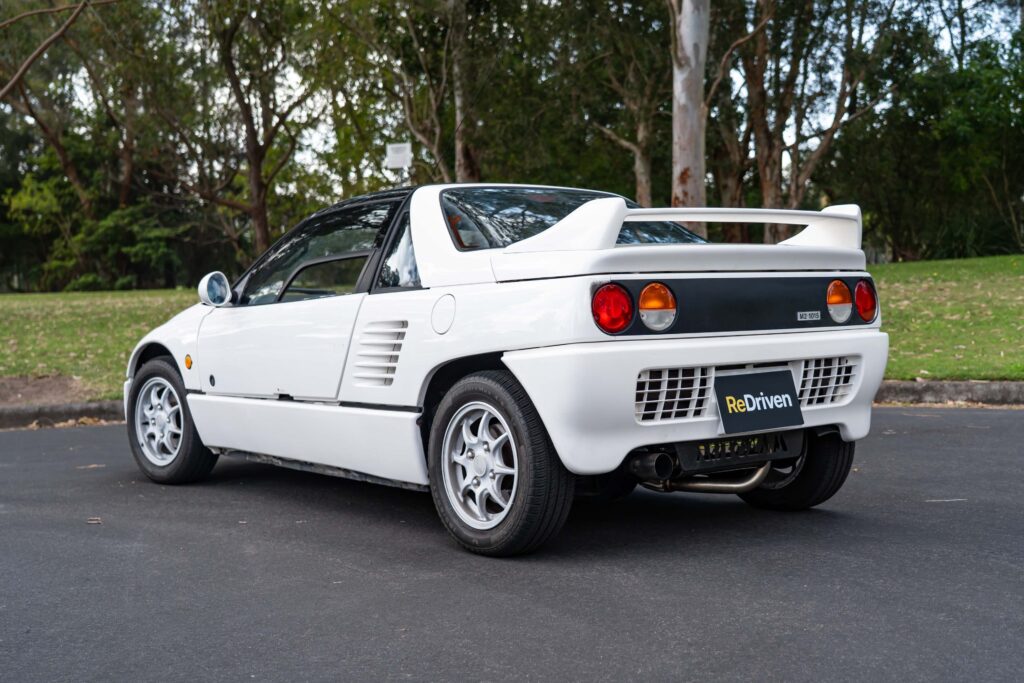
1994 Autozam AZ-1 M2

Used car review
03 November 2026
If you ever come across kei-cars, otherwise known as Japanese microcars, the Autozam AZ-1 may be one model you’ve heard of.
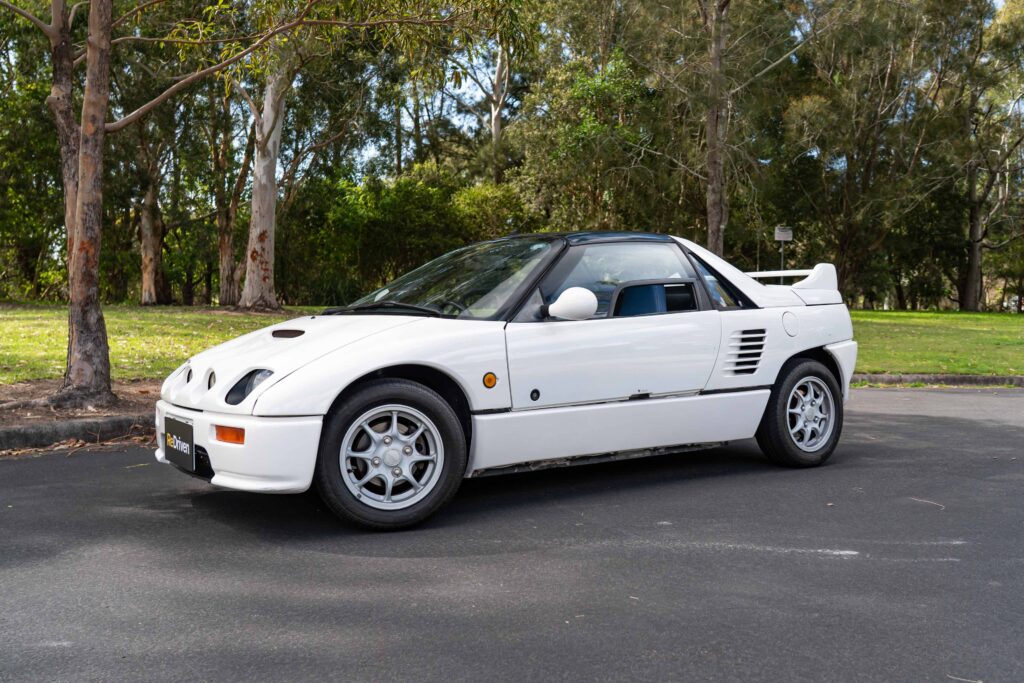
Originally built from 1992 to 1994, the Autozam AZ-1 was launched and sold under Mazda’s Autozam subbrand, which focused only on selling compact/kei-cars.
Initially, the AZ-1 was conceived under fellow Japanese brand Suzuki, amidst the surge of innovation and creativity within the automotive industry under Japan’s ‘bubble economy’ of the late 1980s.
Suzuki envisioned the idea of a kei-car-compliant, mid-engined, rear-wheel-drive sports car, but after it reached the first prototyping stage, the AZ-1 project was taken over by Mazda’s design team, led by one of the engineers responsible for the Mazda MX-5, Toshiko Hirai. In addition, much of the AZ1’s testing and calibration of its platform took place within the United Kingdom, at the Millbrook Proving Ground.
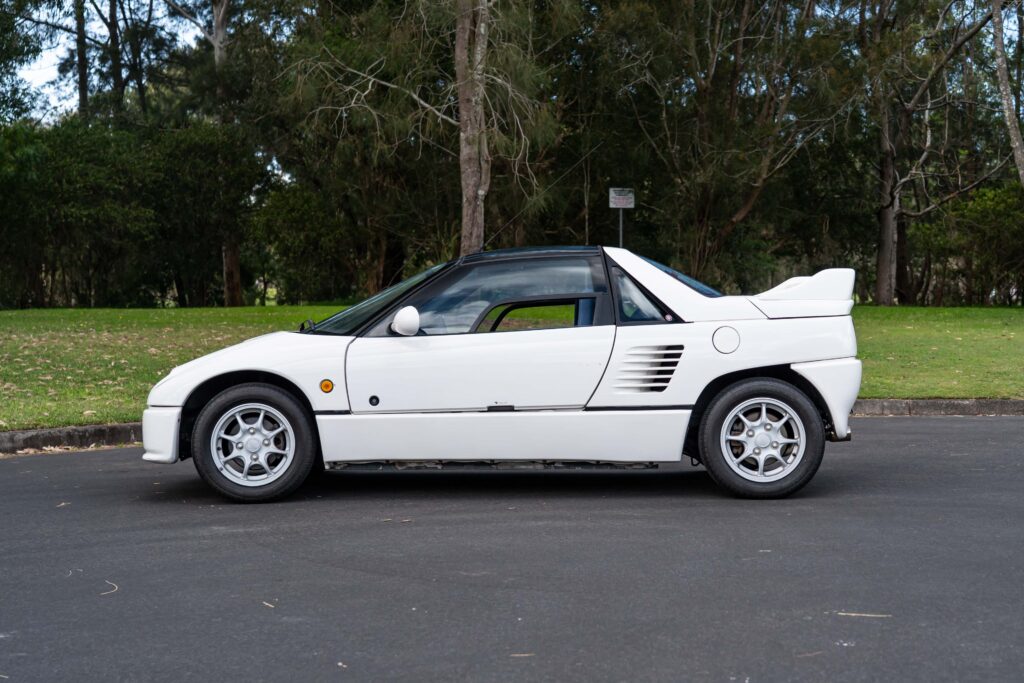
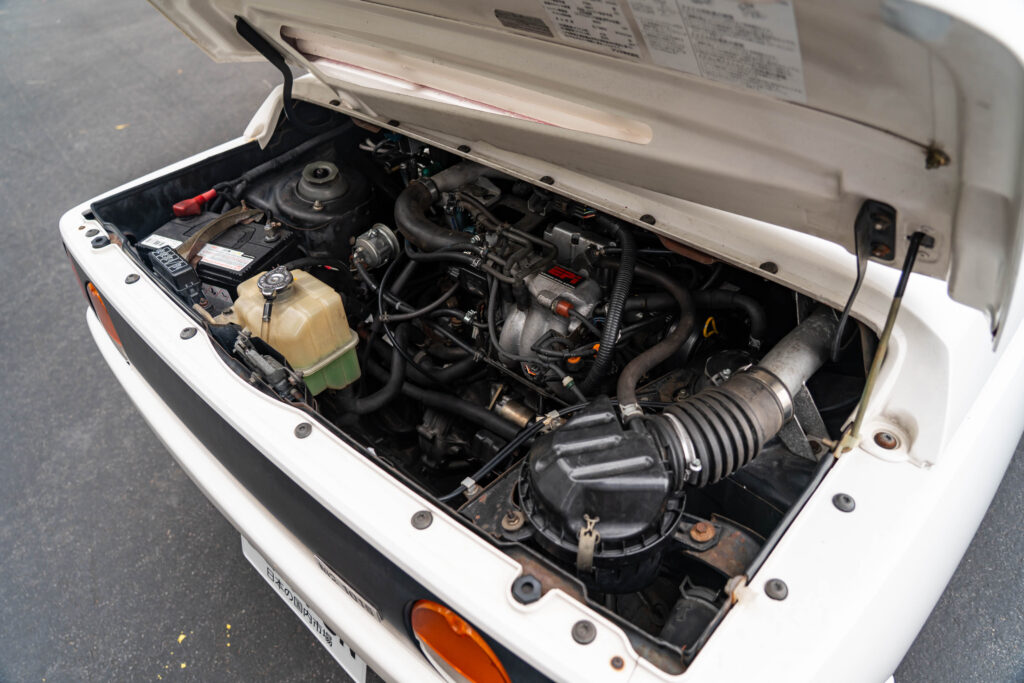
Mid-mounted like other midship sports cars, the AZ1’s sole powertrain was a 657cc turbocharged three-cylinder (shared with the Suzuki Alto), paired to a five-speed manual driving the rear wheels.
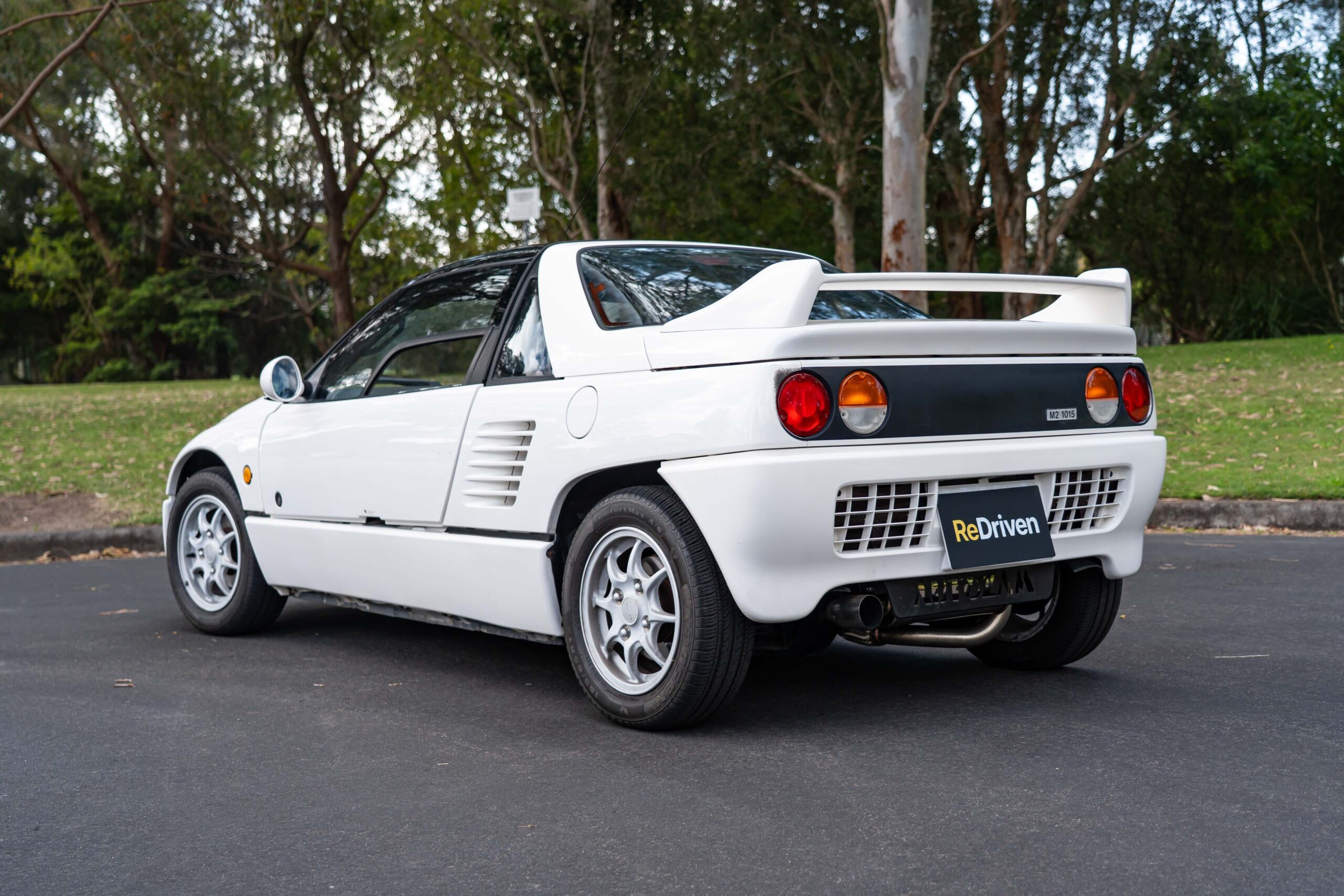
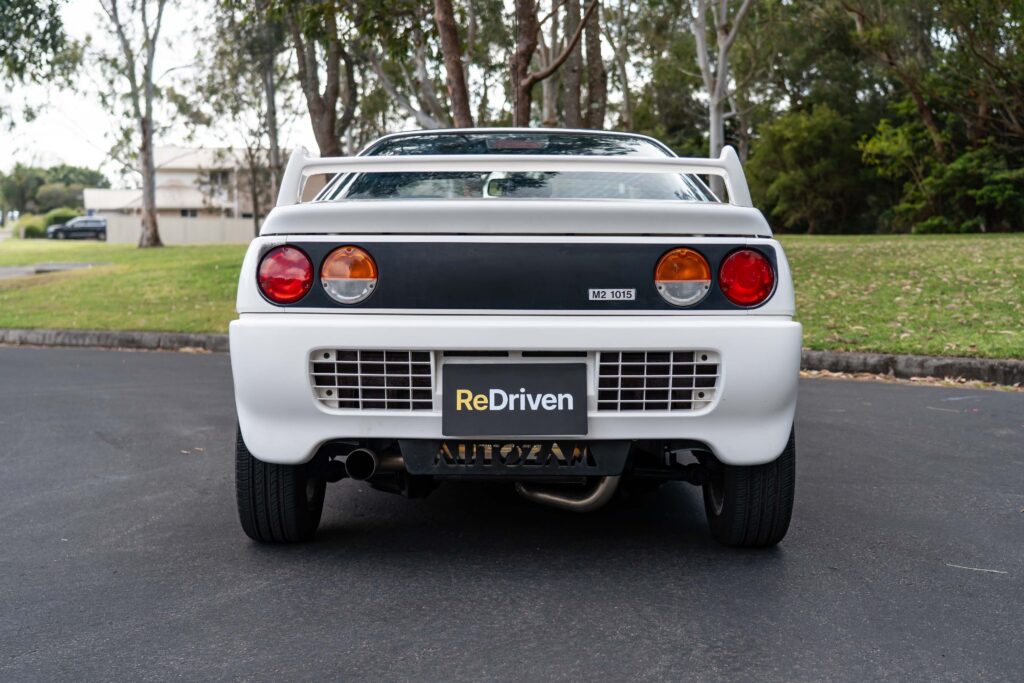
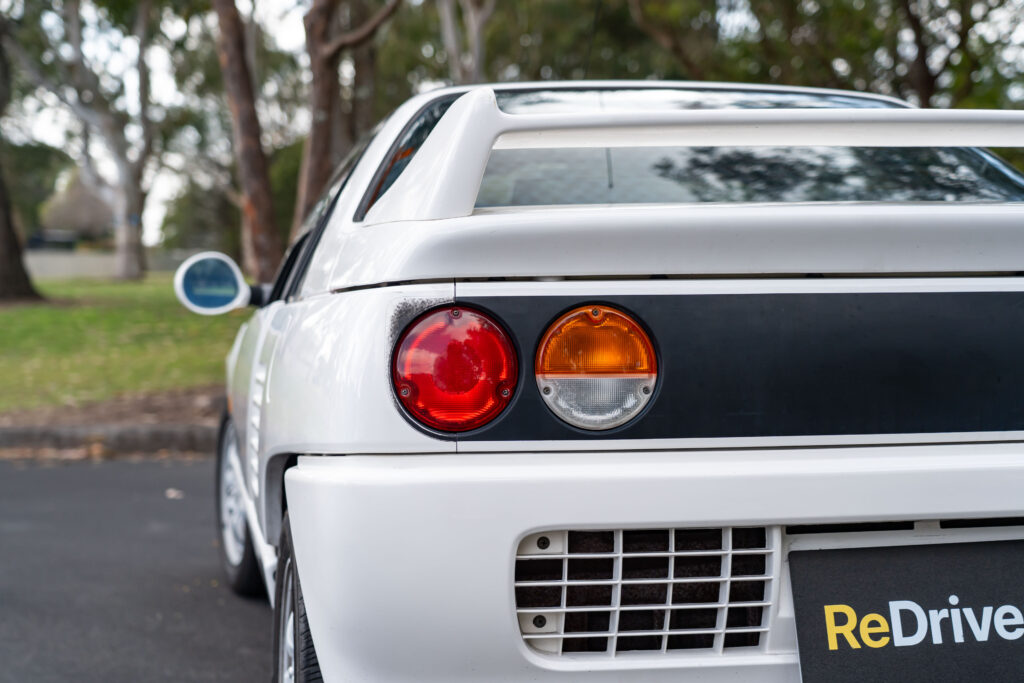
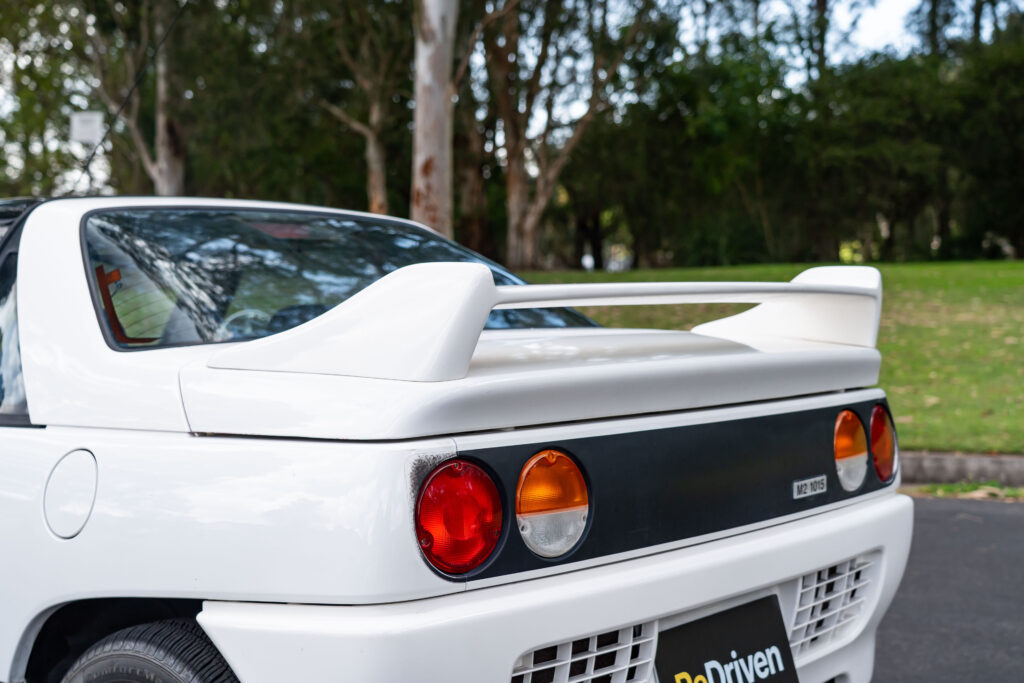
Two other variants were also released during the AZ-1’s original production run: the Mazdaspeed and, under the short-lived ‘Mazda 2 [M2]’ sub-brand, the M2 1015:
While the sports kei-car segment remained exclusive to Japan in this era, comparable kei sports cars include the Suzuki Cappuccino, Daihatsu Copen and Honda Beat.
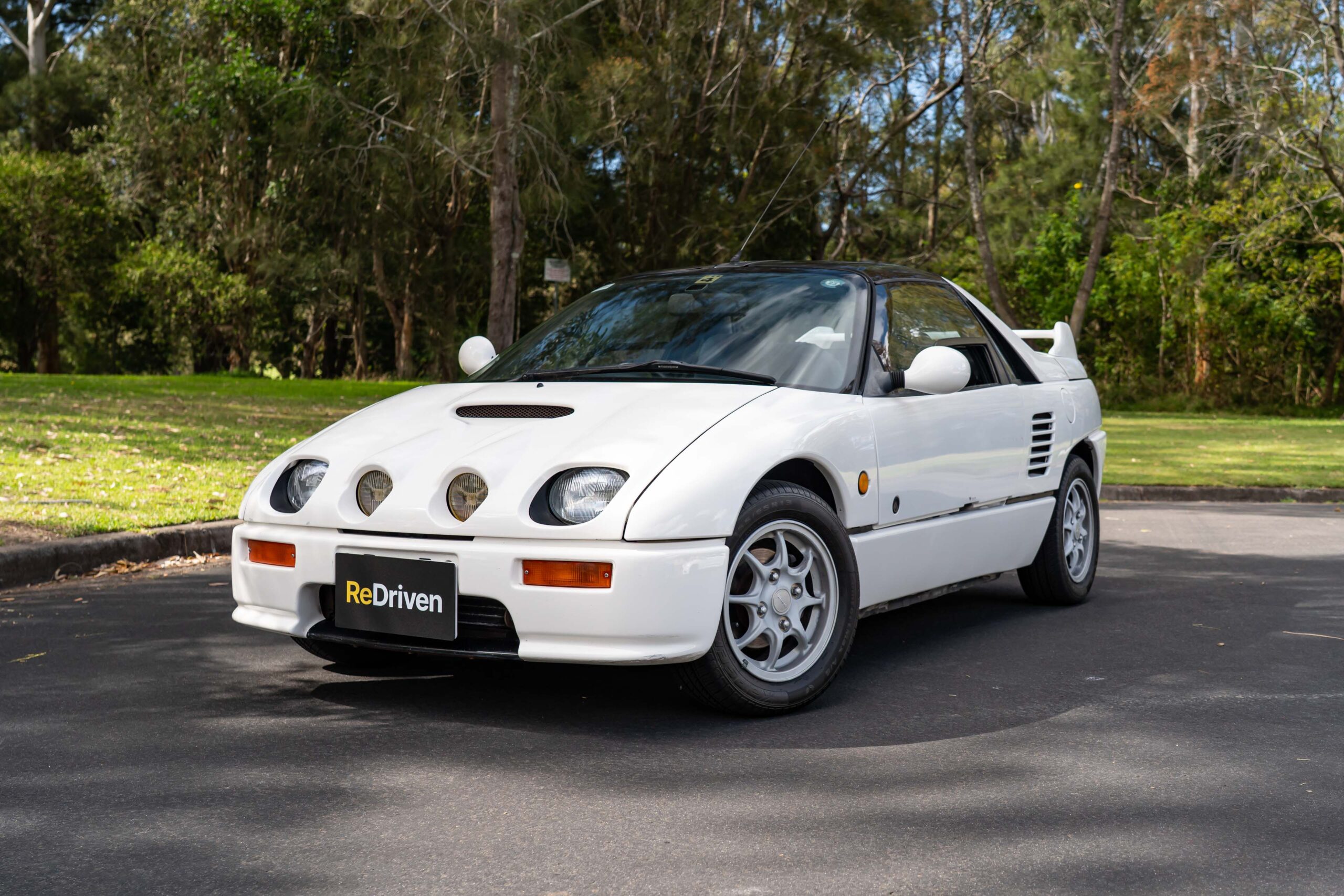
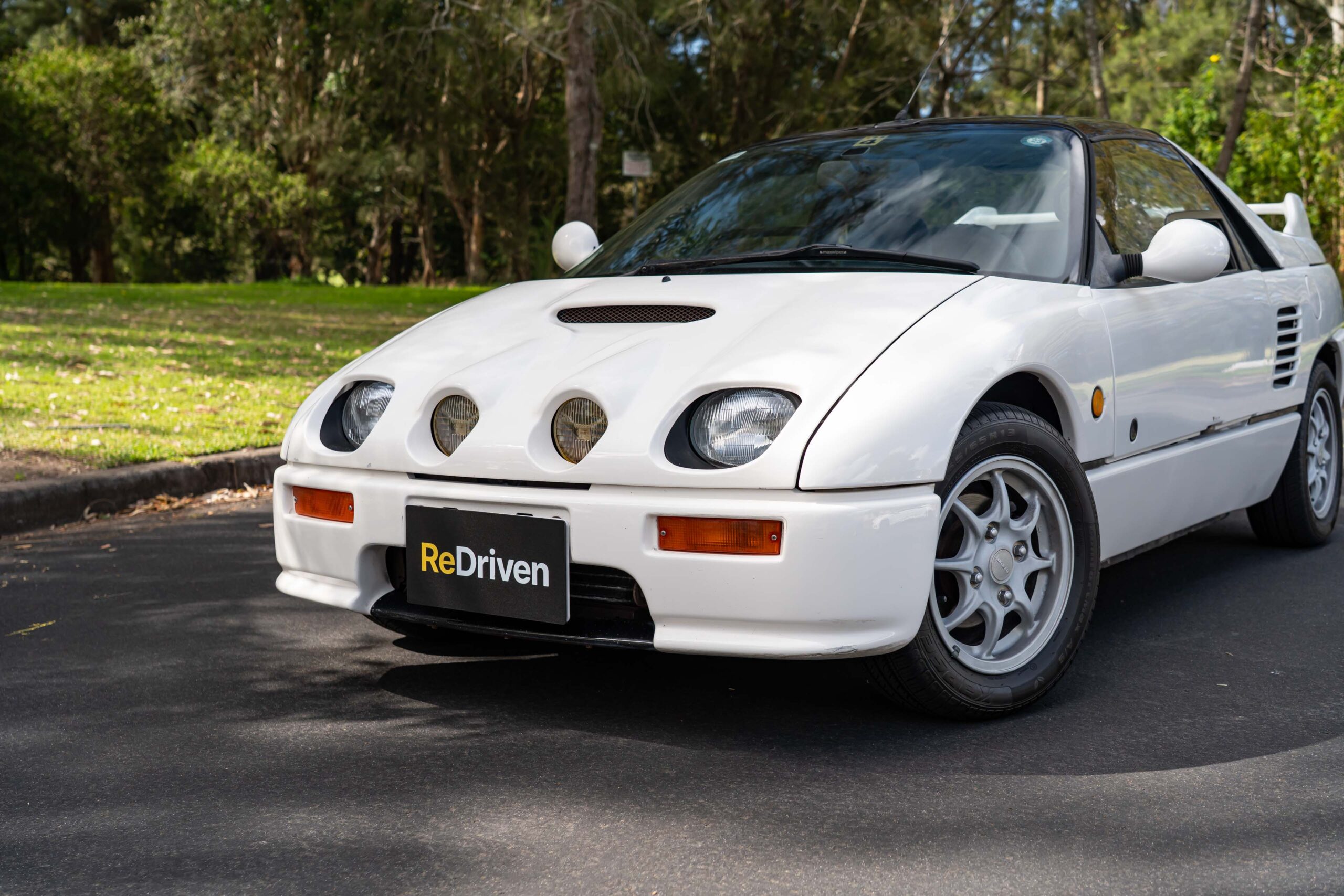
Exterior:
While these kei-cars were made during a peak era of Japanese car manufacturing, do remember they were originally hand-built in small numbers and never intended for export outside of Japan – meaning they were not built to deal with harsher climates/conditions outside of their home market.
As such, you need to thoroughly inspect these cars and pay attention to how the bespoke bodies are holding up, especially ones that have resided outside of Japan for some time.
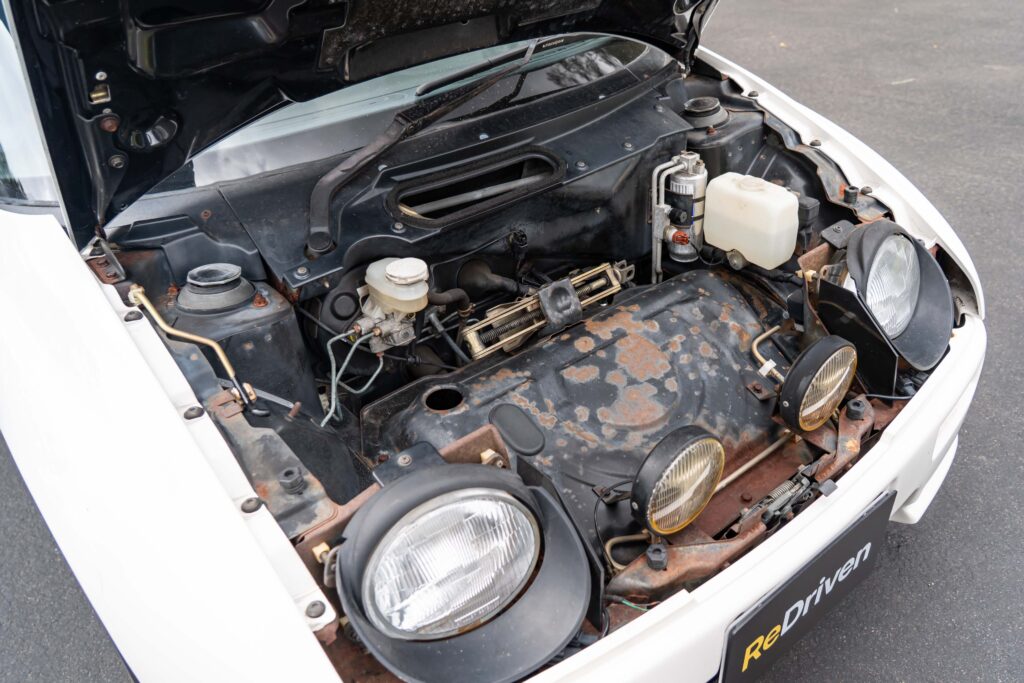
Rust and corrosion are the most concerning issues that affect these (now) thirty-year-old Japanese cars. Despite using composite body panels, the underlying structures of AZ1s are a thin-gauge steel monocoque, and with time and exposure, any number can corrode.
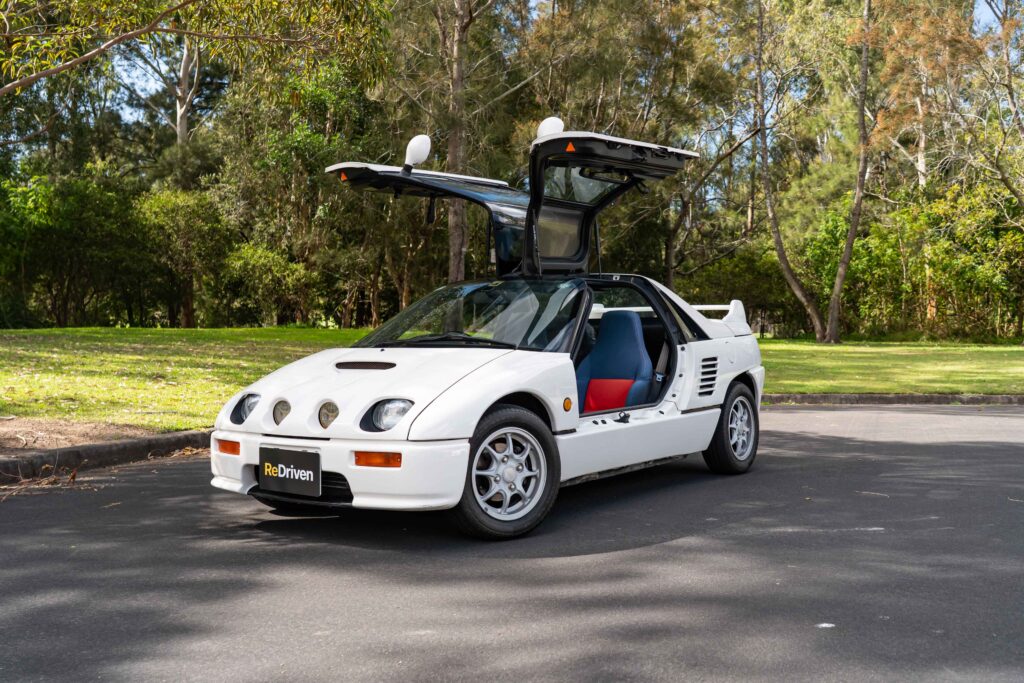
Look carefully around the sills, floorpans, rear subframe/suspension pickup points, door apertures (especially around the gullwing hinge mounts), rear wheel-arch lips and inner tubs, and the front “frunk” corners/drain channels.
In addition, certain AZ-1 body panels are becoming harder to find. While you can’t go directly to Mazda for replacement panels, there are aftermarket options becoming available, but either can ask a significant premium.
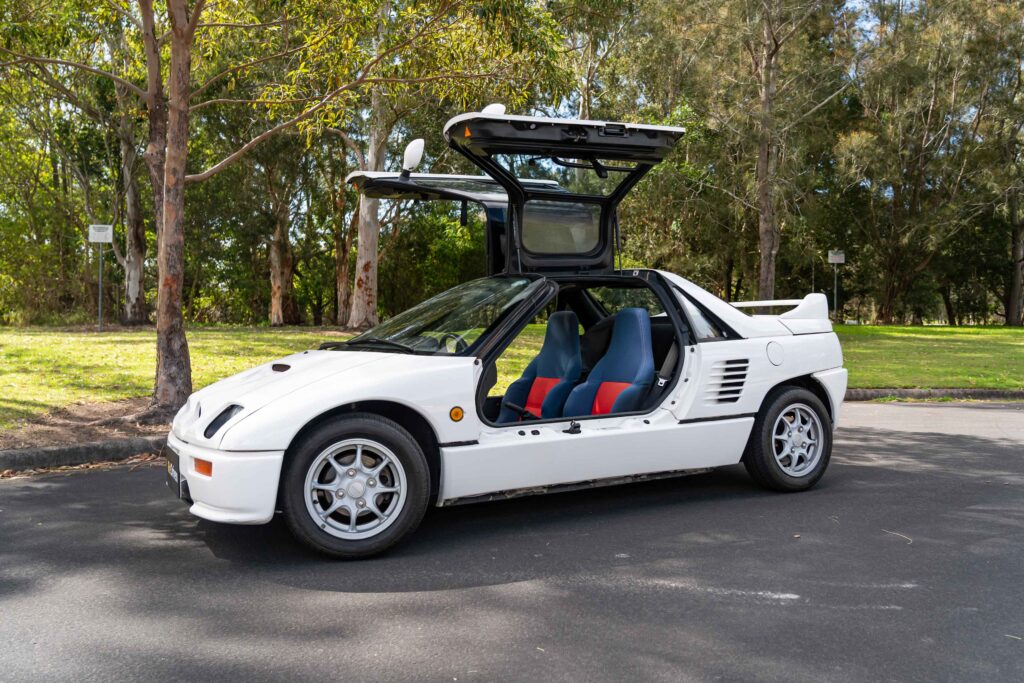
The hinge mounts and gas struts for the gullwing doors can also wear out, failing to hold them upright in their ‘open’ positions. It’s recommended to go for aftermarket over OEM gas struts, which are just as well built and far cheaper.
If the doors aren’t aligned perfectly, that could also point towards water ingress issues – perished seals can also create that problem, as well as blocked roof-gutter drains.
Check underneath the interior carpeting for any evidence of past water ingress. Trapped moisture for extended periods can work its way into the sound deadening/insulation materials, leading to rust issues.
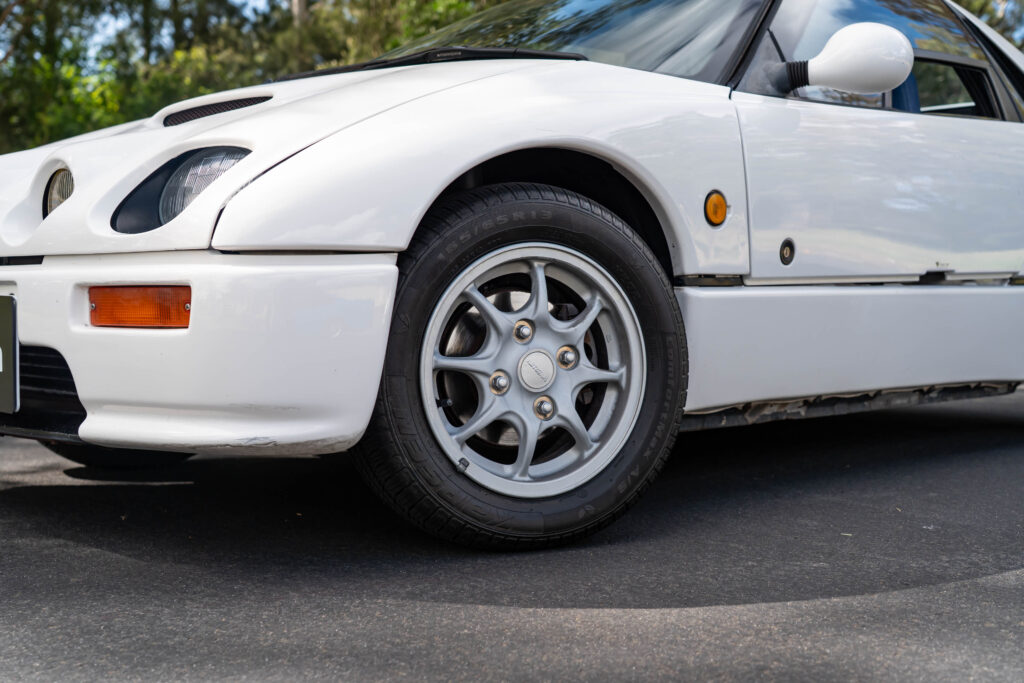
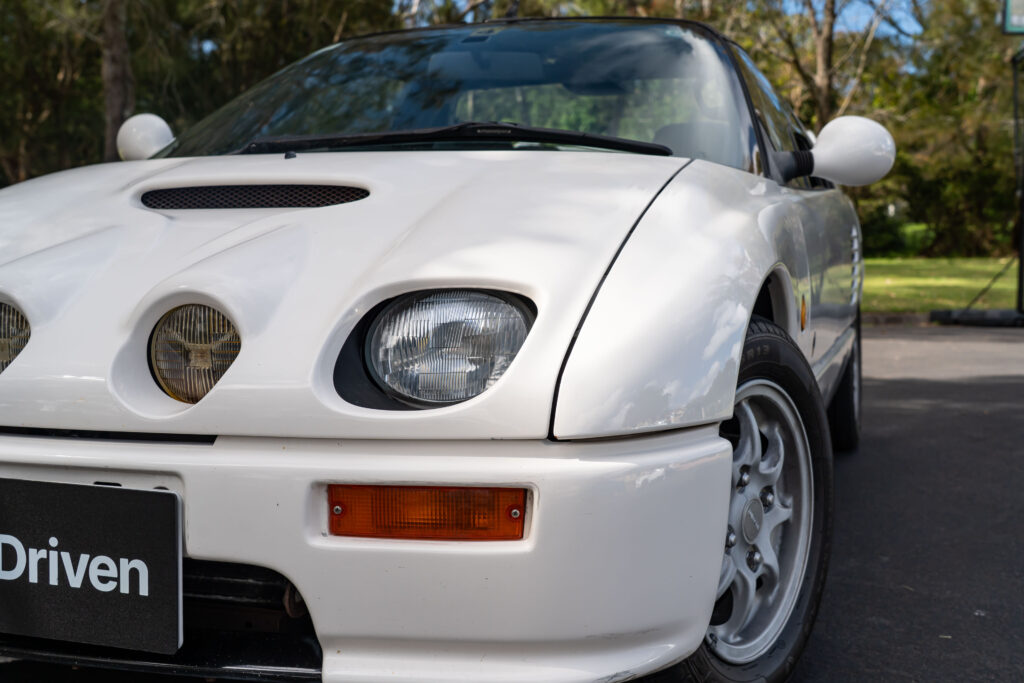
All of the exterior rubber and plastic sections will likely need attention by now, so prepare to budget for refurbishments or repairs.
Do everything you can to avoid windscreen chips or cracks, as AZ1-specific windscreen glass is now scarce and expensive. We are told remanufactured sources are starting to appear from third parties, but they can come at a premium.
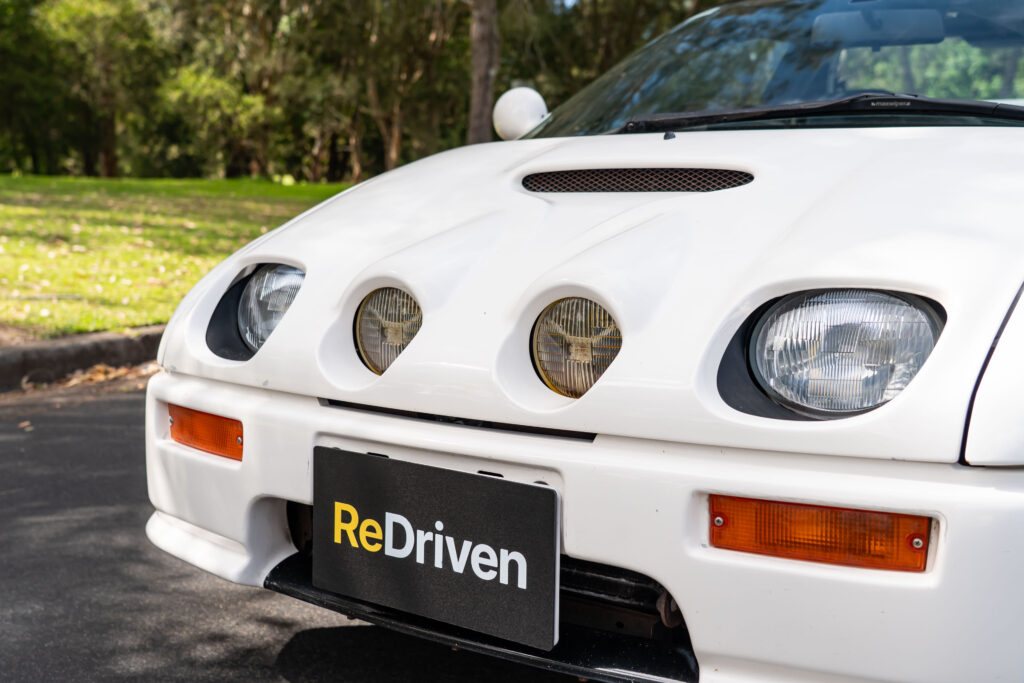
Issues aside, the unlimited customisation possibilities of this platform are worth a mention. Plenty of aftermarket body kits are available to transform the appearance of this already radical kei-car into even more eye-catching vehicles, such as the ‘mini-F40’ body kit conversion made by tuning brand Liberty Walk.
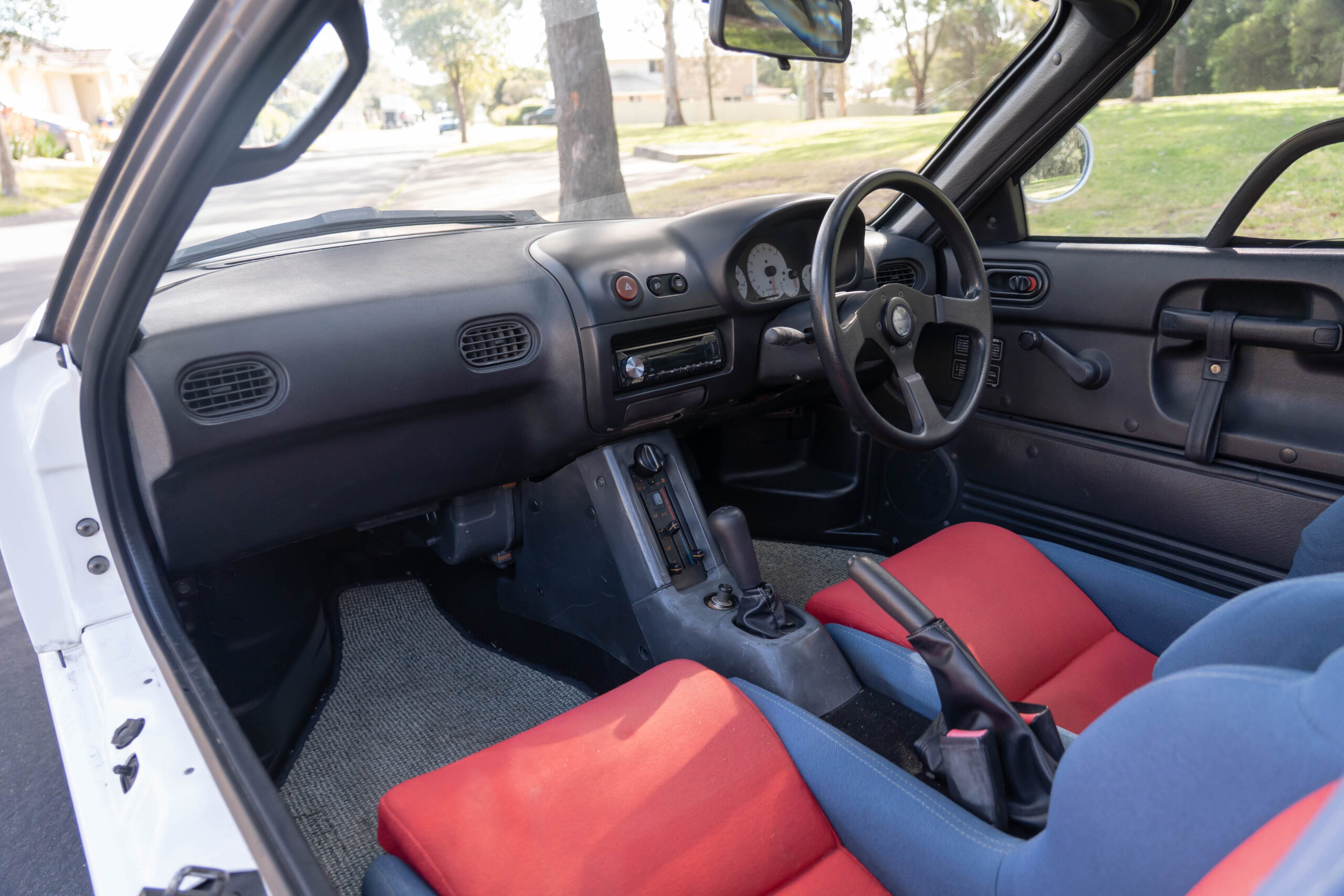
Interior:
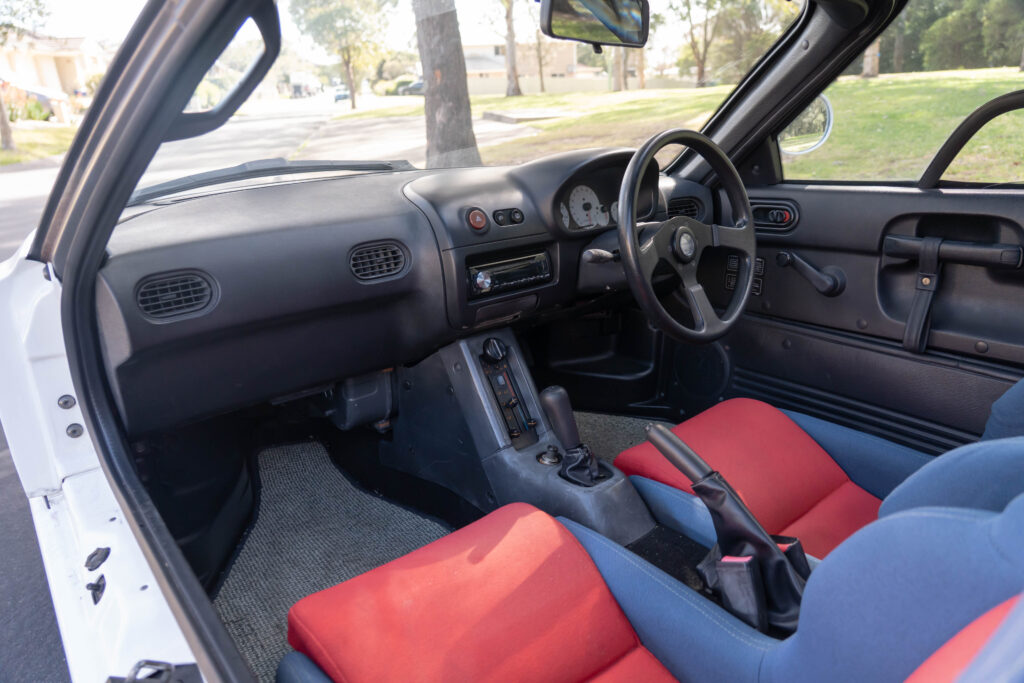
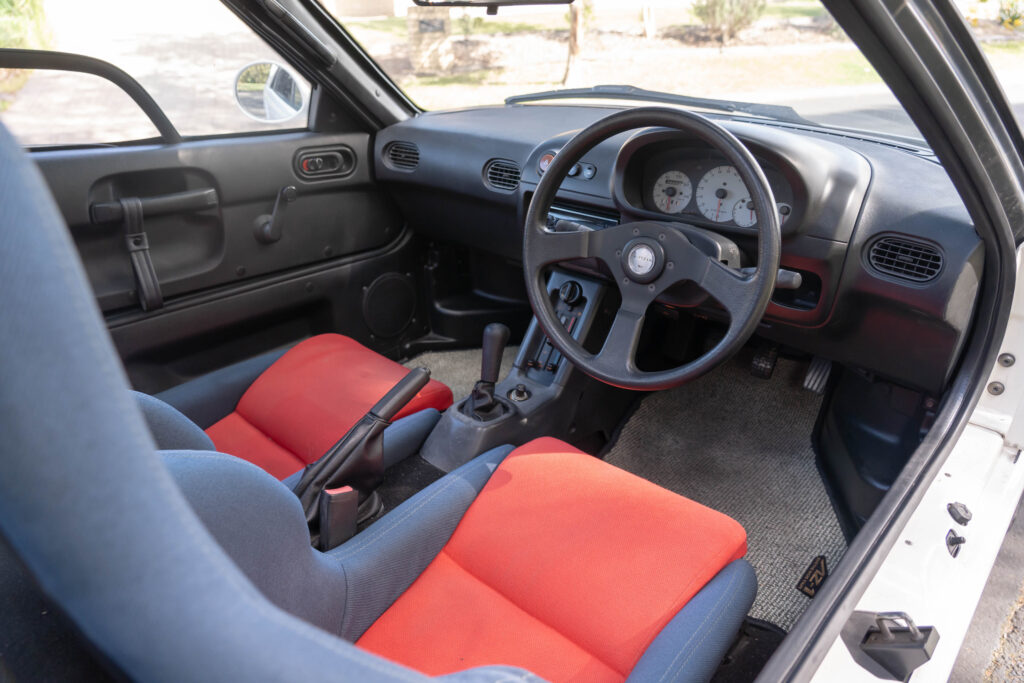
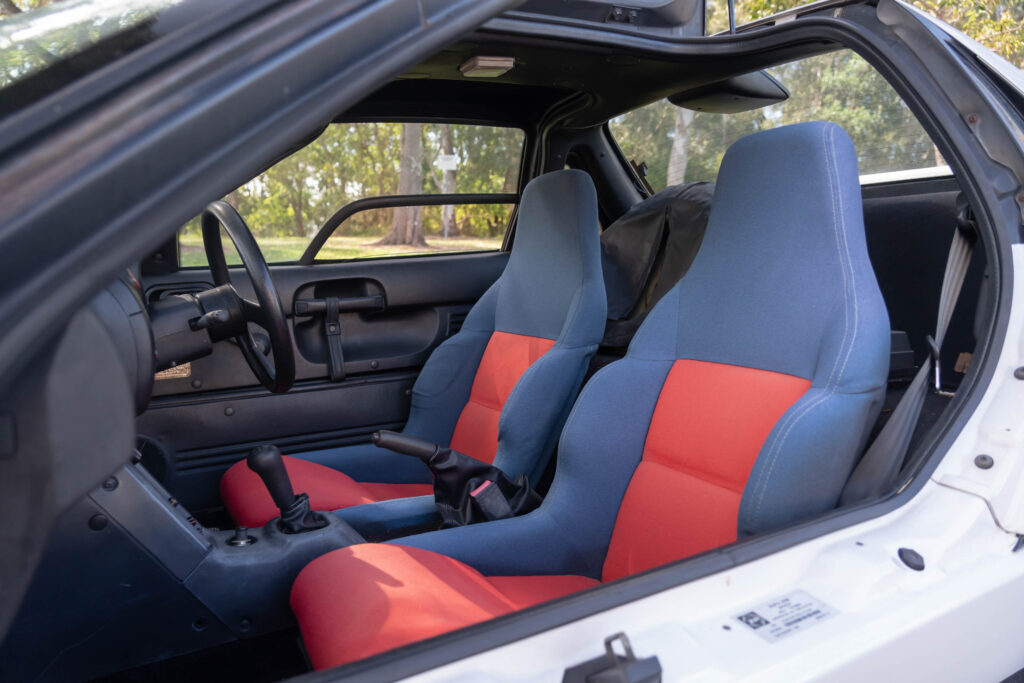
Combined with the interior being a tight fit for one, let alone two occupants onboard, you can also expect general cabin refinements to be limited.
While very small, it’s still nonetheless road legal, but extended drives at highway speeds can have cabin trim pieces rattle excessively, and the noise of the engine behind you might get on your nerves (bordering on developing tinnitus).
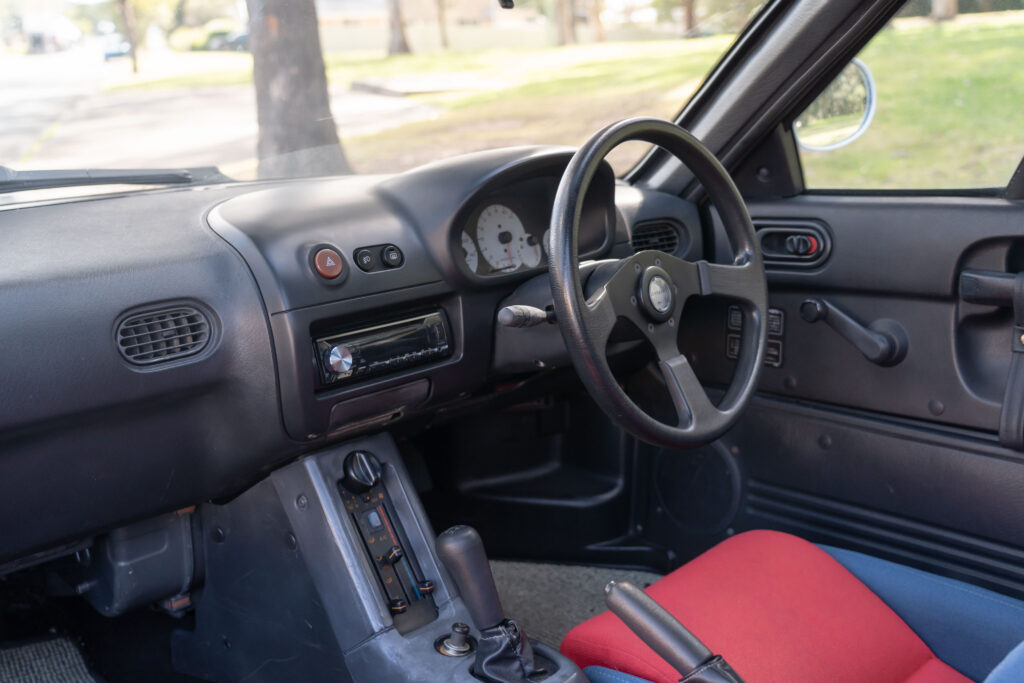
The various hard plastics employed within the cabin can be quite resilient, but with age and UV exposure, they are prone to fading and forming cracks. While finding model-specific interior parts is quite difficult, there are 3D-printed alternatives that are becoming more available (and not at the premiums OEM interior trim/parts may seek).
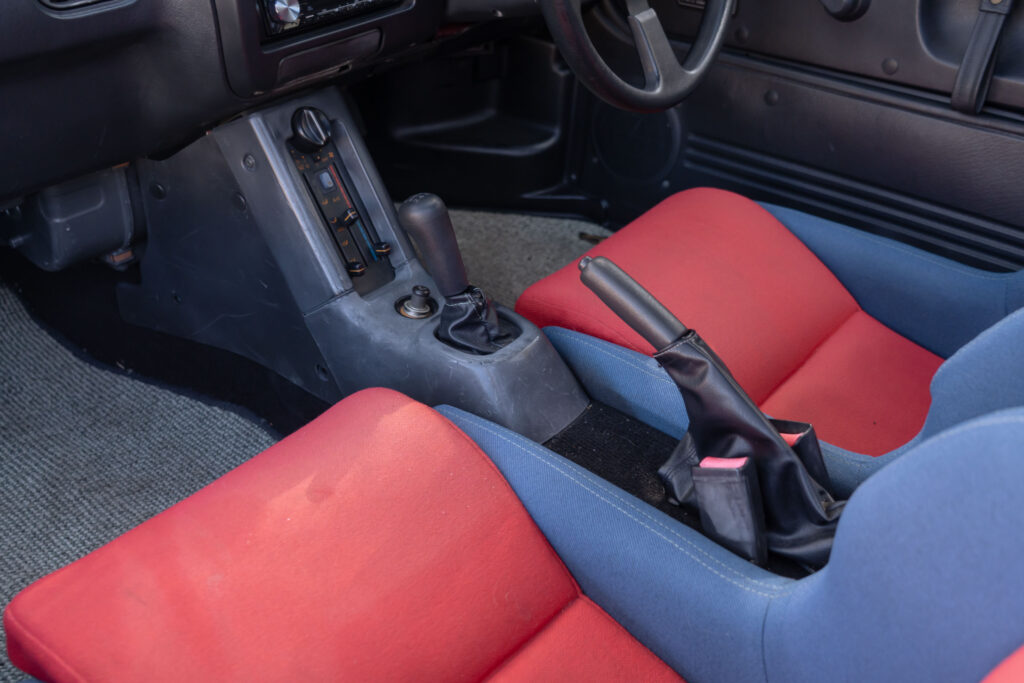
The fabric seats can also require attention, as they’re known to fade and wear can be more noticeable with age/use, especially on the outer bolsters.
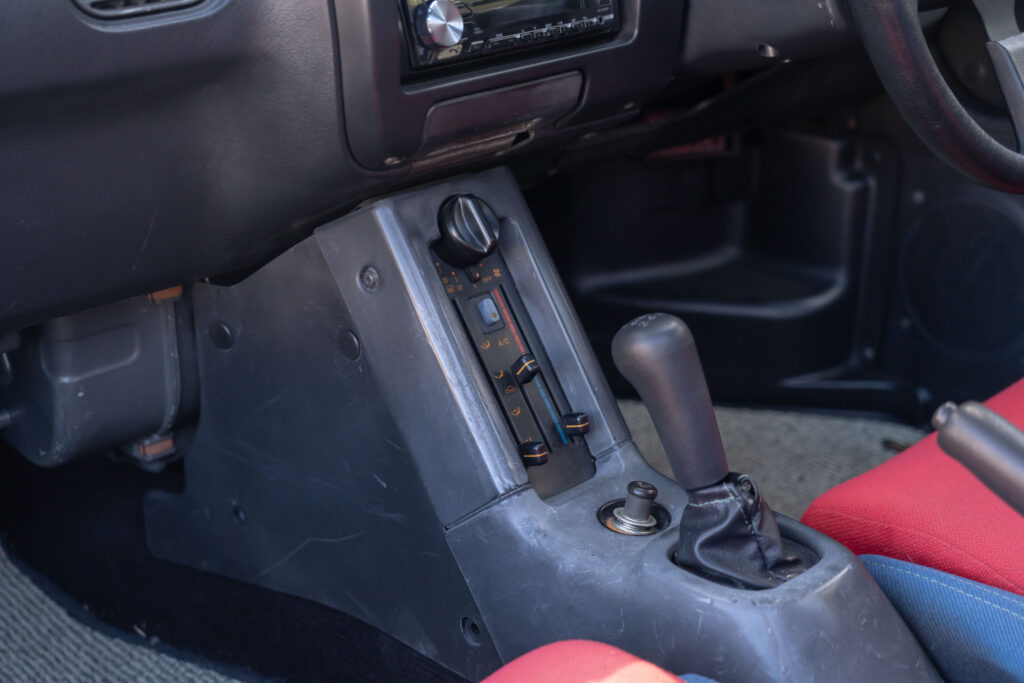
Check that all of the interior accessories/equipment work normally. Many come equipped with air conditioning, but the factory A/C system has some odd quirks that can make diagnosing faults or issues difficult.
Being a car originally made in the 90s, don’t expect any modern connectivity beyond an AM/FM radio – but like other Japanese models of the same period, these can be easily upgraded with more current-generation systems.
Mechanically:
Combined with the compact size, keep in mind this was a car originally made in the 1990s, so there’s not much (or lack thereof) safety equipment onboard, and these cars were engineered before international crash test regulations were mandated.
You can discount features like anti-lock brakes, airbags, or crumple zones (with fairly thin A-pillars) that guarantee little protection in any degree of accident.
But the lack of heavy structural components and crash protection equipment does mean the AZ1 remains fairly lightweight – in total, this weighs around 720 kg (1587 lbs), allowing it to be very fuel efficient and light on consumable wear.
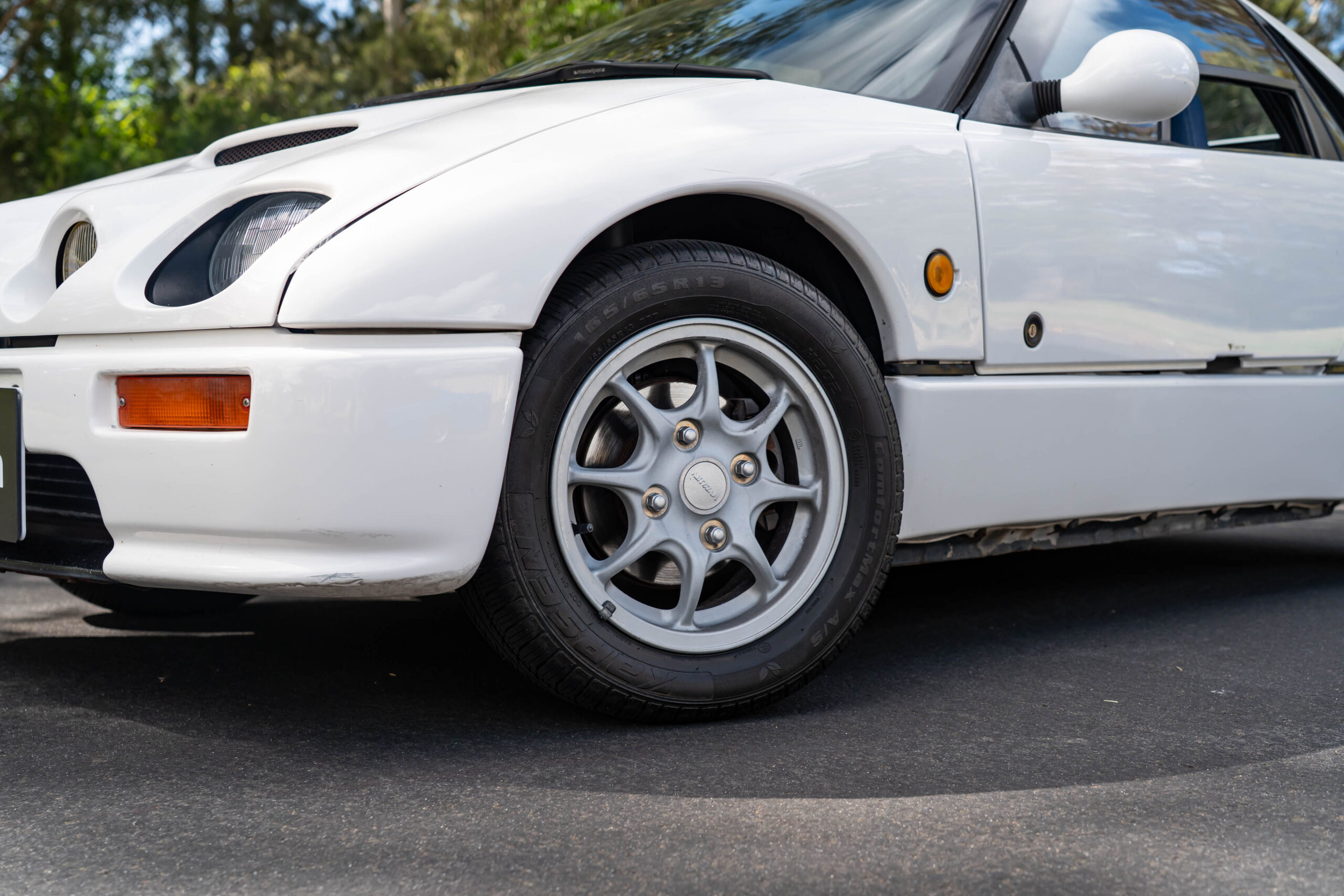
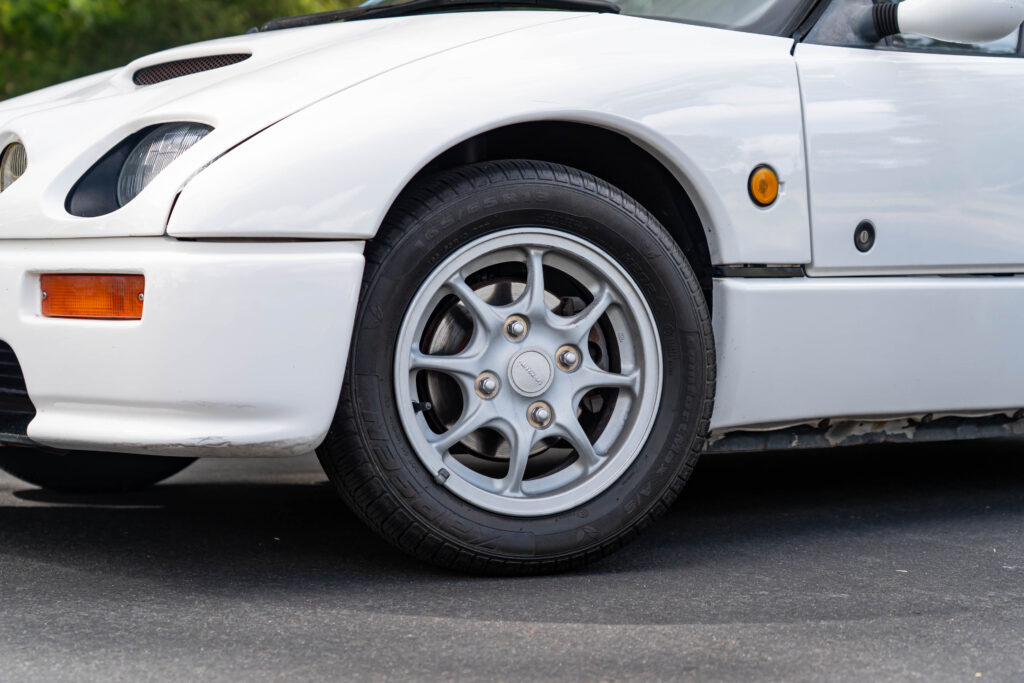
Finding compatible tyres at local tyre shops may be difficult, depending on where you are based. Chances of finding one with a full 155/65R13 set in stock may be marginal to none.
Even attempting to source tyres in the AZ-1’s size from Japan can be a challenge, though with the popularity of kei-cars growing, chances are specialists and importers will be able to provide greater supply of compatible tyre sets.
Like other Japanese imports, confirming the validity of the one you’re considering buying or importing is essential.
Apply the usual practices when investigating any JDM grey import. Confirm the original chassis and engine numbers correspond to each other, from reviewing the chassis numbers/plaques to all vehicle documentation provided, and confirm the accuracy of the reported mileage.
As advised with other JDM models, not all import specialists can be treated equally, so ensure you work only with reputable businesses that are fully transparent with you throughout each step, from sourcing and shipping the car to ensuring it meets compliance and sourcing parts.
Reputable importers/agents can also advise when it comes to getting appropriate insurance quotes for a niche car like this. While AZ-1s are genuinely rare, they’re still low value when assessed as a classic car, but quite expensive categorised as a kei-car, meaning you could be quoted very high insurance premiums.
Engine/Transmsision
The turbocharged Suzuki three-cylinder can be very reliable, if well maintained and not significantly tuned from their original factory state (but considering how small this car is, you really shouldn’t be chasing excessive power figures).
Even at this age, most consumable parts (timing belts/hoses, etc.) are still available, and for any DIYers, they are easy to work on on your own.
Certain engine hardware/parts (ie., pistons), however, are starting to become more expensive, let alone harder to find, even from Japan. This may require some creative approaches to substitute them with similar-fitting OEM Suzuki parts, fabricating replacement parts, or searching for compatible aftermarket ones.
The vacuum fittings and solenoids are made of fairly brittle plastics, so remember to handle them with care to avoid damaging or breaking them.
Also check that the various vacuum hoses within the engine bay are connected properly, so they don’t produce any leaks – they have likely been messed about previously by any number of owners/technicians.
It’s also likely any number of previous owners may have also neglected maintenance or modified these poorly.
The timing belt is due every 100,000 kilometers/4 years, so ensure it’s changed on schedule.
Be cautious when bleeding the cooling system when performing standard coolant flush services, as air pockets can easily develop within these components.
The five-speed manual transmission also doesn’t report any common issues. Provided they’re regularly maintained and driven under normal conditions, they should be faultless.
The current price range for AZ1s ranges from $30,000 and usually tops out around $50,000, with $45,000 serving as a general middle point.
Among the 4,300 examples reportedly made, pricing can vary depending on condition, mileage, originality, and whether the car is one of the limited Mazdaspeed examples or one of the rarer, roughly 50 M2-1015 models.
Verifying that a Mazdaspeed AZ-1 or M2 1015 is authentic and making sure any AZ-1 histories are legitimate is critical, especially for appraising future resale value.
Also, remember the regular AZ-1 was sold as the Suzuki Cara, and they’re often cheaper than the AZ-1 because the collectible JDM market hasn’t caught this on its radar (for now, even though they’re the same car).
It’s kei-cars like the AZ-1 that continue to demonstrate that there’s much driving fun to be had with not a lot, and can even prove to be just as or more rewarding than far bigger, more powerful sports cars.
It may produce less than 100 hp, but in a car this small and light, it never feels slow, even when driving at low speeds – all of which adds to how exciting it feels to drive these micro-sized sports cars.
But being a fairly niche car, from a segment that has, until recently, been exclusive to Japan, you still need to do due diligence if you’re in the market for an AZ-1, like any other kei-car.
Get it fully inspected to ensure nothing is wrong mechanically or with the vehicle’s history, confirm its status, and entrust a professional importer/agent to assist with sourcing and registering the car, especially if you are importing it from Japan.


Co-creator, presenter & writer, ReDriven

There are better cars out there.

 2 months ago
 3 months ago
 3 months ago