Australia’s No. 1 Used Car Review Website
Australia’s No. 1 Used Car Review Website
+13 Photos
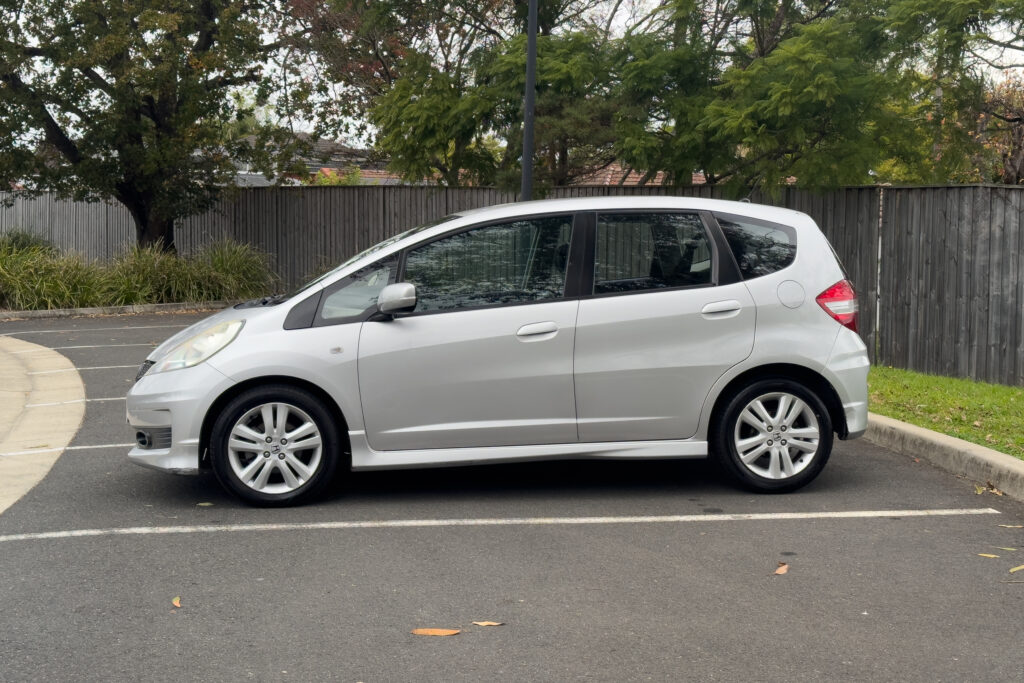
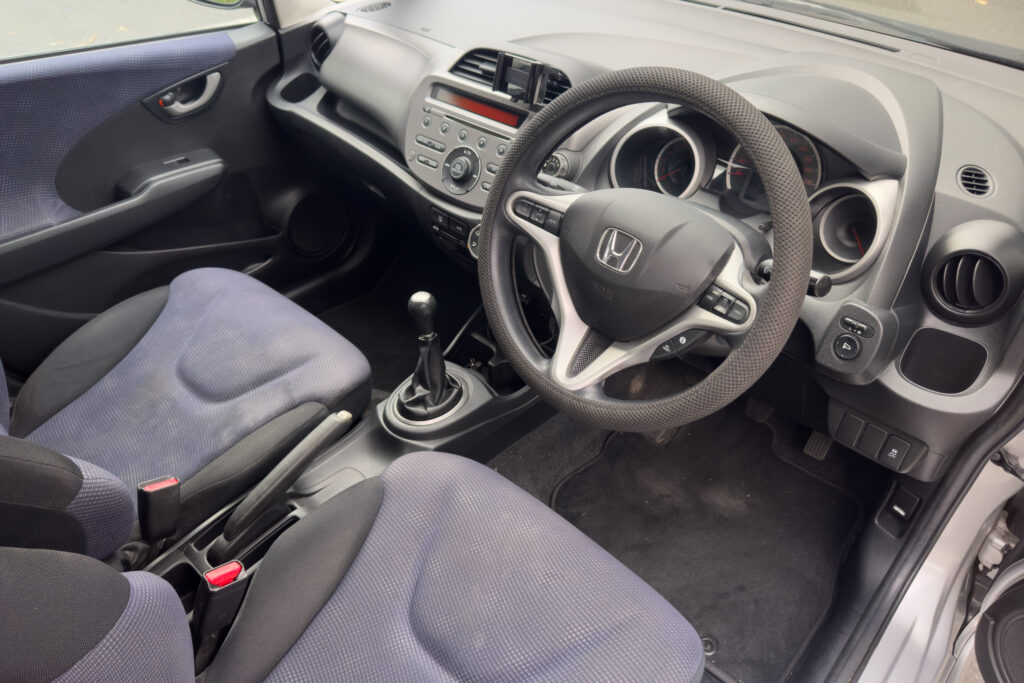
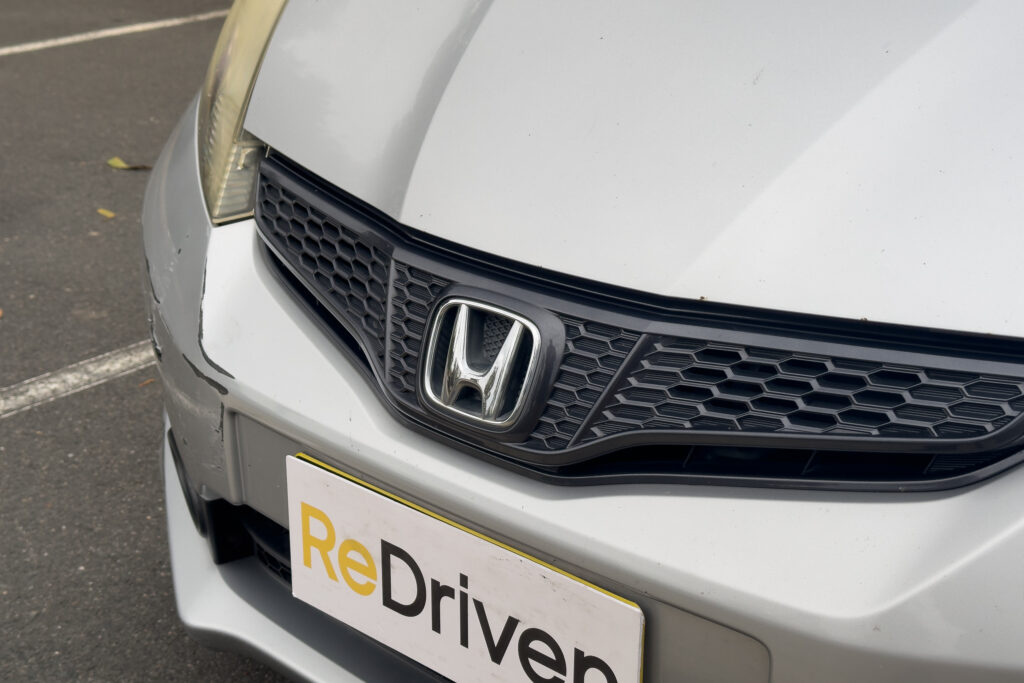
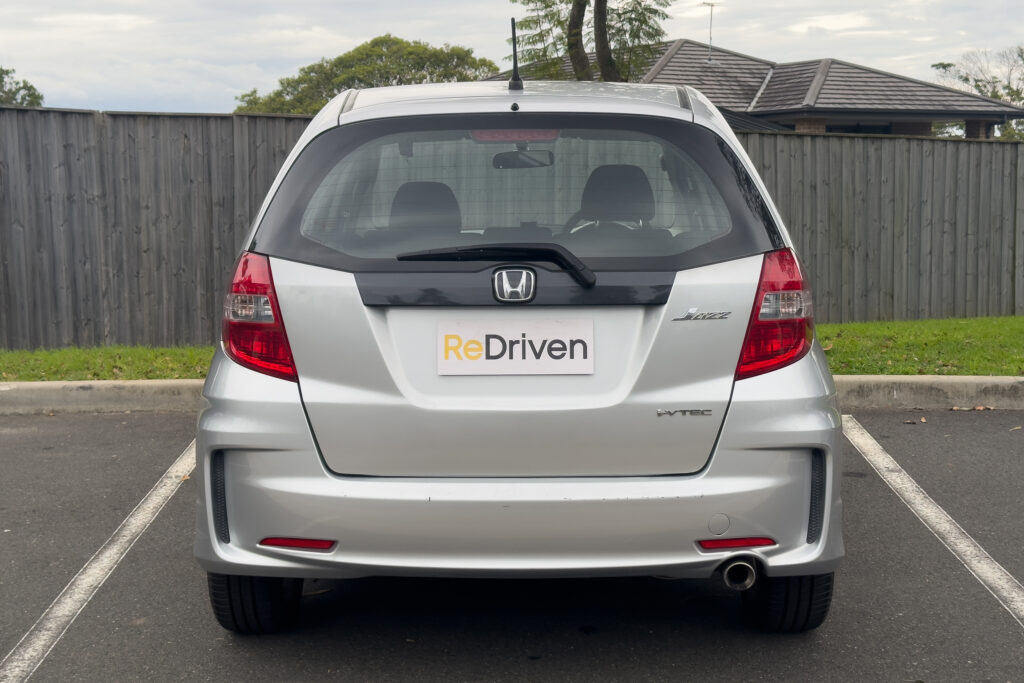
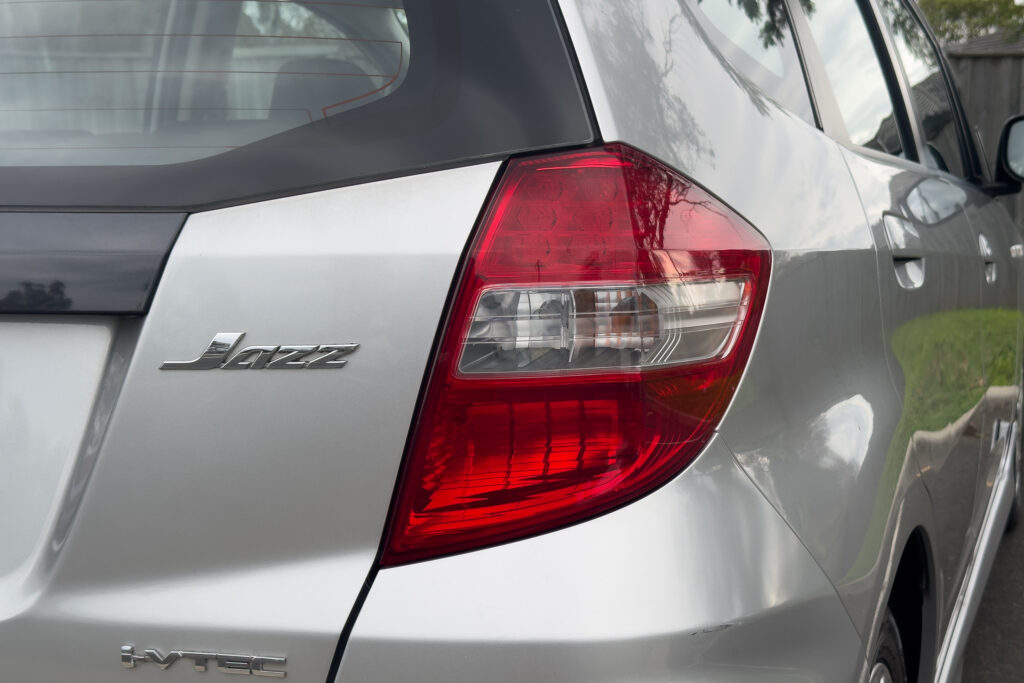
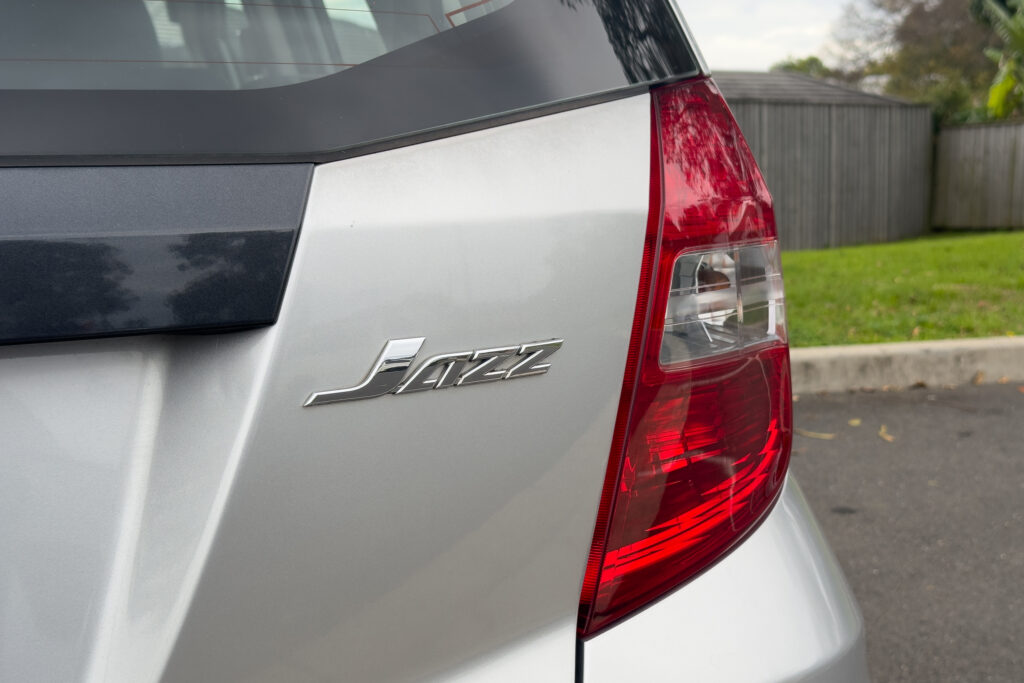
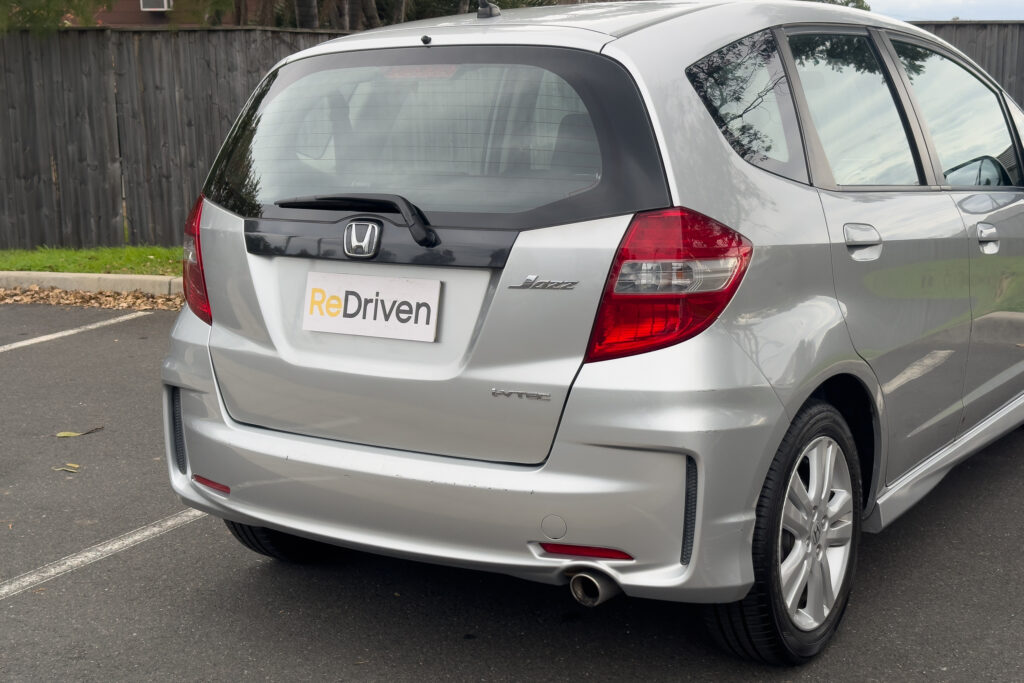
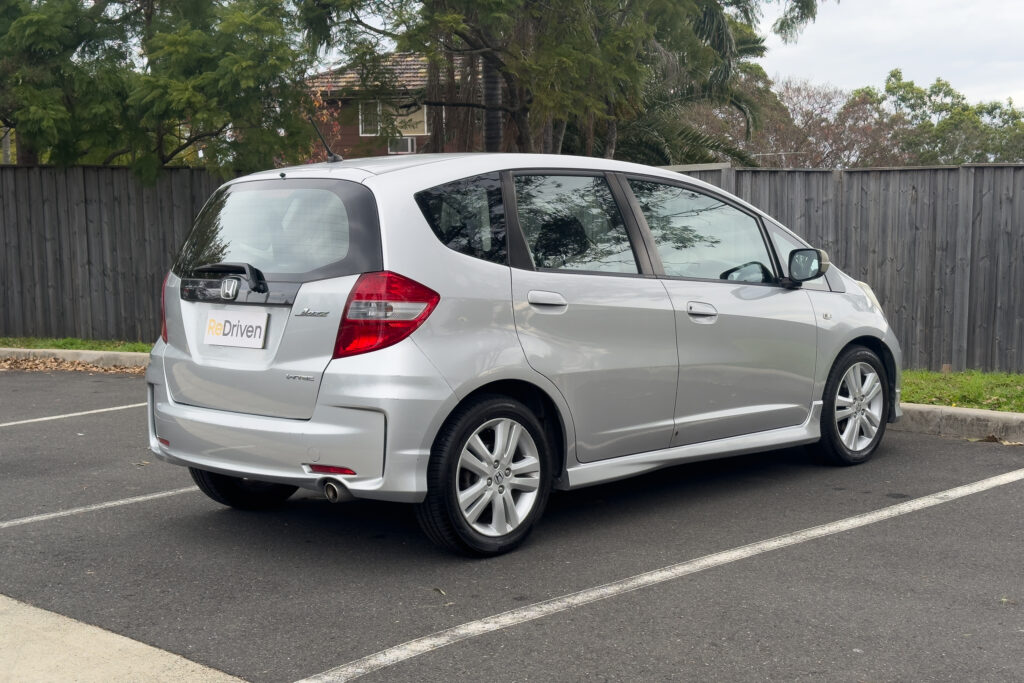
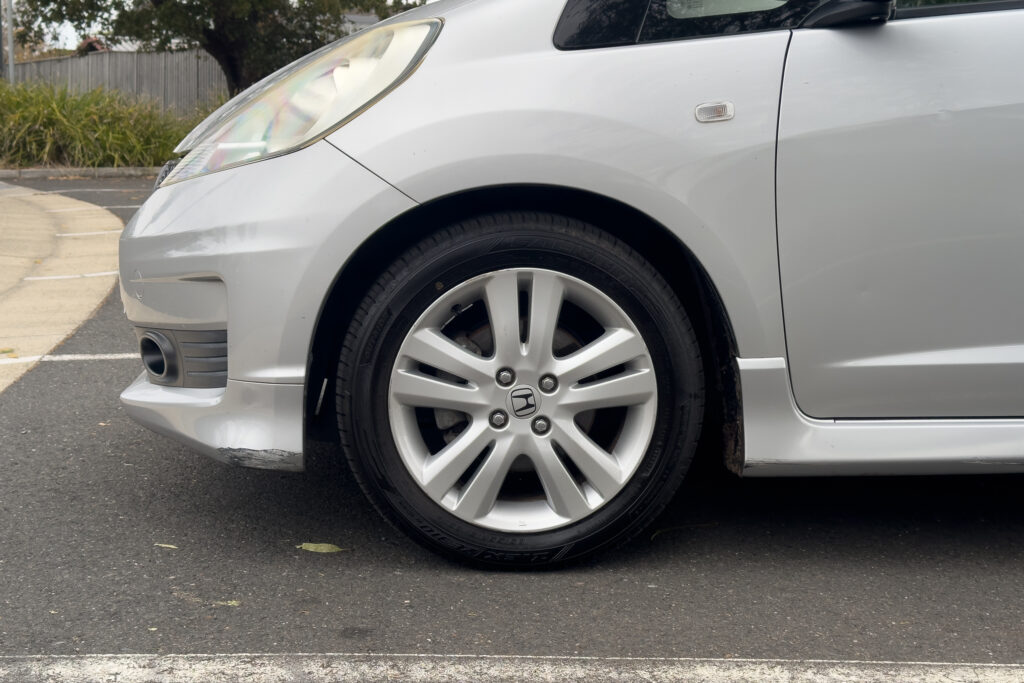
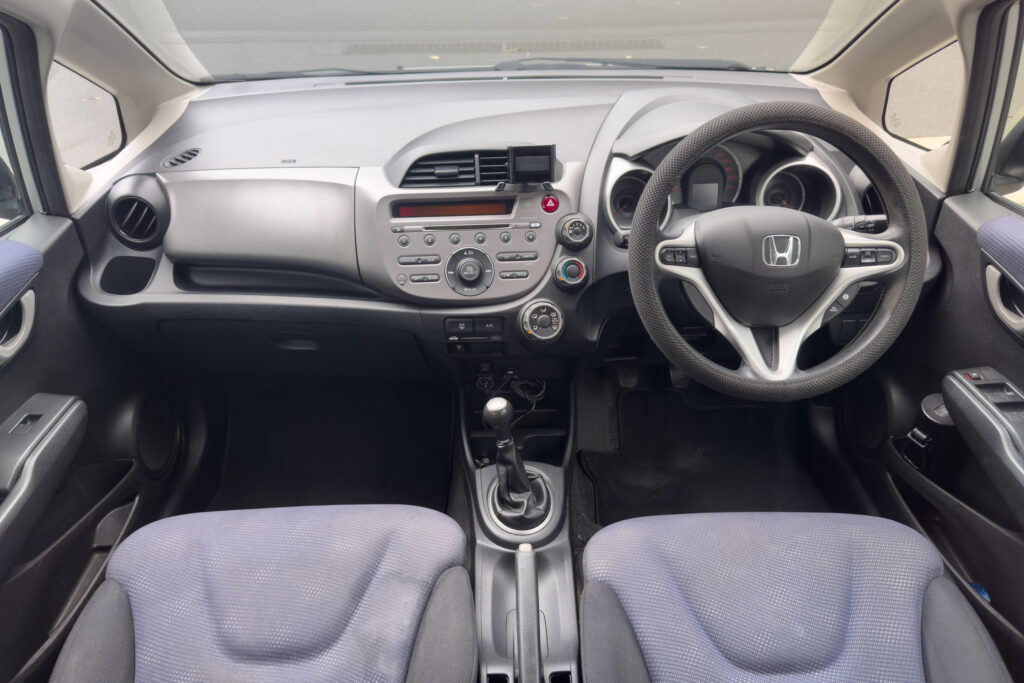
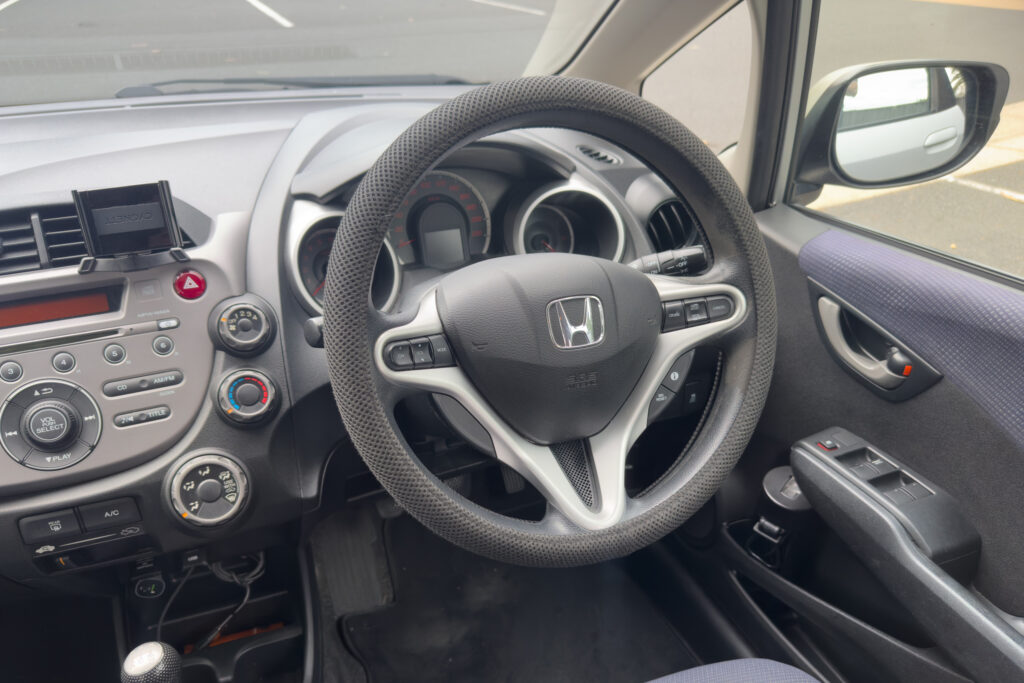
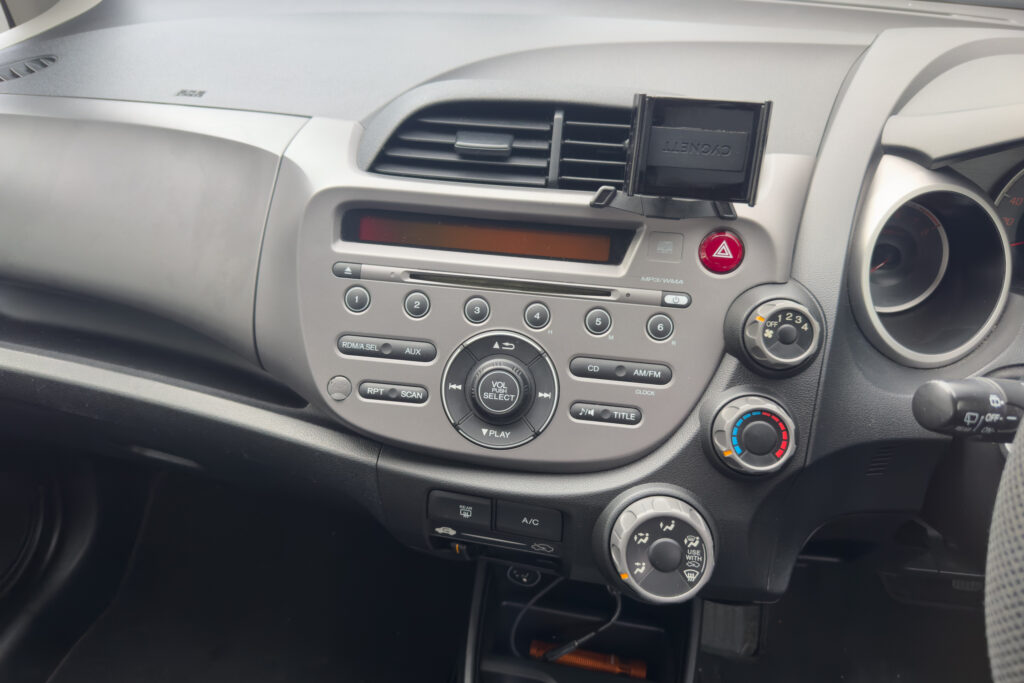

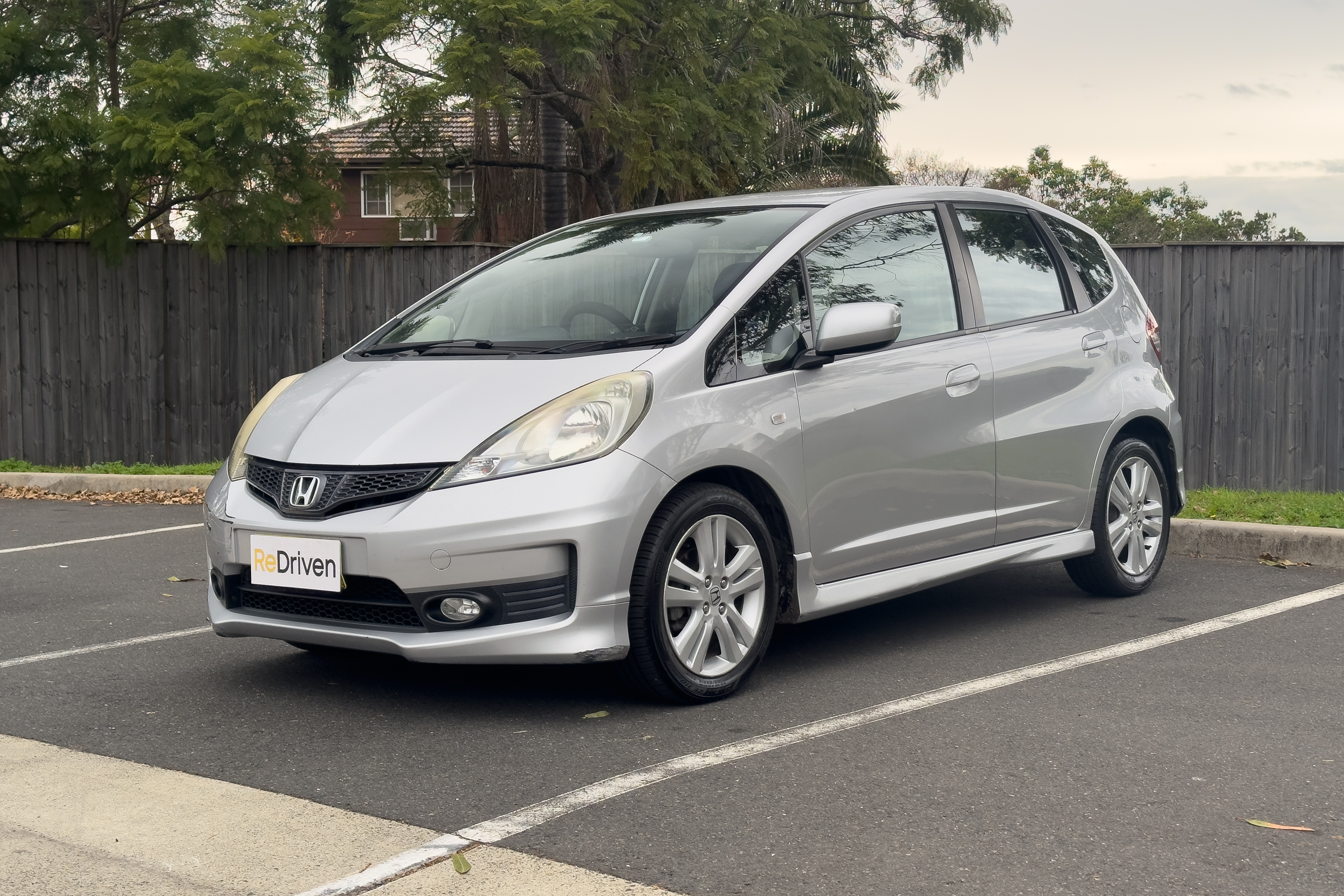
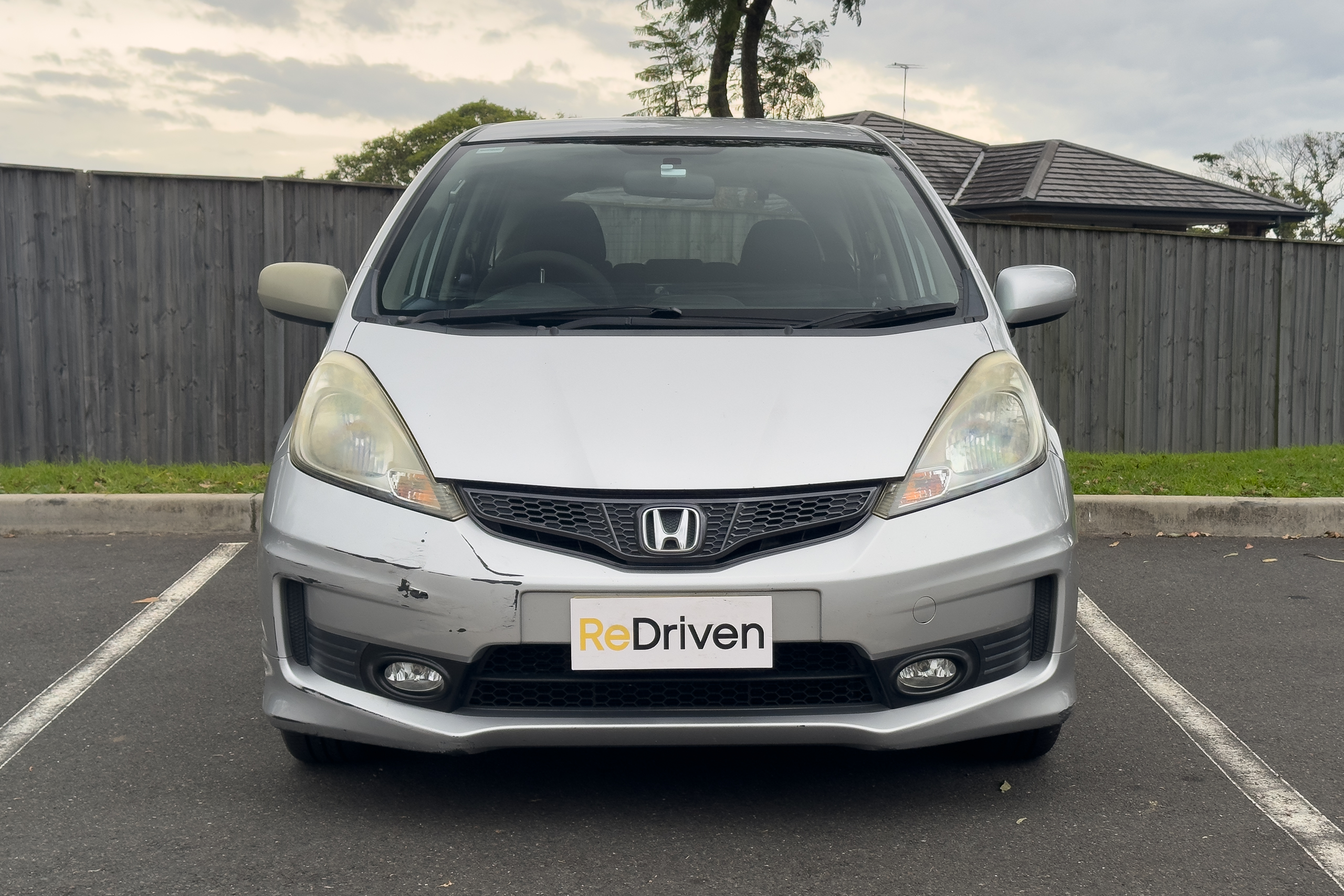
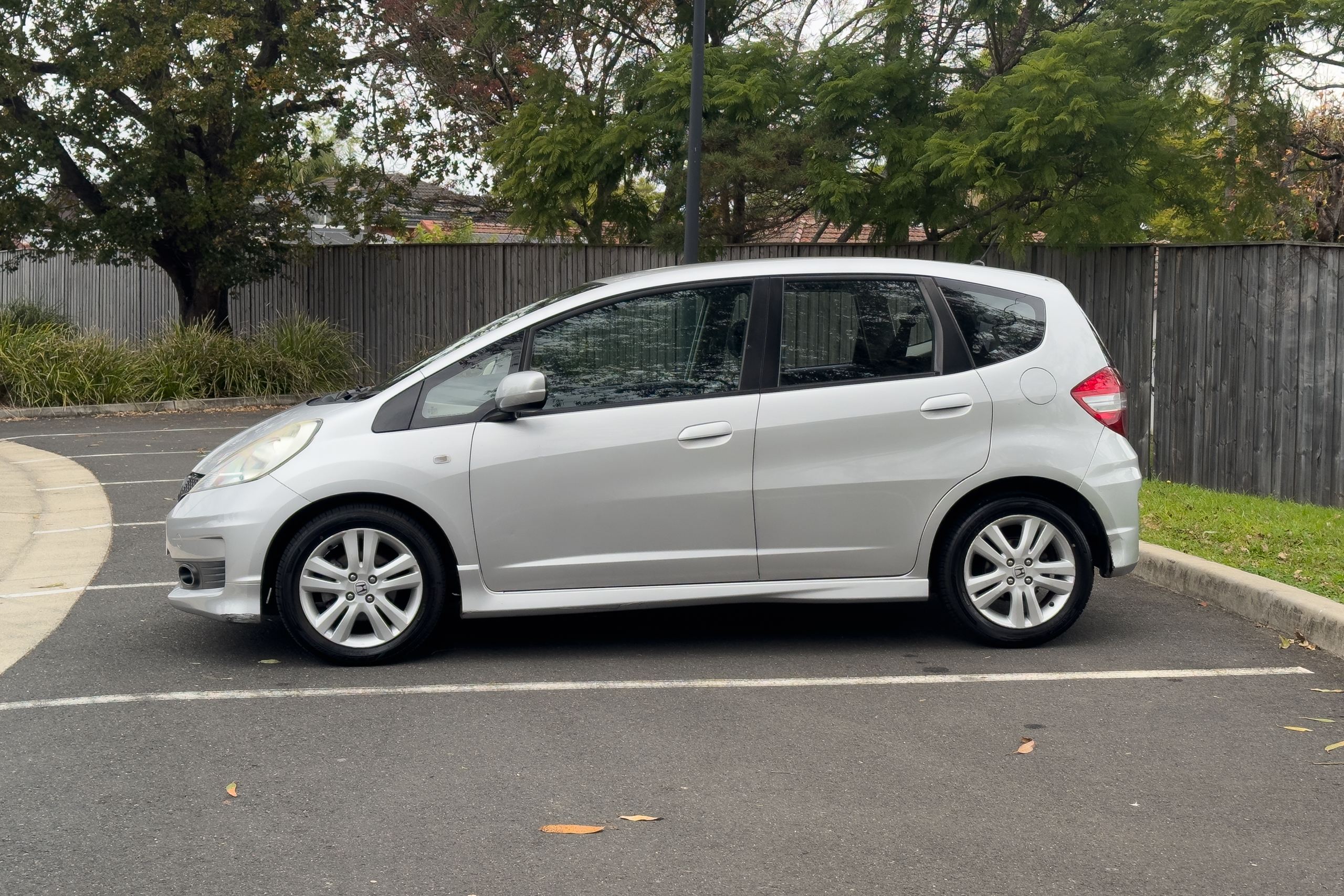
2011 Honda Jazz VTi

28 June 2024
Yes. 100%.

2011 Honda Jazz VTi

Used car review
28 June 2024
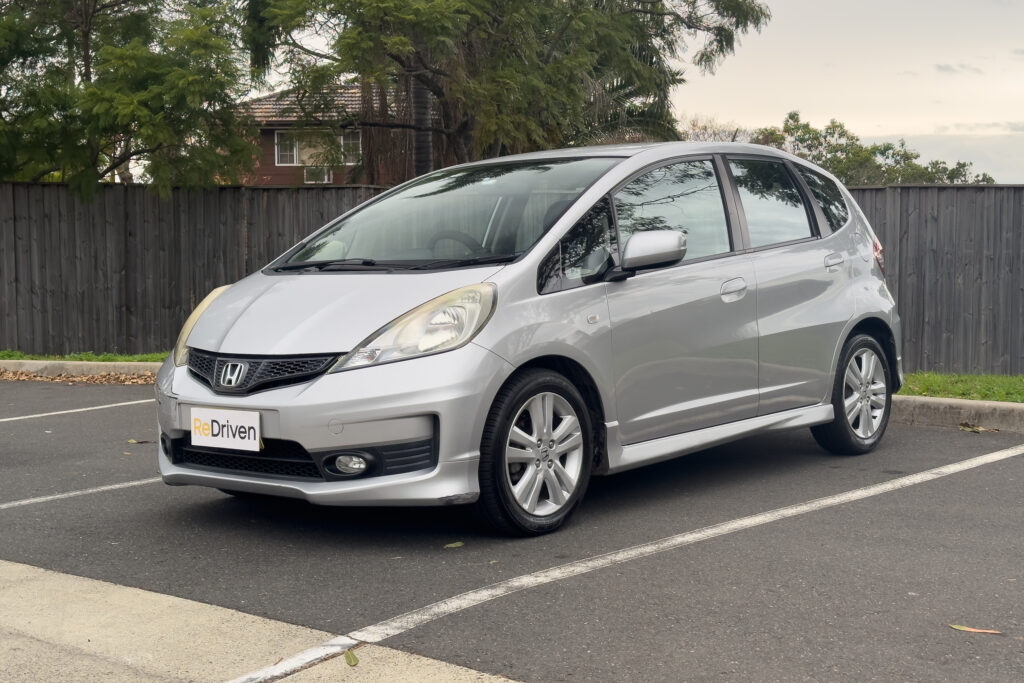
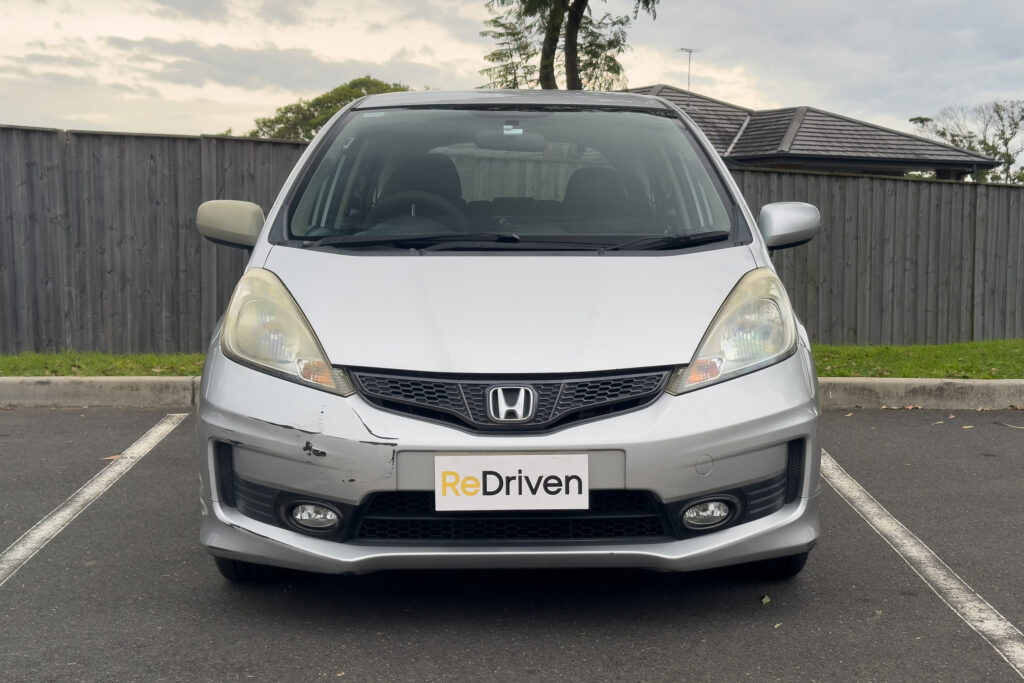
The second-generation GE series Honda Jazz, known internationally as the Honda Fit. This generation is divided into two iterations: the GE.1 (2008-2011) and the GE.2 (2011-2013).
Buyers could choose between a 1.3-litre or a 1.5-litre petrol 4-cylinder engine, with both manual and automatic transmissions available. Later in the model’s lifecycle, a 1.3-litre hybrid with a CVT was also introduced.

Interestingly, the 1.5-litre engine found in the Jazz/Fit has also been utilised in various Formula motorsport series globally, highlighting its performance and reliability capabilities.
In Australia, the pre-update GE.1 offers three trim levels: GLi, VTi, and VTi-S. The post-update GE.2 expands the options to five trims: GLi, VTi, VTi-S, Vibe, and Vibe-S.
Honda also released special editions during this generation, such as the Modulo Sports Pack in 2009 and the initial Vibe edition in 2010, providing additional customisation and features for enthusiasts.
While Honda is renowned for its build quality and reliability, many Jazz models from this generation are now very affordable. This affordability may lead to cost-cutting by previous owners in terms of maintenance and repairs. It’s important to be aware of common faults and signs of neglect when considering purchasing one of these vehicles.
Exterior:
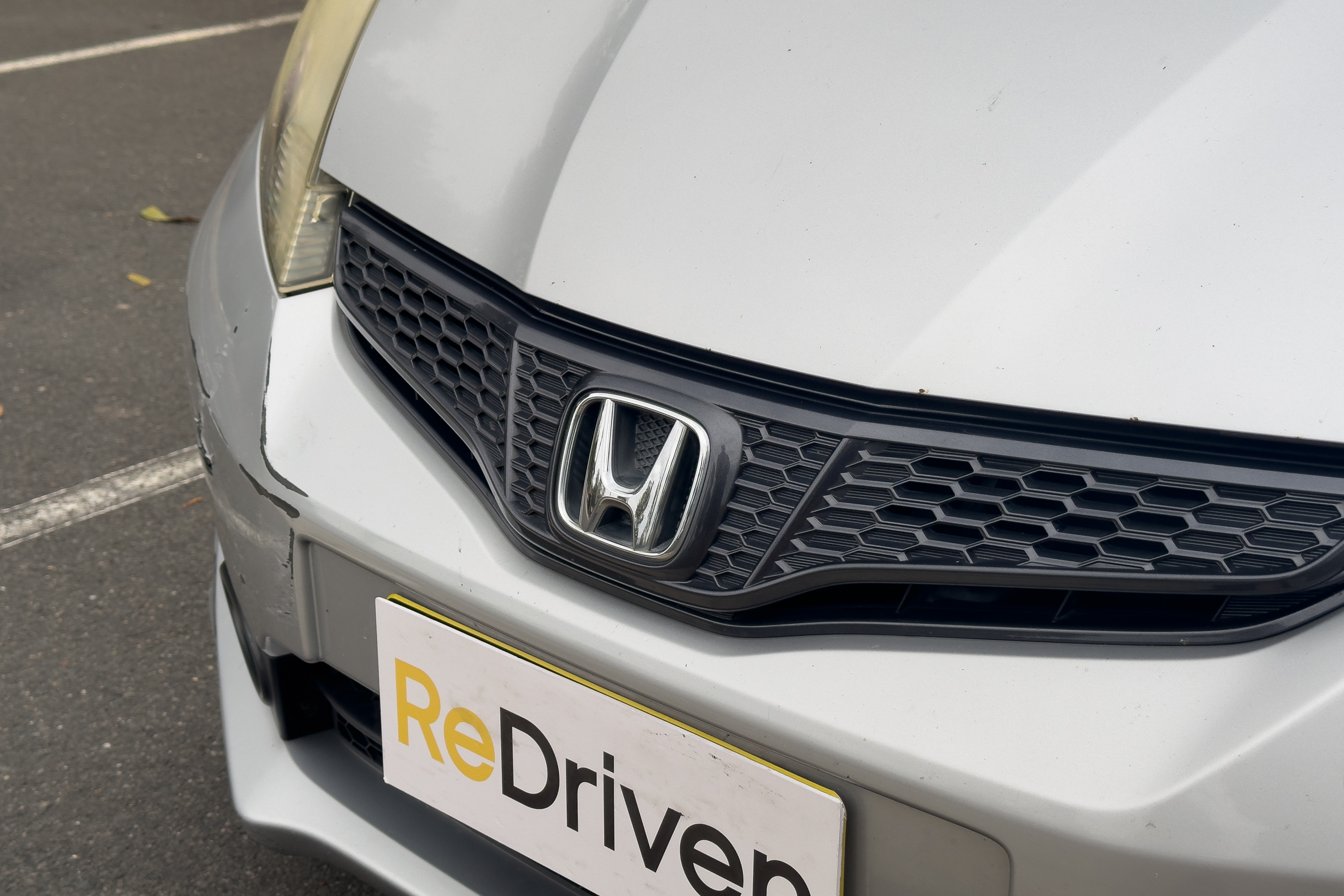
It’s essential to conduct a thorough pre-purchase inspection for the second-generation GE Honda Jazz, particularly to check for corrosion. This inspection often requires looking underneath the vehicle, including chassis rails, sills, the floor pan, and wheel arches, especially the rear. While not extremely common, reports of corrosion issues are increasing.
Some owners have reported problems with the tailgate door handle not opening the boot. This issue is typically caused by moisture entering and causing corrosion. Fortunately, this is a simple and inexpensive fix.
There have been instances where the boot seal fails to prevent water from entering, resulting in water pooling at the base of the boot floor. This can cause an unpleasant odor, akin to a wet dog. It’s advisable to check for any signs of moisture in the boot area during your inspection.
Interior:
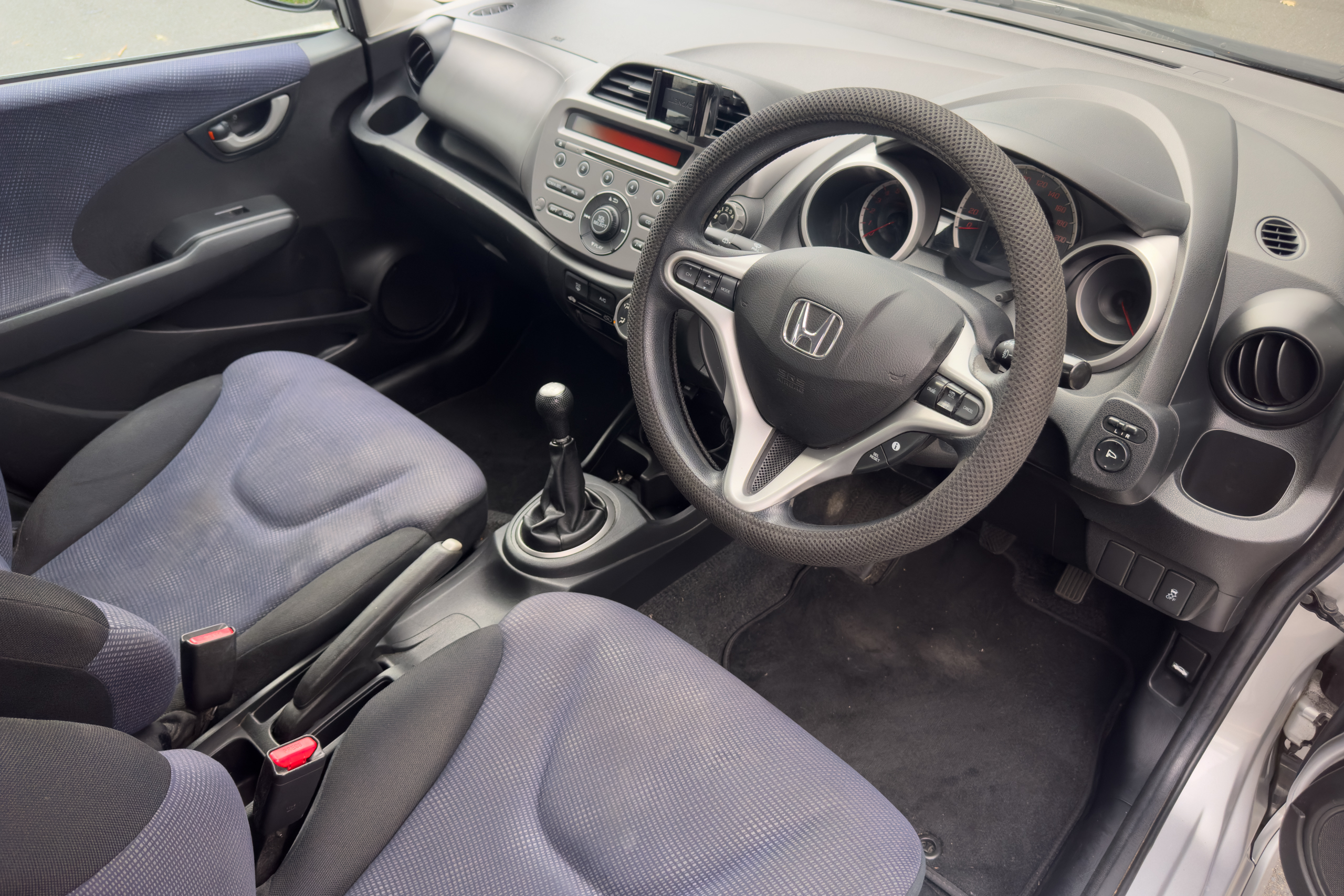
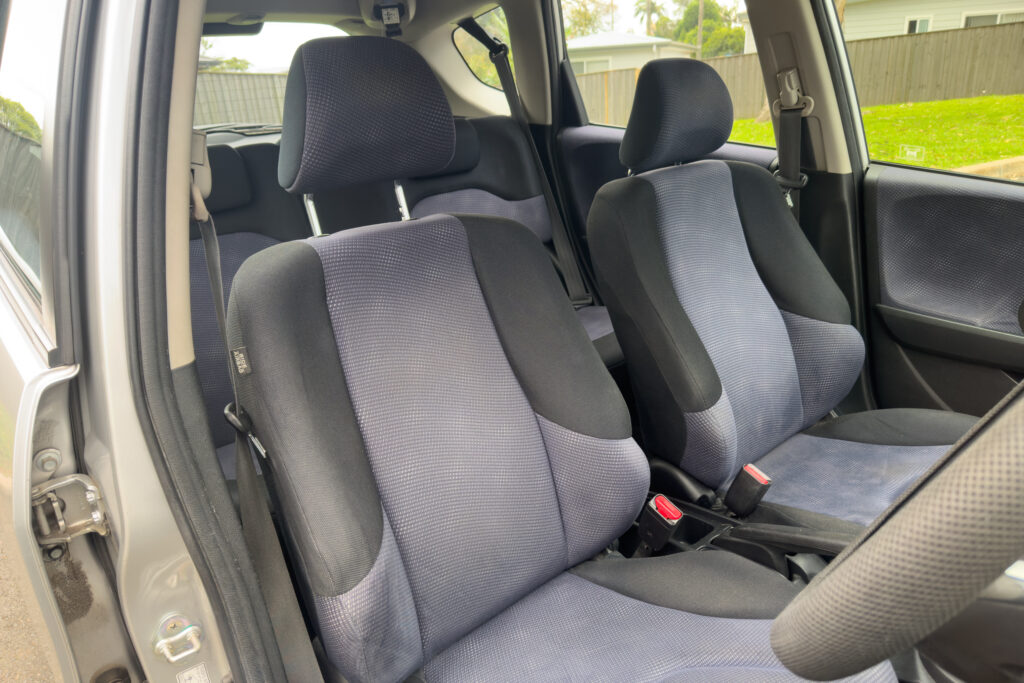
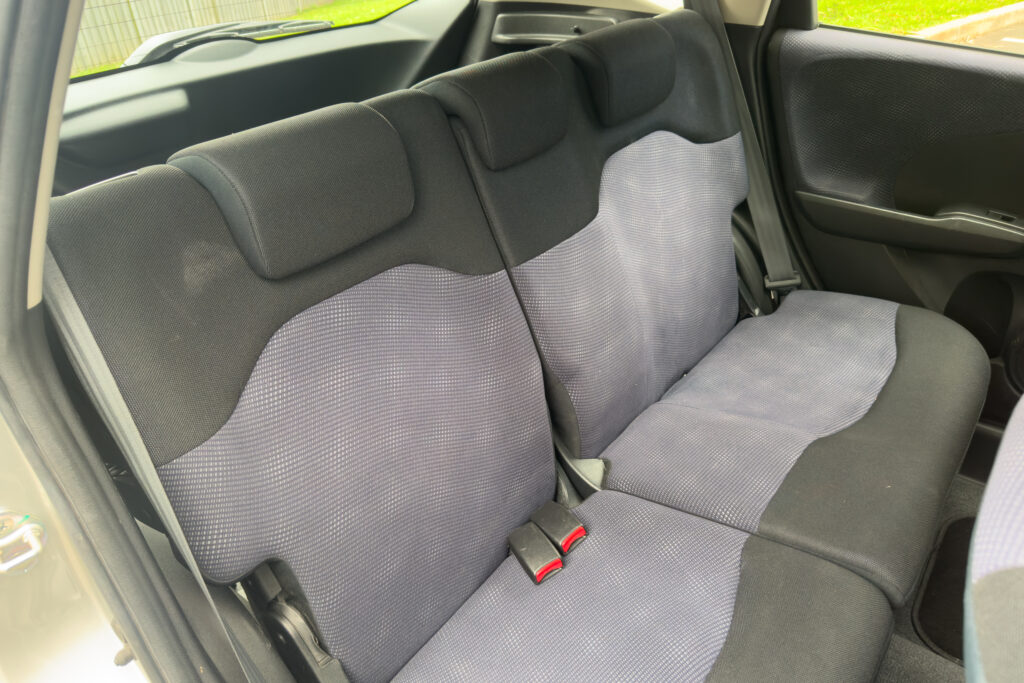
Owners have mixed opinions on the comfort of the seats during long trips. While some find them uncomfortable, others consider them perfectly comfortable.
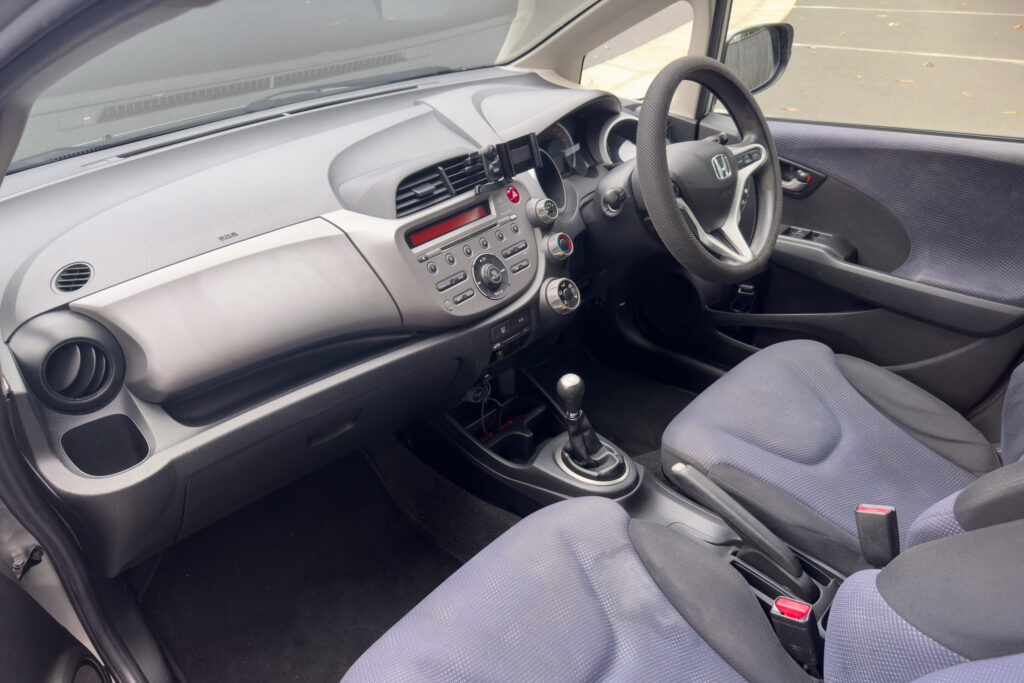
There have been reports of HVAC problems, including non-functional air conditioning, failing blower motors, and malfunctioning heater cores. The good news is that these issues are generally easy and affordable to repair.
A known issue with the power windows is that they may stop going up at a certain point or fully close and then drop down again. This problem is usually resolved by recalibrating the windows, with tutorials readily available online.
Mechanically:
Mechanically, the Jazz is highly reliable. As long as the vehicle has a documented service history, it’s unlikely that you’ll encounter significant mechanical issues.
In cold climates with salted or chemically treated roads, there can be issues with broken driveshafts and rear calipers, as well as park brakes becoming stuck. However, these issues are extremely unlikely in warmer climates like Australia.
On rare occasions, manual transmission bearings may experience problems, but this is not a common issue.
When considering whether to buy a second-generation GE Honda Jazz/Fit, there are several factors to keep in mind. While the Honda Jazz can be a brilliant vehicle, it’s critical that it passes all pre-purchase inspections.
With these cars becoming increasingly affordable, some previous owners with tight budgets might have skipped necessary maintenance or cut corners on repairs.
Ensure the Jazz meets all pre-purchase requirements, including checks for corrosion, mechanical reliability, and interior functionality. A thorough inspection can save you from future headaches and expenses.
If the vehicle passes inspection, the 1.5-litre engine is highly recommended. It offers better performance and is considered the best engine option for this model.
While it’s usually advisable to look for the lowest mileage and best condition car, the Honda Jazz’s reliability means that a higher mileage vehicle with a documented maintenance history can still be a great choice. If you find one with minor cosmetic issues, you might have more leverage to negotiate a better price.
In conclusion, if the car meets all inspection criteria and has been well-maintained, purchasing a second-generation GE Honda Jazz/Fit is a great decision. Its reliability, performance, and affordability make it a fantastic choice for a compact car.


Co-creator, presenter & writer, ReDriven

Yes. 100%.

 2 months ago
 2 months ago
 2 months ago