Australia’s No. 1 Used Car Review Website
Australia’s No. 1 Used Car Review Website
+9 Photos
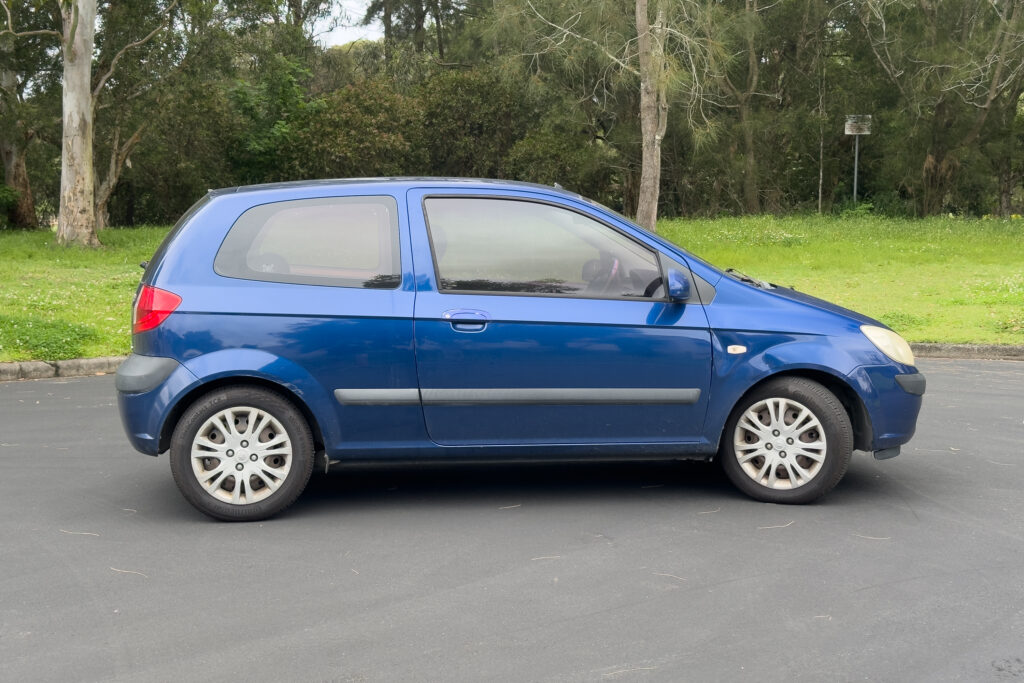
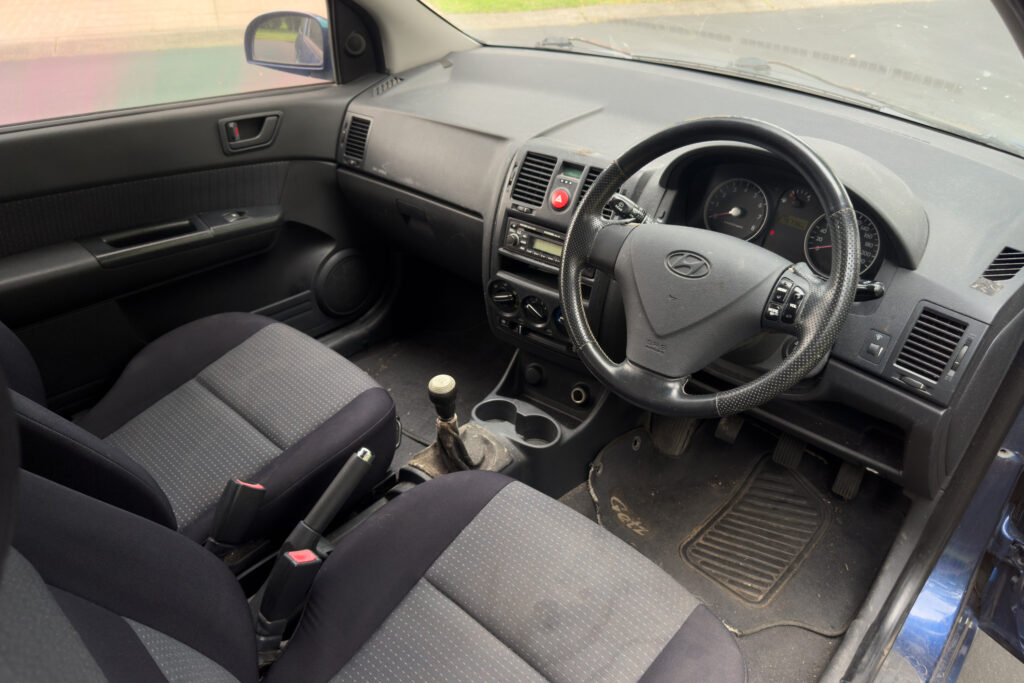
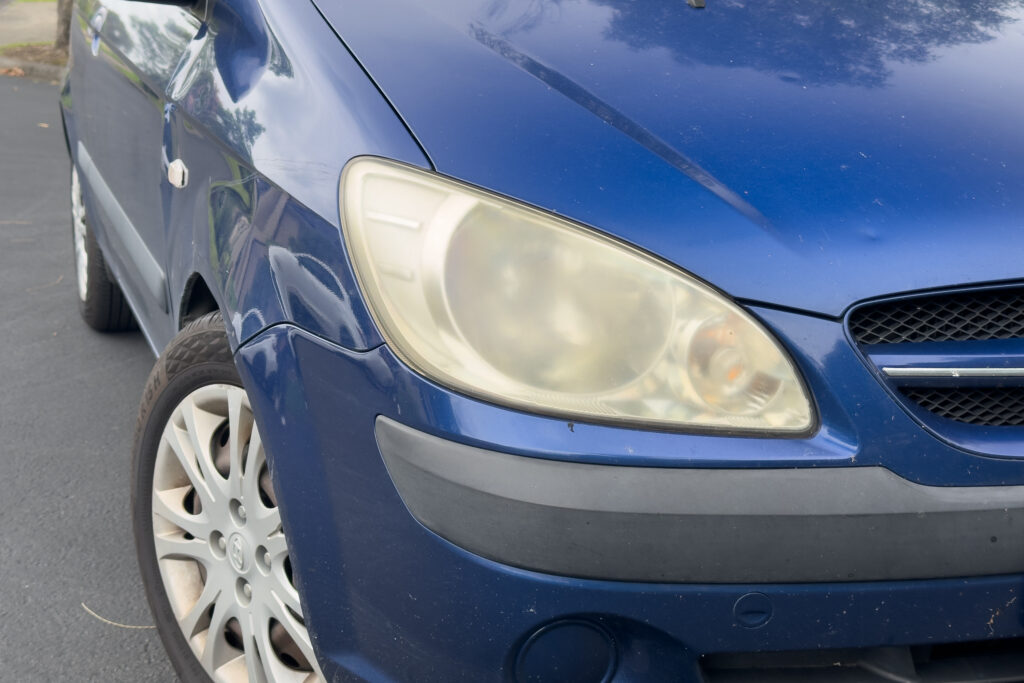
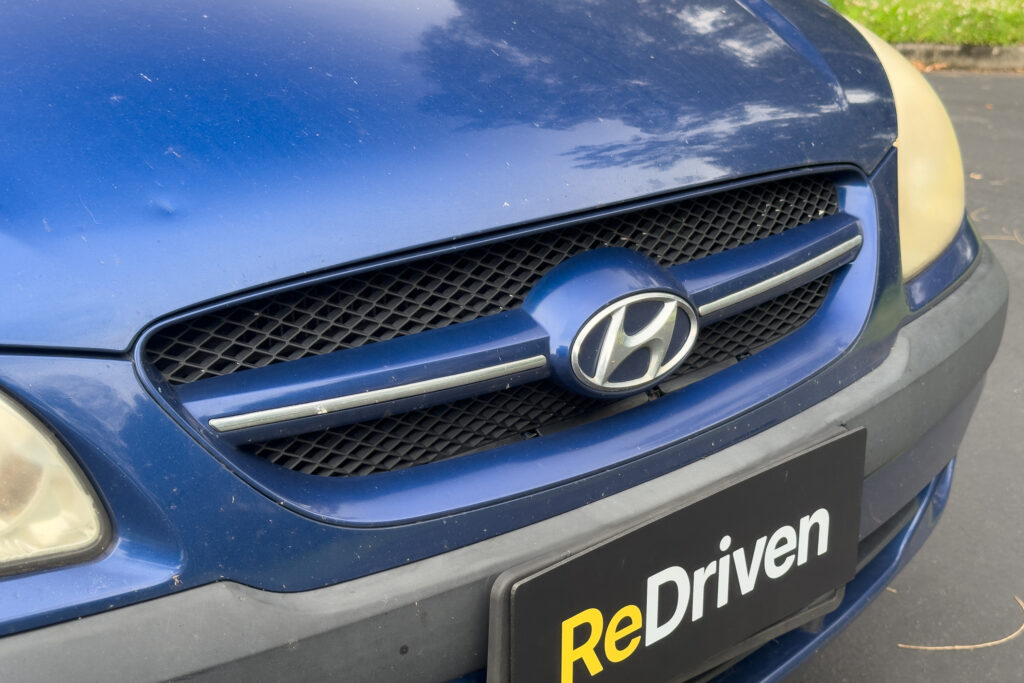
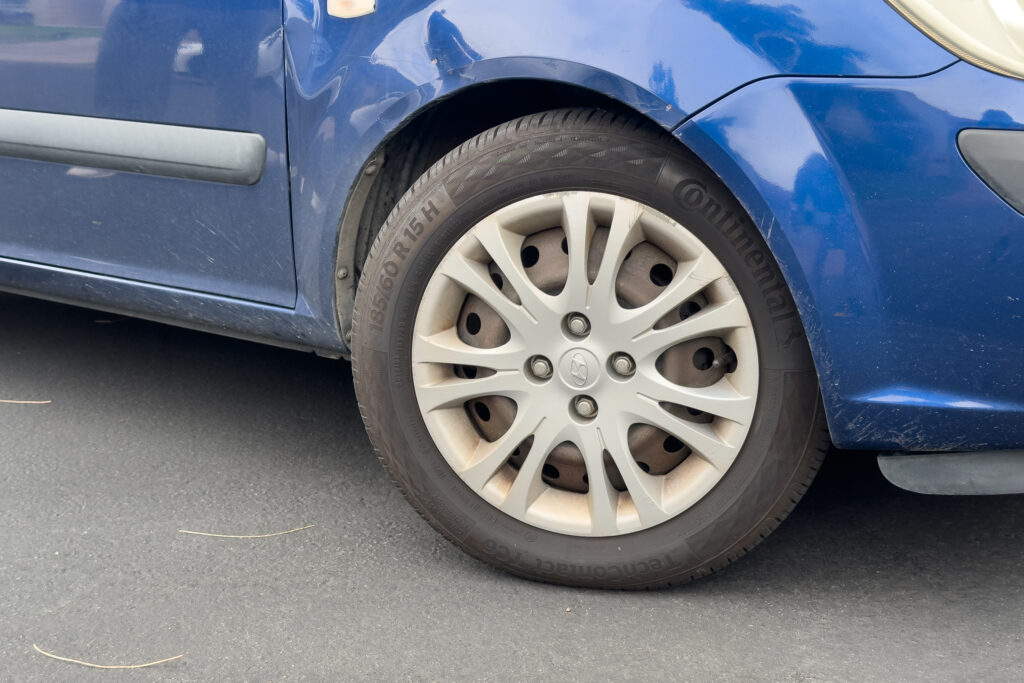
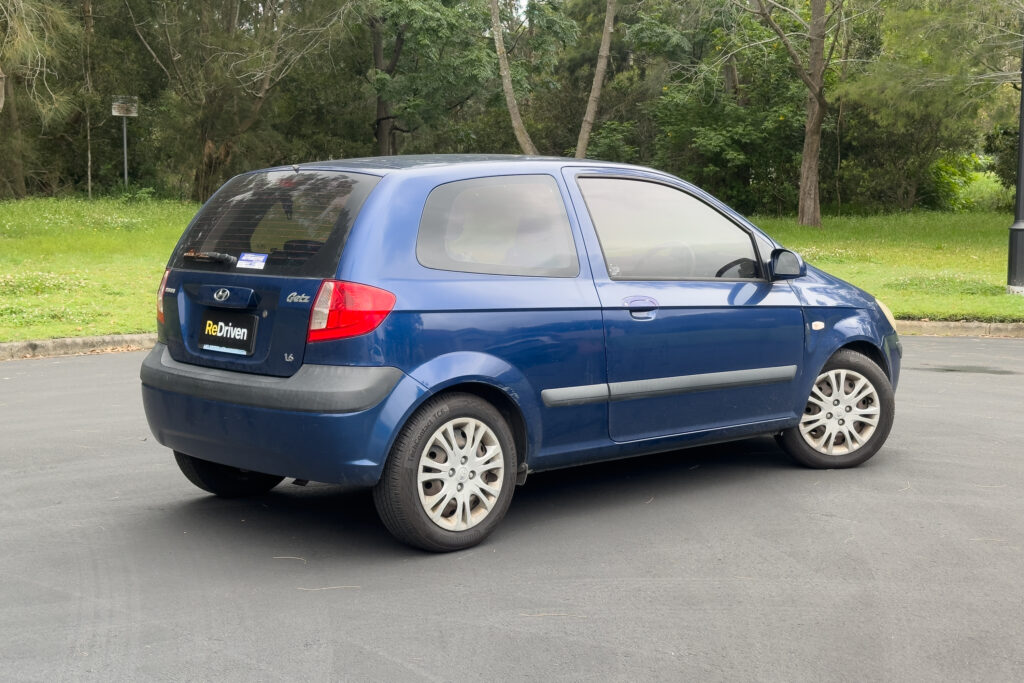
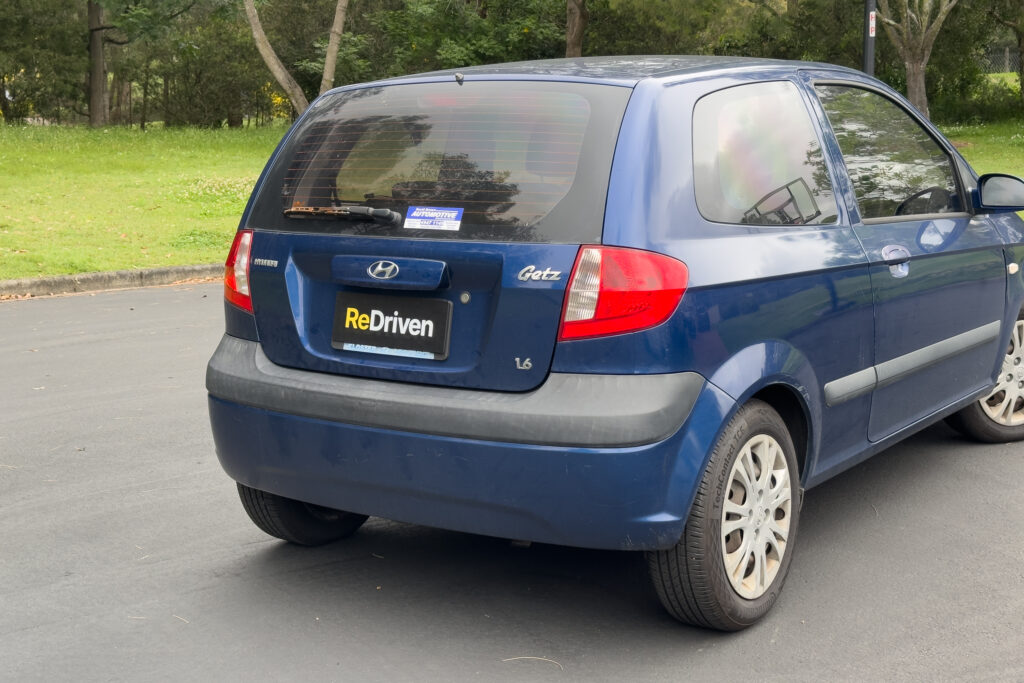
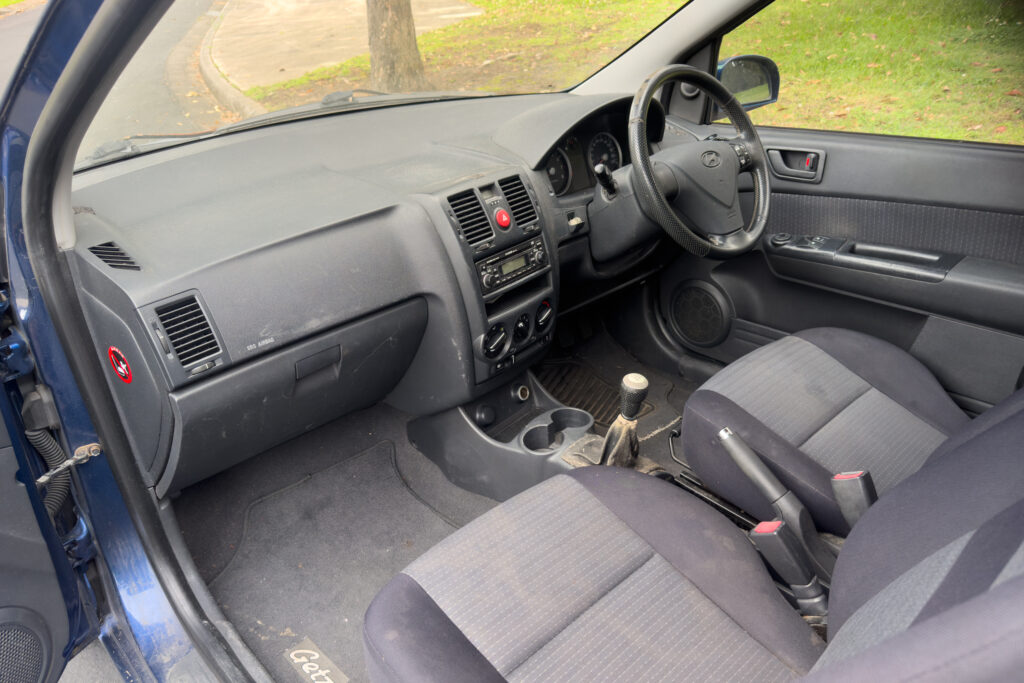
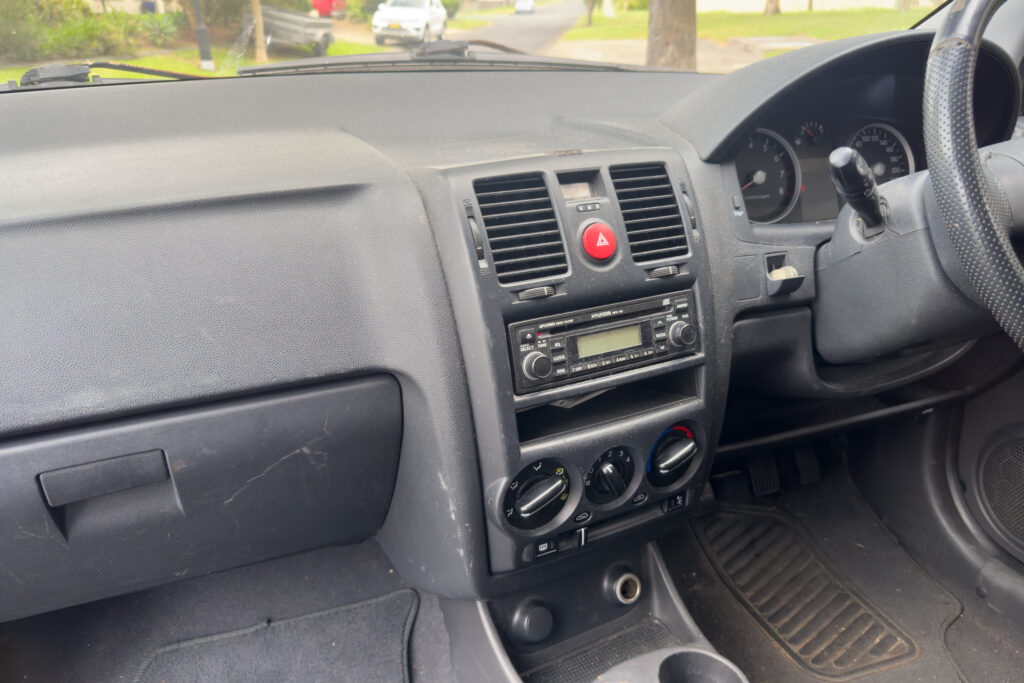
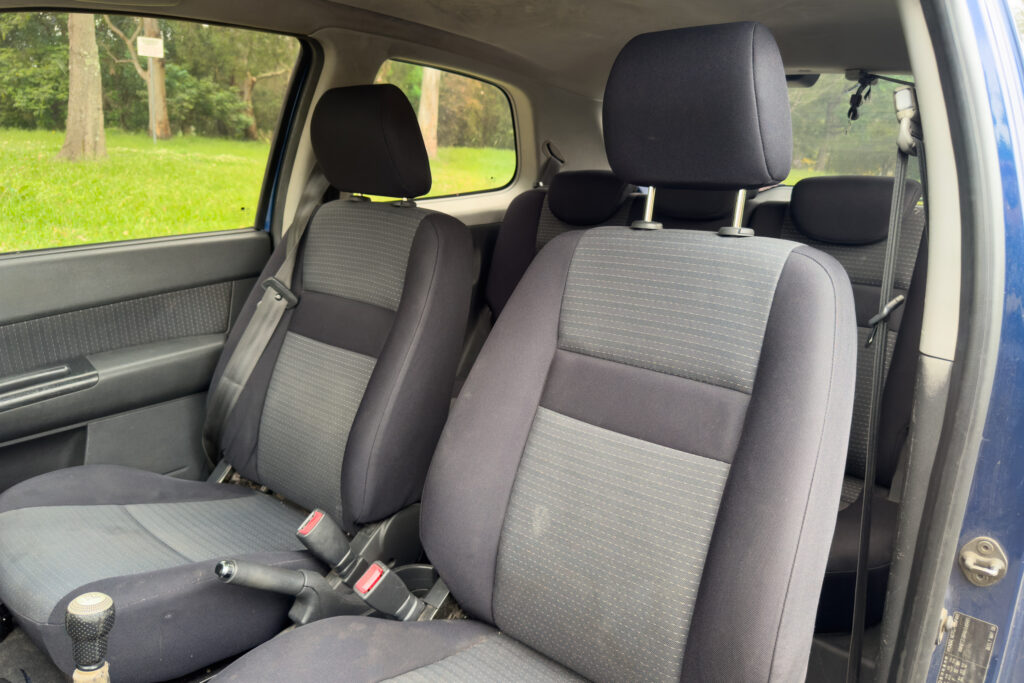
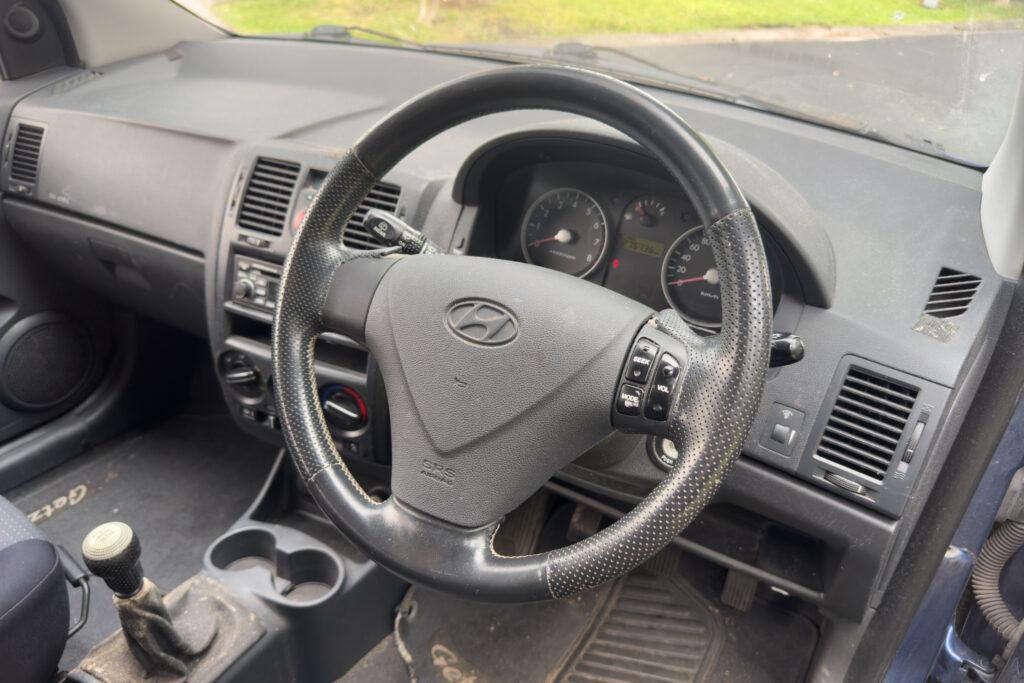

2006 Hyundai Getz 1.6 GL

29 January 2024
Yes. But only the right example.

2006 Hyundai Getz 1.6 GL

Used car review
29 January 2024
You can pick up a Hyundai Getz on the used market from as little as $1,000. With the most expensive ones topping out at $10,000.Here in Australia pre-update Getz came packing either 1.3 or 1.5 litre engines. However, the majority on the used market will be either the 1.4 or 1.6 litre found in the post-update models.
No matter which engine, they’ll be mated to either a 4-speed auto or 5-speed manual transmission.

Internationally, not only were there a whole host of other petrol and diesel engines available, these were also known as the Hyundai Click or TB, the Dodge Brisa and the Inokom Getz.
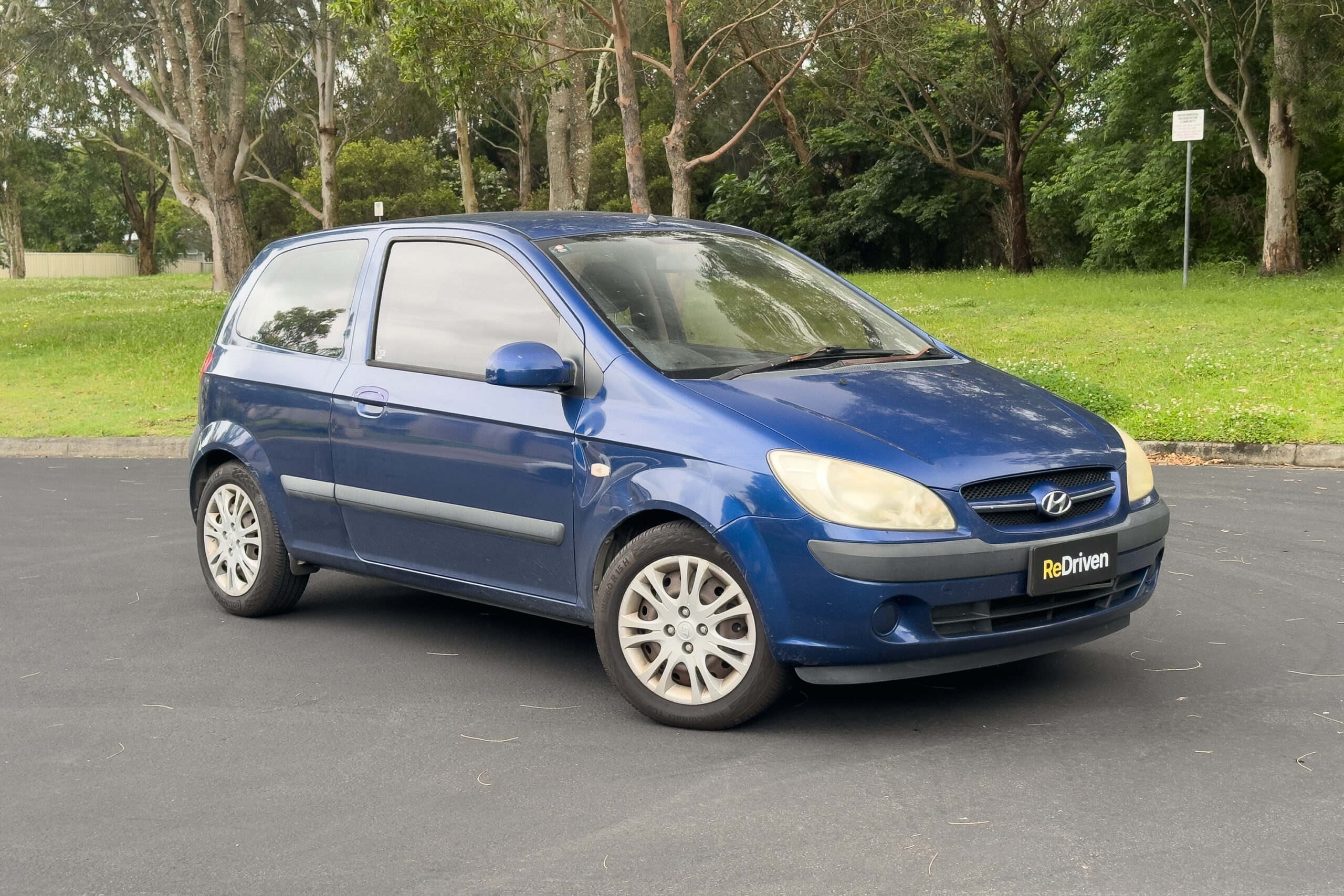
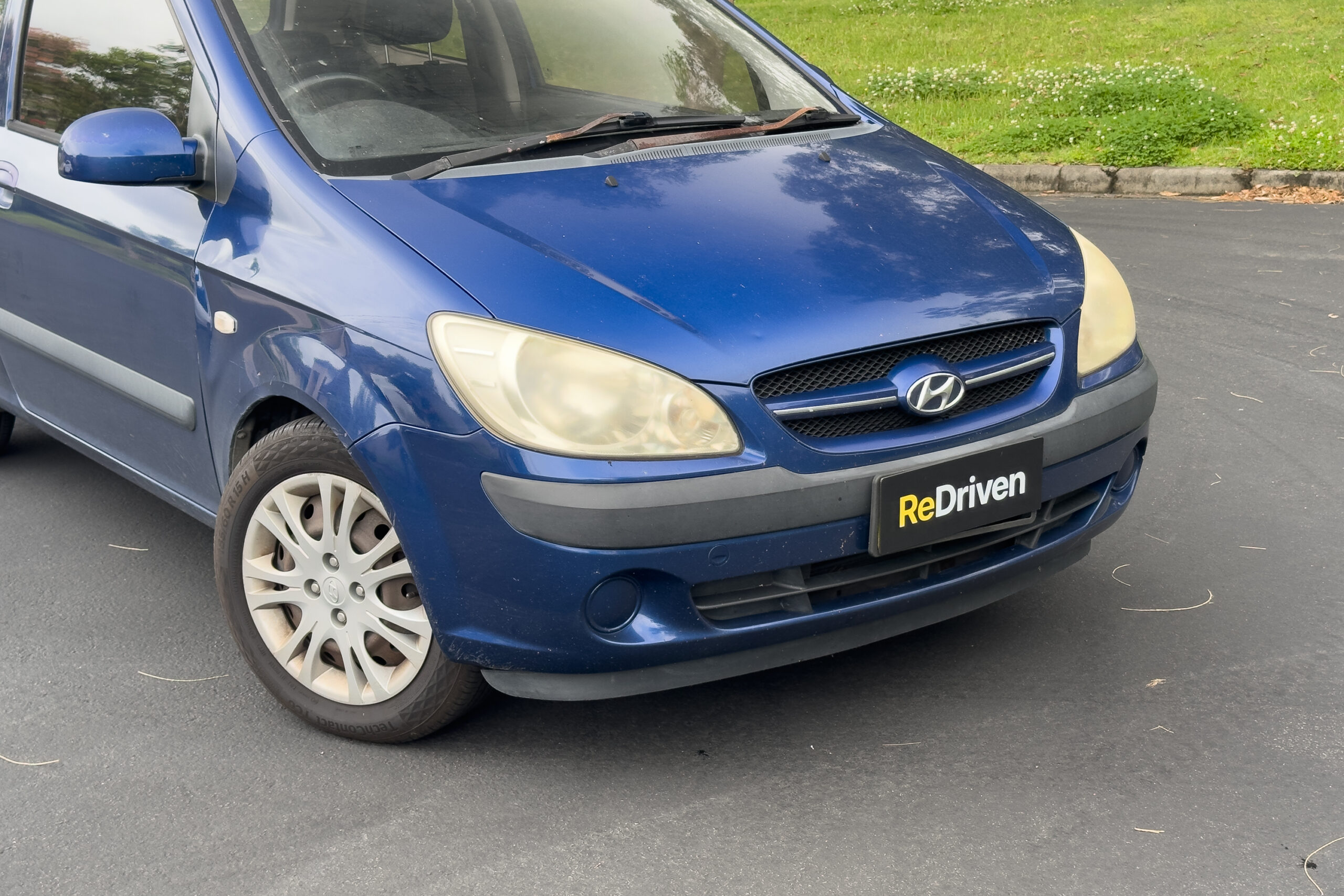
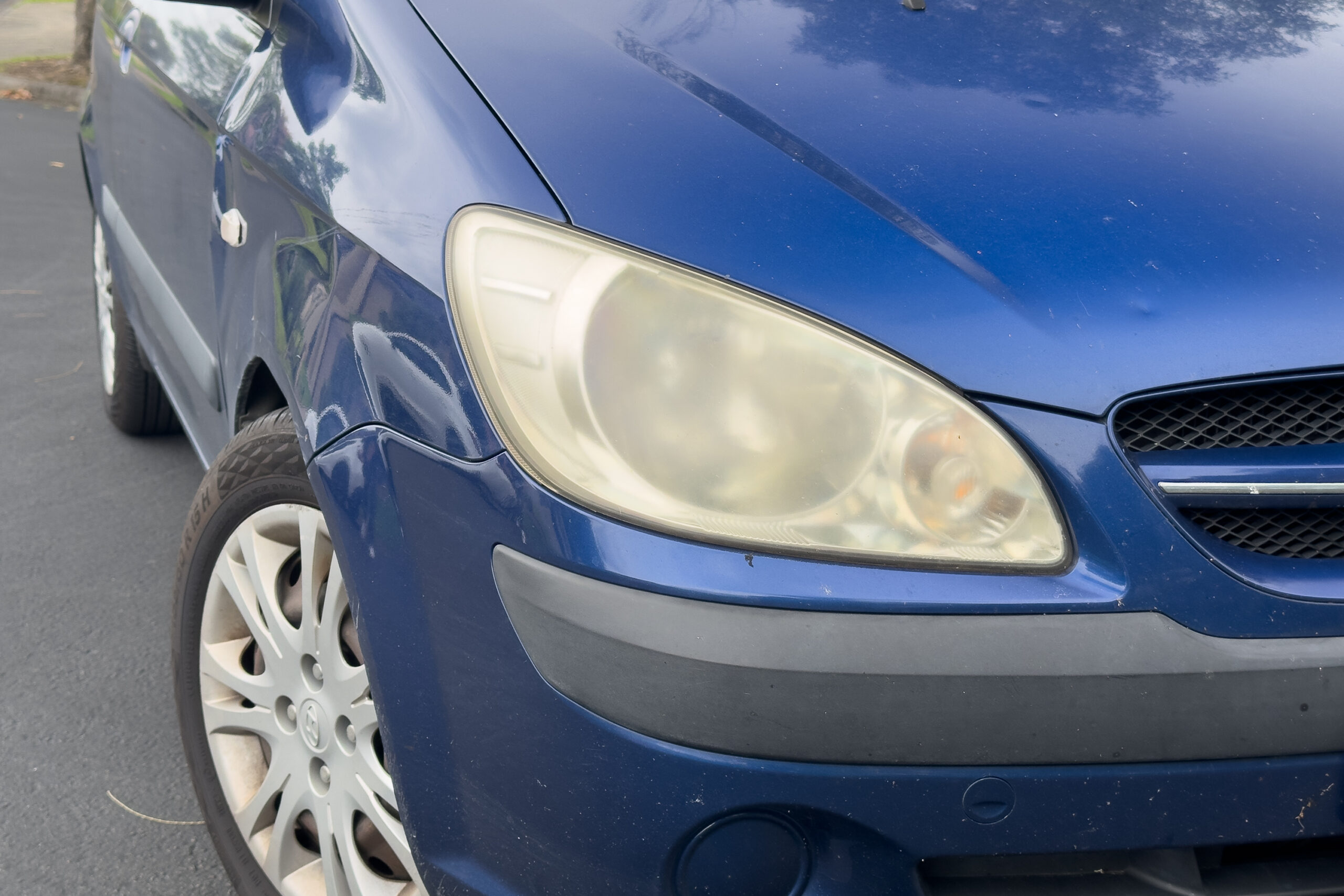
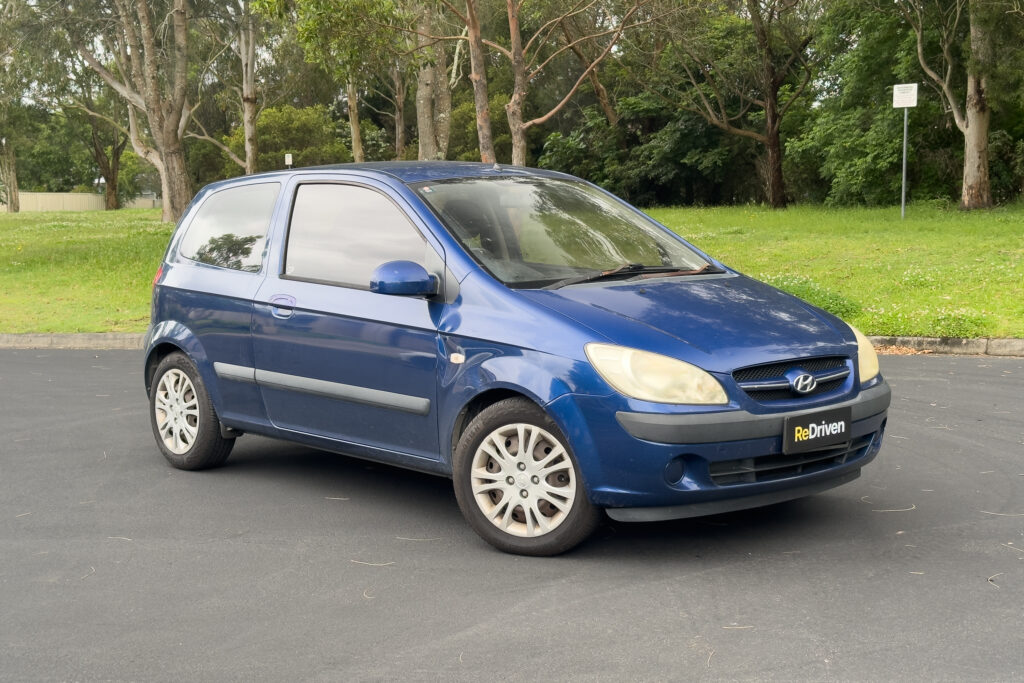
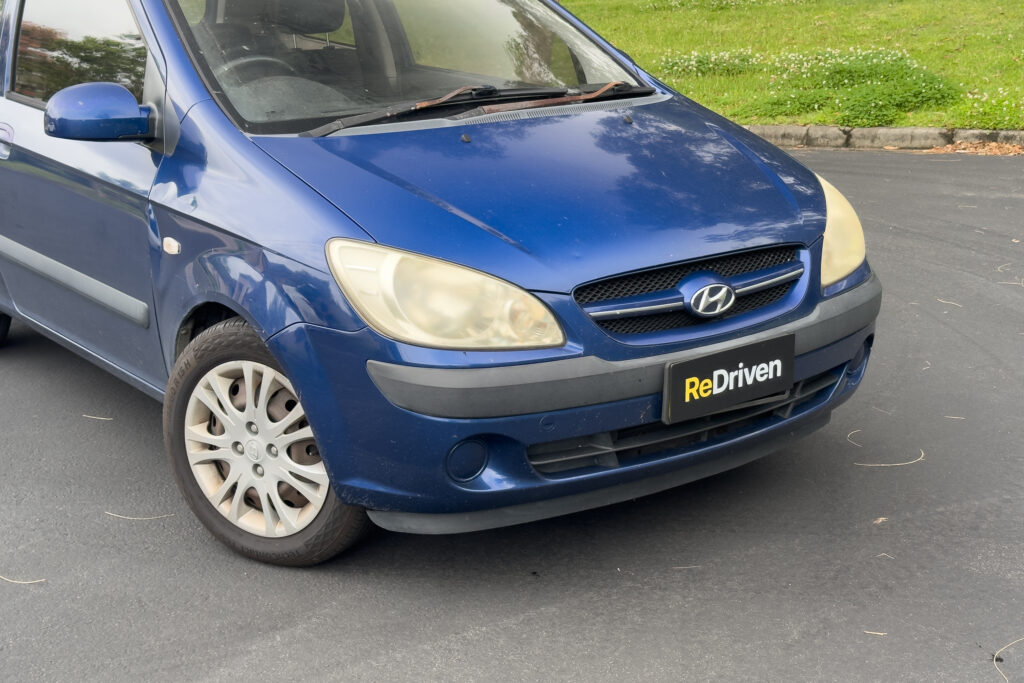
The easiest way to spot a pre- or post-update car is to look at the headlights, they’re quite rectangular, they get a little more curvaceous and seductive.
In terms of tech, obviously these never came with phone connectivity like Apple CarPlay or Android auto however, some of the later models do feature Bluetooth. Although the quality of that Bluetooth in terms of keeping paired to your phone and anyone you’ve called, being able to decipher what you’re saying could be interesting.
In terms of safety, it’s not great news; some early examples didn’t even have anti-lock brakes, a passenger-side airbag was optional, and ANCAP awarded it a 3-star rating back in 2002.
The post-update models did improve things with stability and traction control. I doubt you’ll ever require the traction control unless you’re driving on ice, but the safety rating did increase to a still concerning 4 stars for 2008.
As far as issues that are intrinsic to the Hyundai Getz, we trawled through owners’ groups and forums, read owner reviews and spoke to various mechanics, and there are no common issues with the exterior that are the car’s fault.
Occasionally, you might find a tailgate handle that’s a bit temperamental, or the paint can be on the thin side, so it might chip, mark easily or peel off in high-traffic areas like the door handles and a few owners wish the lights were brighter and they can yellow by now, but even then, reports of these are few and far between.
Still, OEM replacement parts are so cheap, and because the parts are bloody resilient, you could also buy whatever you need from a wrecker or online and save even more money.
Really, the only big issue you might run into with the exterior has more to do with who the previous owners were.
Because these are so affordable, plenty of people on very tight budgets buy them and if they have an accident, quite often they’ll have the accident damage repaired as cheaply as possible and pass on all the potential on-going issues to the next owners. Don’t let that be you.
Ahhhh, nothing, seriously, again, even the few issues and complaints we could find were not what we’d call common at all.
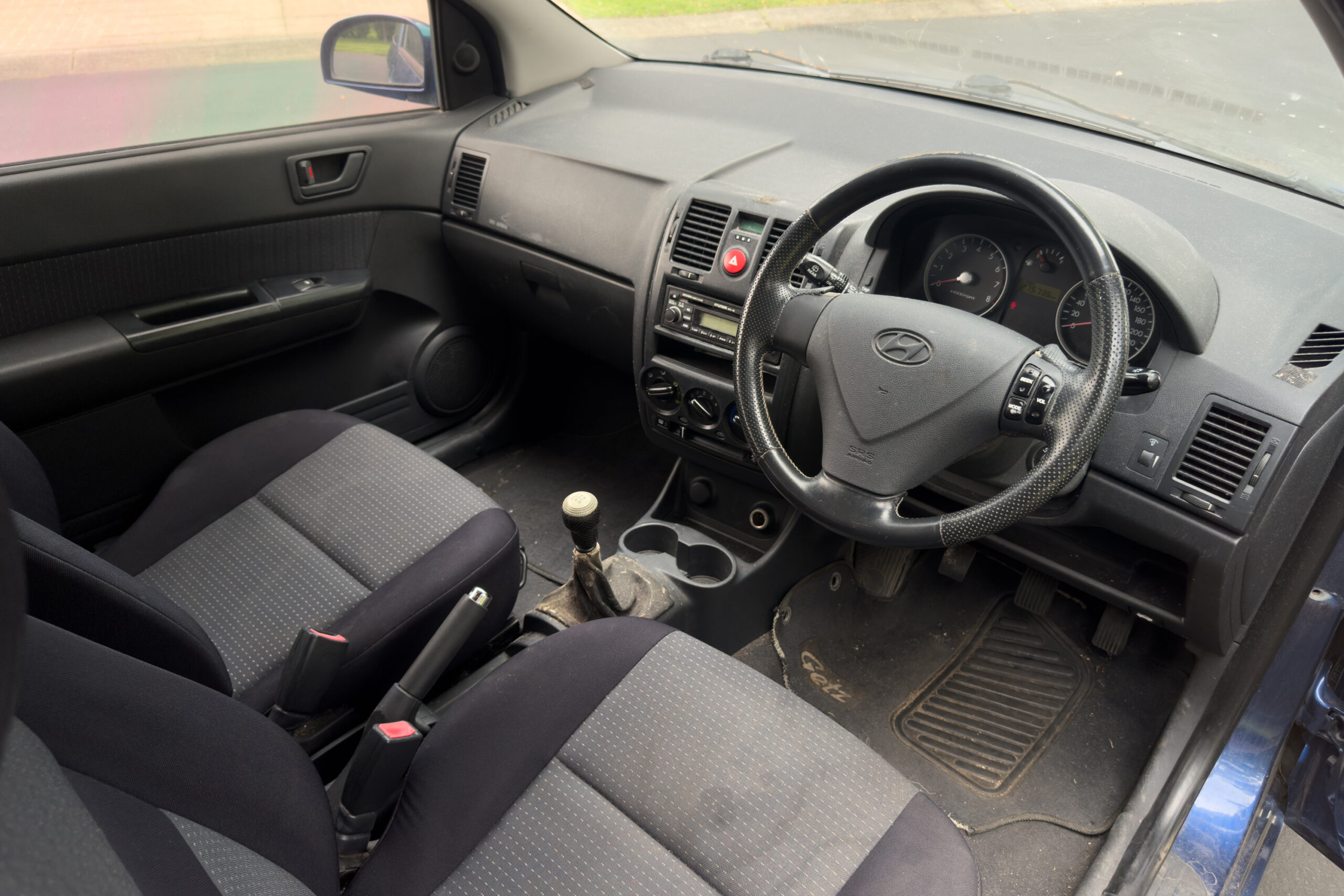
The occasional owner has had maybe an air conditioning compressor let go, some of the plastics might become a bit brittle, and therefore the interior can get a bit rattly, or depending on your body shape, maybe the seats aren’t the comfiest, but honestly, that’s about it.
And even for the very few problems that might occur, like the exterior, the parts are so cheap and most of the repairs can be really enjoyable “do it yourself” projects.
Unfortunately, from a mechanical standpoint, poor maintenance is most likely the biggest contributor to reliability issues here. The thing is, they are really cheap to buy, which means a lot of people who are on a budget buy them, and a lot of people just don’t care about them that much because they’re just a cheap car.
But, the funny thing is, while they are cheap cars, they are also ridiculously cheap to fix.
Here are a couple of comparison prices. For context, this is an average of the retail price of those parts on these things. The ignition coils and leads often cause a misfire, and replacing them costs around $275.
Now compare that to a similarly aged Subaru Forester that has coil and leads, the parts for that car are about $400.
The right-hand engine mount on these is also another common failure point, it just causes a weird vibration, to replace it is about $150 worth. Now if you compare that to a Mazda 2, which also has a similar engine issue, the mount for that is about $250, another big difference in price.
The water pumps do occasionally leak on those, and they’re down in the timing belt area, and the timing belt is due every 90,000 km, so you’re going to do the water pump at the same time. Now a timing belt kit with a water pump for these is about $250 give or take, which is about half the price of a Volkswagen Up! Big difference.
The AC compressor on these is also another fairly common failure point. There’s a big variance in price and quality of compressors, but on average, you can expect to pay about $500 for a compressor on one of these things. Compared to a Toyota Yaris, which is about $700.
Another common problem we see on these things is noisy hydraulic lifters, or just tappet noise, which can be worse if the car has been poorly serviced; just changing the oil makes a huge difference there. But in other cases, that can be a sign that the engine is just about clapped out, unfortunately.
If it is clapped out and you do have to put a new one in it, you can buy an engine for one of these for about two and a half grand on average, depending on its condition.
Now let’s compare that to a Fiat 500, the four-cylinder version of that, which is probably a third of the price of an engine in a Fiat 500.
The thing you really do need to consider is what else you could buy that ticks all the same boxes.
We’d be checking out the first-generation Honda Jazz, Toyota Echo, Suzuki Swift, or early Mazda 2’s.
And yes, there are a whole host of small European hatches available, but when you’re shopping at this budget, the cost of parts, maintenance, and overall reliability need to be very high priorities, and here in Australia, unless you’re planning on doing all the maintenance and repair work, we’d be going with a far safer bet.
Like a Hyundai Getz. Look, these are such tough little nuggets of cars, don’t buy one with a sketchy history, and it’s important to take into account they’re only slightly safer than a motorbike, but find a good one, and you’ll have a solid, nonsense, dependable partner on four wheels.
The right Hyundai Getz can be a fulfilling and healthy relationship personified in car form.


Co-creator, presenter & writer, ReDriven

Yes. But only the right example.

 2 months ago
 2 months ago
 2 months ago