Australia’s No. 1 Used Car Review Website
Australia’s No. 1 Used Car Review Website
+25 Photos
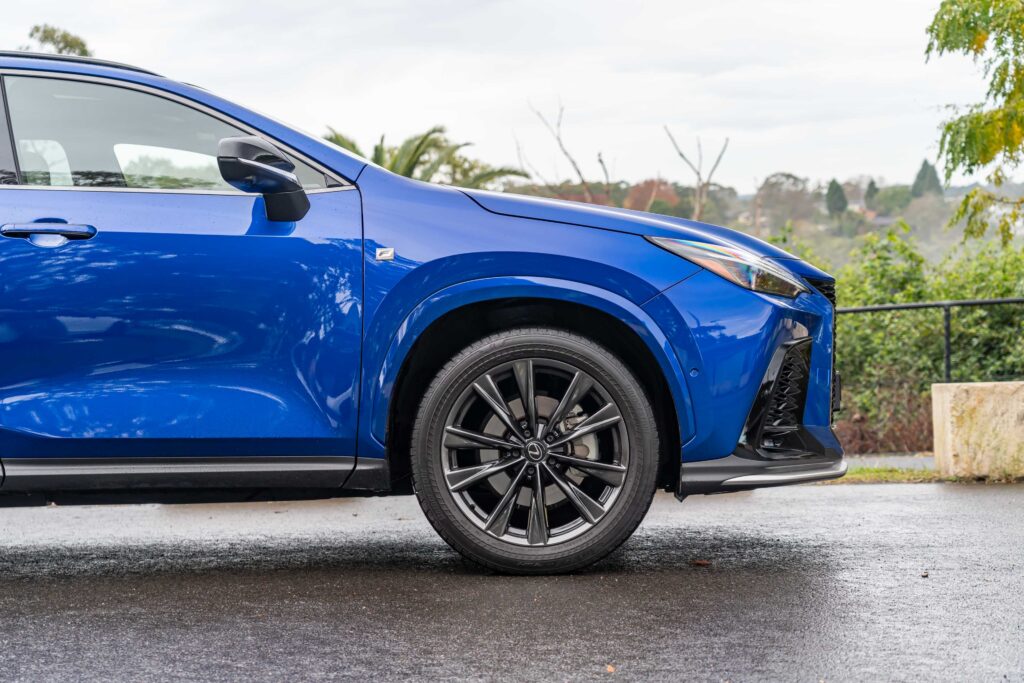
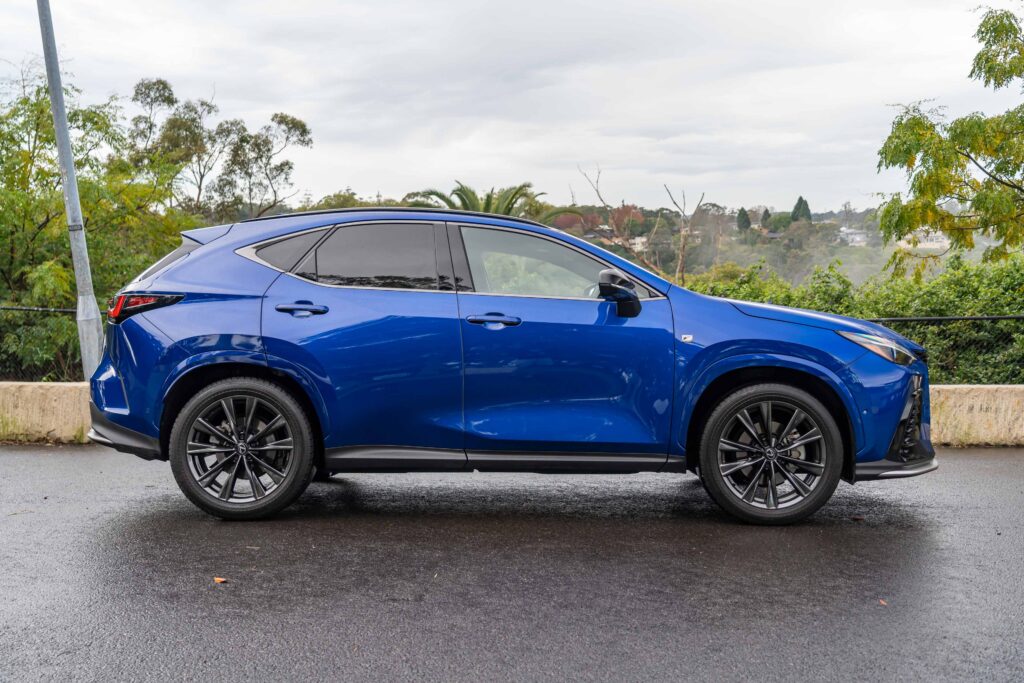
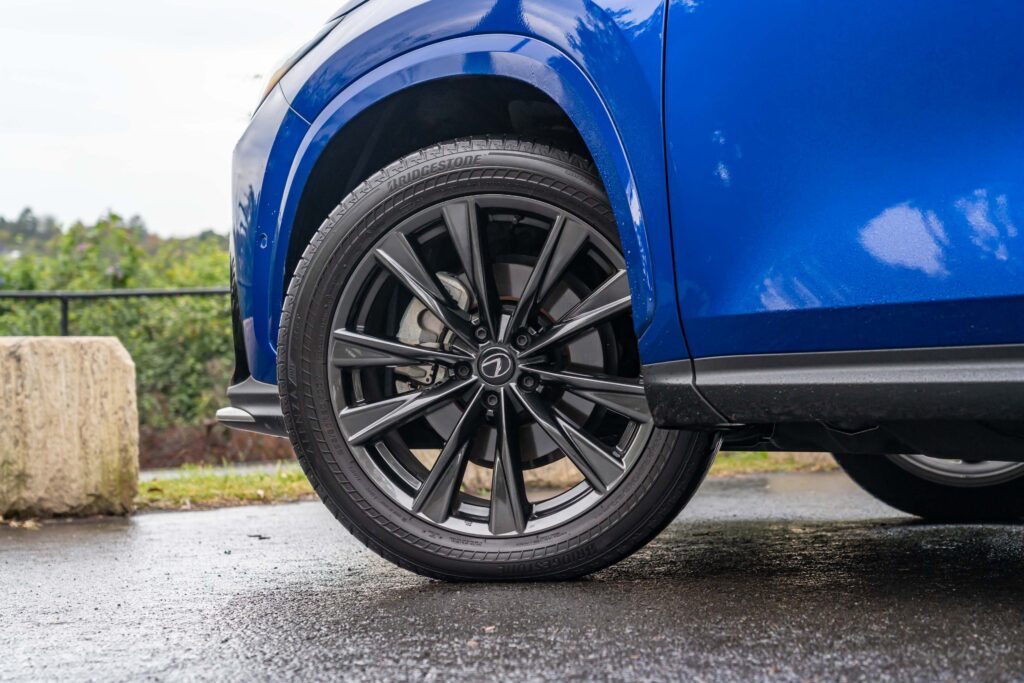
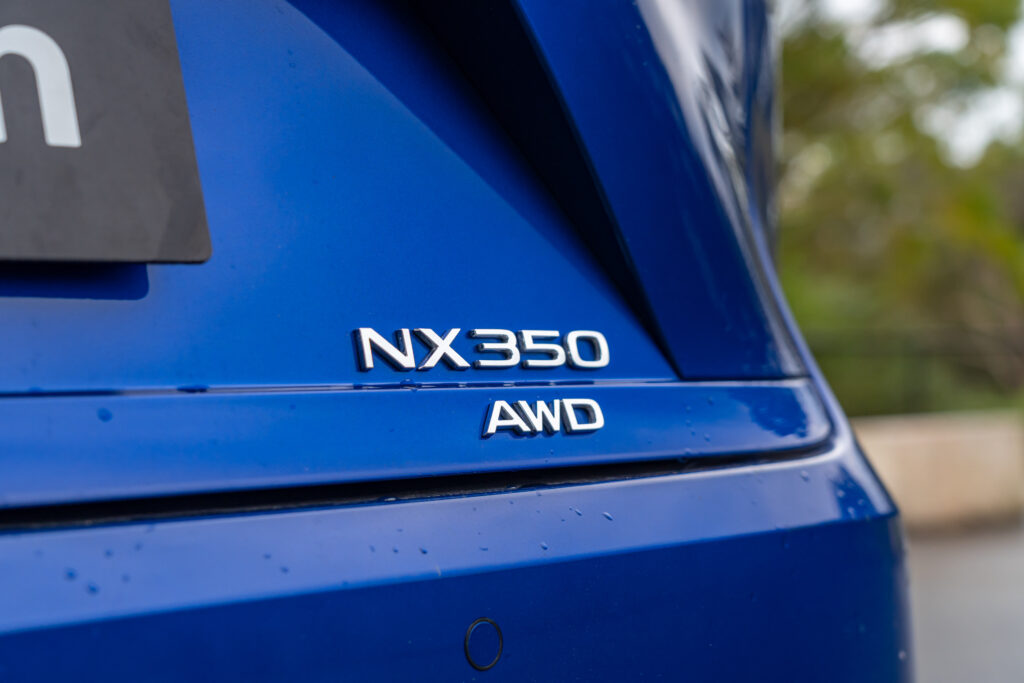

2025 Lexus NX350 FSport (AZ20)

13 July 2026
Yes. 100%.

2025 Lexus NX350 FSport (AZ20)

Used car review
13 July 2026
The second-generation Lexus NX, also known internally as the AZ20, was introduced from 2022 onwards. It continues as the Japanese marque’s compact luxury crossover, positioned above the entry-level Lexus UX and below the midsize Lexus RX within its crossover lineup.
In addition to adopting the latest Lexus design language, the second-gen NX rides on the new GA-K platform, shared with other Toyota family products like the Toyota Venza/Harrier and fifth-gen RAV4.
For the Australian market, the second-gen RX shares a lot of the same powertrains (petrol/hybrid/plug-in hybrid) with the fifth-gen Toyota RAV4. This includes a 2.5L naturally-aspirated four-cylinder, alongside petrol hybrid/plug-in hybrid four-cylinder variants, and a 2.4L turbocharged four-cylinder (exclusive to the Lexus).
Power can be sent to the front or all four wheels (AWD is standard on the hybrids), through an eight-speed automatic transmission or an eCVT (hybrid/PHEV).
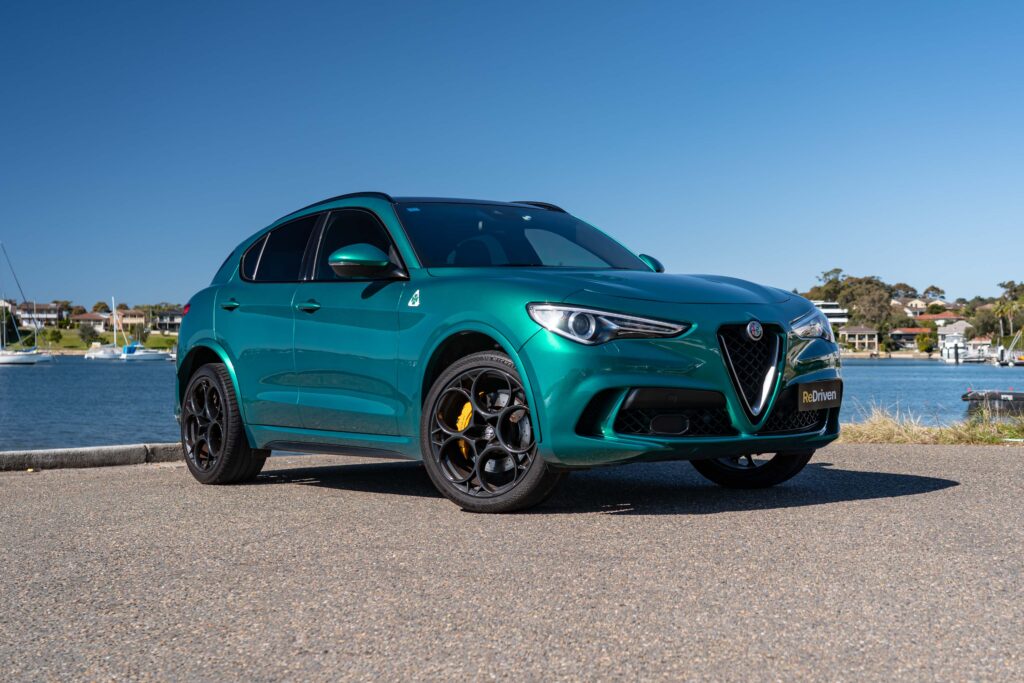
Rivals comparable to the Lexus NX include various European crossovers, like the Audi Q5, Alfa Romeo Stelvio, BMW X3, Range Rover Evoque, and Volvo XC60, as well as the Korean Genesis GV70.
But while this generation of Lexus’s compact crossover is still fairly new, is there anything concerning to look out for as these begin to enter the secondhand market?
Exterior:
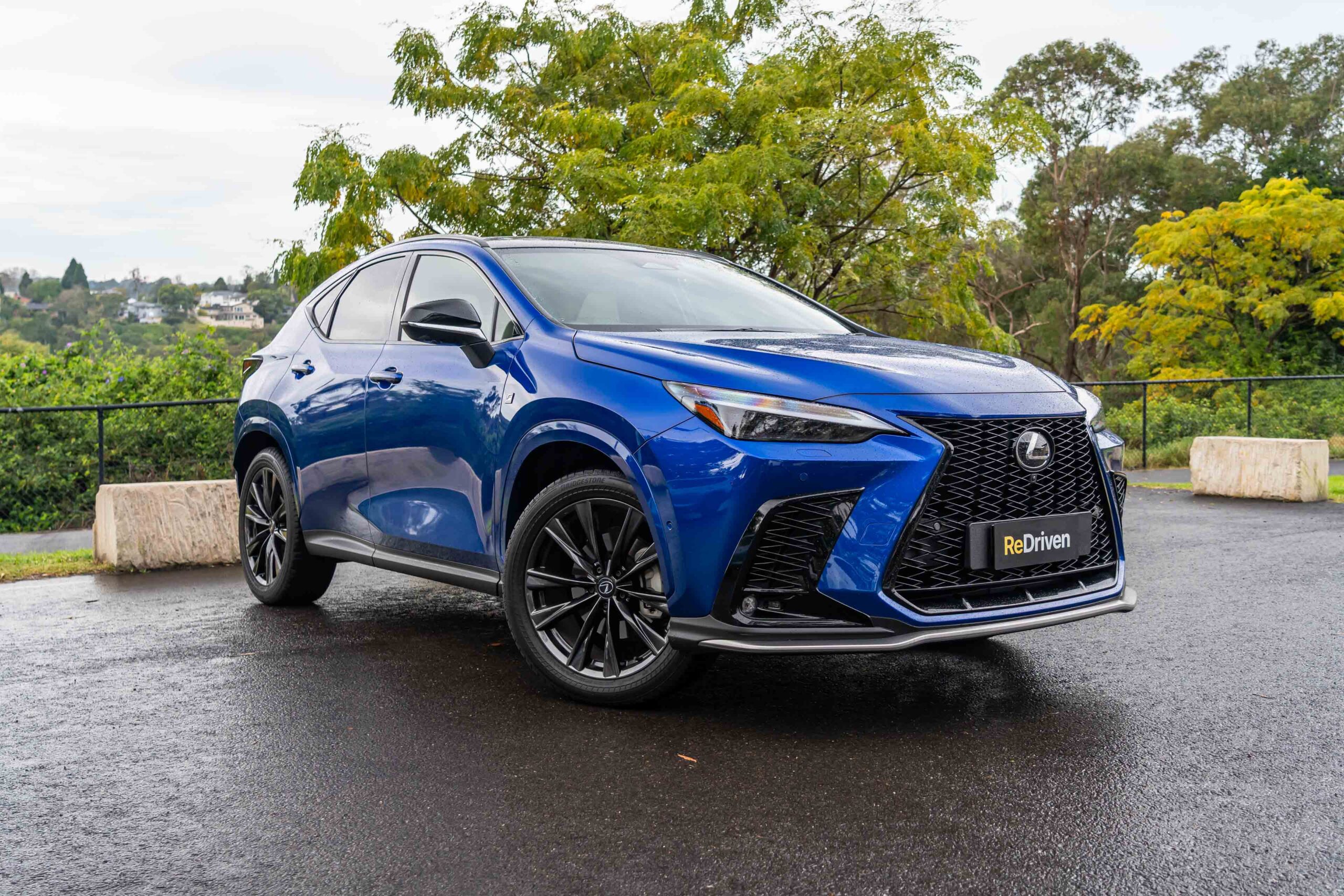
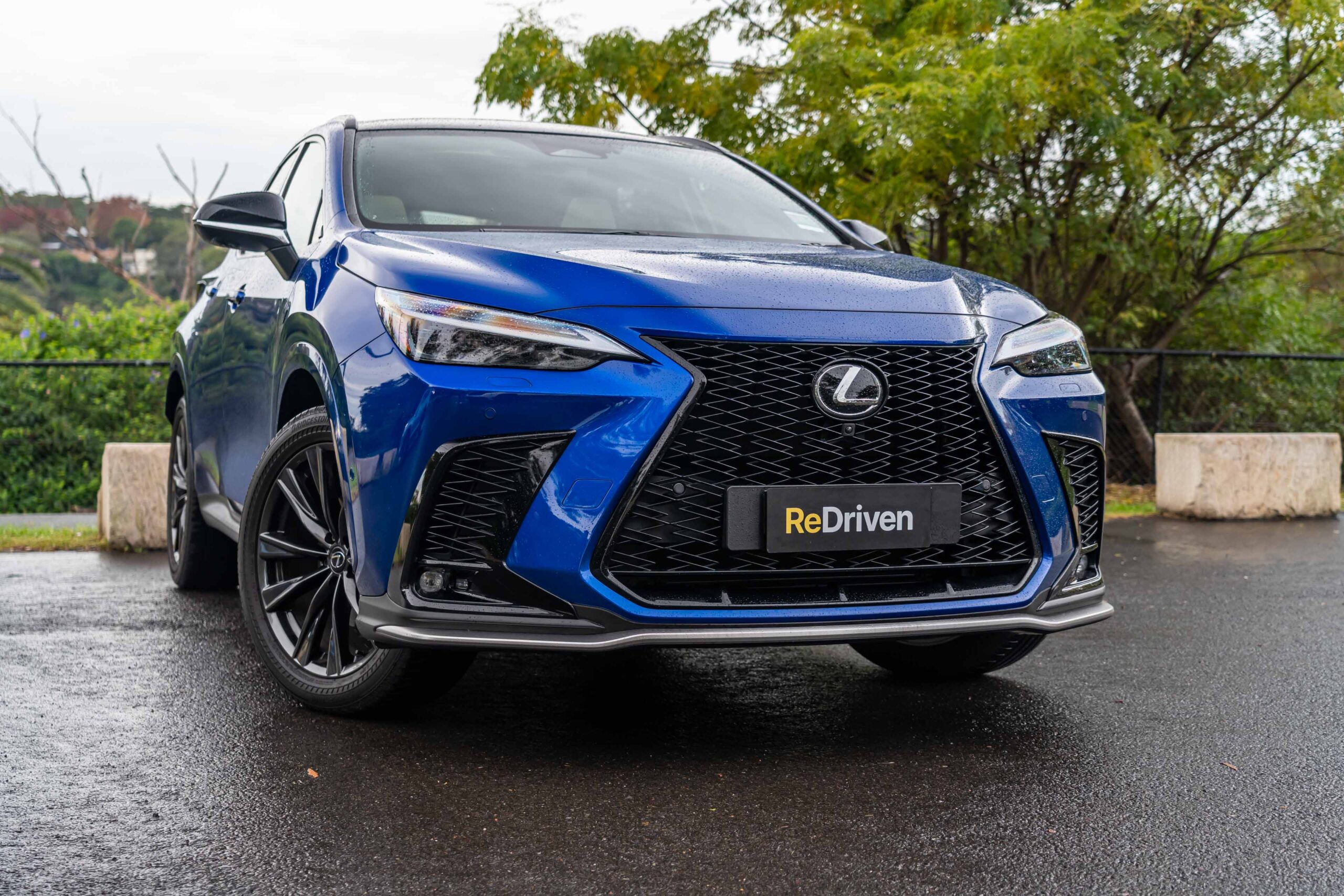
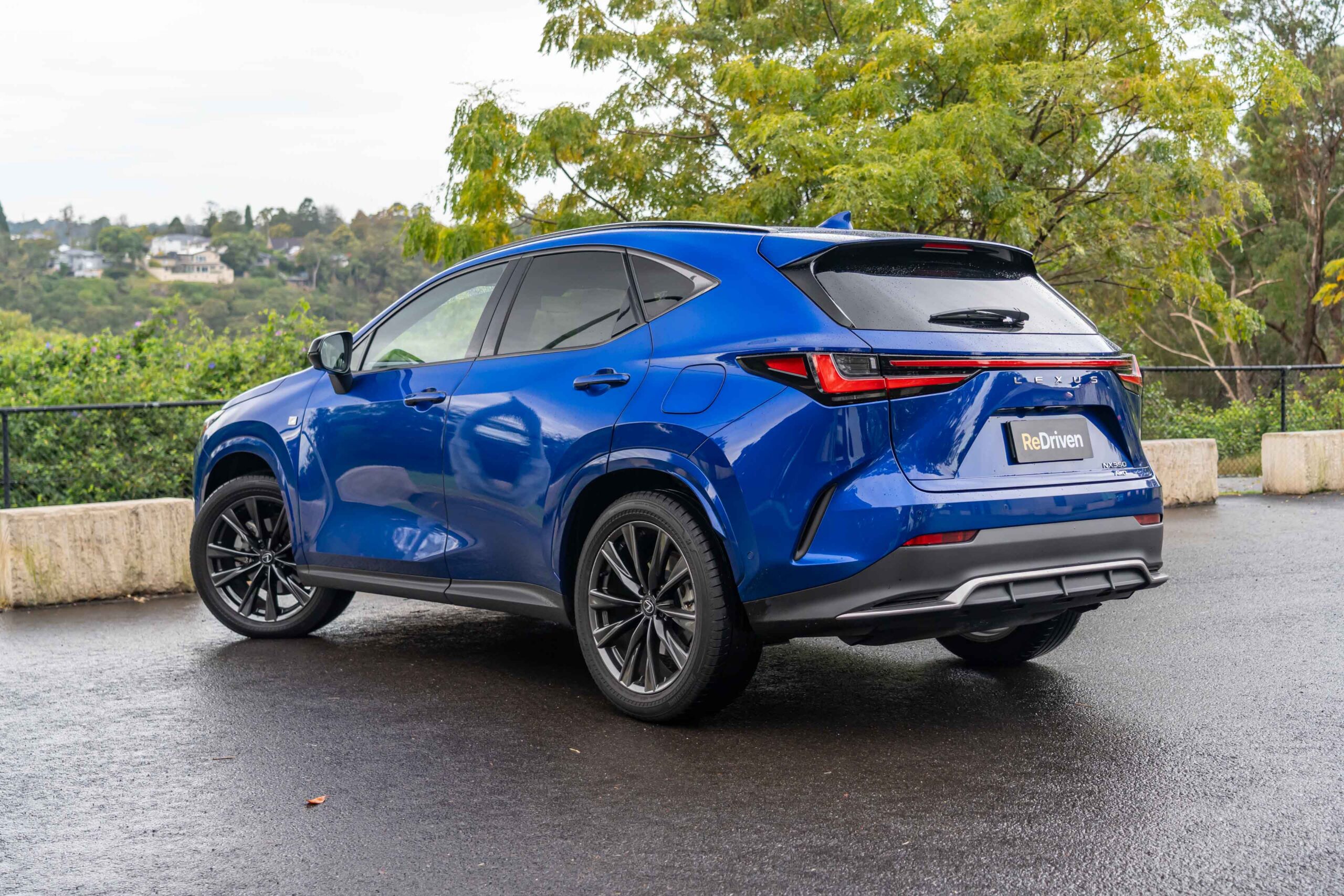
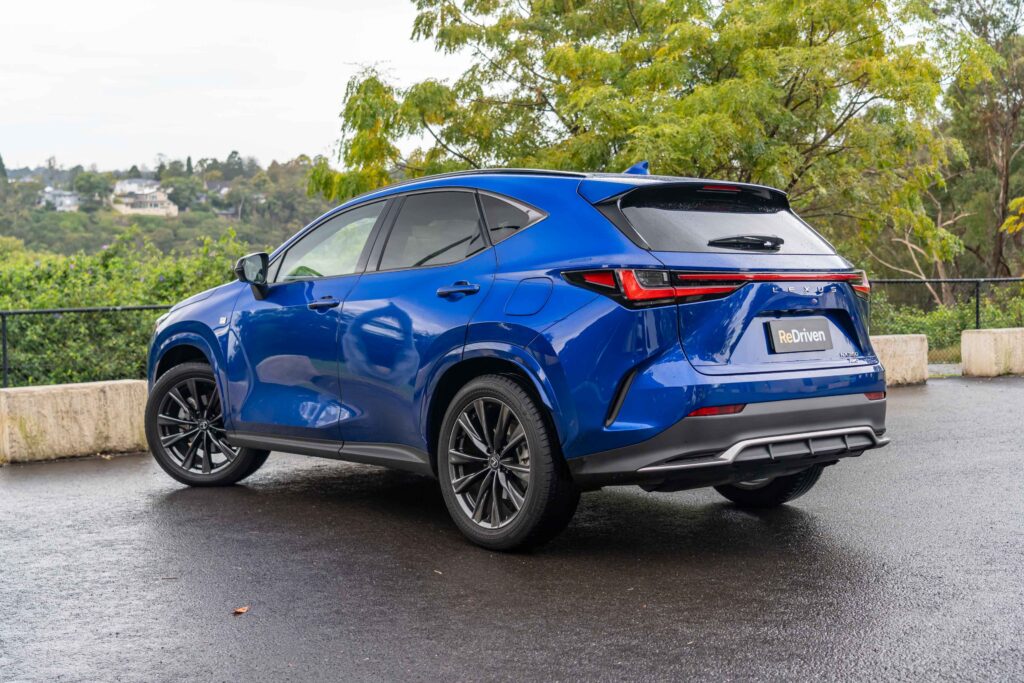
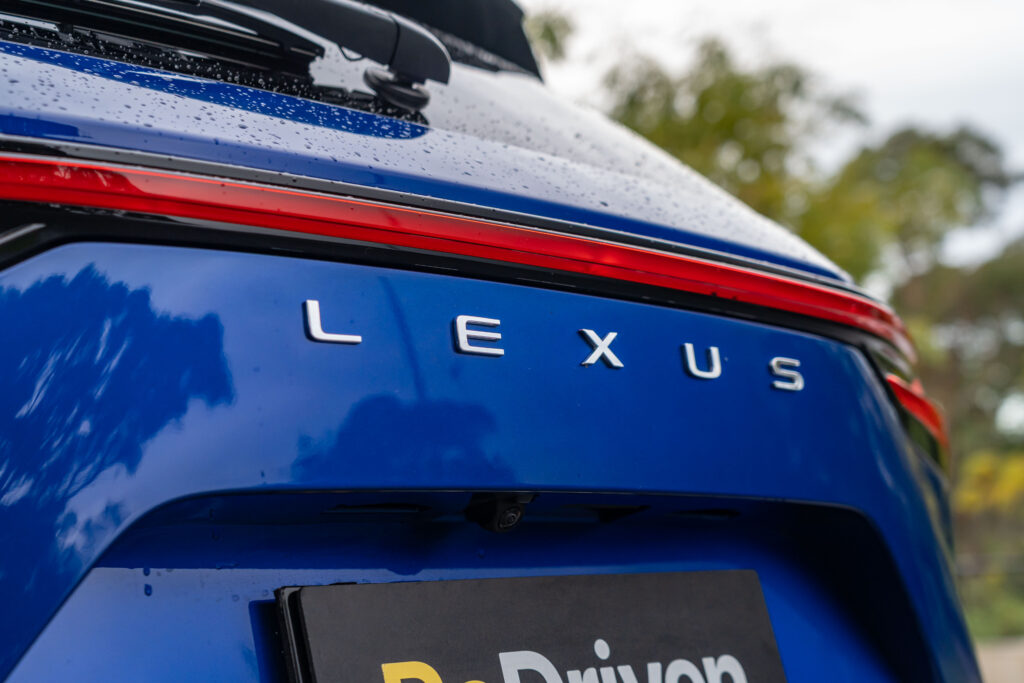
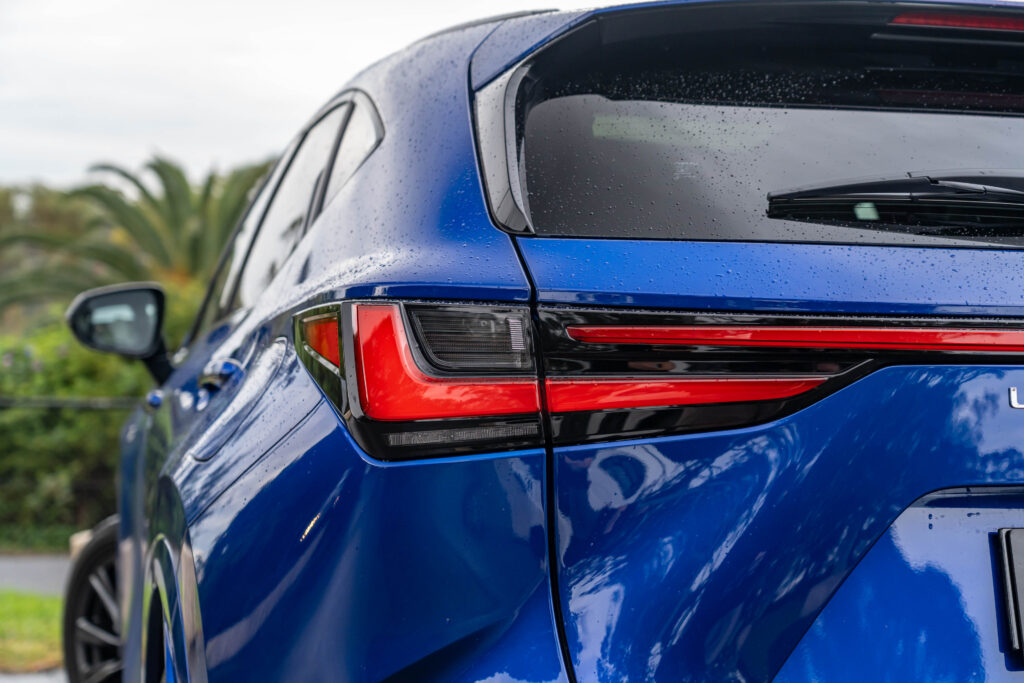
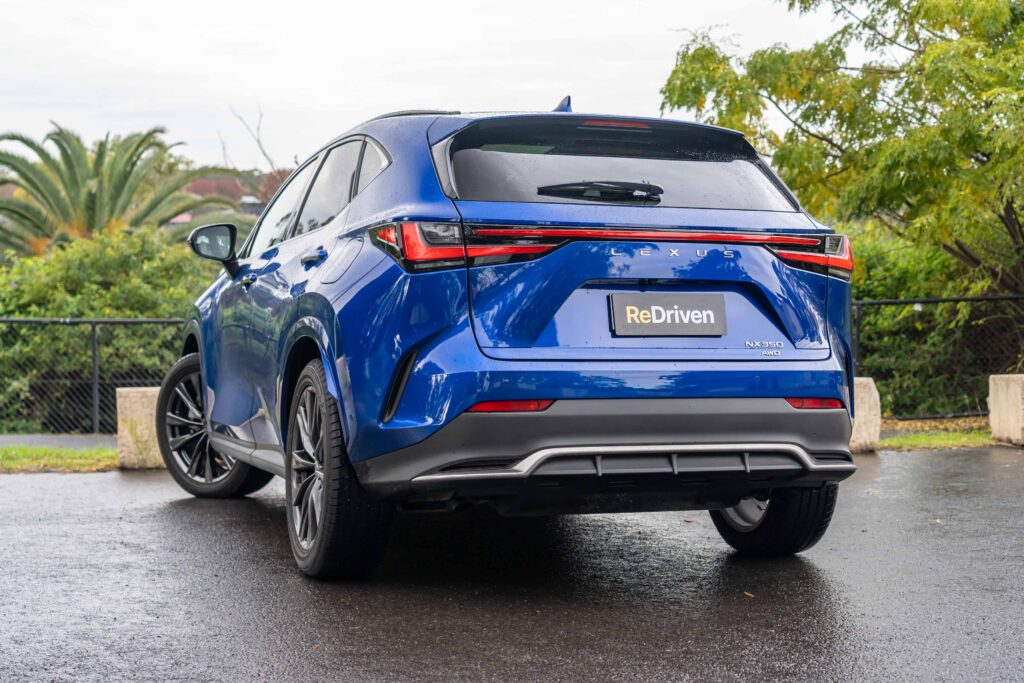
Compared to other SUVs in this segment, the Lexus NX reports far more solid build quality – we were hard pressed to find any reports of panel gaps, misaligned sections, or trim coming apart.
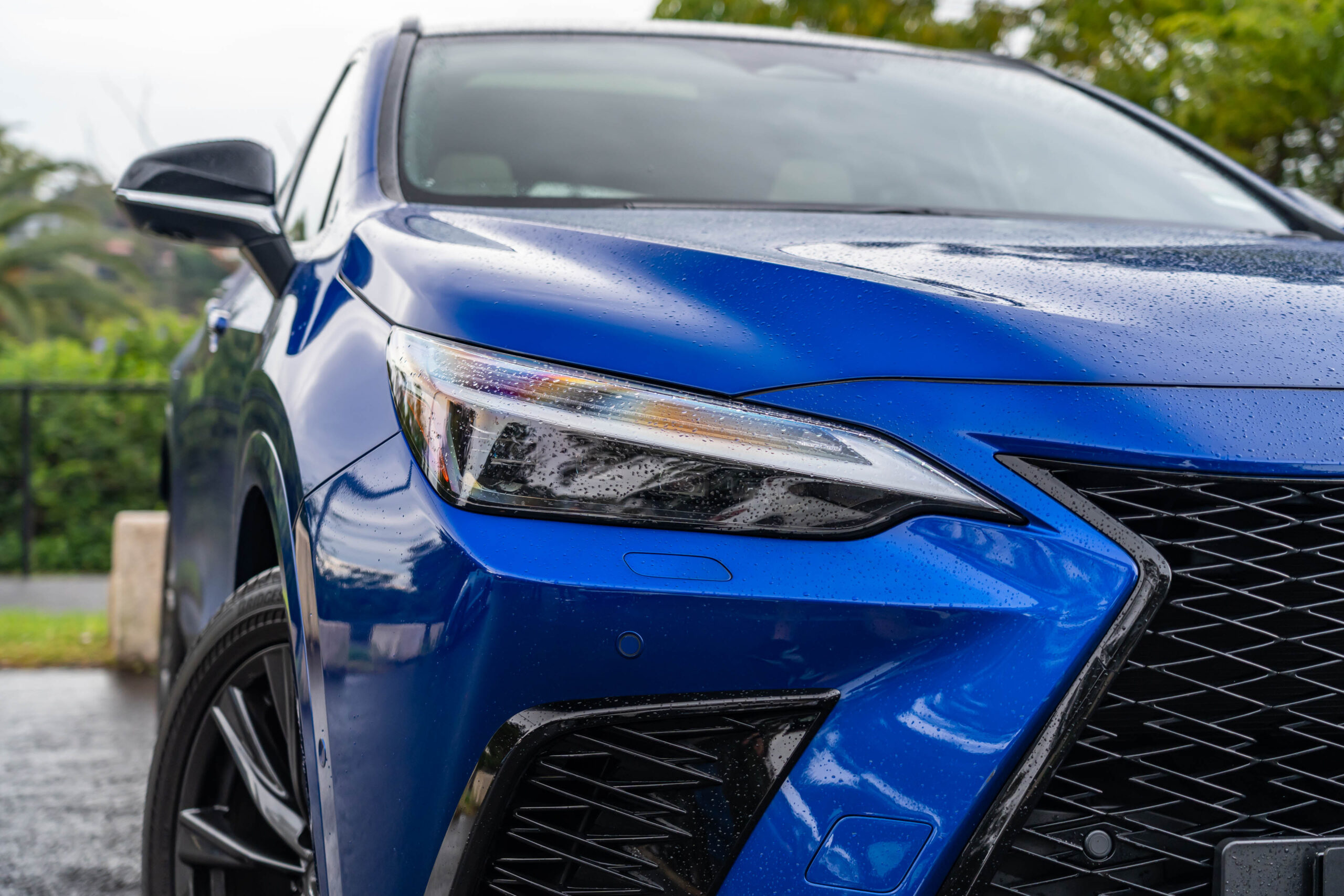
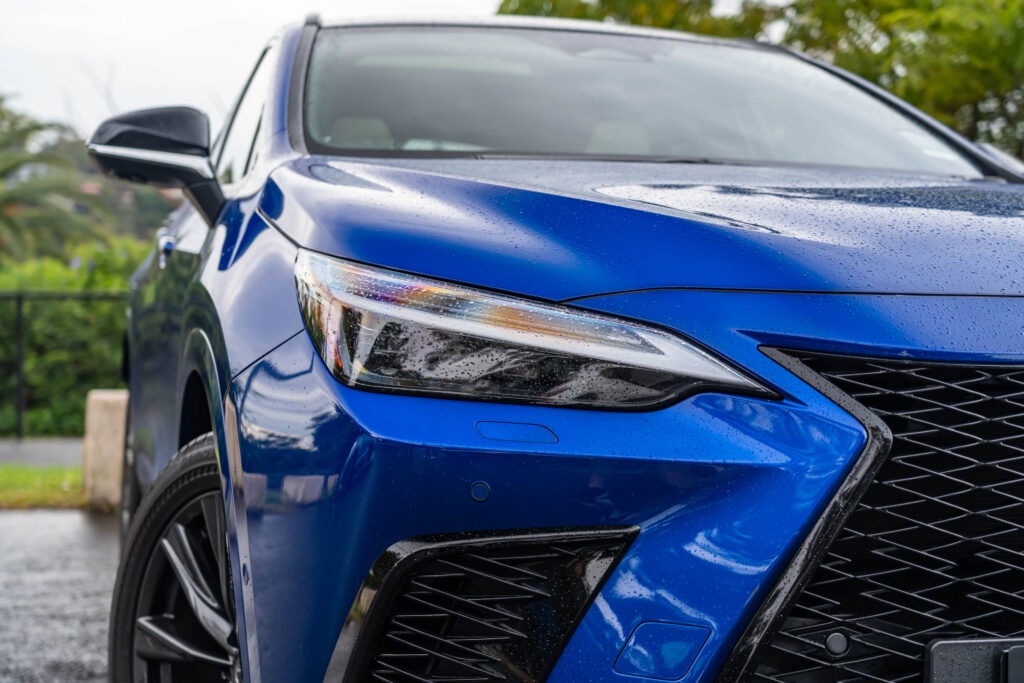
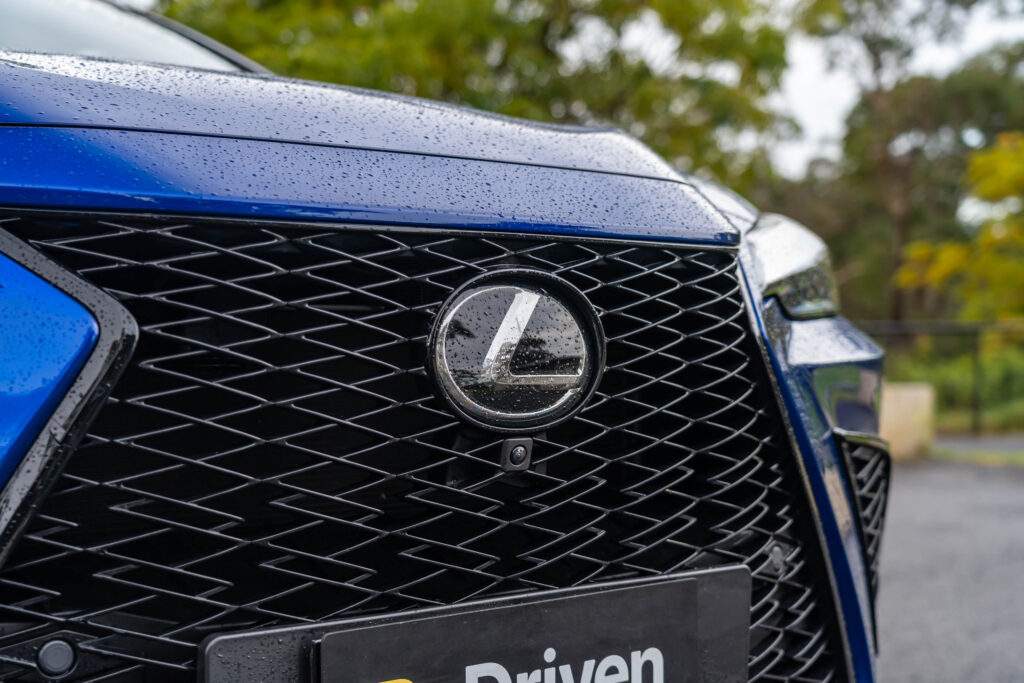
‘F-Sport’ models can have their black exterior trim scratch more easily compared to the ‘shadow chrome’ trim on other NX models, but generally, the paint resilience is some of the best we’ve heard among luxury crossovers.
In fact, the only ‘defect’ reported among the exterior was corroding lug nuts on the wheels for North America cars made for MY2022, but this was quickly resolved with a recall and under Lexus’s generous warranty, and no cases have been reported in more recent model years.
The second-gen NX features many ADAS features and driver assists, making it one of the safest models in its class.
While we’ve heard of a few complaints from owners of early models of the autonomous emergency braking, dynamic cruise control, and lane keep assist being too sensitive, the latest software updates have significantly toned them down.
Interior:
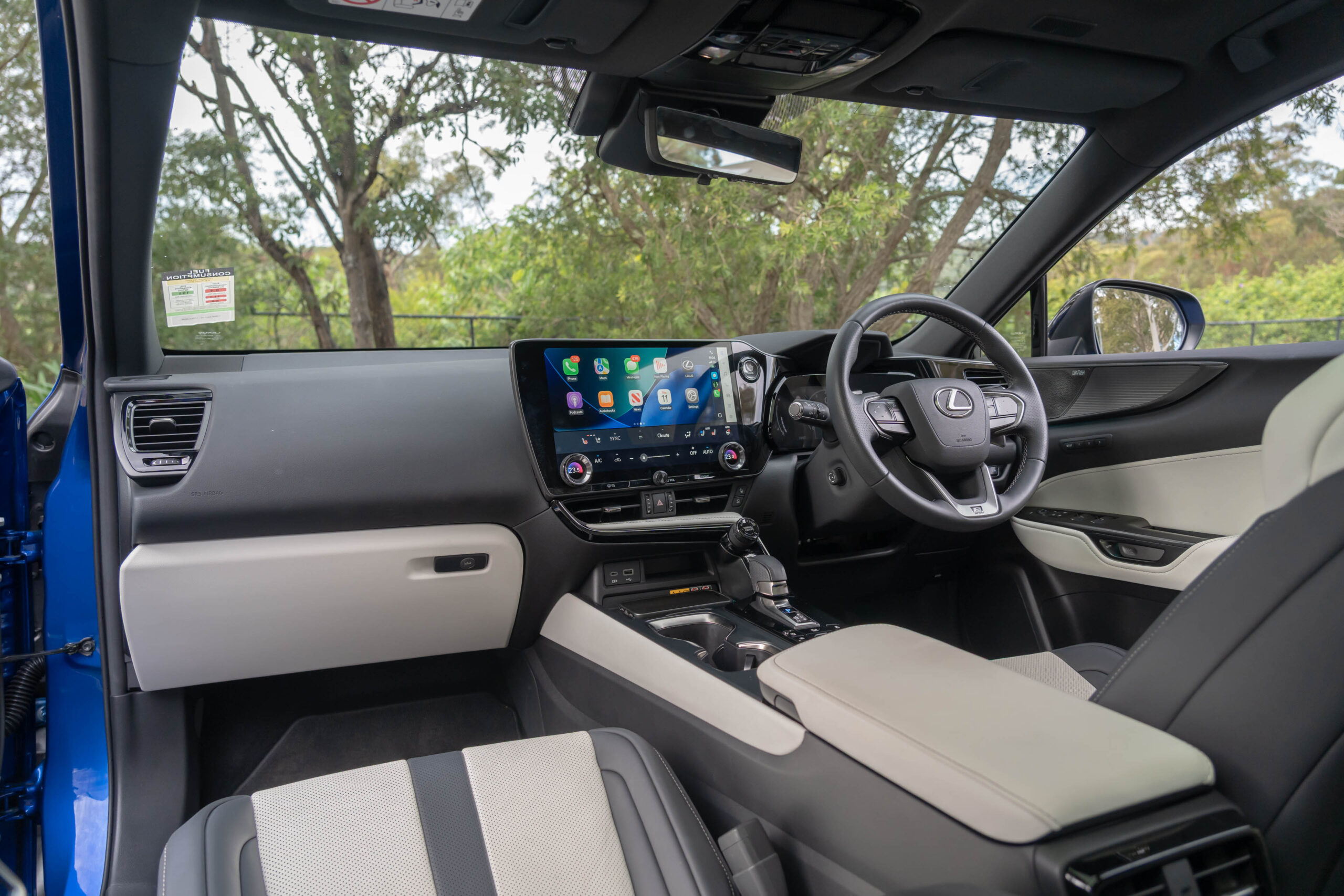
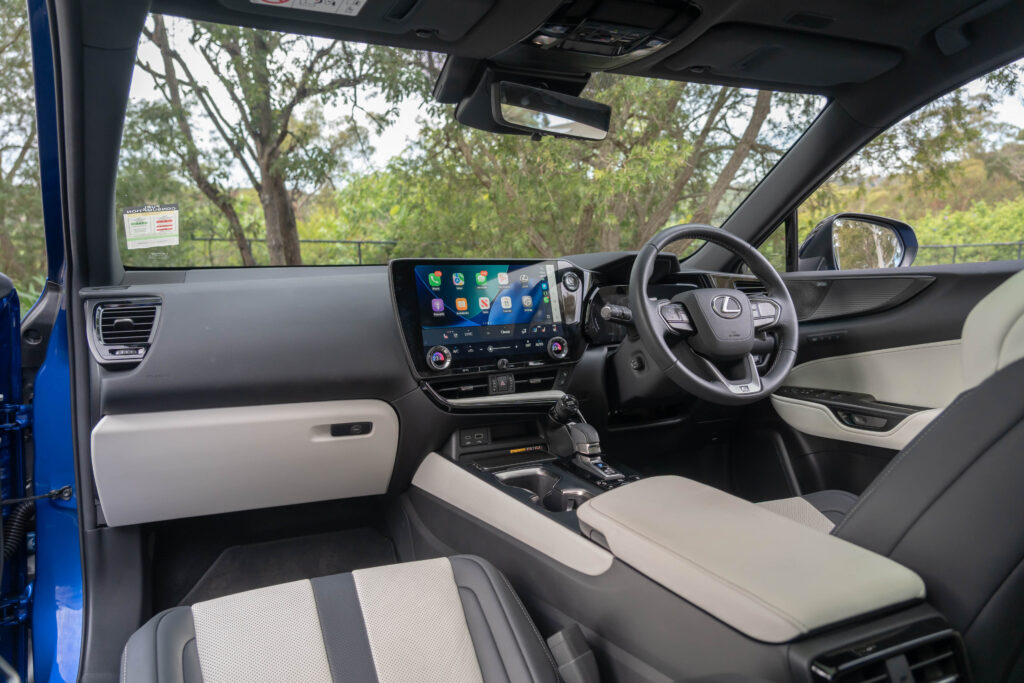
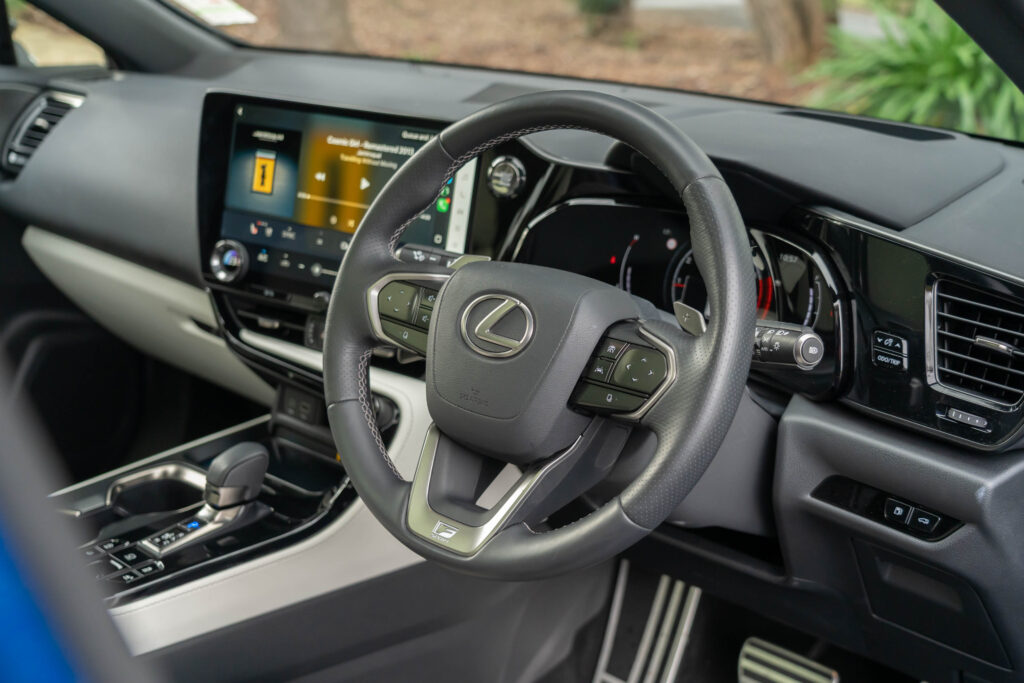
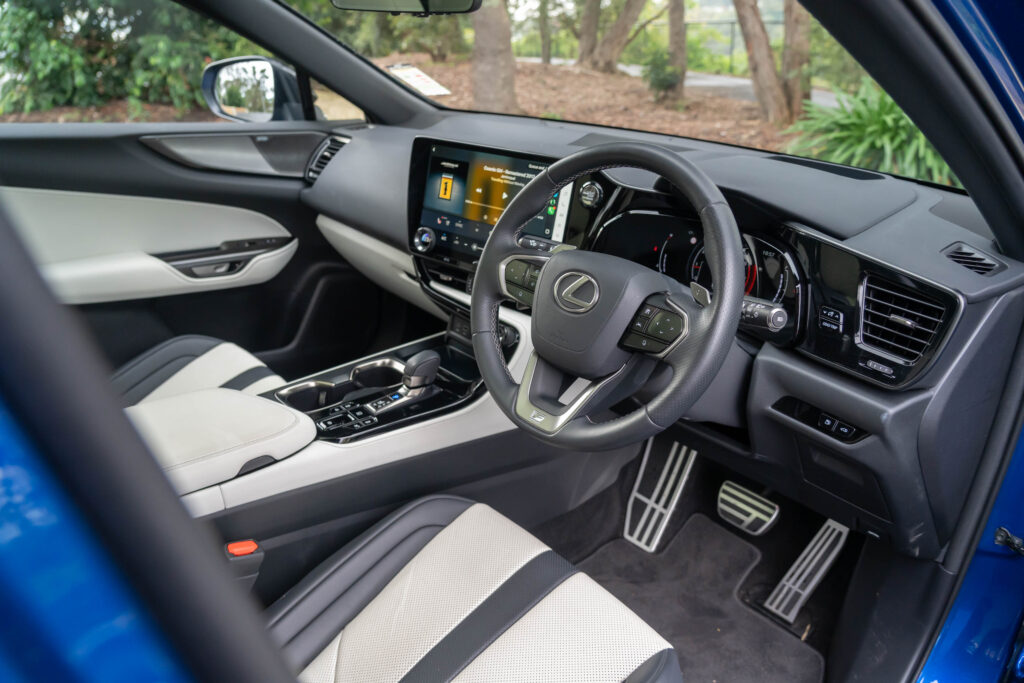
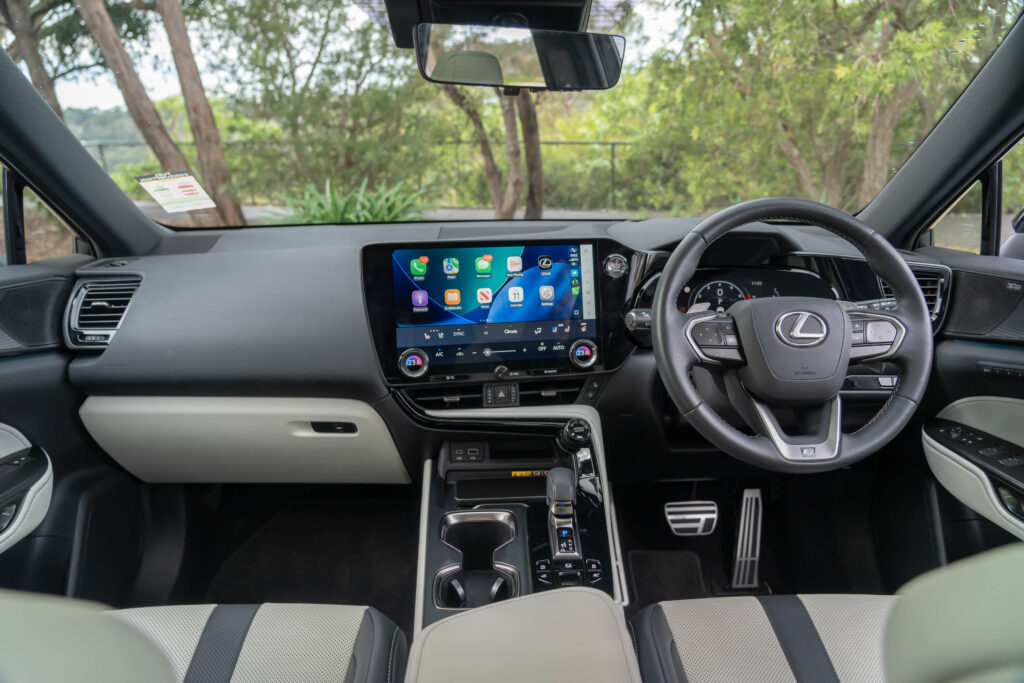
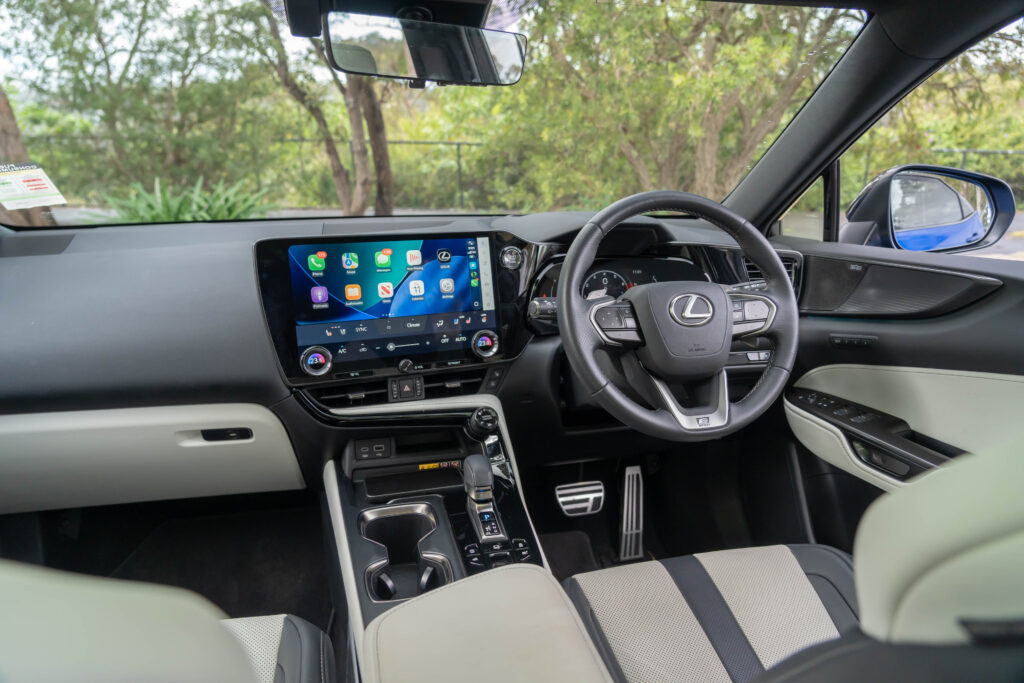
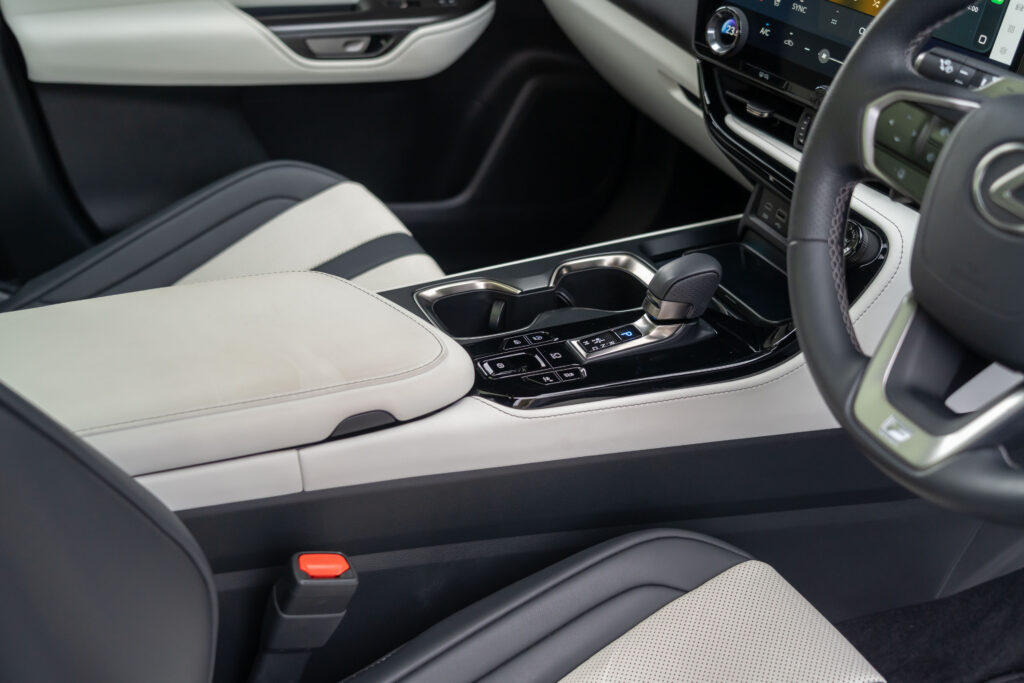
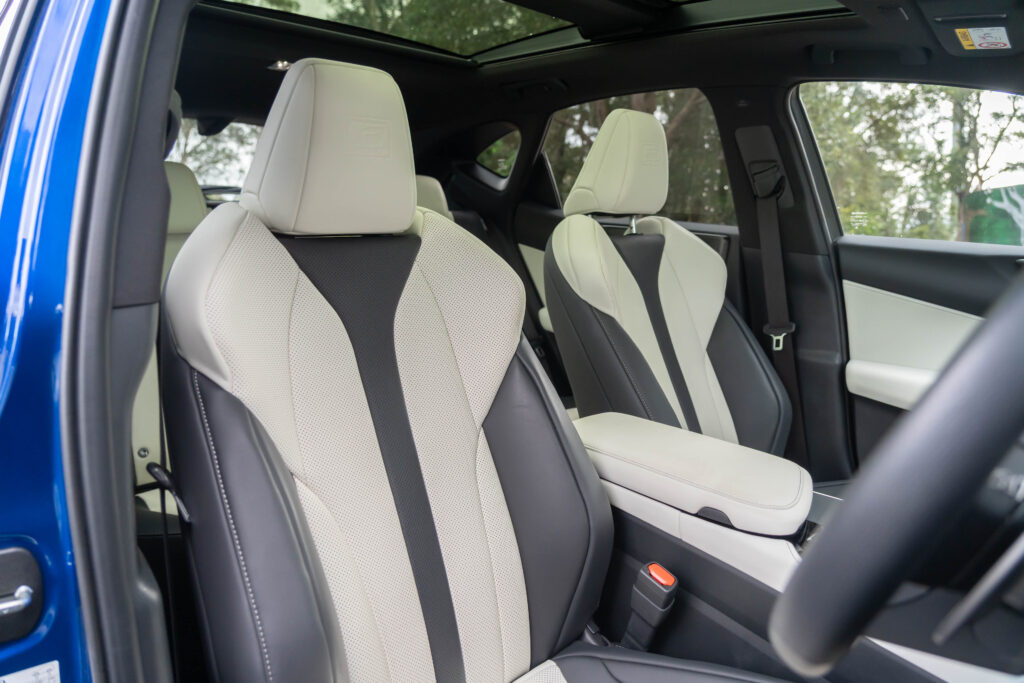
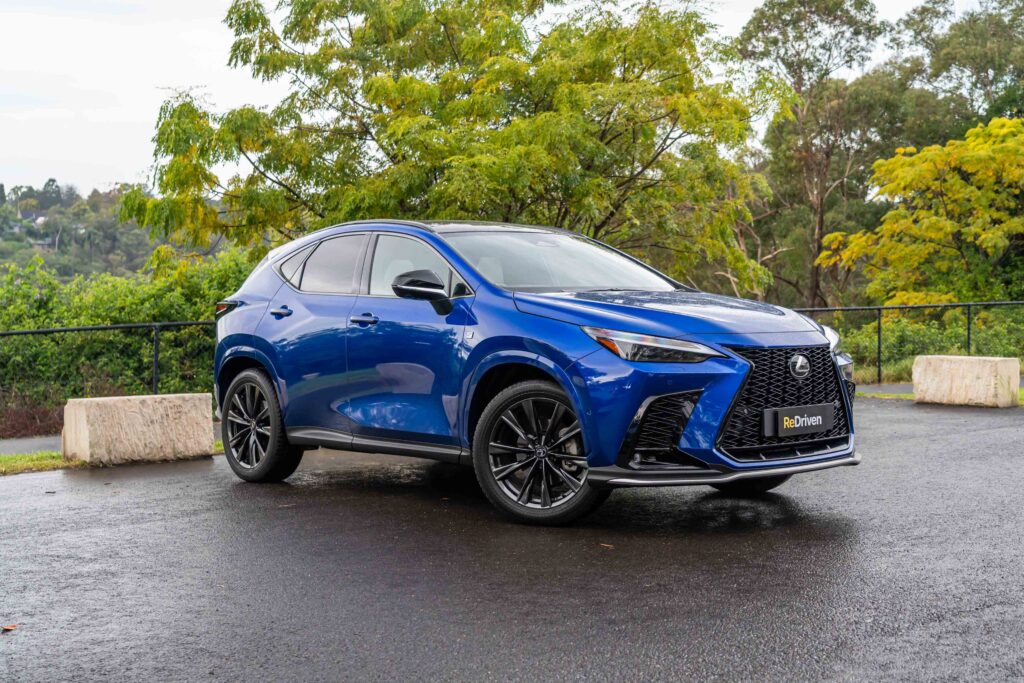
Inside the NX are typical Lexus standards of refinement and features, with these qualities best felt on the higher-end F Sport models, from the seats to the levels of equipment onboard, and they are still relatively up-to-date.
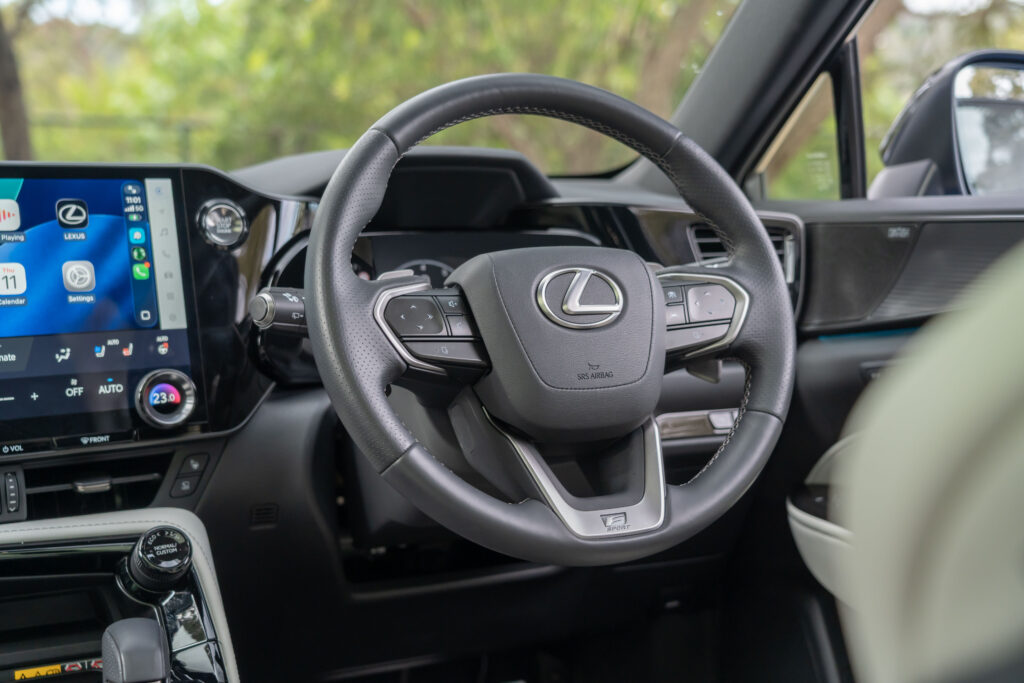
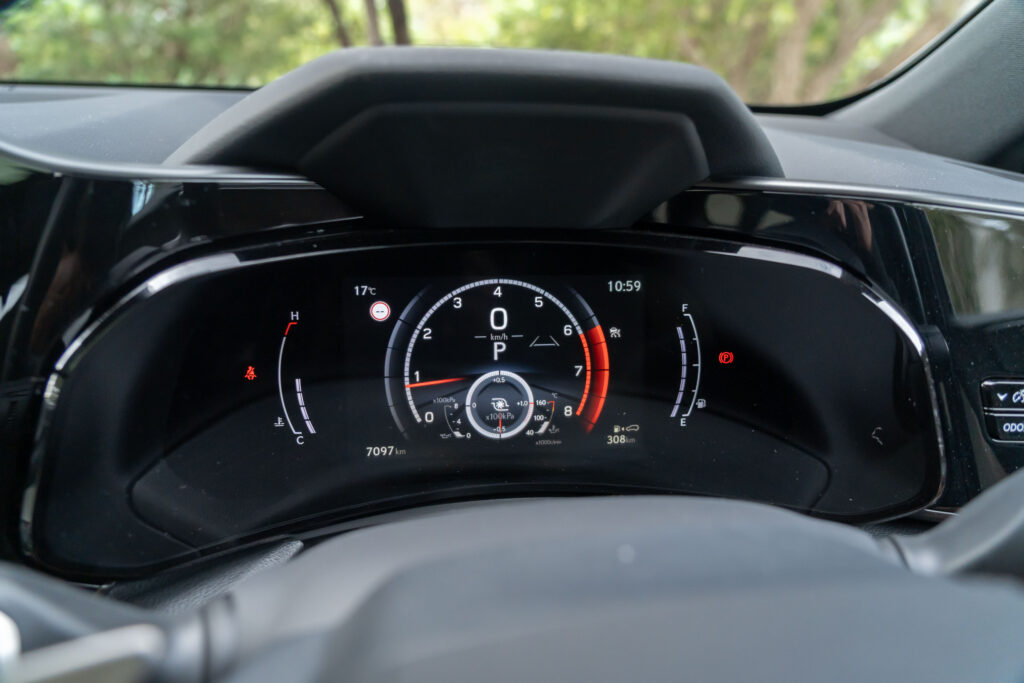
The F Sport models, in particular, benefit from trim-specific additions like a greater range of drive modes, different cabin materials/trim, and a ‘sportier’ digital instrument cluster display.
Like the exterior, the interior resilience is excellent. We’ve heard owners who have come from other brands have been surprised by how resilient these are proving to be, even after a few years and in some cases well over 100,000 kilometres; especially among examples used for Uber/premium taxi duties, with these cabins holding up well to any degree of abuse.
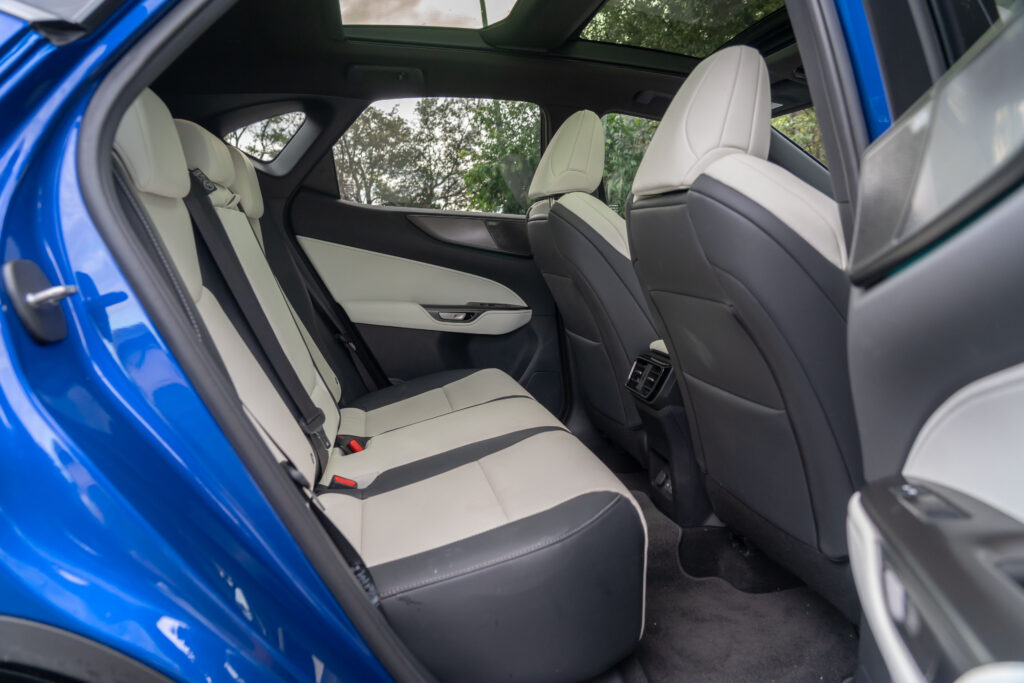
Accessing the rear seats is something many NX owners report as one of its biggest strengths – the wide rear door opening, combined with a very low door sill, makes entry/exit very easy, even for passengers with mobility issues or small children.
The only issues that may arise are occasional reports of the main 12V batteries draining prematurely. As modern cars like the NX rely on a lot of electrical power to run their features, they can put a lot of load on their central batteries.
The solution here is rather simple – keep the remote keyfob far away from the vehicle while it is parked, drive it regularly, and if it will remain stationary for extended periods, hook it up to a trickle charger.
In addition, any features with gloss black plastic trim/surfaces are known to be more easily scratched and to attract fingerprints.
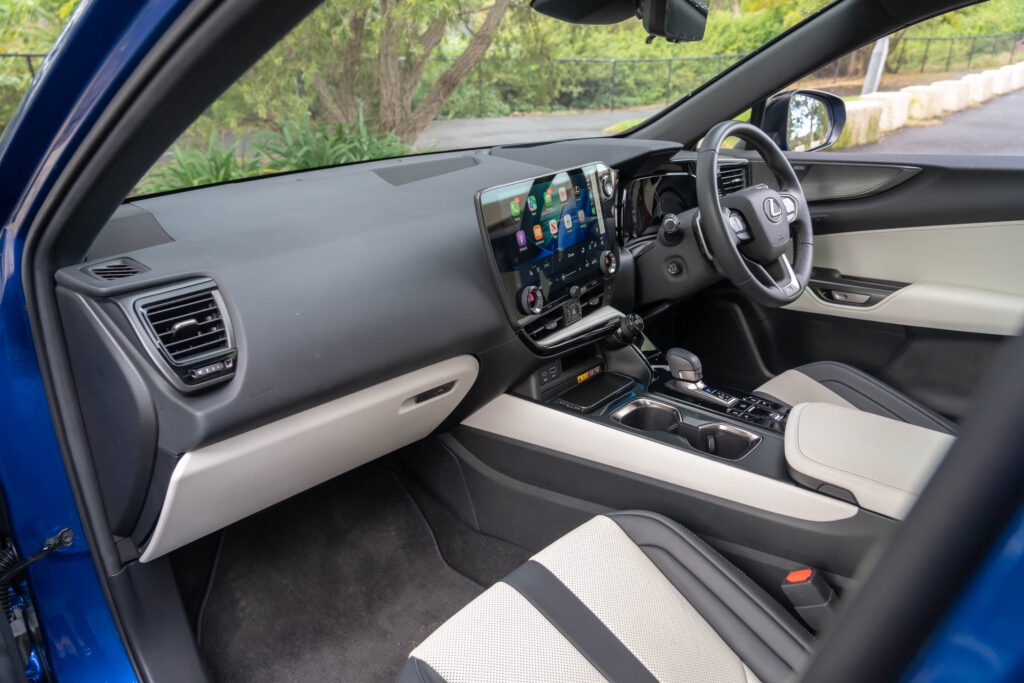
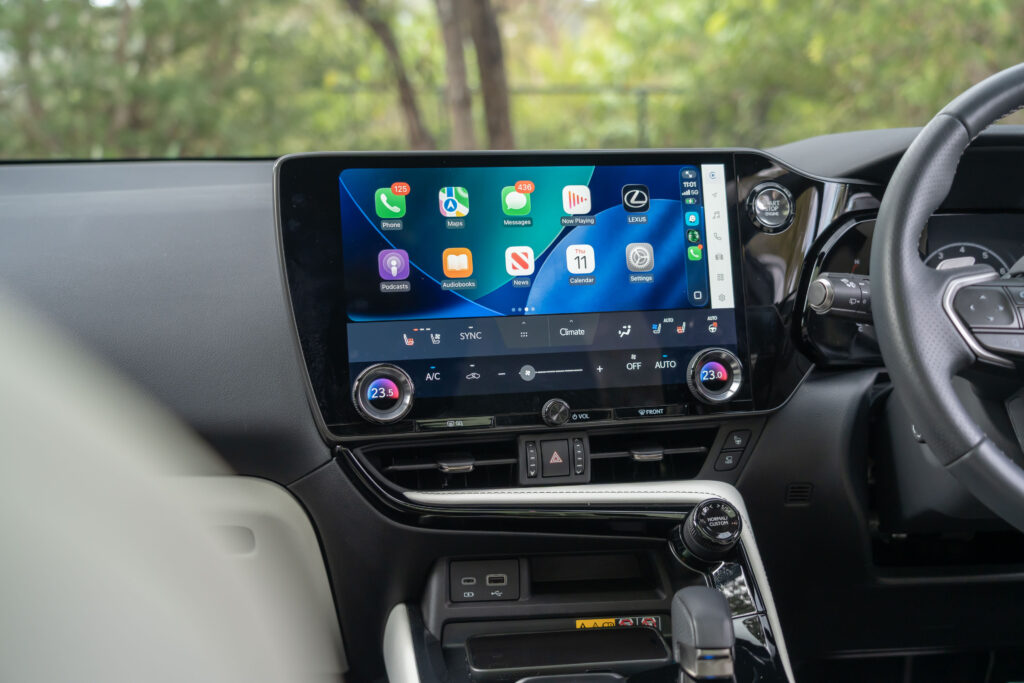
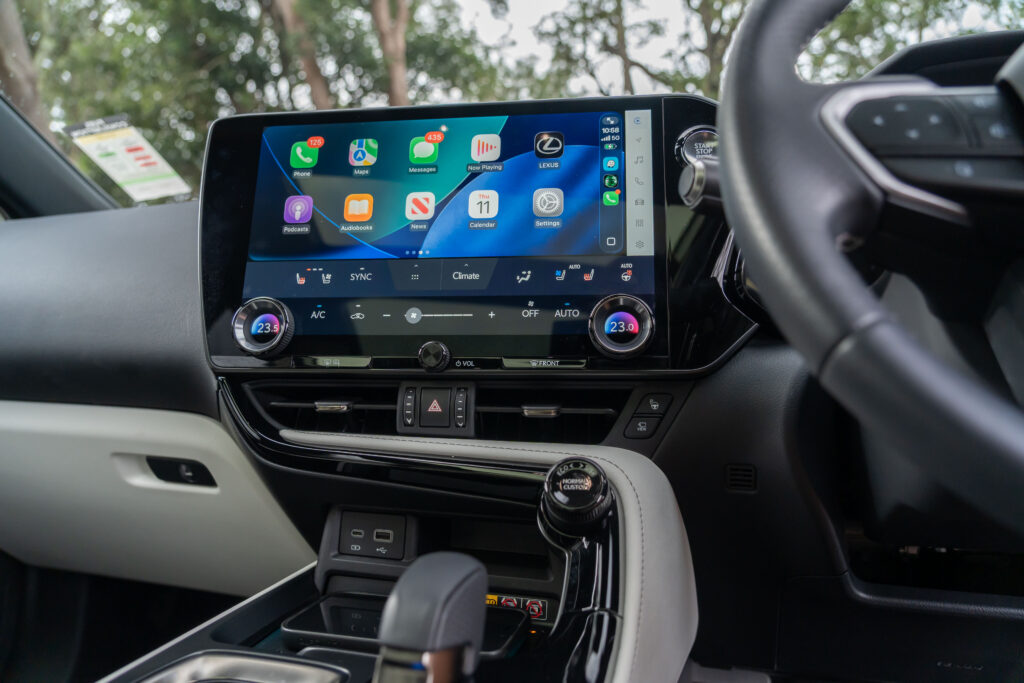
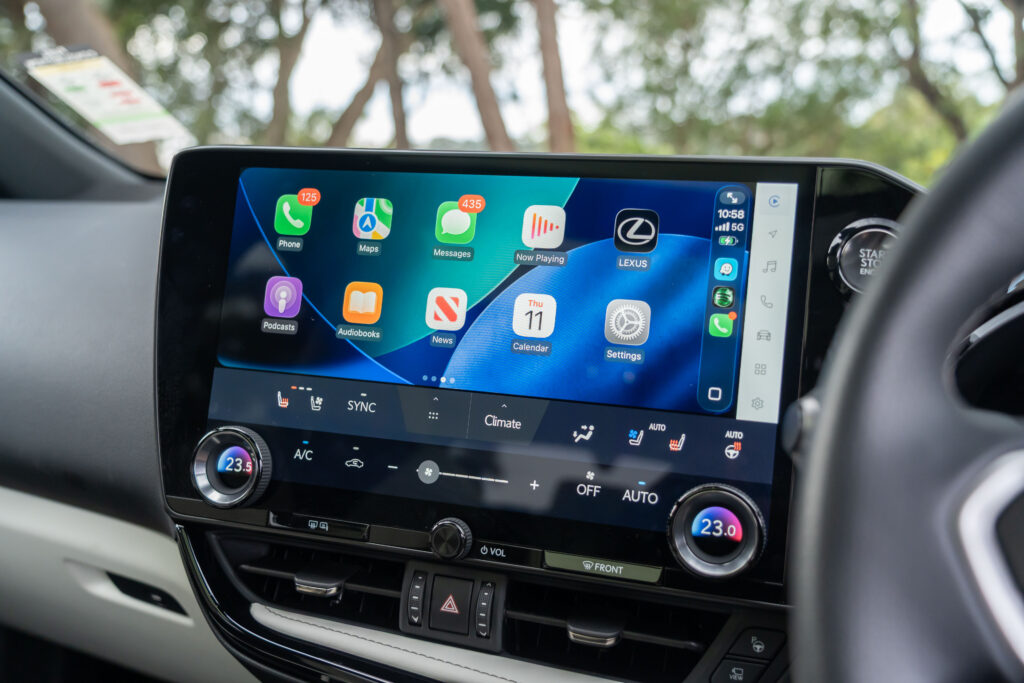
Thankfully, in this iteration of the NX, you’ll find Lexus has ditched its frequently complained-about ‘Remote Touch Interface’ trackpad for a direct touchscreen setup, allowing you to seamlessly access all functions and features through the 14.0-inch (9.8-inches on entry-level trims) screen.
Even on the entry-level models that use the smaller screen, these come fully loaded with enough features. If you can budget for the higher Sport Luxury or F-Sport trims, you’ll benefit further from the array of cameras onboard, especially the 360-degree/around-view monitor for parking (which makes up for the thick A-Pillars that can block visibility), as well as a high-quality Mark Levinson audio system.
We’ve also heard many compliment the available head-up display, which is very intuitive to use alongside the various functions it can serve.
A few owners have reported the occasional UI freeze or being slow to respond, but the over-the-air or dealer software updates are quick to resolve these issues, if any.
The wireless charging pads can also be inconsistent, or not be as quick to charge the devices if you’re also using wireless Apple CarPlay/Android Auto simultaneously.
Mechanically:
Even those who vaguely know the Lexus brand know these are some of the least problematic vehicles in the market – you just need to look at Lexus’s track record of leading customer satisfaction surveys and multiple accolades for consecutive years.
While some North American owners have reported inconsistent experiences with Lexus dealerships, this doesn’t seem to be much of an issue within Australia’s dealership network.
Lexus continually updates their models each model year, unlike other brands that roll out midlife refreshes after a series of years, meaning you’ll find improvements, even in the smallest details, in each year the NX has been in production. On top of this, Lexus offers very generous warranty coverage on models like the NX.
However, it’s worth highlighting that this generation of the Lexus NX, like other high-end Toyota/Lexus models, has a known security flaw that car thieves have been exploiting, aka the CAN (Controller Area Network) bus injection exploit.
This can allow the vehicle’s security system to be bypassed by hacking into the ECU, leaving you with an empty driveway. Lexus/Toyota are working on solutions to patch this, beyond a complimentary physical steering lock to deter thieves.
But with this in mind, it would be worthwhile to invest in a higher grade of car security beyond the factory immobiliser – such as an OBD port guard, power kill switch, or aftermarket digital immobiliser with remote tracking – it never hurts to be safe rather than go through remorse.
Engines:
2.5L naturally-aspirated four-cylinder (A25A-FKS, NX250)
This is featured in various Lexus/Toyota products and is still proving to be quite reliable.
Issues like coolant bypass valve failure and water pump issues are heard of, but not too common to be considered serious.
Occasionally, these report valve cover and timing cover oil leaks, but these are also relatively isolated cases.
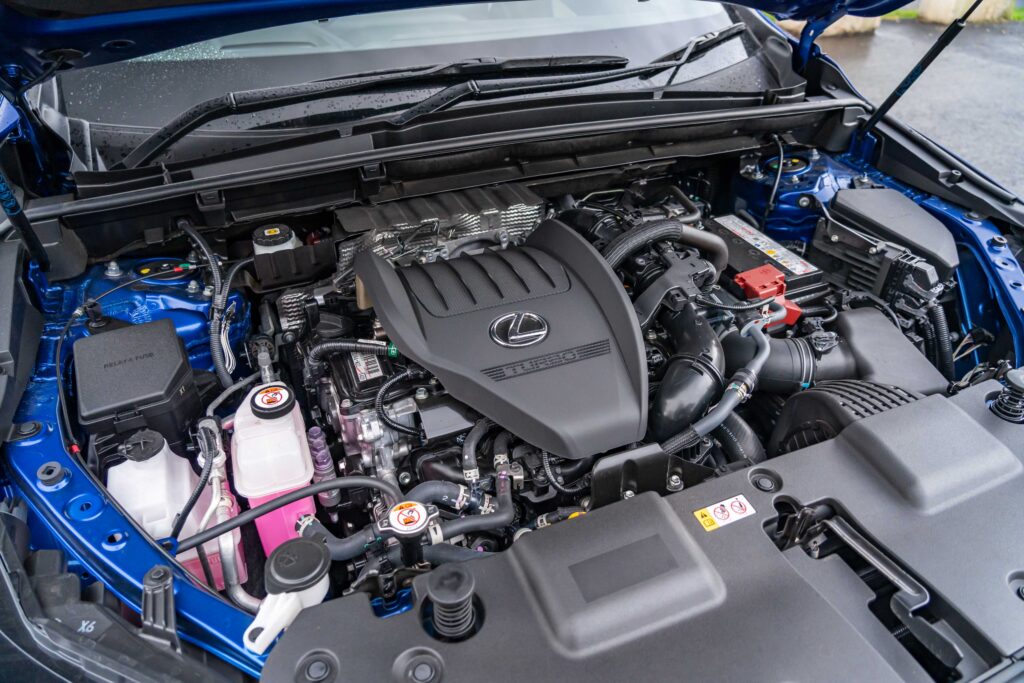
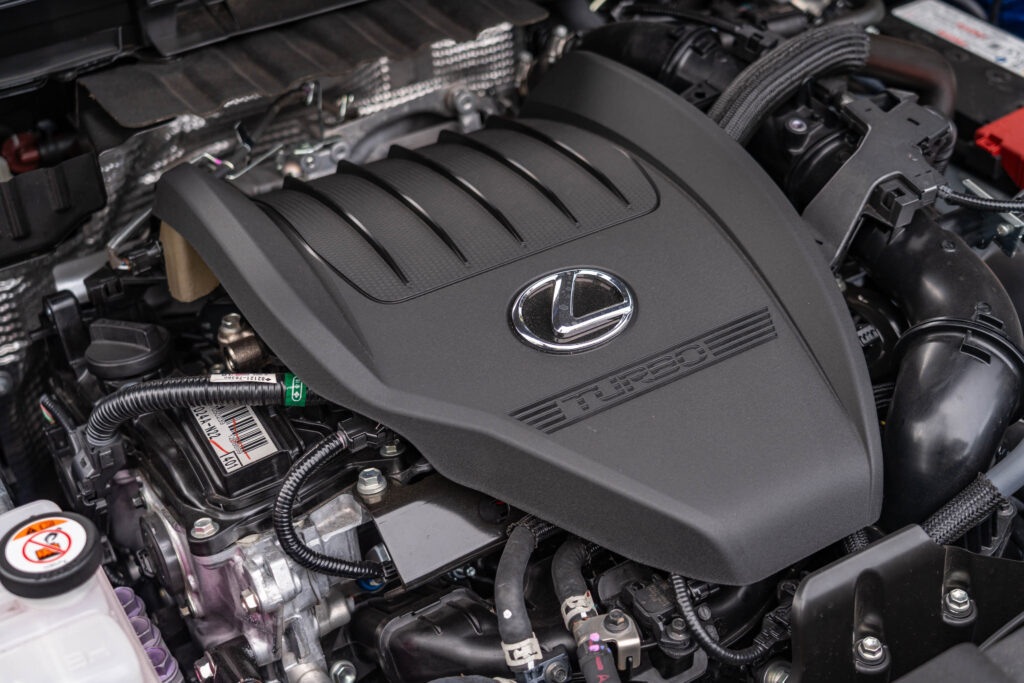
2.4L turbocharged four-cylinder (T24A-FTS, NX350)
These are also featured in other Lexus/Toyota products, and report no serious issues with this engine, minus a few isolated cases of high-pressure fuel pump failure, EGR complications, and water pump failures.
The coolant bypass valves are also known to go out, but this is common across all modern Lexus vehicles, and they don’t happen at a rate that we’d consider serious.
When it comes to these petrol engines, it’s recommended to service them every 10,000 kilometres (versus 15,000 kilometres) to make them last as long as possible.
Petrol Hybrid (A25A-FXS/A25B-FXS, NX350h/NX450h)
The 2.5L four-cylinder hybrid is one of the latest hybrid powertrains found in Toyota/Lexus products, and they are very reliable. The standard hybrid models, from their drivetrains to the hybrid batteries, are still proving to be solid, with no serious issues to report.
Just remember to perform regular cleansing of the cooling fan vents (filters). Any debris that collects and stops the fan from functioning normally will lead to overheating issues or issues affecting the entire hybrid system.
The plug-in hybrid variant (NX450h) can experience some issues with its ‘DC to DC’ converter, which was subjected to a recall by Lexus that replaces this component (under warranty).
The 12V battery drain issue is also a frequent complaint among plug-in hybrids, with the cause being attributed to the fact that, as a ‘digitally-connected’ vehicle, it stays ‘online’ to receive over-the-air updates when stationary until the battery fully drains.
The petrol hybrid can prove to be more fuel efficient than the non-hybrid engines – owners report fuel consumption being 5.5-6.0L per 100 kms, and the plug-in hybrids are far more efficient (1.9L-8L/100 kms), but their efficiency will depend on charging frequency and driving style.
Transmission:
Non-hybrid models use the ‘Direct Shift’ eight-speed torque converter automatic transmission, and being still a fairly new unit, there aren’t too many issues reported among these.
The hybrid models are paired to an eCVT (Continuously Variable Transmission) and are also very reliable, as observed in other Toyota/Lexus applications. But no matter what type of transmission these use, regular servicing and care are key to guarantee maximum longevity.
Should you buy a used Lexus NX?
Prices for the second-gen Lexus NX range from $35,000 to up to $109,000, with the cheapest primarily being pre-update, petrol-only models, while the top-tier price ranges are where you’ll find most of the NX hybrid and plug-in hybrid models.
While European rivals like the BMW X3 or Mercedes-Benz GLC can generally lose 30 to 40% of their new value over 3 years, an Audi Q5 is closer to 35 to 45%, and Volvo and Range Rover models can depreciate up to 50%; when reviewing price trends for the NX, it’s generally under 20%, or even under 10% for the more in demand hybrid models.
Adding to its selling points, the Lexus is generally priced lower than many European rivals, and comes with far more standard levels of equipment/features when you compare their trim specs.
Also, many of the NX’s European rivals, even those just starting to enter the used market, are susceptible to a greater range of build quality/mechanical issues, or will require a considerable investment to upkeep in the long run.
But with the second-gen Lexus RX, like other Lexus models we’ve covered, you will be hard-pressed to find any serious faults or issues with it; even if you delve deep into owner groups/forums, reliability reports, and customer surveys, you will hardly find any negatives about them.
In fact, the hybrid and plug-in hybrid RXs are proving to be very resilient against any degree of depreciation within this or any segment. That is a big advantage if you already own one, but if you’re looking to buy one used, for the time being, it may make more financial sense to target a non-hybrid model.
Depending on your market, hybrid NXs currently ask a major premium (~$5-20,000) over non-hybrid equivalents, and combined with how you drive, you may save more long-term in ownership costs with a non-hybrid NX (alongside fuel costs).
Research what your typical usage will look like, how your driving style reflects average fuel consumption, and when you plan to eventually sell it; as a non-hybrid NX (around ~$35-85,000) may be a smarter financial decision compared to paying over $50-100,000 for a hybrid NX.
Plus, while the hybrids are superior when it comes to retaining value, this gap in depreciation between them and non-hybrids will reduce as these cars age further.
If you’re in the market for a used SUV in this segment, you would really have to try hard not to have an NX among the candidates on your shortlist. (In fact, the only reason you wouldn’t buy one is that the previous generation NX can prove to be just good, only cheaper.)


Co-creator, presenter & writer, ReDriven

Yes. 100%.
 2 weeks ago
2 weeks ago
2 weeks ago
 3 weeks ago