Australia’s No. 1 Used Car Review Website
Australia’s No. 1 Used Car Review Website
+18 Photos
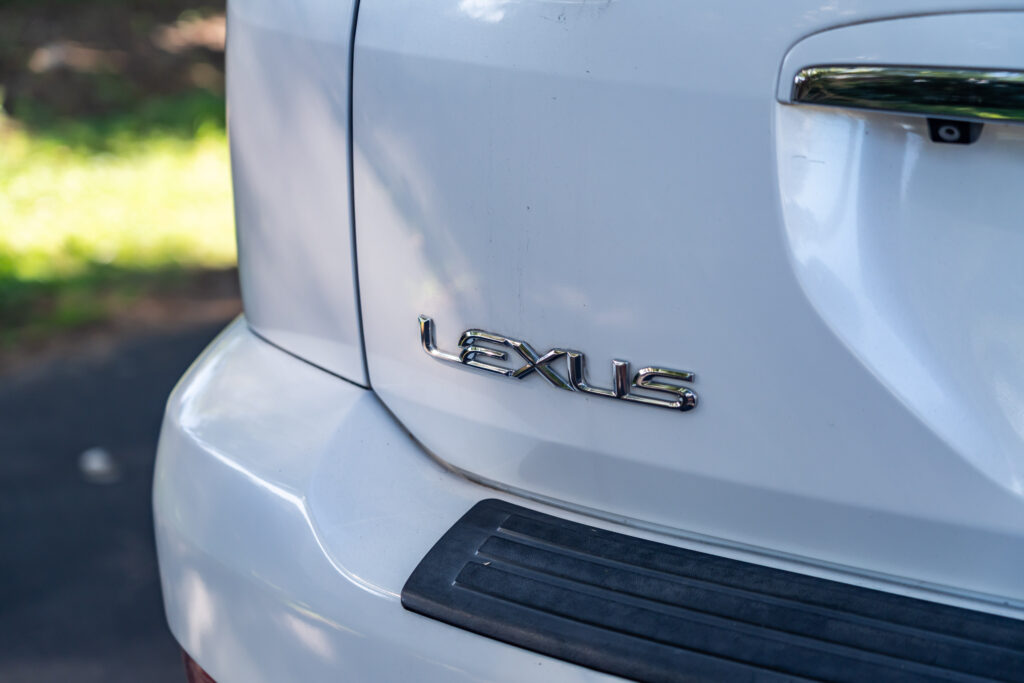
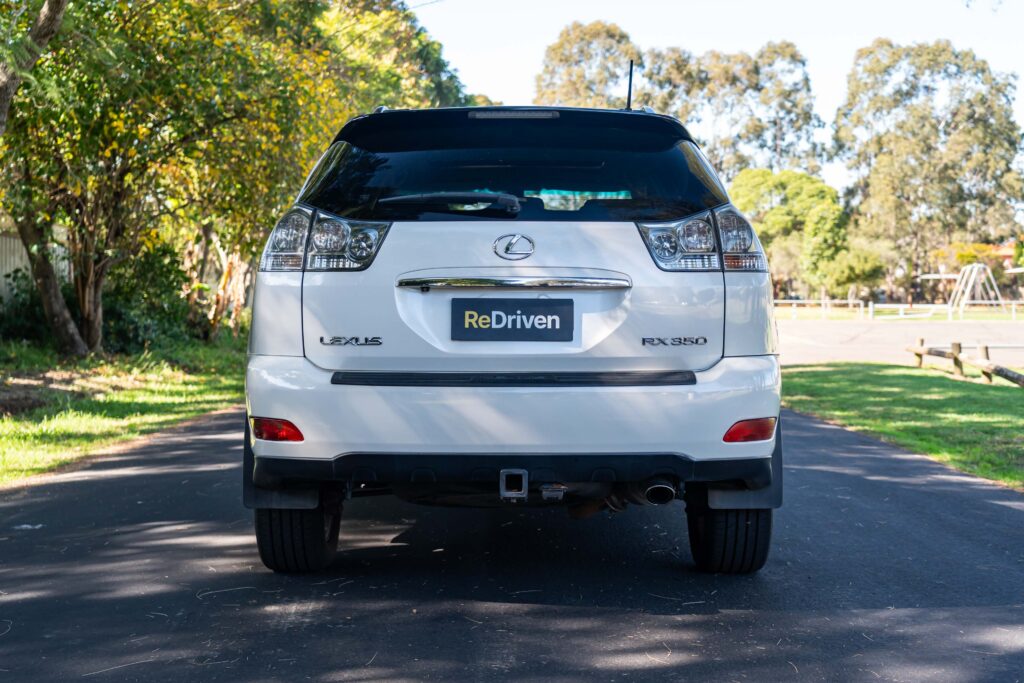

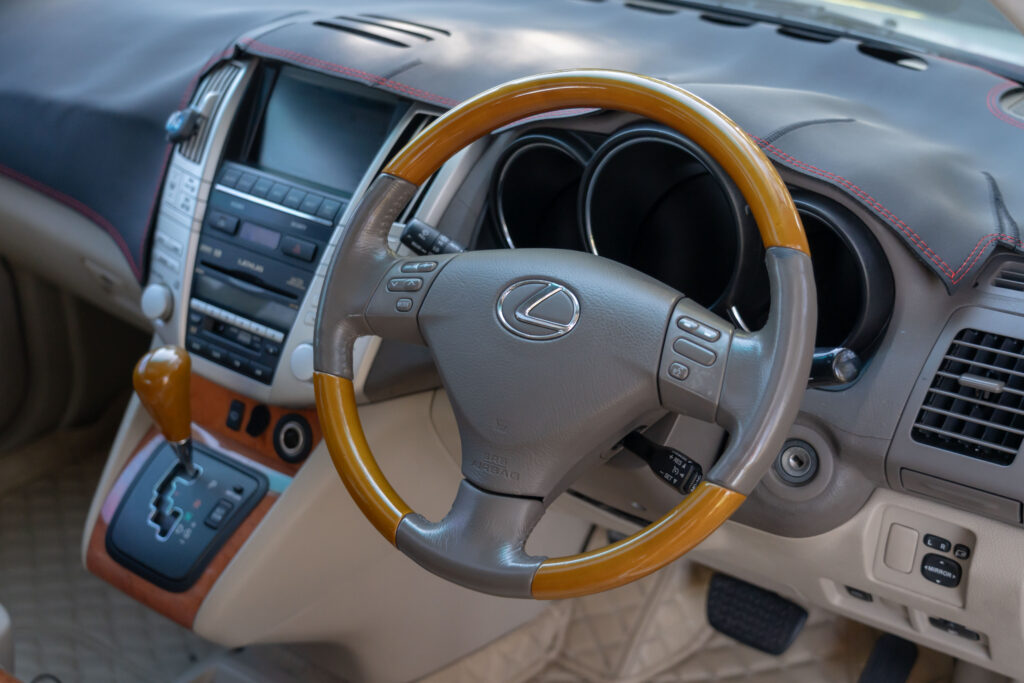
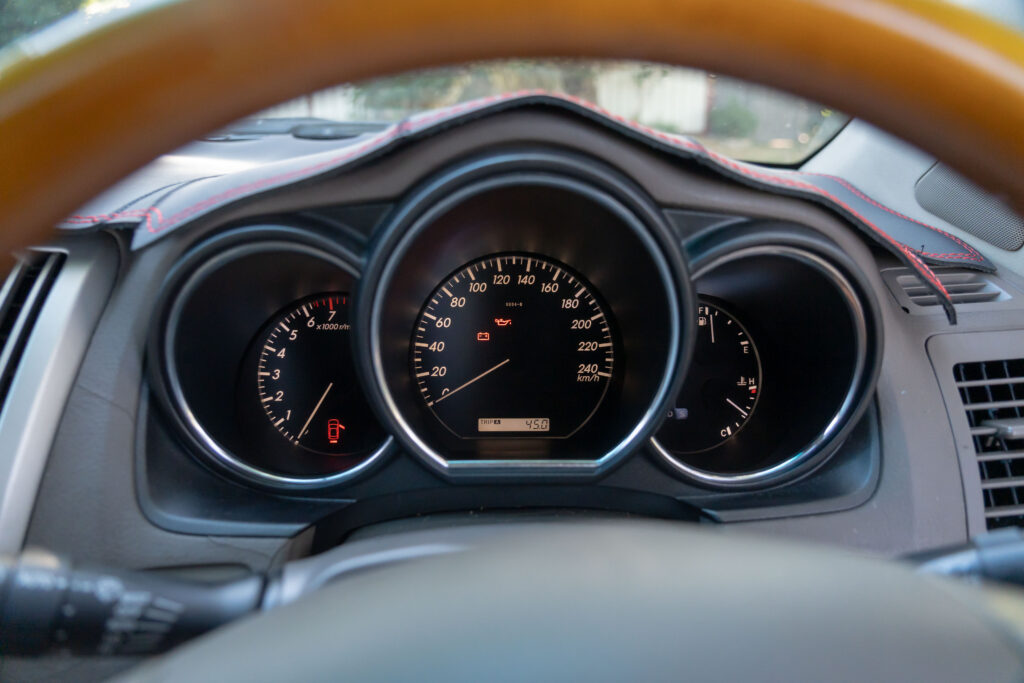

2006 Lexus RX 350 Sports Luxury

20 June 2026
Yes. But only the right example.

2006 Lexus RX 350 Sports Luxury

Used car review
20 June 2026
The second-generation Lexus RX (XU30), also known as the Toyota Harrier in its native Japanese market, was produced from 2004 to 2009.
Succeeding the first-gen Lexus RX/Toyota Harrier, the XU30-gen brought a sleeker body style than its predecessor, and Lexus claimed the XU30 had a far more aerodynamic body (for a crossover SUV), claiming a drag coefficient of 0.35.
It also utilised the Toyota K platform, shared with other models like the second-gen Lexus ES and Toyota Highlander/Kluger.
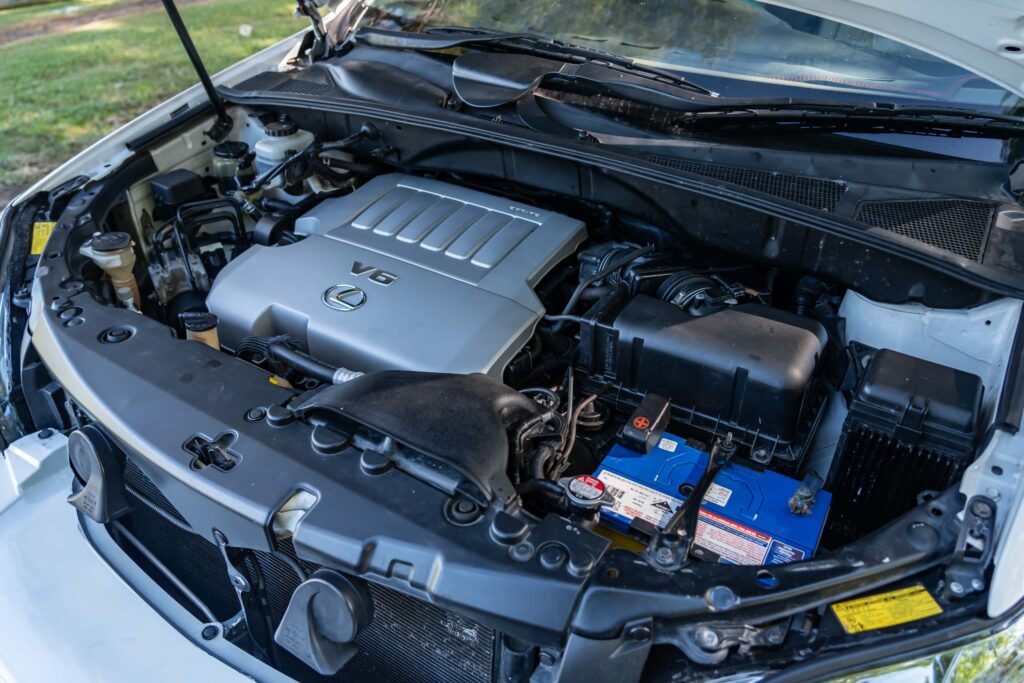
For Australia, we initially received the XU30-gen RX with a 3.3L naturally aspirated V6 (RX330, 2003-2005), before a post-update from 2006 onwards introduced a more powerful and efficient 3.5L V6 (RX350, 2006-2008), as well as a 3.3L V6 hybrid option (RX400h).
Though in other markets, a 2.4L four-cylinder and 3.0L naturally-aspirated V6 were also made available.
Minus the hybrid that was paired to a CVT automatic, the standard transmission option for both V6s was a five-speed automatic. All-wheel drive was standard across the entire lineup.
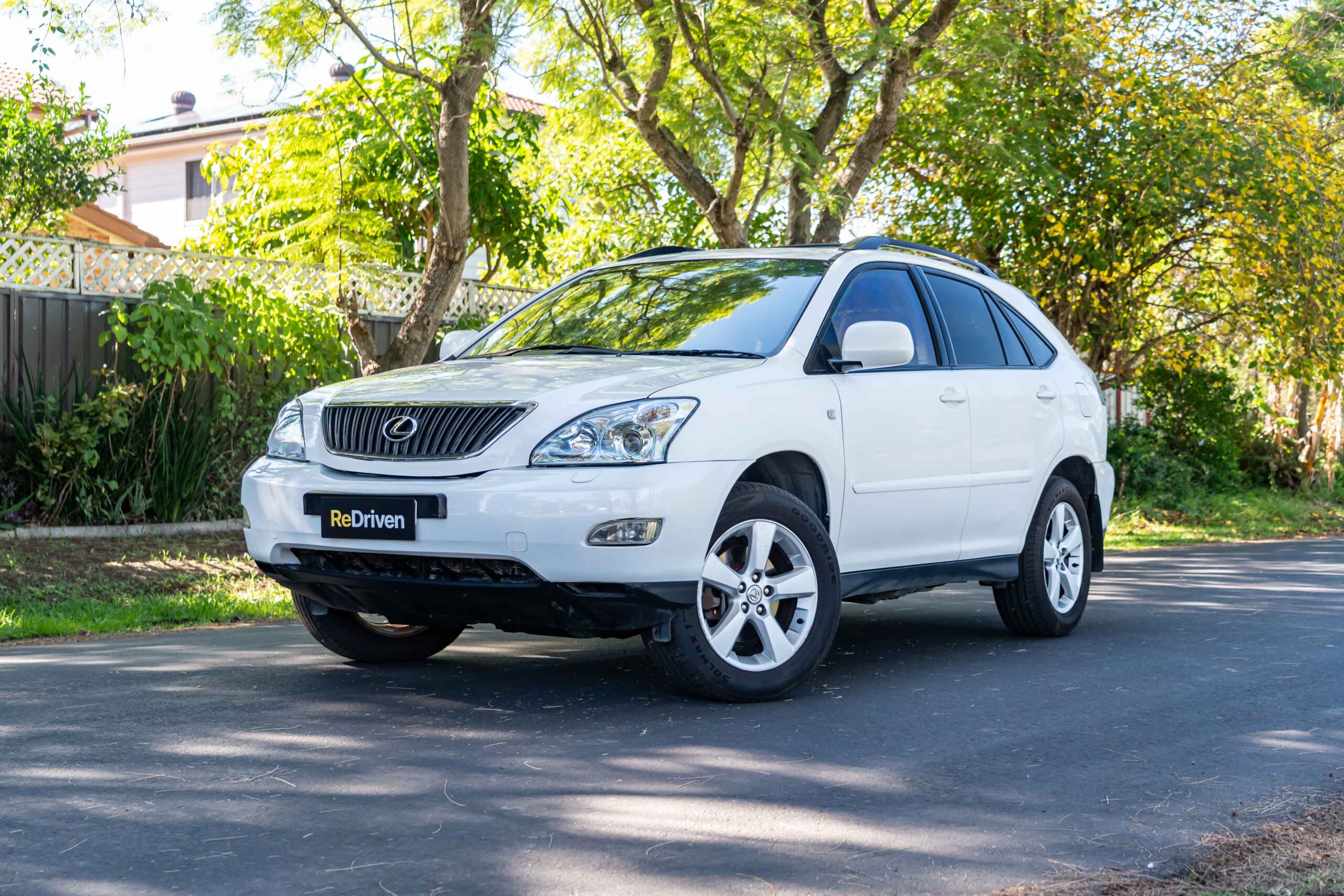
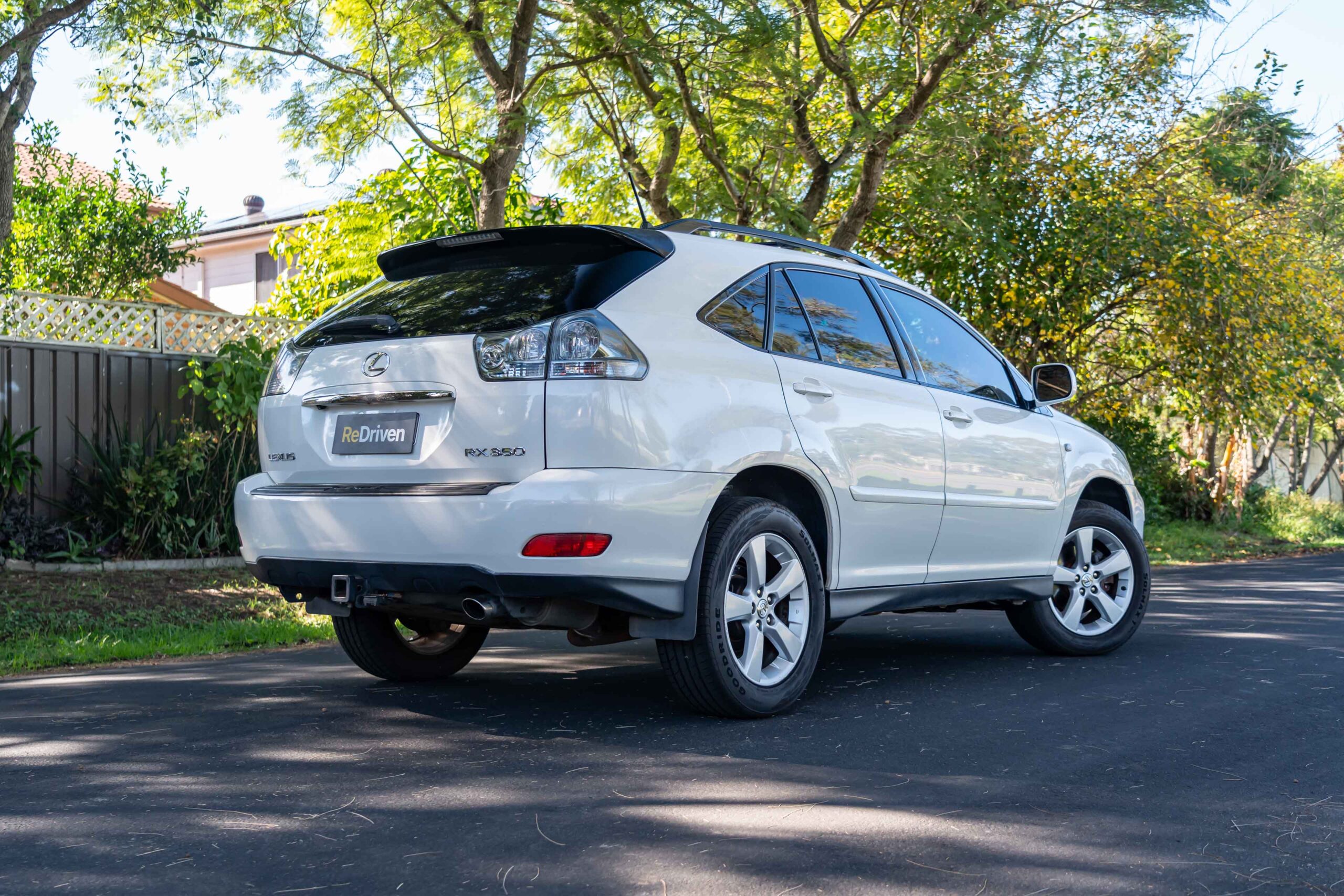
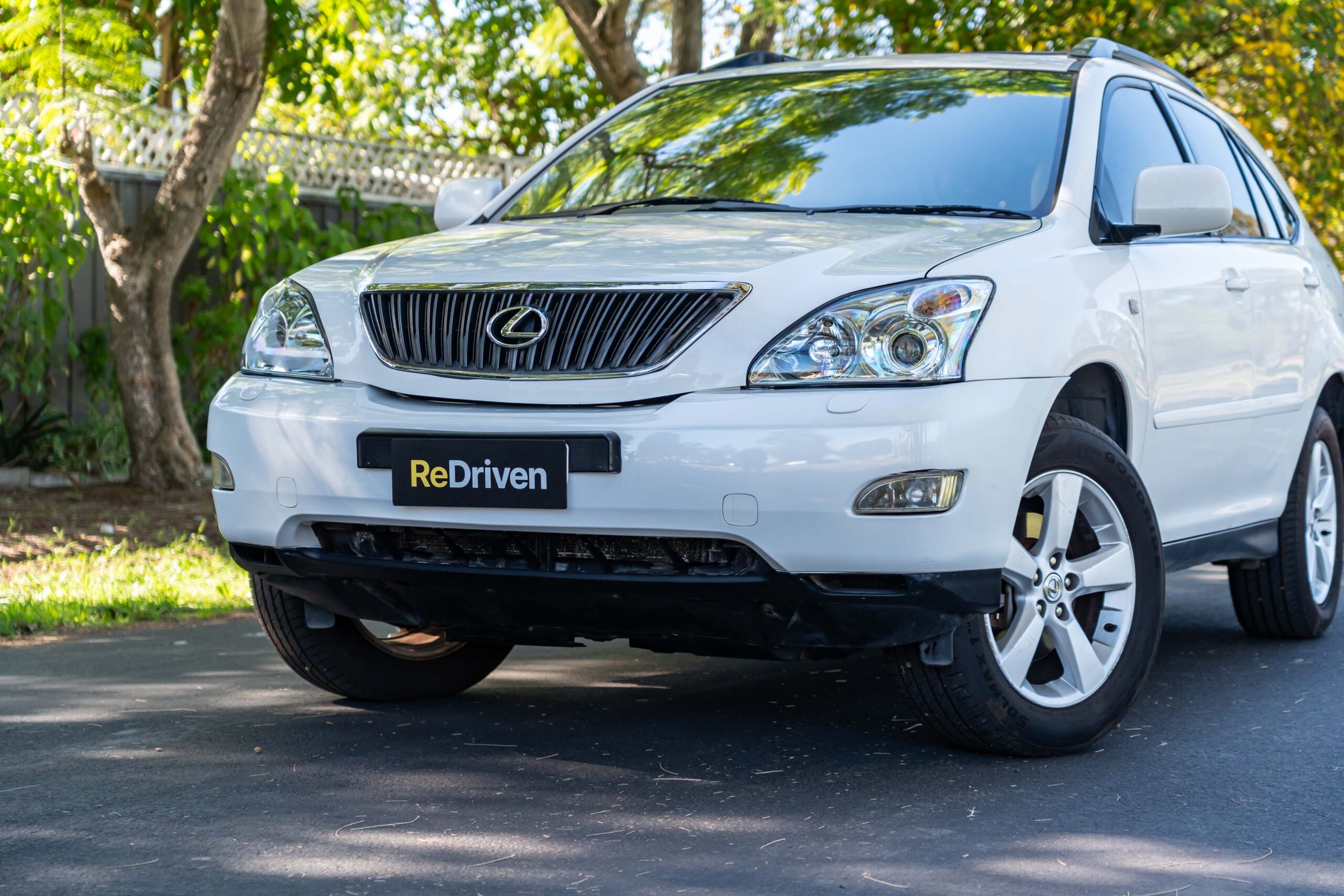
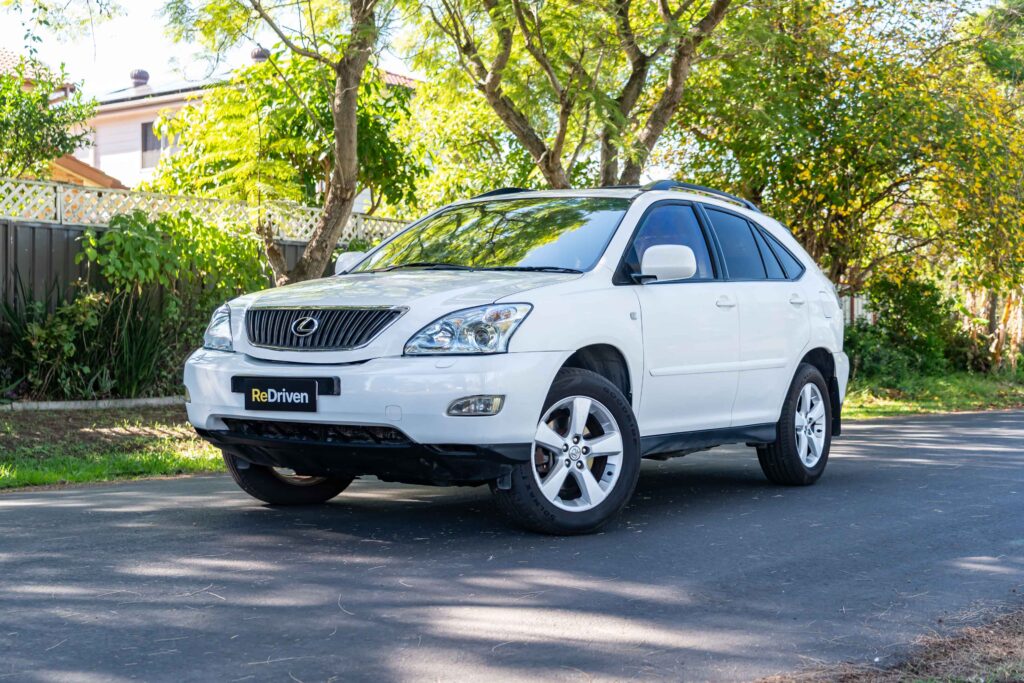
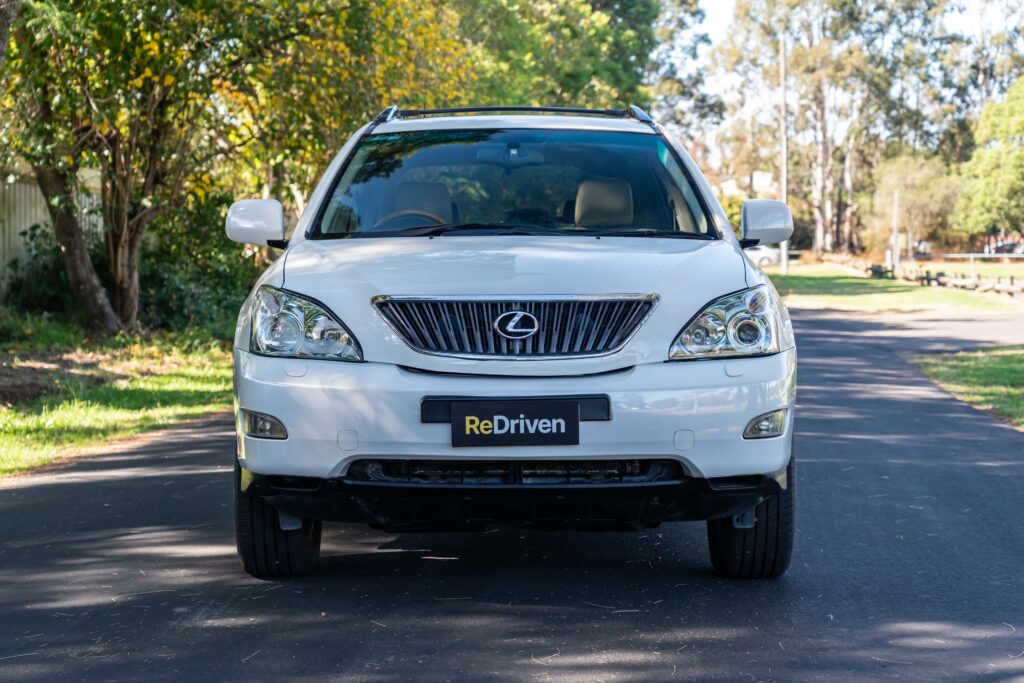
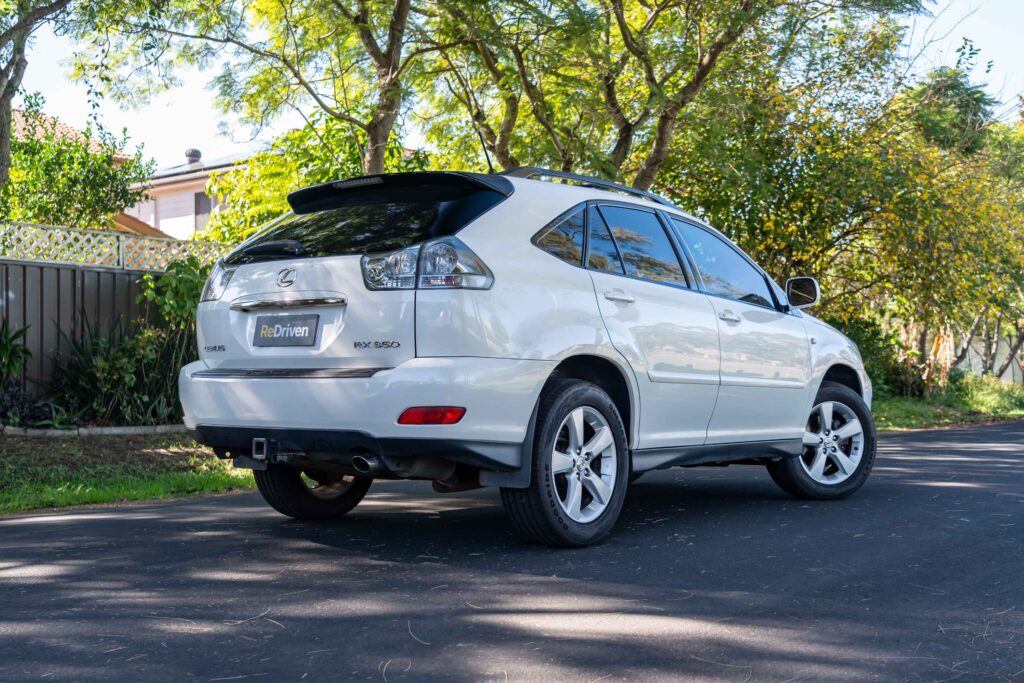
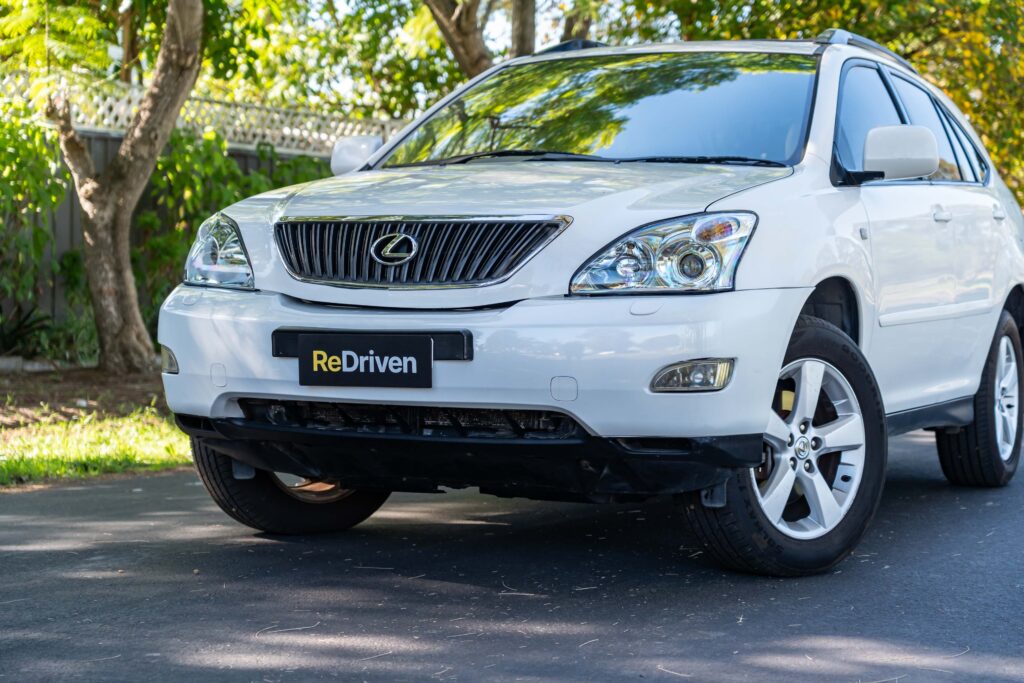
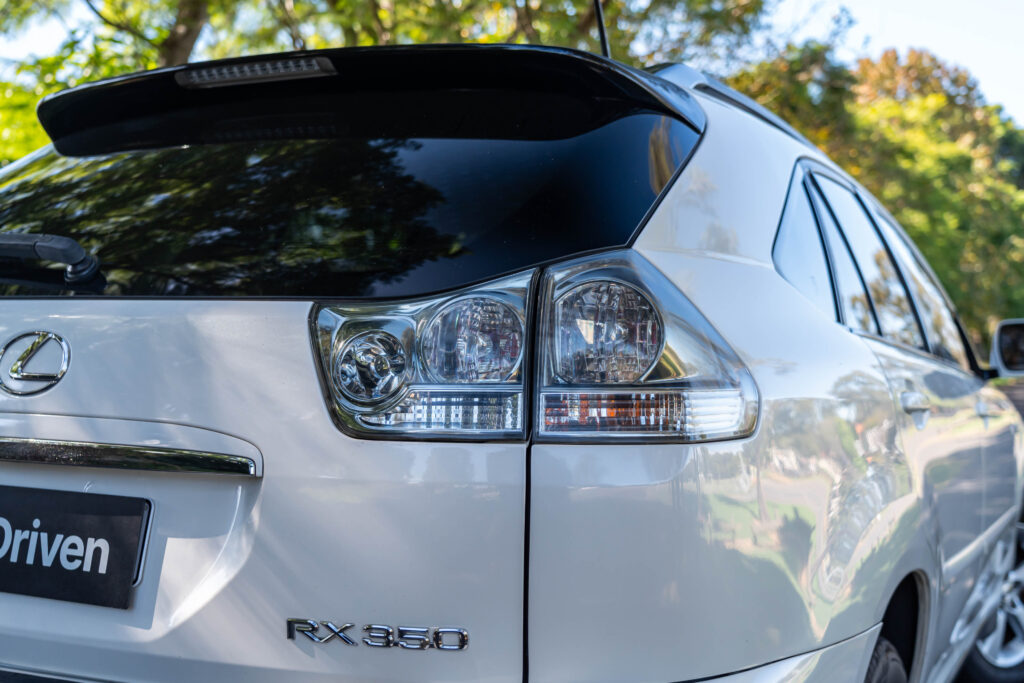
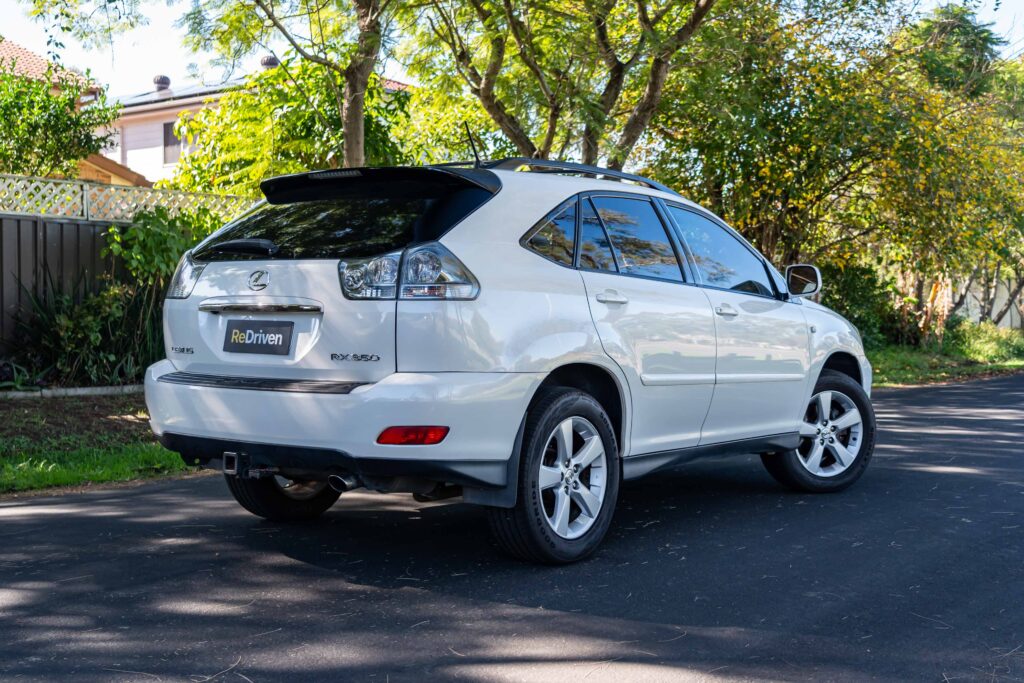
The exterior styling also received a minor refresh as part of the post-MY2006 update, largely consisting of revisions to the exterior lighting and alloy wheel designs.
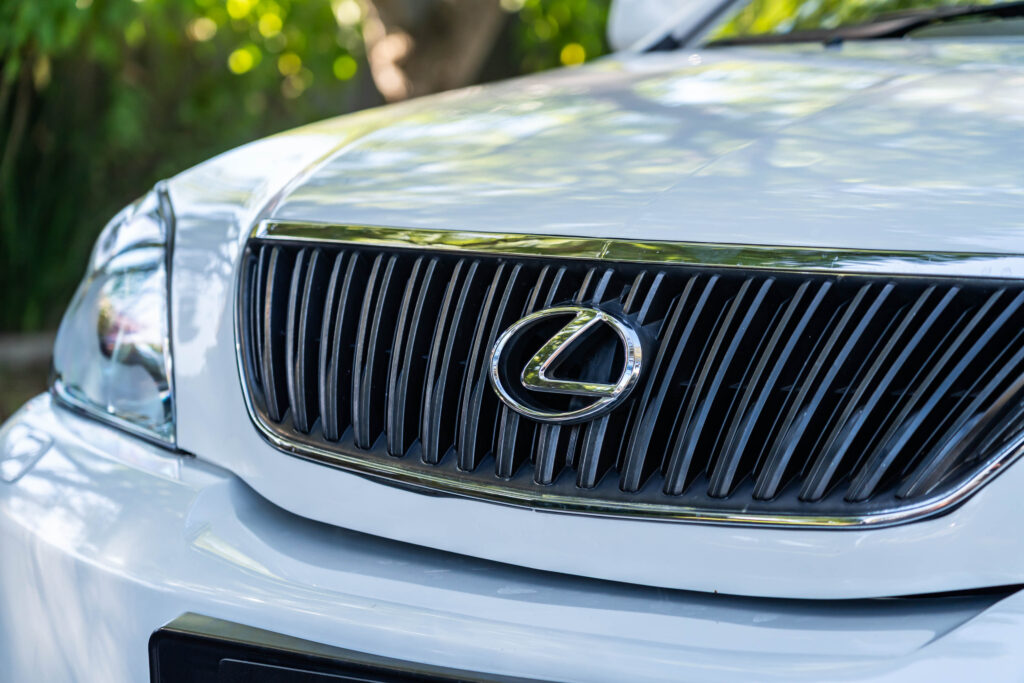
The RX400h is notably more distinct than its petrol counterparts, featuring its unique chrome front grille/bumper and wheel designs and ‘clear’ rear taillights.
At its time, the second-gen Lexus RX was positioned against other premium luxury SUVs, including the Porsche Cayenne, Volkswagen Touareg, BMW X5, Mercedes-Benz ML-Class (GLE), Volvo XC90, and Land Rover Discovery.
Exterior:
While it can show its age in places, the bodywork is one area where the second-gen RX hides it well – we’ve heard the fit and finish, the quality of paintwork and panel gap tolerances are some of the best out of secondhand luxury SUVs from this period (and far better than what its German rivals experience).
Some of the exterior plastic sections and window trim may have seen better days (UV exposure, etc.), but some DIY remedies can help put them right.
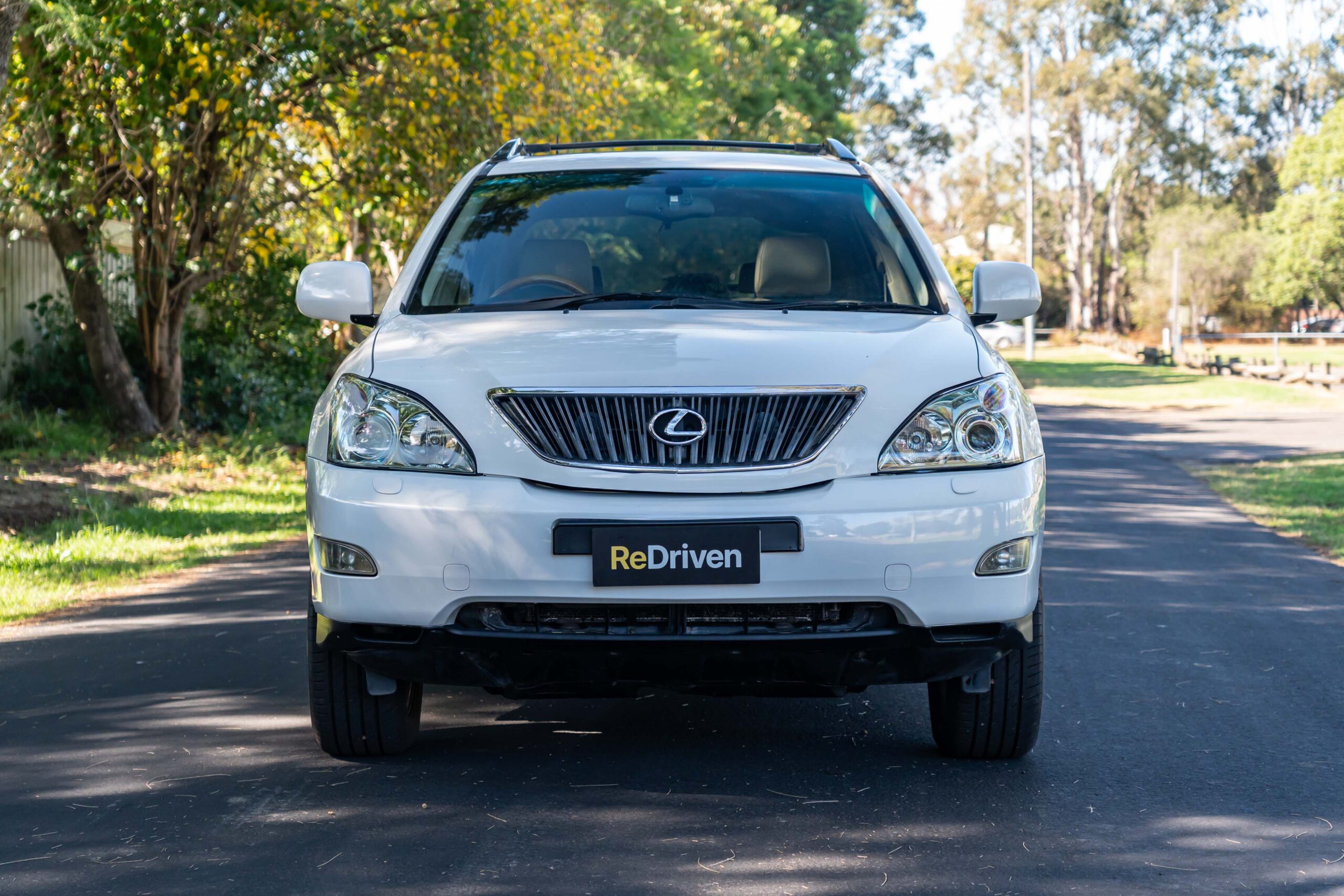
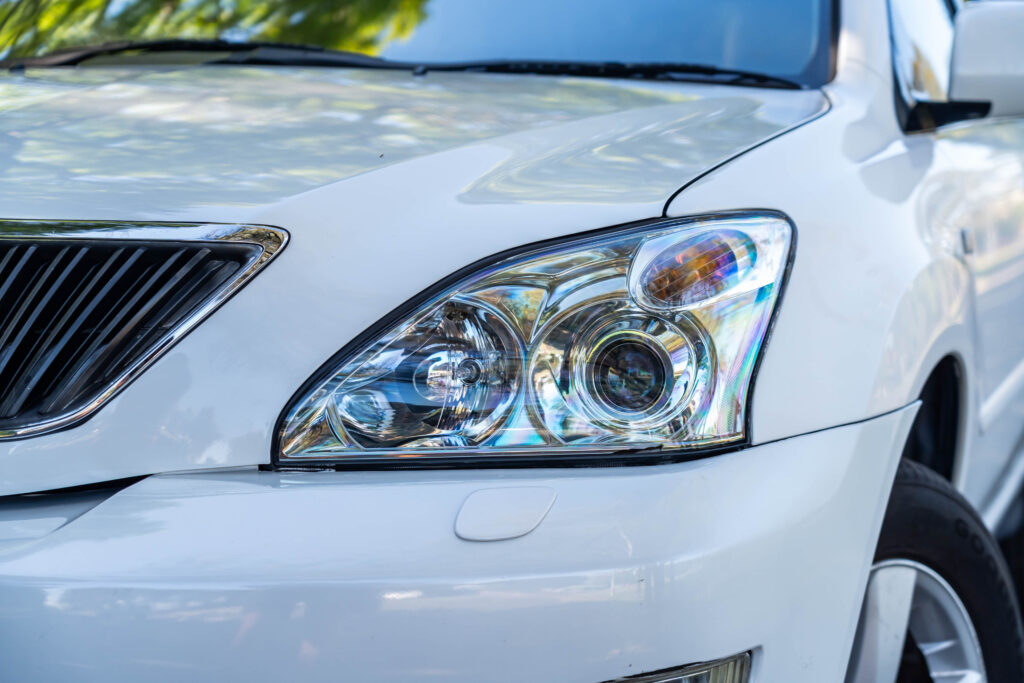
The headlights can fade, but solutions are cheap and easy to perform; though they can also be prone to condensation building up within the light units, and this can significantly affect the more complex headlights with auto levelling functions.
You can source replacement headlights that should be priced around $500, but it’s worth mentioning that, unlike more complex setups found in European equivalents, these can still be repaired on a budget (~$100) – owners’ groups and forums serve as great resources for how to perform these.
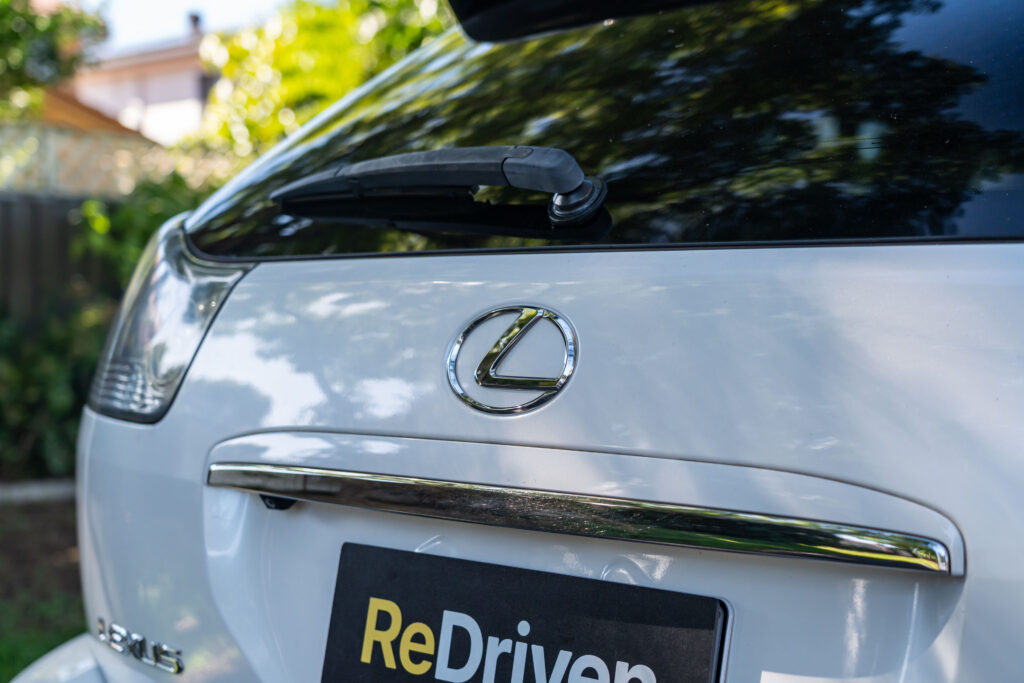
Certain models (Sport Luxury trim for the Australian market) feature a power tailgate, and it’s common to hear that the electric motors fail with age, though replacement motors can be easily sourced and generally affordable to buy.
More concerning are reports of water ingress from the rear boot seals and sunroof drains, which can cause water to leak into the cabin and affect the electronics.
The sunroof drainage channels of second-gen RXs are arguably its weakest link. This is because they end in a ‘boxed’ body cavity near the lower kick panels, meaning that as debris runs down these channels, they collect in this space and prevents water from draining out the bottom. The result is that water can enter the cabin footwells, where much of the wiring and electronics reside.
Even if you try to clean the sunroof drains by any means, this can still push more debris into this area and worsen the existing issue. This can be a big concern among the hybrid models, as water can potentially reach the hybrid’s high-voltage battery tray and drown the components.
While reports are rare, it is still critical to check for any previous signs of water leakage in the rear and underseat areas; if you do need to clear these channels/boxes out, there are DIY solutions you can find on forums and owners’ groups (but know they will require some disassembly and patience).
The roof and boot seams are known to crack and also cause the same water ingress issues via the boot openings or side A/B-pillars, but these can easily be resolved by applying sealant.
Some examples report their sunroofs rattling audibly, especially when it’s partially open – it isn’t a structural concern and is more of a wear issue that can be resolved via solutions found on owners’ groups/forums.
Interior:
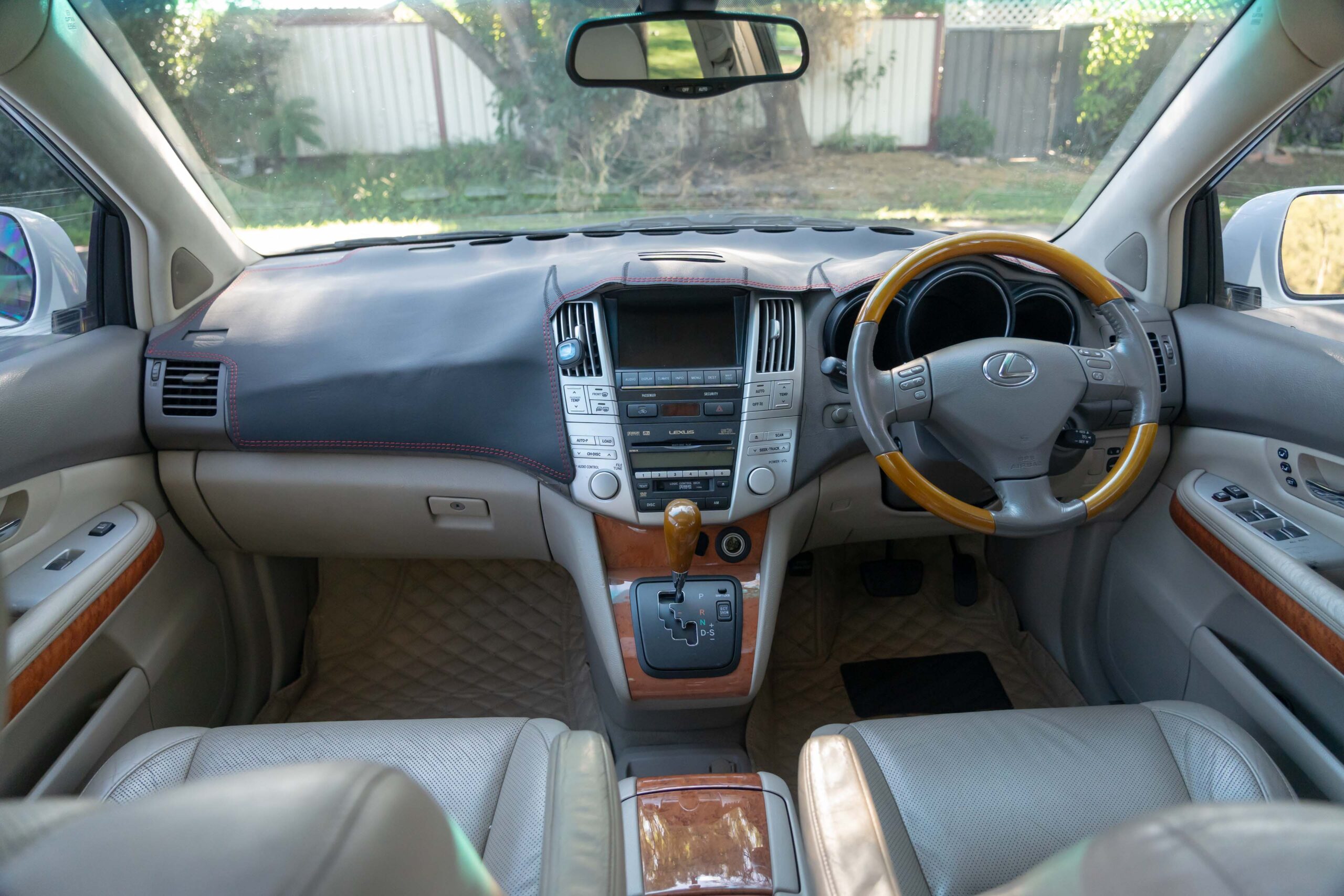
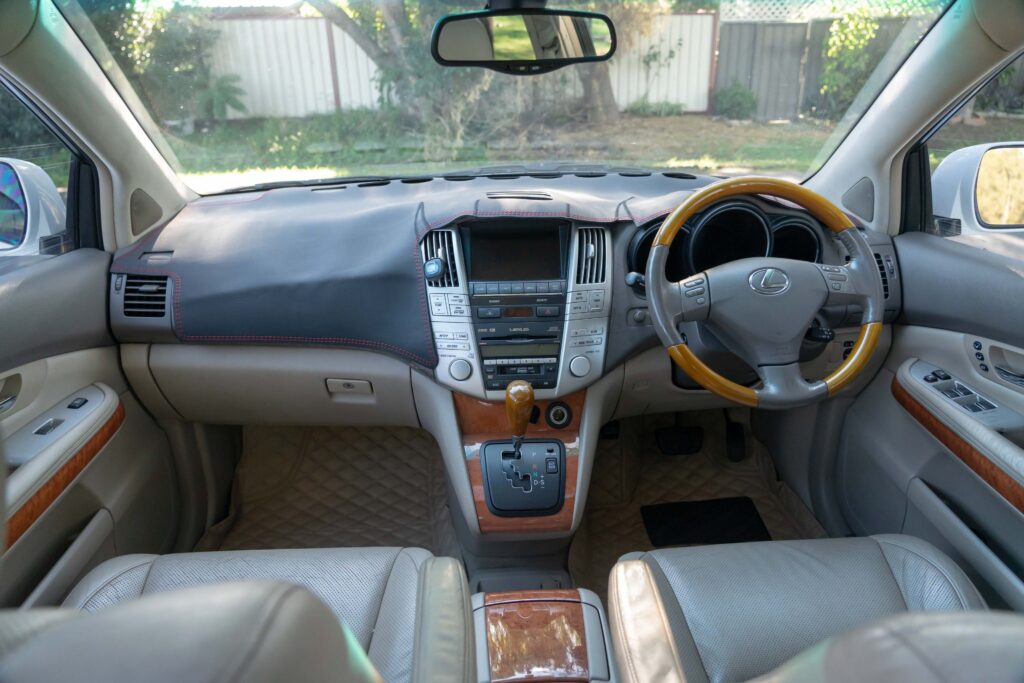
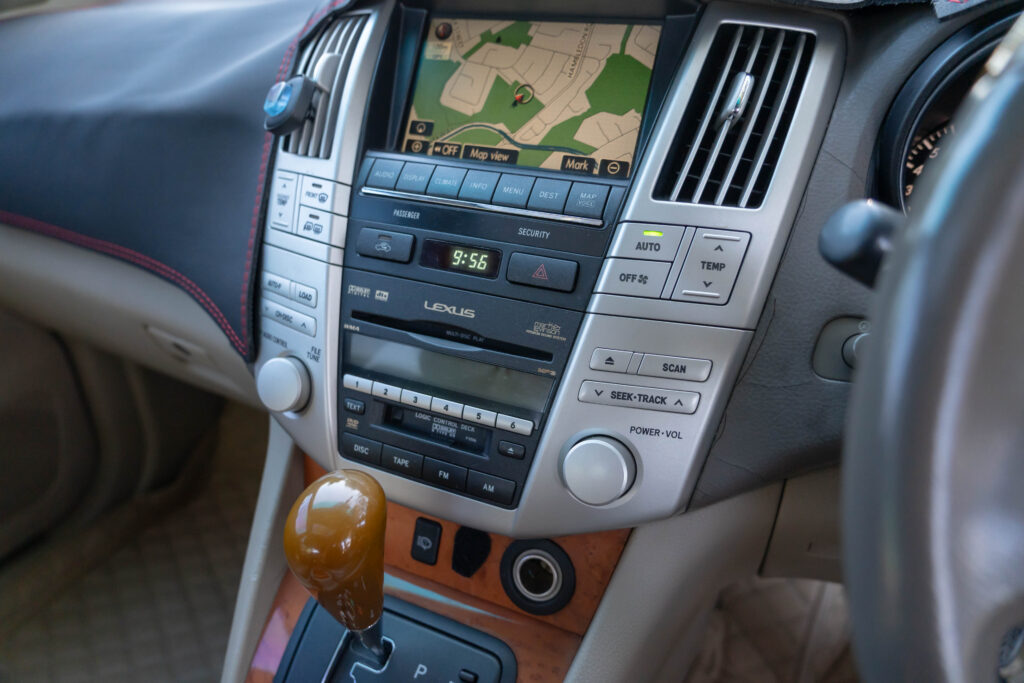
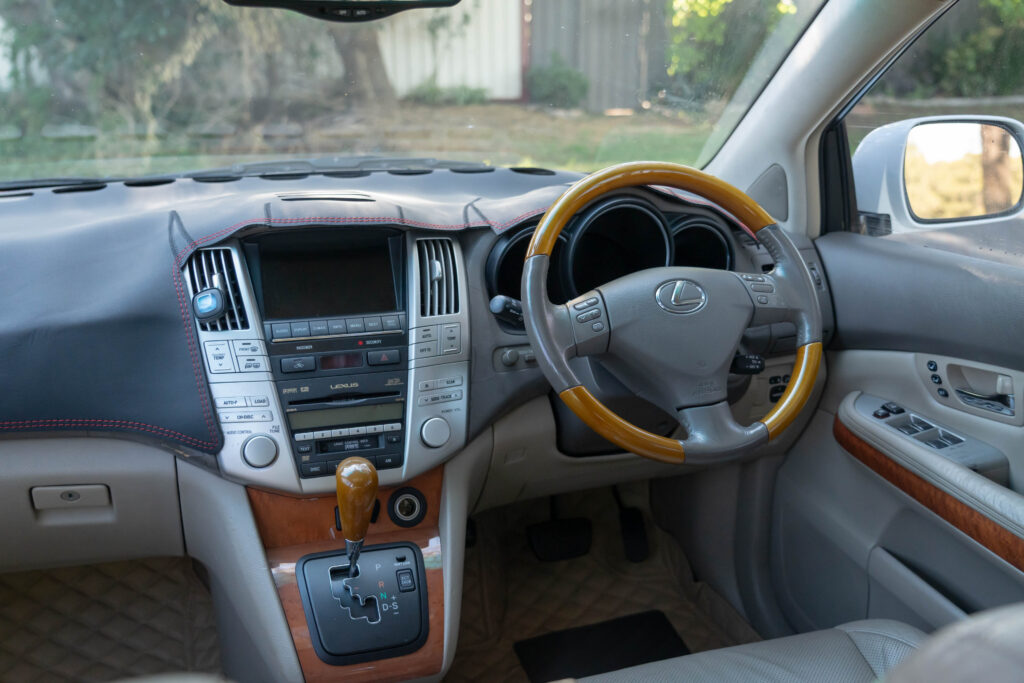
The inside is more than twenty years old now, but as expected with a product from Lexus, while these are showing their age, many consider this era of cabin to be Japanese build quality at its peak, with all the controls still proving to be intuitive and direct to use.
Like what other Lexus/Toyota products of this era report, the interior sections are known to be susceptible to wear, especially those not looked after, subjected to warm climates or high UV exposure (like Australia).
The entire dashboard is prone to becoming sticky as the material wears out or forming visible cracks along different sections; in the worst cases, even whole sections can fall off altogether.
Lexus was aware of this quality issue and did run a customer satisfaction programme to replace affected dashboards/interiors, but this has long since ended.
Nowadays, replacement dashboards from Lexus can cost up to $1,800, but there are more cost-effective solutions to at least remedy those that are in a poor state. Along with dashboard mats/covers, interestingly, for left-hand drive models, you can get plastic shrouds that fit over the original dashboard.
In addition, harsh UV/heat exposure can wear down the interior plastics, including the centre console lid, glove box, air vents, and various trim clips that easily become brittle, rattle, or disintegrate altogether.
Thankfully, there are plenty of affordable options to replace these – either from donor vehicles, aftermarket brands, or by 3D-printing.
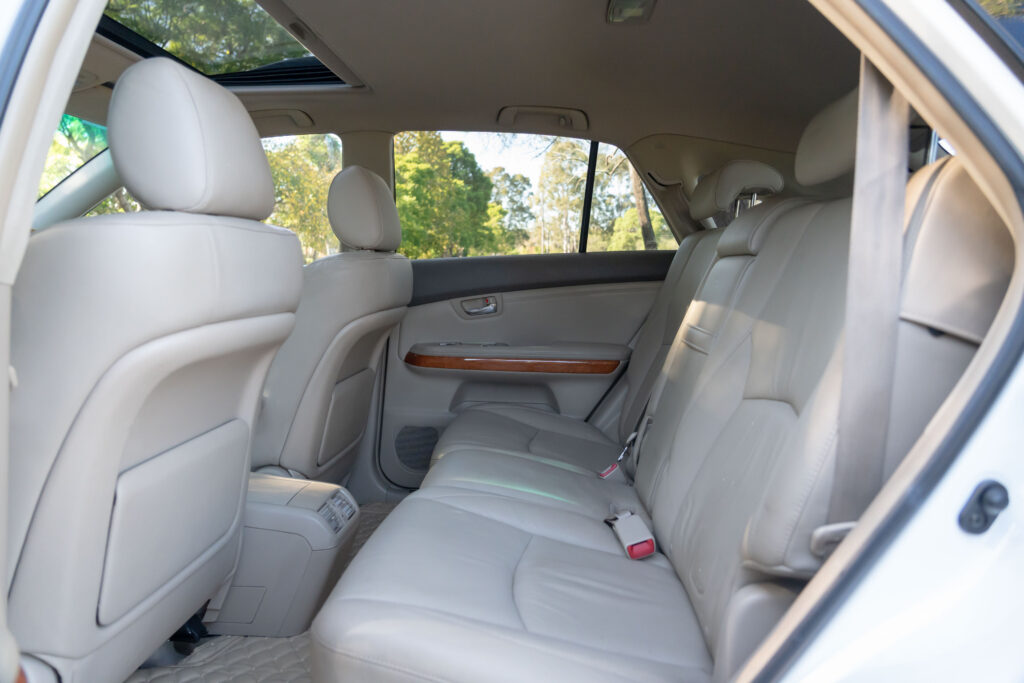
Also susceptible to wear if neglected or spent enough time in harsh, warm conditions are the leather (seating) surfaces, especially on the driver’s seat bolster and side door panels.
Owners have even told us the original leather upholstery is not suited to warm climates like Australia, with even the most attentively cared for known to weaken.
Any number of the leather sections can be refurbished to resolve visible tears or sagging (or even with more premium leather/alcantara material), but note that quotes to do this level of refurbishment may exceed more than what the car is worth.
But even if refurbishing the leather seats entirely or sourcing replacement ones is out of budget, applying seat covers is a decent alternative.
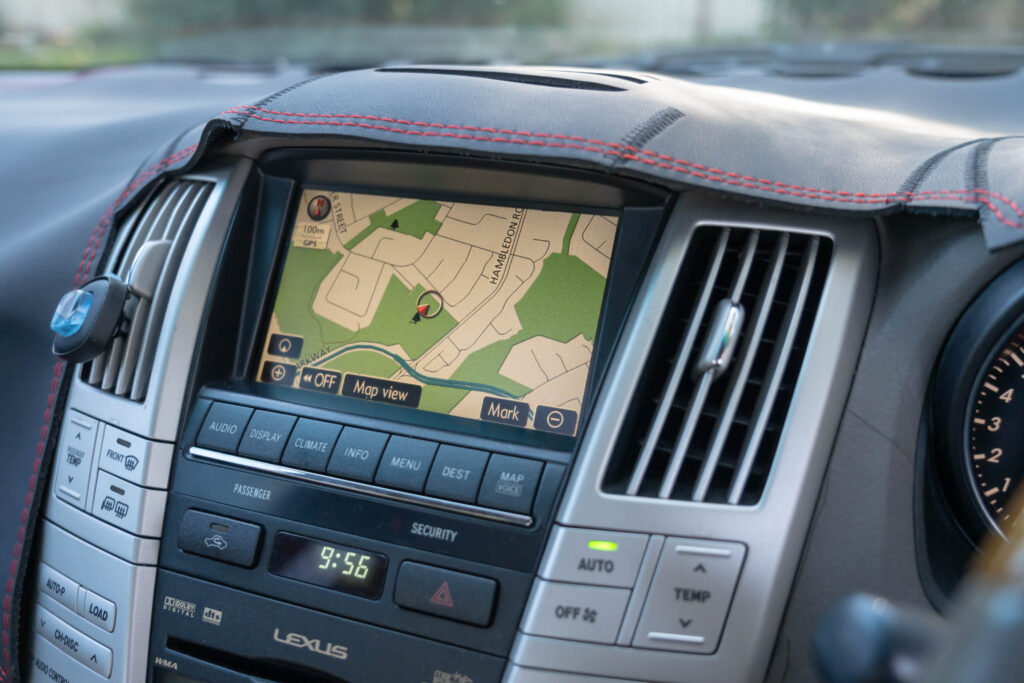
The factory infotainment system of this era of Lexuses has not aged well, and many owners complain of issues it now suffers from.
Being one of the first touchscreens implemented into a production vehicle, the interface is not only frustrating to deal with, but plenty of owners have reported that if the ambient interior temperature gets slightly warm (especially under direct sunlight), the touchscreen can not respond at all.
Adding to user difficulties, the climate control settings (fan speed/air direction) are operated via this touchscreen interface. Even when the screens work normally, selecting their small icons may require great amounts of force just to get them to pick up your inputs.
Some did feature Bluetooth connectivity, but the setup back then only supported hands-free calling (with no live audio streaming), and it’s prone to inconsistent connections; plus, you can discount any support for Apple CarPlay/Android Auto with these outdated systems.
Luckily, there’s support to replace the original setup with an up-to-date system, but note that because the climate functions are integrated into this screen, installing one isn’t a simple ‘plug and play’ solution as you might anticipate.
While the factory rear-view camera was revolutionary (when it first debuted), it has seen better days by now – but this can all be upgraded with higher-quality setups.
It’s also worth checking that all of the accessories powered by electricity work normally – if something isn’t working, it could be as simple as the main 12V battery running low, but it could also be due to any prior water ingress issues.
It is worth highlighting that despite these concerns, the vast majority of second-gen RXs on the used market should be fine. When you consider how prevalent these issues surrounding aging cabin materials, water leaks, and electronic glitches affect European equivalent SUVs, they’re not as frequent in the Lexus.
Mechanically:
Even those who vaguely know the Lexus brand know these are renowned for their reliability, and very little goes wrong with them, even among the oldest, highly-used examples still on the road. Just look at Lexus’s track record of leading customer satisfaction surveys for consecutive years.
Compared to far more premium European SUVs, second-gen RXs are proving to still be solidly built and not experience the same degree of build quality/electronic issues as those from BMW, Mercedes-Benz, or Audi report.
That doesn’t mean these are entirely bulletproof, as they can still suffer a few common issues, largely due to natural wear and tear with age (as a more than twenty-year-old car).
Engine:
3.3L V6 (RX 330)
The 3.3L V6 can prove to be relatively solid, but it has a greater list of issues and known faults due to its age.
Oil leaks are its most frequently reported problem, stemming from the valve cover gaskets at the rear of the engine.
The breather system features are not the best grade, and often contribute to these engines clogging up internally – leading to problems like excessive oil consumption (that is another known issue affecting these engines).
While it is a Toyota unit and these carry a reputation for being resilient, it is still safe to ensure they are serviced regularly – at least every 10,000 kilometres.
The water pumps are typically not an issue – it’s recommended to replace them at the same time the timing belts are being done (every 150,000 kilometres). If the belt is neglected for too long, it becomes an ‘interference engine’ – meaning if the belt fails, so does the entire engine.
Other components can fail with age – including the power steering pumps, ignition coils, and various cooling system components. As they get older, it’s worth keeping an eye on these items.
Reliability aside, the 3.3L V6 is known to be quite a gas guzzler – Lexus originally reported these do 12L per 100 kilometres, but owners report it can consume more than 20L per 100 kilometres.
3.5L V6 (2GR-FE, RX 350)
The 3.5L V6 notably uses a timing chain versus a timing belt, which makes it slightly more ‘reliable’ of the two V6s.
Early versions of the 3.5L V6 did have an issue affecting their variable valve timing oil solenoids (lines), as well as their oil cooler lines failing, due to them being constructed of rubber, and the result was quite brittle.
A replacement campaign was issued back then to resolve these issues (MY2007 onwards) across the board of affected Toyota/Lexus models. If you’re inspecting a fairly old one, it’s worthwhile to check whether the manufacturer’s upgrades were done.
Even among those with upgraded oil lines, some can still experience issues with the oil strainer (filter) clogging up with debris, logging a variable valve timing fault; though these only happen in very poorly serviced, neglected examples.
The 3.5L V6 also reports better average fuel consumption, with most reporting 13L per 100 kms.
No matter what iteration V6, regular oil changes are essential to guarantee the maximum possible longevity.
But overall, these engines are some of the most reliable V6 powertrains made. As long as it has a good service record on hand, you’re not likely to have too many issues.
3.3L V6 Petrol Hybrid (RX400h)
Fun fact – the RX400h was the first premium luxury hybrid model to go into production, and it served as the launchpad for other Lexus hybrid models to follow after its debut – expanding to include the Lexus GS and LS.
The V6 petrol hybrid is a Lexus staple since it debuted with this iteration of the RX, and it continues to nail the perfect balance of potent V6 power and decent gas efficiency – on average, these can deliver under 10L per 100 kilometres.
However, given this an older hybrid system compared to what you find in current Toyota/Lexus models, the battery is not as efficient as it used to be, and you will notice when the batteries degrade, as it impacts overall fuel economy.
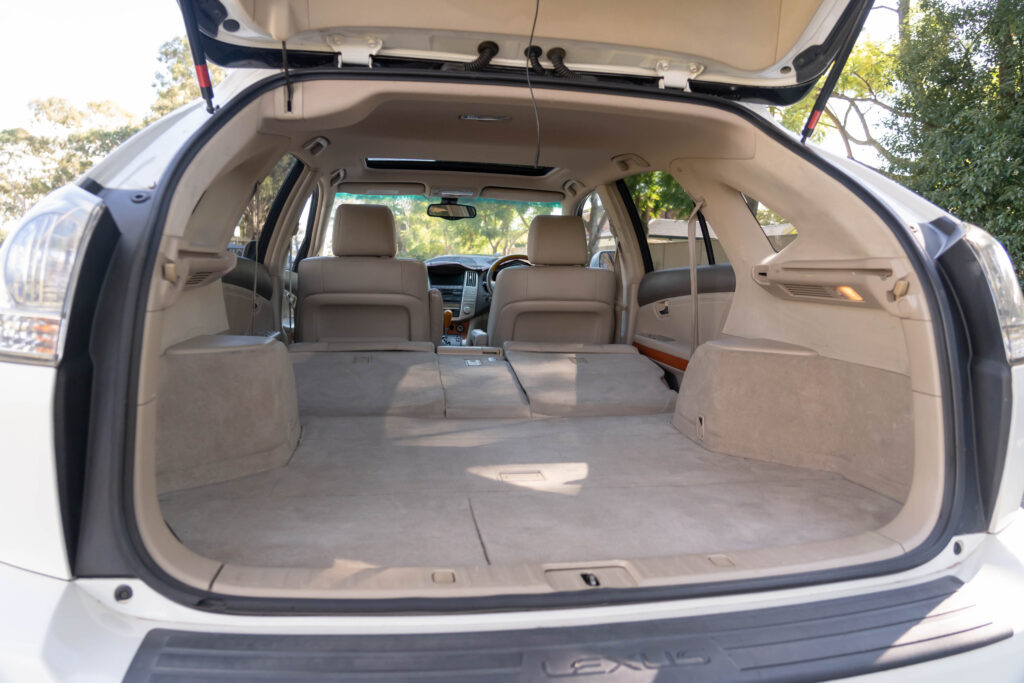
To prolong the average battery life, these need to be adequately cooled by regularly cleaning the cooling fan screens (filters) to ensure the fan operates normally. It’s easy to access these – they’re located underneath the rear seats and just need to be unscrewed to be removed and cleansed.
Any degree of debris clogging up the screens or the fan failing will lead to overheating issues and, obviously, cause issues for the entire hybrid system.
Total failure of the hybrid battery isn’t commonly heard of, but just note that if you do need to replace it, aftermarket or refurbished units here in Australia can cost at least $3,000.
Hybrid control module and inverter issues are known to affect the hybrids, but this doesn’t happen frequently.
Transmission/Drivetrain:
The five-speed torque converter automatic can be quite trouble-free, provided it’s serviced regularly and not subjected to hard driving styles. The same applies to the CVTs (Continuously Variable Transmission) exclusive to the RX400h hybrids.
Some RX330 models were available with optional height-adjustable air suspension, but given its complexity, these can suffer from all the common fail points these setups experience, from leaks in the airbags to compressor failure.
In hindsight, most on the used market should have the traditional coil spring suspension setup.
It’s also worth mentioning that underneath, the XU30-gen RX shares a lot of suspension parts with the Toyota Kluger (aka Highlander), meaning parts are still readily available and affordable if you need replacements, on top of many aftermarket options that can greatly improve the ride quality/handling.
You can expect most XU30-gen Lexus RXs to start from around $3,500, but these will likely consist of abused, worn-down examples that are just about to be destined for the scrapyard.
Realistically, good examples will start from around $10,000, with well-preserved, immaculate examples topping out at $20,000.
While most of its European rivals have suffered heavily from depreciation (losing at least 90% of their original value), the RX was not only cheaper than these when new, but overall, has retained more of its value (~80%), and most of that depreciation has flatlined.
The second-gen RX was rightfully praised as a new car back in the 2000s, and surviving examples are proving to have held up much better than equivalent SUVs from European/American brands of the same era. Still, we’d be picky if we were in the market for one of these Lexuses.
We’d pass on the RX 330s – they are not bad cars at all, but the fuel consumption of the 3.3L V6, plus the maintenance expected to keep these very early models roadworthy, can be a concern and not worth the money or time (especially for a car this old).
The RX400h hybrids are worth considering; plenty continue to satisfy their owners, especially when it comes to fuel economy, but the complexity of the hybrid system (now and long-term) is concerning.
We wouldn’t avoid it completely if you’re targeting a fuel-efficient crossover – as long as it has a faultless service history and checks out via a pre-purchase inspection.
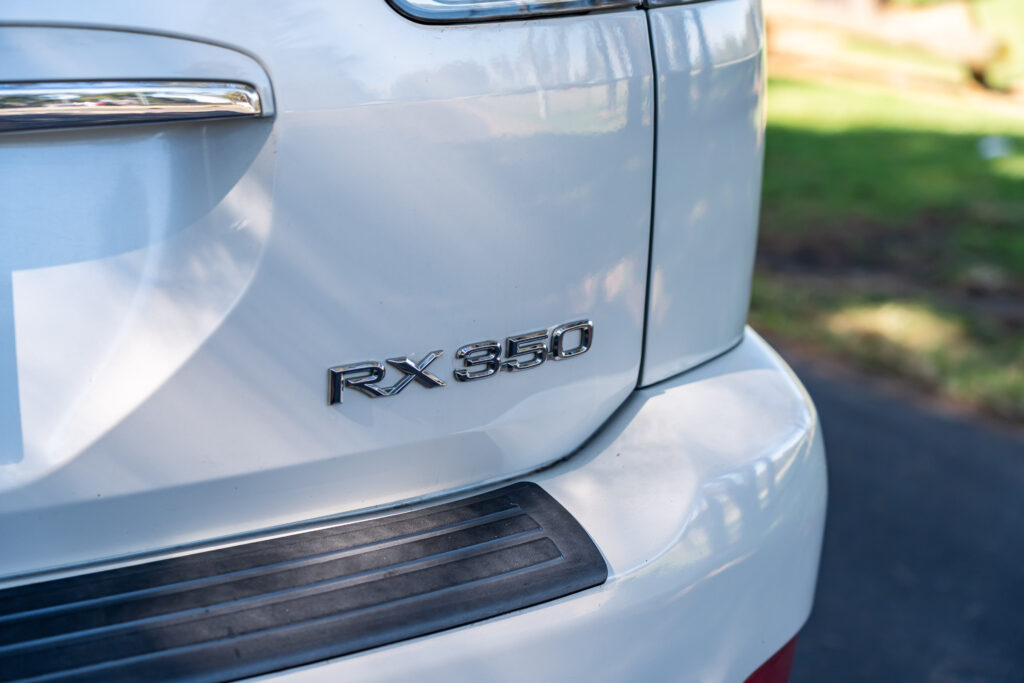
Instead, we’d target a post-update RX350, ideally in the ‘Sports Luxury’ trim that brings the most standard level of equipment out of all RX models.
These also feature the better 3.5L V6 engine that is more powerful, fuel efficient, and benefits from using a timing chain versus a belt, greatly improving its overall reliability. Plus, the later models are the most refined and generally trouble-free, even among those with high kilometres.
If you’re considering a second-gen Lexus RX, we strongly recommend shopping around to select from as many candidates as possible. Avoid any dodgy or neglected ones, and target one that passes a pre-purchase inspection flawlessly, ideally with a good service record on hand.
Find the right one within your budget, and it will definitely be a great purchase.


Co-creator, presenter & writer, ReDriven

Yes. But only the right example.
 1 week ago
2 weeks ago
1 week ago
2 weeks ago
 3 weeks ago