Australia’s No. 1 Used Car Review Website
Australia’s No. 1 Used Car Review Website
+11 Photos
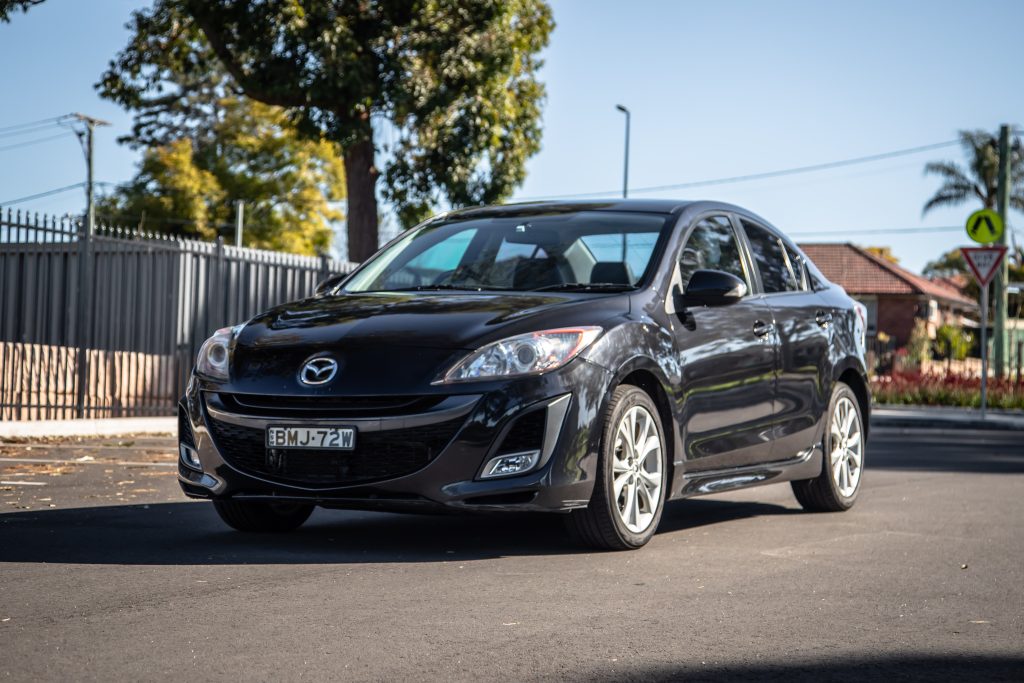
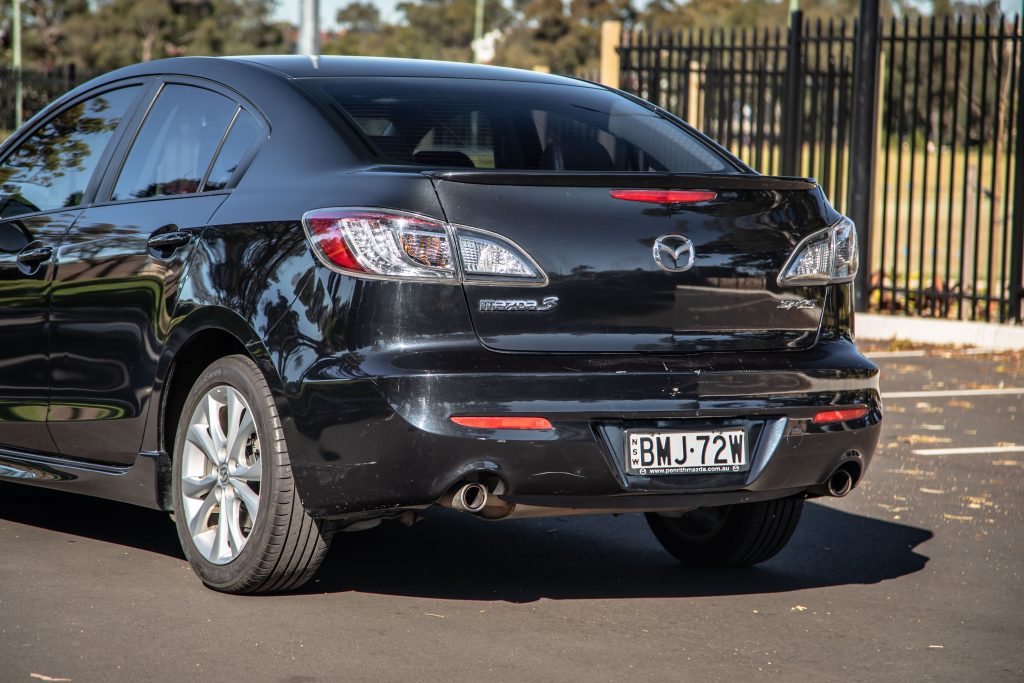
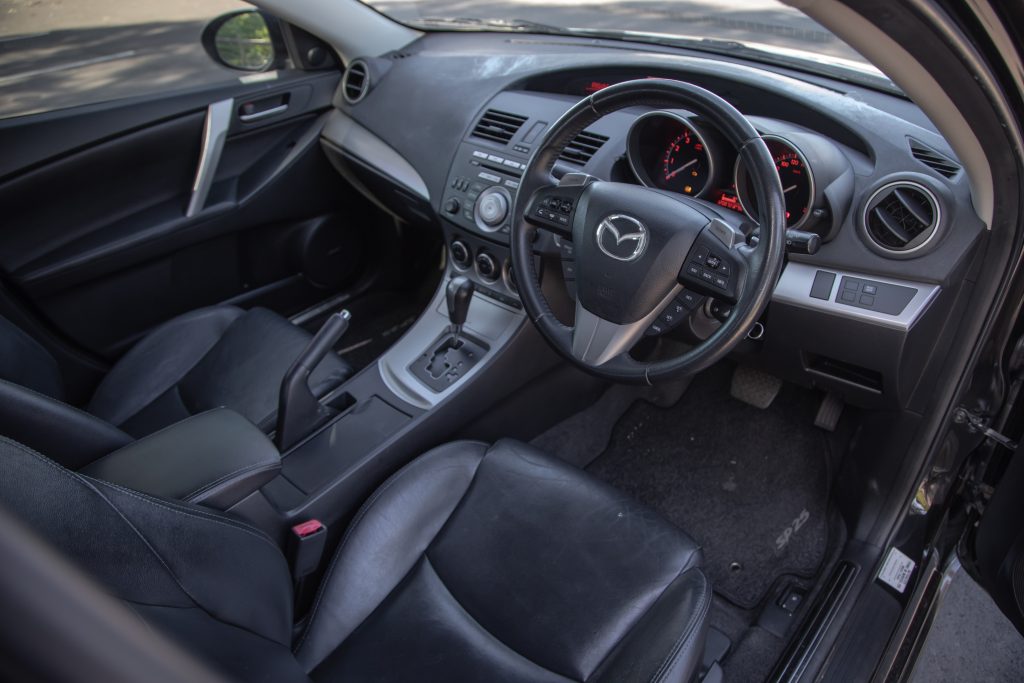
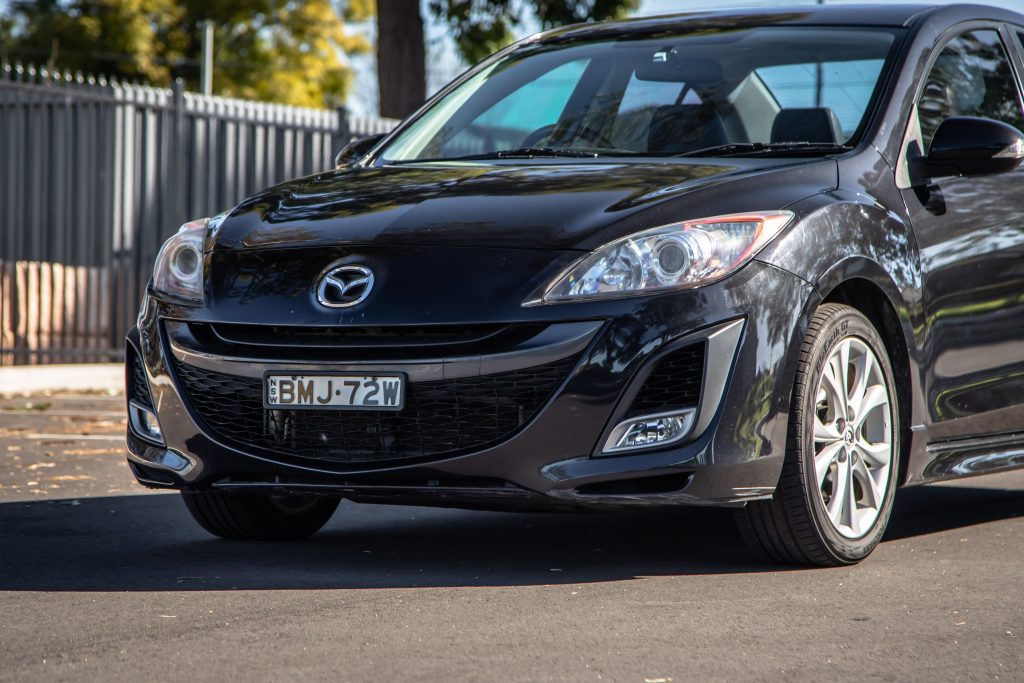
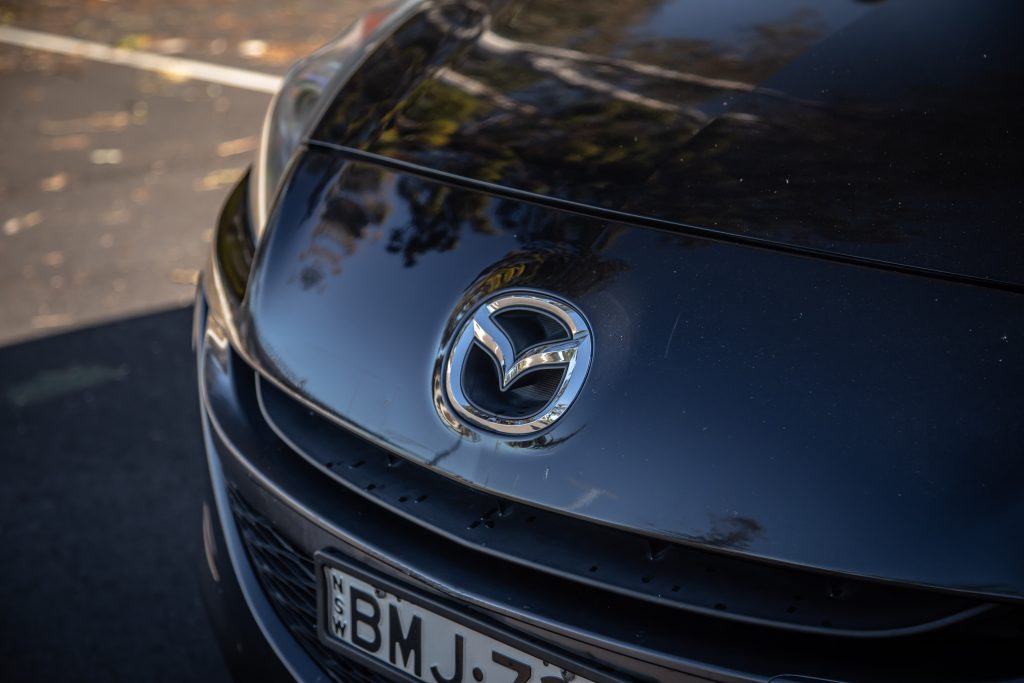
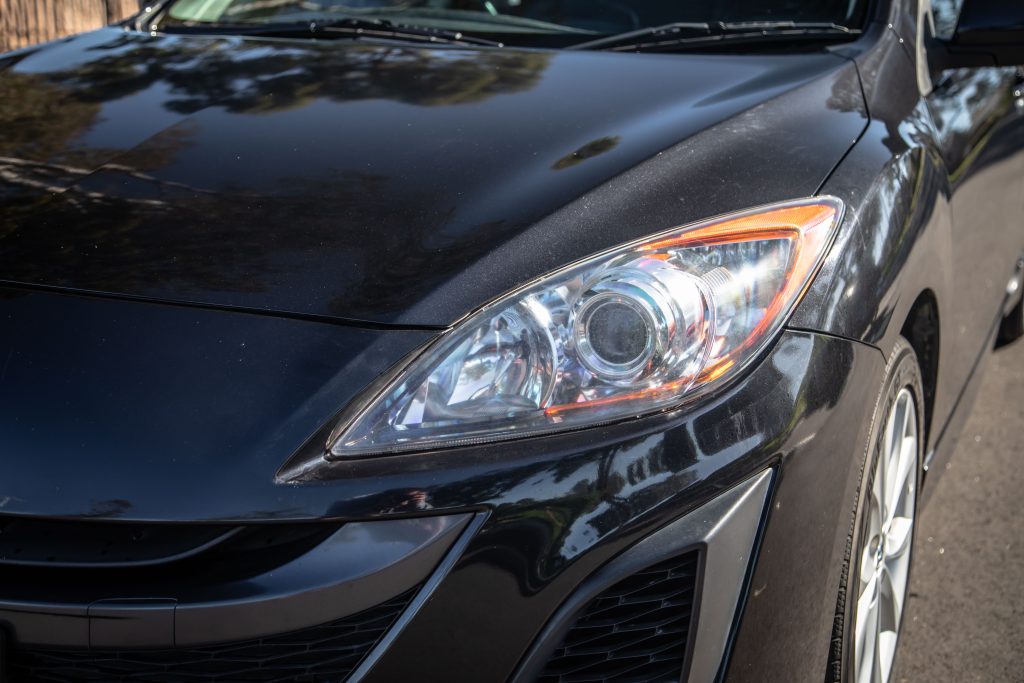
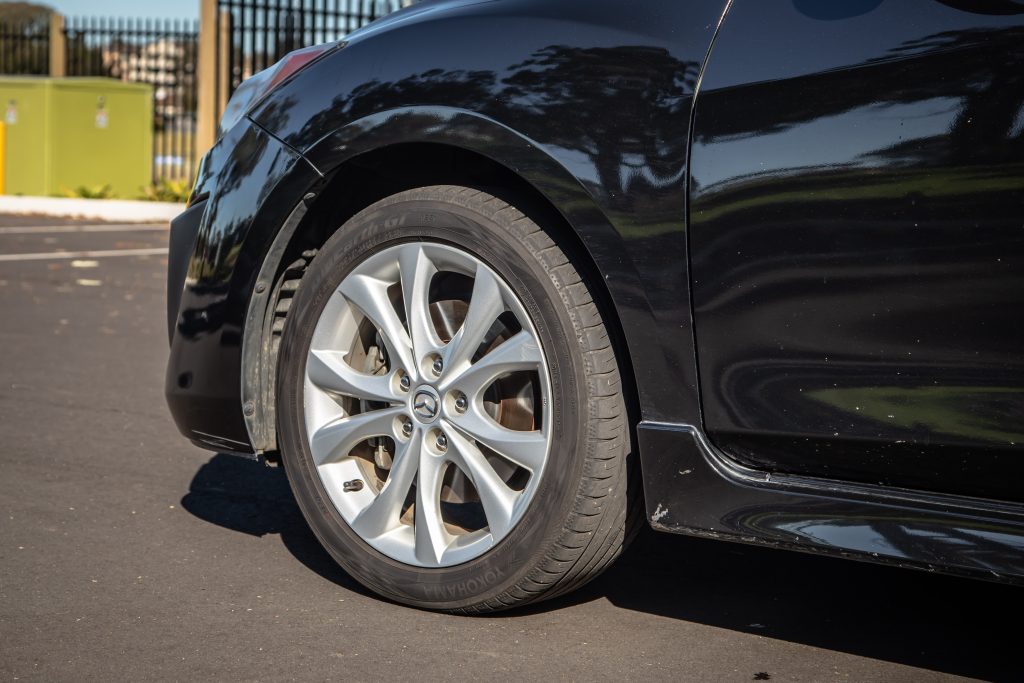
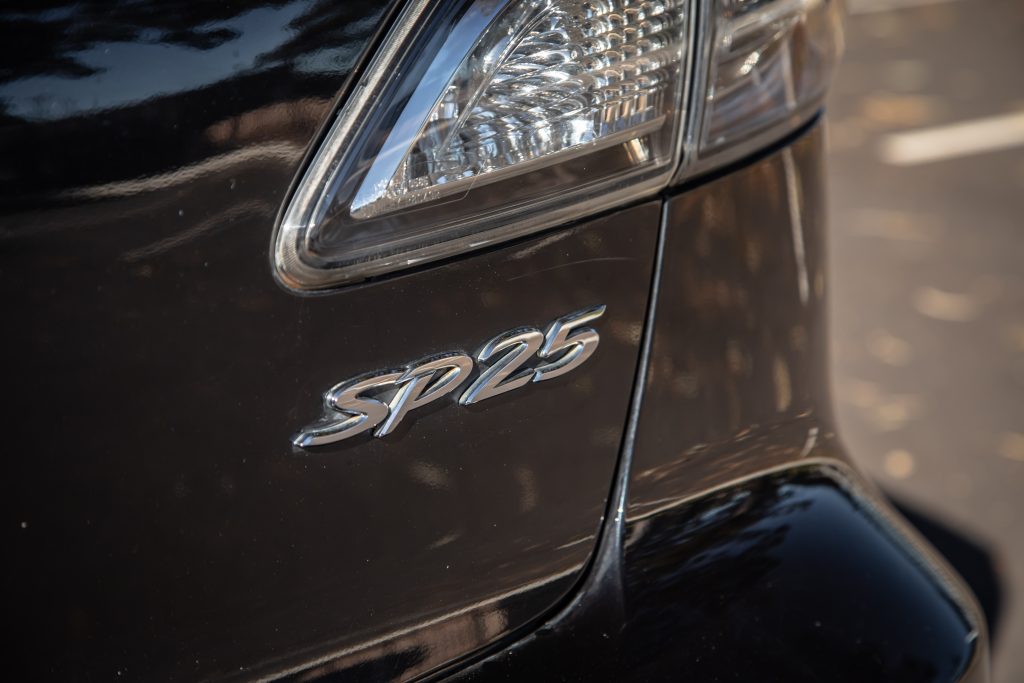
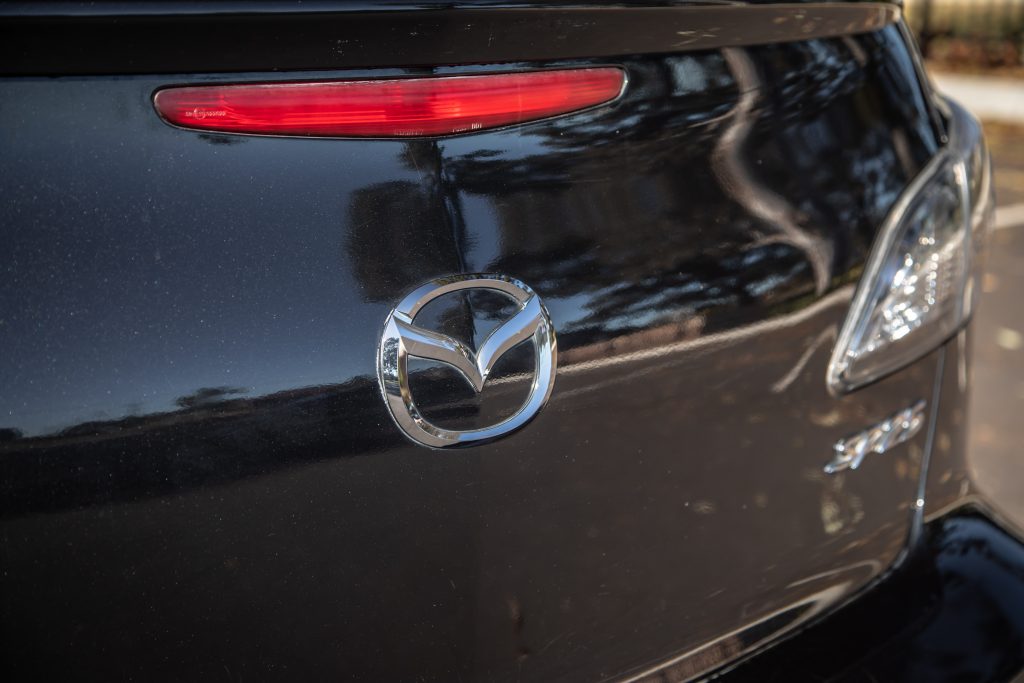
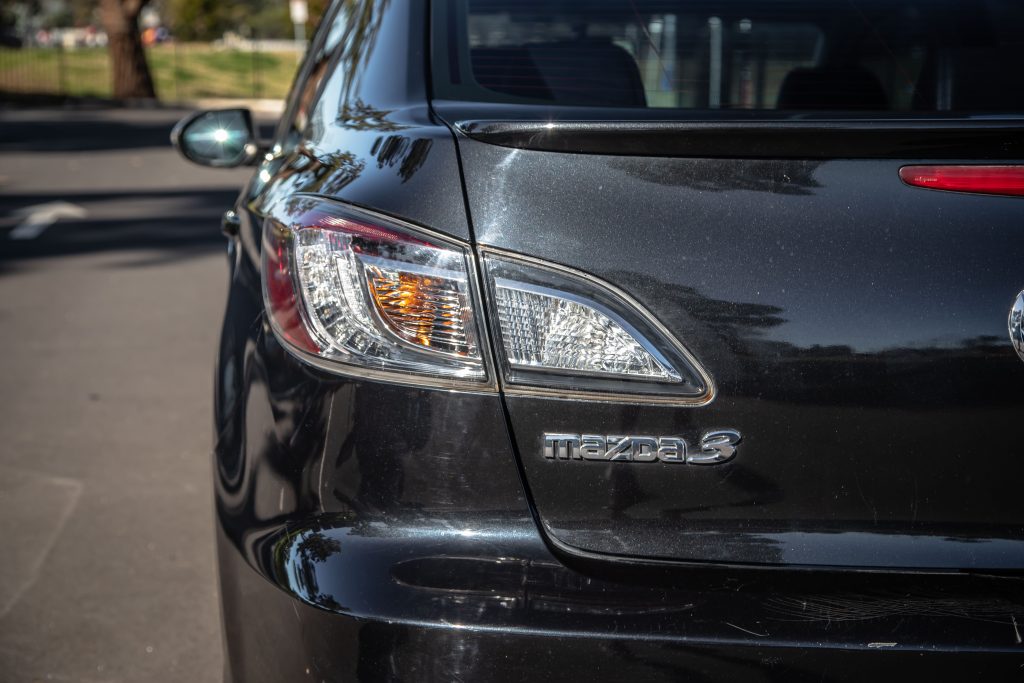
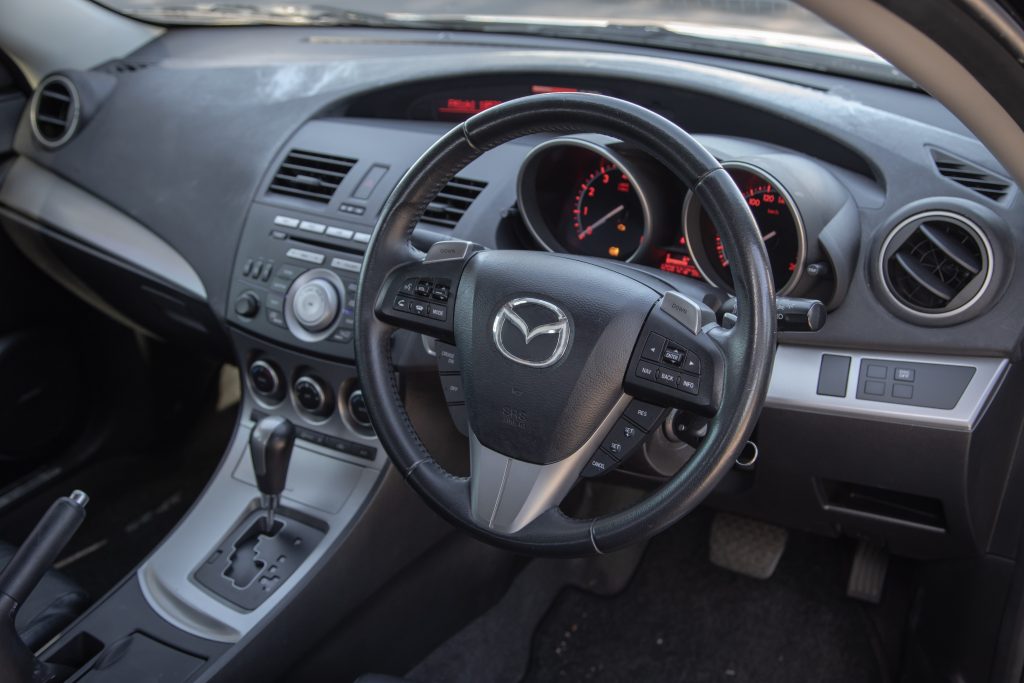
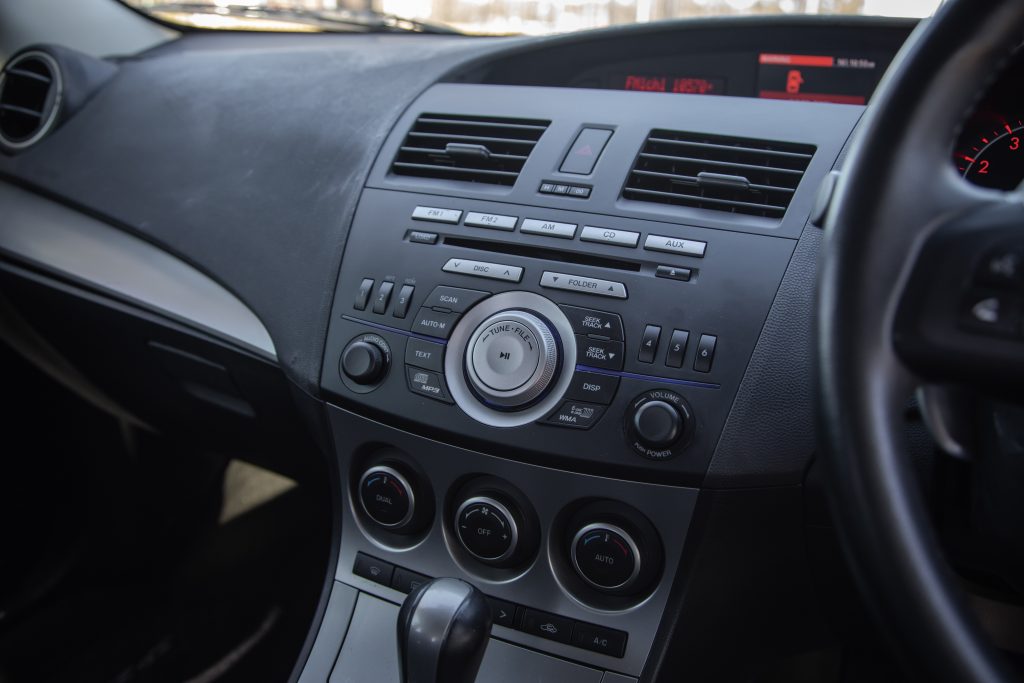
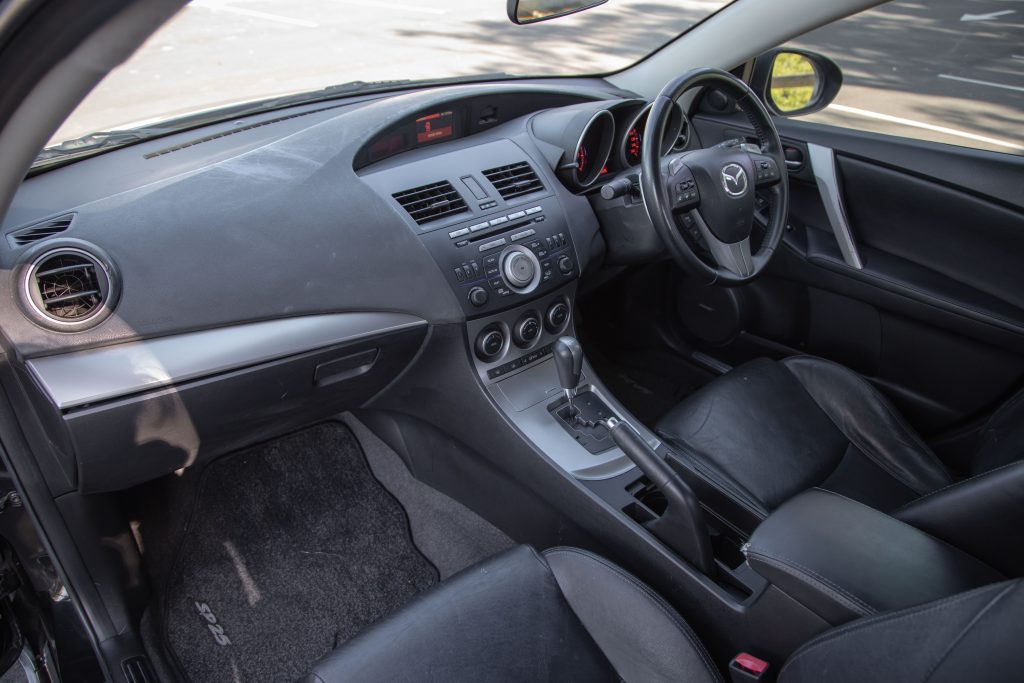
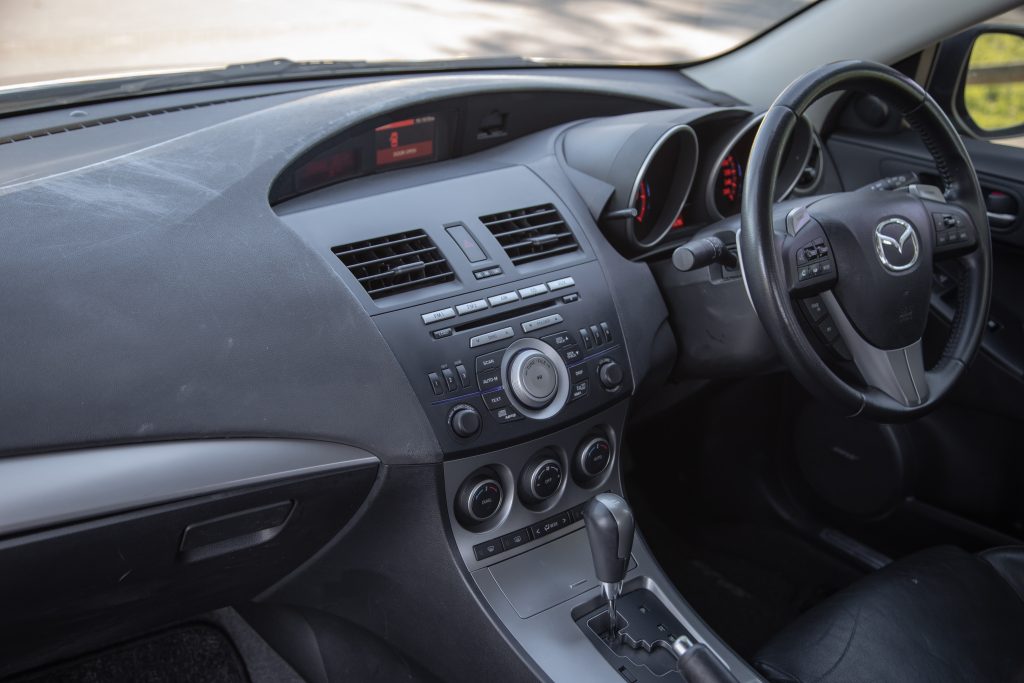
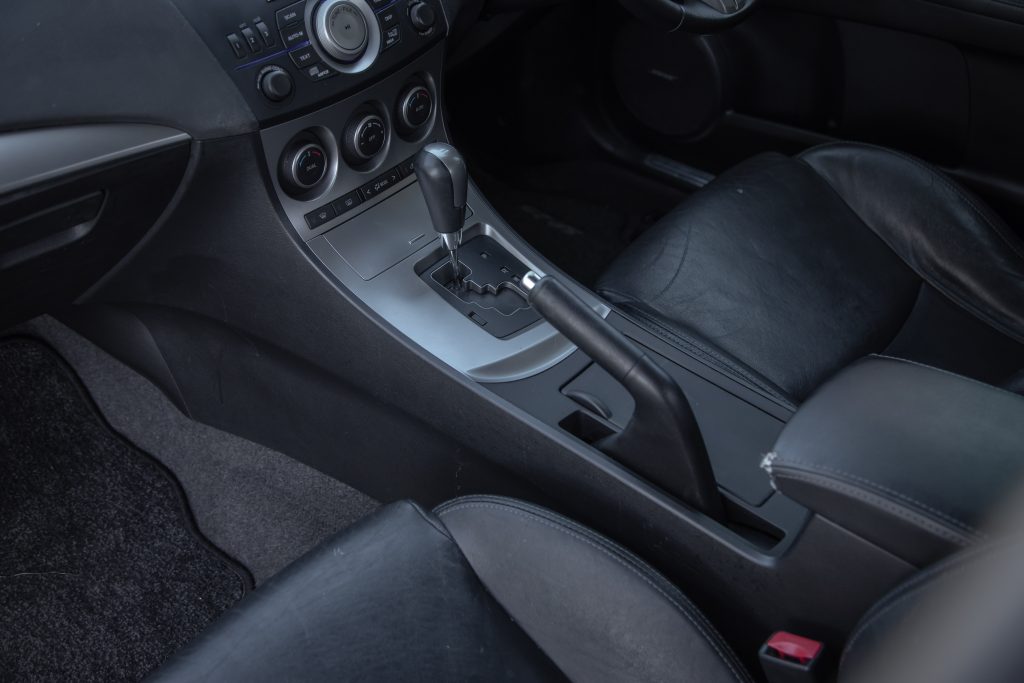

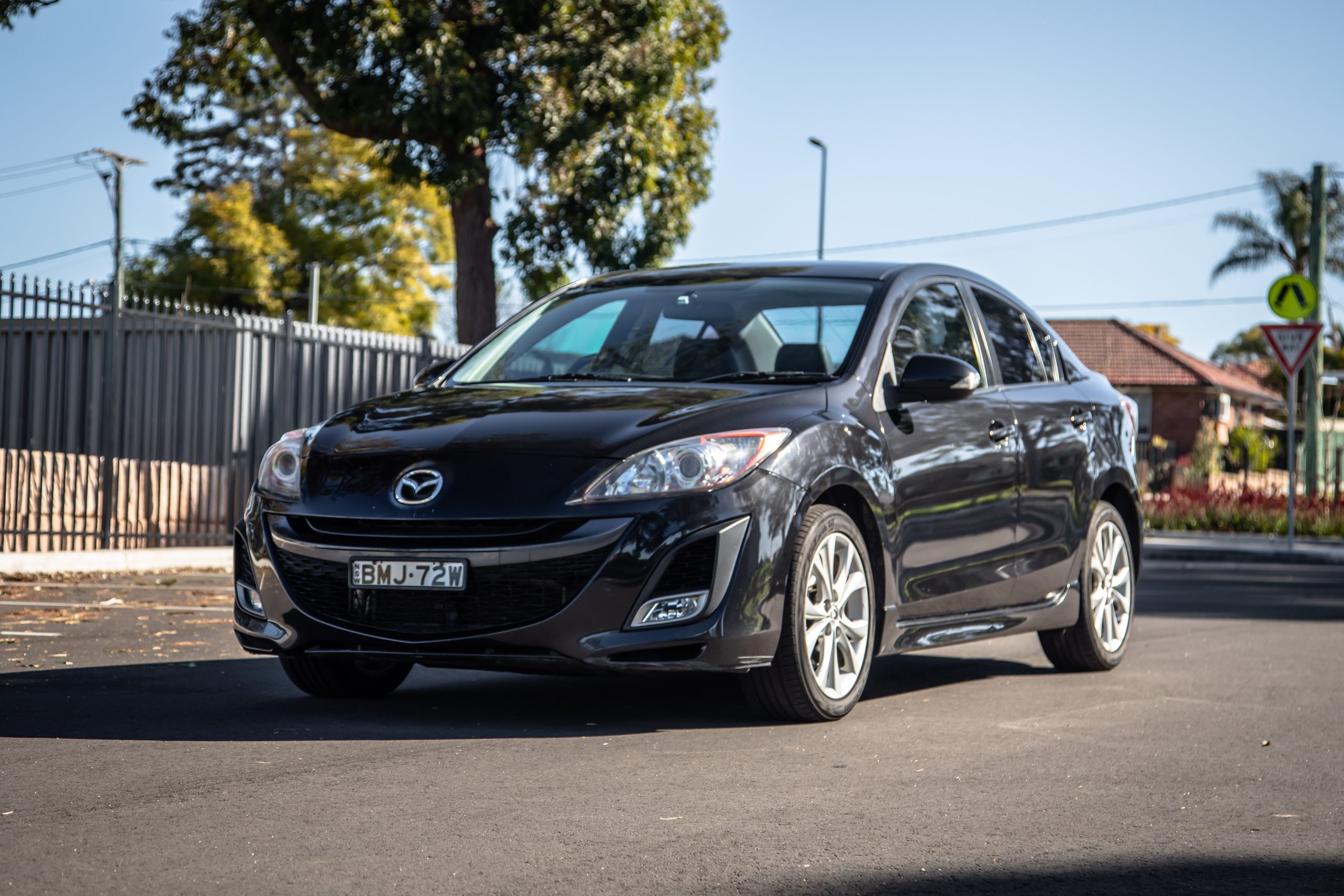
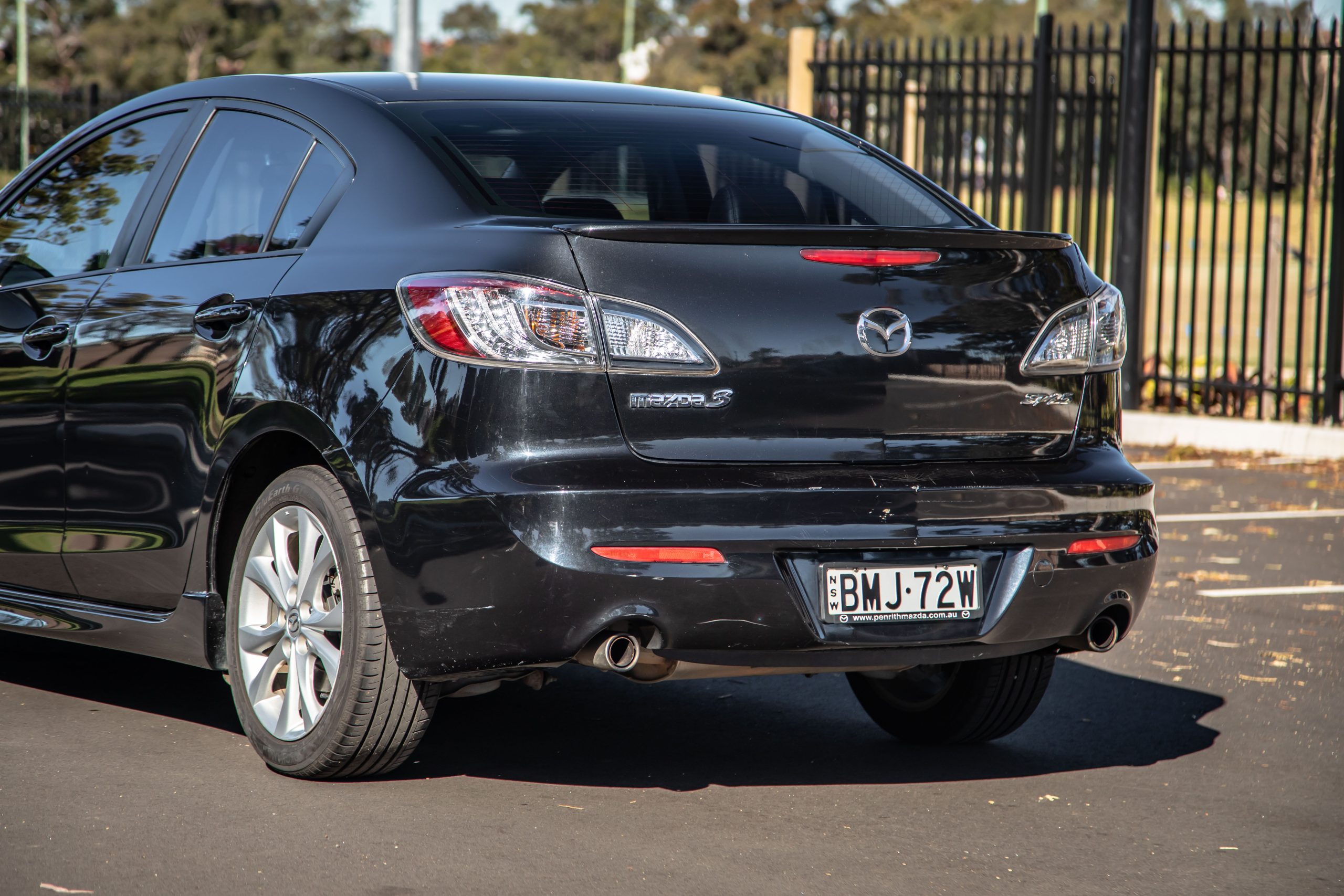
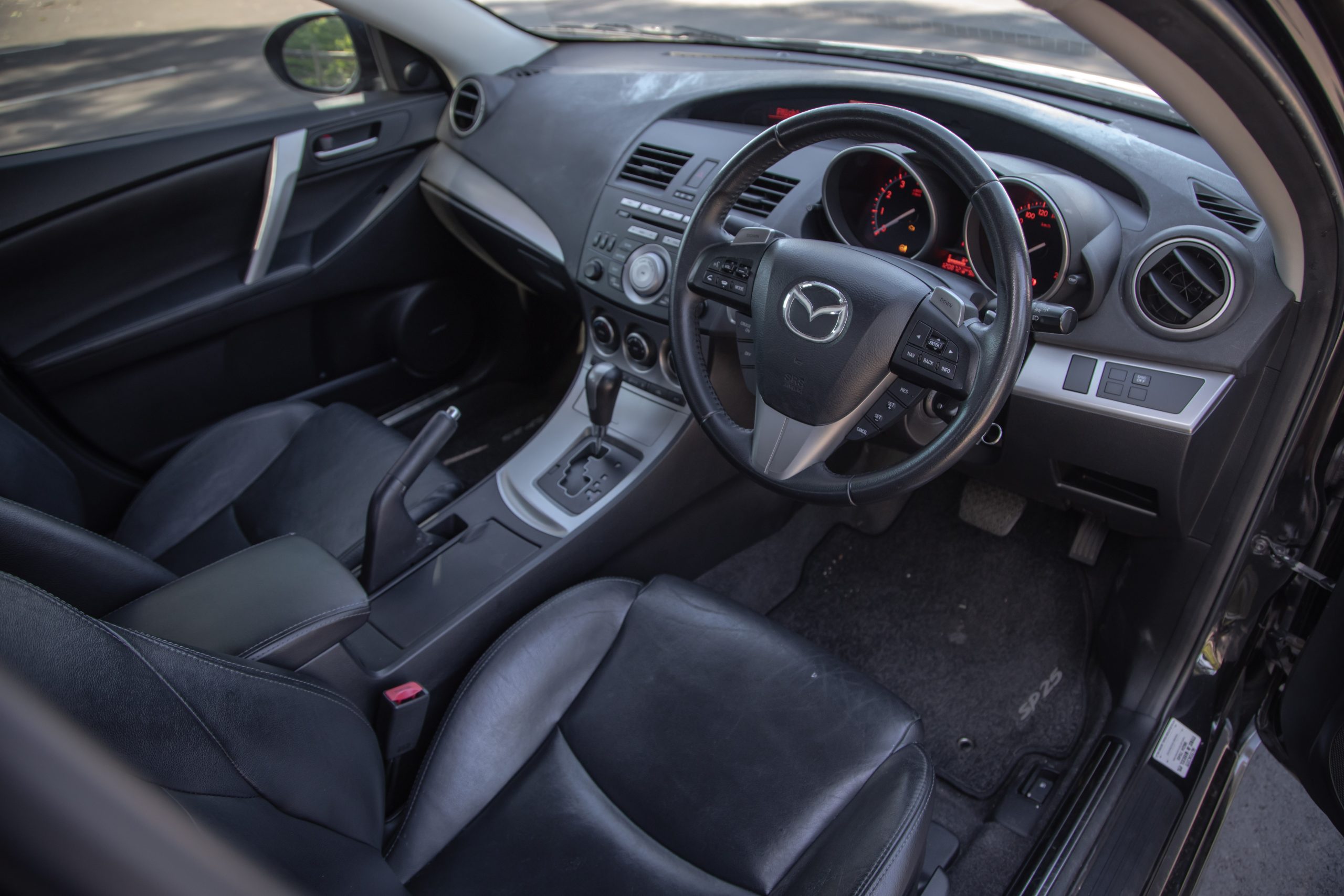
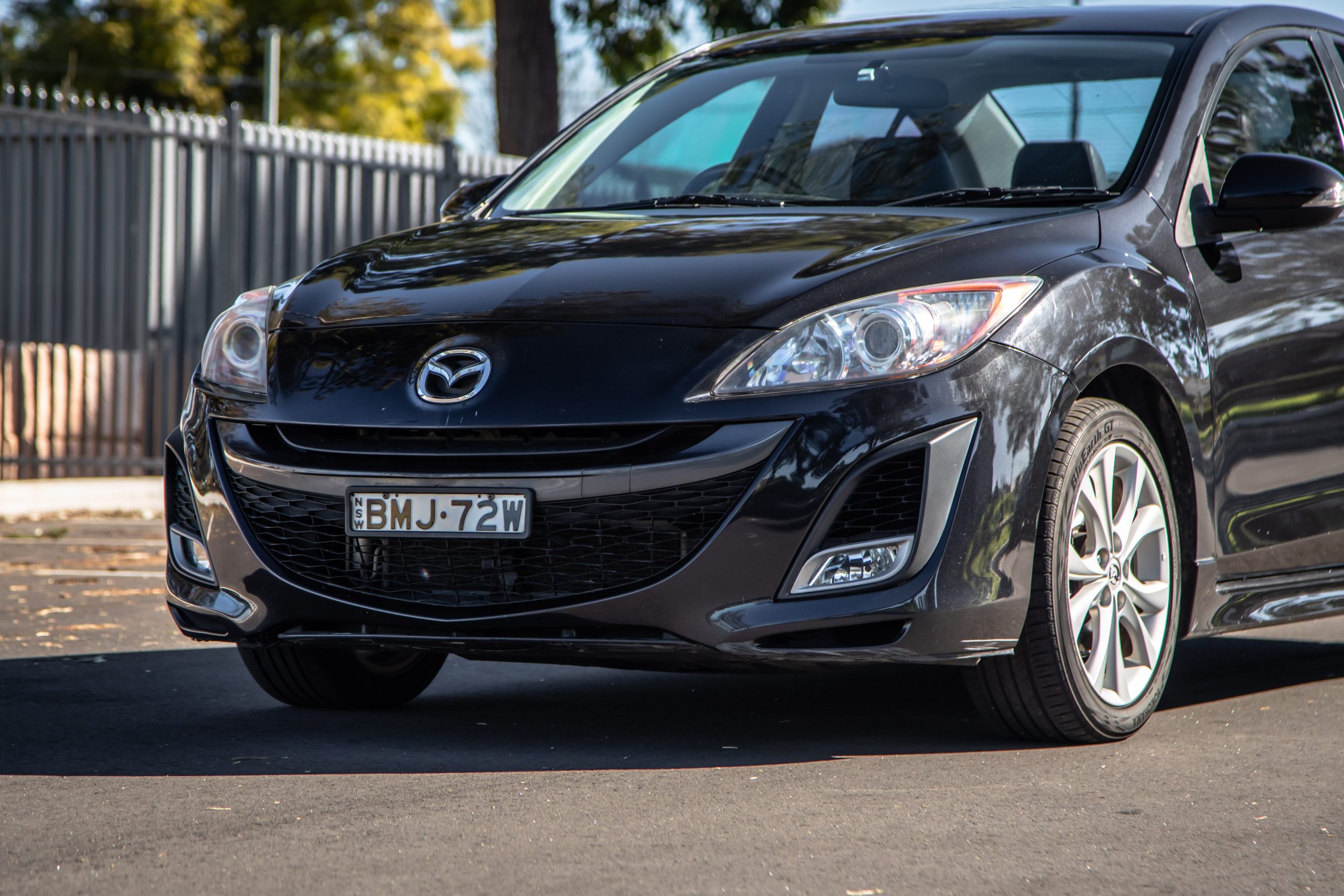
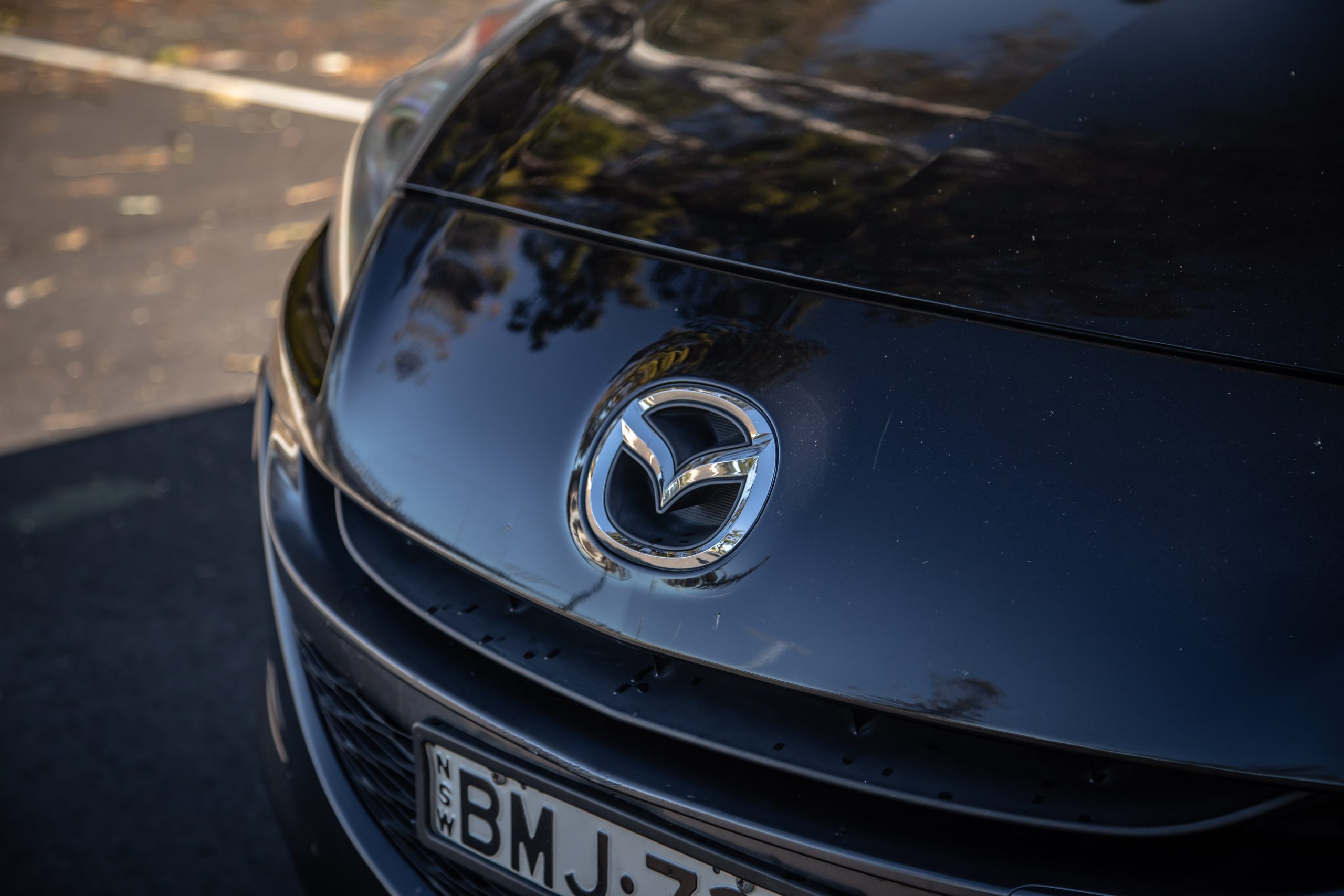
2010 Mazda 3 SP25

25 August 2022
Would We Buy It?

2010 Mazda 3 SP25

Used car review
25 August 2022
By the time the second-generation Mazda 3 launched in Australia in April 2009, its predecessor had sold over two million examples global and sat as Mazda’s biggest-ever seller. So there’s little surprise that the new ‘BL’ model range didn’t break the existing and successful mould.
The gen-II ‘3’ was a larger yet generally a little more lightweight range, built from essentially a carryover ‘C1’ platform codeveloped with Ford, Mazda and Volvo and available in sedan or hatchback forms.
The staple engine was a 2.0-litre petrol four producing 108kW and 182Nm, part of the MZR family use widely in first half of the lifecycle.

New was a larger 2.5-litre 122kW and 227Nm unit for the sporty SP25 – supplanting the old 2.3 SP23 – with a turbocharged 2.3 four good for the reboot of the manual-only performance MPS version. To round things out, a 2.2-litre 110kW/360Nm turbo-diesel was also offered.
Six-speed manual and five-speed autos (around $2k up) were offered across the mainline variants that included the entry Neo ($22k-$24k), the mid-range Maxx ($25k-$27k) and high-grade Maxx Sport ($27k-$29k). The SP25 would top the tree at $31k-$33k, just above the sedan-only manual Diesel ($30k), until the hatch-only MPS arrived later in 2009 (from $39k).
The Neo was basic but good value: air-con, power windows, a CD player and steel wheels, its two-airbag fit-out upgradable to six (later standard) with a $500 Safety Pack. The Maxx added niceties such as cruise control, 16-inch alloys, a six-CD stacker, while stepping up to Maxx Sport brought goodies such as touchscreen multimedia, satnav and Bluetooth.
Then Mazda got bullish with pricing, as low as $22k driveaway for Neo, and its Mazda 3 soon became the biggest selling car in Australia, sporadically, in 2011 and 2012.
The face-lifted Series II appeared in late 2011, with sharper pricing and introduction of Mazda’s confusing Skyactiv technical concept in the ($28k) SP20 Skyactiv, claiming diesel- or hybrid-like fuel economy (6.2L/100km claimed), paired to an optional six-speed automatic. The buck-banging Neo was just north of $20k (manual).
The BL offered few surprises in Series II, the range forging along with its penchant for strong value and an enticing blend of practicality, spaciousness (430L boot for sedan, 340L for the hatch) and a solid if workmanlike drive in regular variants, plus enough spice in SP25 and the feisty MPS to interest the gearheads and bring a nice halo to the nameplate.
It would remain on sale until the ‘Kodo’ design third-gen replacement arrived in 2013, complete with a bigger and broader push for Mazda’s still-vague Skyactiv application.
There are reports that the boot release can have some sporadic issues, stopping it from opening or closing properly. However it is a pretty easy fix.
Make sure any electrical equipment fitted works properly like the power windows as they can simply stop working. However, a bit of an inside trick, just hold the window button down for about 30 seconds. That should reset the car’s body computer which controls the windows.
There are reports that some owners are finding their headlights can fog up from inside.
There are a few reports that certain cars are known to be affected by sticky dashboards when they are exposed to the the sun for an excessive time and they might even give off a chemical or plastic smell. This issue is mainly seen in cars built before the 2012 facelift.
There have also been a few reports of a rattling coming from the rear end of the car, which is most commonly down to a faulty or poorly installed brake light mounting for the top tail light on the hatchback models.
In terms of reliability, the Mazda 3 is right up there. However, they’re not perfect.
The diesels engined 3’s most serious problem is turbo failure. They have a twin turbo set up and they are prone to failure and they cost thousands to replace.
They also have a few EGR and DPF complications like all diesels, but you can mitigate the risk of those issues by servicing it on time and with the right oil. This means every 10,000kms without fail and the right oil is a synthetic 5w30 that is suitable for DPF applications.
Fun fact, here in Australia, the diesels only represent around 5% of all the Mazda 3 sold.
The petrol engine versions are a far more reliable option with no one major problem that costs thousands.
The most common repair reported is replacing the front engine mount. It is a hydraulically cushioned mount that when it fails, you’ll feel a horrible harshness though the car especially at idle. It only costs a few hundred dollars to replace.
Some of the earlier examples had randomly self-destructing camshaft drive gears but this was far from common.
Other than that, it’s just the occasional coil pack or water pump which is common for all cars.
When it comes to this category of car, the Mazda 3 along with the Toyota Corolla, Hyundai i30 and Honda Civic are our go to picks.
But while the Mazda 3 certainly isn’t perfect, it offers an arguably more enjoyable driving experience over these other three and when they’re all so closely matched, if you enjoy driving, it’s this aspect that sets the Mazda 3 apart.
Our sweet spot of the range is the SP25. Yes it’s a little bit thirstier than the 2.0-litre Mazda 3’s but the extra power and torque just make for a more enjoyable experience.
But it is critical that it has an excellent service history, has been cared for like and has been given the tick of approval from a thorough pre purchase inspection.
If this all checks out, it’s a yes from us, the Mazda 3 is bloody great.


Co-creator, presenter & writer, ReDriven


 1 month ago
 1 month ago
 2 months ago