Australia’s No. 1 Used Car Review Website
Australia’s No. 1 Used Car Review Website
+16 Photos
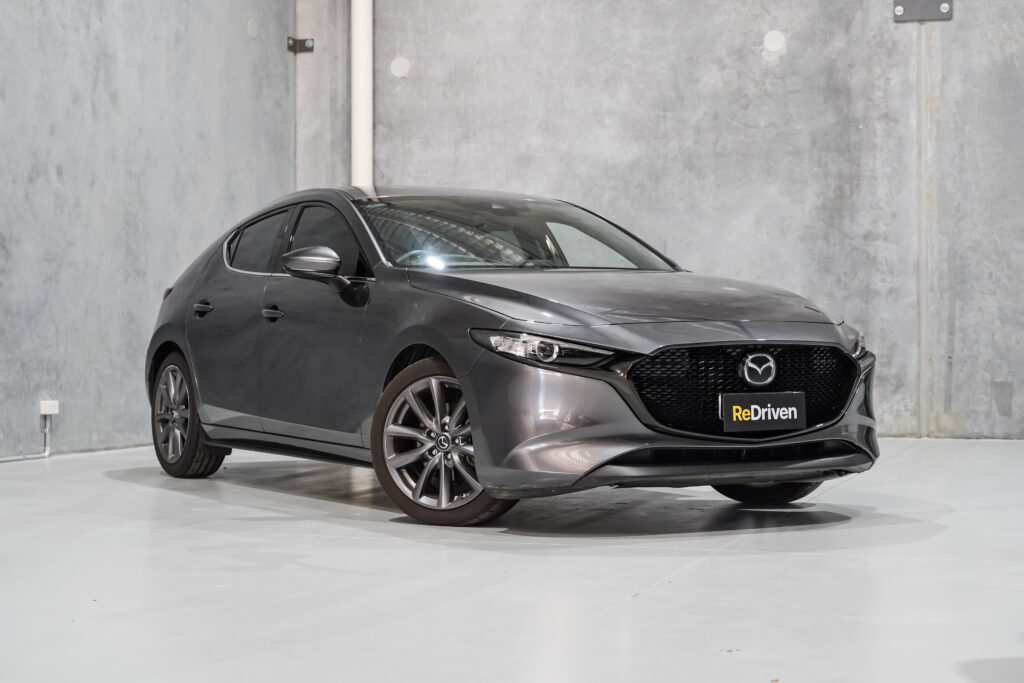
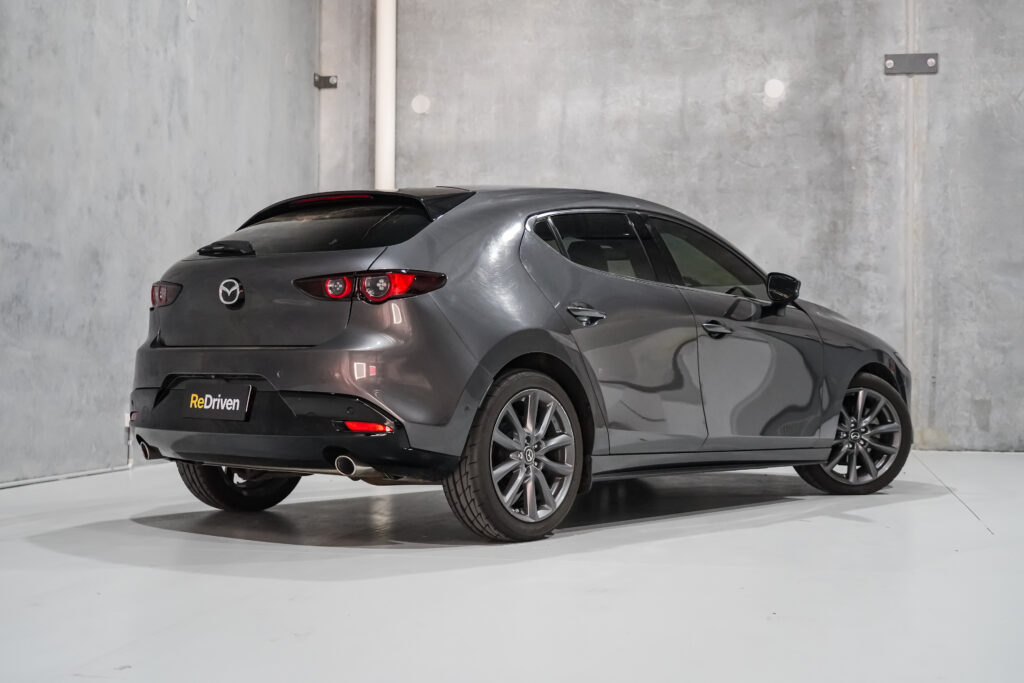

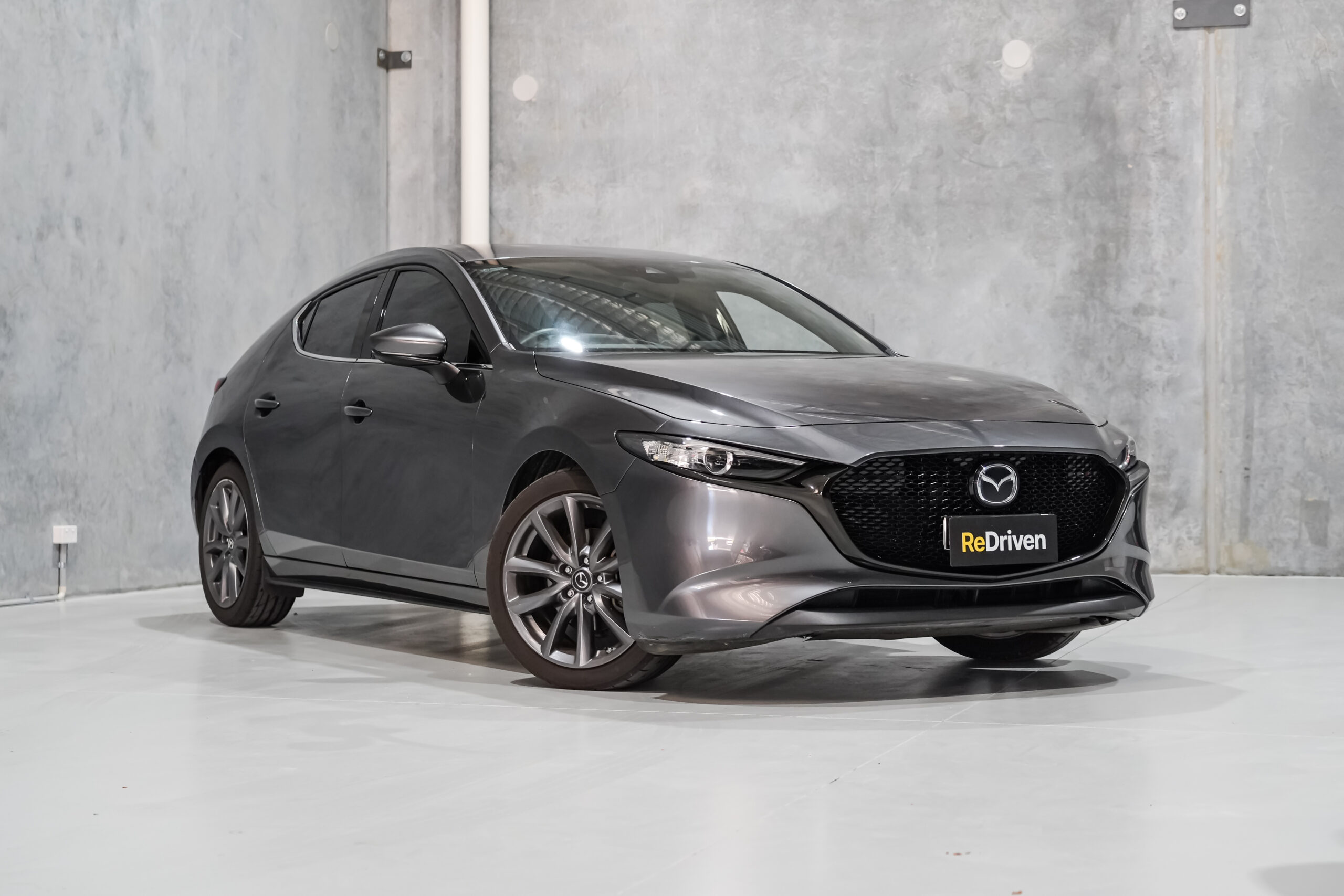
2020 Mazda 3 G25 GT

03 January 2025
Would We Buy It?

2020 Mazda 3 G25 GT

Used car review
03 January 2025
The fourth-generation Mazda 3, known as the BP series, debuted in 2019 and has undergone three iterations: Series 1 (2019–2023), Series 2 (2023–2025), and the current Series 3 (2025 onward).
While the exterior design and premium interior aesthetics have remained consistent, the technology and equipment have improved over time.
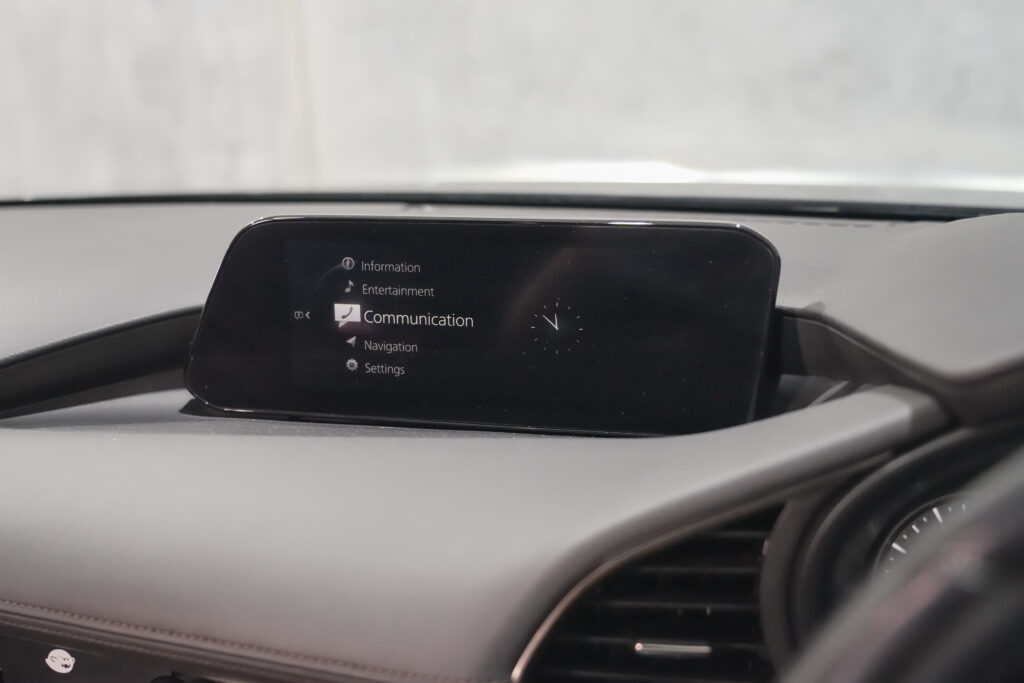
For instance, the 2023 update introduced a larger infotainment screen, wireless phone connectivity, USB-C ports, and other refinements, enhancing the vehicle’s modern appeal.
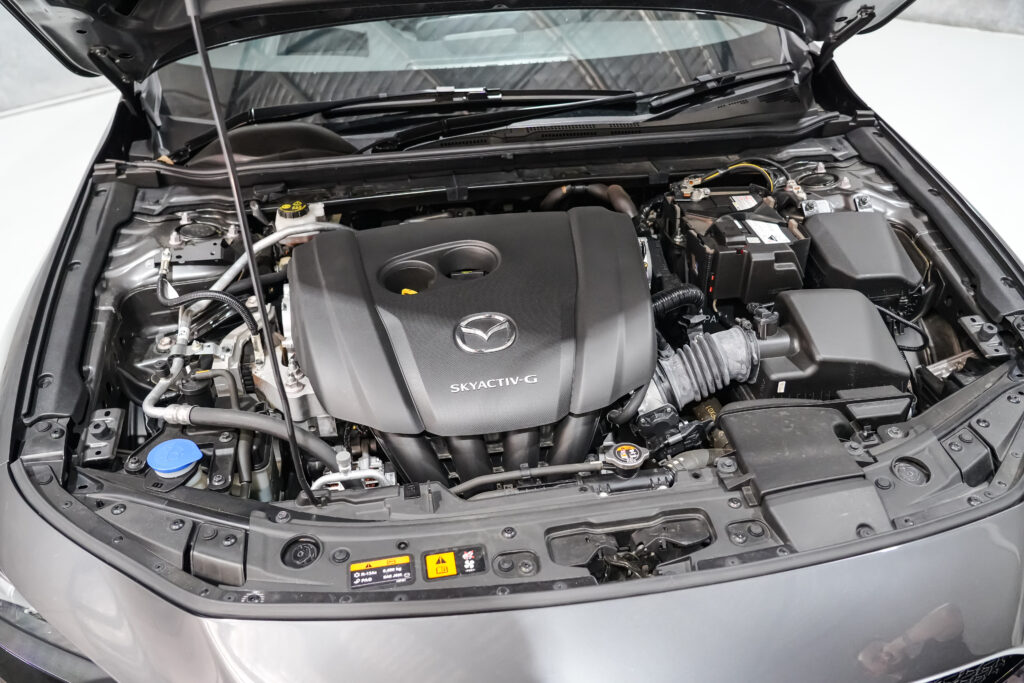
In Australia, most Mazda 3s of this generation available on the used market come equipped with either a 2.0-litre or 2.5-litre naturally aspirated petrol four-cylinder engine, driving the front wheels via a six-speed manual or automatic transmission.
The 2.0-litre engine powers the G20 Pure, G20 Evolve, and G20 Touring trims, while the 2.5-litre engine is available in the G25 Evolve (and Evolve SP), G25 GT, and G25 Astina.
Mazda briefly offered hybrid variants in the local market, but due to poor sales, they were discontinued. Unfortunately, Australian buyers have missed out on the AWD 2.5-litre turbo and 1.8-litre diesel options available in other markets, though Mazda’s troubled reputation with diesel engines suggests the latter may not have been a great loss.
From launch, the Mazda 3 was well-equipped with features like Apple CarPlay, Android Auto, climate control, and a 360-degree camera system in higher trims.
Advanced safety tech, including Mazda’s radar-guided cruise control and active braking systems, was also standard across most variants. Updates over time have added more convenience features, further enhancing the car’s value proposition.
Mazda’s reputation for reliability, build quality, and strong resale value makes the Mazda 3 a popular choice in Australia.
The brand’s focus on the “zoom-zoom” driving experience ensures the car delivers an engaging ride, further solidifying its appeal. Additionally, Mazda has one of the strongest customer retention rates in the industry, with many owners returning to the brand for their next vehicle.
Exterior:
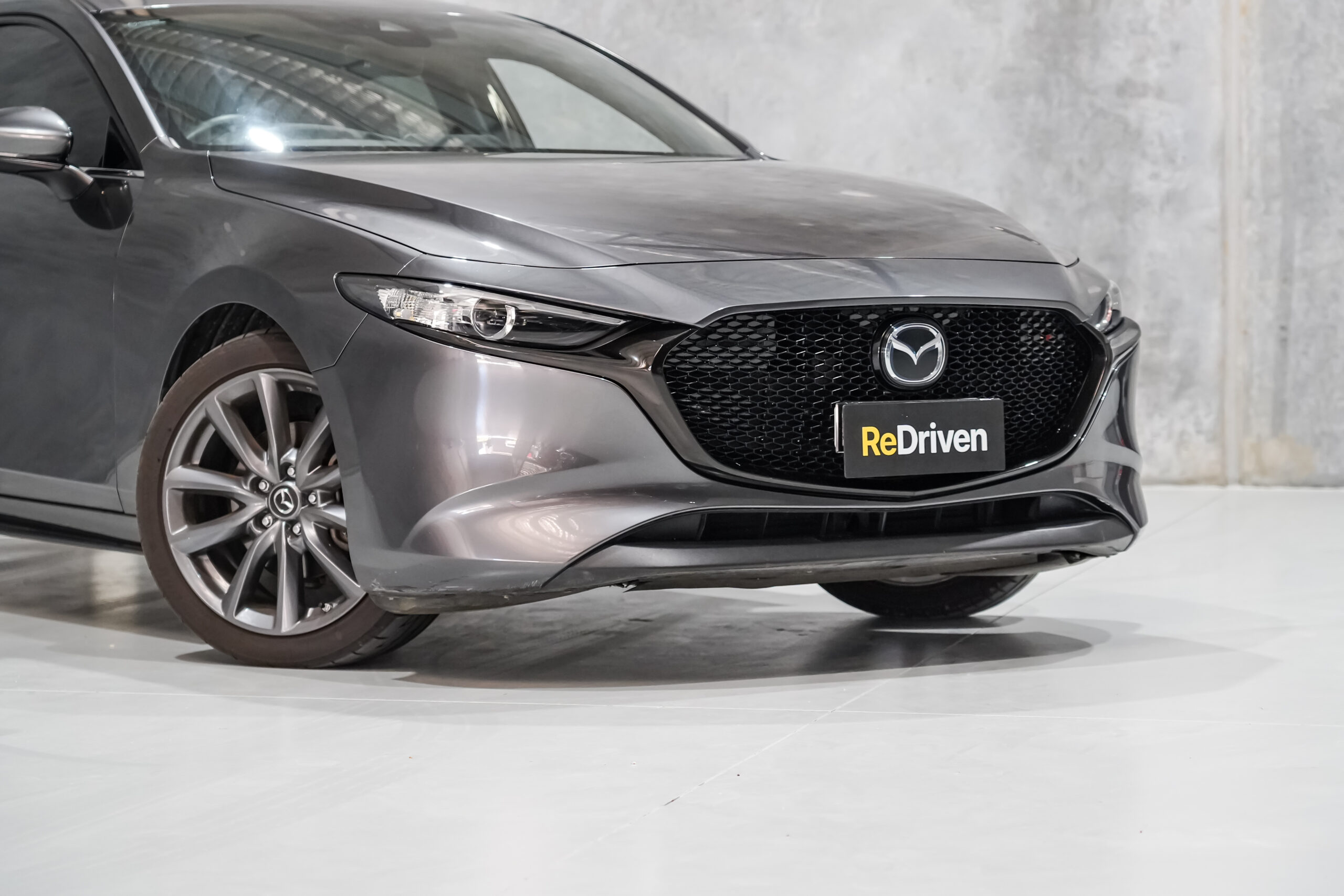
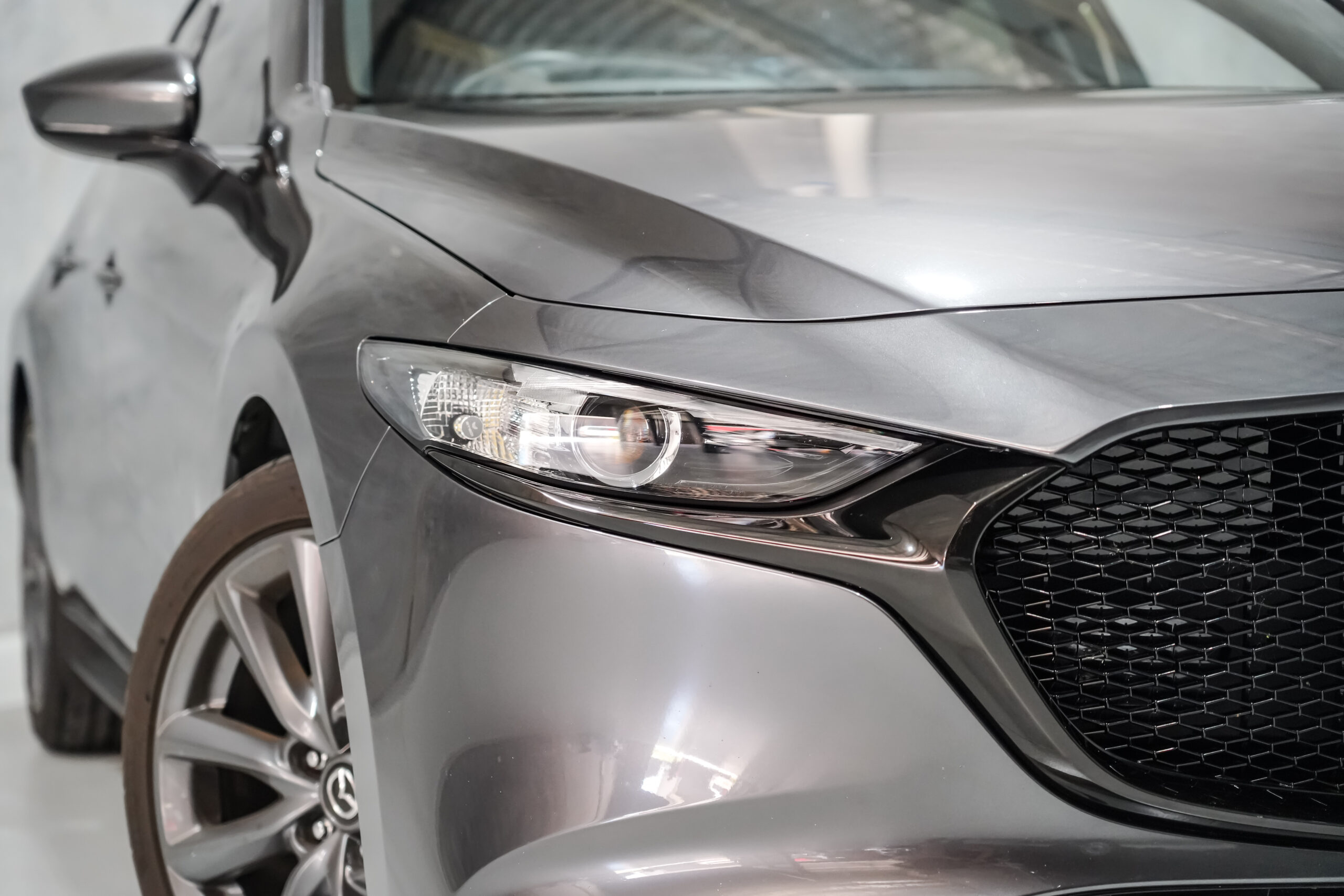
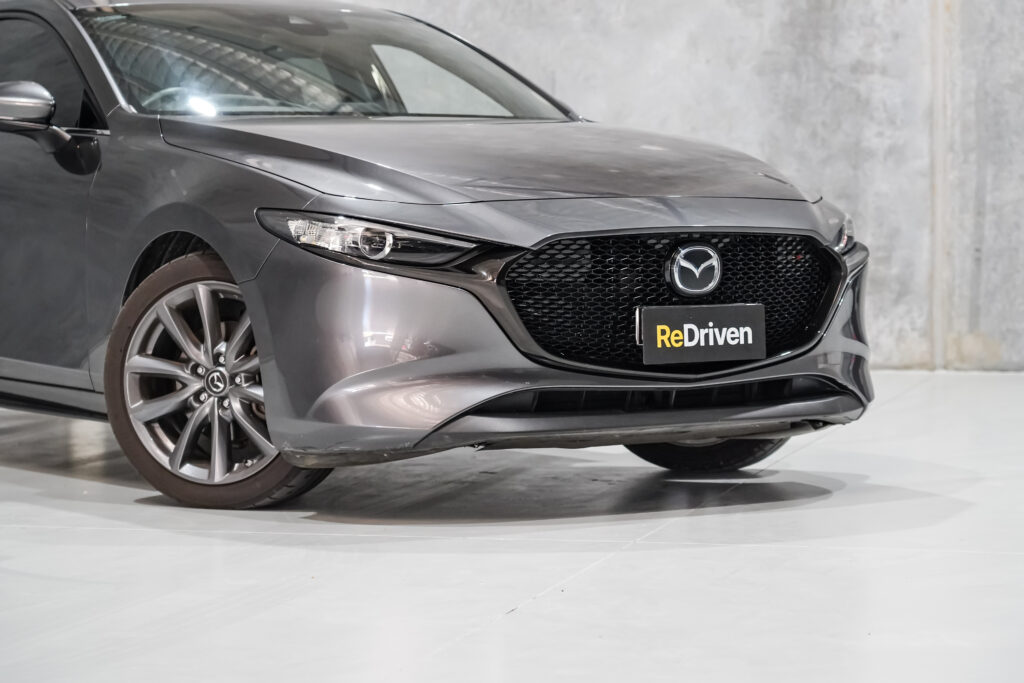
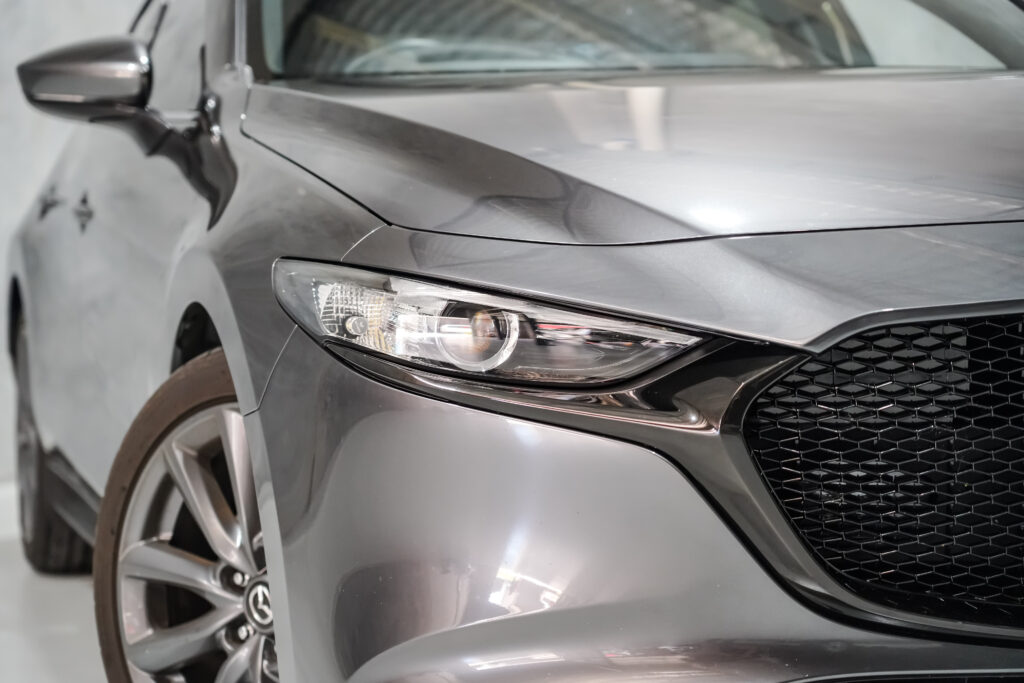
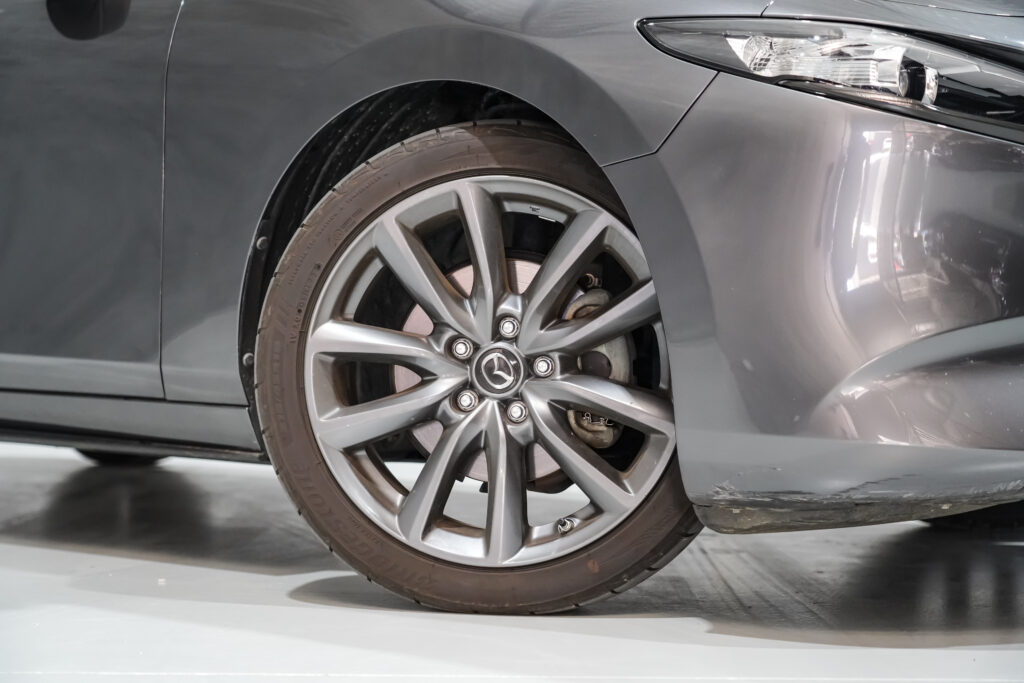
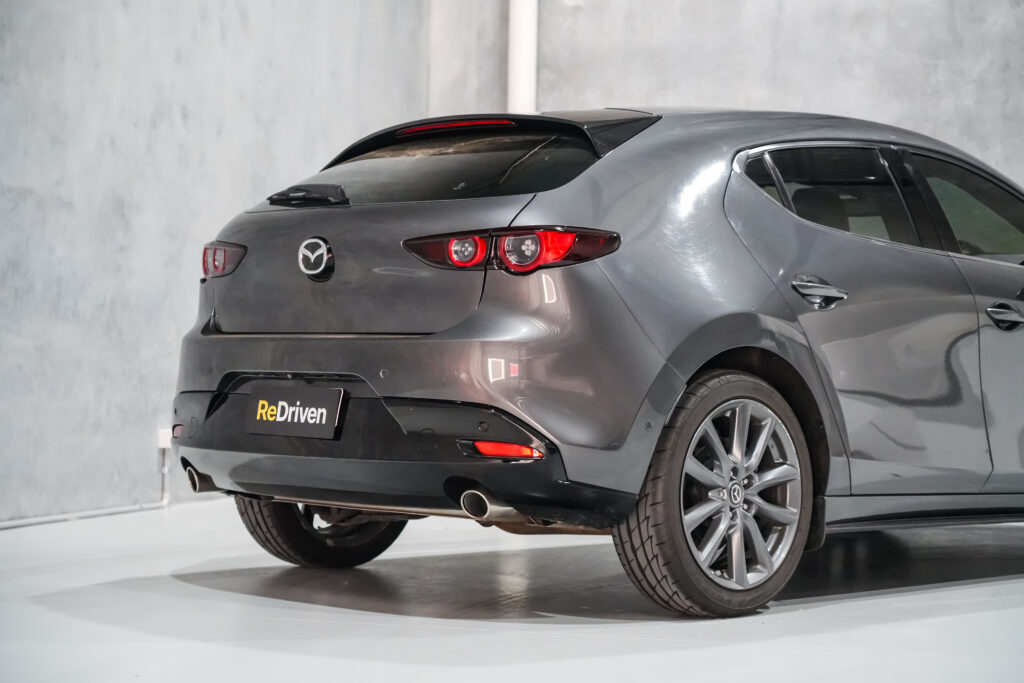
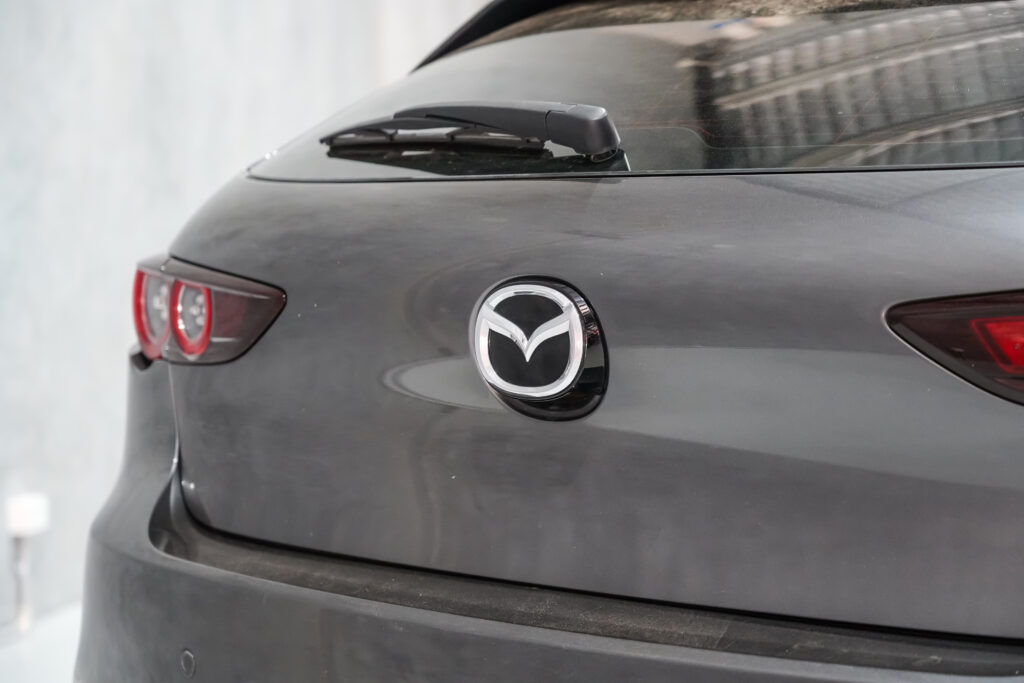
The paint quality of the BP Mazda 3 has been a frequent talking point among owners and professionals like panel beaters. Many describe it as being incredibly soft, prone to scratching, chipping, and marking with minimal contact. Owners often recommend applying paint protection film (PPF) immediately after purchase to preserve the finish.
The premium “Soul Crystal” paint options, particularly the stunning Soul Red, are particularly problematic. While they look phenomenal, repairing or respraying these colours is notoriously challenging.
Mazda applies a tinted clear coat to achieve the vibrant depth of these shades, but they don’t provide exact specifications for the colour mix, leaving panel shops to experiment.
As a result, perfectly matching these paints is considered nearly impossible, meaning an accident repair may never achieve a factory-fresh appearance again.
The body panels themselves are another area of concern. Many owners report that the sheet metal feels unusually thin, making it more susceptible to dents from minor impacts. This could be a result of Mazda’s efforts to save weight or reduce manufacturing costs.
Additionally, the driver’s side mirror has a unique zoomed-in perspective. While this can mess with depth perception initially, most owners adjust over time.
However, electrically powered components like the folding mirror actuators are prone to failure. This issue, affecting several Mazda models over the years, results in mirrors occasionally failing to fold in or out as expected.
Pre-2023 models have a few specific issues to watch for. The fuel flap is known to warp under extreme heat like a hot Aussie summer, though many affected units were repaired under warranty.
Some early 2019 models had poorly secured window trim that could pop out but should also have been fixed during earlier ownership.
Interior:
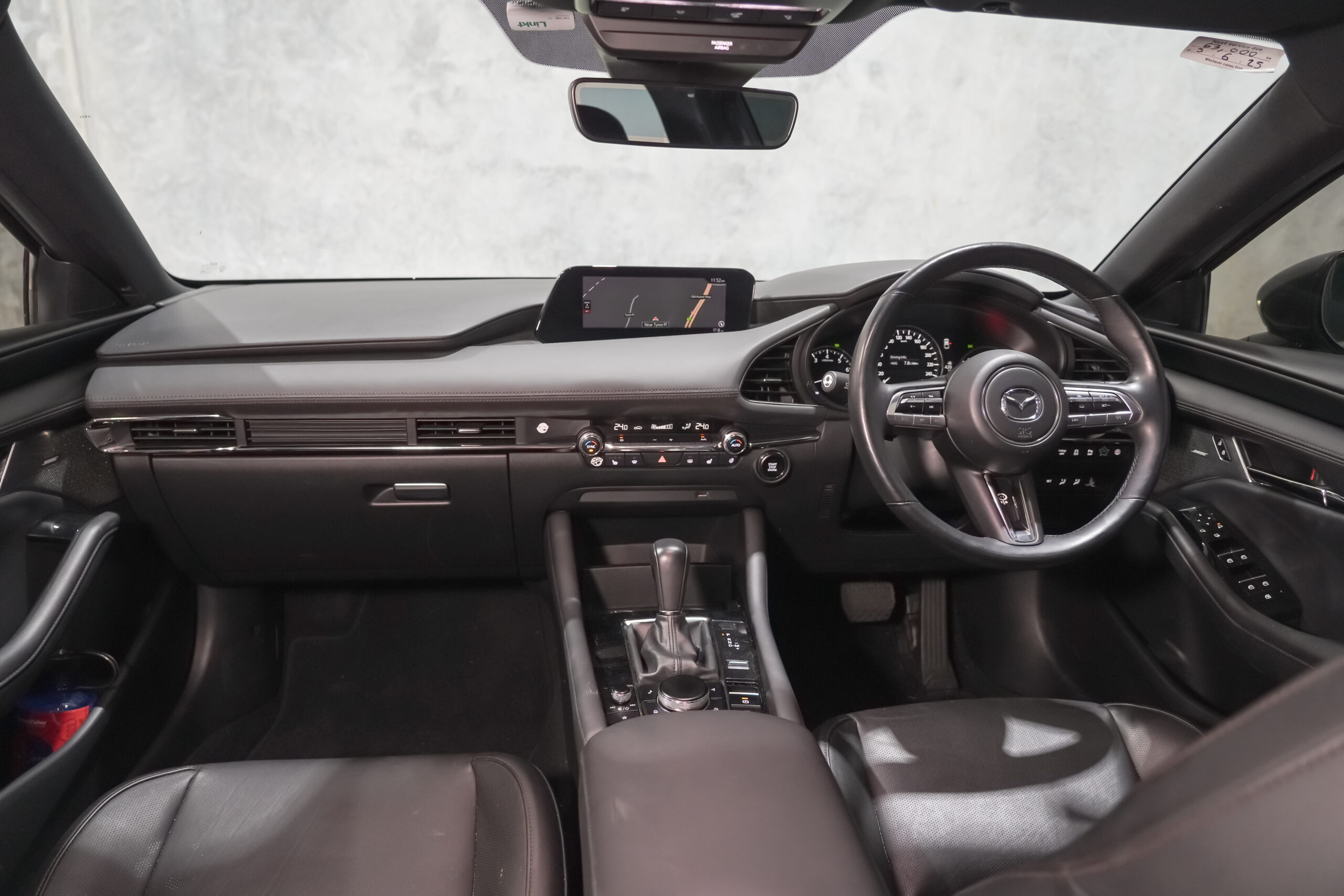
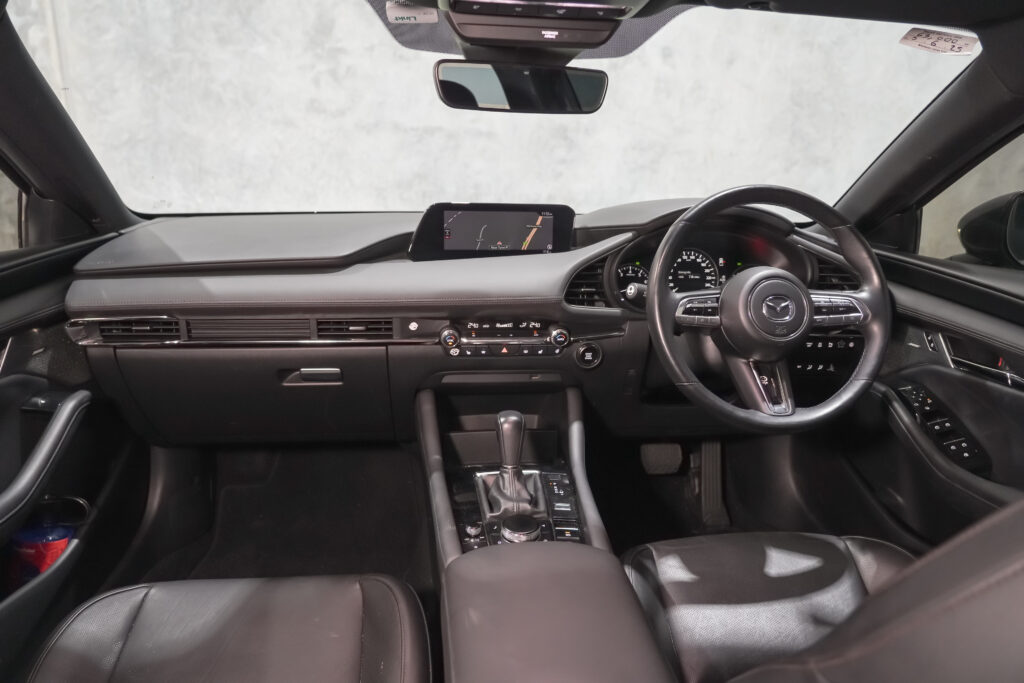
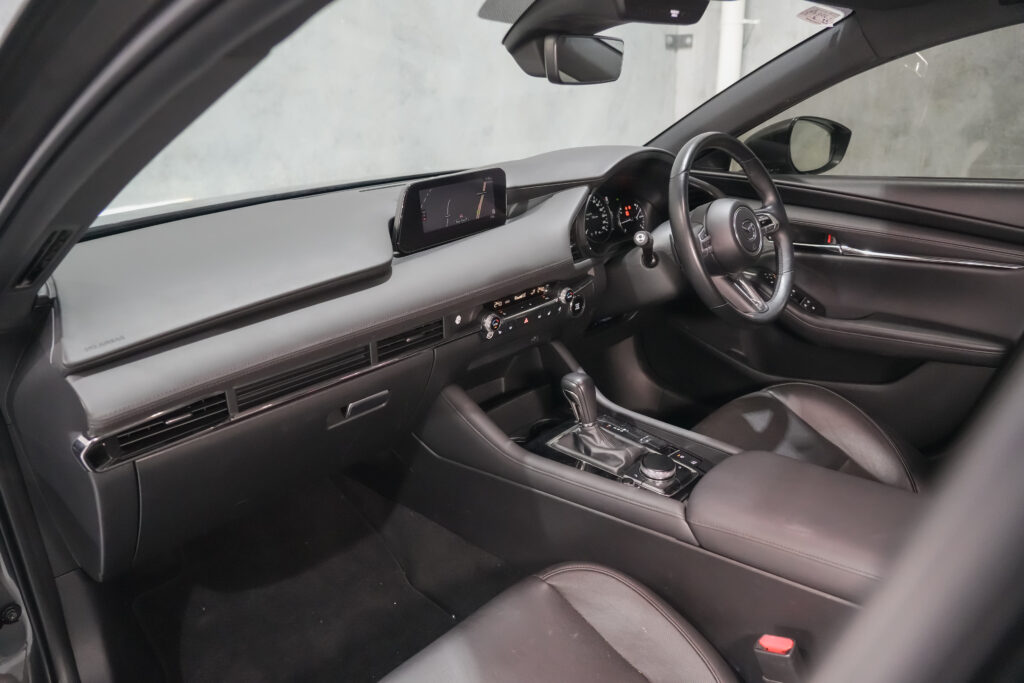
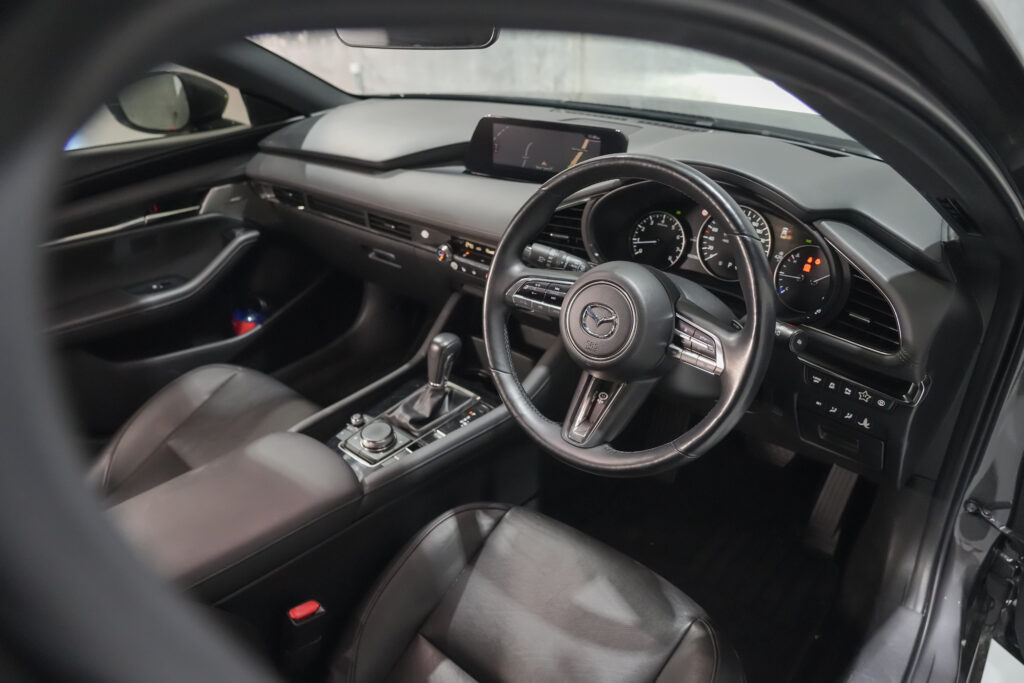
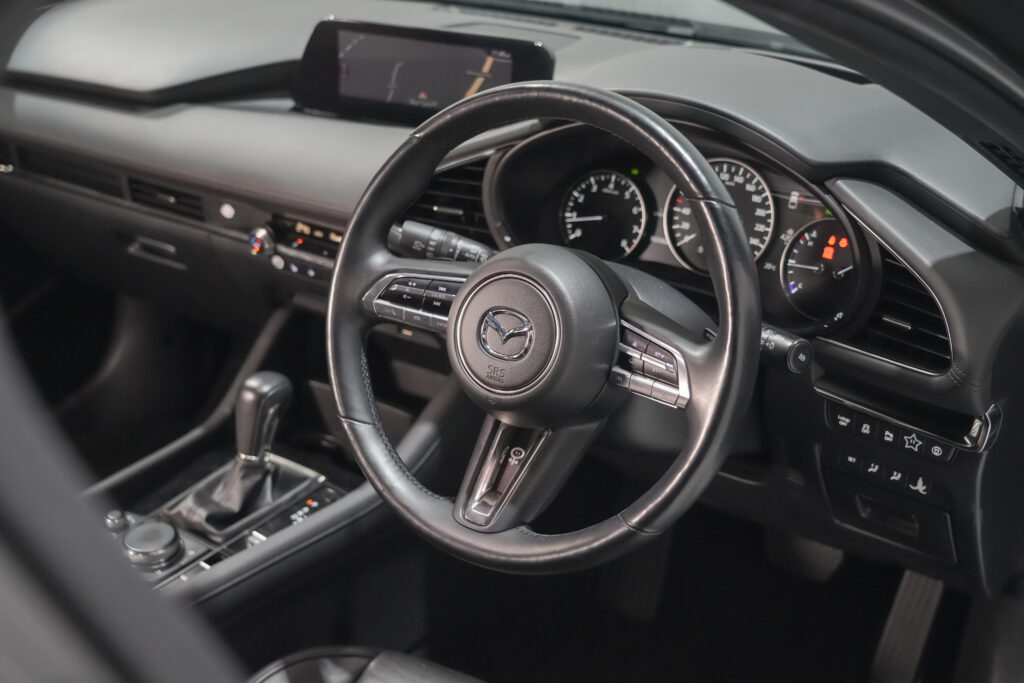
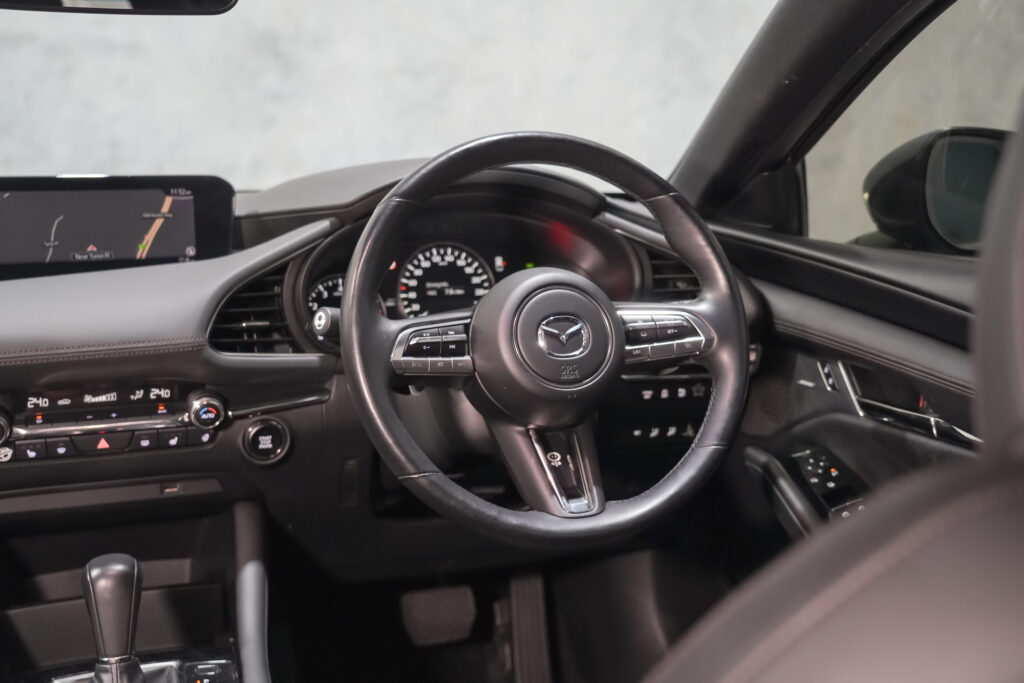
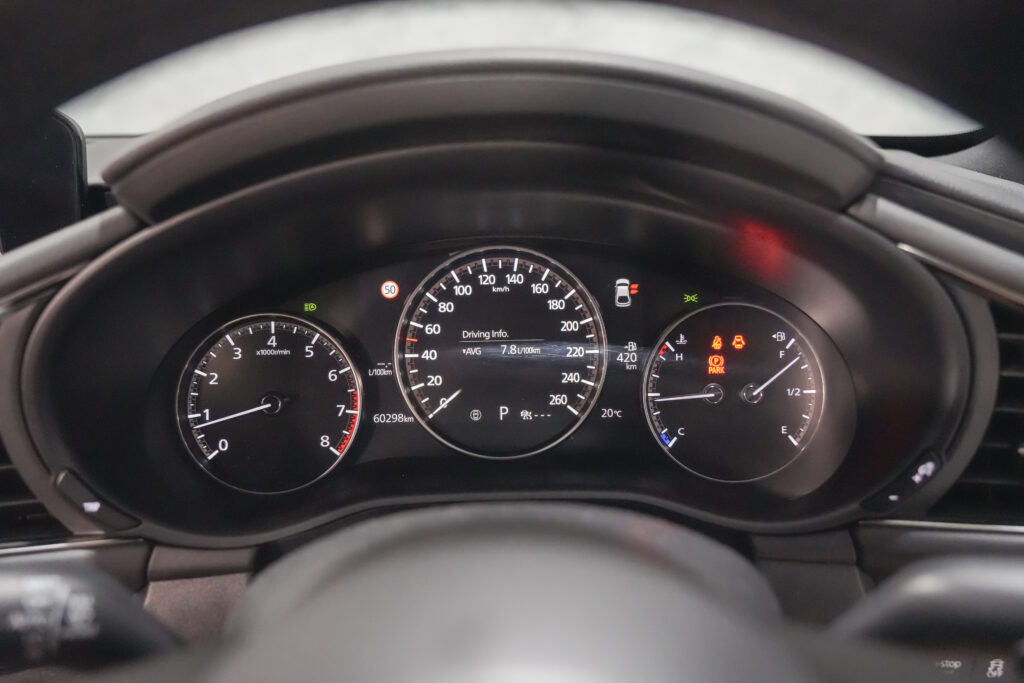
The Mazda 3’s interior is stylish and premium-looking, but it comes with some practical drawbacks. Gloss black plastic trims scratch easily, even with light cleaning, and the clear plastic over the instrument cluster is similarly delicate. This susceptibility to scratching can detract from the otherwise high-quality presentation of the cabin.
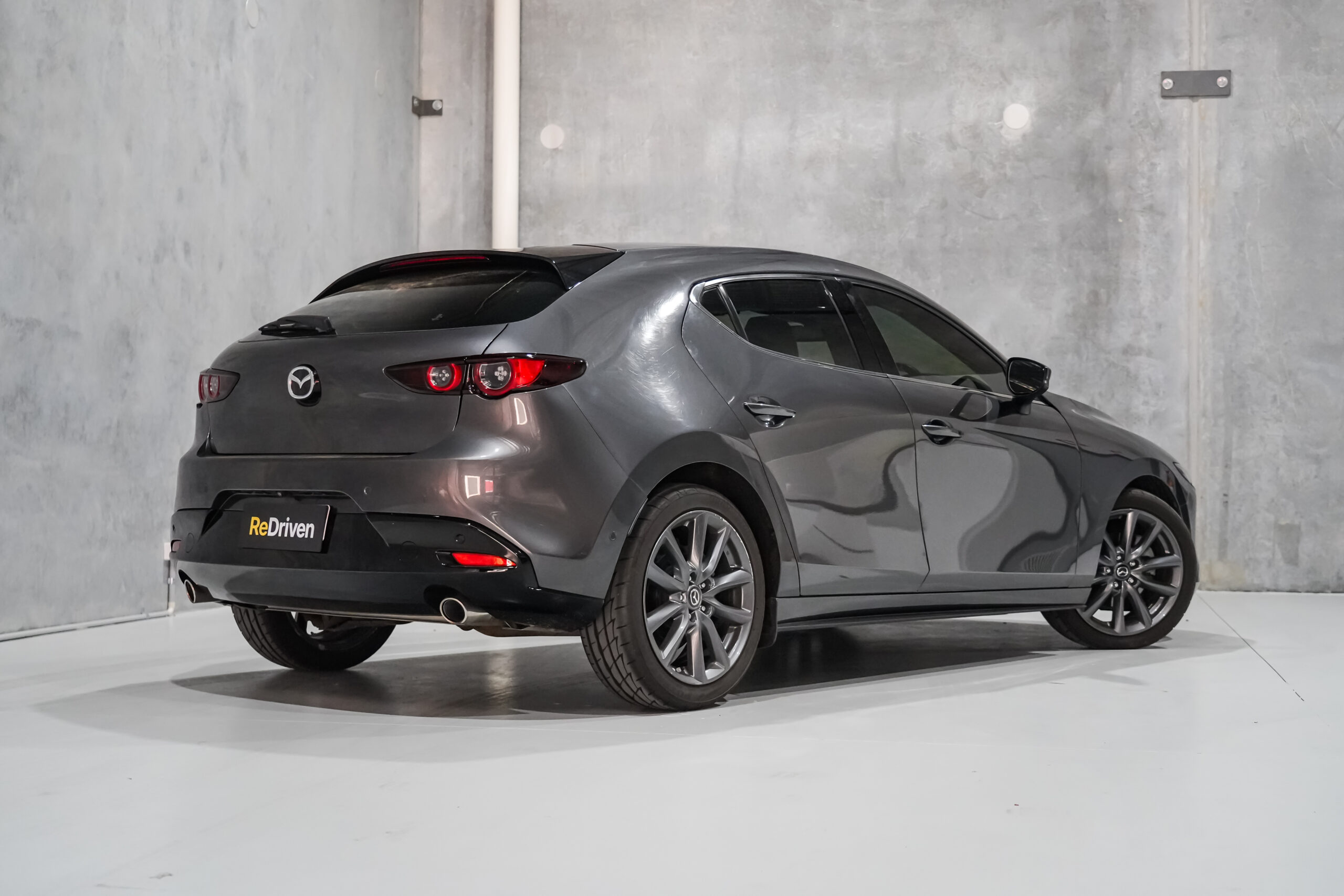
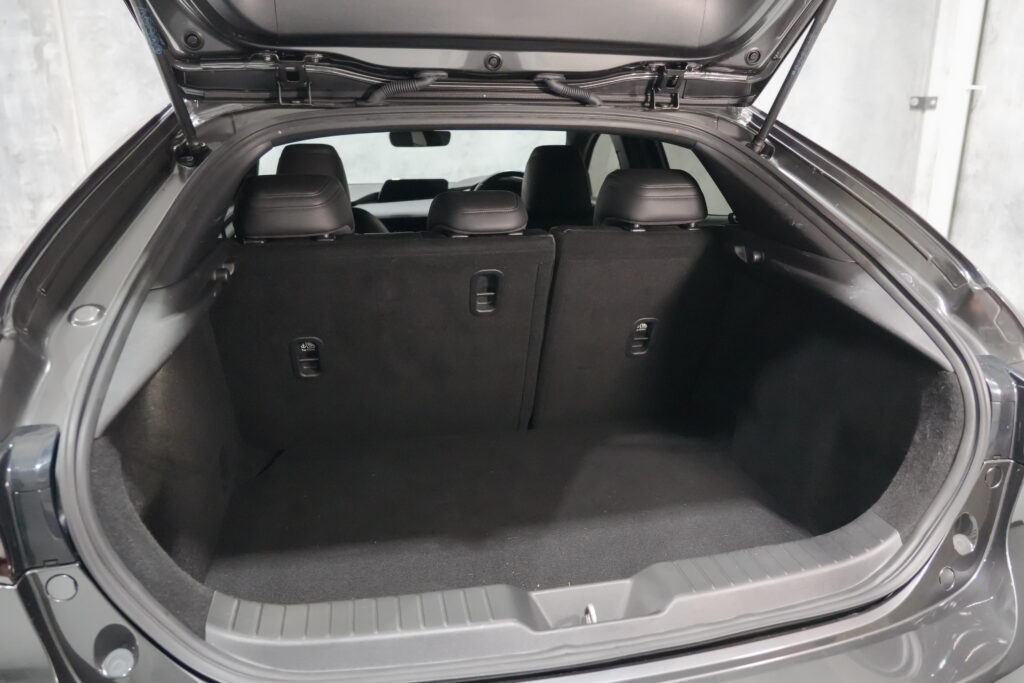
A unique design feature of the Mazda 3 is its steeply raked windscreen and rearward-leading roofline. While this gives the car its sleek profile, it causes the interior to heat up significantly under the Australian sun.
Unfortunately, the air conditioning struggles to compensate for the extreme heat, leaving some owners frustrated during the summer months.
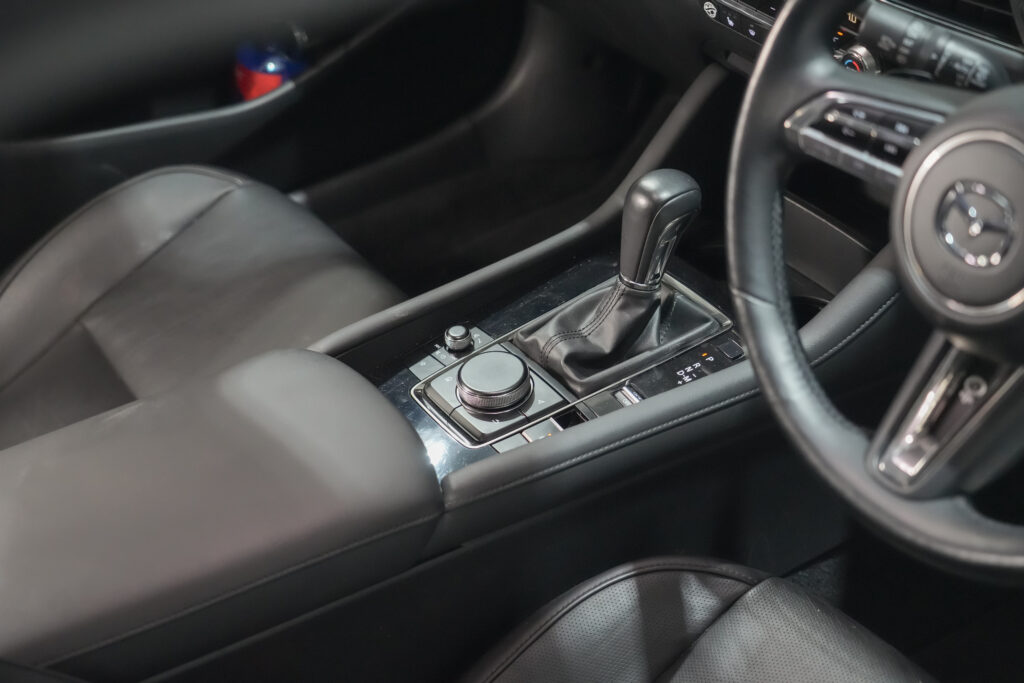
The infotainment system generally receives praise for its intuitive rotary-dial interface. Issues like system lock-ups, sat-nav failures, or malfunctioning cameras have been reported but are uncommon and usually resolved with software updates. However, voice recognition remains subpar, a typical drawback of many automotive systems.
Mechanically:
The 2.0L and 2.5L engines powering the BP Mazda 3 are robust when properly maintained. However, neglected examples can suffer from timing chain wear and variable valve timing gear issues.
Regular oil changes (at least every 12 months or 10,000 km) are critical to prevent problems like low-speed pre-ignition (LSPI) and oil dilution, particularly in vehicles used for short trips.
Like most direct-injection engines, intake valve clogging is a concern over high mileage but can be resolved through media blasting.
Other mechanical issues, such as high-pressure fuel pump or thermostat failures, are rare.
One common inconvenience is the 12V battery’s relatively short lifespan, often needing replacement every 2–3 years.
Suspension struts have been known to wear prematurely or leak, often covered under warranty. However, repeated failures after repairs may indicate a persistent design flaw.
While Mazda emphasises driving enjoyment with its “zoom-zoom” philosophy, the BP Mazda 3’s suspension setup is polarising. The ride is firm, which enhances handling but sacrifices comfort on rough Australian roads. Road noise, a long-standing Mazda issue, is still noticeable, though improved compared to earlier generations.
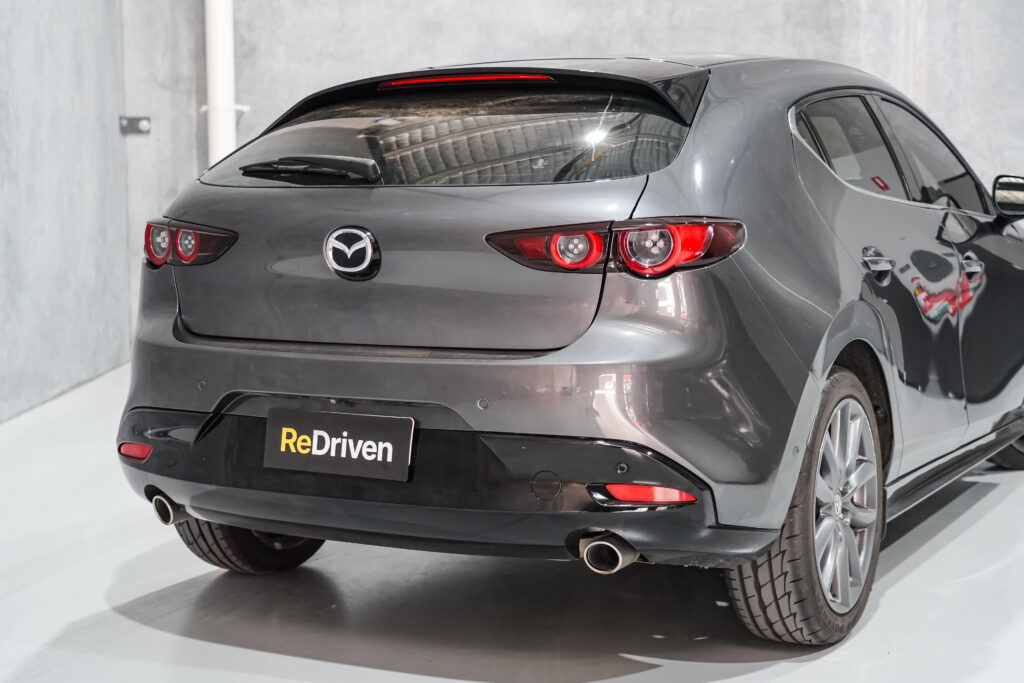
Blind spots are another common complaint. The sleek styling limits rearward and over-the-shoulder visibility, making models equipped with 360-degree cameras highly desirable.
Mazda’s advanced safety systems are also a double-edged sword. Features like automatic emergency braking can be overly sensitive, activating inappropriately in situations such as parking ramps or near roadside objects. A software update is expected to address these calibration issues.
Finally, Mazda Australia’s after-sales support has received mixed reviews. Some owners report difficulty having warranty claims approved or finding dealership assistance. Checking forums and owner groups for feedback on specific dealerships is advised.
There’s no denying that this generation of the Mazda 3 is an outstanding vehicle. Its build quality and reliability are among the best in its class, it boasts an eye-catching design, comes packed with features, and holds its value remarkably well on the used market.
For many, it represents an ideal blend of practicality, style, and performance.
However, if you’re considering a used BP Mazda 3, it’s worth examining its predecessor, the third-generation Mazda 3 (BM/BN, 2013–2019). The older model offers an arguably more engaging yet comfortable driving experience and similar levels of build quality and reliability.
It’s also well-equipped and, importantly, often available for several thousand dollars less.
There’s a tendency to assume that newer automatically means better, but that’s not always the case. While the BP generation introduces refinements like a more premium interior design and updated technology, it doesn’t represent a dramatic leap over its predecessor in terms of driving dynamics, practicality, or reliability.
The two generations are different but not necessarily better or worse than one another—they cater to slightly different tastes and priorities.
If your budget allows and you’re drawn to the BP’s sleeker styling and modern amenities, it’s a fantastic choice that should serve you well for years to come.
However, if value for money is a top concern, the previous generation may offer a near-equivalent ownership experience for a significantly lower upfront cost. Ultimately, the decision comes down to whether the BP’s updates and aesthetic appeal justify the premium price for you.


Co-creator, presenter & writer, ReDriven

 7 days ago
 1 week ago
 3 weeks ago