Australia’s No. 1 Used Car Review Website
Australia’s No. 1 Used Car Review Website
+17 Photos
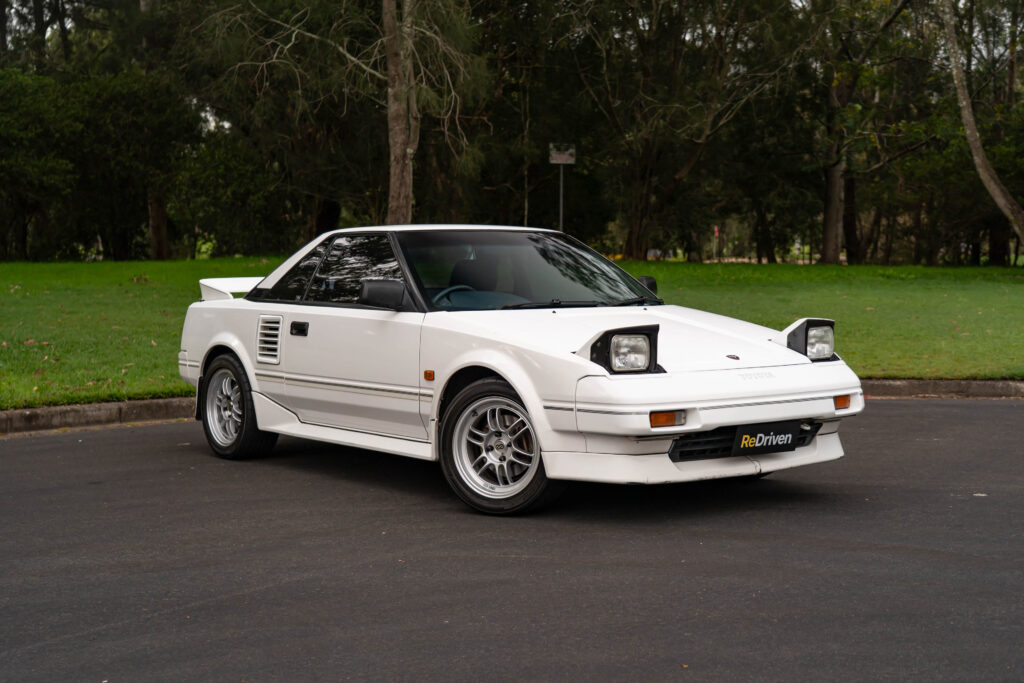
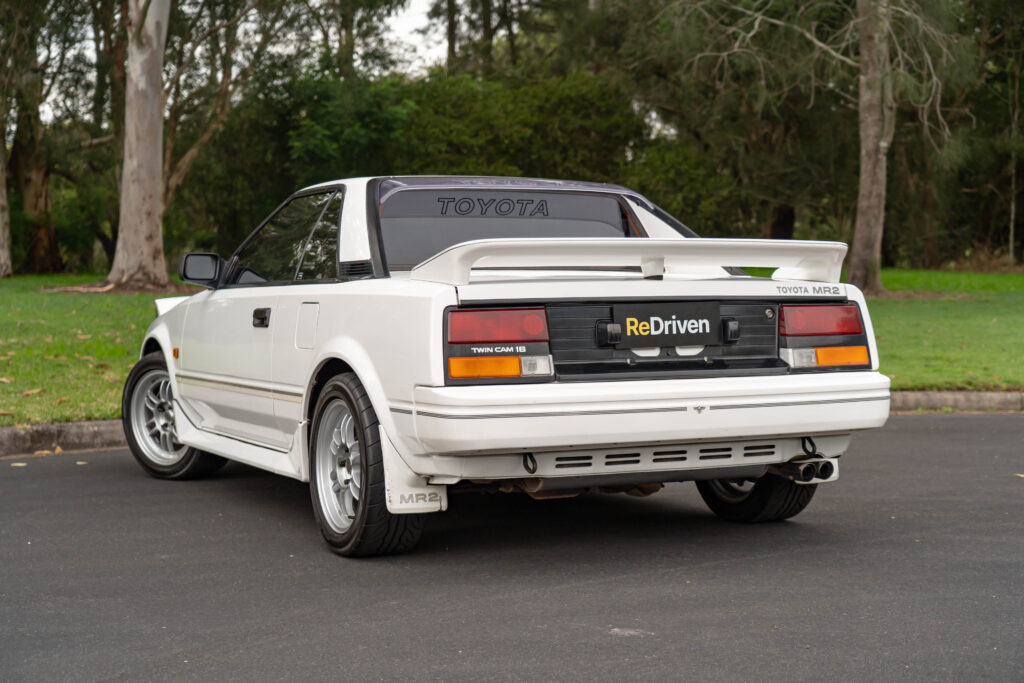
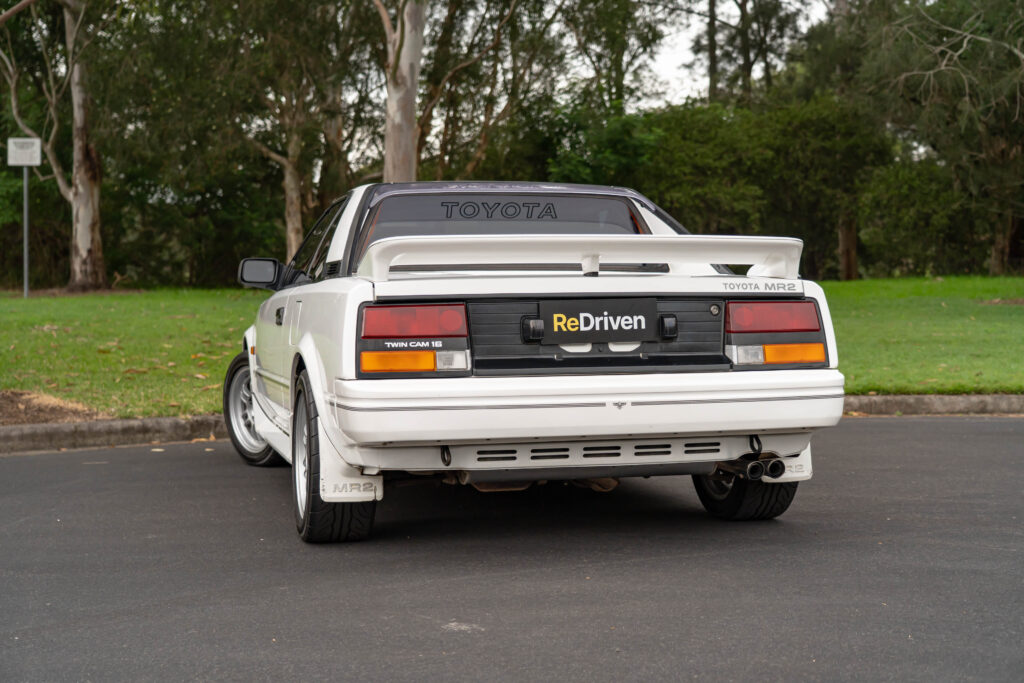
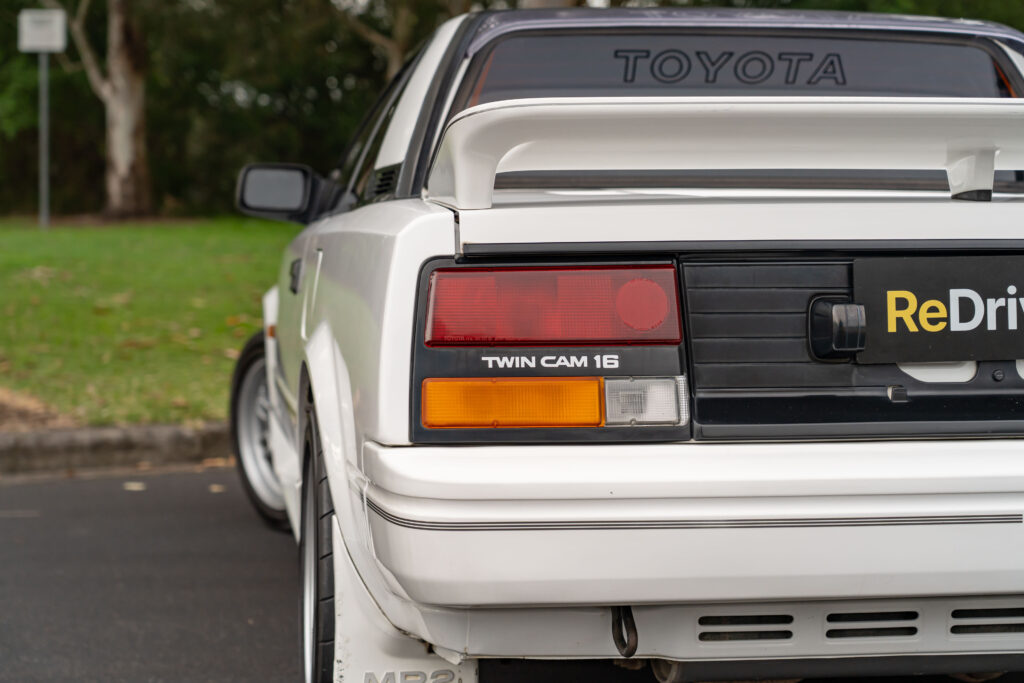
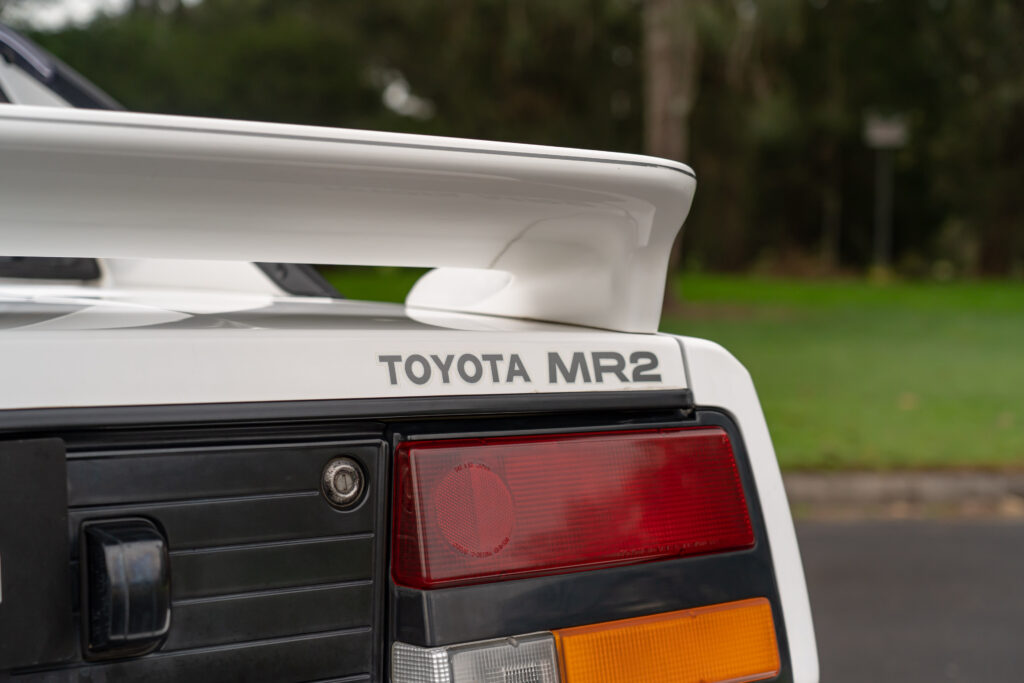

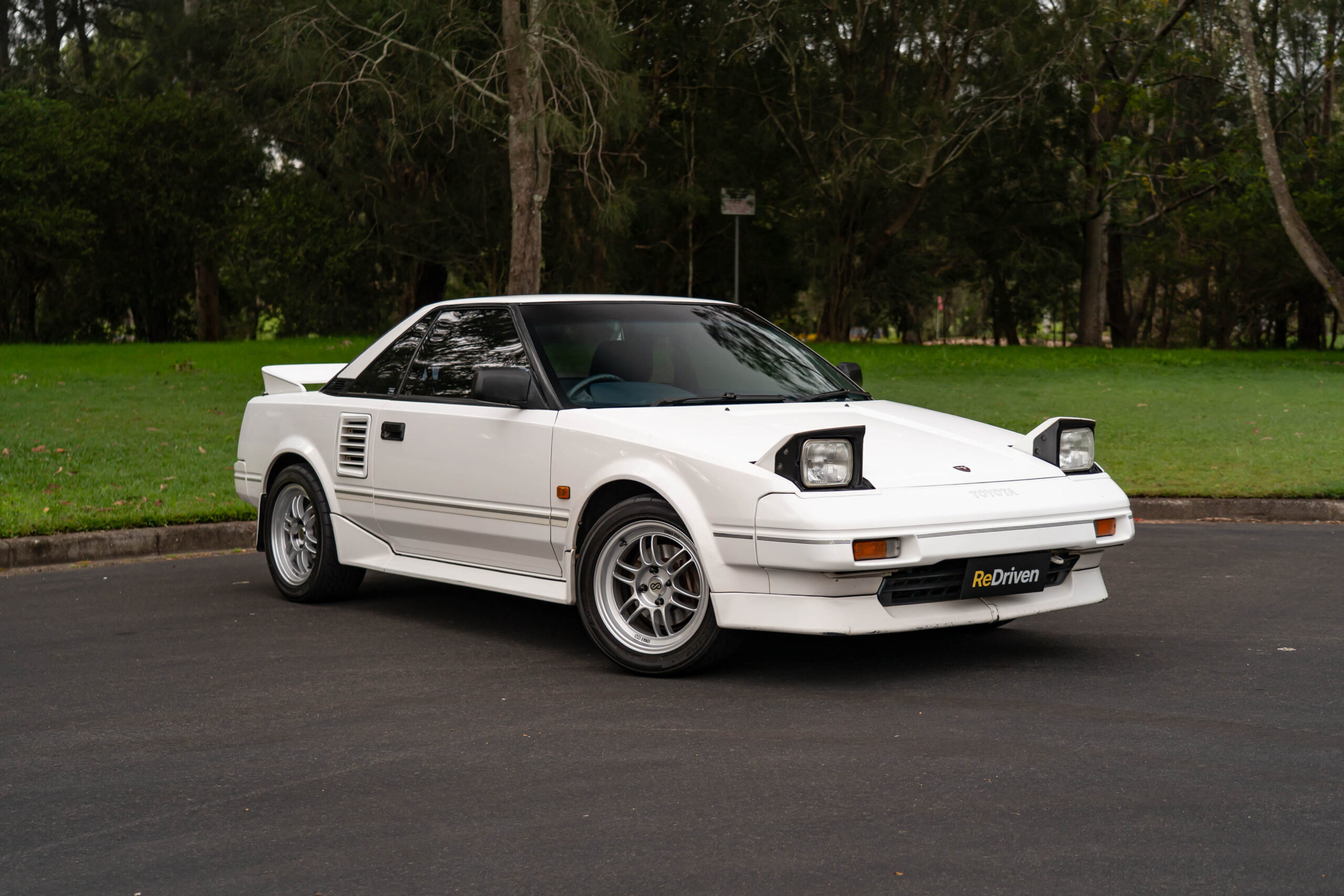
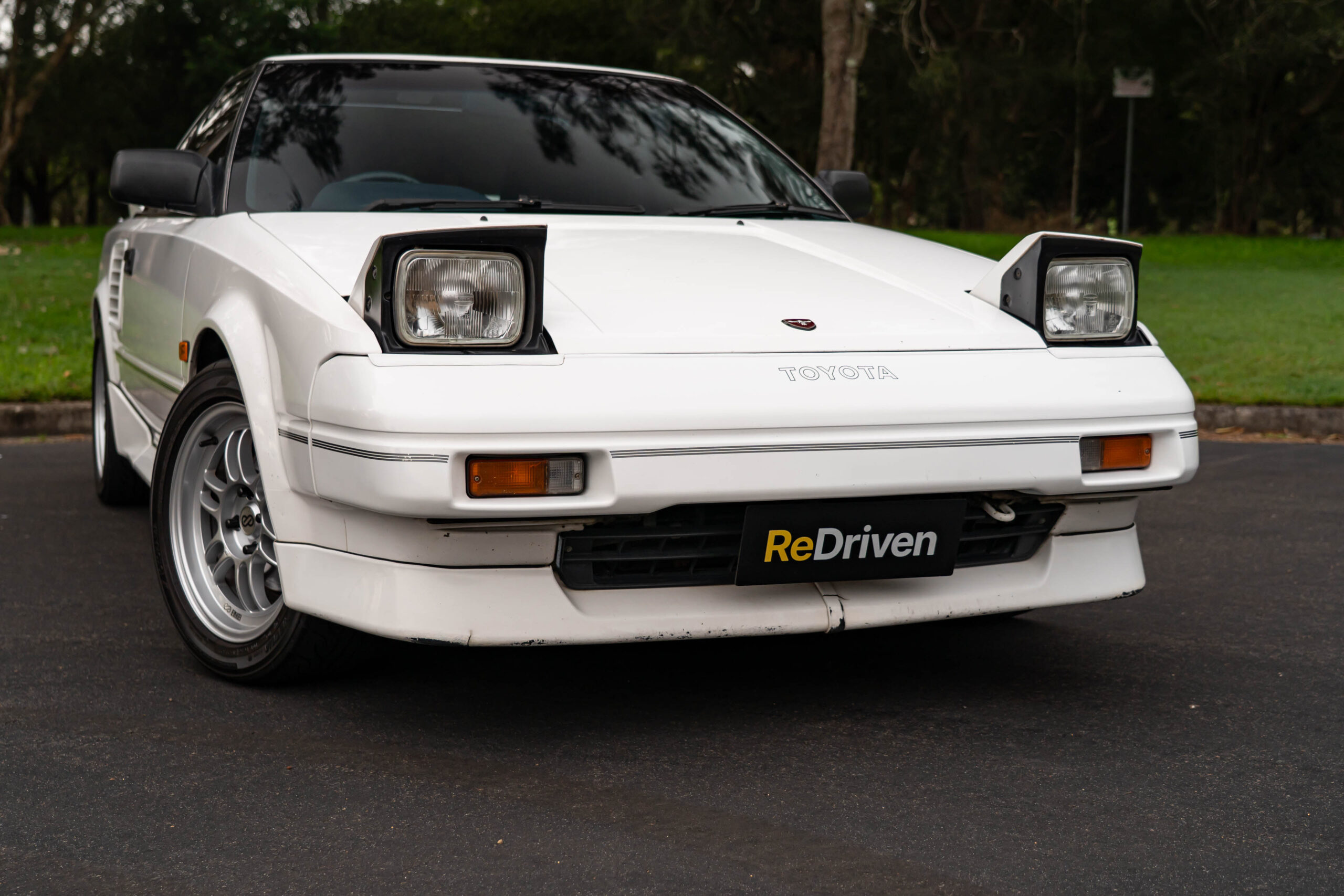
1987 Toyota MR2

04 August 2026
Yes. But only the right example.

1987 Toyota MR2

Used car review
04 August 2026
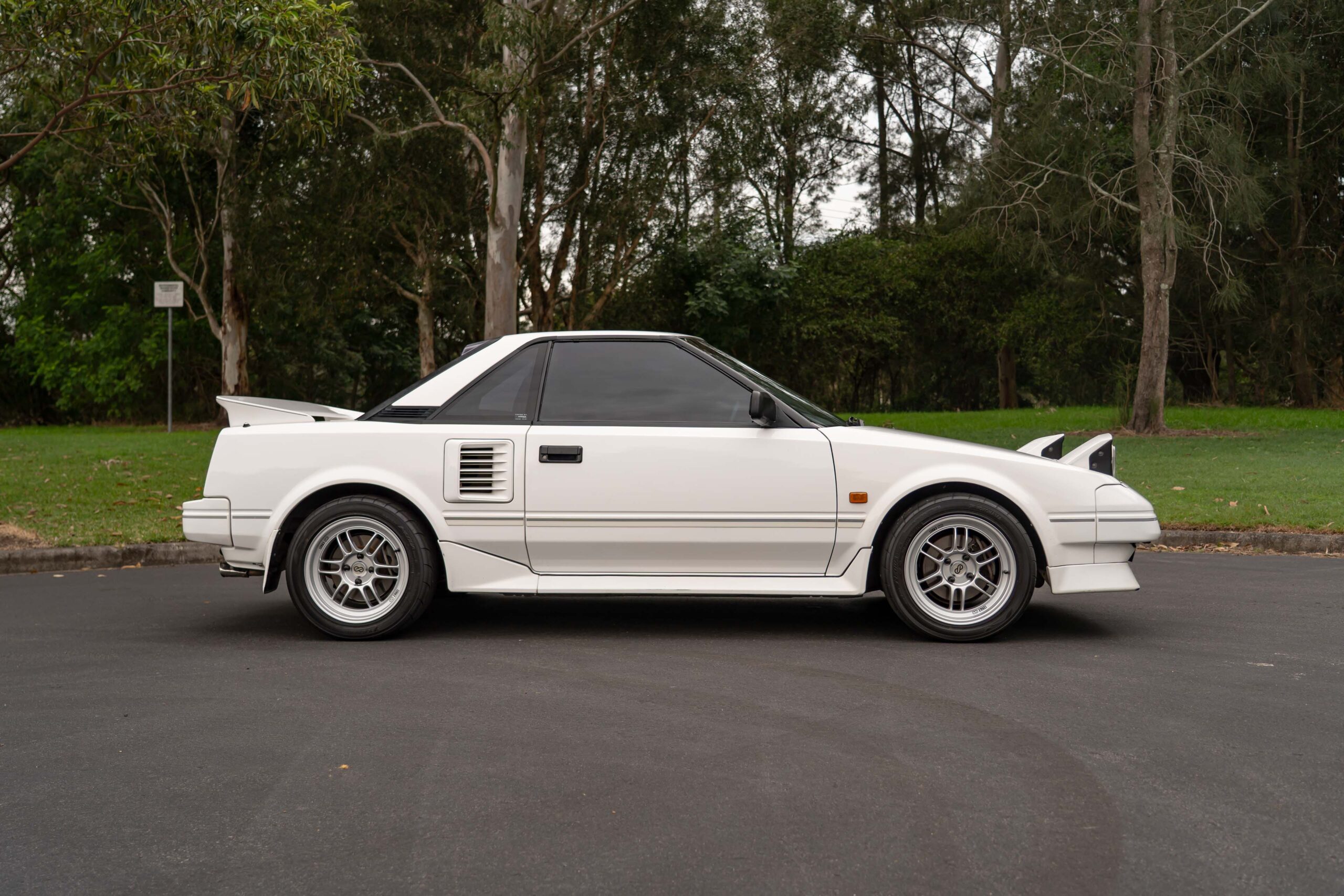
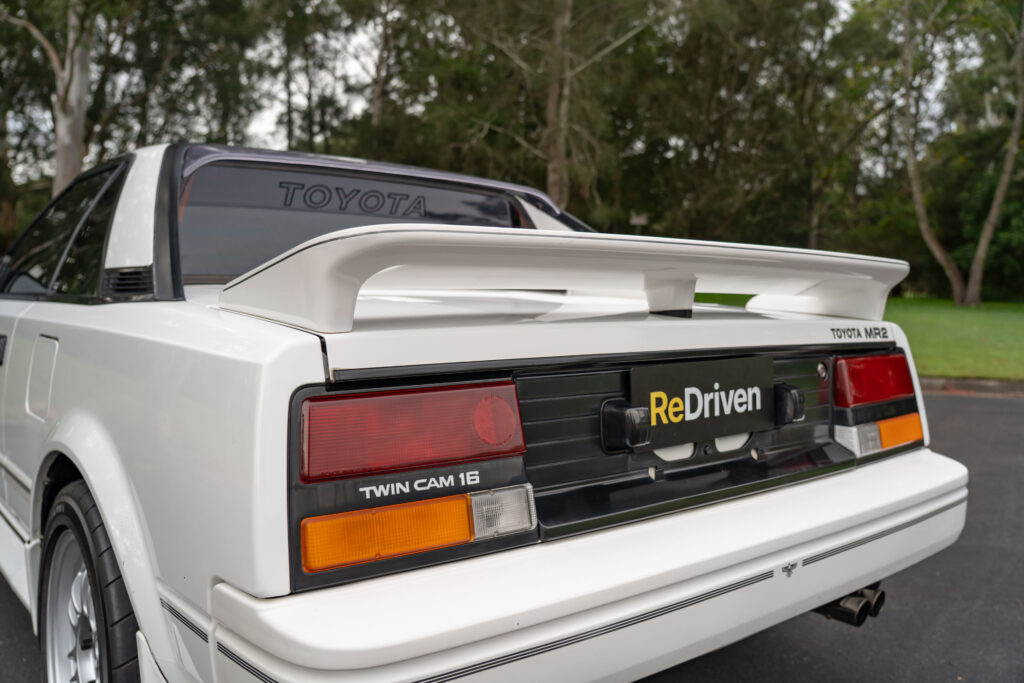
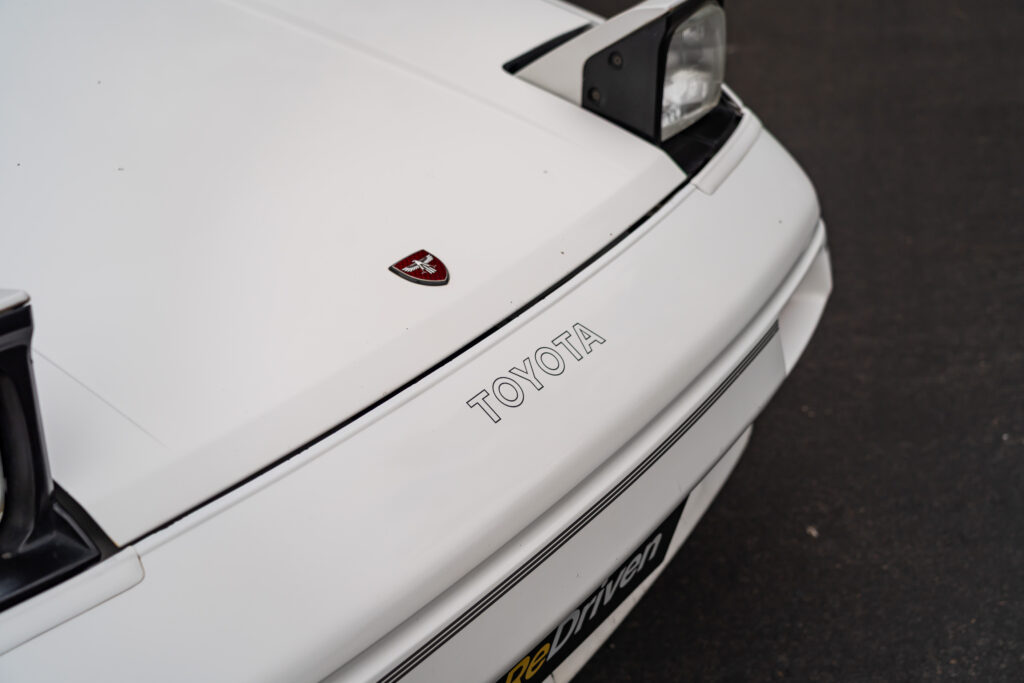
The first generation of Toyota’s midship sports car, the MR2 (AW11), debuted in 1984 and was produced up until 1989.
Not only was it the first of its kind for the Japanese automotive industry, a rear-mid-engine, rear-wheel-drive production car, but as the first model to bear the MR2 nameplate, it represented a new chapter for Toyota: a compact, fuel-efficient rear-wheel-drive sports car for the masses.
The AW11-gen MR2 also had sporting credentials up its sleeve, thanks to its suspension and handling engineered with input from Lotus engineer Roger Becker.
In fact, the AW11 can be interpreted as an Anglo-Japanese collaboration, given both Lotus and Toyota collaborated from as early as the prototype stages of this model.
Featured engines in the AW11 MR2 were both 1.6L four-cylinders: the naturally-aspirated 4A-GE and the supercharged 4A-GZE units. These were primarily paired to a five-speed manual, though a 4-speed automatic transmission was available as an option, sending power to the rear.
Two versions of the AW11-generation MR2 were released during its five-year production run: pre-update cars spanned from 1984-1985 (MK1a), before a mid-cycle update was rolled out globally from 1986-1987 (MK1b), which made slight alterations to the exterior and interior design, along with updates to the chassis and suspension tuning.
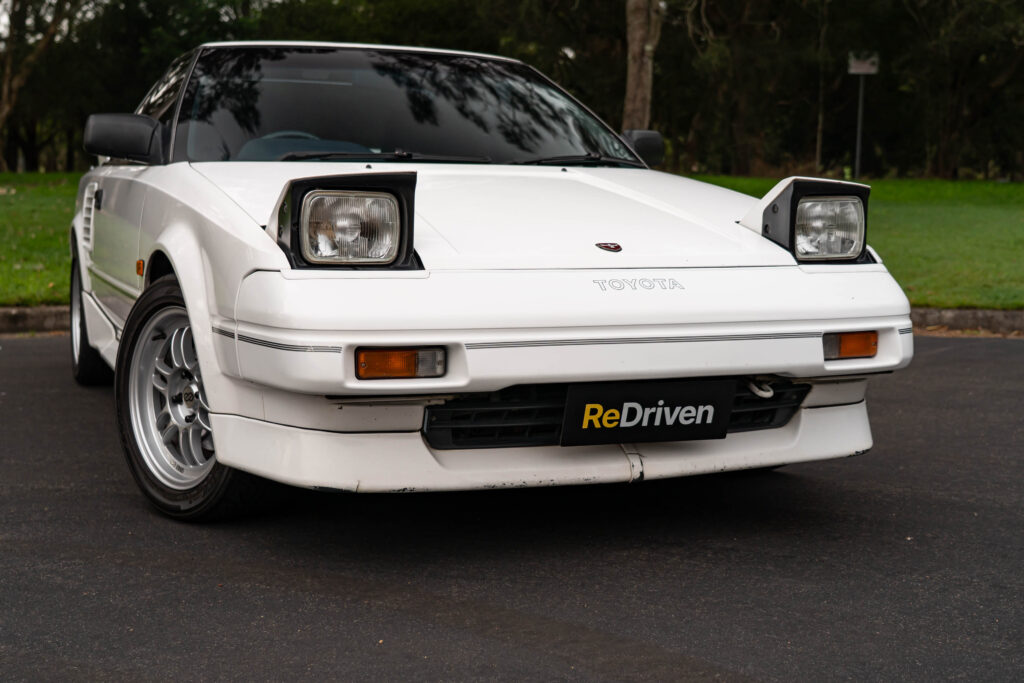
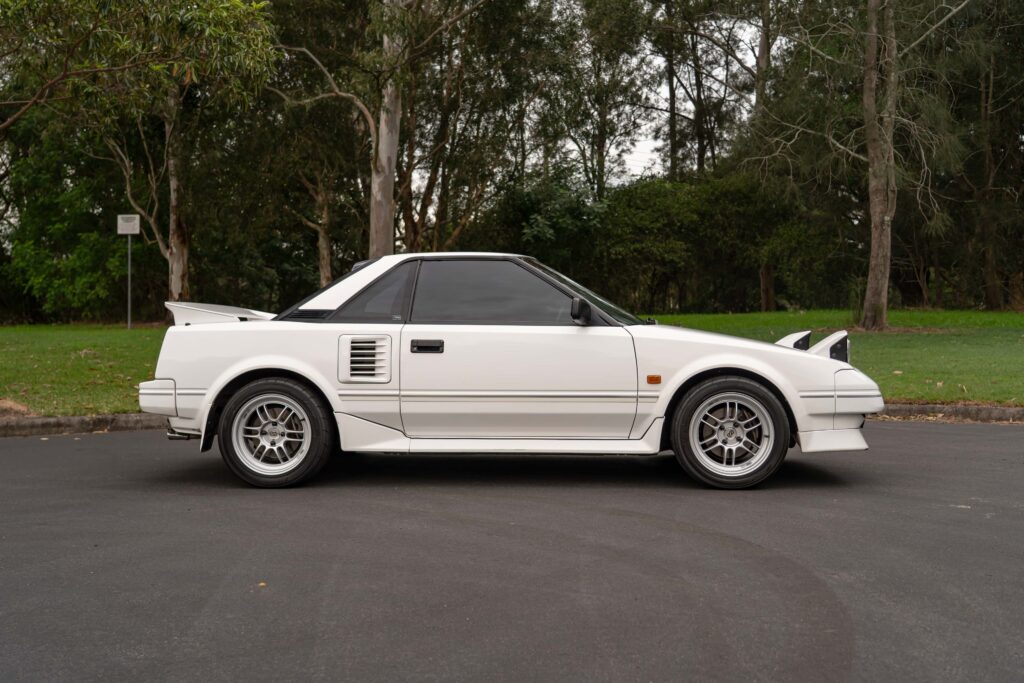
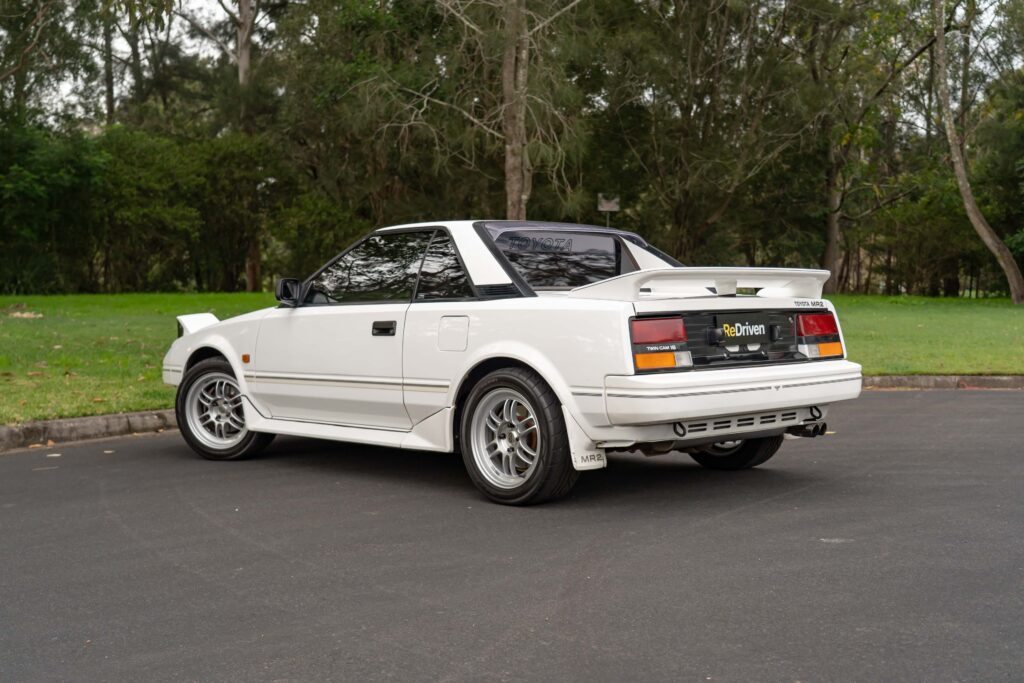
Most AW11s on the market will have the ‘T-Top’ (targa) roof configuration, but a very small number were sold from factory as hardtop coupes.
Comparable sports cars of this size to the AW11-MR2s range from the Honda CR-X, the Mazda MX-5, to the Pontiac Fiero (in North America), the British Lotus Elise, and the Italian Fiat X1/9.
Exterior:
Rust and corrosion are something to look out for, as with Japanese cars of this age – especially if you are looking at exporting one that may have spent any degree of its past life in cold climates, or, given this was an affordable sports car back in its day, any undisclosed accident damage that could be lurking underneath.
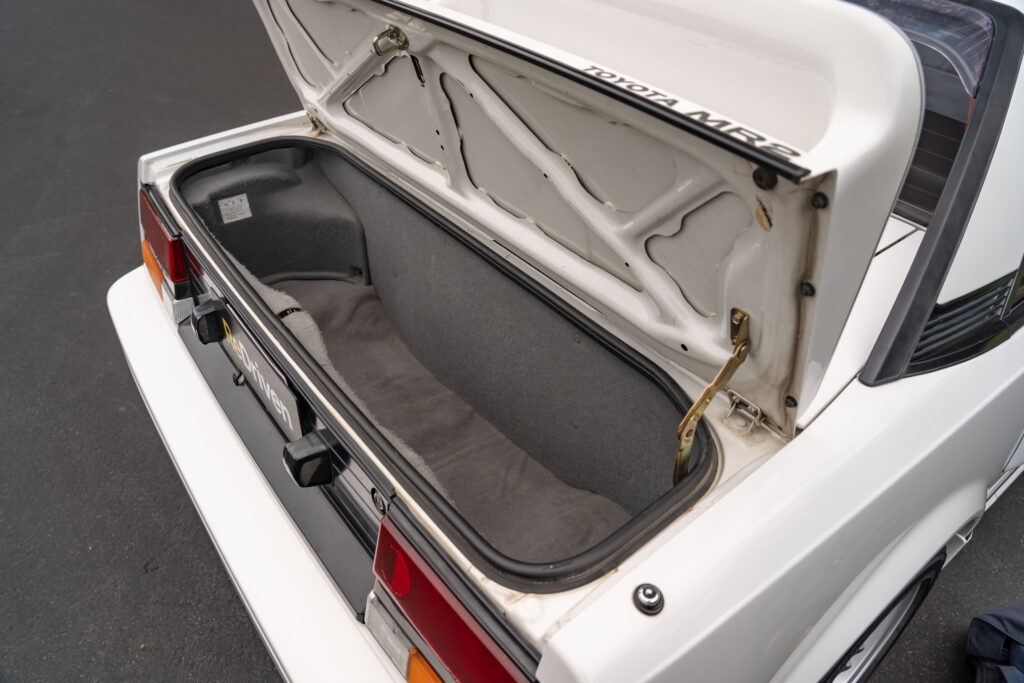
Key spots to inspect are at the base of the A-Pillars, the underside of the front bar, around the supports for front/rear bars (especially on pre-update MR2s), within the corners of the rear boot interior (underneath the carpeting), as well as the jacking points and undercarriage.
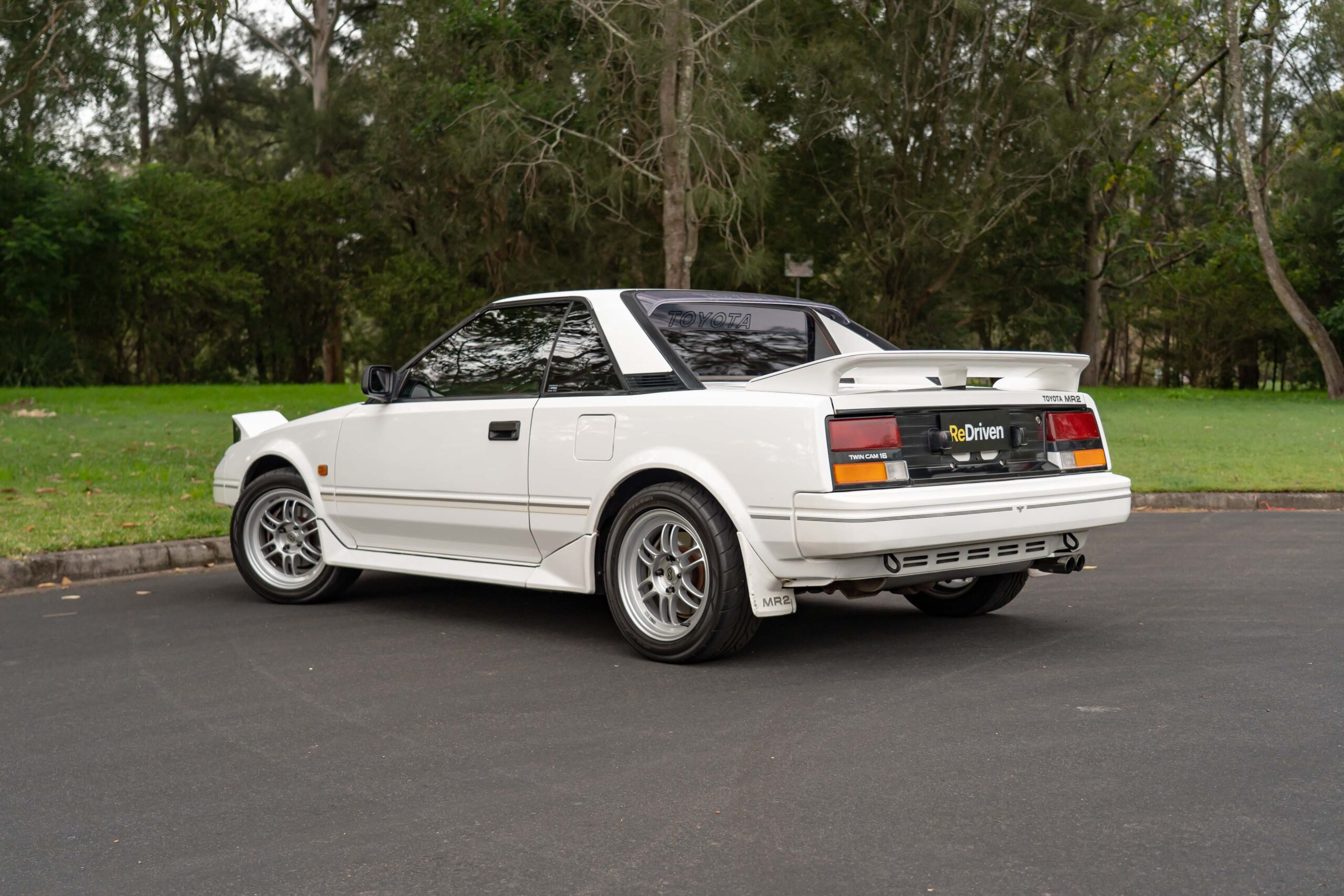
The rear wheel arches employ a bit of foam material from standard, which can also trap moisture and lead to rust formation.
In addition, some of the exterior trim can show its age, from the rubber seals to the C-Pillar plastic trim sections. The rubber seals for models equipped with the ‘targa’ (T-Top) roof/sunroofs can also perish, and these can lead to water leakage issues.
We’re also told the plastic bushes for the wiper arm/linkage components aren’t straightforward to replace if needed – the entire linkage assembly needs to be replaced as a whole, and prices for what should be a simple part can be quite high.
The plastic cogs for the window winder mechanism can also strip down and cause problems with the power windows’ operation. Key signs to look out for are if the windows are jerky to operate or stop winding down/up, but the motors are still audible within the doors.
If you need replacement window mechanisms, owners recommend aftermarket sets over the genuine Toyota ones, as they are available for far less than what the OEM parts ask for.
As far as exterior electronic issues to look out for, even for a forty-year-old Toyota, you’ll likely not run into any serious problems equivalent to what European cars may experience.
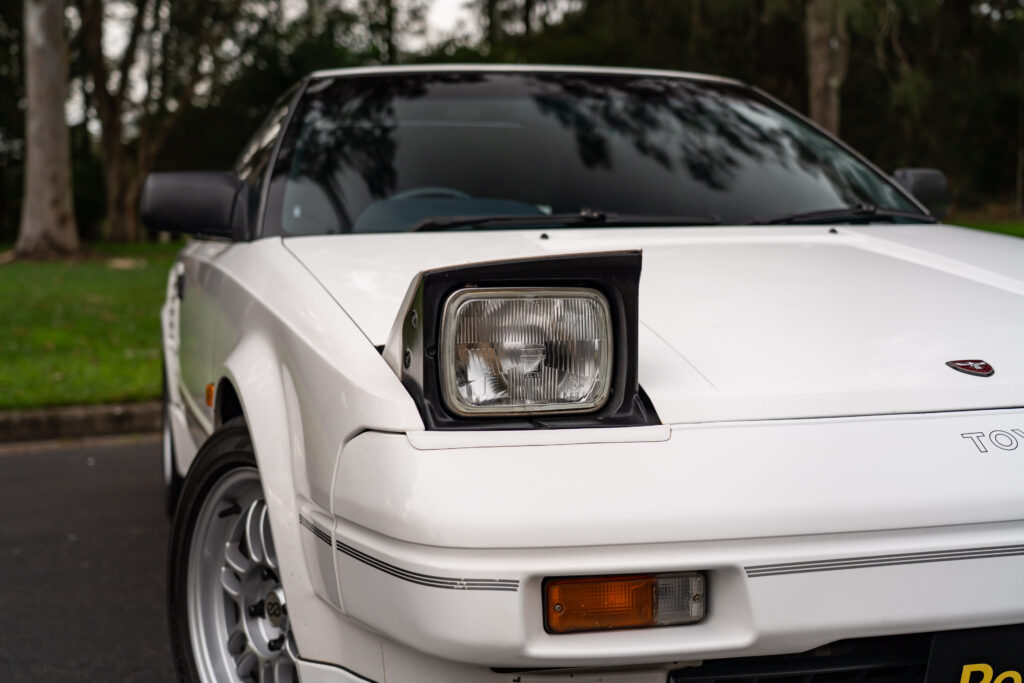
Still, check items like the pop-up headlights, power door mirrors, and central locking work without issues.
Interior:
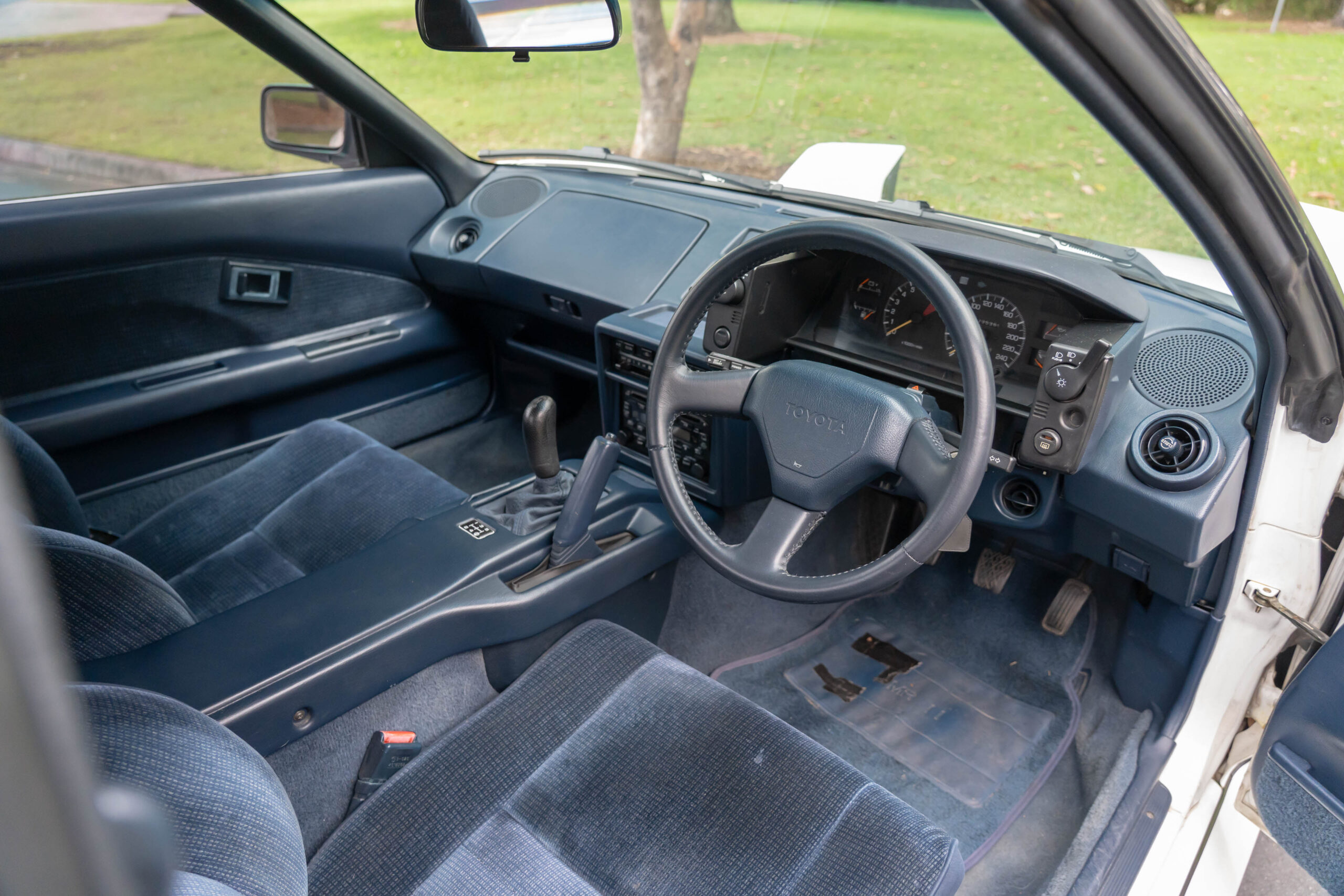
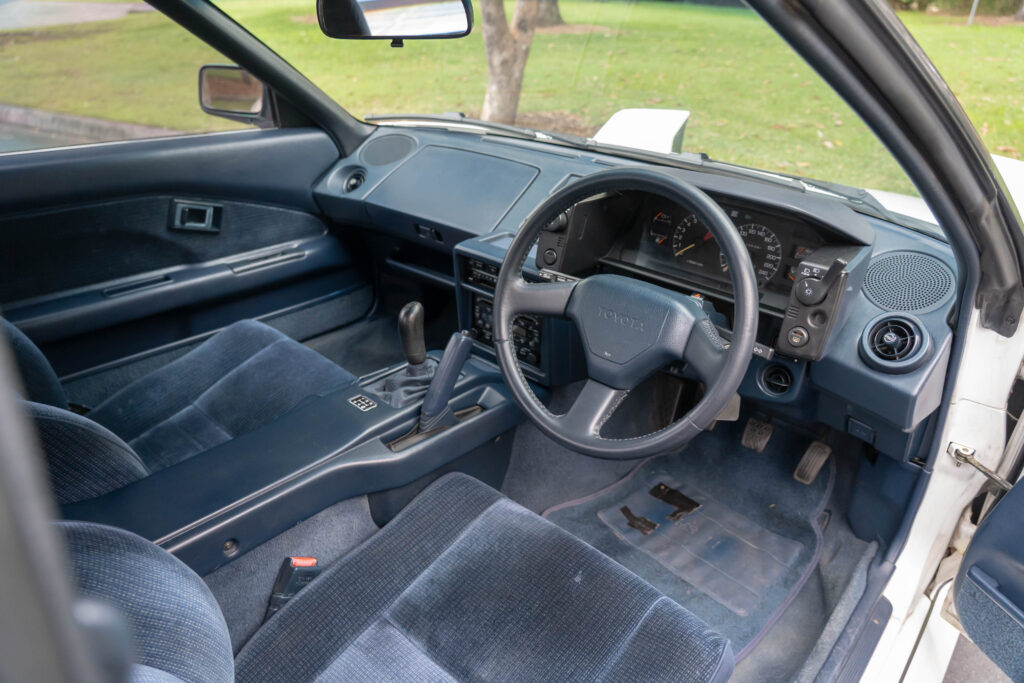
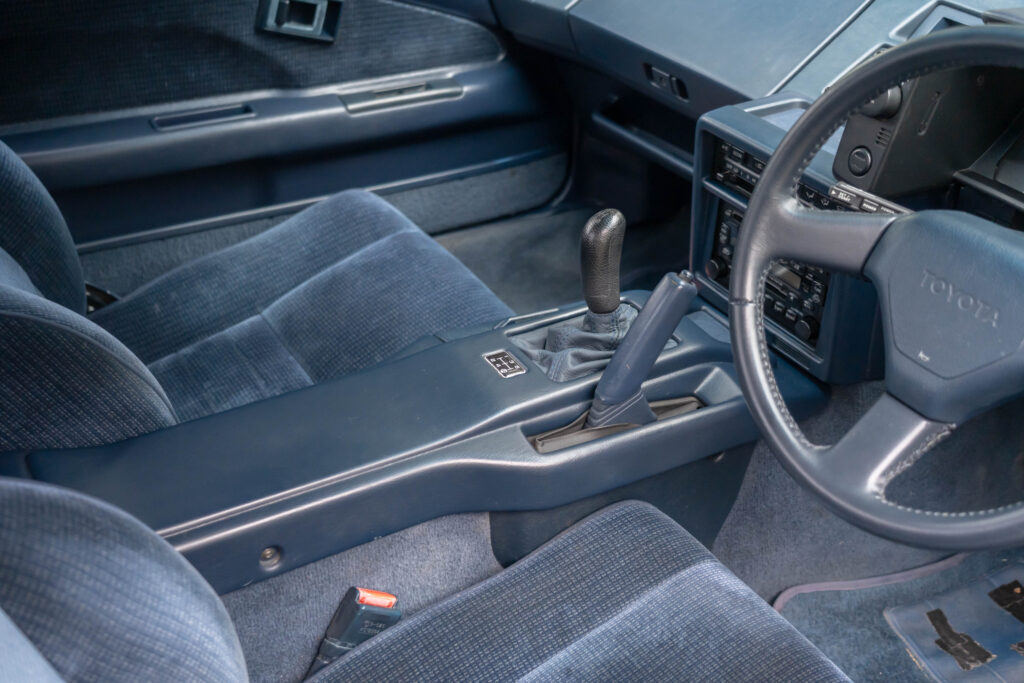
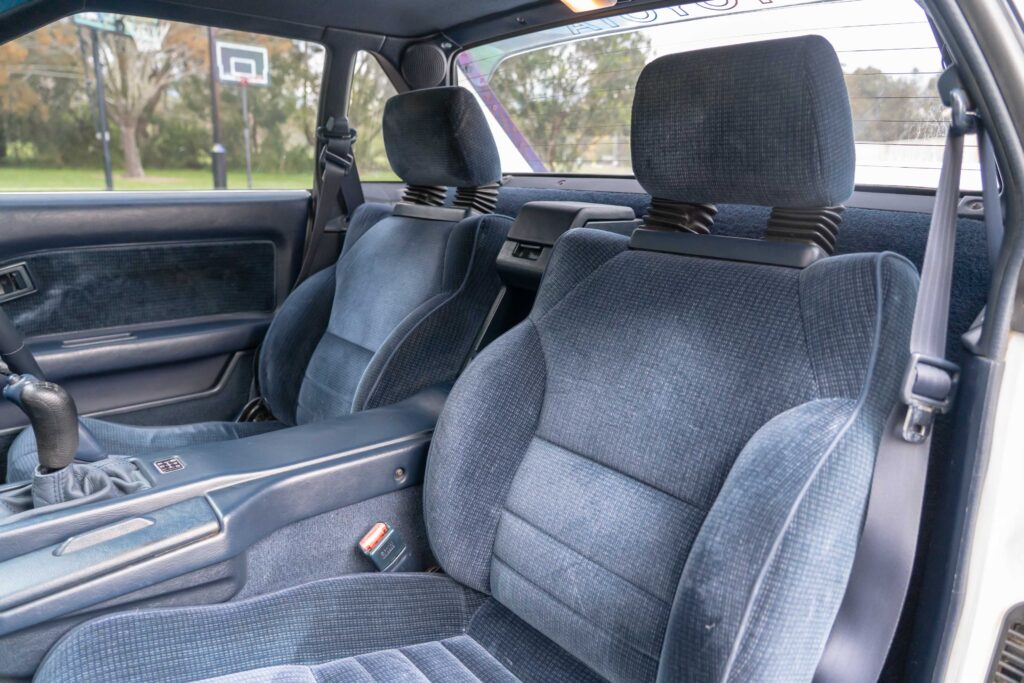
Despite impressions that the small cabin might make getting in and out difficult, you’ll find the AW11 MR2s can easily fit anyone within six feet in height, and you’ll find its surprisingly practical for a compact sports car.
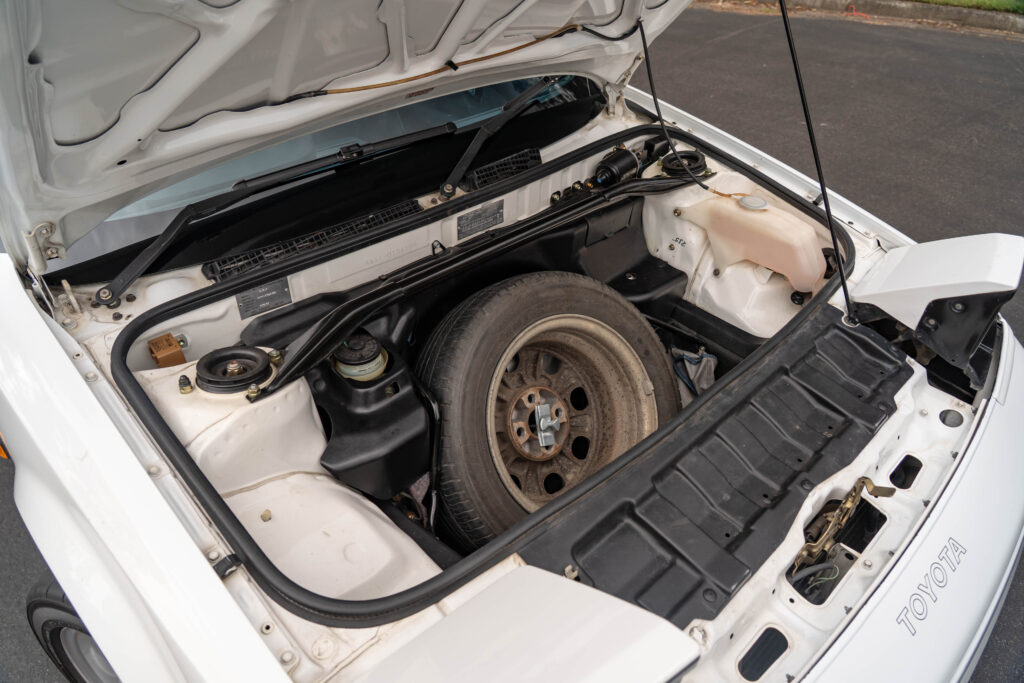
We’d also highlight sunroof-equipped cars can easily store their manually removable glass roof panel within the front boot area, and the ‘T-Top’ (targa) ones can accommodate both of their removable glass panels in dedicated storage bags that fit behind the seats.
We recommend doing your research if you’re targeting a Japan market example – generally, the lower trims (MR2 S, G) were fairly barren in terms of features and came only with steel wheels, while the upper trims (MR2 G-Sport/Limited) got more comforts and amenities, including alloy wheels and a body kit.
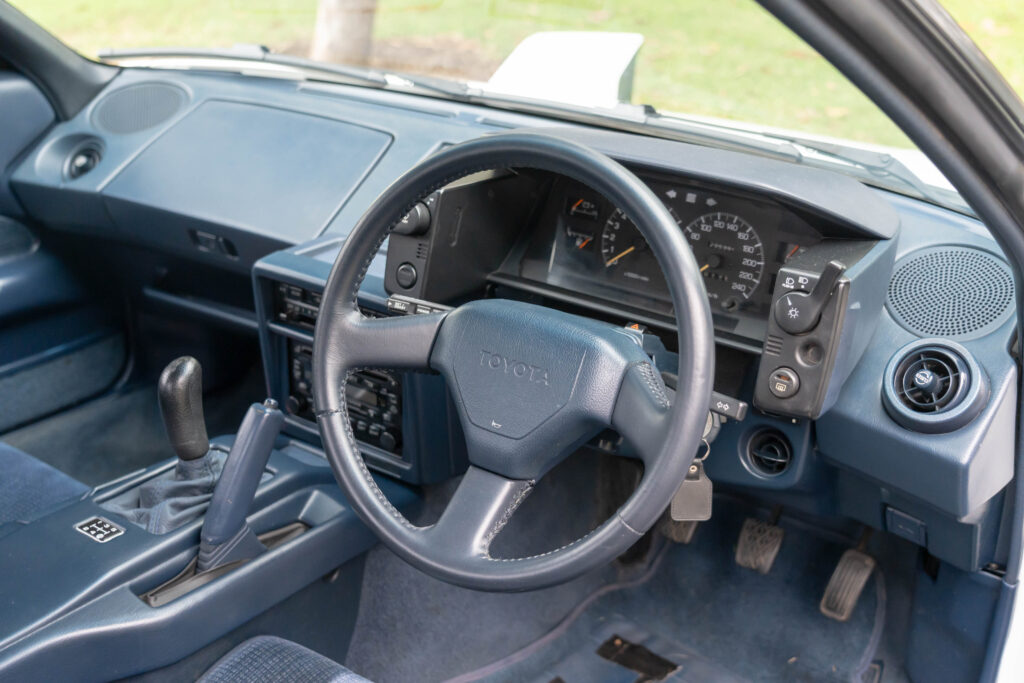
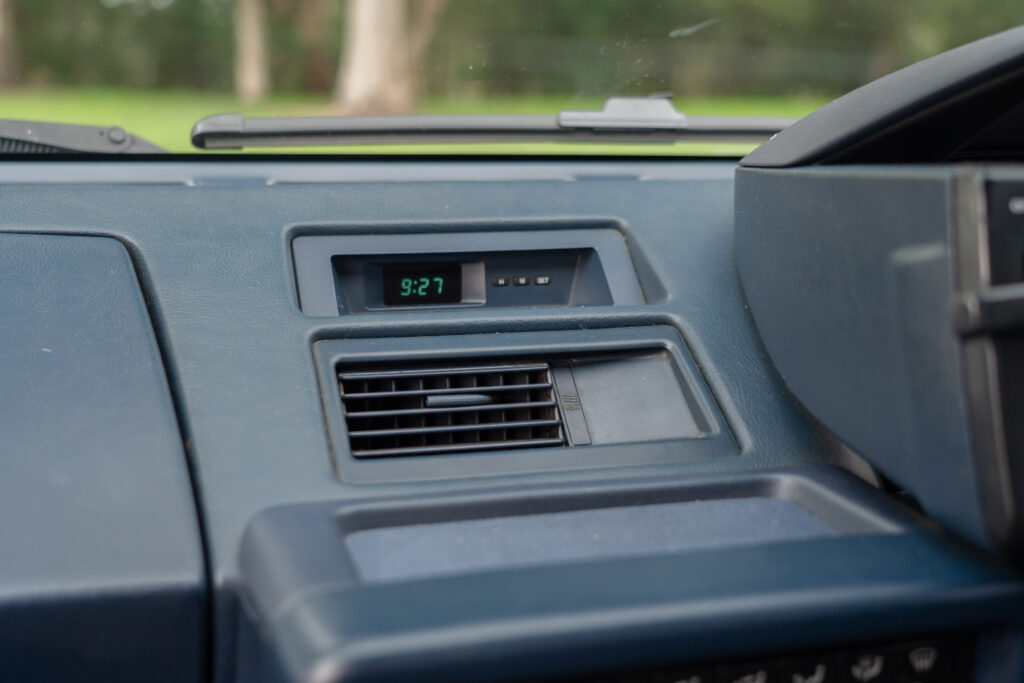
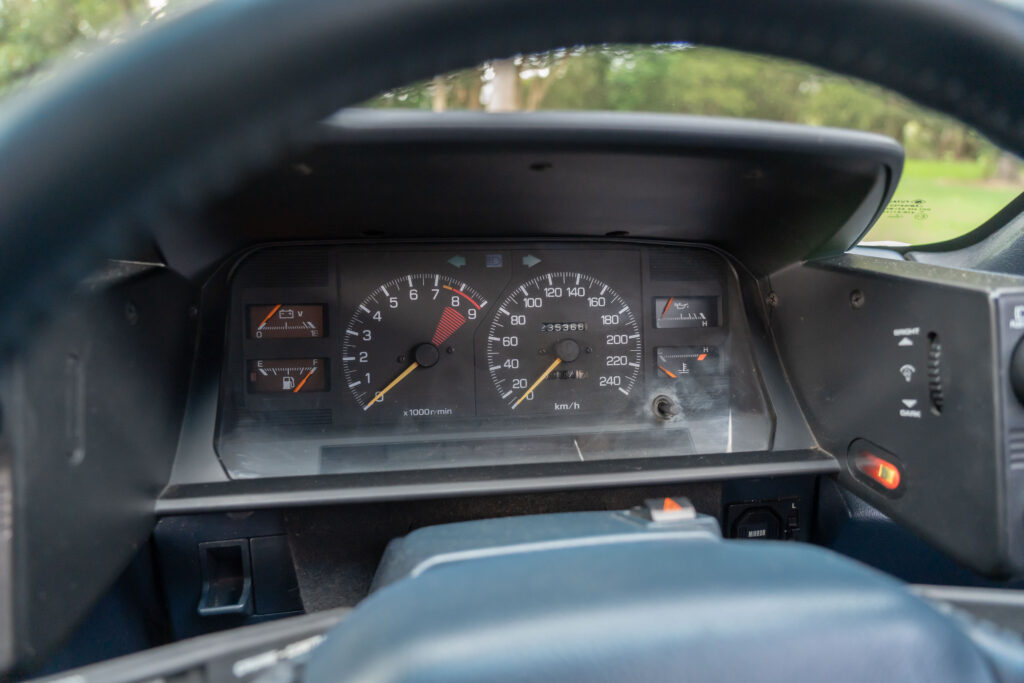
Among the Australian-delivered examples, these came in a single trim spec that grouped a lot of equipment as standard, such as electric windows, central locking, air conditioning, and a digital dashboard clock.
But given these are more than forty years old, expect that some areas of the interiors will need attention or some care invested to put them right.
Many of the cabin plastic sections and trim will have seen better days and are prone to cracking, especially if they’re exposed to harsh sunlight or warm climates. Common areas include the centre console armrest, the dashboard (including the surrounding trim of the air vents), and A-Pillar trims.
Models equipped with leather seats are also susceptible to visible cracks/wear compared to cloth or velour seats, especially if they haven’t been cared for regularly.
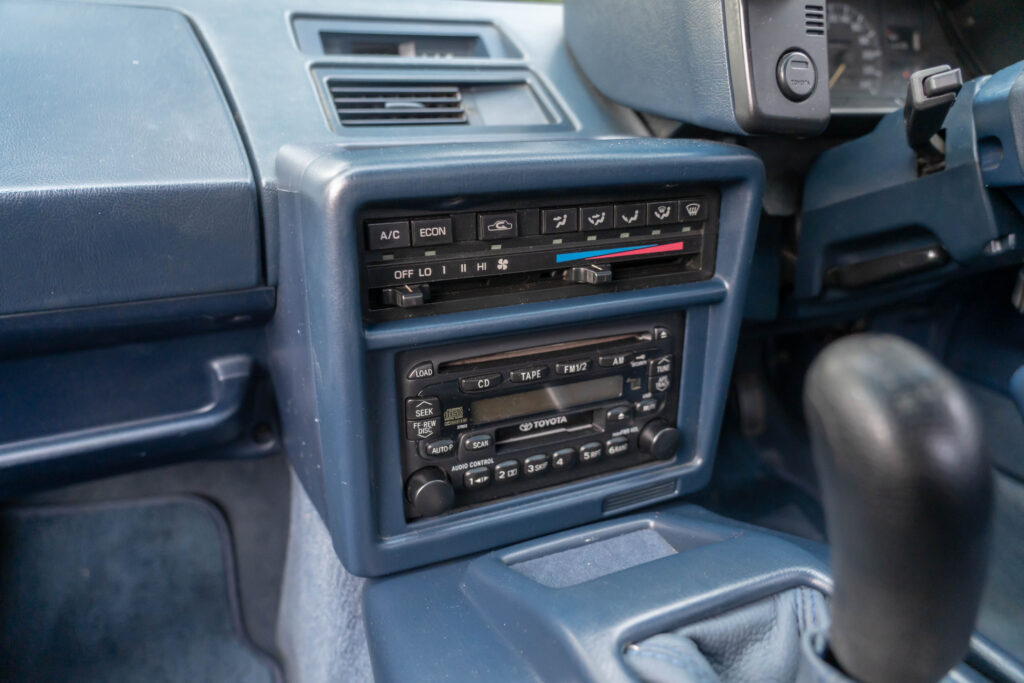
Check that the fan works on every speed – the resistor pack is known to fail, but is straightforward to fix, and replacement parts are affordable.
The original audio systems fulfilled the bare essentials back in the 80s, but if you want to upgrade the in-car entertainment to modern standards, there’s plenty of compatible aftermarket that can add more up-to-date connectivity with touchscreen headunits; if you want to preserve the period-correctness of the original setup, you can explore wireless modules that can be hidden away but still provide ways to connect your devices for hands-free audio.
Mechanically:
Thanks to its light kerb weight, the AW11-generation MR2 has a very small appetite for consumables like tires and brakes.
The relative lightweightness also means it has a very high power-to-weight ratio – naturally-aspirated MR2s are comparable to the AE86, NA-gen MX-5 and Suzuki Swift Sport, while supercharged MR2s are on par with the Porsche 944 and Abarth 500s.
That doesn’t mean these components will need attention, especially for any previously used or driven hard on trackday environments.
By this age, parts like the struts, bushes, ball joints, and tie-rod ends will need to be replaced. But this is a welcome opportunity to replace these with far better aftermarket equivalents to improve the already impressive handling characteristics.
We’ve heard a few cases of the handbrake causing the rear brakes to stick – it’s worthwhile to check the car rolls easily when the handbrake is lowered.
At the same time, the standard brakes are well past their original standard – if you’re looking for better stopping power, owners recommend upgrading these to aftermarket ones.
Being a sports car from this time period, driving one, especially at its limit or in a track environment, is not recommended for the inexperienced. The short wheelbase, combined with the mid-engined, rear-wheel-drive chassis, means it’s prone to ‘snap oversteer’ if you lift off the throttle mid-corner, throwing off even the most seasoned drivers.
Combine this with the lack of safety features you expect of modern cars – that means no anti-lock brakes, stability control, and airbags, and fairly thin body construction- and you really have to be attentive when driving these at speed.
But adapt to this car’s mannerisms, know its limits, and you can really enjoy the go-kart level of engagement this platform offers.
When you are sourcing parts, note that some of the pre- and post-update AW11 MR2 parts are not interchangeable (especially comparing Australian-delivered cars to US, UK or Japan market ones) – we highly recommend consulting owners’ groups or experts on this platform to confirm any you intend to purchase and install are compatible with your model.
Engines:
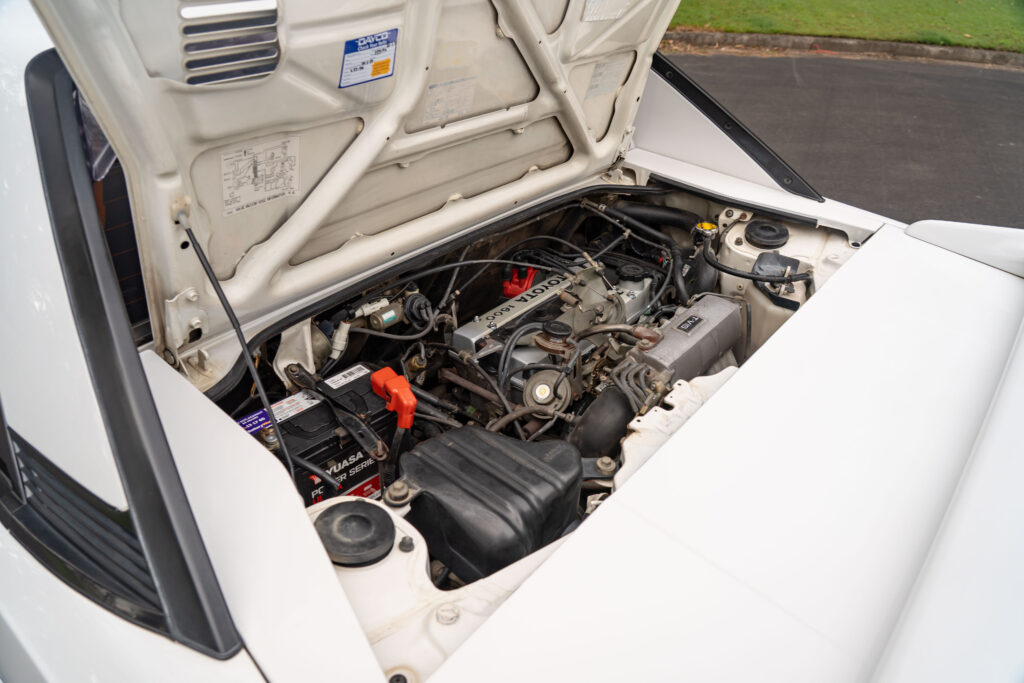
1.6L naturally-aspirated four-cylinder (4A-GE)
The 4A-GE is arguably one of Toyota’s most reliable engines – it’s peak 80s Toyota engineering/reliability, parts are readily available, and it offers plenty of aftermarket potential if you want to upgrade these to any degree.
But as this engine is more than forty years old now, age-related complications can come up.
The 4A-GE engine is very susceptible to oil leaks, which are becoming increasingly common with age and on high-kilometre cars (~150,000 kilometres and above), and especially prevalent on ones that have not been maintained regularly.
Common sources for leaks include the cam cover gasket, distributor o-ring, camshaft seals, front crankshaft seals, and rear main seals. But they’re easy to fix, and the seals will likely be replaced at the same time you replace the timing belt.
The cooling system will also need attention at the age these cars are – it’s worth pointing out that the mid-engined layout of the MR2 means that bleeding coolant to perform a flush service will be difficult compared to front-engined cars, and you have to be careful when bleeding the coolant as air locks can develop.
In addition, 80s-era Toyotas contain a lot of vacuum lines and solenoids, which will often produce vacuum leaks or misfires. It’s very likely previous owners may have connected the wrong vacuum line/s to the incorrect fitting/s (or just blanked them off).
Early 4A-GE engines utilised Toyota’s variable induction system (T-VIS), which is a variable valve within the manifold. It can suffer from several known issues, such as split vacuum hoses, seized butterfly shafts, and failed actuator diaphragms. Telltale signs it needs attention are loss of torque at low RPMs or a generally lethargic power delivery at full throttle.
Timing belts will also likely need to be replaced as part of routine maintenance (every 100,000 kilometers/5 years). It’s not an expensive job, but being this is a mid-engined car, it can be difficult to access it within the engine bay.
Being an older engine with a distributor and spark plug leads, it’s also worth looking out for distributor wear problems, such as worn shaft bearings or failing internal oil seals.
They can also develop issues related to worn valve stem seals, evident by blue smoke after warming up on idle for extended periods, excessive oil consumption, or heavy smoke on start-up/trailing throttle.
These can be changed whilst you are performing any other preventive maintenance (timing belts and other seals), but given the mid-engined configuration, it can be labour-intensive and may be easier to drop the engine block entirely to access each part.
It will not be cheap to do everything in one go, but it will benefit the engine in the long run.
1.6L supercharged four-cylinder (4A-GZE)
The supercharged four-cylinder can also experience the same number of problems as found in its naturally-aspirated counterpart, but it’s also fairly reliable.
The 4A-GZE can experience bearing problems, alongside drive clutch and coupling issues, and problems involving the supercharger itself.
These also contain a lot of vacuum lines and vacuum-operated bypass valves, which are known to occasionally stick. They’ll also likely need attention over time.
The supercharger itself can develop a bearing noise, and keep in mind that the supercharger contains its own oil reserve that needs to be renewed periodically – it can be a bit difficult to locate the (small) dipstick to monitor its levels and pump the oil in.
It’s highly recommended to be on top of any preventive maintenance for the supercharger, as any degree of neglect or delayed oil changes can eventually damage its internals; given parts for the superchargers and spare superchargers themselves are harder to find nowadays.
But between these two four-cylinder engines, they’re quite simple and perfectly set up for anyone who has a ‘DIY’ mindset to tackle their issues directly.
Back then, reasonable examples of AW11-gen MR2s could be found for well under $15,000. Fast forward to now, and $15,000 will more or less get you a really rough one that will require a good amount of TLC, or a ‘modern-classic’ restoration project.
Better condition examples will now start from at least $20,000, with absolute prime, mint ones now within the $40,000 range.
Observing price trends for other iconic 80/90s performance cars, we reckon pricing for the best examples of AW11-gen MR2s will increase in the coming years.
While prices for halo cars like the Honda NSX, Mazda RX7, Porsche 911 and Toyota Supra are entering high premiums and making them harder for regular enthusiasts to acquire, it leaves more attainable ‘understudies’, like the MR2, to creep up in price, and they are well-destined to be future classic material.
There’s also a very supportive owners’ community to help understand these cars in further detail, from advice on parts or troubleshooting common issues – MR2 specialist Neil Jones on Instagram, reportedly proprietor of the ‘largest collection of Toyota MR2s in the world ’, is one of many experts we recommend consulting.
Cars like the AW11-gen MR2 are a reminder of a time within the car industry when brands were not obsessed with chasing numbers, and remembered how to make even the smallest of cars so enjoyable to drive, by being incredibly efficient with space and minimal weight.
Above all, cars like this generation of the MR2 offer a counter to complaints that many modern performance cars are uninspiring or feel disconnected to drive; plus, with many still on the road near to, or with at least 300,000 kilometres on them, yet running faultlessly, how many other sports cars will last just as long and still be rewarding behind the wheel?
The lack of safety features and unforgiveness of the mid-engined, rear-wheel drive platform is something you will have to account for, but don’t forget that nothing on sale new will likely feel as engaging, yet attainable and fun to drive as an AW11-gen MR2.
Provided a pre-purchase inspection confirms there are no hidden concerns, these can prove to be a fun leisure driver or weekend toy for the track or winding roads, on top of their classic 80s charm that makes these Toyotas ever more special to see on the roads.


Co-creator, presenter & writer, ReDriven

Yes. But only the right example.

 2 weeks ago
 1 month ago
 2 months ago