Australia’s No. 1 Used Car Review Website
Australia’s No. 1 Used Car Review Website
+22 Photos

2017 BMW i3

Used car review

27 January 2026
2017 BMW i3
Used car review
27 January 2026
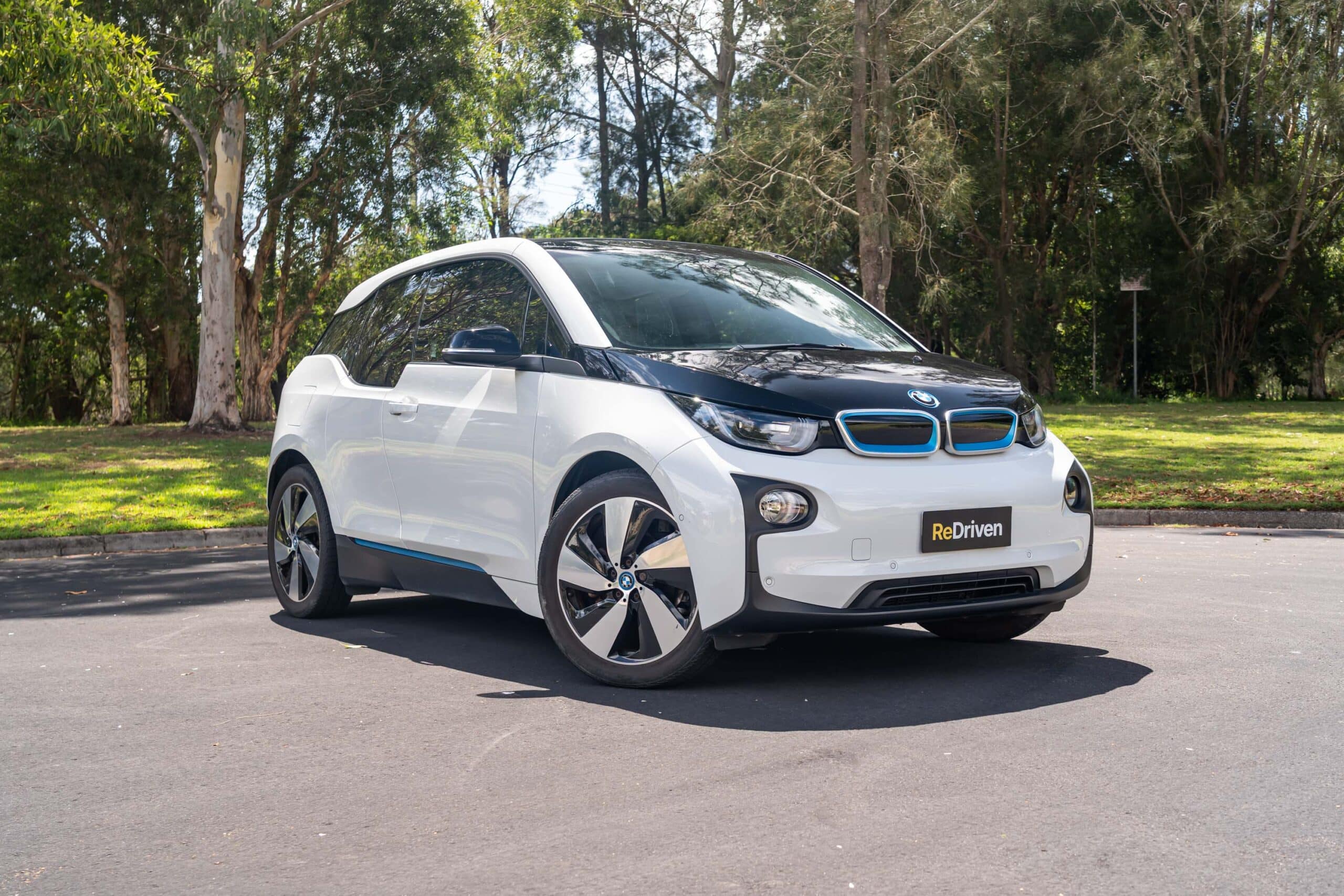
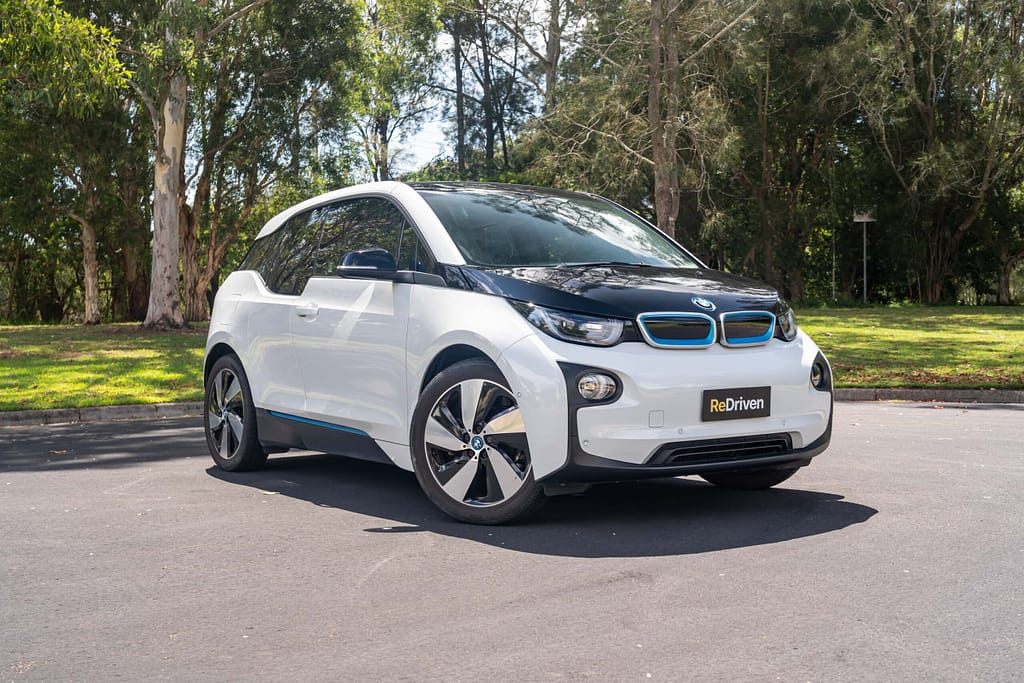
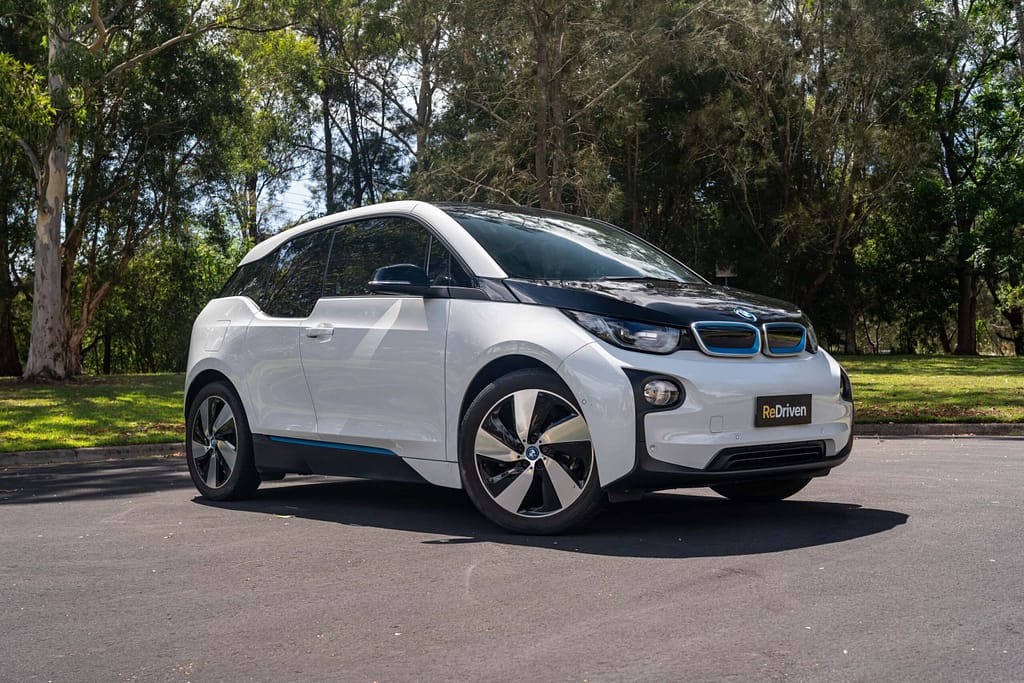
The BMW i3 first debuted in 2013 and marked a new chapter for the Bavarian brand, serving as its first ‘zero-emissions’ vehicle and as the first model under its all-EV focused sub-brand, BMW ‘i’.
With its then-radical futuristic styling, the BMW i3 also employed a reinforced carbon fibre body and an aluminium chassis, which meant that despite featuring a heavy battery powertrain, it kept its overall weight fairly low.
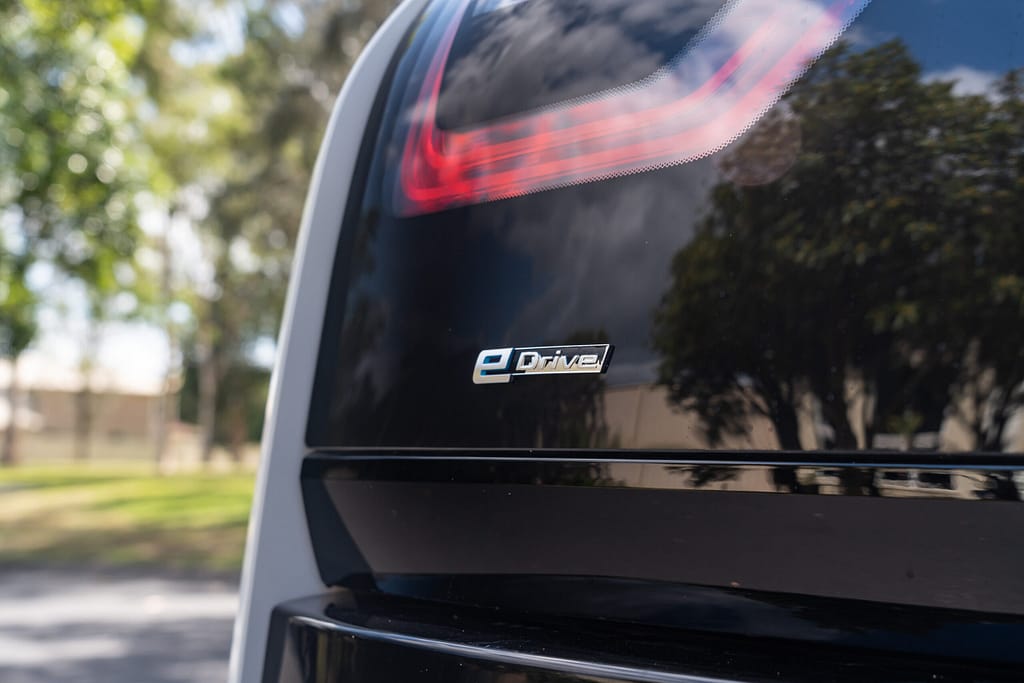
The i3 was available with two types of EV powertrains: a standard all-electric drivetrain with a lithium-ion battery pack, and as a range extender, which added a very small two-cylinder petrol engine that isn’t connected to the wheels, but acts as a generator to provide charge for the battery pack (when the charge drops below a certain point).
Both send their power to the rear wheels through a single-speed transmission.
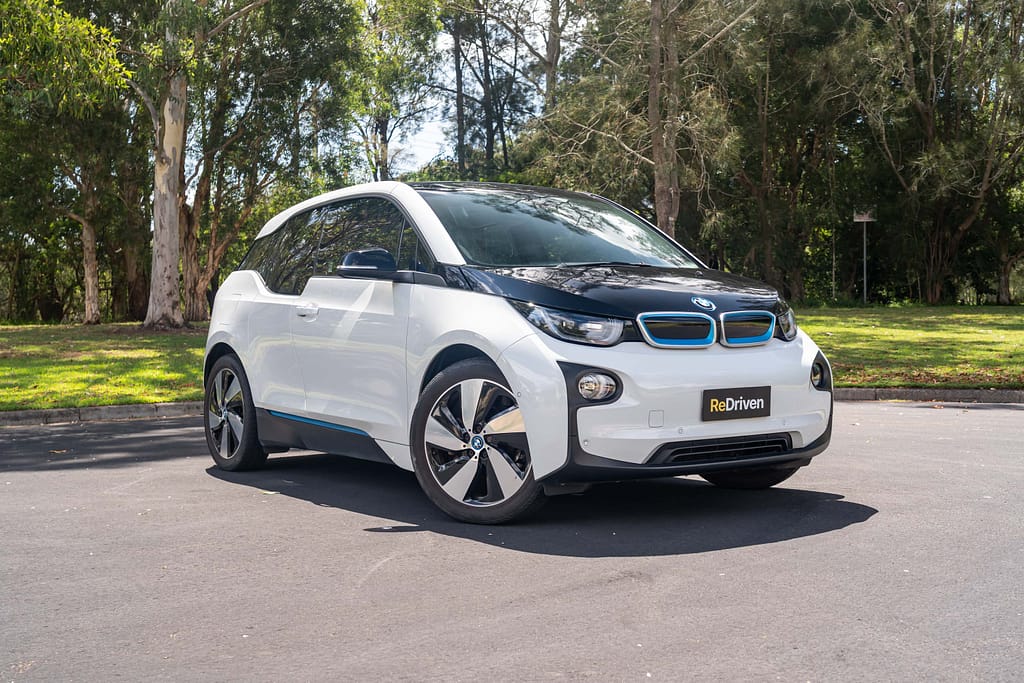
Pre-LCI (aka Life Cycle Impulse) BMW i3s were produced from 2014 to 2017, while post-update LCI models were made from 2017 all the way to the i3’s final year in 2021.
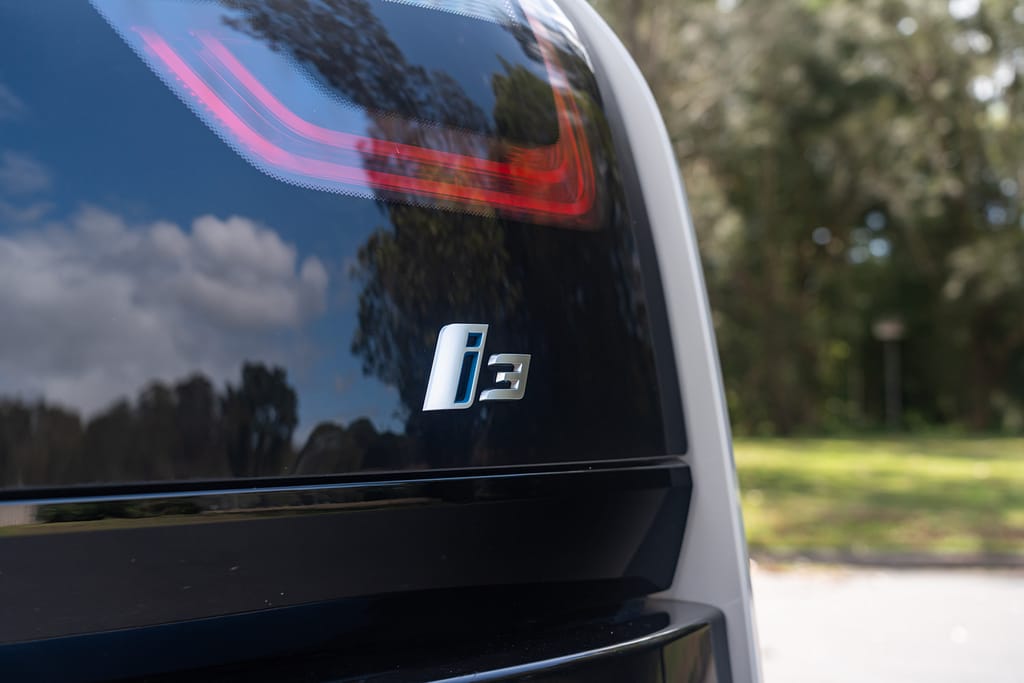
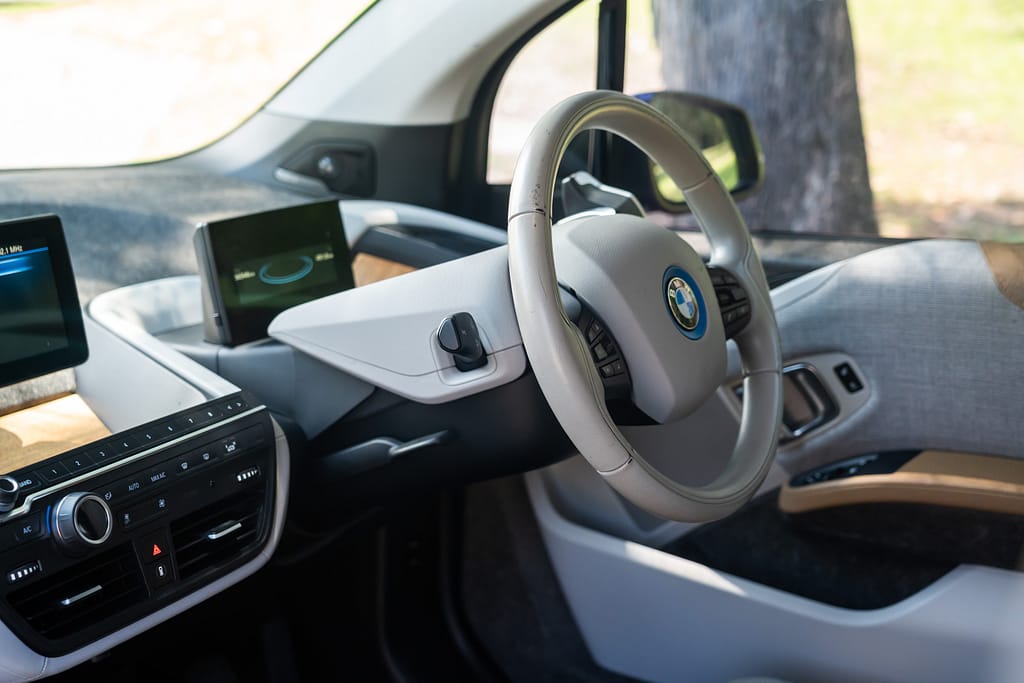
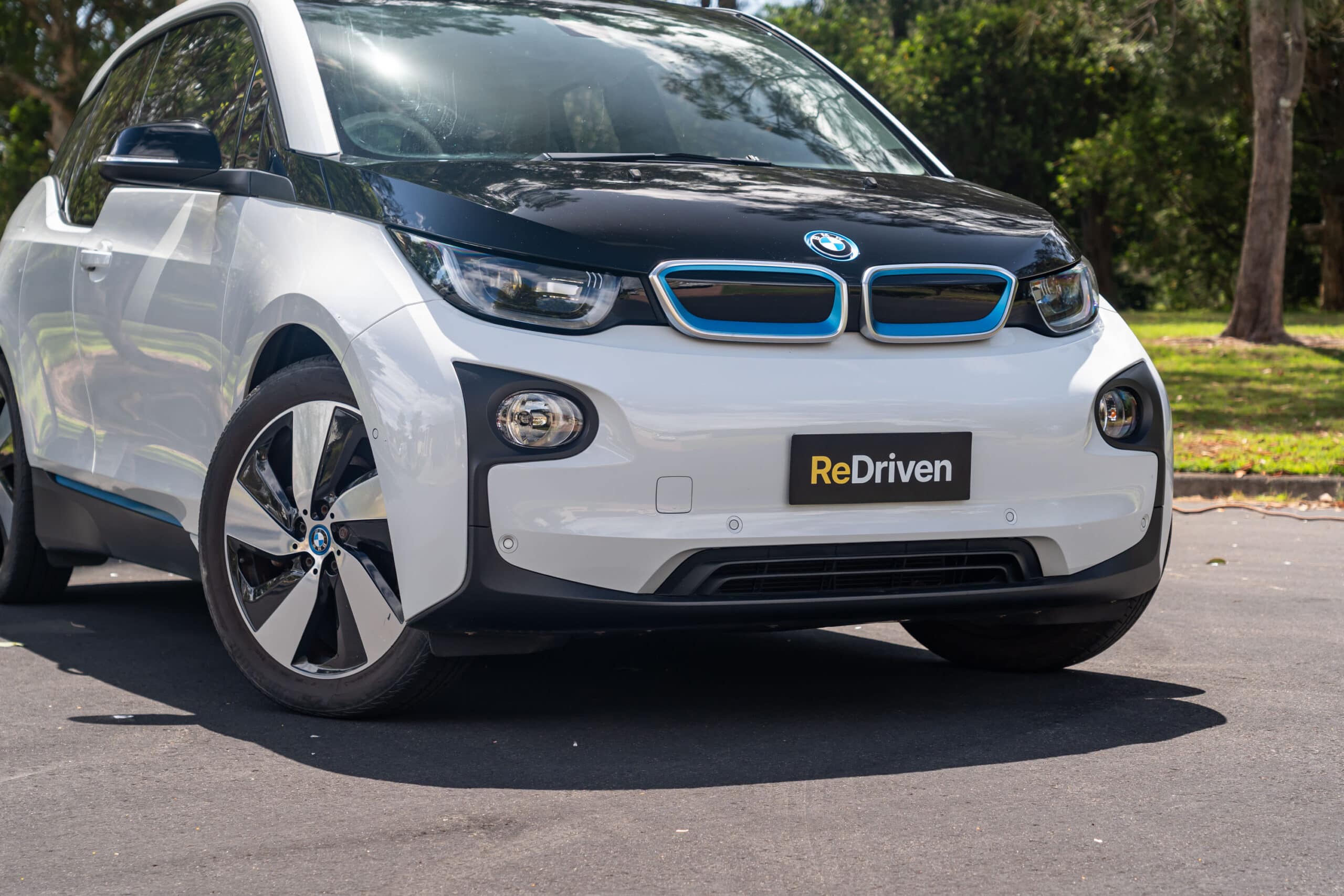
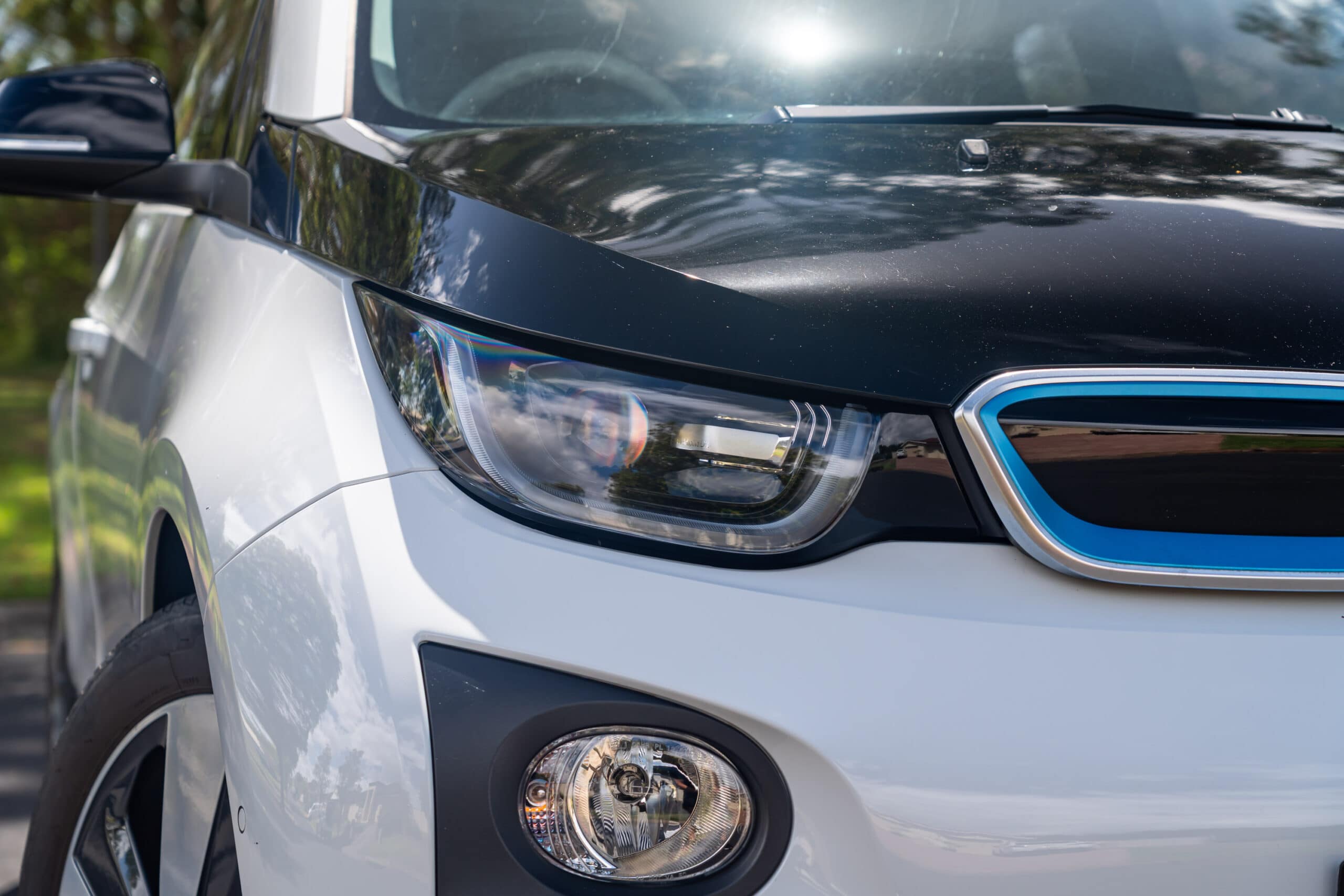
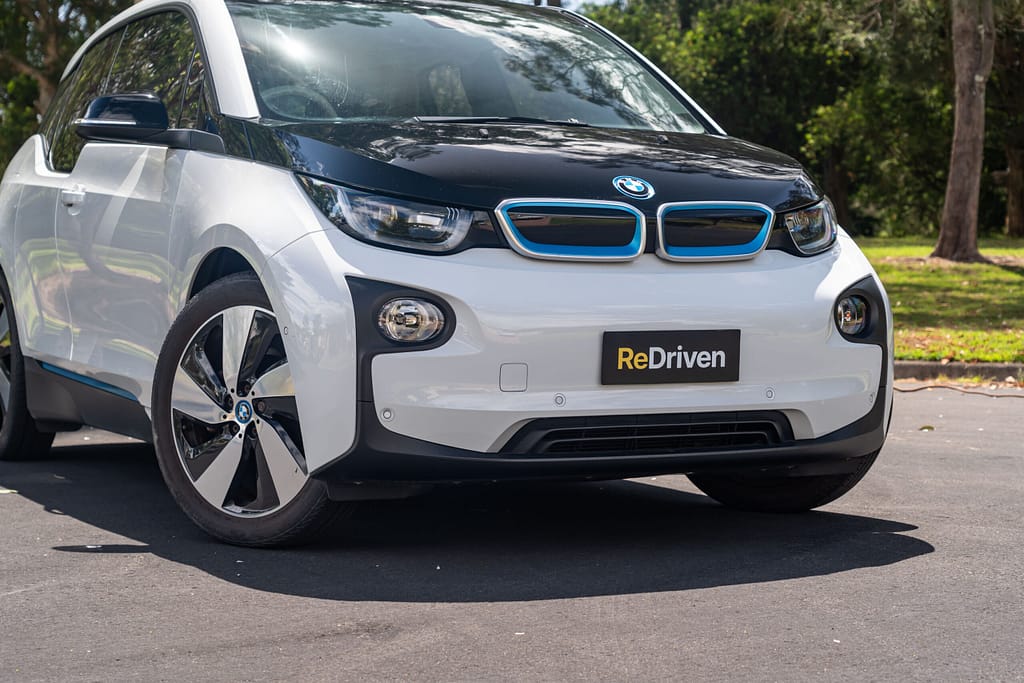
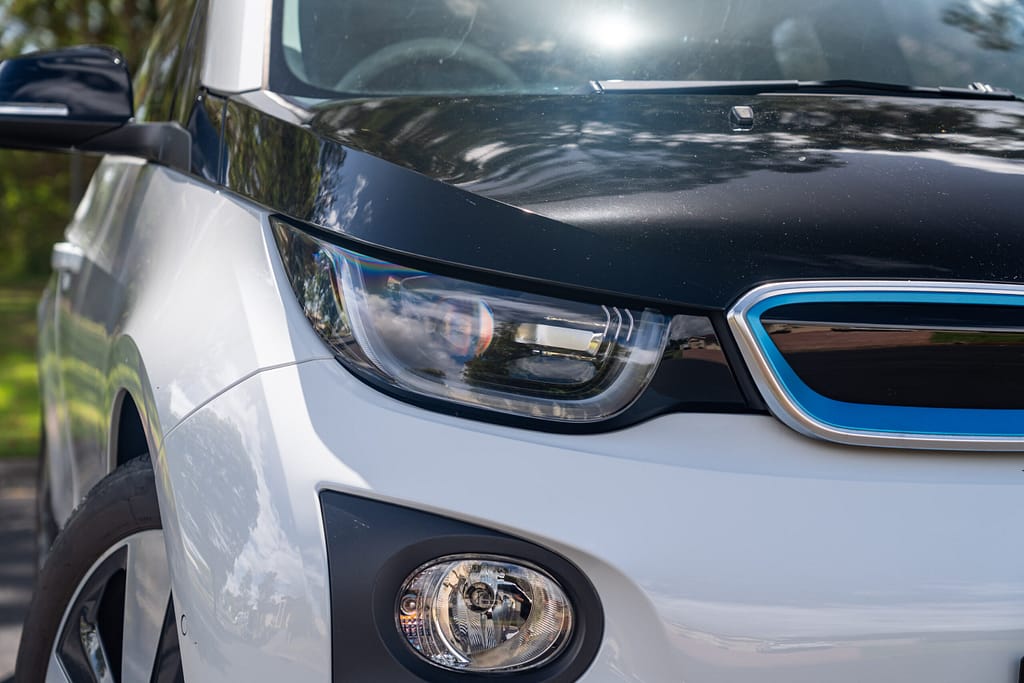
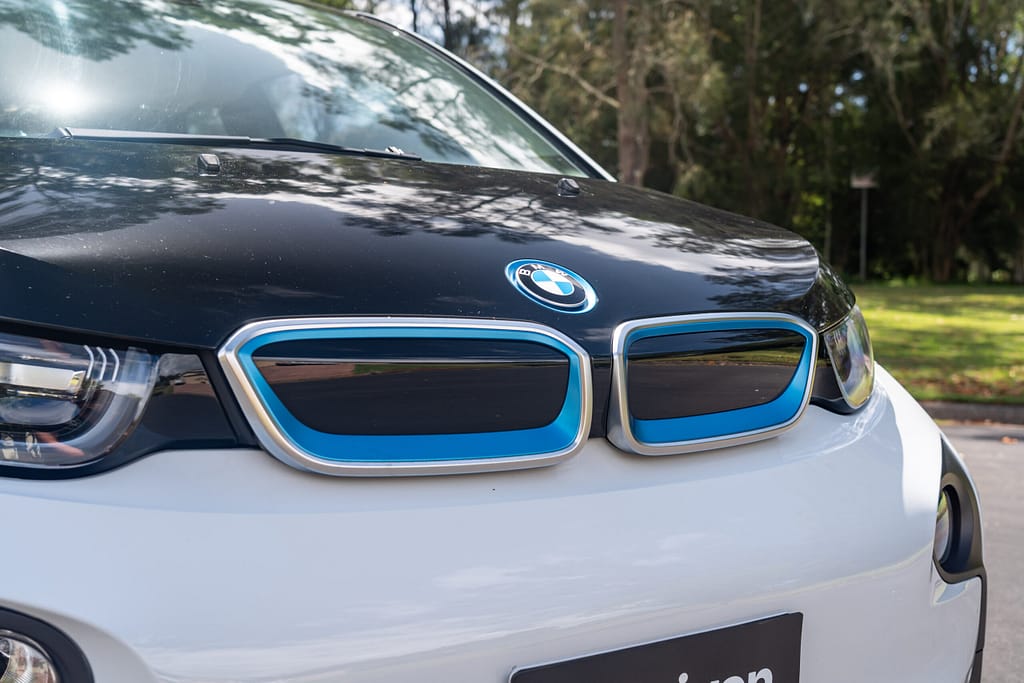
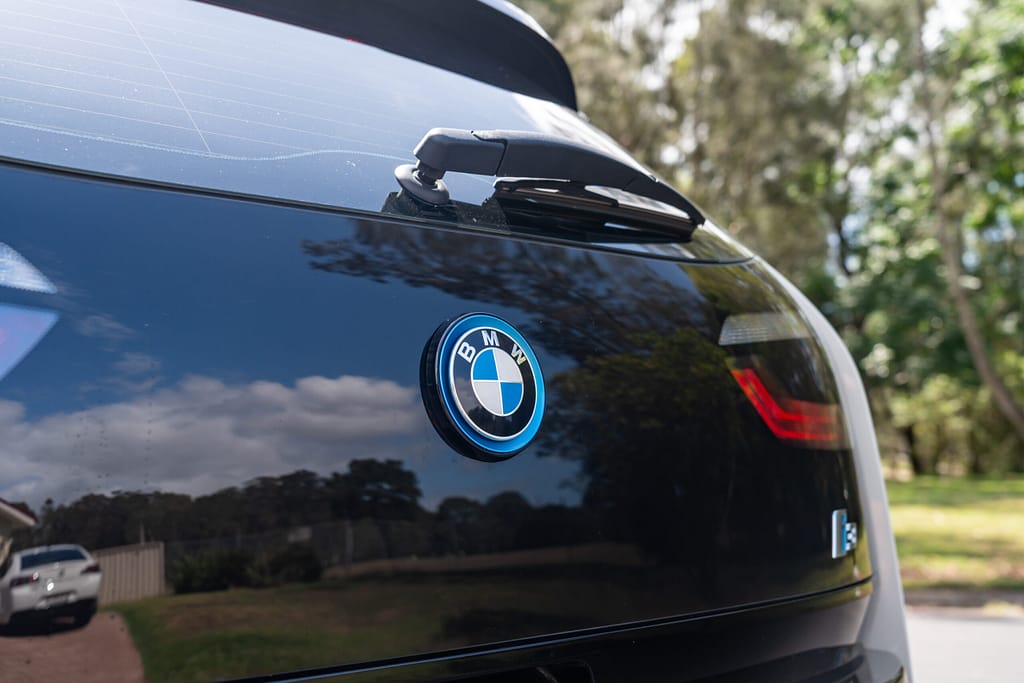
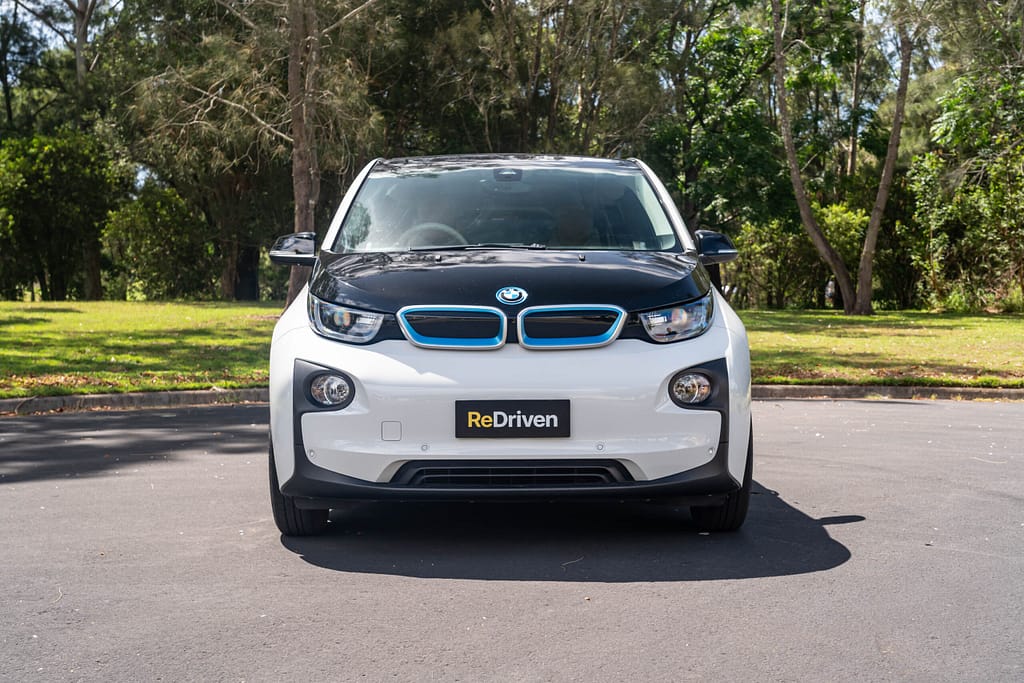
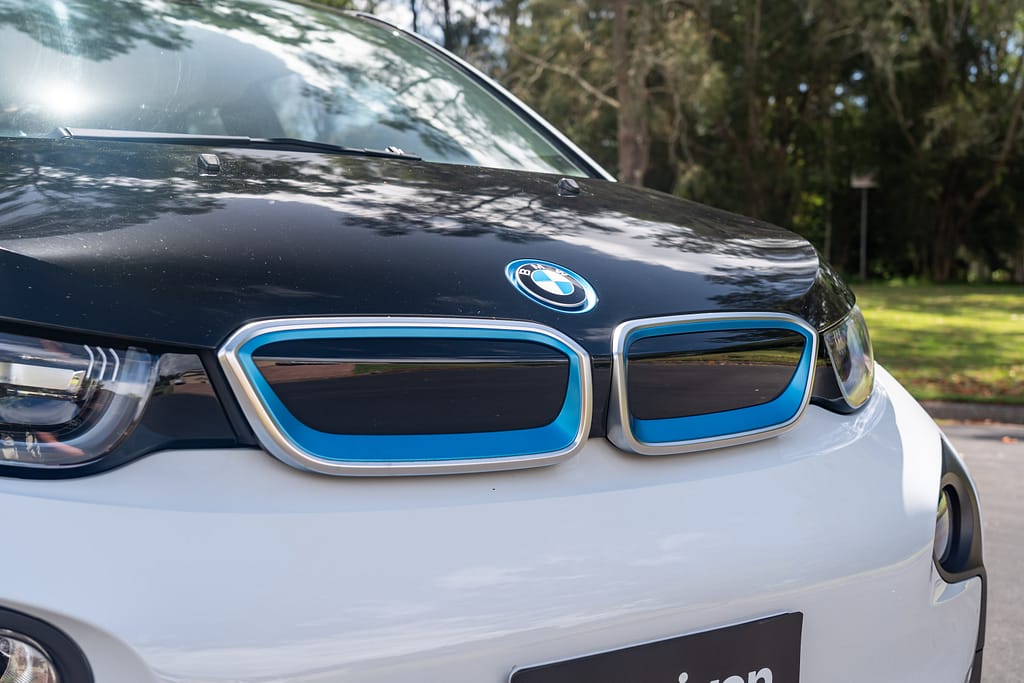
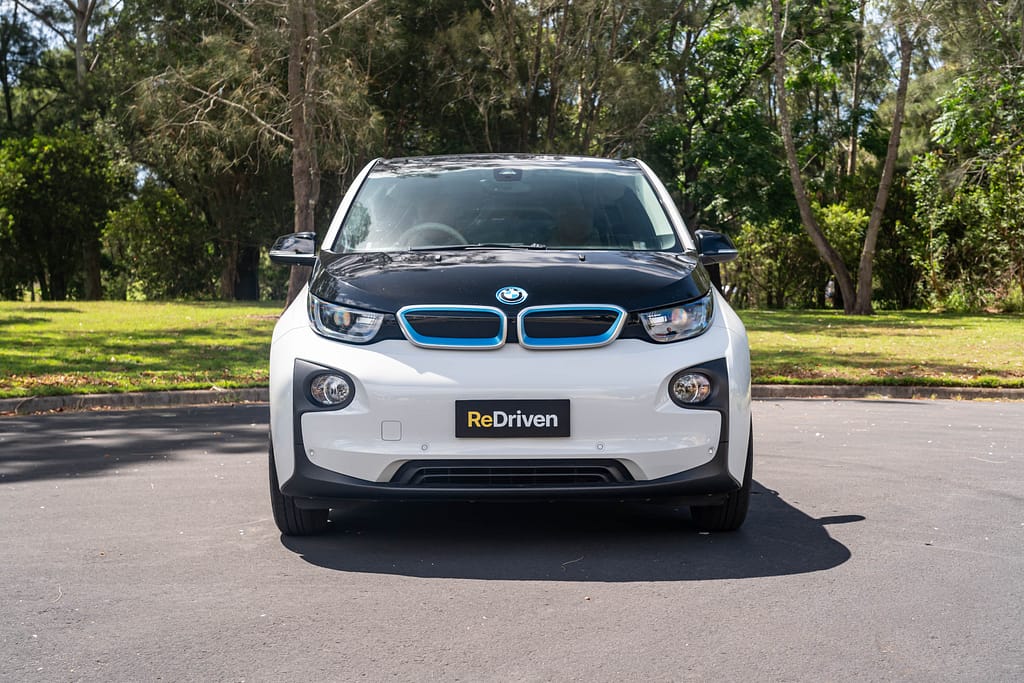
Key differences that distinguish an LCI model are primarily aesthetic, including revised LED headlights and foglights (round versus rectangular), different exterior trim pieces, and the inclusion of iDrive 6.0.
While the i3 may have been a game-changer for the automotive industry and BMW at its launch, how does it fare in the used market?
Exterior Issues:
The BMW i3’s carbon-fibre body allows it to be very strong and light, but the exterior can have some occasional flaws.
The composite body panels are very resilient to dents, and their eco-friendly paint process adds to the ‘green’ factor of this EV, but the tradeoff is that replacement panels and trim can be quite expensive.
One i3 owner mentioned they were quoted at least $2000 before labour for a replacement door mirror, and reportedly needed the entire door to be disassembled just to install it.
The exterior door handles can also become a bit loose, but it’s relatively straightforward to fix.
Several owners have reported that the carbon fibre roof is starting to delaminate, especially if it’s been subjected to high UV exposure in warm climates like Australia. While models that feature powered sunroofs can avoid this issue, the sunroofs themselves can also leak, which can then lead to more electronic issues inside the car.
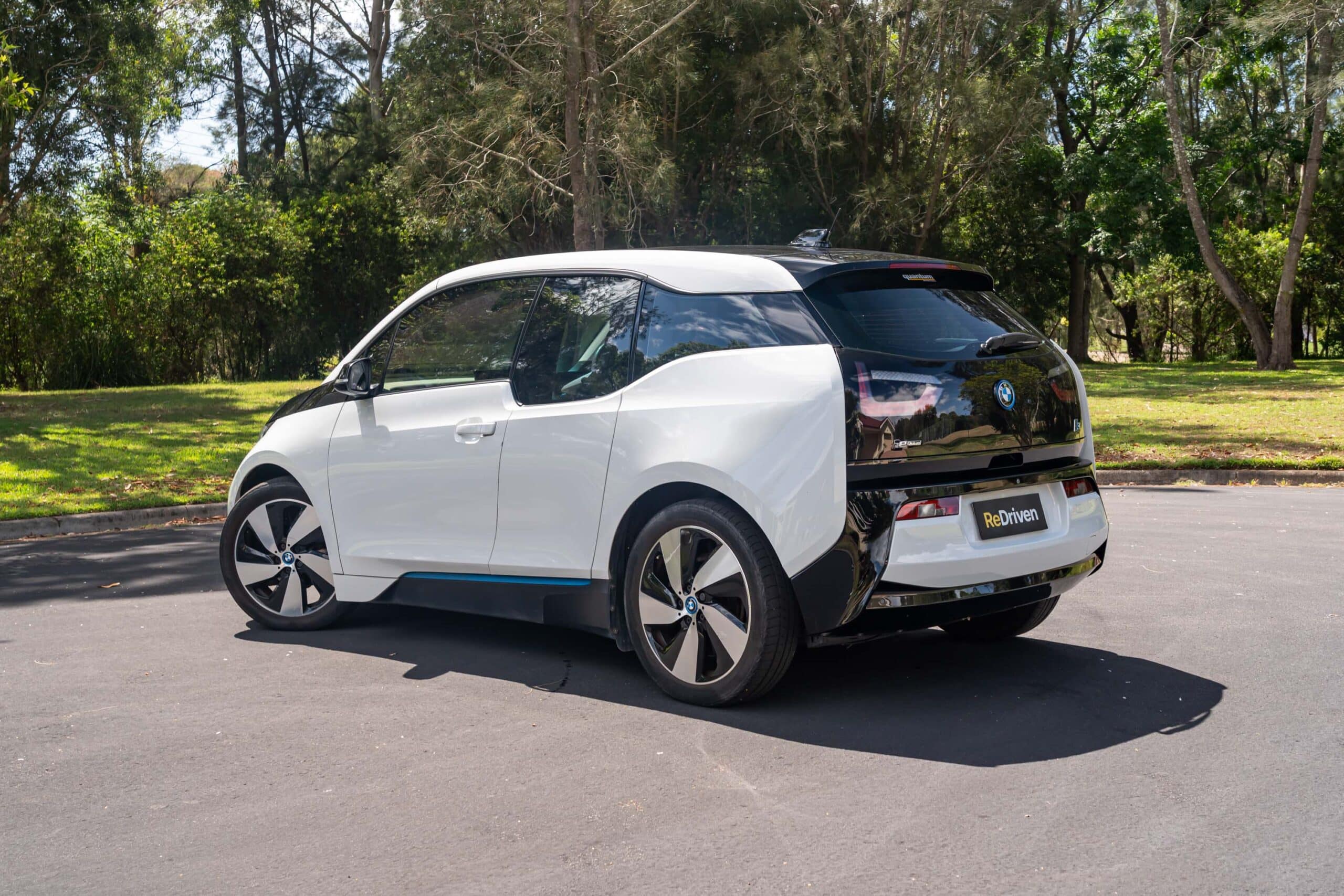
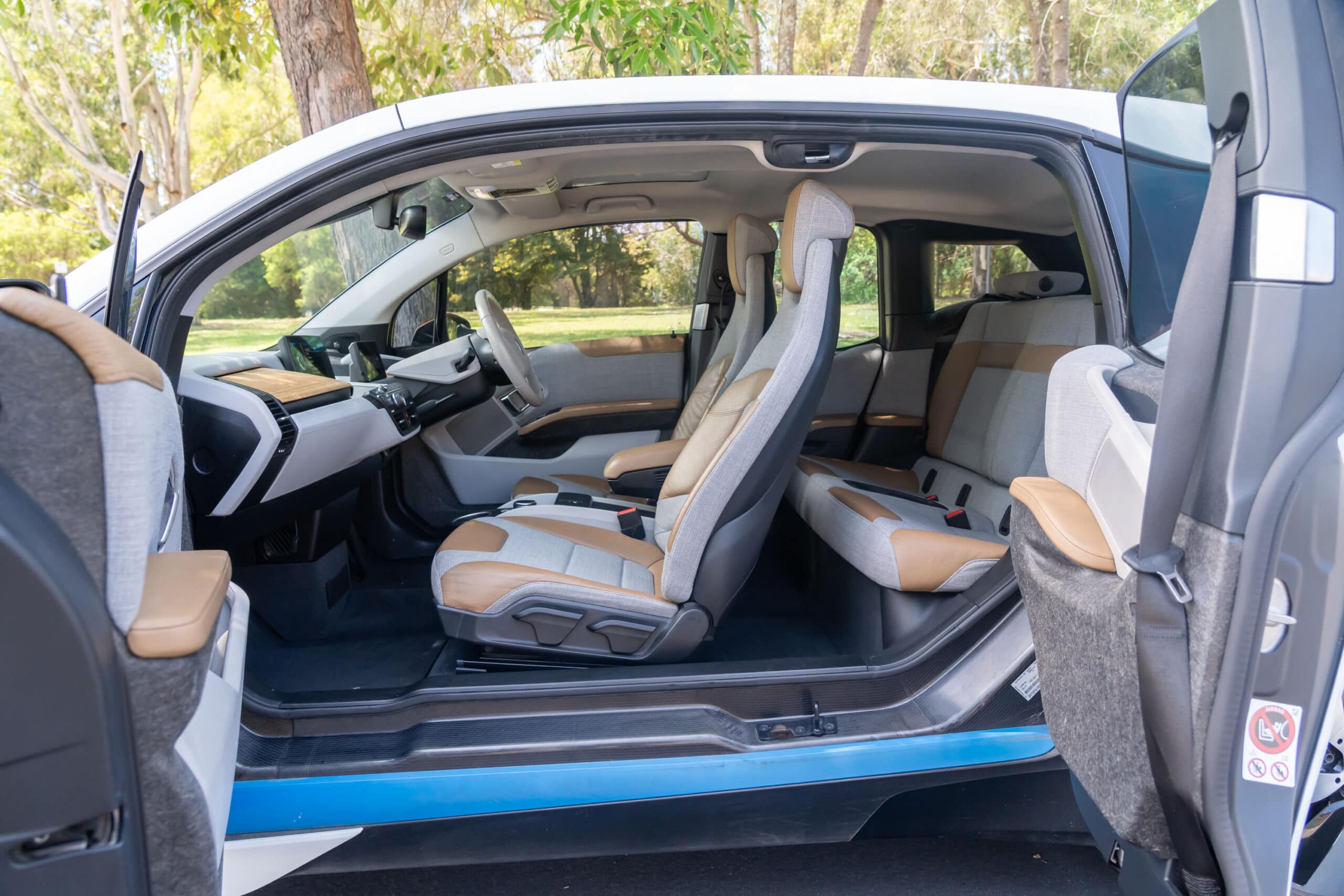
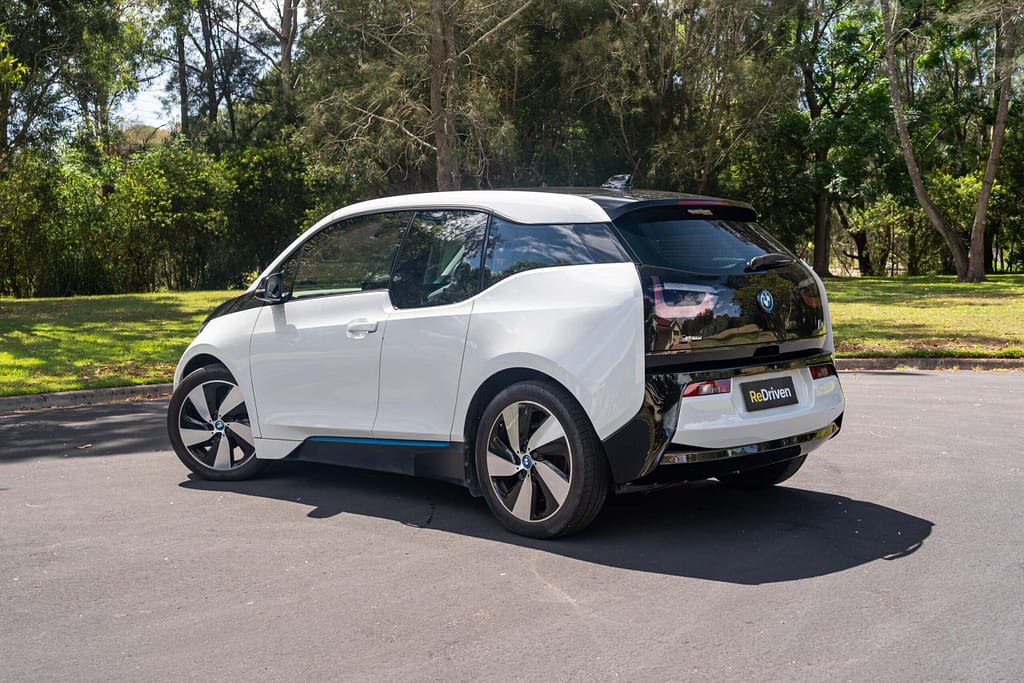
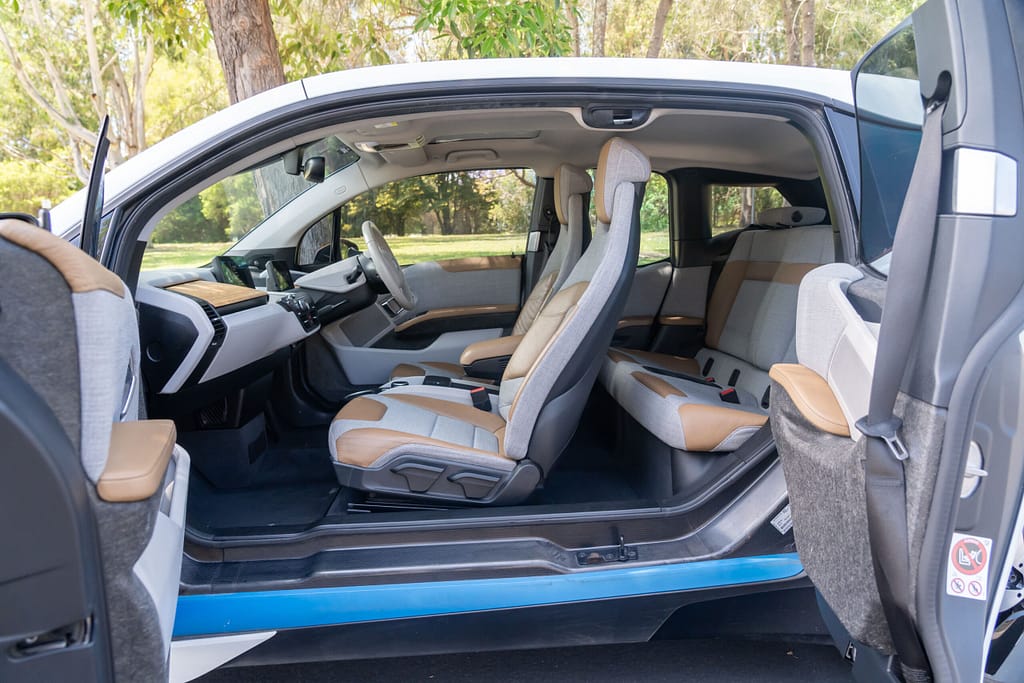
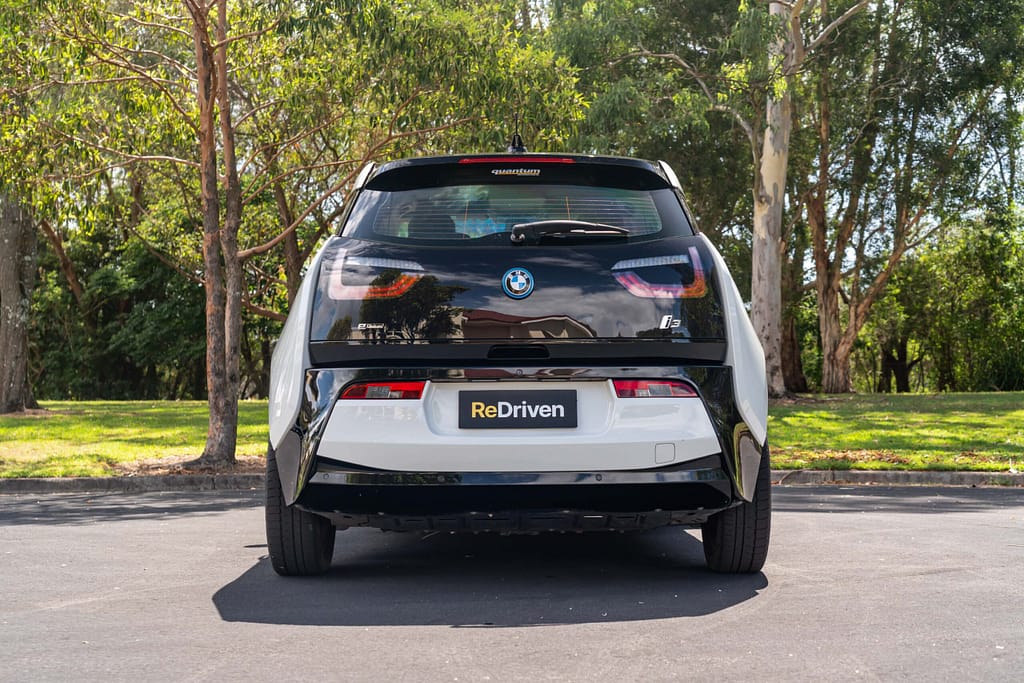
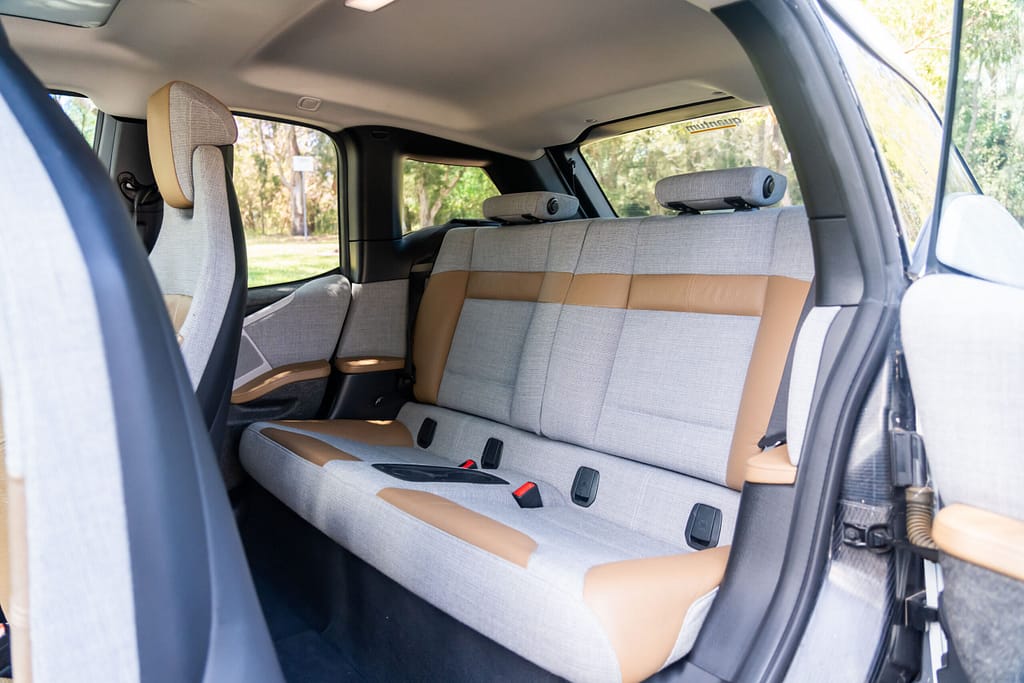
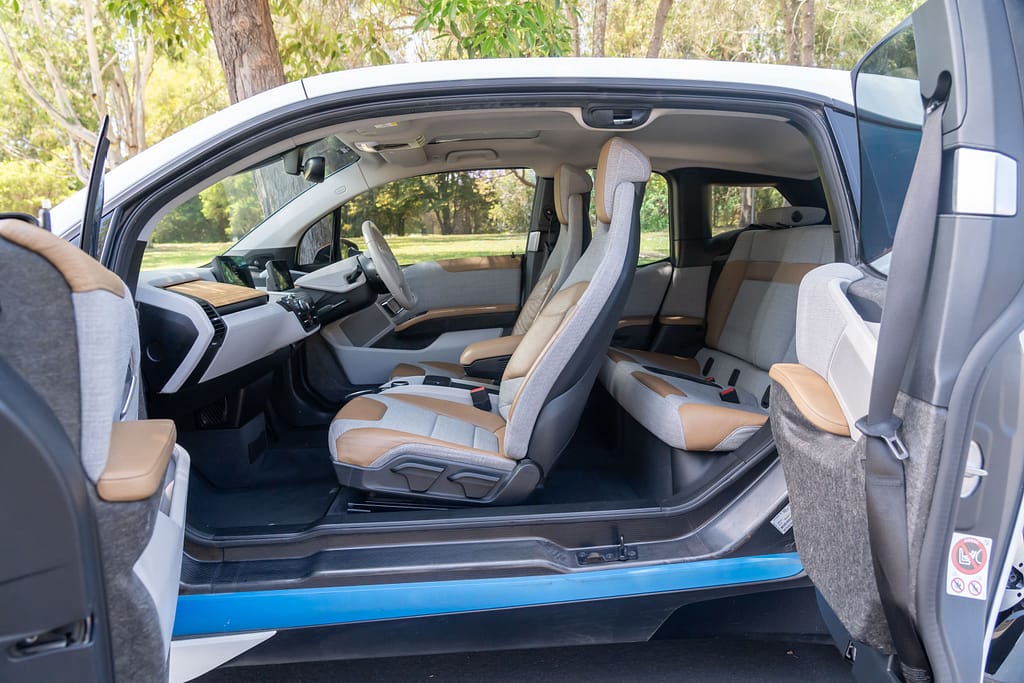
The suicide-style, outward-opening rear doors look cool and make accessing the back seats a breeze. But one gripe is that to open the door, it requires the front passenger door to be open at the same time.
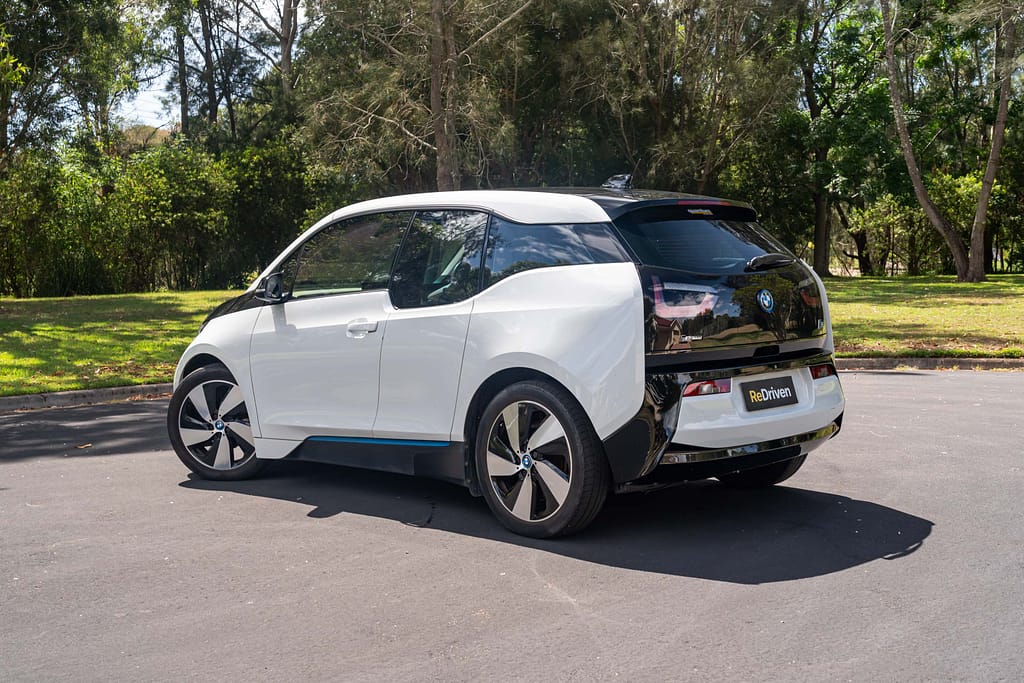
Also, it’s worth highlighting that the rear windows can’t be lowered or raised, plus the lack of ventilation means it can get quite warm in the back.
The rubber seals around the doors can also wear prematurely, with the lower seals easily getting damaged.
Some early models only have AC charging ports or use a much older style charging port, meaning they might not be compatible with the current generation of public chargers. But depending on the model, it’s possible to convert the older charging port to the newer CCS2 port, or you can use an adapter.
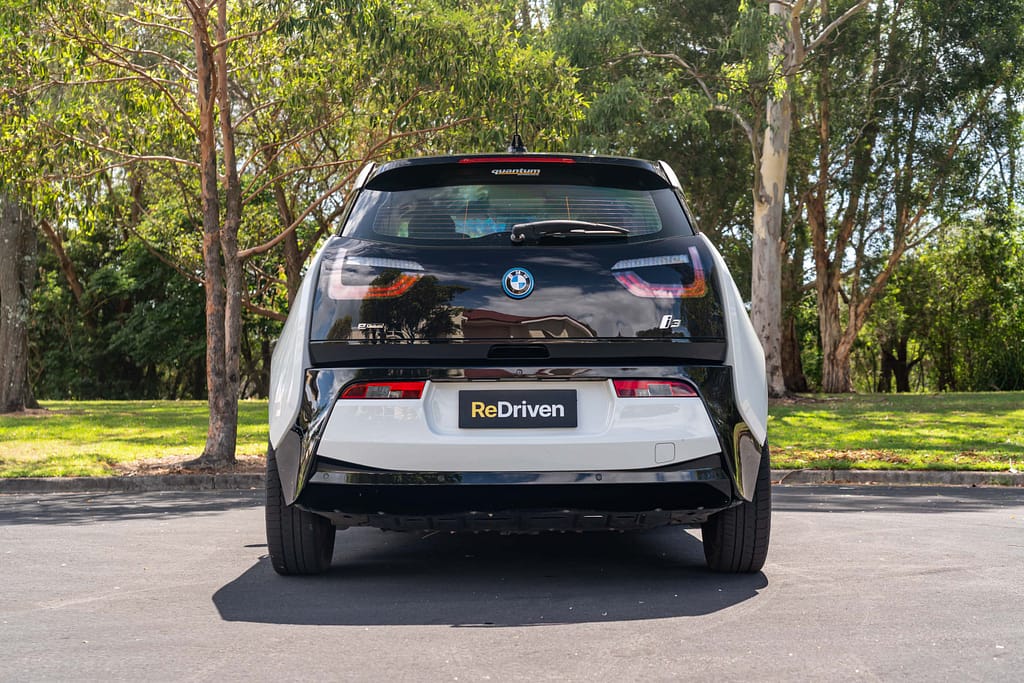
Though also note the charging flap itself can be a bit temperamental, as it’s known not to open or close/lock properly – likely due to a faulty actuator. If the fuel flap on range extender models is playing up, usually a software fix can remedy it.
The (very) small front cargo compartment area isn’t weather-sealed at all, leaving anything contained inside exposed. Many i3 owners recommend using a weatherproof container to store items here, or exploring aftermarket solutions to seal off this area properly – the ‘frunk sealing’ offered by German brand ‘Wokeby’ is frequently mentioned.
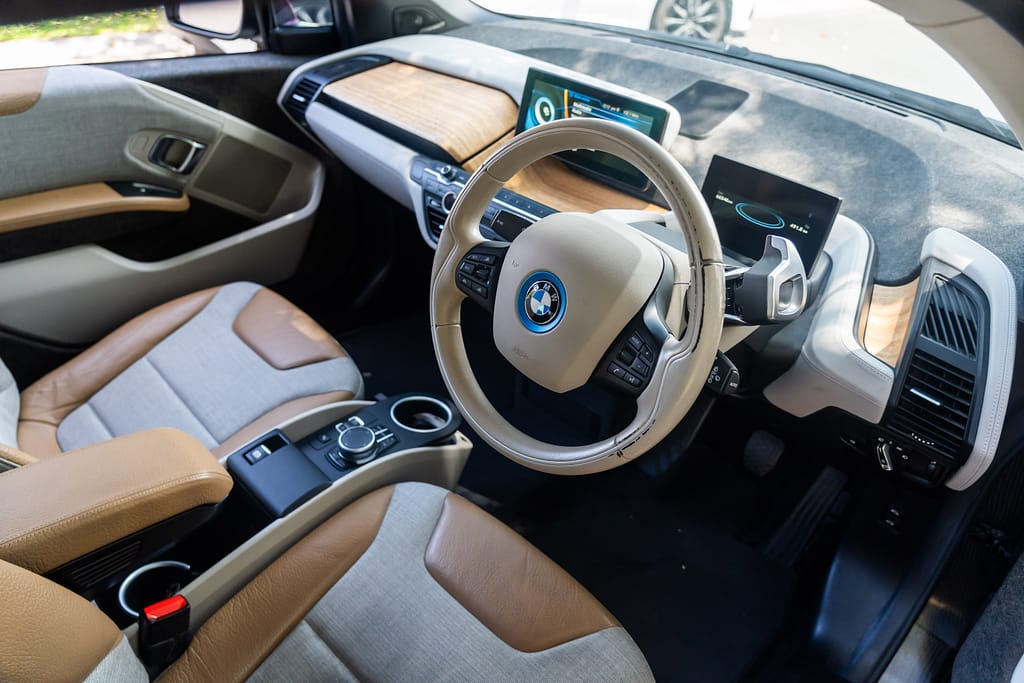
Interior Issues:
Being a modern-era, German-engineered EV, electrical issues are bound to occur, and the BMW i3 can experience several that are worth keeping an eye out for.
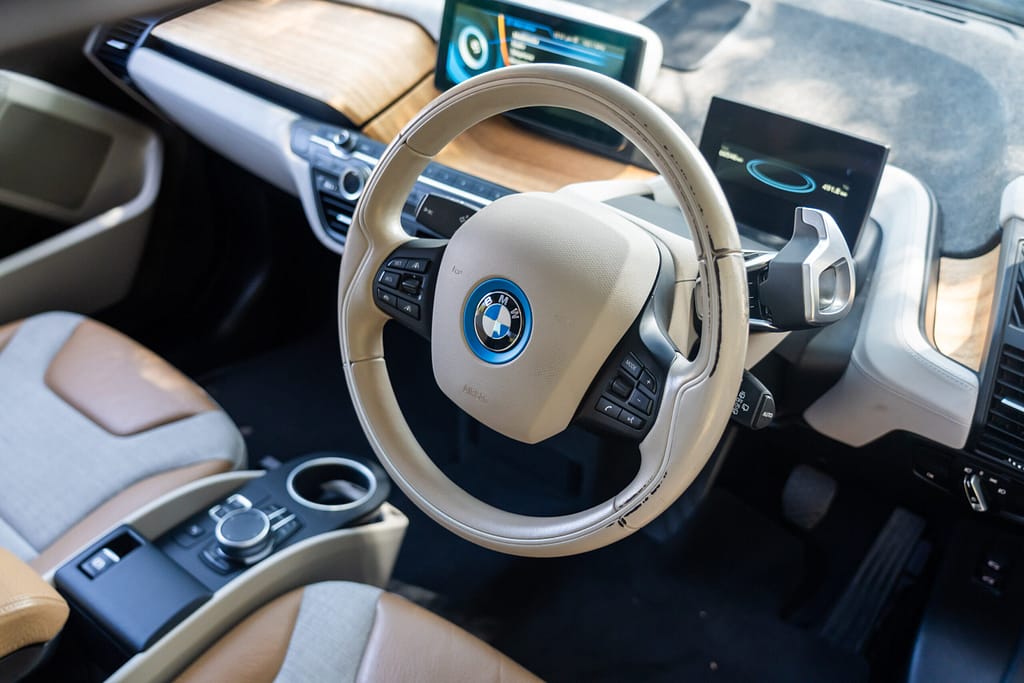
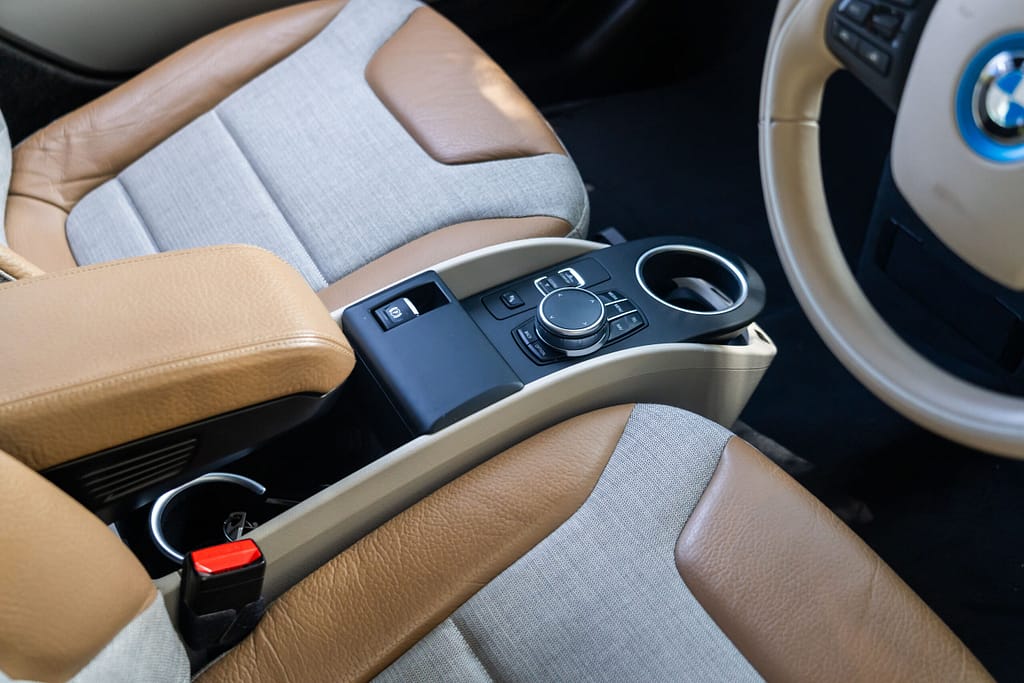
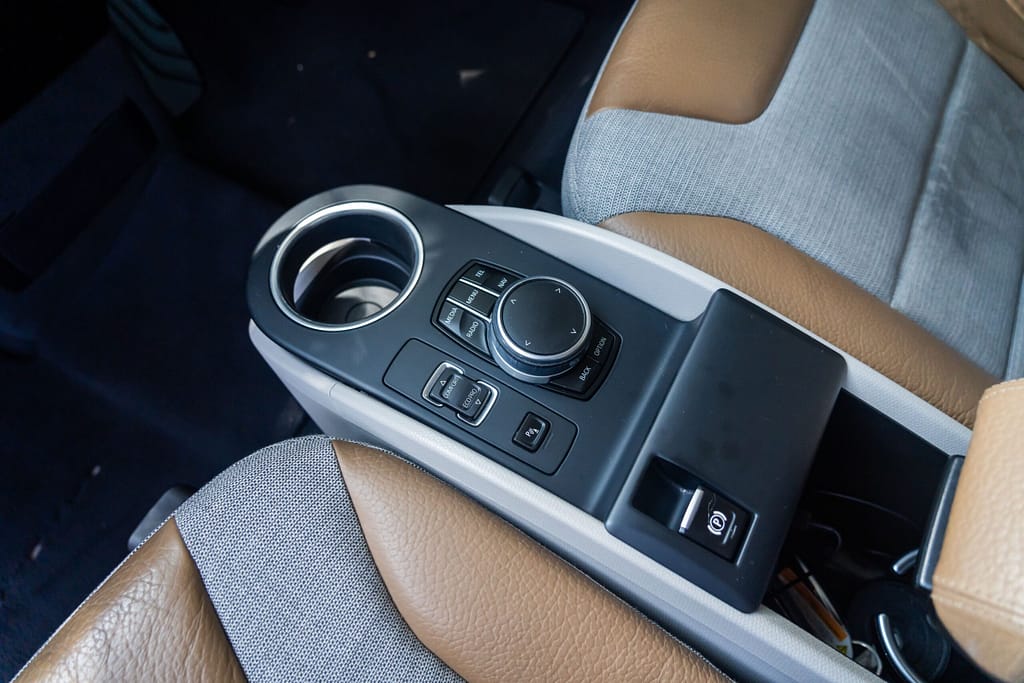
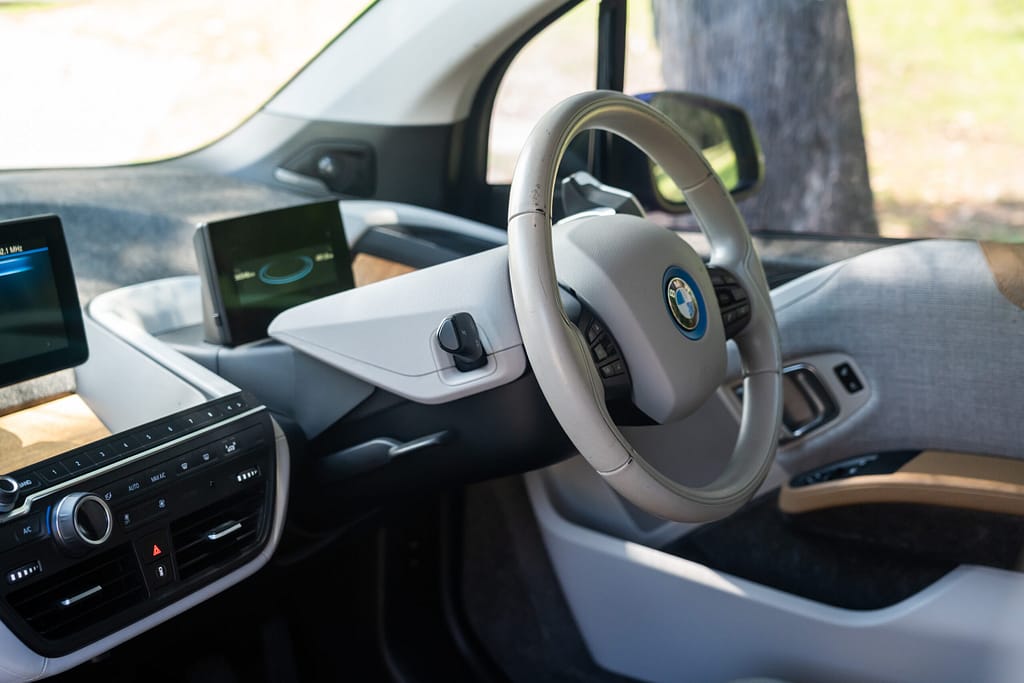
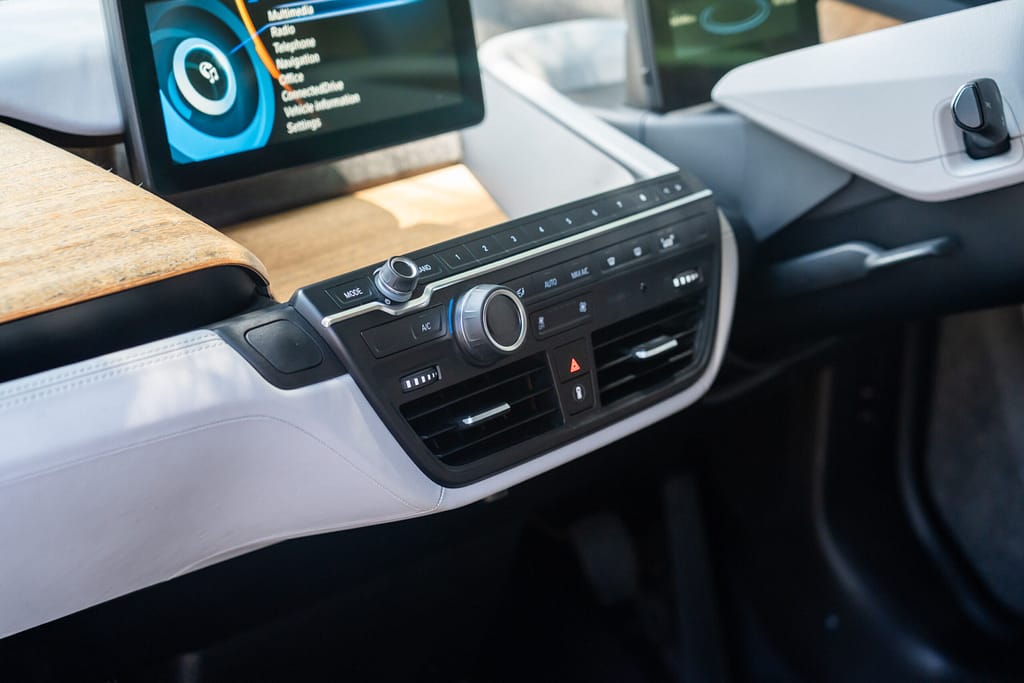
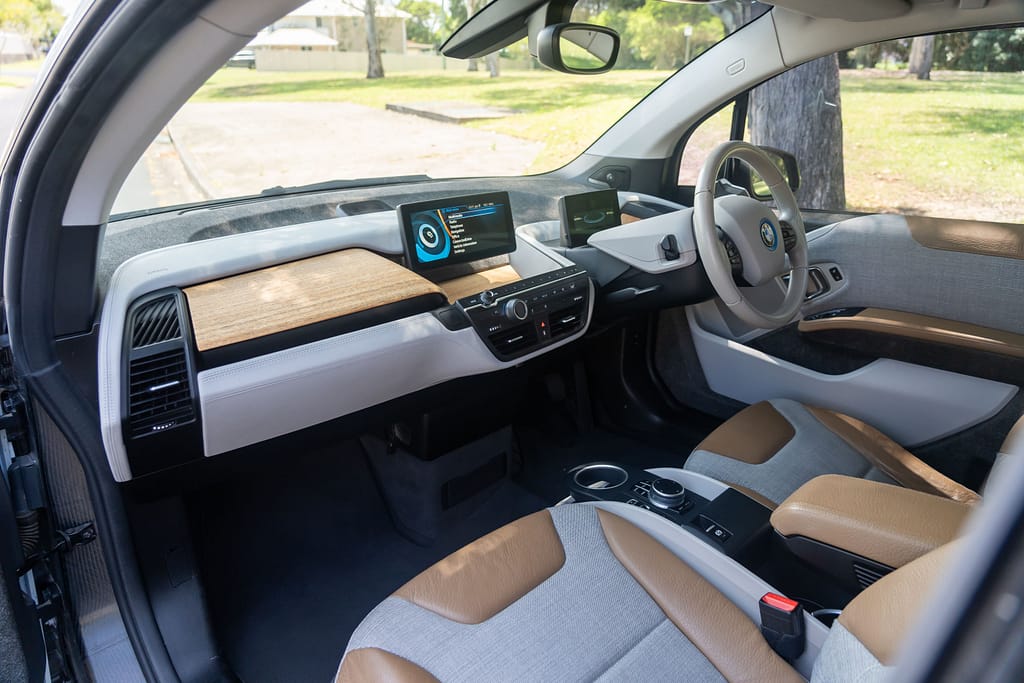
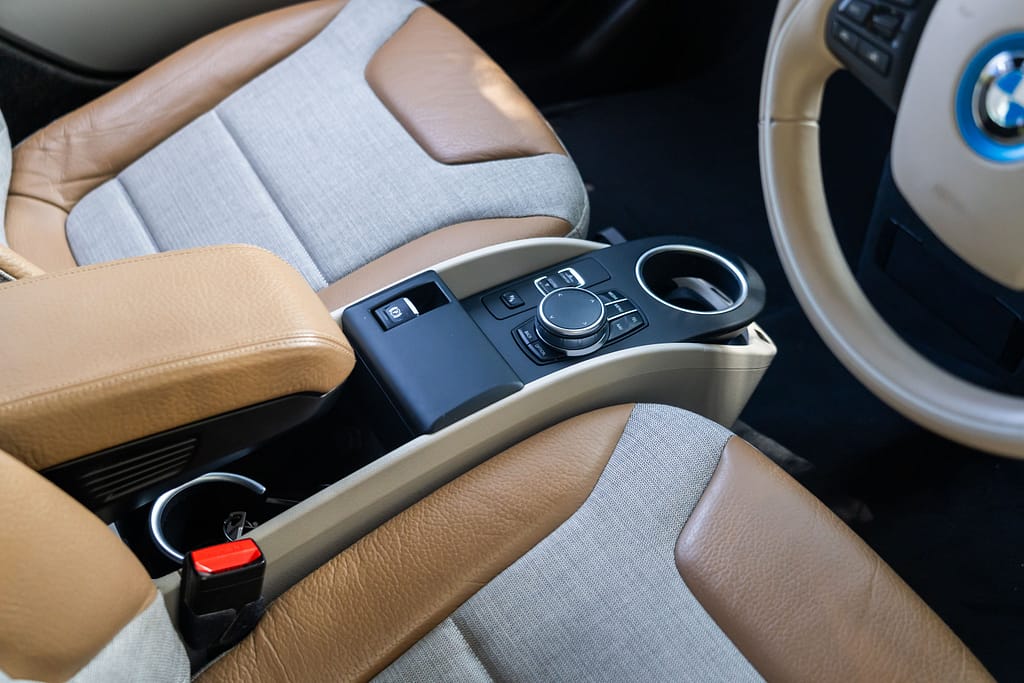
Warning lights/messages, or various faults can appear on the dashboard even when there’s nothing wrong with the vehicle itself. Simultaneously, the digital dashboard screen can flicker, or buttons in the centre console can stop working.
One tip we recommend is to look into disassembling and fixing the existing units first, as BMW can charge at least $2000 for a new console!
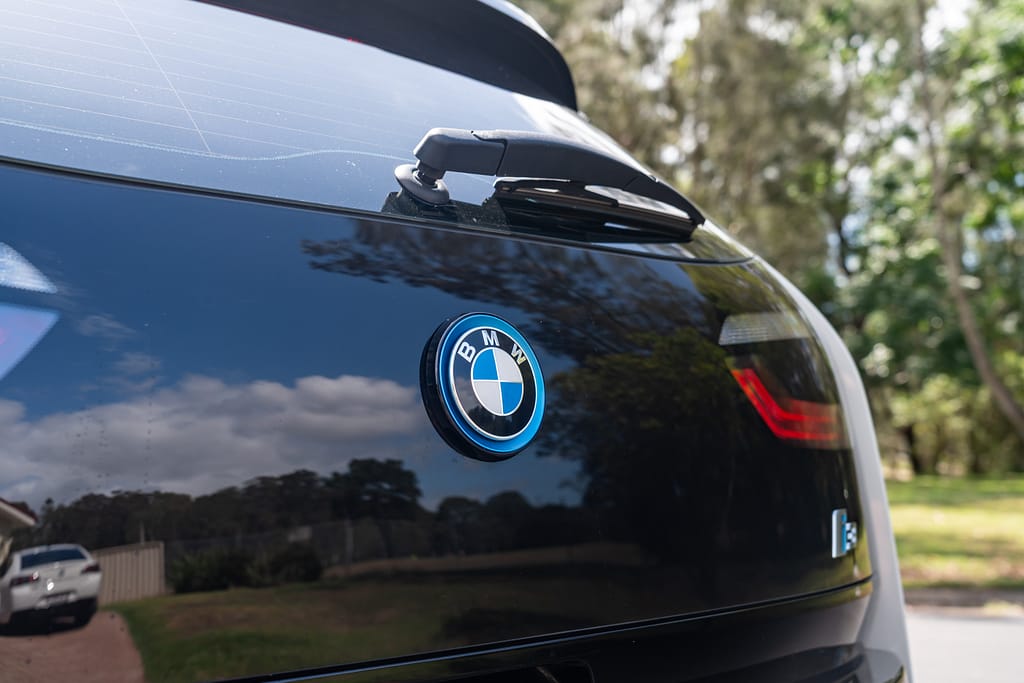
Sporadic electronic and tech issues can be caused by any number of modules/components failing, but it could also be due to the main 12V battery or the battery control module. Before chasing down what module or component is at fault, sometimes replacing the 12V battery with a new unit is all it takes to resolve any electronic gremlins.
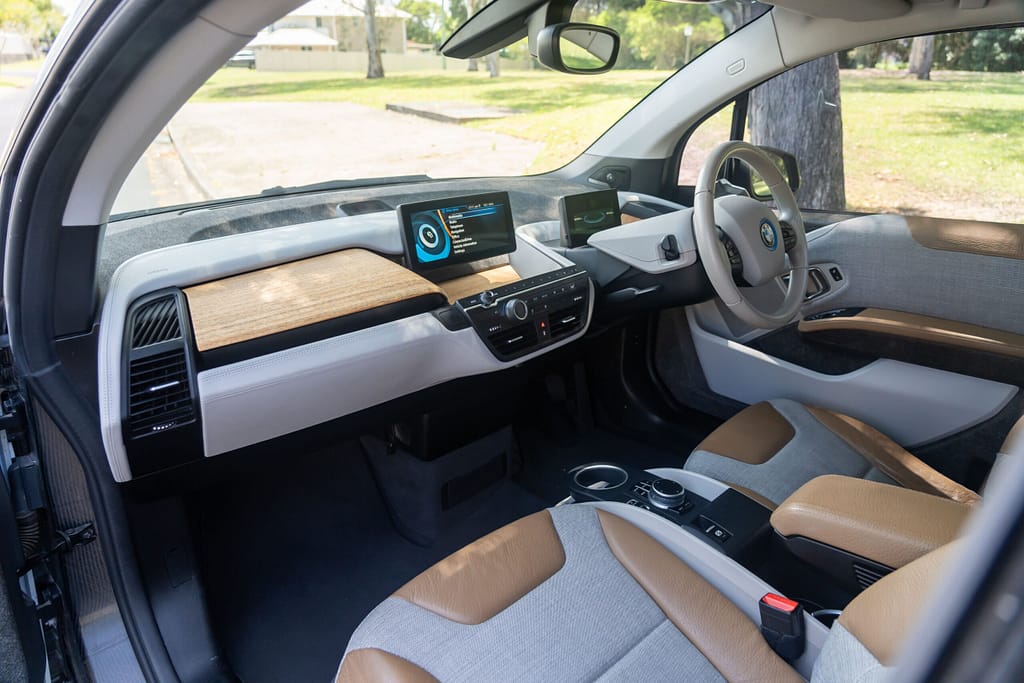
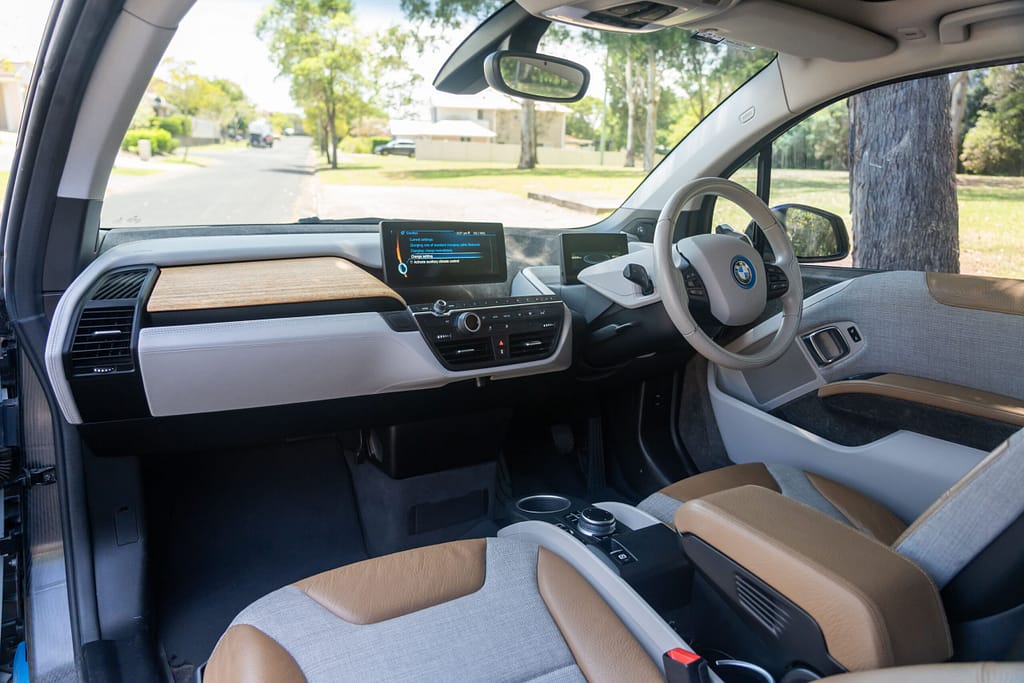
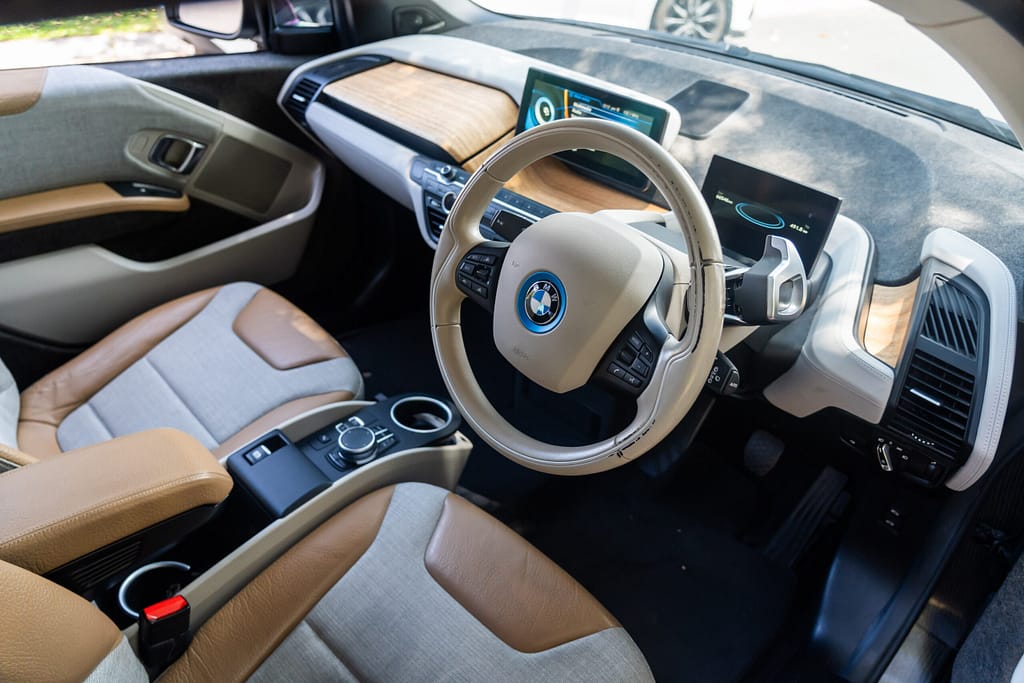
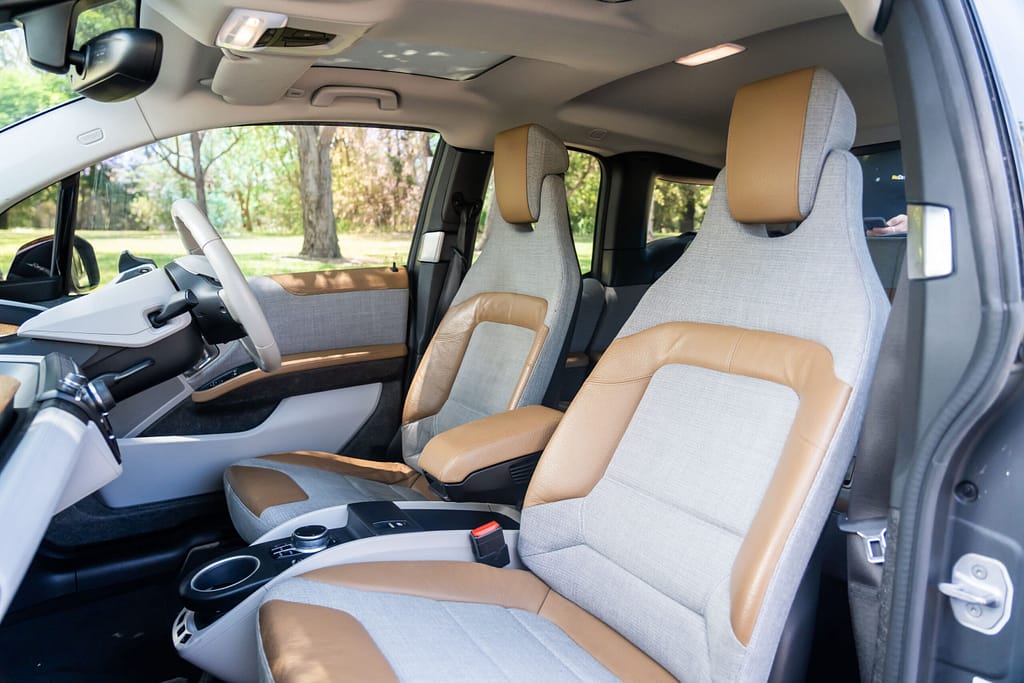
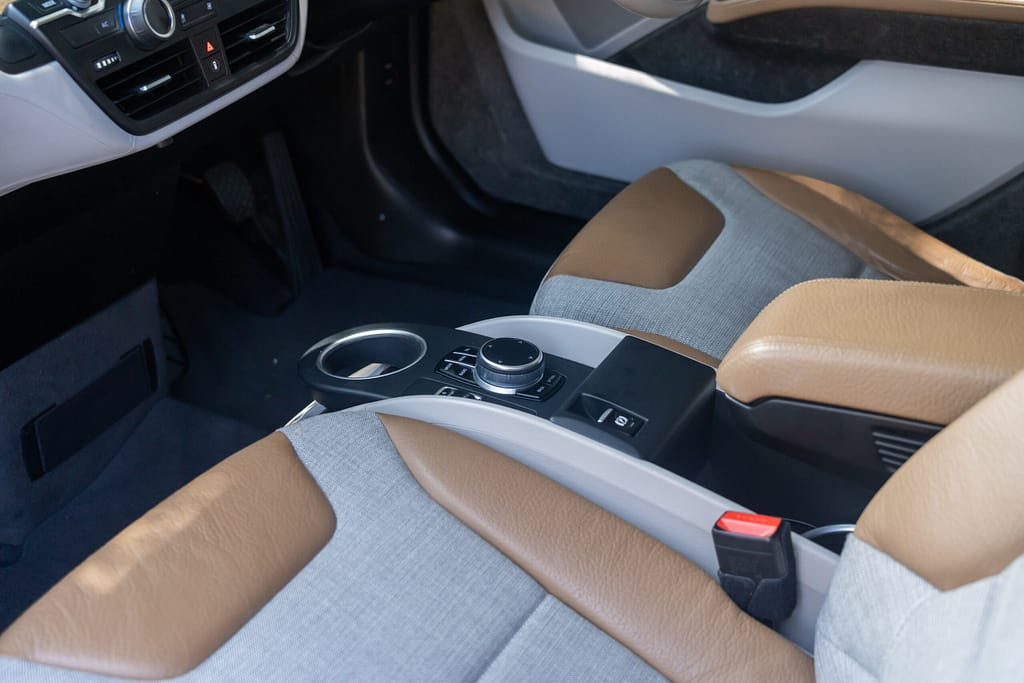
Interiors with fabric materials tend to wear better compared to their leather counterparts, but it’s not uncommon to hear of the side door cards getting a bit loose or any number of trim rattling (which would be more apparent, given the lack of engine noise in the background). Also, seats in lighter colour fabrics can be stained easily.
The seats’ heating function is also known to have issues.
Check that all of the air conditioning settings work, as the A/C system’s compressor is known to fail. Not only can it turn the interior into a sauna, but it can also affect the cooling for the battery. In the worst (but very rare) cases, it can even send metal fragments through the battery cooling ducts, which can be a very expensive fix to put right.
The A/C system will also need more routine refrigerant refills than typical vehicles, given it’s used to cool the batteries onboard and provide cooling relief – meaning it works harder than an average car A/C system, especially in hot climates.
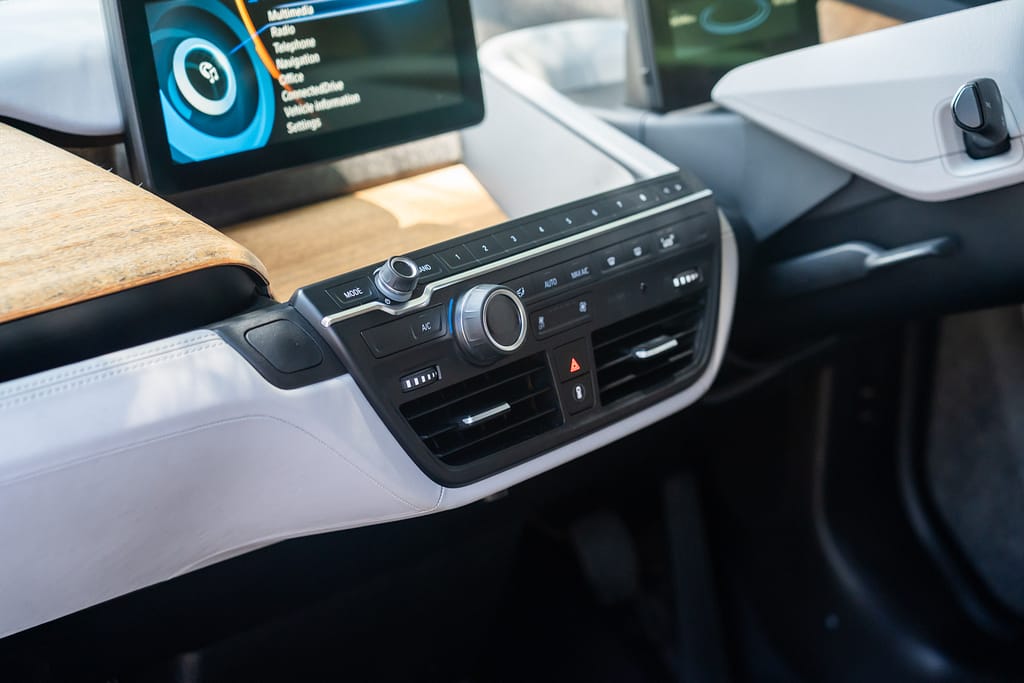
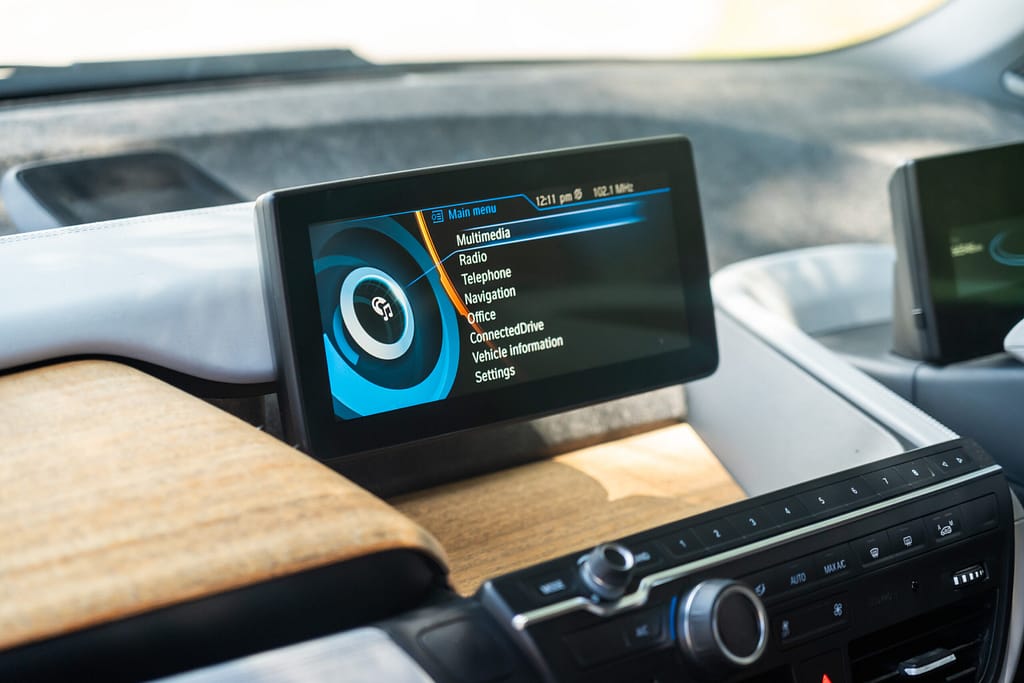
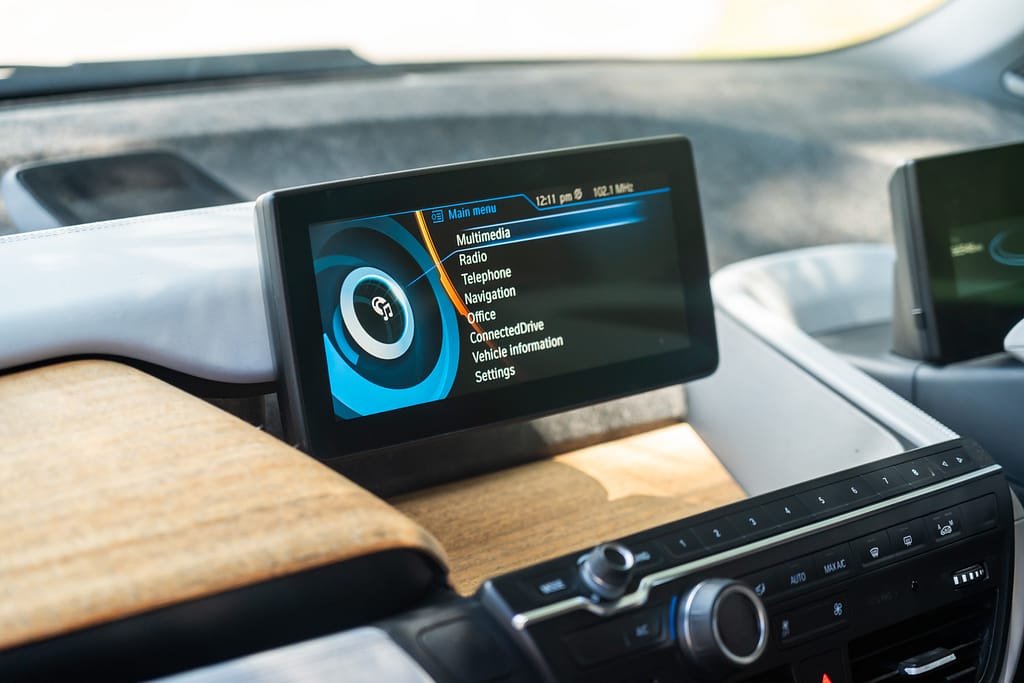
All i3s feature BMW’s signature iDrive infotainment system, which is arguably one of the best in the industry. There are reports of Bluetooth/Apple CarPlay/Android Auto connectivity dropping out, systems rebooting randomly, or the UIs freezing, but they’re not too common.
Many pre-LCI models made before 2016 rely on a 3G mobile data connection to operate their various ‘smart’ or connected features.
However, many countries, including Australia, have now phased out 3G networks, meaning some features like pre-heating/cooling the interior through the dedicated app no longer work since BMW disabled these vehicles’ 3G data function.
To add greater disappointment, apparently retrofitting 4G tech into a 3G-gen model isn’t possible, meaning you can’t use the latest version of the BMW digital key/app with very early models.
Mechanical issues:
In the current used market, half of the BMW i3s you’ll find come with the range-extender generator, which is a fun fact: the same two-cylinder engine used in the BMW C650 scooter manufactured by Taiwan-based Kymco (Kwang Yang Motor Co.)
This engine is pretty reliable, but the engine mounts are known to be quite fragile and wear prematurely, with pre-LCI models, non-‘S’ models more prone to experiencing this.
Pre-LCI models are also known to experience faulty bearings in the drive unit and motor – signs to look out for are a noisy drive unit caused by the bearings going out. If the bearings fail, they can damage the housing, which often requires a replacement drive unit.
Typically, BMW will only replace the entire drive units (which can be very expensive), but it’s possible for specialist workshops to disassemble faulty units just to access and replace the bearings. Either way, this will not be a cheap job.
One thing that can be done with the range extender models is to modify their settings to activate the generator earlier to help maintain the battery’s charge level, instead of only kicking in when the battery is nearly flat. This helps extend the range considerably, plus it’s fairly simple and cheap to do.
The biggest complaint these BMWs have on record is the average lifespan of their batteries and their rate of degradation/age.
There are companies out there that can replace the electric drivetrain’s batteries and upgrade them to more potent or longer-lasting units, but their cost alone (before labour) can be more than what the car is currently worth.
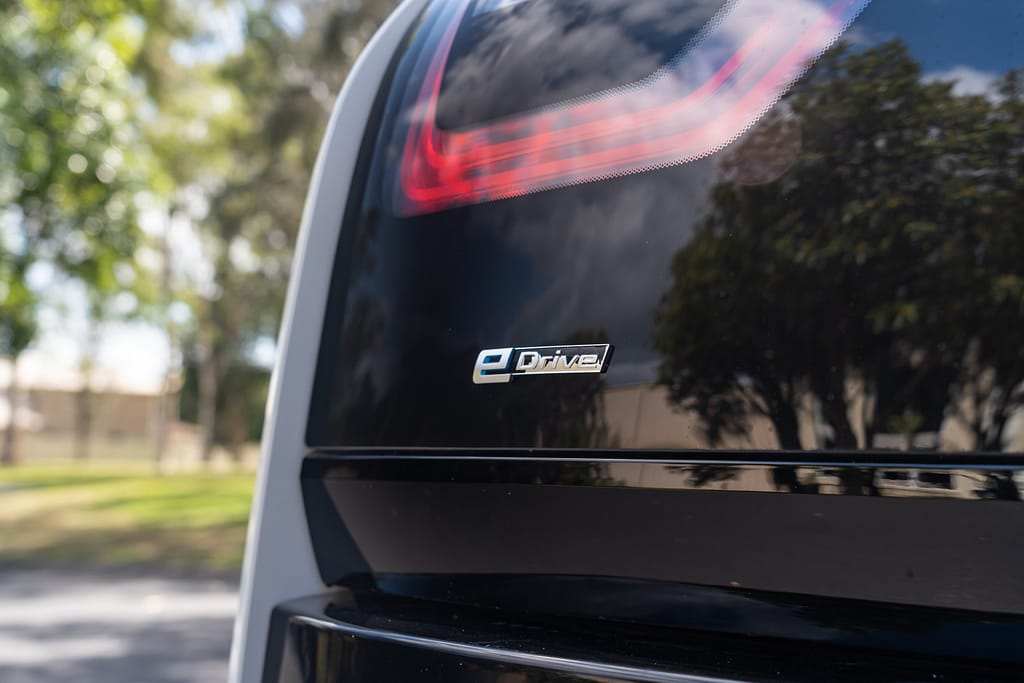
Depending on the market, these batteries may have been covered by an 8-year/160,000 km warranty.
The 60 Amp-hour cars, in particular, are prone to excessive battery degradation, as they have the smallest battery capacities out of all variants, and they use older battery chemistry. Some owners of lower-spec, non-range extender models even report they can only get up to 75 kilometres of range per full charge.
If you’re inspecting a BMW i3, it’s highly recommended that you go into the iDrive menu settings that can show the current condition of the battery cells.
We heard from owners that the post-2017 update i3s are highly recommended over earlier models, as BMW significantly increased the battery capacity (~50%) and added stronger drivetrain components.
Also, no matter what model or if it’s the pre/post-LCI iteration, the charging time can be extremely slow compared to the charging performance that up-to-date EV vehicles are capable of.
Charging time can also vary, depending on the battery size and whether standard/rapid charging is being used, but in the best-case scenario, a 24kW (DC rapid-charger) will take around 30 minutes to charge up to 80%, 40 mins if using a 33kW charger, and 50 mins for a 42kW charger.
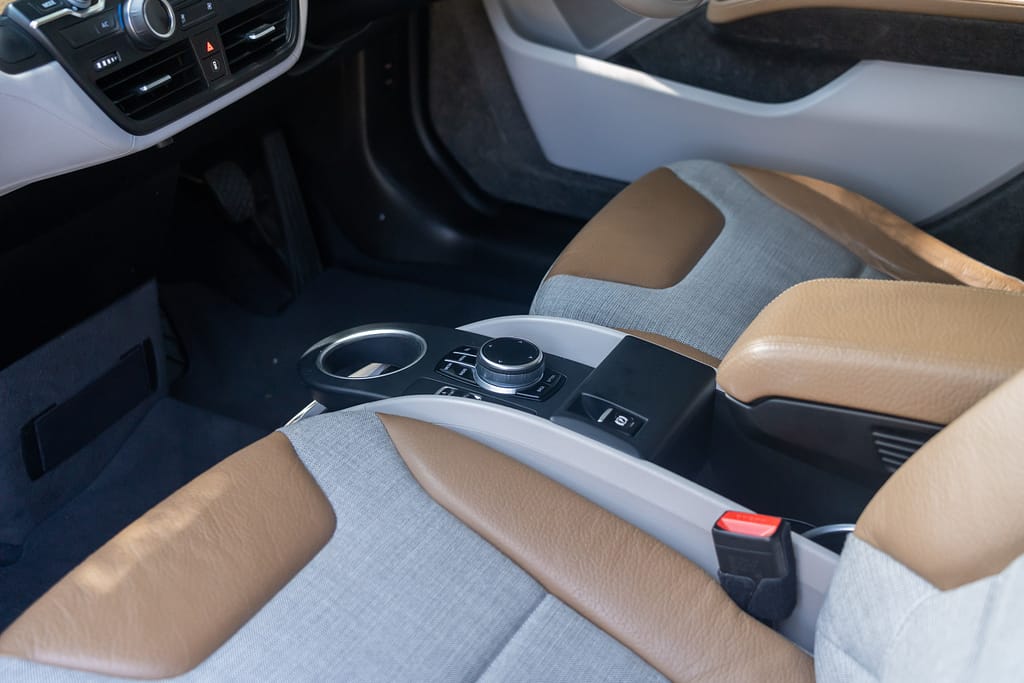
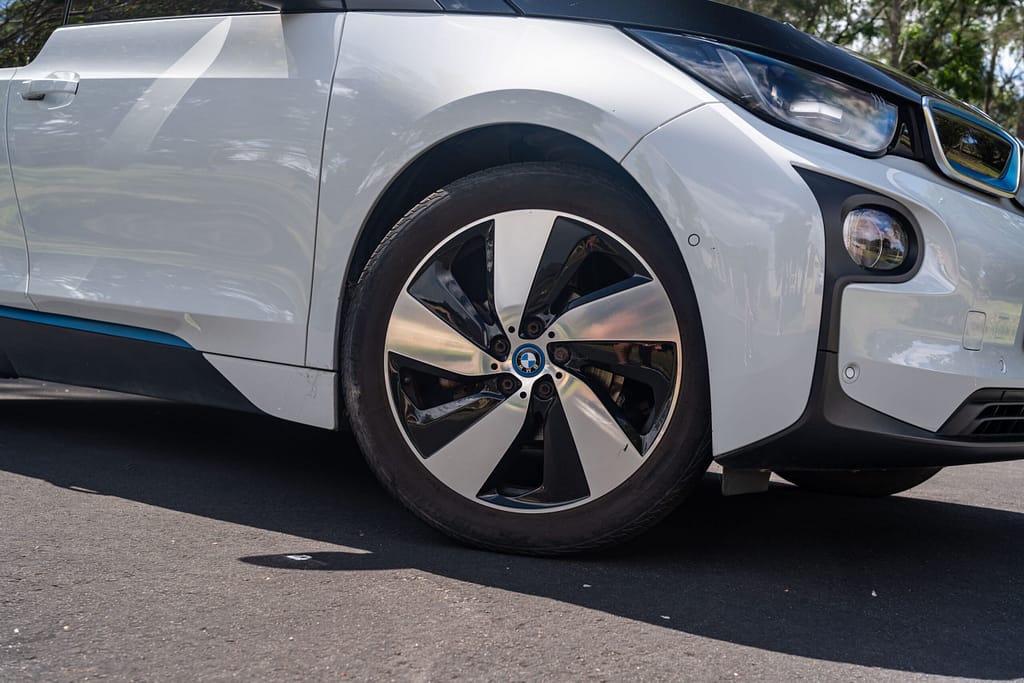
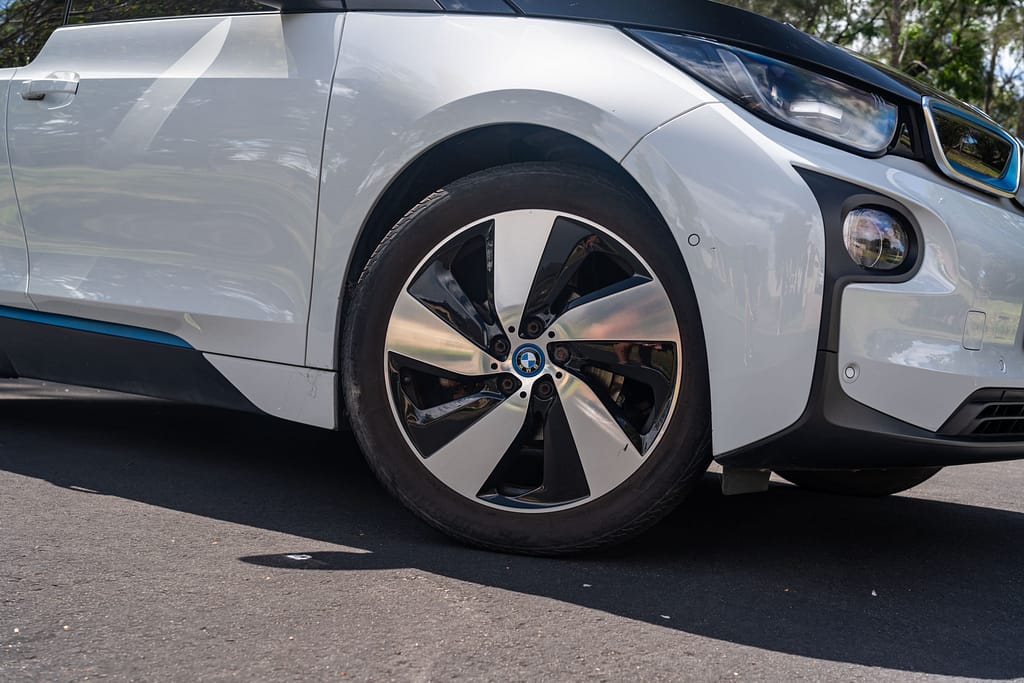
The i3 has a unique factory tyre setup that limited options for tyres, even when it was new, and finding replacements in the right size nowadays can be very expensive – we’ve heard instances of owners getting quoted over $1500-$2000 for a full set.
The tyres that come standard with are also particularly thin, meaning they can struggle for grip on any number of surfaces. Some owners report that the initial traction/stability control settings were very aggressive, to the point that some considered them a safety hazard.
BMW did refine the calibrations of these settings in later models and software updates, so it’s worthwhile to confirm these have been done.
The steering setup allows the BMW i3 to turn on a dime, helped in part by its very tiny turning circle and lack of overhangs, allowing the wheels to be very close to all four corners of the car, making maneuvers in tight spaces and parking very easily.
In fact, while a few complain of the lack of steering feedback/feel, the majority say the overly-sensitive setup is one of the BMW’s highlights, making it feel very active and spritely as a vehicle designed primarily for urban environments.
Common issues to look out for related to the suspension components are the strut top mounts and strut boots, as well as the bushings.
While the i3’s body is light for an EV, the heavy battery powertrain still puts quite a load on the suspension, meaning they can wear prematurely on less-than-ideal roads. The ride can also be a bit firm, especially in the sports-inspired ‘S’ variants.
We even heard one owner mention they had to replace the top mounts on the front dampers three separate times within 50,000 kilometres. But these aren’t too expensive to fix; they’re fairly simple to repair with plenty of DIY solutions you can apply, or you can look into aftermarket parts that will outlast and outperform the OEM BMW equivalents.
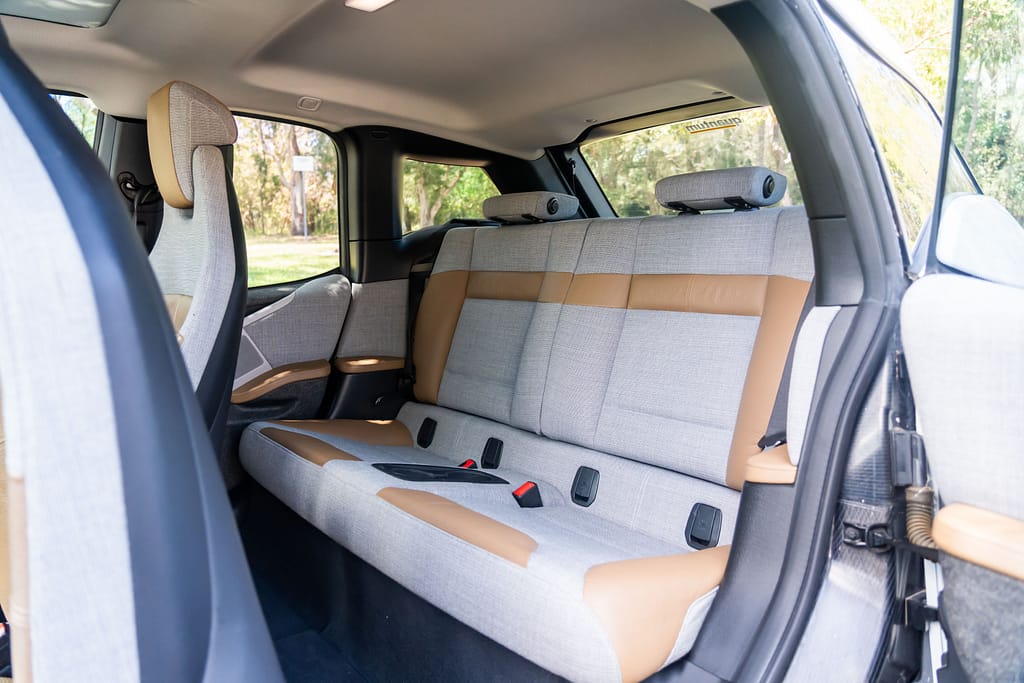
Thanks to the serious depreciation that has hit many EV models, the BMW i3 included, you can find the cheapest examples starting from as low as $15,000 and topping at around $40,000.
That puts it among a highly competitive lineup that can also include (still) fairly new examples of the Hyundai Kona Electric, Nissan Leaf, BYD Dolphin/Atto 1/Atto 2, or GWM Ora.
Though they don’t have the same brand appeal as the Germans, they can deliver the same benefits as an EV, but offer more range, more up-to-date tech/features, faster charging capability, and be just as nice to drive.
Also, for the same money as a range-extender BMW i3, you could consider a newer Toyota Yaris Hybrid or grey-import Honda Fit (Jazz), which can prove to be more affordable in upkeep, cheaper to insure, and avoid the heavy rate of depreciation the BMW suffers from.
But we get why the BMW i3 is a choice you might consider if you’re looking for an efficient, secondhand vehicle in this segment. Even today, it’s still a unique and funky car that continues to satisfy owners through its surprisingly fun driving experience, as well as its quirky interior design.
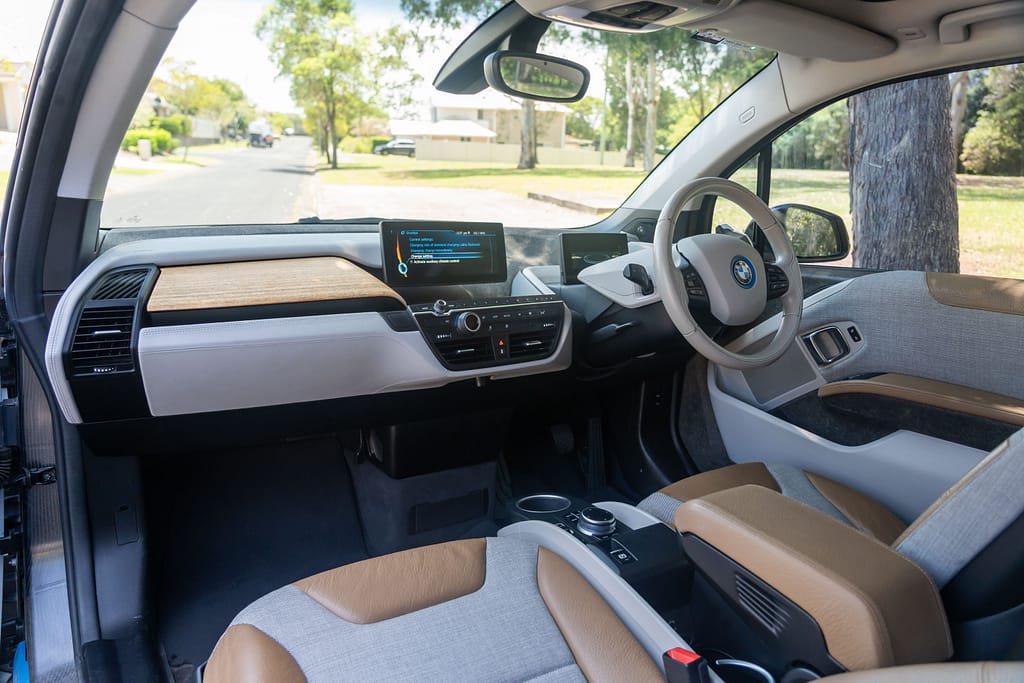
Adding confidence to the ownership experience of the BMW i3, there’s a very supportive owners’ community out there among forums and owners groups that can offer great advice and tutorials for DIY solutions, troubleshooting, and just getting to understand this car, top to bottom.
We’d also recommend checking out the Wisely Automotive YouTube channel, which is a valuable resource of information about the i3, as well as Jason Camisa’s (of Hagerty fame) video that offers a detailed breakdown of this car as well.
When comparing the full electric versus range extender models, our take is that if the majority of your driving will be in urban/city environments, the all-electric ones will suit your needs just fine; but if you plan to do a lot of extended road trips, especially in a wider area like Australia, the range-extenders seem more ideal.
If you find a great example that passes a pre-purchase inspection with no glaring concerns, and if you can make the numbers related to upkeep and average running costs work to your lifestyle/needs, then by all means, we recommend the BMW i3.


Co-creator, presenter & writer, ReDriven

 3 weeks ago