Australia’s No. 1 Used Car Review Website
Australia’s No. 1 Used Car Review Website
+17 Photos
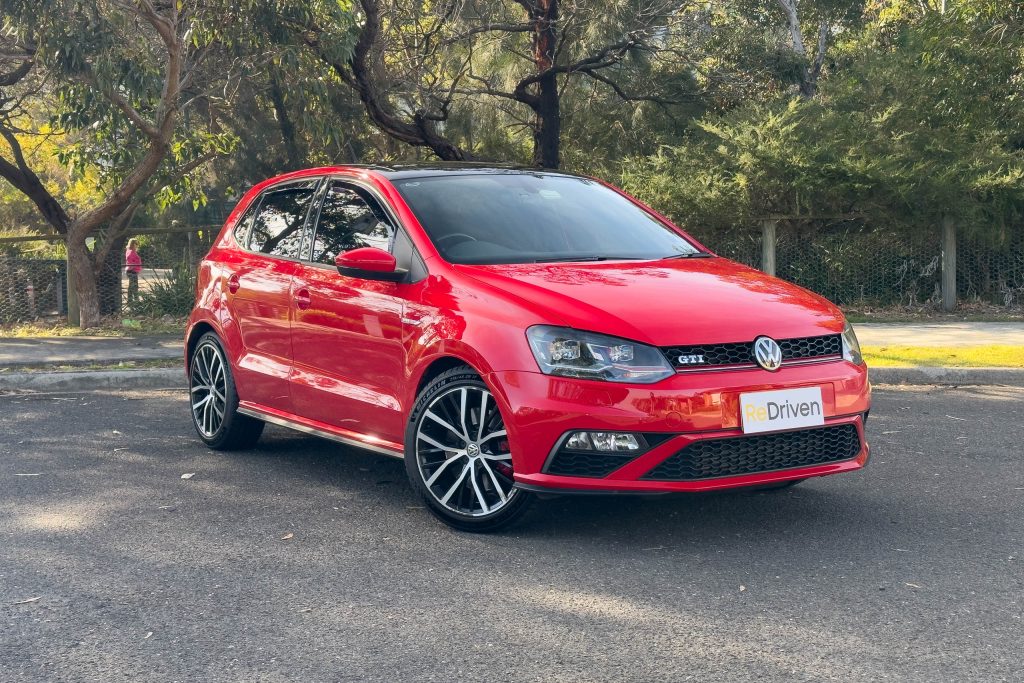
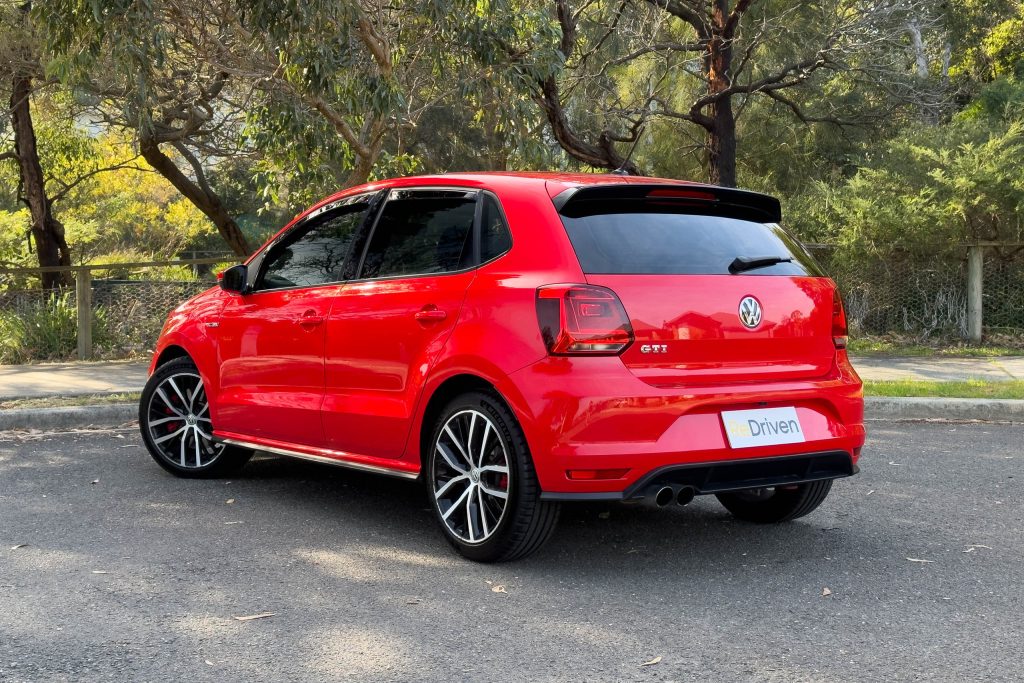

2016 Volkswagen Polo GTi

07 December 2023
Would We Buy It?

2016 Volkswagen Polo GTi

Used car review
07 December 2023
The Volkswagen Polo, an iconic name in the compact car segment, underwent various changes between 2010 and 2017, refining its offering for the Australian market.
Launched in 2010, the Polo came in multiple variants, including the Trendline, Comfortline, and the high-end GTi. The initial models were equipped with standard features like ABS, ESP, front airbags, and air conditioning.

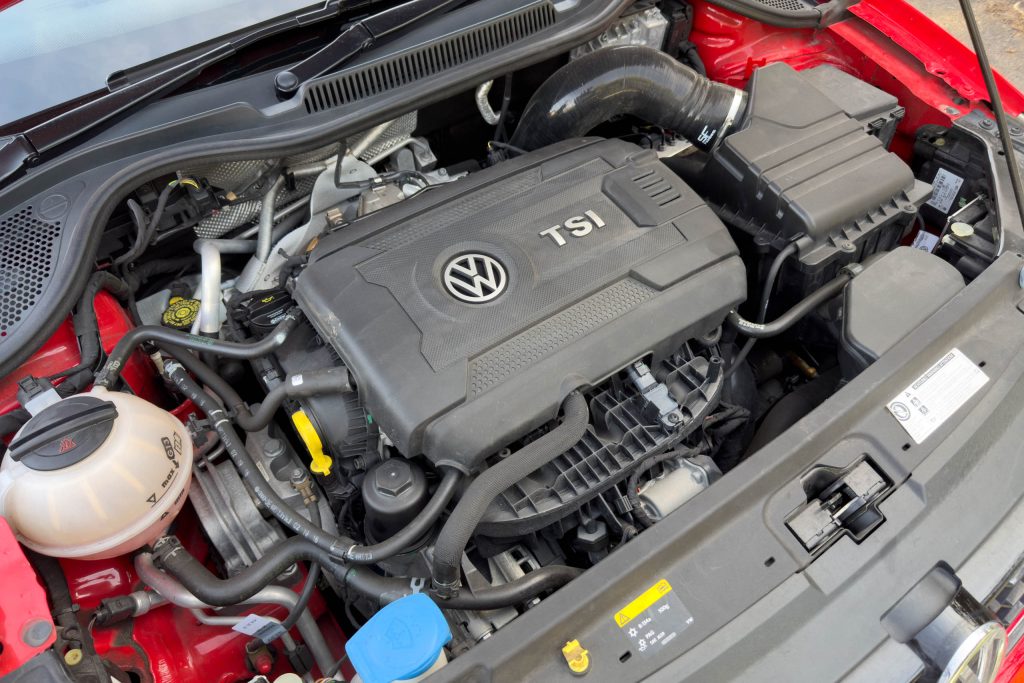
The Comfortline variant added features such as alloy wheels and an improved infotainment system. The engines ranged from a 1.2L TSI petrol to a 1.6L TDI diesel, with the GTi model boasting a 1.4L twin-charged (turbo and supercharged) TSI engine producing 132kW, coupled with a 7-speed DSG transmission.
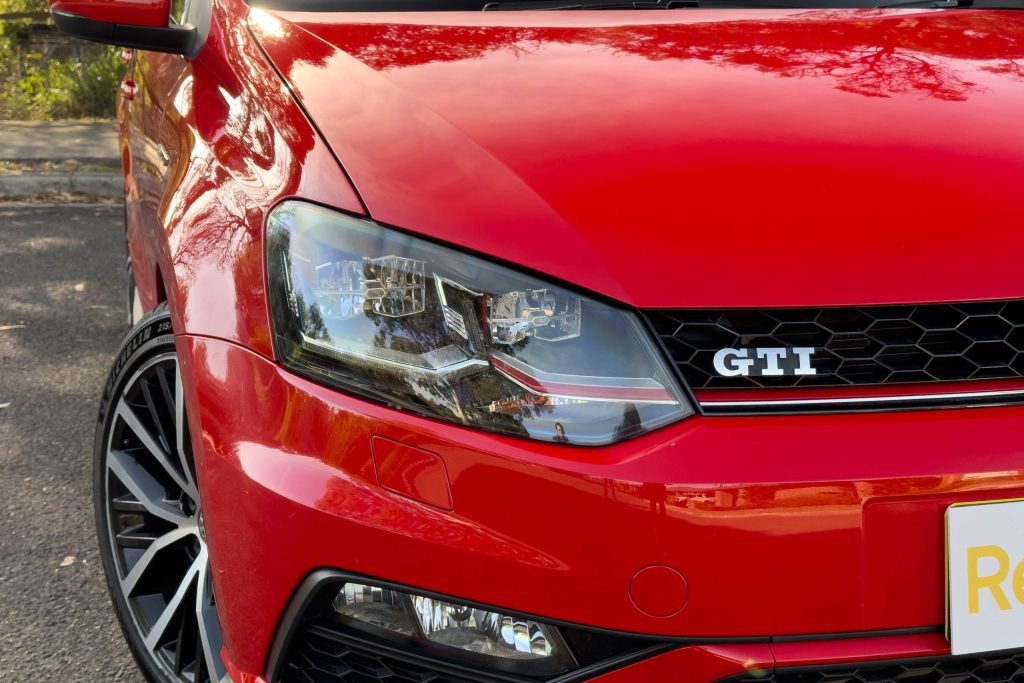
Between 2014 and 2017, the Polo received significant updates. A facelifted model was introduced in 2014, with redesigned front and rear bumpers, new headlights, and an updated infotainment system. Engine offerings expanded, including the introduction of a more economical BlueMotion variant.
The car’s safety was also enhanced, incorporating a multi-collision brake system and fatigue detection.
Throughout its evolution, the Polo GTi remained the enthusiast’s choice, the sporty top-tier variant of the Polo lineup. Initially powered by the 1.4L twin-charged TSI engine, the GTi received an update in late 2014. It transitioned to a 1.8L TSI engine, which not only improved its power output to 141kW but also added more torque.
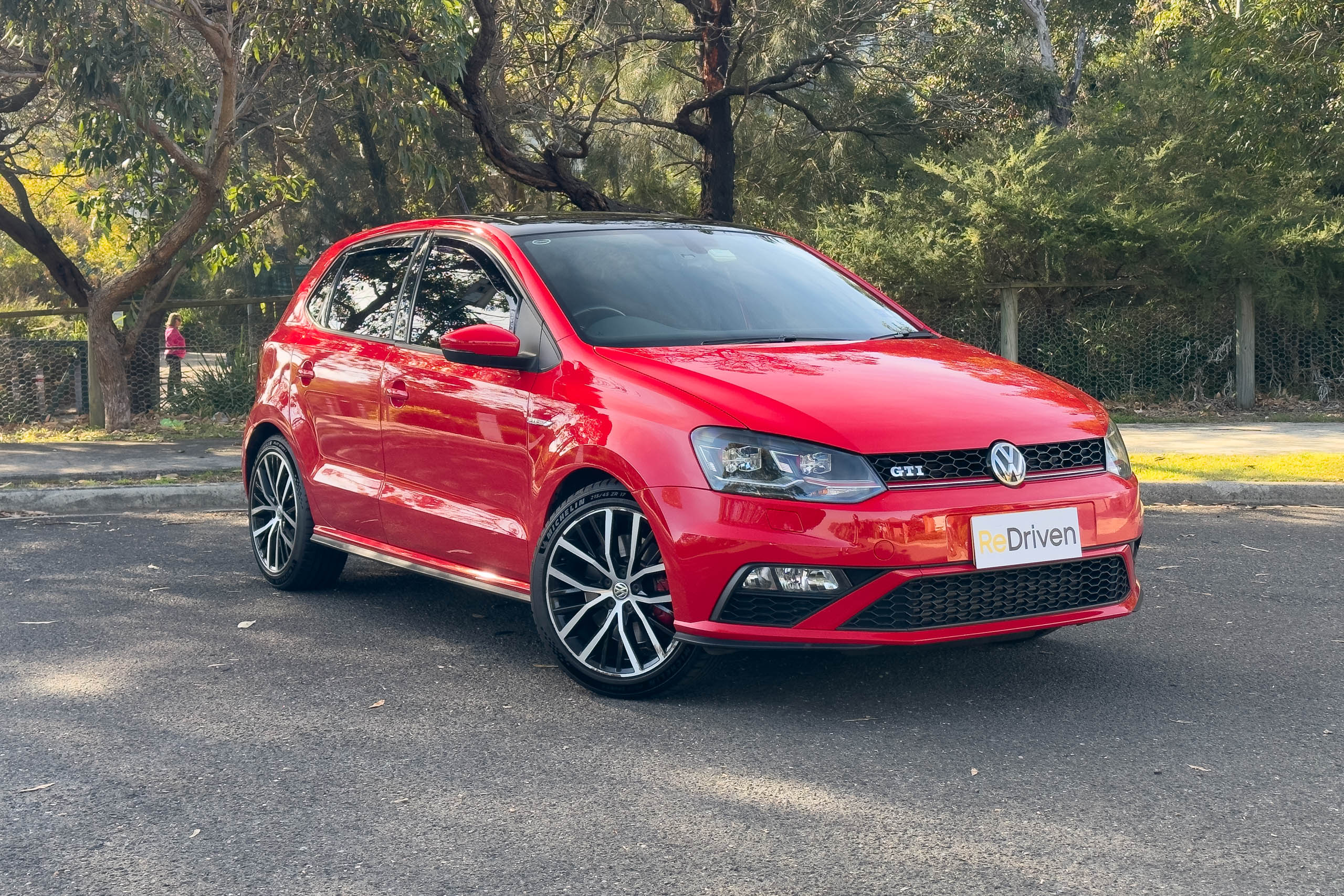
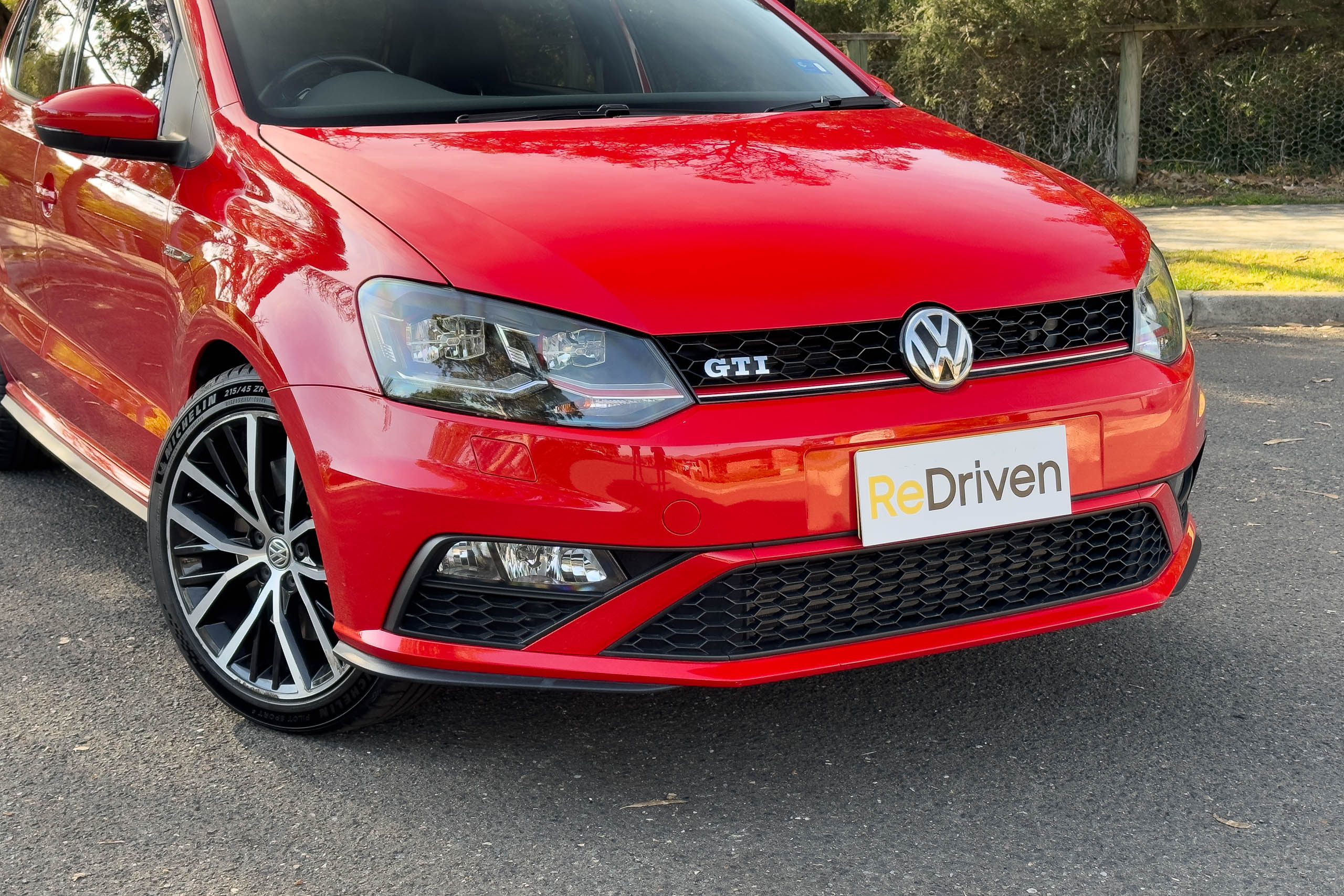
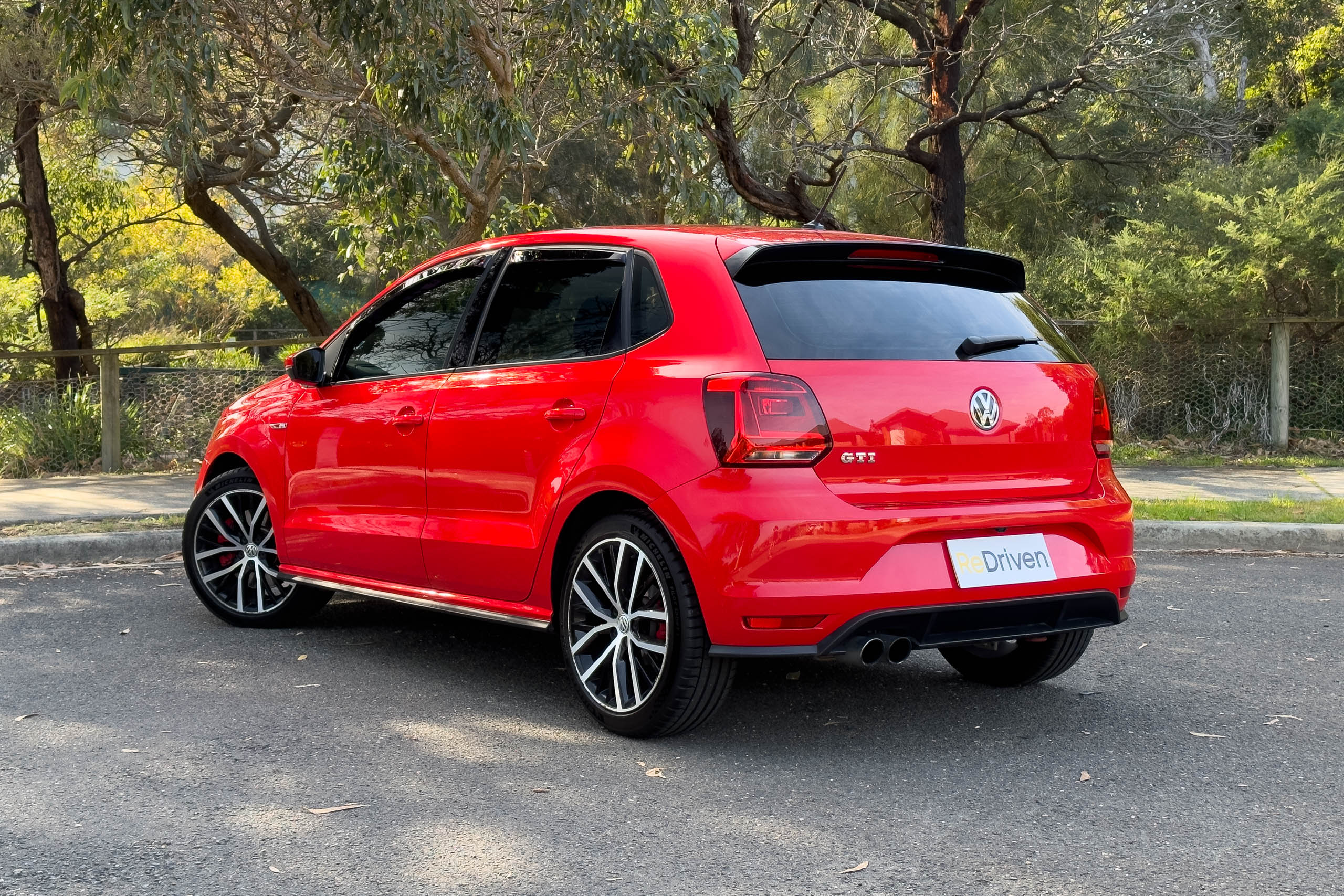
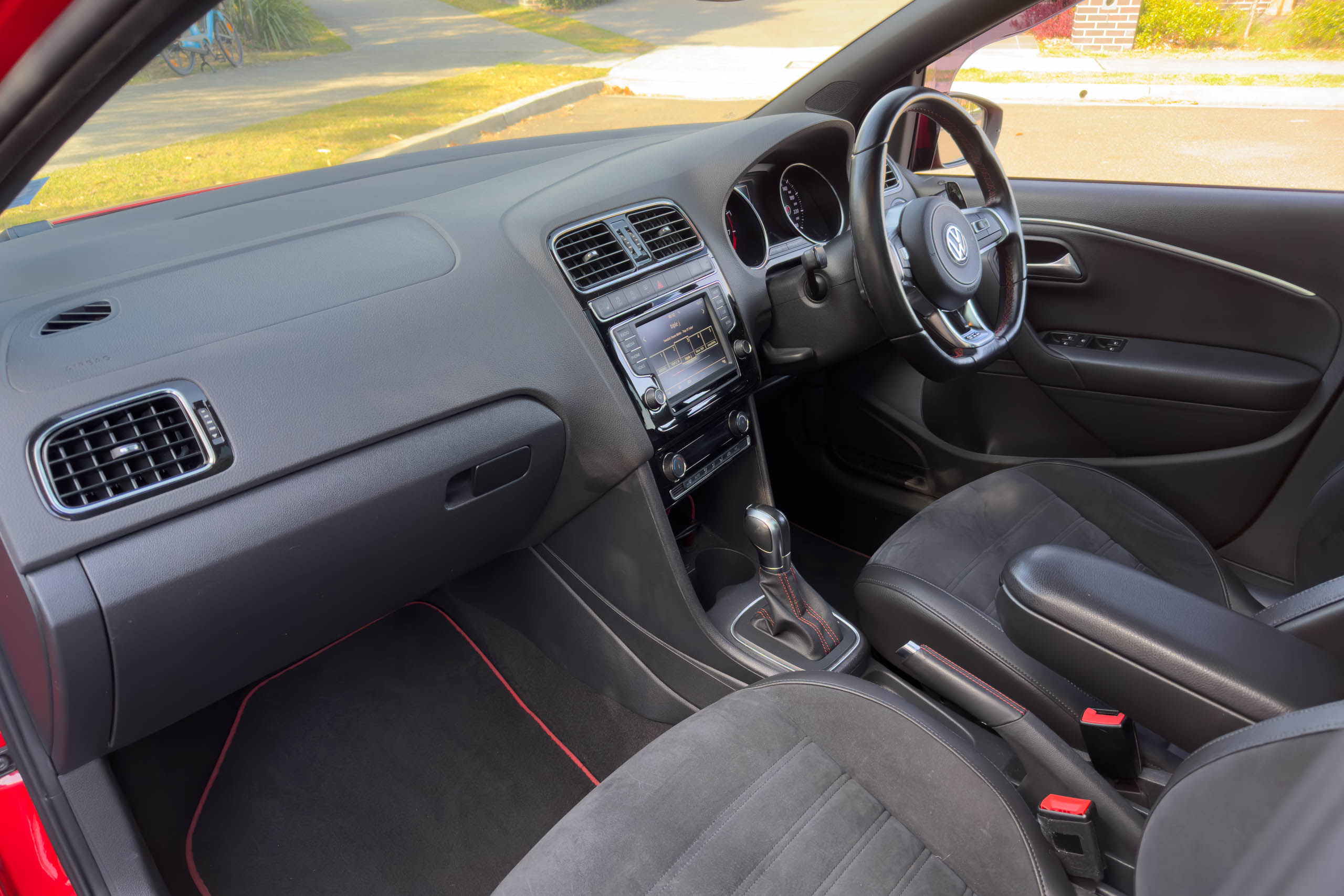
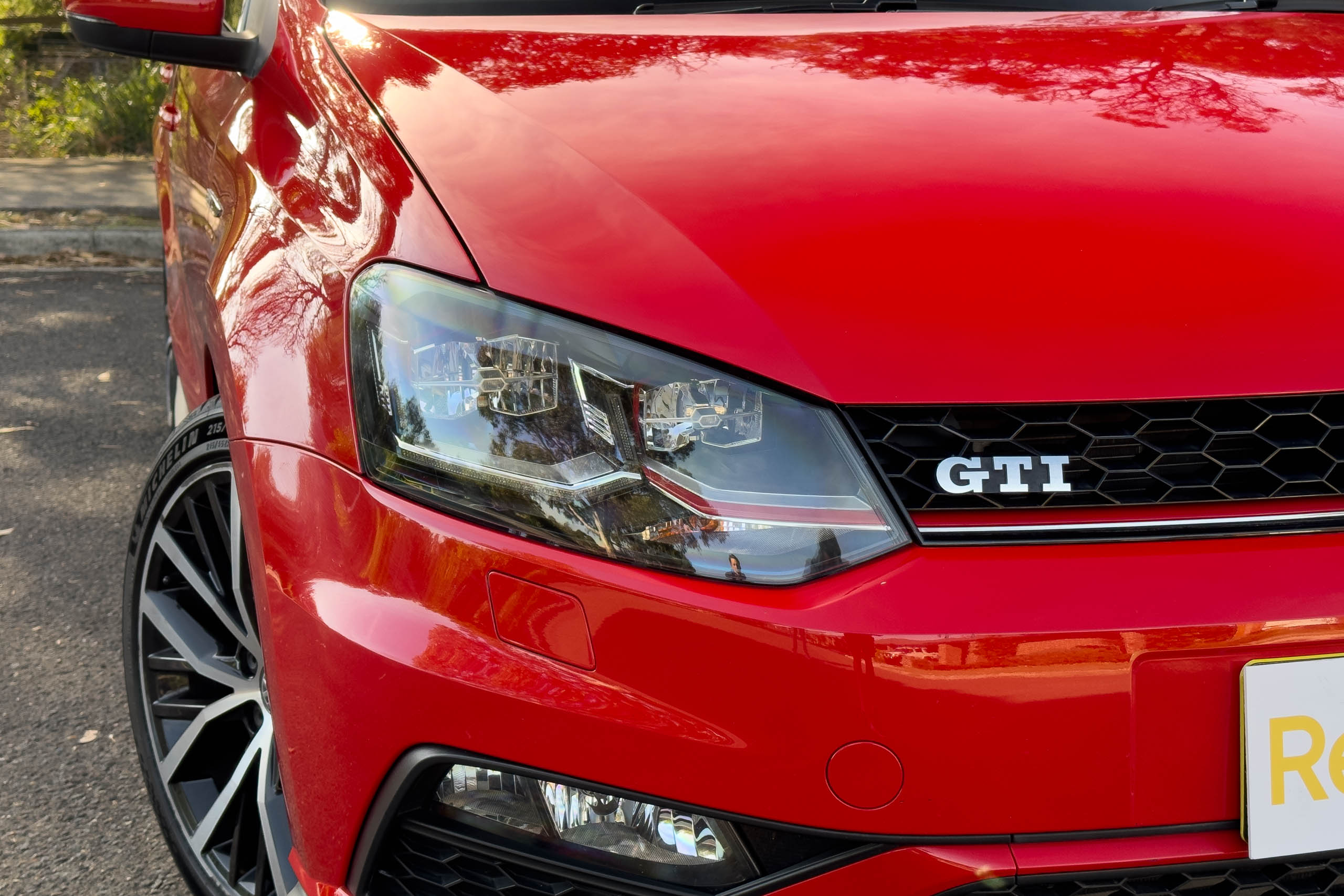
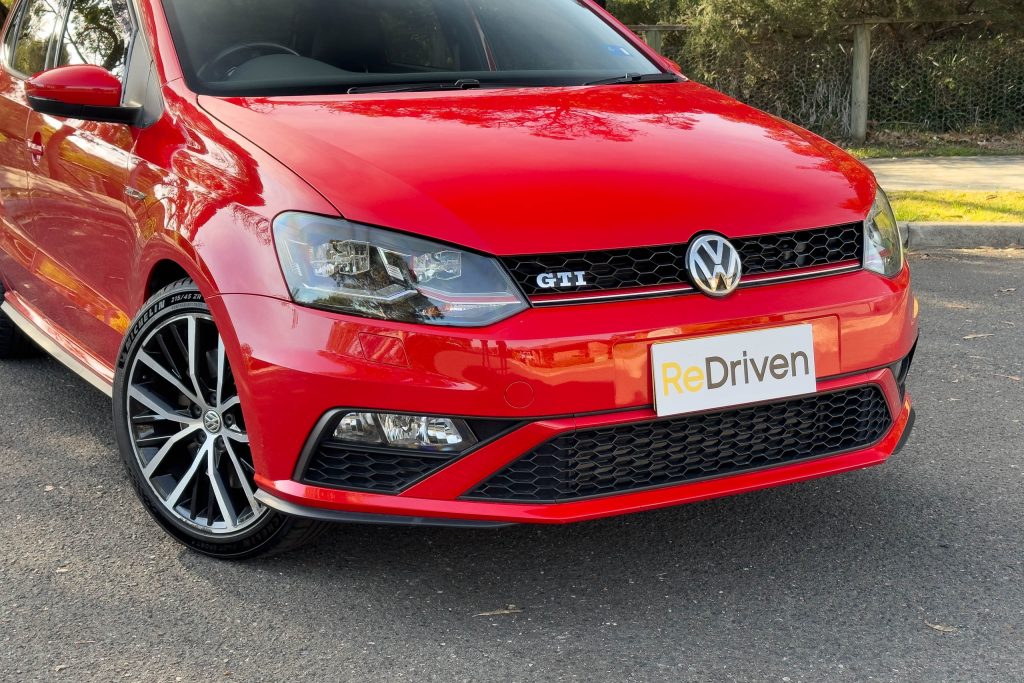
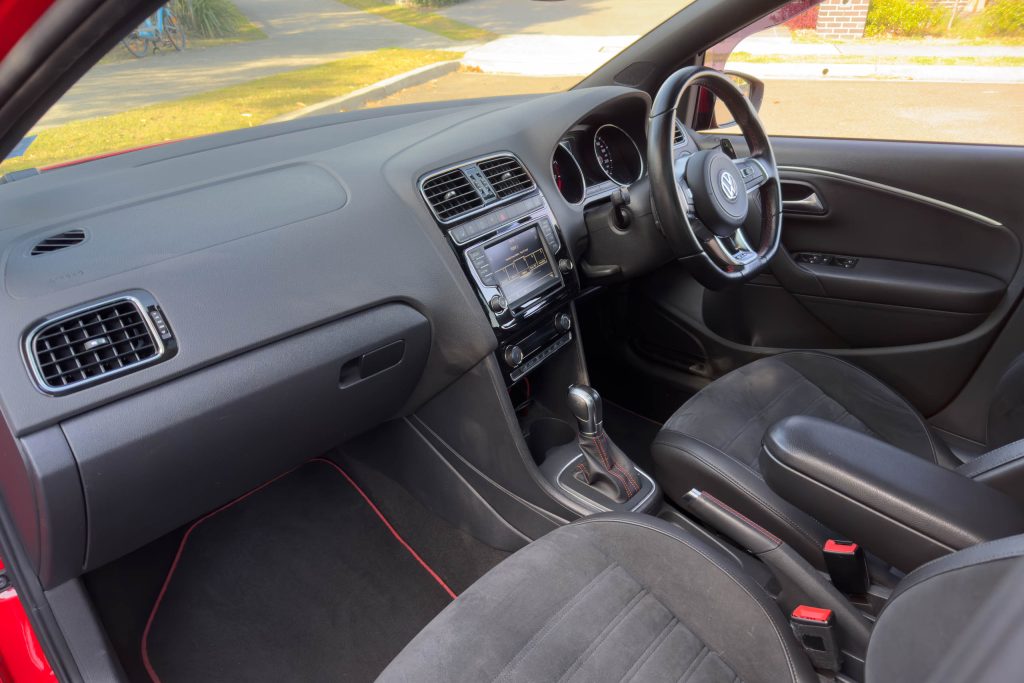
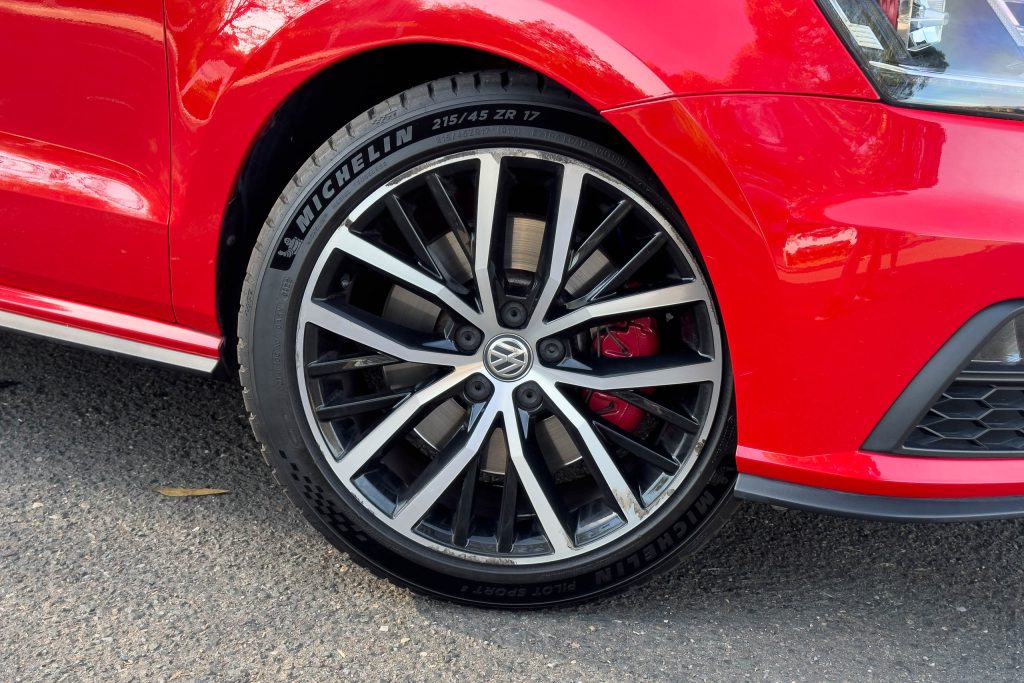
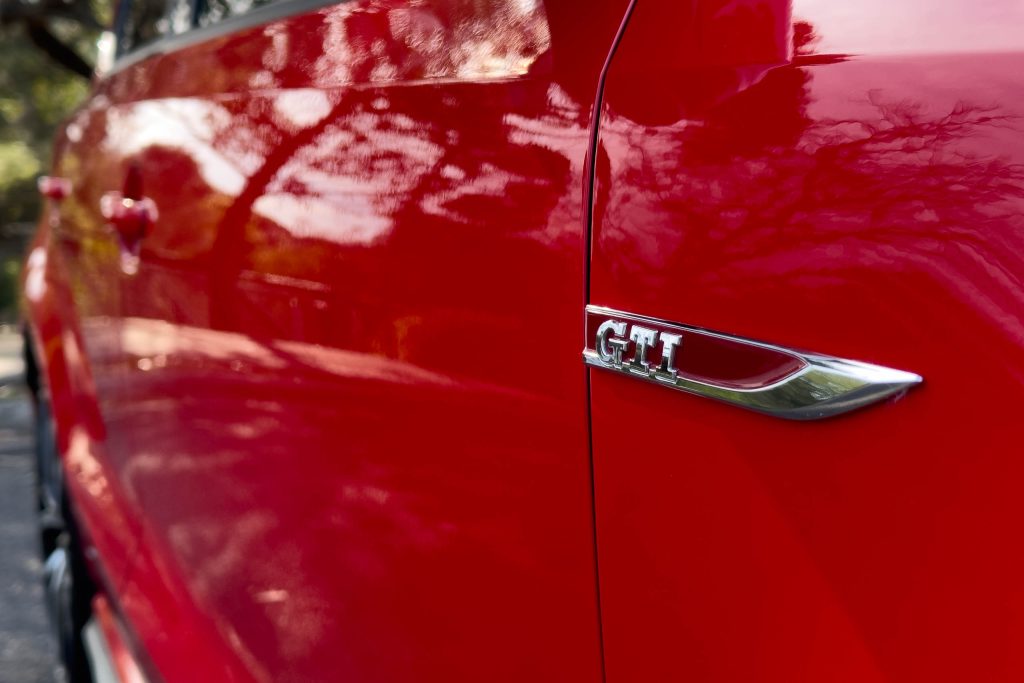
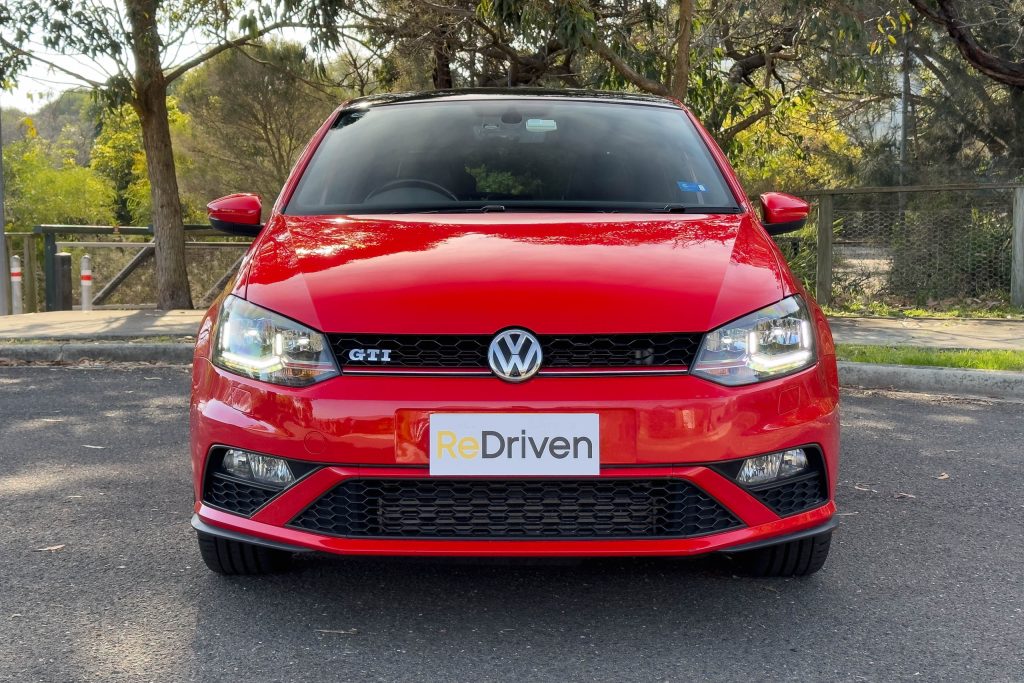
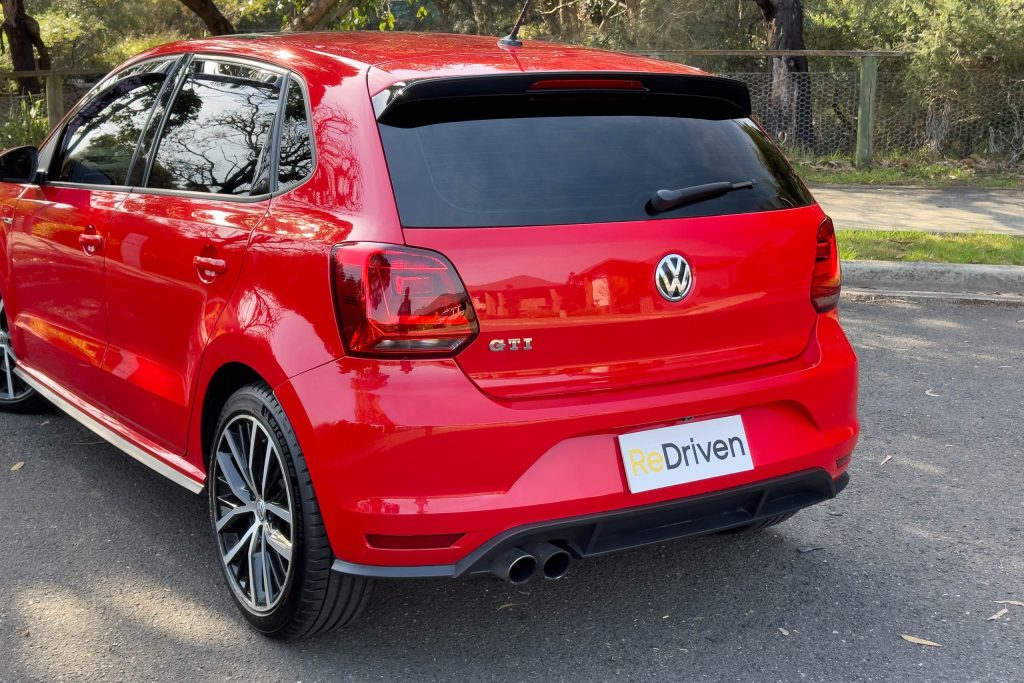
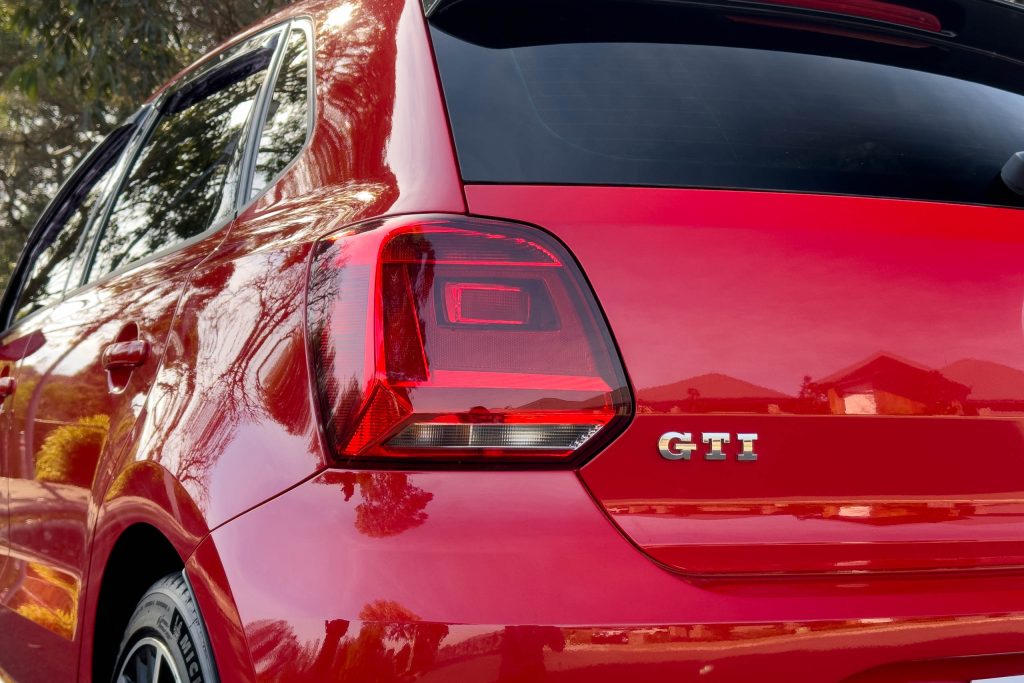
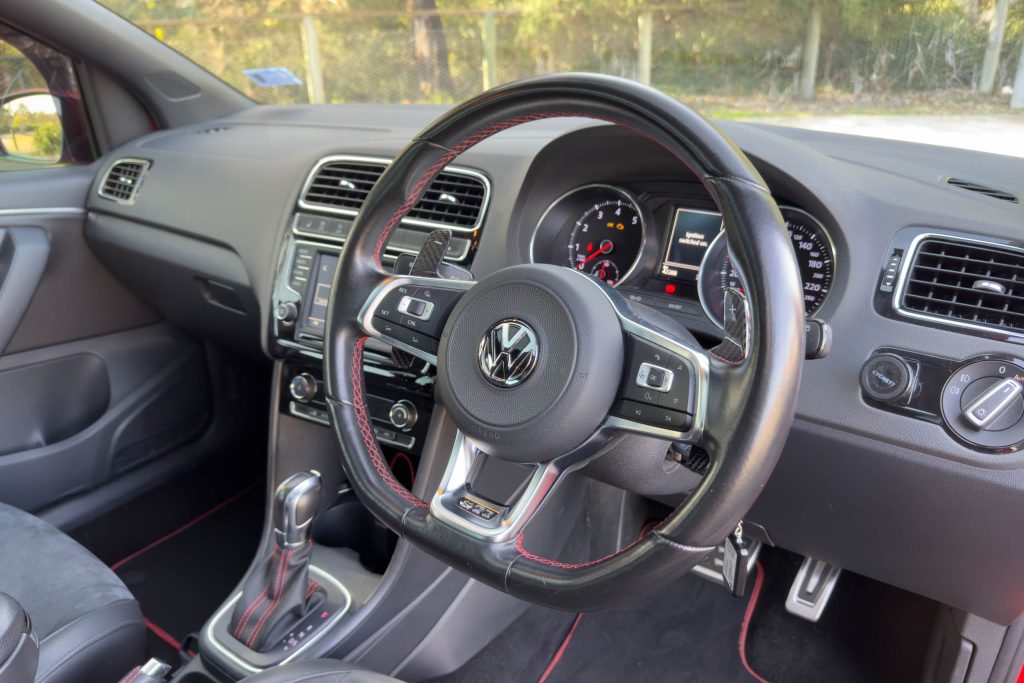
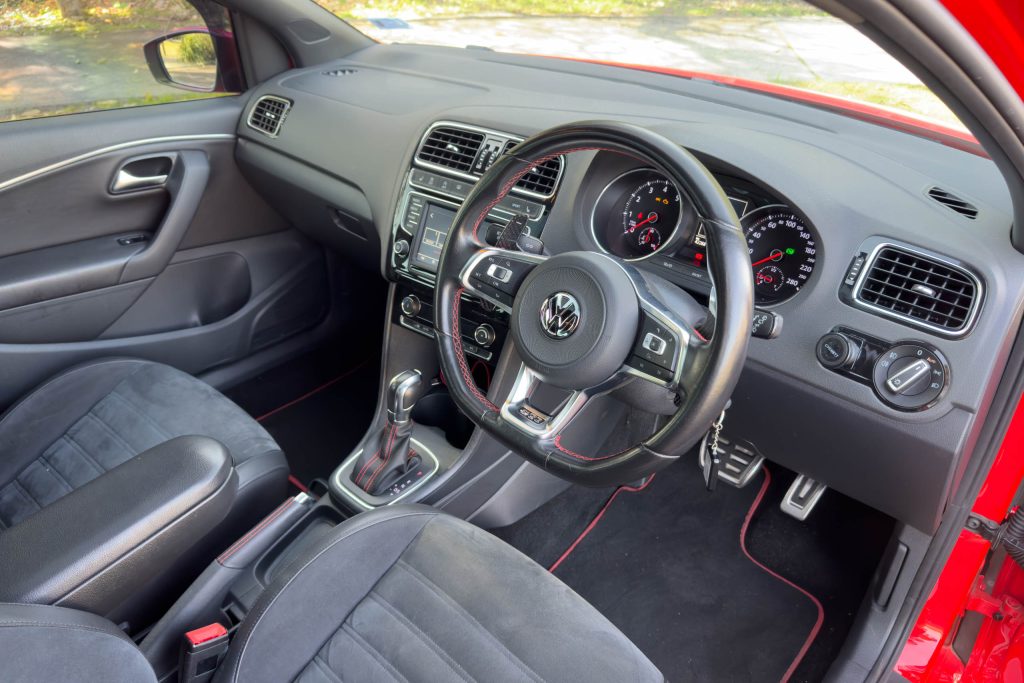
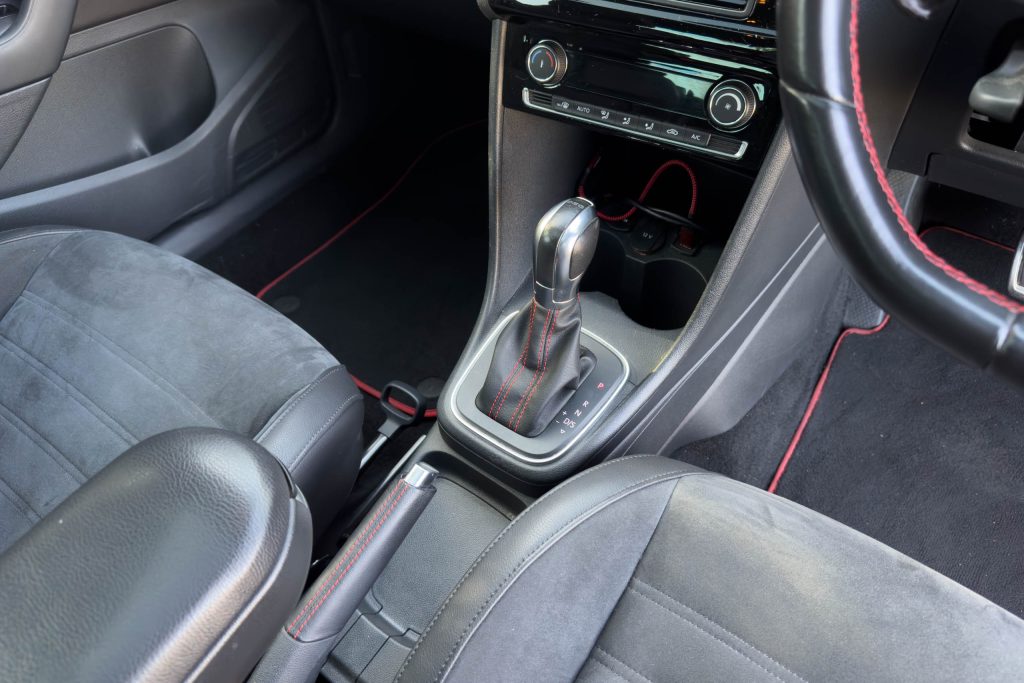
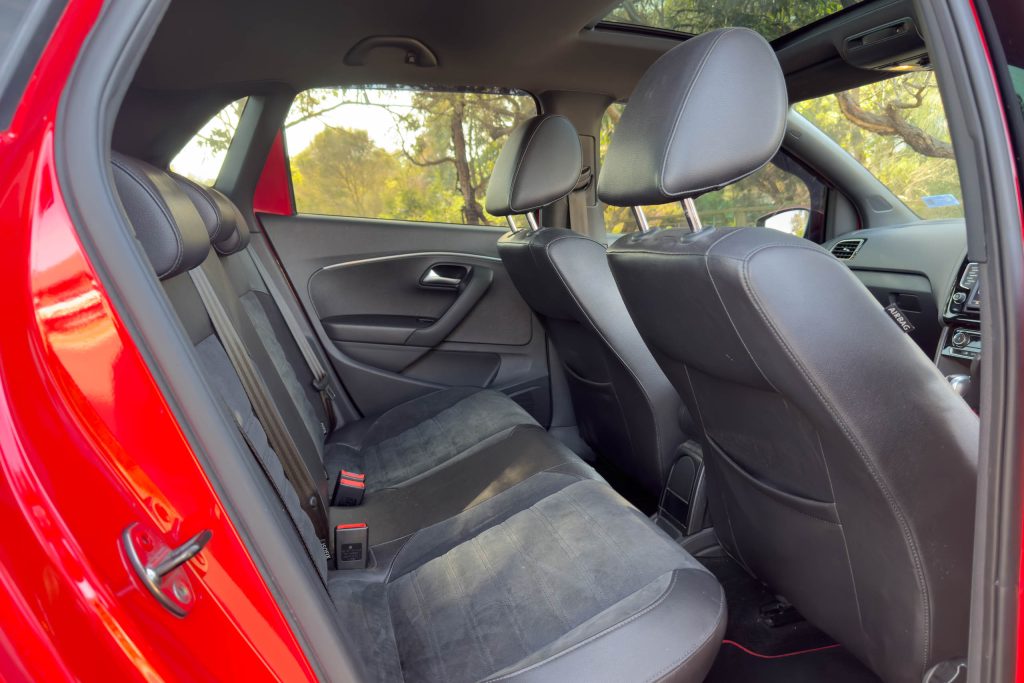
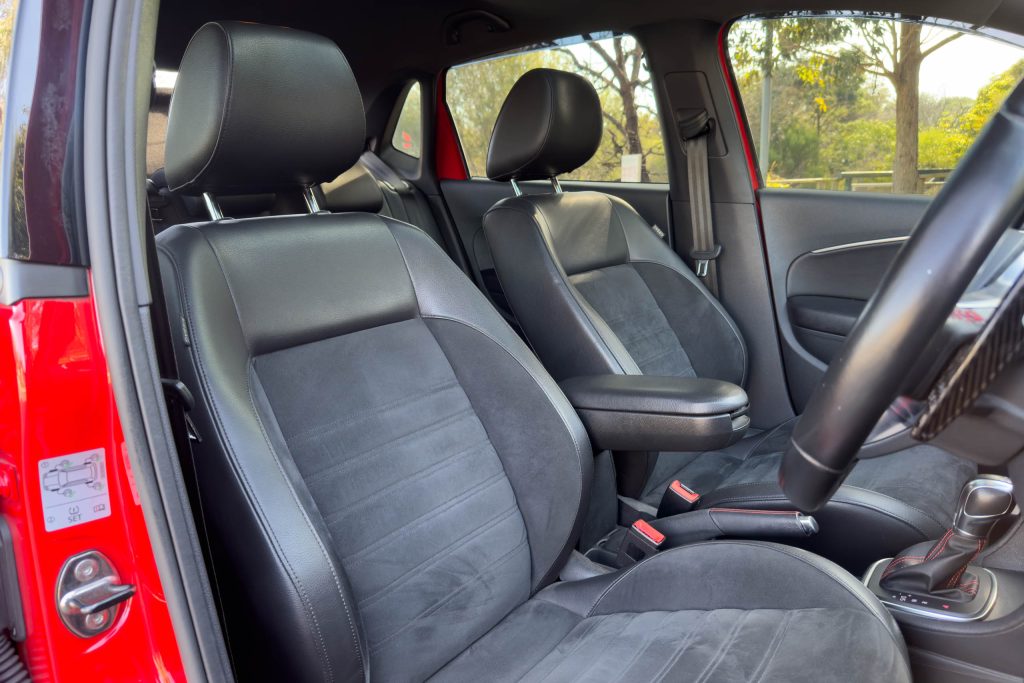
This was paired with either a 6-speed manual or a 7-speed DSG transmission. The GTi also stood out for its unique, sporty design elements, including the signature red stripe on the grille, larger alloy wheels, and a twin-exhaust system. The interior, too, received upgrades, including sport seats, a flat-bottom steering wheel, and red stitching, underscoring its performance-oriented lineage.
By the end of 2017, the Polo continued to uphold its reputation as a reliable, stylish, and efficient compact car. The GTi, with its performance tweaks and sporty aesthetics, ensured that enthusiasts had a potent pocket rocket to satiate their performance cravings.
Exterior:
The diamond-cut alloy wheels often suffer from ‘whiteworm’ corrosion. Refurbs can cost upwards of $200 per wheel.
If the Polo you own or are looking at is fitted with a sunroof, all the drainage lines must be cleared out regularly; if not, water will go exploring, often into the bodywork, eventually finding electronic components and destroying them.
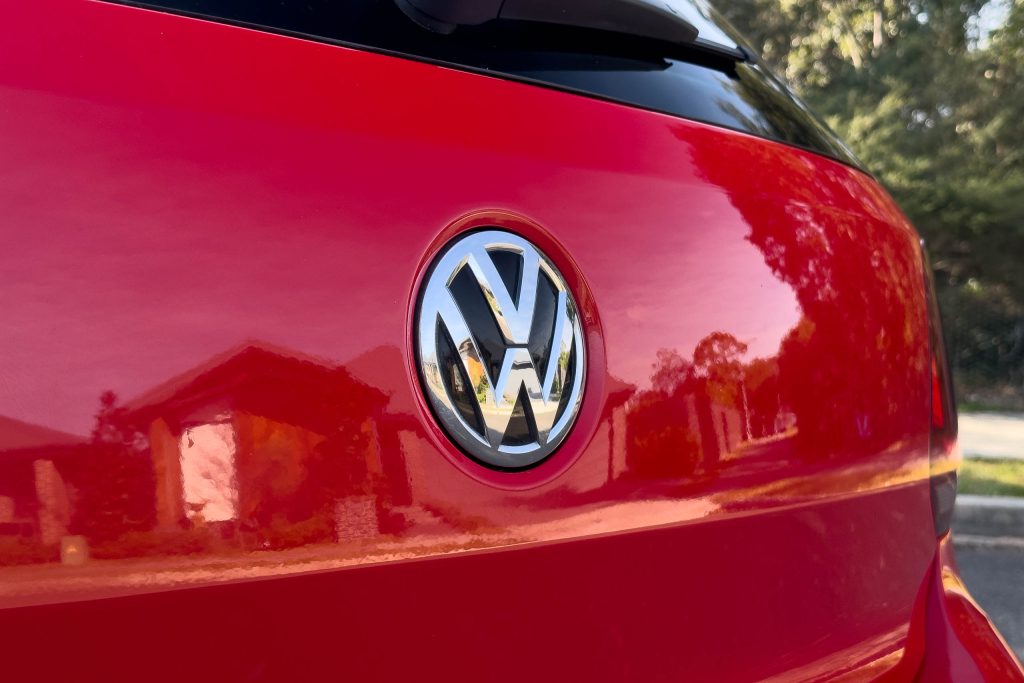
A few owners have issues with the rearview camera, which, oddly, like so many other Volkswagens, isn’t integrated into the boot handle; instead, it’s stuck on in the bumper, and the camera can play up and come loose.
There are a few reports of various electronic gremlins, like door lock actuators playing up, power windows and mirrors behaving weirdly, lights flickering, and headlights burning through bulbs really quickly.
Also, this is an affordable performance car, and that often means inexperienced drivers pilot them far beyond their own and the car’s limits, which can result in accidents. Many owners are on the tightest of budgets, which means corners are cut when repairs or even maintenance are needed.
Interior:
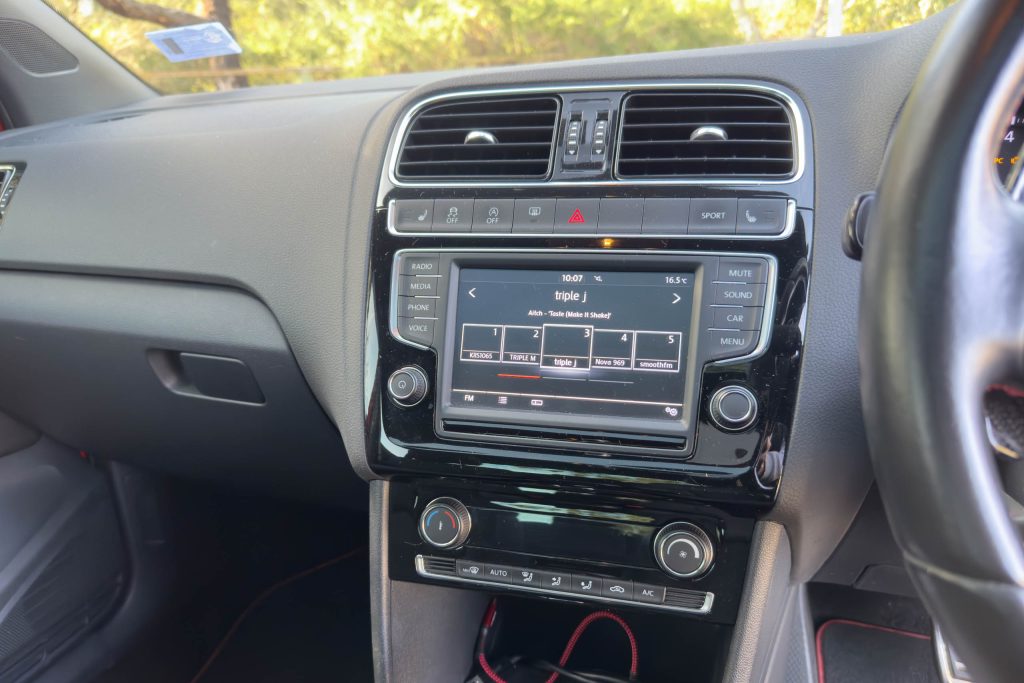
Firstly, loads of owners have complained about infotainment problems. Bluetooth connections are terrible, screens blacking out, entire systems just failing or completely resetting, all very annoying.
We’re seeing more and more reports of air conditioning systems failing. Sometimes the evaporator needs replacing, and that will cost you thousands of dollars.
The interior lighting can pulse or flicker or fail, and not just the interior lights, but the lights behind the controls and instruments.
The seat belt clip rubs against the seat and squeaks.
The little clip that holds the armrest cover on breaks and is stupidly expensive for a genuine part. But be careful because a few of the aftermarket ones are of inferior quality.
Finally, for interior issues, rattles and squeaks and creaks, especially with the pillars, but every owner seems to have a different rattle experience.
Mechanically:
Let’s start with the 1.4-litre twin-charged 4-cyl petrol engine. These things are not good. They’re really not.
Aside from all the usual relatively common issues like leaking thermostat housings & water pumps, engine breather (or PCV) complications & oil consumption issues that most Volkswagen petrol engines of this age have.
Intake bypass flap (or air regulating flap) failure.
The timing chains on these get very rattly & then skip teeth or can fail altogether.
They also have a bad habit of cracking pistons. Now, if you’re lucky and this gets picked up early, it can actually be repaired with an upgraded set of pistons. But if one really lets go, which can also just happen spontaneously, it usually destroys the bore and the engine is a write-off.
The later versions with the 1.8-litre turbo are by far the better engine. They’re far from perfect, though. They too suffer from all the usual Volkswagen issues: fragile cooling systems and, most notably, the water pump.
They often fail with as little as 40k. We tend not to fit genuine replacements; not only are they cheaper, but they last longer.
Oil consumption is a big one, which is okay if you’re happy topping it up every few weeks, but a lot of people aren’t. Low oil and a lack of lubrication are bad for any engine, and together they can cause severe damage to an already very fragile timing chain setup.
With transmissions, there are DSG accumulator and mechatronics issues, and the manuals may have dual-mass flywheel issues.
Well, it depends which one…
Let’s start with the pre-facelift 2010 to 2014 6R, which has the 1.4-litre twin-charge engine. That’s the one with the 1.4-litre twin-charge engine. Should you buy one of those? My god, no.
The 6R is a great little car, let down by a shit show of an engine and an underwhelming gearbox, and even if you derive immense enjoyment from spending hours fixing stupid faults or spending every dollar you earn on spare parts, at least do that with an engine worthy of your commitment.
But what about the later generation? If it has a manual transmission and you promise me that you’re going to maintain and care for it like your firstborn, and doing that won’t ruin you financially, it’s a cautious ‘ok, buy one’.
But what about if it has the DSG transmission? Hmm, ok, plenty of owners have never had, and probably will never have, an issue. Still, we read a terrifying number of reports from mechanics and owners that even Polo GTIs, maintained to the highest level, can still have catastrophic DSG dramas, generally costing many thousands of dollars to fix.
Personally, we don’t think it’s worth the risk. If you really want a Polo GTI, get a manual, because learning how to shift gears yourself will be far less painful than dealing with a DSG problem.


Co-creator, presenter & writer, ReDriven


 1 month ago
 2 months ago
 3 months ago