Australia’s No. 1 Used Car Review Website
Australia’s No. 1 Used Car Review Website
+20 Photos

2006 Maserati Quattroporte Sport GT (M139)

29 June 2026
There are better cars out there.

2006 Maserati Quattroporte Sport GT (M139)

Used car review
29 June 2026
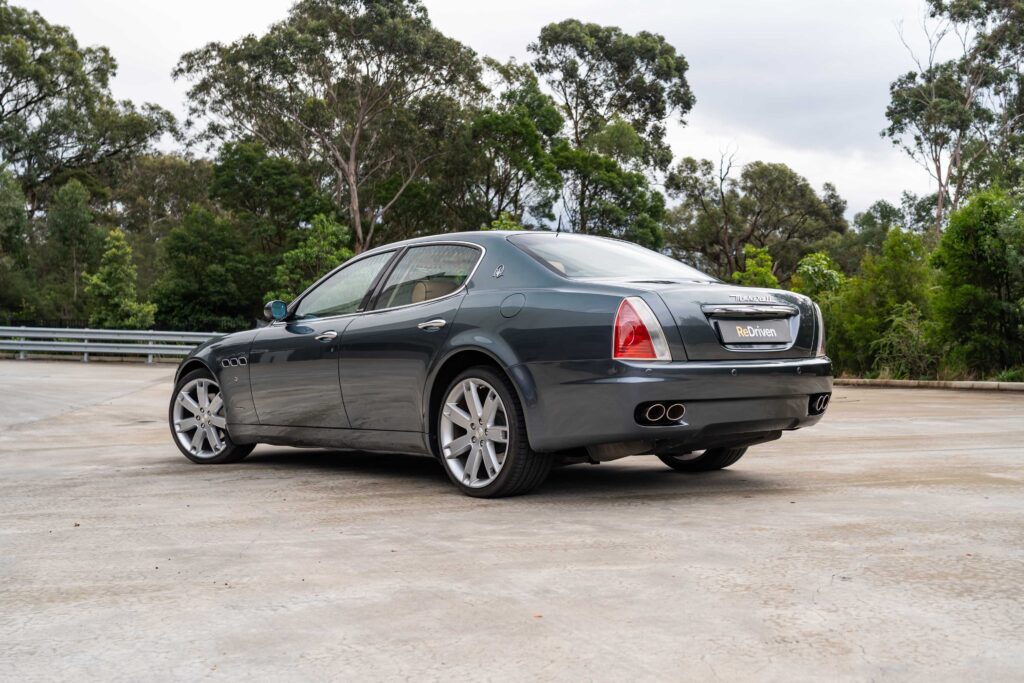
The Maserati Quattroporte V (also known as the M139) debuted in 2003 at the Frankfurt Auto Show, bringing the Italian brand’s flagship sedan into the new millennium with a body penned by Pininfarina’s then-chief designer, Ken Okuyama (who also led the design of the Ferrari Enzo, 599 GTB, and 612 Scaglietti).
Up until the 2010s, it was also the only four-door sedan within the Maserati product lineup, aiming to provide an Italian entry to the executive luxury sedans segment, typically dominated by German brands (BMW, Mercedes-Benz, Audi), alongside British (Jaguar, Bentley) and Japanese (Lexus) rivals.
The Quattroporte V initially came with a 4.2L naturally-aspirated V8 before a 4.7L V8 (shared with the GranTurismo S) was added to the range as part of the midlife update (MY2008 onwards). Power was routed to the rear wheels through an automated manual (Duoselect), before it was replaced with a torque-converter six-speed automatic transmission.
For the Australian market, much like other countries and aside from various region-specific trims/special editions, we received primarily in three forms:
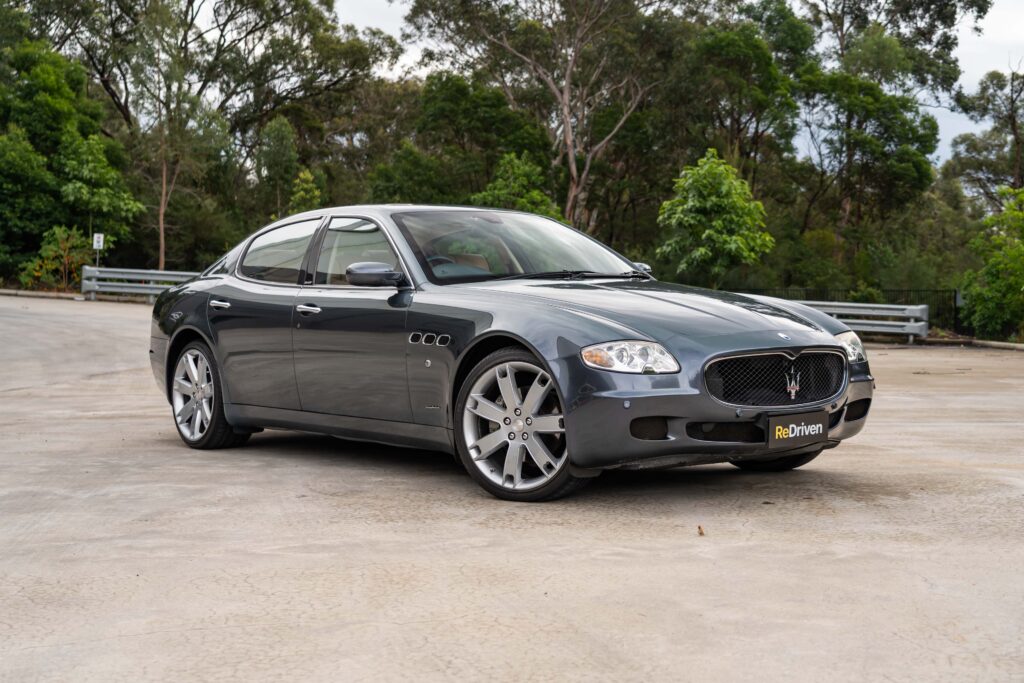
The Quattroporte also experienced one facelift across its production run. Pre-facelift models spanned from MY2003-2008, while post-facelift models were produced from MY2009-2012.
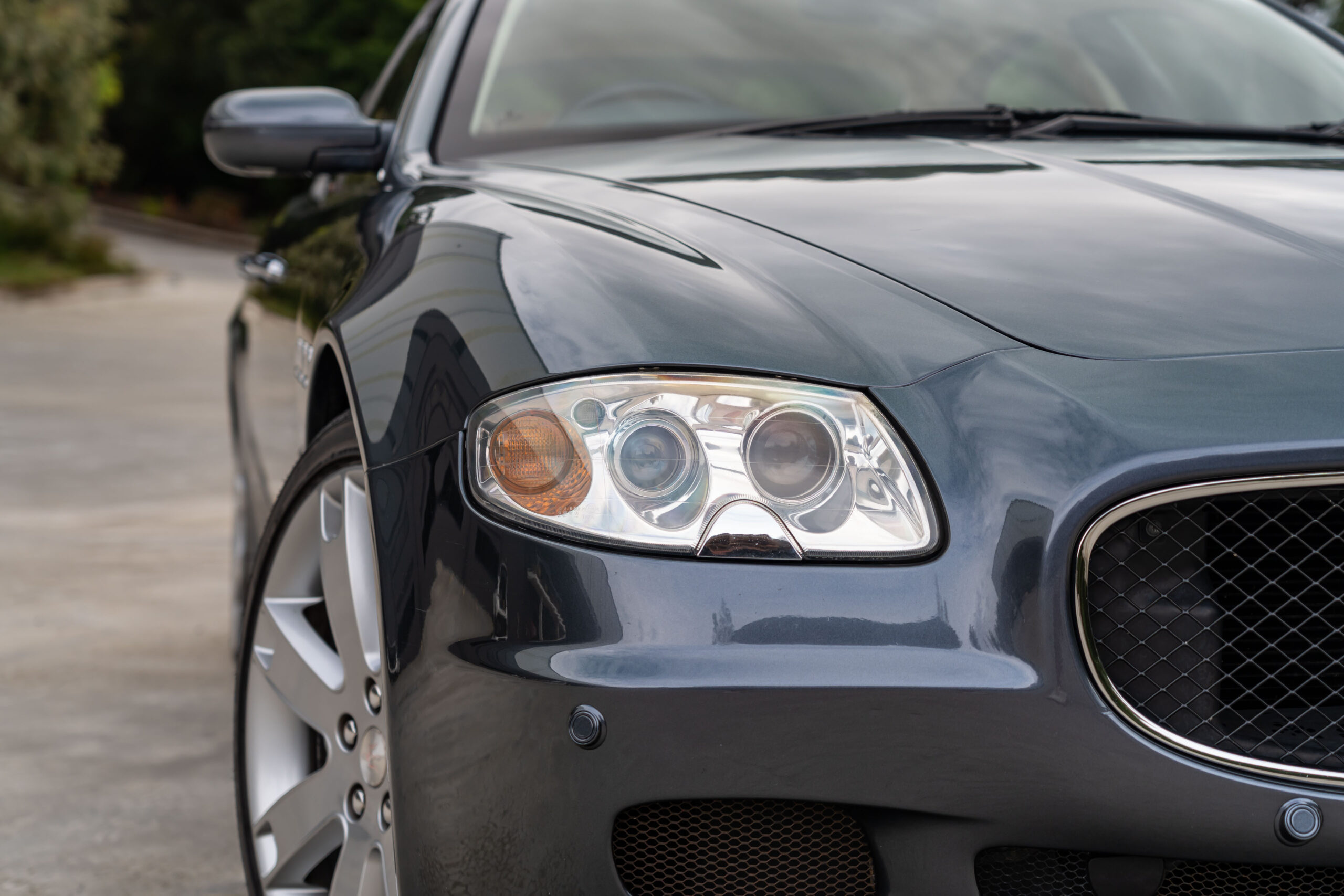
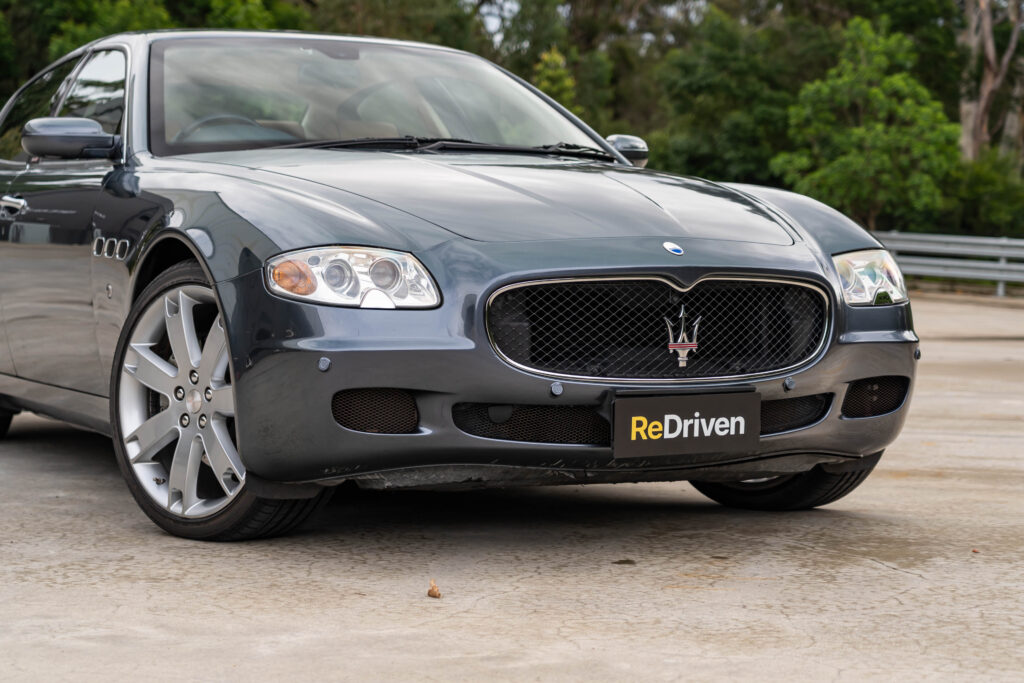
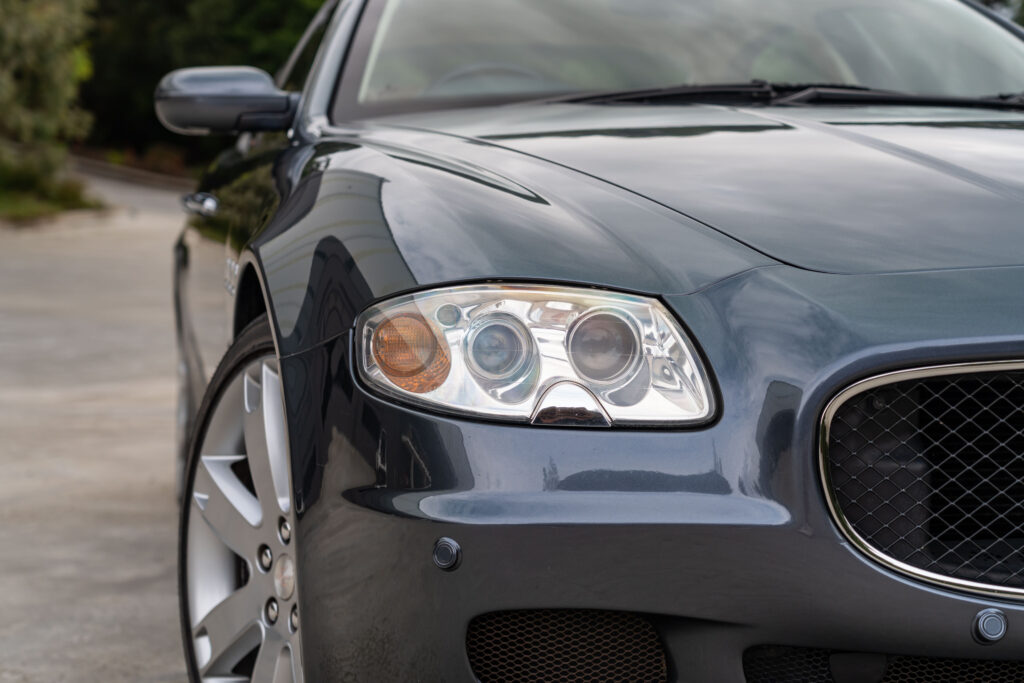
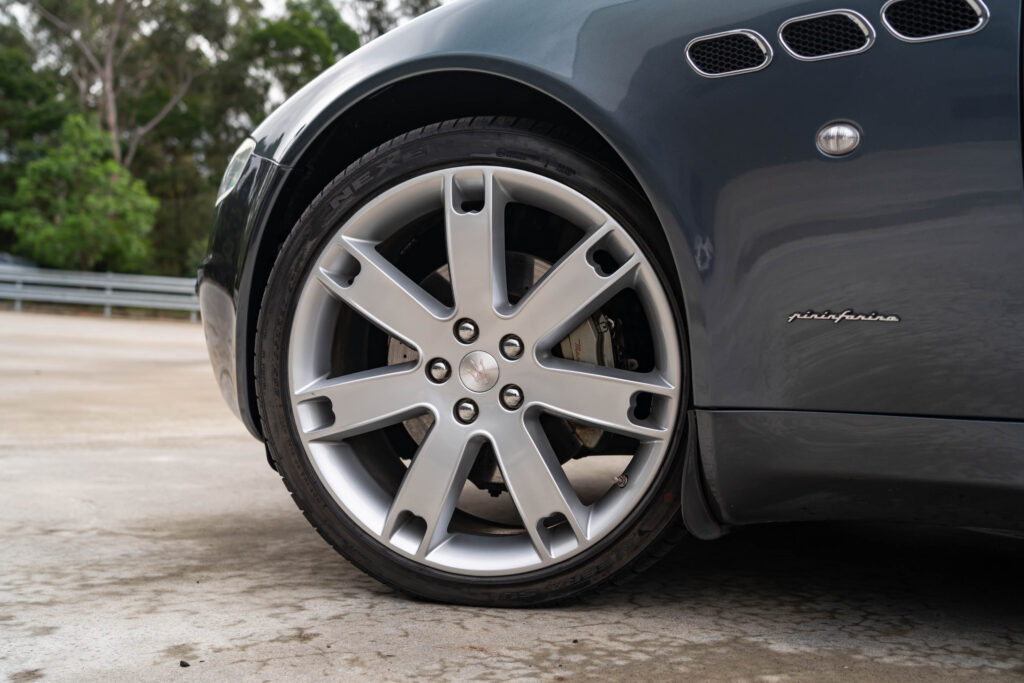
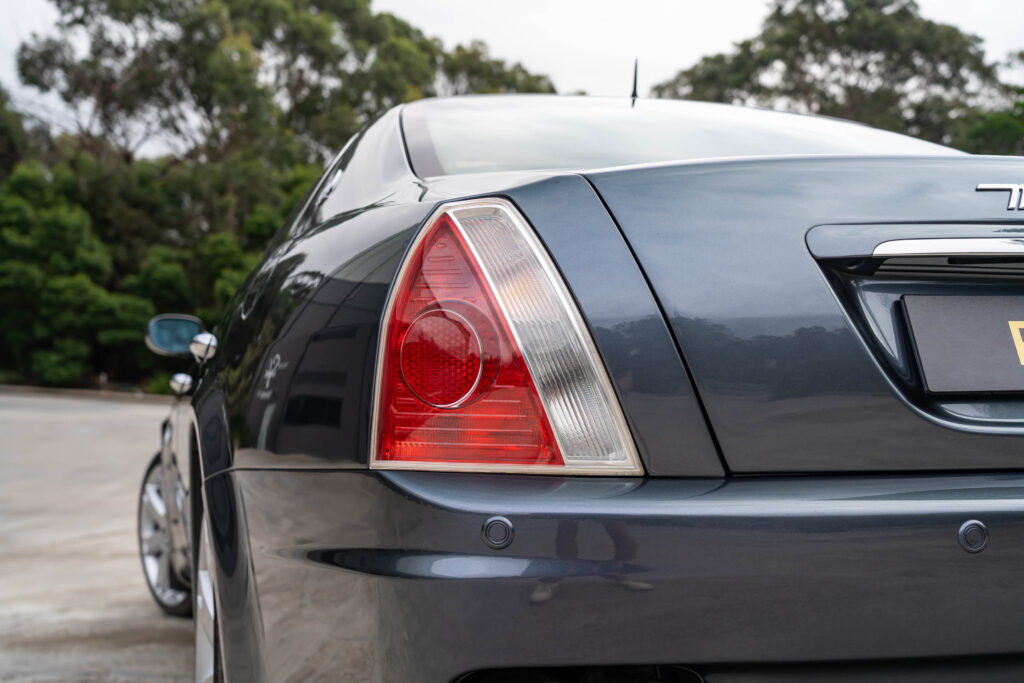
Key differences were aesthetic, including different bumpers, front grille (with vertical slats), headlights/taillights (with LED turn signals and more angular lights), door mirrors, alloy wheels, and side skirt designs, alongside an updated infotainment system.
Production of the fifth-gen Quattroporte ended in 2012.
Exterior:
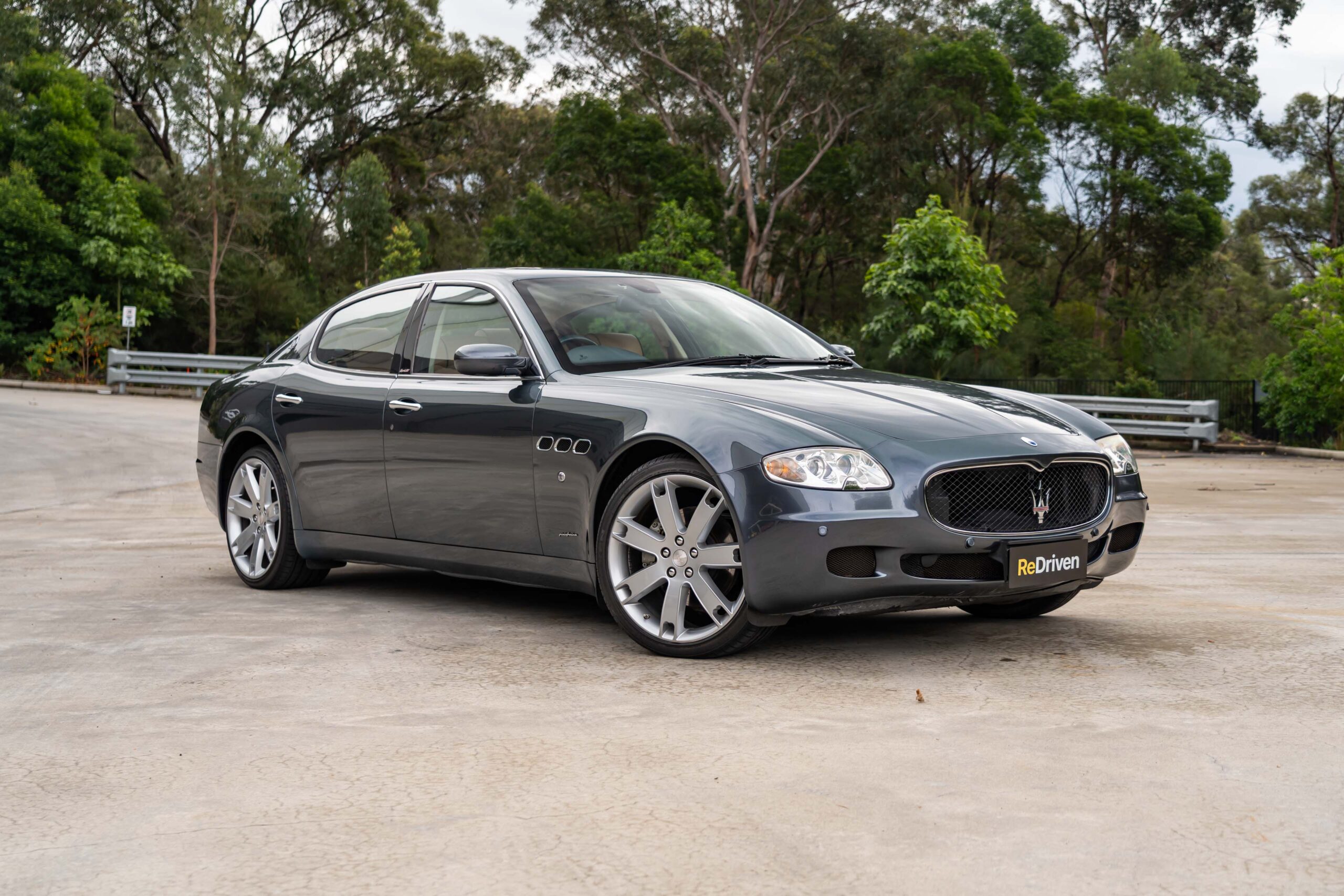
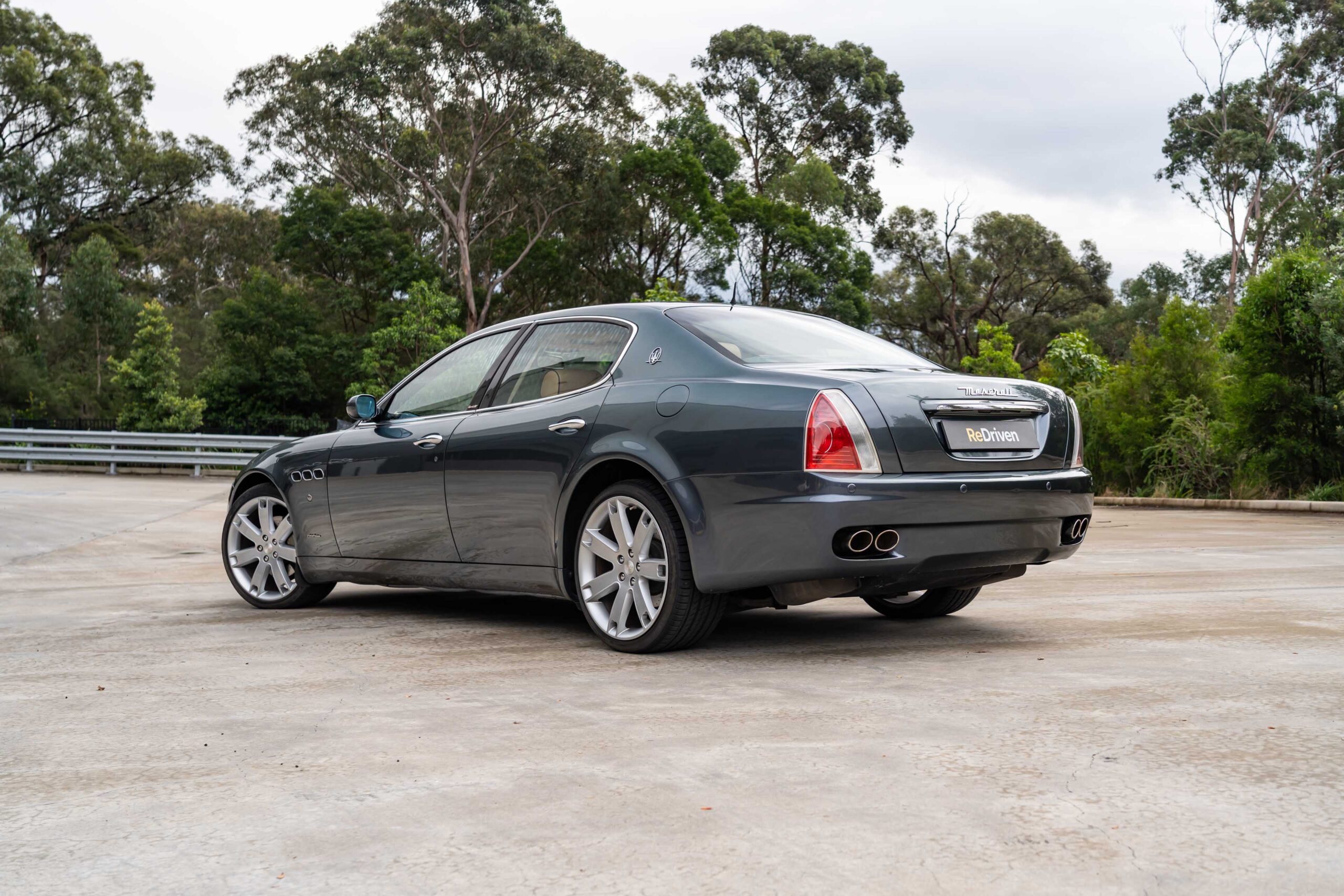
Aside from being stunning to look at, one important note about the Quattroporte’s body is that it employs aluminium within the bonnet and boot lid, while the rest of the body is constructed from steel. This means minor panel repairs are straightforward and cheaper to perform, unlike some other full aluminium-bodied luxury sedans.
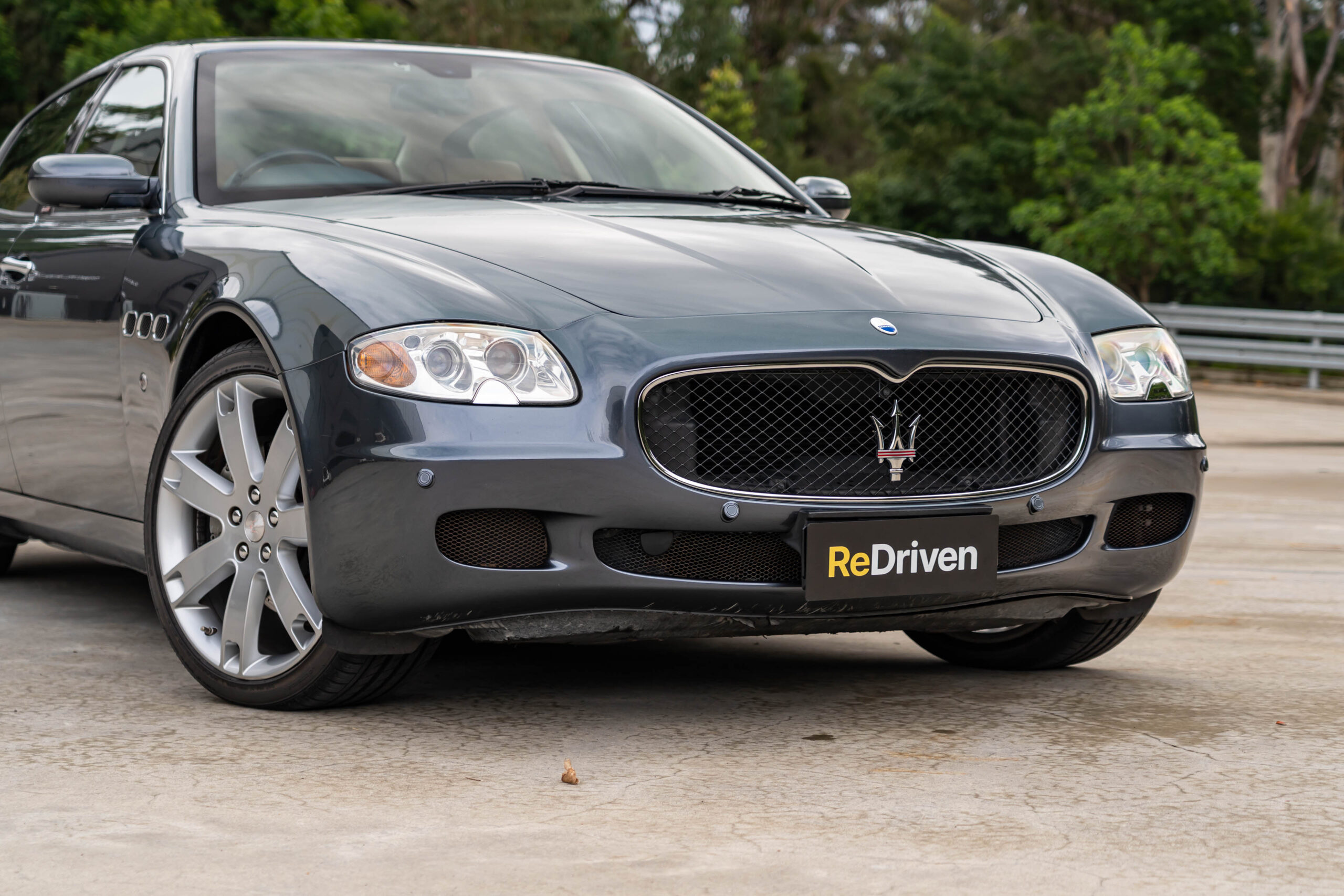
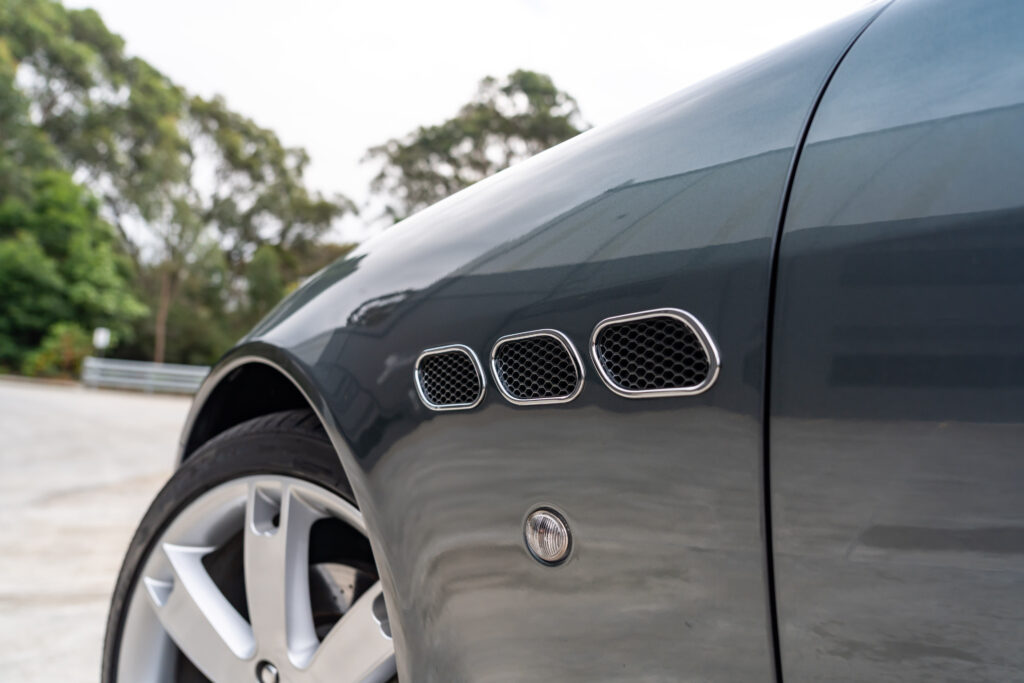
However, this means the bonnet and front wheelarch openings are vulnerable to stone chips, with owners reporting that trying to repaint these sections in particular can be expensive compared to other body sections.
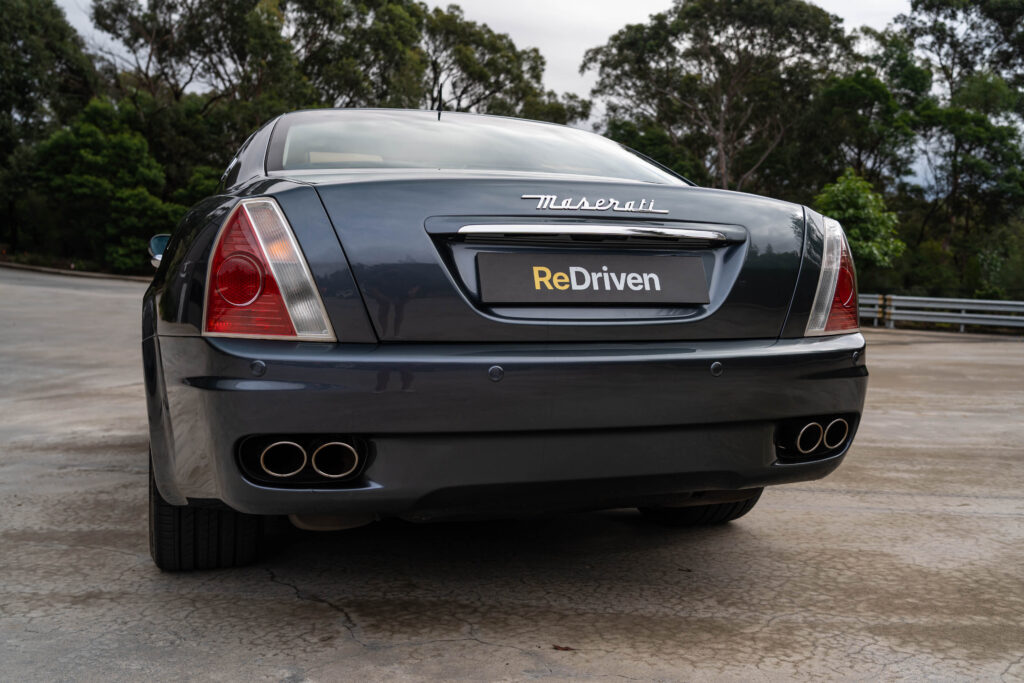
It’s also worthwhile to check the general paint quality and panel gap thickness around the entire car – any imperfections in these areas could hint towards previous accident damage.
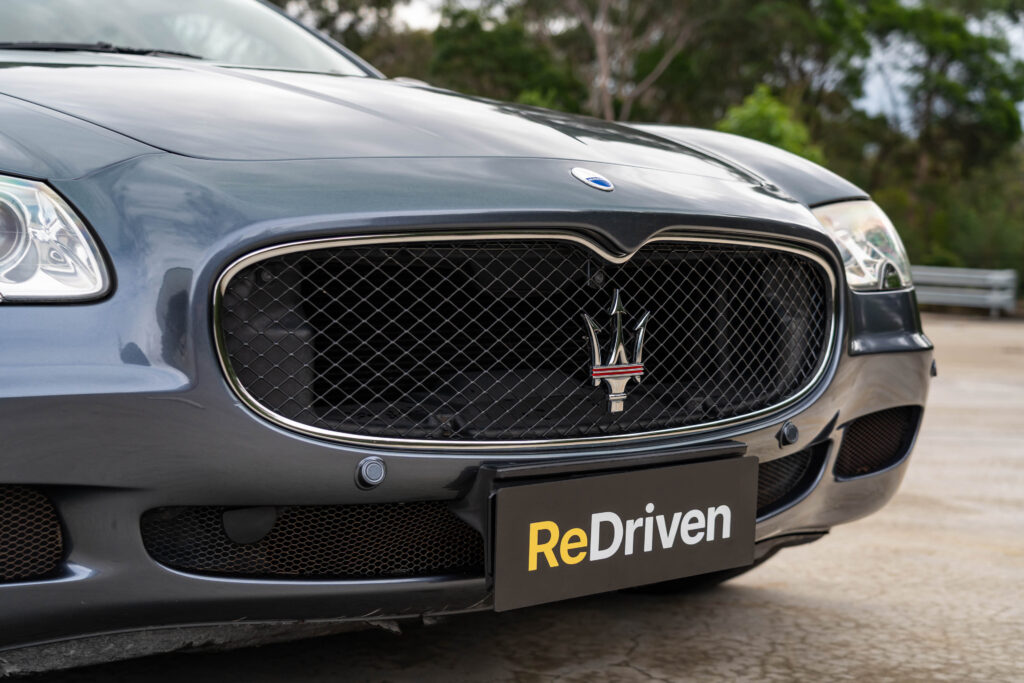
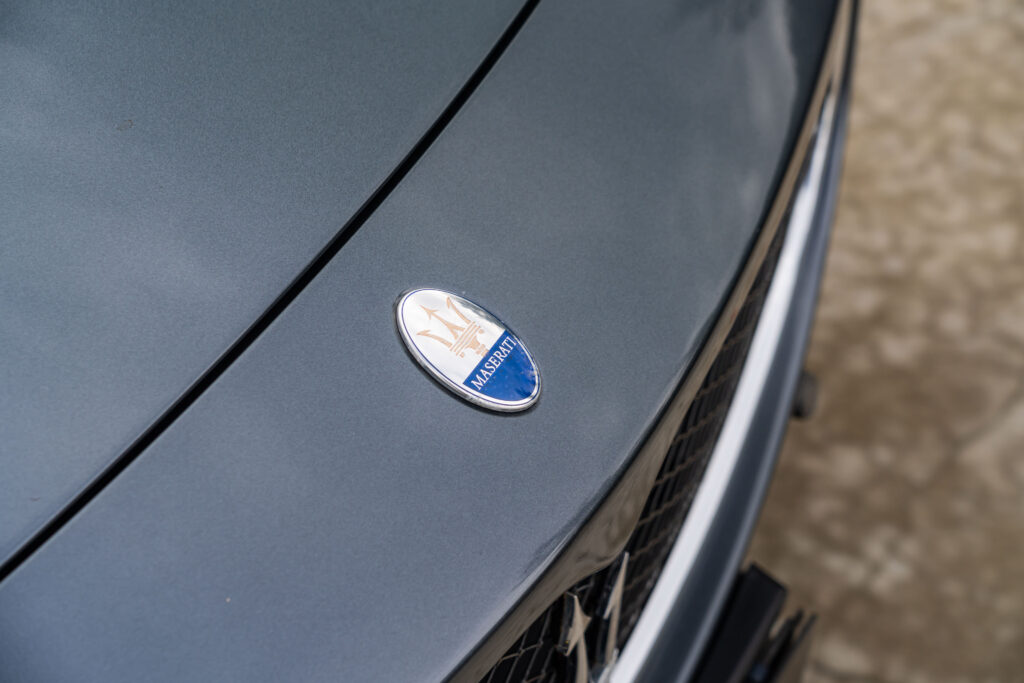
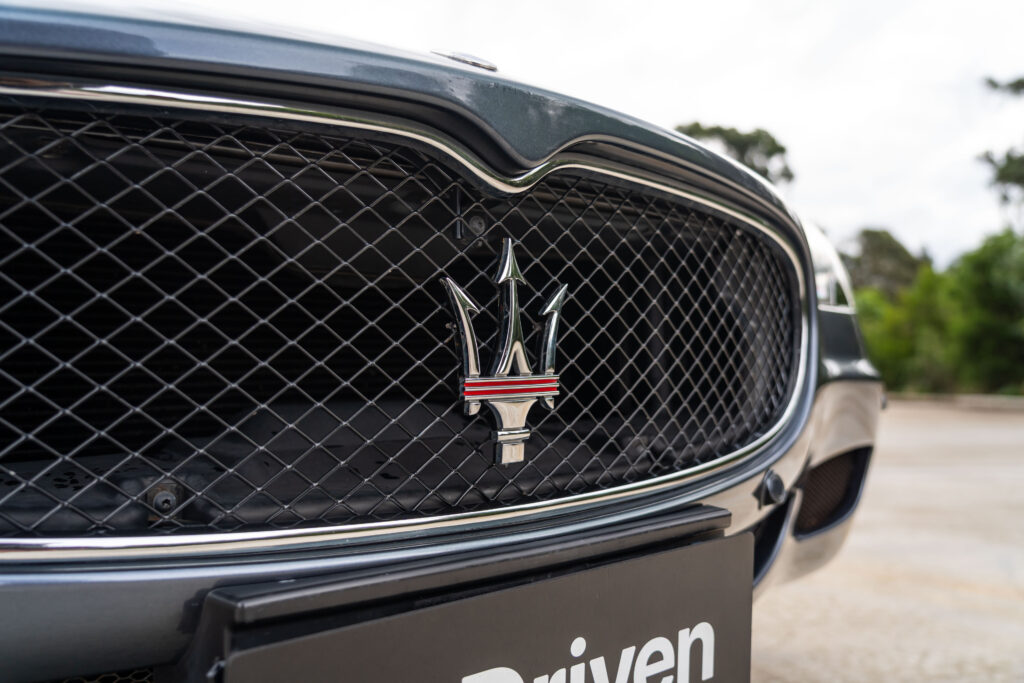
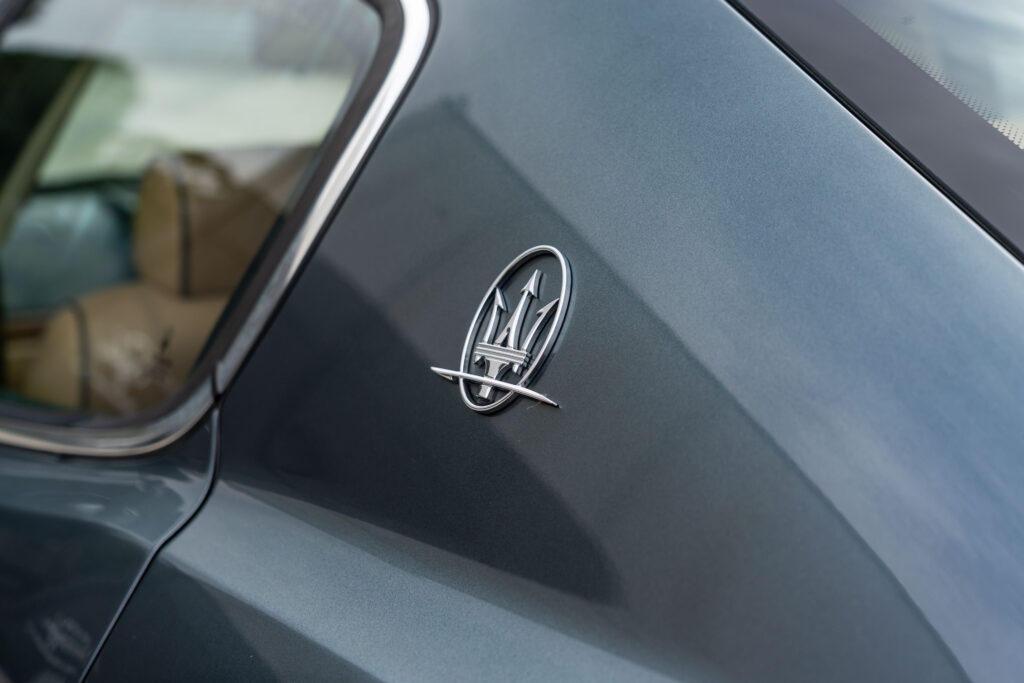
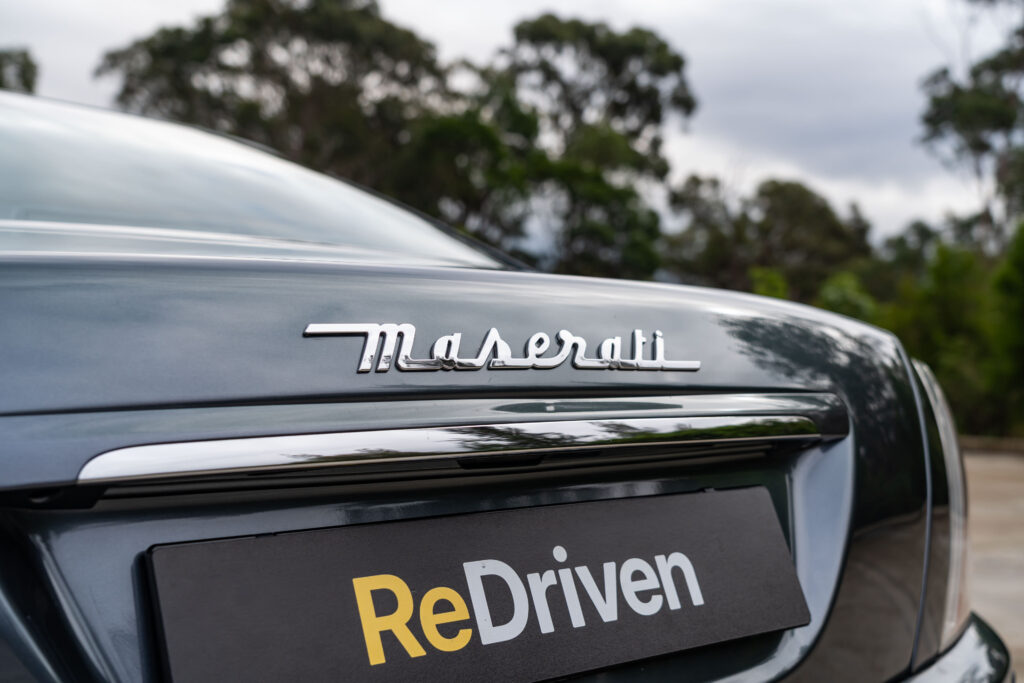
The ‘Trident’ Maserati badge within the front grille, as well as plenty of chrome trim pieces, are known to fade, crack, or even break on cars exposed to hot climates. If you need replacements, it’s worthwhile to go for aftermarket ones rather than deal with the markup prices for OEM parts.
Check how the exterior seals are holding up – those around the rear window, the boot lid, and petrol filler cap can perish at this stage, causing water to leak into the rear boot floor. If water collects in this area, it can damage or even destroy components housed here, like the rear window demister or cause electronic issues.
One item that owners frequently complain about causing issues is the Body Control Module (BCM). It can prove very troublesome and expensive if it fails, as some report the cost to replace the BCM may not make financial sense when you factor in how much these Maseratis now cost.
Even attempting to source replacement BCMs can be difficult, and if you do manage to source one, the costs to install and recalibrate it can easily add up.
The power window regulators are a known weak point among these Maseratis. Owners we spoke to highly advise that while inspecting any example, to check all four windows roll up and down normally. Any issues could point to problems with the regulators that cause the windows to be stuck in the down position or operate erratically.
Examples that have not been driven regularly or have sat idle for extended periods can easily deplete the 12V battery of charge, which can cause all sorts of issues with the powered equipment/accessories; for the exterior, this can include the powered door mirrors, the soft-close function of the rear boot, and the parking sensors.
While the components within plenty of these pieces of equipment can play up, in most cases, it’s usually due to a weak 12V battery. Specialists advise it’s best to plan for replacement with a new, high-quality unit every 2 years.
Interior:
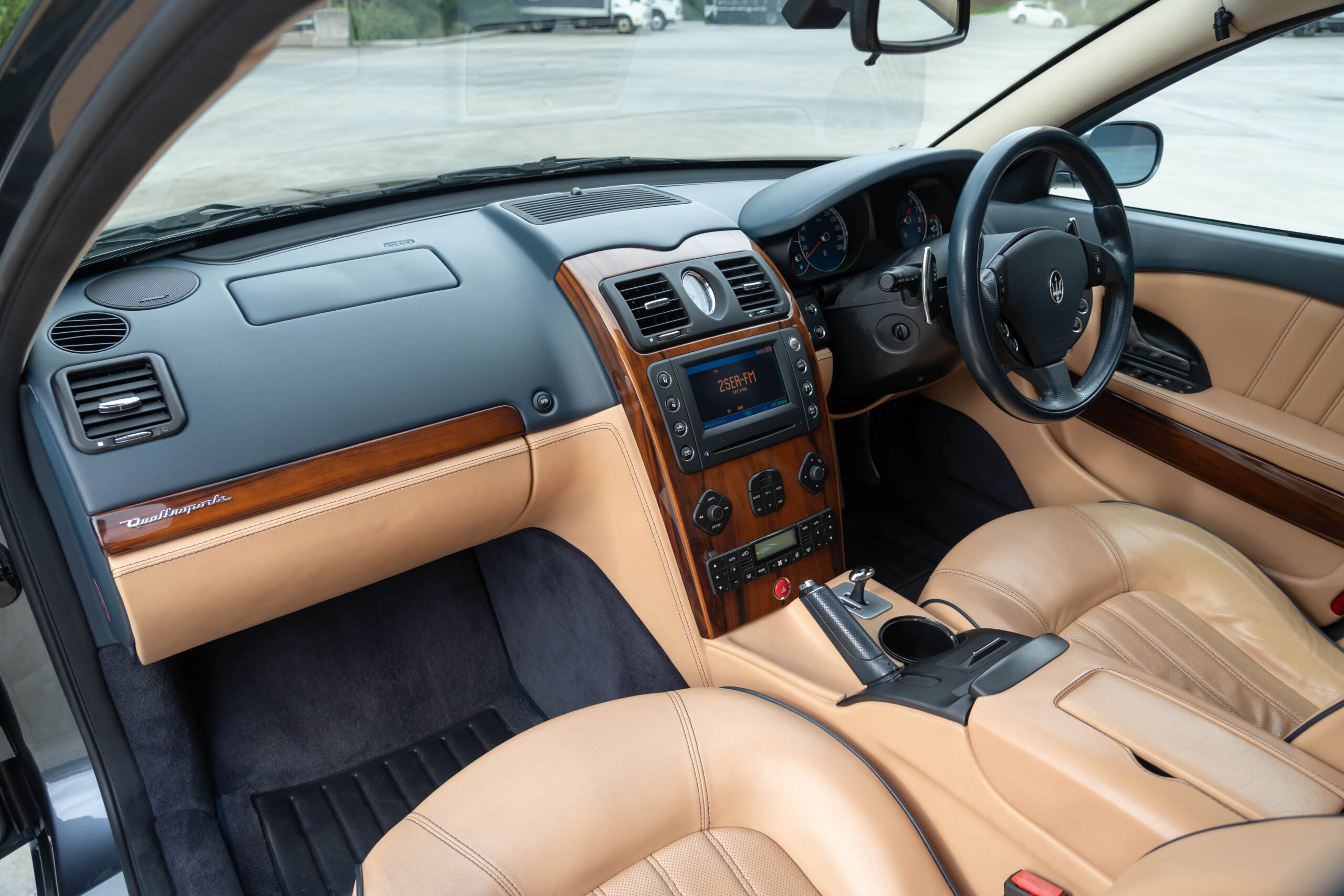
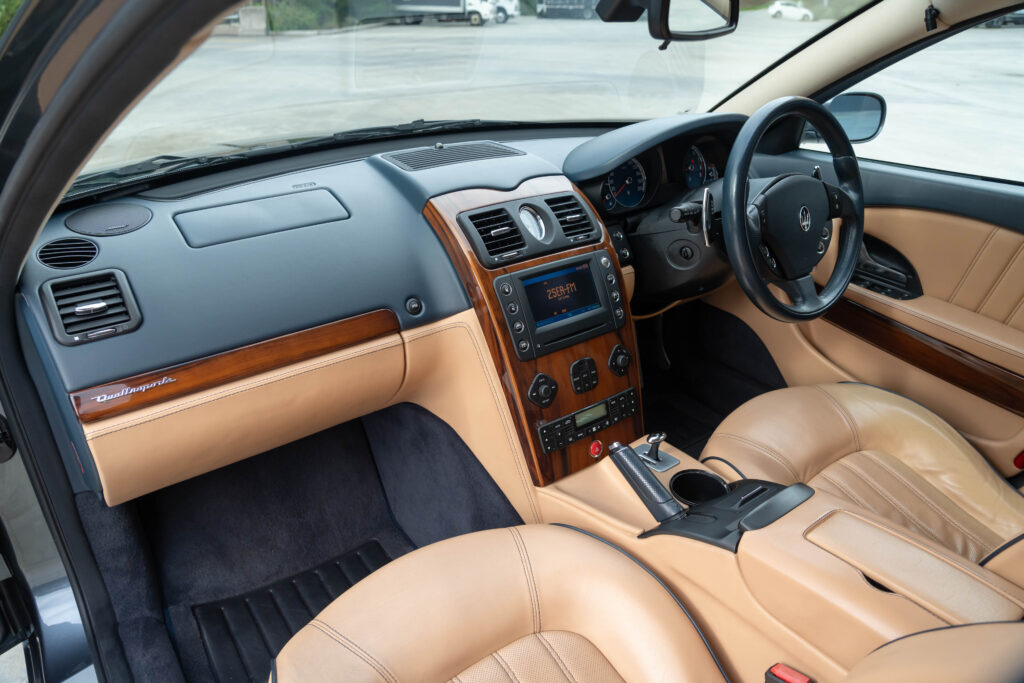
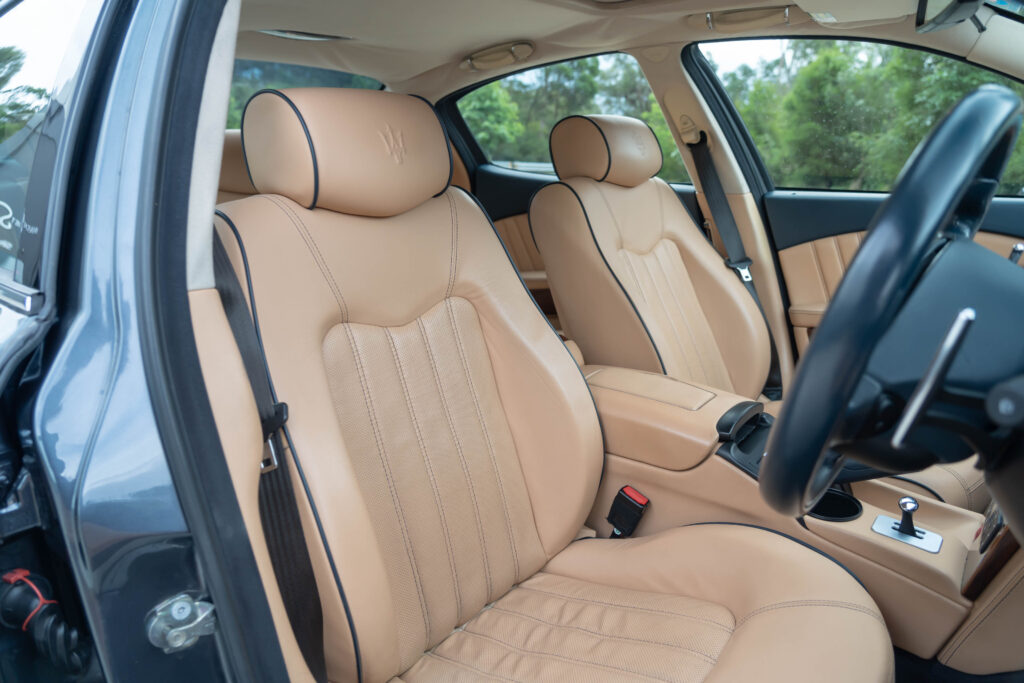
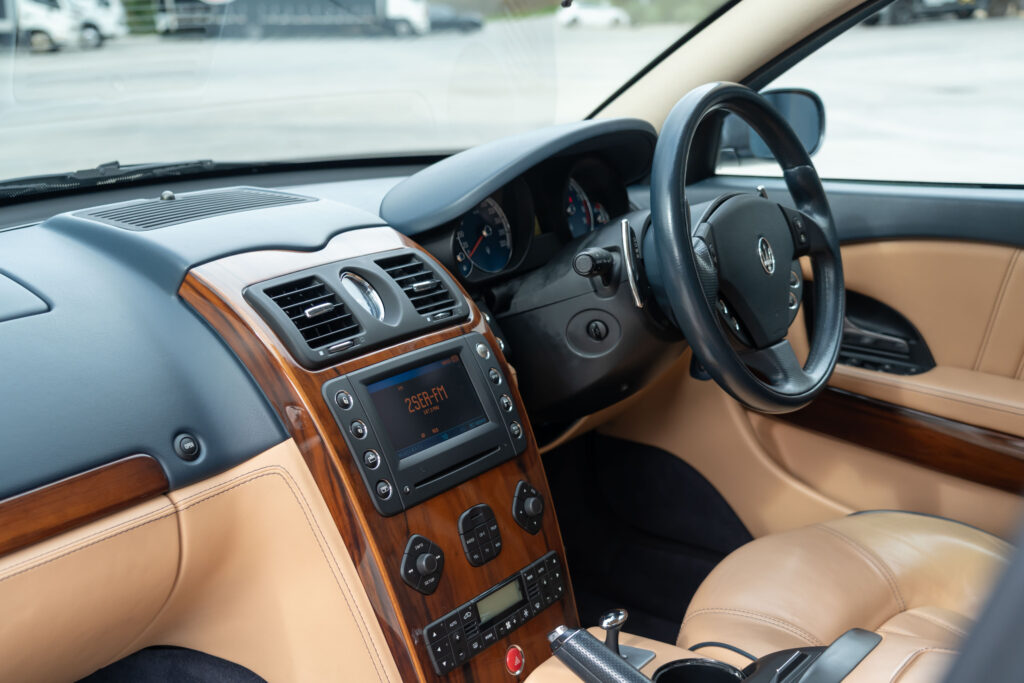
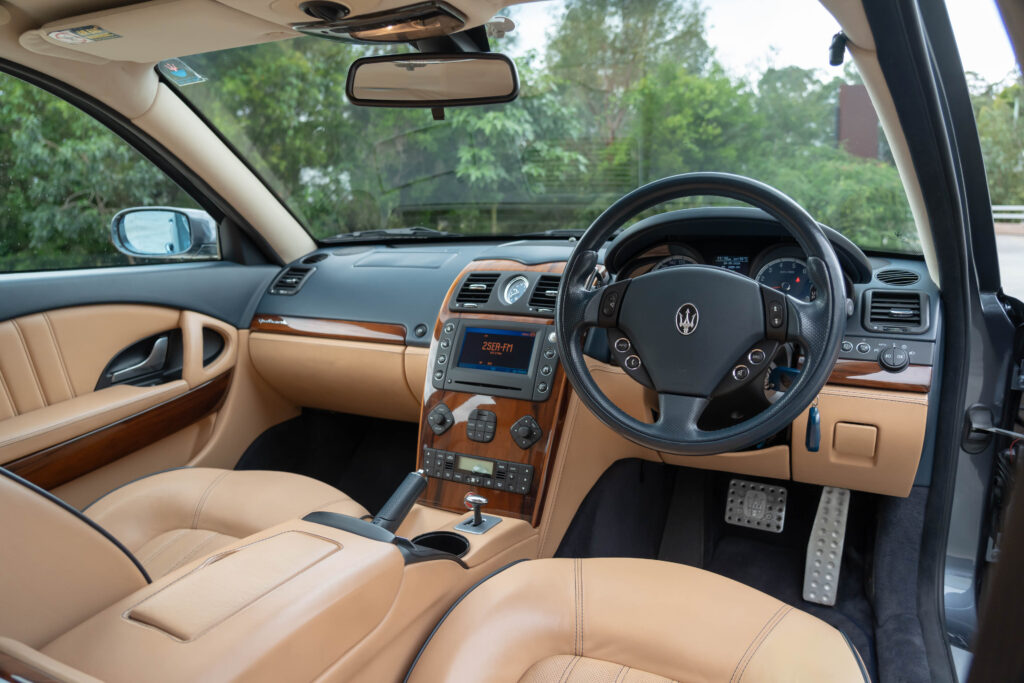
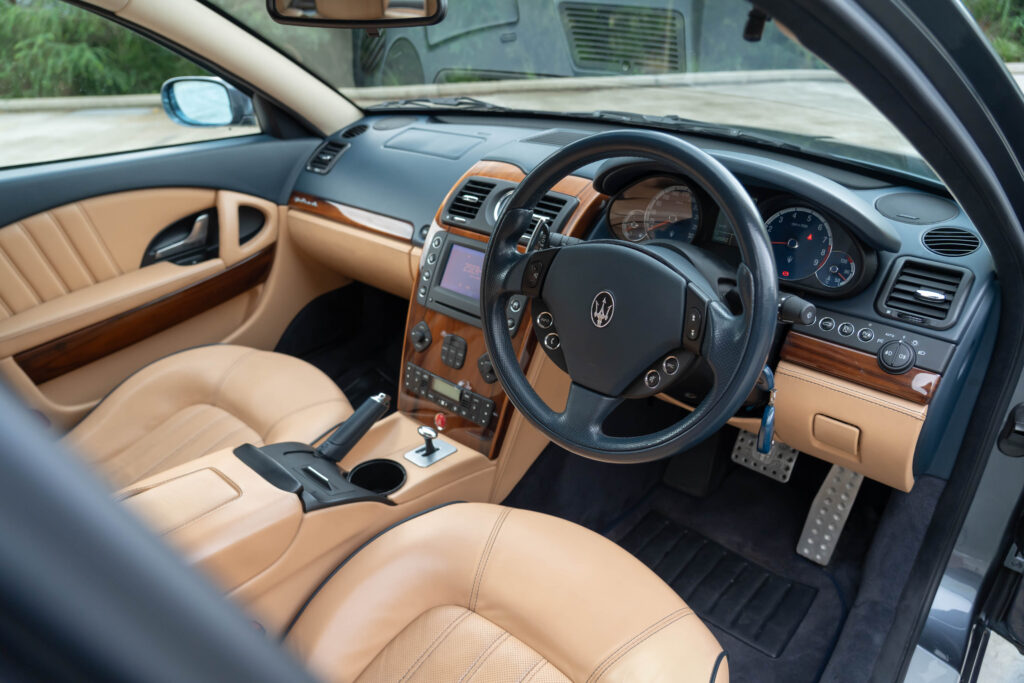
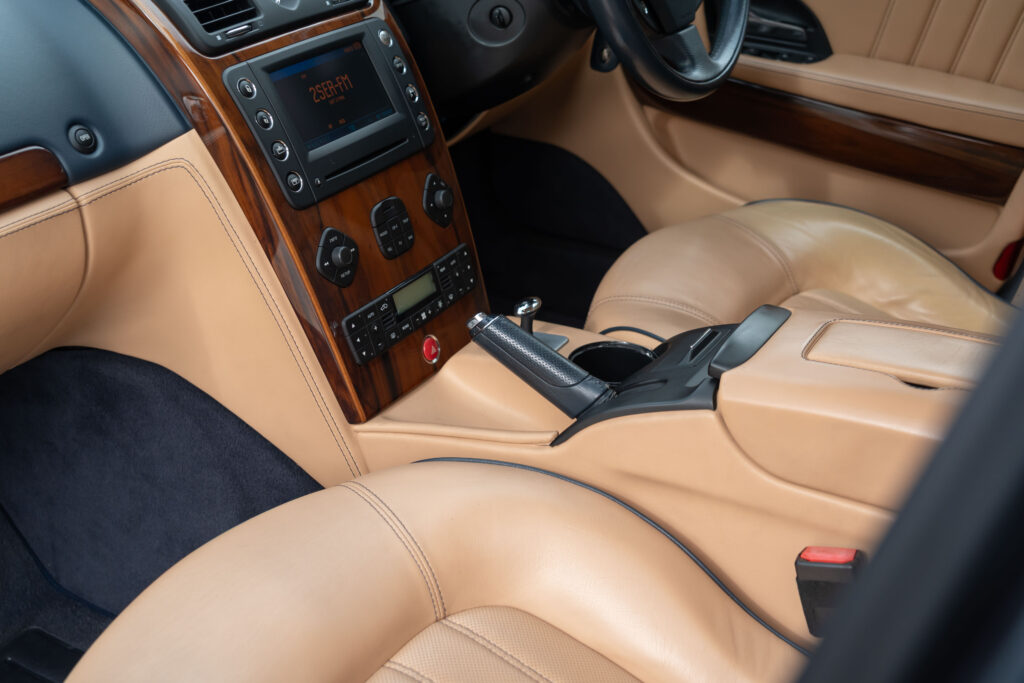
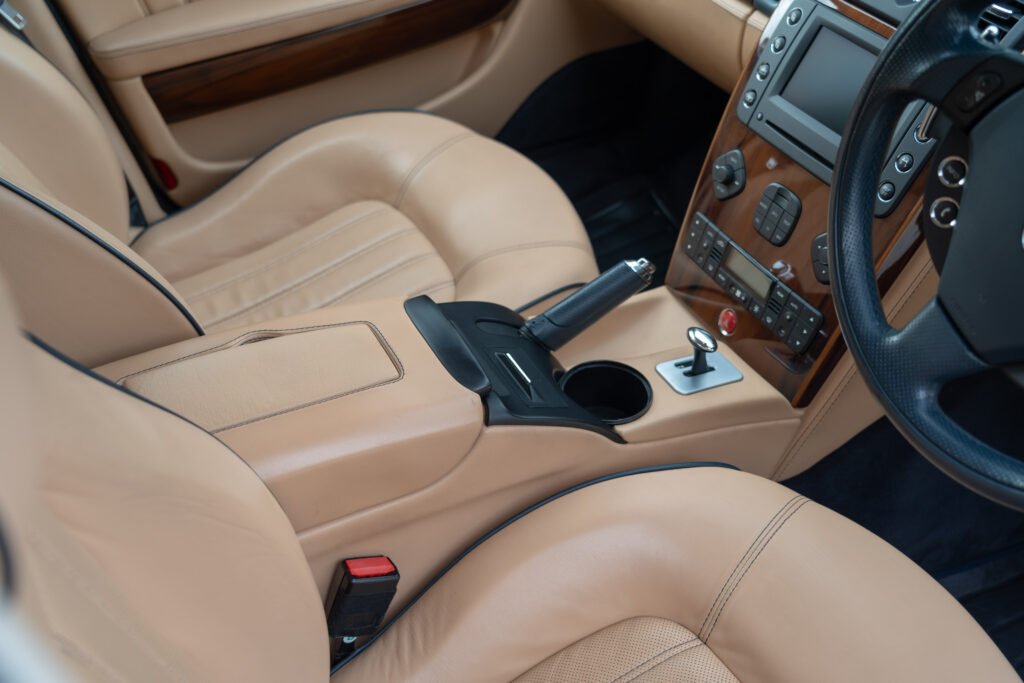
We agree, like what others complement of the interior design of the fifth-gen Quattroporte, that it has aged well for a car that is more than twenty years old now.
This represented Maserati when it was still truly in its ‘independent’ era, with brand-specific design language expressed through the controls and switchgear; unlike more current-era Maseratis that share a lot of parts with Stellantis (FCA) products since the brand was acquired by them.
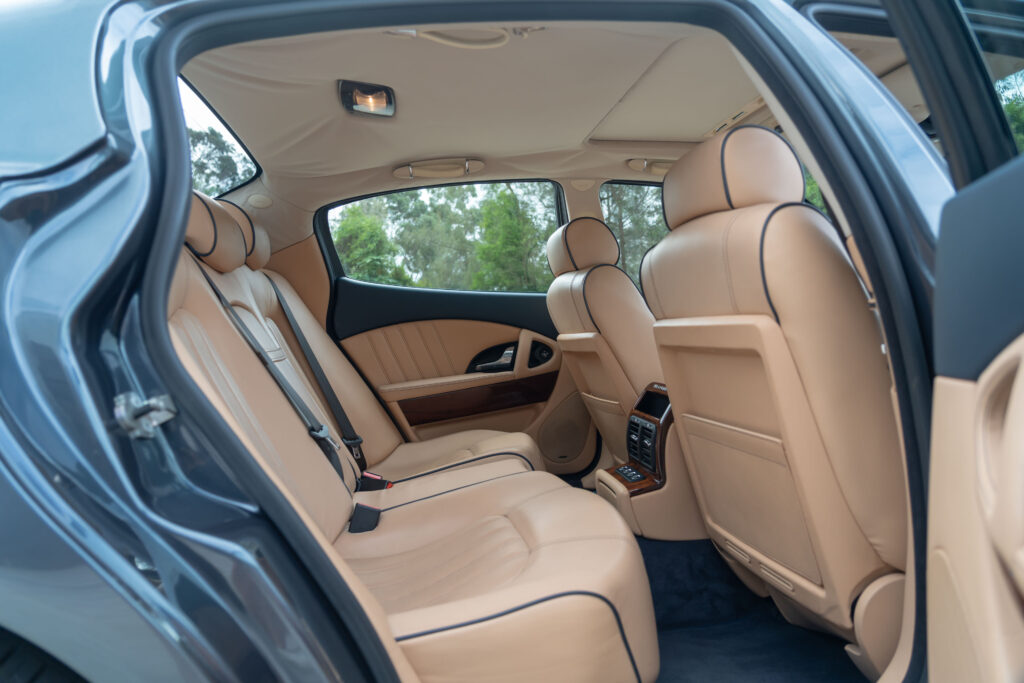
If you desire a higher grade of equipment, it’s worth targeting the upper trims (ie Executive GT, Sport GT/GTS/MC Sportline) that bring features like rear-row reclining seats and better sound insulation.
As other Italian cars of this era report, the leather upholstery and surfaces don’t hold a strong reputation for holding up well nowadays, especially if subjected to harsh UV light or warm climates like those in Australia.
Even the premium ‘Poltrona Frau’ soft leather material is not immune to wear. Check all of the seat surfaces, particularly the driver’s seat bolsters and bases for scuffs, cracks, or discolouration. It’s still possible to restore the leather seats, but it is not cheap to perform.
In addition, check how some of the artificial leather material is along the trim and door cards: we’re told these are more prone to chips/scuffs, and are difficult to repair without leaving obvious signs; the same applies to any cars featuring veneer/wood trim or panels, or the GTS models that brought ‘Titan-Tex’ carbon-fibre composite style materials.
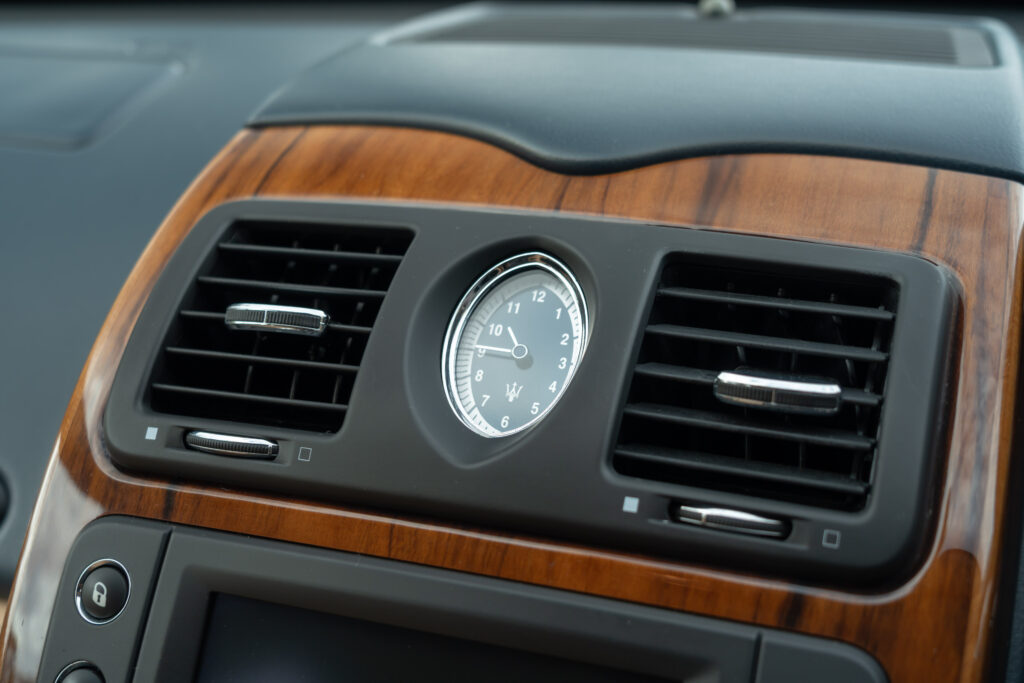
Chances are, the rubber coating/finish on the buttons and switchgear controls will now be very sticky and tacky, collecting residue on your fingers when touched. This is a common issue that is known to affect older Maserati/Ferrari models, especially those residing in warm climates.
Some owners have been able to have these cleansed and re-coated via DIY solutions, but this can only be a temporary fix. Others have had to invest up to $4,000 to have Maserati refurbish these, and those who have had this coating replaced previously can still have it wear off again if the car spends any extended periods under sunlight/heat.
It’s also not uncommon to hear of the headliners sagging on these cars.
The central LCD display within the dashboard (which is used for navigation, infotainment, and vehicle information functions) can also lose pixels over time, with replacement units reported by owners to be ‘fearsomely expensive’.
Also check all of the cabin equipment operates normally, from the power seat adjustments to all the buttons and features. The same intermittent issues mentioned earlier, caused by a main 12V battery at low charge or on its way out, can also be at fault.
The factory Maserati infotainment system (alongside the navigation/in-car tech) of this era is, understandably, very out-of-date now; this also extends to the quality of the Bose/Harmon Kardon sound systems that were available with these cars.
There are plenty of options on how to upgrade the in-car infotainment system, which can add modern amenities like Apple CarPlay/Android Auto/current-gen Bluetooth, better quality sound systems, and even a rear-view camera, which can all add up to greatly improve the daily usability.
The air conditioning system can also experience some issues – it’s worthwhile to budget for a new air conditioning compressor (~$4,000 for a new unit), and do note that, as the air conditioning system is complex, resolving issues (on top of removing the dashboard to access certain components) can be time-consuming.
Mechanical issues:
Being on top of routine maintenance is critical to a fifth-gen Quattroporte, as expected with the ownership of any Youngtimer Italian or European car.
One thing to keep in mind, as we’re told by owners of these cars, is that many independent garages are starting to decline working on these, let alone treating them to a basic service (oil change, filters). Maserati dealers will no doubt charge exorbitant premiums for parts and labour.
If you don’t trust yourselves to ‘DIY’ the upkeep yourself, do your research to find a reputable Maserati/Italian specialist within your area before considering ownership of these.
Engines:
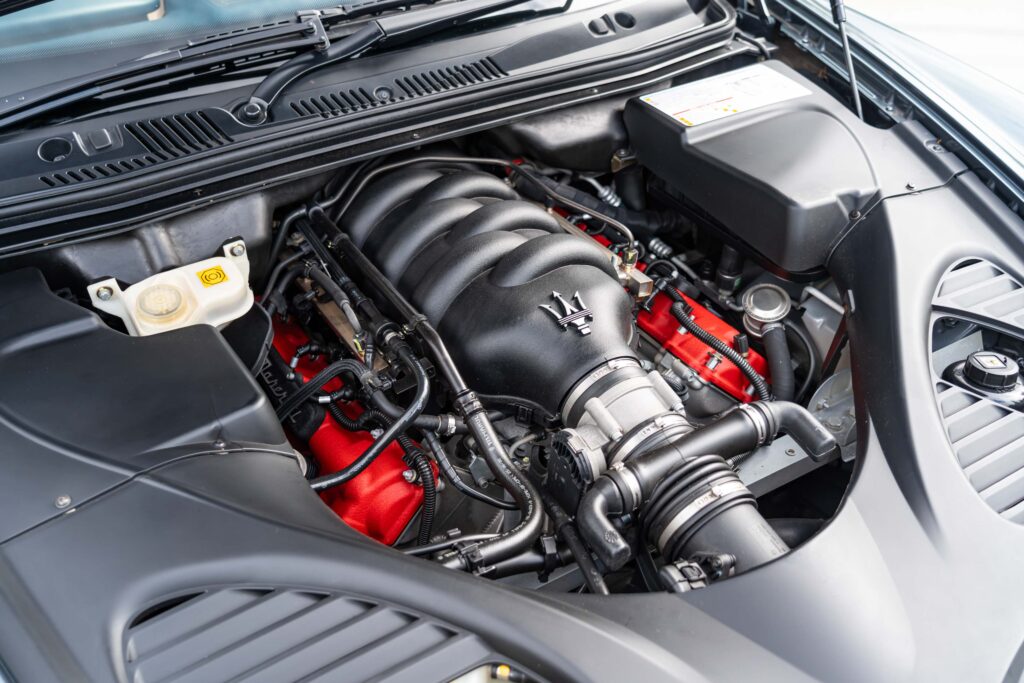
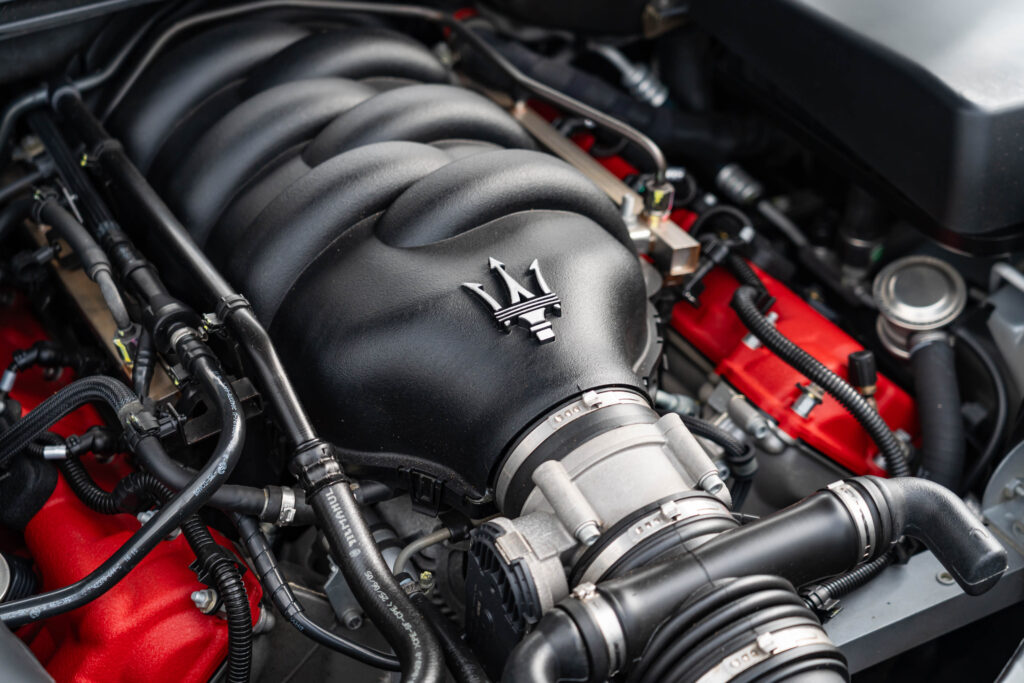
Both the 4.2L (dry-sump) and 4.7L (wet-sump) V8 are units derived from the Ferrari-Maserati engine block family (F136), but do note that while Ferrari V8s employ flat-plane crankshafts, the Maserati units use crossplane crankshafts.
They produce a great sound and a lot of power for a powerplant of their age, but as far as V8 engines go, you really need to know what you’re getting yourself into.
Oil leaks coming from the valve covers and timing case are common issues that affect the V8s. Attempting to resolve these isn’t straightforward, given that the valve covers are not quick or easy to remove.
Timing chain complications, specifically the variators (or as Ferrari/Maserati refer to them, the variable valve/cam timing gears) can also occur – pay attention to any rattling sounds upon cold starts. They can also have issues yet not produce noises; in that case, look for crank/cam correlation fault codes first.
There is a cam cap check valve/oil supply modification that can be installed to reduce the likelihood of these issues, but in some cases, it’s better to replace the variators altogether (as soon as any rattling noises develop); we’re also told these variator issues are less frequent on the dry-sump 4.2L V8S.
Failing alternators are common with both dry and wet sump V8S, as with any other 15-20-year-old car, but what makes them more complicated on the Quattroporte is that it’s located underneath the manifold, meaning more time-consuming and expensive labour costs.
It’s worthwhile to note that if you are going to remove the manifold, also review the condition of the oil cooler lines/gaskets, as well as the oil cooler itself, while this part of the engine is exposed, as they are also prone to developing oil leaks. Note one of these oil cooler fittings are located at the rearmost of the V8, and it isn’t easy to access.
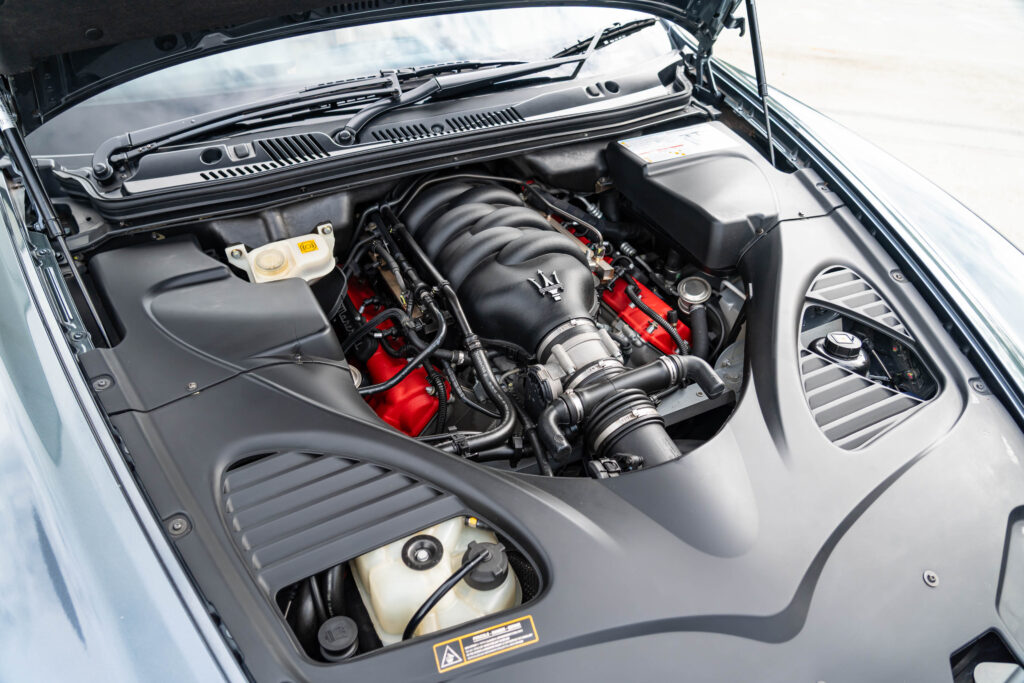
Also, be careful when handling any of the components within the engine bay – as with cars of this age, these contain many delicate wiring connectors and plastic parts that can be quite fragile (due to all the heat cycles they’ve experienced).
The coolant system expansion tanks are also constructed of plastic, and it’s very common to see these (inevitably) splitting or developing leaks.
DuoSelect Transmission:
Early models with the dry sump 4.2L V8 (2003-2006) were equipped with the ‘Duoselect’ automated manual transaxle, and we’d be very cautious approaching any with these.
The problem with used Quattroportes featuring ‘Duoselect’ is that many owners have driven them like a traditional automatic, which can wear them down considerably and even destroy their clutches altogether.
The very first models made for MY2004-2005 are best avoided, as these used the earliest Duoselect calibrations that were not perfect and are more likely to experience early build quality issues – with poorly calibrated Duoselects known to destroy themselves.
Pre-facelift Quattroportes made after 2006 received improvements to the Duoselect software, but these are still not optimal if they’ve been subjected to certain driving styles – especially if owners have driven them like an automatic.
The Duoselect’s hydraulically actuated clutch is known to wear fairly quickly, especially if it’s been subjected to urban driving/stop-start use.
Owners report that average clutch life can be as short as 30,000 kilometres under city driving, while those used on open roads can last 60,000 kilometres; as Jason Cammisa mentioned in his Hagerty feature about the Quattroporte, it can cost at least $500 USD ($700 AUD) a month in clutch wear alone!
Further concerns to look out for on these are the condition of the pump/accumulator, as well as actuator issues.
If you insist on targeting a Quattropote equipped with Duoselect, it has to come with a fastidious service history. In addition, it commands a certain driving style and technique – drive it like a manual to minimise clutch slippage, and don’t leave it in ‘automatic’ mode.
It’s advised to start every drive in manual/sport mode, which will force this automated manual to engage faster, sharper gear changes to reduce clutch wear/heat. Also, slightly lift off the gas when changing gear, which will reduce drivetrain wear.
If stationary for more than a few seconds, put the gearbox into ‘Neutral’ (pull both paddles) to preserve the mechanical components; it’s also highly advised to avoid low-speed maneuvers, like creeping forward in gear or attempting to reverse on inclines, all of which will cause high-load, clutch slippage.
6-Speed ZF Automatic (ZF6HP26):
Maserati upgraded these to use a ZF-sourced automatic for those after MY2007 (equipped with the 4.2-4.7L wet-sump V8), with the GTS models receiving an upgraded, twin-plate clutch variant known as ‘MC-Auto Shift’.
It’s also worth mentioning that the way the ZF automatic is packaged on the Quattroporte is that its a conventional, torque converter unit mounted behind the engine; unlike the Duoselect transaxle setup.
Generally, these ZF units are proven to be solid units (plus, they are used in various applications across different brands/models); the fact that these are traditional torque converter automatics means they are far better in terms of operation and reliability.
Occasionally, some can pick up solenoid and valve body complications, and if pushed to their limits (ie. in performance models like the Maserati), they can overheat and develop clutch pack issues.
It’s highly recommended to perform maintenance on these every 50,000 kilometres to guarantee maximum longevity.
Drivetrain:
Sporting qualities aside, the Quattroporte is a luxury sedan that weighs a lot (~2 tonnes), meaning it can consume components like brakes and tyres as quickly as it accelerates.
Across owners’ groups and forums, many report they’ve had to replace rear tyres every 10-15,000 kilometres. It’s also crucial for these to be paired with the best performance rubber available to drive perfectly, but optimised tyres will not be cheap.
In addition, as the Quattroporte uses Ferrari-grade braking components (GTSs feature Brembos as standard), you can expect quotes for replacements to be just as expensive – some owners report being quoted over $5,000 for these.
Models featuring the advanced ‘Skyhook’ adaptive dampers can suffer from a range of electronic issues, and sourcing OEM replacement units won’t be cheap either. Do also note that the Quattroporte S/GTS models use passive, fixed-rate dampers and are free of the gremlins that affect the Skyhook dampers.
But with the quality of aftermarket parts nowadays, decent suspension/brake parts from reputable brands can outlast and outperform OEM Maserati components, and can also be more affordable.
Prices for fifth-gen Quattroportes now start from around $25,000 and top out around the $100,000 range.
These have already experienced the most depreciation they will experience in their lifetime, and current pricing trends for these Maseratis haven’t significantly changed for a while. Hence, if you buy one now, there’s a good chance you won’t lose as much money when you inevitably try to sell it – provided it has been meticulously maintained and driven regularly.
Approaching a used fifth-gen Quattroporte takes a certain degree of risk-taking, or a daring mindset that is prepared to enter this world of 2000s-era Italian machines; obviously, aim only for those with meticulous service records and pass pre-purchase inspections flawlessly.
But speaking to the Maserati owners’ communities and experienced technicians, aiming for specific model years is the best way to find examples in the used market that are worth your money.
Avoid early 2004-2005 models, no matter how cheap and attractive they appear on the surface – these come with the earliest Duoselect calibrations, and have more initial build quality issues.
2006 models fare slightly better if they are in absolute mint condition and have detailed service histories. They can offer great value for money, but you still need to be cautious of these, given the reliability of the Duoselect transmission.
2007-2008 models that feature the wet-sump 4.2L V8 need more attention due to their known variator issues (especially on higher mileage cars), but they benefit from the arguably superior ZF torque-converter automatic. If they satisfy all the pre-purchase inspection criteria, they can prove to be good.
Post-facelift 2008-2009 models that feature the bigger 4.7L V8 and the ZF automatic, alongside upgraded styling, bring the best possible qualities when it comes to aesthetics, mechanicals, and reliability.
The late model 2010-2012 cars still carry a premium on the used market (being the final examples of the M139 Quattroporte), but if you can afford to buy and upkeep them, these are great options.
Especially if you can budget for the 4.7L Quattroporte GTS models, which are viewed as the fifth-gen Quattroporte in its best form inside and out – with far better styling, engine/performance tuning, standard Bilstein dampers, Brembo brakes, and cabin materials.
There are so many red flags and logical reasons why you should never buy one, but as many owners will state, drive one of these for a few minutes, and all of the shortcomings are instantly forgotten, especially with that V8 soundtrack.
The Quattroporte won’t match any of its Japanese rivals when it comes to build quality, reliability, and ownership costs, and it’s not any bit better than other European luxury sedans from German/British brands.
However, if you are willing to put those factors aside and prioritise emotive factors over any logic/financial responsibility when it comes to a used luxury sedan, we understand why this Maserati might be attractive.


Co-creator, presenter & writer, ReDriven

There are better cars out there.
 7 days ago
 2 weeks ago
 3 weeks ago