Australia’s No. 1 Used Car Review Website
Australia’s No. 1 Used Car Review Website
+28 Photos

2021 Audi RS4

15 June 2026
Yes. But only the right example.

2021 Audi RS4

Used car review
15 June 2026
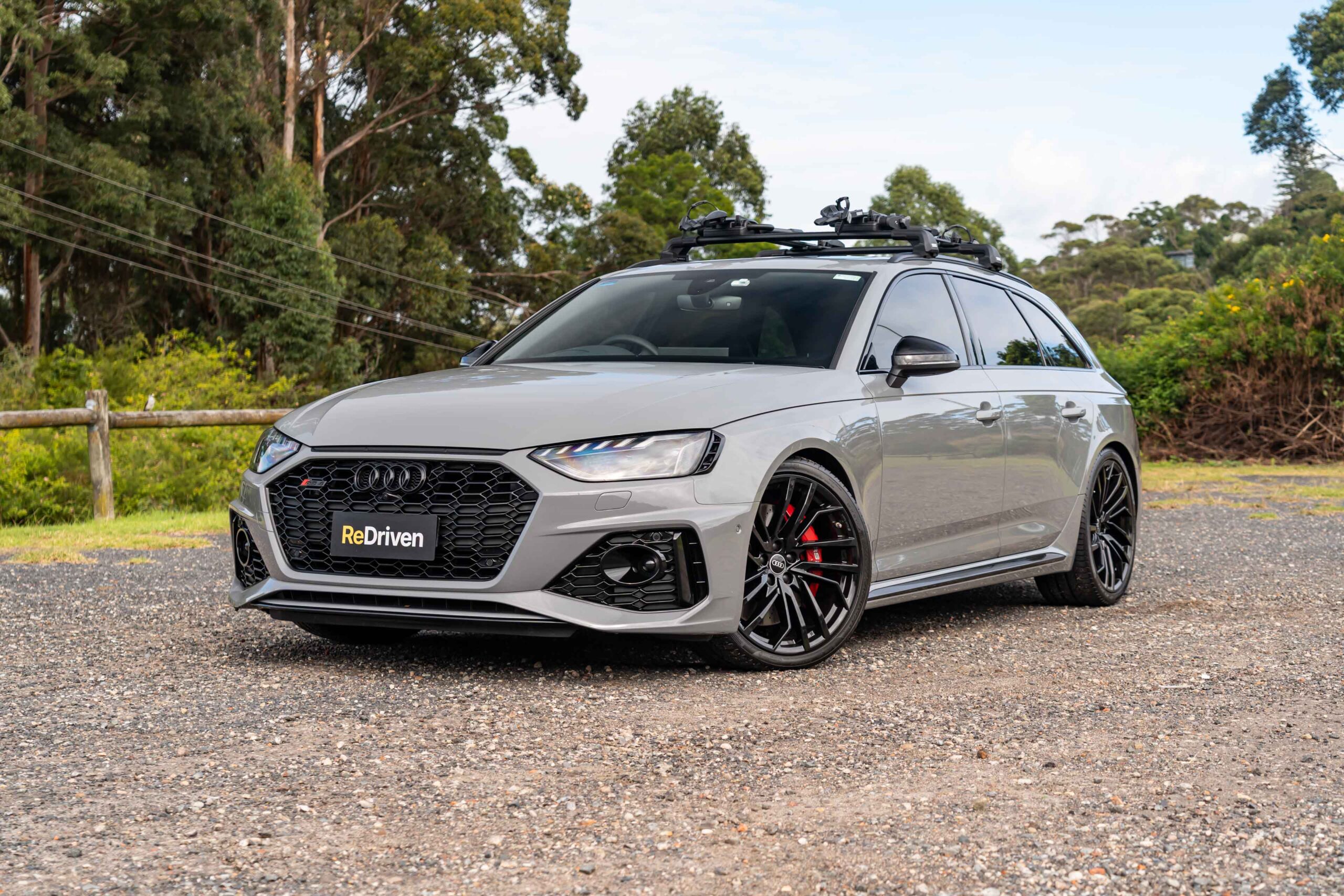
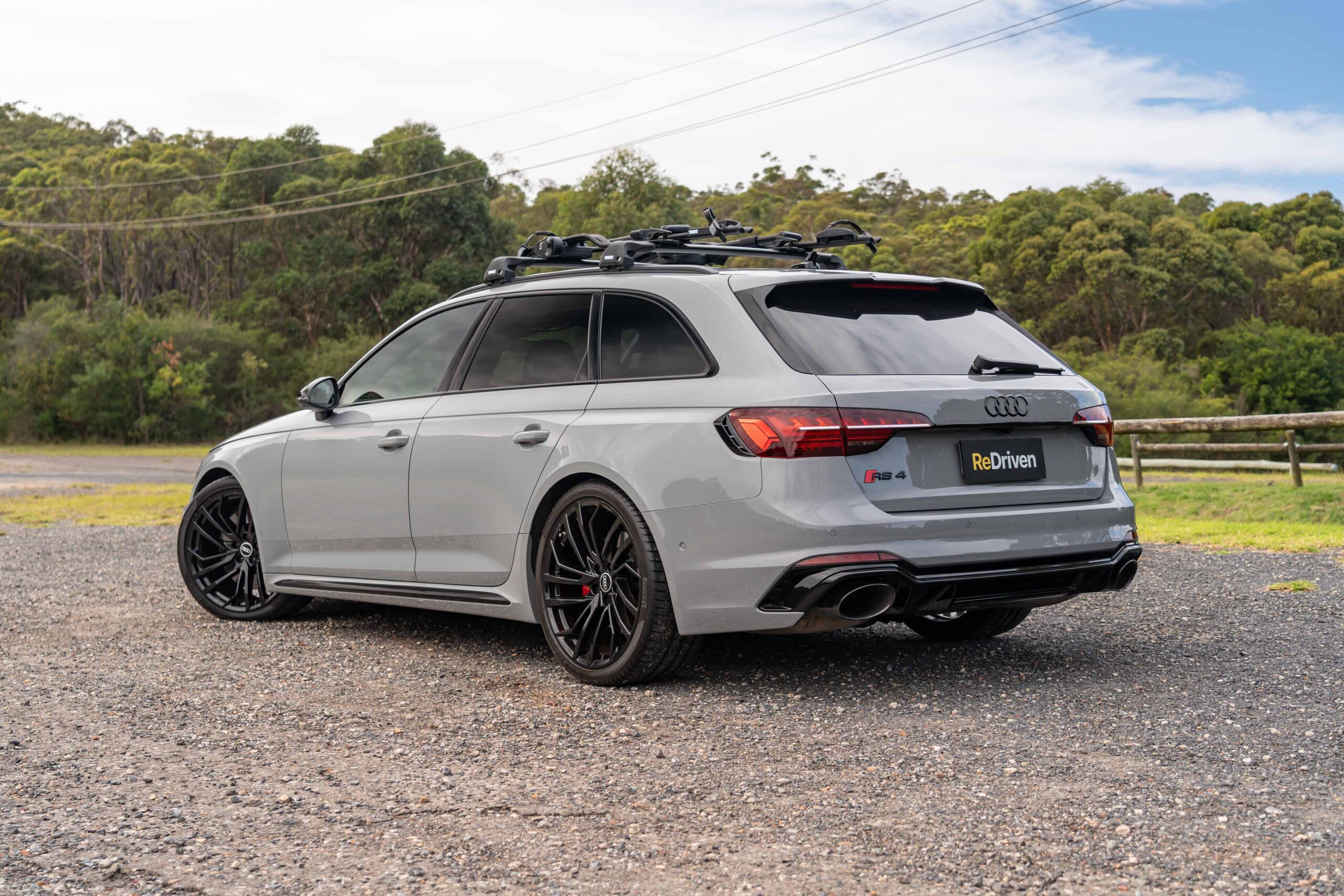
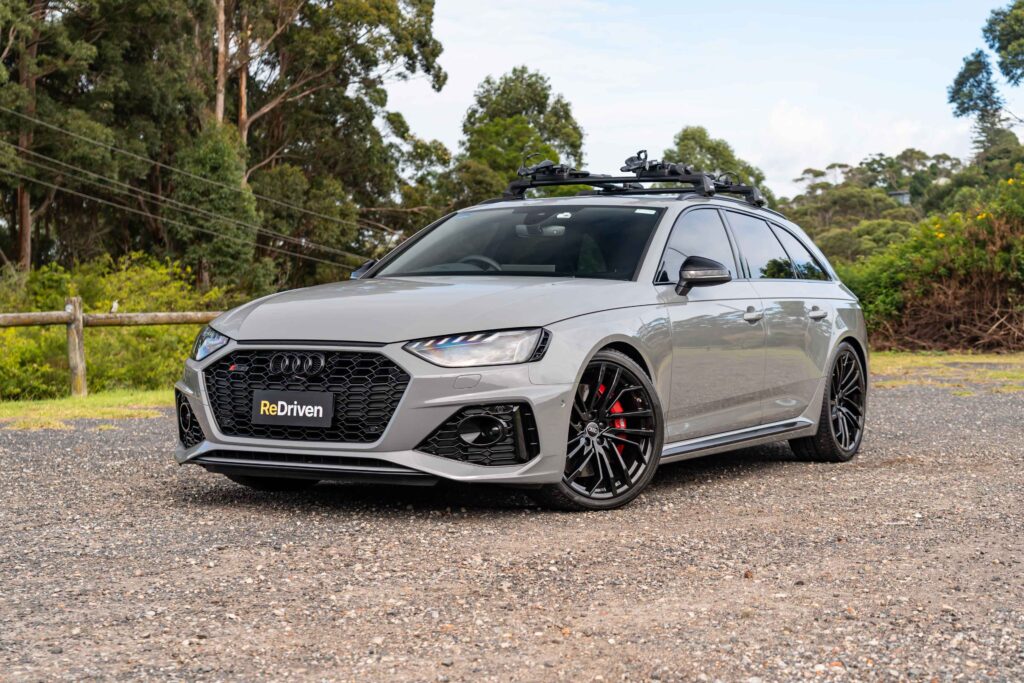
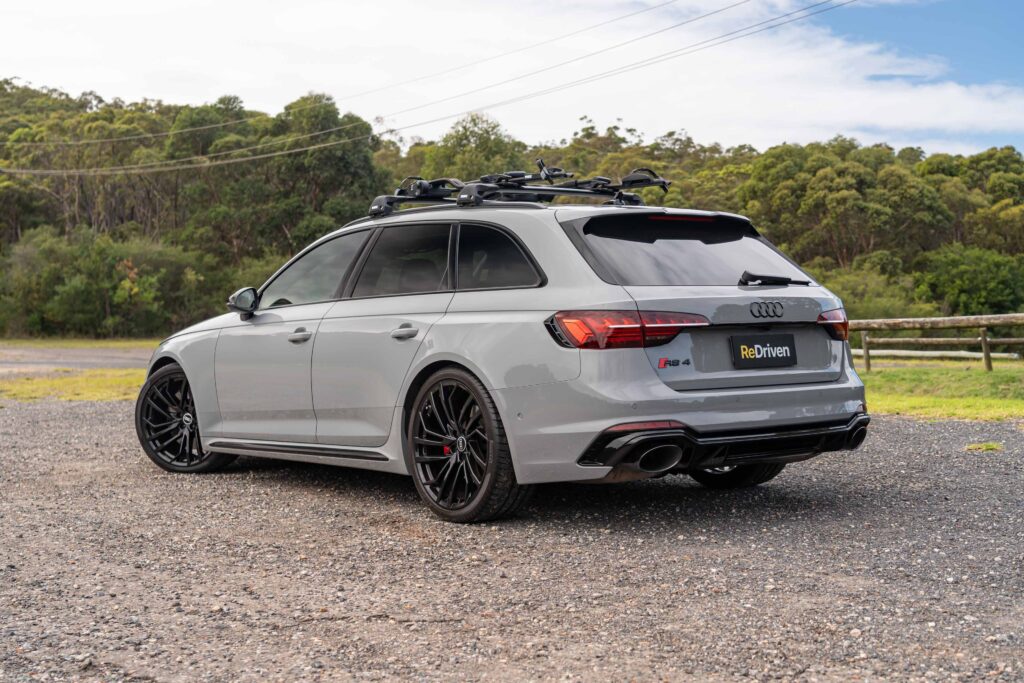
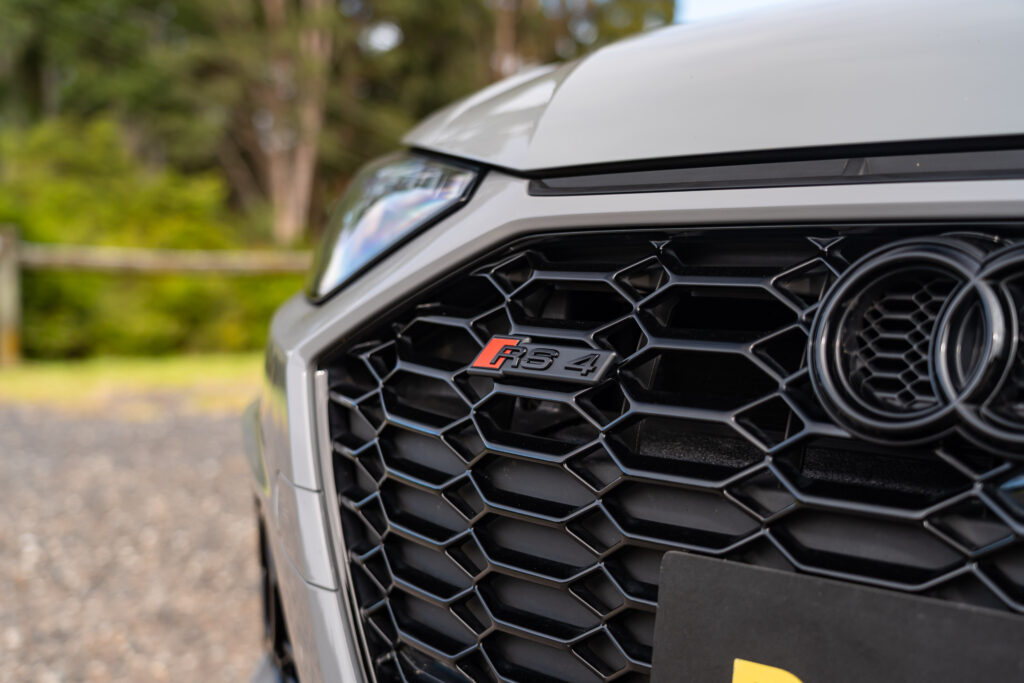
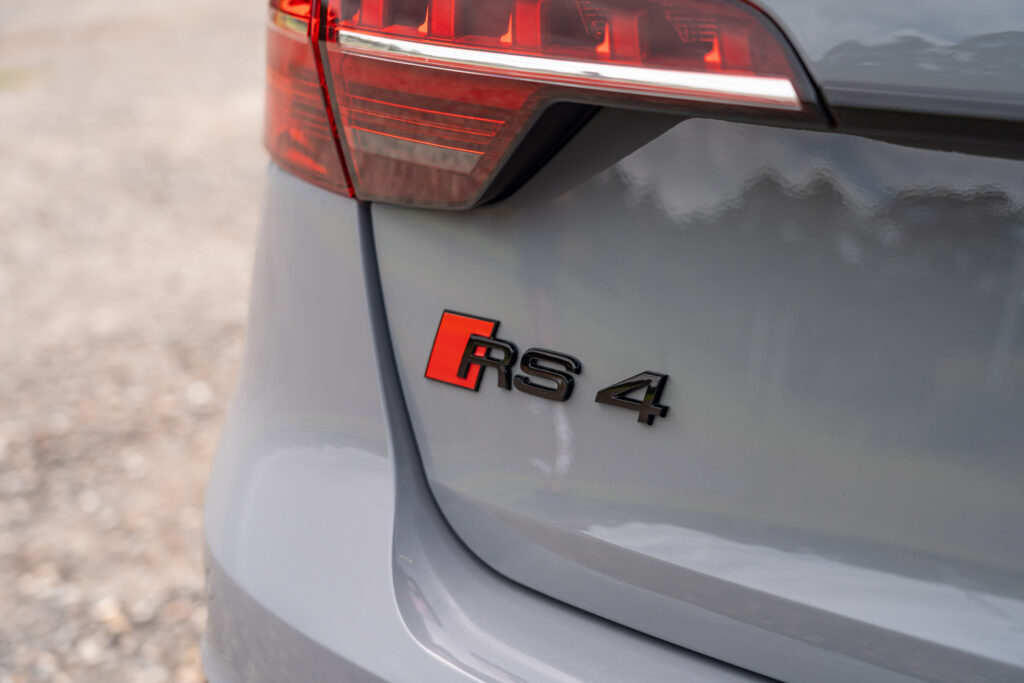
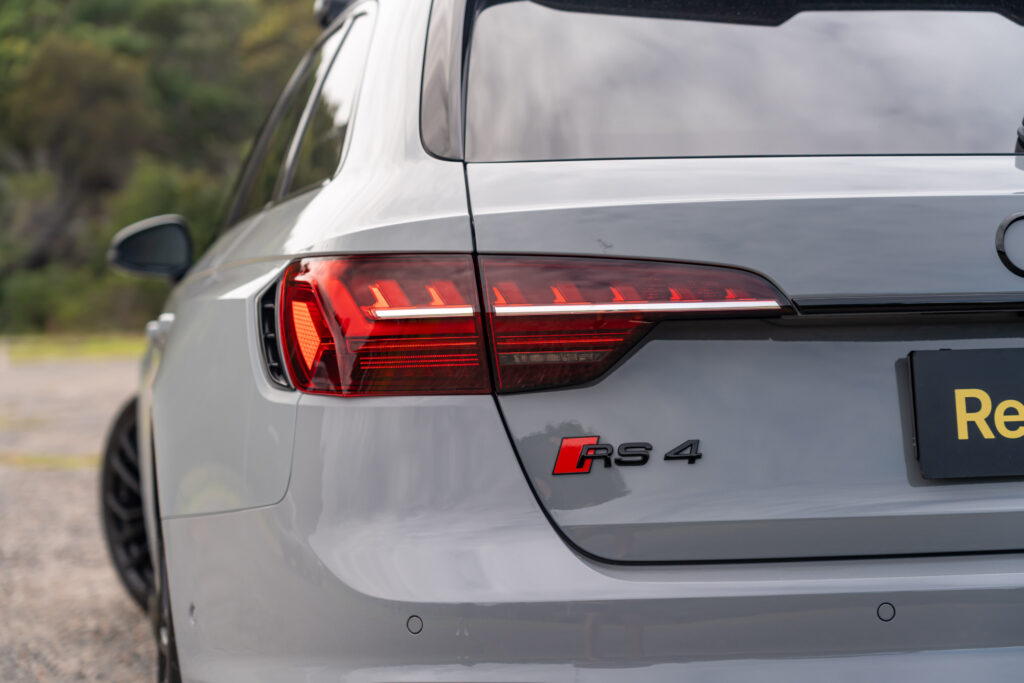
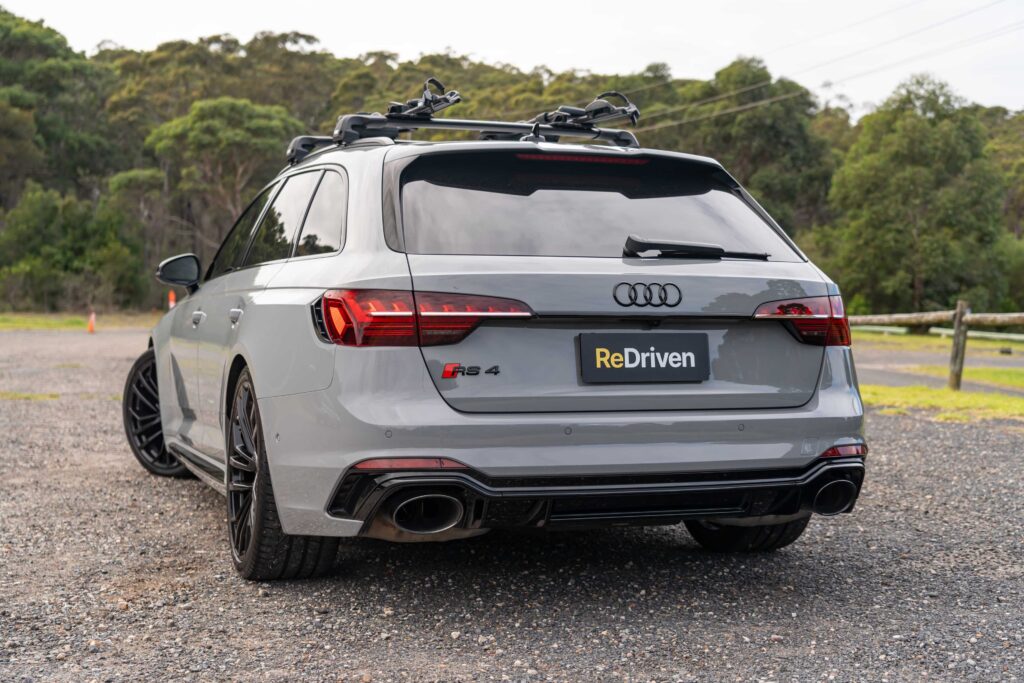
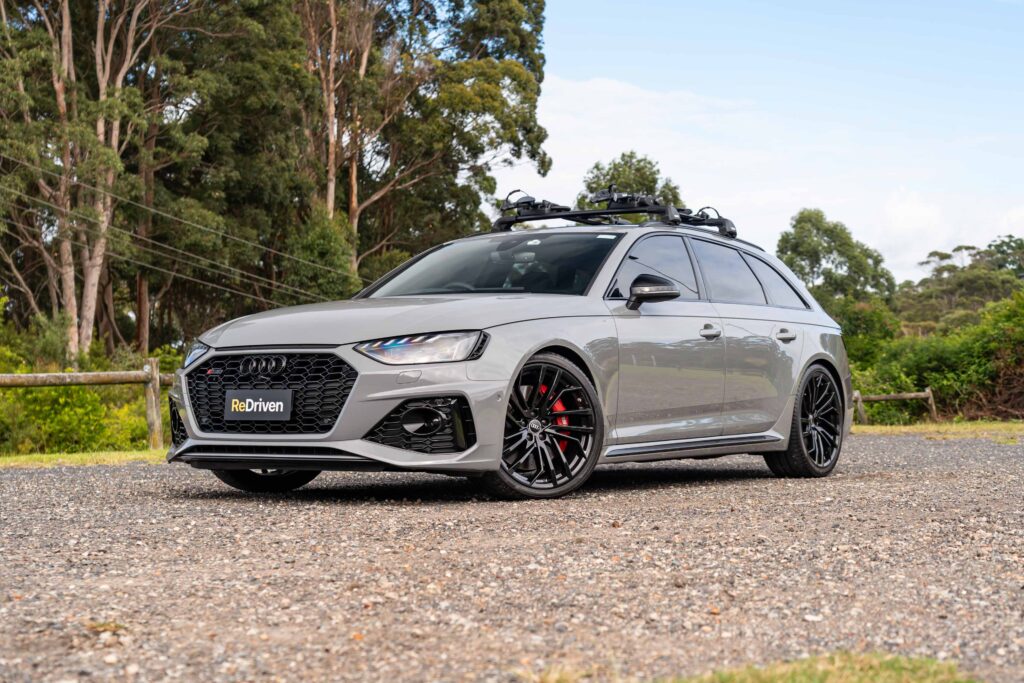
The B9-generation Audi RS4 is the latest iteration of Audi’s famed high-performance variant of the A4 sedan/wagon, continuing to rival equivalent German sports sedans/wagons in its class like the BMW M3/M3 Touring and Mercedes-AMG C63/C63 Estate, alongside other performance wagons/fastbacks like the HSV Clubsport R8 Tourer.
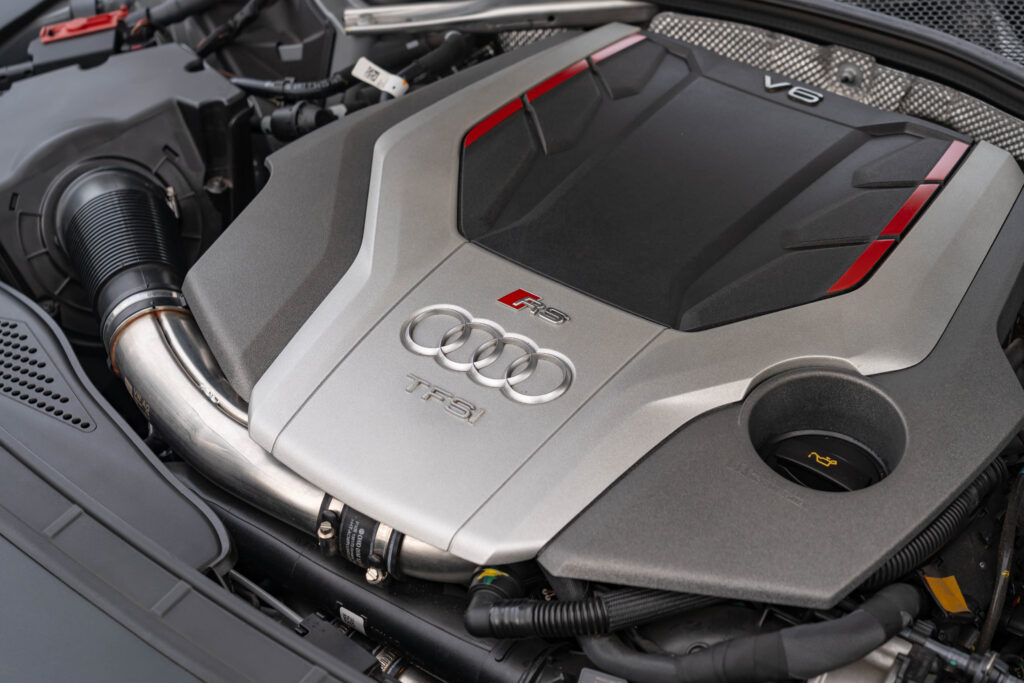
This generation of the RS4 stands out compared to past iterations, as it has been significantly downsized from a V8 (applied to the B7-B8 generations) in favour of a 2.9L twin-turbocharged V6 – similar to what was used in the first generation RS4 (B5).
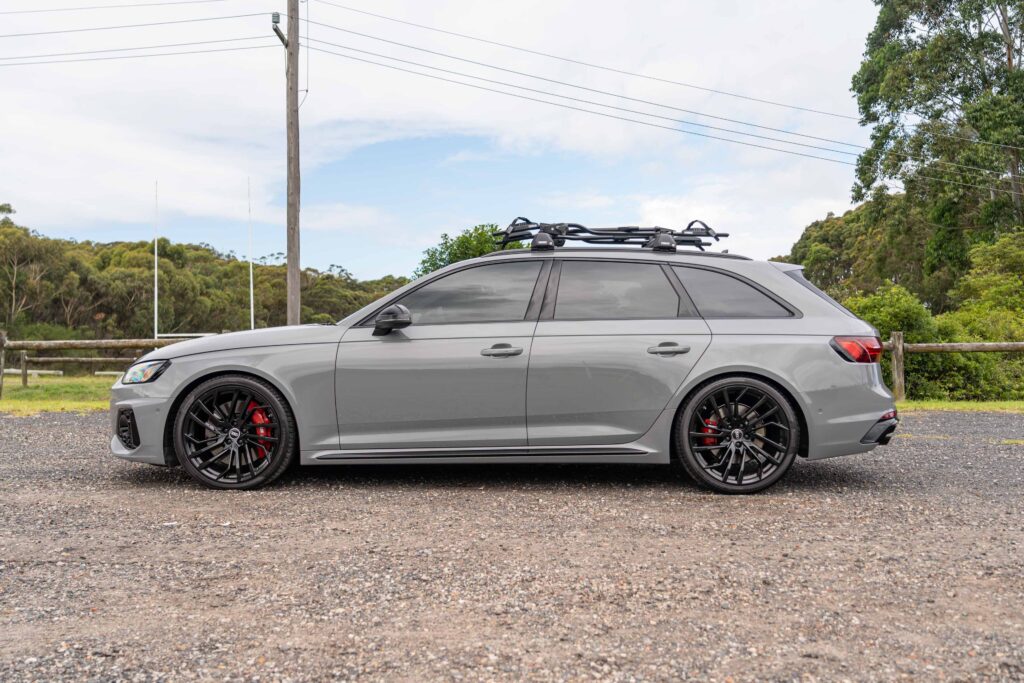
Also, like the preceding B8-gen RS4, it was only available in five-door estate (Avant) configuration.
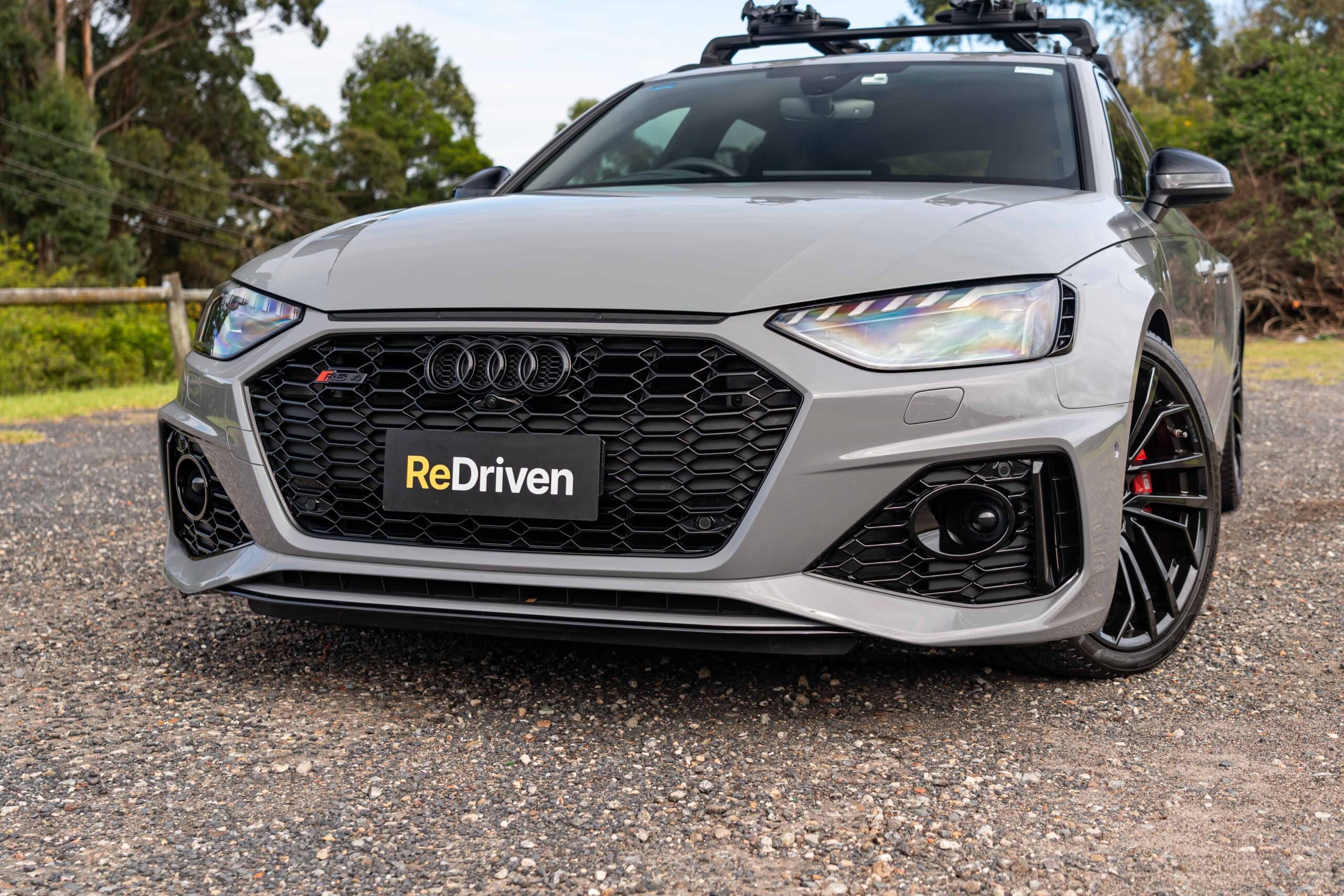
First released in 2018, the B9-gen RS4 experienced one midlife update from MY2020 onwards. Referred to within Audi communities as the B9.5, these made minor adjustments to the styling, tweaked the suspension settings, and updated both the safety/cabin tech and the equipment onboard. Production ended in 2026, with its replacement confirmed to be the current Audi RS5 Avant.
Exterior:
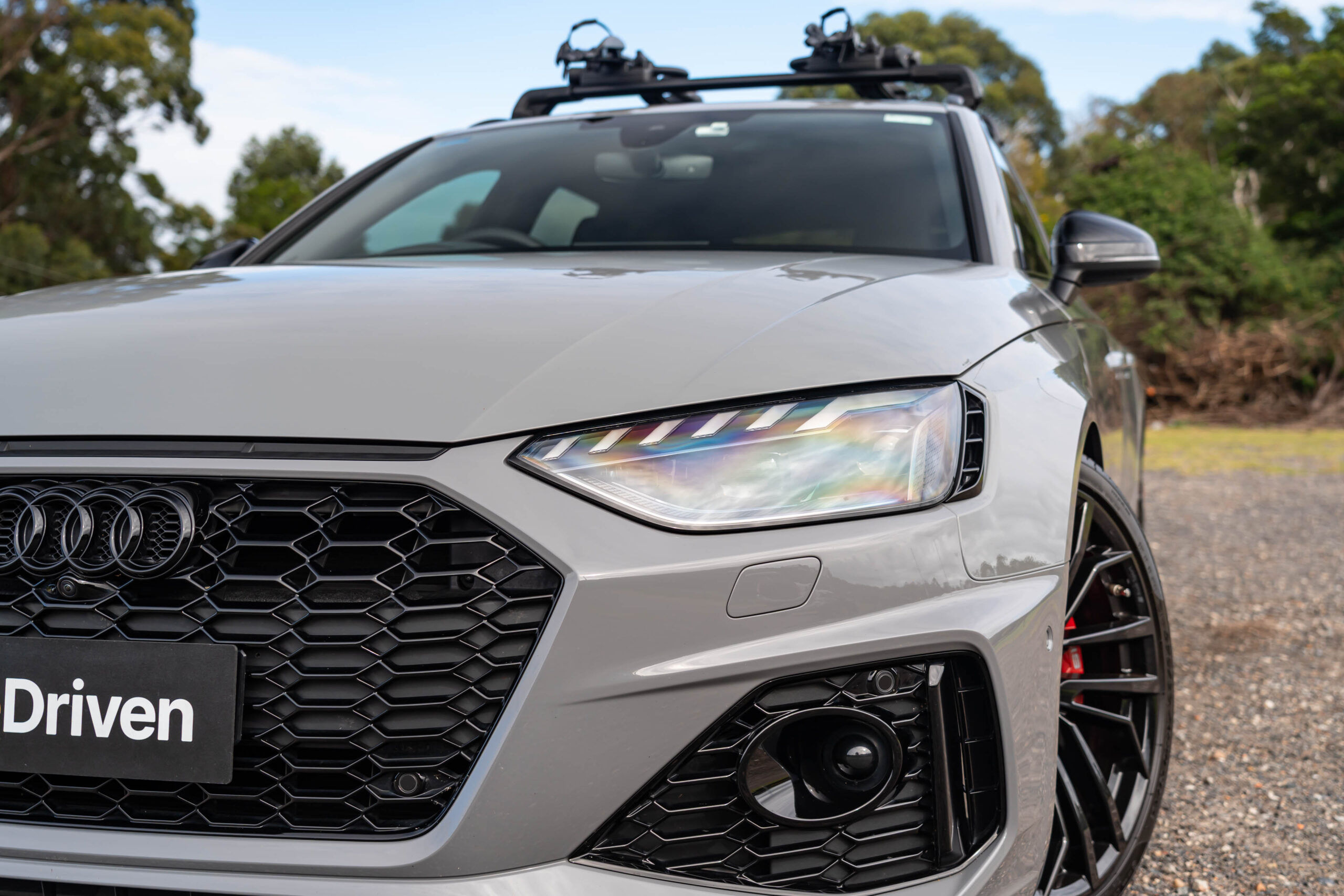
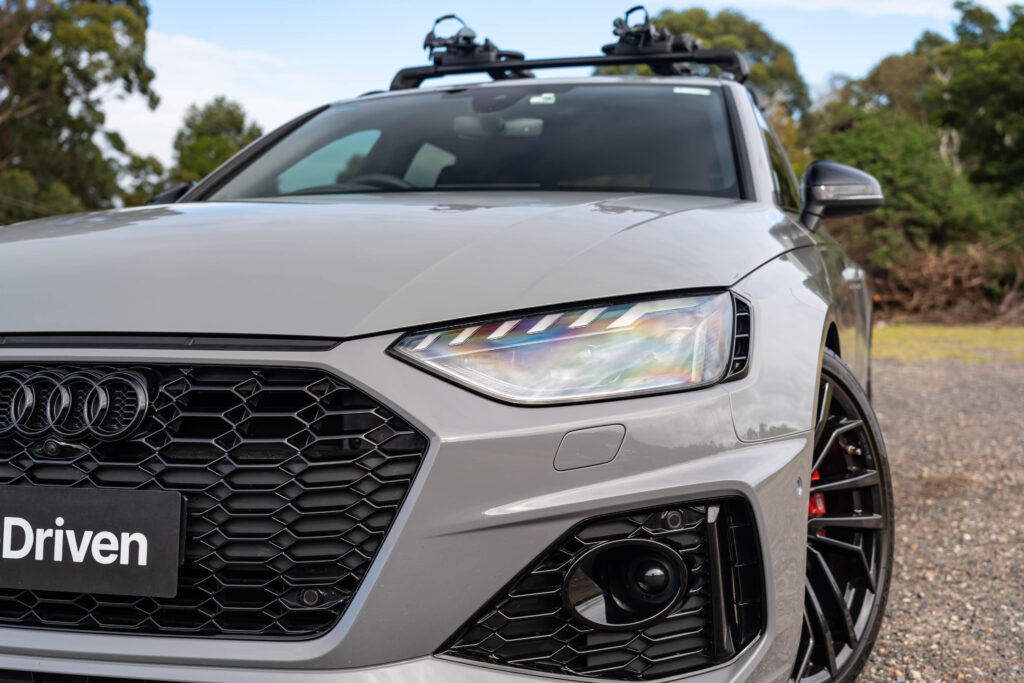
If you need replacement windscreens, it’s recommended to stick with genuine glass, as with other luxury models, these vehicles have various ADAS safety tech that needs to be recalibrated as part of the replacement work. To avoid footing the entire bill or any expenses to replace this, make sure OEM windscreen replacements are covered by insurance.
As reported with other Volkswagen Group products, the drainage channels along the sunroof and roof surface can easily get blocked. Left unchecked, they can lead to water ingress into the cabin, causing plenty of electronic issues – so ensure these have been cleared regularly.
In addition, the fuel filler door can get stuck or seize up, requiring some force to open it. It’s a rare occurrence, but if it needs fixing, it will require OEM replacement units.
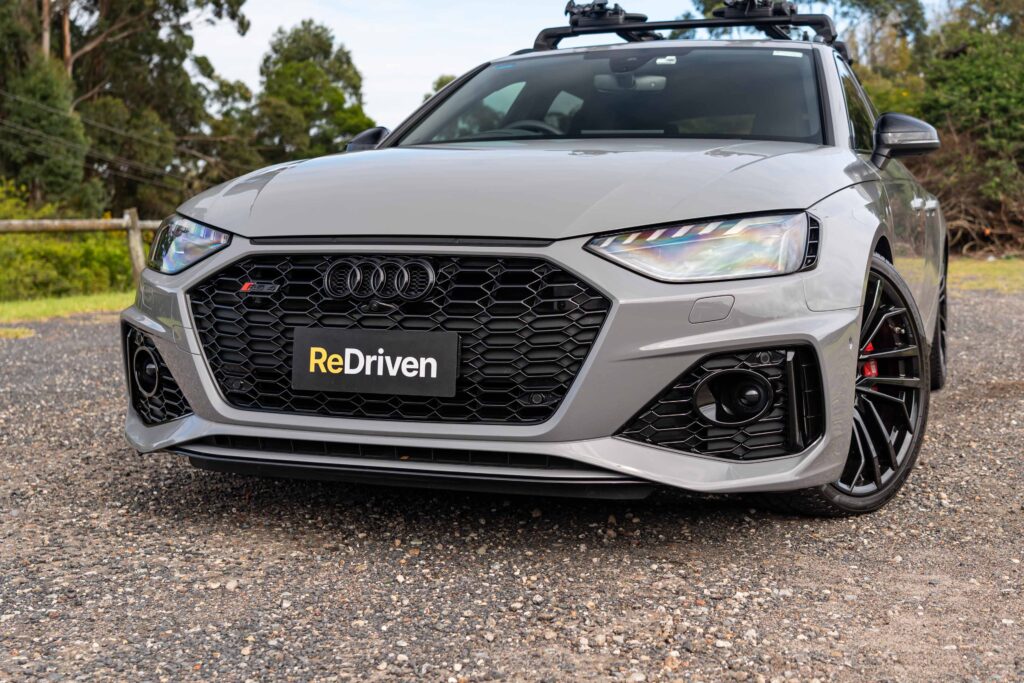
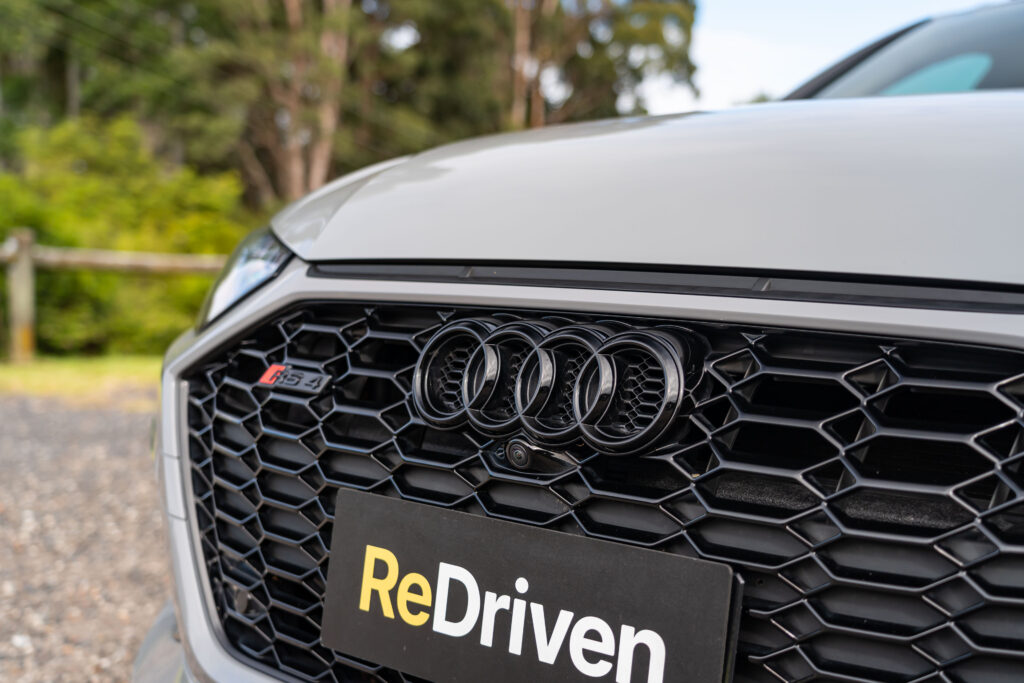
Beyond these areas to look out for, the B9-gen RS4 has experienced very few exterior issues so far. In fact, according to owners and Audi technicians we spoke to, this generation has far superior build quality compared to the preceding B8-gen RS4, with more consistent, tighter panel gaps and no reports of trim pieces coming off.
Interior:
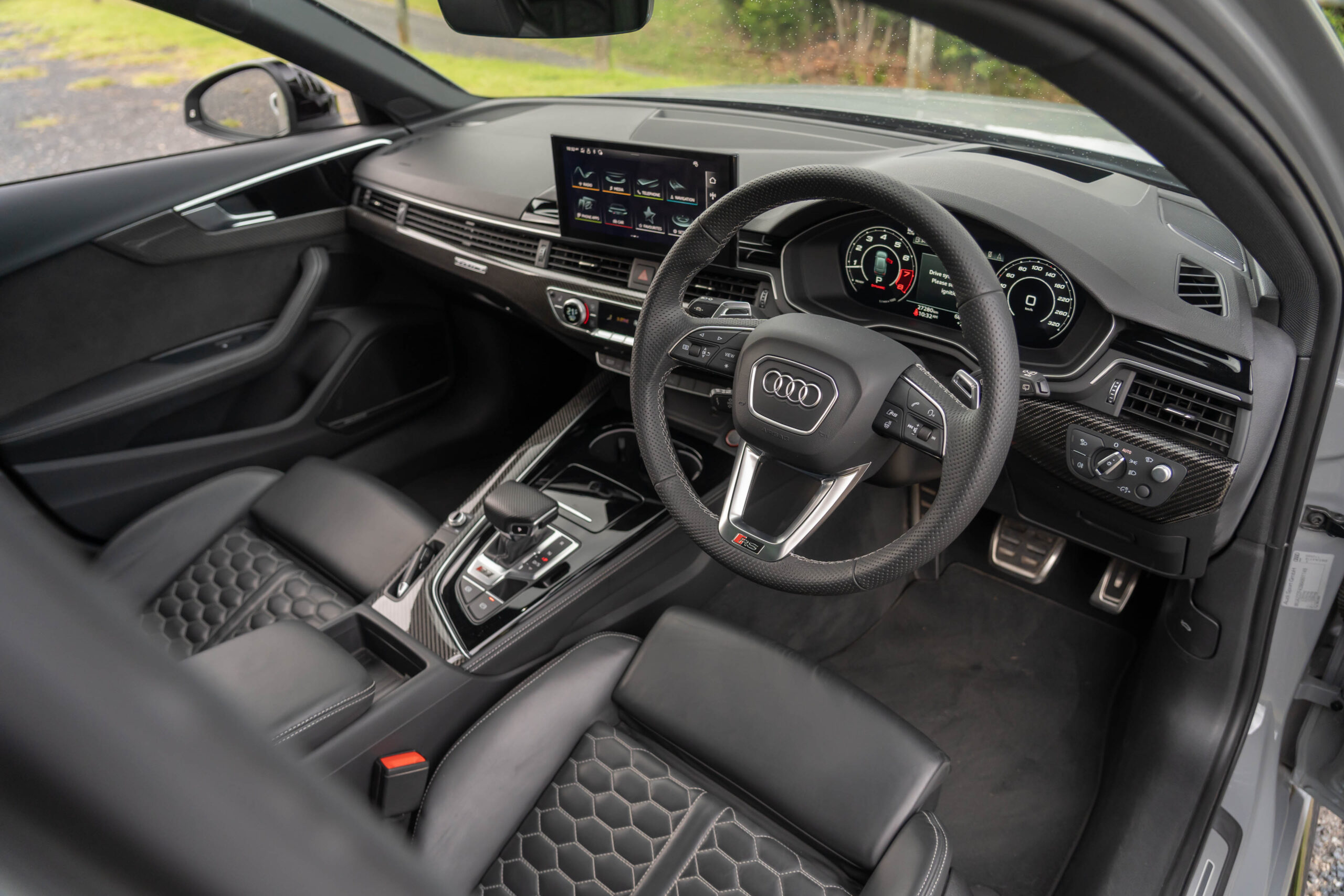
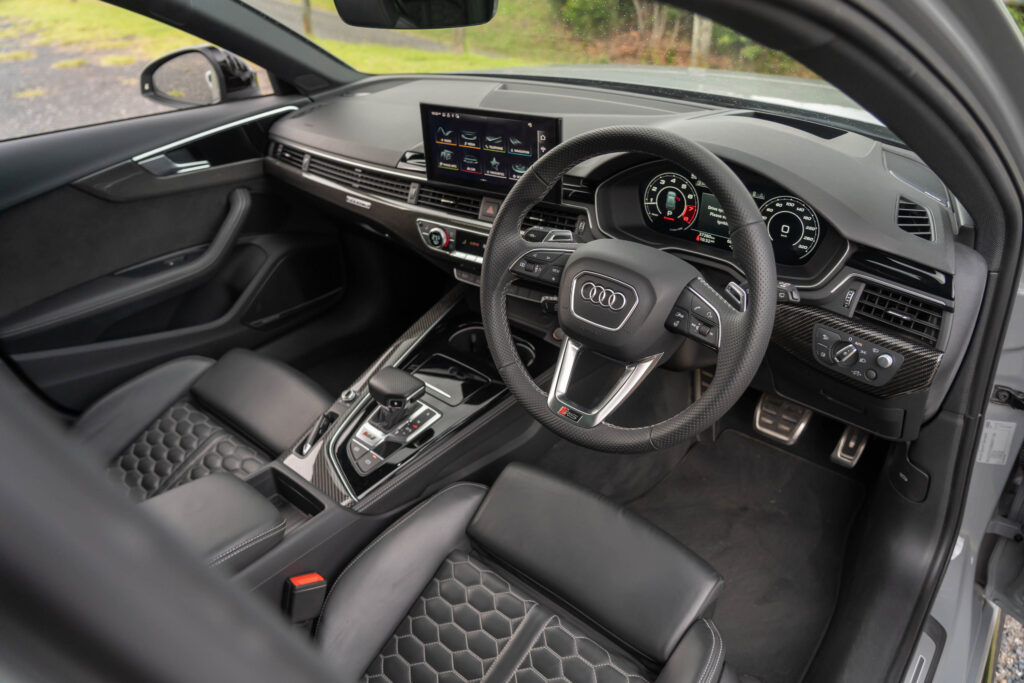
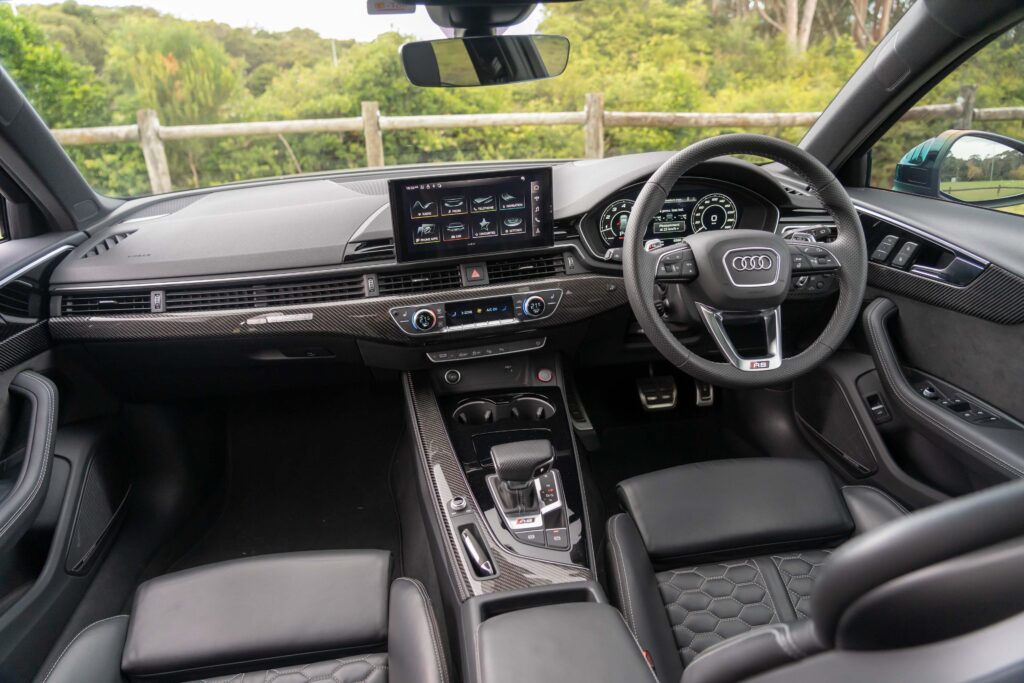
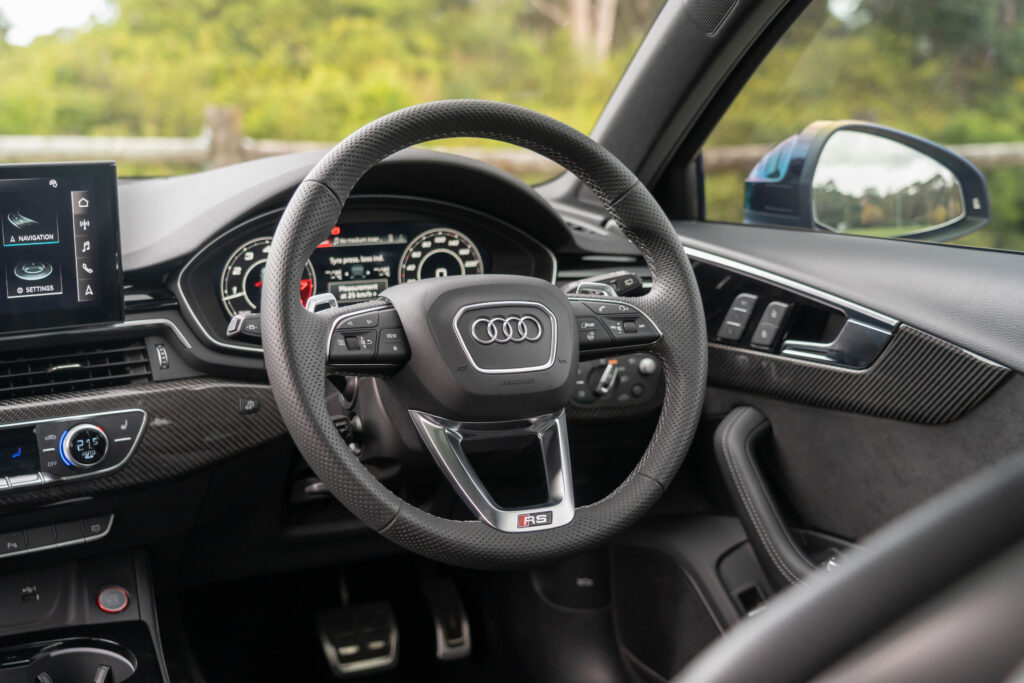
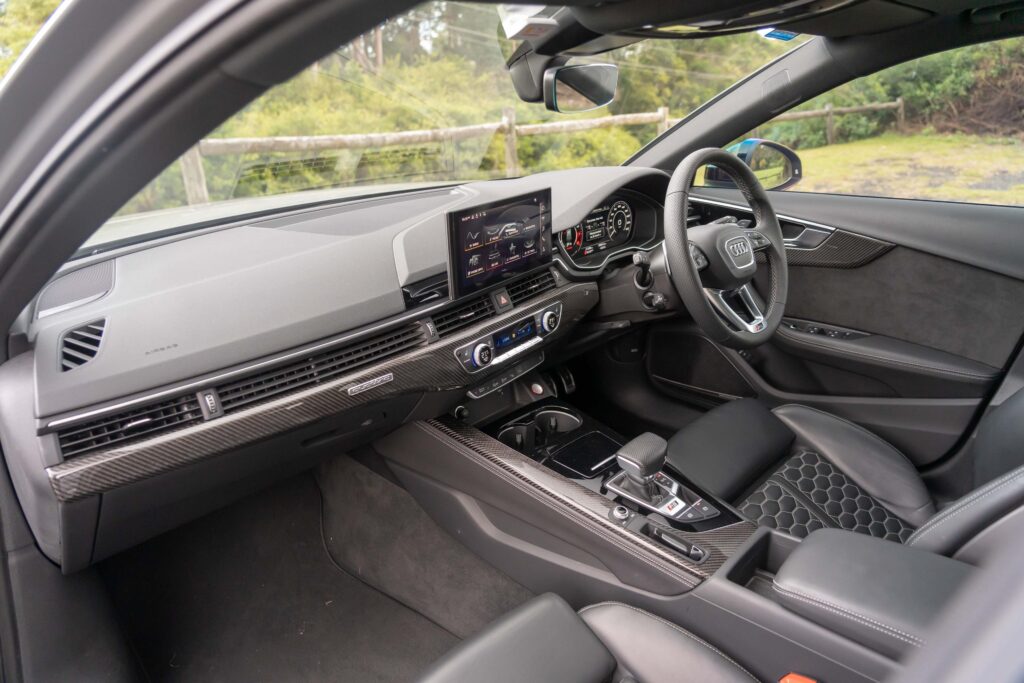
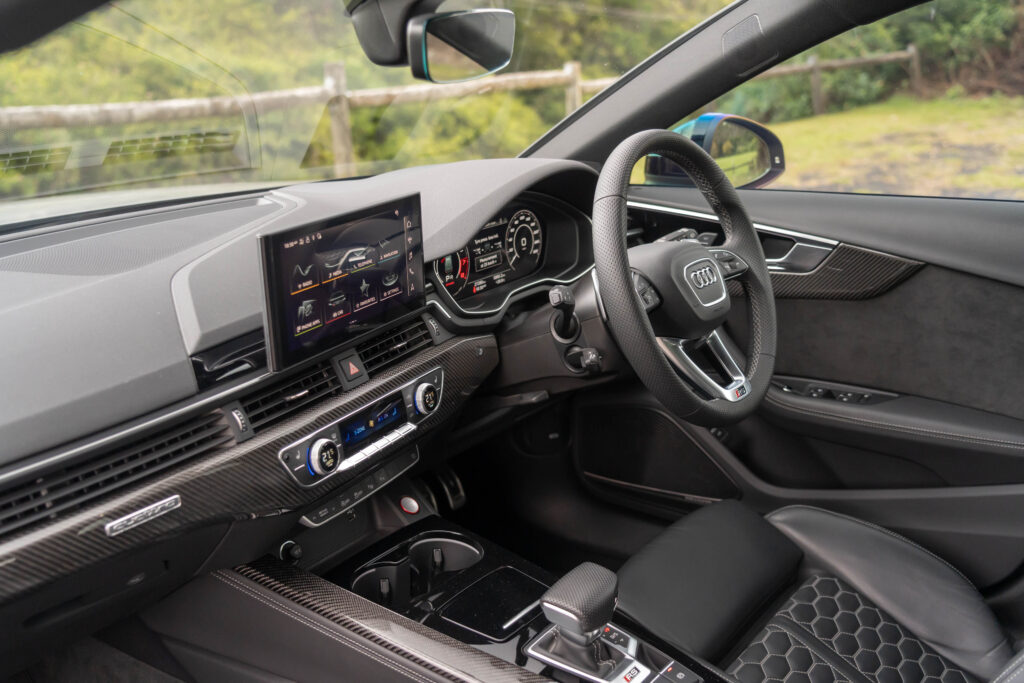
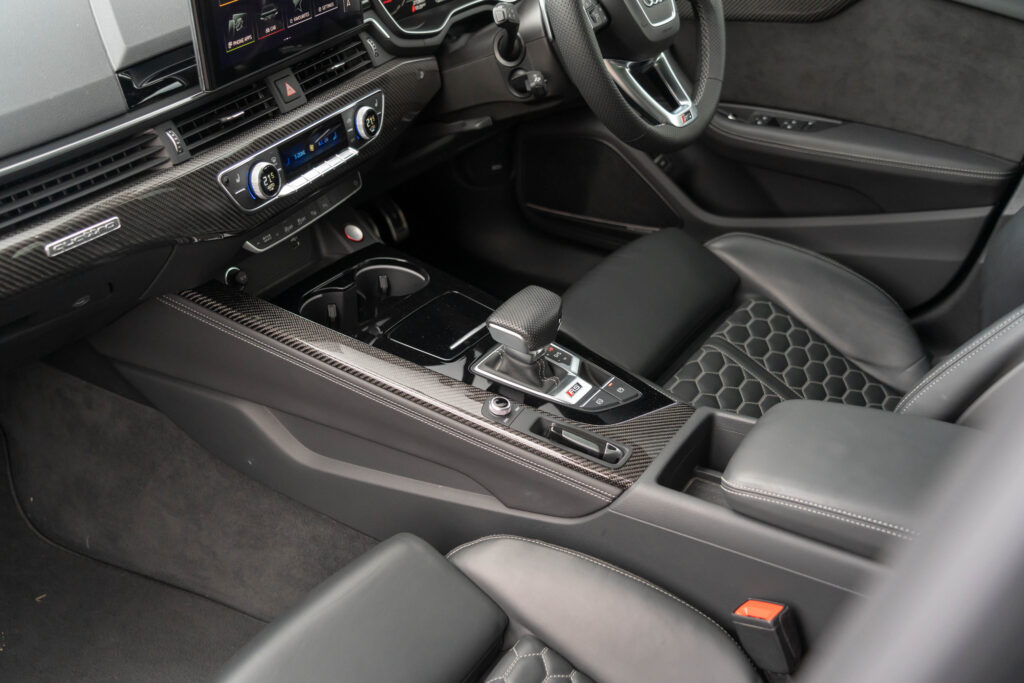
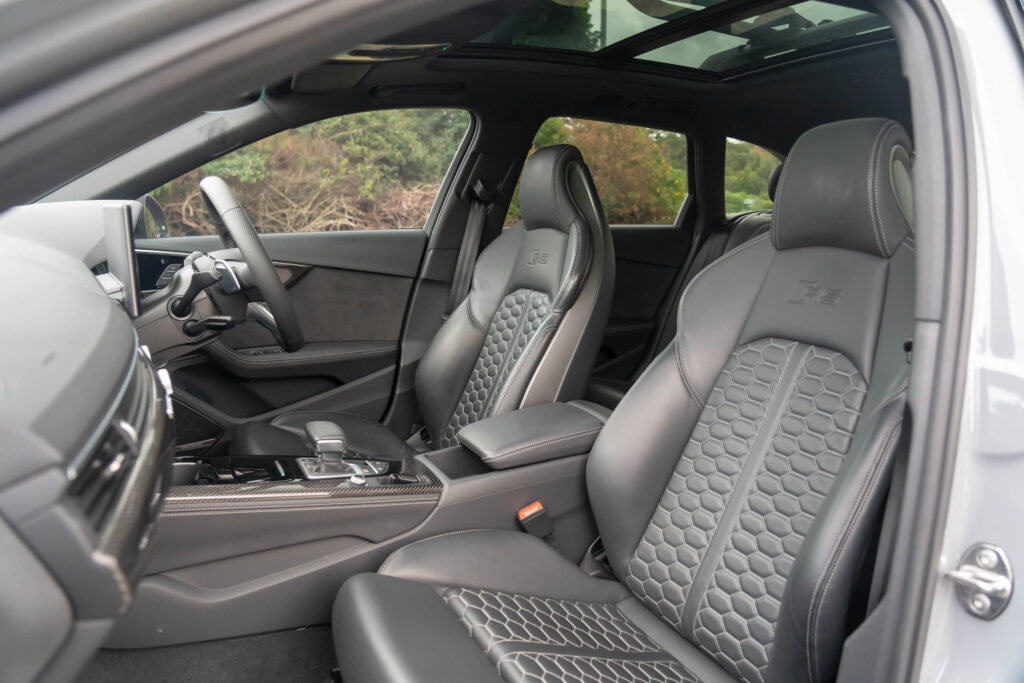
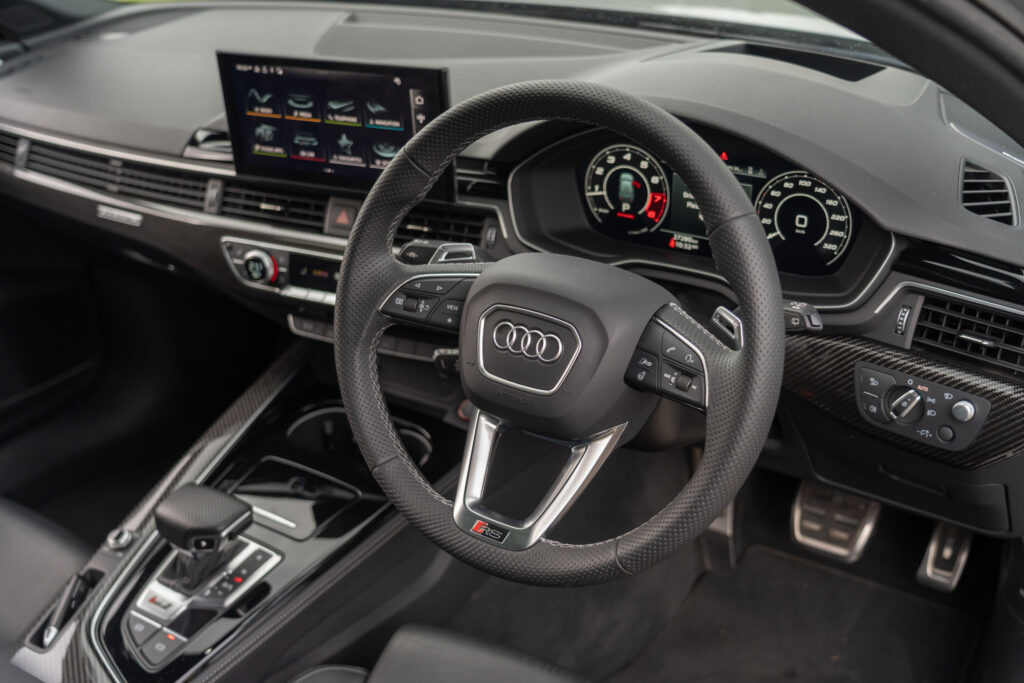
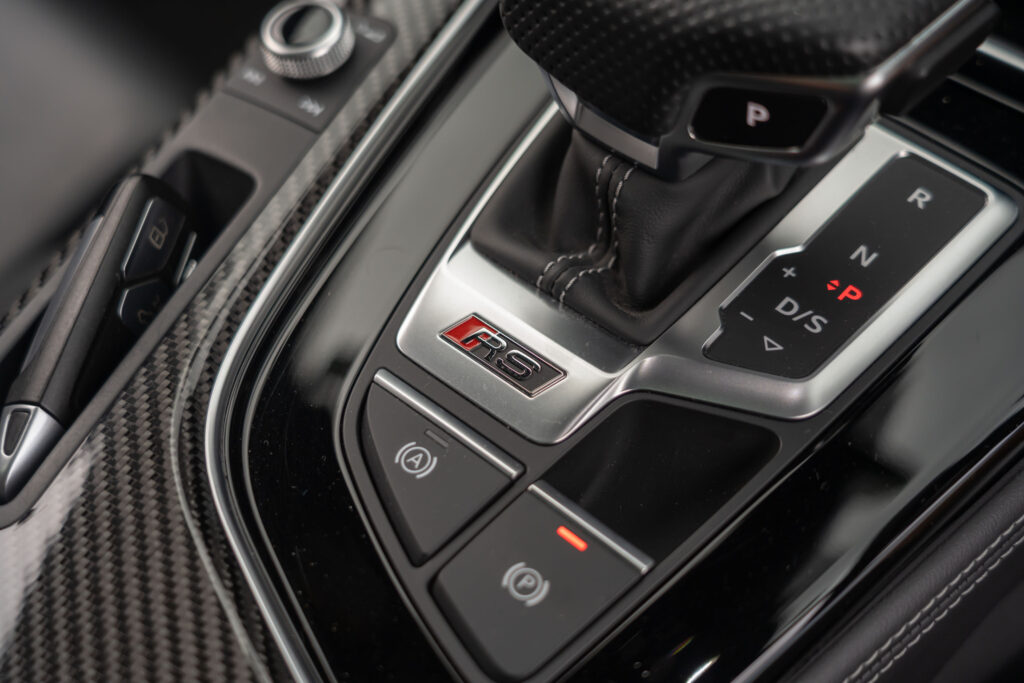
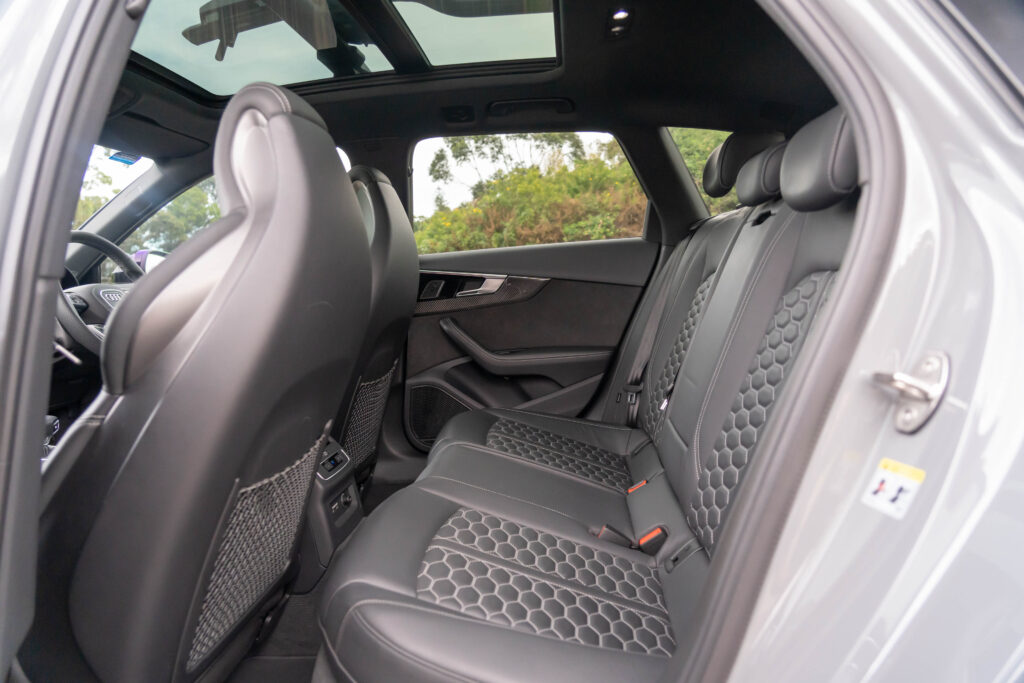
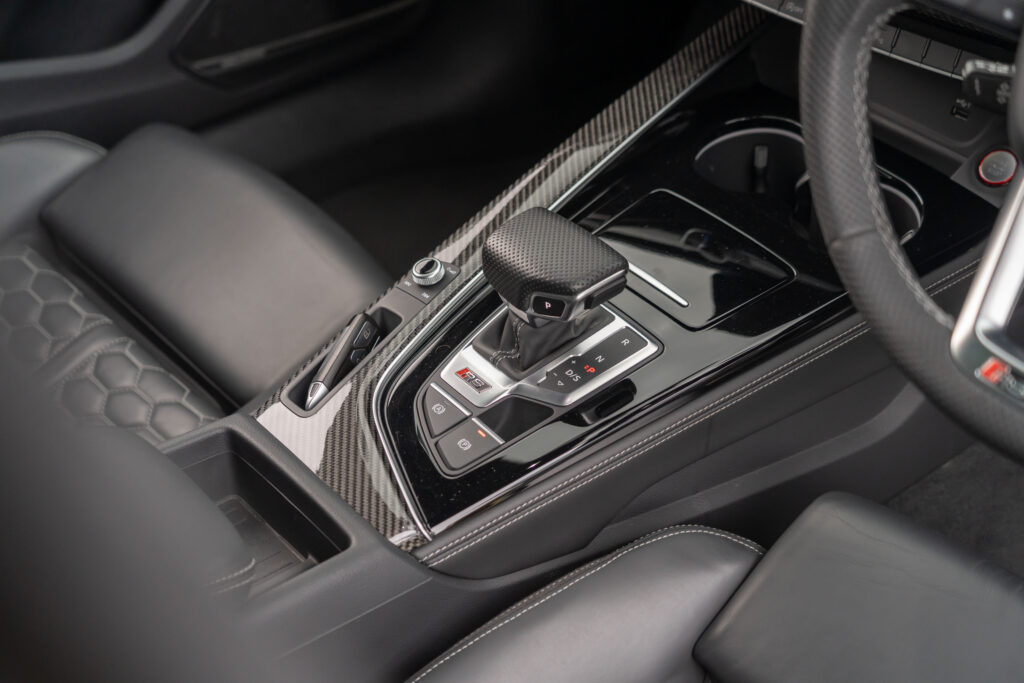
The interior of these RS4s brings the level of modern-era Audi refinements and comforts you come to expect, with subtle touches to highlight the performance ‘RS’ character and remind you this is not a standard A4 – from ‘diamond’ stitch seating surfaces to carbon fibre trim.
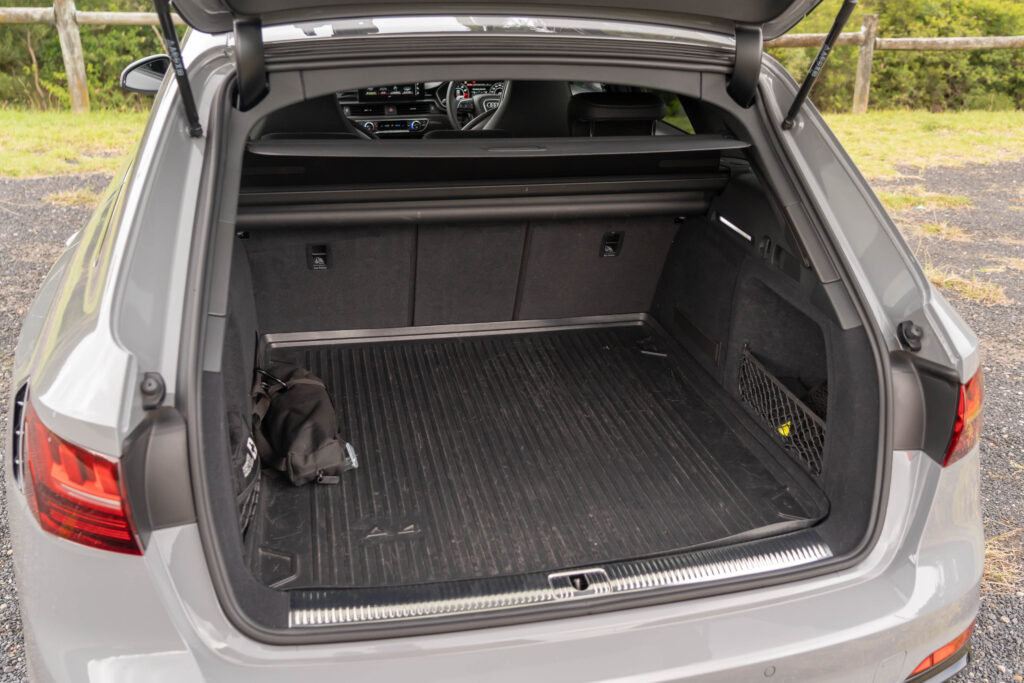
While it is a practical wagon with plenty of space for cargo and rear seat occupants, owners who use these as family movers report the interior may not be as resilient as assumed, especially if subjected to everyday use with young children.
The leather seats can also be susceptible to premature wear – common points include the outer side bolsters, and if exposed to harsh UV rays/hot climates like Australia with little care, the wear is more evident, getting loose and appearing nasty.
Various gloss surfaces throughout the interior can also scratch easily and show evident marks if not cared for.
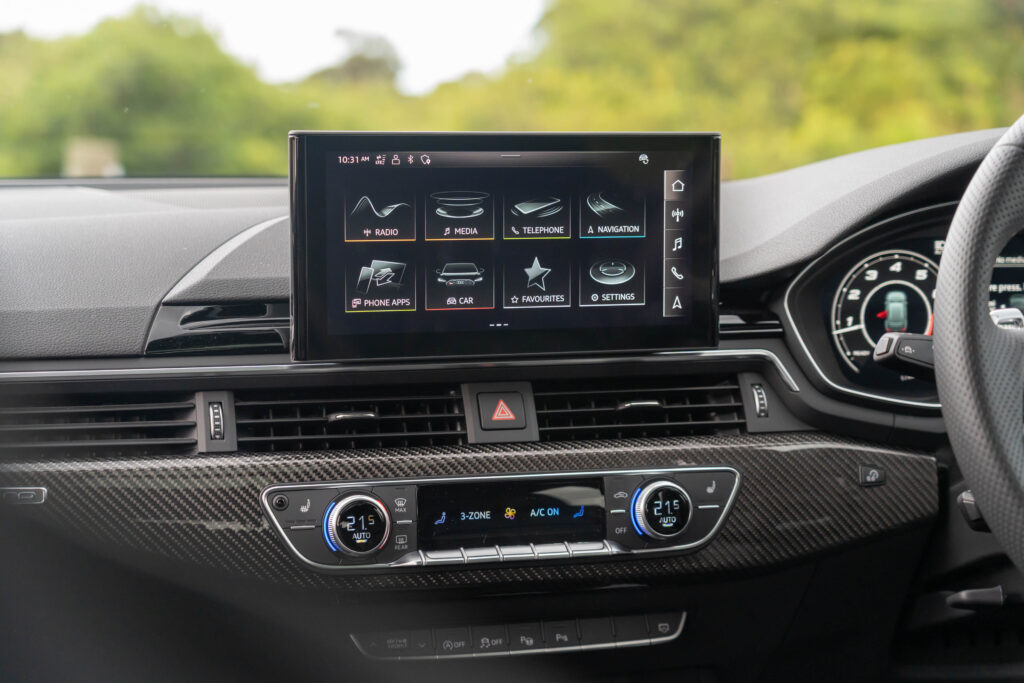
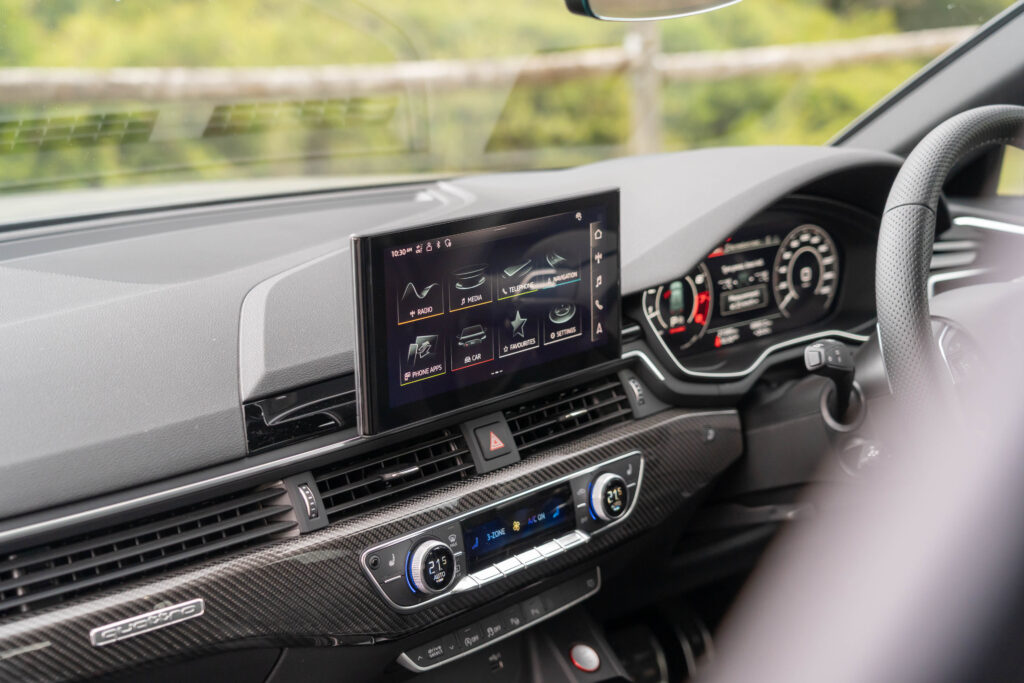
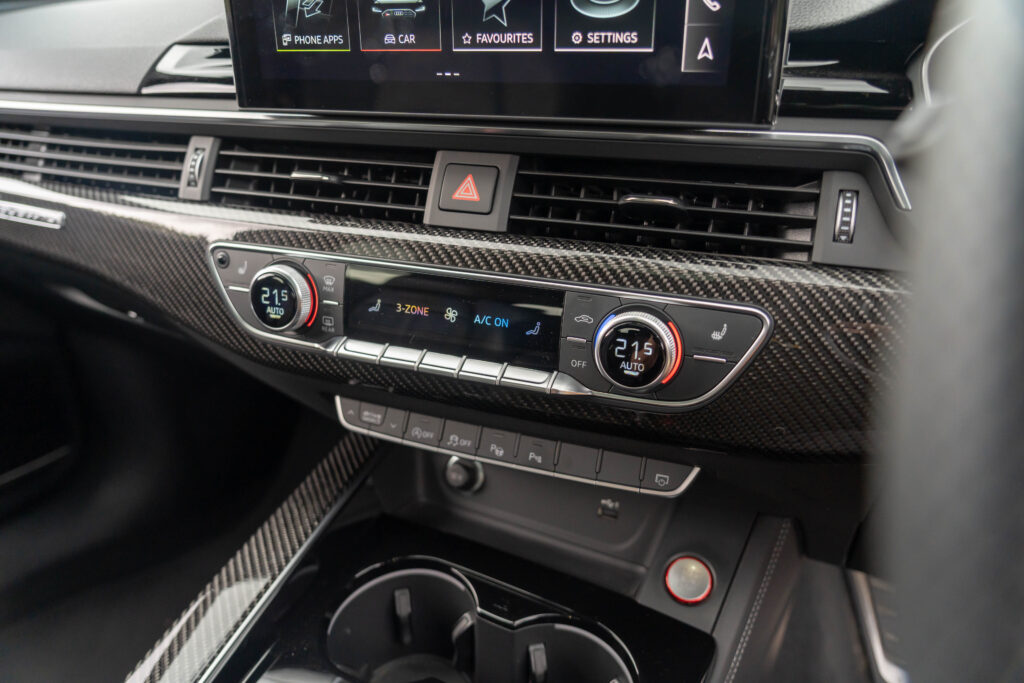
Both pre and post-update B9-gen RS4s, like all current-era Audi models, use the brand’s MMI infotainment system. Do note that pre-update cars operated via a rotary dial in the centre console, while post-update, this system was upgraded to a bigger, touchscreen-only setup.
It’s largely down to preference, but some owners report preferring the physical dial to the haptic-feedback-based setup. Also, these newer MMI head units are guilty of having more issues affecting the touch inputs or software UI.
Plus, there is the potential that if any of these MMI head units fail altogether, the costs to replace them with replacement OEM units can be very expensive.
Luckily, reports of pre or post-update systems requiring a replacement head unit are extremely rare, with any minor issues easily resolved with a software update; and unlike most of the modern head units we’ve discussed, there are hardly any reports of Apple CarPlay/Android Auto/Bluetooth connectivity issues.
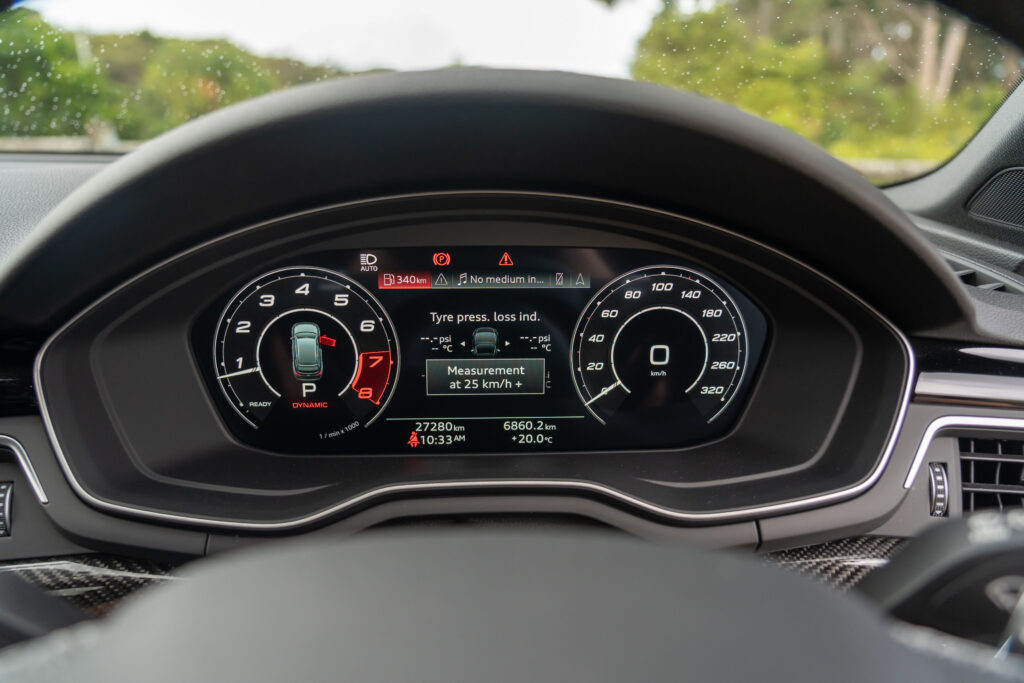
But whether you are looking at a pre or post-update RS4, try every button and function to make sure everything works. There are no common or serious gremlins reported among these; in fact, from our review of all the more modern European cars as of late, these have the least amount of common electronic gremlins.
In addition, just like the exterior, those in the Audi communities have said the build quality of the B9-gen RS4’s interiors is far better compared to the preceding B8-gen RS4, with far more resilient materials and fit/finish overall.
Mechanically:
Generally, Audis of this generation are still fairly new and are proving to be quite trouble-free.
Though compared to a standard Audi A4 Avant or Sedan, it’s expected that the top-line RS4 requires far more fastidious care and attention. This won’t be cheap, but ideally, these cars require regular investment to keep them in prime shape to avoid problems, or at least trouble-proof them in the long run.
It’s also worth remembering that they share a lot of parts with other VW models. So when buying or sourcing parts, do your homework and shop around, as you can save a lot of money – though for any RS4-specific components, we still recommend sticking with those made specifically for this model to avoid issues.
Engine:
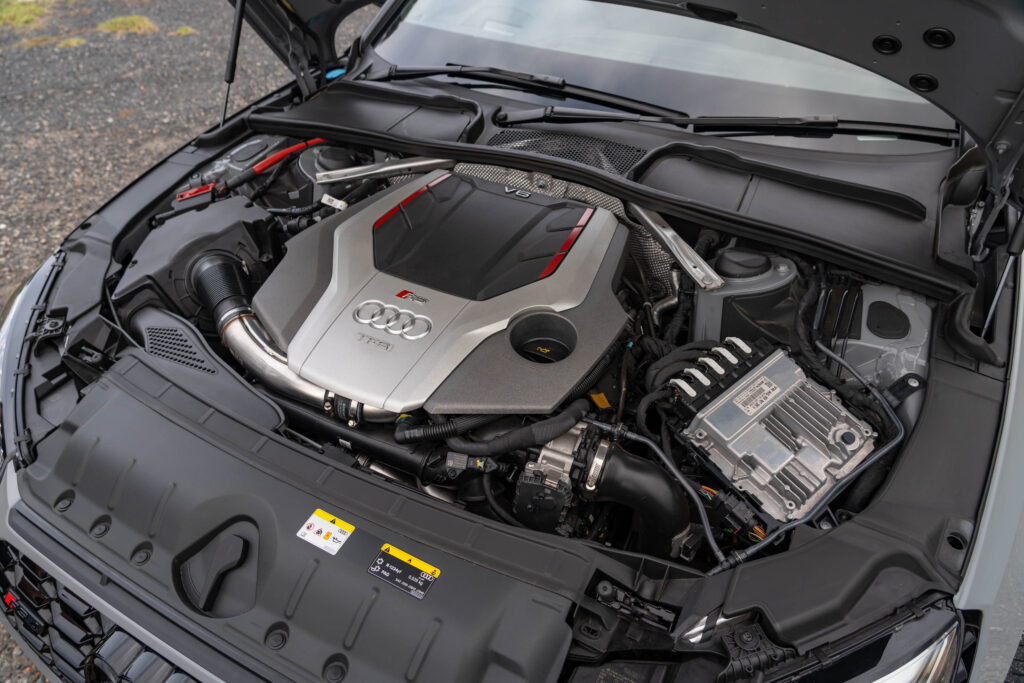
The 2.9L twin-turbo V6 this RS4 iteration uses is actually used in other Volkswagen Group products, such as the Porsche Panamera and Macan.
The main takeaway here when it comes to the engine’s reliability: if you hear any rattling noises from the engine bay, immediately stop driving!
Early models were prone to rocker arm failure, specifically the bearing within the rocker arms failing. The bearing fails, causing the rocker arms to ‘distribute’ themselves within the engine, leading to major top-end failure. It can also destroy the camshaft.
To fix this, the cylinder head must be removed, which also requires the timing chains to be removed. As they are located at the rearmost area of the engine, this means the entire engine block, transmission, and crossmember (including the front suspension) have all to be dropped out just to access these components, which is an unnecessarily complex design! (German Engineering)
If you neglect these rattling sounds or are even more unlucky, the rocker arm failure complications can also lead to major valvetrain or piston damage, or even a full engine rebuild. The worst-case scenarios can leave you with a repair bill well over $20,000!
Thankfully, for Australian-delivered cars, RS4s post July 2019 use a better grade of roller rockers, and these models should not be as unlucky to experience rocker arm failure (PSA: this issue also affected, and was resolved in the B9-gen Audi S4 and Porsche Macan that used the single-turbo variant of this V6).
The heat exchanger (located behind the front bumper bar) is known to leak internally, which can cause coolant to get into the inlet system. If you notice coolant levels dropping abnormally or can’t see any external leaks while using coolant, check this.
Another source of potential coolant issues is the water pump – it has a vacuum line that operates a mechanism internally, which can leak coolant into the line and cause it to get into the engine’s vacuum system, making its way into components like the turbo wastegate actuators and solenoids. It might appear like a low boost fault, so check it thoroughly.
High-pressure fuel pump rollers (follower) can also fail, producing sounds similar to a failed rocker arm.
The ‘hot-vee’ engine configuration of the V6 is worth keeping an eye on – these don’t have any immediate complications (as of now), as they age and accumulate more kilometres, they will have some heat cycle-related issues.
These can include oil leaks, with common areas being the oil filter housing and oil cooler. Other heat-cycle-related complications can affect the PCV valve and coolant system plumbing.
These V6 engines use direct injection, which means they can experience carbon buildup on their intake valves (that can be cleansed via walnut blasting or chemical solutions). But, as the intakes are located on the bottom side of the head and are hard to access, an engine removal is required just to perform a carbon cleanse.
Removing the engine in this RS4, as highlighted by the complex packaging and design within the compact engine bay, is no easy feat, so it shouldn’t surprise that quotes for labour to do this time-consuming work will be expensive.
It’s also worth replacing the hydraulic engine mounts while the engine is removed, as they are a known part to wear down.
Depending on markets and specifications, some recommend engine oil changes done every 15,000 kilometres using 0W20 engine oil. We strongly advise against this (especially for a performance car) – instead, use 5W30 engine oil and change it every 7,500-10,000 kilometres, possibly more frequently depending on driving style and how you use this car.
Some owners like to explore the engine’s modification potential, and there’s plenty of aftermarket support, from engine tunes to internal components, for this powertrain.
As we’ve said previously, exercise caution if you do intend to modify or are considering a previously modified example. Any amount of tuning to get these to generate more power from the factory can stress internal components and, if not done correctly, can seriously damage the engine.
Transmission:
B9-gen RS4s use a ZF-manufactured torque converter 8-speed automatic transmission (ZF8HP) and have been used not only in various Audis, but also in other models across different brands and segments.
Provided it’s serviced regularly, it can be very reliable and trouble-free, and generally is more ‘solid’ compared to other RS models that use the complex S-Tronic dual-clutch automatic. Avoid any ‘filled for life’ service recommendations, and do transmission services every 40-50,000 kilometres for maximum longevity.
As it features Audi’s ‘quattro’ all-wheel drive system, check that the Haldex differential and system function normally. Regularly serviced, they should be quite trouble-free.
Drivetrain:
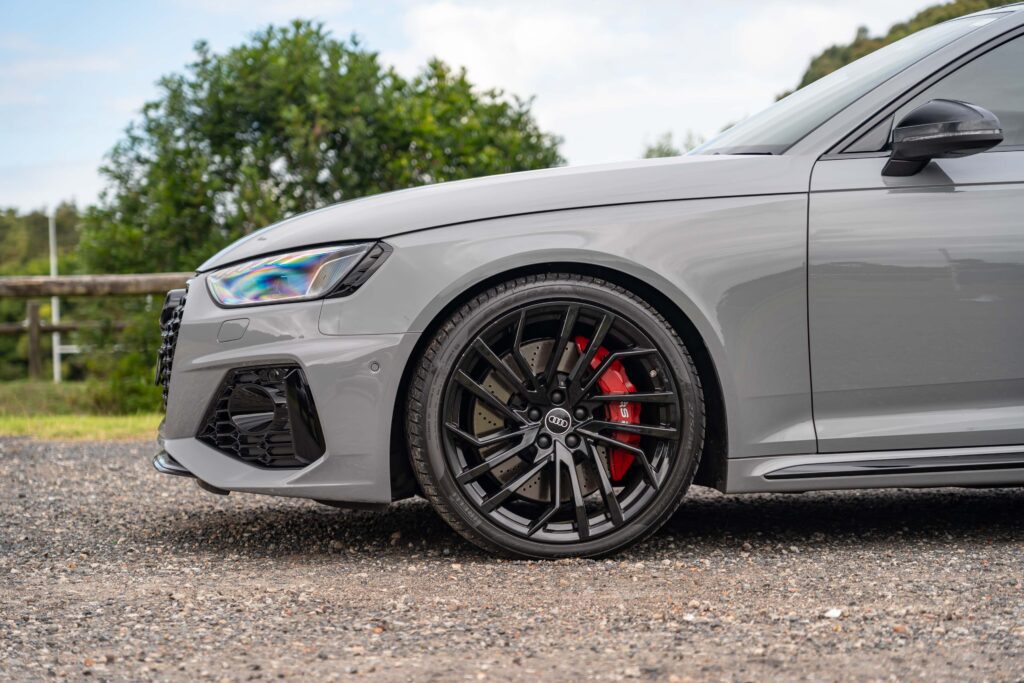
As an Audi, especially one bearing the performance ‘RS’ badge, OEM parts and consumables can, to no surprise, be priced exorbitantly. For example, new brake pads and rotors from Audi can start from at least $10,500!
Hence, as many owners tell us, it’s worth your time and money to explore aftermarket equivalents, especially for running gear components like brakes and suspension. These often cost half of what OEM Audi parts ask for, and they can outlast/outperform them too.
Also, when it comes to servicing or maintenance work, it’s recommended to avoid going directly to Audi dealers (especially if it’s out of warranty), which can quote labour and parts at ridiculous markups. Shop around to have independent specialists/workshops take care of these.
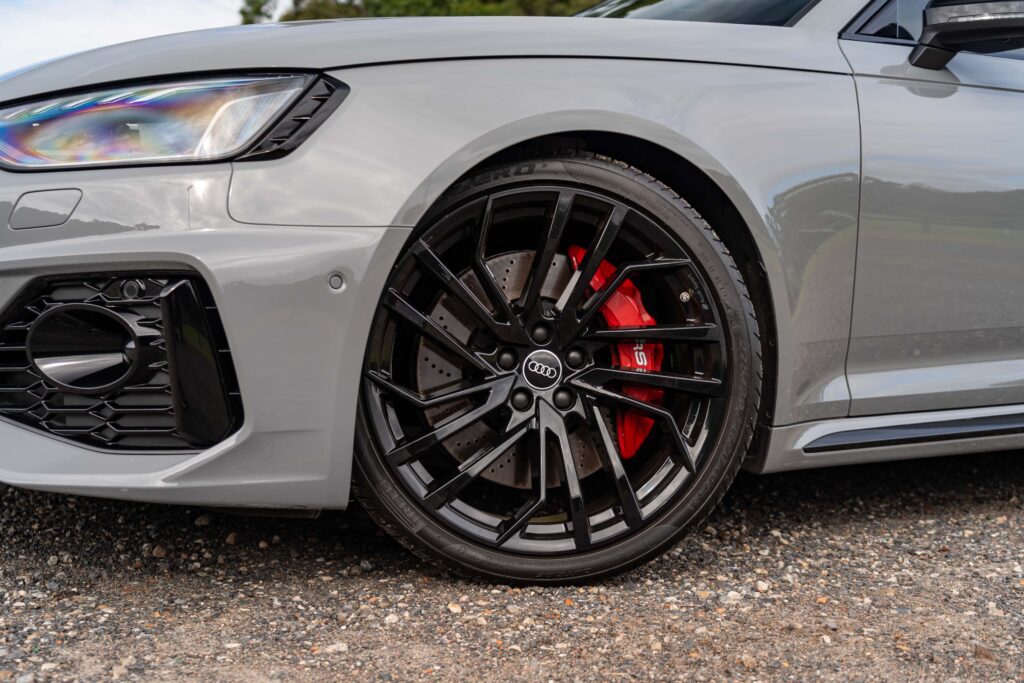
The RS4 is a heavy vehicle, with a kerb weight just shy of 2,000 kgs (1,790 kg) – so be very aware it can go through tyres and brakes as fast as it accelerates.
In addition, we’re told the tyre diameter tolerance of the RS4 Avant is very slim – in other words, you can’t have more than 2mm of tyre wear difference between the front/rear. Otherwise, this can cause issues with the internal tech and mechanics controlling the quattro all-wheel drive system.
The result is that if one tyre is found to be worn out more than the others, or if they get punctured (which requires a full tyre replacement), you can’t just replace one tyre – you have to replace all four altogether. Plus, being a performance model, these RS4s require premium, high-performance tyres, which, depending on what setups you go for, will be quite expensive too.
The heavy weight can also wear suspension parts fairly quickly, like bushes – owners of early, higher-kilometre cars report these components wearing quite early in their cars’ lives, evident in vagueness within the steering and more audible noises/lack of responsiveness.
Standard RS4s use dynamic ride control (DRC) suspension units, which can begin to leak after just five years. Owners have told us they’ve significantly benefited from using quality aftermarket suspension parts, both for value for money and longevity.
It’s also worth highlighting that Audi improved the steering rate and behaviour on cars equipped with the Competition Plus Package (MY2022 onwards), which also ditched the active dynamic ride control suspension for adjustable KW coilovers that have been praised for being superior (quality and function-wise) over the DRC units.
Prices began around $150,000 when the B9-gen RS4 was new, and now you’ll find on the used market that pre-update RS4s range between $55-140,000.
The newer, post-update RS4s are still priced at a premium (ranging from $90-$115,000), alongside the Competition Plus cars, but when approaching these Audis in the used market, it’s worth considering slightly older, standard models and then investing in a few modifications to get the most out of your money’s worth.
Plus, while the Competition Plus package brings all the impressive ‘bells and whistles’ and performance equipment, realistically, how often are you going to use them in the real world or go on track days in a car like this?
The RS4’s direct rivals – the BMW M3 Touring, the Mercedes-AMG C63 Estate, and even its larger counterpart, the Audi RS6 Avant are equally enticing and offer their own selling points, especially when these are compared against each other in a new car review.
But within the used market, is the BMW really worth $30-40,000 more than what an equivalent RS4 is currently asking for? The Mercedes and RS6, meanwhile, can experience far heavier rates of depreciation (long-term), whereas the RS4 is currently holding its value slightly better than its rivals.
We feel that when it comes to getting the most out of your money when considering these fast wagons used, the B9-gen RS4 is the choice to go for – if you can afford what’s required to keep these machines in great shape and a pre-purchase inspection shows no worrying concerns.
Ultimately, if you value the dying breed of enthusiast cars that are performance wagons, you deserve respect for your taste and appreciation for these models.


Co-creator, presenter & writer, ReDriven

Yes. But only the right example.
 1 week ago
 2 weeks ago
 3 weeks ago