Australia’s No. 1 Used Car Review Website
Australia’s No. 1 Used Car Review Website
+23 Photos

2009 Toyota TRD Hilux 4000SL

07 September 2026
Yes. But only the right example.

2009 Toyota TRD Hilux 4000SL

Used car review
07 September 2026
As a prime example of Toyota’s ruggedness, dependability, and long-term reliability, no model better represents this than the Toyota Hilux. These traits continued with the 7th-generation of their best-selling ute/pickup truck model, originally produced from 2004 all the way until 2015.
Based on Toyota’s ‘IMV’ ladder-on-frame platform, depending on your region and market, you’ll find this iteration of the Hilux shares a lot in common with the first-generation Toyota Fortuner SUV.
Though it may be from a Japanese brand, 7th-generation Hiluxes represented a first for the nameplate as the first generation not to be assembled in Japan.
The majority of these were made in Thailand, but other markets/regions also received models assembled in Argentina, Malaysia, Pakistan, South Africa, and Venezuela. In the case of those originally delivered for Australia, we received the Thailand-produced Hiluxes.
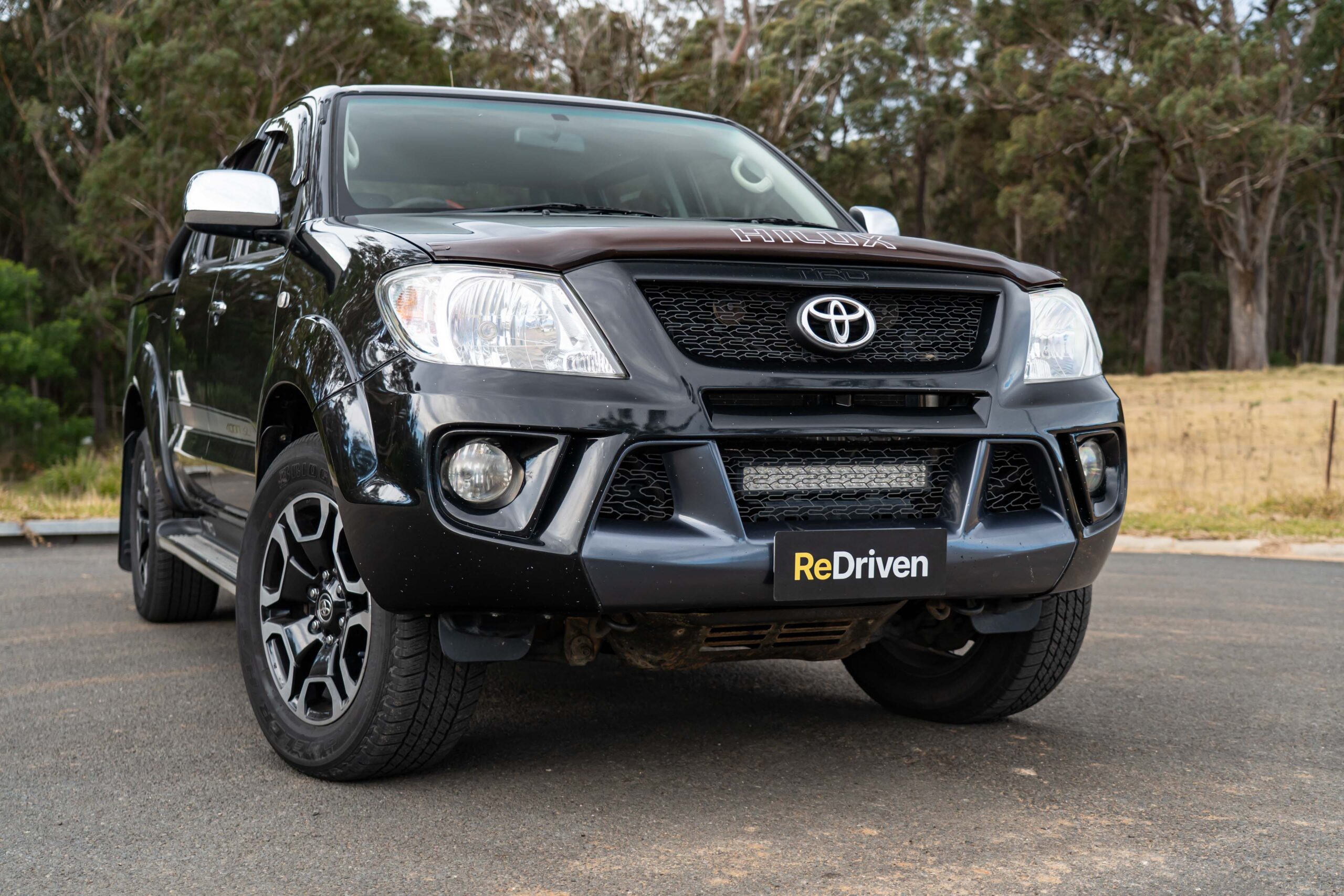
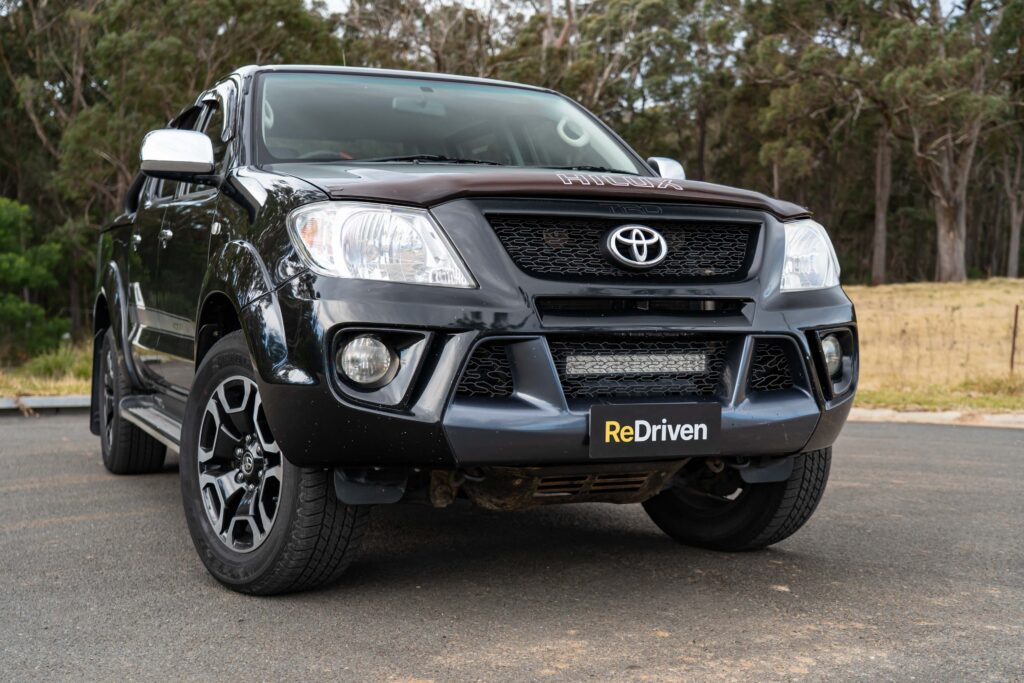
Within its lifecycle that spanned more than ten years, this iteration of the Hilux experienced two facelifts, first in 2008 and another in 2011. More recent 7th-gen Hiluxes stand out with a different front grille design, less curvaceous headlights, along with slight changes to the interior design and materials.
This iteration of the Hilux was available as a two-door single cab and a four-door dual cab, with various petrol and diesel engines under the hood, sending power to a five-speed automatic or manual transmission through rear or all-wheel drive.
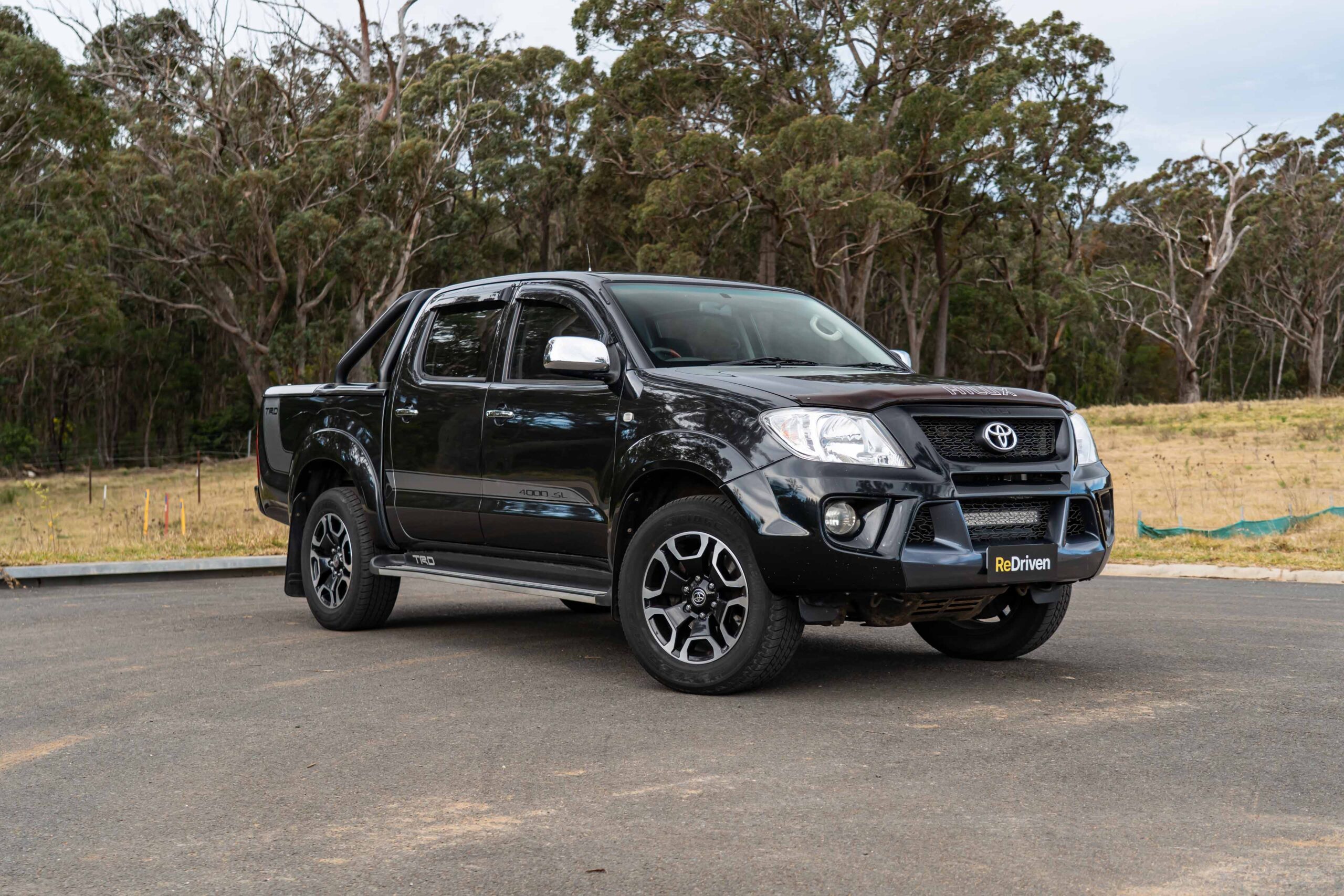
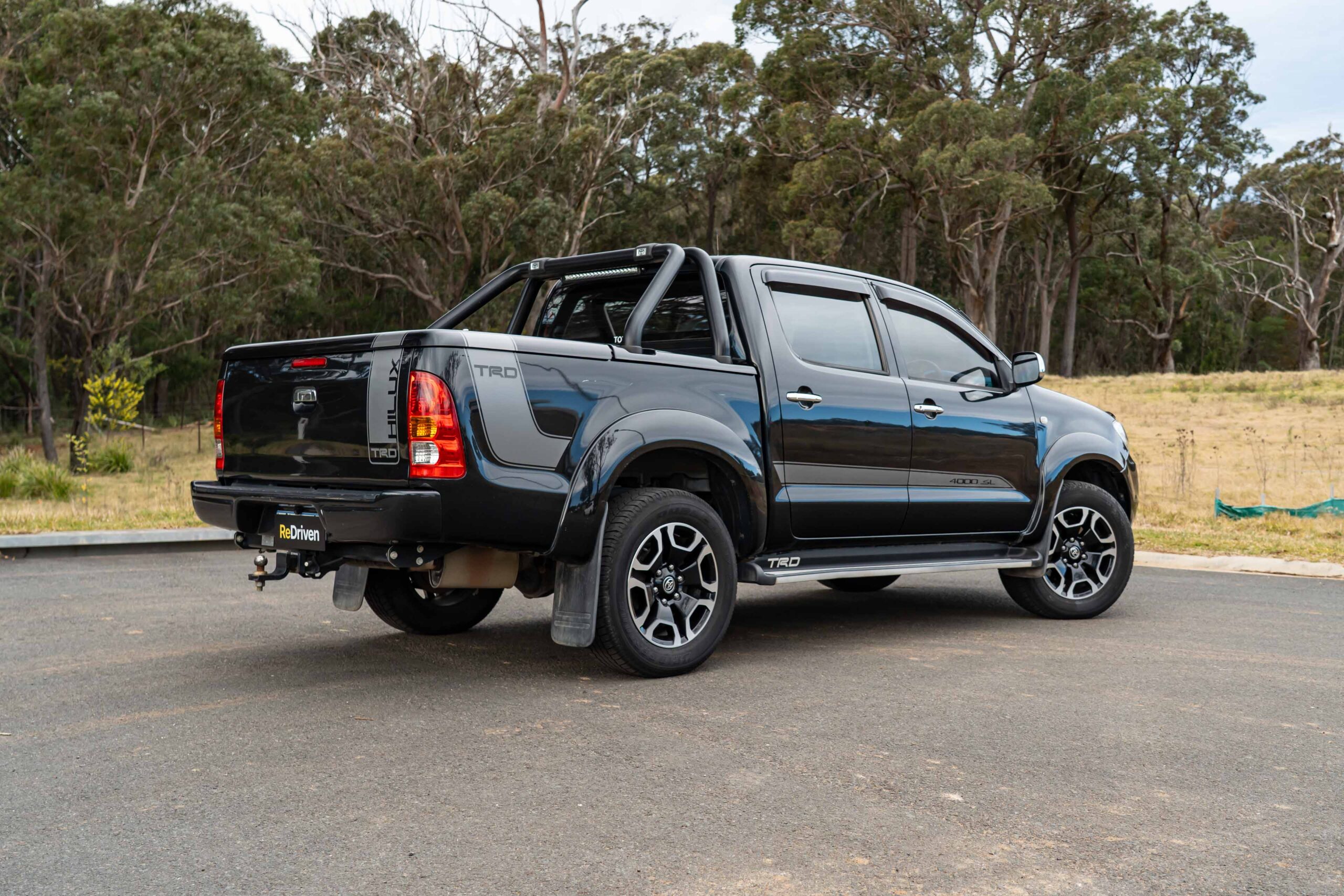
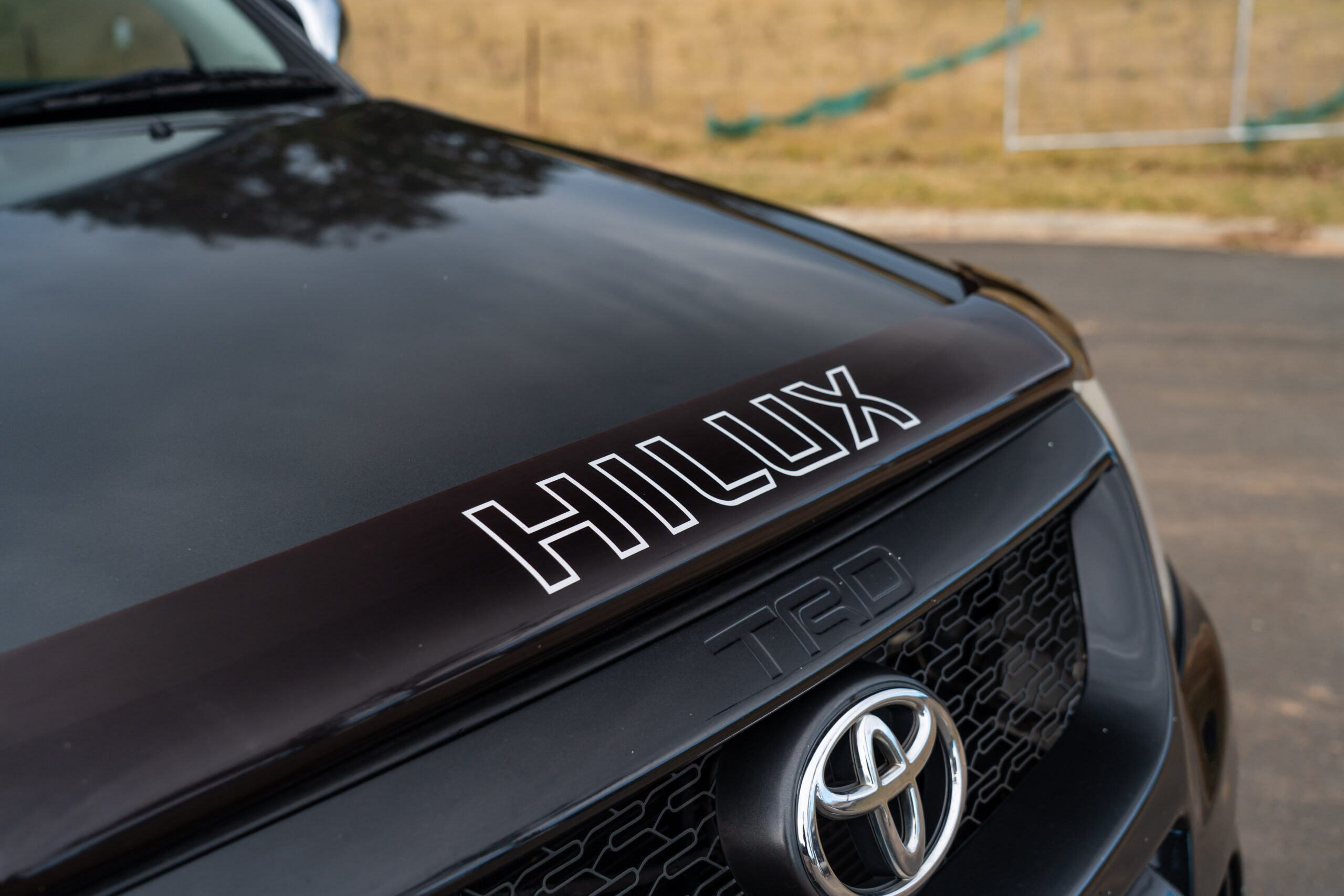
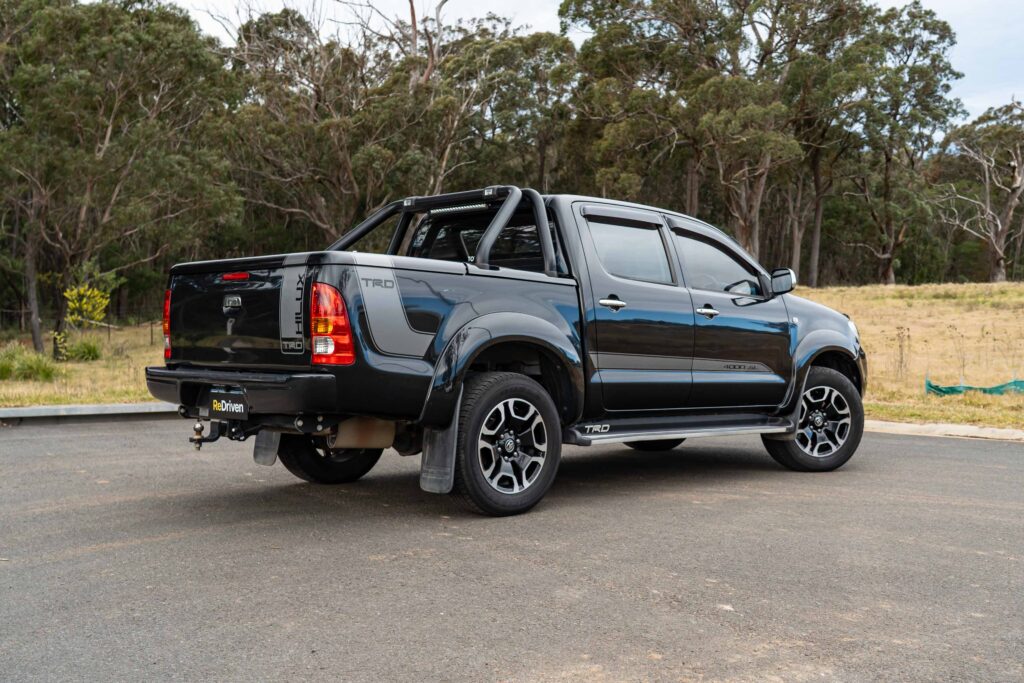
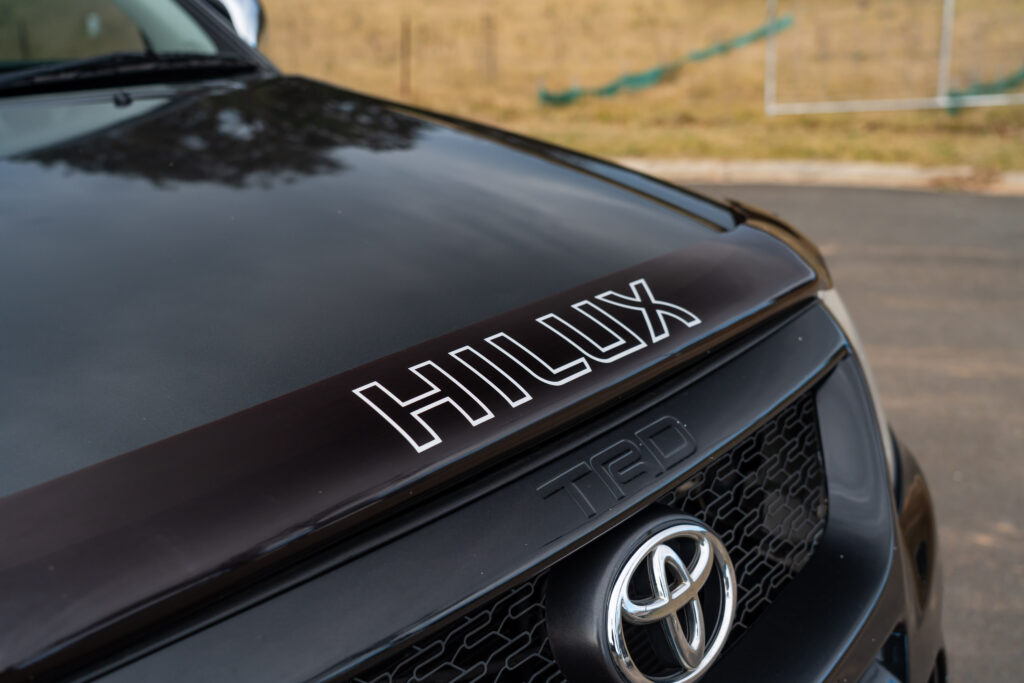
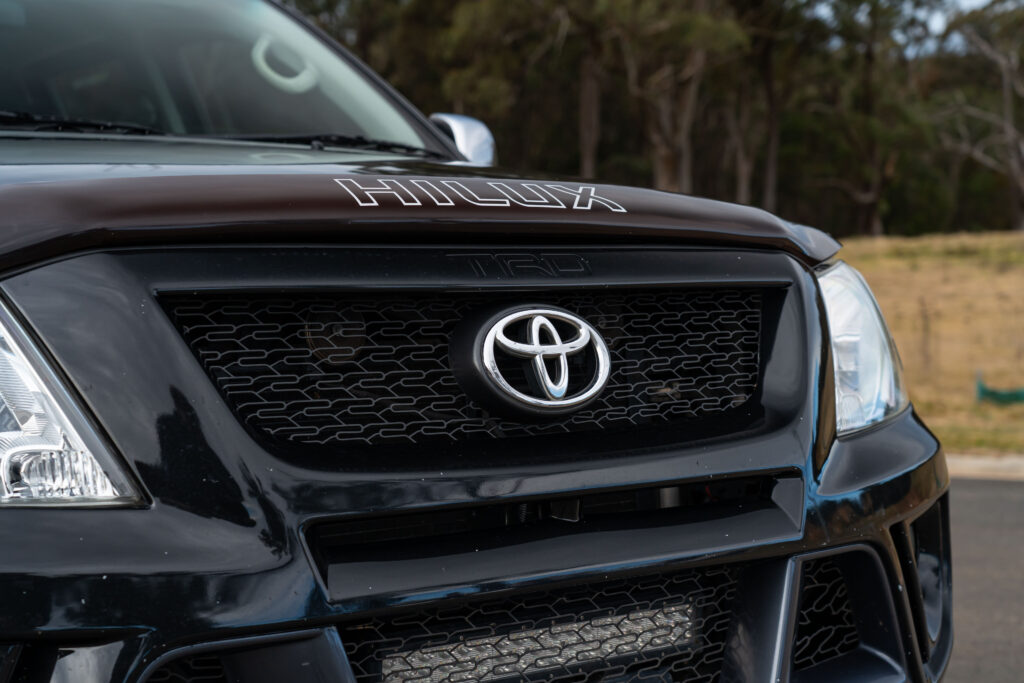
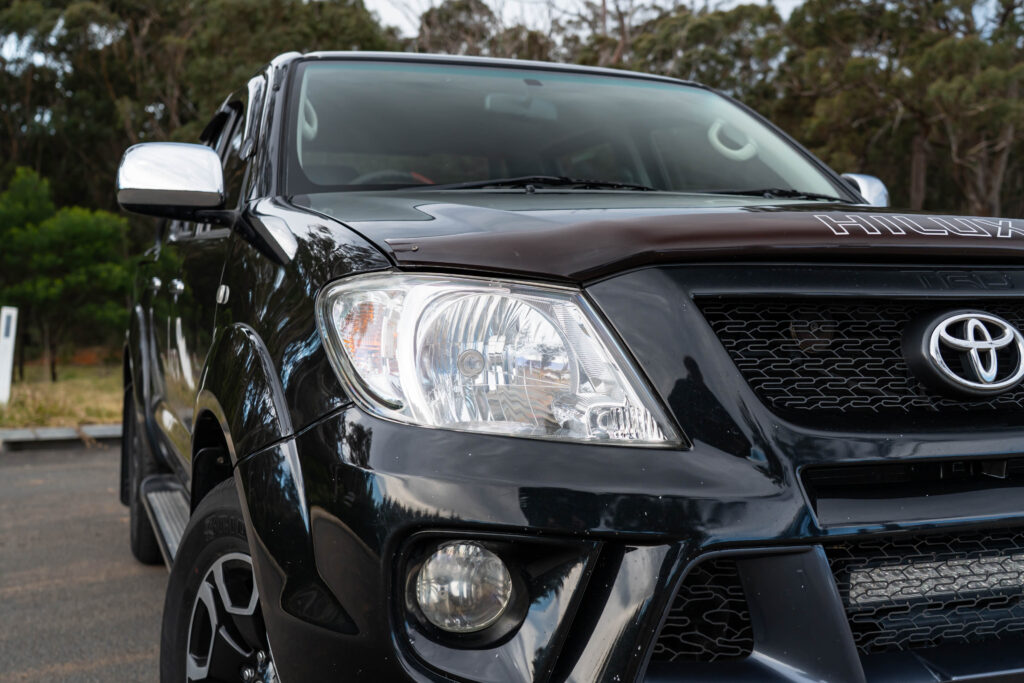
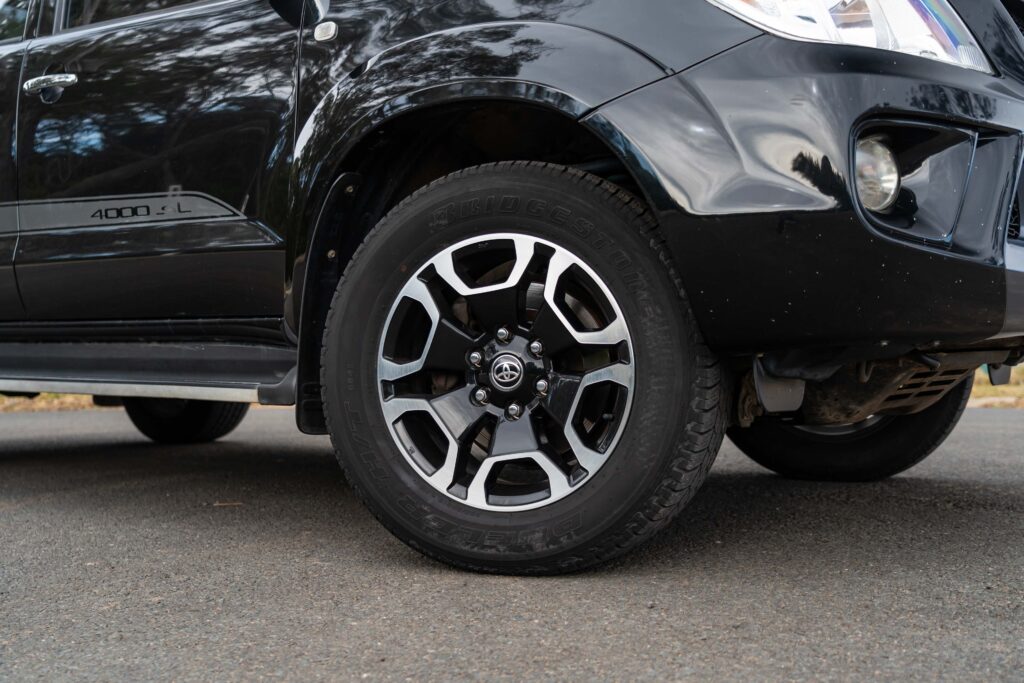
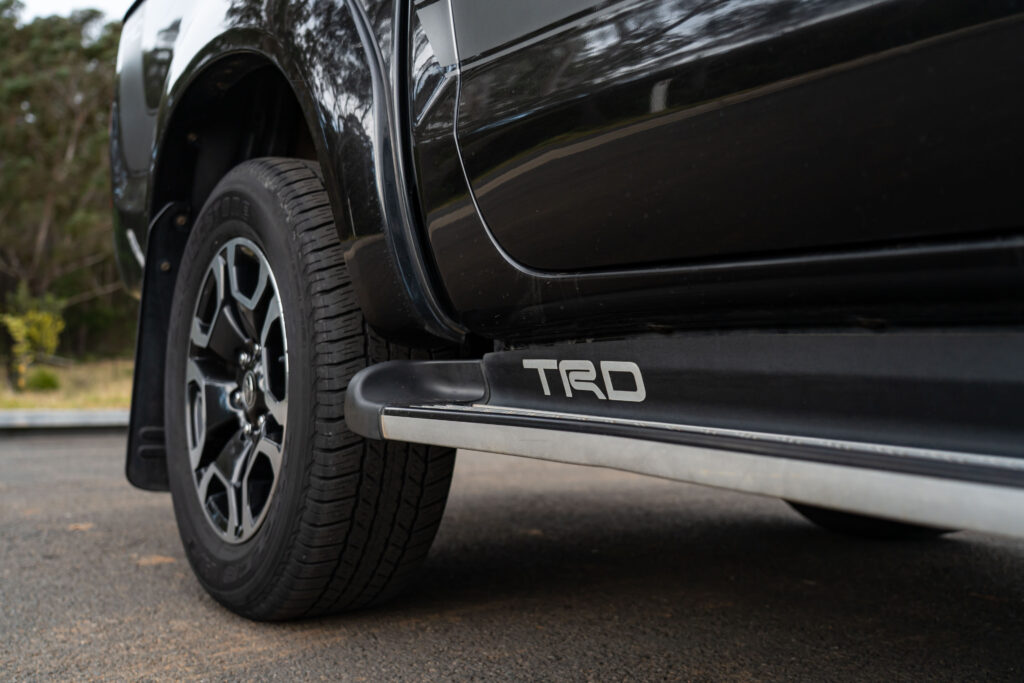
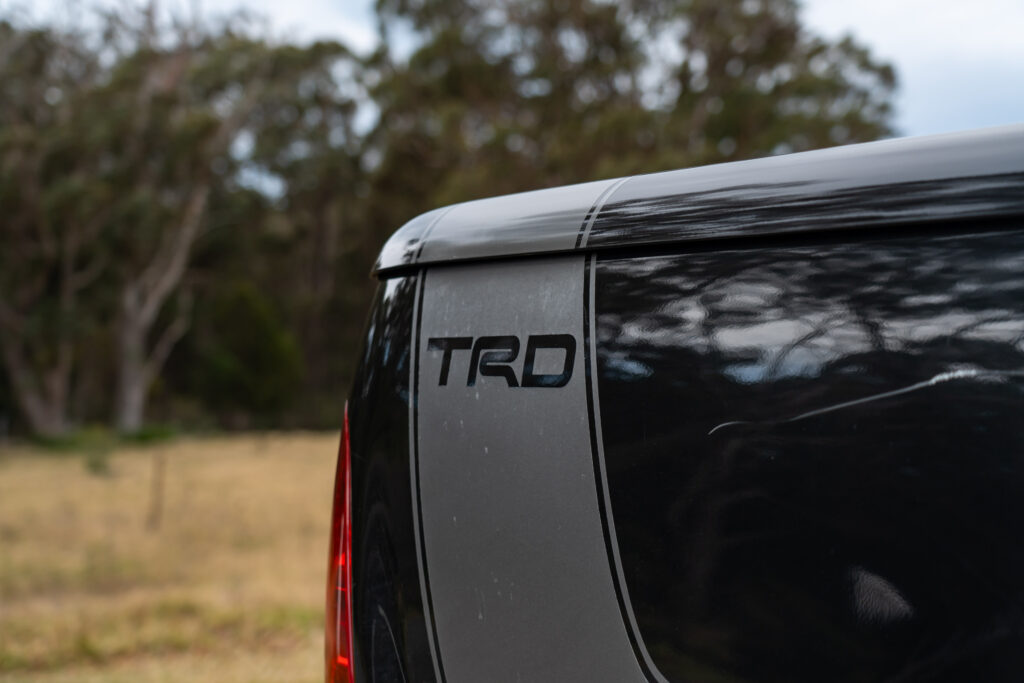
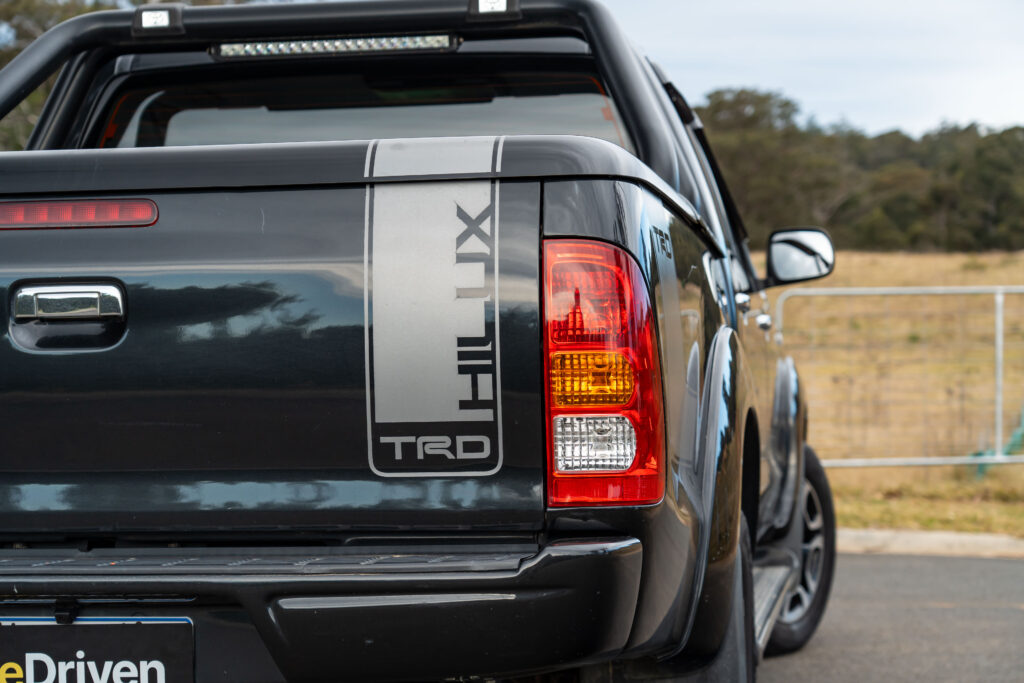
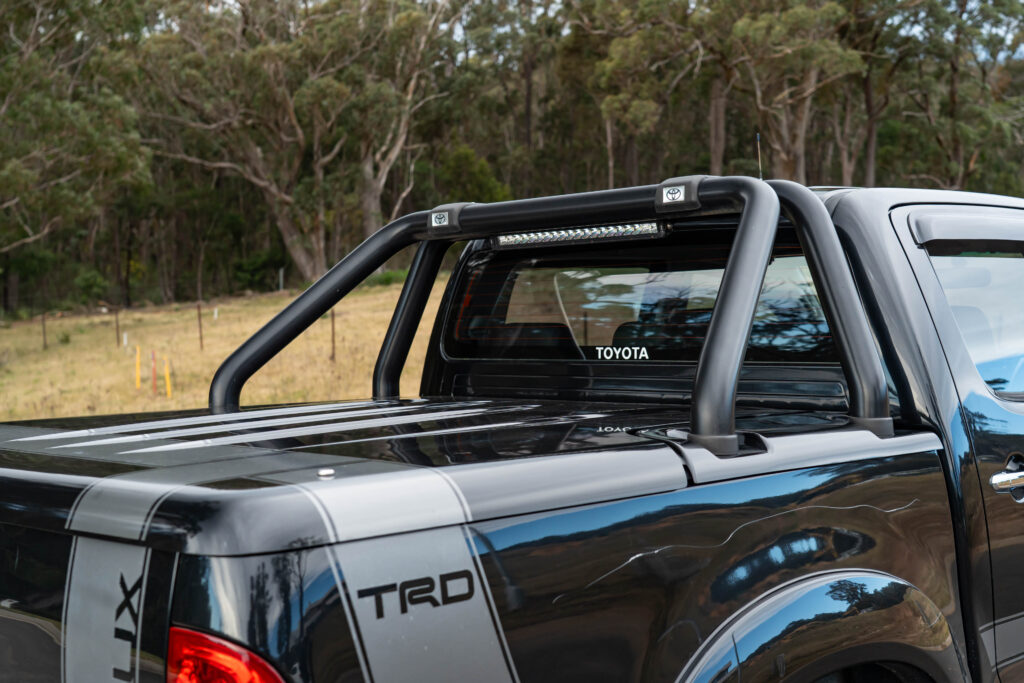
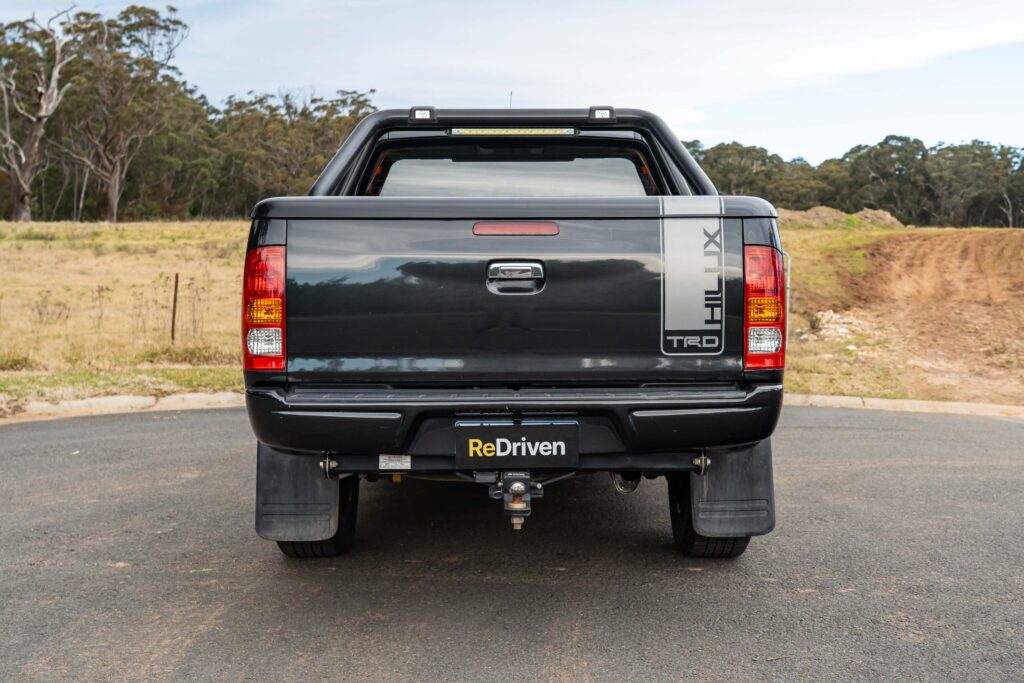
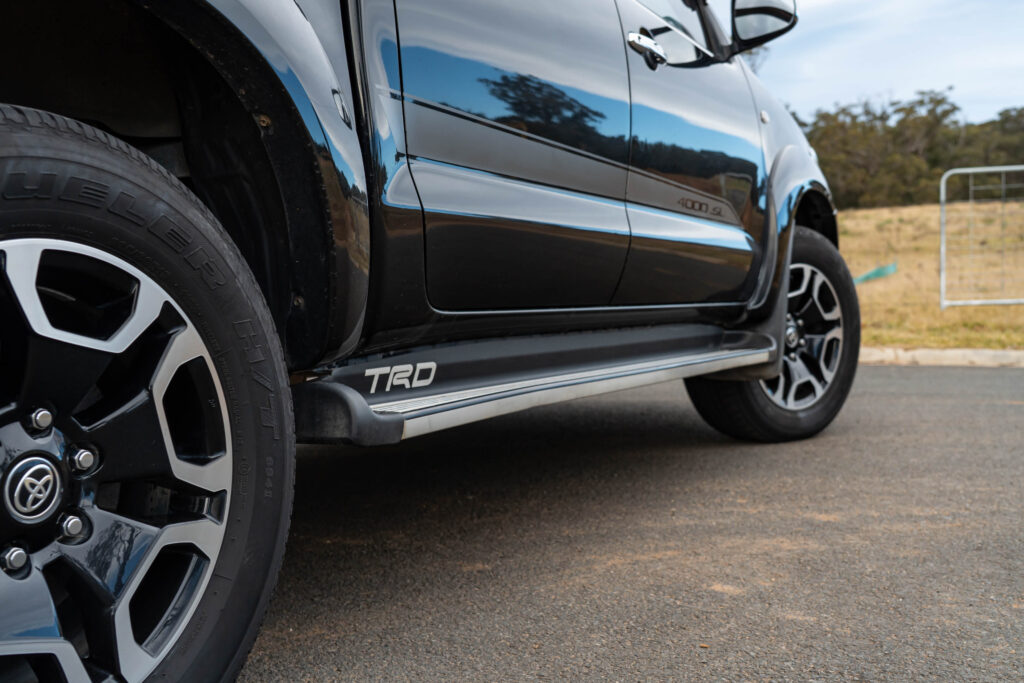
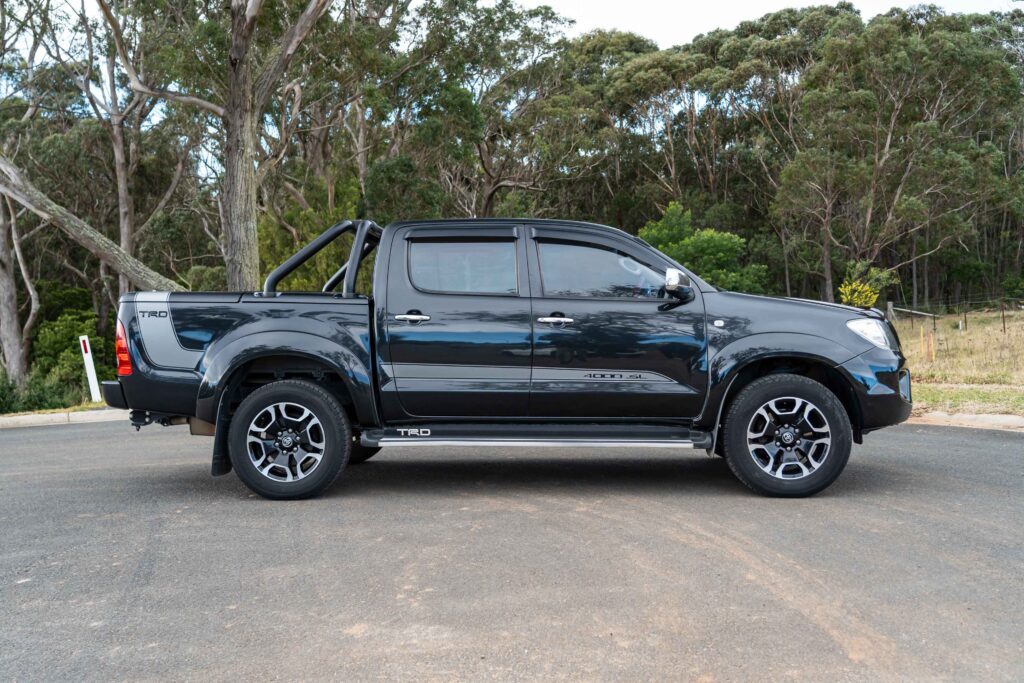
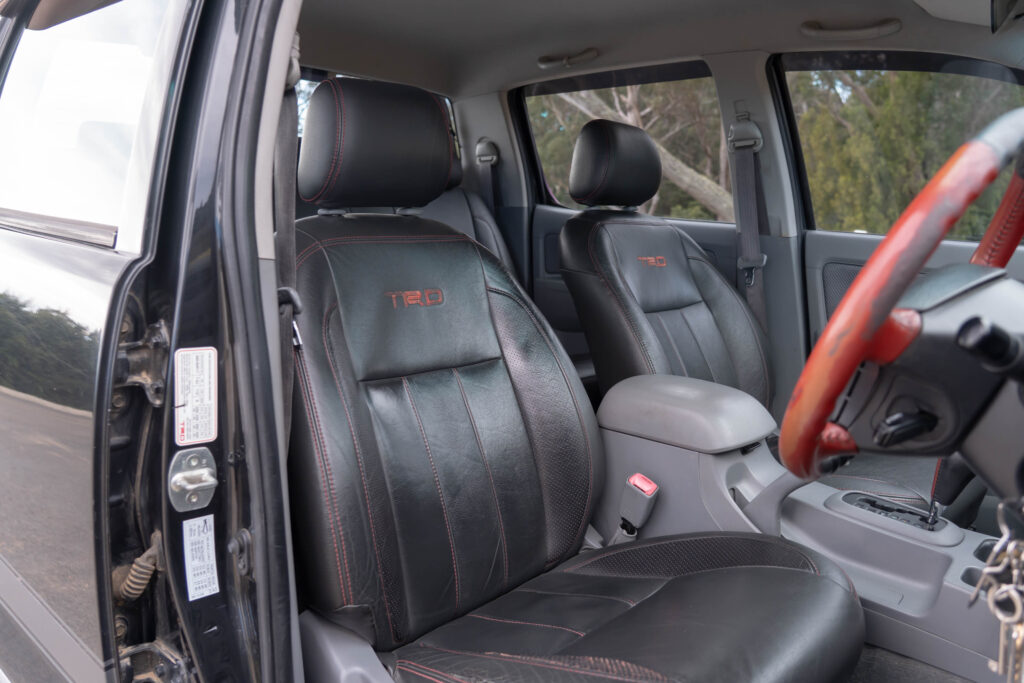
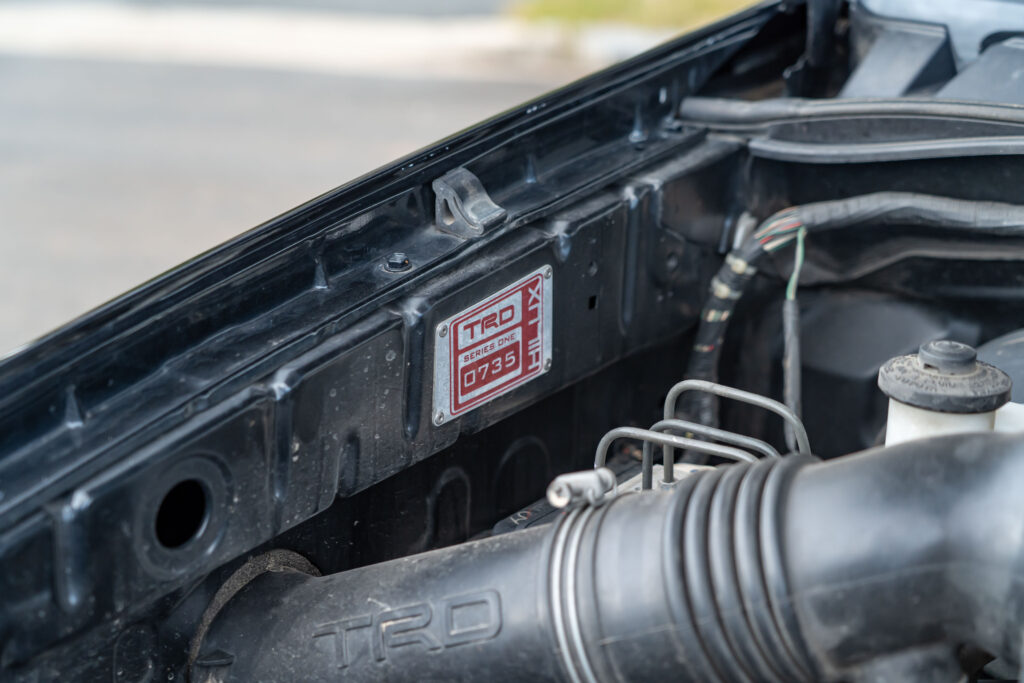
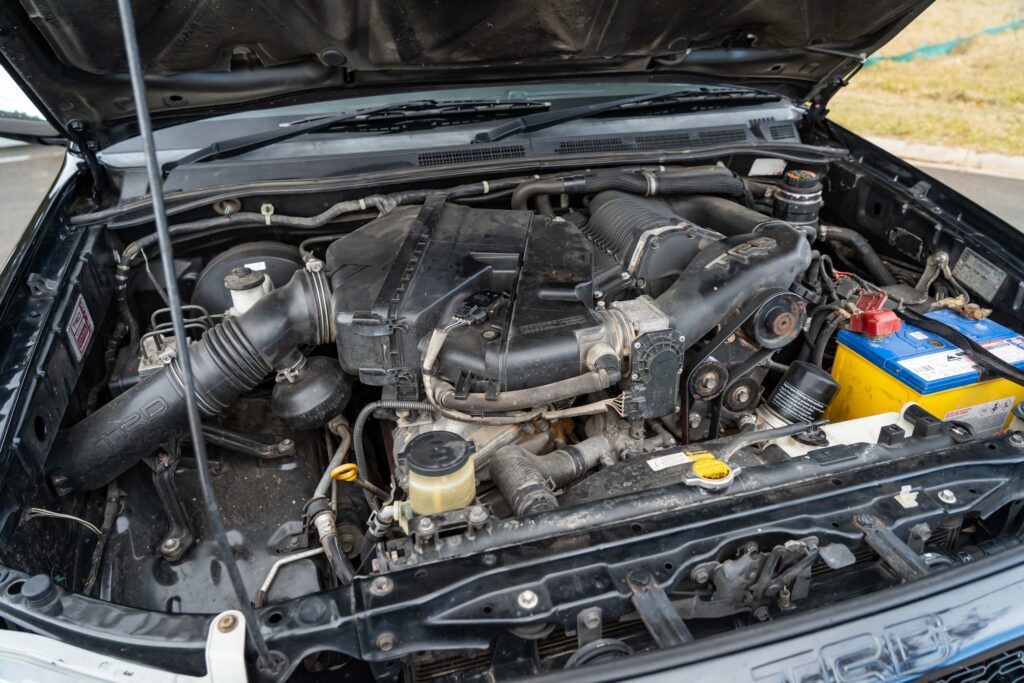
But relatively under the radar, and quite a special ute at that, are the TRD Hilux models, which underwent a series of upgrades by Toyota Australia’s in-house tuning division, who bolted on an Eaton supercharger to the V6, added Bilstein shock absorbers, bigger front brake rotors/calipers, all wrapped around a more prominent body kit.
Comparable utes to 7th-gen Hiluxes are not short in number, ranging from Japanese models like the Isuzu D-Max, Nissan Navara, Mitsubishi Triton, to legacy Australian names like the PX-gen Ford Ranger or Holden Colorado.
Exterior:
Most examples of 7th-gen Toyota Hiluxes are nearing close to twenty years old now, and while this may be a Toyota product with a track record for solid build quality, age-related issues are worth keeping an eye on, especially on examples used hard in rough settings or environments.
The exterior clear coat and paint quality can vary and are dependent on how past owners have treated it, but those looked after meticulously are reported to still hold up fine.
Also inspect for any major dents or panel damage, minor scratches are to be expected of a commercial vehicle like this, but any serious damage or hints of poor repair work are clear signs to walk away and focus on other examples.
Rust and corrosion are also worth keeping in mind with utes this old. The area surrounding the windscreen and the undercarriage are common areas to inspect, rust underneath may be limited to cosmetic, natural patina, though any examples that have been driven off-road but not cleaned of salt water or debris thoroughly can easily allow more serious corrosion to settle within.
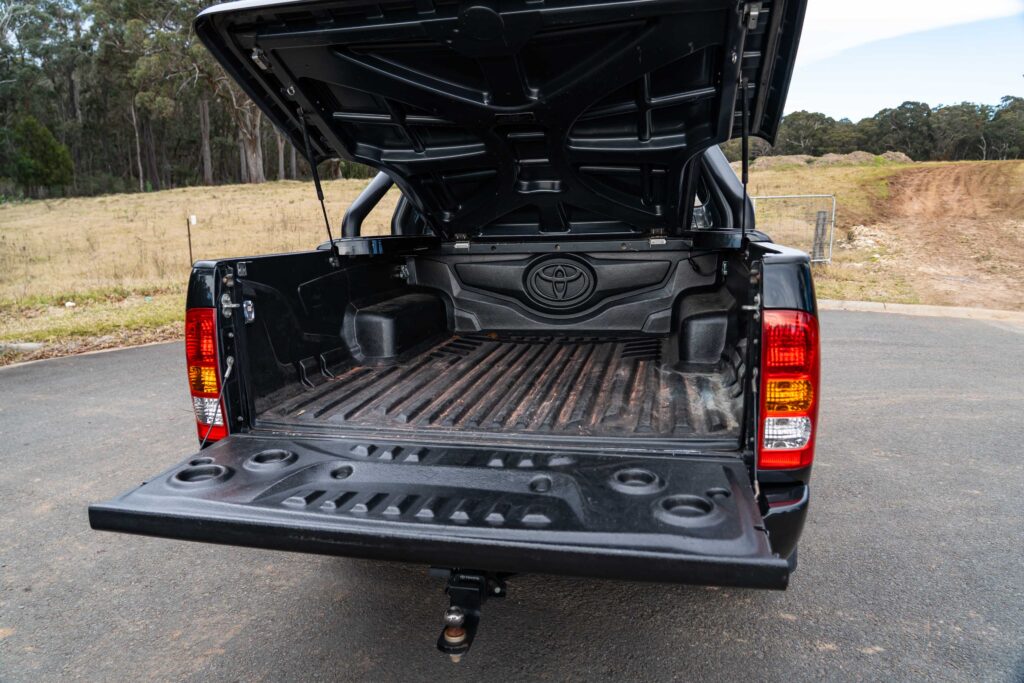
Check the condition of the rear tub, heavy loads or any hard use of this cargo area can easily scratch paint off, or if enough surface damage collects, lead to rust/corrosion forming in this area as well.
It’s also worthwhile inspecting underneath the rear bedliner, as there’s the potential for hidden surface damage or undisclosed repairs/corrosion, especially if the lining appears to have been recently replaced.
Interior:
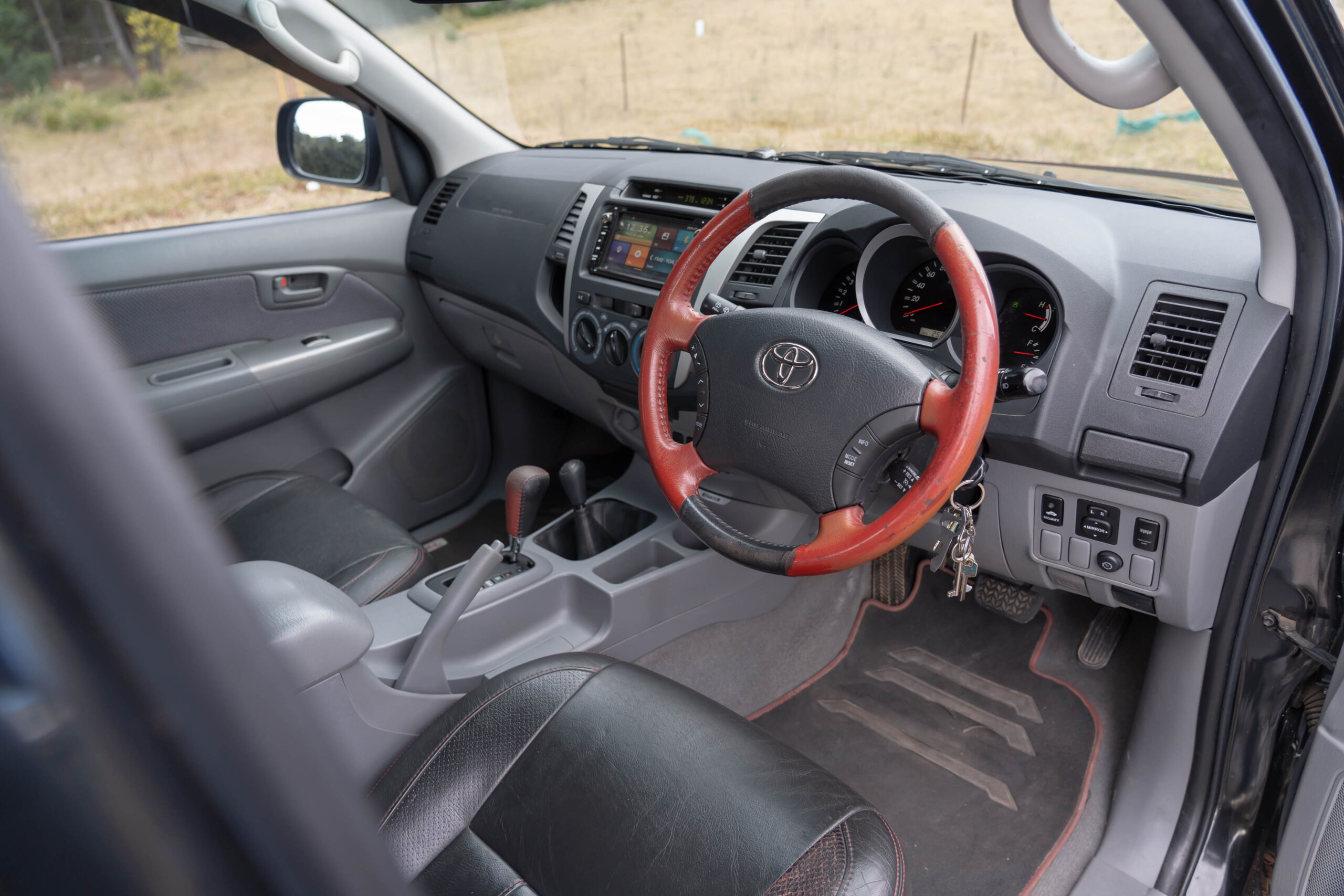
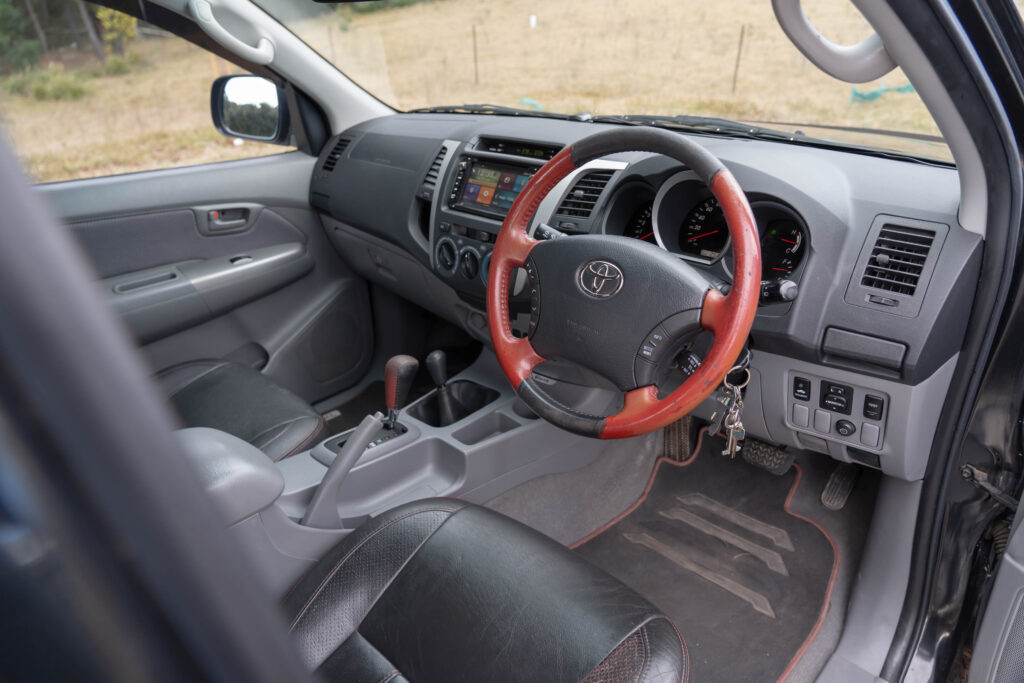
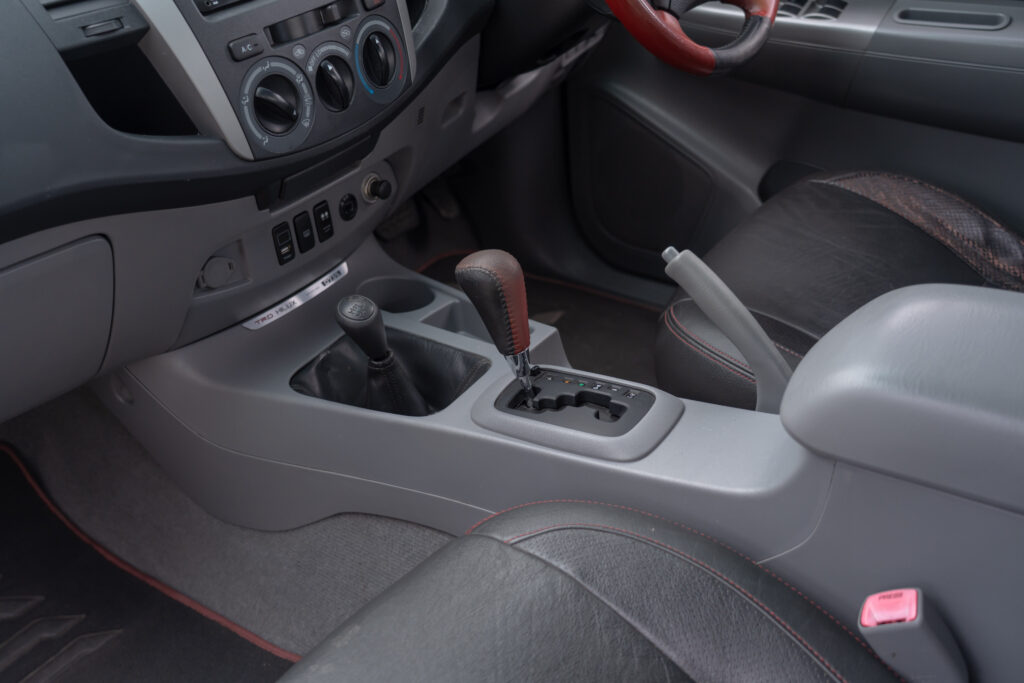
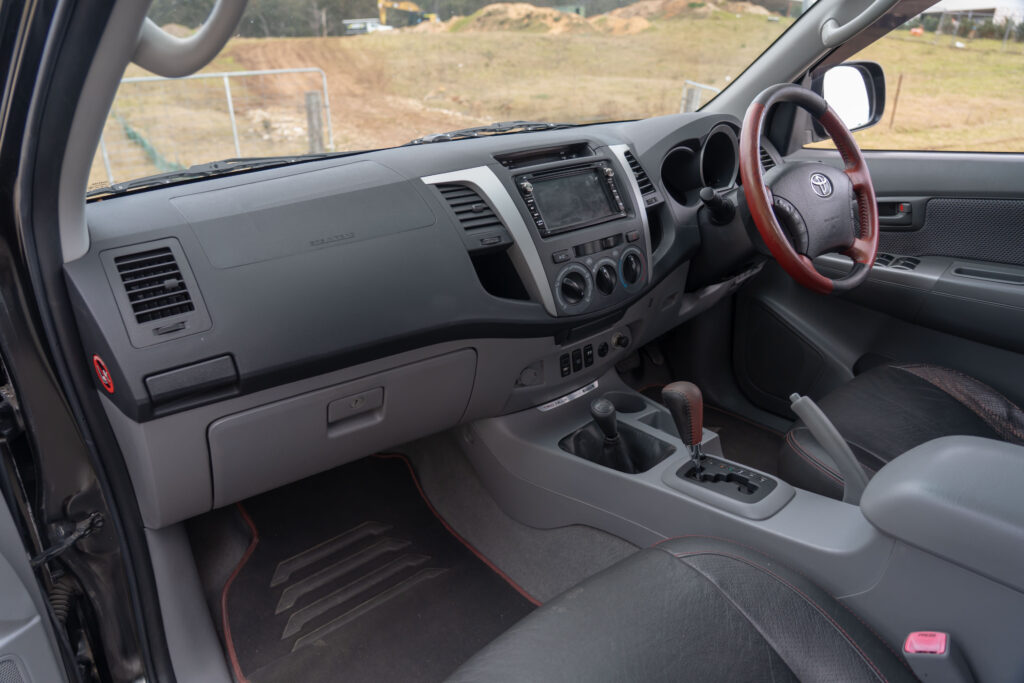
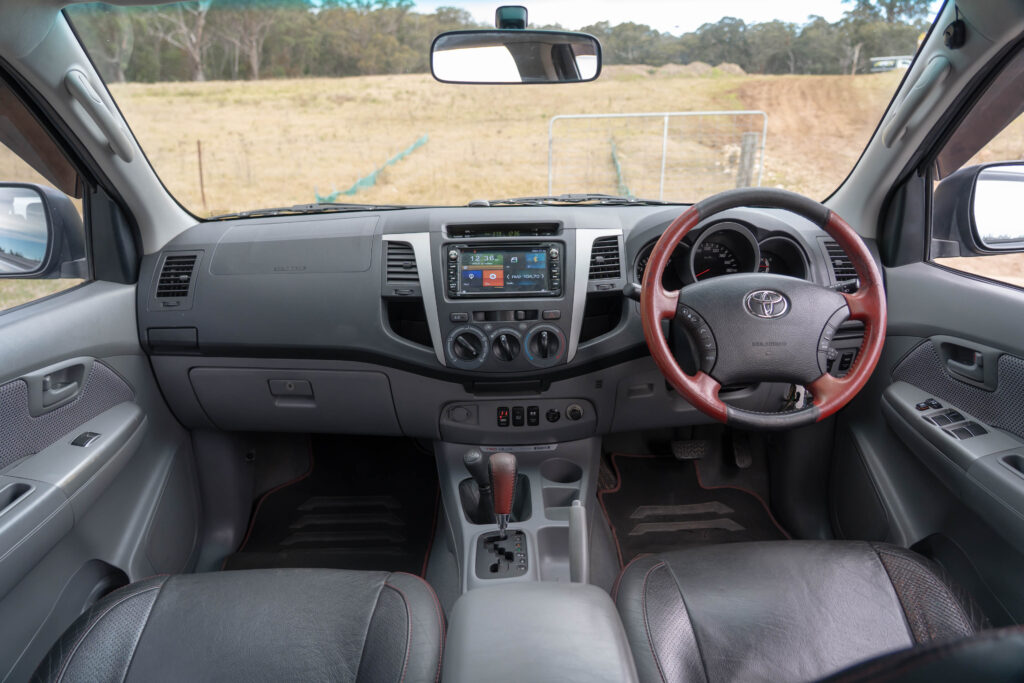
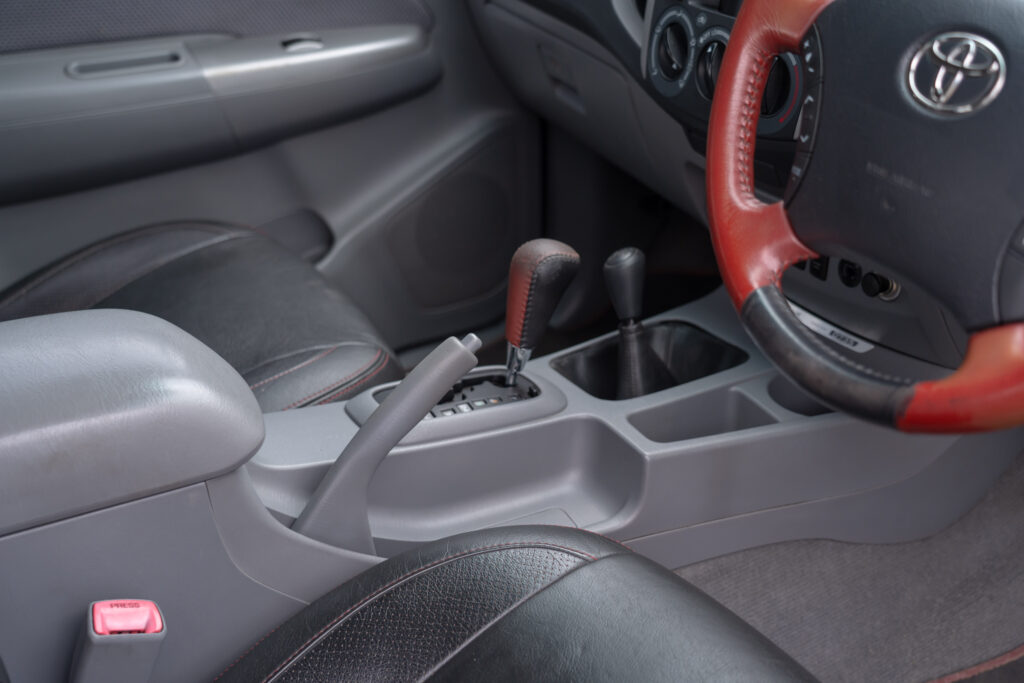
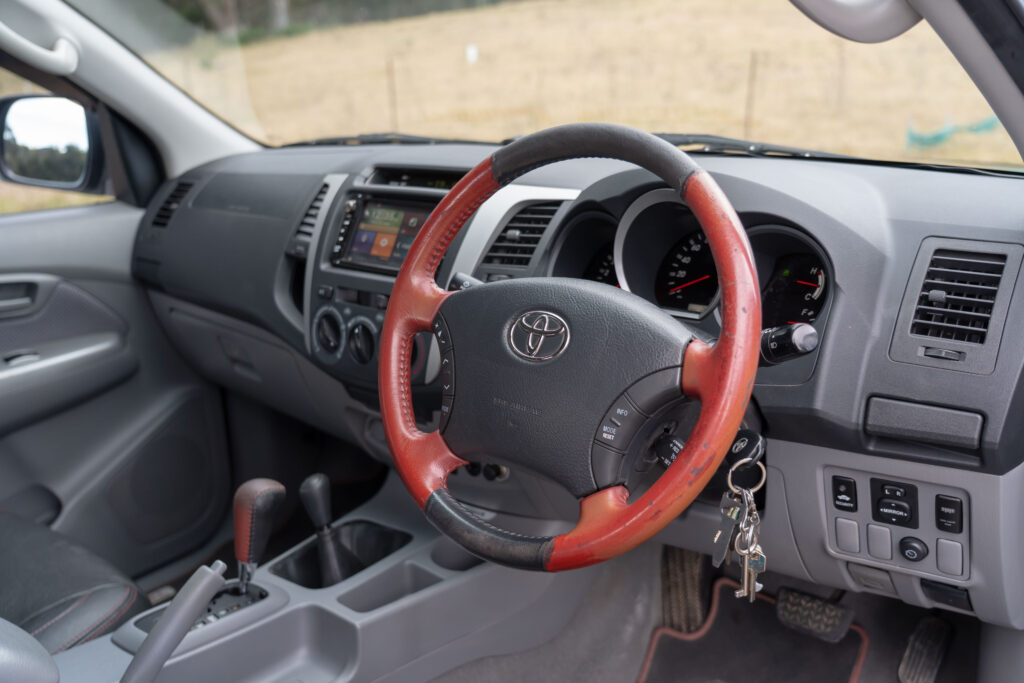
The inside of this Hilux iteration can be dated in some areas, notably in cabin refinement and aesthetics, but keep in mind this was designed with the intent of a commercial vehicle that prioritises function throughout its cabin design.
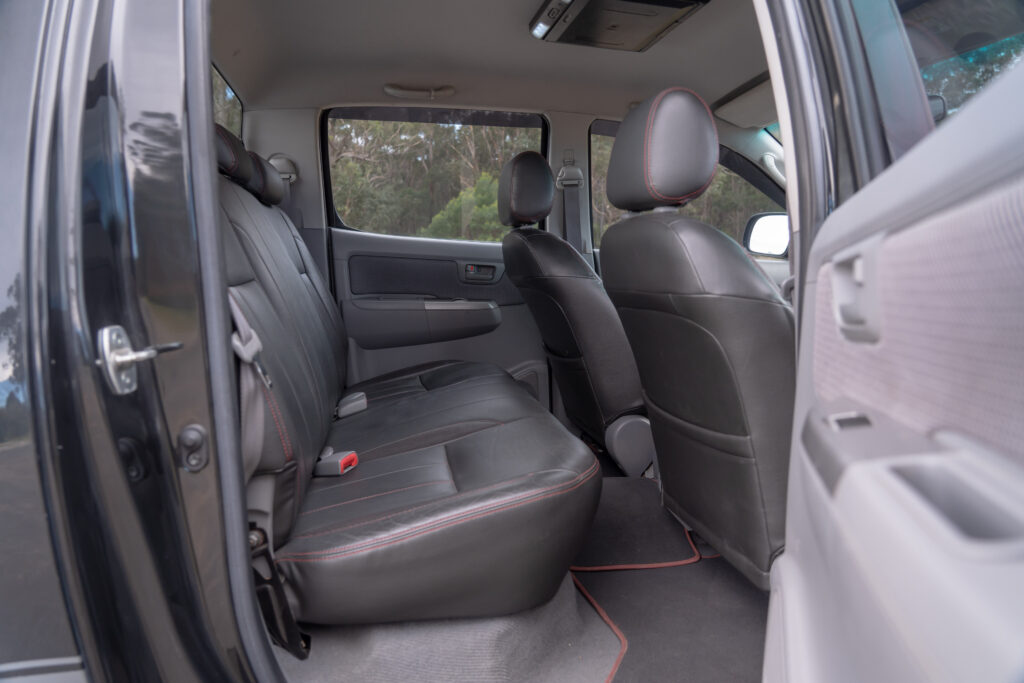
Across all variants, these surround you with a sea of grey plastic material and cloth-upholstered (artificial-style leather on top trims) seats that have attracted criticism for lack of comfort and lateral support, and less sound deadening than you’d find in other vehicles.
But the trade-off of this utilitarian construction means that, even for a vehicle that is nearly 20 years old now, these are proving to be very resilient, and high-kilometre examples report little to no wear or tear, owners with those that are nearing 350,000 kms still report their interiors are well put together.
You’ll also find that level of durability in smaller items like the various cabin switchgear and controls, which still prove to be solid when used; minus the occasional button that can get stuck or controls glitching out, and the plastic trims can develop some rattles with age and use.
We did also read of some models reporting issues with cracked solder joints from the rear of their instrument cluster/gauges, which can cause inaccurate fuel gauge readings.
Other minor complaints we hear regarding these Hilux cabins are a lack of features and amenities compared to other rival utes, especially among the lower-spec models.
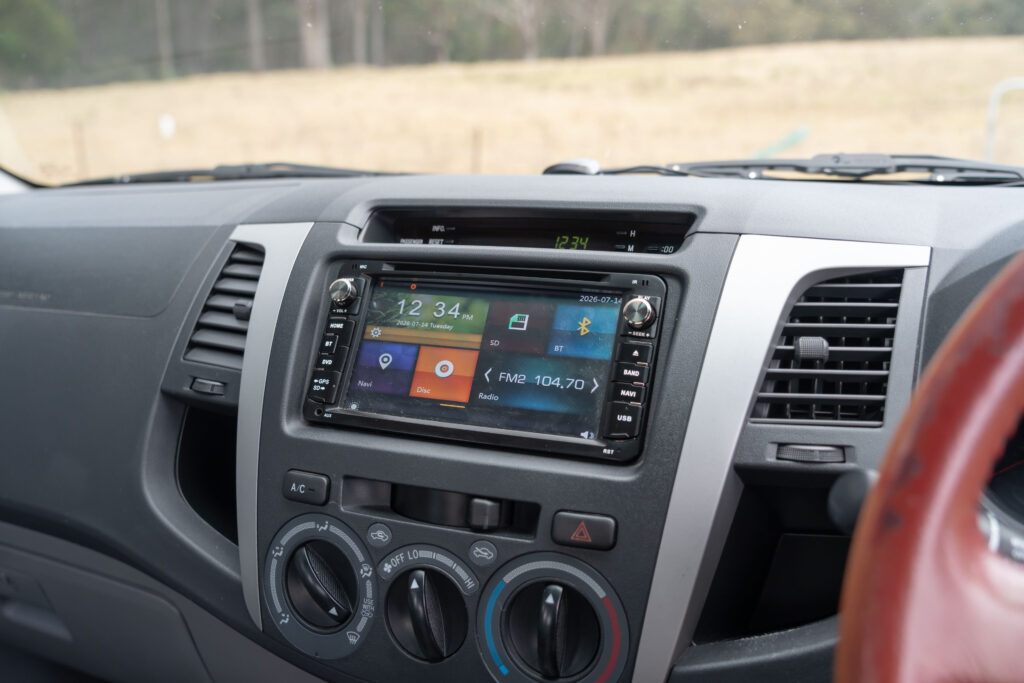
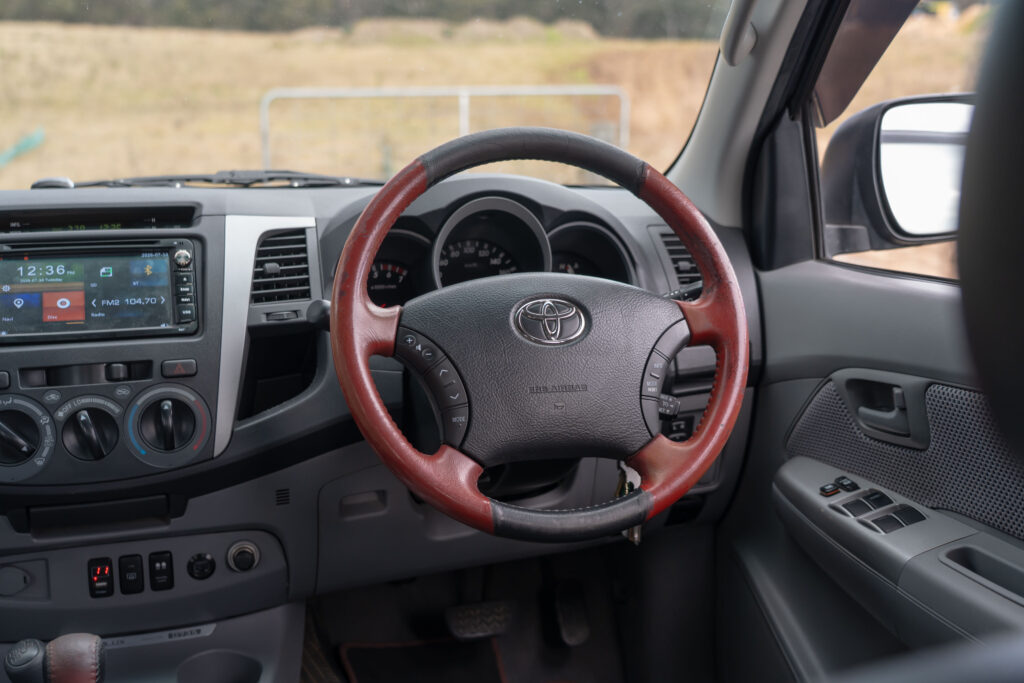
The inconvenience brought by the lack of modern cabin amenities extends to the original infotainment systems, no matter what model or version.
Many owners say it’s worth upgrading these with more up-to-date systems that add Bluetooth/Apple CarPlay/Android Auto connectivity, plus parking sensors and a high-resolution rear-view camera for better usability.
Also keep in mind that, due to its commercial-vehicle roots, if you plan to use this as a family vehicle, these utes don’t come with ISOFIX child-seat anchors, and baby/booster seats are a tight fit in the rear row regardless.
Mechanically:
Compared to more up-to-date ute models, the ladder-frame chassis utilised by this iteration of the Hilux can show its age when out of the road, which is most noticeable in its driving behaviour and refinement.
Some may grow accustomed to this and prefer the ‘analog’ driving experience offered by this Hilux generation, but some aspects, like the vague steering feel or excessive chassis/body movement over road imperfections, can get tiresome quickly.
Combined with the large real estate and size of this vehicle, while a Hilux is smaller compared to an equivalent American truck, maneuvering in tight areas and parking isn’t helped by the rather large turning circle.
Some owners have reported noises from the transfer case while driving, but this is usually from regular age and wear, not a hint of any serious mechanical issues.
Early Hiluxes are also known for slightly underpowered front brakes and warping issues, evident from vibration during braking.
The handbrake can also be a bit fragile and is known to cause some instances of unintentional ‘runaway ‘ check that it continues to hold the vehicle in place.
Very early Hiluxes lacked many of the modern safety assists that became standard mid-2000s onwards. Certain equipment like anti-lock brakes were optional extras on the lower-spec trims (Workmate/SR), and features like traction control or electronic stability control (ESC) were only added in later years (MY2011 onwards).
Those who want to explore the modification potential the Hilux platform offers will be satisfied with the extensive aftermarket support that continues to this day.
Just remember, as we’ve said with other ute models, check that any modifications are compliant within your region, and have been installed correctly, especially items like lift kits, roof accessories, or off-road equipment.
7th-Gen Hiluxes also remain a popular platform for GVM conversions and upgrades, but ensure any number of accessories bolted on don’t overload the legal GVM/GCM limits in your region, and don’t potentially void your insurance policy.
But even in their stock configuration, many owners highlight that the four-wheel drive Hiluxes provide a surprising amount of off-road capabilities, even without any degree of modification.
You’ll also find sourcing parts continues to be easy to do, even for a Toyota product this old, making servicing and maintenance relatively affordable.
But while models like the Hilux have a track record for their bulletproof reliability, these still need regular care as with any other vehicle. Keep this in mind when reviewing examples on the used market, as these can easily have missed critical servicing or been driven with very little care and disregard by neglectful owners.
Towing capacity can vary, depending if the Hilux model is a pre or post-update model, what mechanical configuration it has, whether it’s a cab or pickup chassis, and what model it is, it’s also worth highlighting that the maximum braked towing capacity for the 4WD diesel automatics increased from 2,250 kg to 2,500 kg between pre/post-update models.
Engines:
Petrol
2.7L naturally-aspirated four-cylinder (2TR-FE)
The 2.7L four-cylinder doesn’t have an extensive list of common issues and is one of the more robust engines used in this iteration of the Hilux.
Cooling system components are worth keeping an eye on, especially among the oldest and well-used examples. The plastic bypass pipe underneath the intake manifold is known to frequently leak and is worth replacing with a steel aftermarket unit as part of preventive maintenance.
Oil leaks stemming from the valve cover and timing cover are also a common issue with these engines, which can get worse with age.
High-mileage and very neglected examples can experience variable valve timing and timing chain complications, but they aren’t known to occur too frequently.
4.0L naturally-aspirated V6 (1GR-FE)
The 1GR-FE V6 is known among Toyota owners and technician communities as one of the most reliable engines ever made. However, they are not fully bulletproof, and as they age, some issues can start to affect them.
These are well known for developing head gasket failures, which were more apparent on the earliest versions of this engine. This was largely due to a fault with their head gasket design, which was improved in later engines, it didn’t fully eliminate this problem, but it did mean the likelihood of head gasket failure on more up-to-date engines was lower.
They can also fail due to neglected maintenance; if the coolant system is not cared for, corrosion can settle in and cause the gaskets to leak.
Overheating can also lead to head gasket failure. The engines are built tough and can withstand any degree of hard use/conditions, but prolonged overheating or a poorly maintained cooling system can weaken them considerably, leading to the aforementioned head gasket damage/failure.
The coolant system on these V6 engines doesn’t have any high-profile shortcomings, but given they are quite old now, they can develop problems with their components (water pump, coolant/radiator hoses, and the radiator itself), along with fluid leaks.
Reliability aside, the 4.0L petrol V6 can be quite a gas guzzler, in real-world conditions, owners have reported these will consume 11L per 100 kilometres, or under heavy cargo loads/ towing, can even see 20L per 100 kilometres.
4.0L supercharged V6 (2GR-FE)
In supercharged form (these use an Eaton M90 roots-type supercharger), this version of the petrol V6 is also quite reliable.
Some have reported issues with their intercooler coolant pump, we’re told that if it does fail, it doesn’t log any fault codes, making diagnosing whether this part has failed even more difficult, and you might not realise it has a fault unless you properly inspect it.
Age and neglect can also lead to internal bearing issues with this engine.
The intake bypass valve can also develop some problems, since it has a vacuum actuator and linkage setup, so it’s worth keeping an eye on if it develops any faults.
The Eaton supercharger itself is also quite robust, but do note it has its own separate oil supply, which will need to be regularly maintained, as well as the supercharger drive belt and tensioner.
Diesel:
3.0 L four-cylinder turbodiesel (1KD-FTV)
The 1KD inline-four turbodiesel is widely praised among Toyota’s diesel powertrains for its robustness and performance. Within owners’ communities, many feel this offers the best of both worlds: decent overall performance and towing power, combined with good fuel economy.
Compared to the petrol engine, many report the 1KD turbodiesel is substantially more fuel efficient, even for a powertrain of this age, averaging 10-13L per 100 kilometres.
However, as many of these continue to age further, they can develop several issues if they aren’t properly maintained and cared for.
It’s likely these turbodiesels haven’t received a new set of injectors, and it is highly recommended to replace them if they haven’t been touched at all, the injectors rattling at cold starts (not timing chain rattles) is a key indicator that new ones are overdue.
Ensuring the injectors are in good shape is important, as they are one of the major contributors to the more serious issue of piston failure on these engines.
The piston themselves are known to be problematic, due to their flawed design from the start. While Toyota did change their design in Hiluxes made after July 2014, it didn’t eliminate the problem entirely, only reducing the likelihood of piston failure in later models.
Piston failure is more likely to occur on those that have been tuned or driven while carrying excessive cargo loads (especially under hot climates/temperatures), and applying a heavy foot to the throttle will easily strain the pistons to critical levels.
The bottom seals of the injectors are another injector-related issue to keep an eye on, and it’s known to sneak up on diesels without warning. If they develop oil leaks, they’ll leak onto the top of the engine within the valve cover, without you being able to see or hear it occurring.
It can then pump compressed gas into this area of the engine, burning and carbonising the oil into hardened carbon debris that collects within the bottom of the sump, which then is sucked up into the oil pickup, blocking it and causing oil starvation, which can likely destroy the engine.
Head gasket complications, or cracking of the head itself, can also develop, but they aren’t as commonly reported compared to the injector/gasket issues.
Being a modern diesel powertrain, the usual range of problems, from EGR complications to blocked DPF filters, can also creep up, especially among those with delayed maintenance or driven only for short intervals.
Note as well that the turbochargers used on the 1KD diesels are a variable geometry setup, and occasionally, they can fail too.
Failing suction control valves and leaking MAP sensor filters (caused by the filter splitting) can also contribute to these running poorly.
Despite these known issues, the 1KD turbodiesel can still prove to be a very solid engine, provided it’s well looked after, up-to-date maintenance is always performed, and key components, like the injectors and injector seals mentioned, and the timing belt (every 150,000 kilometers/7 years) are replaced on schedule.
Transmissions:
The manuals are proving to be relatively free of any serious faults, if they have been regularly serviced and cared for.
Those subjected to heavy towing, high mileage, or any degree of engine tuning from stock can impact their overall integrity; common problems include bearing and synchro issues.
Both the four/five-speed automatics can also experience some common issues.
Diesel models (up until 2013) that were equipped with the four-speed unit were known to suffer overheating issues that can upset the powertrain. They use a relatively small torque converter that generates a lot of heat, which can also affect the lockup clutch.
Regular servicing and installing a transmission oil cooler is the best way to offset this issue.
The five-speed automatic applied to petrol V6/post 2013 diesel models is more reliable, but it too isn’t entirely faultless, it’s known to experience valve body issues that can cause harsh or rougher shifts while driving.
Also pay attention to the condition of the differentials and transfer cases, follow the recommended service interval of every 40,000 kilometres, and these are unlikely to have many problems.
When exploring the used market for current examples of the seventh-gen Hilux, you may be spoiled for choice.
Before specific factors like condition and mileage, thanks to the 30+ various configurations of cabin options, drivetrain layouts, and model grades, pricing can range anywhere from under $5,000 to around $40,000.
The exception to this is the upgraded Hilux TRD models: among the reported 351 produced for the Australian market, they can range between $20-35,000.
We’d ignore any at the lowest price ranges (below ~$10,000), as many Hiluxes priced this low will likely be in very poor condition, heavily worn down mechanically, and nearing the end of their usefulness- unless you want cheap transportation to run into the ground.
At the same time, we wouldn’t consider paying a premium for a standard Hilux starting from $40,000, even those that are in absolute mint condition or very low mileage, considering there are many other utes available for this same amount of money that are far more capable and offer better levels of features.
The best models of this iteration of the Hilux we feel are worth targeting would be higher-spec SR5s in good condition, with a respectable amount of mileage (~200,000 kms). Not only will these have plenty of life left in them, but they will be the best ones to retain their overall value.
Among other utes in this segment, good, well-looked-after examples of 7th-gen Hiluxes still have the ‘Toyota tax’ in their favour and continue to be resilient to any degree of depreciation in future years.
In fact, there’s the potential that great condition SR5s or the very special TRD models could be future classic material, representing the last of the simple, no-nonsense era of the Toyota Hilux.
It’s important to do your due diligence to ensure you’re getting the best example possible among used 7th-gen Hiluxes on the secondhand market, so don’t cheap out on any with sketchy ownership histories or in poor shape, and only consider those that aren’t hiding any secrets following a pre-purchase inspection.


Co-creator, presenter & writer, ReDriven

Yes. But only the right example.

 5 months ago
 5 months ago
 7 months ago