Australia’s No. 1 Used Car Review Website
Australia’s No. 1 Used Car Review Website
+4 Photos
Owner review
2008 Toyota Blade Master G
112,000km
30 October 2026
 5
4
5
4
5
 5
4
5
4
5
Owner review
2008 Toyota Blade Master G
112,000km
30 October 2026
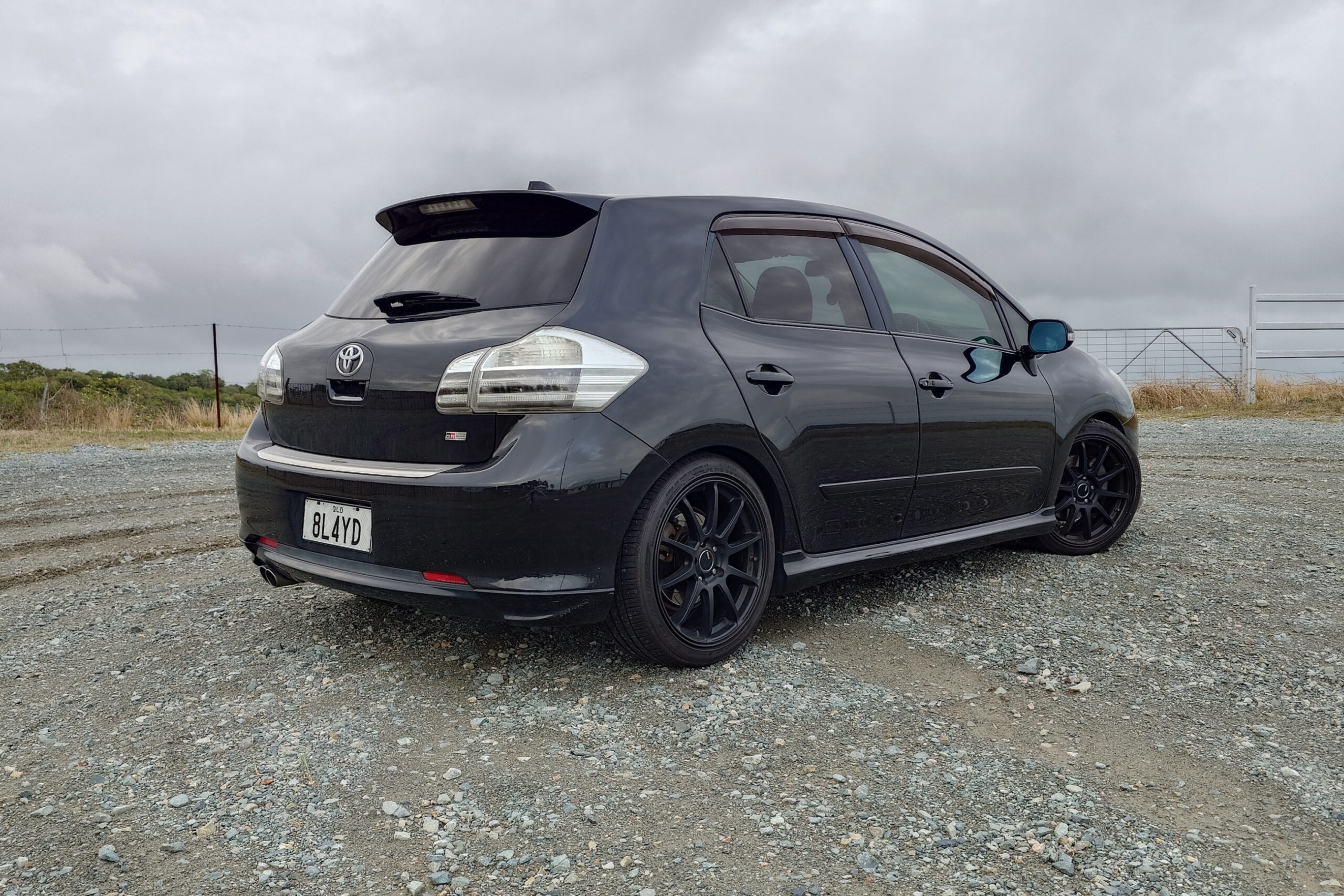
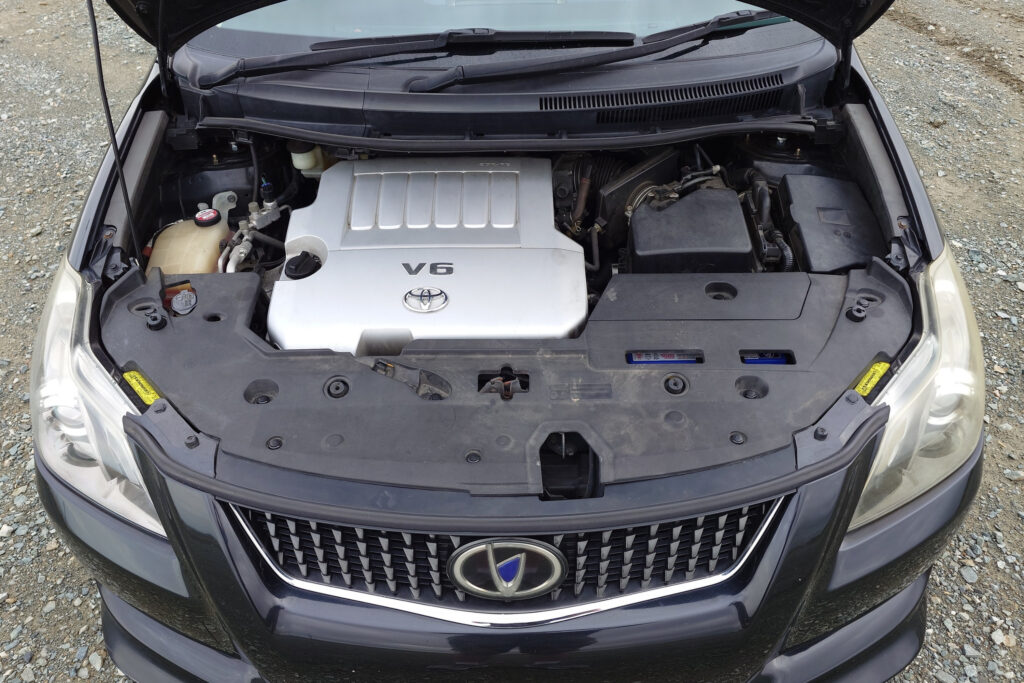
Typical 2000s Toyota reliability; flawless during my 3-month ownership, with no faults reported by the previous owner. The 2GR-FE is extremely stout, especially with regular oil changes. There’s no turbo to worry about, and it has great tuning potential to boot.
If you are looking at a 2007 model, budget to get the rubber oil cooler lines changed to metal ones if it hasn’t already been done. The 6-speed auto is sensitive to the correct fluid level and fluid spec, so ensure you use either genuine Toyota WS or a high-quality aftermarket equivalent (e.g. Penrite LV); it will last a long time if this is done.
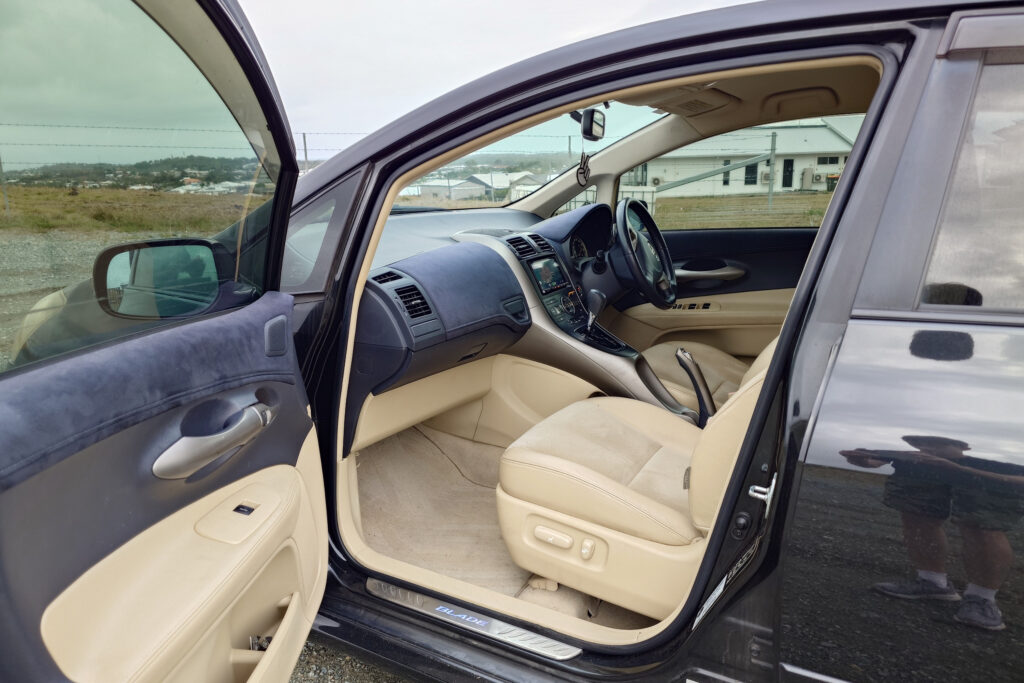
All the electrical systems work well on my vehicle, including the radar cruise control (and I assume by extension the auto emergency stop) and keyless entry/exit. The only LED light that is starting to fail is one of the illuminated scuff plates. Most examples should be bulletproof for years to come.
It is best described as a mini muscle hatch. It excels on the highway; overtaking is a breeze, and the engine never feels stressed. On your daily commute, you can pull out into traffic with confidence or clear a slow vehicle if you’re in a rush. You have to roll into the throttle to get the best launch, and traction control will hamper progress if you’re too aggressive; this can be disabled with a brake/handbrake cheat code (consult YouTube).
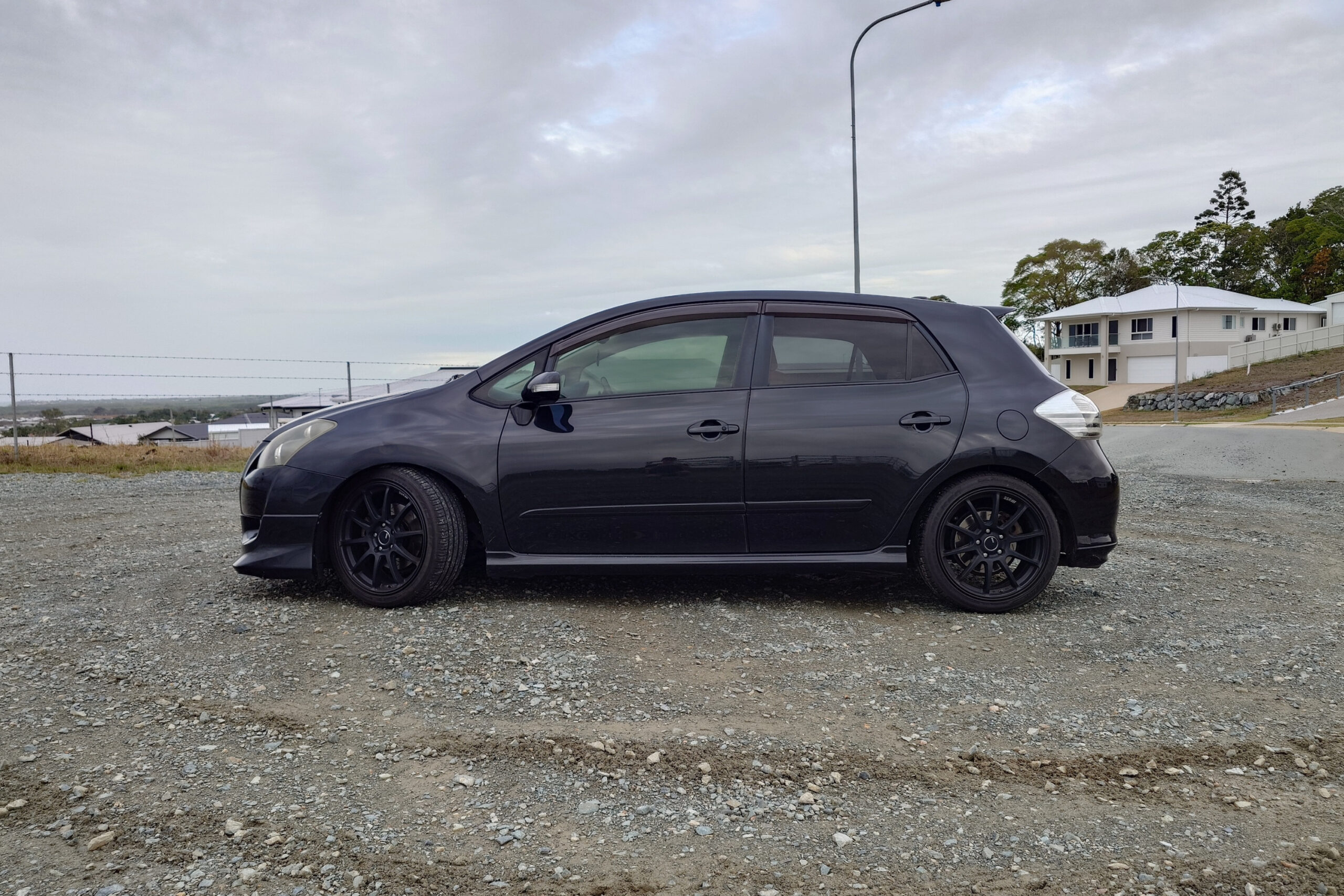
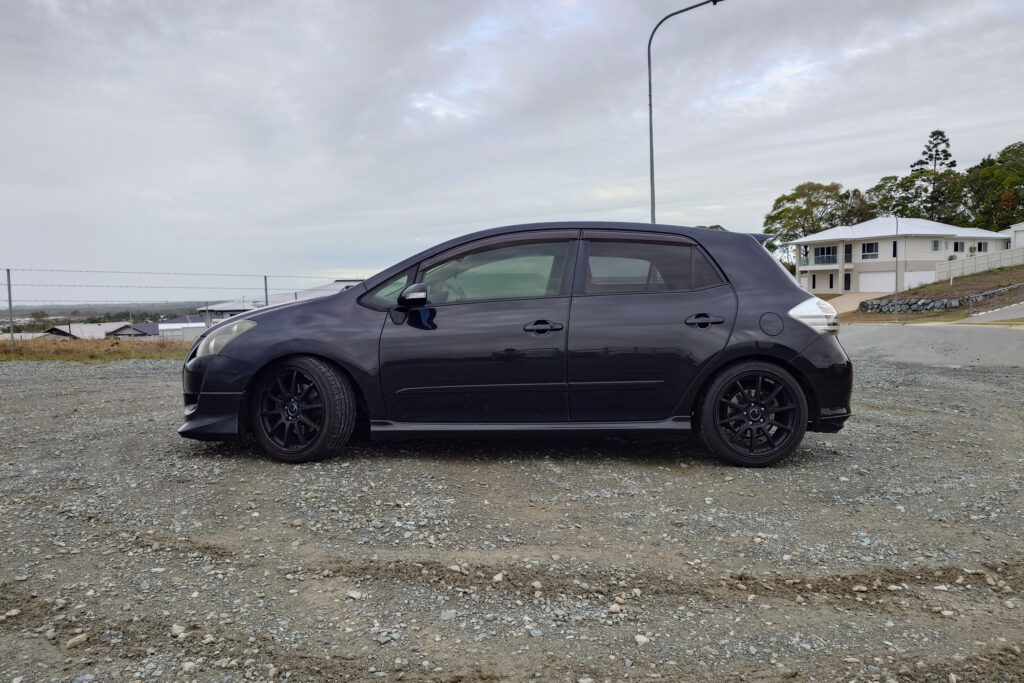
The auto box removes some of the edge, so torque steer is hardly a consideration, unlike the Mazda 3 MPS with similar power. On stock suspension, it can feel a bit soft and cushy, which is great for long highway drives. For better handling in corners, high-quality aftermarket coil-overs, sway bar links and bushings can significantly improve engagement (and looks), especially paired with grippier rubber to mitigate understeer.
The double wishbone setup in the rear ensures great stability when loaded up in a corner. Speaking of cornering, the steering is just OK; it’s an electric rack which is quite light and not very feelsome, but gets the job done. No worse than a Volkswagen Golf.
The Blade Master uses the same front brake setup as the RAV4 of the day, which is adequate but not exemplary if driving hard, so again, use high-quality hardware that’s fit for your purpose. Very nice to drive overall; the most disappointing element is the wheel feel and turning circle, which is deceptively large.
This car is not the parts nightmare that some other grey imports can be. Essentially being a Corolla with an Aurion drivetrain, most components you would need should be readily available at your local auto parts store. There are a couple of exceptions to this rule; for example, one of the driveshafts, which is exclusive to the Blade Master and Mark X Zio (even more obscure somehow). You can usually still order these parts from Toyota Japan; just don’t expect them to be cheap.
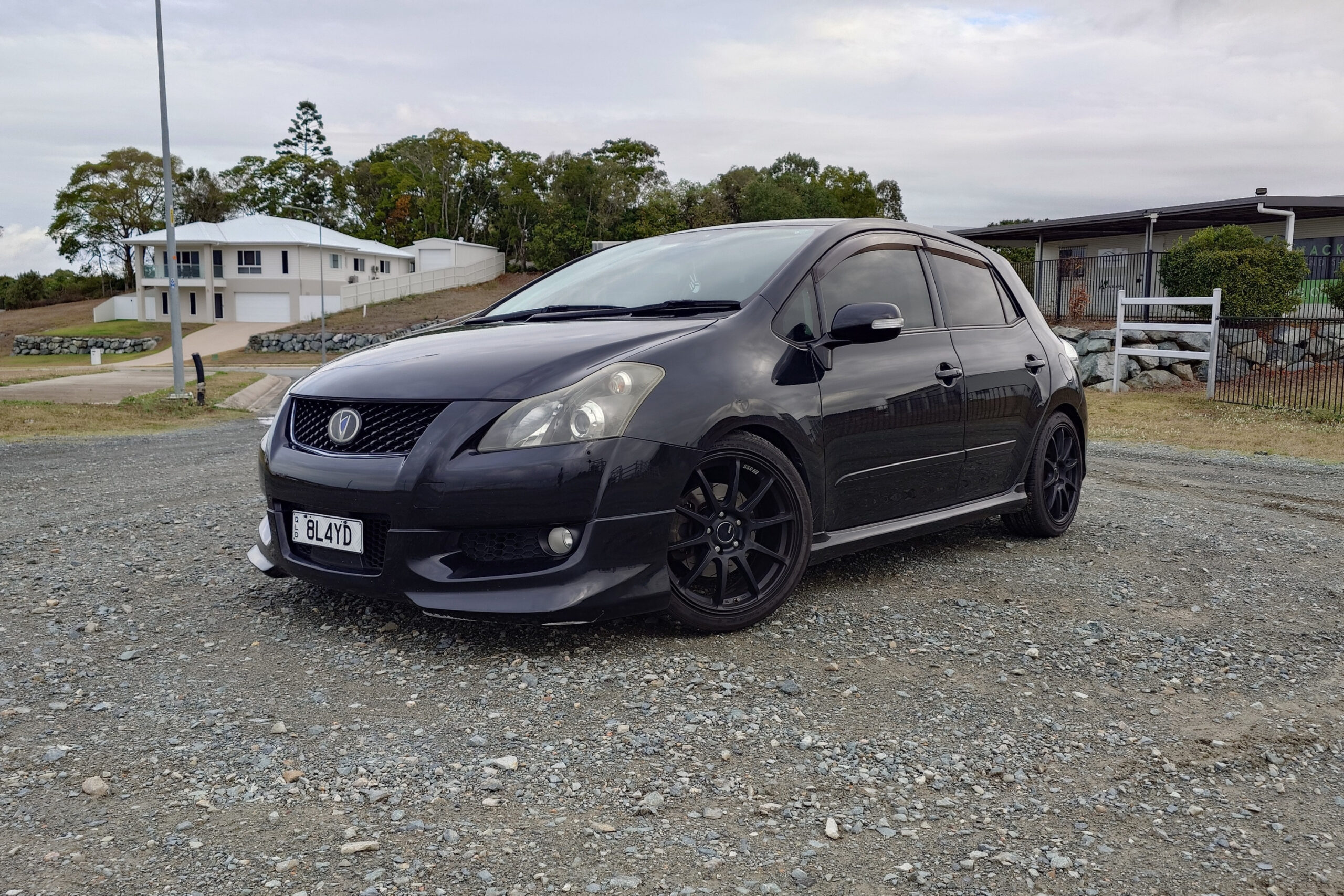
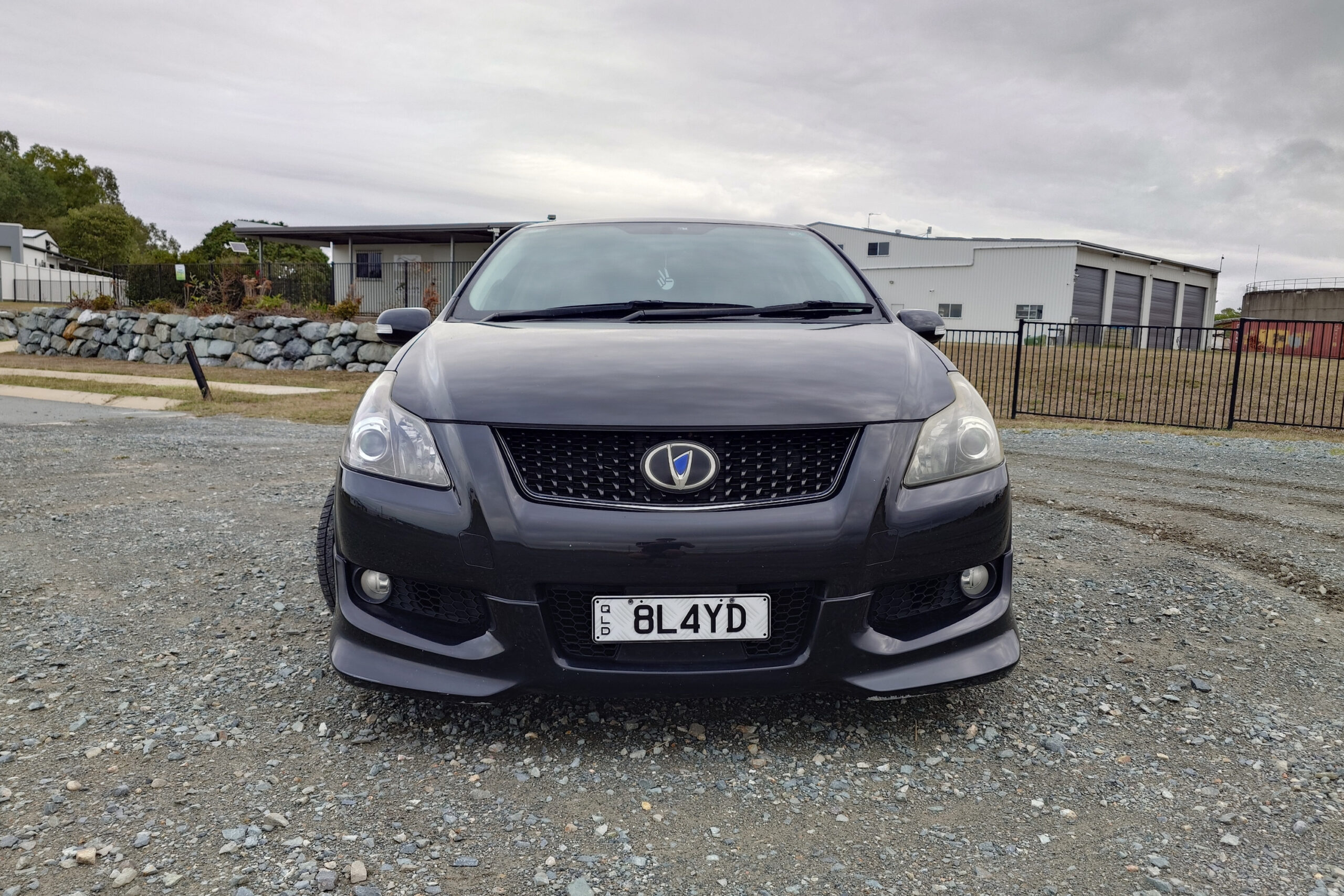
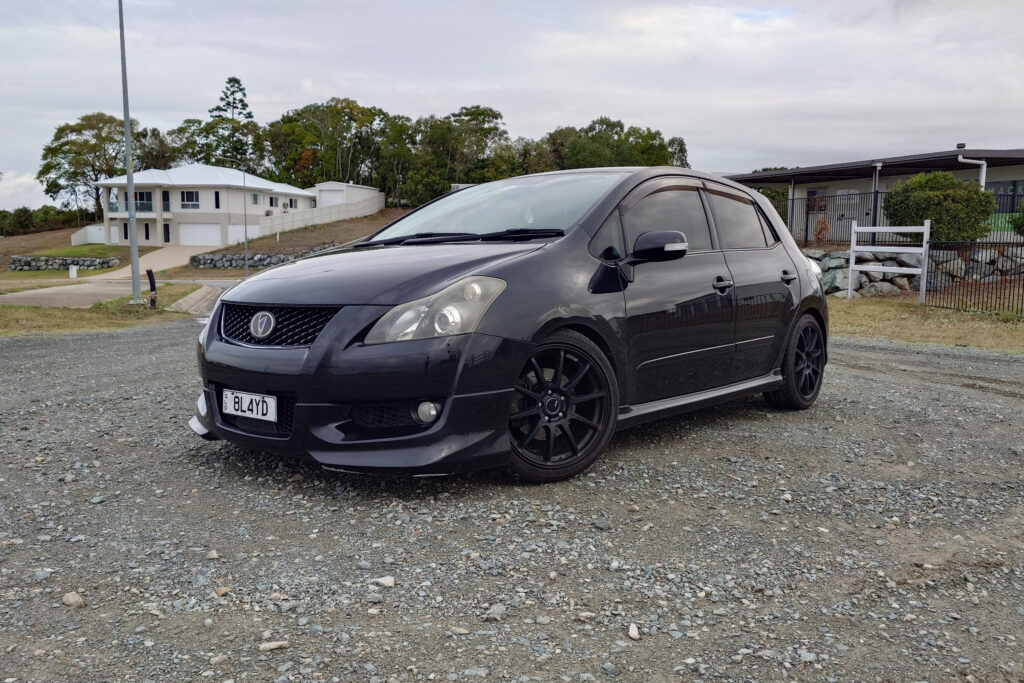
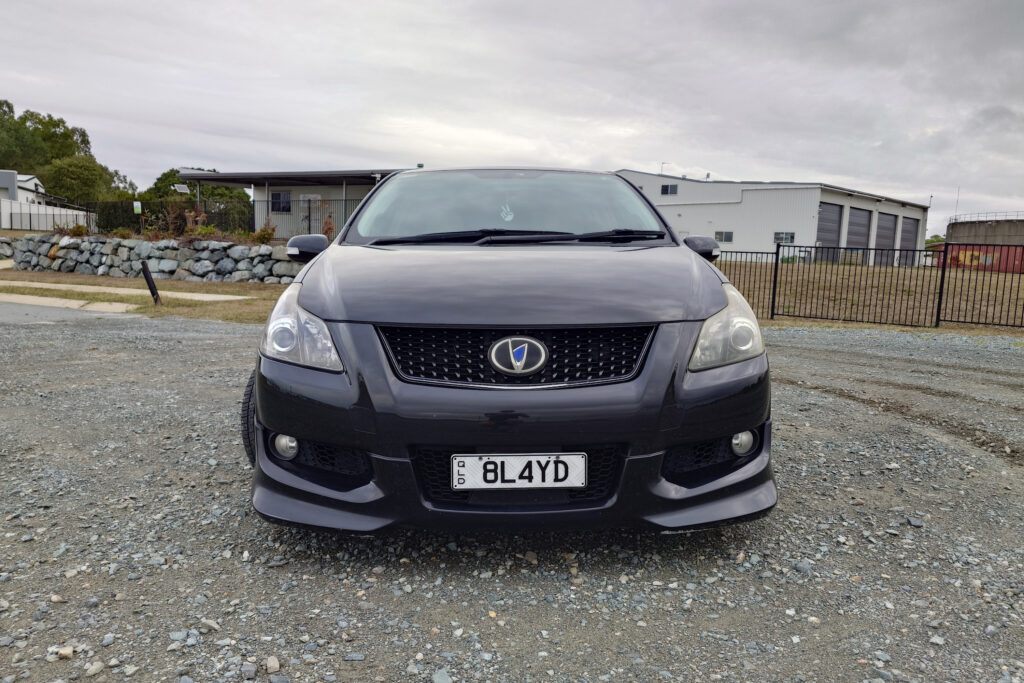
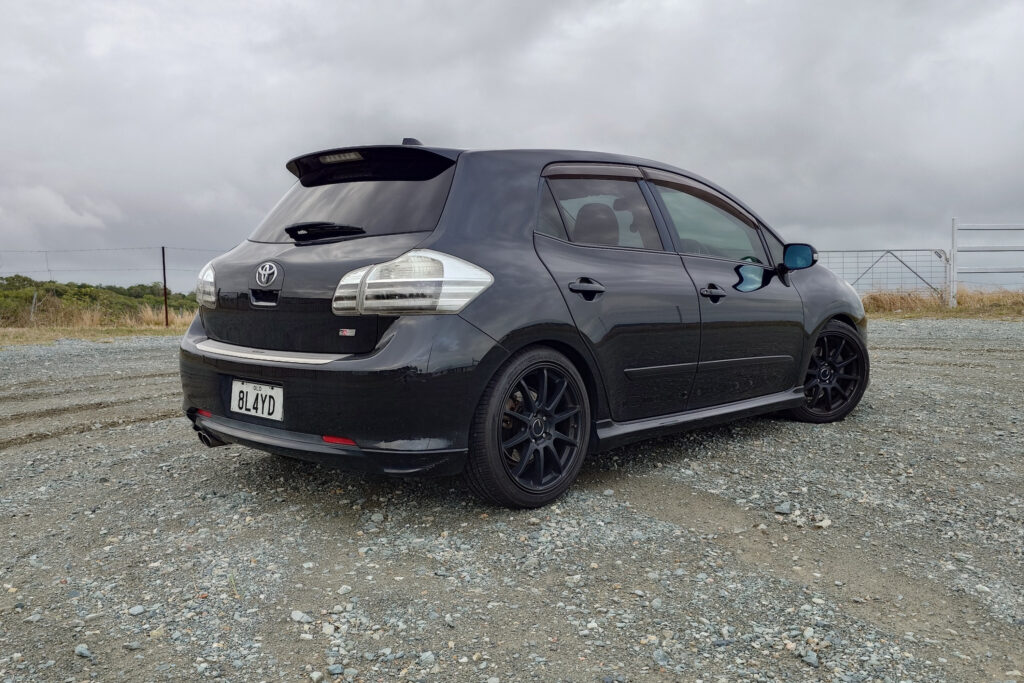
Bumpers may also be hard to obtain if the vehicle is in an accident, especially if you have the TRD or Modellista body kit (mine has the latter). Your options for insurance providers are limited, but comprehensive cover can be obtained.
Some websites may not have a listing for this vehicle, and you may have to explain what the car is to some mechanics, but they usually respond with interest and are keen to check it out, in my experience.
However, the engine is a very tight fit, meaning some servicing jobs (low beam headlights, rear bank spark plugs, water pump to name a few) may require small, nimble hands or a decent chunk of labour. Luckily, you shouldn’t have to do these items too often.
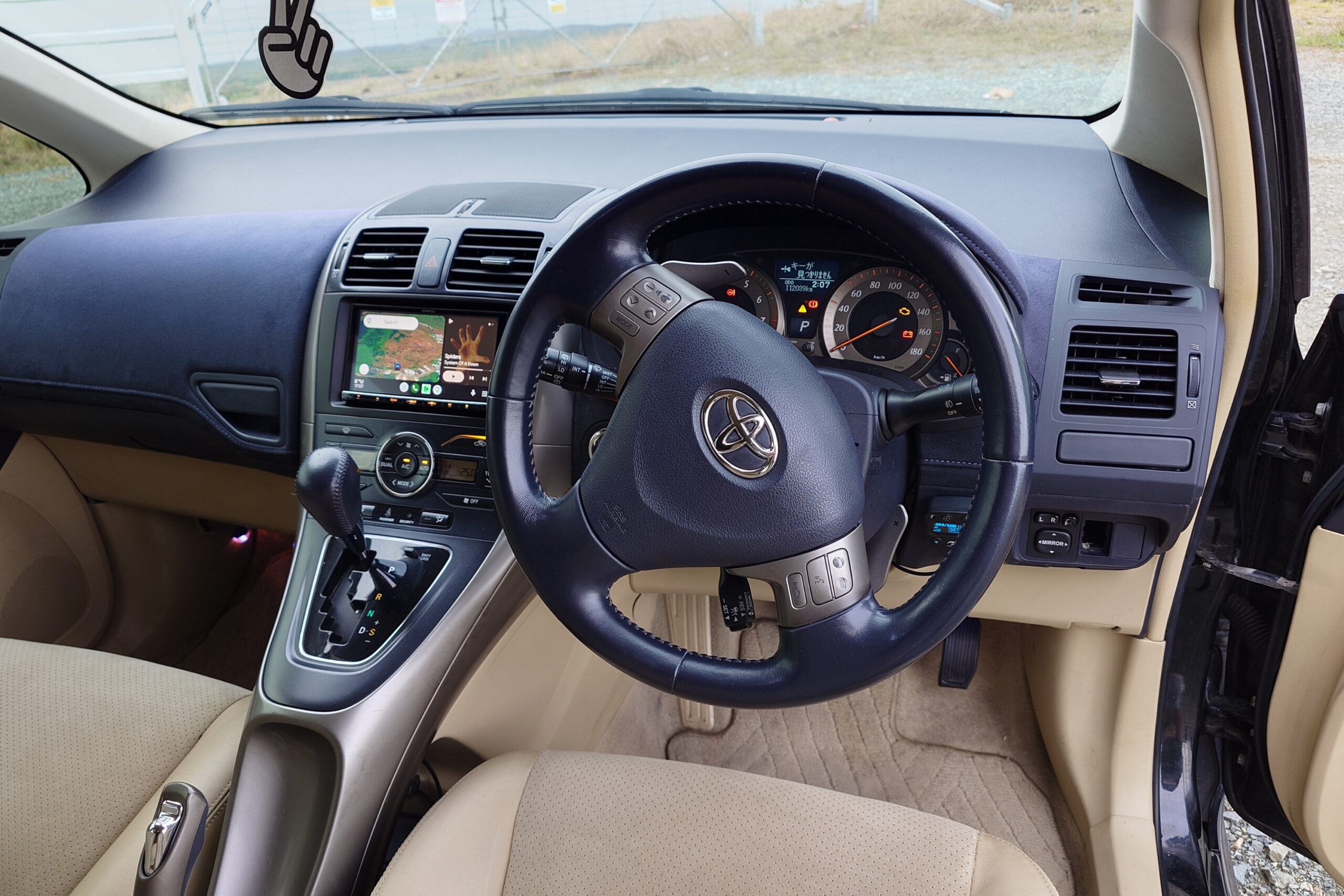
This car has a surprising amount of modern features that defy its age somewhat. The highlights include the aforementioned radar cruise, auto emergency stop and keyless entry/exit and start, making it feel like a much newer car. The cruise sensor is in the badge, so there’s no ugly plastic shroud up around the mirror (which is auto-dimming!).
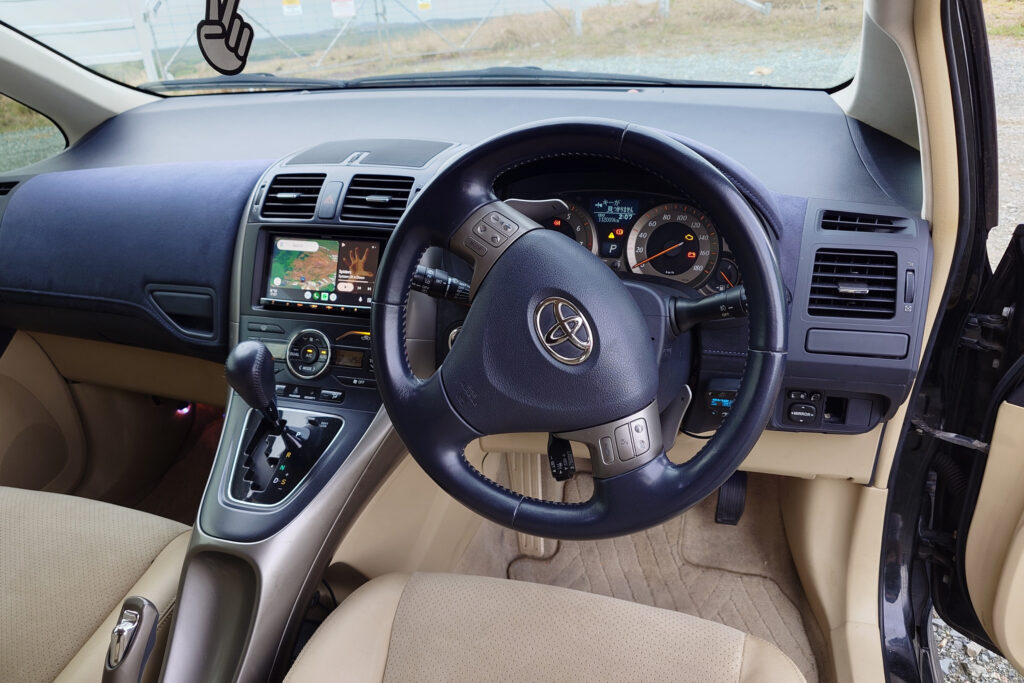
I would highly recommend changing the head unit out for a nice aftermarket double-DIN if it hasn’t already been done; fairly easy job, you can get adapters to retain the steering wheel controls and factory reverse camera. These also use an N80 HiLux style if you want your USB connection nicely integrated in the dash. While you’re looking at audio, definitely upgrade the disappointing factory speakers; plenty of room under the front seats for amplifiers if you want a higher-end system.
Also like the HiLux, this has pop-out cupholders in front of the outer vents, perfect for keeping a soft drink or Mount Franklin chilly, or holding a phone if yours is slim enough. Two glove-boxes and decently sized door bins all round make for a practical space, and passenger room in the back seat is very good compared to some competitors; at least four six-footers will fit comfortably.
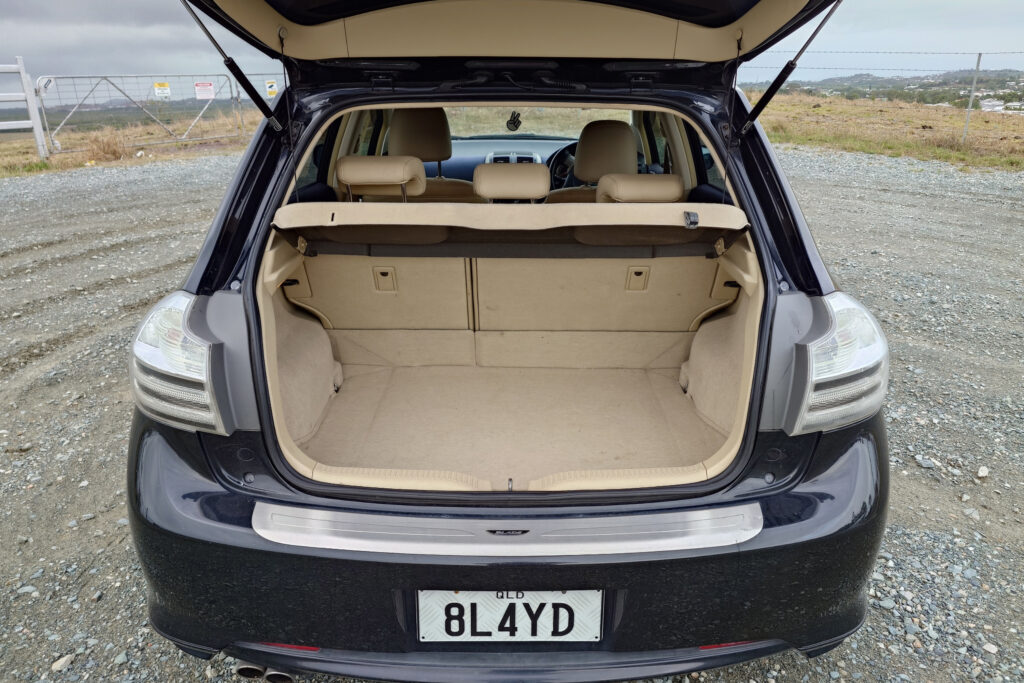
Two ISOFIX points in the back as well, so there’s no excuse for picking a behemoth SUV. The boot isn’t as big as some other cars, but you do have storage trays under the floor around the space saver, as well as your recovery gear. Very good considering the small footprint.
This isn’t like your traditional hot hatch. It doesn’t pin you back in the seat or feel super active and agile. It’s a much more laid-back experience, especially stock, and I’d recommend you drive one if you’re unsure.
For those who want a more laid-back experience without sacrificing power, who can live with an auto box and FWD, and for those who want to catch the eye of those in the know and surprise those who aren’t, it’s a great pick. It’s also P-plate legal in Queensland (pre-2010 only), making it one of the quickest cars in that class for its power-to-weight. I love mine.
 5
4
5
4
5
 3 weeks ago
 1 month ago
 2 months ago