Australia’s No. 1 Used Car Review Website
Australia’s No. 1 Used Car Review Website
+10 Photos

2014 Hyundai iLoad

21 August 2024
Probably not.

2014 Hyundai iLoad

Used car review
21 August 2024
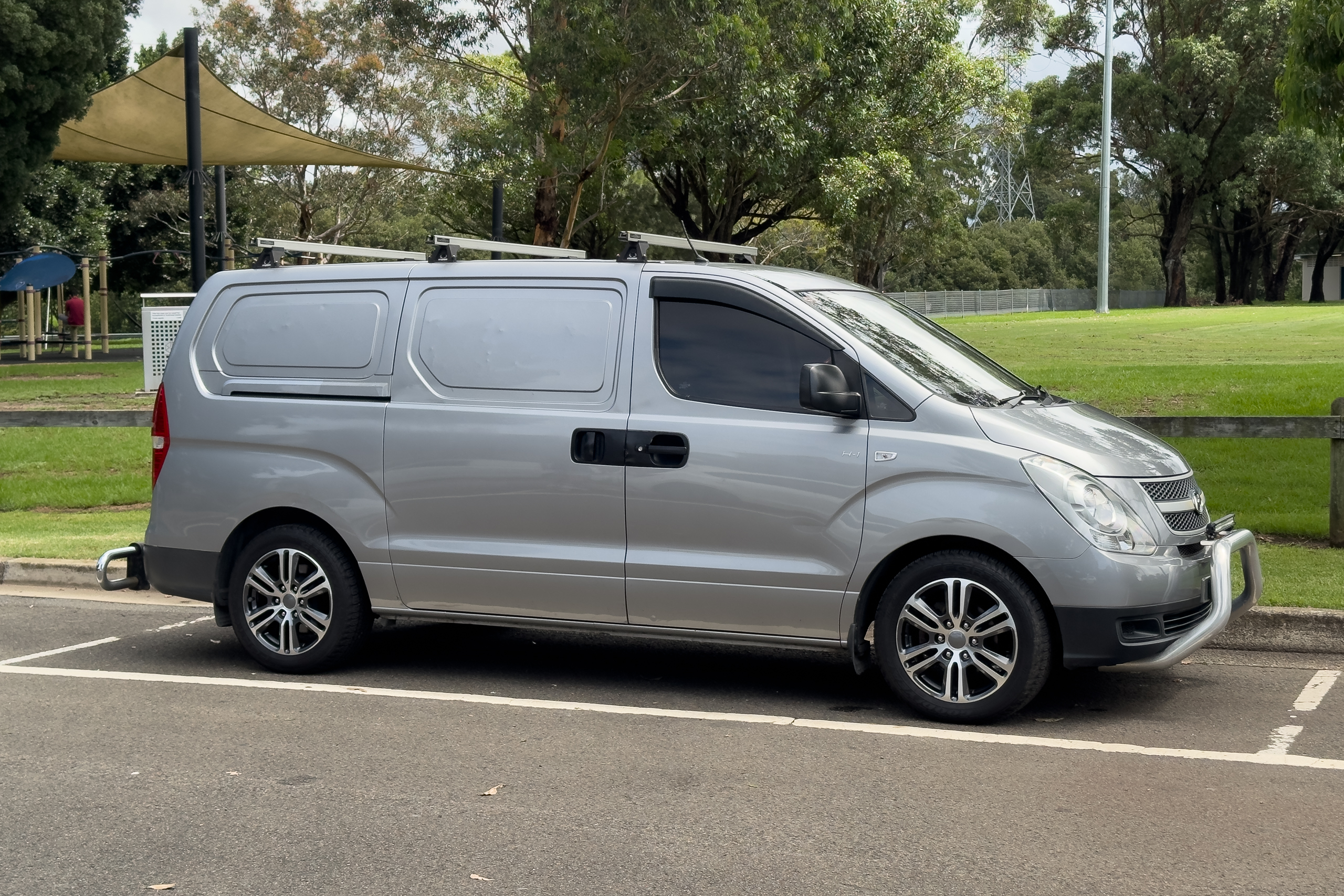
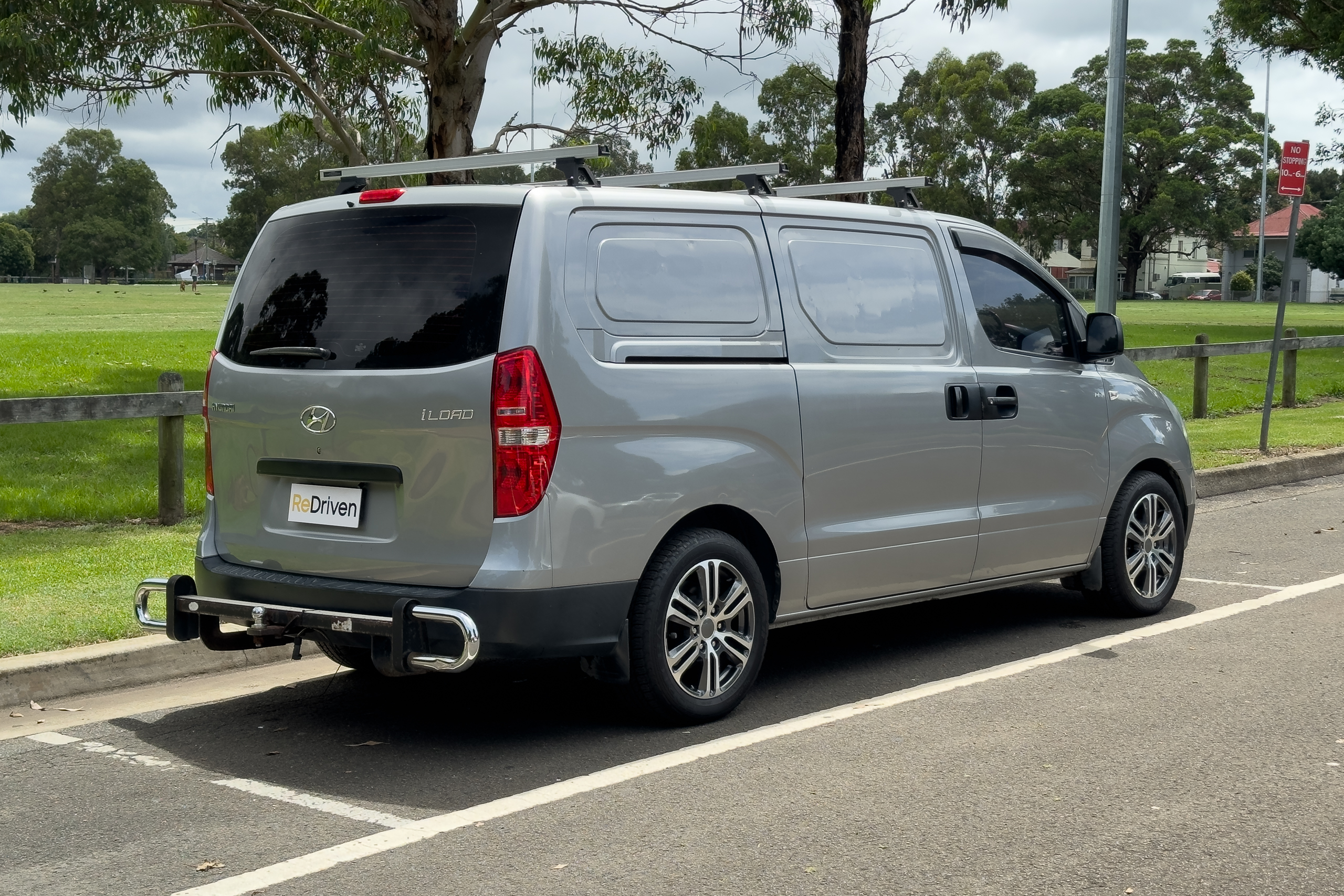
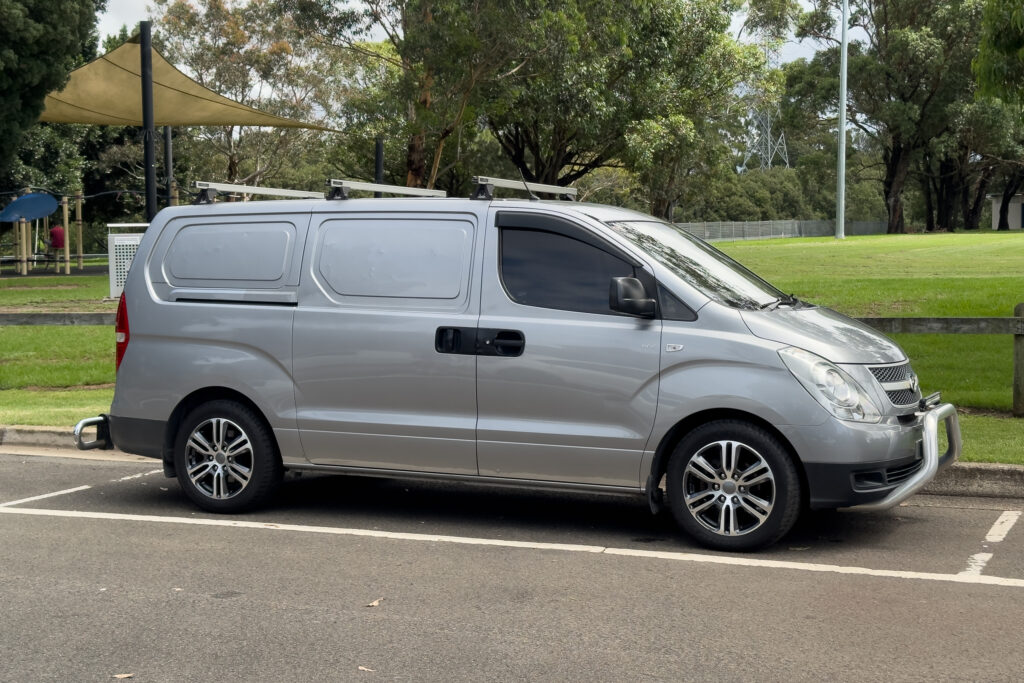
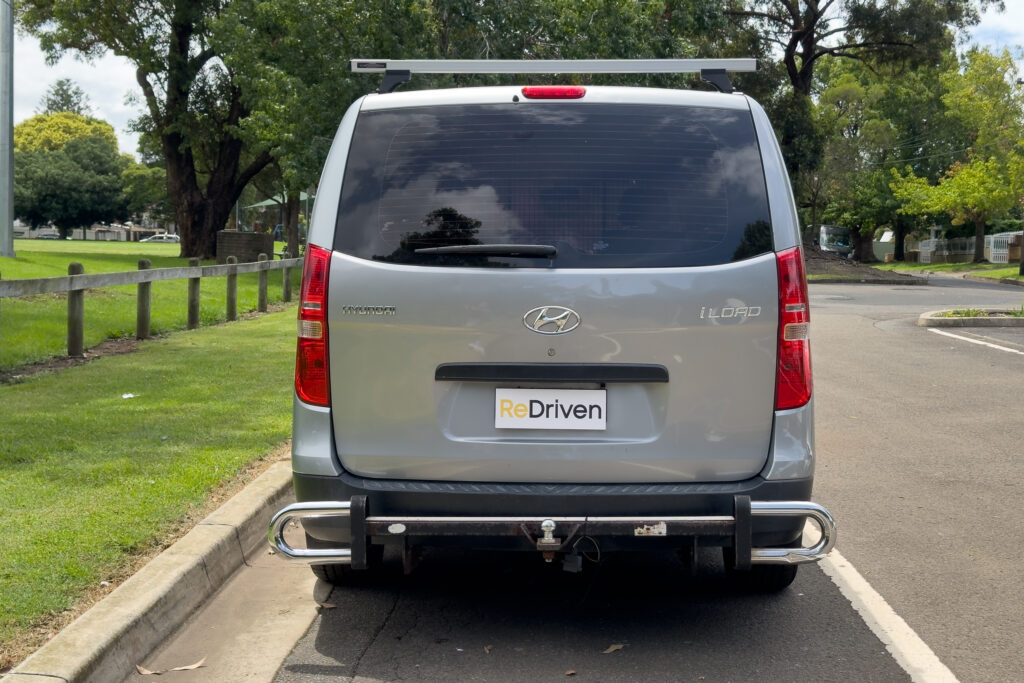
Known in Australia as the Hyundai iLoad, internationally this van goes by various names, including H1, H300, i300, or Starex. The people mover minibus variant is known as the iMax.
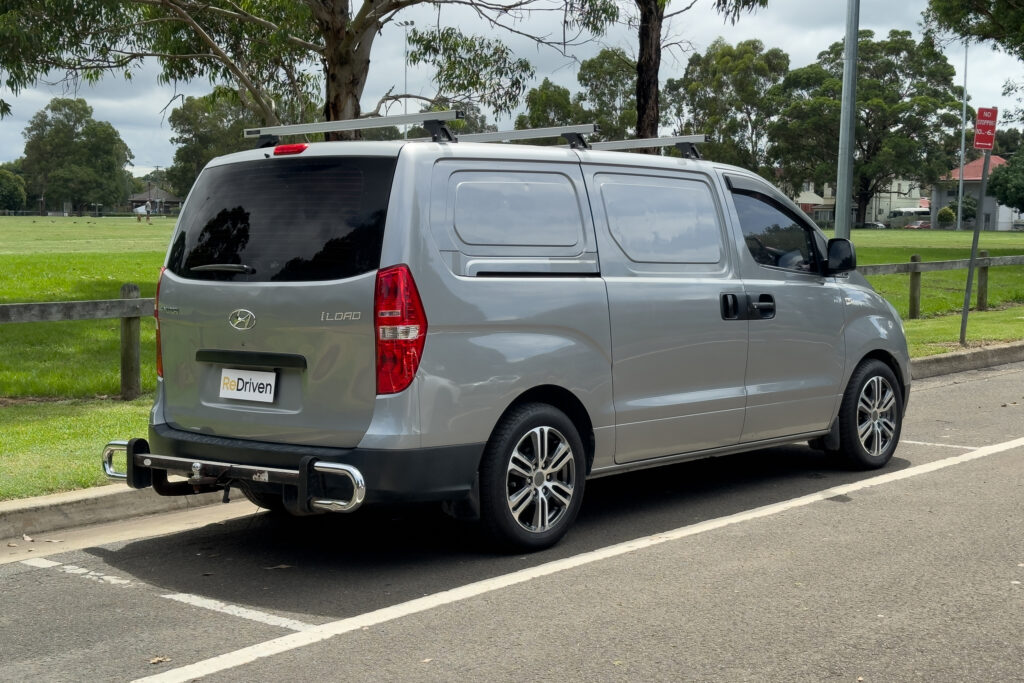
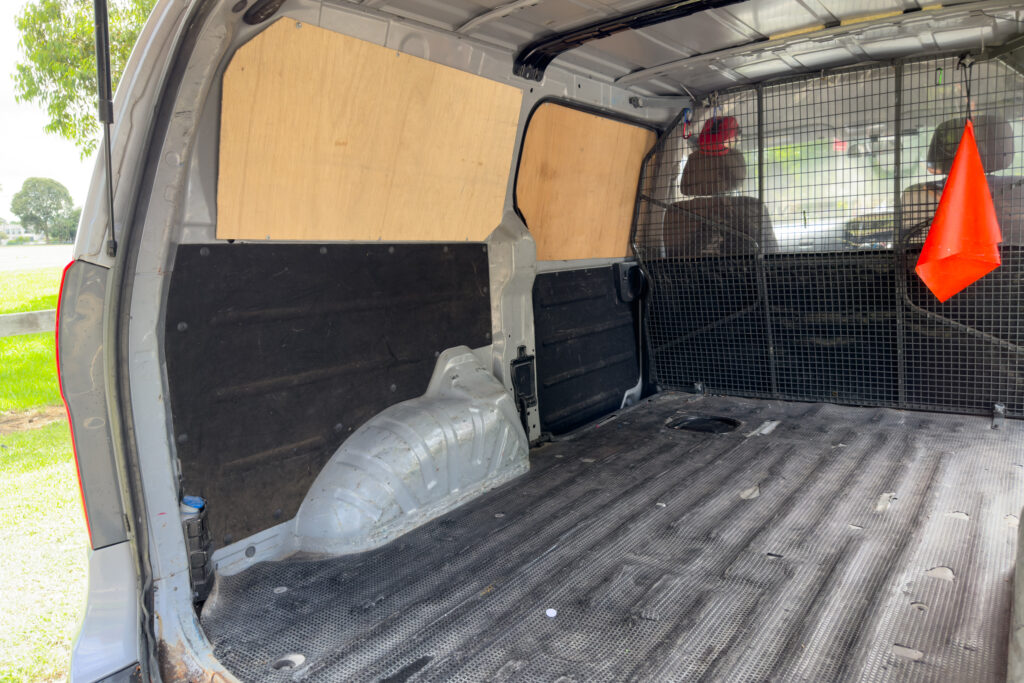
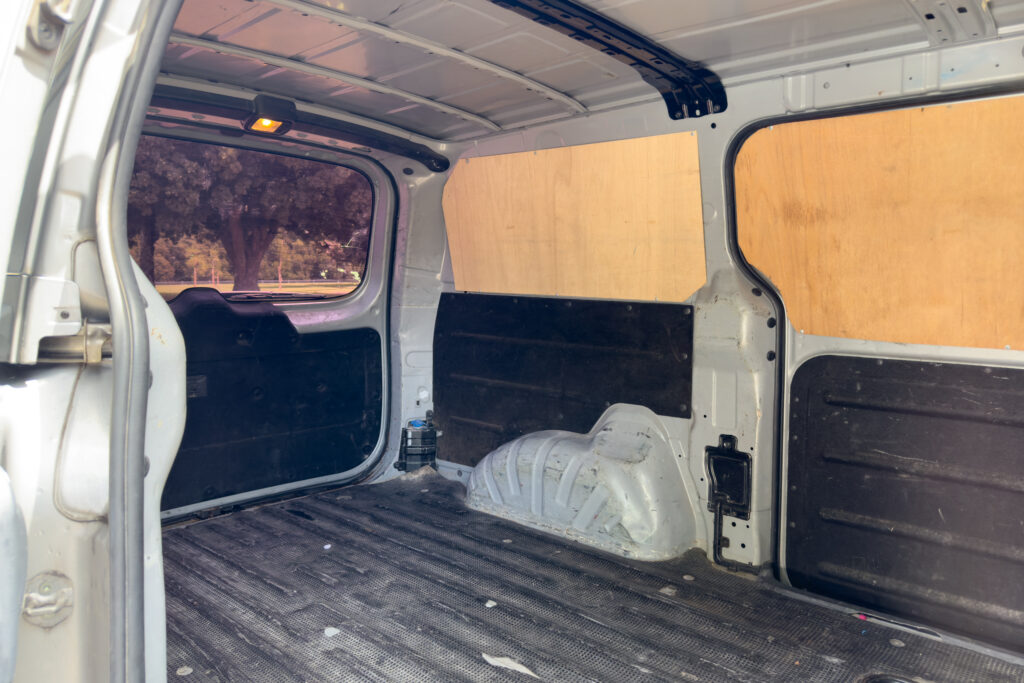
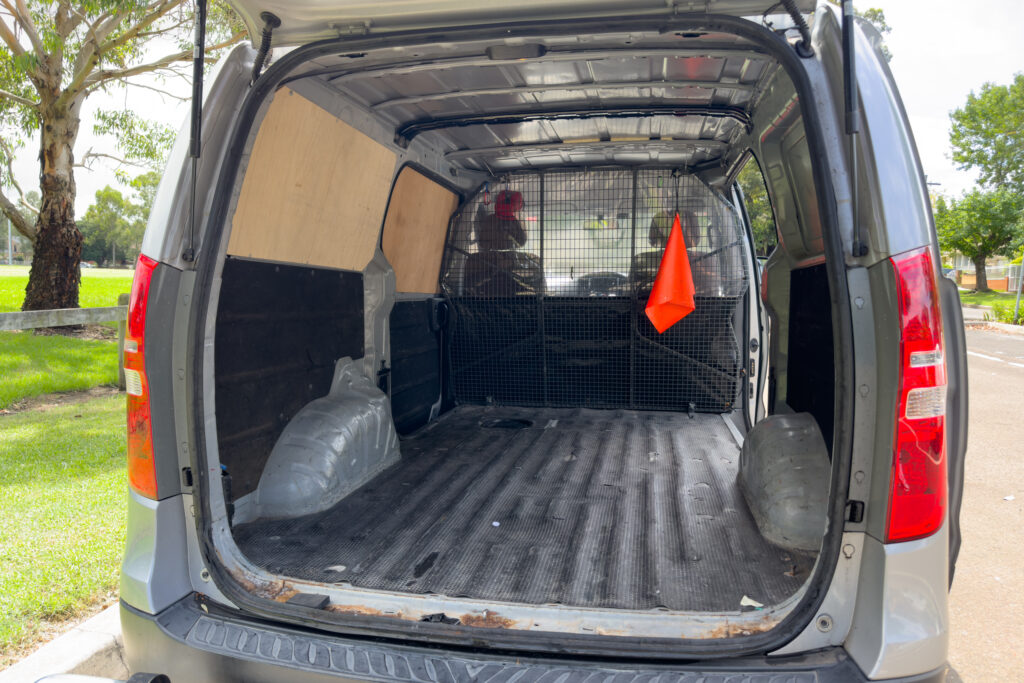
Irrespective of the name, the iLoad features a 5-door van body with options for petrol or diesel engines and manual or automatic transmissions sending power to the rear wheels.
Diesel engines offer different power and fuel efficiency, depending on the transmission and model year.
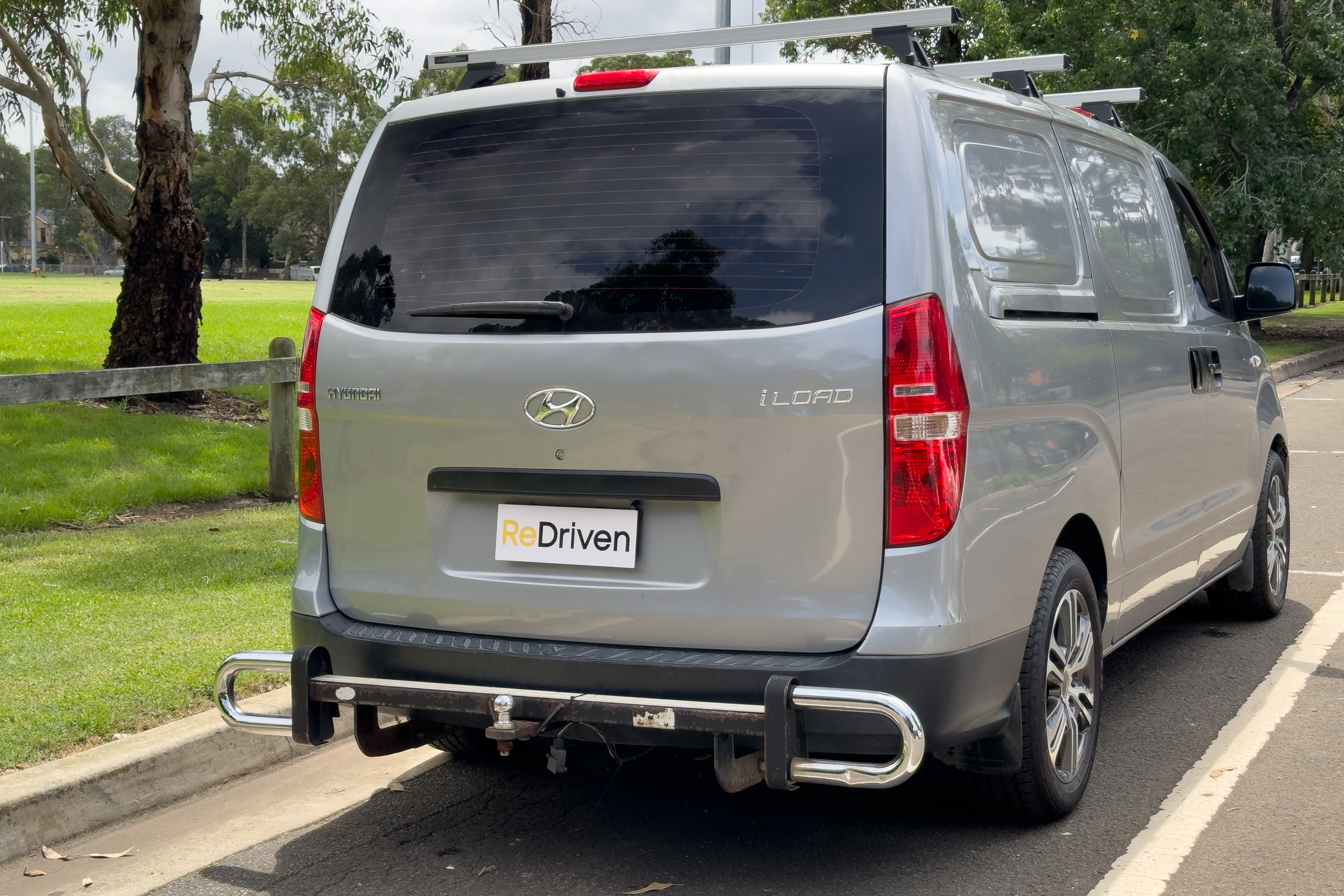
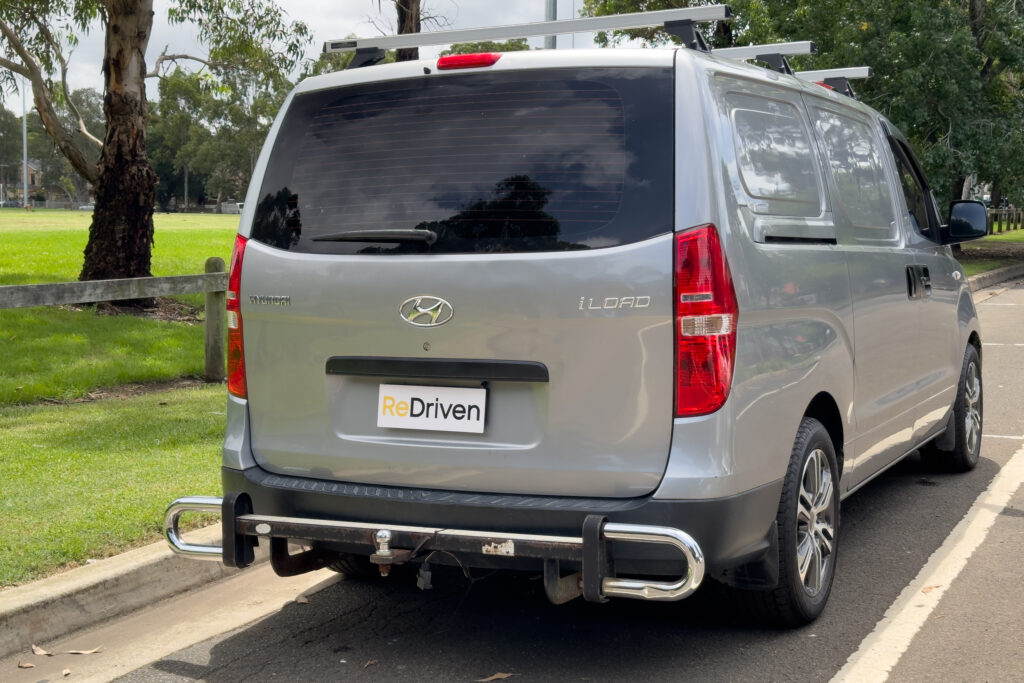
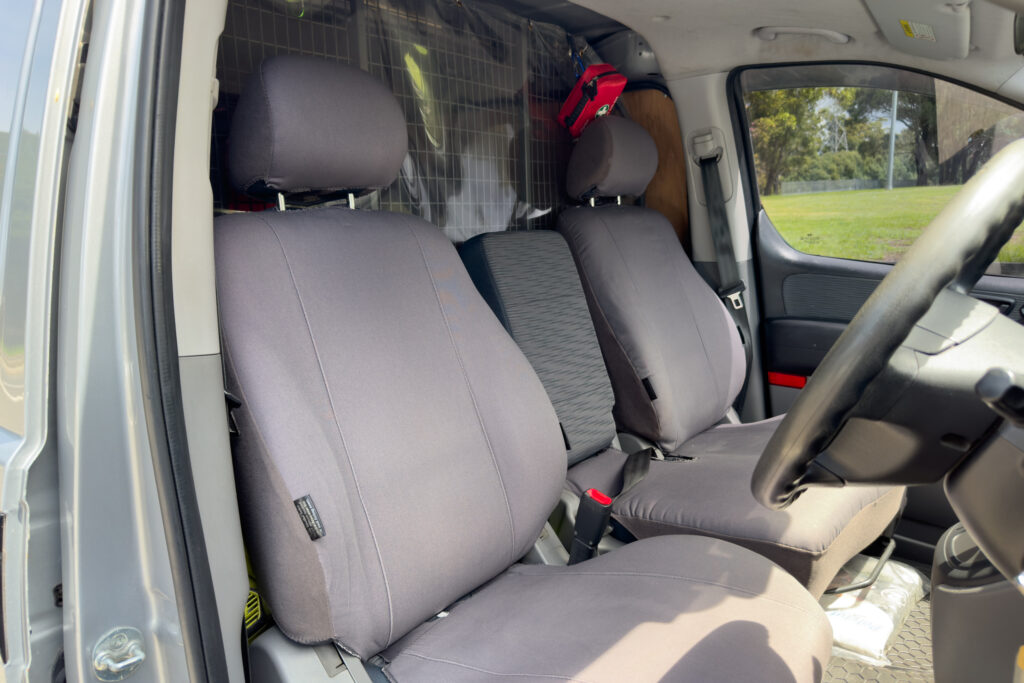
The rear configuration can be equipped with barn doors or a vertically opening tailgate, and the seating arrangements include options for a traditional three-seat van or a 6-seat crew cab.
Production of the iLoad spanned from 2008 to 2021, with updates in 2015 introducing new features and a more substantial facelift in 2018, accompanied by equipment upgrades.
Prospective buyers should exercise caution when encountering used iLoad examples with unusually low prices, as potential issues will be discussed in the section below.
Exterior:
Some owners have reported challenges with opening and closing the sliding doors, often attributed to dirt in the door track. However, this issue is generally preventable with regular maintenance.
Minor rust problems may occur, particularly in iLoad vehicles exposed to excessive salt, such as those driven on snow-covered roads or near the ocean.
Interior:
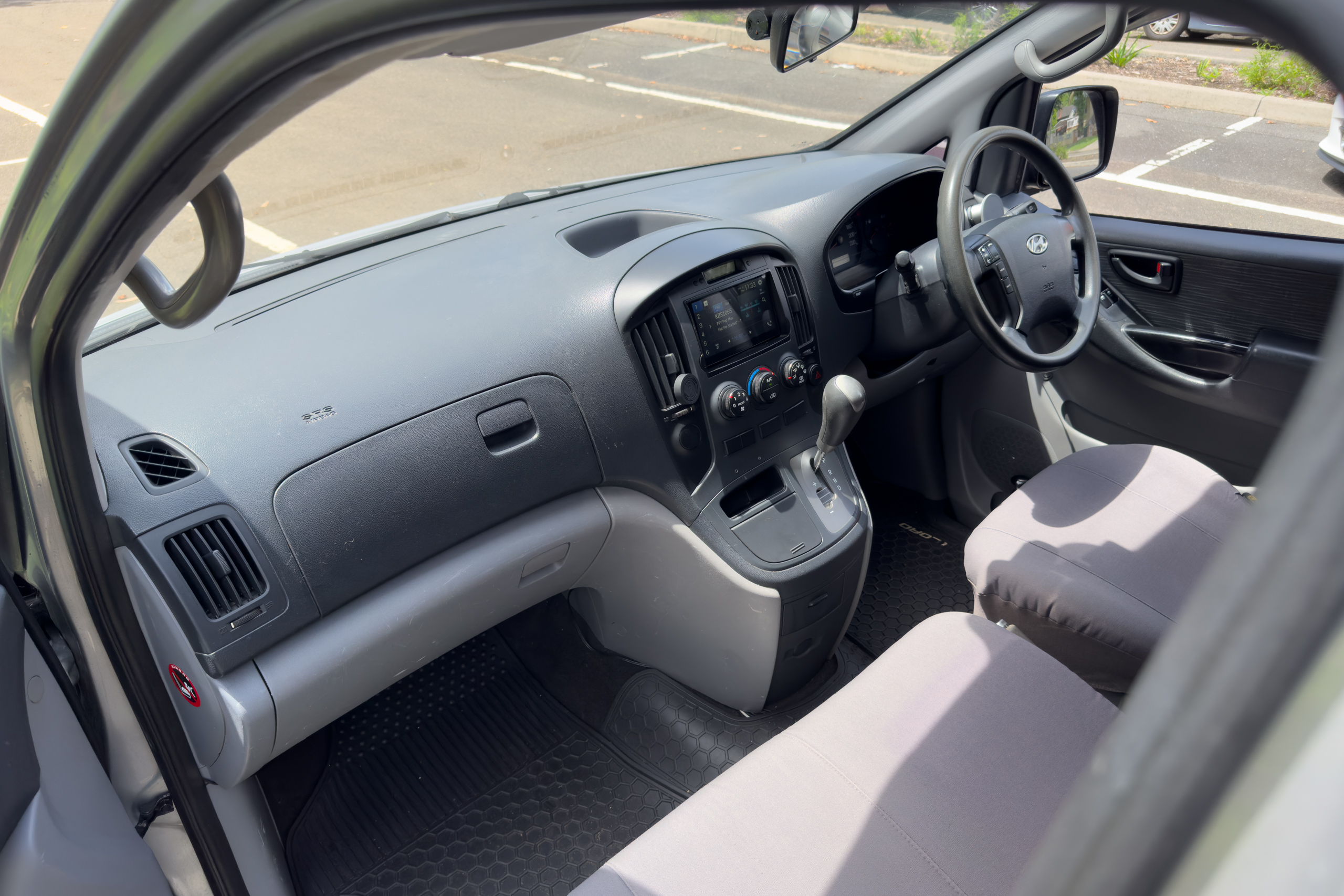
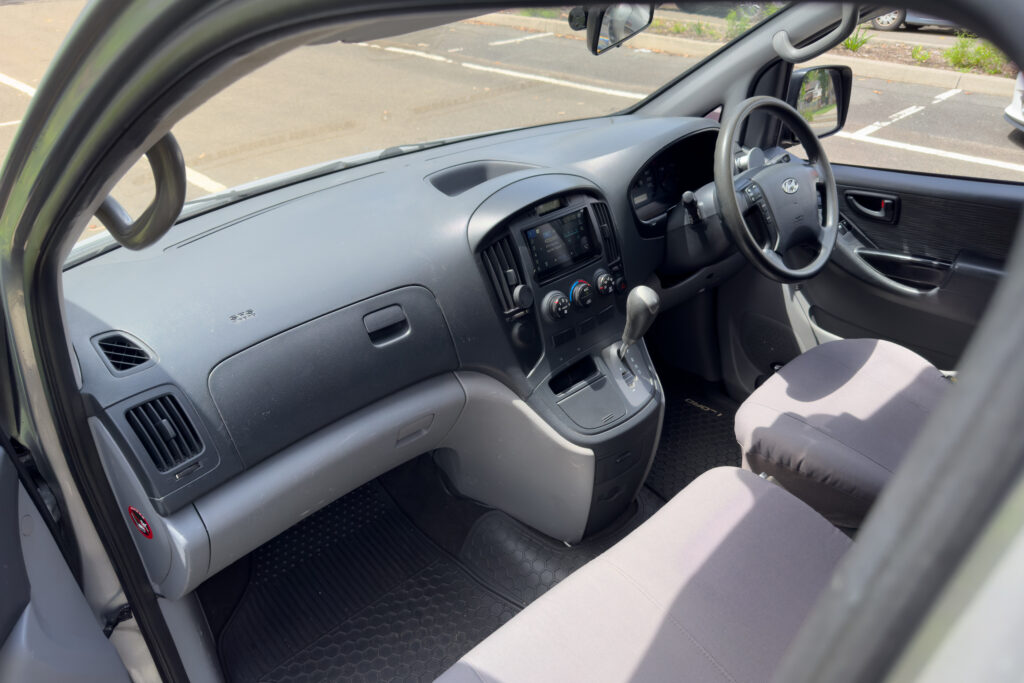
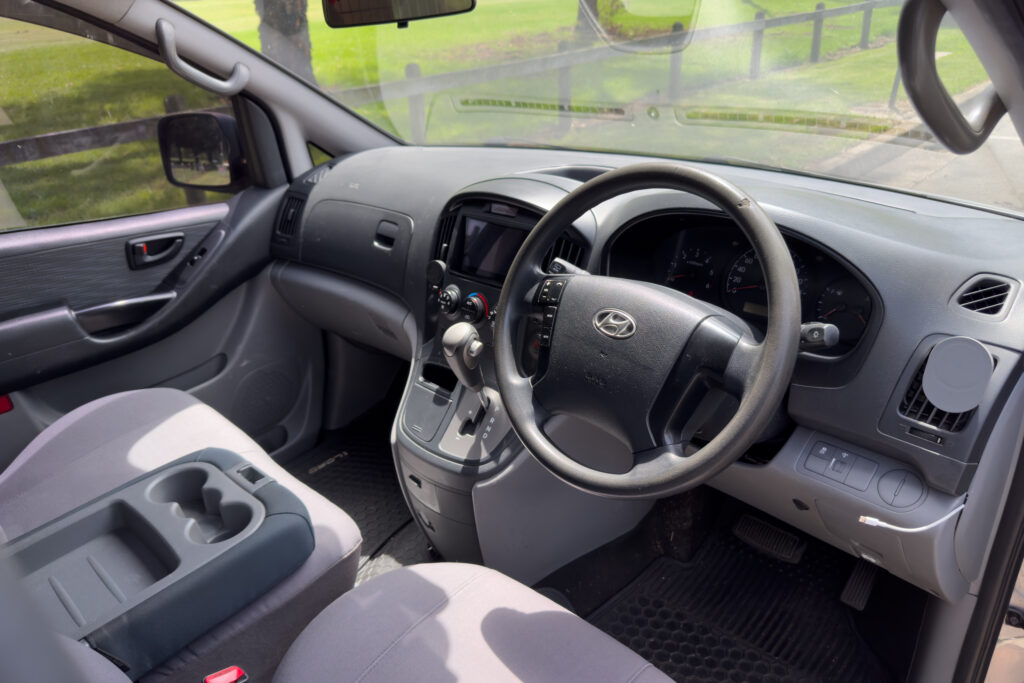
Unlike some European competitors that may develop electronic issues with age and mileage, the iLoad typically does not suffer from similar problems.
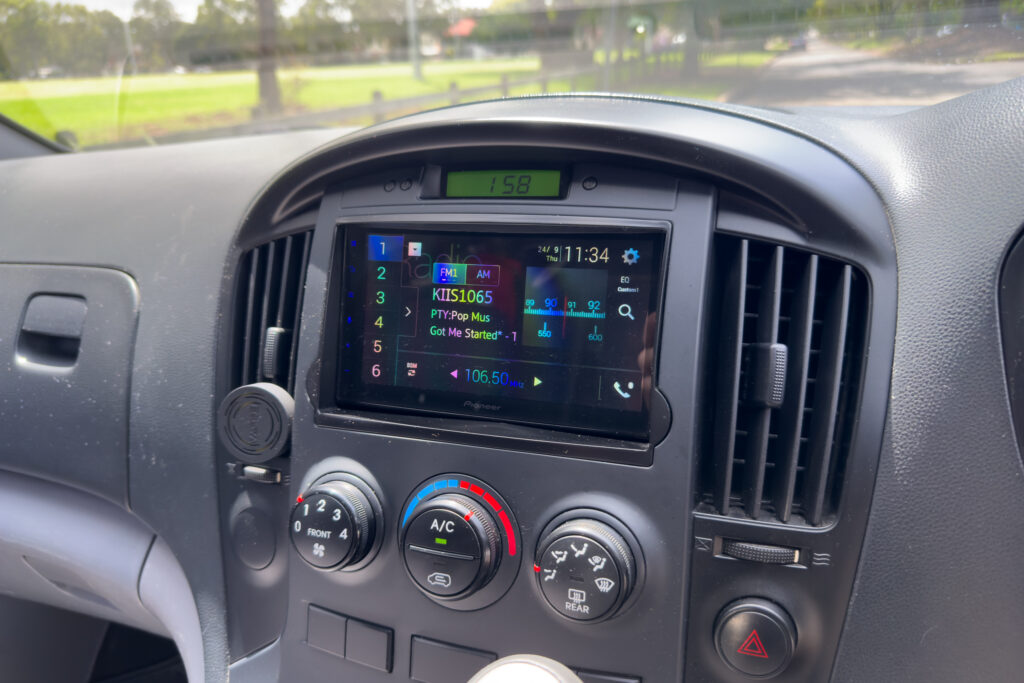
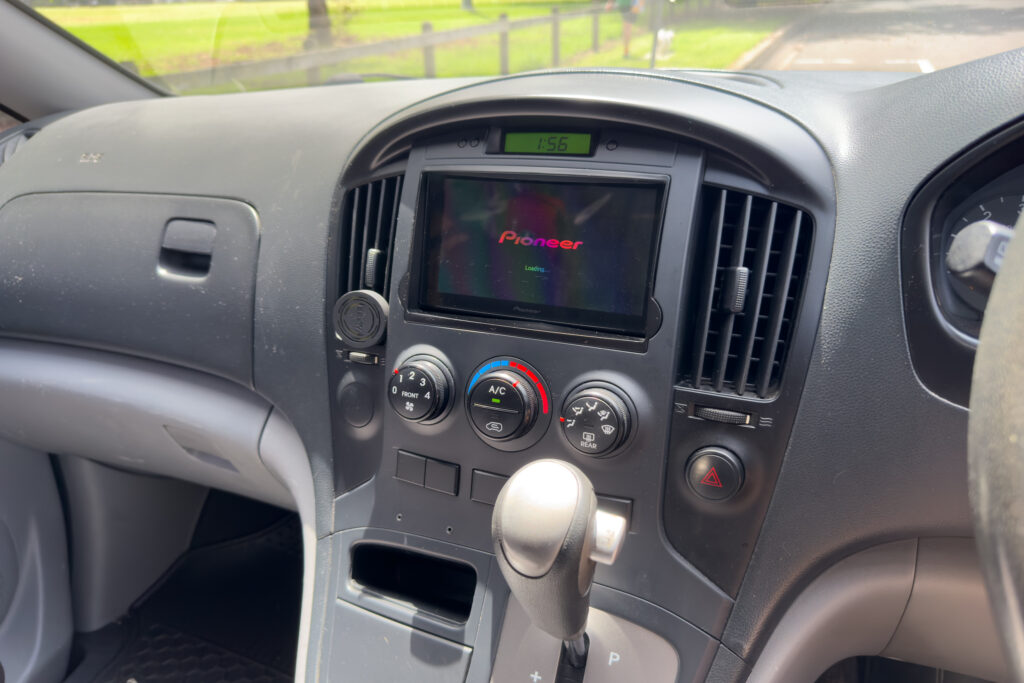
The factory speakers are considered subpar, and replacing them is advisable for an improved audio experience.
Early models with Bluetooth connectivity may have a microphone quality issue, leading to suboptimal sound during calls.
Mechanically – Petrol engines:
The petrol variants feature the family Theta engines, known for their reputation of unexpected failures. However, unlike in other regions where eligible owners may benefit from a class-action lawsuit for a free engine replacement, Australian iLoads are not included in this program.
Reasons for engine failure include knock sensor calibration, oil pressure issues, manufacturing defects, and overall poor design.
Catalytic converter issues are common, leading to power loss and potential long-term engine damage. Repairing these engines is often impractical, resulting in scarce and costly second-hand replacements.
Mechanically – Diesel engines:
Potential issues with diesel engines include blocked oil pick-up lines, sludge buildup in the manifold (referred to as the black death), turbo failures due to blocked feed lines, and concerns with EGR valves and coolers.
Head gasket problems may arise in earlier or poorly maintained examples, while intercooler splits are also reported. Installing a catch can and regular servicing are highly recommended to prevent issues.
Transmission:
Transmissions and differentials generally perform well, with regular servicing recommended to mitigate potential problems.
Dual mass flywheels tend to fail before clutches, making regular inspection and maintenance essential.
Recalls:
March 2010 – Faulty batch of throttle cables delivered to production line without polymer sleeve affecting 539 units of Hyundai iLoad and iMax models, leading to increased pedal effort and vehicle malfunction.
December 2018 – Hyundai iMAX & iLOAD vehicles manufactured in 2018, involving 1,173 units, have a faulty rear sliding door locking mechanism that can fail.
When considering the purchase of a Hyundai iLoad in the Australian market, careful evaluation is essential. Avoiding early high-kilometre examples is advisable, as they may initially seem like bargains but pose significant risks, whether in petrol or diesel form.
Even with more recent, lower-kilometre options, it is crucial to ensure they come with a comprehensive service history. Conducting a pre-purchase inspection is highly recommended to mitigate potential issues.
If a prospective iLoad meets all the necessary criteria, it can be a solid purchase choice. Additionally, fitting a catch can is suggested for enhanced reliability.
However, buyers should exercise extreme caution when considering ex-fleet iLoads. Many of these vehicles have been driven by individuals that lack any mechanical sympathy.
Ideally, purchasing from someone who has used the vehicle for personal use or potentially buying the boss’s iLoad is a safer bet, minimising the risk associated with fleet-driven iLoads.
MORE: Explore our Hyundai reviews
MORE: Explore our people mover reviews
MORE: Explore our van reviews


Co-creator, presenter & writer, ReDriven

Probably not.
 12 months ago
 2 years ago
 2 years ago