Australia’s No. 1 Used Car Review Website
Australia’s No. 1 Used Car Review Website
+24 Photos

2025 Tank 300 Ultra

01 June 2026
Yes. But only the right example.

2025 Tank 300 Ultra

Used car review
01 June 2026
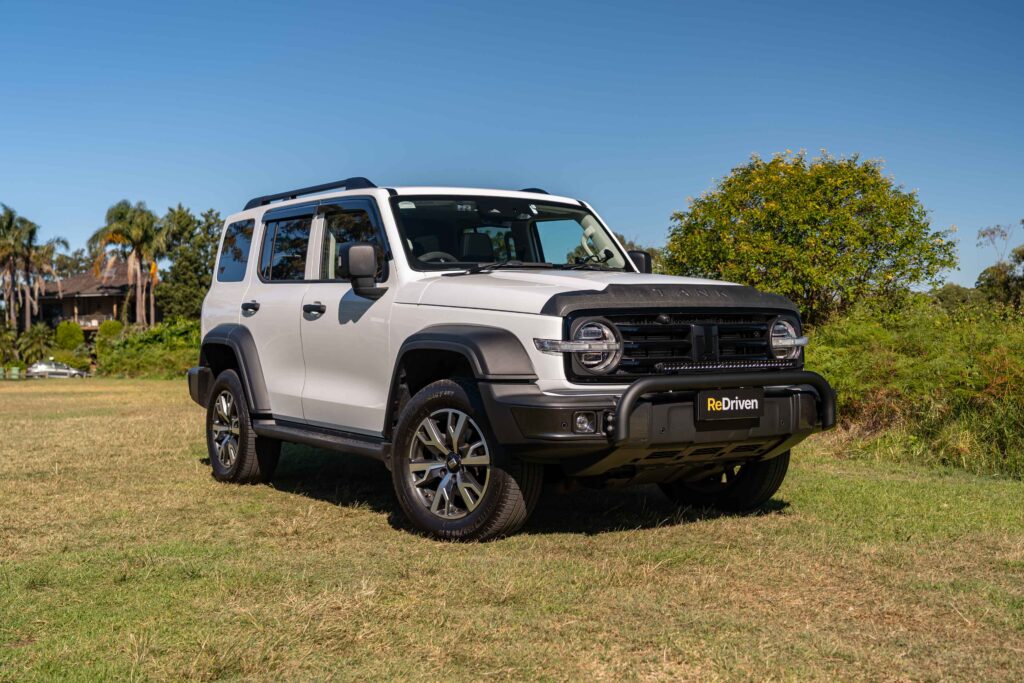
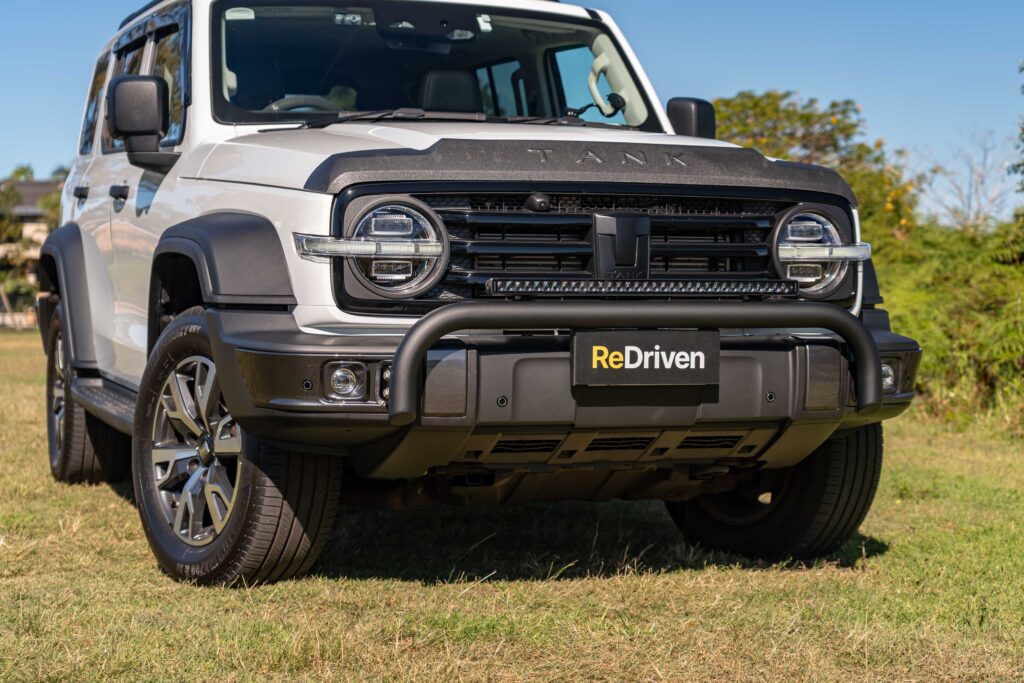
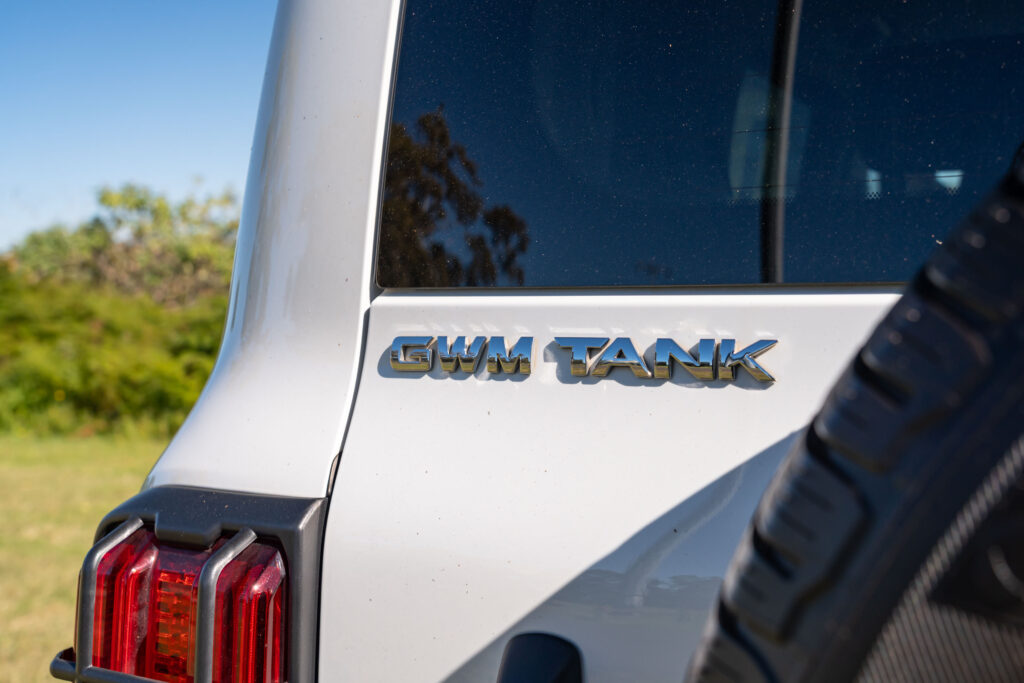
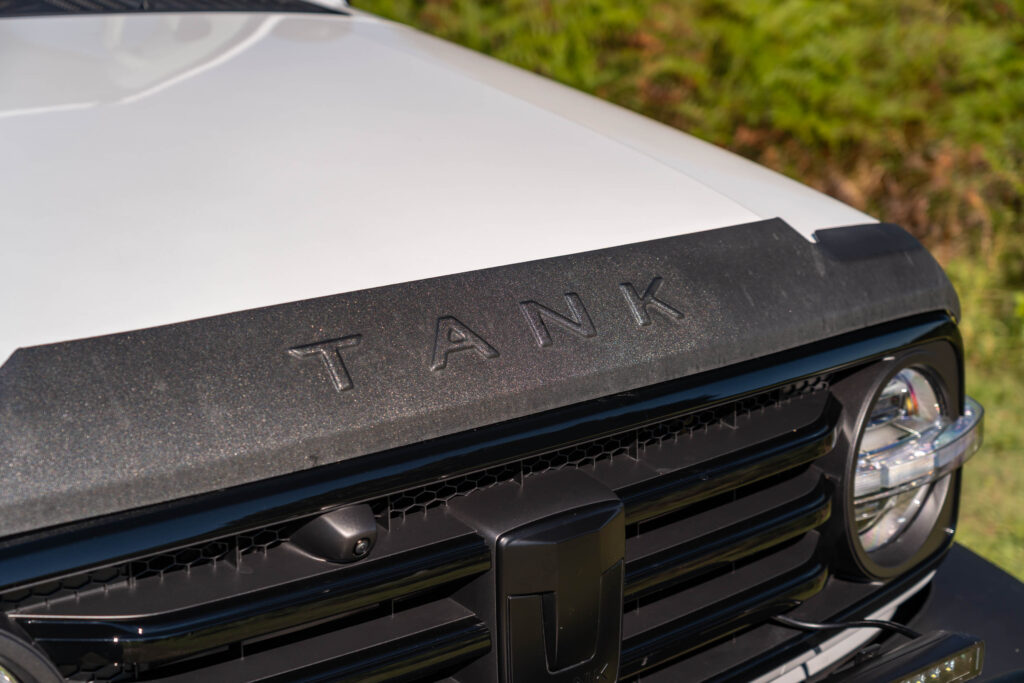
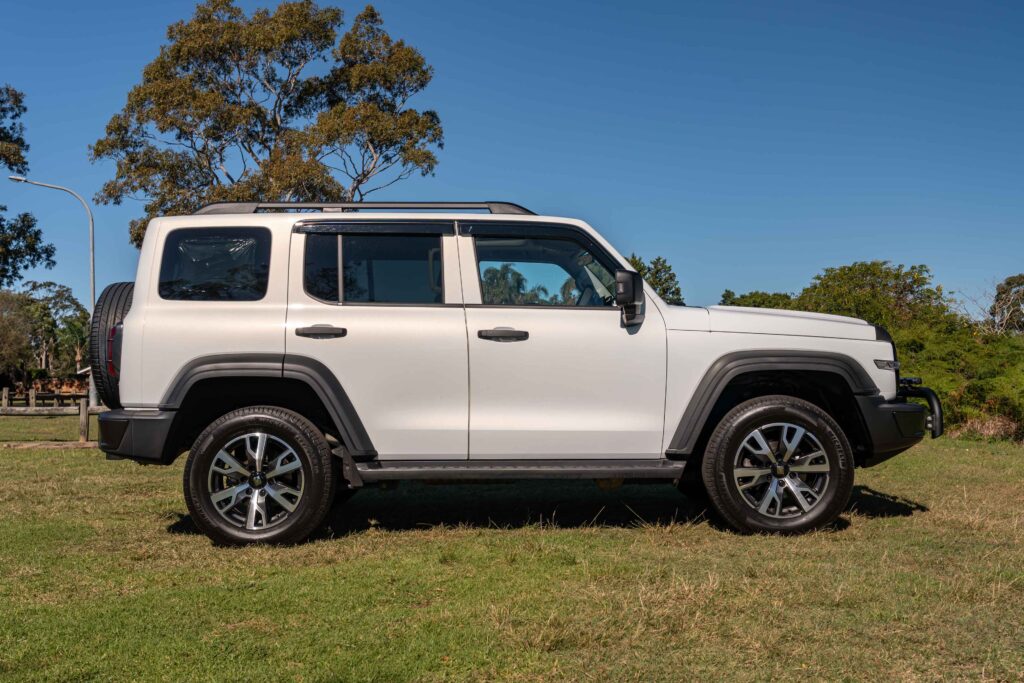
The GWM Tank 300 is a midsize SUV offered by the Chinese ‘Great Wall Motor’ brand, which also decided to spin off the ‘Tank’ nameplate into its own, separate brand focused solely on SUVs.
Depending on the market, the Tank 300 is positioned as the entry-level model within the ‘Tank’ brand, below the larger Tank 500 and the more upmarket-oriented Haval SUVs.
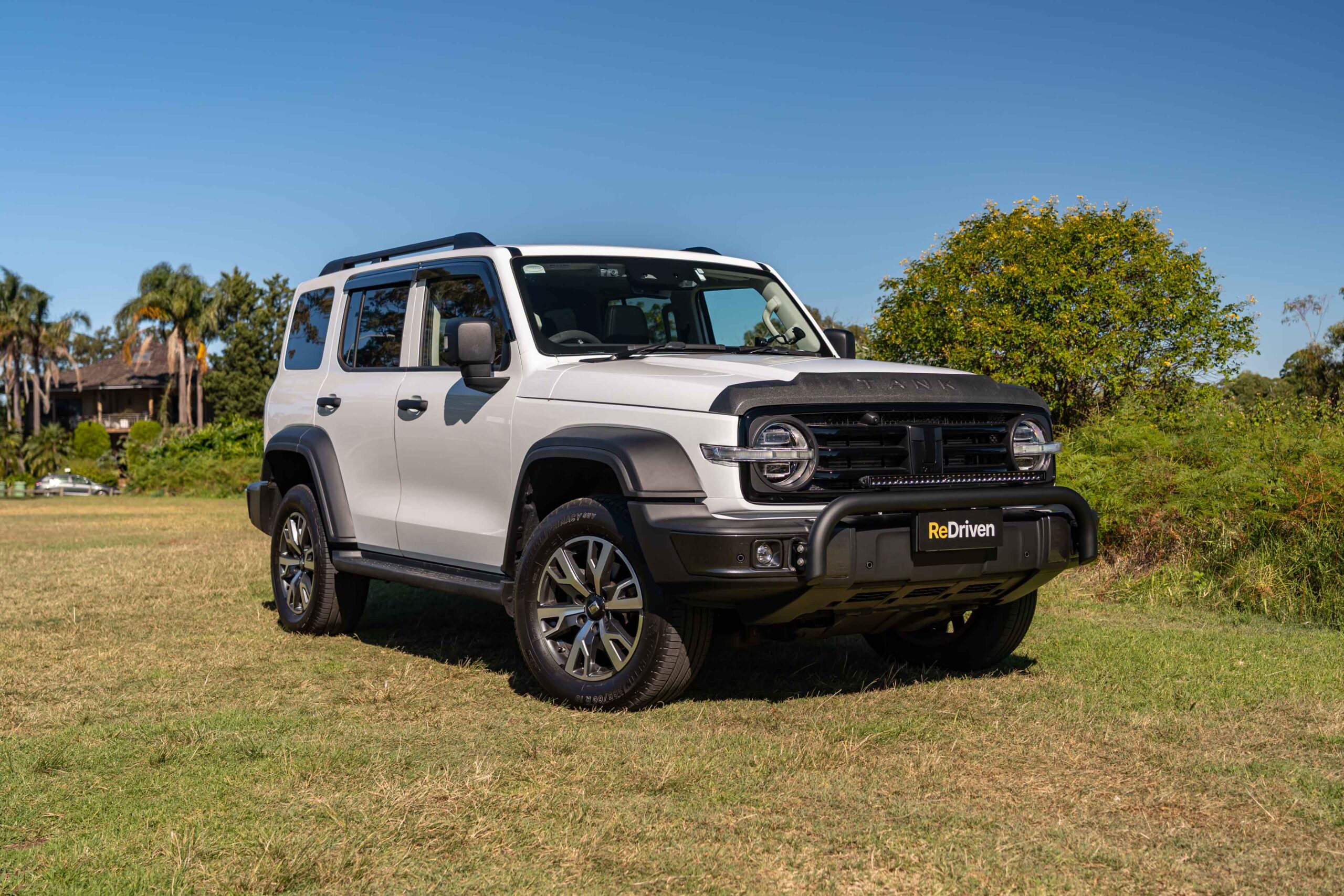
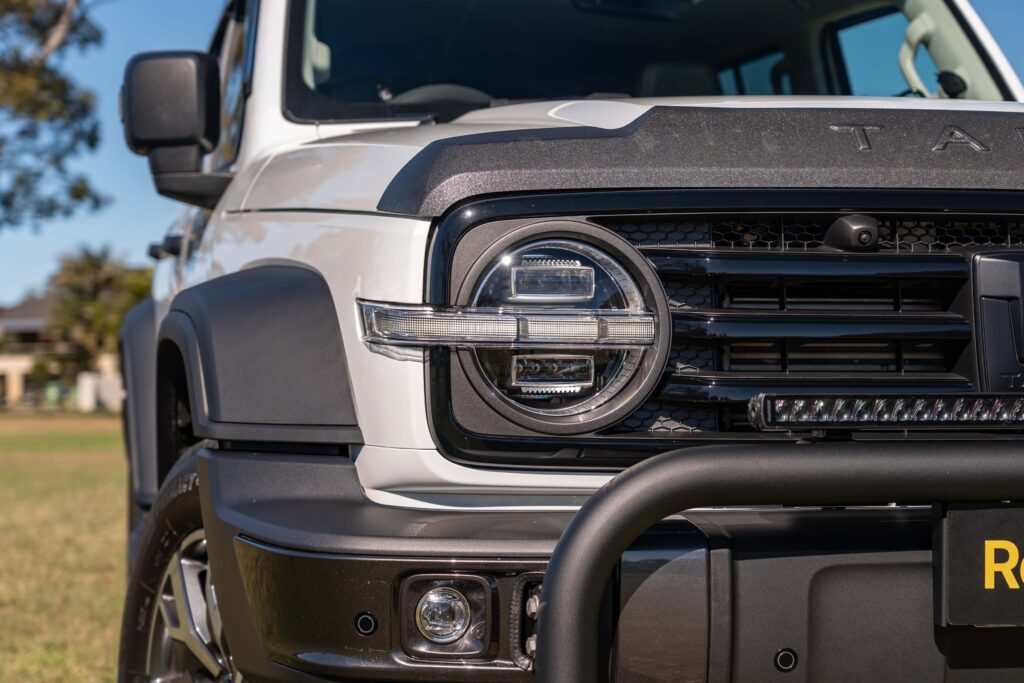
With its ladder-on-frame chassis and boxy architecture, it’s obvious that the Tank 300 has been heavily inspired by other established SUV nameplates that utilise this construction: from the Jeep Wrangler to the Land Rover Defender (pre-L663) and Mercedes-Benz G-Wagen, with hints of the Suzuki Jimny and Ford Bronco.
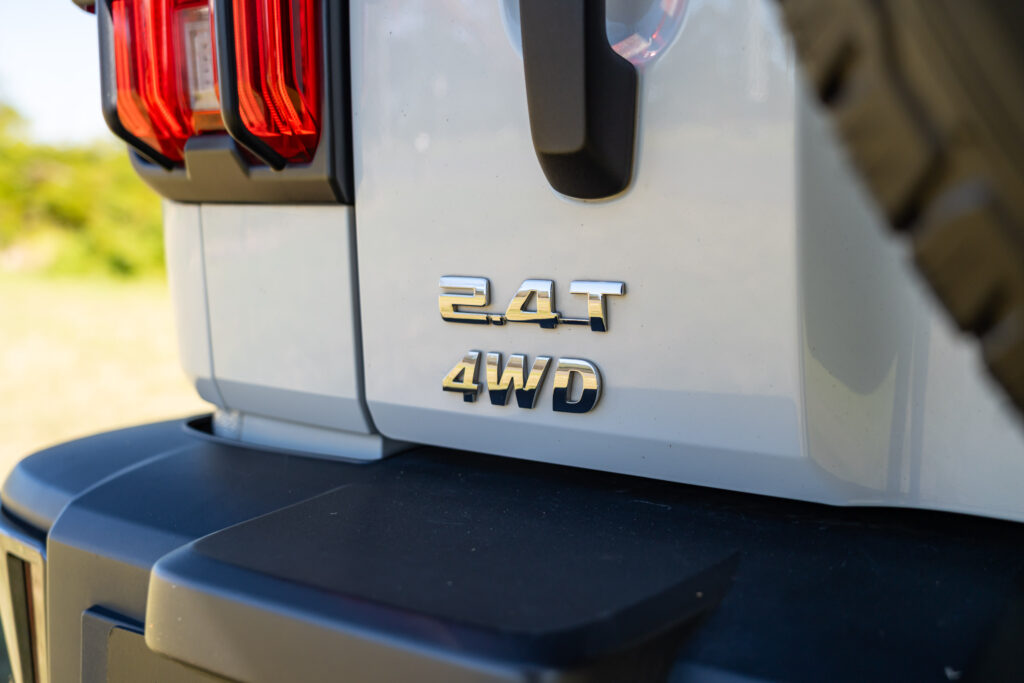
The Tank 300 first arrived in the Australian market for the 2023 model year and is currently offered with a 2.0L turbocharged four-cylinder (with and without a petrol hybrid/plug-in hybrid powertrain) and a 2.4L turbodiesel four-cylinder. Four-wheel drive is standard across the range, paired to an automatic transmission.
These are fairly new entries in the market beyond their native China, but are SUVs from brands like GWM serious competitors in this segment that deserve your attention, or are they hiding concerns underneath all their packaging that aren’t worth the liability or risk to own, especially a secondhand one?
Exterior:
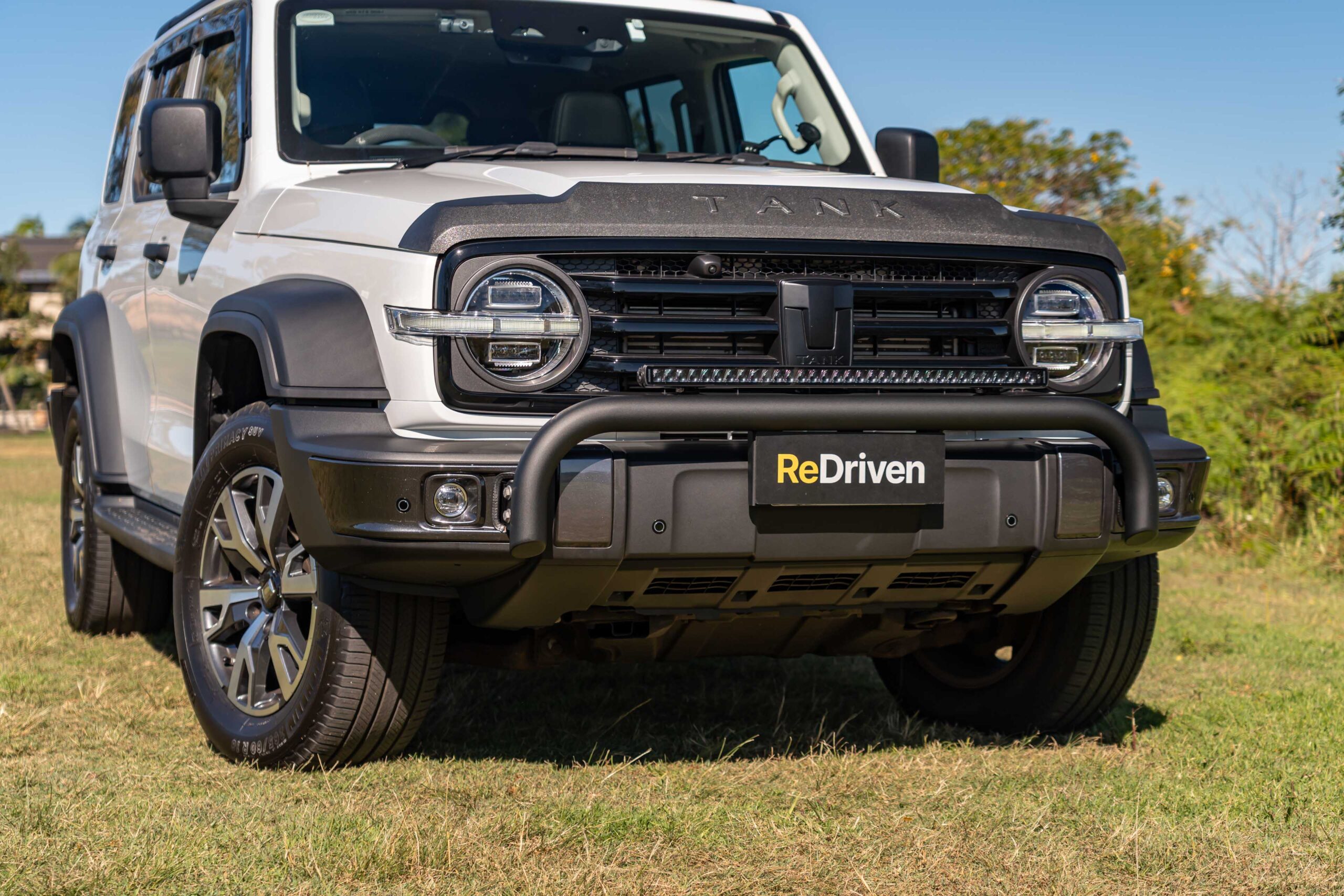
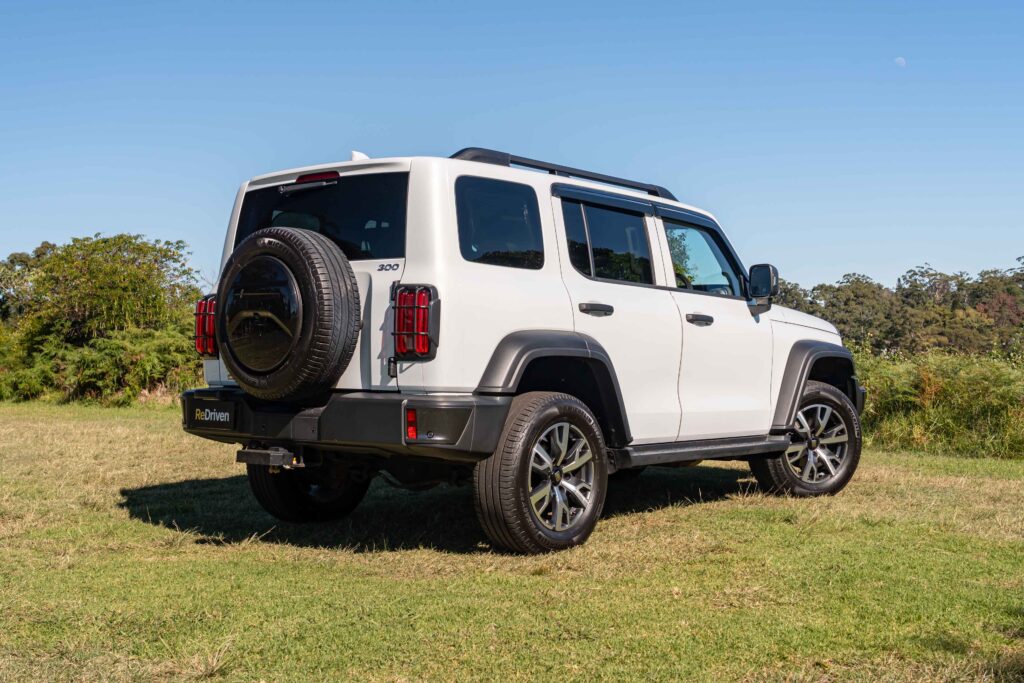
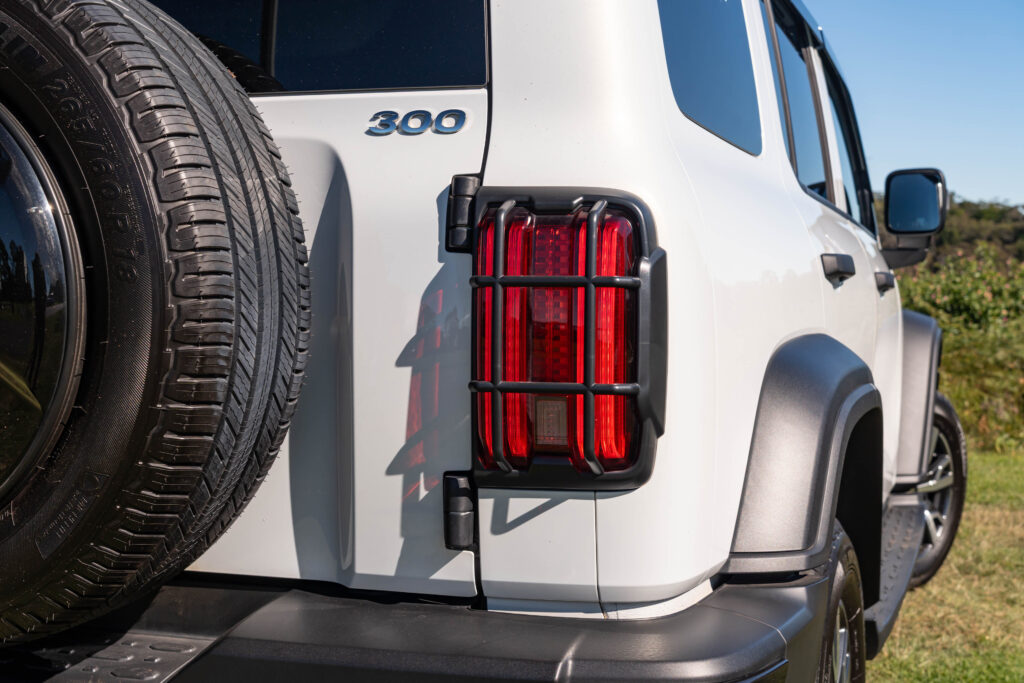
Like other boxy SUVs, the Tank 300’s windscreen can be easily damaged/cracked by stone chips and other debris from travelling at high speed.
We heard some owners who use these over long distances have to replace the screen annually, which is highly recommended to have insurance cover (given the ADAS safety tech and other integrated modules that may need to be reset).
We’ve also read a few cases of keyless entry experiencing intermittent issues, but a software update generally resolves them.
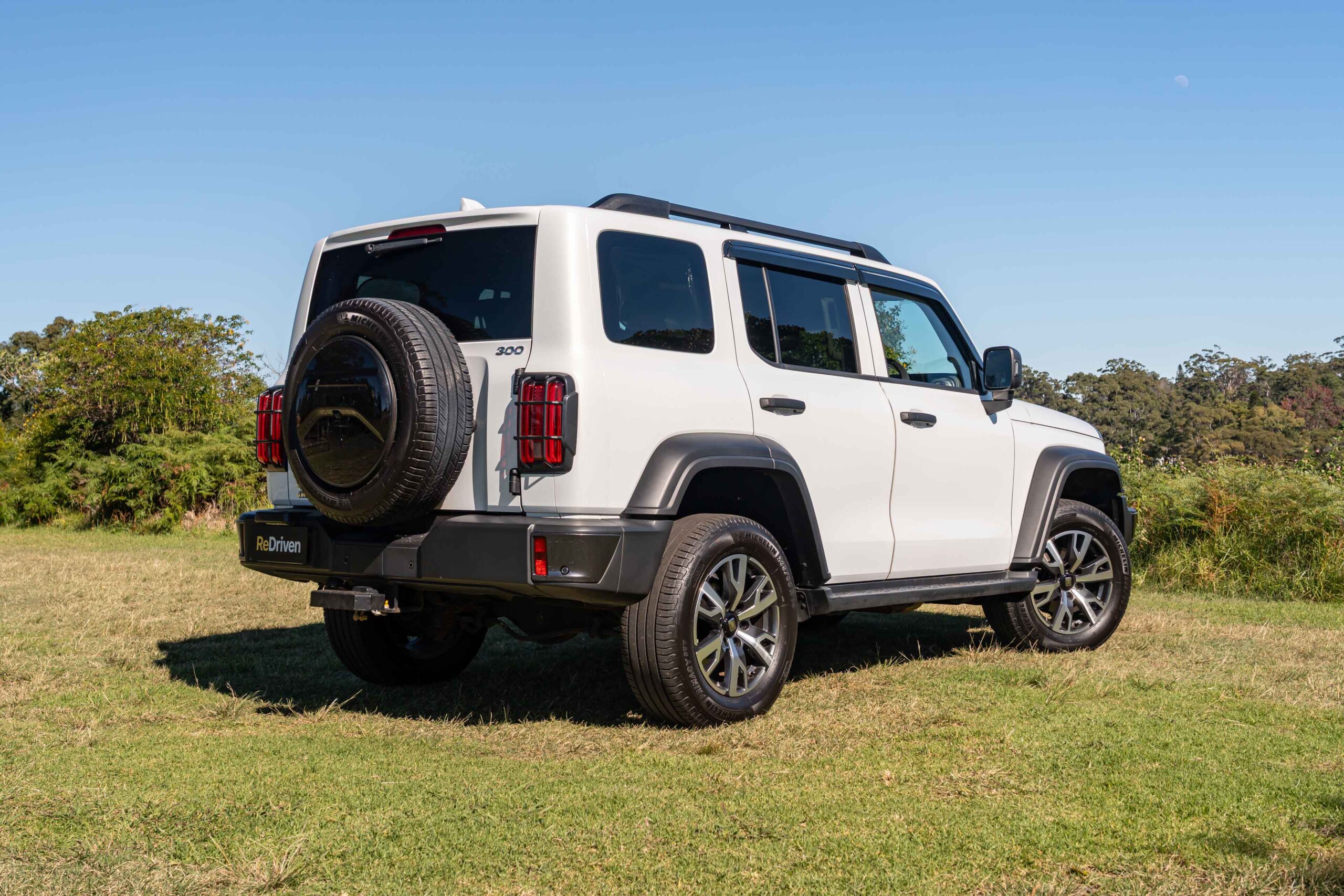
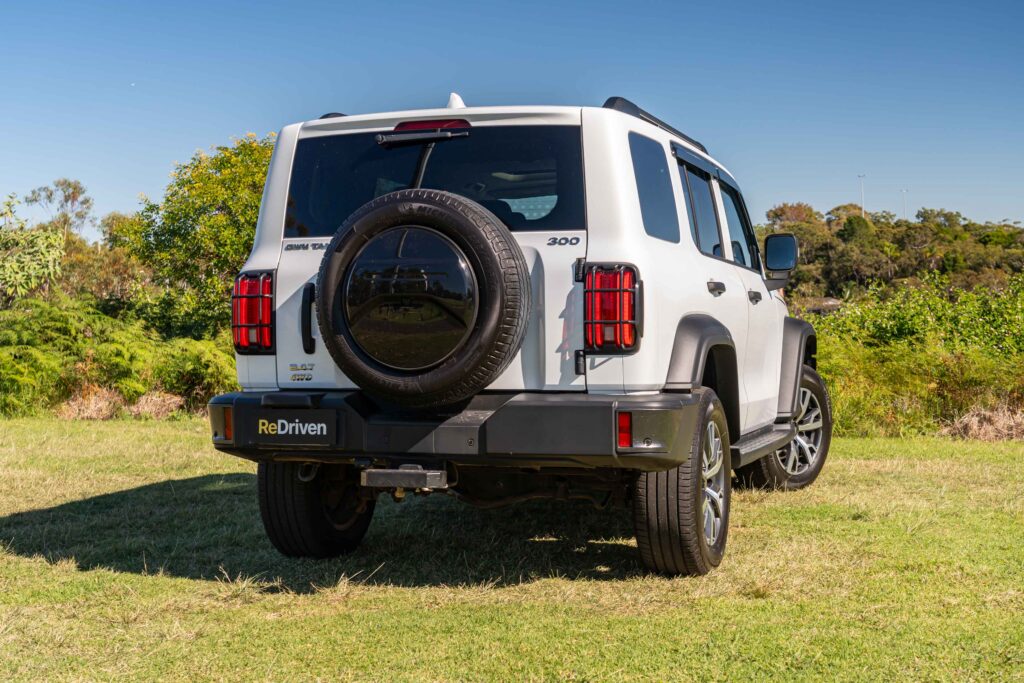
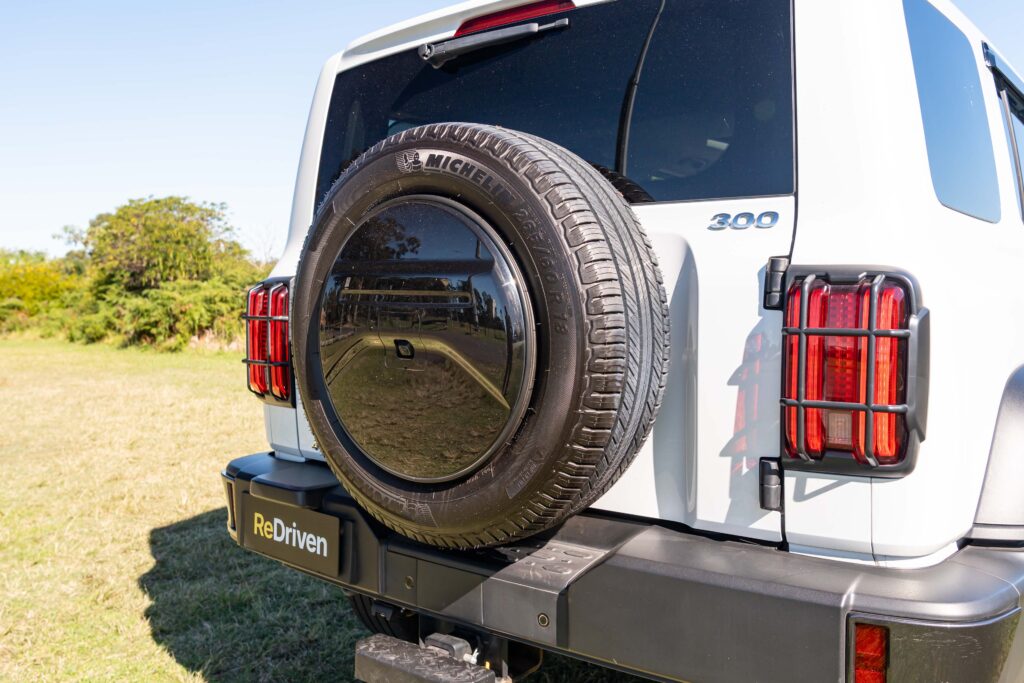
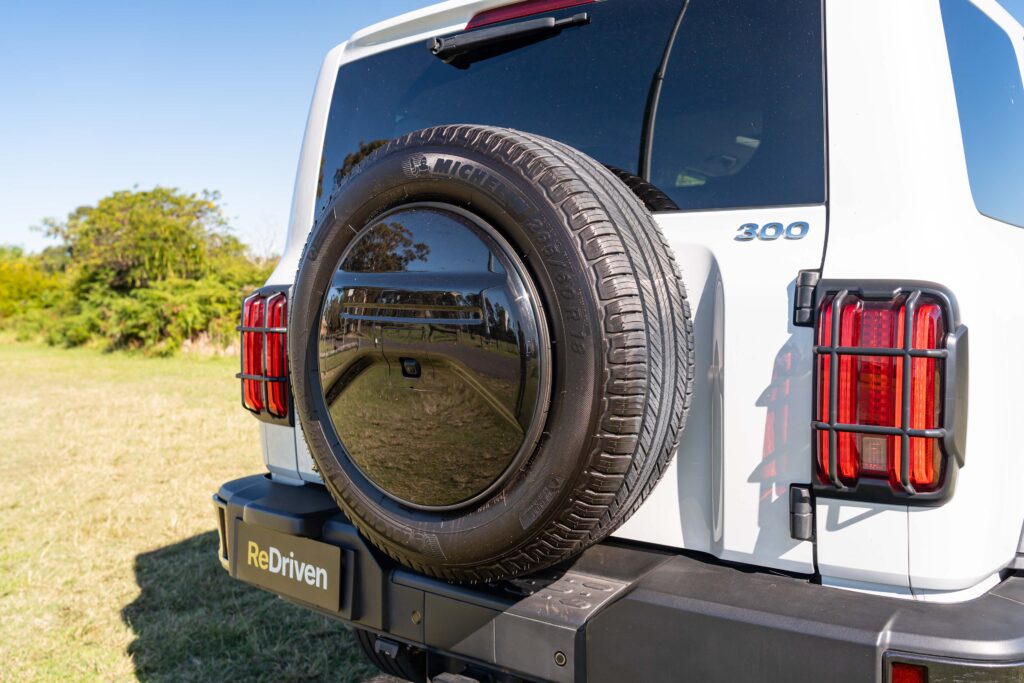
Owners note the rear window wiper is mounted on the wrong side relative to the design of the window itself, and the area it wipes clean can be quite small, which can be a minor inconvenience to some.
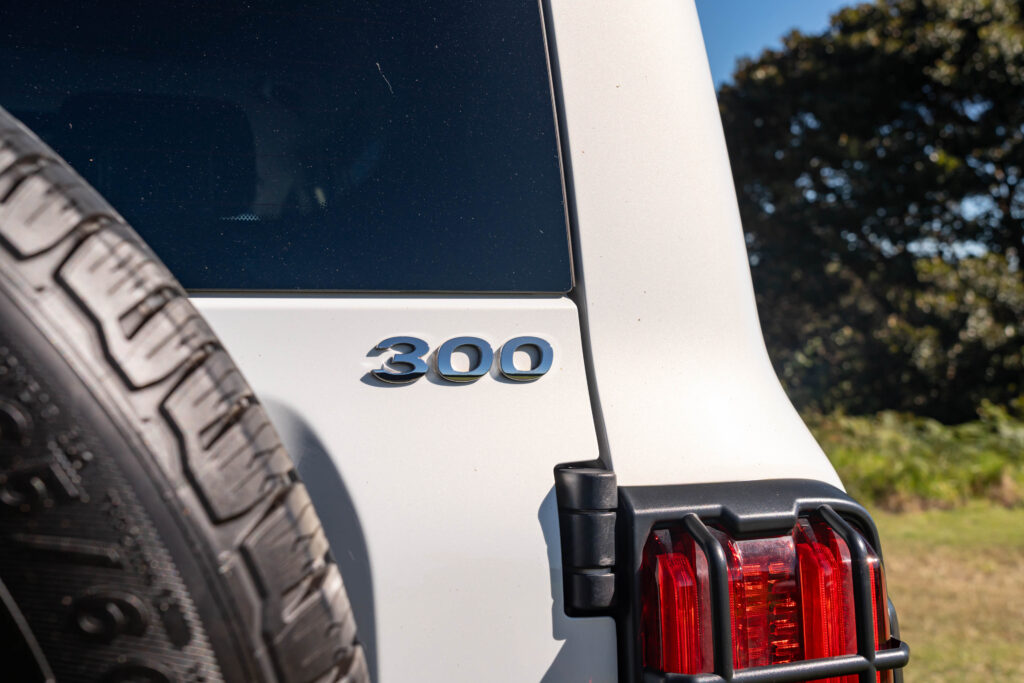
Beyond these, the Tank 300 is proving to be quite a solid SUV – generally speaking, electronic equipment suffers no gremlins, the fit/finish and panel gaps are consistent, along with the build quality of all the body panels and paint finishes, which are proving to be robust.
Interior:
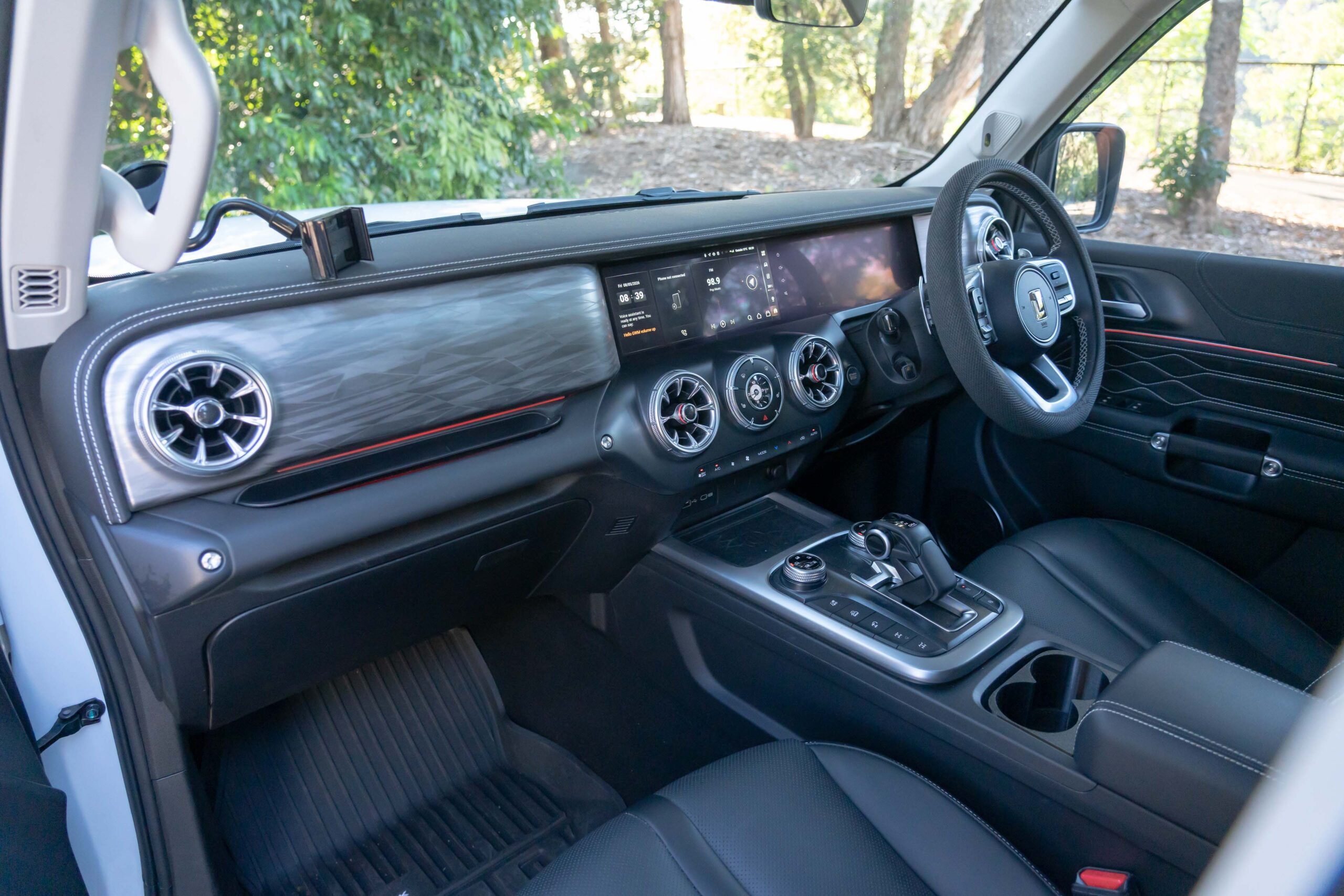
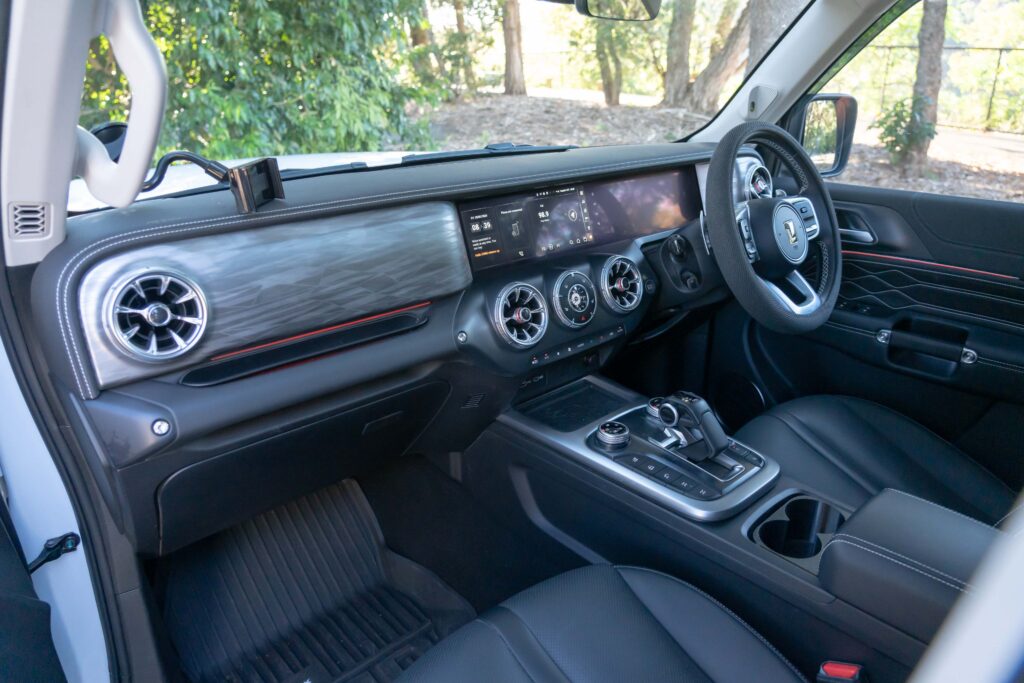
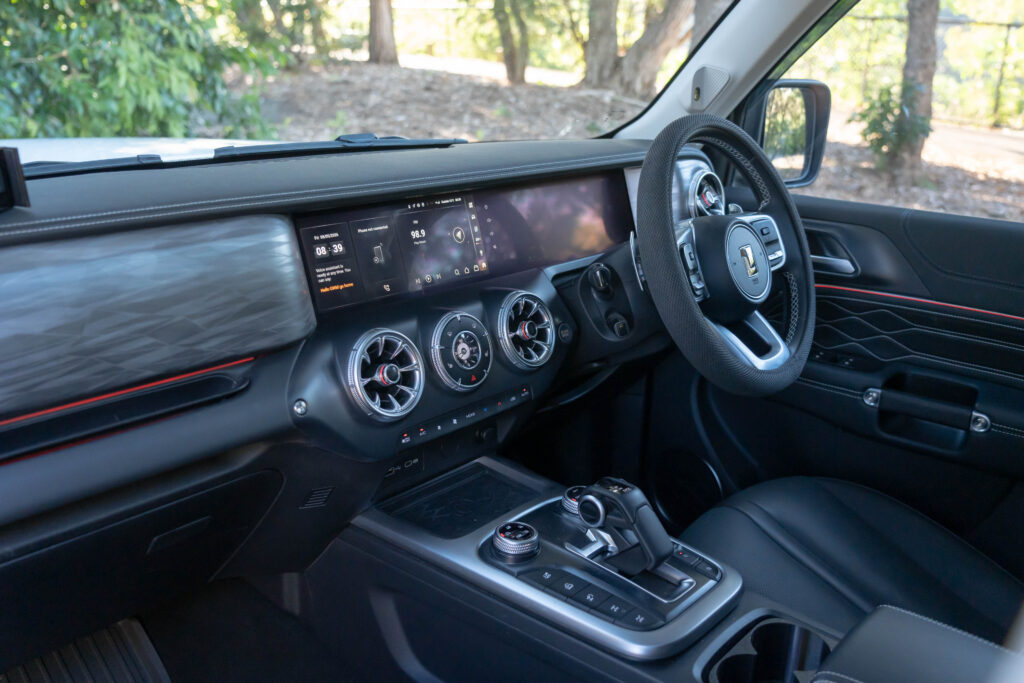
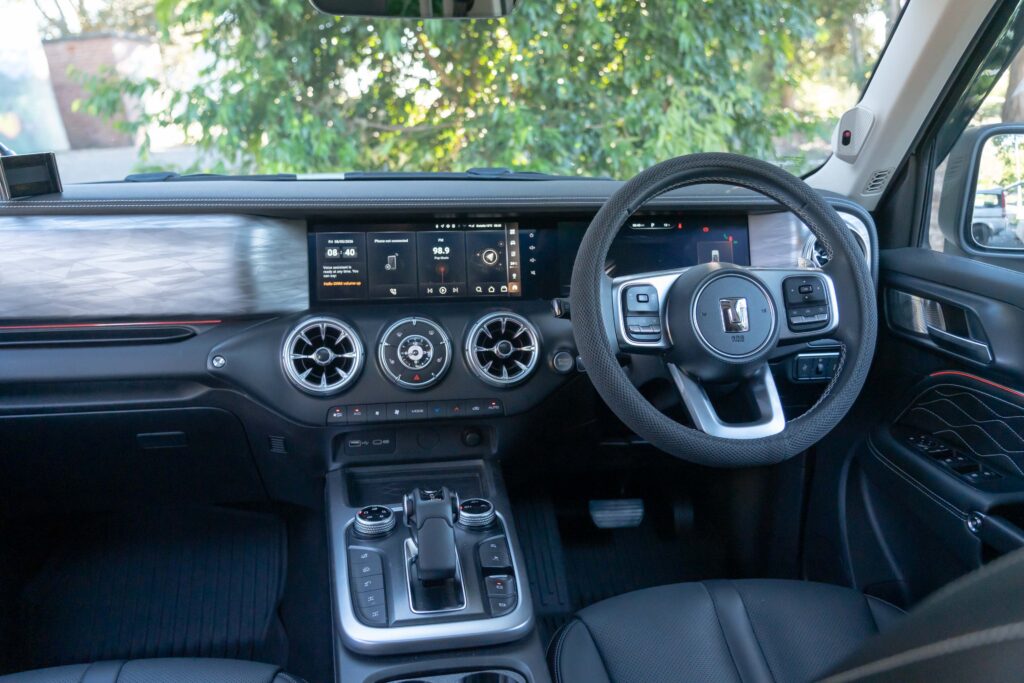
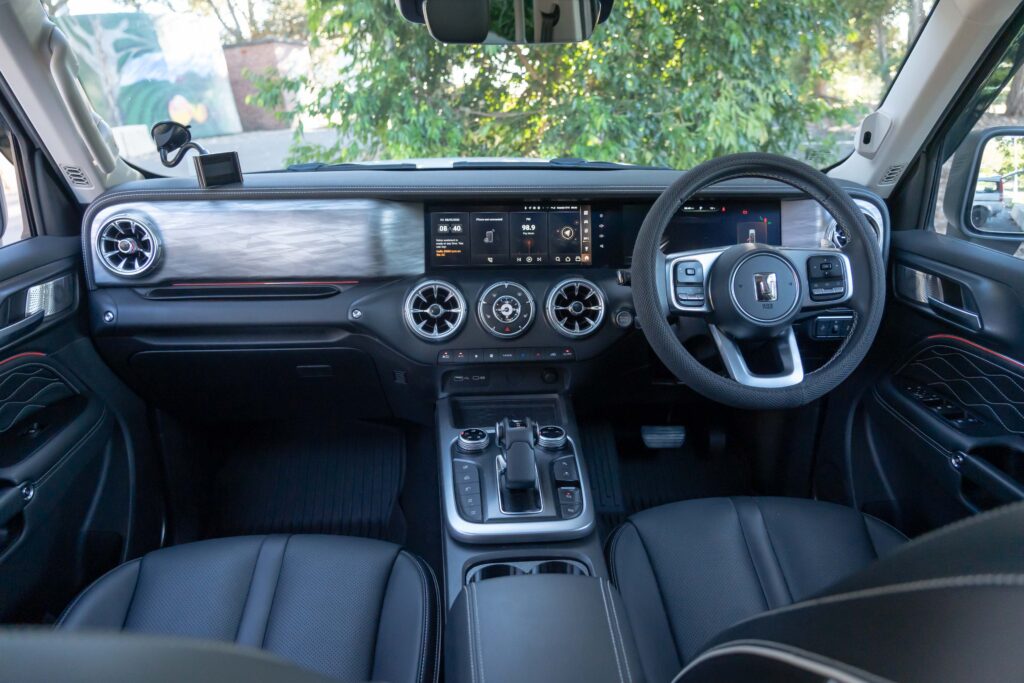
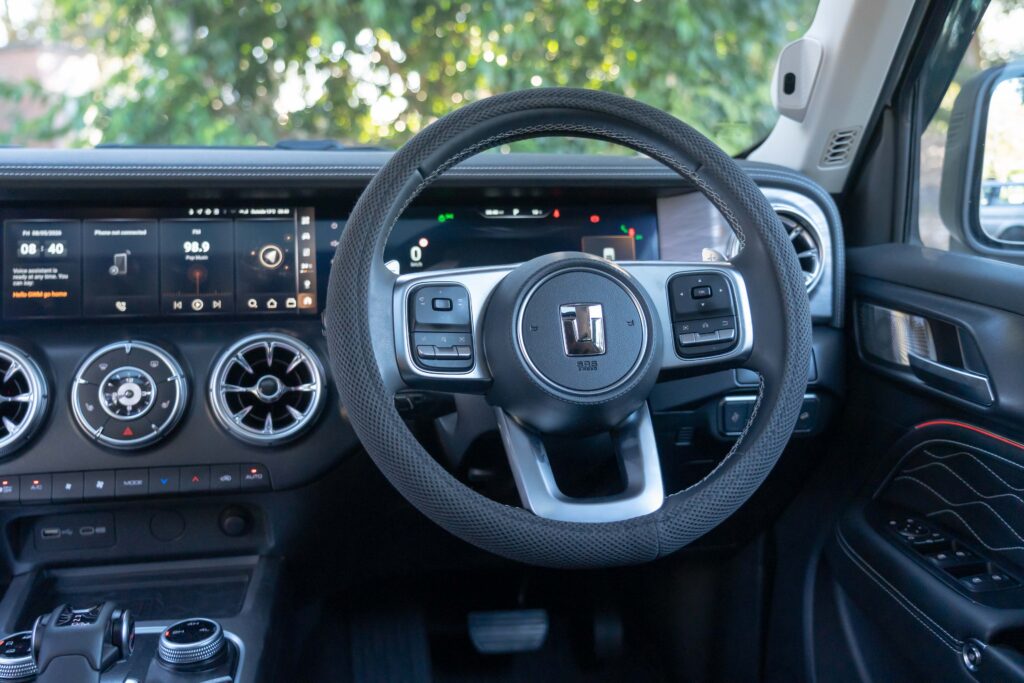
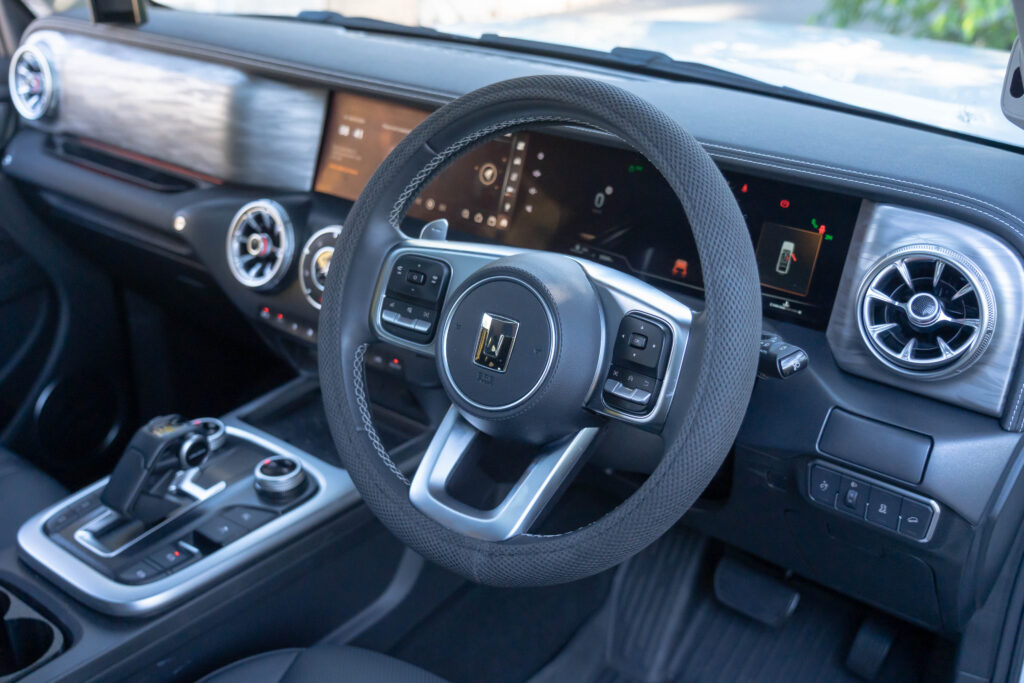
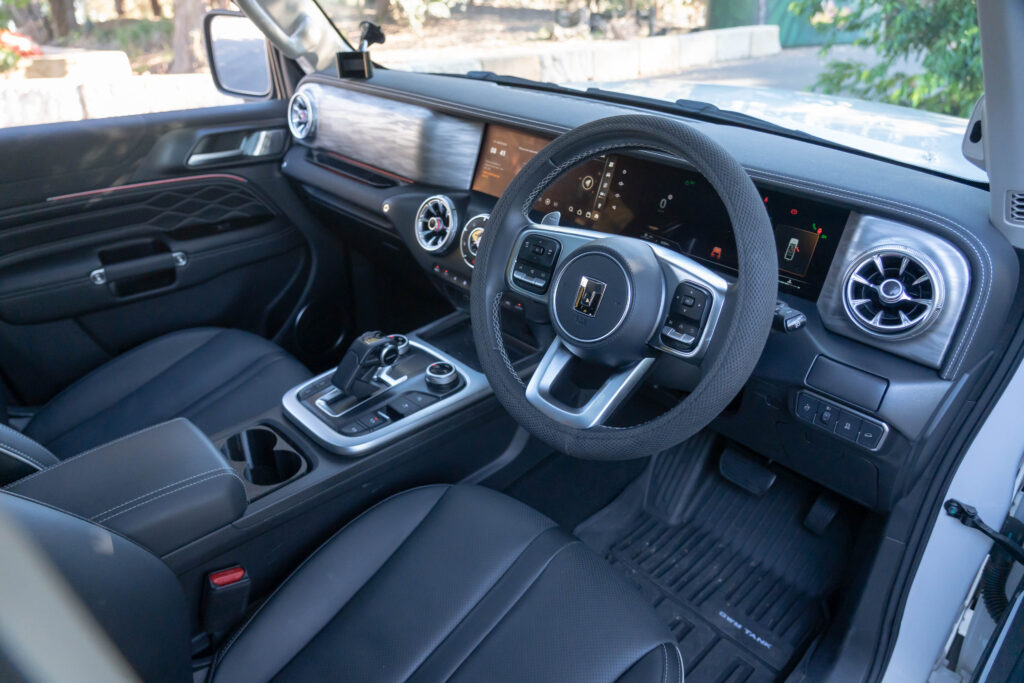
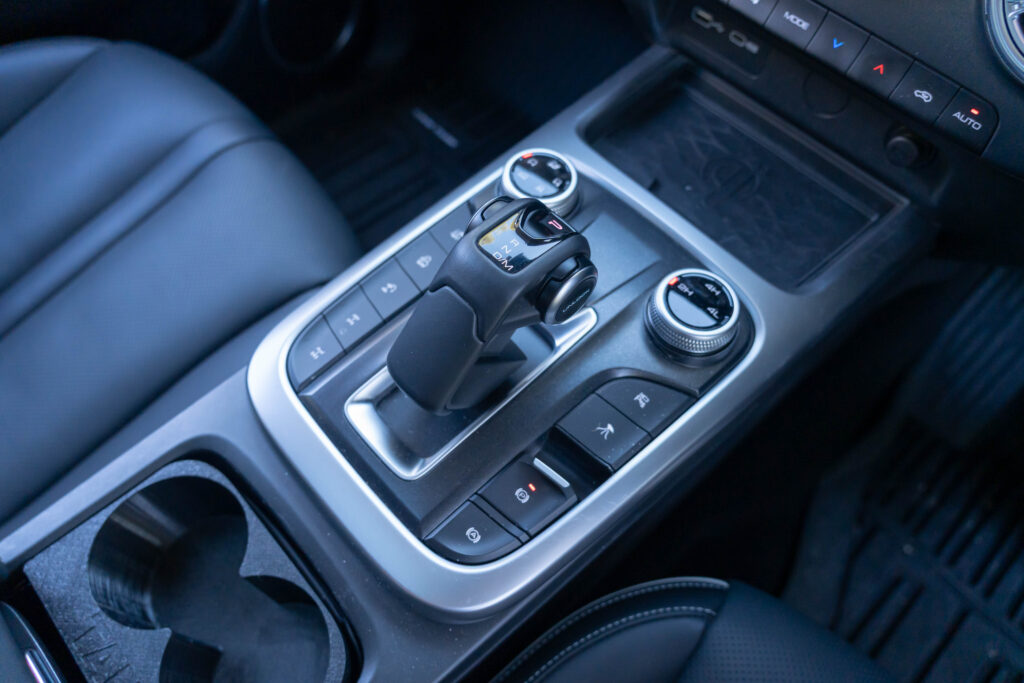
The build quality inside is proving to be better than most expect from a Chinese brand, with few to no reports of cabin trim/material rattles and very few instances of electrical gremlins.
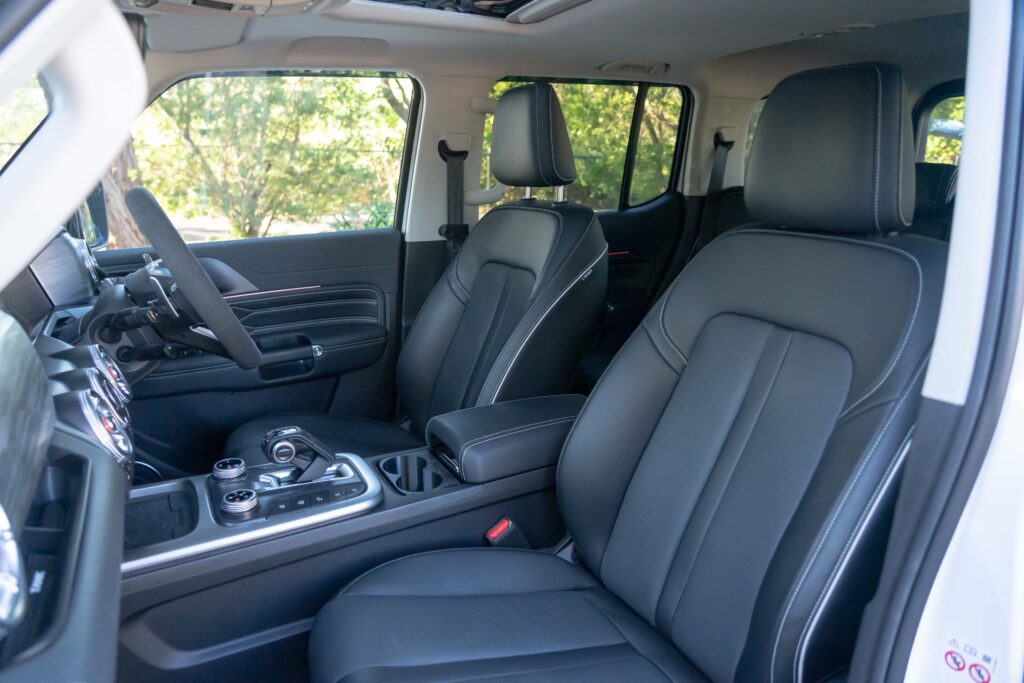
Owners have reported that these interiors are proving quite resilient across their upholstery materials and trim sections, even under the most rigorous use. They’re not Ineos Grenadier-levels of tactility, but they’re quite robust for a model within this price range.
In addition, many highlight these come very well-equipped on all trims: from the base ‘Lux’ to the ‘Ultra’ variants, these don’t lack in terms of what equipment or features they have as no-cost extras; by contrast to some rival SUVs.
The most frequent complaint the Tank 300 attracts, as with other GWM models, surrounds the turn signal design, which is proving to be not user-intuitive and far too sensitive. For something so simple, many owners have said this is the only inconvenience they’ve experienced.
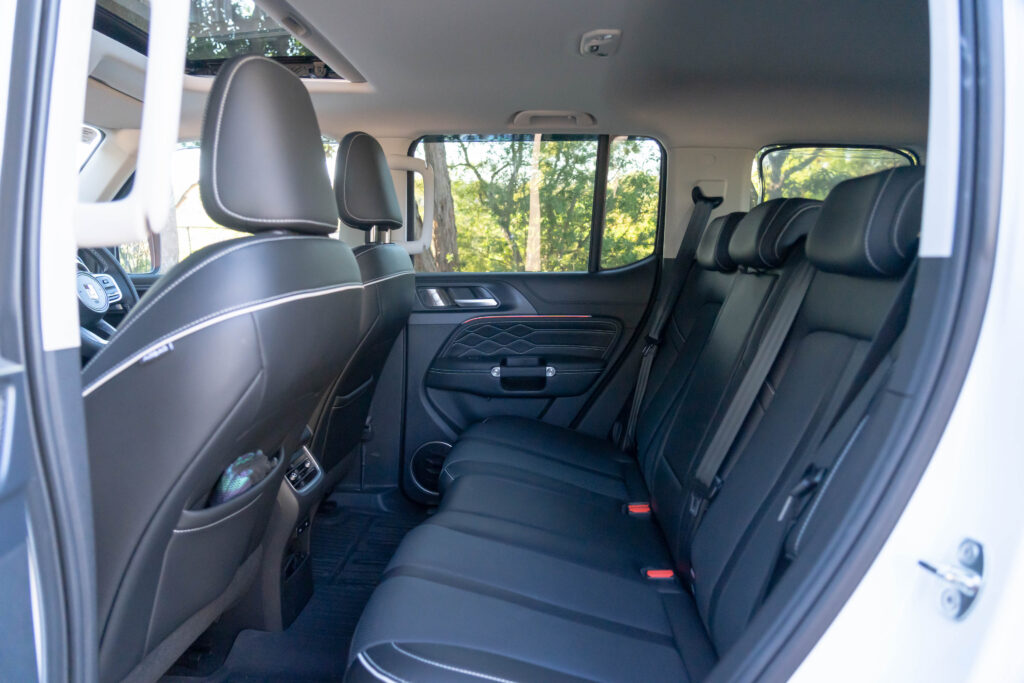
We’ve been told that those featuring perforated leather can easily trap debris like dirt, dust, or pet hair within the seats, making deep cleaning a bit more difficult.
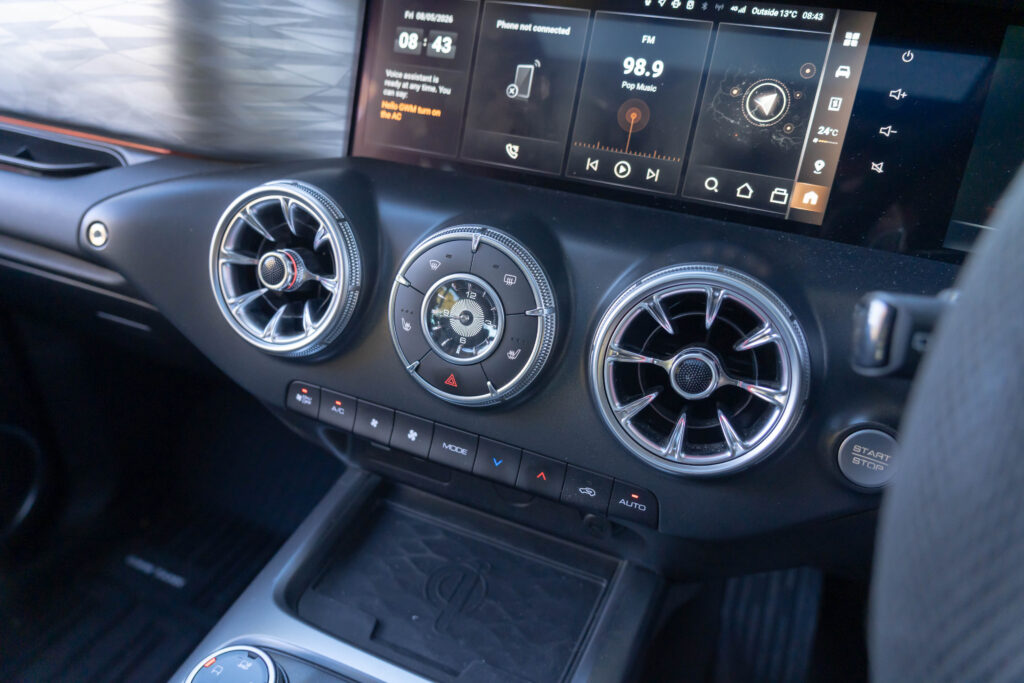
The wireless charging pads, if equipped, are still inconsistent as seen in other models – barely charging devices or overheating them.
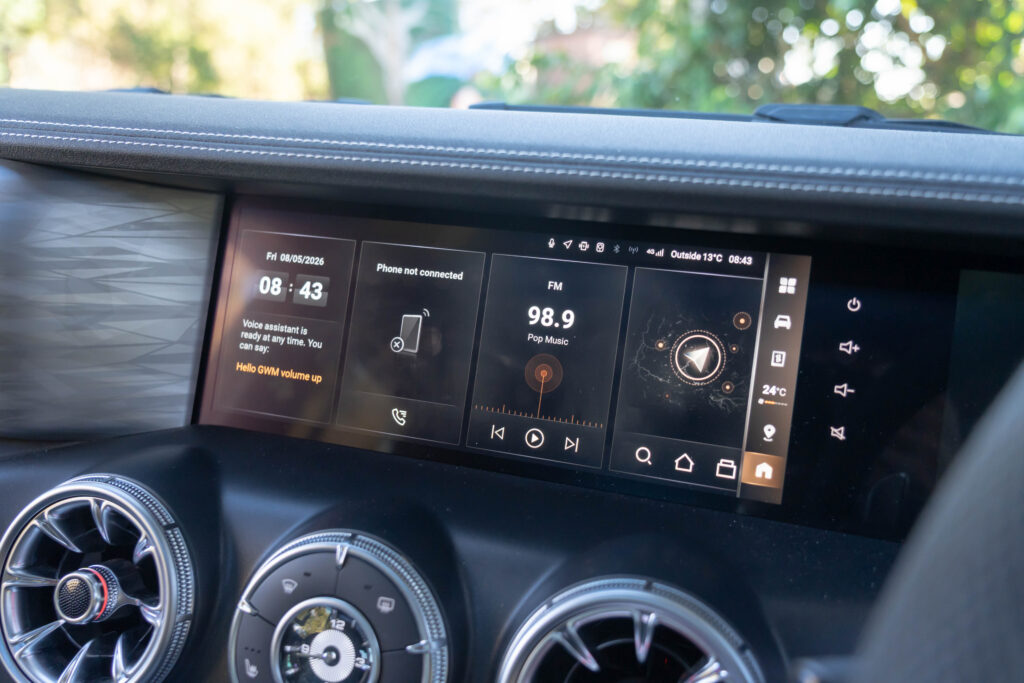
Some early versions of the infotainment system reported occasional CarPlay/Android Auto connection issues, connectivity or features in the UI crashing/glitching, but nowhere to the same extent as other cars, and software updates easily resolve them.
Although some Tank owners have criticised the lack of wireless Apple CarPlay on even the top-spec Ultra models, and depending on region/market, wireless Android Auto isn’t available in any trim.
The lack of physical volume knobs and being forced to use controls within the touchscreen can also be a bit frustrating.
But minor issues aside, these infotainment systems have a very user-friendly interface that responds quickly and is considered to be one of the better setups among SUVs in the market, plus the tech and features tends to improve with each cabin refresh.
A few owners also report faults affecting the surround-view camera system, but these rare glitches can also be fixed with software updates. Many, in fact, compliment this around-view monitor makes navigating and parking this SUV without difficulty.
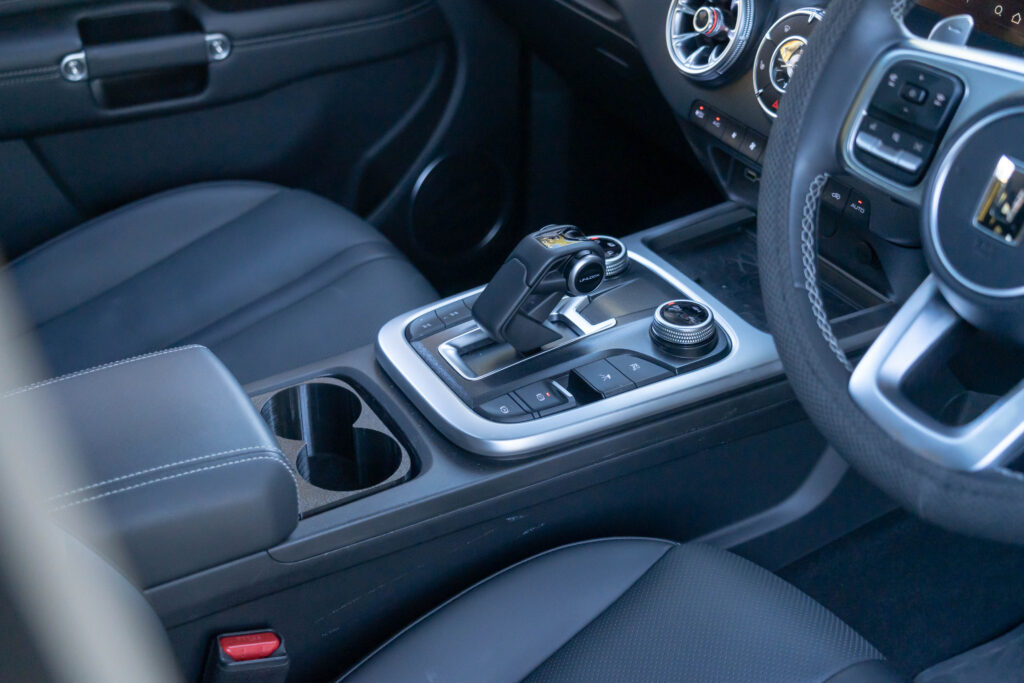
Minor inconveniences do occasionally creep up with the cabin ergonomics, from the passenger side seatbelts rattling upon the B-Pillar easily to the standard cup holders being too small, which can easily be resolved with aftermarket or DIY solutions (padding, 3D printed units, etc.).)
There’s also a lack of grab handles on the driver’s side, with a ‘driver awareness’ camera occupying the spot on the B-Pillar where you’d expect it.
It’s also worth highlighting that we’ve heard the rear cargo area is not as big compared to rival SUVs (the opposite of what the boxy proportions of the exterior hint), and the plug-in hybrid models have much less room due to the inclusion of the battery pack onboard.
Though owners have complimented the dual-purpose cargo floor that, like early Honda CR-Vs, can be removed to use as a portable table, and many aftermarket accessories can be installed to make further use of the rear cargo space.
Various ADAS tech comes standard on the Tank 300, but we’ve heard owners complain about features like the active cruise control and lane keep assist being poorly calibrated or overly sensitive.
In addition, expect GWM to update the interior design for future Australian models to bring it in line with those sold internationally; based on observations of Tank 300s sold in other markets, this likely will consist of updated switchgear, control layouts, and better-grade materials.
Mechanically:
GWM Australia offers a very competitive 7-year, unlimited-kilometre warranty (8 years for the plug-in hybrid battery pack) that outclasses most SUV rivals. Their warranty does stipulate certain requirements/conditions, so don’t forget to read the fine print.
Owners we spoke to report that experiences dealing with GWM’s after-sales support and dealers are still inconsistent. Some state they received exceptional service, while others have had stressful experiences that put them off attempting to work with dealerships entirely.
Parts supply and turnaround for maintenance is also something owners have complained about, from a lack of locally available supply to long delays for specific components. Some have experienced wait times up to 2 months just to receive parts for their Tanks.
But note that this appears to be the case across the entire industry as well with far more established brands.
As we reported with other GWM models, more recent Tank 300s delivered for Australia (2025 onwards) have received the region-specific AT1 suspension package, designed with input by Rob Trubiani, who famously led efforts to refine and develop vehicles for Holden, before going to serve as GWM Australia/New Zealand’s chief product engineering manager.
These latest models also have revised suspension and brake bias settings, reducing how prone the rear wheels were to lifting off the ground under heavy braking at speed (though occurrences of this among early models are very rare, according to complaint data).
Combine this with GWM investing heavily in Australia, including testing their vehicles with Rob’s input at Victoria’s Lang Lang proving ground, and models like the Tank are far more suited for our local road conditions; on top of turnaround for parts and aftersales support improving over time.
That being said, GWM does have some room to improve on the quality of their customer service – owners have complained of slow replies from the designated email, with no phone number or representative at head office they can directly speak to.
Despite still being fresh to the market, aftermarket support for the GWM Tank 300 is steadily growing. But as we’ve advised with other SUVs/utes – check that any non-original parts are compliant within your region, and have been installed correctly, especially items like lift kits or roof accessories.
Engines:
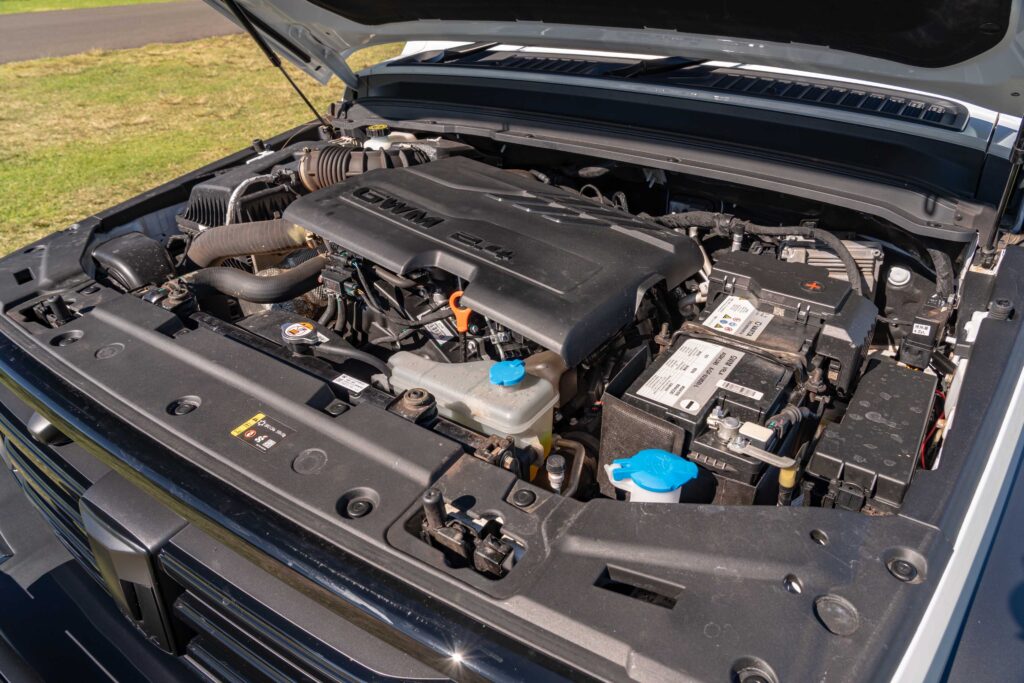
Across all the available powertrains for Tank 300s, these currently have a good track record for reliability, unlike what assumptions may have towards cheap, Chinese-engineered SUVs. But do note these, like the vehicle, are still young and time will tell on how these hold up in the long run (~3-5 years).
2.0L turbo four-cylinder petrol
This is still relatively new and so far, they’re proving to be quite reliable with no frequently known issues.
The occasional oil leak can happen (area around the front of the timing cover and rear main oil seal), but these are being resolved under GWM’s warranty, and don’t happen in huge numbers.
2.0L turbocharged four-cylinder hybrid/plug-in hybrid
The petrol four-cylinders equipped with the hybrid systems are also proving to be quite trouble-free.
It’s worth highlighting that any known hybrid system glitches, transmission issues, and overall driveability are being continuously addressed by up-to-date software/calibration updates, and will continue to do so for foreseeable years.
Depending on region and market, hybrid models were subjected to a few recalls – one of the major ones involves shielding around one of the hybrid high-voltage wires not being grounded properly
As with other SUVs, look up the VIN through applicable websites/databases to confirm if your model is subject to any active recalls and get them resolved by GWM dealers.
2.4L turbodiesel four-cylinder diesel
The turbodiesels are also still fairly new, but they are reporting (slightly) more issues than their petrol counterparts.
Issues that are known to affect modern-era diesel powertrains are worth keeping an eye on – the most common complaint we hear of is DPF (Diesel Particulate Filter) regenerations and the whole DPF system management, which in some cases, are related to a MAF sensor problem.
Sporadic cases of failed injectors (leading to misfires) have also come up.
The idler pulley (at the front of the engine) has also received a few complaints of producing abnormal noise, but so far, it hasn’t led to major engine issues or failures.
But it’s worth remembering that as of now, all of these powertrain issues are still being fixed under warranty, and not in high numbers.
These use a timing belt, with the first scheduled replacement stated by GWM to take place at 70,000 kilometres, and at every 75,000 kilometres thereafter. It’s more frequent than what other SUV manufacturers quote, but this is just how the powertrain is designed – make sure its performed for longevity.
Search through owners’ forums, and you’ll find complaints about the power delivery of the diesels, with the throttle lag and delay from kickdown being very apparent.
There are aftermarket solutions, like throttle controllers, that can improve the responsiveness, but even with them added, it can be difficult to nail the most optimal throttle settings.
Transmission/Drivetrain:
Non-hybrid Tank 300s use a ZF-manufactured 8-speed automatic transmission. These have a track record of being solid units; as a result, they’re used in all types of models from European to American brands, including Chinese vehicles.
Routine maintenance, as stated with other models, is essential to keep these in working order – performing transmission fluid changes (following service intervals) will benefit their longevity.
Hybrid and certain diesel models use a 9-speed automatic (also made by ZF) and they’re so far, proving to be quite robust.
Even on the entry-level Lux trim, the Tank 300 comes standard with a front lockable differential (front and rear differentials on Ultra) , combined with a two-range transfer case, ‘crawl’ and ‘tank turn’ functions that make these very capable off-road – search online, and you’ll see these dealing with the roughest of terrain/environments without difficulties.
A few owners have also reported metallic ‘popping’, or clunking noises around the suspension units when the wheels are compressed or unloaded at a diagonal angle (angled driveways, creek crossings, etc.), which is a quality issue GWM has acknowledged and is resolving by tightening the suspension linkage bolts under warranty.
Some critics have said these have excessive body roll and more vibrations through the body while driving at speed, but remember – it’s expected as this utilises a ladder-frame chassis, and many compliment the Tank hides these characteristics known on other ladder-frame SUVs well.
Depending on which configuration and model you’re working with, the Tank 300 may only be capable of carrying payloads up to 600kg with four occupants onboard, and towing capacities can range anywhere from 2.5-3 tonnes.
We recommend checking GVM (Gross Vehicle Mass) and GCM (Gross Cargo Mass) figures, as they can vary too, and can affect how many accessories you can add without breaking any laws (depending on your region/market).
Priced new, the GWM Tank 300 started from around $50,000, and among those slowly making their way onto the used market, they can range anywhere from $35-60,000, depending on trim and modified state.
While these offer a comprehensive new car warranty out of the box, we’d recommend buying a secondhand Tank 300 over buying one at retail, as it makes more financial sense.
Not only would you escape most of its initial depreciation, when you are comparing one of these used versus an equivalent midsize SUV from the usual options from Ford, Toyota, Nissan, or anything else within this segment, it’s a far stronger case of getting your maximum money’s worth.
For example, for what a MY2023, top-line Toyota Fortuner or Land Cruiser Prado is currently asking, an equivalent Tank 300 can start anywhere between $10-$25,000 cheaper; even an equivalent Ford Everest can start $35,000 below for a Tank 300 of the same model year, grade, and kilometre/mileage.
Plus, when it comes to retaining value, current trends estimate the GWM Tank 300 will be able to hold 70-80% of their original value after 3 years, comparable to a Toyota Prado/Fortuner or Mitsubishi Pajero Sport that typically holds up to 75-85% of their original value over the same period, and far better than mid-tier, European luxury SUVs.
We get its rivals are seriously established vehicles and have great support networks (especially the Toyota’s unmatched reputation) that make them recommended buys, but nowadays, are any of them worth more than twice what a Tank 300 can be had?
Plus, while current dealer and after-sales support may not be as strong as its rivals, don’t forget Chinese brands like GWM are investing heavily in Australia to refine their products for our market; they might get better over time.
This is on top of very supportive owners’ groups forming that are valuable to gain knowledge about this platform, alongside sharing general appreciation for the Tank 300 – in fact, many owners who formerly owned equivalent SUVs from Toyota, Nissan, Mitsubishi and Jeep have praised how capable these are.
Taking all of this into consideration, it may be worth putting Chinese-made SUVs, like Tank 300s on your shortlist, if you’re in the market for a secondhand option in this segment.


Co-creator, presenter & writer, ReDriven

Yes. But only the right example.
 22 hours ago
 3 days ago
 3 weeks ago