Australia’s No. 1 Used Car Review Website
Australia’s No. 1 Used Car Review Website
+21 Photos
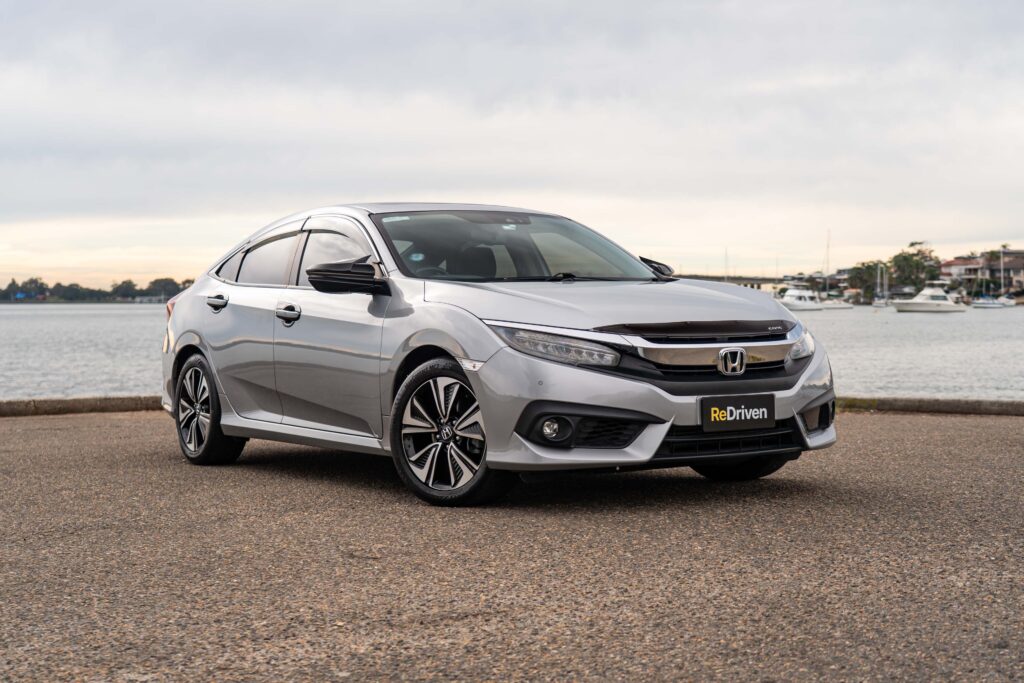
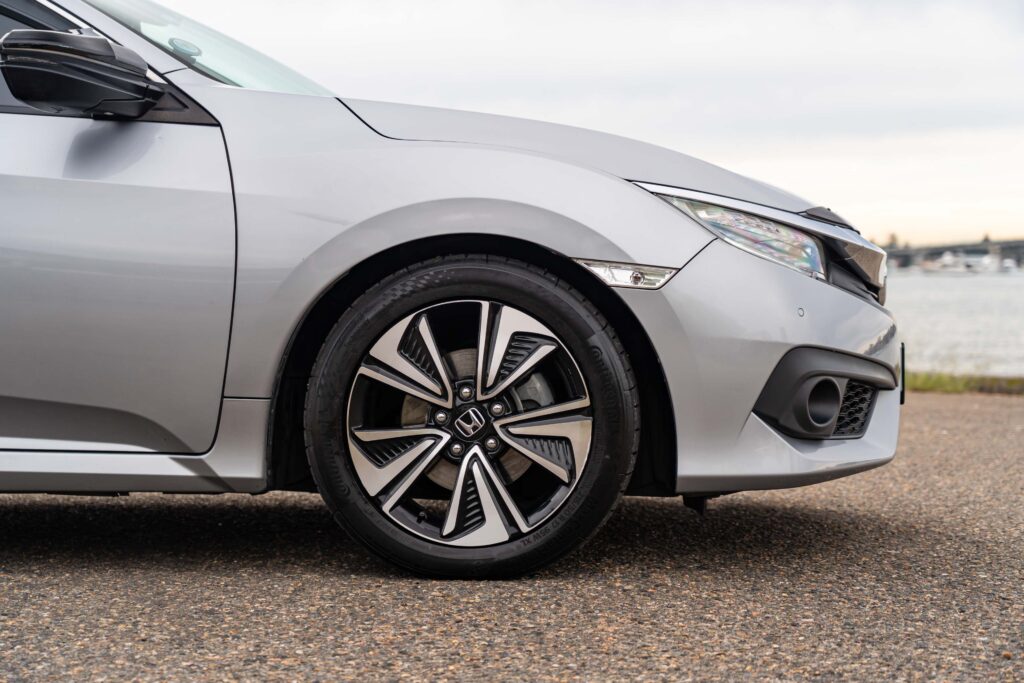
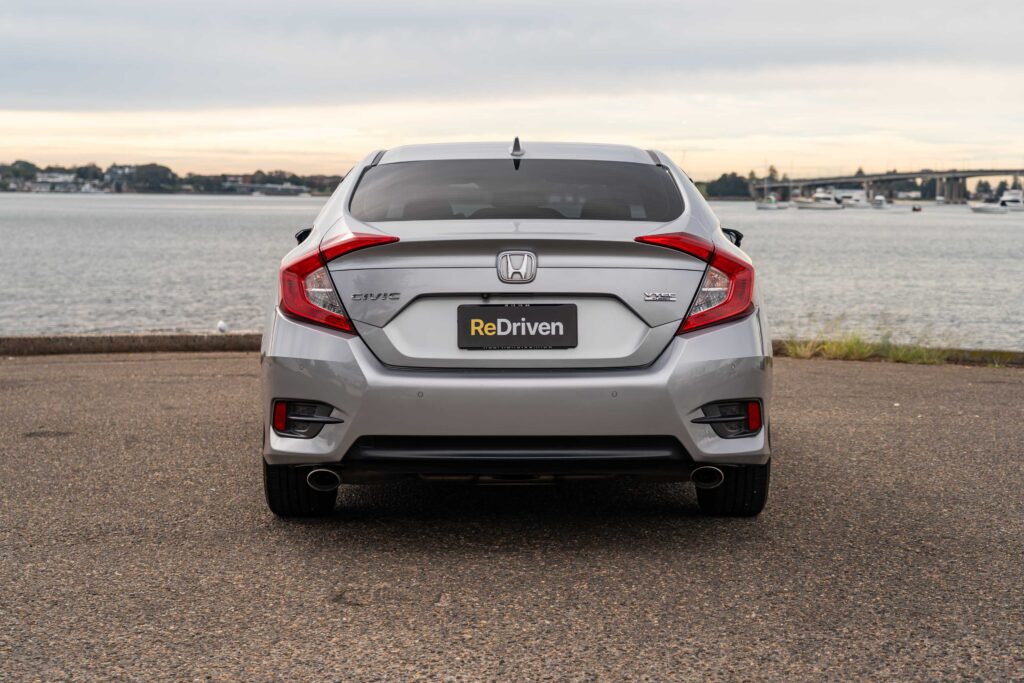
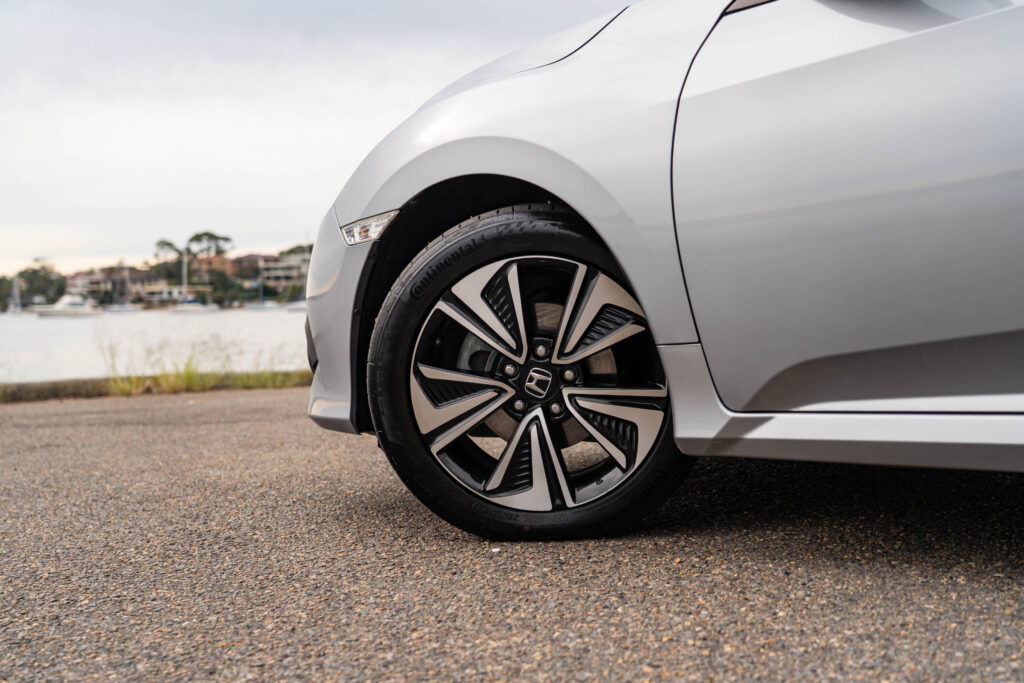
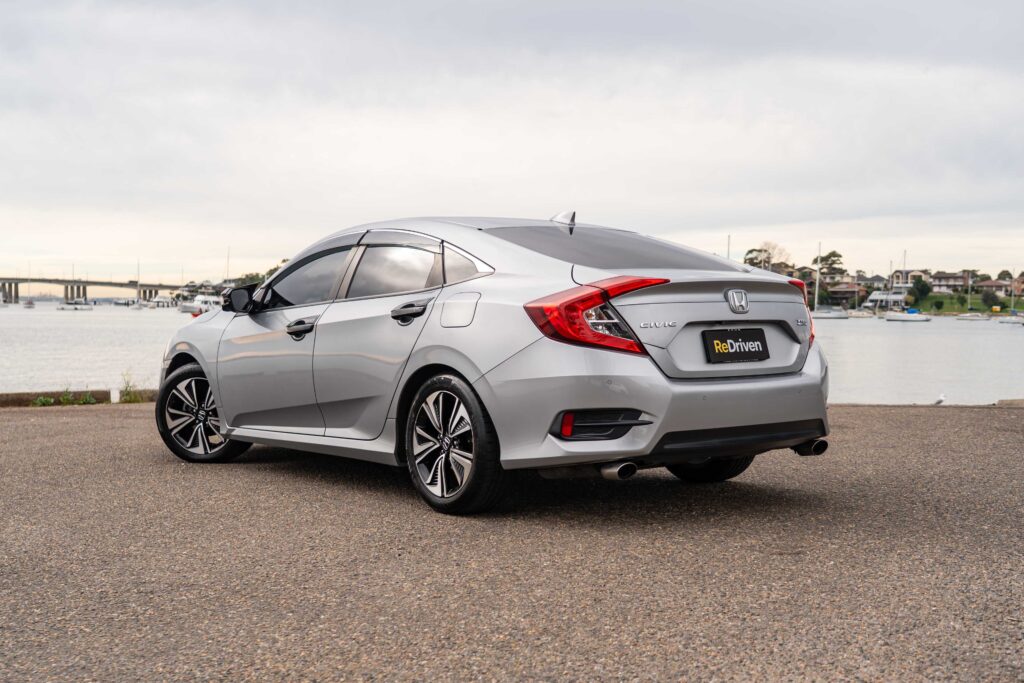
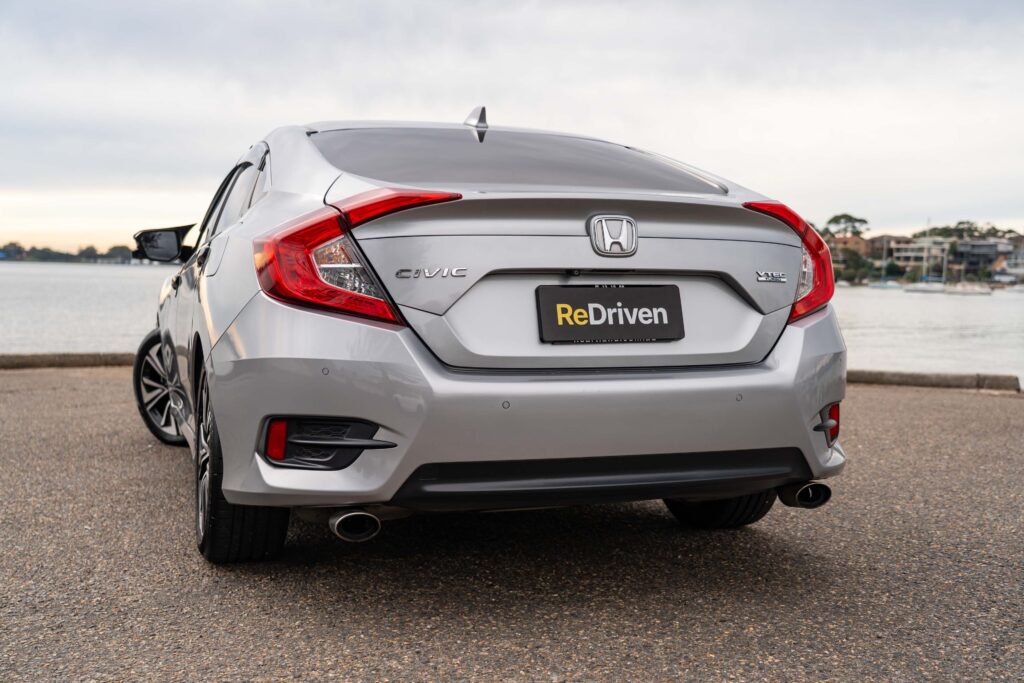
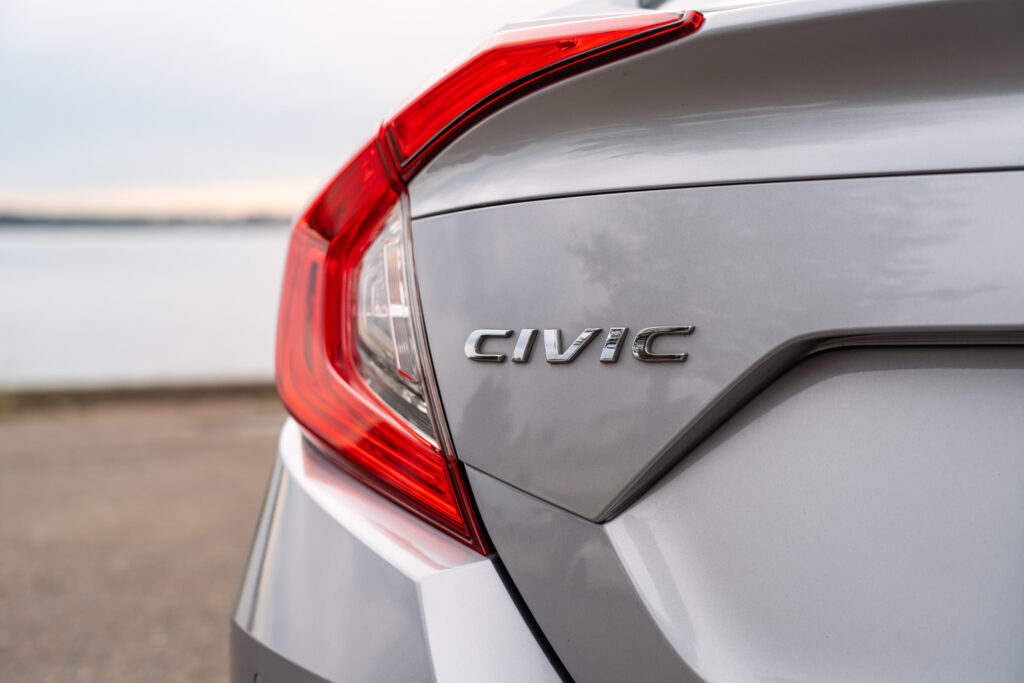
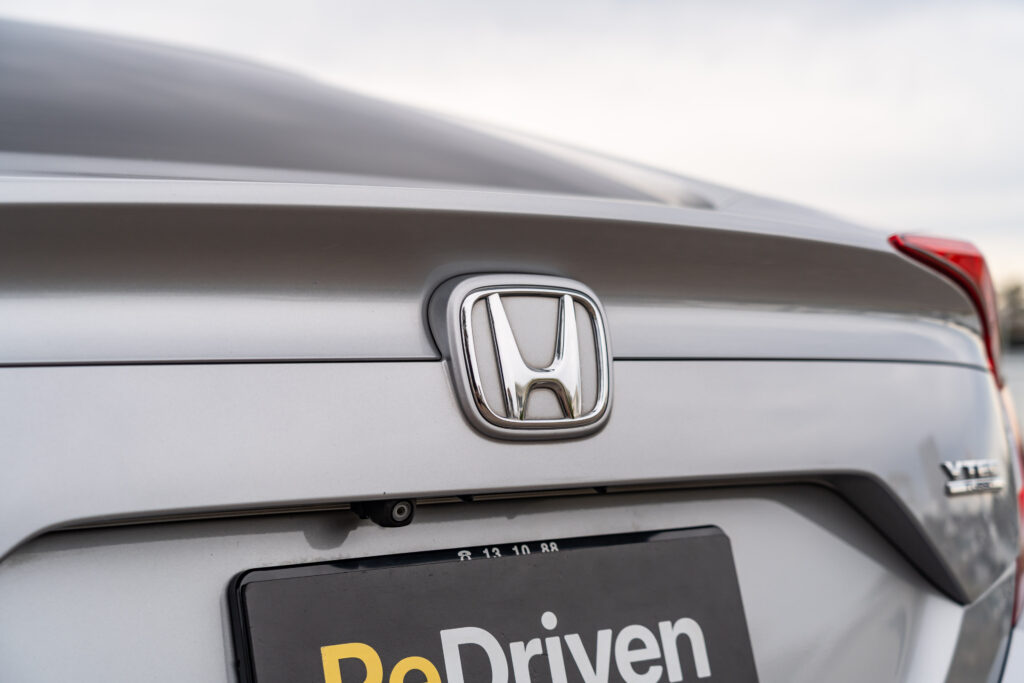

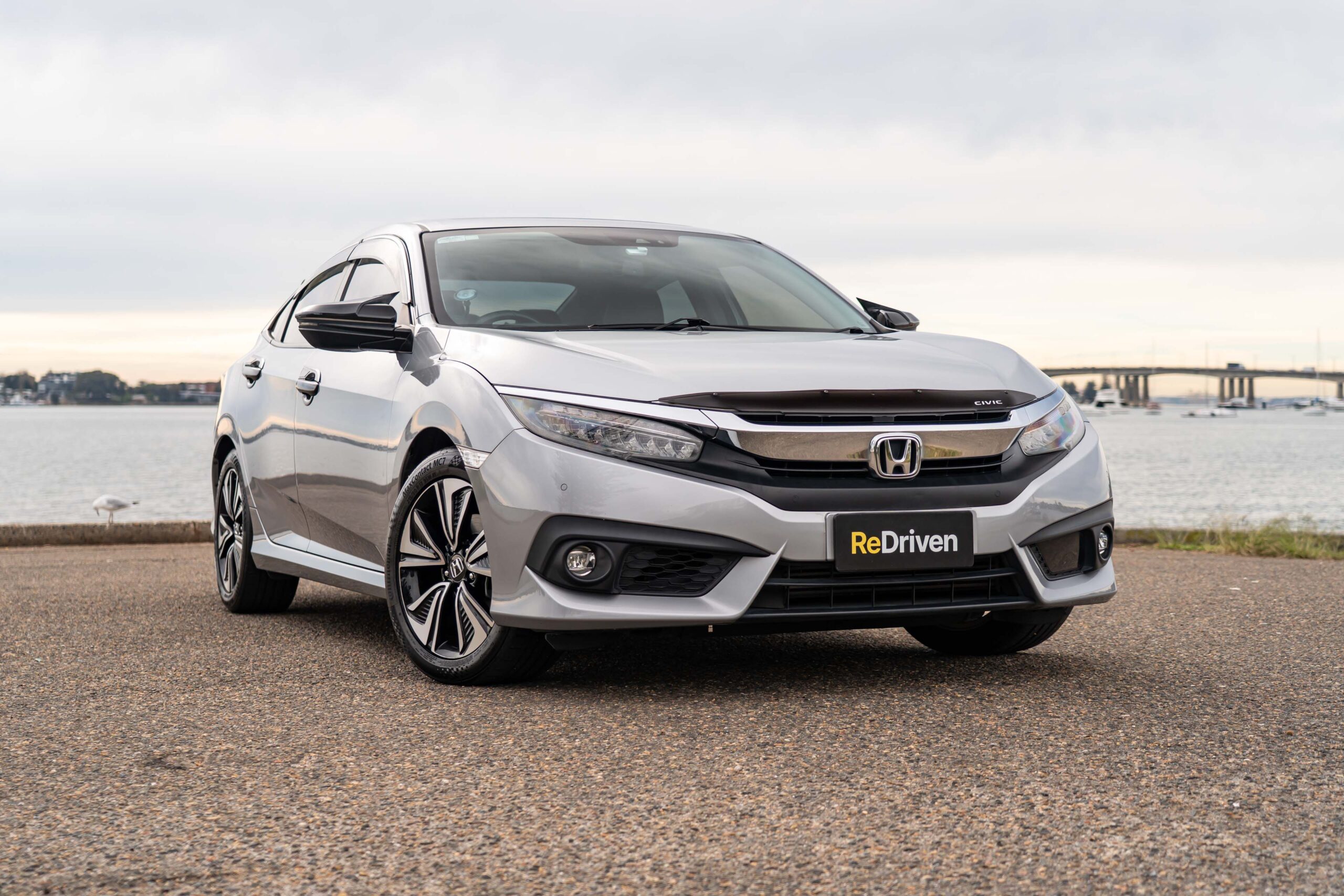
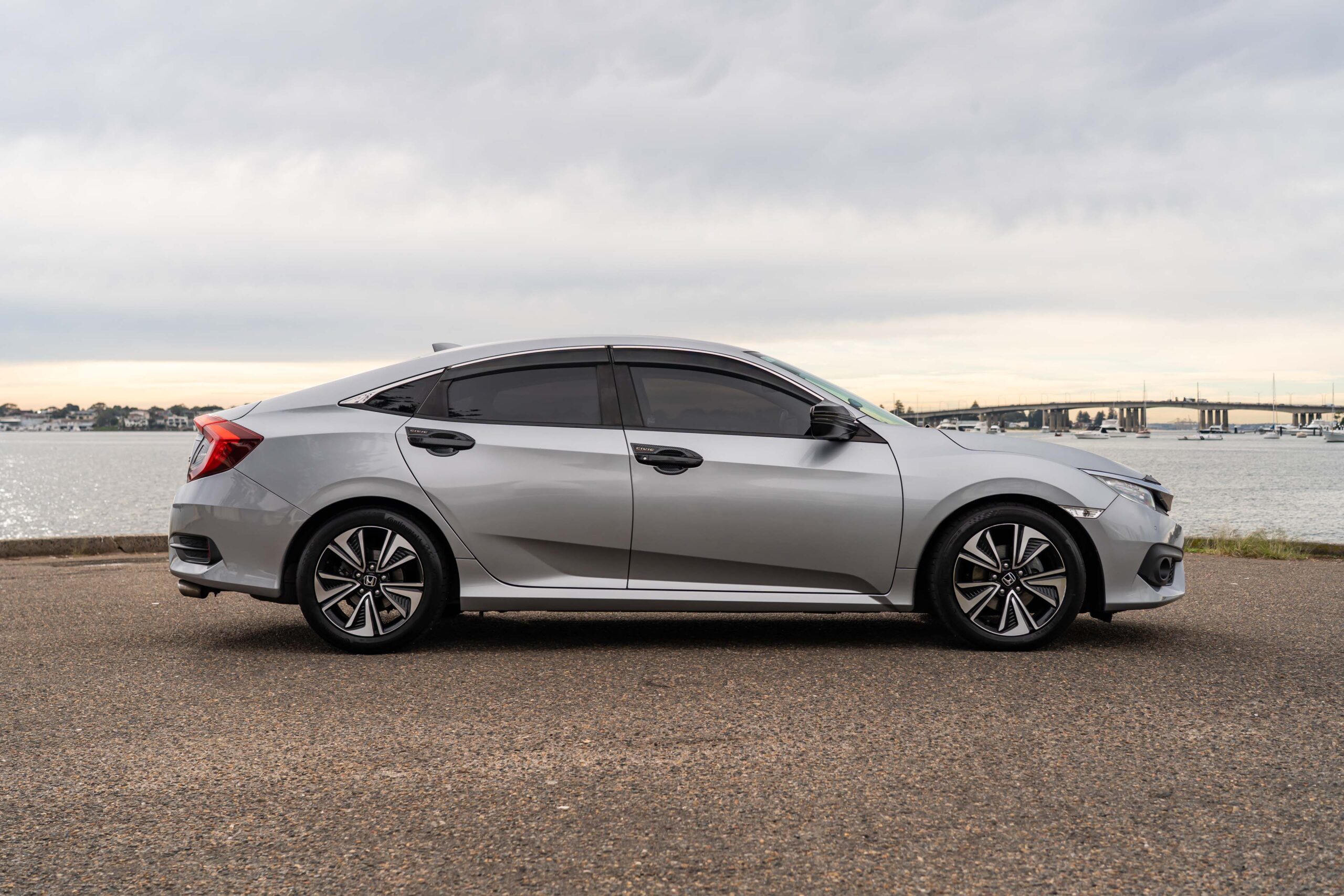
2016 Honda Civic VTi-LX

31 July 2026
Yes. 100%.

2016 Honda Civic VTi-LX

Used car review
31 July 2026
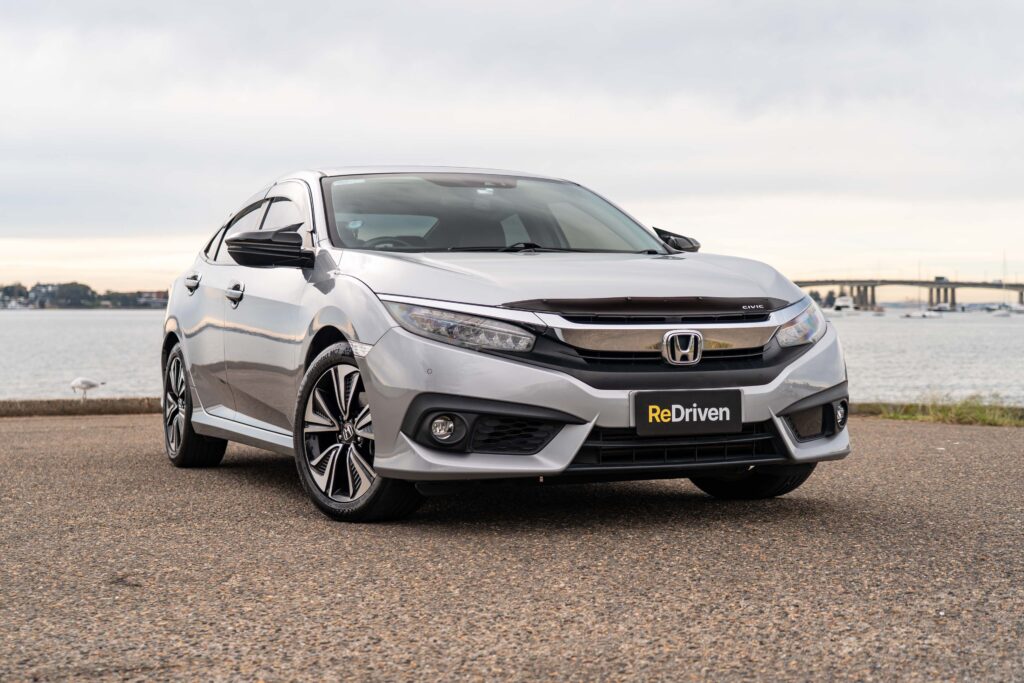
The 10th-generation Honda Civic first arrived in 2016 and marked a significant chapter for the Civic nameplate as a whole.
Unlike previous generations that spun off different versions of the same car for different markets (Europe versus other regions), Honda shifted its product strategy to consolidate the Civic into a single unified model sold internationally from this iteration onwards.
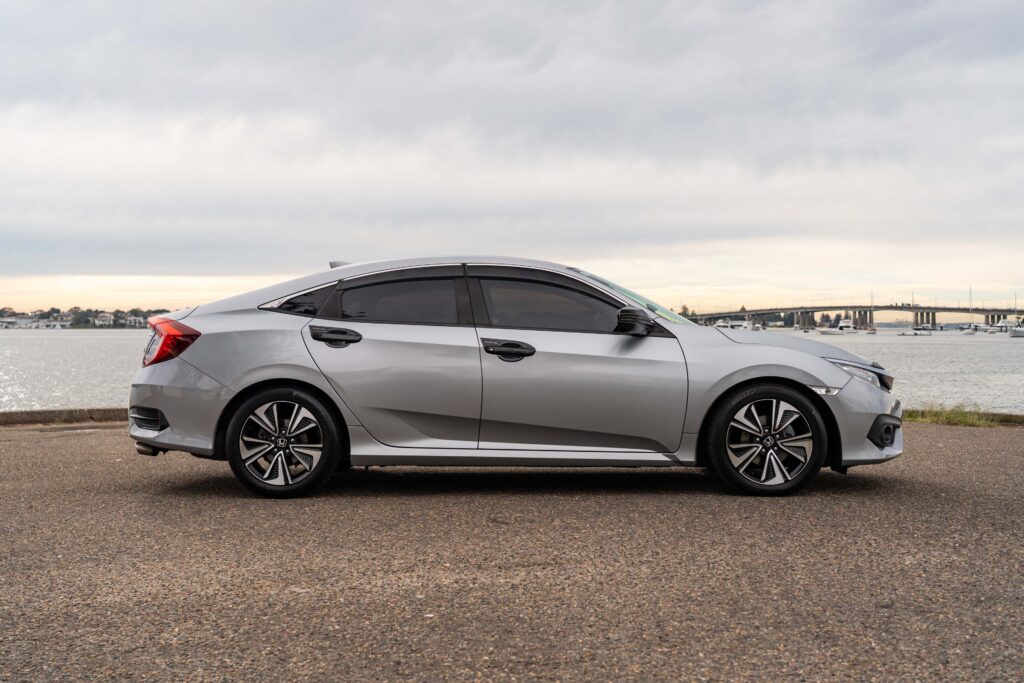
For Australia, we received this Civic as a four-door sedan and five-door hatchback, though other markets like North America also received it as a two-door coupe.
Featured engines we received included an all-new turbocharged 1.5L four-cylinder and a 2.0L naturally-aspirated four-cylinder – though depending on where you are based, you may be able to find 10th-gen Civics with 1.0L, 2.0L turbo/1.8L non-turbo four-cylinders, or a 1.6L turbodiesel four-cylinder.
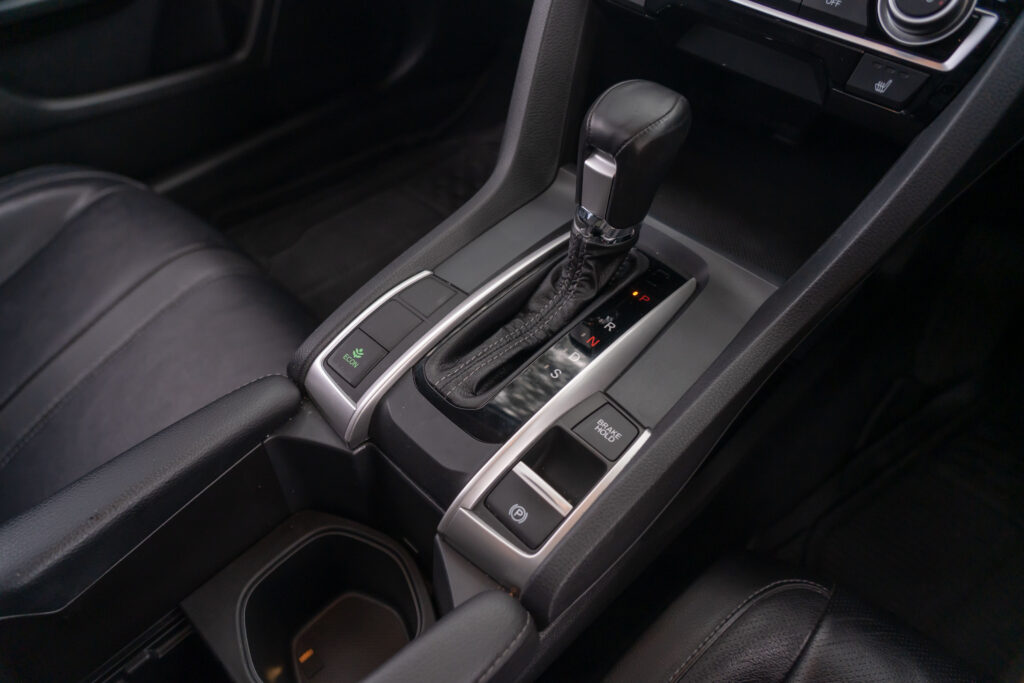
These can be paired to either a six-speed manual or a CVT automatic, sending power to the front.
There were also more performance-focused variants based on this Civic’s platform, including the North American exclusive Civic Si, and the FK8-generation Honda Civic Type R – though these have to be really treated separately from the standard Civic range.
Rivals of the tenth-gen Honda Civic Sedan/Hatch include the Toyota Corolla, Hyundai i30/Elantra, Volkswagen Golf, Mazda 3, and the Ford Focus, to name a few.
Exterior:
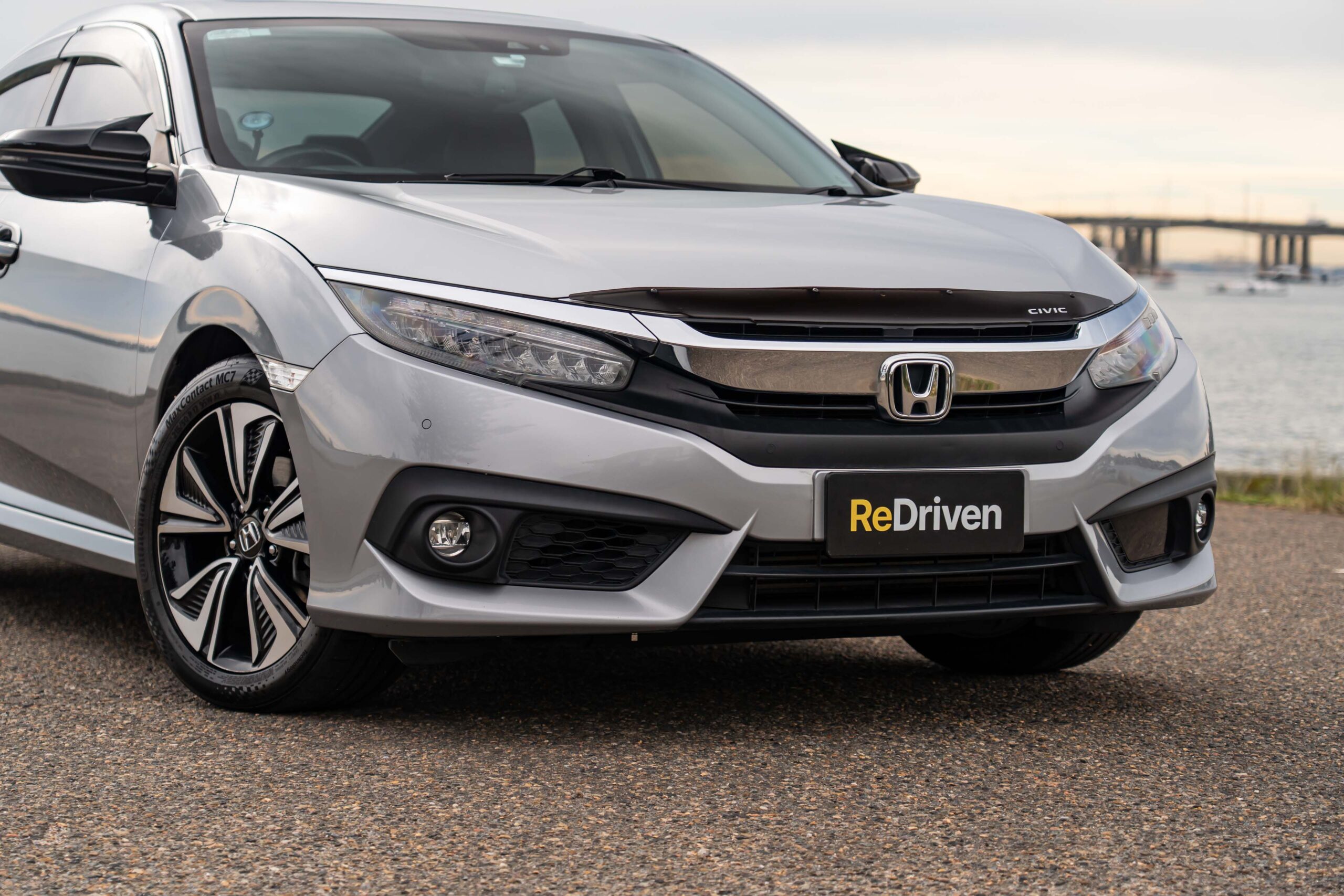
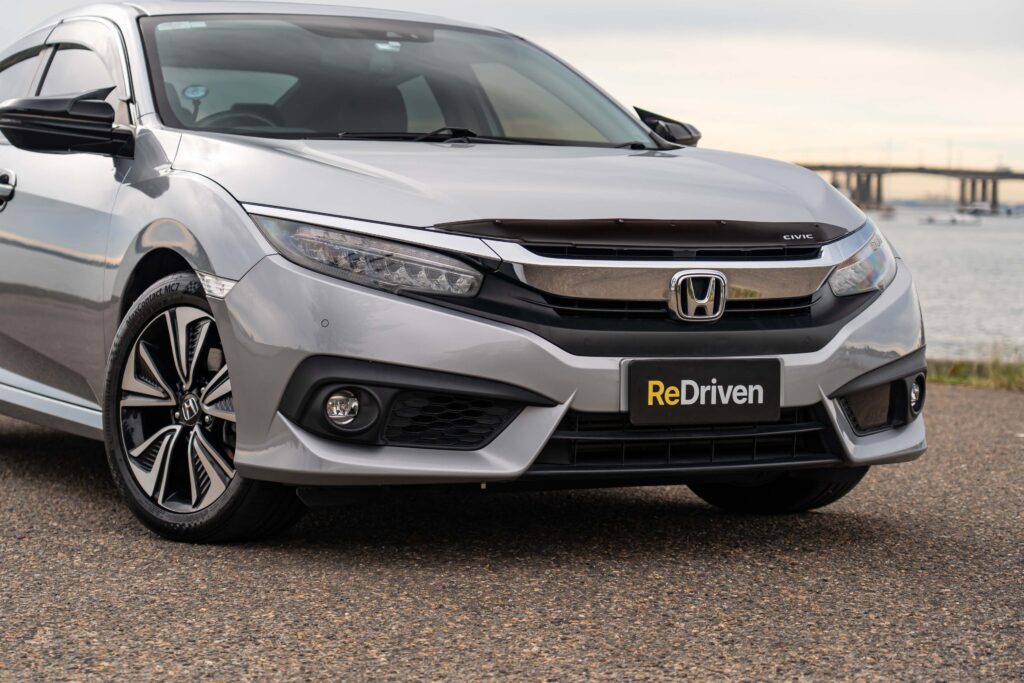
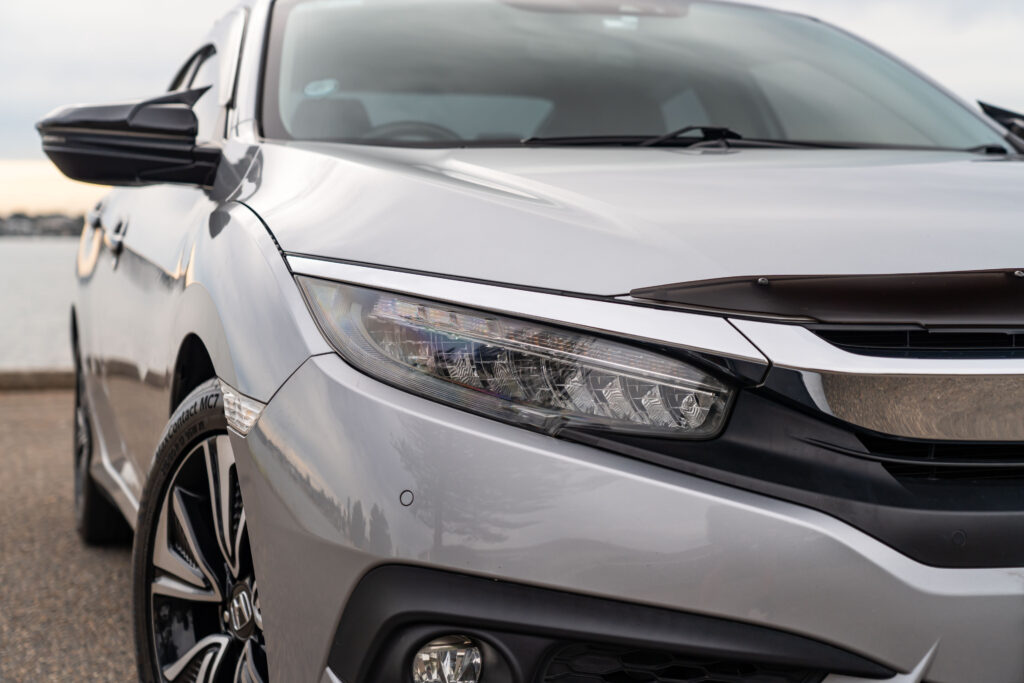
Many Civic owners say the available LED headlights (especially on the VTI-L models) deliver ‘spectacularly good’ illumination, especially when compared to the halogen units on its rivals.
While the headlight lenses can develop cloudy surfaces after 2-3 years of UV exposure, solutions are readily available online and are easy to perform.
Some owners have found the factory paint finish of these Civics is already experiencing some quality issues – from the clearcoat already fading, chipping, or delaminating (especially among cars exposed to high UV rays or warm climates like in Australia). We’re told those in white, silver, or brighter colours are most affected.
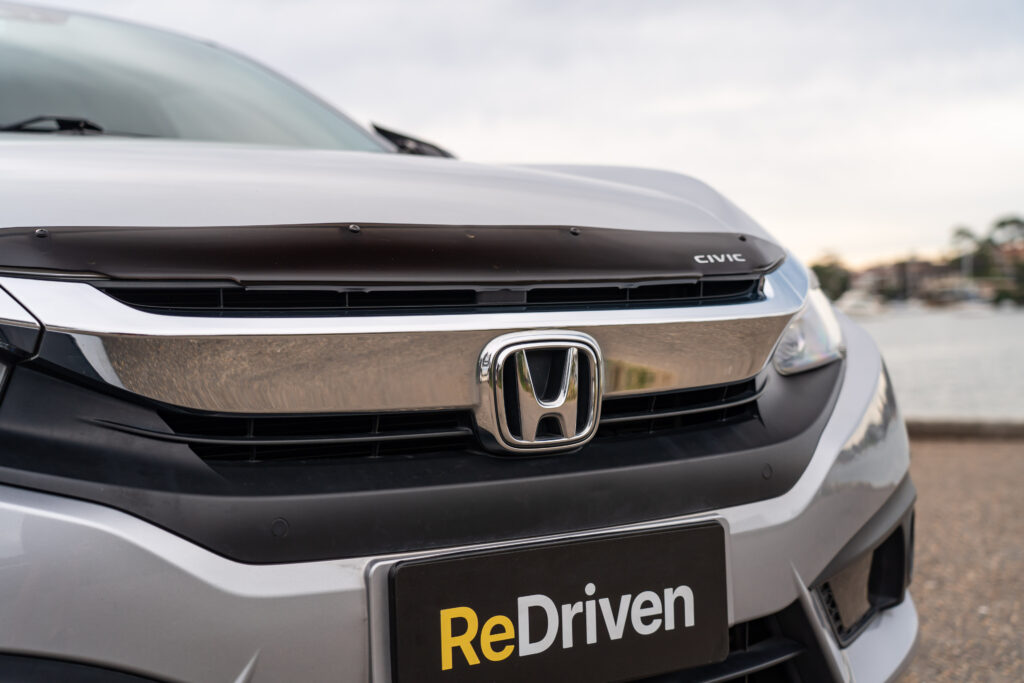
It’s worthwhile to invest in applying paint protection film early in the car’s life to prevent any of these body imperfections.
There can also be inconsistencies in overall build quality, including panel gaps and trim fitment discrepancies – these tend to be more frequent among early models (MY2016-2017).
The sunroof can develop rattles over time; the actuators need to be cleaned and lubricated regularly to prevent problems. Any grinding noises hint towards issues.
We’ve also heard of a few cases of false automatic emergency braking (AEB) activations, lane centering (steering) performing abnormally, and the parking sensors not working properly, which can be due to issues with the exterior sensors.
Honda has issued software updates to turn down their sensitivity, and some pinpoint to the sensor mounts becoming loose or certain conditions triggering false warnings (windy/rainy conditions, but owners have reported these issues can persist even after replacing the sensors under warranty and recalibrating the systems.
Interior:
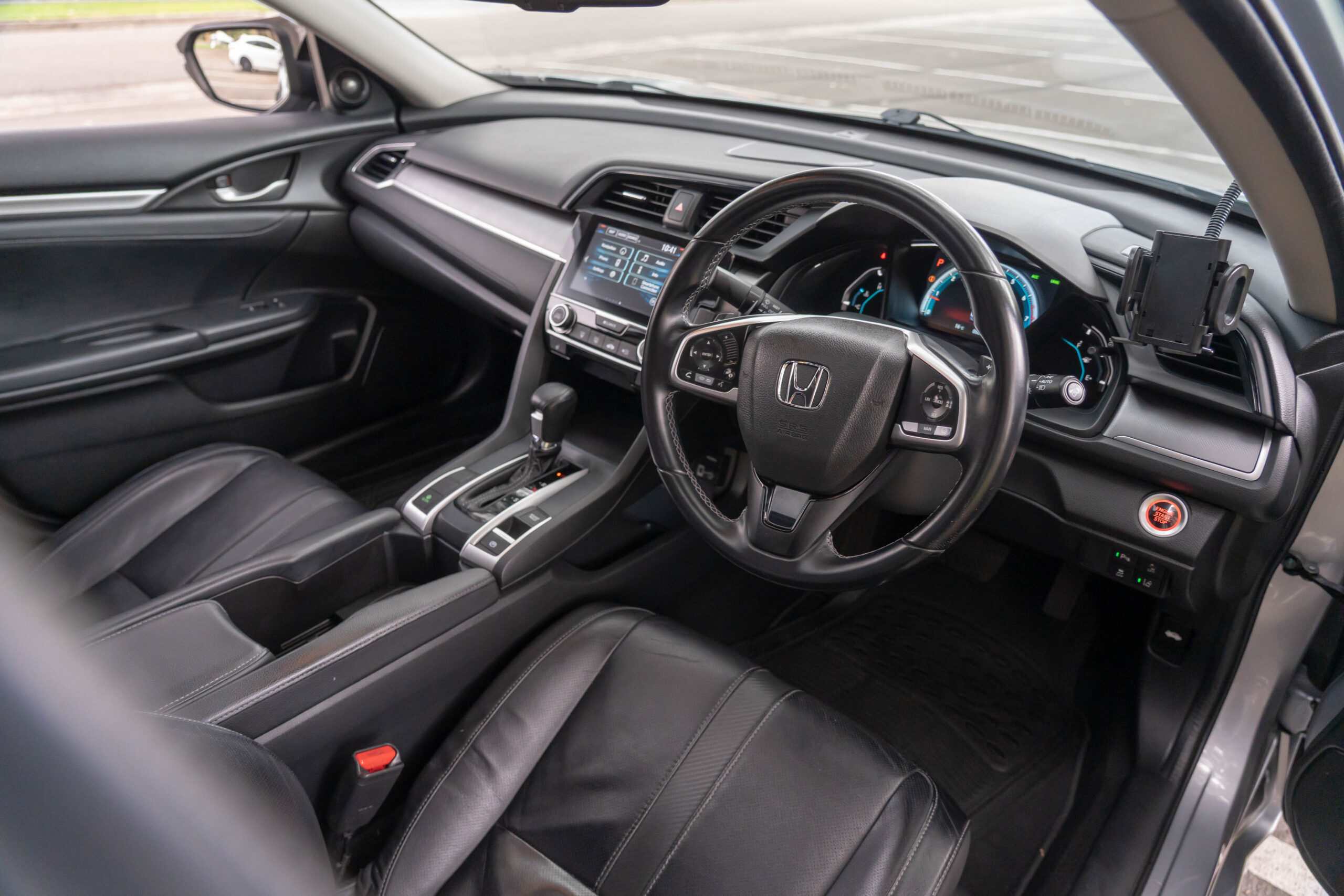
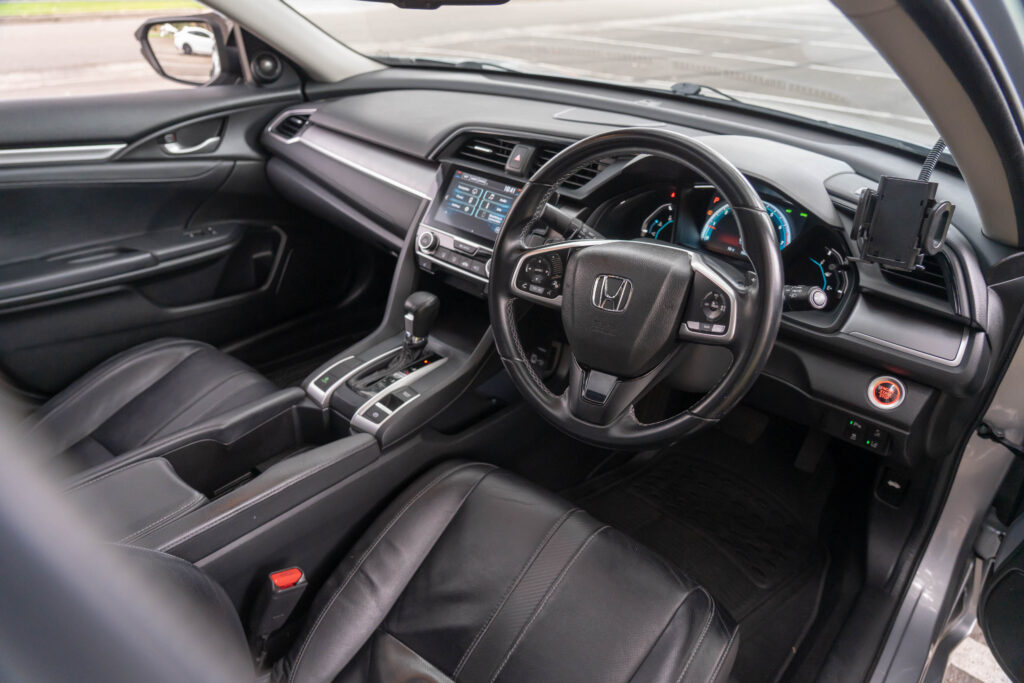
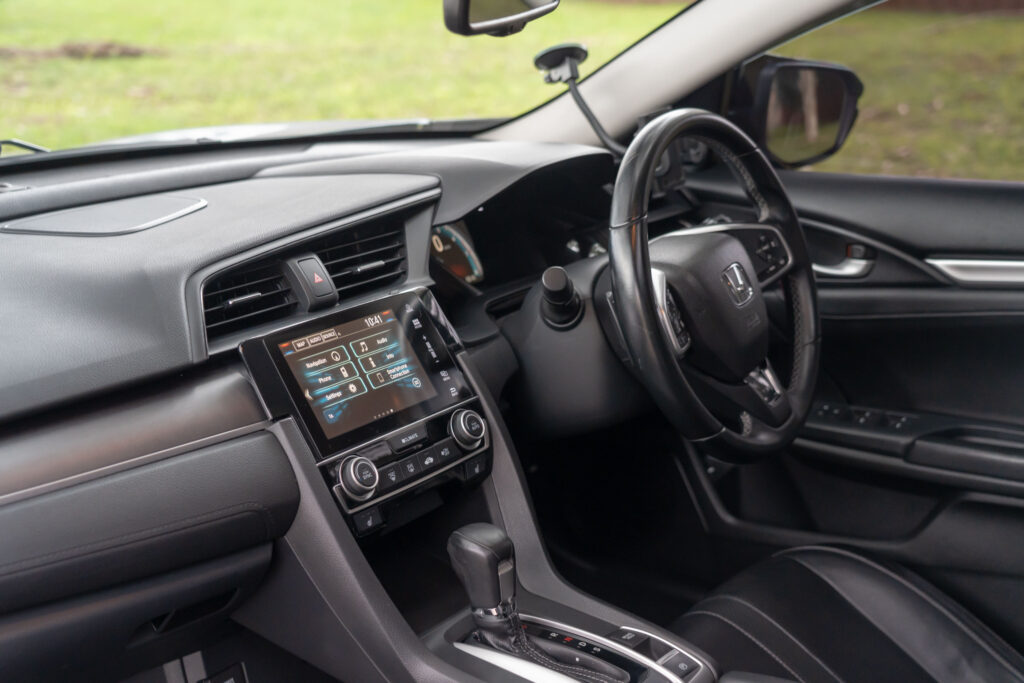
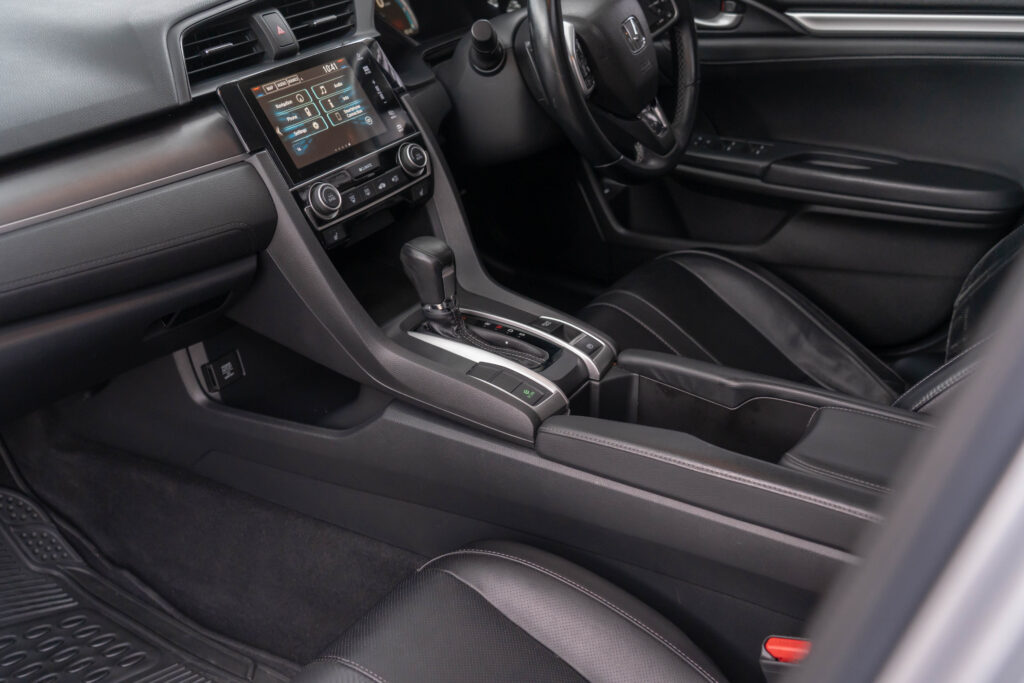
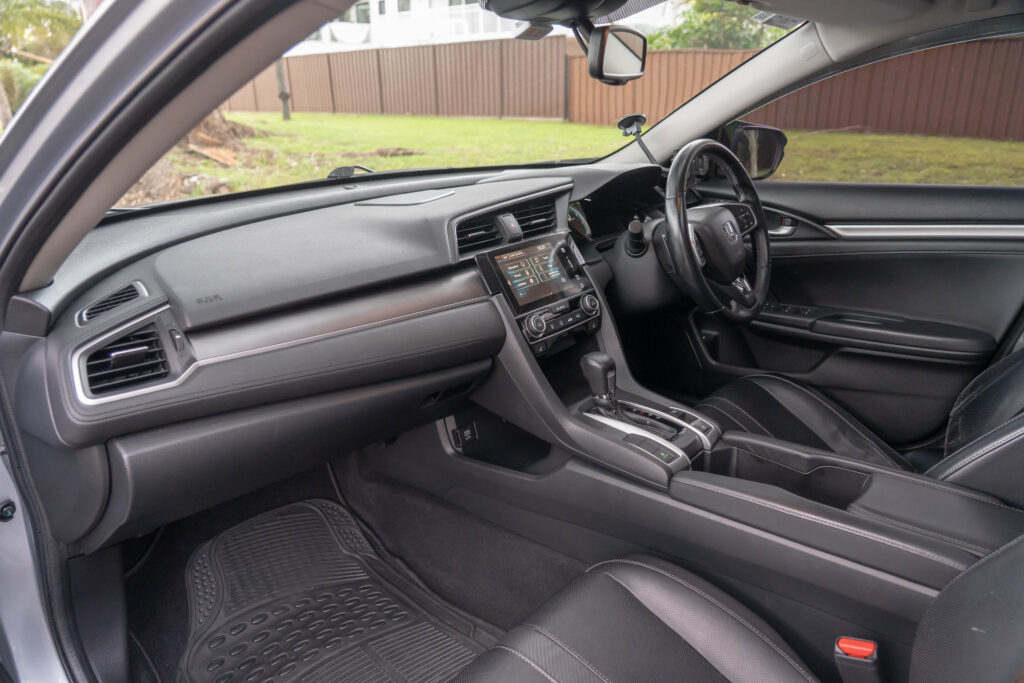
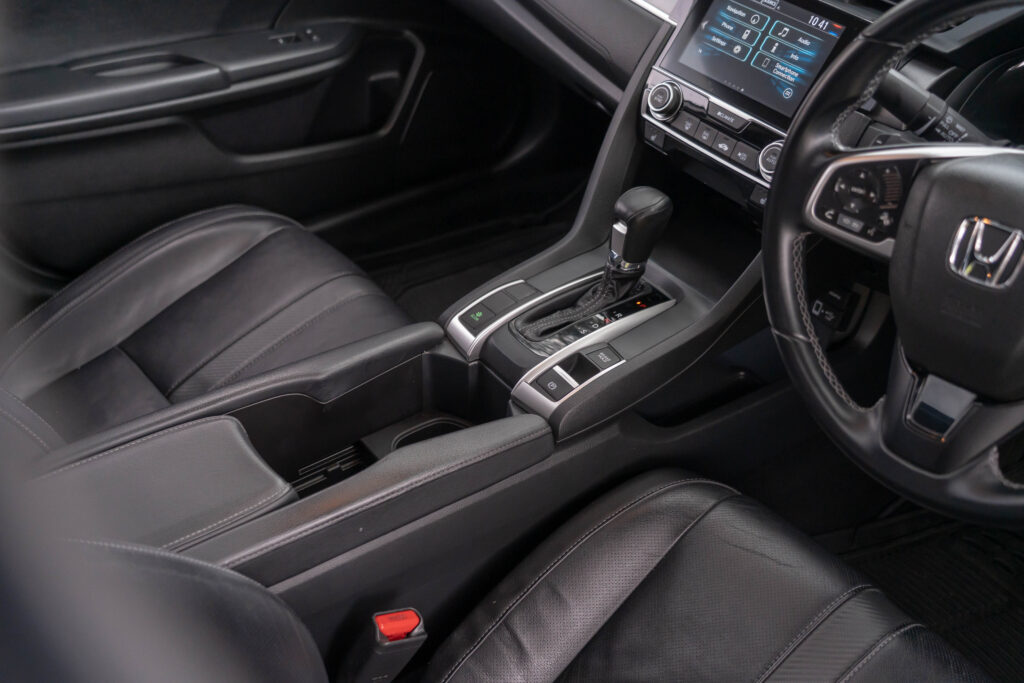
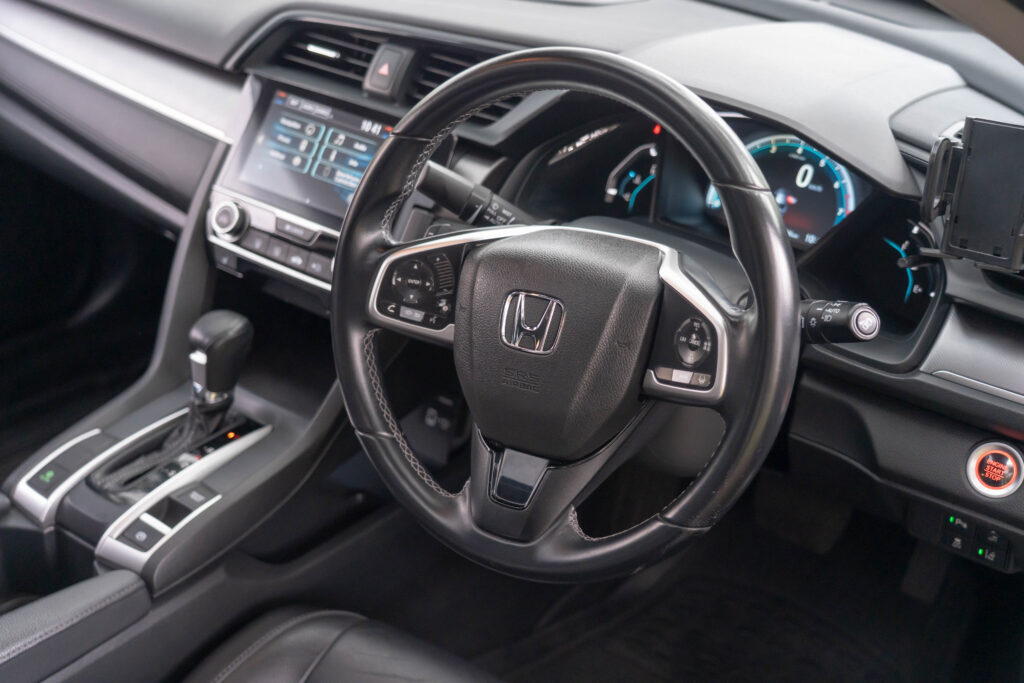
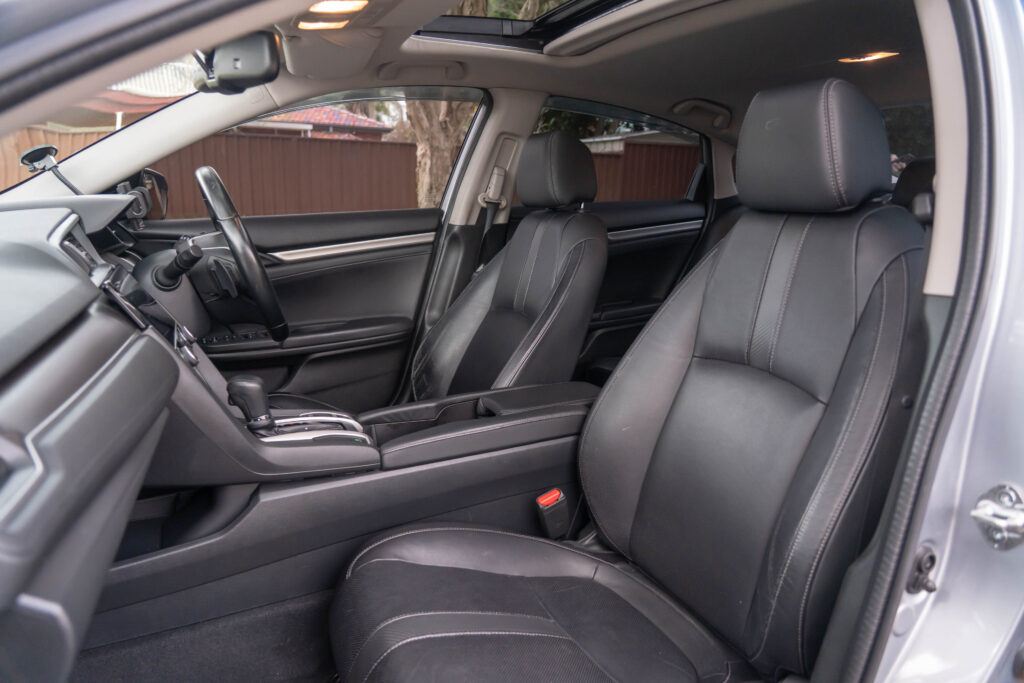
While rival Hyundais/Kias often have more features for the same money as the Honda, you’ll find most Civics of this generation outspec a Toyota Corolla or Volkswagen Golf for what you get as standard.
The seats on the standard Civics have drawn consistent criticism from owners for lack of lumbar support adjustment, with some also finding the surfaces uncomfortable for extended periods.
The cabin features quite a few gloss black plastic surfaces, which can easily be scratched and collect thumbprints.
Rattling noises from the cabin have been reported, especially from areas like the dashboard and door cards, and plenty of cabin trim. Owners have also commented that the cabin refinement feels a bit subpar and can be improved significantly by installing extra sound deadening
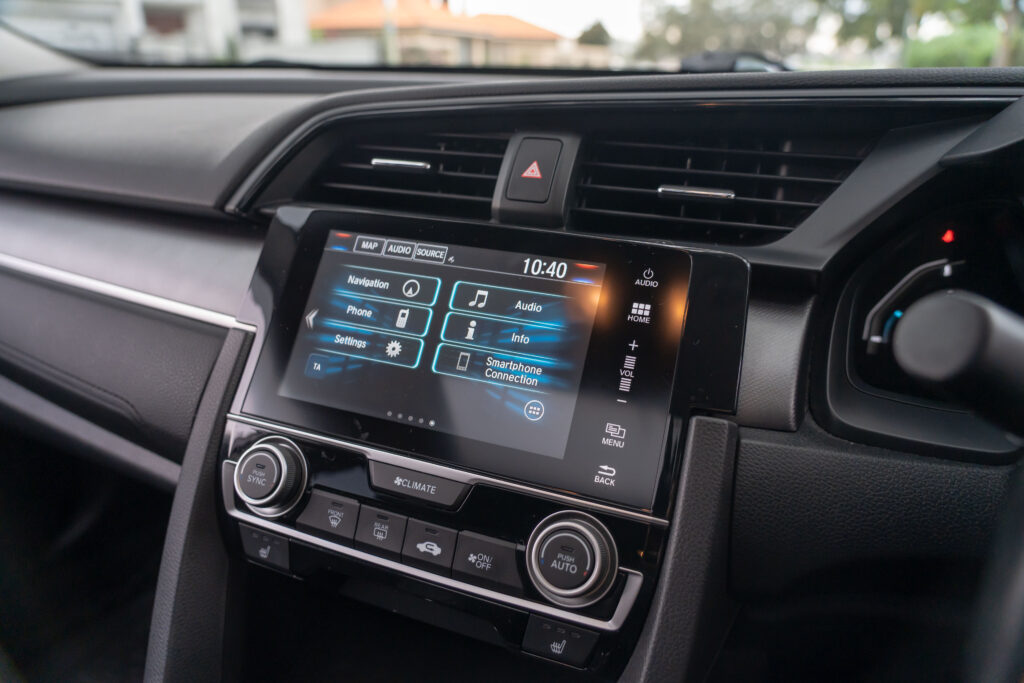
One frequent source of complaints for the 10th-gen Civics is the factory infotainment system, especially the touch-sensitive volume controls on the earliest, pre-update models, and they offer no tactile feedback, making them harder to use while driving.
It’s worth highlighting that Honda did add a physical volume knob for cars made after MY2019, which makes them slightly better to use.
But the headunit’s software can still pose several frustrations to owners – a lack of support for over-the-air updates to fix bugs or improve the system in general. Owners have experienced the UI being slow to boot up or respond to commands, along with CarPlay/Android Auto/Bluetooth connectivity issues. (in some markets, Apple CarPlay/Android Auto isn’t even equipped as standard)
In addition, as the head unit directly manages some vehicle settings (including service information), it can be challenging to ditch it altogether with an aftermarket system or an up-to-date head unit. If you want to explore this, check owners’ groups and forums for advice.
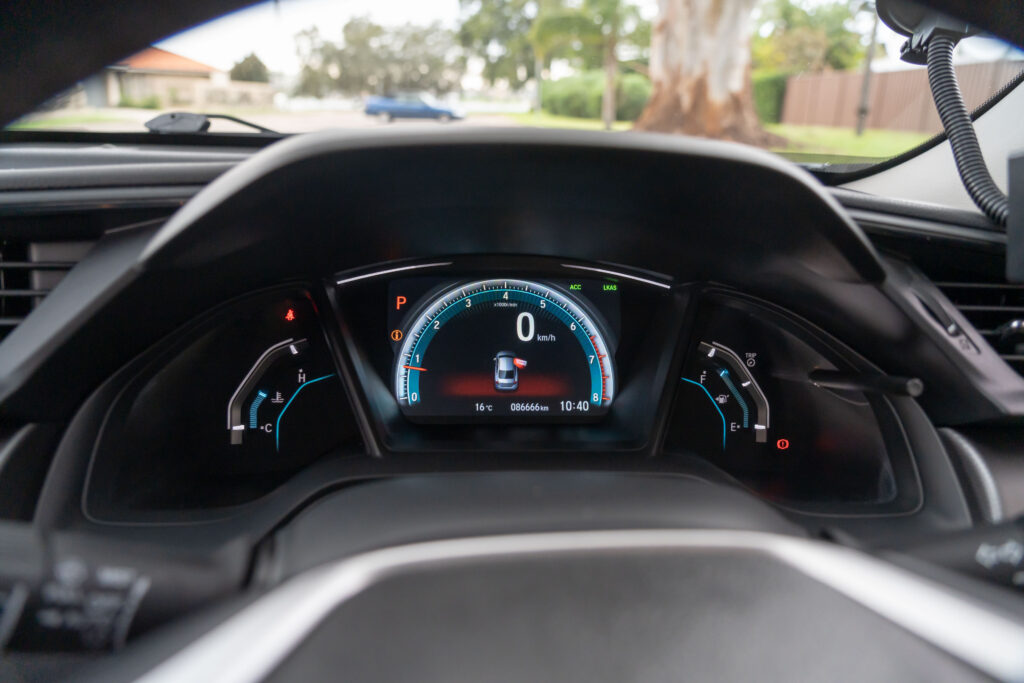
Sporadic electronic gremlins can also creep up, with many pinpointing a low 12V battery as the cause – some have had theirs fail around 90-100,000 kilometres.
Unlike European rivals that produce random gremlins that make it hard to identify the battery as a cause, a ‘Check Charging System’ message typically appears first as a sign it’s on its way out – owners recommend changing these out for aftermarket batteries that last longer than the OEM units.
Air conditioning condenser and compressor failures are known to happen, so check that all of the air conditioning settings work normally. The condenser can be easily damaged by road debris puncturing or damaging it, as well as the compressor developing issues or the rubber washers eroding, causing refrigerant to leak.
The best case scenario is that an A/C recharge will resolve any issues, but it may also call for a compressor repair or replacement unit (~$2,500), which may require the entire A/C system to be removed to resolve issues; in some markets, Honda extended the warranty on the air conditioning system components, so it’s worthwhile to check with Honda or owners’ groups for the best solution.
A few complaints with the safety tech/assists have been reported, but in general, many owners compliment how well the lane keep assist, automatic emergency braking, and adaptive cruise control work (and are proving to not be as problematic as those in the Civic’s rivals).
The factory camera system, and especially the available ‘Honda Lanewatch’ blind spot monitoring setup, are widely praised.
Mechanically:
While Honda is a Japanese brand and you may be led to believe that all examples of the 10th-gen Civic were produced in that country, depending on where you are based, you’ll find that this Civic was made in production facilities in North America, Turkey, Brazil, and India – in the case of Australian-delivered Civics, most sedans and hatches are made in Thailand.
The result is that build quality and common issues can vary, depending on the market and region the car originated in.
But generally speaking, no matter where it was made, all of these Civics report solid build quality, and owners globally report the general wear/tear is the same across all models.
A few owners have reported less than positive experiences with Honda aftersales departments, including Honda Australia, but note this isn’t exclusive to Honda alone.
Aside from this, the support network is great and, unlike other brands from Europe, prices for spare parts and maintenance should be very affordable.
Engines:
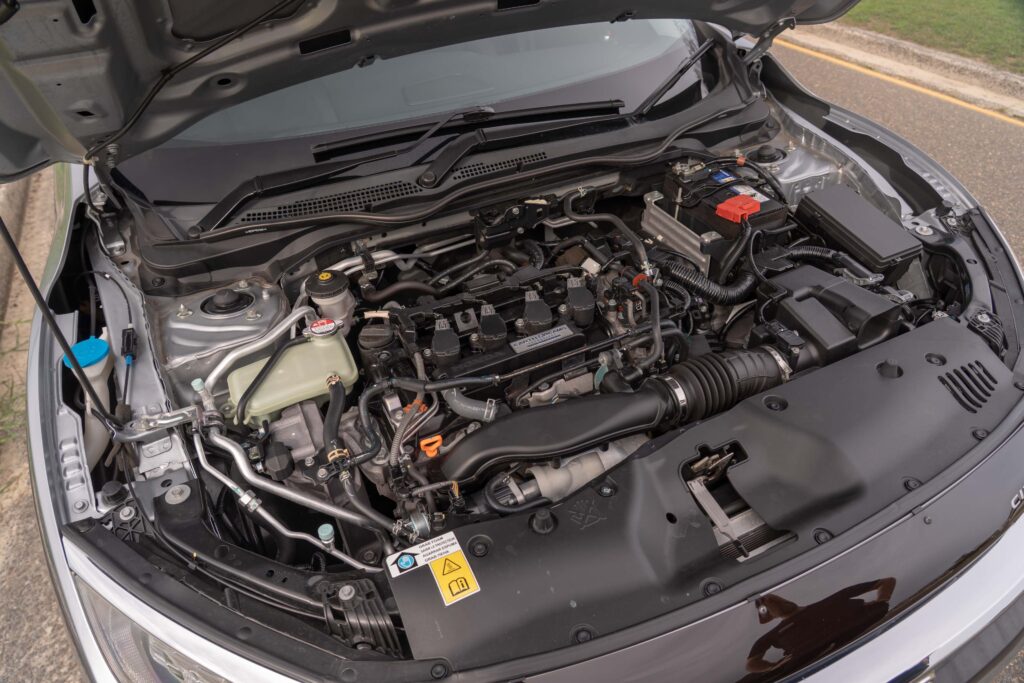
1.5L turbocharged four-cylinder (L15B7)
Oil dilution has been frequently reported among the turbo four-cylinders made between 2016-2018. This is basically unburnt fuel that makes its way past the piston rings, contaminating the engine oil.
Short drives and cold climates can make the effects of this dilution worse, as the engine oil never gets to a high enough temperature to fully burn it off.
Adding to this, engine internal components like bearings and timing chains are poorly lubricated, leaving them to wear out faster and increasing the likelihood of major engine trouble.
Honda has attempted to address this oil dilution problem with modified fuel and ignition maps via software updates, but it’s still proving to be a common issue to look out for on these specific engines.
The best way to alleviate any oil dilution effects is to perform more frequent oil changes ahead of schedule.
Other problems to look out for on the turbo engines are head gasket leaks and coolant intrusion. At one point, these issues were even subject to a class action lawsuit for Canadian market cars.
It is becoming more common, and at the moment, it’s not too serious that it can affect any Civic, but it’s enough to be concerned about as these cars get older and accumulate more use on the road.
1.8L-2.0L naturally-aspirated four-cylinder (R18Z1, K20C2)
The non-turbocharged four-cylinders are generally more robust and a safer bet when it comes to long-term reliability, as they don’t report head gasket failures or oil dilution as reported on their turbocharged equivalents.
A fuel pump recall was previously issued for models equipped with the non-turbo four-cylinders, so it’s worthwhile to check it has been performed.
There are a few reports of valve cover leaks and coil failures, but these aren’t too frequent to consider them serious faults.
Air conditioning evaporator and condenser leaks are also common issues to look out for.
Reliability aside, some owners complain that the 1.8L engine that it feels uninspiring to drive, from lethargic power delivery to being fairly noisy in the higher RPM ranges.
Transmissions:
The manuals are viewed as the more ‘reliable’ of the two transmissions equipped on the Civics.
Some owners complain that the CVT transmissions can let down the driving experience of the Civic, from jerkiness at slow speeds to the rubber-bandedness of the power delivery upon acceleration (though many get accustomed to this sensation fairly quickly).
In addition, some CVTs can experience TCM (transmission control module) issues, but compared to other CVT units (ie. Jatco/Nissan), the Honda CVTs are not considered to be seriously unreliable.
Ensure that these are serviced regularly and treated well, and both the CVT/manual transmissions can last fairly long.
You can expect most 10th-gen Honda Civics to start from $10-15,000, and top out around $25,000, with little to no difference separating the hatchback and sedan models.
Those on the cheapest end of the spectrum will be entry-level, well-used examples, but target towards the mid or higher end of the price range, where you’ll find most examples of Civic RS or VTI-LX models, which we feel are the best ones worth your money.
Compared to the Civic’s closest rival, the Toyota Corolla, a Civic RS or VTI-LX will generally give more features, practicality and performance than an equivalent Corolla, for generally $3,000 to $6,000 less; and these two trims are proving to hold their value the strongest (out of all Civic models).
Despite the concerns and issues these may have, the overwhelming consensus from owners is that they have had nothing but positive experiences with their Civic.
These can prove to be excellent used car purchases, as long as you find a good example that ideally has a detailed service history and a pre-purchase inspection confirms no hidden gremlins.


Co-creator, presenter & writer, ReDriven

Yes. 100%.
 2 months ago
 2 months ago
 2 months ago