Australia’s No. 1 Used Car Review Website
Australia’s No. 1 Used Car Review Website
+23 Photos

2021 Hyundai IONIQ 5

07 August 2026
Yes. 100%.

2021 Hyundai IONIQ 5

Used car review
07 August 2026
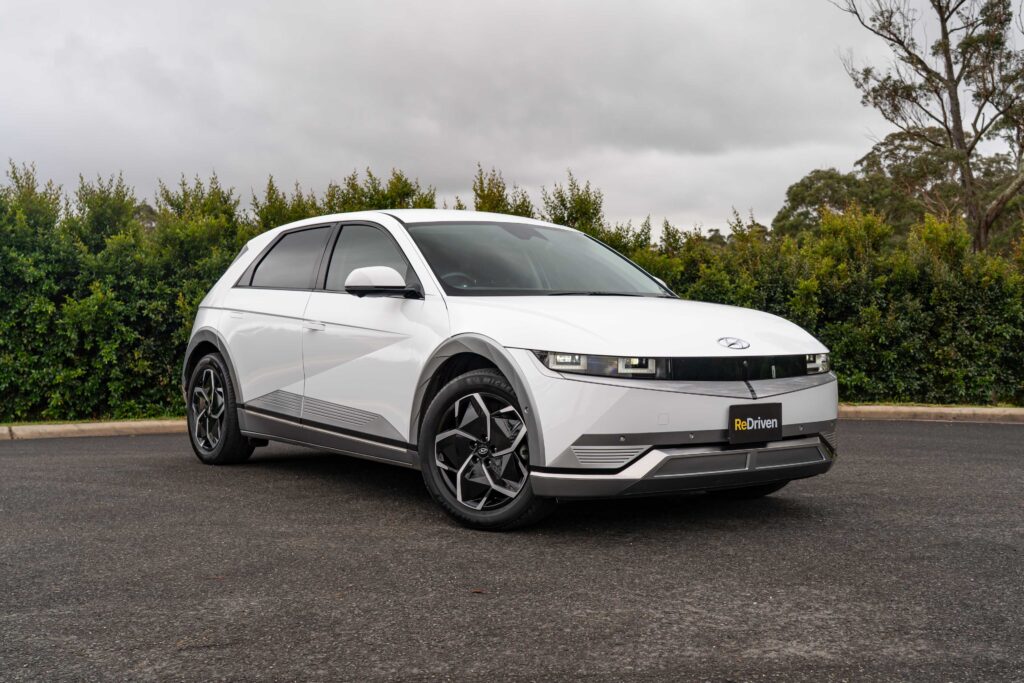
Serving as Hyundai’s first mainstream production EV and model under the brand’s electrified ‘IONIQ’ sub-brand,, the IONIQ 5 has been in production since 2021, the same year it also arrived in the Australian market.
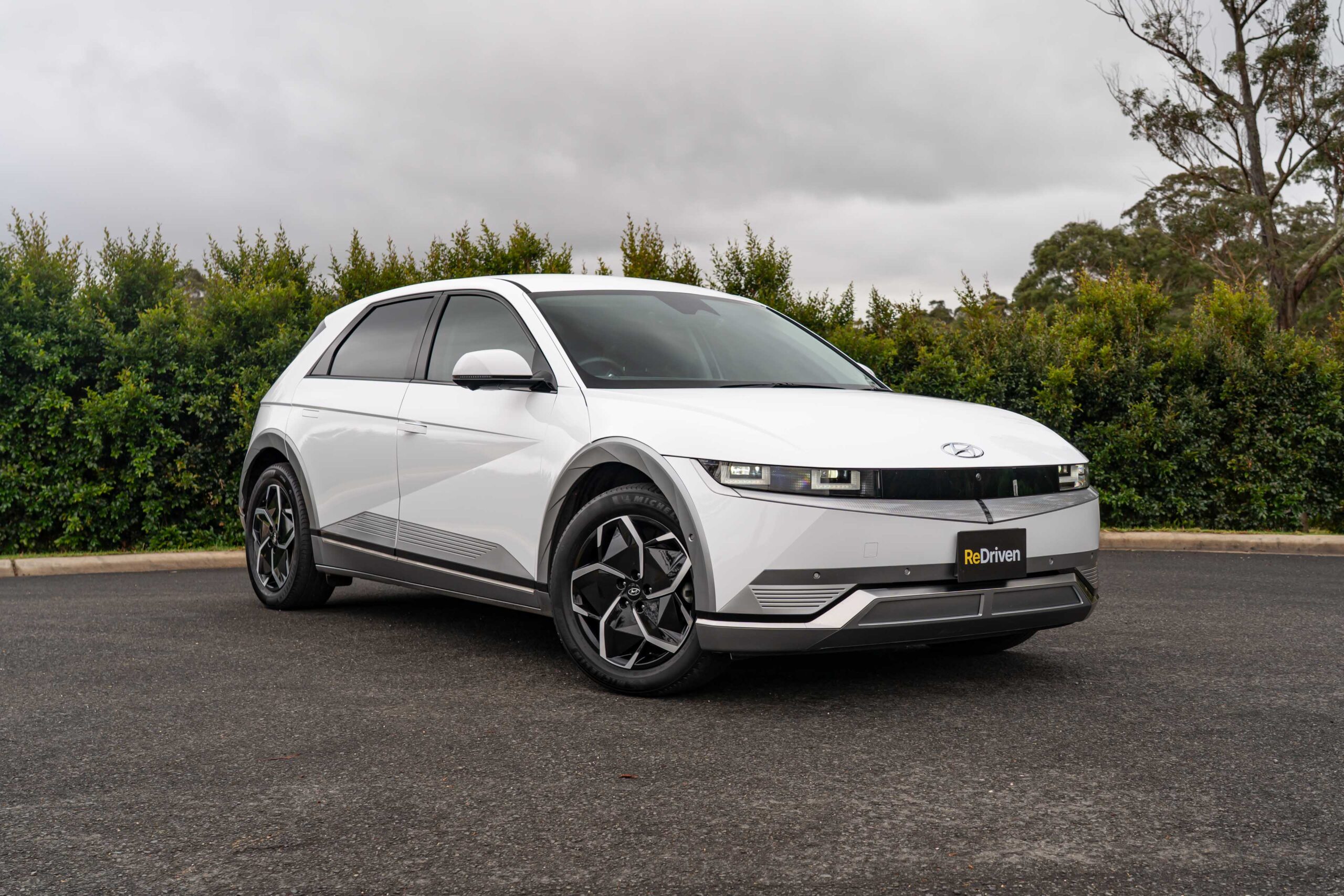
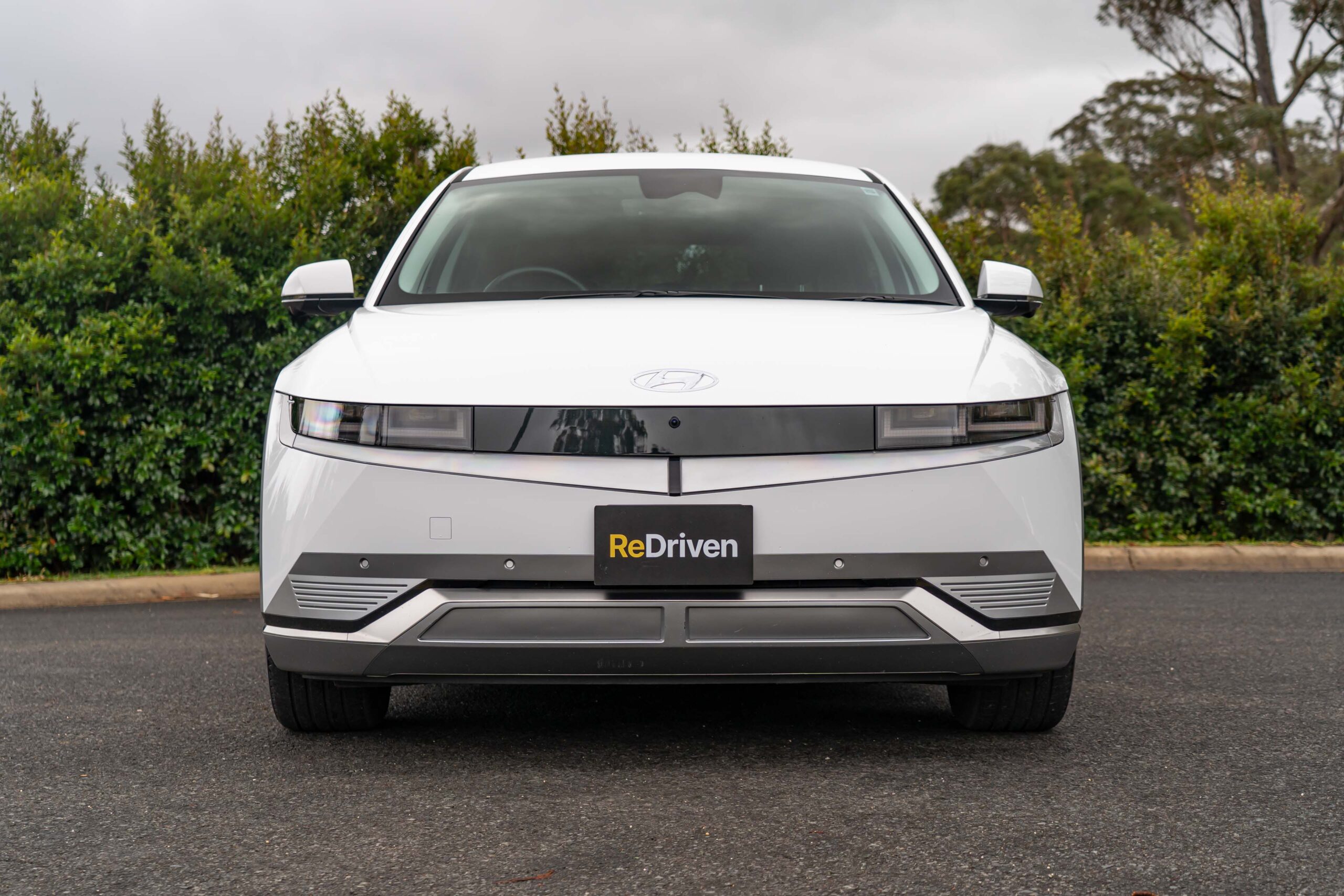
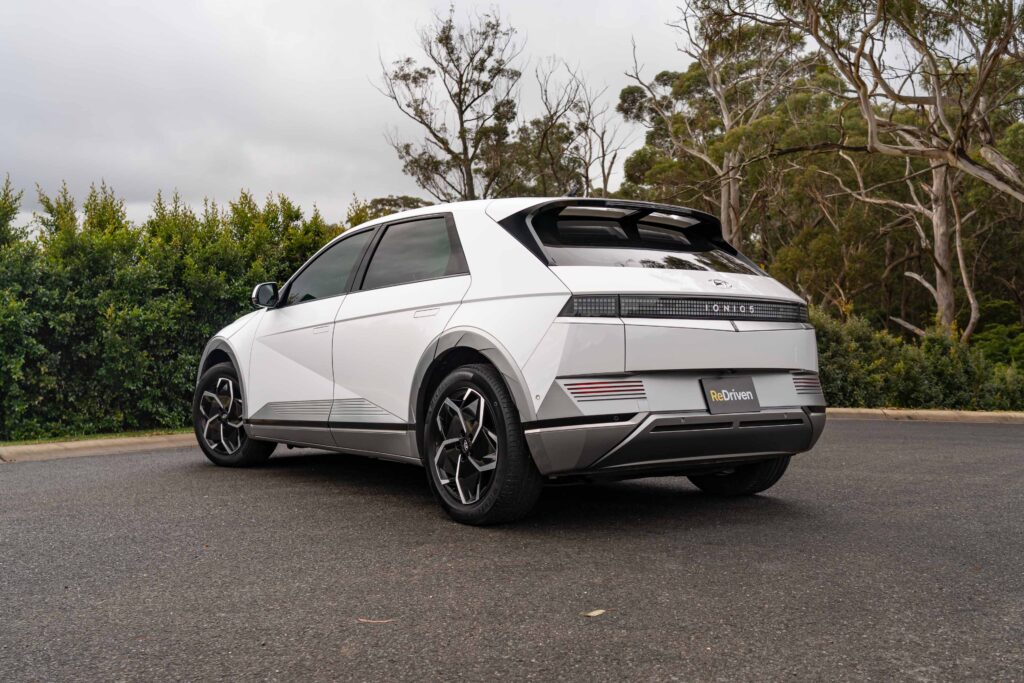
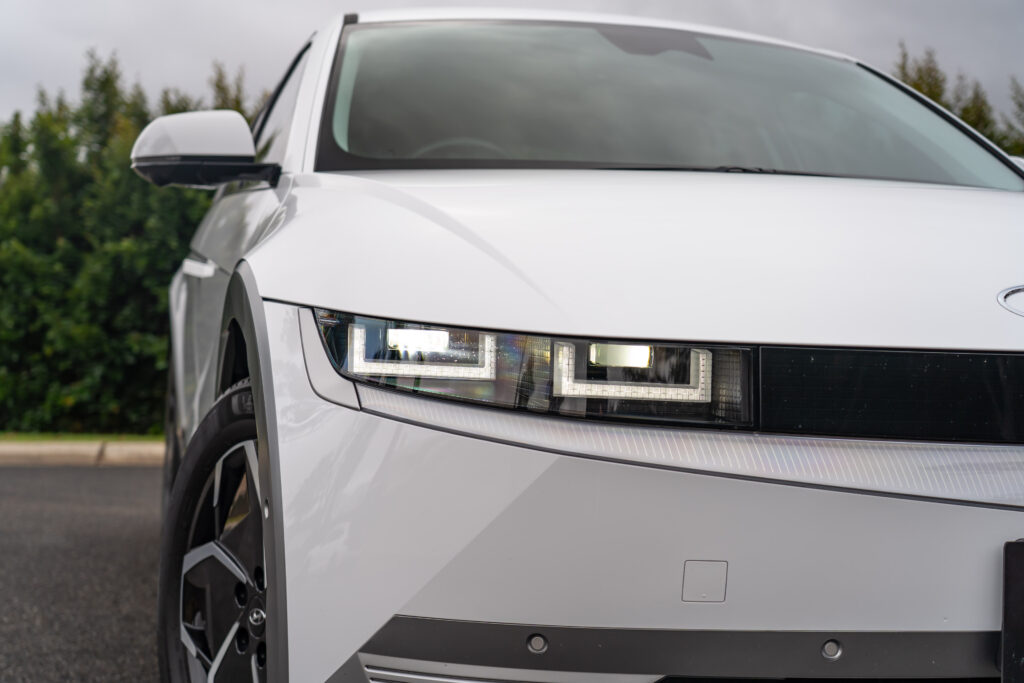
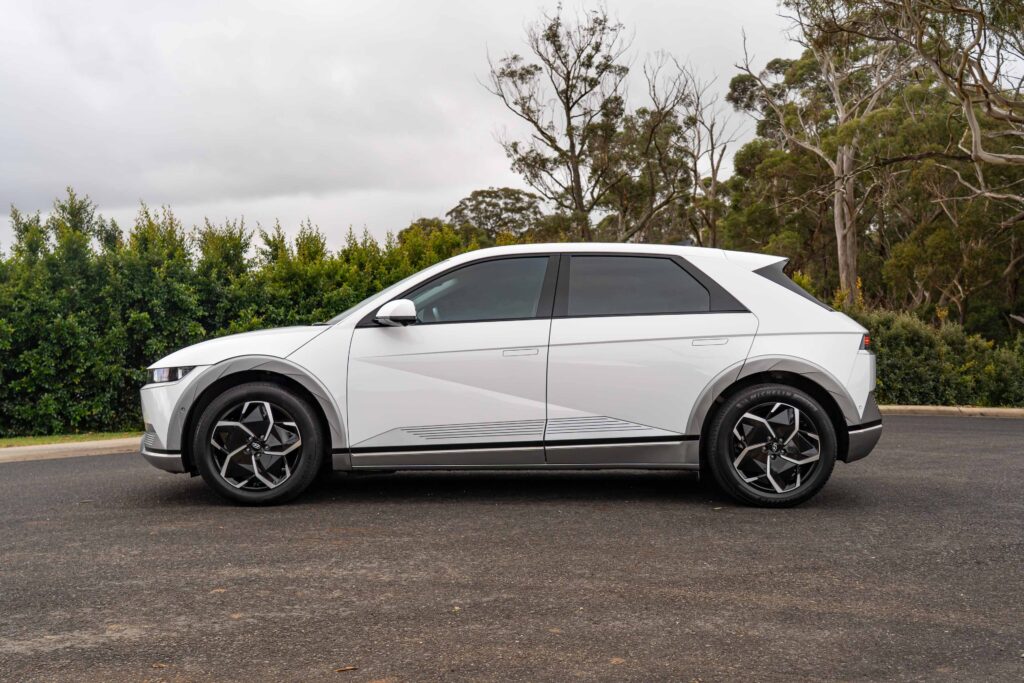
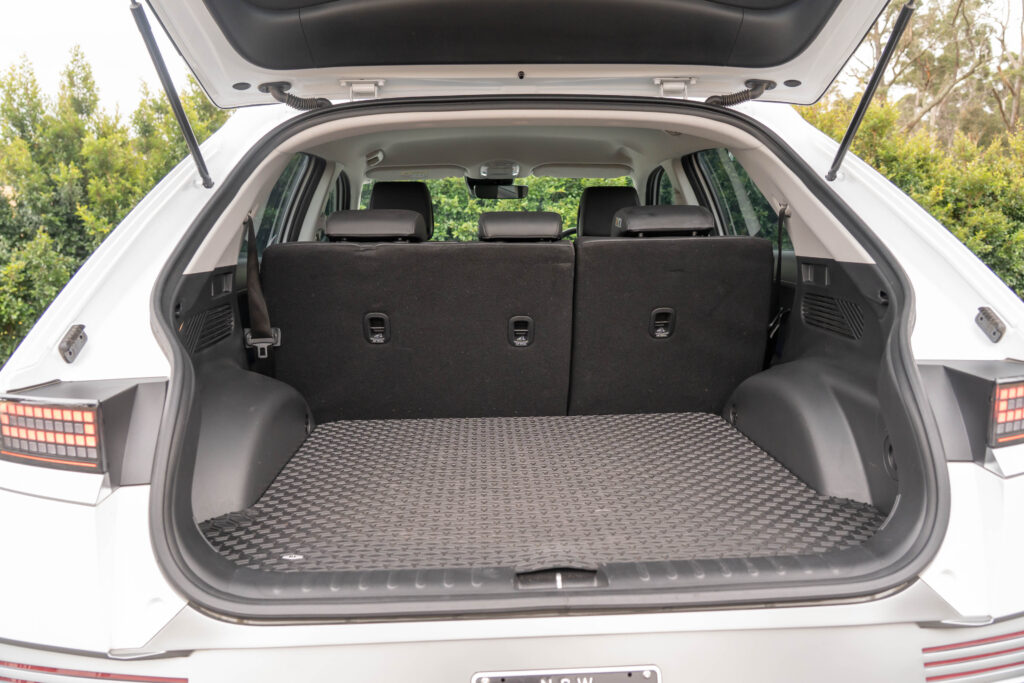
While it shares a lot in common underneath with other Korean EVs, namely the Kia EV6 and higher-end Genesis GV60, the IONIQ 5 distinguishes itself with a distinctive appearance on the exterior and interior, and notably features a larger boot than its counterparts.
Also, the IONIQ 5 is the only one of these Korean EVs to have an official ‘high-performance’ variant. That comes in the form of the Hyundai IONIQ 5 N, but it really is a distinctive model that has to be approached separately from the standard IONIQ 5 range.
A midlife update was recently introduced for models produced after 2025, consisting of minor changes to the exterior/interior, a new infotainment system, the addition of a larger battery pack (84 kWh from 72.6-77.4 kWh), and the addition of the N-Line and North American exclusive ‘XRT’ trims.
Battery capacity and range will depend on region and market – Australian IONIQ 5s currently receive four primary options for battery packs (a significant consolidation from the previously available fourteen variant combinations), paired with single or dual electric motors that bring rear/all-wheel drive, depending on the configuration.
Rivals the IONIQ 5 competes with in this segment include the Tesla Model Y, Polestar 2, Volvo EX60, the Mercedes EQ/Audi e-Tron/Volkswagen IQ series of EV SUVs, Toyota bZ, Skoda Enyaq, and various Chinese EV brands currently in, or about to enter the market.
Exterior:
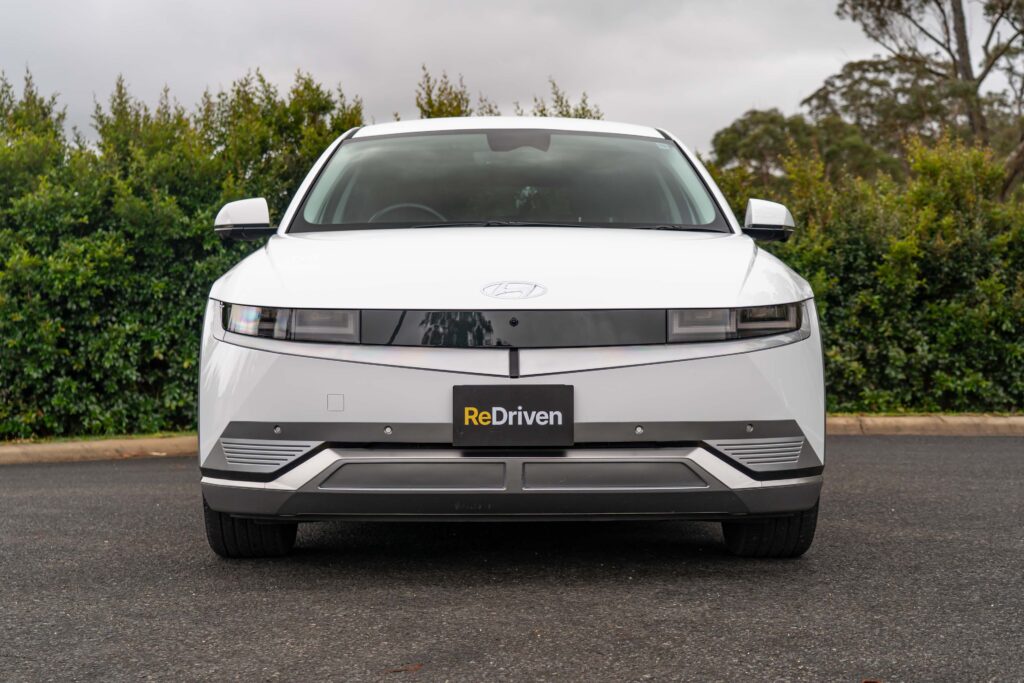
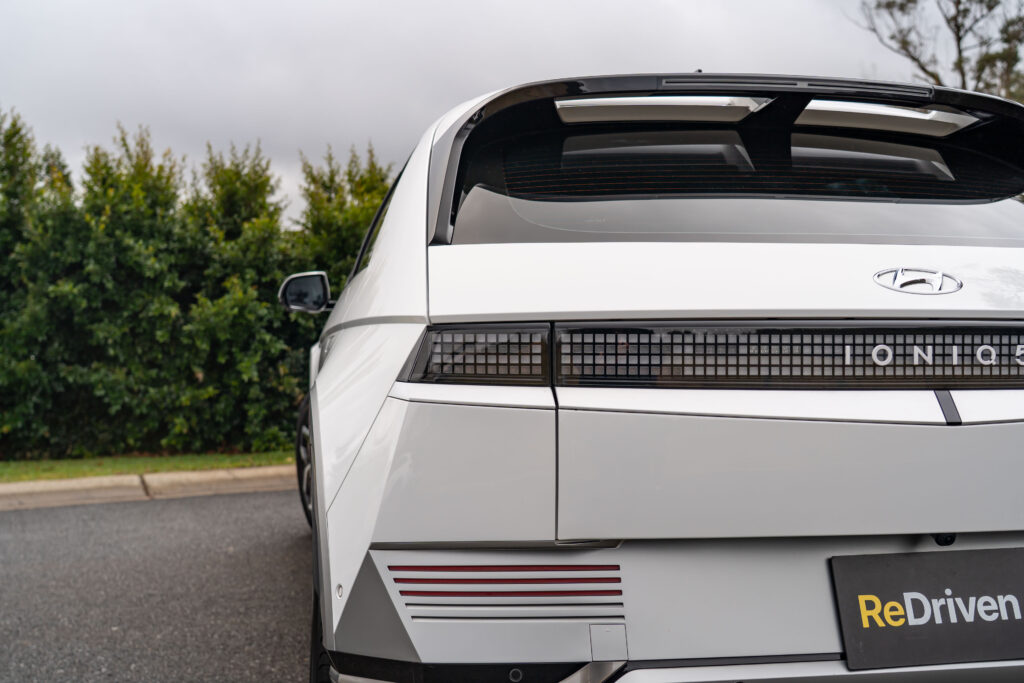
Exterior build quality is very good on these Hyundais, but a few issues can creep up.
Inconsistencies can come up with the quality of the paint they use. Matte-finished IONIQ 5s can especially be more difficult to upkeep, being susceptible to etches, swell marks, and generally requiring specialist care compared to standard paint – we’ve even heard cases of matte-finished cars already carrying visible damage upon delivery at dealerships.
The exterior plastic sections can also be prone to wear – those used on the front bumper/lower sections can be very easily paint-chipped.
Cars left outside for extended periods (especially awaiting delivery at port/dealer lots) are also known to experience paint defects and etched glass.
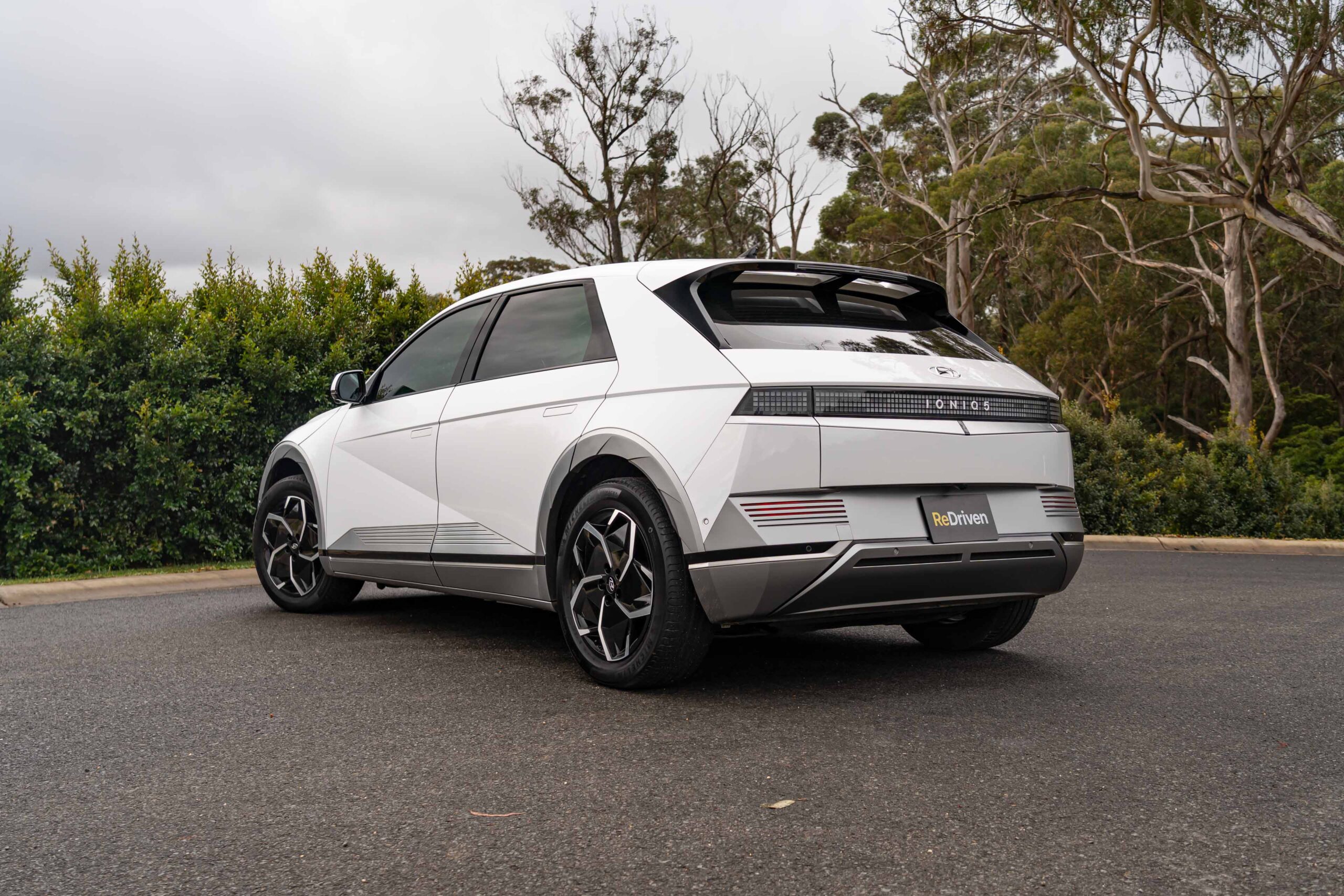
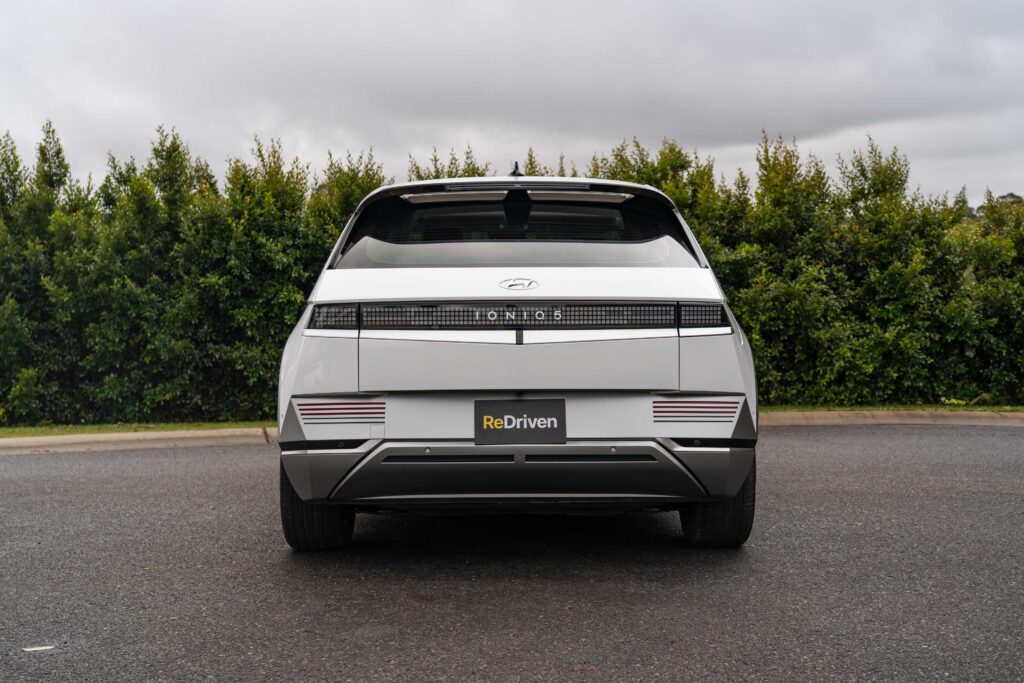
The lack of a rear wiper on pre-update models is a frequent complaint from IONIQ 5 owners, who have observed the design of this car attracts more water/road grime onto the rear.
Hence, the inclusion of one was a very positively received change as part of the 2025 refresh.
We also heard owners complain that the automatic wiper function can be sporadic and unreliable, due to the sensitivity calibrations being problematic.
Another minor gripe owners noted is that not all IONIQ 5s feature auto-dipping side mirrors, and while early top-line models featured digital mirrors, depending on market and region, they are now optional extras on post-update models.
Early models reported the side windows, rear hatch glass, and ‘vision’ panoramic sunroofs easily cracking or shattering without any external or direct impact from debris/pressure. Most cases have had these replaced under warranty.
If you need to repair or replace the windscreen, it’s highly recommended to stick to OEM units, as non-original glass can make realignment and recalibration of the HUD/ADAS tech difficult.
Owners also frequently complain about the rear hatch/tailgate struts rattling, with some repeatedly going to dealerships to fix them, only for the issue to persist.
Aside from being non-user-friendly, the electronic door handles can pose a potential hazard when it comes to theft deterrence. They extend outward when the doors are unlocked, allowing thieves to easily identify when the car is unlocked by the handles in the ‘extended’ positions.
In addition, these cars are vulnerable to theft through key relay tech. Hyundai has rolled out security updates, alongside new keyfobs designed to block out these key-emulation (cloning) tactics, but it’s highly advised to use a Faraday pouch to protect the keyfobs.
While these do come with a tracking function via Hyundai’s ‘Bluelink’ connectivity services, thieves are also known to disconnect the 4G antenna cable that disables the GPS tracking function of the vehicle; it’s worth adding Airtags or aftermarket portable trackers as backups, and owners groups offer plenty of recommendations for better security measures (US-based ‘The Ioniq Guy’ is a great resource).
We’ve also heard many owners complain that calibrations for the ADAS tech can be overly sensitive, overwhelming drivers with multiple warning signals and chimes.
Even if you want to disable them permanently, this isn’t possible on pre-update cars, while as part of the 2025 refresh, Hyundai added the ability to do so via a single button.
Interior:
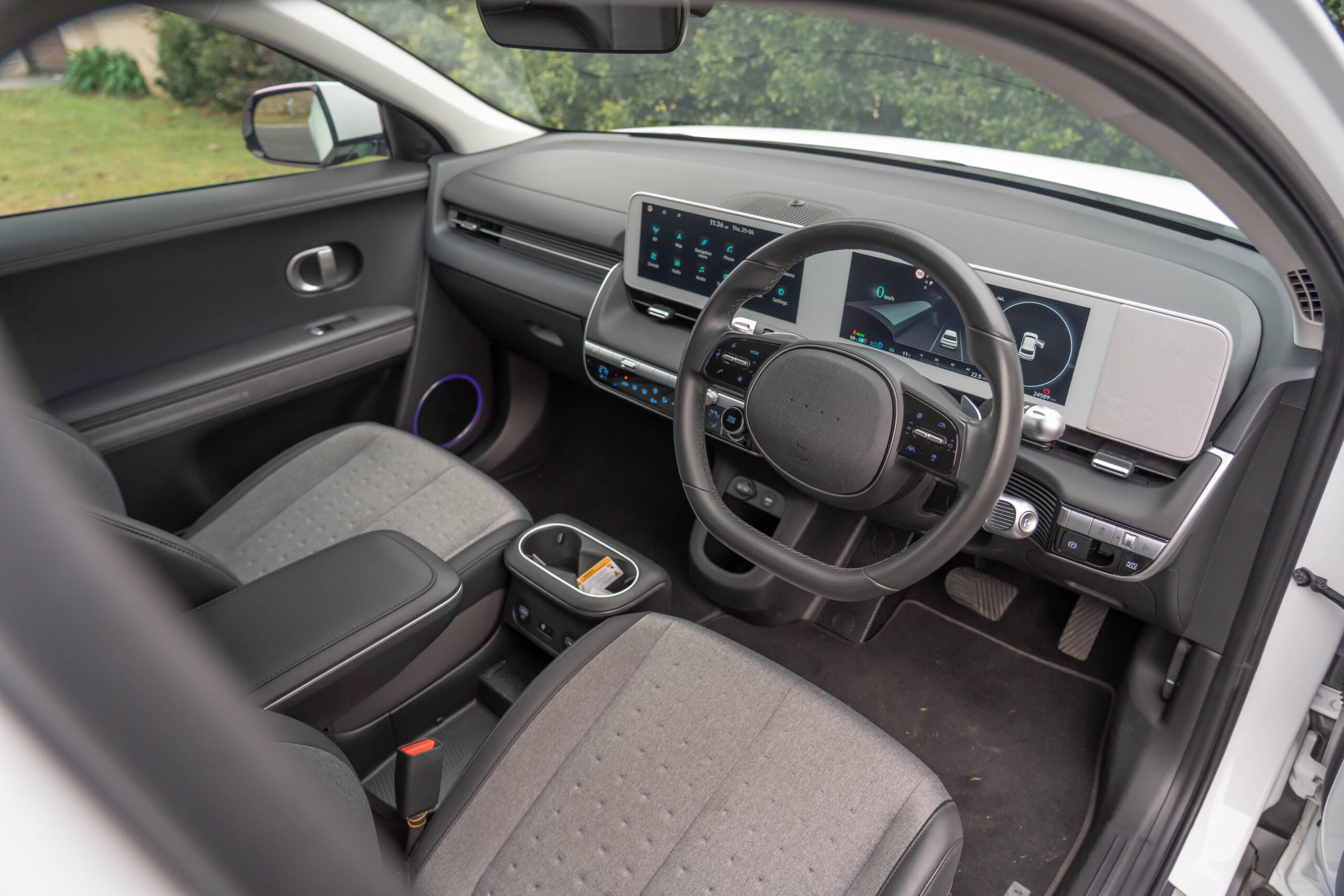
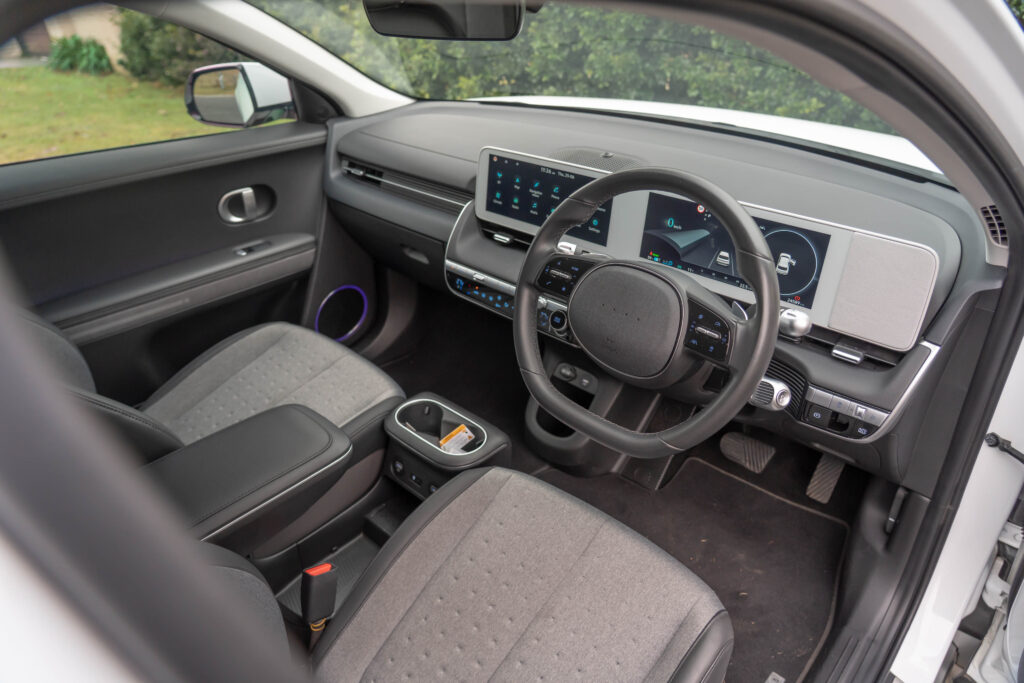
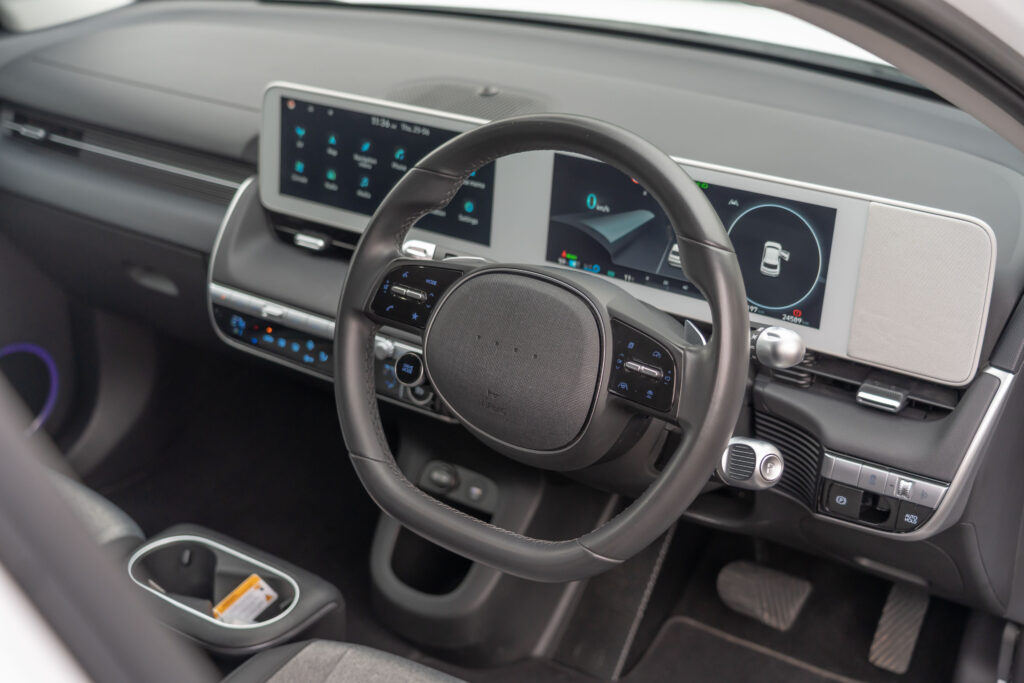
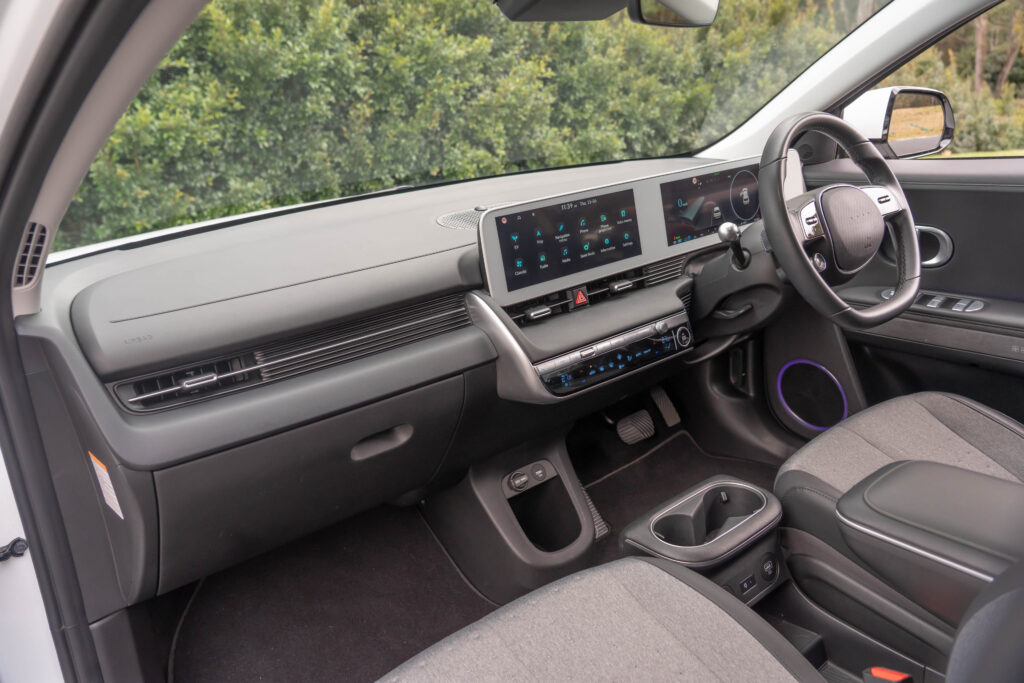
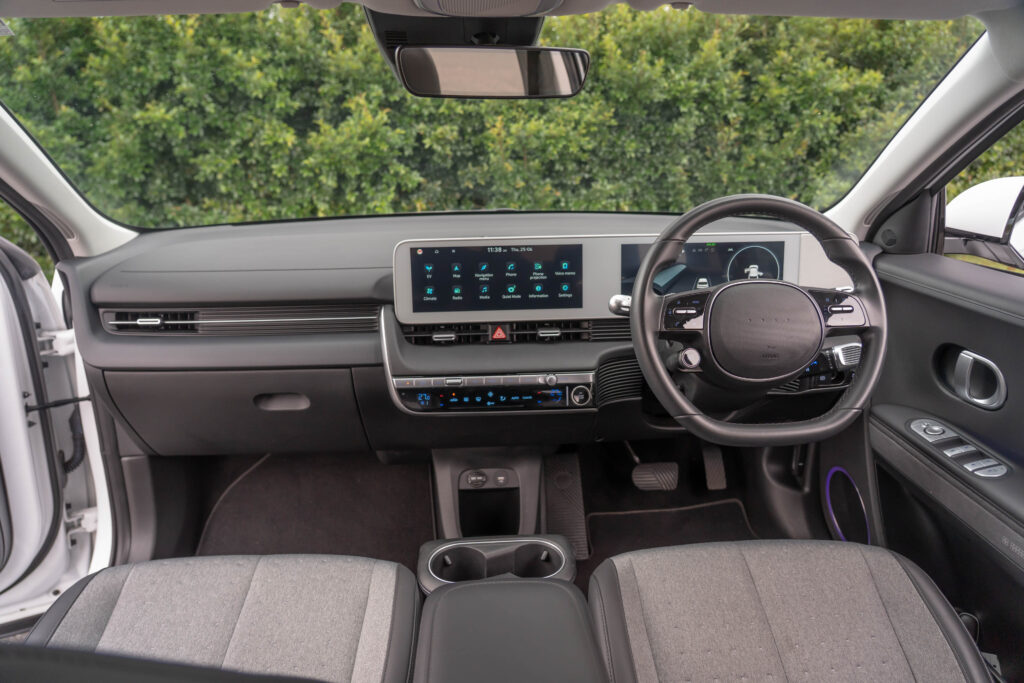
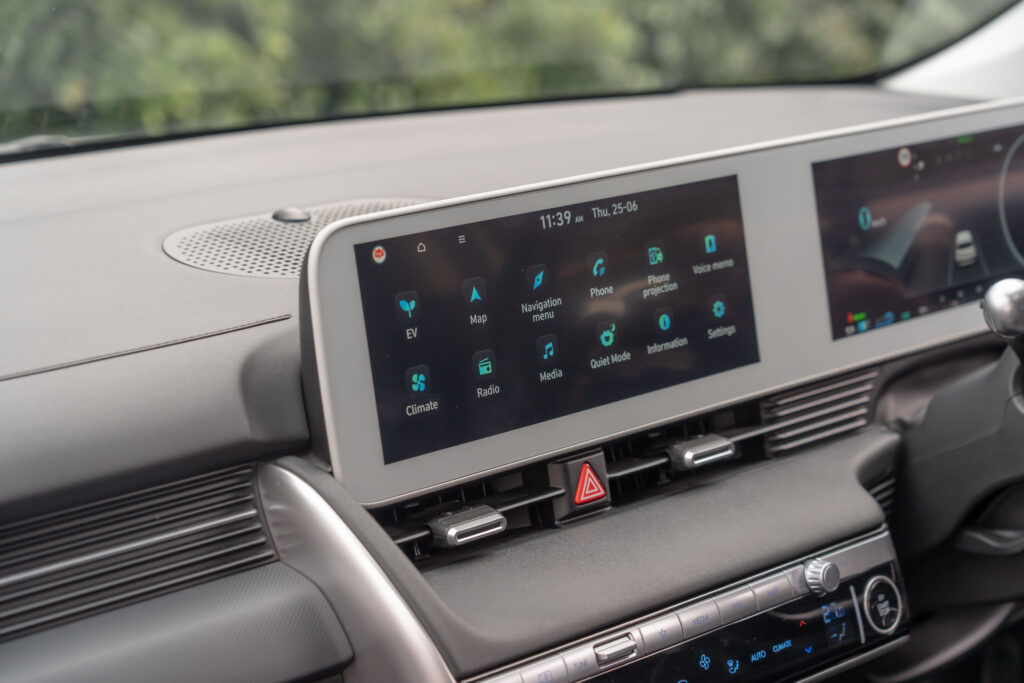
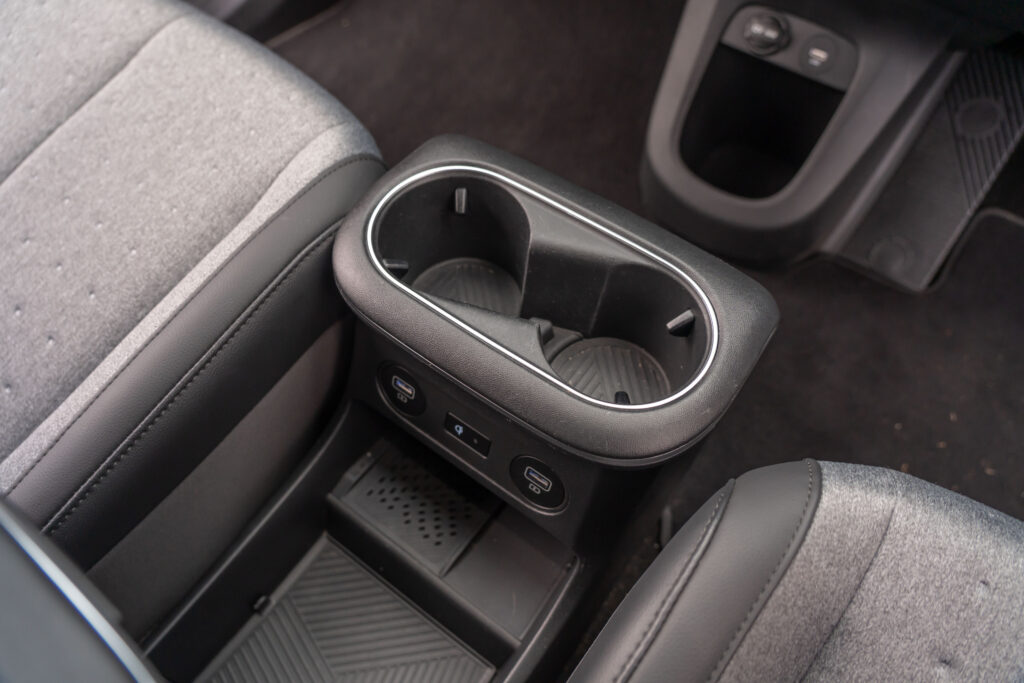
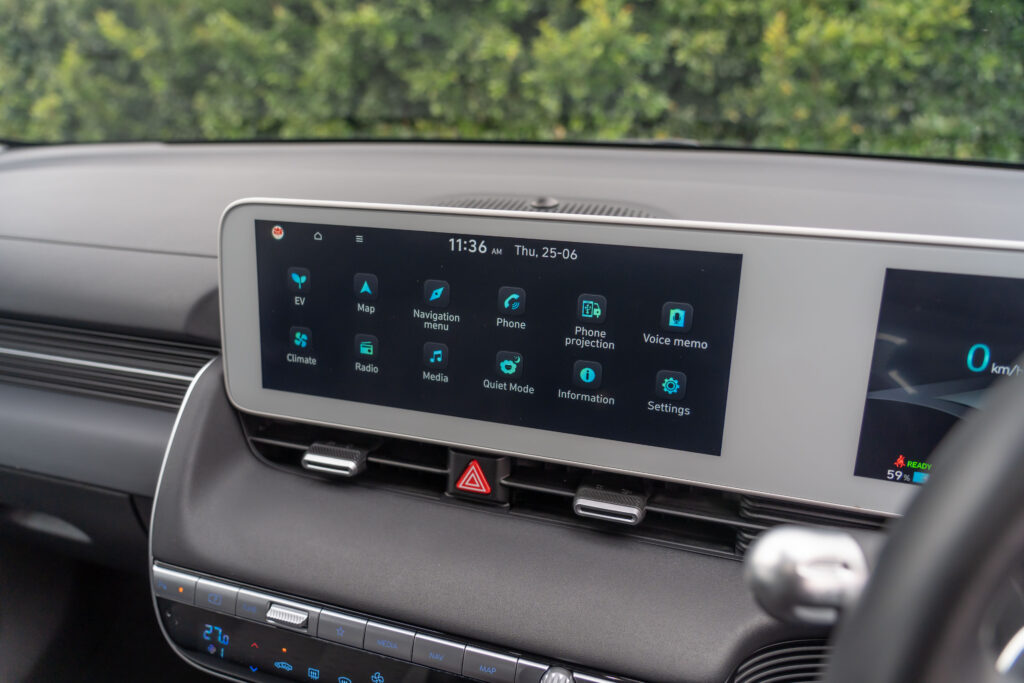
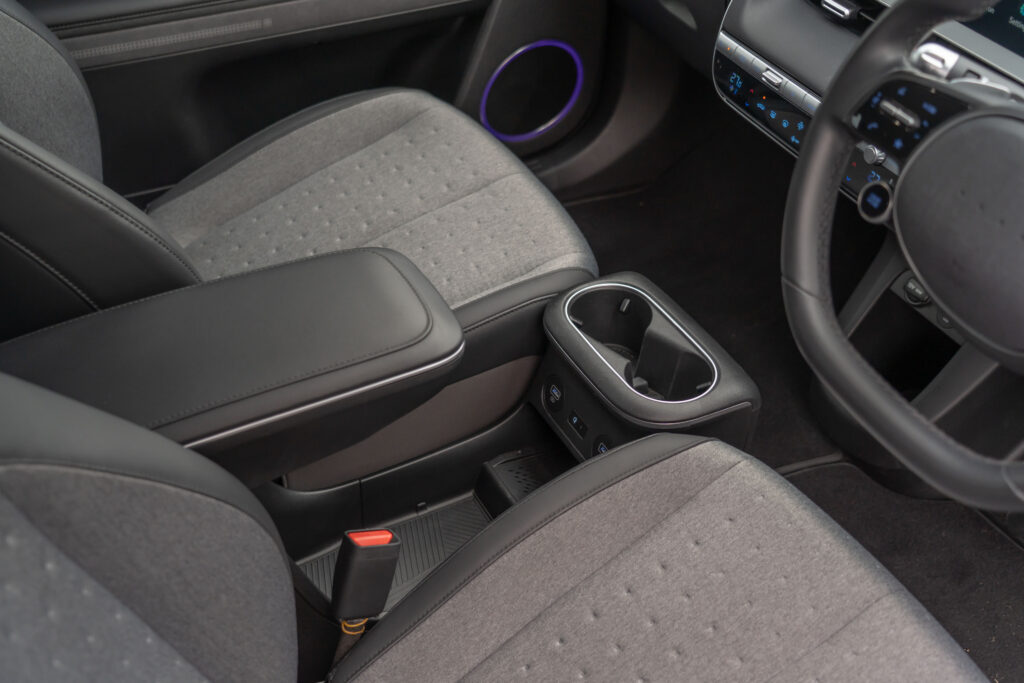
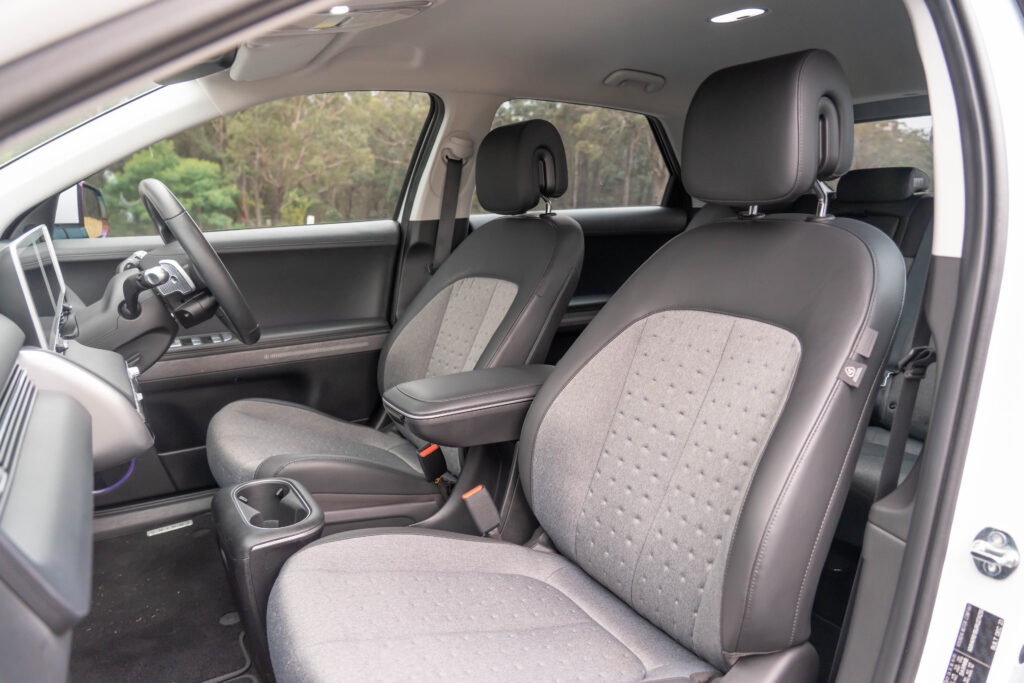
We heard compliments towards the cabin’s ergonomics and clever design features, from a small pad to rest your hand while operating the infotainment screen, to the sliding centre console and rear seats (standard on most variants) that grant better rear access and space.
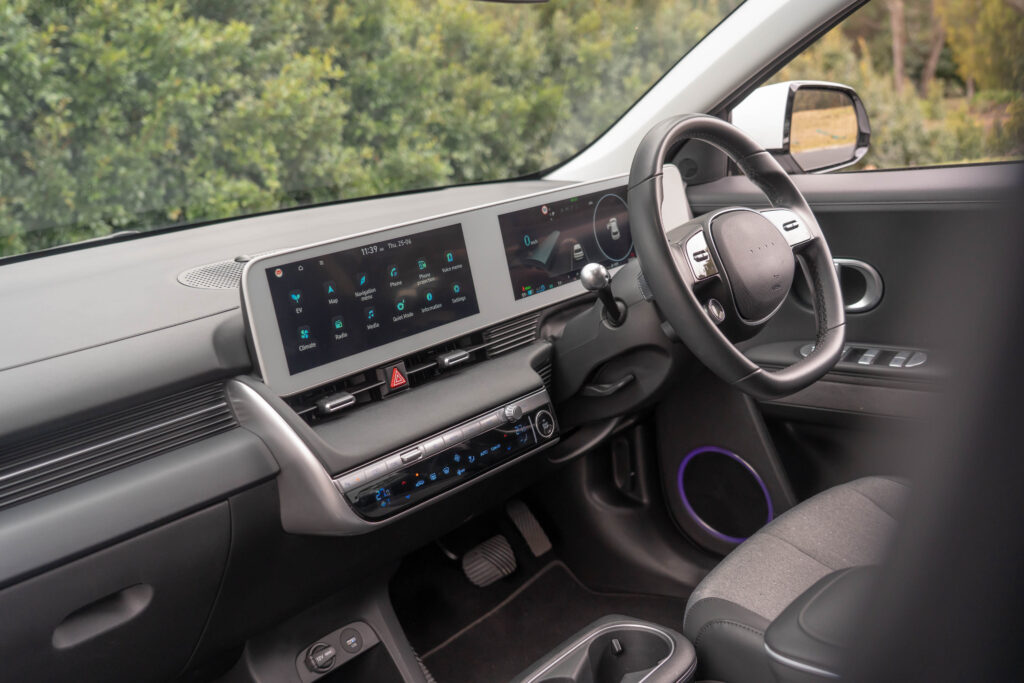
This already user-friendly interior saw noticeable improvements with the 2025 refresh, which brought revised steering wheel and centre console designs (with physical buttons serving as ‘shortcuts’ for frequently used functions).
Step up to the ‘N-Line’ trims that were also added post 2025 update, and you’ll also find slightly elevated interior details that bring similar levels of aesthetics found in the top-spec IONIQ 5 N.
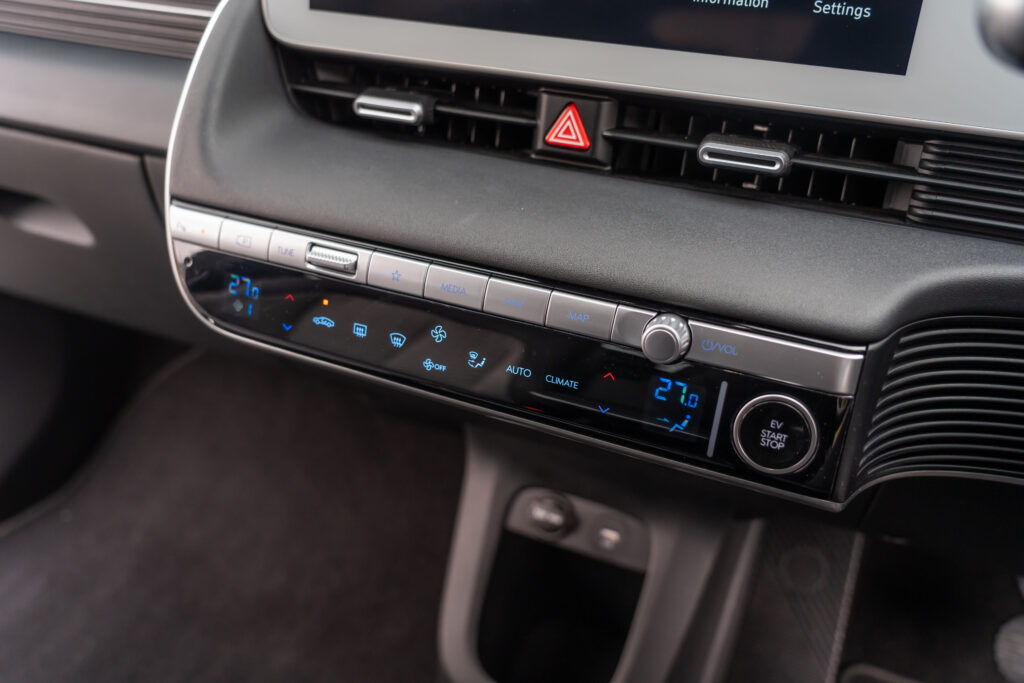
There are some shortcomings owners have found with the cockpit design. For one, the HVAC controls are all controlled via a haptic-feedback layout, making them harder to use compared to physical controls, and they’re especially difficult to read under direct sunlight.
The cabin also features multiple driver monitoring systems as part of the ADAS features, and if you’re wearing polarised sunglasses, they might not pick up your eyes and send false warnings.
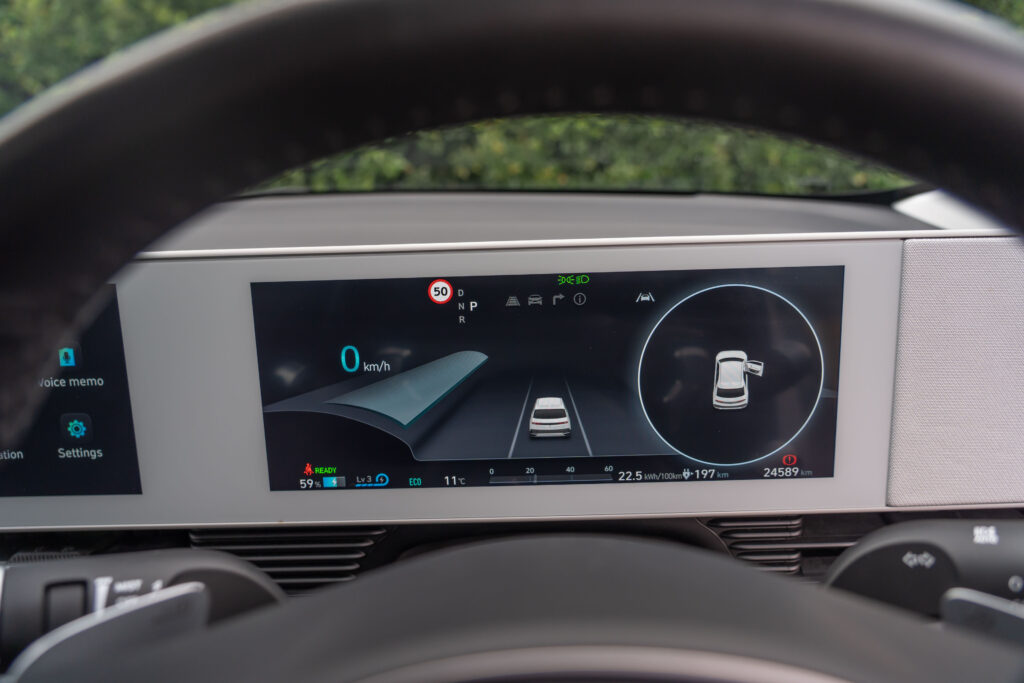
The head-up display can also develop a few gremlins, but they are generally resolved with over-the-air software updates.
On right-hand drive cars, some have noted the speed readout display can be partially obscured by the steering wheel in certain seat positions.
While these Hyundai EVs generally have very good build quality, some of the interior pieces can develop rattles – persistent areas include the steering wheel audio controls, the driver’s side door card, rear seatbelt height adjusters, and the head-up display cover.
The front door cards are also reported to be constructed from material that can easily be scuffed or scratched.
The ambient interior lighting can experience isolated electronic glitches (such as random color cycling), but these aren’t too widespread.
While these come equipped with all the modern connectivity features you ever need, including Apple CarPlay/Android Auto, do note that pre-update cars are limited to a wired connection only; wireless CarPlay/Android Auto was only added from the post-2025 update onwards.
Although we’ve heard a few cases of unreliable wireless connectivity functions, mainly dropping out when in underground structures/areas (ie. car parks), resolving it can take some trial and error.
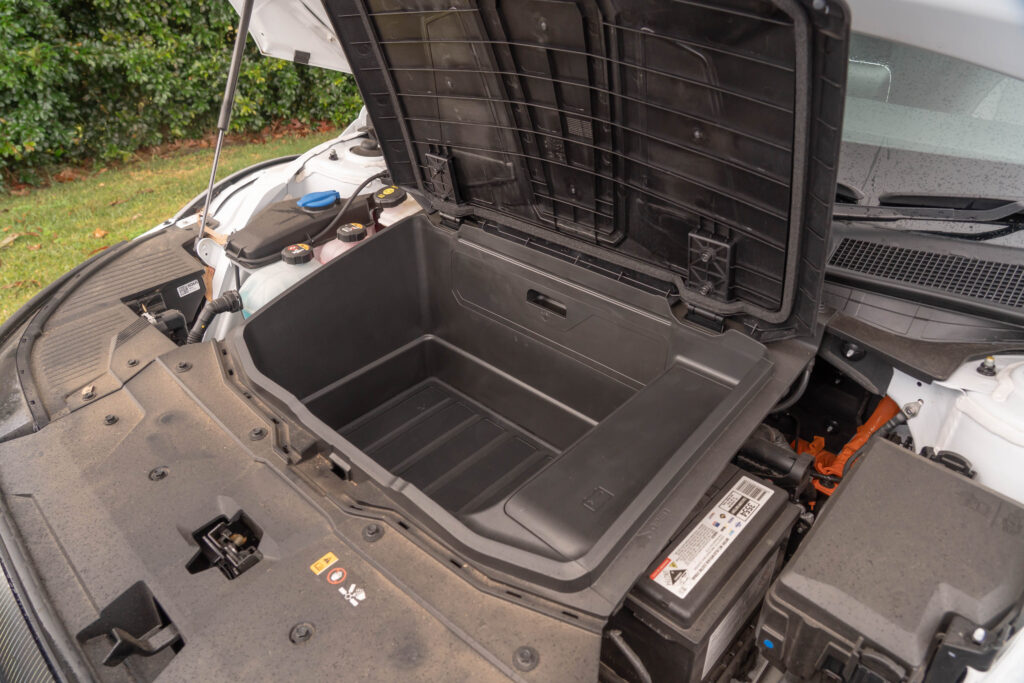
Do also note cargo practicality can vary based on configuration: the single motor, rear-wheel drive models have up to 57L of ‘frunk’ space, but this drops down to 24L on dual motor, all-wheel drive models, due to the additional motor at the front that takes up space.
Mechanically:
We’ve read many compliments from owners that highlight excellent levels of grip the IONIQ 5 offers, not only in all-wheel drive configuration, but even for the entry-level rear-wheel drive models; in addition to the ‘i-Pedal’ single pedal, regeneration mode being calibrated perfectly for how these drive.
But all this grip comes from this car weighing nearly two tonnes. Therefore, the torque and weight loads can put a lot of wear on consumables like tyres and suspension components. Depending on driving style and usage, you may find yourself going through tyres faster than on an ICE vehicle.
At 3 meters long, this car is very spacious, but as some owners report, there’s not much steering lock; the small turning circle can make tight maneuvers difficult.
Australian-delivered IONIQ 5s benefited from region-specific suspension tuning from launch, making these very suited for our road conditions; though do note that, as part of the 2025 refresh, Hyundai refined the suspension tuning across all models sold globally.
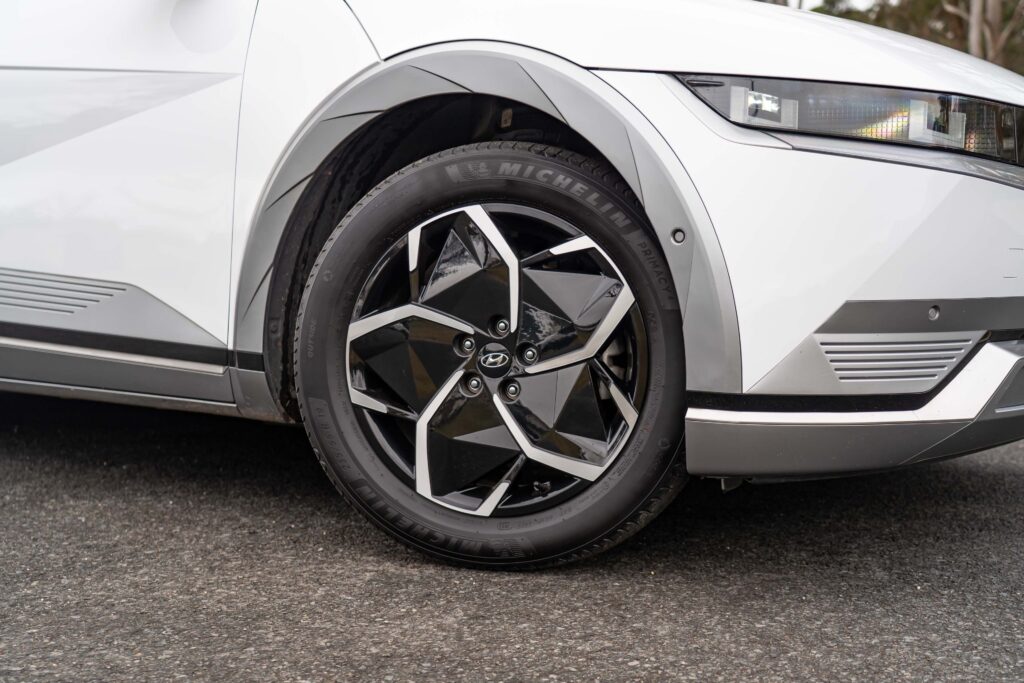
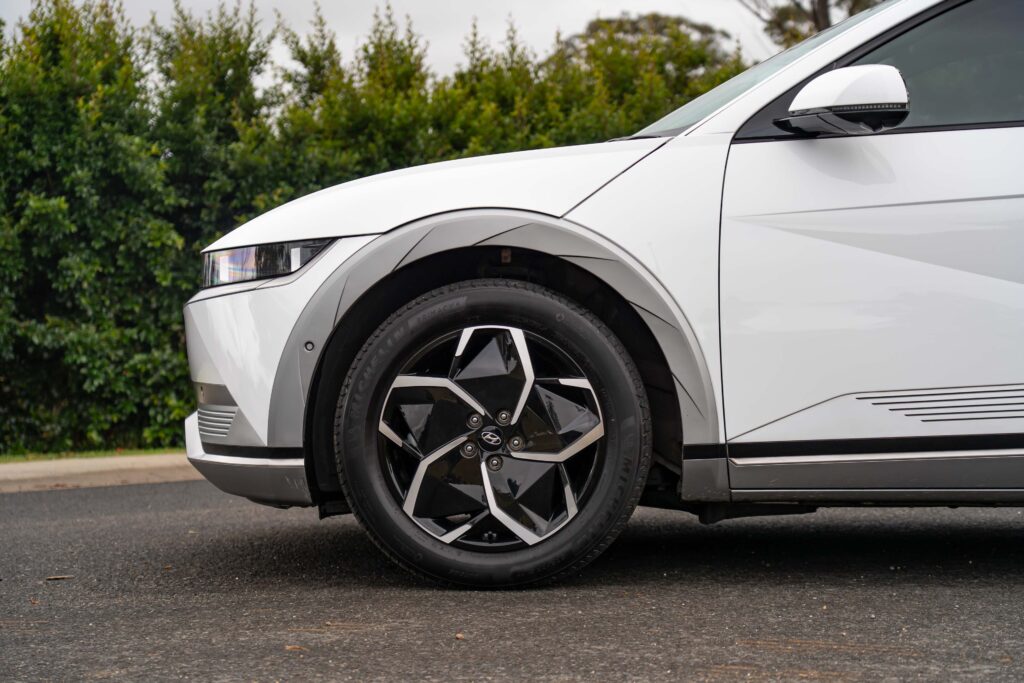
Some models also feature wheels that protrude slightly beyond the tire profiles, making them more prone to kerb rash.
Powertrain:
Battery packs vary by model year and region, but generally for the Australian market, MY2022 IONIQ 5s received a 72.6 kWh high-voltage battery, which was increased to 77.4 kWh for MY2023. For MY2024-2025, lower trims received a 63 kWh unit, while higher trims got the larger 84 kWh unit.
Despite optimistic WLTP figures from Hyundai when it comes to range, across owners’ groups, the worst range figures reported are around 270 kms through highway driving, to 340 kms within town; with the best on average being 500 kms per charge.
The IONIQ 5s use the same 800 Volt architecture as their Kia and Genesis counterparts, meaning if you can find one of these charging stations, you can receive 10-80% of battery power in just 17 minutes via 350kW fast-chargers.
When it comes to reliability, the main concern of these EVs is the integrated charging control unit, otherwise known as the ‘ICCU’.
Within the EV powertrain, this component is responsible for several important roles: convert AC to DC voltage that can be stored in the main high-voltage battery, convert power from the high-voltage battery to the smaller 12V battery (to power normal vehicle systems and accessories like lights, locks, and control modules), and enable the ‘vehicle to load’ system to supply electricity to external devices.
When the ICCU fails, it often stops providing charge to the 12V battery, causing the vehicle to display warning messages, lose power, or be unable to enter ‘READY’ mode. In other words, while the main battery is fully charged, the vehicle won’t start because the smaller 12V battery is dead.
The good news is that at the moment, only 2% of Hyundai/Kia/Genesis EV vehicles are reported to experience ICC hardware issues. It also helps that this component is covered under Hyundai’s very generous warranties (7 years/unlimited kilometres new car warranty, 8 years/160,000 kilometres for high-voltage, lithium-ion battery replacements); we also expect future models will have these ICCUs far less prone to these issues.
The smaller 12V battery can also be slightly problematic – mainly owners experiencing them draining faster than expected, due to parasitic voltage draw or software issues, on top of any ICCU problems.
Good-quality, aftermarket AGM (Absorbent Glass Mat) 12V batteries are highly recommended for these EVs, and Hyundai has released a few updates to improve battery management to make these drain issues less frequent.
There is also an issue surrounding the IONIQ 5’s driveshafts cracking or breaking, but it isn’t commonly reported to be considered serious – Hyundai has issued a recall to address this, so it’s worthwhile to confirm if the fixes have been performed.
Ideally, when inspecting one of these, you should confirm all the latest ICCU software updates and recall work/repairs have been completed. In addition, test the condition of the 12V battery itself before assuming it is still in good health, just because the vehicle starts.
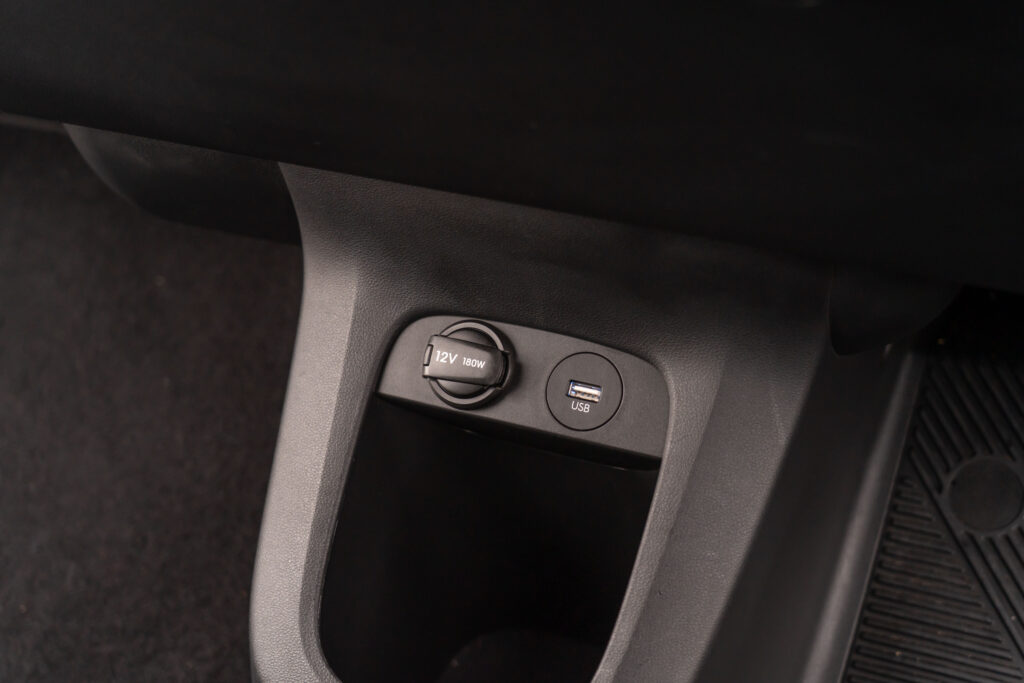
It’s also worth highlighting the IONIQ 5’s usability via its ‘vehicle to load’ function that can power electronic accessories directly from the EV powertrain from the charge port or interior power socket.
To give you an idea of how much power these can provide, one owner we spoke to was able to power their refrigerator, freezer, and other home appliances for up to 10 days during a blackout, all through their Hyundai!
Aside from the IONIQ 5 N models, when new, these were priced anywhere between $70-90,000.
Among those now entering the used market, even those just five years old, pricing starts at as low as $30,000, meaning pre-owned ones have already lost at least $40,000 of their original value.
Most used examples will top out around $70,000, but even the mid-range of $45,000 will get you a lot for your money’s worth.
However, how competitive these will hold up in future years will be dependent on other factors, including the onslaught of highly-equipped Chinese EVs entering the new and used market at far cheaper price ranges.
The IONIQ 5 has a lot going for it for anyone in the market for a used EV, but there are other factors and costs to also weigh in before confirming if EV ownership is for you.
Insurance premiums or quotes, for instance, are often more expensive than equivalent coverage for hybrids of the same category/size, and your location can also play a big factor in how easy it is to receive after-sales support or order parts.
The same can also apply when it comes to how you recharge the vehicle: whether it’s the cost to install a home charging station (if you can do so), versus paying for access to public chargers.
As we always bring up: the EV lifestyle makes absolute sense for some, but is unrealistic for others – everyone’s scenario varies.
With how steep the depreciation is, and how good even the early IONIQ 5 models can be, the extra cost doesn’t really provide you a better vehicle, so we reckon it’s better to save your money and buy used.
Ideally, target a relatively new post-2025 update example that benefits from all the improvements, but even an earlier, pre-update model with the same number of updates will make for an excellent used EV purchase.


Co-creator, presenter & writer, ReDriven

Yes. 100%.
 1 week ago
 1 week ago
 1 week ago