Australia’s No. 1 Used Car Review Website
Australia’s No. 1 Used Car Review Website
+24 Photos
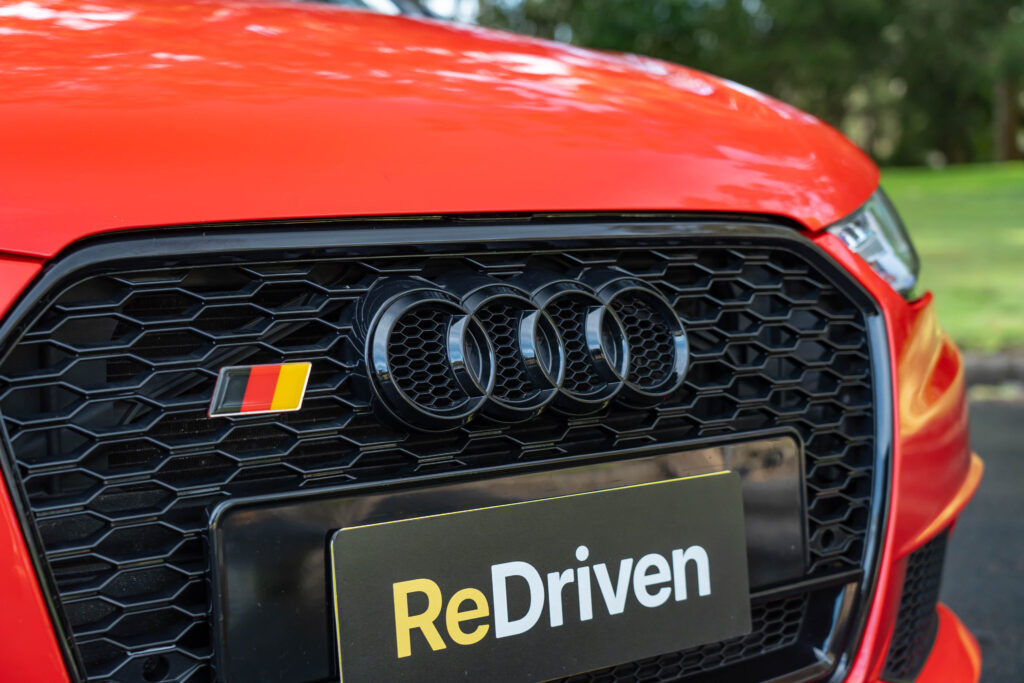
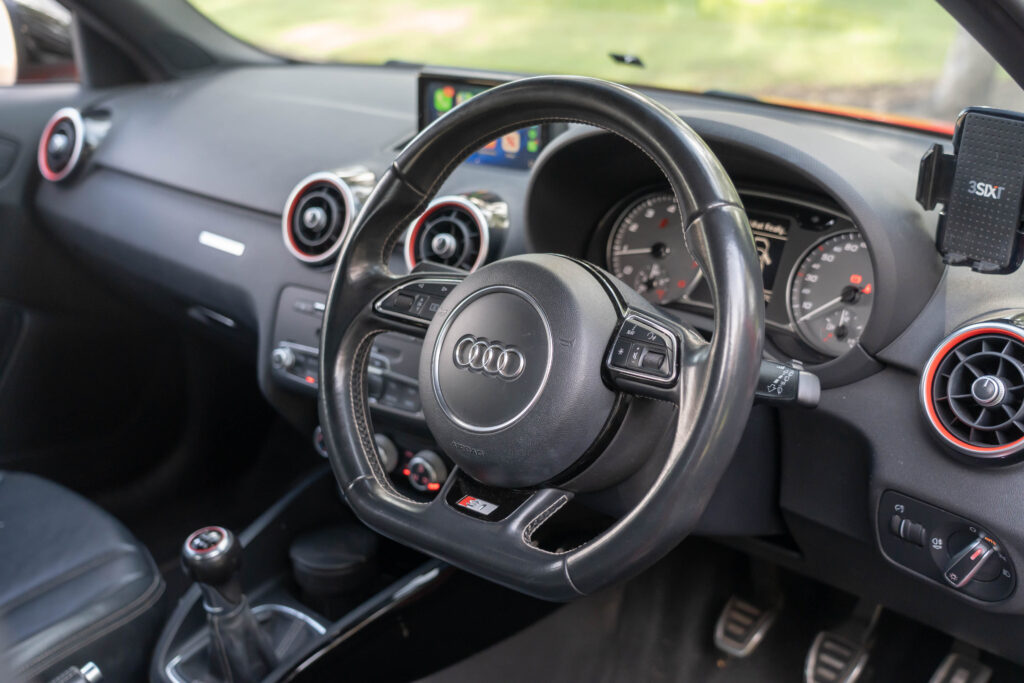
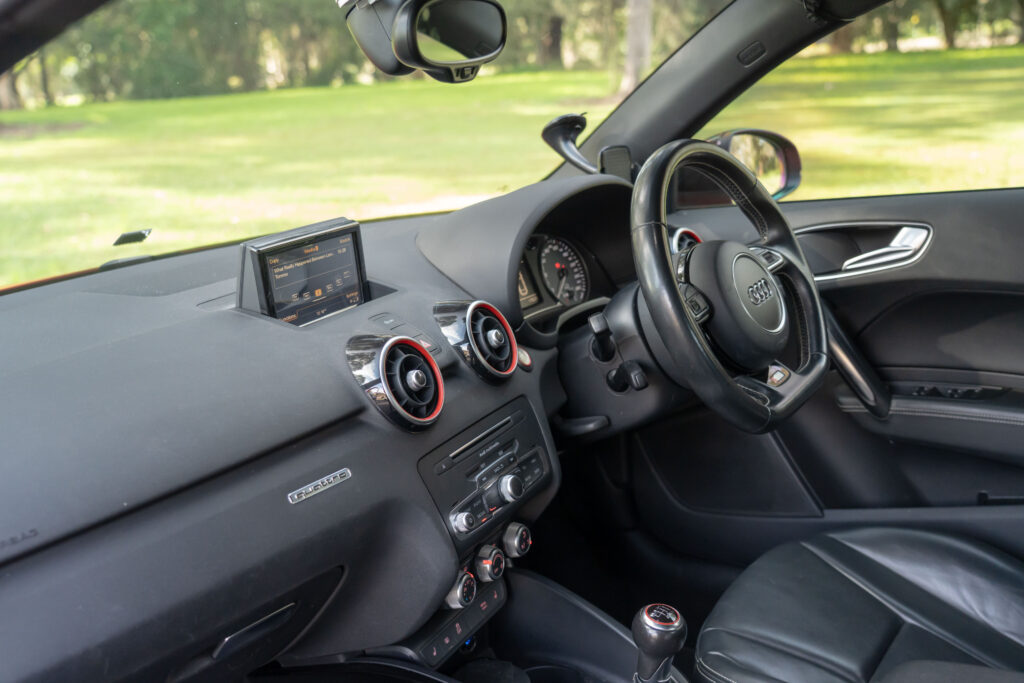
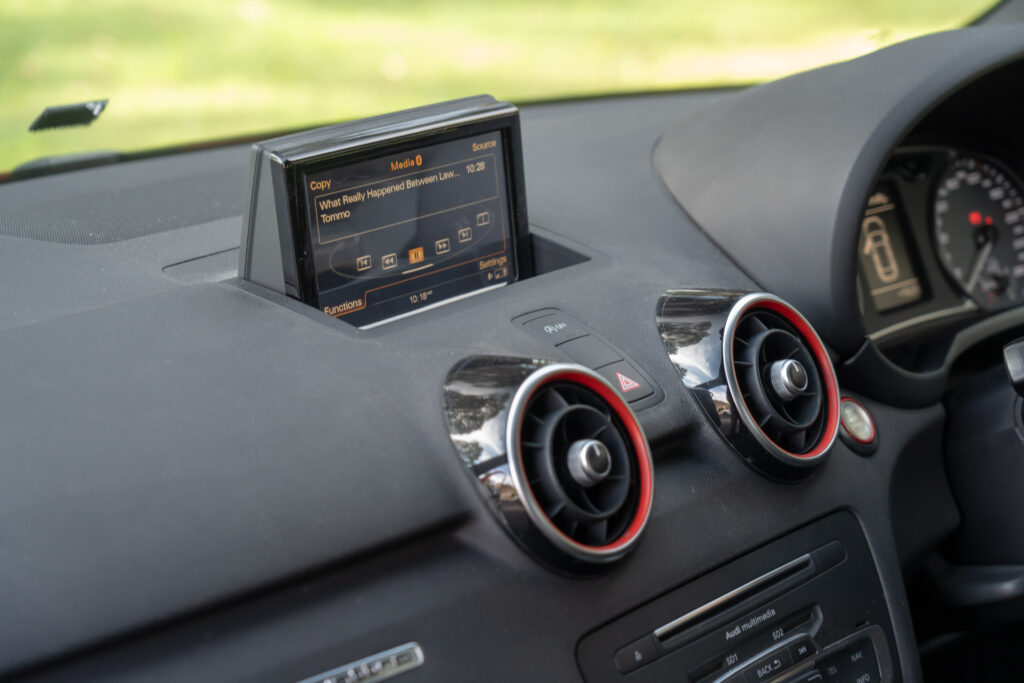

2015 Audi S1

14 August 2026
Yes. But only the right example.

2015 Audi S1

Used car review
14 August 2026
The first-generation Audi A1, from its original production lifespan from 2010 to 2018, was the entry-level model within Audi’s lineup, positioned below the larger A3 hatchback as the smallest car to wear the Audi badge (succeeding the subcompact Audi A2).
Being a descendant of the Volkswagen Group family, first-gen Audi A1s shared a platform, engines, and other parts with other compact VW Group models, such as the Volkswagen Polo and the Skoda Fabia.
Other markets received this generation of the A1 in both three-door and five-door configurations, but for Australia, we only received this as a five-door ‘Sportback’.
The first-generation A1 experienced one midlife refresh, with models made from MY2015-2018 experiencing subtle updates to the exterior lights, front grille/bumper designs, minor additions to interior equipment, as well as updates to the engine range.
Engines include turbocharged petrol and diesel engines of various capacities (three/four cylinders), including a twin-charged(turbo and supercharged) four-cylinder, paired to manual or dual-clutch ‘S-Tronic’ automatic transmissions, driving the front wheels.
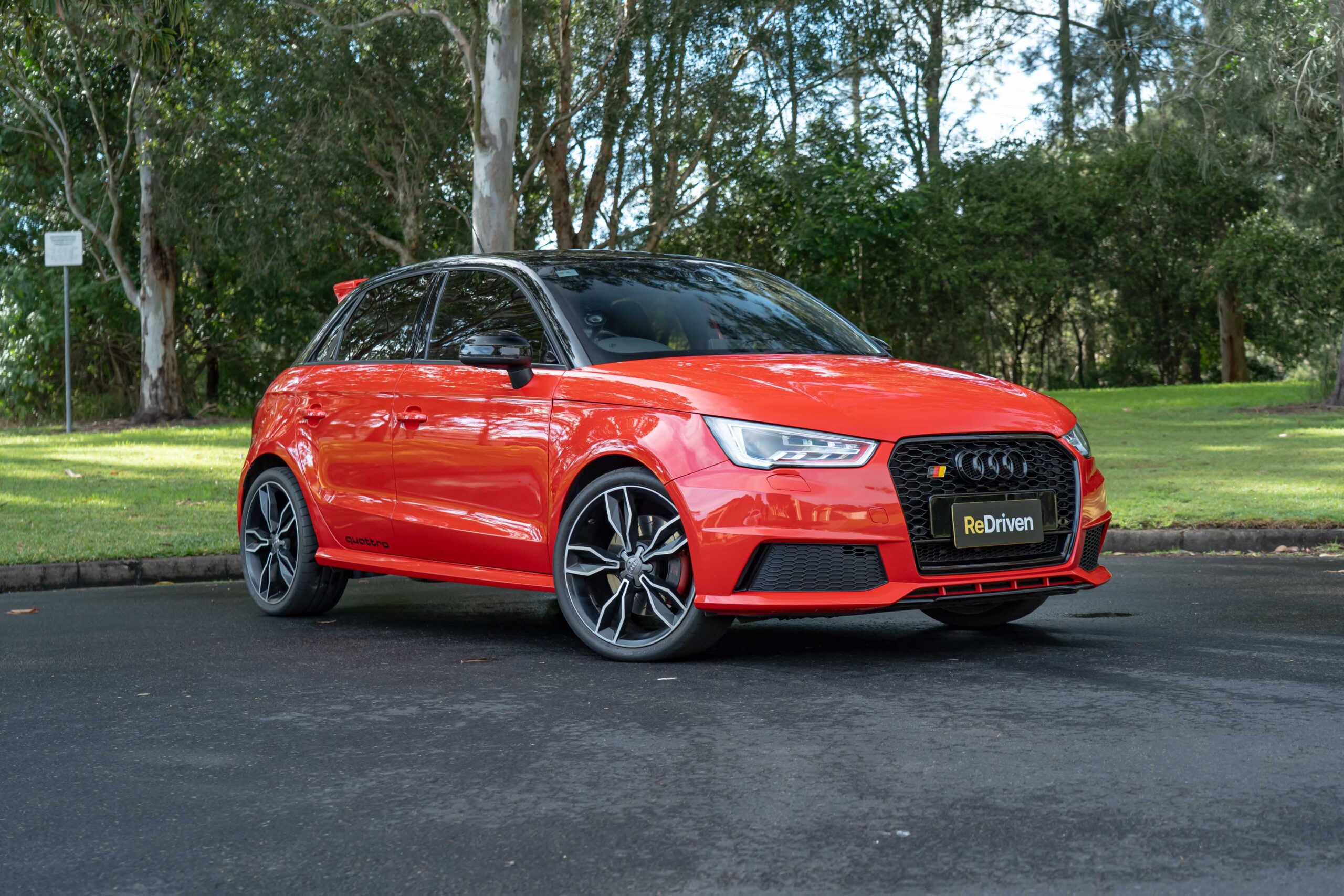
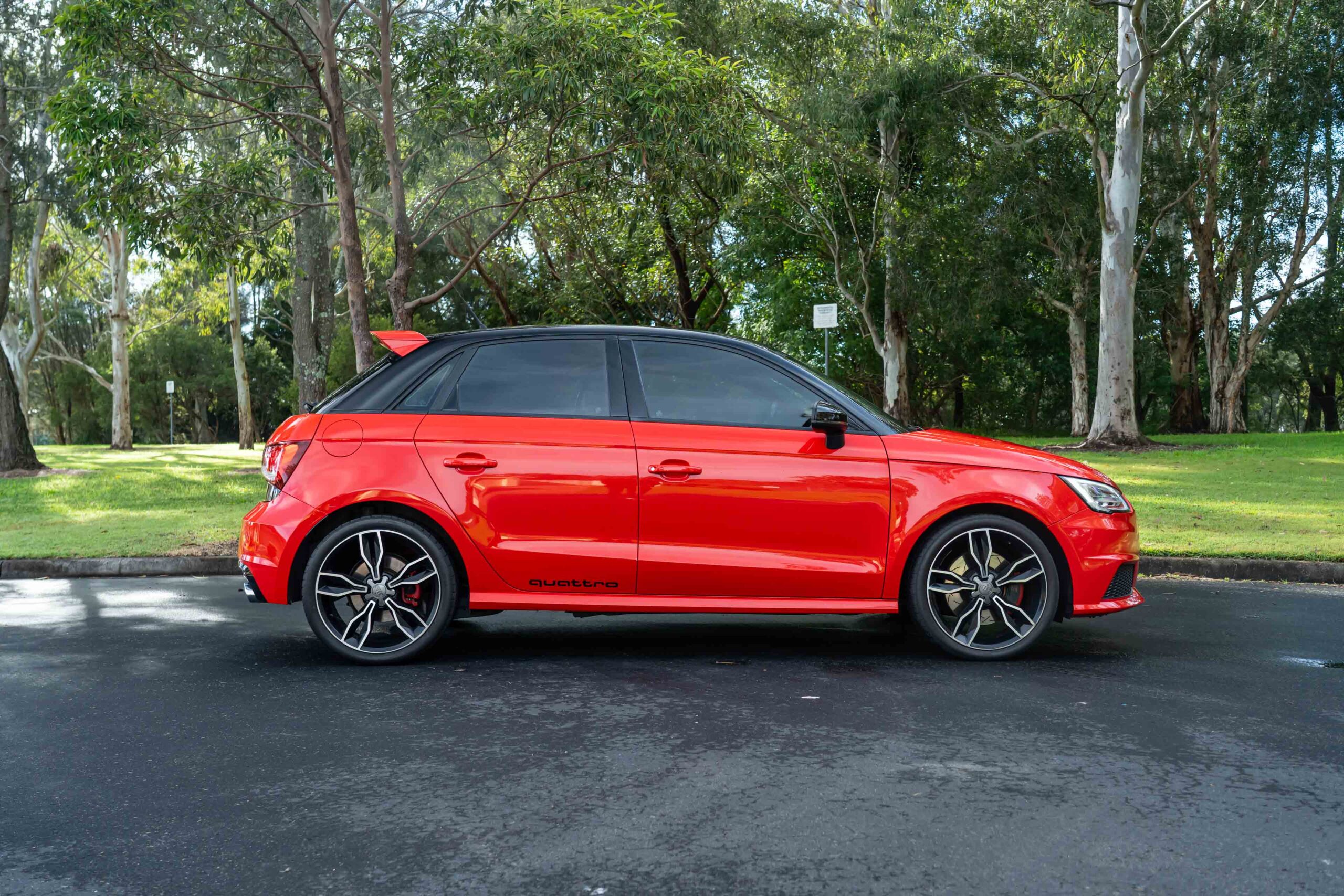
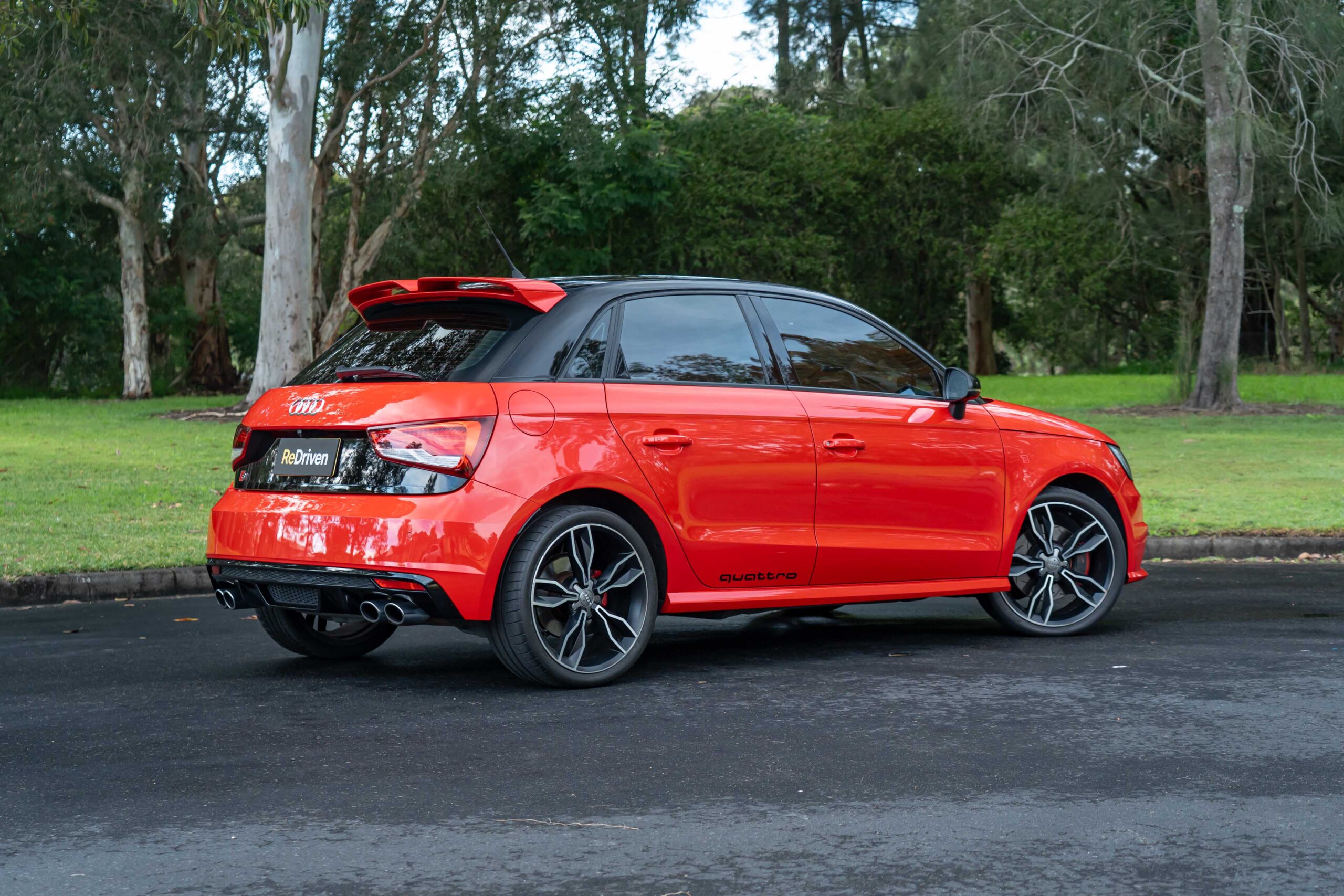
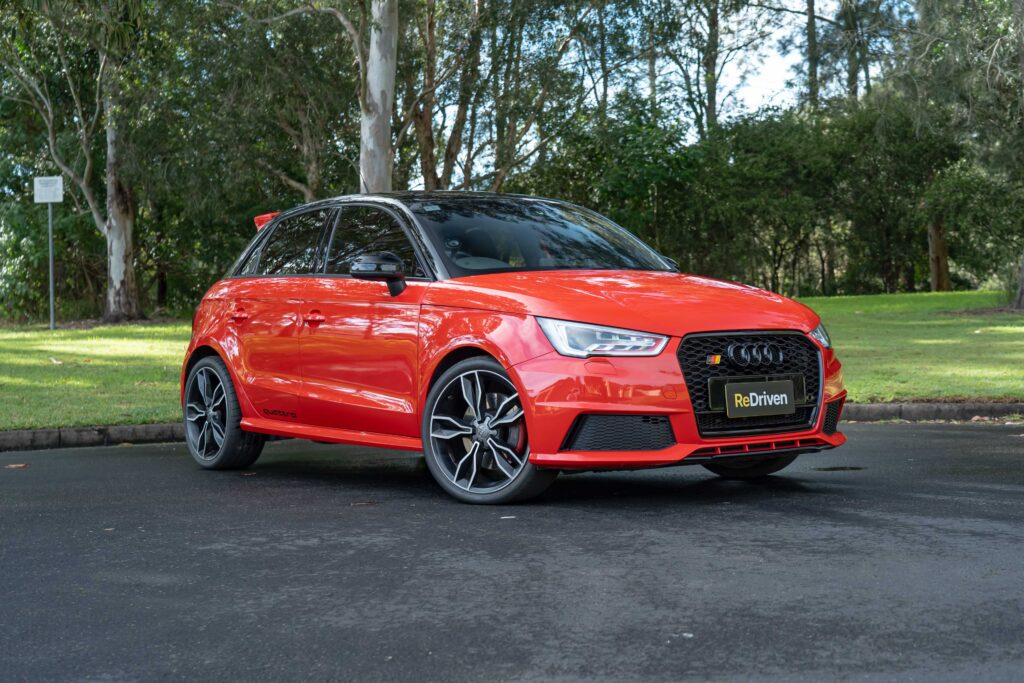
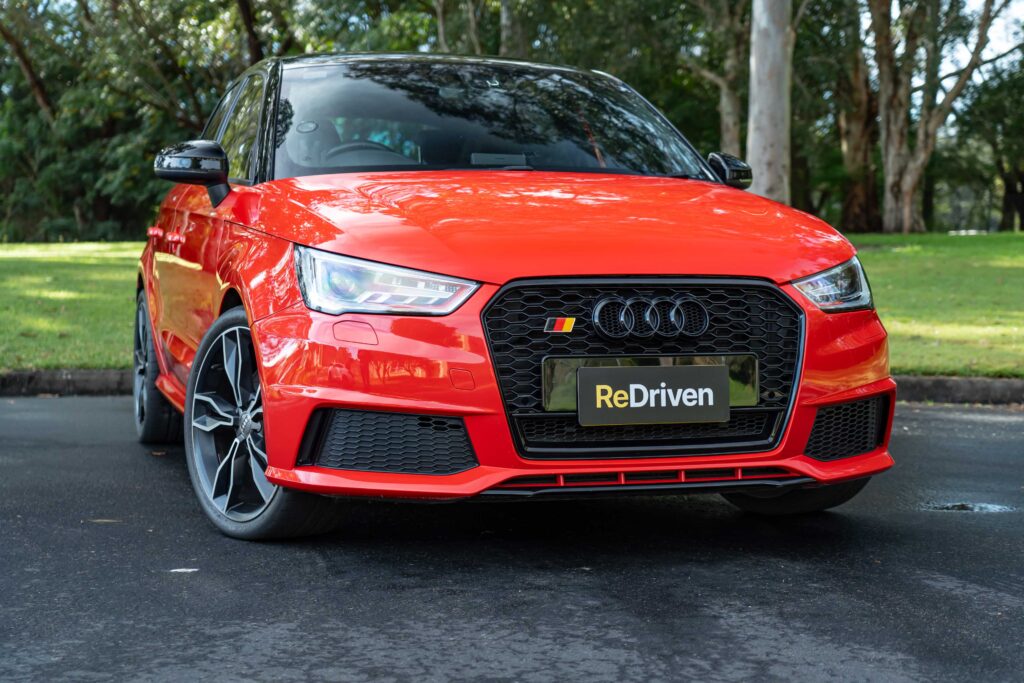
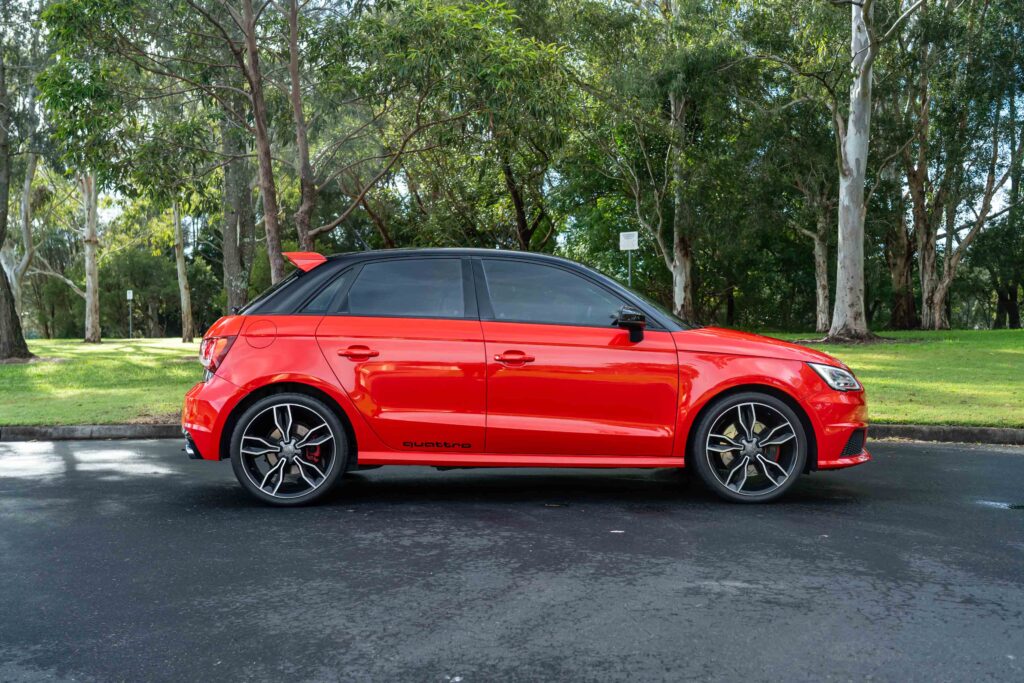
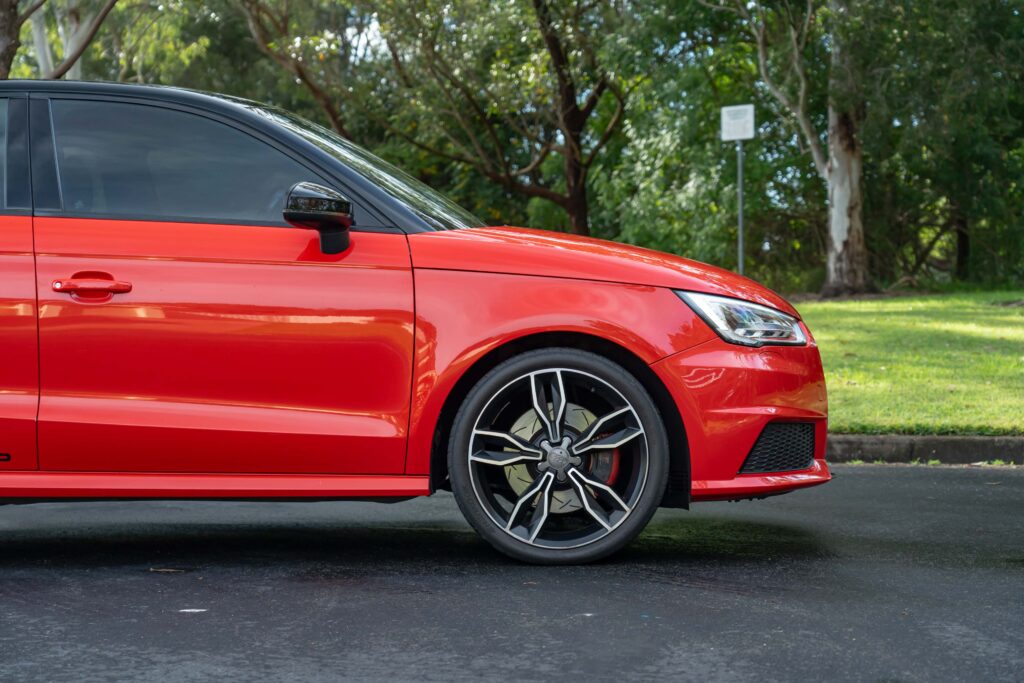
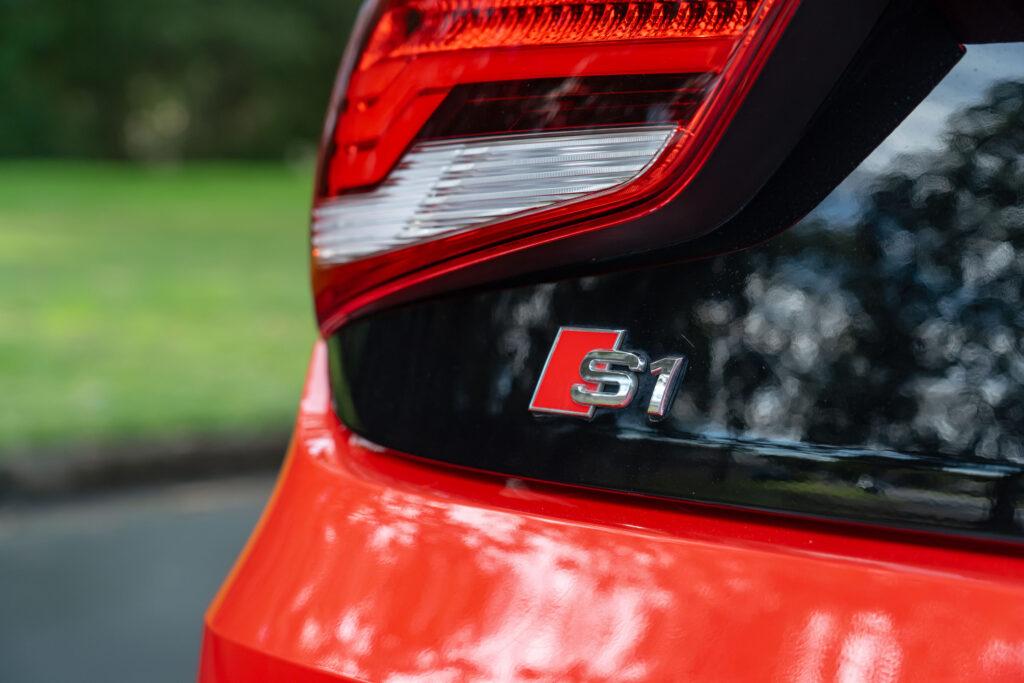
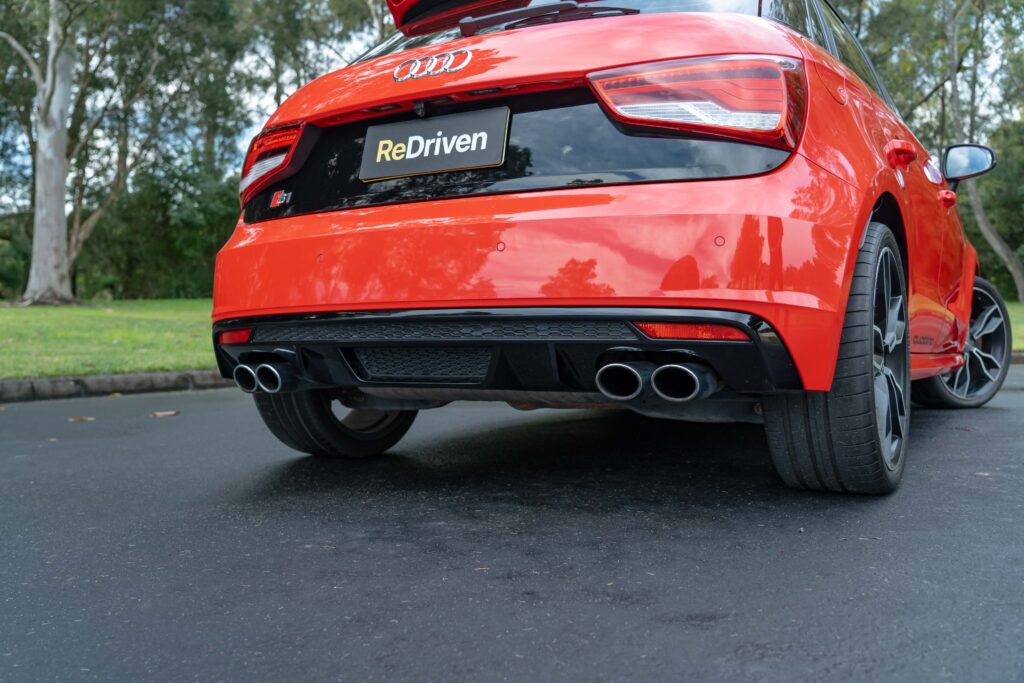
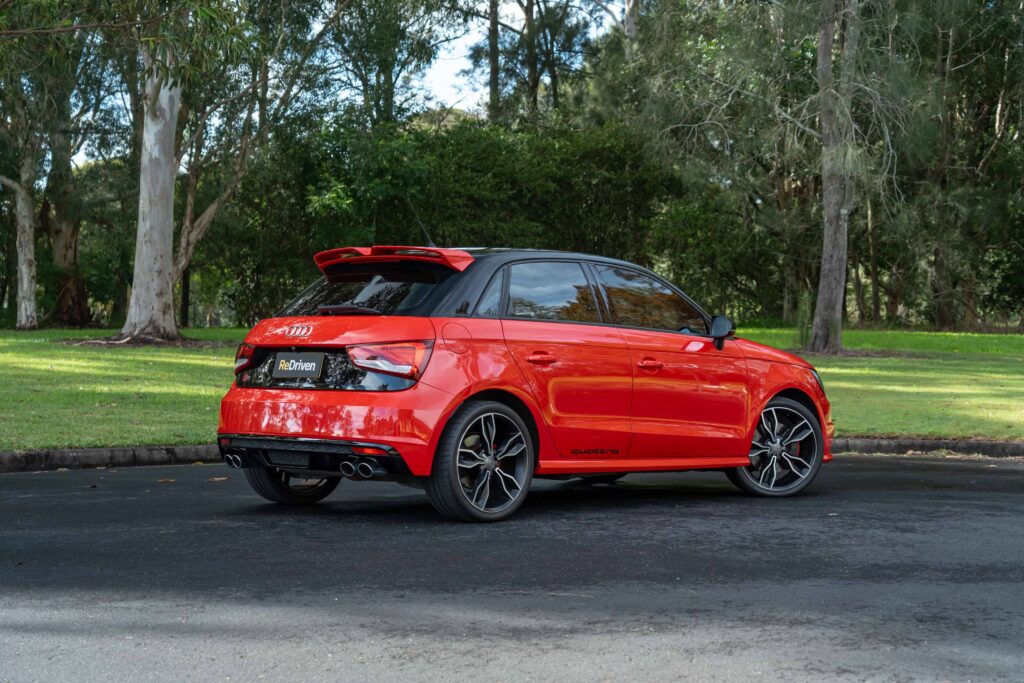
At the top of this model range is the Audi S1, which features a 2.0L turbocharged four-cylinder unit and all-wheel drive as standard. But if you want a far more exciting compact Audi, look no further than the Audi A1 quattro models.
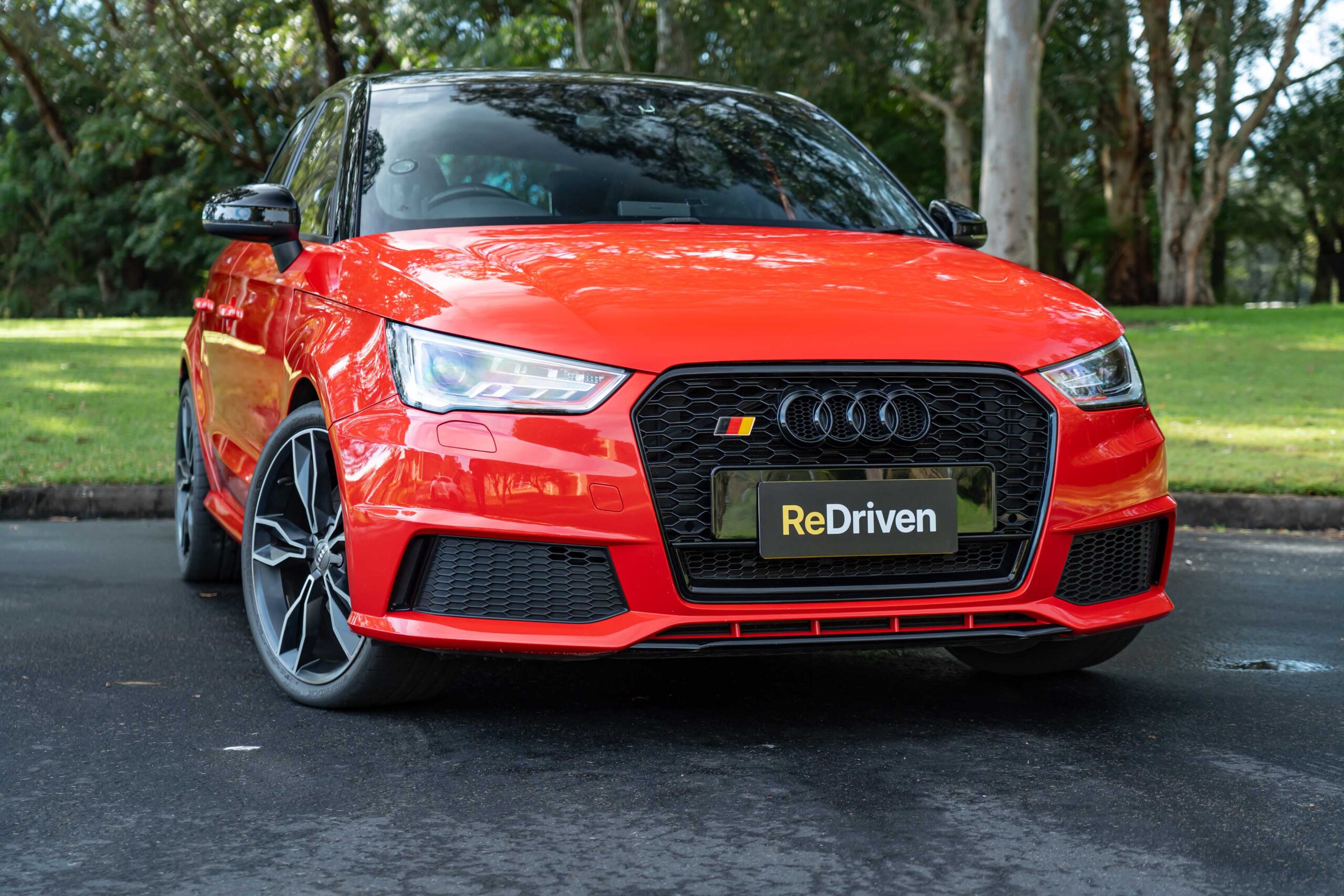
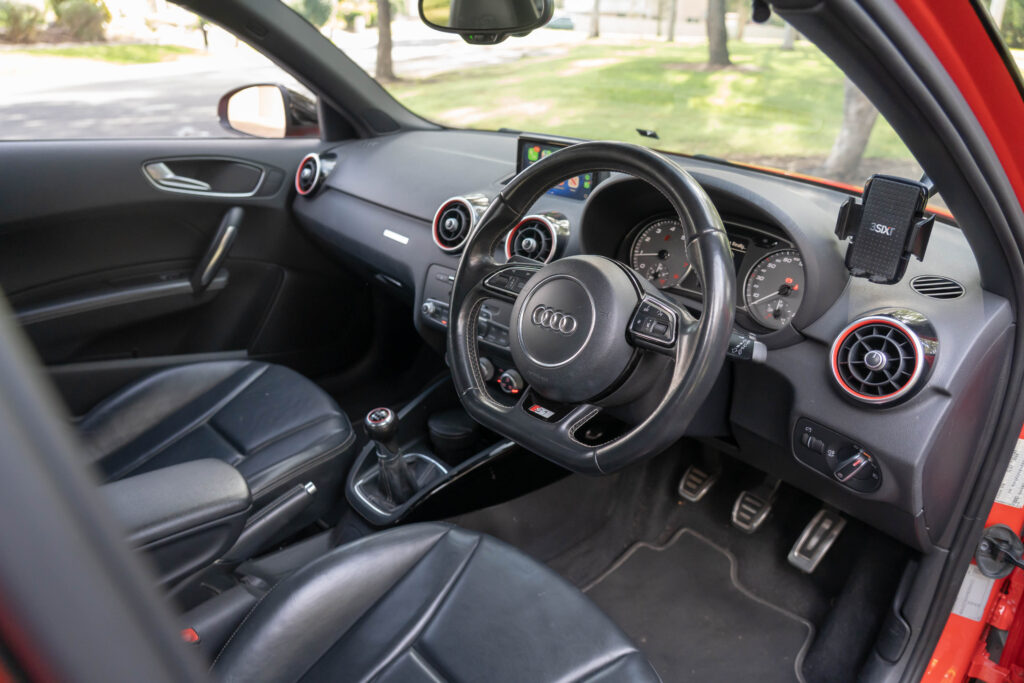
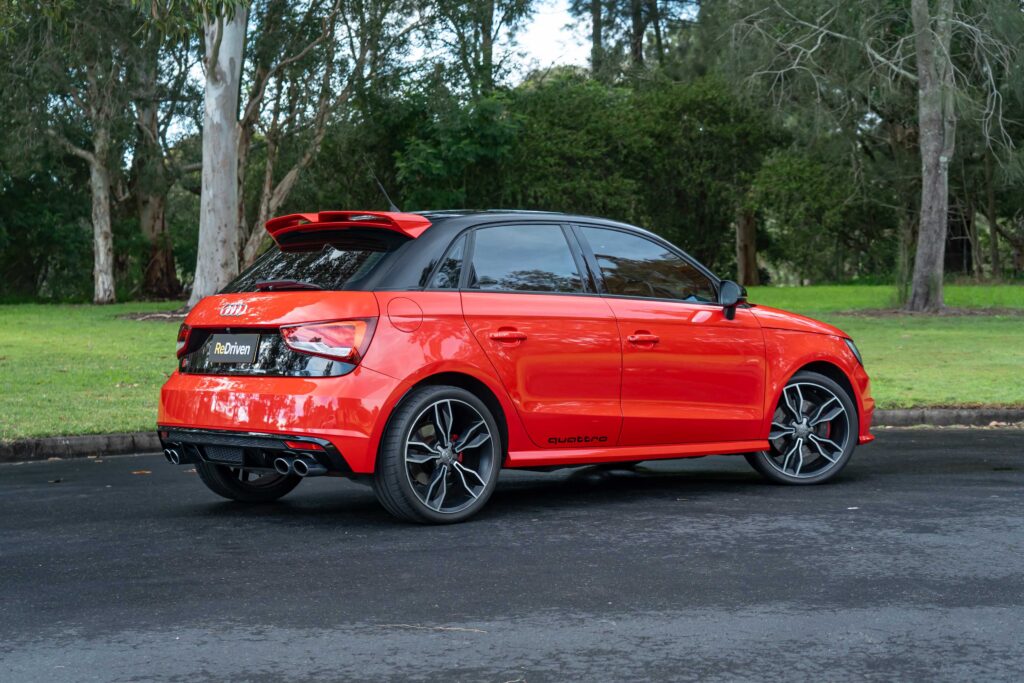
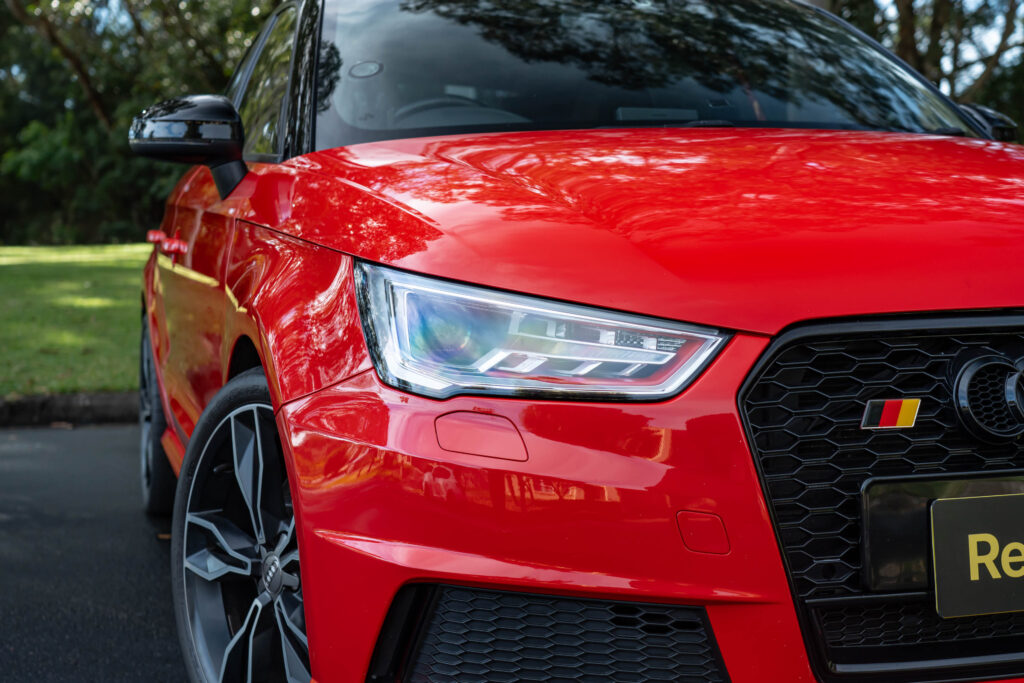
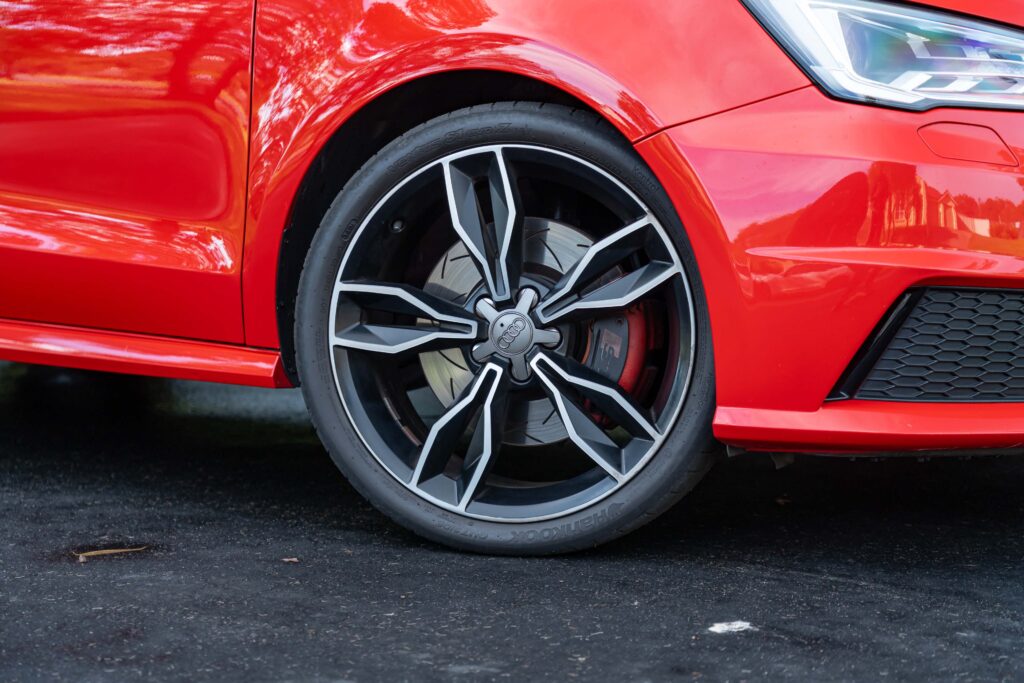
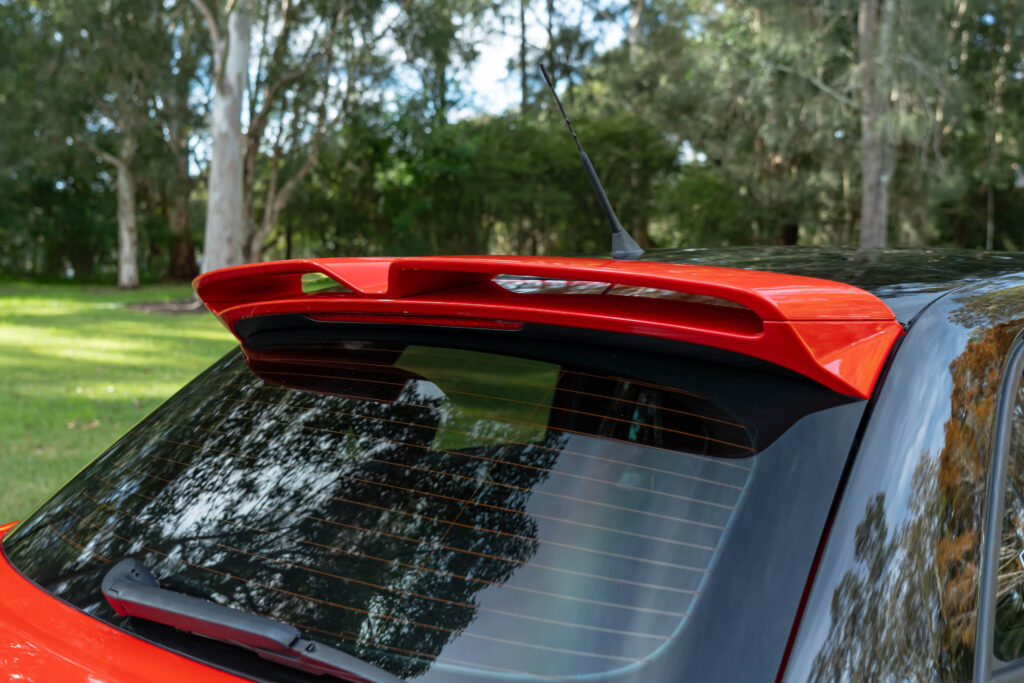
These draw inspiration from the A1 Clubsport quattro concept car; they build upon the existing performance qualities of the S1, but add unique alloy wheels, a rear spoiler, upgraded brakes, an electronic differential, and various interior details; and with just 333 units ever built, are one of the most collectible Audis ever.
As a premium compact, the Audi A1 was targeted at buyers also considering models like the Mini Cooper, Citroen DS3, Alfa Romeo MiTo, and Fiat 500, as well as legacy compact hatches such as the Toyota Yaris, Honda Fit, Mazda 2, and Ford Fiesta.
Exterior:
Being a more than five-year-old European car, some exterior issues are starting to creep up with these Audis.
Corrosion and rust were common on early models or those that reside in coastal/high humidity environments, so it’s worthwhile to check the whole exterior for any rust or paint bubbling, with the rear arches being a common spot.
Various exterior plastics can also begin to be weak and brittle now, with the underbody plastic trim panels loosening or coming off completely, and the number plate surrounds can easily disintegrate.
It’s also worthwhile to assess the condition of all the exterior trim, as some of these sections can get fatigued or become brittle with age, especially under high UV exposure.
Check that any powered exterior accessories work normally, from the exterior lights, including the LED daytime running lights (if equipped), to the power door mirrors, windows/sunroof, and door locks.
Interior:
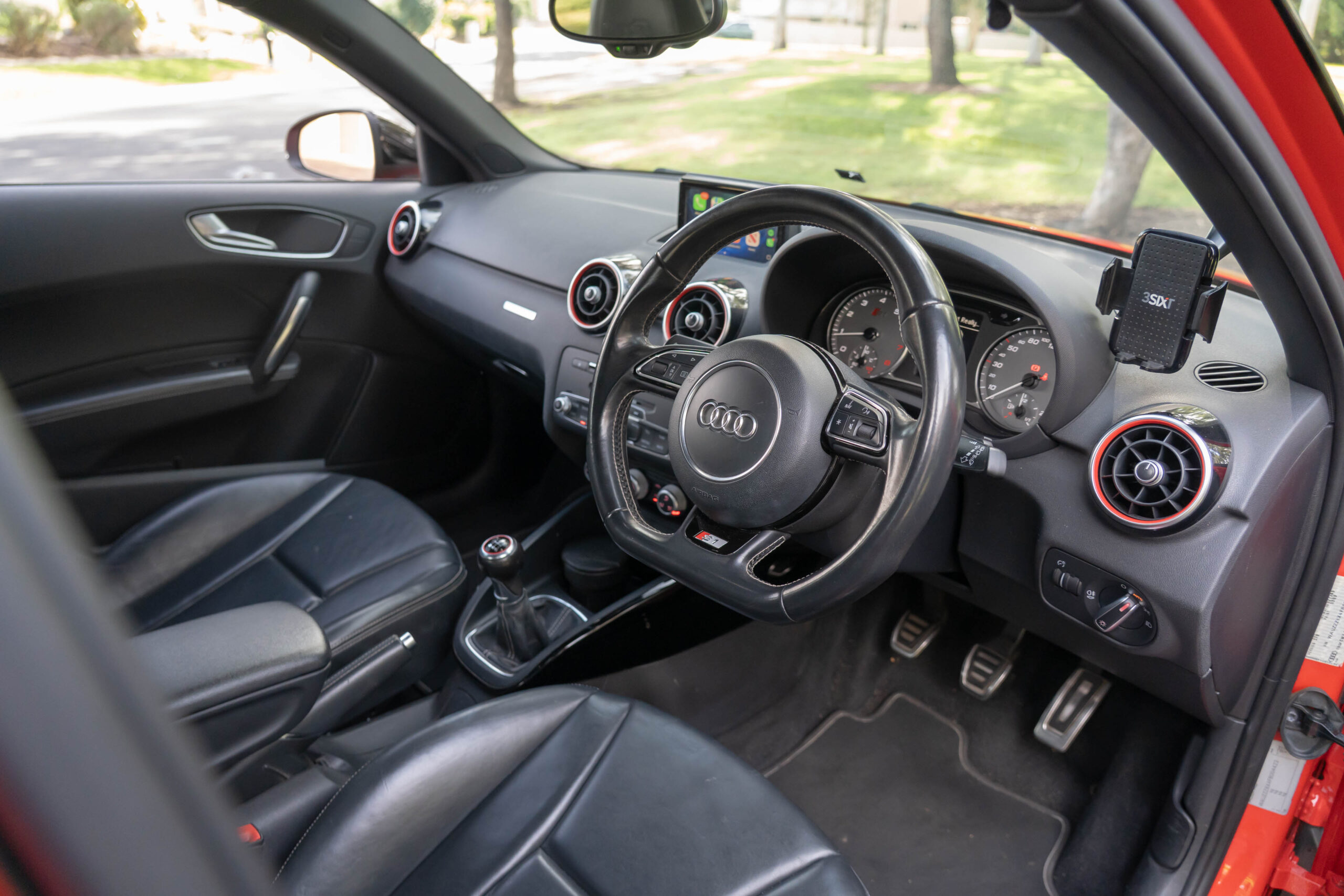
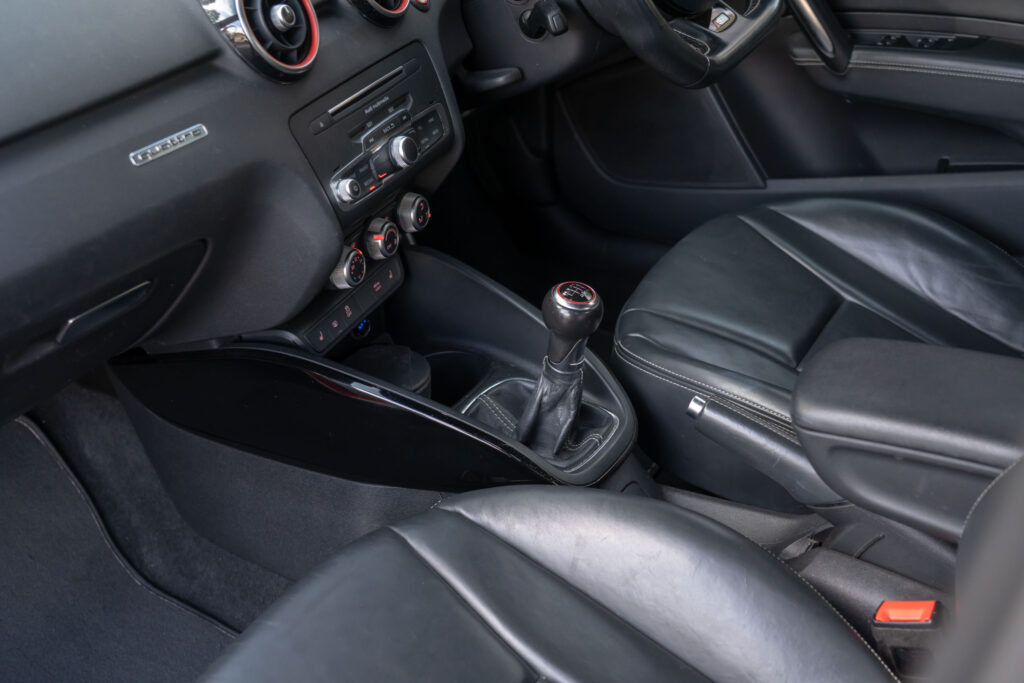
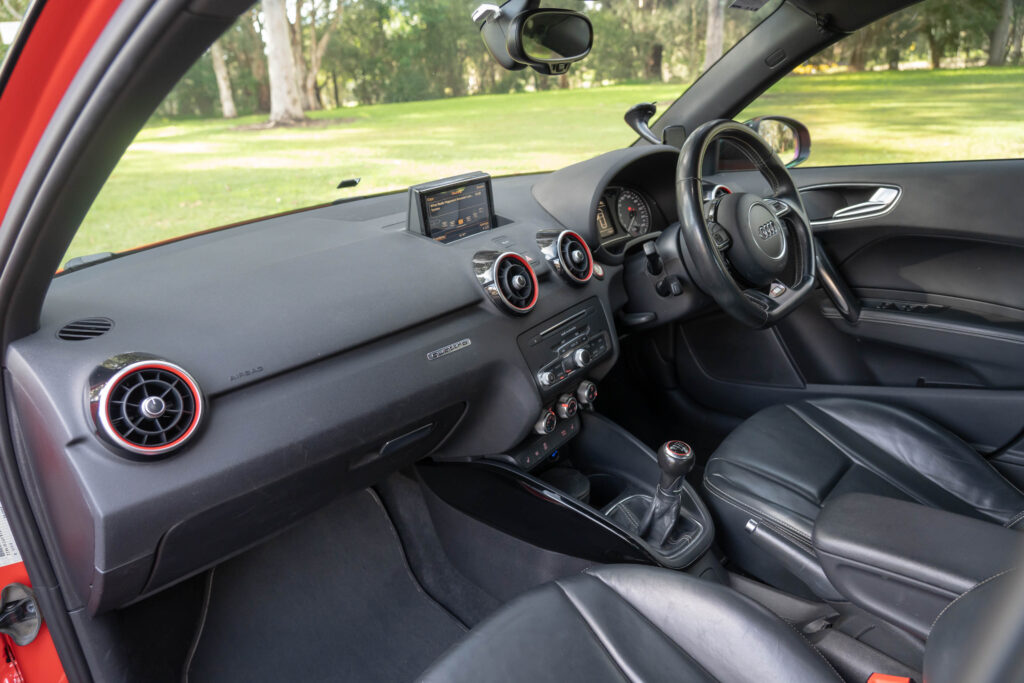
While the A1 is an Audi product, being the entry-level, aka cheapest, model meant there are some noticeable cost-cutting measures you’ll find in these cars, from the grade of materials to equipment levels (in fact, plenty of rivals in this segment have more standard features for the same price point).
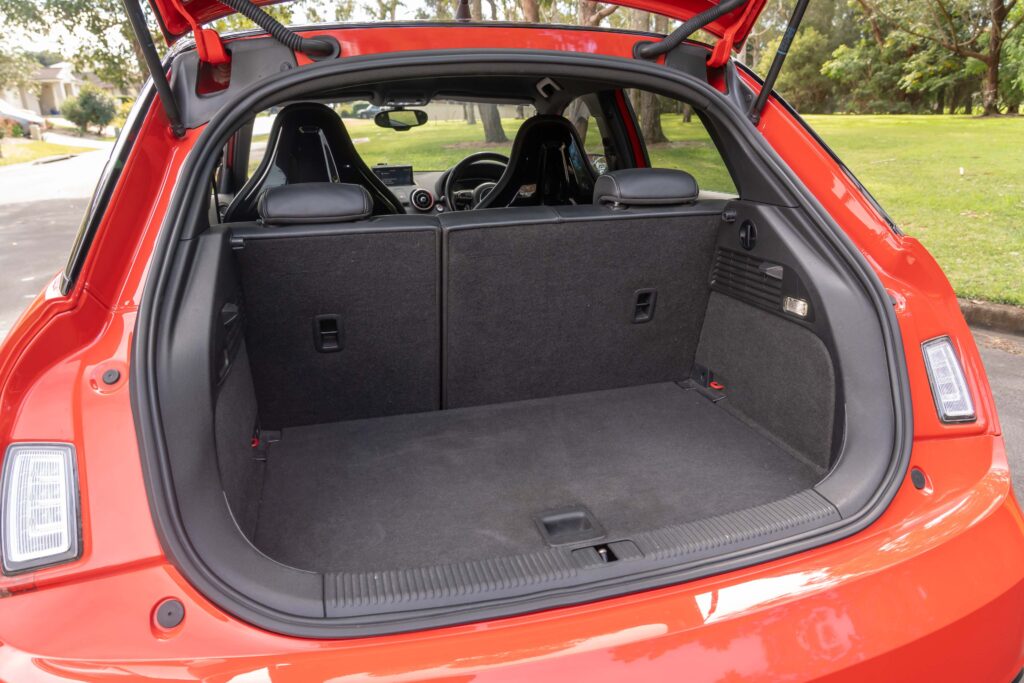
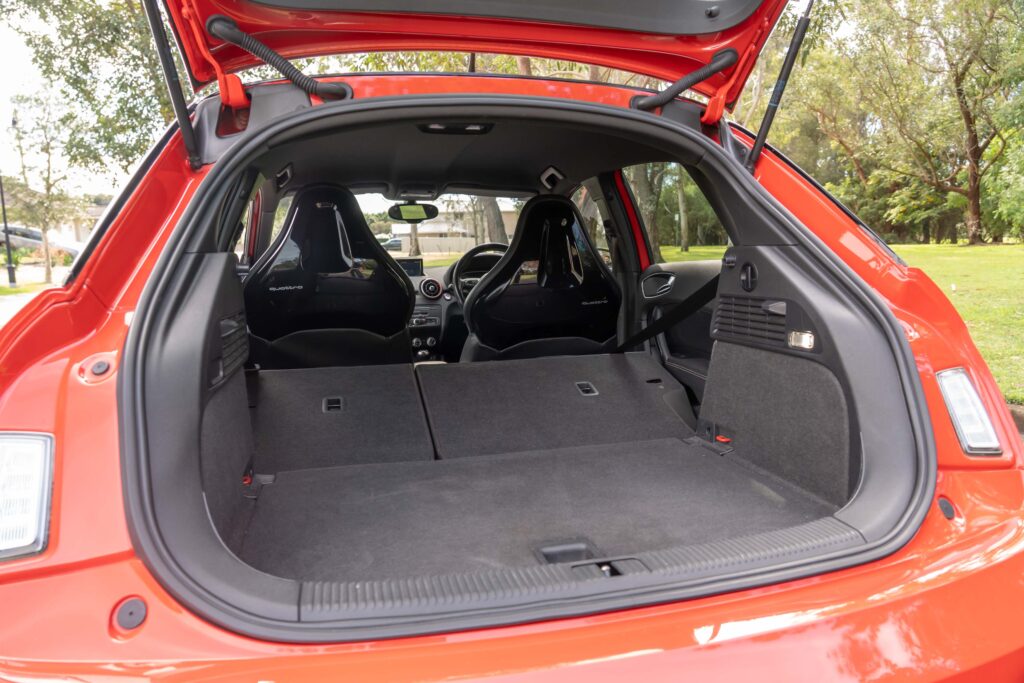
Practicality is not the A1’s strong suit – models with ‘quattro’ all-wheel drive, due to the inclusion of the system, and for S1s, more complex multi-link rear suspension, mean they occupy more rear boot space.
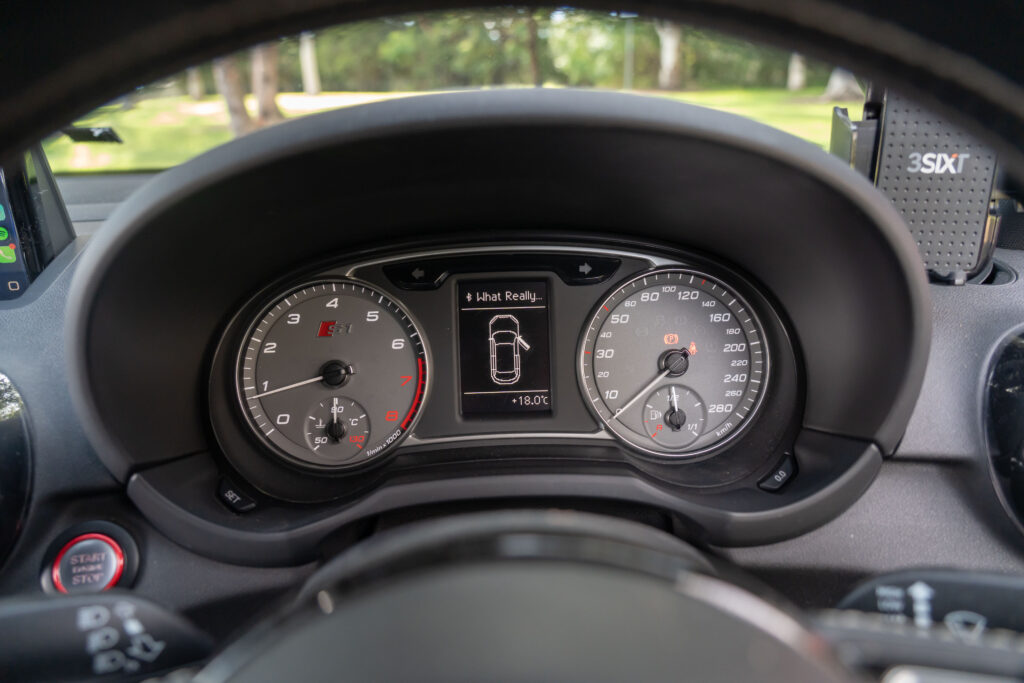
It’s also worth checking for any interior gremlins, from the electronic equipment to various interior trim sections.
The interior plastics can become brittle, especially among models in hot climates – glove box lid hinges/latches failing, and various plastic sections/trims producing rattling noises while driving.
Owners have reported steering wheel controls, from the horn to the multi-function buttons, being unresponsive or occasionally glitching out, check that they all work, and they’re relatively inexpensive to fix.
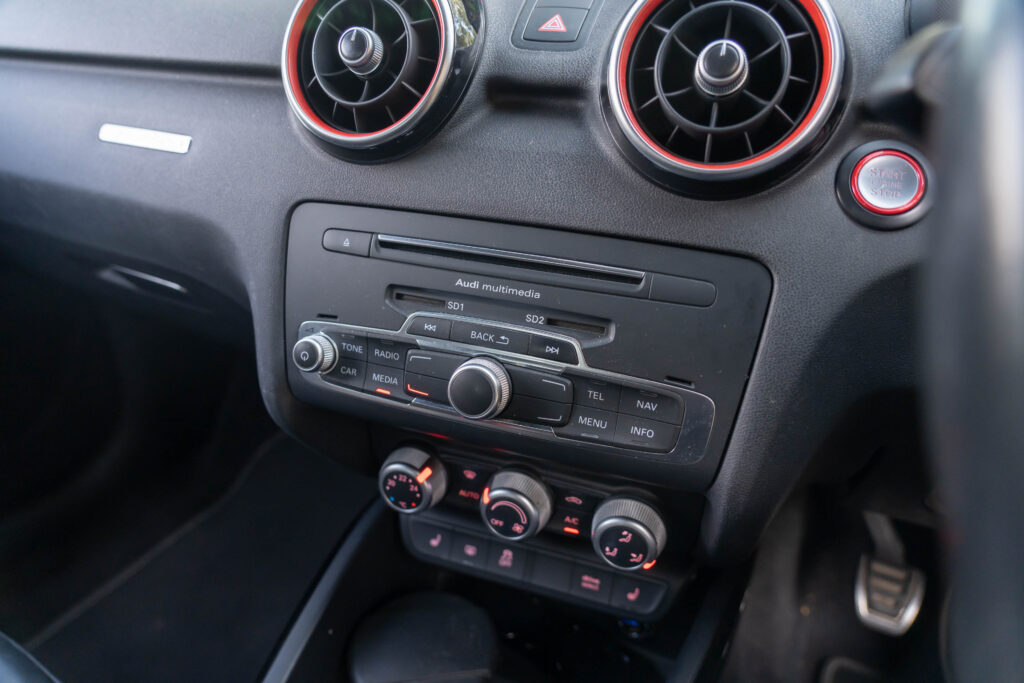
Some of the cabin buttons aren’t backlit, making them harder to find or use in dark environments or at nighttime.
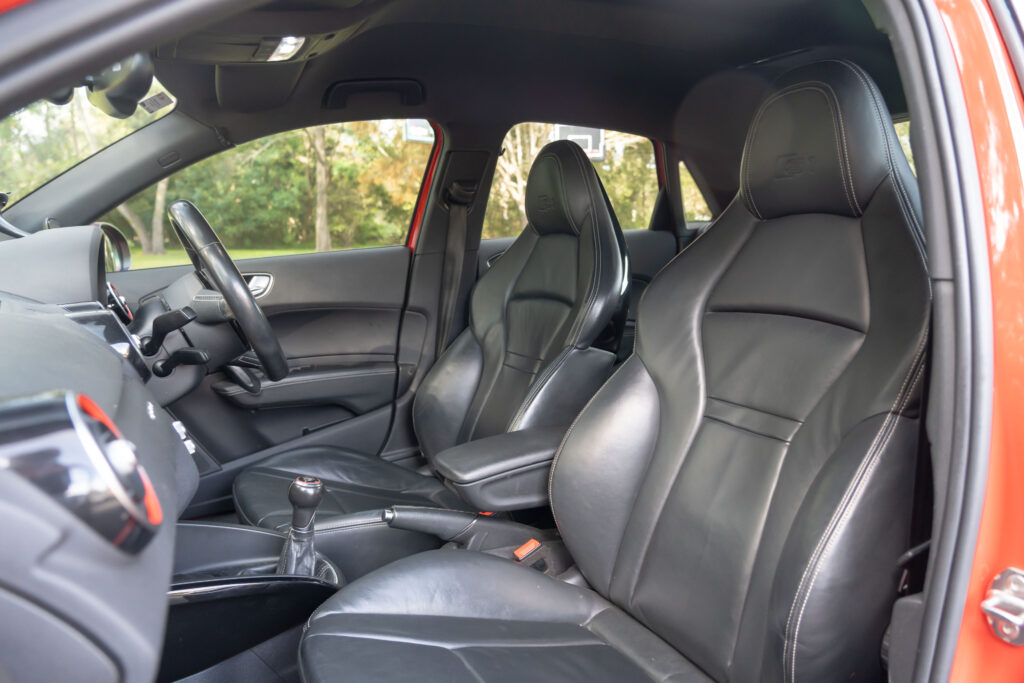
The front seat slides can also seize up, but fixing them is also inexpensive and easy to resolve.
A unique interior issue reported on the A1s is the seatbelts fraying, due to the small size of the recess on the trim – three-door models are more prone to this fraying versus five-door models, due to the extra angle they have to take.
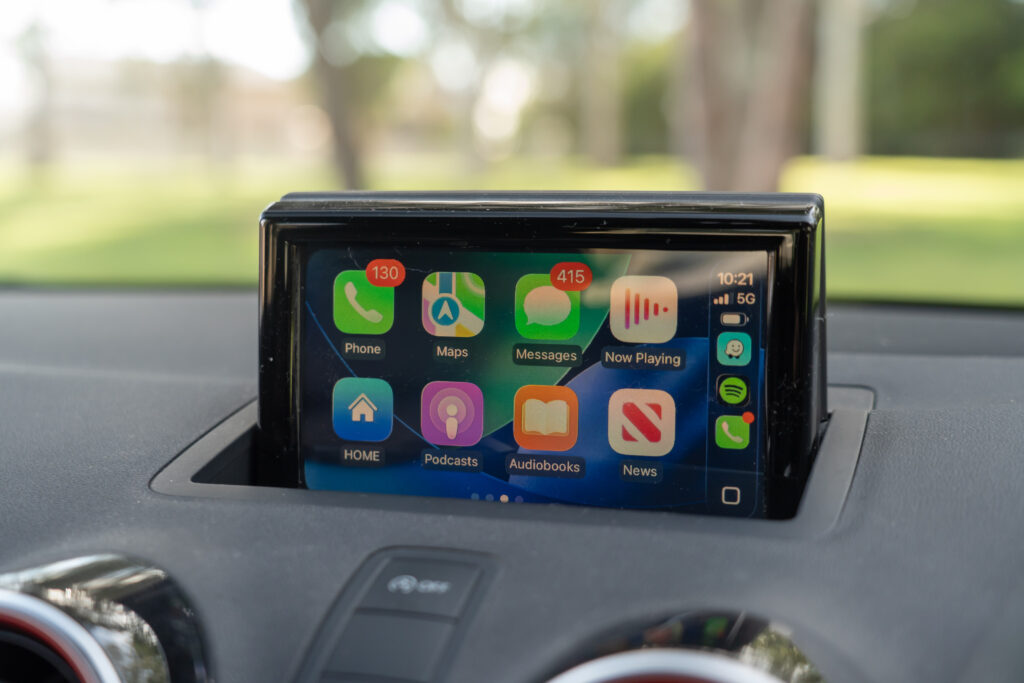
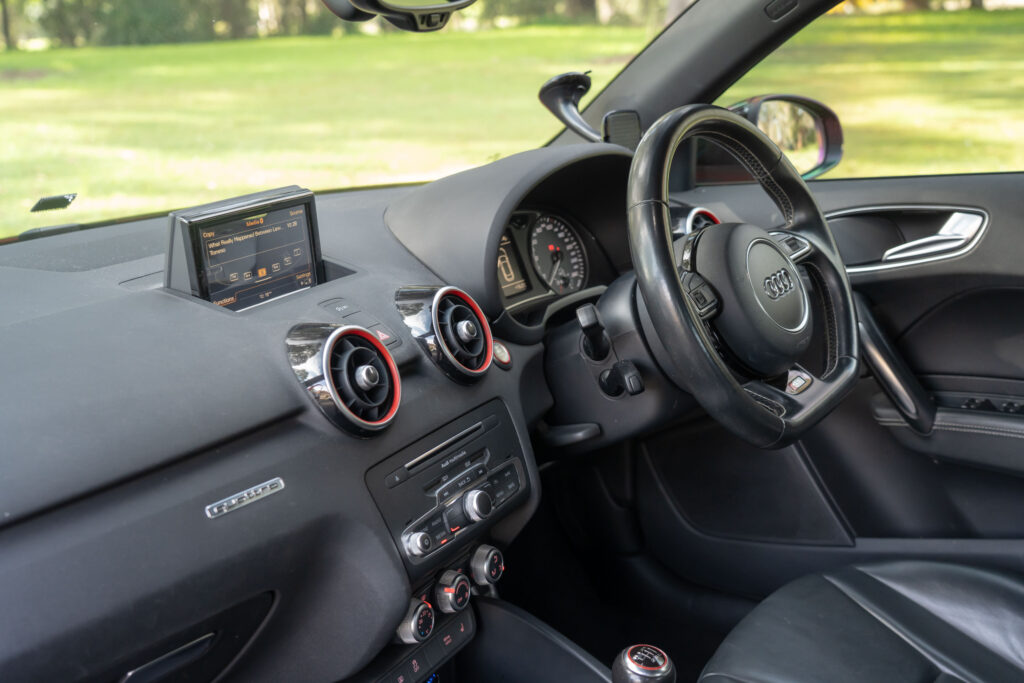
The factory Audi MMI infotainment setup fulfils basic functions, but note it has no touch inputs, being controlled entirely by a physical dial that can have a slight learning curve.
These are also fairly old systems, with occasional software glitches or connectivity dropouts, with the MMI screens also known to slowly rise or fail to rise up when they’re switched on.
While these have Bluetooth audio, this era of the MMI infotainment system predated support for Apple CarPlay/Android Auto, but there are aftermarket solutions to retrofit up-to-date mobile connectivity.
These were never originally available with a rear-view camera, but aftermarket solutions can add one if desired.
Mechanically:
Being a Volkswagen-Audi group product, it’s worth remembering that the Audi A1 shares parts in common with other VW models. So when buying/sourcing parts or getting labor quotes, do your homework and shop around.
You can save a lot of money buying Volkswagen parts that are more than sufficient, rather than paying the markup for Audi-branded replacements, or even aftermarket parts that can last longer and cost significantly less; plus, avoid the markups dealerships that also service Volkswagen/Skodas try to apply towards Audis.
Good quality performance tires are recommended to maintain the A1’s driving characteristics, but you may find those within the A1’s factory sizes aren’t readily available, meaning you’ll have to pay a premium to get compatible tires. Some owners have even gone for more affordable, alternative tire sizes as a result.
The mid-cycle update introduced for models produced after MY2015 changed the A1’s steering from a hydraulic to an electronically assisted setup, which allowed for better fuel consumption, but some complain that this caused the steering feedback to drop considerably.
Suspension components, like bushes, will likely need attention on well-used and older cars, with clunking undercarriage noises and loss of tight/accurate steering feel as signs they’re due for replacement.
In addition, those that feature adaptive struts (Dynamic Ride Control) are reported to be fairly reliable, but as they get older, owners are reporting more issues with them, and it may be worthwhile to replace them with far better, longer-lasting aftermarket suspension units.
Brake components, like pads, can also wear quickly – especially on S1s used for multiple track days or spirited driving. Aftermarket brake parts are highly recommended as well.
Engines:
1.0L turbocharged three-cylinder, 1.2L/1.4L TFSI turbocharged four-cylinder, 1.4L TFSI twin-charged four-cylinder
The smaller 1.0L three-cylinders use a timing belt, and they’re scheduled to be replaced every 90,000 kilometres. They’re also one of the easier petrol TFSI engines to work on, given their plastic water pump is located at the rear section of the engine.
Early 1.4L engines have old-school single-coil and plug leads, which often cause misfiring and are known to break easily. Later versions of these engines switched to using coil-on plugs, which are less prone to issues.
The twin-charged units (that use turbo and supercharging together) also experience a well-known water pump/supercharger clutch issue, as with other VW Group twin-charged engines.
For the benefit of those servicing these, later iterations of these 1.4L engines and the 1.2L units also have their water pumps located at the rear of the head/engine, making it one of the easier and cheaper VW water pumps to purchase and replace.
When it comes to fuel efficiency, on average, the 1.4L and 1.8L four-cylinders are reported to deliver comparable gas mileage to other petrol-powered compact rivals; only slightly outperformed by hybrid variants (Toyota Yaris/Honda Fit).
1.6L turbodiesel four-cylinder (TDI)
The timing belt on the diesels also drives the water pump, so it’s recommended to replace the pump at the same time when the belt is due for replacement.
VW Group TDIs are also susceptible to the usual number of modern diesel problems caused by poor recirculation/regeneration or filter issues – from DPF (Diesel Particulate Filter) blockage and regen issues (from multiple short drives), irregular EGR (Exhaust Gas Recirculation), and turbocharger issues.
The turbodiesels can return great fuel economy, as other TDI models are known for, but note there aren’t as many diesel-powered A1s on the used market compared to more popular petrol models.
1.8L/2.0L TFSI turbocharged four-cylinder (EA888)
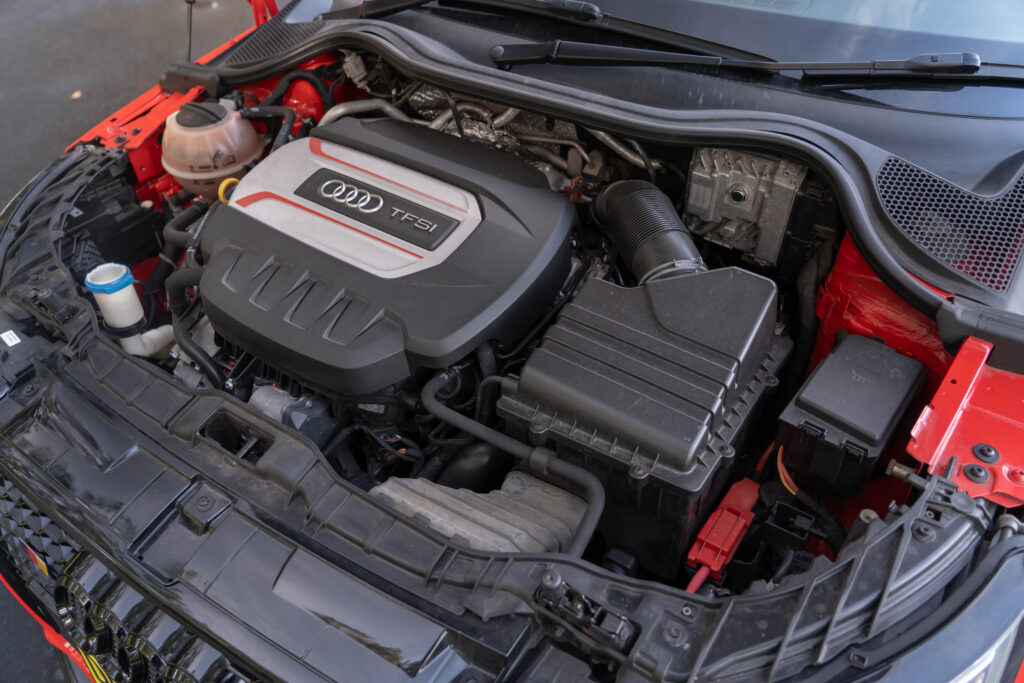
The higher-spec standard A1s featured the more powerful 1.8L TFSI engine, as well as the performance-spec S1s, which used the 2.0L turbo four-cylinder shared with other VW Group hot hatch models (VW Golf/Polo GTI, Skoda Fabia VRS).
The EA888 variant of this Volkswagen Group 2.0L turbocharged four-cylinder has a list of well-known mechanical issues – the same still applies here for its applications in Audi A1s.
The water pump on the EA888 four-cylinder is the most expensive and common item to go wrong with this engine. It can fail very early in the car’s life and frequently.
Early versions had a reputation for timing chain issues and excessive oil consumption. In more recent iterations, Volkswagen/Audi adopted better quality assurance on these engines, and they’ve improved over the years, but the water pump remains problematic.
When replacing the water pump, it’s advisable to choose a higher-quality aftermarket unit that lasts longer, rather than a factory OEM part.
Other issues to look out for, as highlighted in previous reviews of the EA888 engines, include inlet manifold and swirl flap problems, along with leaks from the PCV system that lead to air-fuel ratio and cam solenoid failures.
The EA888s attract a lot of potential for aftermarket modification and tuning, with sizeable aftermarket support for these engines. But as we advise with other models, any amount of tuning to make these generate more power from factory can stress internal components and, if not done correctly, can seriously damage the engine.
Transmissions:
The manual transmissions are the more reliable, safer option compared to the S-Tronics. If you have the skill and are willing to drive one, it’s highly recommended to go for one of these.
The S-Tronic dual-clutch, as observed in other Audi applications and its VW counterparts, has a track record of known mechatronic and clutch issues, which can be expensive to resolve.
Indicators of these dual-clutch problems include jerkiness/delays when engaging gears, being slow to respond/change gear unless you really apply a lot of throttle kickdown, or inoperable transmissions that fail to engage certain gears or change gear at all.
It’s essential to keep these S-Tronics regularly serviced – ideally every 40,000 kilometres, with regular transmission fluid changes and any other required preventive maintenance performed.
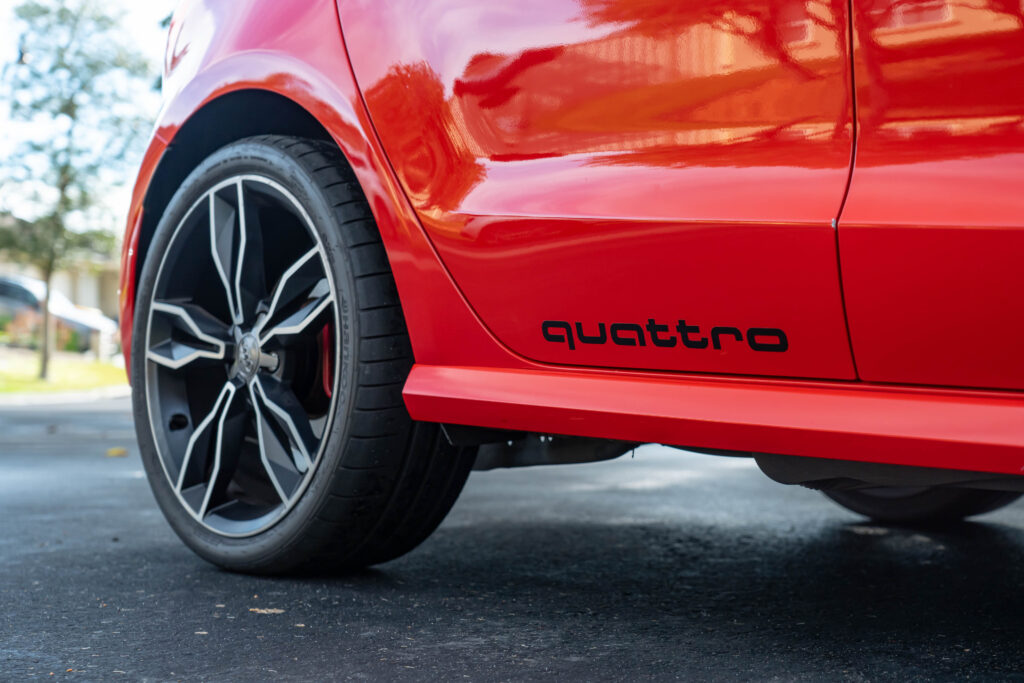
The S1s use Audi’s ‘Quattro’ all-wheel drive system, which features a Haldex differential as part of their setup – pay attention to the condition of the Haldex coupling at the rear, and that power drives all four wheels as intended. The Haldex differential can be relatively trouble-free if it’s been serviced regularly.
Price ranges for first-gen Audi A1s start from as low as $4,000 for the oldest, entry-level, smaller engine models. Work your way up to around $20-25,000, and you’ll find most post-update examples with bigger/updated engines, with the most expensive at around $35,000 for the top-spec S1s.
Regular A1s are continuing to depreciate as years go on (though at a much slower pace compared to when they were first new), but figures suggest that might not be the case for mint-condition Audi S1s.
The S1’s package of a 2.0L turbocharged engine, all-wheel drive, and a manual transmission in a compact-sized hatchback is a recipe we doubt will ever happen again, and if you’re looking for something that offers future classic material, it is worth considering.
Both the standard A1s and S1s were available with several option packs that added better grades of equipment, and we recommend targeting one that has at least one of them – for S1s, the S Performance Pack (Nappa leather, red brake calipers) and for standard A1s, the 1.8L S-Lines are where we put our money.
We’d ignore the bottom-spec A1s or any that feature the twin-charged engines when getting the most out of your money and reliability is concerned. For what they ask for on the used market, many other options within the same price range are far better, such as the Mazda 2, Honda Jazz, and Toyota Yaris.
However, if you find a great example of an A1 S-Line model with the 1.8L engine, with a meticulous service history and no concerns over its mechanical state, we reckon they’re great value for a daily driver worth the prices they’re currently asking for (~$15-20,000).
If you really want the best possible A1 that could appreciate in future years, the S1S are great candidates to shortlist; and if you happen to land one of the very exclusive 333 A1 Quattros, you have something with high potential as a collectable investment.
We know they don’t make a lot of sense, and you need the mindset of an Audi enthusiast to justify investing in their upkeep and living with their potential concerns, but well-looked-after examples that are in great condition can be a great option as a compact hot hatch.


Co-creator, presenter & writer, ReDriven

Yes. But only the right example.
Great range to choose from on the used market
All the Audi vibes, for not a whole lot of money
S1 is such a unique little firecracker of a car
Some engines are terrible for reliability
Very expensive parts and maintenance costs
Makes very little financial sense
 7 days ago
 3 weeks ago
 2 months ago